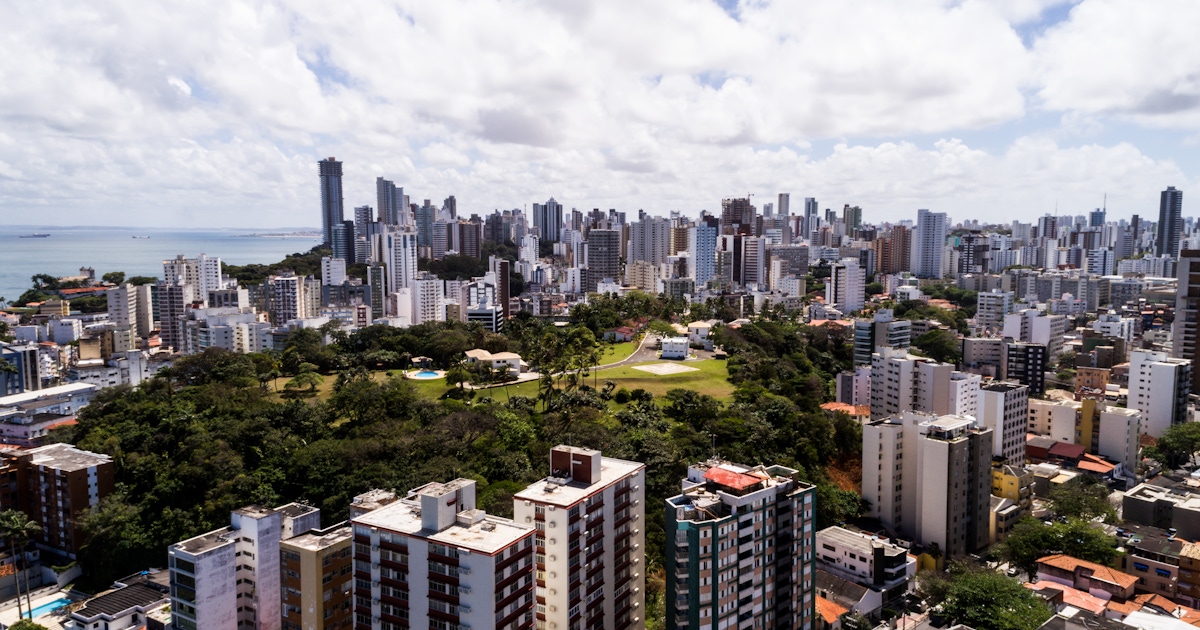
Maryland may be a small state, but it offers a remarkable mix of coastal towns, historic cities, Chesapeake Bay scenery, mountain escapes, national historic sites, beaches, museums, seafood, state parks and charming small towns. Known as “America in Miniature”, Maryland gives travellers a little bit of everything: Atlantic beaches, blue crab feasts, harbour towns, Civil War history, forested mountains and easy city breaks.
From the energy of Baltimore to the colonial charm of Annapolis, the beach fun of Ocean City, the wild horses of Assateague Island, the mountain beauty of Deep Creek Lake and the historic towns of the Eastern Shore, Maryland is ideal for road trips, family holidays, romantic weekends and nature escapes.
Why Visit Maryland?
Maryland is perfect for travellers who want variety without long distances. You can walk through a historic harbour town in the morning, eat crab cakes by the Chesapeake Bay for lunch, explore a battlefield in the afternoon and relax in a mountain lodge by evening.
The state is especially strong for history, seafood and water-based travel. Annapolis has colonial streets and sailing culture, Baltimore has museums and waterfront attractions, the Eastern Shore has quiet bay towns and wildlife refuges, and western Maryland offers lakes, forests and mountain scenery.
Best Places to Visit in Maryland
Baltimore
Baltimore is Maryland’s largest city and one of the best places to start a trip through the state. It is known for its Inner Harbor, museums, historic neighbourhoods, seafood restaurants, sports venues and cultural attractions.
Top things to do in Baltimore include visiting the National Aquarium, exploring the Inner Harbor, touring Fort McHenry National Monument and Historic Shrine, walking around Fell’s Point, visiting the American Visionary Art Museum and enjoying local seafood. The city also has strong sports, music and arts scenes.
Best for: first-time visitors, museums, seafood, families, history, waterfront walks and city breaks.
Inner Harbor
Baltimore’s Inner Harbor is one of Maryland’s most recognised waterfront areas. It is home to major attractions, harbour views, restaurants, museums, historic ships and walking paths.
Families often enjoy the National Aquarium and Maryland Science Center, while history lovers can explore nearby ships and maritime sites. The Inner Harbor is also a useful base for first-time visitors because many attractions are within walking distance.
Best for: families, harbour views, museums, restaurants, walking and first-time Baltimore visitors.
Fort McHenry National Monument and Historic Shrine
Fort McHenry is one of Maryland’s most important historic sites. It is best known for its role in the War of 1812 and its connection to the writing of “The Star-Spangled Banner”.
Visitors can tour the fort, walk the grounds, learn about Baltimore’s harbour defence and enjoy views over the water. It is a meaningful stop for anyone interested in American history.
Best for: history lovers, families, national park sites, educational travel and Baltimore sightseeing.
Annapolis
Annapolis is Maryland’s capital and one of the most beautiful historic towns in the United States. Set on the Chesapeake Bay, it is known for colonial architecture, brick streets, sailing, waterfront dining, boutiques and the United States Naval Academy.
Visitors can walk through the historic district, tour the Maryland State House, explore City Dock, take a sailing cruise, visit the Naval Academy and enjoy seafood by the water. Annapolis is especially appealing for couples, history lovers and travellers who enjoy walkable towns with atmosphere.
Best for: history, sailing, couples, seafood, waterfront dining, architecture and weekend escapes.
United States Naval Academy
The United States Naval Academy is one of Annapolis’s major landmarks. Visitors can take guided tours, see historic buildings, visit the chapel and learn about naval training and traditions.
The academy grounds are beautiful and close to downtown Annapolis, making it easy to combine with a harbour walk or historic district visit.
Best for: military history, architecture, families, educational travel and Annapolis sightseeing.
Ocean City
Ocean City is Maryland’s best-known beach resort town. Located on the Atlantic Coast, it has a long sandy beach, a lively boardwalk, amusement rides, restaurants, shops, nightlife and family attractions.
Visitors can swim, sunbathe, cycle the boardwalk in the morning, enjoy seafood, visit amusements and take boat trips. Ocean City is busiest in summer, but spring and autumn can be excellent for a quieter beach escape.
Best for: families, beaches, boardwalk fun, summer holidays, nightlife and classic coastal trips.
Assateague Island National Seashore
Assateague Island National Seashore is one of Maryland’s most distinctive natural destinations. This barrier island is known for sandy beaches, salt marshes, maritime forests, coastal bays and wild horses. The island stretches along the Maryland and Virginia coast, with much of the Maryland district managed by the National Park Service. 2
Visitors can enjoy beach walks, wildlife viewing, camping, kayaking, photography and peaceful coastal scenery. The wild horses are a major highlight, but visitors should never feed or approach them.
Best for: wildlife, beaches, camping, photography, nature lovers and quiet coastal escapes.
Assateague State Park
Assateague State Park is Maryland’s oceanfront state park on Assateague Island. It offers beach access, camping, fishing, swimming, wildlife viewing and access to coastal scenery close to Ocean City.
This is a good option for travellers who want a more natural beach experience than Ocean City while still staying near the main resort area.
Best for: camping, beach walks, families, wildlife, fishing and nature-based coastal stays.
Eastern Shore
Maryland’s Eastern Shore is one of the state’s most scenic and relaxed regions. It is known for Chesapeake Bay towns, seafood, farms, rivers, wildlife refuges, historic streets and quiet waterfront views.
Popular places include St. Michaels, Easton, Cambridge, Chestertown, Oxford and Crisfield. The Eastern Shore is ideal for slow travel, romantic weekends, scenic drives and seafood-focused trips.
Best for: seafood, small towns, bay views, couples, scenic drives and relaxed road trips.
St. Michaels
St. Michaels is one of Maryland’s most charming Chesapeake Bay towns. It is known for its harbour, boutiques, restaurants, historic homes and the Chesapeake Bay Maritime Museum.
Visitors can walk through town, enjoy waterfront dining, take a boat cruise, visit the museum and relax in a classic bay-side setting. St. Michaels is especially popular for romantic weekends.
Best for: couples, maritime history, seafood, boutique stays, harbour views and weekend breaks.
Chesapeake Bay Maritime Museum
The Chesapeake Bay Maritime Museum in St. Michaels is one of the best places to learn about the region’s boating, fishing, crabbing and maritime traditions.
The museum’s waterfront setting makes it enjoyable for both history lovers and casual visitors. It is a strong addition to any Eastern Shore itinerary.
Best for: maritime history, families, Chesapeake Bay culture, boat lovers and St. Michaels visitors.
Easton
Easton is a graceful Eastern Shore town known for historic architecture, galleries, restaurants, boutiques and a refined small-town atmosphere. It is close to St. Michaels and Oxford, making it a useful base for exploring the region.
Visitors can browse shops, enjoy local dining, visit art galleries and use Easton as a quieter alternative to busier waterfront towns.
Best for: food, art, shopping, history, couples and Eastern Shore road trips.
Cambridge
Cambridge sits along the Choptank River and offers a mix of history, waterfront views, local restaurants and access to nature. It is one of the best bases for visiting Blackwater National Wildlife Refuge.
Visitors can walk through the historic downtown, enjoy riverfront dining, visit local museums and explore nearby wildlife areas. Cambridge is also connected to Harriet Tubman history and the broader story of the Underground Railroad.
Best for: history, wildlife, river views, food, scenic drives and cultural travel.
Blackwater National Wildlife Refuge
Blackwater National Wildlife Refuge is one of Maryland’s best places for birdwatching and wildlife viewing. Located near Cambridge, it protects wetlands, forests and waterways that provide habitat for migratory birds and other wildlife.
Visitors can drive the wildlife route, walk short trails, kayak in suitable areas and look for bald eagles, waterfowl and marshland scenery.
Best for: birdwatching, photography, wildlife, kayaking, peaceful drives and nature lovers.
Harriet Tubman Underground Railroad National Historical Park
The Harriet Tubman Underground Railroad National Historical Park and nearby visitor centre help tell the story of Harriet Tubman’s life, courage and connection to Maryland’s Eastern Shore.
Visitors can learn about Tubman’s early life, the Underground Railroad and the landscapes that shaped her story. It pairs well with Cambridge, Blackwater National Wildlife Refuge and other Eastern Shore heritage routes.
Best for: history lovers, civil rights history, educational travel, families and Eastern Shore itineraries.
Chestertown
Chestertown is a historic town on the Chester River, known for colonial architecture, waterfront views, independent shops, galleries and a peaceful atmosphere.
Visitors can stroll the historic district, visit the riverfront, browse local stores and enjoy a slower Eastern Shore experience. Chestertown is especially pleasant for couples and history-focused travellers.
Best for: history, architecture, river views, shopping, couples and quiet weekends.
Oxford
Oxford is a small waterfront town with a calm, old-fashioned Chesapeake Bay feel. It is known for quiet streets, historic homes, marinas, seafood and ferry access across the Tred Avon River.
Visitors can walk or cycle through town, enjoy ice cream, eat by the water and include Oxford as part of a St. Michaels and Easton loop.
Best for: quiet stays, cycling, waterfront dining, couples and scenic Eastern Shore drives.
Crisfield
Crisfield is a working waterfront town in southern Maryland’s Eastern Shore region. It is known for crabbing, seafood, Tangier Sound views and ferry access to Smith Island.
Visitors can enjoy seafood, walk the waterfront, take boat trips and experience a less polished but authentic side of Chesapeake Bay life.
Best for: seafood, crabbing culture, boat trips, photography and off-the-beaten-path travel.
Smith Island
Smith Island is Maryland’s only inhabited offshore island in the Chesapeake Bay and is known for watermen culture, quiet village life and the famous Smith Island cake.
Visitors typically reach the island by ferry from Crisfield or other seasonal departure points. It is a unique destination for travellers interested in Chesapeake Bay heritage and slow, local travel.
Best for: Chesapeake culture, island day trips, food, photography and quiet exploration.
Deep Creek Lake
Deep Creek Lake is Maryland’s largest inland lake and one of the top destinations in western Maryland. The area is known for boating, fishing, swimming, hiking, skiing, cabins and year-round outdoor recreation.
Deep Creek Lake State Park sits beside the lake and includes forest, trails, lake access and outdoor facilities in Garrett County. 3
In summer, visitors enjoy water sports and lake holidays. In winter, nearby Wisp Resort offers skiing and snow activities, making Deep Creek one of Maryland’s best four-season escapes.
Best for: lake holidays, families, cabins, skiing, boating, fishing and mountain escapes.
Wisp Resort
Wisp Resort is a popular mountain resort near Deep Creek Lake. It is best known for skiing and snowboarding in winter, but the area also offers warm-weather activities such as mountain biking, golf and adventure experiences.
Wisp works well for families and groups who want outdoor recreation with easy access to lake accommodation and restaurants.
Best for: skiing, families, outdoor adventure, winter trips and Deep Creek Lake holidays.
Swallow Falls State Park
Swallow Falls State Park is one of western Maryland’s most beautiful natural areas. It is known for waterfalls, hemlock forest, hiking trails and the scenic Youghiogheny River.
Muddy Creek Falls is a major highlight and one of Maryland’s most photographed waterfalls. The park is especially appealing in autumn and after rain, when the forest and waterfalls are at their most dramatic.
Best for: waterfalls, hiking, photography, families, autumn colour and western Maryland road trips.
Frederick
Frederick is one of Maryland’s best small cities, offering a charming historic downtown, restaurants, shops, breweries, galleries and easy access to Civil War sites and mountain parks.
Visitors can walk along Carroll Creek, explore downtown streets, visit local museums, enjoy dining and use Frederick as a base for nearby attractions such as Catoctin Mountain Park, Monocacy National Battlefield and Antietam.
Best for: food, history, shopping, breweries, couples and weekend breaks.
Antietam National Battlefield
Antietam National Battlefield near Sharpsburg is one of Maryland’s most important Civil War sites. It preserves the landscape of the Battle of Antietam, one of the most significant and deadly battles of the Civil War.
Visitors can tour the battlefield, stop at interpretive points, walk trails and reflect on the history of the site. It is a powerful and educational stop for history-focused travellers.
Best for: Civil War history, educational travel, quiet reflection, road trips and heritage tourism.
Hagerstown
Hagerstown is a useful base for exploring western Maryland history, parks and scenic drives. The city has museums, parks, shopping and access to several nearby historic sites.
Visitors can combine Hagerstown with Antietam, South Mountain, Fort Frederick State Park, the C&O Canal and scenic routes through the Appalachian foothills.
Best for: road-trip bases, history, parks, families and western Maryland exploring.
C&O Canal National Historical Park
The Chesapeake and Ohio Canal National Historical Park follows the Potomac River corridor and preserves the history of the canal that once connected communities and commerce along the river.
Visitors can walk, cycle, paddle, visit historic lockhouses and explore sections of the towpath. Popular Maryland access areas include Great Falls, Williamsport, Hancock and Cumberland.
Best for: cycling, walking, history, river views, families and long-distance trail travel.
Great Falls
Great Falls is one of the most dramatic natural sights near the Washington, D.C. region. On the Maryland side, visitors can access views and trails through the C&O Canal area near Potomac.
The falls are powerful and scenic, with rocky river views and hiking trails nearby. Visitors should stay behind barriers and follow safety signs because the river can be dangerous.
Best for: waterfalls, hiking, photography, day trips and Potomac River scenery.
Cumberland
Cumberland is a historic city in western Maryland and a gateway to the mountains, trails and the C&O Canal. It marks the western terminus of the C&O Canal towpath and connects with the Great Allegheny Passage trail.
Visitors can explore the historic downtown, ride the Western Maryland Scenic Railroad, cycle or walk trail sections and use Cumberland as a base for mountain and heritage travel.
Best for: cycling, railway trips, history, mountain scenery and western Maryland road trips.
Western Maryland Scenic Railroad
The Western Maryland Scenic Railroad offers heritage train journeys through mountain scenery from Cumberland toward Frostburg. It is a popular family-friendly experience and a nostalgic way to enjoy the region.
Seasonal schedules and special events vary, so check timings before planning your visit.
Best for: families, railway lovers, mountain views, history and scenic day trips.
Rocky Gap State Park
Rocky Gap State Park near Cumberland offers lake scenery, hiking trails, camping, fishing, swimming and mountain views. Lake Habeeb is the centrepiece of the park, with clear water and scenic surroundings.
It is a strong choice for families and outdoor travellers exploring western Maryland.
Best for: lake views, camping, hiking, swimming, families and outdoor weekends.
Catoctin Mountain Park
Catoctin Mountain Park is a forested mountain park near Thurmont and Frederick. It offers hiking trails, overlooks, wildlife, historic sites and access to the Catoctin Mountain landscape.
The park pairs well with Cunningham Falls State Park and nearby small towns, making it a good weekend escape from Baltimore or Washington, D.C.
Best for: hiking, forests, mountain views, families, scenic drives and weekend escapes.
Cunningham Falls State Park
Cunningham Falls State Park is known for its waterfall, lake recreation, hiking trails and forested setting near Catoctin Mountain Park.
Visitors can hike to the falls, swim at Hunting Creek Lake in season, picnic, camp and enjoy a classic Maryland mountain park experience.
Best for: waterfalls, families, swimming, camping, hiking and mountain day trips.
Ellicott City
Ellicott City is a historic mill town west of Baltimore, known for its old main street, shops, restaurants, stone buildings and hilly streets.
Visitors can browse boutiques, enjoy cafes, learn about local history and combine the town with nearby Patapsco Valley State Park. Because the area has experienced serious flooding in the past, visitors should be aware of weather conditions during heavy rain.
Best for: historic streets, shopping, food, couples, photography and day trips from Baltimore.
Patapsco Valley State Park
Patapsco Valley State Park is one of central Maryland’s best outdoor escapes. It stretches along the Patapsco River and offers trails, bridges, waterfalls, picnic areas, cycling routes and forest scenery.
The park is popular with hikers, mountain bikers and families looking for nature close to Baltimore and Ellicott City.
Best for: hiking, biking, families, forest walks, river scenery and day trips.
Solomons Island
Solomons Island is a relaxed waterfront destination in southern Maryland, located where the Patuxent River meets the Chesapeake Bay. It is known for marinas, seafood, museums, boat trips and sunset views.
Visitors can walk the waterfront, visit the Calvert Marine Museum, enjoy seafood restaurants and explore nearby beaches and nature areas.
Best for: seafood, boating, museums, sunsets, couples and southern Maryland road trips.
Calvert Cliffs State Park
Calvert Cliffs State Park is one of Maryland’s most interesting coastal parks. It is known for fossil-rich cliffs, forest trails, wetlands and Chesapeake Bay shoreline.
Visitors often come to look for fossils along designated beach areas, especially fossilised shark teeth. The beach requires a walk from the parking area, so bring water, suitable shoes and sun protection.
Best for: fossils, families, hiking, beach walks, geology and Chesapeake Bay scenery.
National Harbor
National Harbor sits along the Potomac River near Washington, D.C. It offers hotels, restaurants, shopping, entertainment, river views and the Capital Wheel.
It is a convenient destination for travellers who want a polished waterfront stay close to the nation’s capital while still being in Maryland.
Best for: restaurants, shopping, river views, families, entertainment and D.C.-area stays.
Best Beaches in Maryland
Ocean City: Best for a lively beach holiday, boardwalk attractions and family entertainment.
Assateague Island: Best for wild beaches, camping, wildlife and natural coastal scenery.
Sandy Point State Park: Best for Chesapeake Bay beach time near Annapolis.
North Beach: Best for a small-town bay beach atmosphere.
Chesapeake Beach: Best for bay views, fishing, family activities and easy day trips.
Point Lookout State Park: Best for history, fishing, camping and Chesapeake Bay scenery.
Rocky Point Beach: Best for a local beach escape near Baltimore County.
Best Places in Maryland for Families
Baltimore: National Aquarium, Maryland Science Center, Inner Harbor and historic ships.
Ocean City: Beach, boardwalk, amusements, mini golf and family-friendly restaurants.
Assateague Island: Wild horses, beach walks, camping and nature activities.
Annapolis: Harbour walks, sailing, history and the Naval Academy.
Deep Creek Lake: Boating, swimming, skiing, cabins and outdoor recreation.
Frederick: Walkable downtown, parks, food and nearby history sites.
Calvert Cliffs: Fossil hunting, hiking and Chesapeake Bay scenery.
Cumberland: Scenic railroad trips, cycling trails and mountain views.
Best Small Towns to Visit in Maryland
St. Michaels: Harbour views, maritime history, seafood and boutique stays.
Easton: Art, dining, shopping and Eastern Shore charm.
Chestertown: Colonial architecture, river views and quiet historic streets.
Oxford: Waterfront dining, cycling and peaceful bay-town scenery.
Berlin: Historic streets, shops and access to Assateague Island.
Ellicott City: Historic main street, food, shopping and nearby trails.
Havre de Grace: Waterfront walks, museums and Susquehanna River views.
Leonardtown: Southern Maryland charm, local dining and waterfront access.
Best Outdoor Adventures in Maryland
See wild horses at Assateague: Enjoy coastal wildlife from a safe distance.
Hike in Catoctin Mountain Park: Explore forest trails and mountain scenery.
Visit Cunningham Falls: Walk to the waterfall and enjoy lake recreation.
Cycle the C&O Canal Towpath: Follow historic canal routes along the Potomac River.
Explore Deep Creek Lake: Boat, fish, swim, ski or stay in a mountain cabin.
Walk Calvert Cliffs: Combine forest trails, fossils and Chesapeake Bay views.
Birdwatch at Blackwater: Look for eagles, waterfowl and marshland wildlife.
Kayak the Eastern Shore: Paddle quiet rivers, marshes and bay waters where conditions allow.
Best Scenic Drives in Maryland
Chesapeake Country Scenic Byway: Eastern Shore towns, rivers, farms and bay scenery.
Historic National Road: Western Maryland towns, mountain views and early American road history.
Antietam Campaign Scenic Byway: Civil War sites, rural landscapes and historic towns.
Mountain Maryland route: Deep Creek Lake, Cumberland, Oakland, waterfalls and mountain scenery.
Southern Maryland road trip: Solomons Island, Leonardtown, Point Lookout and Chesapeake Bay views.
Best Places in Maryland for History Lovers
Fort McHenry: War of 1812 history and “The Star-Spangled Banner” heritage.
Annapolis: Colonial streets, Maryland State House and Naval Academy history.
Antietam National Battlefield: One of the most important Civil War battlefields.
Harriet Tubman Underground Railroad sites: Eastern Shore landscapes connected to Tubman’s life and legacy.
C&O Canal: Historic canal routes, lockhouses and Potomac River heritage.
St. Mary’s City: Early colonial Maryland history and outdoor museum experiences.
Frederick: Historic downtown, Civil War links and heritage sites.
Havre de Grace: Maritime history, lighthouse views and Susquehanna River heritage.
Best Time to Visit Maryland
Maryland can be visited year-round, but the best season depends on your itinerary.
Spring: Excellent for Annapolis, Baltimore, Eastern Shore towns, gardens, hiking and mild weather.
Summer: Best for Ocean City, Assateague, Chesapeake Bay towns, boating, beaches and lake holidays.
Autumn: Ideal for western Maryland, Deep Creek Lake, Catoctin Mountain, scenic drives and fall foliage.
Winter: Good for museums, historic towns, cosy weekends, seafood restaurants and skiing near Deep Creek Lake.
Suggested 7-Day Maryland Road Trip Itinerary
Day 1: Baltimore
Start in Baltimore. Visit the Inner Harbor, National Aquarium, Fort McHenry and Fell’s Point. Enjoy seafood or crab cakes for dinner.
Day 2: Annapolis
Drive to Annapolis. Explore the historic district, Maryland State House, City Dock and the United States Naval Academy. Consider a sailing cruise if weather allows.
Day 3: St. Michaels and Easton
Cross to the Eastern Shore and visit St. Michaels for harbour views and the Chesapeake Bay Maritime Museum. Continue to Easton for galleries, shopping and dining.
Day 4: Cambridge and Blackwater
Visit Cambridge, Blackwater National Wildlife Refuge and the Harriet Tubman Underground Railroad visitor area. Stay overnight on the Eastern Shore.
Day 5: Ocean City and Assateague Island
Head to Ocean City for the beach and boardwalk, then visit Assateague Island for wild horses, beach walks and coastal scenery.
Day 6: Frederick and Antietam
Travel west to Frederick for its historic downtown, then continue to Antietam National Battlefield for Civil War history and rural scenery.
Day 7: Deep Creek Lake or Cumberland
Finish in western Maryland with Deep Creek Lake, Swallow Falls State Park or Cumberland. Choose lake time, waterfalls, mountain scenery or a scenic railroad experience.
Shorter Maryland Weekend Itinerary Ideas
Baltimore weekend: Inner Harbor, Fort McHenry, Fell’s Point, museums and seafood.
Annapolis weekend: Historic streets, sailing, Naval Academy and waterfront dining.
Eastern Shore weekend: St. Michaels, Easton, Oxford, Cambridge and Chesapeake Bay views.
Beach weekend: Ocean City, Assateague Island and Berlin.
Mountain weekend: Deep Creek Lake, Swallow Falls, Wisp Resort and Oakland.
History weekend: Frederick, Antietam, C&O Canal and Harpers Ferry nearby.
Travel Tips for Visiting Maryland
Rent a car for road trips: A car is useful for the Eastern Shore, western Maryland, Assateague, state parks and small towns.
Book beach stays early: Ocean City and Assateague camping can be busy in summer.
Try Maryland seafood: Look for crab cakes, steamed blue crabs, oysters, rockfish and seafood from Chesapeake Bay towns.
Check bridge traffic: The Chesapeake Bay Bridge can be busy on summer weekends.
Respect wildlife: Keep your distance from Assateague’s wild horses and never feed them.
Pack layers: Coastal, bay and mountain weather can feel very different on the same trip.
Plan around seasons: Summer is best for beaches, autumn for mountains and spring for historic towns.
Allow time for small towns: Maryland’s charm often comes from slow wandering, local food and waterfront views.
Final Thoughts on the Best Places to Visit in Maryland
Maryland is a compact state with an impressive variety of travel experiences. It offers beaches, bay towns, historic cities, Civil War sites, mountain lakes, wildlife refuges, seafood restaurants and scenic drives all within manageable distances.
For a first visit, consider Baltimore, Annapolis, St. Michaels, Easton, Cambridge, Ocean City, Assateague Island, Frederick and Deep Creek Lake. Travellers with more time should add Chestertown, Oxford, Crisfield, Smith Island, Cumberland, Swallow Falls, Catoctin Mountain, Calvert Cliffs and Solomons Island.
Whether you are planning a family beach holiday, Chesapeake Bay road trip, historic weekend, seafood escape or mountain retreat, Maryland offers a rich and varied travel experience with plenty of memorable places to explore.
Frequently Asked Questions About Visiting Maryland
What is the prettiest place in Maryland?
Some of the prettiest places in Maryland include Assateague Island, St. Michaels, Annapolis, Deep Creek Lake, Swallow Falls State Park, Blackwater National Wildlife Refuge, Calvert Cliffs, the C&O Canal and the Chesapeake Bay towns of the Eastern Shore.
What is Maryland best known for?
Maryland is best known for Chesapeake Bay blue crabs, Baltimore, Annapolis, Ocean City, Assateague Island wild horses, the United States Naval Academy, Fort McHenry, historic towns, seafood and the Chesapeake Bay.
Is Maryland good for a family holiday?
Yes, Maryland is a good family holiday destination. Families can visit Ocean City, Assateague Island, Baltimore’s Inner Harbor, the National Aquarium, Annapolis, Deep Creek Lake, Calvert Cliffs and the C&O Canal.
How many days do you need to visit Maryland?
You can enjoy one Maryland region in 2 to 3 days, such as Baltimore and Annapolis or Ocean City and Assateague. For a broader road trip covering the Eastern Shore, central Maryland and western Maryland, 7 days is ideal.
What is the best time of year to visit Maryland?
Spring and autumn are excellent for sightseeing, historic towns, hiking and scenic drives. Summer is best for Ocean City, Assateague Island, Chesapeake Bay towns and Deep Creek Lake. Winter is quieter and good for museums, cosy weekends and skiing in western Maryland.
Is Maryland good for a road trip?
Yes, Maryland is excellent for a road trip because it has short distances and varied scenery. You can combine Baltimore, Annapolis, the Eastern Shore, Ocean City, Assateague, Frederick and Deep Creek Lake in one well-planned itinerary.
Where should first-time visitors go in Maryland?
First-time visitors should consider Baltimore, Annapolis, St. Michaels, Easton, Cambridge, Ocean City, Assateague Island, Frederick, Antietam and Deep Creek Lake.
Does Maryland have good beaches?
Yes, Maryland has good beaches. Ocean City is the main Atlantic beach resort, while Assateague Island offers a wilder coastal experience. Chesapeake Bay beaches such as Sandy Point, North Beach and Chesapeake Beach offer calmer bay settings.
What are the best small towns in Maryland?
Some of the best small towns in Maryland include St. Michaels, Easton, Chestertown, Oxford, Berlin, Ellicott City, Havre de Grace, Leonardtown and Crisfield.
What should I pack for a Maryland trip?
Pack comfortable walking shoes, layered clothing, sun protection, insect repellent, a refillable water bottle and weather-appropriate clothing. For beach trips, bring swimwear and towels. For western Maryland, bring hiking shoes and warmer layers.
Sponsored Popular Items
Quick take: Musement.com offers a worldwide selection of tours and attractions
Best places to visit in the Whitsundays: Where to start Multiple Countries Lachlan lives in Paris and is the Head of Content and Community at misterb&b, an LGBTQ+ accommodation platform. He enjoys coffee and cocktails (not always in that order), and loves to… Check current availability, inclusions and booking conditions.
Tokyo: Mt Fuji Top Best Places Full-Day Private Tour Best deals for Tokyo: Mt Fuji Top Best Places Full-Day Private Tour. Discover Mt. Fuji's most famous viewpoints, lakes, shrines, villages, and scenic attractions on a private full-day tour from Tokyo with hotel pickup & drop-off included. Available from getyourguide.com.
Tokyo: Mt. Fuji & Hakone Best Places Old-Japan Private Tour Best deals for Tokyo: Mt. Fuji & Hakone Best Places Old-Japan Private Tour. Discover Mt. Fuji and Hakone on a customizable private full-day tour from Tokyo. Visit iconic viewpoints, shrines, lakes, and volcanic landscapes with an English-speaking driver. Available from getyourguide.com.
I checked key Massachusetts details against official Massachusetts tourism, National Park Service and Massachusetts state park sources before drafting, including Boston, Cape Cod National Seashore, Minute Man National Historical Park and Massachusetts state parks.
Massachusetts is one of the most historic and varied travel destinations in New England, offering a memorable mix of colonial towns, coastal villages, beaches, islands, museums, universities, mountain scenery, seafood, literary landmarks and revolutionary history. From the cobbled streets of Boston to the dunes of Cape Cod, the island charm of Martha’s Vineyard and Nantucket, the art and music of the Berkshires and the famous history of Plymouth, Salem, Lexington and Concord, Massachusetts is full of rewarding places to explore.
Whether you are planning a city break, family holiday, coastal road trip, autumn escape, history-focused itinerary or romantic weekend, Massachusetts offers plenty of variety in a compact state. This guide covers the best places to visit in Massachusetts, including cities, beaches, islands, historic towns, state parks, scenic drives and practical travel tips.
Why Visit Massachusetts?
Massachusetts is ideal for travellers who enjoy history, culture, coastline and easy road trips. The state played a major role in early American history, with important sites connected to the Pilgrims, the American Revolution, maritime trade, literature, education and industry.
The coast is one of the state’s biggest attractions. Cape Cod, Martha’s Vineyard, Nantucket, Gloucester, Rockport, Newburyport and the South Shore offer beaches, harbours, lighthouses, seafood and classic New England scenery. Inland, the Berkshires provide mountains, museums, music festivals, small towns and autumn colour.
Massachusetts is also excellent for families. Boston has world-class museums and historic walks, Cape Cod has beaches and bike trails, Salem has witch trial history and maritime sites, and western Massachusetts offers outdoor recreation, art museums and family-friendly towns.
Best Places to Visit in Massachusetts
Boston
Boston is the capital of Massachusetts and one of the best cities to visit in the United States for history, food, museums, sports and walkable neighbourhoods. It blends colonial streets and revolutionary landmarks with universities, waterfront views, modern restaurants and lively cultural attractions.
Top things to do in Boston include walking the Freedom Trail, visiting Boston Common and the Public Garden, exploring Beacon Hill, touring the North End, seeing the waterfront, visiting the Museum of Fine Arts and enjoying seafood around the harbour. Sports fans can visit Fenway Park, while families may enjoy the New England Aquarium, Boston Children’s Museum and Museum of Science.
Boston is also a strong base for day trips to Cambridge, Salem, Lexington, Concord, Plymouth, Cape Ann and the North Shore.
Best for: first-time visitors, history lovers, museums, food, families, sports fans and city breaks.
Freedom Trail
The Freedom Trail is one of Boston’s most famous attractions and one of the best ways to understand the city’s revolutionary history. This marked walking route links many historic sites, including Boston Common, the Massachusetts State House, Granary Burying Ground, Old South Meeting House, Paul Revere House, Old North Church and the Bunker Hill Monument area.
You can walk the trail independently or join a guided tour for more context. It is best done in comfortable shoes, with time for stops in the North End or along the waterfront.
Best for: history, walking tours, families, first-time Boston visitors and educational travel.
Cambridge
Cambridge sits across the Charles River from Boston and is best known for Harvard University and the Massachusetts Institute of Technology. It has a lively intellectual atmosphere, museums, bookshops, cafes, restaurants and attractive neighbourhoods.
Visitors can walk through Harvard Yard, visit Harvard Square, explore the Harvard Art Museums, see MIT’s campus architecture and enjoy riverside views along the Charles River. Cambridge is easy to reach from Boston by public transport, making it one of the best short trips from the city.
Best for: university atmosphere, museums, bookshops, architecture, food and day trips from Boston.
Salem
Salem is one of the most famous historic towns in Massachusetts, best known for the Salem witch trials of 1692. Today, it combines witch trial history, maritime heritage, museums, historic houses, waterfront walks, shops and seasonal events.
Top things to do include visiting the Salem Witch Museum, the Peabody Essex Museum, the House of the Seven Gables, Salem Maritime National Historic Site and the historic downtown area. October is the busiest time to visit because of Halloween events, so book early if travelling then.
Best for: history lovers, museums, Halloween travel, maritime heritage, families and day trips from Boston.
Lexington and Concord
Lexington and Concord are essential stops for travellers interested in the American Revolution. These towns are closely connected to the opening battles of the Revolutionary War and offer historic greens, battlefields, preserved homes and walking trails.
Minute Man National Historical Park links important sites across the area, including battle roads, historic houses and landscapes associated with April 19, 1775. Concord is also famous for literary history, with connections to Louisa May Alcott, Ralph Waldo Emerson, Henry David Thoreau and Nathaniel Hawthorne.
Best for: American history, literature, walking trails, families, educational trips and day trips from Boston.
Cape Cod
Cape Cod is one of Massachusetts’ most beloved holiday regions, known for beaches, dunes, lighthouses, seafood shacks, bike trails, harbours, family towns and summer cottages. The Cape stretches into the Atlantic and offers a wide range of experiences, from lively beach towns to quiet nature reserves.
Popular Cape Cod towns include Falmouth, Hyannis, Chatham, Orleans, Wellfleet, Truro and Provincetown. Visitors can swim, cycle, whale watch, eat lobster rolls, visit lighthouses, browse galleries and explore coastal villages.
Cape Cod is especially popular in summer, but spring and autumn can be excellent for quieter travel, coastal walks and fewer crowds.
Best for: beaches, families, seafood, cycling, lighthouses, summer holidays and coastal road trips.
Cape Cod National Seashore
Cape Cod National Seashore protects a beautiful stretch of outer Cape Cod, including sandy beaches, dunes, marshes, ponds, lighthouses, cranberry bog landscapes and walking and biking trails.
Popular areas include Coast Guard Beach, Nauset Light Beach, Marconi Beach, Race Point, Herring Cove and the Province Lands trails. The seashore is ideal for travellers who want a more natural Cape Cod experience beyond the busy resort towns.
Best for: beaches, hiking, biking, lighthouses, photography, nature lovers and coastal scenery.
Provincetown
Provincetown sits at the tip of Cape Cod and is one of the most distinctive towns in Massachusetts. It is known for beaches, dunes, art galleries, restaurants, whale watching, LGBTQ+ culture, lively nightlife and creative energy.
Visitors can walk along Commercial Street, visit the Pilgrim Monument, take a whale watching cruise, explore Race Point Beach and Herring Cove Beach, or bike through the Province Lands. Provincetown is lively in summer and colourful throughout the season, with a welcoming and artistic atmosphere.
Best for: whale watching, art, beaches, LGBTQ+ travel, nightlife, couples and Cape Cod road trips.
Chatham
Chatham is one of Cape Cod’s most attractive towns, known for its lighthouse, beaches, shops, seafood restaurants, harbour views and classic New England charm. It has a more polished and traditional feel than some of the Cape’s livelier towns.
Visitors can see Chatham Lighthouse, walk along the beach, browse Main Street, watch fishing boats at the pier and enjoy fresh seafood. Chatham is especially popular with couples and families looking for a relaxed but refined coastal stay.
Best for: couples, families, beaches, shopping, seafood and classic Cape Cod charm.
Falmouth
Falmouth is one of the best Cape Cod towns for families and first-time visitors. Located on the Upper Cape, it has beaches, restaurants, bike trails, ferries to Martha’s Vineyard and a relaxed holiday atmosphere.
The Shining Sea Bikeway is a highlight, offering a scenic cycling route through coastal landscapes and village areas. Falmouth is also a convenient base if you want to combine Cape Cod with a day trip to Martha’s Vineyard.
Best for: families, cycling, beaches, ferry access, seafood and relaxed Cape Cod stays.
Martha’s Vineyard
Martha’s Vineyard is one of Massachusetts’ most famous island destinations. It is known for beaches, colourful cottages, harbour towns, lighthouses, cycling, seafood and a relaxed island pace.
Popular towns include Vineyard Haven, Oak Bluffs, Edgartown, Aquinnah and Menemsha. Visitors can see the gingerbread cottages in Oak Bluffs, walk through Edgartown’s historic streets, visit Aquinnah Cliffs, relax on beaches and enjoy sunset seafood by the water.
The island is reached by ferry or plane, and summer accommodation and ferry reservations should be planned well ahead.
Best for: island holidays, beaches, cycling, couples, families, lighthouses and relaxed coastal escapes.
Nantucket
Nantucket is a beautiful island south of Cape Cod, known for cobblestone streets, historic homes, beaches, lighthouses, boutique shops, whaling history and a refined seaside atmosphere.
Visitors can explore Nantucket town, visit the Whaling Museum, cycle to beaches, see Brant Point Lighthouse and enjoy seafood in a classic island setting. Nantucket is often more expensive than many other Massachusetts destinations, but its historic charm and coastal beauty make it memorable.
Best for: couples, luxury stays, beaches, history, cycling, lighthouses and romantic island escapes.
Plymouth
Plymouth is one of the most important historic destinations in Massachusetts. It is closely associated with the Pilgrims, the Mayflower and early colonial settlement.
Visitors can see Plymouth Rock, visit the Mayflower II, explore Plimoth Patuxet Museums and walk along the waterfront. Plymouth also has beaches, restaurants, harbour views and whale watching opportunities in season.
Best for: history lovers, families, educational travel, waterfront walks and South Shore road trips.
Gloucester
Gloucester is a historic fishing city on Cape Ann and one of the best places in Massachusetts for maritime culture, seafood, whale watching and coastal scenery. It has a working harbour feel, art history and access to beautiful beaches.
Visitors can take whale watching trips, visit the Fishermen’s Memorial, explore Rocky Neck Art Colony, enjoy seafood and relax at Good Harbor Beach or Wingaersheek Beach. Gloucester is a strong choice for travellers who want a coastal town with authenticity and character.
Best for: whale watching, seafood, maritime history, beaches, art and North Shore road trips.
Rockport
Rockport is one of the prettiest towns on the Massachusetts North Shore. It is known for its harbour, galleries, seafood, coastal views, Bearskin Neck and the famous red fishing shack known as Motif No. 1.
Visitors can browse shops, eat lobster rolls, walk around the harbour and enjoy ocean views. Rockport is especially good for photographers, couples and day trippers from Boston.
Best for: photography, small-town charm, seafood, art galleries, harbour views and romantic day trips.
Newburyport
Newburyport is a charming coastal city near the New Hampshire border, known for its historic downtown, waterfront, restaurants, shops and access to Plum Island.
Visitors can walk along the Merrimack River, browse independent shops, enjoy seafood and visit Parker River National Wildlife Refuge on Plum Island for beaches, dunes, birdwatching and nature trails.
Best for: couples, shopping, dining, birdwatching, coastal walks and North Shore escapes.
The Berkshires
The Berkshires in western Massachusetts are one of New England’s best regions for art, music, theatre, mountains, historic homes, scenic drives and autumn colour. The region has a slower, more rural feel than eastern Massachusetts and is ideal for weekend escapes.
Popular towns include Lenox, Stockbridge, Great Barrington, Lee, North Adams and Williamstown. Visitors can enjoy Tanglewood, the Norman Rockwell Museum, MASS MoCA, The Mount, hiking trails, farm-to-table restaurants and cosy inns.
Best for: art, music, autumn foliage, couples, hiking, museums and relaxing countryside stays.
Lenox
Lenox is one of the most popular towns in the Berkshires, known for historic inns, cultural attractions, dining, gardens and access to Tanglewood, the summer home of the Boston Symphony Orchestra.
Visitors can enjoy concerts, visit The Mount, explore nearby trails and use Lenox as a refined base for the wider Berkshires region.
Best for: music, couples, historic inns, dining, gardens and Berkshire weekends.
Stockbridge
Stockbridge is a classic Berkshire town known for Norman Rockwell connections, historic streets, inns, gardens and New England charm. The Norman Rockwell Museum is the major attraction and is one of the best art museums in western Massachusetts.
Stockbridge is ideal for travellers who want a peaceful town with culture, scenery and easy access to other Berkshire attractions.
Best for: art lovers, small-town charm, couples, history and autumn travel.
North Adams
North Adams is a former industrial town turned arts destination, best known for MASS MoCA, one of the largest contemporary art museums in the United States.
The town is surrounded by Berkshire mountain scenery and is close to Mount Greylock, Williamstown and scenic drives. North Adams is a good choice for travellers who want a mix of art and outdoor exploration.
Best for: contemporary art, museums, mountain scenery, creative travel and western Massachusetts road trips.
Mount Greylock
Mount Greylock is the highest point in Massachusetts and one of the best places in the state for mountain views. Located in the Berkshires, it offers hiking trails, scenic drives, forested landscapes and views across several states on clear days.
The summit road is seasonal, so check access before visiting. The area is especially beautiful in autumn when the surrounding forests turn colour.
Best for: hiking, scenic drives, photography, autumn colour and mountain views.
Williamstown
Williamstown is a beautiful college town in the northwest corner of Massachusetts, home to Williams College and the Clark Art Institute. It offers art, mountain views, historic architecture, restaurants and easy access to North Adams and Mount Greylock.
Visitors can explore the Clark, walk through the college area, enjoy local dining and use Williamstown as a base for northern Berkshire travel.
Best for: art, college-town atmosphere, mountain scenery, couples and cultural travel.
Northampton
Northampton is one of the most vibrant towns in western Massachusetts, known for arts, music, restaurants, independent shops, bookstores and a progressive university-town atmosphere.
Visitors can walk through downtown, enjoy cafes and galleries, explore nearby Smith College Botanic Garden and use Northampton as a base for the Pioneer Valley.
Best for: arts, food, shopping, music, university-town culture and relaxed weekends.
Amherst
Amherst is a lively college town in the Pioneer Valley, known for the University of Massachusetts Amherst, Amherst College, museums, bookshops, cafes and literary history.
Visitors can see the Emily Dickinson Museum, walk around college campuses, explore local restaurants and enjoy nearby nature areas. Amherst pairs well with Northampton and other Pioneer Valley towns.
Best for: literature, university-town atmosphere, museums, cafes and western Massachusetts trips.
Worcester
Worcester is central Massachusetts’ largest city and has a growing arts, food and cultural scene. It is known for museums, colleges, restaurants, parks and family attractions.
Top places to visit include the Worcester Art Museum, EcoTarium, Mechanics Hall and local dining districts. Worcester is a useful stop between Boston, the Berkshires and central Massachusetts towns.
Best for: museums, families, food, arts, college culture and central Massachusetts travel.
Sturbridge
Sturbridge is best known for Old Sturbridge Village, one of the best living history museums in New England. It recreates early 19th-century rural life with historic buildings, costumed interpreters, craft demonstrations and family-friendly exhibits.
The town is a great stop for families and history lovers travelling through central Massachusetts.
Best for: living history, families, educational travel, road trips and New England heritage.
Lowell
Lowell is one of the best places in Massachusetts to learn about industrial history. Lowell National Historical Park tells the story of textile mills, immigrant workers, canals and the Industrial Revolution in New England.
Visitors can explore preserved mill buildings, museums, canal walks and historic districts. Lowell offers a different but important side of Massachusetts history beyond colonial sites.
Best for: industrial history, museums, families, educational travel and day trips from Boston.
New Bedford
New Bedford is a historic seaport city with strong connections to whaling, maritime trade, fishing and Portuguese-American culture. It is home to the New Bedford Whaling Museum and a historic waterfront district.
Visitors can explore cobblestone streets, museums, seafood restaurants and harbour views. New Bedford is also a gateway to ferries serving Martha’s Vineyard and nearby coastal areas.
Best for: maritime history, seafood, museums, cultural travel and South Coast road trips.
Fall River
Fall River is a South Coast city known for maritime and industrial history. Battleship Cove is its major attraction, featuring historic naval vessels and military exhibits.
Visitors interested in naval history, ships and regional industrial heritage will find Fall River a worthwhile stop between Providence, New Bedford and Cape Cod.
Best for: naval history, families, museums, road trips and South Coast exploring.
Best Beaches in Massachusetts
Race Point Beach: Best for wild Cape Cod scenery, sunsets and broad sandy coastline.
Herring Cove Beach: Best for Provincetown access, sunsets and calmer Cape Cod beach days.
Coast Guard Beach: Best for Cape Cod National Seashore beauty and classic outer Cape scenery.
Nauset Beach: Best for surf, long walks and dramatic Atlantic coastline.
Good Harbor Beach: Best for families and beach days in Gloucester.
Wingaersheek Beach: Best for soft sand, tidal pools and North Shore family trips.
Crane Beach: Best for dunes, nature walks and a beautiful North Shore setting.
South Beach on Martha’s Vineyard: Best for island beach scenery and Atlantic views.
Jetties Beach on Nantucket: Best for families, calm water and easy island access.
Best Places in Massachusetts for Families
Boston: Freedom Trail, museums, aquarium, parks, sports and harbour cruises.
Cape Cod: Beaches, bike trails, whale watching, mini golf and family resorts.
Plymouth: Plimoth Patuxet Museums, Mayflower II and harbour walks.
Salem: Witch trial history, maritime sites, museums and seasonal events.
Sturbridge: Old Sturbridge Village and living history experiences.
Gloucester: Whale watching, beaches and maritime culture.
Berkshires: Museums, hiking, concerts, farms and family-friendly inns.
Lowell: Canals, mills and industrial history exhibits.
Best Small Towns to Visit in Massachusetts
Rockport: Harbour views, galleries, seafood and classic North Shore scenery.
Chatham: Lighthouse, beaches, shops and refined Cape Cod charm.
Provincetown: Art, beaches, whale watching and lively Cape Cod culture.
Stockbridge: Norman Rockwell Museum, inns and Berkshire charm.
Lenox: Music, historic homes, dining and cultural attractions.
Concord: Revolutionary history, literary landmarks and peaceful walks.
Newburyport: Waterfront dining, shops and Plum Island access.
Northampton: Arts, music, cafes and independent shops.
Best Outdoor Adventures in Massachusetts
Bike the Cape Cod Rail Trail: Enjoy one of the best cycling routes in New England.
Hike Mount Greylock: Visit the highest point in Massachusetts for mountain views.
Walk Cape Cod National Seashore trails: Explore dunes, marshes, beaches and coastal viewpoints.
Go whale watching: Join tours from Boston, Gloucester, Provincetown or Cape Cod towns.
Explore the Berkshires: Hike, ski, drive scenic roads and enjoy autumn colour.
Visit the Boston Harbor Islands: Take ferries to islands with forts, beaches, trails and skyline views.
Walk Plum Island: Enjoy beaches, dunes and birdwatching near Newburyport.
Kayak or sail the coast: Try guided paddling or sailing trips around Cape Cod, Boston Harbor or the islands.
Best Scenic Drives in Massachusetts
Cape Cod road trip: Drive through Falmouth, Hyannis, Chatham, Wellfleet, Truro and Provincetown.
Mohawk Trail: One of New England’s classic scenic drives through western Massachusetts.
Berkshire loop: Link Lenox, Stockbridge, Great Barrington, North Adams and Williamstown.
North Shore route: Explore Salem, Gloucester, Rockport, Ipswich and Newburyport.
South Coast route: Visit Plymouth, New Bedford, Fall River and coastal villages.
Connecticut River Valley drive: Explore Northampton, Amherst, Deerfield and surrounding farmland.
Best Places in Massachusetts for History Lovers
Boston: Freedom Trail, revolutionary landmarks, historic cemeteries and harbour sites.
Lexington and Concord: Opening battles of the American Revolution and literary landmarks.
Plymouth: Pilgrim history, Mayflower II and living history museums.
Salem: Witch trial history, maritime trade and historic houses.
Lowell: Industrial Revolution history and textile mill heritage.
New Bedford: Whaling history, maritime culture and historic waterfront streets.
Sturbridge: Early 19th-century New England rural life.
Cambridge: University history, museums and historic neighbourhoods.
Best Time to Visit Massachusetts
Massachusetts can be visited year-round, but the best season depends on the region and style of trip.
Spring: A lovely time for Boston, gardens, historic towns, museums and quieter coastal trips.
Summer: Best for Cape Cod, Martha’s Vineyard, Nantucket, beaches, whale watching and outdoor festivals.
Autumn: Excellent for the Berkshires, western Massachusetts, scenic drives, foliage and cosy small-town stays.
Winter: Good for Boston museums, holiday events, skiing in the Berkshires and quieter historic towns.
For a first trip, late spring through early autumn is usually the easiest period. Summer is busiest on the Cape and islands, while autumn is one of the best times for the Berkshires and inland towns.
Suggested 7-Day Massachusetts Road Trip Itinerary
Day 1: Boston
Start in Boston. Walk part of the Freedom Trail, visit Boston Common and the Public Garden, explore Beacon Hill and enjoy seafood or Italian food in the North End.
Day 2: Cambridge and Boston Waterfront
Visit Harvard Square and Cambridge in the morning, then return to Boston for the waterfront, New England Aquarium, Seaport District or a harbour cruise.
Day 3: Salem, Gloucester and Rockport
Head to the North Shore. Visit Salem for history, then continue to Gloucester for maritime scenery and Rockport for harbour views, shops and seafood.
Day 4: Plymouth and Cape Cod
Travel south to Plymouth for Pilgrim history and the waterfront, then continue onto Cape Cod. Stay in Falmouth, Hyannis, Chatham or another Cape town.
Day 5: Cape Cod National Seashore and Provincetown
Drive along the Cape to Cape Cod National Seashore. Visit beaches, lighthouses and walking trails before ending the day in Provincetown.
Day 6: Martha’s Vineyard or Nantucket
Take a ferry to Martha’s Vineyard or Nantucket for an island day trip. Choose Martha’s Vineyard for varied towns and colourful cottages, or Nantucket for cobblestone streets and refined coastal charm.
Day 7: The Berkshires
Drive west to the Berkshires if time allows, visiting Stockbridge, Lenox or North Adams. For a shorter trip, spend the final day relaxing on Cape Cod or return to Boston.
Longer 10-Day Massachusetts Itinerary
Days 1 to 2: Boston, Cambridge, Freedom Trail, museums and waterfront attractions.
Day 3: Lexington, Concord and revolutionary history.
Day 4: Salem, Gloucester and Rockport on the North Shore.
Day 5: Plymouth and Upper Cape Cod.
Days 6 to 7: Cape Cod National Seashore, Chatham, Wellfleet and Provincetown.
Day 8: Martha’s Vineyard or Nantucket.
Days 9 to 10: Berkshires, including Lenox, Stockbridge, North Adams and Mount Greylock.
Travel Tips for Visiting Massachusetts
Use public transport in Boston: Driving and parking in central Boston can be difficult, so use the subway, walking routes and ferries where practical.
Book Cape and island stays early: Cape Cod, Nantucket and Martha’s Vineyard can be very busy and expensive in summer.
Reserve ferries ahead: Island ferries, especially with vehicles, should be planned well in advance during peak season.
Pack layers: Coastal weather can change quickly, even in summer.
Wear walking shoes: Boston, Salem, Cambridge, Cape towns and historic districts are best explored on foot.
Plan around traffic: Weekend traffic to and from Cape Cod can be heavy in summer.
Check beach safety: Follow posted guidance around surf, currents, seals and sharks on outer Cape beaches.
Try local food: Look for clam chowder, lobster rolls, fried clams, oysters, Boston cream pie, cranberries and fresh seafood.
Allow time for small towns: Massachusetts rewards slower travel through harbour towns, villages and historic streets.
Mix regions: A strong itinerary includes Boston, at least one coastal region and either the Berkshires or a historic inland town.
Final Thoughts on the Best Places to Visit in Massachusetts
Massachusetts is a compact state with exceptional variety. It offers revolutionary history, world-class universities, coastal villages, islands, beaches, museums, seafood, literary landmarks, mountain scenery and classic New England charm.
For a first visit, Boston, Cambridge, Salem, Lexington and Concord, Plymouth, Cape Cod, Martha’s Vineyard or Nantucket, and the Berkshires make an excellent itinerary. Travellers with more time should add Gloucester, Rockport, Newburyport, Lowell, New Bedford, Sturbridge, Northampton, Amherst and Mount Greylock.
Whether you are planning a history trip, family beach holiday, island escape, autumn foliage drive or cultural weekend, Massachusetts offers some of the most memorable travel experiences in New England.
Frequently Asked Questions About Visiting Massachusetts
What is the prettiest place in Massachusetts?
Some of the prettiest places in Massachusetts include Cape Cod National Seashore, Martha’s Vineyard, Nantucket, Rockport, Gloucester, Mount Greylock, the Berkshires, Newburyport, Chatham and the Boston Public Garden.
What is Massachusetts best known for?
Massachusetts is best known for Boston, American Revolution history, Cape Cod, Harvard University, MIT, Salem, Plymouth, seafood, the Berkshires, Nantucket, Martha’s Vineyard, literary history and New England coastal scenery.
Is Massachusetts good for a family holiday?
Yes, Massachusetts is excellent for families. Families can visit Boston museums, the Freedom Trail, Cape Cod beaches, Plymouth, Salem, whale watching tours, Old Sturbridge Village, the Berkshires and the Boston Harbor Islands.
How many days do you need to visit Massachusetts?
You can enjoy Boston in 2 to 3 days, but a broader Massachusetts trip covering Boston, Salem, Plymouth, Cape Cod and the Berkshires is better with 7 to 10 days.
What is the best time of year to visit Massachusetts?
Summer is best for Cape Cod, Nantucket, Martha’s Vineyard and beach holidays. Autumn is excellent for the Berkshires and foliage drives. Spring is good for Boston, historic towns and museums, while winter is quieter and best for city breaks and cosy inland stays.
Is Massachusetts good for a road trip?
Yes, Massachusetts is excellent for a road trip. Popular routes include Boston to Cape Cod, the North Shore coastal route, the Berkshires loop, the Mohawk Trail and a history route through Lexington, Concord, Plymouth and Salem.
Where should first-time visitors go in Massachusetts?
First-time visitors should consider Boston, Cambridge, Salem, Lexington, Concord, Plymouth, Cape Cod, Provincetown, Martha’s Vineyard or Nantucket, and the Berkshires.
Does Massachusetts have good beaches?
Yes, Massachusetts has excellent beaches, especially on Cape Cod, Martha’s Vineyard, Nantucket and the North Shore. Popular choices include Race Point, Herring Cove, Coast Guard Beach, Nauset Beach, Good Harbor Beach, Wingaersheek Beach and Crane Beach.
What are the best small towns in Massachusetts?
Some of the best small towns in Massachusetts include Rockport, Chatham, Provincetown, Stockbridge, Lenox, Concord, Newburyport, Northampton, Amherst and Great Barrington.
What should I pack for a Massachusetts trip?
Pack comfortable walking shoes, layered clothing, sun protection, a light rain jacket and warmer layers for coastal evenings. For Cape Cod or the islands, bring beachwear and wind protection. For the Berkshires, bring hiking shoes and cooler-weather layers in autumn.
Sponsored Popular Items
Quick take: Musement.com offers a worldwide selection of tours and attractions
Best places to visit in the Whitsundays: Where to start Multiple Countries Lachlan lives in Paris and is the Head of Content and Community at misterb&b, an LGBTQ+ accommodation platform. He enjoys coffee and cocktails (not always in that order), and loves to… Check current availability, inclusions and booking conditions.
Tokyo: Mt Fuji Top Best Places Full-Day Private Tour Best deals for Tokyo: Mt Fuji Top Best Places Full-Day Private Tour. Discover Mt. Fuji's most famous viewpoints, lakes, shrines, villages, and scenic attractions on a private full-day tour from Tokyo with hotel pickup & drop-off included. Available from getyourguide.com.
Michigan is one of the most scenic and varied travel destinations in the Midwest, known for its Great Lakes shoreline, freshwater beaches, sand dunes, forests, waterfalls, islands, historic towns, music heritage, car culture and outdoor adventures. Surrounded by four of the five Great Lakes, Michigan offers a unique mix of coastal road trips, lake holidays, city breaks, national lakeshores, charming small towns and wild Upper Peninsula scenery.
From Detroit’s museums and music history to Mackinac Island’s car-free charm, Sleeping Bear Dunes’ dramatic Lake Michigan views, Pictured Rocks’ colourful cliffs and the waterfalls of the Upper Peninsula, Michigan is ideal for families, couples, nature lovers, food travellers and road-trip enthusiasts.
This guide covers the best places to visit in Michigan, including cities, beaches, islands, national park sites, state parks, small towns, scenic drives and practical travel tips.
Why Visit Michigan?
Michigan is perfect for travellers who enjoy water, nature and classic American road trips. The state has thousands of miles of freshwater shoreline, making it feel almost coastal even though it is far from the ocean. Visitors can swim at sandy beaches, kayak along cliffs, explore lighthouse towns, hike dunes, visit car museums, enjoy lakefront sunsets and drive through forests and small harbour communities.
Michigan is divided into two main peninsulas. The Lower Peninsula includes Detroit, Ann Arbor, Grand Rapids, Traverse City, Holland, Sleeping Bear Dunes and many Lake Michigan beach towns. The Upper Peninsula, often called the U.P., is wilder and more remote, with waterfalls, forests, Lake Superior shoreline, Pictured Rocks, Tahquamenon Falls and quiet outdoor escapes.
Michigan also has strong cultural appeal. Detroit is one of America’s great music and automotive cities, Grand Rapids has excellent art and breweries, Ann Arbor offers a lively university atmosphere, and small towns such as Petoskey, Charlevoix, Saugatuck, Marquette and Traverse City make ideal weekend bases.
Best Places to Visit in Michigan
Detroit
Detroit is Michigan’s largest city and one of the most interesting urban destinations in the Midwest. Known for automotive history, Motown music, art, architecture, sports and a growing food scene, Detroit is a rewarding place to begin a Michigan trip.
Top things to do in Detroit include visiting the Detroit Institute of Arts, exploring the Motown Museum, walking the Detroit Riverfront, seeing historic architecture, visiting Eastern Market and touring The Henry Ford Museum of American Innovation in nearby Dearborn. Pure Michigan highlights The Henry Ford and Hitsville USA among the state’s standout attractions. 2
Detroit is also a strong city for music lovers, with deep connections to Motown, techno, jazz, rock and soul. Food travellers can try Detroit-style pizza, coney dogs, Middle Eastern food in nearby Dearborn, craft cocktails and neighbourhood restaurants.
Best for: music history, car culture, museums, food, sports, architecture and city breaks.
The Henry Ford and Greenfield Village
The Henry Ford Museum of American Innovation and Greenfield Village in Dearborn are among Michigan’s most important cultural attractions. The complex explores American innovation, transport, industry, design and everyday life through historic objects, vehicles, buildings and immersive exhibits.
Visitors can see important cars, planes, machinery, historic homes and exhibits connected to industrial and social history. Greenfield Village adds an outdoor living-history experience with restored buildings and demonstrations.
Best for: families, car history, invention, American history, museums and educational travel.
Ann Arbor
Ann Arbor is one of Michigan’s best university towns. Home to the University of Michigan, it offers leafy streets, museums, bookshops, restaurants, galleries, parks and a lively cultural atmosphere.
Visitors can walk around the university campus, explore downtown Ann Arbor, visit museums, browse independent shops and enjoy the city’s cafes and food scene. The Huron River also adds outdoor options, including kayaking, walking and cycling.
Ann Arbor is a good stop between Detroit and western Michigan, especially for travellers who enjoy college towns with arts, food and walkable neighbourhoods.
Best for: university-town atmosphere, food, museums, bookshops, families and relaxed weekends.
Grand Rapids
Grand Rapids is one of Michigan’s best cities for art, breweries, gardens and family attractions. It has a lively downtown, strong creative scene, riverfront areas and easy access to Lake Michigan beach towns.
Top things to do include visiting Frederik Meijer Gardens & Sculpture Park, exploring the Grand Rapids Art Museum, enjoying local breweries and walking around downtown. Grand Rapids is also a useful base for day trips to Holland, Saugatuck, Muskegon and other west Michigan destinations.
Best for: art, gardens, breweries, families, food, city breaks and west Michigan road trips.
Traverse City
Traverse City is one of the best places to visit in Michigan, especially for travellers who enjoy beaches, food, wine, lake views and scenic drives. Located on Grand Traverse Bay, it is a gateway to Sleeping Bear Dunes, the Leelanau Peninsula and Old Mission Peninsula.
Visitors can enjoy beaches, wineries, cherry orchards, local restaurants, boutique shops and boat tours. The surrounding countryside is especially beautiful in summer and autumn, with lake views, rolling hills and vineyards.
Traverse City is also a practical base for exploring northern Lower Michigan, including Glen Arbor, Leland, Suttons Bay, Charlevoix and Petoskey.
Best for: food, wine, beaches, couples, families, scenic drives and northern Michigan holidays.
Sleeping Bear Dunes National Lakeshore
Sleeping Bear Dunes National Lakeshore is one of Michigan’s most spectacular natural attractions. Located along Lake Michigan near Traverse City, it is famous for high dunes, lake overlooks, beaches, forests, historic villages and scenic drives. The National Park Service describes the area as a place of high dunes, island lighthouse history, life-saving stations, coastal villages and beautiful farm landscapes. 3
Popular things to do include driving the Pierce Stocking Scenic Drive, visiting the Dune Climb, stopping at Lake Michigan overlooks, exploring Glen Haven, walking beach trails and visiting nearby Glen Arbor. All visitors need an entrance pass to display in their car, and the National Park Service notes that summer can be busy at popular areas. 4
Best for: dunes, beaches, hiking, families, photography, scenic drives and Lake Michigan views.
Glen Arbor
Glen Arbor is a charming small town near Sleeping Bear Dunes National Lakeshore. It offers shops, restaurants, galleries, bike rentals and easy access to beaches, trails and dune scenery.
Visitors can explore the town, cycle the Sleeping Bear Heritage Trail, visit nearby Glen Haven, relax by the lake or use Glen Arbor as a base for a few days of national lakeshore exploring.
Best for: small-town charm, beach access, cycling, families, couples and Sleeping Bear Dunes stays.
Leland and Fishtown
Leland is one of the most atmospheric small towns in northern Michigan. Its historic Fishtown district has weathered fishing shanties, docks, shops, smokehouses and Lake Michigan character.
Visitors can stroll through Fishtown, enjoy smoked fish, browse boutiques, walk to the harbour and take boat trips to the Manitou Islands when available. Leland pairs well with Suttons Bay, Glen Arbor and the Leelanau Peninsula wine region.
Best for: photography, small-town charm, food, harbour views, couples and northern Michigan road trips.
Leelanau Peninsula
The Leelanau Peninsula is one of Michigan’s most scenic regions, known for wineries, orchards, beaches, small towns, lake views and quiet country roads. It sits between Lake Michigan and Grand Traverse Bay, creating beautiful water views in many directions.
Popular stops include Suttons Bay, Leland, Northport, Glen Arbor and the surrounding wineries and farm markets. The region is especially appealing in summer and autumn, when the lakes, vineyards and orchards are at their best.
Best for: wineries, scenic drives, couples, food, beaches, farm markets and relaxed road trips.
Petoskey
Petoskey is a beautiful northern Michigan town on Little Traverse Bay. It is known for lake views, Victorian architecture, boutique shops, restaurants, nearby beaches and the famous Petoskey stones found along parts of the shoreline.
Visitors can walk through the Gaslight District, explore local parks, search for Petoskey stones where permitted, enjoy sunset views and use the town as a base for Harbor Springs, Charlevoix and the Tunnel of Trees drive.
Best for: couples, lake views, shopping, beach walks, scenic drives and classic northern Michigan stays.
Charlevoix
Charlevoix is one of Michigan’s prettiest lake towns, located between Lake Michigan and Lake Charlevoix. It is known for waterfront views, marina scenery, beaches, shops and the whimsical Mushroom Houses designed by Earl Young.
Visitors can walk around downtown, see the channel and lighthouse, relax at the beach, take a boat tour or photograph the unusual stone houses. Charlevoix is a lovely stop on a northern Michigan road trip.
Best for: harbour views, architecture, couples, beaches, photography and small-town exploring.
Harbor Springs and the Tunnel of Trees
Harbor Springs is a refined northern Michigan town with a peaceful harbour, shops, restaurants and access to one of the state’s best scenic drives: the Tunnel of Trees.
The Tunnel of Trees follows a narrow, winding road along the Lake Michigan shoreline north of Harbor Springs. It is especially beautiful in autumn, but the route is scenic throughout the warmer months. Drive slowly, allow time for stops and be cautious on curves.
Best for: scenic drives, autumn colour, couples, lake views, photography and quiet coastal towns.
Mackinac Island
Mackinac Island is one of Michigan’s most famous and unique destinations. Located between the Lower and Upper Peninsulas, the island is known for its car-free streets, horse-drawn carriages, bicycles, historic hotels, fudge shops, limestone formations and views over the Straits of Mackinac.
Visitors can bike around the island, visit Fort Mackinac, see Arch Rock, walk through downtown, enjoy waterfront views and stay at a historic inn or hotel. Mackinac Island is busy in summer, but its old-fashioned atmosphere makes it one of the most memorable places in the state.
Best for: couples, families, cycling, history, island stays, car-free travel and classic Michigan holidays.
Mackinaw City and the Mackinac Bridge
Mackinaw City sits at the northern tip of the Lower Peninsula and is a gateway to Mackinac Island and the Upper Peninsula. It offers ferry access, lake views, shops, historic sites and views of the Mackinac Bridge.
The Mackinac Bridge connects Michigan’s two peninsulas and is one of the state’s most recognisable landmarks. Travellers heading to the Upper Peninsula will cross this dramatic bridge over the Straits of Mackinac.
Best for: ferry access, bridge views, families, road trips, history and Upper Peninsula gateways.
Marquette
Marquette is the largest city in Michigan’s Upper Peninsula and one of the best bases for outdoor adventures. Set on Lake Superior, it offers beaches, trails, breweries, restaurants, historic buildings and easy access to rugged scenery.
Visitors can walk along the lakefront, hike Sugarloaf Mountain, visit Presque Isle Park, enjoy local food and use Marquette as a base for day trips to waterfalls, forests and Pictured Rocks.
Best for: Lake Superior scenery, hiking, breweries, food, outdoor adventure and Upper Peninsula road trips.
Pictured Rocks National Lakeshore
Pictured Rocks National Lakeshore is one of the most beautiful destinations in Michigan’s Upper Peninsula. It is famous for colourful sandstone cliffs, Lake Superior beaches, waterfalls, forests, hiking trails and boat or kayak views along the shoreline.
Popular experiences include boat cruises, kayaking with authorised outfitters, hiking to viewpoints, visiting Munising Falls and seeing beaches and cliffs around the lakeshore. The National Park Service advises visitors to check current park information, including visitor centre hours and seasonal access, before travelling. 5
Pictured Rocks is a fragile landscape, so visitors should stay on trails, respect closures and avoid damaging cliffs, rocks or vegetation.
Best for: kayaking, boat tours, hiking, waterfalls, photography, Lake Superior scenery and national lakeshore travel.
Munising
Munising is the main gateway town for Pictured Rocks National Lakeshore. It is a practical base for boat tours, kayak trips, waterfall walks and Lake Superior sightseeing.
Visitors can stay in town, take a cruise along the cliffs, visit Munising Falls, explore nearby beaches and make day trips to Grand Island or other Upper Peninsula attractions. Accommodation can fill in peak summer, so book early.
Best for: Pictured Rocks access, boat tours, waterfalls, families, kayaking and Lake Superior road trips.
Tahquamenon Falls State Park
Tahquamenon Falls State Park is one of Michigan’s most famous waterfall destinations. Located in the eastern Upper Peninsula, it is known for the broad Upper Falls, the Lower Falls area, forest trails and beautiful autumn scenery.
Michigan DNR information highlights hiking between the Upper and Lower Falls and advises visitors to be prepared with water, bug spray and good hiking gear. 6
The park is excellent for families, photographers and nature lovers. It is especially beautiful in autumn, when the surrounding forest turns bright colours.
Best for: waterfalls, families, hiking, photography, autumn colour and Upper Peninsula road trips.
Sault Ste. Marie
Sault Ste. Marie is one of the oldest cities in Michigan and a fascinating stop in the Upper Peninsula. It is best known for the Soo Locks, which allow ships to pass between Lake Superior and the lower Great Lakes.
Visitors can watch large freighters move through the locks, take boat tours, visit museums and enjoy views of the St. Marys River. The city is also a good base for exploring the eastern Upper Peninsula.
Best for: Great Lakes shipping, history, families, boat tours, engineering and Upper Peninsula travel.
Keweenaw Peninsula
The Keweenaw Peninsula stretches into Lake Superior and offers one of Michigan’s most rugged and scenic road-trip experiences. It is known for copper mining history, rocky shoreline, forests, lighthouses, waterfalls and remote lake views.
Popular stops include Houghton, Hancock, Calumet, Copper Harbor, Brockway Mountain Drive and Fort Wilkins Historic State Park. The Keweenaw is especially rewarding for travellers who want a wilder, quieter side of Michigan.
Best for: scenic drives, mining history, remote coastlines, lighthouses, hiking and Lake Superior views.
Copper Harbor
Copper Harbor is a small village near the tip of the Keweenaw Peninsula. It offers a remote, end-of-the-road feeling, with lake views, hiking trails, mountain biking, historic sites and access to scenic drives.
Visitors can drive Brockway Mountain Drive, tour Fort Wilkins, explore local trails and enjoy Lake Superior sunsets. Copper Harbor is far from major cities, but that remoteness is part of its appeal.
Best for: remote scenery, mountain biking, hiking, history, photography and Upper Peninsula adventure.
Holland
Holland is one of western Michigan’s most charming towns, known for Dutch heritage, tulips, beaches, windmills, shops and Lake Michigan access. It is especially popular during spring tulip season.
Visitors can explore downtown Holland, visit Windmill Island Gardens, relax at Holland State Park and photograph the Big Red Lighthouse. Holland is a strong family-friendly destination and an easy trip from Grand Rapids.
Best for: Dutch heritage, tulips, beaches, families, shopping and west Michigan weekends.
Saugatuck and Douglas
Saugatuck and Douglas are two of the best beach towns in Michigan. Located along Lake Michigan and the Kalamazoo River, they are known for art galleries, restaurants, boutiques, dunes, beaches and a relaxed creative atmosphere.
Oval Beach is one of the area’s biggest highlights, and visitors can also enjoy dune rides, boat tours, waterfront dining and gallery browsing. Saugatuck is especially popular with couples and weekend travellers.
Best for: beaches, art, couples, LGBTQ+ travel, galleries, dining and romantic weekends.
Muskegon
Muskegon is a Lake Michigan city with beaches, parks, museums, breweries and ferry access across the lake to Wisconsin. It is a good destination for families and travellers who want a more affordable west Michigan beach base.
Visitors can enjoy Pere Marquette Park, Muskegon State Park, local museums, lakefront walks and nearby dunes. Muskegon works well as part of a Grand Rapids, Holland and Saugatuck itinerary.
Best for: beaches, families, ferries, parks, museums and west Michigan road trips.
Silver Lake Sand Dunes
Silver Lake Sand Dunes is one of Michigan’s most exciting dune destinations. Located between Muskegon and Ludington, the area is known for off-road vehicle areas, dune rides, beaches, camping and Lake Michigan scenery.
Visitors can join guided dune rides, explore designated areas, relax by Silver Lake or Lake Michigan and enjoy a family-friendly summer atmosphere. Rules vary by activity and area, so check local guidance before driving or riding on dunes.
Best for: dune rides, families, camping, off-road adventure, beaches and summer fun.
Ludington
Ludington is a relaxed Lake Michigan town known for beaches, lighthouses, fishing, state parks and sunset views. It is a favourite summer destination for families and road trippers.
Top things to do include visiting Ludington State Park, walking to Big Sable Point Lighthouse, relaxing on the beach and watching the S.S. Badger ferry. Ludington is also a good stop on a Lake Michigan coastal drive.
Best for: beaches, lighthouses, families, camping, sunsets and Lake Michigan road trips.
Frankenmuth
Frankenmuth is one of Michigan’s most distinctive small towns, known for Bavarian-style architecture, family-style chicken dinners, festivals, shops and Christmas-themed attractions.
Visitors can walk through the town, enjoy German-inspired food, shop at Bronner’s Christmas Wonderland and take riverboat rides in season. Frankenmuth is especially popular with families and travellers who enjoy themed towns.
Best for: families, Christmas shopping, food, festivals, small-town fun and themed getaways.
Lansing
Lansing, Michigan’s capital, offers state history, museums, gardens and access to nearby college-town attractions in East Lansing. It is a useful central Michigan stop for travellers crossing the state.
Visitors can tour the Michigan State Capitol, explore the Michigan History Center, visit local parks and spend time around Michigan State University in nearby East Lansing.
Best for: state history, museums, families, university visits and central Michigan road trips.
Kalamazoo
Kalamazoo is a lively southwest Michigan city known for breweries, museums, arts, gardens and university energy. It is a good stop between Detroit, Chicago and Lake Michigan beach towns.
Visitors can explore the Kalamazoo Valley Museum, local breweries, the downtown area and nearby nature preserves. Kalamazoo also makes a practical base for trips to South Haven, Saugatuck and other southwest Michigan towns.
Best for: breweries, museums, food, road trips, college-town energy and southwest Michigan travel.
South Haven
South Haven is a classic Lake Michigan beach town with a walkable downtown, sandy beaches, harbour views, a lighthouse and summer holiday atmosphere.
Visitors can swim, walk the pier, enjoy local restaurants, browse shops and take boat trips. South Haven is easy to combine with Saugatuck, Holland and St. Joseph on a southwest Michigan itinerary.
Best for: beaches, families, couples, lighthouse views, shopping and summer weekends.
St. Joseph
St. Joseph is a pretty Lake Michigan town near the Indiana border, known for beaches, bluff views, a lighthouse, family attractions and a relaxed waterfront setting.
Visitors can relax at Silver Beach, walk the pier, visit local shops and enjoy sunset over Lake Michigan. St. Joseph is a strong choice for a short beach break or a stop on a Chicago-to-Michigan road trip.
Best for: families, beaches, sunsets, lighthouse photography and southwest Michigan escapes.
Best Beaches in Michigan
Michigan has some of the best freshwater beaches in the United States. Lake Michigan beaches are especially popular for sand, dunes and sunsets, while Lake Superior beaches offer wilder scenery and colder water.
Sleeping Bear Dunes beaches: Best for dramatic dunes, Lake Michigan views and national lakeshore scenery.
Oval Beach, Saugatuck: Best for couples, beach days, dunes and art-town charm.
Holland State Park: Best for families, sunsets and views of Big Red Lighthouse.
Ludington State Park: Best for camping, beach walks, lighthouse hikes and family trips.
Silver Beach, St. Joseph: Best for families, easy access and sunset views.
Pere Marquette Park, Muskegon: Best for wide sand, family facilities and summer beach days.
Grand Haven State Park: Best for pier walks, beach activities and classic west Michigan atmosphere.
Lake Superior beaches near Pictured Rocks: Best for wild scenery, photography and cooler northern landscapes.
Best Places in Michigan for Families
Michigan is excellent for families because it offers beaches, dunes, islands, museums, waterfalls, ferry rides, farms, small towns and outdoor adventures.
Detroit and Dearborn: The Henry Ford, Greenfield Village, Motown history and family museums.
Sleeping Bear Dunes: Dune climbs, beaches, scenic drives and easy family walks.
Mackinac Island: Car-free streets, bikes, fudge shops, carriage rides and Fort Mackinac.
Grand Rapids: Frederik Meijer Gardens, museums, food and easy access to beaches.
Holland: Beaches, Dutch heritage, tulips and family-friendly parks.
Frankenmuth: Chicken dinners, festivals, Christmas shopping and Bavarian-style streets.
Tahquamenon Falls: Waterfalls, forest walks and Upper Peninsula scenery.
Pictured Rocks: Boat tours, waterfalls, beaches and national lakeshore views.
Best Small Towns to Visit in Michigan
Michigan’s small towns are one of the state’s biggest travel strengths. Many sit beside lakes, harbours, dunes or forests and are ideal for relaxed road trips.
Petoskey: Bay views, shopping, Victorian streets and Petoskey stones.
Charlevoix: Harbour scenery, beaches and Mushroom Houses.
Saugatuck: Art galleries, beaches, dunes and romantic weekends.
Holland: Dutch heritage, tulips, beaches and family-friendly charm.
Leland: Historic Fishtown, harbour views and smoked fish.
Glen Arbor: Sleeping Bear Dunes access, shops and lake scenery.
Mackinac Bridge route: Cross between the Lower Peninsula and Upper Peninsula with dramatic Great Lakes views.
Old Mission Peninsula: A scenic drive from Traverse City through vineyards, orchards and bay views.
Best Places in Michigan for History and Culture
Michigan has rich history connected to Indigenous cultures, French exploration, Great Lakes shipping, automotive innovation, music, mining, immigration and industrial growth.
Detroit: Motown, auto history, architecture, museums and American music heritage.
Dearborn: The Henry Ford and Greenfield Village for innovation and American history.
Mackinac Island: Fort Mackinac, historic hotels and Great Lakes trade history.
Sault Ste. Marie: Soo Locks, Great Lakes shipping and one of Michigan’s oldest communities.
Keweenaw Peninsula: Copper mining history, old towns and Lake Superior heritage.
Holland: Dutch heritage, tulip culture and historic windmill experiences.
Frankenmuth: Bavarian-style traditions, food and festivals.
Traverse City region: Cherry culture, wine country and northern Michigan food traditions.
Best Time to Visit Michigan
Michigan can be visited year-round, but the best season depends on whether you want beaches, fall colour, winter sports or city breaks.
Spring: Good for tulips in Holland, city breaks, gardens, waterfalls and quieter road trips.
Summer: Best for Great Lakes beaches, Mackinac Island, Sleeping Bear Dunes, Pictured Rocks, boating and family holidays.
Autumn: Excellent for the Tunnel of Trees, Upper Peninsula colour, scenic drives, apple orchards, wineries and hiking.
Winter: Best for snow sports, cosy northern towns, frozen waterfalls, museums and Upper Peninsula winter scenery.
For a first Michigan trip, summer and early autumn are often the easiest seasons. Summer offers the most beach and island activities, while autumn brings cooler weather and some of the Midwest’s most beautiful foliage.
Suggested 7-Day Michigan Road Trip Itinerary
This 7-day Michigan itinerary gives a strong first-time overview of the state, combining Detroit, west Michigan beaches, northern towns, Mackinac Island and the Upper Peninsula.
Day 1: Detroit and Dearborn
Start in Detroit. Visit the Detroit Institute of Arts, Motown Museum or riverfront, then head to Dearborn for The Henry Ford and Greenfield Village. Enjoy Detroit-style pizza or local dining in the evening.
Day 2: Grand Rapids and Holland
Drive west to Grand Rapids for Frederik Meijer Gardens, art or breweries. Continue to Holland for Dutch heritage, Lake Michigan beaches and sunset near Big Red Lighthouse.
Day 3: Saugatuck, South Haven or Ludington
Spend the day exploring Lake Michigan beach towns. Choose Saugatuck for galleries and Oval Beach, South Haven for lighthouse views or Ludington for beaches and state park scenery.
Day 4: Traverse City and Sleeping Bear Dunes
Travel north to Traverse City and Sleeping Bear Dunes National Lakeshore. Drive Pierce Stocking Scenic Drive, visit the Dune Climb and stay near Traverse City, Glen Arbor or the Leelanau Peninsula.
Day 5: Leelanau Peninsula, Petoskey and Charlevoix
Explore Leland’s Fishtown, Suttons Bay or Old Mission Peninsula, then continue toward Charlevoix and Petoskey for harbour views, shops and a northern Michigan overnight stay.
Day 6: Mackinac Island
Take a ferry to Mackinac Island. Bike around the island, visit Fort Mackinac, see Arch Rock, enjoy fudge shops and experience the car-free atmosphere.
Day 7: Upper Peninsula and Tahquamenon Falls
Cross the Mackinac Bridge into the Upper Peninsula. Visit Tahquamenon Falls State Park or continue toward Munising if you are extending your trip to Pictured Rocks.
Longer 10-Day Michigan Itinerary
If you have more time, add more of the Upper Peninsula and Lake Superior shoreline.
Days 1 to 2: Detroit, Dearborn, Ann Arbor or Grand Rapids.
Days 3 to 4: Holland, Saugatuck, Ludington and Lake Michigan beach towns.
Days 5 to 6: Traverse City, Sleeping Bear Dunes, Leelanau Peninsula and Petoskey.
Day 7: Mackinac Island and Mackinaw City.
Day 8: Tahquamenon Falls and Sault Ste. Marie.
Day 9: Munising and Pictured Rocks National Lakeshore.
Day 10: Marquette, Presque Isle Park and Lake Superior scenery, or continue to the Keweenaw Peninsula.
Travel Tips for Visiting Michigan
Rent a car: Michigan is best explored by road, especially if you want to visit beaches, small towns, national lakeshores and the Upper Peninsula.
Book summer stays early: Traverse City, Mackinac Island, Sleeping Bear Dunes, Petoskey and Lake Michigan beach towns can be busy in peak season.
Plan for long distances: The Upper Peninsula is large and scenic, but drives can take longer than expected.
Check park access and passes: National lakeshores and state parks may require passes, reservations or seasonal planning.
Pack layers: Great Lakes weather can change quickly, and evenings can be cool even in summer.
Respect water safety: Great Lakes beaches can have waves, currents and cold water. Follow posted warnings.
Bring insect repellent: Mosquitoes and biting insects can be noticeable in forests, wetlands and the Upper Peninsula.
Check ferry schedules: Mackinac Island and some island trips require ferry planning.
Try local food: Look for cherries, whitefish, pasties in the Upper Peninsula, Detroit-style pizza, coney dogs, fudge, craft beer and lakefront seafood.
Slow down for small towns: Michigan’s charm often comes from harbours, lighthouses, sunsets, beaches and scenic backroads.
Final Thoughts on the Best Places to Visit in Michigan
Michigan is one of the best Great Lakes travel destinations in the United States. It offers freshwater beaches, dramatic dunes, historic islands, lively cities, forests, waterfalls, lighthouses, lake towns and some of the Midwest’s most beautiful road trips.
For a first visit, consider Detroit, Dearborn, Grand Rapids, Holland, Saugatuck, Traverse City, Sleeping Bear Dunes, Petoskey, Mackinac Island and Tahquamenon Falls. Travellers with more time should add Pictured Rocks, Marquette, Sault Ste. Marie, the Keweenaw Peninsula, Ludington, South Haven, Ann Arbor and Frankenmuth.
Whether you are planning a family beach holiday, a romantic island escape, a national lakeshore adventure, a music-and-museum city break or a scenic Upper Peninsula road trip, Michigan offers an unforgettable mix of water, wilderness, culture and small-town charm.
Frequently Asked Questions About Visiting Michigan
What is the prettiest place in Michigan?
Some of the prettiest places in Michigan include Sleeping Bear Dunes National Lakeshore, Pictured Rocks National Lakeshore, Mackinac Island, Tahquamenon Falls, the Keweenaw Peninsula, Traverse City, Petoskey, Charlevoix and the Tunnel of Trees.
What is Michigan best known for?
Michigan is best known for the Great Lakes, Detroit’s automotive and music history, Mackinac Island, freshwater beaches, Sleeping Bear Dunes, Pictured Rocks, cherries, lighthouses, college football, craft beer and Upper Peninsula wilderness.
Is Michigan good for a family holiday?
Yes, Michigan is excellent for families. Families can visit beaches, Mackinac Island, Sleeping Bear Dunes, The Henry Ford, Greenfield Village, Grand Rapids gardens and museums, Frankenmuth, Tahquamenon Falls and Pictured Rocks boat tours.
How many days do you need to visit Michigan?
You can enjoy one region of Michigan in 3 to 4 days, such as Detroit and Ann Arbor, Traverse City and Sleeping Bear Dunes, or Mackinac Island and the Upper Peninsula. For a broader road trip covering the Lower Peninsula and Upper Peninsula, 7 to 10 days is ideal.
What is the best time of year to visit Michigan?
Summer is best for beaches, Mackinac Island, boating and national lakeshore trips. Autumn is excellent for scenic drives, fall colours, wineries and hiking. Spring is good for tulips and city breaks, while winter is best for snow sports and cosy northern escapes.
Is Michigan good for a road trip?
Yes, Michigan is one of the best road-trip states in the Midwest. Scenic routes include M-22, the Lake Michigan coastal drive, the Tunnel of Trees, the Mackinac Bridge route, the Keweenaw Peninsula and Upper Peninsula waterfall drives.
Where should first-time visitors go in Michigan?
First-time visitors should consider Detroit, Dearborn, Grand Rapids, Holland, Saugatuck, Traverse City, Sleeping Bear Dunes, Petoskey, Mackinac Island and Tahquamenon Falls. With more time, add Pictured Rocks and Marquette.
Does Michigan have good beaches?
Yes, Michigan has excellent freshwater beaches, especially along Lake Michigan. Popular beach destinations include Sleeping Bear Dunes, Holland State Park, Oval Beach, Grand Haven, Ludington State Park, South Haven, Silver Beach and Muskegon.
What are the best small towns in Michigan?
Some of the best small towns in Michigan include Petoskey, Charlevoix, Saugatuck, Holland, Leland, Glen Arbor, Harbor Springs, South Haven, Frankenmuth and Copper Harbor.
What should I pack for a Michigan trip?
Pack comfortable walking shoes, layered clothing, swimwear, sun protection, insect repellent, a refillable water bottle and a light rain jacket. For Upper Peninsula trips, bring warmer layers and sturdy shoes. For beach trips, bring towels, sandals and wind protection for cool lake breezes.
Sponsored Popular Items
Quick take: Musement.com offers a worldwide selection of tours and attractions
Architecture cruise in Spanish on the Chicago River from Michigan Ave United States Chicago Architecture Cruise in Spanish from Michigan Avenue See Chicago's celebrated riverfront architecture on a Spanish-language cruise departing from Michigan Avenue. Check current availability, inclusions and booking details before you go.
Audio-Guided Driving Tour of Michigan Lakeshore M-22 – Guided Local Tour United States Audio-Guided Driving Tour of Michigan Lakeshore M-22 USD 16.99 adds structure, local context and purposeful sightseeing to the itinerary. Check current availability, inclusions and booking details before you go.
Lake Michigan Self-Guided Driving Audio Tour – Self-Guided Experience United States Lake Michigan Self-Guided Driving Audio Tour is designed for travellers who prefer independent exploration while still having structured commentary available. Check current availability, inclusions and booking details before you go.
Minnesota is one of the most rewarding travel destinations in the Upper Midwest, known for its lakes, forests, waterfalls, lively cities, scenic byways, historic river towns, Lake Superior coastline, canoe country and four-season outdoor adventures. Nicknamed the Land of 10,000 Lakes, Minnesota is ideal for travellers who love nature, road trips, family attractions, small towns and relaxed lake holidays.
From the arts, food and riverfront energy of Minneapolis and St. Paul to the rugged beauty of Lake Superior’s North Shore, the wilderness of the Boundary Waters, the island-dotted waters of Voyageurs National Park and the source of the Mississippi River at Itasca State Park, Minnesota offers a strong mix of culture and nature.
This guide covers the best places to visit in Minnesota, including cities, lakes, national parks, state parks, scenic drives, small towns, family attractions and practical travel tips.
Why Visit Minnesota?
Minnesota is perfect for travellers who enjoy freshwater scenery, outdoor adventure and welcoming Midwestern towns. The state has thousands of lakes, dense forests, prairie landscapes, river valleys, waterfalls, historic sites and vibrant urban neighbourhoods.
One of Minnesota’s biggest strengths is its variety. Minneapolis and St. Paul offer museums, restaurants, theatre, gardens, shopping and music. Duluth and the North Shore offer dramatic Lake Superior scenery, waterfalls, lighthouses and hiking. Northern Minnesota has canoe routes, cabins, fishing lodges, wildlife and dark skies, while southern Minnesota offers bluff country, river towns, bike trails and historic communities.
Best Places to Visit in Minnesota
Minneapolis
Minneapolis is Minnesota’s largest city and one of the best places to start a trip through the state. It is known for lakes, parks, theatre, music, food, art, cycling trails and Mississippi River views.
Top things to do in Minneapolis include walking around the Chain of Lakes, visiting the Minneapolis Institute of Art, exploring the Walker Art Center and Minneapolis Sculpture Garden, seeing Minnehaha Falls, walking the Stone Arch Bridge and enjoying restaurants in neighbourhoods such as the North Loop, Northeast, Uptown and Linden Hills.
Minneapolis is also one of the best American cities for combining urban travel with outdoor recreation. In one day, you can visit an art museum, cycle around lakes, see a waterfall and enjoy dinner in a lively neighbourhood.
Best for: first-time visitors, food, art, music, lakes, cycling, city breaks and families.
St. Paul
St. Paul, Minnesota’s capital, sits beside the Mississippi River and has a more historic, elegant atmosphere than Minneapolis. It is known for architecture, museums, river views, family attractions and neighbourhood character.
Popular places to visit include the Minnesota State Capitol, Cathedral of Saint Paul, Science Museum of Minnesota, Como Park Zoo and Conservatory, Summit Avenue and the historic Lowertown district. St. Paul is also a good city for travellers interested in literature, history and classic neighbourhood walks.
Best for: history, architecture, families, museums, river views and relaxed city sightseeing.
Twin Cities
The Twin Cities of Minneapolis and St. Paul work well together in one itinerary. Minneapolis offers modern arts, lakes and nightlife, while St. Paul adds historic streets, grand architecture and state capital attractions.
Visitors can easily spend several days exploring both cities, especially if they include museums, river walks, parks, food markets, live music and nearby attractions such as Mall of America and Fort Snelling State Park.
Best for: city breaks, families, museums, food, shopping, theatre and first-time Minnesota visitors.
Minnehaha Falls
Minnehaha Falls is one of the most accessible natural attractions in Minneapolis. The waterfall sits within Minnehaha Regional Park and is a favourite stop for walkers, photographers and families.
Visitors can view the falls, walk park trails, enjoy picnic areas and connect the visit with nearby Mississippi River scenery. It is especially appealing because it gives a taste of Minnesota’s waterfall landscapes without leaving the city.
Best for: families, photography, short walks, city nature and easy outdoor sightseeing.
Stone Arch Bridge and Mississippi Riverfront
The Stone Arch Bridge is one of Minneapolis’s most iconic landmarks. This historic bridge crosses the Mississippi River near downtown and offers excellent skyline, river and mill district views.
The surrounding riverfront includes walking paths, parks, historic mill ruins, museums and access to both sides of the Mississippi. It is one of the best places in the Twin Cities for an easy walk and city photography.
Best for: photography, walking, history, river views, couples and first-time visitors.
Mall of America
Mall of America in Bloomington is one of Minnesota’s best-known family attractions. It is a major shopping and entertainment complex with stores, restaurants, an indoor amusement park and family-friendly activities.
It is especially useful for families, rainy days, winter visits and travellers flying through Minneapolis–St. Paul International Airport.
Best for: families, shopping, entertainment, rainy days, winter trips and airport-area stays.
Duluth
Duluth is one of the best places to visit in Minnesota and the main gateway to Lake Superior’s North Shore. Set on a hill overlooking the lake, Duluth combines harbour scenery, historic buildings, outdoor recreation, restaurants and easy access to waterfalls and scenic drives.
Top things to do include walking around Canal Park, seeing the Aerial Lift Bridge, visiting the Lake Superior Maritime Visitor Center, exploring the Lakewalk, driving Skyline Parkway and heading north toward state parks along the shore.
Duluth is also a strong base for families, couples and road trippers because it offers both city amenities and dramatic outdoor scenery.
Best for: Lake Superior views, families, road trips, food, harbour walks and North Shore access.
Canal Park and Aerial Lift Bridge
Canal Park is Duluth’s most popular waterfront area. It offers restaurants, shops, hotels, lake views, harbour walks and close-up views of ships passing beneath the Aerial Lift Bridge.
The Aerial Lift Bridge is one of Duluth’s defining landmarks and a great place to watch Great Lakes shipping activity. The surrounding Lakewalk is ideal for strolling, cycling and enjoying the waterfront.
Best for: families, harbour views, ship watching, dining, photography and Duluth first-timers.
Lake Superior’s North Shore
Lake Superior’s North Shore is one of Minnesota’s most spectacular regions. The scenic route runs from Duluth toward Grand Portage, with rocky shoreline, waterfalls, forests, small towns, state parks, lighthouses and lake views along the way.
Highlights include Two Harbors, Gooseberry Falls, Split Rock Lighthouse, Tettegouche State Park, Temperance River, Lutsen, Grand Marais and Grand Portage. Explore Minnesota describes the North Shore as a region where Lake Superior, the Boundary Waters and Voyageurs National Park are major highlights for fishing, boating, hiking, biking, canoeing and camping. 2
Best for: scenic drives, waterfalls, hiking, photography, couples, families and Lake Superior road trips.
Gooseberry Falls State Park
Gooseberry Falls State Park is one of the most popular stops on Minnesota’s North Shore. It is known for waterfalls, river scenery, forest trails, Lake Superior shoreline and easy access from Highway 61.
Visitors can view the falls, walk short trails, picnic, photograph the river and continue along the shore to nearby Split Rock Lighthouse. Minnesota DNR visitor data lists Gooseberry Falls among the state’s most visited parks, showing how popular it remains with travellers. 3
Best for: waterfalls, families, short walks, photography and North Shore road trips.
Split Rock Lighthouse State Park
Split Rock Lighthouse State Park is one of Minnesota’s most photographed destinations. Its historic lighthouse sits above Lake Superior on a rugged cliff, creating one of the classic views of the North Shore.
Visitors can explore shoreline trails, photograph the lighthouse, enjoy lake views and learn about the maritime history of Lake Superior. The park is also close to Gooseberry Falls and makes an easy addition to a North Shore day trip.
Best for: lighthouses, photography, history, lake views, couples and scenic drives.
Tettegouche State Park
Tettegouche State Park is one of the best North Shore parks for dramatic scenery. It features waterfalls, rocky cliffs, inland lakes, forest trails and views over Lake Superior.
Popular activities include hiking to High Falls, exploring lake viewpoints, walking forest trails and photographing the rugged shoreline. Tettegouche is ideal for travellers who want a more adventurous outdoor stop than a simple roadside viewpoint.
Best for: hiking, waterfalls, cliffs, photography, nature lovers and North Shore adventures.
Grand Marais
Grand Marais is one of Minnesota’s most charming small towns. Located on Lake Superior near the northeastern end of the North Shore, it is known for harbour views, galleries, restaurants, outdoor outfitters and access to wilderness areas.
Visitors can walk Artist’s Point, browse local shops, enjoy lakefront dining and use Grand Marais as a base for the Gunflint Trail, Boundary Waters, waterfalls and nearby state parks.
Best for: small-town charm, art, food, harbour views, outdoor travellers and North Shore stays.
Gunflint Trail
The Gunflint Trail is a scenic wilderness road that begins near Grand Marais and heads inland toward lakes, forests, lodges and Boundary Waters access points. It is one of the best drives in Minnesota for travellers who want a deeper Northwoods experience.
The route is popular for canoeing, fishing, hiking, cabin stays, wildlife watching and winter activities. It is especially appealing for travellers who want to leave the busier Lake Superior shoreline and enter quieter forest country.
Best for: scenic drives, cabins, canoeing, wildlife, fishing, hiking and wilderness escapes.
Boundary Waters Canoe Area Wilderness
The Boundary Waters Canoe Area Wilderness is one of Minnesota’s greatest outdoor destinations. Explore Minnesota describes it as a vast wilderness along the U.S.–Canada border with around one million acres, more than 1,100 lakes and over 1,200 miles of canoe routes. 4
Visitors come for canoe camping, paddling, fishing, portaging, wildlife viewing and quiet wilderness travel. Trips require preparation, permits and respect for wilderness rules. First-time visitors often use an outfitter or guided trip to plan routes, gear and safety.
Best for: canoeing, camping, fishing, wilderness, experienced outdoor travellers and guided adventure trips.
Voyageurs National Park
Voyageurs National Park is one of Minnesota’s most unique national parks. Located in northern Minnesota near the Canadian border, it is a water-based park of lakes, forests, islands and streams. The National Park Service describes Voyageurs as spanning 218,000 acres and offering recreation in landscapes rich with natural beauty, history and cultural heritage. 5
Because much of the park is accessed by boat, visitors can explore by guided boat tour, houseboat, kayak, canoe or private watercraft. In winter, conditions may allow snowshoeing, cross-country skiing and dark-sky experiences.
Best for: boating, kayaking, fishing, houseboats, wildlife, stargazing and national park travellers.
International Falls
International Falls is a northern Minnesota town near the Canadian border and a gateway to Voyageurs National Park. It is known for cold winters, lake access, fishing, boating and Northwoods scenery.
Visitors can use International Falls as a base for Voyageurs, Rainy Lake, fishing trips and border-region road travel. It is a practical stop for travellers exploring far northern Minnesota.
Best for: Voyageurs access, fishing, boating, northern road trips and lake stays.
Itasca State Park
Itasca State Park is one of Minnesota’s most meaningful natural destinations because it contains the headwaters of the Mississippi River. Visitors can walk across the rocks where the river begins its long journey south.
The park also offers lakes, forests, trails, historic lodge buildings, camping, cabins and scenic drives. Itasca is ideal for families and road trippers who want a classic Minnesota state park experience.
Best for: families, Mississippi River history, hiking, lake scenery, cabins and state park stays.
Brainerd Lakes Area
The Brainerd Lakes Area is one of Minnesota’s most popular lake holiday regions. It is known for resorts, cabins, boating, fishing, golf, family activities, trails and classic summer vacations.
Visitors can stay on or near lakes such as Gull Lake, enjoy water sports, relax at resorts, play golf or explore nearby towns. The area is especially popular for families and groups wanting a traditional Minnesota lake getaway.
Best for: lake resorts, families, boating, fishing, golf, cabins and summer holidays.
Alexandria Lakes Area
The Alexandria Lakes Area offers another classic Minnesota lake experience, with lakes, resorts, trails, wineries, museums and family-friendly activities.
Visitors can boat, fish, cycle the Central Lakes Trail, explore downtown Alexandria and learn about regional history. It is a good option for travellers looking for a relaxed lake holiday in central Minnesota.
Best for: lake holidays, families, cycling, fishing, resorts and relaxed summer stays.
Stillwater
Stillwater is one of Minnesota’s prettiest small towns. Located on the St. Croix River near the Wisconsin border, it is known for historic buildings, river views, antique shops, restaurants, river cruises and romantic weekend atmosphere.
Visitors can walk the historic downtown, browse boutiques, take a boat cruise, enjoy riverfront dining and explore nearby scenic drives. Stillwater is an easy day trip or overnight escape from the Twin Cities.
Best for: couples, river views, shopping, history, dining and weekend breaks.
Red Wing
Red Wing is a scenic Mississippi River town known for bluffs, historic buildings, pottery heritage, outdoor trails and river views. It is one of the best stops in southeastern Minnesota.
Visitors can hike Barn Bluff, explore downtown, visit local shops, learn about Red Wing pottery and enjoy river valley scenery. It pairs well with the Great River Road and other Mississippi River towns.
Best for: river views, hiking, history, shopping, couples and scenic drives.
Winona
Winona is a beautiful river town in southeastern Minnesota, set among bluffs along the Mississippi River. It is known for views, arts, historic architecture, parks and access to the Great River Road.
Visitors can hike to Garvin Heights Overlook, explore local museums, walk around lake and riverfront areas, and enjoy the bluff country landscape. Winona is especially appealing in autumn.
Best for: bluff views, arts, river scenery, hiking, photography and Great River Road trips.
Lanesboro
Lanesboro is one of Minnesota’s most charming small towns. Located in Bluff Country, it is known for cycling, theatre, inns, restaurants, galleries and access to the Root River State Trail.
Visitors can bike the trail, walk through the historic town, enjoy river views and stay in a bed and breakfast. Lanesboro is ideal for couples and active travellers who enjoy gentle outdoor adventures.
Best for: cycling, couples, small-town charm, theatre, inns and Bluff Country road trips.
Rochester
Rochester is one of Minnesota’s major cities and is best known as the home of the Mayo Clinic. It also offers restaurants, parks, trails, public art, shopping and family-friendly attractions.
Visitors can explore downtown, walk the city’s trails, enjoy local dining and use Rochester as a base for southeastern Minnesota attractions such as Lanesboro, Whitewater State Park and the Mississippi River towns.
Best for: city stays, healthcare travel, food, parks, families and southeastern Minnesota road trips.
New Ulm
New Ulm is a distinctive southern Minnesota town known for German heritage, historic architecture, festivals, breweries and a strong local identity.
Visitors can explore downtown, visit heritage sites, enjoy German-style food and experience one of Minnesota’s most characterful small towns. New Ulm is a good stop on a southern Minnesota road trip.
Best for: German heritage, food, festivals, history, small-town charm and relaxed road trips.
Northfield
Northfield is a lively college town south of the Twin Cities, home to Carleton College and St. Olaf College. It is known for historic buildings, riverfront streets, local shops, cafes and a pleasant small-town atmosphere.
Visitors can walk through downtown, explore the college campuses, enjoy local food and combine Northfield with other southern Minnesota towns.
Best for: college-town atmosphere, cafes, history, shopping and day trips from the Twin Cities.
Mankato
Mankato is a southern Minnesota city with river scenery, trails, parks, waterfalls and university-town energy. It is a useful base for exploring the Minnesota River Valley.
Popular stops include Minneopa State Park, local trails, riverfront areas and downtown restaurants. Mankato is especially good for families and outdoor travellers looking for a relaxed regional city.
Best for: families, trails, waterfalls, university-town atmosphere and southern Minnesota travel.
Minneopa State Park
Minneopa State Park near Mankato is known for its waterfall, prairie scenery, bison range and trails. It is one of southern Minnesota’s best state park stops.
Visitors can view the falls, drive through the bison range when open, picnic and explore short trails. It is an easy and rewarding stop for families.
Best for: waterfalls, families, wildlife, short hikes and southern Minnesota road trips.
Northfield, Faribault and Owatonna
The towns of Northfield, Faribault and Owatonna make a pleasant southern Minnesota route. Together they offer historic downtowns, architecture, local food, shops, colleges and classic small-town atmosphere.
This region is easy to explore from the Twin Cities and works well for travellers who enjoy slower drives, local heritage and quieter towns.
Best for: small-town exploring, history, architecture, food and easy day trips.
Best State Parks in Minnesota
Minnesota has an excellent state park system, with waterfalls, forests, lakes, prairie, river bluffs and historic sites. These parks are among the best to include in a Minnesota itinerary:
Gooseberry Falls State Park: Best for waterfalls, family walks and North Shore scenery.
Split Rock Lighthouse State Park: Best for lighthouse views, Lake Superior photography and shoreline walks.
Tettegouche State Park: Best for cliffs, waterfalls, hiking and rugged North Shore landscapes.
Itasca State Park: Best for the Mississippi River headwaters, family trips and classic lake-and-forest scenery.
Jay Cooke State Park: Best for river gorge scenery, hiking and easy access from Duluth.
Whitewater State Park: Best for bluff country, trout streams, hiking and wildlife viewing.
Minneopa State Park: Best for waterfalls, bison viewing and southern Minnesota day trips.
Great River Bluffs State Park: Best for Mississippi River valley views and autumn scenery.
Best Lakes and Water Destinations in Minnesota
Minnesota is famous for lakes, and many of the best holidays in the state revolve around water.
Lake Superior: Best for dramatic shoreline, waterfalls, lighthouses and scenic road trips.
Lake Minnetonka: Best for boating, lakefront dining and Twin Cities-area escapes.
Rainy Lake: Best for Voyageurs National Park, fishing, boating and northern scenery.
Gull Lake: Best for resorts, cabins and Brainerd Lakes holidays.
Leech Lake: Best for fishing, boating and northern lake stays.
Mille Lacs Lake: Best for fishing, lake drives and central Minnesota getaways.
Lake Itasca: Best for Mississippi headwaters and family-friendly state park scenery.
Boundary Waters lakes: Best for canoe camping, wilderness paddling and quiet nature travel.
Best Places in Minnesota for Families
Twin Cities: Museums, parks, Minnehaha Falls, Como Park, theatres and family attractions.
Mall of America: Shopping, entertainment and indoor family fun.
Duluth: Canal Park, ship watching, Lakewalk, museums and North Shore access.
North Shore: Waterfalls, lighthouses, state parks and scenic stops.
Itasca State Park: Mississippi headwaters, trails, cabins and family-friendly nature.
Brainerd Lakes: Resorts, boating, fishing, golf and classic lake holidays.
Voyageurs National Park: Boat tours, lake scenery, wildlife and national park adventure.
Winona and Bluff Country: Scenic overlooks, cycling, river towns and gentle outdoor activities.
Best Small Towns to Visit in Minnesota
Stillwater: River views, historic buildings, shopping and romantic weekends.
Grand Marais: Harbour views, art, food and North Shore wilderness access.
Lanesboro: Cycling, theatre, inns and Bluff Country scenery.
Red Wing: Mississippi River views, historic streets and bluff hikes.
New Ulm: German heritage, breweries, festivals and small-town charm.
Northfield: College-town energy, cafes, riverfront streets and history.
Ely: Boundary Waters access, outfitters, wilderness culture and northern scenery.
Two Harbors: Lake Superior views, lighthouse history and North Shore access.
Best Outdoor Adventures in Minnesota
Canoe the Boundary Waters: Plan a wilderness paddling trip with permits, proper gear and route preparation.
Drive the North Shore: Visit waterfalls, lighthouses, cliffs, beaches and Lake Superior towns.
Explore Voyageurs by boat: Use guided tours, kayaks, houseboats or private boats to experience the park.
Walk across the Mississippi headwaters: Visit Itasca State Park for one of Minnesota’s classic experiences.
Bike the Root River State Trail: Enjoy Bluff Country scenery around Lanesboro and nearby towns.
Hike North Shore state parks: Try Gooseberry Falls, Tettegouche, Temperance River and Jay Cooke.
Watch ships in Duluth: See Great Lakes freighters pass through the canal beneath the Aerial Lift Bridge.
Go fishing: Try lake, river or wilderness fishing across one of America’s great freshwater states.
Enjoy winter activities: Minnesota is strong for cross-country skiing, snowshoeing, ice fishing, snowmobiling and winter festivals.
Best Scenic Drives in Minnesota
North Shore Scenic Drive: The classic route from Duluth toward Grand Portage along Lake Superior.
Great River Road: Follow the Mississippi River through river towns, bluffs and historic landscapes.
Gunflint Trail: A wilderness drive from Grand Marais into forest and lake country.
Edge of the Wilderness Scenic Byway: A northern Minnesota route through lakes, forests and small towns.
Historic Bluff Country Scenic Byway: Explore southeastern Minnesota’s hills, farms, river valleys and towns.
Lake Mille Lacs scenic route: Circle one of Minnesota’s major lakes with small towns, fishing areas and lake views.
St. Croix River drive: Link Stillwater, Taylors Falls and river valley scenery near the Wisconsin border.
Best Places in Minnesota for History and Culture
Twin Cities: Museums, theatres, music venues, riverfront history and diverse neighbourhoods.
Fort Snelling: Important military and regional history near the Mississippi and Minnesota rivers.
Grand Portage National Monument: Fur trade history and Ojibwe heritage on Lake Superior’s far northeast shore.
Split Rock Lighthouse: Lake Superior maritime history and one of Minnesota’s most iconic landmarks.
New Ulm: German heritage, festivals and historic architecture.
Red Wing: Pottery history, river trade and bluff country culture.
Duluth: Great Lakes shipping, rail history and Lake Superior culture.
Pipestone National Monument: A culturally significant site connected to Indigenous quarrying traditions.
Best Time to Visit Minnesota
Minnesota can be visited year-round, but each season offers a different kind of trip.
Spring: Good for waterfalls, birdwatching, city breaks, river towns and quieter state park visits.
Summer: Best for lake holidays, Boundary Waters canoeing, North Shore road trips, festivals, boating and family travel.
Autumn: Excellent for North Shore colour, Bluff Country drives, hiking, photography and cosy small-town weekends.
Winter: Best for cross-country skiing, snowshoeing, ice fishing, winter festivals, cosy cabins and northern lights possibilities in dark-sky areas.
For a first visit, summer and early autumn are often the easiest seasons. Summer offers the most lake and canoe activities, while autumn brings cooler weather and beautiful forest colour, especially along the North Shore and in southeastern bluff country.
Suggested 7-Day Minnesota Road Trip Itinerary
Day 1: Minneapolis
Start in Minneapolis. Visit Minnehaha Falls, walk the Stone Arch Bridge, explore the Chain of Lakes and enjoy dinner in the North Loop, Northeast or another lively neighbourhood.
Day 2: St. Paul and Mall of America
Spend the morning in St. Paul visiting the State Capitol, Cathedral of Saint Paul, Summit Avenue or Como Park. In the afternoon, visit Mall of America or return to Minneapolis for museums and restaurants.
Day 3: Duluth
Drive north to Duluth. Explore Canal Park, watch ships at the Aerial Lift Bridge, walk the Lakewalk and enjoy views over Lake Superior.
Day 4: Gooseberry Falls and Split Rock Lighthouse
Begin the North Shore drive. Visit Gooseberry Falls State Park, Split Rock Lighthouse State Park and shoreline viewpoints. Stay in Two Harbors, Beaver Bay or nearby.
Day 5: Tettegouche, Lutsen and Grand Marais
Continue along the North Shore. Hike at Tettegouche State Park, stop at waterfalls and viewpoints, then spend the evening in Grand Marais.
Day 6: Gunflint Trail or Boundary Waters Gateway
Drive part of the Gunflint Trail for lake and forest scenery, or spend the day in Grand Marais enjoying galleries, harbour walks and local food. Travellers with more time can add a guided Boundary Waters canoe experience.
Day 7: Return via Itasca or Brainerd Lakes
Return toward the Twin Cities, or extend the route west to Itasca State Park for the Mississippi headwaters. Another option is to stop in the Brainerd Lakes Area for a classic lake resort stay.
Longer 10-Day Minnesota Itinerary
Days 1 to 2: Minneapolis, St. Paul, Minnehaha Falls, museums, riverfront walks and Mall of America.
Day 3: Duluth, Canal Park, Lakewalk and Aerial Lift Bridge.
Days 4 to 5: North Shore state parks, including Gooseberry Falls, Split Rock Lighthouse and Tettegouche.
Day 6: Grand Marais and the Gunflint Trail.
Day 7: Boundary Waters gateway town such as Ely or a guided canoe day experience.
Day 8: Voyageurs National Park or Rainy Lake for boating and northern lake scenery.
Day 9: Itasca State Park and the Mississippi River headwaters.
Day 10: Brainerd Lakes or return to the Twin Cities via small towns and lake country.
Travel Tips for Visiting Minnesota
Rent a car: Minnesota is best explored by road, especially if you want to visit the North Shore, state parks, lake regions and small towns.
Book summer lake stays early: North Shore lodges, cabins, resorts and campsites can fill quickly in peak season.
Plan permits for wilderness trips: Boundary Waters canoe trips require proper planning, permits, route knowledge and suitable gear.
Check weather carefully: Minnesota weather can change quickly, especially near Lake Superior and in northern areas.
Pack layers: Even in summer, Lake Superior evenings can feel cool and windy.
Bring insect repellent: Mosquitoes and biting insects can be common around lakes, forests and wetlands.
Respect water safety: Lake Superior is cold and powerful, so follow warnings and avoid risky shoreline behaviour.
Prepare for winter: Winter travel can be beautiful, but roads, temperatures and daylight require planning.
Try local food: Look for walleye, wild rice, hotdish, Juicy Lucy burgers, Scandinavian baked goods, lake fish, craft beer and farmers markets.
Slow down: Minnesota is best enjoyed through lake time, scenic drives, local towns, trails and quiet outdoor moments.
Final Thoughts on the Best Places to Visit in Minnesota
Minnesota is a state of lakes, forests, waterfalls, river towns and lively urban culture. It offers one of the best combinations of city travel and outdoor adventure in the Upper Midwest, with memorable experiences in every season.
For a first visit, consider Minneapolis, St. Paul, Duluth, Lake Superior’s North Shore, Gooseberry Falls, Split Rock Lighthouse, Tettegouche State Park, Grand Marais and Itasca State Park. Travellers with more time should add the Boundary Waters, Voyageurs National Park, Ely, Stillwater, Red Wing, Winona, Lanesboro, Brainerd Lakes and the Gunflint Trail.
Whether you are planning a family lake holiday, scenic road trip, wilderness canoe adventure, winter escape or Twin Cities break, Minnesota offers a rich and refreshing travel experience in the heart of the North.
Frequently Asked Questions About Visiting Minnesota
What is the prettiest place in Minnesota?
Some of the prettiest places in Minnesota include Lake Superior’s North Shore, Split Rock Lighthouse, Gooseberry Falls, Tettegouche State Park, Grand Marais, the Boundary Waters, Voyageurs National Park, Itasca State Park and the Mississippi River bluffs near Winona.
What is Minnesota best known for?
Minnesota is best known for lakes, forests, the Twin Cities, Lake Superior, the Boundary Waters, Voyageurs National Park, the Mississippi River headwaters, cold winters, hockey, fishing, state parks and friendly Midwestern culture.
Is Minnesota good for a family holiday?
Yes, Minnesota is excellent for families. Families can visit Minneapolis and St. Paul attractions, Mall of America, Duluth, Gooseberry Falls, Split Rock Lighthouse, Itasca State Park, Brainerd Lakes, lake resorts and easy state park trails.
How many days do you need to visit Minnesota?
You can enjoy the Twin Cities in 2 to 3 days, but a broader Minnesota trip covering Minneapolis, St. Paul, Duluth and the North Shore is better with 7 days. To include Voyageurs, the Boundary Waters or Itasca State Park, allow 10 days or more.
What is the best time of year to visit Minnesota?
Summer is best for lakes, canoeing, boating, festivals and North Shore road trips. Autumn is excellent for fall colour, scenic drives and hiking. Winter is best for snow sports, ice fishing and cosy cabin stays, while spring is good for waterfalls and quieter travel.
Is Minnesota good for a road trip?
Yes, Minnesota is excellent for road trips. Popular routes include the North Shore Scenic Drive, Great River Road, Gunflint Trail, Historic Bluff Country Scenic Byway and lake-country routes through Brainerd, Itasca and northern Minnesota.
Where should first-time visitors go in Minnesota?
First-time visitors should consider Minneapolis, St. Paul, Duluth, Canal Park, Lake Superior’s North Shore, Gooseberry Falls, Split Rock Lighthouse, Tettegouche State Park, Grand Marais and Itasca State Park.
Does Minnesota have good hiking?
Yes, Minnesota has excellent hiking, especially along the North Shore, in state parks, at river bluffs, around waterfalls and through forested lake country. Good places include Tettegouche, Gooseberry Falls, Jay Cooke, Itasca, Whitewater, Great River Bluffs and the Superior Hiking Trail region.
What are the best small towns in Minnesota?
Some of the best small towns in Minnesota include Stillwater, Grand Marais, Lanesboro, Red Wing, New Ulm, Northfield, Ely, Two Harbors and Winona. These towns are popular for river views, lake scenery, food, history, art and outdoor access.
What should I pack for a Minnesota trip?
Pack comfortable walking shoes, layered clothing, a rain jacket, sun protection, insect repellent, a refillable water bottle and weather-appropriate clothes. For North Shore or lake trips, bring warmer layers. For canoe or wilderness trips, bring suitable outdoor gear and waterproof storage.
Sponsored Popular Items
Quick take: Musement.com offers a worldwide selection of tours and attractions
Minnesota Wild Game Ticket at Xcel Energy Center United States Minnesota Wild ice hockey game tickets at Xcel Energy Center GBP 71 provides a structured way to visit a notable attraction or cultural site. Check current availability, inclusions and booking details before you go.
Best places to visit in the Whitsundays: Where to start Multiple Countries Lachlan lives in Paris and is the Head of Content and Community at misterb&b, an LGBTQ+ accommodation platform. He enjoys coffee and cocktails (not always in that order), and loves to… Check current availability, inclusions and booking conditions.
Tokyo: Mt Fuji Top Best Places Full-Day Private Tour Best deals for Tokyo: Mt Fuji Top Best Places Full-Day Private Tour. Discover Mt. Fuji's most famous viewpoints, lakes, shrines, villages, and scenic attractions on a private full-day tour from Tokyo with hotel pickup & drop-off included. Available from getyourguide.com.
Mississippi is one of the most culturally rich travel destinations in the American South, known for blues music, literary heritage, river towns, Civil War history, Gulf Coast beaches, soulful food, scenic byways, historic homes and warm Southern hospitality. From the music history of the Mississippi Delta to the grand riverfront homes of Natchez, the beaches of Biloxi and Gulfport, the Civil War sites of Vicksburg and the college-town charm of Oxford, Mississippi offers a rewarding mix of history, culture and relaxed road-trip travel.
Known as the Magnolia State, Mississippi is especially appealing for travellers who enjoy music, food, literature, historic towns, scenic drives and stories that shaped American culture. This guide covers the best places to visit in Mississippi, including cities, small towns, beaches, national park sites, state parks, music landmarks, scenic drives and practical travel tips.
Why Visit Mississippi?
Mississippi is ideal for travellers who want a deep cultural journey rather than a rushed sightseeing trip. This is the birthplace of the blues, a major state for American literature, a place of important Civil Rights history and home to some of the South’s most atmospheric river towns.
The state also has more outdoor variety than many visitors expect. You can drive the Natchez Trace Parkway, explore cypress swamps, relax on Gulf Coast beaches, paddle coastal blueways, hike rocky terrain at Tishomingo State Park, see waterfalls at Clark Creek Natural Area and enjoy lake-based state parks across the state.
Food is another major reason to visit. Mississippi is known for catfish, tamales, barbecue, Gulf seafood, biscuits, fried chicken, comeback sauce, pecan pie, caramel cake and traditional Southern cooking. A good Mississippi trip should include local restaurants, diners, seafood spots, bakeries and small-town cafes.
Best Places to Visit in Mississippi
Jackson
Jackson is Mississippi’s capital and one of the best places to begin a trip through the state. It offers museums, Civil Rights history, music heritage, restaurants, public art, historic neighbourhoods and family attractions.
Top things to do in Jackson include visiting the Mississippi Civil Rights Museum, Museum of Mississippi History, Mississippi Museum of Art, Mississippi Agriculture and Forestry Museum and LeFleur’s Bluff State Park. The city also has important links to the Mississippi Blues Trail, gospel music, literature and state politics.
Jackson works well as a central base for road trips to Natchez, Vicksburg, Canton, the Natchez Trace Parkway and the Mississippi Delta.
Best for: history, museums, Civil Rights sites, food, music heritage, families and road-trip starting points.
Mississippi Civil Rights Museum
The Mississippi Civil Rights Museum is one of the most important cultural attractions in the state. It presents the history of the Civil Rights Movement in Mississippi, including the struggle against segregation, the courage of activists and the lasting impact of the movement on American society.
Visitors should allow enough time to move through the exhibits thoughtfully. It pairs well with the Museum of Mississippi History, which is located nearby and gives broader context to the state’s story.
Best for: Civil Rights history, educational travel, families, cultural trips and first-time visitors to Jackson.
Natchez
Natchez is one of the most beautiful and historic towns in Mississippi. Set high above the Mississippi River, it is known for grand historic homes, river views, walking tours, Southern architecture, gardens, restaurants and a layered history shaped by Native peoples, river trade, slavery, cotton wealth and preservation.
Visitors can tour historic homes such as Longwood, walk along the bluff, explore Natchez Under-the-Hill, visit museums, enjoy local food and drive nearby sections of the Natchez Trace Parkway. Natchez is also a strong destination for travellers interested in architecture and river-town atmosphere.
Because many historic homes are connected to the plantation economy and enslaved labour, the best visits include sites and tours that address the full history of the region, not just the architecture.
Best for: history, architecture, river views, couples, Southern food, photography and scenic road trips.
Natchez Trace Parkway
The Natchez Trace Parkway is one of the most scenic drives in the South. The National Park Service describes it as a 444-mile recreational road through Mississippi, Alabama and Tennessee that roughly follows the historic Old Natchez Trace travel corridor.
In Mississippi, the parkway connects Natchez, Jackson, Tupelo and many smaller stops, offering peaceful driving, historic sites, walking trails, overlooks, cypress swamps and picnic areas. Popular Mississippi stops include the Cypress Swamp, Rocky Springs, Mount Locust, Sunken Trace sections and the Natchez Trace Parkway Visitor Center near Tupelo.
Best for: scenic drives, history, cycling, photography, peaceful road trips and nature stops.
Vicksburg
Vicksburg is one of Mississippi’s most important historic cities. Set on the Mississippi River, it is best known for Vicksburg National Military Park, but it also has river views, historic homes, museums, murals, restaurants and a strong sense of place.
Visitors can tour the battlefield, see monuments and memorials, visit the USS Cairo Museum, explore downtown Vicksburg, walk along the riverfront murals and enjoy sunset views over the Mississippi River. Vicksburg is a must for Civil War history travellers and a meaningful stop on a Mississippi River road trip.
Best for: Civil War history, river views, museums, families, road trippers and heritage travel.
Vicksburg National Military Park
Vicksburg National Military Park preserves the landscape of one of the Civil War’s most significant campaigns. The park includes battlefield roads, monuments, memorials, the USS Cairo gunboat, Vicksburg National Cemetery and interpretive exhibits.
Visitors can drive the park route, stop at key battlefield points, visit the museum areas and learn how control of the Mississippi River shaped the war. The park is large enough to deserve several hours, especially for travellers who enjoy history in depth.
Best for: Civil War history, educational travel, families, military history and national park sites.
Oxford
Oxford is one of Mississippi’s most charming college towns. Home to the University of Mississippi, often called Ole Miss, it offers literary history, independent bookstores, restaurants, galleries, music, historic streets and a lively town square.
Oxford is closely associated with writer William Faulkner, whose home, Rowan Oak, is one of the town’s major attractions. Visitors can also browse Square Books, enjoy Southern dining, walk through the university campus and experience the town’s strong literary and cultural atmosphere.
Best for: literature, food, college-town atmosphere, bookshops, music, couples and weekend breaks.
Rowan Oak
Rowan Oak was the home of Nobel Prize-winning writer William Faulkner and is one of Mississippi’s most important literary landmarks. Set on wooded grounds in Oxford, the house offers insight into Faulkner’s life, writing and connection to the region.
It is a rewarding stop for literature lovers and pairs well with the University of Mississippi campus and Oxford’s town square.
Best for: literature, history, quiet walks, cultural travel and Oxford visitors.
Tupelo
Tupelo is best known as the birthplace of Elvis Presley, but it is also a useful stop on the Natchez Trace Parkway and a good base for northern Mississippi travel. The city offers music history, family attractions, local restaurants and access to scenic driving routes.
Top things to do include visiting the Elvis Presley Birthplace, exploring downtown Tupelo, stopping at the Natchez Trace Parkway Visitor Center and enjoying local food and music-related attractions.
Best for: Elvis history, music fans, families, Natchez Trace road trips and northern Mississippi stays.
Elvis Presley Birthplace
The Elvis Presley Birthplace in Tupelo preserves the modest two-room house where Elvis was born, along with museum exhibits, a chapel, statues and interpretive areas. It helps visitors understand the early life of one of the most influential performers in popular music.
The site is compact, easy to visit and a popular stop for music fans travelling between Memphis, Tupelo and the Mississippi Delta.
Best for: music history, Elvis fans, families, road trippers and Tupelo visitors.
Biloxi
Biloxi is one of the best-known destinations on the Mississippi Gulf Coast. It offers beaches, casinos, seafood, historic sites, museums, boat trips and a lively coastal atmosphere.
Popular things to do include visiting the Biloxi Lighthouse, walking along the beach, enjoying Gulf seafood, visiting maritime museums, taking fishing charters and exploring nearby Ocean Springs. Biloxi is also known for casino resorts, making it a popular choice for travellers who want entertainment as well as coastal scenery.
Best for: beaches, seafood, casinos, fishing, couples, families and Gulf Coast getaways.
Biloxi Lighthouse
The Biloxi Lighthouse is one of the most recognisable landmarks on the Mississippi Gulf Coast. It stands along Beach Boulevard and has become a symbol of the coast’s resilience and maritime identity.
Visitors can photograph the lighthouse, walk the waterfront and combine the stop with nearby beaches, seafood restaurants and museums.
Best for: photography, coastal history, short stops, families and Biloxi sightseeing.
Gulfport
Gulfport is a major Gulf Coast city with beaches, seafood restaurants, family attractions, marinas and access to coastal activities. It is a practical base for travellers exploring Biloxi, Long Beach, Pass Christian and Ocean Springs.
Families may enjoy the Mississippi Aquarium, beach time, boat trips and casual seafood dining. Gulfport is also useful for travellers who want a central coastal location with easy access to several towns.
Best for: families, beaches, seafood, aquariums, boating and central Gulf Coast stays.
Ocean Springs
Ocean Springs is one of the prettiest towns on the Mississippi Gulf Coast. It is known for art galleries, oak-lined streets, boutiques, restaurants, beaches and a relaxed creative atmosphere.
Visitors can explore downtown, visit the Walter Anderson Museum of Art, enjoy local seafood, walk along the beach and access the Davis Bayou Area of Gulf Islands National Seashore nearby.
Best for: art, food, small-town charm, beaches, couples and Gulf Coast weekends.
Davis Bayou Area of Gulf Islands National Seashore
The Davis Bayou Area near Ocean Springs is part of Gulf Islands National Seashore. The National Park Service lists facilities such as a visitor centre, campground, boat launch, trails and boardwalks where visitors can overlook bayous and see wildlife.
This area is a good choice for travellers who want a quieter nature experience on the coast. It pairs well with Ocean Springs, Biloxi and Gulfport.
Best for: wildlife, boardwalks, camping, bayou scenery, families and nature-focused Gulf Coast trips.
Bay St. Louis
Bay St. Louis is a charming coastal town known for beaches, boutiques, galleries, restaurants, historic buildings and a laid-back waterfront atmosphere. It is one of the best small towns on the Mississippi Gulf Coast.
Visitors can walk through Old Town, enjoy seafood, browse art galleries, relax near the beach and use the town as a calmer alternative to Biloxi or Gulfport.
Best for: couples, art, seafood, beaches, small-town charm and relaxed coastal stays.
Pass Christian
Pass Christian, often called “The Pass”, is a quiet Gulf Coast town with historic homes, seafood restaurants, beach views and a peaceful coastal feel. It is less commercial than some nearby beach destinations.
Visitors can enjoy scenic drives, waterfront meals, local shops and a slower pace along the Mississippi Sound.
Best for: quiet coastal breaks, seafood, scenic drives, couples and peaceful Gulf Coast travel.
Laurel
Laurel has become one of Mississippi’s most popular small-town destinations, known for historic homes, downtown revitalisation, shops, restaurants and Southern charm. It is especially appealing to travellers who enjoy architecture, design and small-town renewal.
Visitors can explore downtown Laurel, browse local stores, enjoy cafes and restaurants, and admire historic neighbourhoods. Laurel is a good stop between Jackson, Hattiesburg and the Gulf Coast.
Best for: small-town charm, shopping, architecture, couples, design lovers and relaxed weekends.
Hattiesburg
Hattiesburg is a lively south Mississippi city with a university atmosphere, restaurants, public art, museums, trails and easy access to the Longleaf Trace. It is also a useful stop between central Mississippi and the Gulf Coast.
Visitors can explore downtown murals, enjoy local dining, cycle the Longleaf Trace, visit the Hattiesburg Zoo and use the city as a base for nearby parks and small towns.
Best for: families, food, public art, cycling, university-town energy and road-trip stopovers.
Longleaf Trace
The Longleaf Trace is one of Mississippi’s best rail-trail routes. It runs through south Mississippi and is popular for cycling, walking and gentle outdoor recreation.
Hattiesburg is one of the most convenient access points, making the trail a good option for travellers who want to add active time to a road trip.
Best for: cycling, walking, families, active travellers and outdoor breaks near Hattiesburg.
Clarksdale
Clarksdale is one of the most important music destinations in Mississippi and a major stop in the Mississippi Delta. It is deeply connected to blues history, live music, juke joints, cultural landmarks and the Mississippi Blues Trail.
Visitors can explore the Delta Blues Museum, listen to live blues, see Blues Trail markers, visit the famous Crossroads area and experience one of the most atmospheric music towns in the South.
Best for: blues music, live music, Delta culture, history, road trippers and music-focused travel.
Delta Blues Museum
The Delta Blues Museum in Clarksdale is one of the best places to learn about the origins, musicians and influence of Delta blues. Exhibits explore the people, places and instruments that shaped one of America’s most important musical traditions.
Music fans should allow time not only for the museum but also for live music venues and nearby Mississippi Blues Trail markers.
Best for: music history, blues fans, cultural travel, museums and Clarksdale visitors.
Cleveland
Cleveland is a Delta town with a strong music and cultural identity. It is home to the Grammy Museum Mississippi and is a good base for exploring the wider Mississippi Delta region.
Visitors can explore the museum, enjoy local restaurants, visit nearby Blues Trail sites and learn more about the Delta’s influence on American music.
Best for: music history, museums, Delta travel, families and cultural road trips.
Mississippi Delta
The Mississippi Delta is one of the most culturally significant regions in the United States. It is known for blues music, cotton history, flat landscapes, river influence, small towns, juke joints, literature, civil rights stories and Southern food.
Important stops include Clarksdale, Cleveland, Indianola, Greenville, Greenwood, Leland and Rolling Fork. A Delta trip is best approached slowly, with time for museums, local restaurants, music venues, heritage markers and conversations with locals.
Best for: music history, food, road trips, culture, literature, photography and deeper Southern travel.
Indianola
Indianola is best known for its connection to blues legend B.B. King. The B.B. King Museum and Delta Interpretive Center is the town’s major attraction and one of the best music museums in Mississippi.
Visitors can learn about B.B. King’s life, the Mississippi Delta and the broader cultural setting that shaped the blues. Indianola is a valuable stop on a Delta music itinerary.
Best for: blues history, B.B. King fans, museums, Delta road trips and cultural travel.
Greenwood
Greenwood is a Delta town known for history, food, film locations, blues heritage and Mississippi River region culture. It has a strong sense of place and is a useful stop between Jackson, Greenville, Cleveland and Oxford.
Visitors can explore downtown, enjoy local restaurants, follow Blues Trail markers and experience another side of the Delta’s layered history.
Best for: Delta culture, food, history, photography, blues heritage and road trips.
Greenville
Greenville sits near the Mississippi River and has long been an important Delta city. It is known for river culture, literature, music, food and access to nearby lake and wildlife areas.
Visitors can explore local museums, enjoy Delta food, learn about the region’s literary and cultural heritage and use Greenville as a western Delta base.
Best for: river history, food, Delta culture, literature, road trips and regional exploring.
Meridian
Meridian is an east Mississippi city with music history, architecture, museums and performing arts. It is associated with Jimmie Rodgers, often called the Father of Country Music, and is a stop on Mississippi’s music heritage routes.
Visitors can explore downtown architecture, visit music-related sites, enjoy performances and use Meridian as a stop between Jackson, Alabama and northern Mississippi.
Best for: music history, architecture, road-trip stops, performances and cultural travel.
Columbus
Columbus is a historic city in eastern Mississippi known for antebellum homes, literary connections, Southern architecture and the Tennessee Williams Home and Welcome Center.
Visitors can explore historic districts, tour homes when available, learn about Tennessee Williams and enjoy a quieter city with rich heritage.
Best for: history, architecture, literature, historic homes and eastern Mississippi road trips.
Corinth
Corinth is an important Civil War and railroad town in northern Mississippi. It played a strategic role because of its rail connections and is now home to history sites and museums.
Visitors can explore the Corinth Civil War Interpretive Center, historic downtown and nearby Shiloh-area history across the Tennessee border.
Best for: Civil War history, rail history, museums, families and northern Mississippi road trips.
Tishomingo State Park
Tishomingo State Park is one of Mississippi’s best outdoor destinations. Located in the foothills of the Appalachian region in northeastern Mississippi, it is known for rocky outcrops, forest trails, swinging bridges, streams, cabins and camping.
The park feels different from much of the state because of its rugged terrain and rock formations. It is a strong choice for hiking, photography, picnics and quiet nature stays.
Best for: hiking, camping, rock formations, families, cabins and northeast Mississippi scenery.
Clark Creek Natural Area
Clark Creek Natural Area near the Mississippi-Louisiana border is one of the state’s most scenic natural areas. It is known for waterfalls, steep trails, forested ravines and wildlife.
The trails can be strenuous, especially in hot or wet conditions, so visitors should wear sturdy shoes, bring water and choose routes carefully. It is one of Mississippi’s best places for hikers who want a more challenging outdoor experience.
Best for: waterfalls, hiking, photography, nature lovers and adventurous travellers.
Mississippi Petrified Forest
The Mississippi Petrified Forest near Flora is a unique natural attraction featuring ancient petrified logs, walking trails and geology exhibits. It makes an easy stop from Jackson and is especially interesting for families.
Visitors can walk the nature trail, learn about petrified wood and enjoy a short but memorable outdoor attraction.
Best for: families, geology, short walks, road-trip stops and unusual attractions.
Best Beaches and Coastal Places in Mississippi
Biloxi: Best for casinos, seafood, beaches, fishing and coastal entertainment.
Gulfport: Best for families, central coast stays, beaches and the Mississippi Aquarium.
Ocean Springs: Best for art, food, small-town charm and Davis Bayou access.
Bay St. Louis: Best for boutiques, galleries, beach walks and relaxed coastal weekends.
Pass Christian: Best for quiet drives, seafood and peaceful Gulf Coast atmosphere.
Long Beach: Best for a calmer beach base between Gulfport and Pass Christian.
Davis Bayou: Best for wildlife, boardwalks, camping and bayou scenery near Ocean Springs.
Best Places in Mississippi for Music Lovers
Clarksdale: Best for Delta blues, live music, juke joints and the Delta Blues Museum.
Tupelo: Best for Elvis Presley history and Natchez Trace road trips.
Indianola: Best for B.B. King history and Delta music culture.
Cleveland: Best for the Grammy Museum Mississippi and Delta heritage.
Jackson: Best for blues, gospel, soul and Civil Rights-era music history.
Meridian: Best for Jimmie Rodgers and country music heritage.
Mississippi Blues Trail: Best for markers, museums, clubs, cemeteries, train depots and towns connected to blues history.
Best Places in Mississippi for History Lovers
Vicksburg: Civil War history, battlefield roads, monuments and Mississippi River views.
Natchez: Historic homes, river trade history, architecture and complex plantation-era stories.
Jackson: Civil Rights history, state history and museums.
Oxford: Literary history, Rowan Oak and University of Mississippi heritage.
Corinth: Civil War rail history and interpretive sites.
Columbus: Historic homes and Tennessee Williams connections.
Tupelo: Elvis history, Natchez Trace sites and northern Mississippi heritage.
Mississippi Delta towns: Music, agriculture, civil rights, literature and river-region history.
Best Outdoor Adventures in Mississippi
Drive the Natchez Trace Parkway: Enjoy scenic roads, historic stops, cypress swamps and walking trails.
Hike Tishomingo State Park: Explore rocky trails, forests, streams and bridges in northeast Mississippi.
See waterfalls at Clark Creek: Take a more challenging hike through ravines and forest.
Paddle coastal blueways: Explore bayous and waterways along Coastal Mississippi.
Visit Davis Bayou: Walk boardwalks, camp, birdwatch and look for wildlife near Ocean Springs.
Cycle the Longleaf Trace: Enjoy a rail-trail route through south Mississippi.
Explore state park lakes: Try fishing, camping, cabins and boating at Mississippi state parks.
Walk Gulf Coast beaches: Enjoy beach time, seafood stops and sunset views along the Mississippi Sound.
Best Small Towns to Visit in Mississippi
Natchez: River views, historic homes, architecture and Southern hospitality.
Oxford: Literature, bookshops, food and college-town energy.
Ocean Springs: Art, restaurants, boutiques and coastal charm.
Bay St. Louis: Galleries, beach walks, food and relaxed Gulf Coast style.
Laurel: Historic homes, shopping, design and downtown revival.
Clarksdale: Blues history, live music and Delta character.
Cleveland: Music museums, Delta culture and local food.
Pass Christian: Quiet coastal roads, seafood and small-town beach atmosphere.
Best Scenic Drives in Mississippi
Natchez Trace Parkway: Mississippi’s classic scenic drive, connecting Natchez, Jackson, Tupelo and many historic stops.
Great River Road: Mississippi River scenery, Delta towns, river history and blues culture.
Mississippi Blues Trail route: Link Clarksdale, Cleveland, Indianola, Greenwood, Greenville and other Delta music stops.
Gulf Coast drive: Follow Beach Boulevard through Biloxi, Gulfport, Long Beach, Pass Christian and Bay St. Louis.
Oxford to Tupelo route: Combine literary history, Elvis heritage and Natchez Trace scenery.
Jackson to Natchez route: A classic history-and-scenery drive with Natchez Trace stops.
Best Places in Mississippi for Families
Jackson: Museums, parks, family attractions and state history.
Gulfport: Mississippi Aquarium, beaches, boat trips and seafood restaurants.
Biloxi: Beaches, maritime history, fishing and family-friendly coastal activities.
Tupelo: Elvis Presley Birthplace, zoo attractions and Natchez Trace access.
Vicksburg: National military park, museums and riverfront murals.
Hattiesburg: Zoo, public art, restaurants and Longleaf Trace cycling.
Tishomingo State Park: Hiking, camping, cabins and outdoor exploring.
Mississippi Petrified Forest: Short trails, geology and easy family sightseeing.
Best Time to Visit Mississippi
Mississippi can be visited year-round, but spring and autumn are usually the most comfortable seasons for sightseeing and road trips.
Spring: Excellent for Natchez, gardens, historic homes, road trips, festivals and mild weather.
Summer: Best for Gulf Coast beaches, family holidays and indoor museums, though it can be hot and humid.
Autumn: Ideal for scenic drives, blues trips, outdoor walks, festivals and more comfortable temperatures.
Winter: Quieter and good for museums, historic towns, food trips and mild-weather road travel.
For a first visit, spring and autumn are often the easiest times to enjoy Natchez, Vicksburg, Oxford, Jackson and the Delta. Summer can still be enjoyable on the coast, but travellers should plan around heat, humidity and possible Gulf weather changes.
Suggested 7-Day Mississippi Road Trip Itinerary
Day 1: Jackson
Start in Jackson. Visit the Mississippi Civil Rights Museum, Museum of Mississippi History and Mississippi Museum of Art. Enjoy Southern food or live music in the evening.
Day 2: Natchez
Drive to Natchez via the Natchez Trace Parkway. Tour historic homes, walk the river bluff, visit Natchez Under-the-Hill and enjoy dinner with Mississippi River views.
Day 3: Vicksburg
Travel north to Vicksburg. Spend several hours at Vicksburg National Military Park, then explore downtown, riverfront murals and local restaurants.
Day 4: Mississippi Delta
Head into the Delta. Visit Cleveland for the Grammy Museum Mississippi or Indianola for the B.B. King Museum, then continue through blues country toward Clarksdale.
Day 5: Clarksdale and Oxford
Spend the morning in Clarksdale at the Delta Blues Museum and Blues Trail sites. Continue to Oxford for the town square, Square Books, restaurants and Rowan Oak.
Day 6: Tupelo and Natchez Trace Parkway
Visit Tupelo for the Elvis Presley Birthplace and Natchez Trace Parkway Visitor Center. Drive scenic sections of the parkway and stop at short trails or historic sites.
Day 7: Gulf Coast
Finish on the Mississippi Gulf Coast. Choose Biloxi for entertainment and seafood, Ocean Springs for art and charm, Gulfport for family attractions or Bay St. Louis for a relaxed coastal stay.
Longer 10-Day Mississippi Itinerary
Days 1 to 2: Jackson, museums, Civil Rights history and local food.
Days 3 to 4: Natchez, historic homes, river views and Natchez Trace Parkway stops.
Day 5: Vicksburg National Military Park and Mississippi River history.
Days 6 to 7: Mississippi Delta, including Clarksdale, Cleveland, Indianola, Greenwood and Greenville.
Day 8: Oxford and Tupelo for literature, Elvis history and Natchez Trace scenery.
Day 9: Hattiesburg, Laurel or Tishomingo depending on your route and interests.
Day 10: Mississippi Gulf Coast, including Biloxi, Ocean Springs, Gulfport and Bay St. Louis.
Travel Tips for Visiting Mississippi
Rent a car: Mississippi is best explored by road, especially for the Delta, Natchez Trace, Gulf Coast and small towns.
Do not rush the Delta: The Mississippi Delta is best experienced through music, food, museums, markers and local stories.
Choose history tours carefully: In Natchez and plantation-era sites, look for interpretation that includes the lives and labour of enslaved people.
Plan around heat: Summers can be hot and humid, so schedule outdoor sightseeing early or late in the day.
Check Gulf weather: Coastal travel can be affected by storms, heavy rain and hurricane season conditions.
Bring insect repellent: Mosquitoes can be common around wetlands, rivers, forests and coastal areas.
Wear comfortable shoes: Historic towns, museums, battlefield parks and trails all involve walking.
Try local food: Look for catfish, tamales, barbecue, Gulf seafood, biscuits, fried chicken, comeback sauce and Southern desserts.
Use music trails: The Mississippi Blues Trail, Country Music Trail, Freedom Trail and Writers Trail can help structure a cultural road trip.
Slow down: Mississippi rewards patient travel, scenic roads, small-town stops and conversations along the way.
Final Thoughts on the Best Places to Visit in Mississippi
Mississippi is a state with deep cultural roots, powerful history and memorable road-trip experiences. It is a destination for travellers who enjoy music, literature, food, river towns, historic homes, Civil Rights stories, Gulf Coast scenery and Southern hospitality.
For a first visit, consider Jackson, Natchez, Vicksburg, Oxford, Tupelo, Clarksdale, Cleveland, Biloxi, Ocean Springs and Bay St. Louis. Travellers with more time should add Indianola, Greenwood, Greenville, Hattiesburg, Laurel, Meridian, Columbus, Tishomingo State Park, Clark Creek Natural Area and the Davis Bayou Area of Gulf Islands National Seashore.
Whether you are planning a blues pilgrimage, a Gulf Coast escape, a Civil War history trip, a literary weekend or a scenic drive along the Natchez Trace Parkway, Mississippi offers a rich and soulful travel experience in the heart of the South.
Frequently Asked Questions About Visiting Mississippi
What is the prettiest place in Mississippi?
Some of the prettiest places in Mississippi include Natchez, the Natchez Trace Parkway, Ocean Springs, Bay St. Louis, Tishomingo State Park, Clark Creek Natural Area, Vicksburg’s riverfront, Davis Bayou and the Mississippi Gulf Coast.
What is Mississippi best known for?
Mississippi is best known for blues music, the Mississippi Delta, Elvis Presley’s birthplace in Tupelo, Natchez historic homes, Vicksburg Civil War history, Gulf Coast beaches, Southern food, literary heritage and the Natchez Trace Parkway.
Is Mississippi good for a family holiday?
Yes, Mississippi can be a good family holiday destination. Families can visit Gulfport, Biloxi, the Mississippi Aquarium, Jackson museums, Vicksburg National Military Park, Tupelo, the Natchez Trace Parkway, Hattiesburg Zoo and state parks.
How many days do you need to visit Mississippi?
You can enjoy one region of Mississippi in 2 to 3 days, such as Natchez and Vicksburg or the Gulf Coast. For a broader road trip covering Jackson, Natchez, Vicksburg, the Delta, Oxford, Tupelo and the Gulf Coast, 7 to 10 days is ideal.
What is the best time of year to visit Mississippi?
Spring and autumn are generally the best times to visit Mississippi because the weather is more comfortable for road trips, historic towns and outdoor sightseeing. Summer is popular on the Gulf Coast but can be hot and humid. Winter is quieter and often mild.
Is Mississippi good for a road trip?
Yes, Mississippi is excellent for a road trip. Popular routes include the Natchez Trace Parkway, Mississippi Blues Trail, Great River Road, Gulf Coast drive and history routes linking Jackson, Natchez, Vicksburg, Oxford and Tupelo.
Where should first-time visitors go in Mississippi?
First-time visitors should consider Jackson, Natchez, Vicksburg, Oxford, Tupelo, Clarksdale, Cleveland, Biloxi, Ocean Springs and Bay St. Louis. These places offer a strong mix of music, food, history, coast and culture.
Does Mississippi have good beaches?
Yes, Mississippi has beaches along the Gulf Coast, especially around Biloxi, Gulfport, Long Beach, Pass Christian, Bay St. Louis and Ocean Springs. The beaches are generally calmer than open-ocean beaches and are best combined with seafood, museums, fishing and coastal towns.
What are the best small towns in Mississippi?
Some of the best small towns in Mississippi include Natchez, Oxford, Ocean Springs, Bay St. Louis, Laurel, Clarksdale, Cleveland, Pass Christian and New Albany. These towns are popular for history, music, food, architecture and Southern charm.
What should I pack for a Mississippi trip?
Pack comfortable walking shoes, lightweight clothing, sun protection, insect repellent, a refillable water bottle and a light rain jacket. For Gulf Coast trips, bring swimwear and beach gear. For spring or autumn road trips, bring layers for cooler mornings and evenings.
Sponsored Popular Items
Quick take: Musement.com offers a worldwide selection of tours and attractions
Best places to visit in the Whitsundays: Where to start Multiple Countries Lachlan lives in Paris and is the Head of Content and Community at misterb&b, an LGBTQ+ accommodation platform. He enjoys coffee and cocktails (not always in that order), and loves to… Check current availability, inclusions and booking conditions.
Tokyo: Mt Fuji Top Best Places Full-Day Private Tour Best deals for Tokyo: Mt Fuji Top Best Places Full-Day Private Tour. Discover Mt. Fuji's most famous viewpoints, lakes, shrines, villages, and scenic attractions on a private full-day tour from Tokyo with hotel pickup & drop-off included. Available from getyourguide.com.
Tokyo: Mt. Fuji & Hakone Best Places Old-Japan Private Tour Best deals for Tokyo: Mt. Fuji & Hakone Best Places Old-Japan Private Tour. Discover Mt. Fuji and Hakone on a customizable private full-day tour from Tokyo. Visit iconic viewpoints, shrines, lakes, and volcanic landscapes with an English-speaking driver. Available from getyourguide.com.
Missouri is one of the most varied travel destinations in the Midwest, offering a rich mix of big-city attractions, Ozark scenery, river towns, music history, caves, lakes, wineries, historic trails, family entertainment and classic road trips. From the Gateway Arch in St. Louis to the live shows of Branson, the fountains and barbecue of Kansas City, the natural beauty of the Ozarks and the charming towns along the Missouri and Mississippi rivers, Missouri has something for almost every traveller.
Whether you are planning a family holiday, scenic road trip, music-focused getaway, outdoor adventure, history itinerary or relaxed weekend escape, Missouri offers plenty of memorable places to explore.
Why Visit Missouri?
Missouri is ideal for travellers who like variety. In one trip, you can visit a major city, tour a cave, float a spring-fed river, explore a historic river town, enjoy a lake holiday, drive part of Route 66 and listen to live music in the Ozarks.
The state is also excellent for road trips. Popular routes connect St. Louis, Kansas City, Columbia, Jefferson City, Hermann, Lake of the Ozarks, Springfield, Branson and the Ozark National Scenic Riverways. Missouri’s central location makes it easy to combine with nearby states, but it also has enough attractions for a full trip on its own.
Best Places to Visit in Missouri
St. Louis
St. Louis is one of Missouri’s most important cities and a great place to start a visit. Set along the Mississippi River, it is known for the Gateway Arch, museums, parks, food, sports, music, historic neighbourhoods and family attractions.
Top things to do include visiting Gateway Arch National Park, exploring Forest Park, seeing the Saint Louis Zoo, visiting the Missouri Botanical Garden, touring the City Museum and enjoying neighbourhoods such as Soulard, The Hill, Central West End and the Delmar Loop.
Best for: first-time visitors, families, museums, architecture, food, sports and riverfront history.
Gateway Arch National Park
Gateway Arch National Park is Missouri’s most recognisable landmark. The National Park Service highlights the tram ride to the top of the Arch, the visitor centre, the Museum at the Gateway Arch and the restored Old Courthouse as key visitor experiences. 2
The park is compact but meaningful, combining architecture, westward expansion history, Mississippi River views and one of the most famous monuments in the United States.
Best for: history, architecture, river views, families, photography and first-time Missouri visitors.
Kansas City
Kansas City is one of Missouri’s best destinations for food, music, museums and urban culture. It is famous for barbecue, jazz, fountains, sports, art museums and lively neighbourhoods.
Visitors can explore the Nelson-Atkins Museum of Art, Union Station, the National WWI Museum and Memorial, Country Club Plaza, the 18th & Vine Jazz District and local barbecue restaurants. Kansas City is also a strong base for day trips to Weston, Independence and nearby wineries.
Best for: barbecue, jazz, museums, sports, food lovers, families and city breaks.
Branson
Branson is one of Missouri’s top family destinations, known for live entertainment, theme parks, lake activities, theatres, museums and Ozark Mountain scenery. Visit Missouri lists Silver Dollar City among the state’s major attractions. 3
Popular things to do include seeing live shows, visiting Silver Dollar City, exploring Table Rock Lake, walking around Branson Landing and enjoying family attractions along the entertainment strip.
Best for: families, live shows, theme parks, lake holidays, shopping and Ozark getaways.
Lake of the Ozarks
Lake of the Ozarks is one of Missouri’s best lake destinations. It is known for boating, fishing, waterfront dining, resorts, golf, swimming, coves and relaxed summer holidays.
Visitors can stay around Osage Beach, Camdenton, Lake Ozark or quieter lakeside areas. The region also includes Lake of the Ozarks State Park and Ha Ha Tonka State Park, making it a good mix of water recreation and natural scenery.
Best for: boating, fishing, families, resorts, summer holidays, golf and lakefront dining.
Ha Ha Tonka State Park
Ha Ha Tonka State Park is one of Missouri’s most striking state parks. It is known for castle ruins, bluffs, sinkholes, caves, springs, lake views and scenic trails. Missouri State Parks lists Ha Ha Tonka among the state’s park and historic site destinations. 4
The castle ruins overlooking the Lake of the Ozarks are especially photogenic, while the trails offer a rewarding break from lake activities.
Best for: hiking, photography, castle ruins, families, lake views and Ozark scenery.
Ozark National Scenic Riverways
Ozark National Scenic Riverways protects some of Missouri’s most beautiful spring-fed river landscapes. The National Park Service manages areas around the Current and Jacks Fork rivers, with visitor contact points including Big Spring, Alley Spring and Round Spring. 5
Visitors come for canoeing, kayaking, tubing, fishing, camping, hiking, historic mills, clear water and peaceful Ozark scenery. Eminence and Van Buren are useful base towns for exploring the area.
Best for: floating, paddling, camping, fishing, springs, families and outdoor adventure.
Johnson’s Shut-Ins State Park
Johnson’s Shut-Ins State Park is one of Missouri’s most unique natural attractions. Missouri State Parks describes it as a rugged park with camping, hiking, picnicking, nature exploration and splashing in the shut-ins. 6
The shut-ins are rock channels and pools formed by the East Fork Black River, creating a memorable place to swim and explore when conditions are safe. The surrounding St. Francois Mountains add dramatic scenery.
Best for: swimming, geology, families, camping, hiking and summer outdoor trips.
Elephant Rocks State Park
Elephant Rocks State Park is one of Missouri’s most unusual parks, known for giant rounded granite boulders that look like a train of elephants. It is especially popular with families and photographers.
The park has an accessible trail, interesting geology and easy walking routes, making it a good stop with Johnson’s Shut-Ins, Taum Sauk Mountain and the Arcadia Valley.
Best for: families, geology, photography, short walks and southeast Missouri road trips.
Hermann
Hermann is one of Missouri’s most charming small towns. Located along the Missouri River, it is known for German heritage, wineries, brick buildings, festivals, inns and scenic river views.
Visitors can tour wineries, walk through the historic town centre, enjoy German-inspired food and take scenic drives through the surrounding wine country. Hermann is especially popular for romantic weekends and autumn trips.
Best for: wine, couples, German heritage, festivals, scenic drives and weekend escapes.
Columbia
Columbia is a lively university city in central Missouri and home to the University of Missouri. It offers restaurants, music venues, trails, parks, galleries and a youthful downtown atmosphere.
Visitors can explore The District, walk or bike the MKT Trail, visit Rock Bridge Memorial State Park and enjoy local cafes, breweries and cultural events. Columbia is also a useful stop between St. Louis and Kansas City.
Best for: university-town energy, food, trails, music, families and central Missouri travel.
Jefferson City
Jefferson City is Missouri’s capital and a worthwhile stop for history, architecture and river views. It sits along the Missouri River and has a compact downtown, state government buildings and nearby natural areas.
Visitors can tour the Missouri State Capitol, walk through historic districts, visit museums and enjoy views over the river. It pairs well with Columbia, Rocheport and Hermann.
Best for: state history, architecture, river views, families and central Missouri road trips.
Springfield
Springfield is a major city in southwest Missouri and an important Route 66 destination. It offers museums, restaurants, caves, parks, family attractions and access to the Ozarks.
Popular stops include Fantastic Caverns, the Wonders of Wildlife National Museum and Aquarium, Route 66 landmarks and nearby outdoor areas. Springfield is also a practical gateway to Branson and the Ozark region.
Best for: Route 66, families, caves, museums, food and Ozark road trips.
Route 66 in Missouri
Missouri is one of the best states for experiencing historic Route 66. The route passes through St. Louis, Cuba, Rolla, Lebanon, Springfield, Carthage and Joplin, with murals, diners, vintage motels, neon signs, roadside attractions and classic Americana along the way.
Springfield is especially important because it is often associated with early Route 66 history. A Missouri Route 66 trip is best enjoyed slowly, with stops in small towns and local diners.
Best for: road trippers, photography, diners, nostalgia, history and classic American travel.
Hannibal
Hannibal is a historic Mississippi River town best known as the boyhood home of Mark Twain. It is one of Missouri’s best destinations for literary history and river-town atmosphere.
Visitors can tour Mark Twain-related sites, walk through the historic downtown, visit caves, take river cruises and enjoy views over the Mississippi. Hannibal is especially good for families and literature lovers.
Best for: Mark Twain history, families, river views, literature, caves and historic town walks.
St. Charles
St. Charles is a charming historic town on the Missouri River, located near St. Louis. It is known for brick streets, preserved buildings, shops, restaurants, riverfront paths and Lewis and Clark history.
Main Street is the heart of the town, with boutiques, cafes and historic architecture. St. Charles works well as a day trip from St. Louis or a relaxed overnight stay.
Best for: history, shopping, riverfront walks, couples, food and St. Louis-area day trips.
Ste. Genevieve
Ste. Genevieve is one of Missouri’s most historic towns, known for French colonial heritage, historic homes, wineries and small-town charm. It is one of the best places in the state for travellers interested in early settlement history.
Visitors can tour preserved buildings, explore local shops, visit nearby wineries and combine the town with a drive through southeast Missouri.
Best for: French colonial history, architecture, wineries, couples and heritage travel.
Katy Trail State Park
Katy Trail State Park is one of Missouri’s great outdoor assets. Missouri State Parks lists it among the state’s parks and historic sites, and it is especially popular for cycling and walking. 7
The trail follows a former rail corridor through river towns, farmland, bluffs and wine country. Popular stops include Rocheport, Hermann, Augusta, St. Charles and Boonville.
Best for: cycling, walking, wine country, river towns, active travellers and scenic slow travel.
Rocheport
Rocheport is a small Missouri River town and one of the prettiest stops along the Katy Trail. It is known for historic buildings, bed and breakfasts, wineries, river bluffs and peaceful scenery.
Visitors can cycle the trail, walk through town, enjoy local food and take in views along the Missouri River. Rocheport is especially appealing for couples and cyclists.
Best for: cycling, romantic weekends, wine, river scenery and small-town charm.
Weston
Weston is a historic town north of Kansas City, known for antique shops, wineries, breweries, historic buildings and nearby Weston Bend State Park.
It is a popular day trip or weekend escape from Kansas City, especially in autumn when the river bluffs and countryside are colourful.
Best for: shopping, wine, history, couples, autumn colour and Kansas City day trips.
Table Rock Lake
Table Rock Lake is one of Missouri’s most beautiful lake destinations. Located near Branson, it offers boating, fishing, swimming, lake resorts, campgrounds and scenic Ozark shoreline.
Visitors can combine lake time with Branson shows, Silver Dollar City, hiking, marinas and family attractions. It is a strong alternative to Lake of the Ozarks for travellers who want a more Ozark-focused lake escape.
Best for: boating, fishing, families, Branson trips, lake resorts and outdoor recreation.
Mark Twain National Forest
Mark Twain National Forest covers large areas of southern and central Missouri and offers hiking, camping, rivers, forests, scenic drives and access to Ozark landscapes.
Outdoor travellers can use the forest as a base for trails, floating trips, fishing, camping and quiet nature escapes. It pairs well with Ozark National Scenic Riverways, Elephant Rocks, Johnson’s Shut-Ins and other southeast Missouri attractions.
Best for: hiking, camping, forests, rivers, scenic drives and outdoor adventure.
Best State Parks in Missouri
Ha Ha Tonka State Park: Best for castle ruins, lake views, trails and Ozark scenery.
Johnson’s Shut-Ins State Park: Best for swimming, geology, camping and rugged natural beauty.
Elephant Rocks State Park: Best for giant granite boulders, short walks and family photography.
Lake of the Ozarks State Park: Best for lake recreation, hiking, camping and family holidays.
Meramec State Park: Best for caves, river scenery, camping and float trips.
Onondaga Cave State Park: Best for cave tours, geology and family-friendly underground experiences.
Katy Trail State Park: Best for cycling, walking and scenic river-town travel.
Taum Sauk Mountain State Park: Best for hiking, high points, waterfalls and rugged Ozark scenery.
Best Places in Missouri for Families
St. Louis: Gateway Arch, Saint Louis Zoo, City Museum, Forest Park and family museums.
Kansas City: Union Station, museums, fountains, parks and barbecue.
Branson: Live shows, Silver Dollar City, Table Rock Lake and family attractions.
Lake of the Ozarks: Boating, swimming, resorts, caves and family lake holidays.
Springfield: Fantastic Caverns, Route 66 history and Wonders of Wildlife.
Hannibal: Mark Twain history, caves and Mississippi River cruises.
Johnson’s Shut-Ins: Natural swimming areas, hiking and camping.
Elephant Rocks: Easy trails, giant rocks and outdoor exploring.
Best Small Towns to Visit in Missouri
Hermann: Wine country, German heritage, festivals and river scenery.
Hannibal: Mark Twain history, caves and Mississippi River views.
Rocheport: Katy Trail access, wineries, inns and river bluffs.
Weston: Historic buildings, shops, wineries and autumn scenery.
Ste. Genevieve: French colonial history, architecture and wine country.
Carthage: Route 66 charm, historic courthouse and small-town character.
Arrow Rock: Preserved village history and quiet heritage travel.
Eminence: Ozark rivers, springs, floating and outdoor adventure.
Best Outdoor Adventures in Missouri
Float the Current or Jacks Fork River: Explore clear Ozark waters in Ozark National Scenic Riverways.
Swim at Johnson’s Shut-Ins: Enjoy natural rock pools when conditions are safe.
Cycle the Katy Trail: Ride through river towns, bluffs and wine country.
Explore caves: Visit Meramec Caverns, Onondaga Cave, Fantastic Caverns or other cave sites.
Boat on Lake of the Ozarks: Enjoy coves, resorts, fishing and summer lake fun.
Hike in Mark Twain National Forest: Discover forest trails, rivers and Ozark scenery.
Visit Elephant Rocks: Walk among giant granite boulders and unique formations.
Explore Table Rock Lake: Combine Branson entertainment with boating, fishing and scenic views.
Best Scenic Drives in Missouri
Missouri Route 66: Classic Americana from St. Louis through Springfield toward Joplin.
Great River Road: Mississippi River towns, bluffs, historic sites and scenic views.
Missouri River wine country route: Link Hermann, Augusta, Washington, Rocheport and St. Charles.
Ozark Highlands drive: Explore Eminence, Van Buren, springs, rivers and forested hills.
Lake of the Ozarks loop: Drive through lake towns, state parks and scenic overlooks.
Arcadia Valley route: Visit Elephant Rocks, Johnson’s Shut-Ins, Taum Sauk Mountain and nearby towns.
Best Places in Missouri for History Lovers
Gateway Arch National Park: Westward expansion history, Mississippi River views and the Old Courthouse.
Hannibal: Mark Twain history and Mississippi River heritage.
St. Charles: Lewis and Clark history, riverfront streets and early Missouri settlement.
Ste. Genevieve: French colonial architecture and early settlement history.
Independence: Frontier trails, presidential history and historic neighbourhoods.
Jefferson City: State history, capitol architecture and Missouri River views.
Arrow Rock: Preserved village heritage and early Missouri history.
Carthage: Route 66, Civil War history and a beautiful historic courthouse square.
Best Time to Visit Missouri
Missouri can be visited year-round, but spring and autumn are often the most comfortable seasons for road trips and outdoor sightseeing.
Spring: Excellent for gardens, state parks, river trips, caves, city breaks and mild weather.
Summer: Best for Lake of the Ozarks, Table Rock Lake, floating, swimming and family holidays.
Autumn: Ideal for Ozark foliage, wine country, scenic drives, hiking and small-town festivals.
Winter: Good for museums, city breaks, caves, holiday events and Branson shows.
Suggested 7-Day Missouri Road Trip Itinerary
Day 1: St. Louis
Start in St. Louis. Visit Gateway Arch National Park, walk the riverfront, explore Forest Park and enjoy dinner in The Hill, Soulard or another local neighbourhood.
Day 2: St. Charles and Hermann
Drive to St. Charles for historic Main Street and riverfront walks, then continue to Hermann for wineries, German heritage and a relaxed overnight stay.
Day 3: Jefferson City, Columbia and Rocheport
Visit Jefferson City for the State Capitol, continue to Columbia for food and trails, then stop in Rocheport for Katy Trail scenery and Missouri River views.
Day 4: Kansas City
Spend the day in Kansas City. Visit the Nelson-Atkins Museum of Art, Union Station, the National WWI Museum and Memorial, and enjoy barbecue and live jazz.
Day 5: Lake of the Ozarks
Travel to Lake of the Ozarks for boating, lakeside dining or hiking. Add Ha Ha Tonka State Park for castle ruins and scenic views.
Day 6: Springfield and Route 66
Drive south to Springfield, stopping at Route 66 towns if time allows. Visit Fantastic Caverns, local museums or Route 66 landmarks.
Day 7: Branson and Table Rock Lake
Finish in Branson with Silver Dollar City, live entertainment, Table Rock Lake, shopping or a scenic Ozark drive.
Longer 10-Day Missouri Itinerary
Days 1 to 2: St. Louis, Gateway Arch, Forest Park, museums and St. Charles.
Day 3: Hermann, wine country and the Missouri River route.
Day 4: Columbia, Rocheport, Katy Trail and Jefferson City.
Days 5 to 6: Kansas City, barbecue, jazz, museums and Weston.
Day 7: Lake of the Ozarks and Ha Ha Tonka State Park.
Day 8: Springfield and Route 66 attractions.
Day 9: Branson and Table Rock Lake.
Day 10: Ozark National Scenic Riverways, Johnson’s Shut-Ins or Elephant Rocks for outdoor scenery.
Travel Tips for Visiting Missouri
Rent a car: Missouri is best explored by road, especially if you want to visit the Ozarks, wine country, river towns and state parks.
Book Branson early: Popular shows, resorts and family attractions can fill during peak travel periods.
Plan lake stays in advance: Lake of the Ozarks and Table Rock Lake are busiest in summer.
Check river conditions: Floating, swimming and paddling depend on weather, water levels and safety guidance.
Bring walking shoes: Cities, caves, historic towns, trails and state parks all involve walking.
Pack layers: Missouri weather can change quickly, especially in spring and autumn.
Try local food: Look for Kansas City barbecue, St. Louis-style pizza, toasted ravioli, frozen custard, Ozark trout and local wineries.
Use scenic routes: Some of Missouri’s best experiences come from slower drives through river valleys, wine country and Ozark hills.
Final Thoughts on the Best Places to Visit in Missouri
Missouri is a state with impressive variety. It offers major cities, river history, blues and jazz heritage, Ozark scenery, caves, lakes, wine country, family attractions and classic Route 66 towns.
For a first visit, consider St. Louis, Gateway Arch National Park, Kansas City, Branson, Lake of the Ozarks, Hermann, Columbia, Jefferson City, Springfield and Ozark National Scenic Riverways. Travellers with more time should add Hannibal, St. Charles, Ste. Genevieve, Rocheport, Weston, Johnson’s Shut-Ins, Elephant Rocks, Table Rock Lake and Mark Twain National Forest.
Whether you are planning a family road trip, romantic wine-country weekend, Ozark adventure, lake holiday or city-and-culture escape, Missouri offers a memorable travel experience in the heart of America.
Frequently Asked Questions About Visiting Missouri
What is the prettiest place in Missouri?
Some of the prettiest places in Missouri include Ha Ha Tonka State Park, Ozark National Scenic Riverways, Johnson’s Shut-Ins, Elephant Rocks State Park, Lake of the Ozarks, Table Rock Lake, Hermann, Rocheport and the Arcadia Valley.
What is Missouri best known for?
Missouri is best known for the Gateway Arch, St. Louis, Kansas City barbecue, Branson entertainment, the Ozarks, Lake of the Ozarks, Route 66, Mark Twain history, caves, rivers, jazz, blues and the Missouri and Mississippi rivers.
Is Missouri good for a family holiday?
Yes, Missouri is a strong family holiday destination. Families can visit St. Louis attractions, Kansas City museums, Branson, Silver Dollar City, Lake of the Ozarks, Table Rock Lake, Johnson’s Shut-Ins, Elephant Rocks and Hannibal.
How many days do you need to visit Missouri?
You can enjoy one region of Missouri in 2 to 3 days, such as St. Louis, Kansas City or Branson. For a broader road trip covering St. Louis, wine country, Kansas City, Lake of the Ozarks and Branson, 7 to 10 days is ideal.
What is the best time of year to visit Missouri?
Spring and autumn are generally the best times to visit Missouri for comfortable weather, scenic drives and outdoor sightseeing. Summer is best for lakes, floating and family holidays, while winter is good for museums, city breaks and Branson shows.
Is Missouri good for a road trip?
Yes, Missouri is excellent for a road trip. Good routes include Route 66, the Great River Road, Missouri River wine country, the Lake of the Ozarks loop, the Arcadia Valley route and Ozark river drives.
Where should first-time visitors go in Missouri?
First-time visitors should consider St. Louis, Gateway Arch National Park, Kansas City, Branson, Lake of the Ozarks, Hermann, Columbia, Jefferson City, Springfield and Ozark National Scenic Riverways.
Does Missouri have good hiking?
Yes, Missouri has good hiking, especially in the Ozarks and state parks. Popular hiking areas include Ha Ha Tonka, Johnson’s Shut-Ins, Elephant Rocks, Taum Sauk Mountain, Mark Twain National Forest, Meramec State Park and Ozark National Scenic Riverways.
What are the best small towns in Missouri?
Some of the best small towns in Missouri include Hermann, Hannibal, Rocheport, Weston, Ste. Genevieve, Carthage, Arrow Rock and Eminence. These towns are popular for history, wine, river scenery, Route 66 charm and Ozark access.
What should I pack for a Missouri trip?
Pack comfortable walking shoes, layered clothing, sun protection, insect repellent, a refillable water bottle and weather-appropriate clothing. For lake or river trips, bring swimwear, water shoes and quick-dry clothing. For caves, bring a light jacket because underground temperatures can feel cool.
Sponsored Popular Items
Quick take: Musement.com offers a worldwide selection of tours and attractions
Honolulu: Pearl Harbor, USS Arizona and Battleship Missouri United States Experience the poignant history of Pearl Harbor by paying homage to the fallen at the USS Arizona Memorial, then step onto the decks of the Battleship Missouri where the end of World War… Check current availability, inclusions and booking conditions.
Best places to visit in the Whitsundays: Where to start Multiple Countries Lachlan lives in Paris and is the Head of Content and Community at misterb&b, an LGBTQ+ accommodation platform. He enjoys coffee and cocktails (not always in that order), and loves to… Check current availability, inclusions and booking conditions.
Tokyo: Mt Fuji Top Best Places Full-Day Private Tour Best deals for Tokyo: Mt Fuji Top Best Places Full-Day Private Tour. Discover Mt. Fuji's most famous viewpoints, lakes, shrines, villages, and scenic attractions on a private full-day tour from Tokyo with hotel pickup & drop-off included. Available from getyourguide.com.
Pernambuco is one of Brazil’s most rewarding north-eastern states, known for Recife, historic Olinda, beautiful beaches, reef-protected natural pools, Fernando de Noronha, lively music, regional food, festivals, colonial history, and relaxed coastal travel. It has a strong cultural identity and offers much more than a simple beach holiday.
This is a destination for travellers who want a mix of coast, culture, food, history, music, and island scenery. Pernambuco can feel colourful and energetic in Recife and Olinda, calm and beachy around Porto de Galinhas and Praia dos Carneiros, and remote and dramatic in Fernando de Noronha. It is best enjoyed with realistic planning around tides, beach safety, transport, seasonal crowds, and costs.
Where Is Pernambuco?
Pernambuco is in north-eastern Brazil, on the Atlantic coast. It sits between several Brazilian states, including Paraíba to the north, Alagoas to the south, and inland borders with states such as Ceará, Bahia, and Piauí. Its coastline is relatively compact but very varied, with urban beaches, reefs, natural pools, fishing villages, resort towns, and island escapes.
Recife is the state capital and the main arrival point for many travellers. It has the state’s busiest airport, a historic centre, museums, markets, beaches, restaurants, and road connections to nearby destinations such as Olinda, Porto de Galinhas, Cabo de Santo Agostinho, and Praia dos Carneiros.
Why Visit Pernambuco?
Pernambuco is worth visiting for its beaches, reefs, natural pools, island landscapes, historic towns, Afro-Brazilian and Portuguese heritage, music, dance, seafood, festivals, colourful streets, and easy access to both cultural and coastal experiences. Few Brazilian states combine urban history, beach travel, and regional identity so strongly in one itinerary.
Recife and Olinda give the state cultural depth, with colonial architecture, frevo, maracatu, Carnival traditions, museums, and historic streets. The coast offers warm water, reef pools, seafood, and relaxed beach towns. Inland Pernambuco adds festival culture, countryside food, cooler hill-town escapes, and the São Francisco River Valley around Petrolina.
Best Places to Visit in Pernambuco
Recife
Recife is Pernambuco’s capital and a practical base for exploring the state. It is a large coastal city with a historic centre, bridges, rivers, museums, markets, urban beaches, restaurants, and a strong cultural scene. The city has energy and character, but it is also busy and requires normal big-city awareness.
Travellers can explore Recife Antigo, visit museums, eat regional food, walk along Boa Viagem, and take day trips to Olinda or nearby beaches. Recife suits travellers who enjoy culture, food, history, and urban travel, rather than those looking only for a quiet beach resort. Use registered transport at night, keep valuables discreet, and ask locally about safe walking areas.
Recife Antigo
Recife Antigo is the historic heart of the city, set on an island area with colonial buildings, cultural spaces, galleries, restaurants, museums, waterfront views, and restored streets. It is one of the best places to begin understanding Recife’s history and personality.
The area suits travellers interested in architecture, photography, museums, food, and local culture. It is pleasant during the day and can be lively during events, but as with many historic urban centres, it is best to stay aware of your surroundings and use reliable transport after dark.
Marco Zero
Marco Zero is one of Recife’s most recognisable public spaces and a symbolic centre of the city. The square sits near the waterfront in Recife Antigo and is often used for events, performances, festivals, and public gatherings.
This is a useful starting point for exploring Recife Antigo. It suits first-time visitors, photographers, and travellers who want an easy orientation point in the old city. Combine it with nearby cultural spaces, galleries, waterfront walks, and museums.
Boa Viagem
Boa Viagem is Recife’s best-known urban beach neighbourhood, with a long waterfront, hotels, restaurants, apartment towers, kiosks, and easy access to the airport and city services. It is one of the most convenient areas for visitors to stay.
The beach is attractive for walking and sea views, but swimming requires caution. Recife’s urban beaches are known for shark-risk warnings, and travellers should always follow local signs and advice. Boa Viagem suits travellers who want convenience and beach atmosphere, but it should not be treated like a carefree swimming beach.
Instituto Ricardo Brennand
Instituto Ricardo Brennand is one of Recife’s most impressive cultural attractions. It includes collections of art, armour, historical objects, gardens, and architecture inspired by European castle-like design. It offers a calm, museum-focused break from the busier parts of the city.
This attraction suits art lovers, history enthusiasts, families, and travellers wanting a deeper cultural stop in Recife. It is outside the main waterfront areas, so use a taxi, ride app, or organised transport. Check opening days before travelling, as museum schedules can vary.
Oficina Cerâmica Francisco Brennand
Oficina Cerâmica Francisco Brennand is a unique ceramic art space created by one of Pernambuco’s most important artists. It combines sculpture, architecture, gardens, and large-scale ceramic works in a distinctive and atmospheric setting.
It suits travellers interested in contemporary art, ceramics, photography, and unusual cultural experiences. Like Instituto Ricardo Brennand, it is best reached by reliable transport. Allow enough time to wander slowly rather than rushing through.
Olinda
Olinda is one of Pernambuco’s great highlights and one of Brazil’s most beautiful historic towns. It is known for colourful colonial houses, churches, convents, art shops, music, viewpoints, and a famous Carnival atmosphere. The town sits on hills overlooking Recife and the coast.
Olinda suits travellers who love history, photography, art, walking, music, and street life. The historic centre has steep cobbled streets, so comfortable shoes are essential. It can be visited as a day trip from Recife, but staying overnight gives you a quieter feel once day visitors leave. During Carnival and major events, it becomes extremely busy and accommodation should be booked well ahead.
Porto de Galinhas
Porto de Galinhas is one of Pernambuco’s most famous beach destinations, known for natural pools, warm water, jangada boat rides, reefs, restaurants, shops, and a lively holiday atmosphere. It is popular with Brazilian travellers and is one of the easiest beach escapes from Recife.
The natural pools are best visited at low tide, and conditions vary by weather, tide, and crowd levels. Porto de Galinhas suits families, couples, and travellers who want a developed beach town with plenty of services. It can be visited as a day trip from Recife, but it is better as an overnight stay if you want a more relaxed pace.
Praia dos Carneiros
Praia dos Carneiros is one of Pernambuco’s most scenic beaches, known for coconut palms, calm water in some areas, reef-protected sections, beach clubs, boat trips, and the small chapel near the shore that appears in many travel photos.
It suits travellers looking for a beautiful beach day with scenery and seafood. It can be visited from Recife or Porto de Galinhas, but it is better as a day trip with enough time to enjoy the tide, beach, and boat options. Parts of the area can feel busy during holidays, and access often involves private beach facilities or organised tours, so check arrangements before going.
Cabo de Santo Agostinho
Cabo de Santo Agostinho is a coastal area south of Recife with beaches, viewpoints, historic sites, and a more varied landscape than the city beaches. Some beaches are good for scenery and walking, while others may have stronger waves or rocky sections.
It suits travellers who want a day trip with coastal views, history, and beaches without travelling as far as Porto de Galinhas. A rental car, private transfer, or organised tour makes visiting easier. Always check local advice before swimming, as beach conditions can vary.
Ilha de Itamaracá
Ilha de Itamaracá is an island north of Recife, known for beaches, mangroves, colonial history, and a more local holiday atmosphere. It is often visited for a slower coastal day away from the city.
It suits travellers interested in relaxed beaches, history, and simple coastal scenery. It can be visited as a day trip from Recife, but transport should be planned carefully, especially if you are not driving. Beach conditions, tides, and local infrastructure vary, so keep expectations practical.
Fernando de Noronha
Fernando de Noronha is Pernambuco’s most famous island destination and one of Brazil’s most dramatic natural settings. It is known for beaches, snorkelling, diving, marine life, hiking, viewpoints, clear water, dolphins, turtles, and volcanic island scenery.
The island suits nature lovers, divers, snorkellers, photographers, couples, and travellers looking for a special island experience. It is more expensive and more regulated than most mainland destinations, with environmental rules, visitor fees, limited infrastructure, and the need to book flights, accommodation, and activities well ahead. It is not a budget beach escape, but it can be unforgettable if planned carefully.
Caruaru
Caruaru is one of the main inland cities in Pernambuco and is especially known for crafts, regional culture, and São João celebrations. It has a strong connection to north-eastern traditions, markets, music, and countryside life.
Caruaru suits travellers interested in festivals, crafts, local food, and inland culture. It is particularly lively during June festival season, when accommodation and transport should be arranged early. Outside festival time, it can be visited as part of a broader inland route.
Gravatá
Gravatá is a cooler hill-town escape inland from Recife, popular with residents of the coast who want fresh air, countryside scenery, restaurants, and a slower weekend atmosphere. It has a different feel from Pernambuco’s beach towns.
It suits couples, families, and travellers wanting a relaxed inland break. Gravatá is better as an overnight stay than a rushed stop, especially if you want to enjoy the cooler evenings and countryside pace. It can be busier on weekends and holidays.
Petrolina and the São Francisco River Valley
Petrolina sits in western Pernambuco on the São Francisco River, far from Recife and the coast. It is known for river landscapes, fruit production, wine growing in the São Francisco River Valley, hot weather, and a very different regional identity from coastal Pernambuco.
This destination suits travellers interested in river scenery, agriculture, wine production, and inland Brazil. It is not a casual day trip from Recife; it requires a separate plan, usually by flight or long-distance travel. Petrolina pairs well with the neighbouring city of Juazeiro across the river in Bahia.
Recife and Olinda
Recife and Olinda are the cultural heart of Pernambuco for many travellers. Recife offers waterfront areas, historic streets, bridges, museums, markets, restaurants, urban beaches, and a strong food scene. It is a city of rivers and islands, with a layered history shaped by Portuguese, Dutch, Afro-Brazilian, Indigenous, and regional influences.
Recife Antigo is the best place to start, with Marco Zero, cultural spaces, galleries, and waterfront views. Boa Viagem is practical for accommodation and beach walks, but travellers should always respect beach safety warnings. Museums such as Instituto Ricardo Brennand and Oficina Cerâmica Francisco Brennand add depth to the city’s cultural offering.
Olinda, just north of Recife, feels more romantic and historic, with colourful colonial streets, churches, viewpoints, art shops, and a strong festival atmosphere. Its hills are part of the charm but also make walking tiring, so wear comfortable shoes and take your time. Recife and Olinda together make a strong 2 to 3-day cultural introduction to Pernambuco.
Best Beaches in Pernambuco
Pernambuco has a varied coastline, from urban beaches to reef pools and quieter coastal stretches. Porto de Galinhas is the best-known beach town, popular for natural pools and easy visitor facilities. Praia dos Carneiros is one of the most scenic choices, especially for travellers looking for coconut palms, calm water in the right conditions, and a classic beach-day atmosphere.
Boa Viagem in Recife is convenient and attractive for walking, but swimming should be approached carefully because of local safety warnings. Cabo de Santo Agostinho offers coastal scenery and viewpoints, while Ilha de Itamaracá gives travellers a more local island escape north of the capital.
Some beaches in Pernambuco are better for scenery, food, or walking than swimming. Always follow posted signs, local advice, tide conditions, and reef warnings before entering the water.
Natural Pools, Reefs and Boat Trips
Natural pools are one of the main reasons travellers visit Pernambuco’s coast. Porto de Galinhas is the most famous place for reef-protected pools, usually reached by jangada boats when the tide is low enough. Nearby reef areas and other coastal destinations may also offer boat trips depending on conditions.
Timing matters. Natural pool visits depend heavily on low tide, sea conditions, weather, and operator schedules. Before booking, check the tide table for the exact day and ask the operator whether conditions are suitable.
Reefs are fragile environments. Choose responsible operators, avoid stepping on coral, do not touch marine life, do not remove shells or animals, and take all rubbish back with you. A good natural pool experience should protect the environment as well as show it to visitors.
Fernando de Noronha
Fernando de Noronha is Pernambuco’s famous island destination and one of the most beautiful natural areas in Brazil. The island is known for beaches, snorkelling, diving, marine life, hiking, viewpoints, clear water, and dramatic cliffs and bays.
It is also more expensive and more regulated than most mainland destinations. Visitors should expect environmental rules, visitor fees, controlled access to some areas, limited accommodation, limited services compared with major beach resorts, and higher costs for food, transport, and tours. Booking ahead is important, especially in peak periods.
Fernando de Noronha suits travellers who care about nature, marine life, responsible tourism, and special landscapes. It is not ideal for those looking for cheap, spontaneous, or highly developed resort travel. If you plan carefully and respect the island’s rules, it can be a standout part of a Brazil trip.
Culture, History and Local Life
Pernambuco has one of Brazil’s strongest regional identities. Recife and Olinda are central to this, with frevo, maracatu, Carnival traditions, colonial architecture, museums, markets, churches, and colourful street life. Music and dance are not just performances for tourists; they are part of the state’s cultural fabric.
Frevo is especially associated with Pernambuco’s Carnival, while maracatu reflects deep Afro-Brazilian cultural roots. São João celebrations are also important, especially inland in cities such as Caruaru, where music, dance, food, and regional traditions take over during festival season.
Craft traditions, fishing communities, local markets, historic churches, and neighbourhood food spots all help travellers understand Pernambuco beyond the beaches. The state rewards visitors who take time to explore both coast and culture.
Inland Pernambuco
Inland Pernambuco feels very different from the coast. Caruaru is known for crafts, markets, festival culture, and São João celebrations. It is one of the best places to experience Pernambuco’s inland traditions, especially if you visit during the June festival period.
Gravatá offers a cooler hill-town escape, with countryside scenery, restaurants, and a gentler pace. It is popular for weekend trips and can be a pleasant break from the heat and humidity of the coast.
Farther west, Petrolina and the São Francisco River Valley show another side of the state, with river landscapes, fruit production, wine growing, hot dry weather, and a strong connection to the São Francisco River. This area requires more time and planning because it is far from Recife, but it adds real variety to a Pernambuco itinerary.
What to Eat in Pernambuco
Pernambuco is a great state for food. Along the coast, look for seafood, grilled fish, prawns, crab, caldinho, coconut water, tropical fruit juices, and beachside snacks. Caldinho, a small savoury broth often served in bars and beach spots, is a classic local snack or starter.
Regional dishes and snacks include bolo de rolo, tapioca, carne de sol, queijo coalho, arrumadinho, cartola, market snacks, and hearty north-eastern meals served with beans, rice, cassava, and farofa. Bolo de rolo, a thin layered guava-filled cake, is one of Pernambuco’s most famous sweets.
For the best food experience, mix beach restaurants with markets, casual lunch spots, tapioca stands, cafés, and local bars. Pernambuco’s food is part of its culture, not just something to fit between sightseeing stops.
Best Time to Visit Pernambuco
Pernambuco is warm year-round, but rain, tides, water clarity, beach conditions, and crowds vary by season. The drier months are generally better for beach days, clearer water, and natural pool trips, although weather can still change. The rainier months can still be enjoyable, but showers may affect outdoor plans and sea visibility.
Tide times are especially important for natural pools at Porto de Galinhas and other reef areas. Even in a good travel month, the wrong tide can make a natural pool trip disappointing, so check tide tables before booking.
Carnival makes Recife and Olinda especially lively, colourful, and culturally rich, but also much busier and more expensive. São João brings major celebrations to inland areas such as Caruaru. School holidays, New Year, Carnival, long weekends, and peak beach periods can make Porto de Galinhas, Praia dos Carneiros, and Fernando de Noronha busier and more costly.
How to Get to Pernambuco
Most travellers arrive in Pernambuco by air into Recife. From Recife, Olinda is very close by road, while Porto de Galinhas, Praia dos Carneiros, Cabo de Santo Agostinho, Ilha de Itamaracá, Caruaru, and Gravatá can be reached by rental car, transfer, taxi, bus, or organised tour depending on the route.
Porto de Galinhas is one of the easiest beach destinations from Recife, while Praia dos Carneiros usually requires a longer transfer or day trip. Inland destinations such as Caruaru and Gravatá are best reached by road. Petrolina is far from Recife and is usually better reached by flight or planned as a separate inland route.
Fernando de Noronha requires a flight from the mainland, commonly via Recife. Because flights, accommodation, visitor requirements, and island services are limited, it is important to plan ahead rather than treat it as a last-minute add-on.
How Long Should You Spend in Pernambuco?
With 2 to 3 days, focus on Recife and Olinda. This gives you time for Recife Antigo, Marco Zero, one or two museums, Boa Viagem, Olinda’s historic centre, viewpoints, food, and music or cultural stops.
With 4 to 5 days, add Porto de Galinhas or Praia dos Carneiros. This gives you a good mix of culture and coast without rushing too much.
With 7 to 10 days, you can plan a broader coast-and-culture trip including Recife, Olinda, Porto de Galinhas, Praia dos Carneiros, Cabo de Santo Agostinho, and possibly Caruaru or Gravatá.
If you are adding Fernando de Noronha, allow extra time. The island deserves several days on its own, and travel logistics, flights, fees, and weather can make short visits feel rushed.
Travel Tips for Visiting Pernambuco
Check tide times: Natural pools at Porto de Galinhas and other reef areas depend on low tide.
Follow beach safety warnings: Some beaches are better for scenery than swimming, and local signs should be taken seriously.
Use registered transport: Taxis, ride apps, hotel-arranged transfers, and reputable tour operators are useful, especially at night.
Book Fernando de Noronha early: Flights, accommodation, tours, and visitor arrangements can be limited and more expensive than the mainland.
Carry some cash: Cards are common in cities and major beach towns, but smaller places, markets, beach stalls, and local operators may prefer cash.
Use sun protection: Bring sunscreen, sunglasses, a hat, and water for beach days and walking in historic areas.
Respect reef areas: Do not stand on coral, touch marine life, remove shells, or leave rubbish behind.
Avoid isolated areas at night: In cities and beach towns, stick to busier, well-lit areas and use reliable transport.
Keep valuables discreet in cities: Recife and busy tourist areas require normal urban awareness.
Allow enough travel time: Coastal roads, traffic, tour pickups, tides, and ferry or flight schedules can make journeys longer than expected.
Is Pernambuco Worth Visiting?
Pernambuco is definitely worth visiting for travellers who want beaches, culture, food, music, history, festivals, and island scenery in one state. Recife and Olinda provide the cultural foundation, Porto de Galinhas and Praia dos Carneiros offer classic coastal appeal, and Fernando de Noronha adds one of Brazil’s most remarkable island experiences.
It is best enjoyed with realistic planning. Tides matter, beach safety varies, transport takes time, festival periods can be crowded, and Fernando de Noronha can be expensive and tightly regulated. But if you plan around those realities, Pernambuco can be one of the most enjoyable and culturally rich destinations in north-eastern Brazil.
FAQs About Visiting Pernambuco
Is Pernambuco safe for tourists?
Pernambuco can be visited safely with sensible precautions, especially in established tourist areas, organised tours, and popular beach towns. In Recife, use registered transport at night, avoid displaying valuables, and ask your accommodation for current local advice. On beaches, follow safety signs, especially around reefs, currents, and restricted swimming areas.
What is Pernambuco best known for?
Pernambuco is best known for Recife, Olinda, Porto de Galinhas, Praia dos Carneiros, Fernando de Noronha, natural pools, frevo, maracatu, Carnival, São João celebrations, colonial history, seafood, bolo de rolo, and strong north-eastern culture.
Is Recife worth visiting?
Yes. Recife is worth visiting for its historic centre, museums, markets, bridges, food scene, waterfront areas, urban beaches, and access to Olinda and nearby coastal destinations. It is a busy city, so plan where to stay and use normal safety precautions.
Is Olinda worth visiting?
Yes. Olinda is one of Pernambuco’s most rewarding destinations, with colourful colonial streets, churches, viewpoints, art shops, music, and festival atmosphere. The historic centre is steep and cobbled, so comfortable walking shoes are useful.
Is Porto de Galinhas worth visiting?
Yes. Porto de Galinhas is worth visiting for natural pools, warm water, reef scenery, jangada boat rides, restaurants, and an easy beach-town atmosphere. It can be busy, so stay overnight if you want a more relaxed experience and check tide times before booking pool trips.
Is Fernando de Noronha worth visiting?
Fernando de Noronha is worth visiting if you enjoy beaches, snorkelling, diving, marine life, hiking, and dramatic island scenery. It is more expensive and more regulated than most mainland destinations, so it suits travellers who are happy to plan ahead and follow environmental rules.
Do you need a car in Pernambuco?
You do not need a car for Recife and Olinda, and many beach trips can be done by transfer or organised tour. A car is useful if you want flexibility for Porto de Galinhas, Praia dos Carneiros, Cabo de Santo Agostinho, Ilha de Itamaracá, Caruaru, or Gravatá.
What is the best time to visit Pernambuco?
The best time depends on your plans, but drier periods are generally better for beach days, clearer water, and natural pool trips. Carnival and São João are culturally exciting but busier and more expensive. Always check tide times for natural pools, regardless of season.
How many days do you need in Pernambuco?
Allow 2 to 3 days for Recife and Olinda, 4 to 5 days if adding Porto de Galinhas or Praia dos Carneiros, and 7 to 10 days for a broader coast-and-culture trip. Add several extra days if you want to include Fernando de Noronha.
Sponsored Popular Items
Quick take: Musement.com offers a worldwide selection of tours and attractions
Salvador, Brazil Visitor Guide: Top Attractions, Tours & Activities Brazil Set on the coast of Bahia, it blends colonial architecture, Afro-Brazilian heritage, music, food, beaches, churches, islands and a warm tropical atmosphere that feels very different from Rio de Janeiro or…. Check current availability, inclusions and booking details before you go.
Best places to visit in the Whitsundays: Where to start Multiple Countries Lachlan lives in Paris and is the Head of Content and Community at misterb&b, an LGBTQ+ accommodation platform. He enjoys coffee and cocktails (not always in that order), and loves to… Check current availability, inclusions and booking conditions.
Paraná is one of southern Brazil’s most varied states, known for Iguaçu Falls, Curitiba, Atlantic Forest reserves, coastal islands, historic towns, scenic train journeys, canyons, waterfalls, food, culture, and nature-based travel. It is a state where you can stand in front of one of the world’s great waterfalls, ride a train through forested mountains, explore a well-planned capital city, eat barreado in a colonial town, and slow down on a car-free island near the coast.
This is a good destination for travellers who want a balanced Brazil trip with nature, cities, culture, food, and cooler weather than many tropical parts of the country. Paraná suits first-time visitors who want major sights such as Iguaçu Falls, as well as slower travellers interested in forests, beaches, historic towns, hiking, and regional culture. It is not always warm and tropical in the way people imagine Brazil, so packing and planning around the weather makes a big difference.
Where Is Paraná?
Paraná is in southern Brazil, bordering São Paulo, Santa Catarina, Mato Grosso do Sul, Paraguay, and Argentina. It has a short but beautiful Atlantic coastline, inland plateaus, forested mountains, rivers, canyons, farming regions, and one of Brazil’s most famous natural attractions: Iguaçu Falls.
Curitiba is the state capital and one of the main arrival points for travellers. It is a practical base for exploring the city, taking the scenic train to Morretes, visiting nearby parks, and connecting to the coast or inland destinations. Foz do Iguaçu, in the far west of the state, is another major gateway for travellers visiting Iguaçu Falls and the border region.
Why Visit Paraná?
Paraná is worth visiting for its world-famous waterfalls, well-planned cities, coastal scenery, forest reserves, islands, historic towns, scenic rail travel, hiking, wildlife, cultural diversity, and cooler climate. It offers a different side of Brazil from the tropical northeast or the big coastal cities of Rio de Janeiro and Salvador.
The state is especially appealing for travellers who like variety. You can spend a few days in Curitiba, travel down through the Serra do Mar by train, visit Morretes and Antonina, continue to Ilha do Mel, or fly across the state to Foz do Iguaçu for waterfalls, wildlife, and borderland scenery. With more time, Paraná also offers canyons, waterfalls, rural towns, and cultural regions shaped by Indigenous, European, Japanese, and other immigrant influences.
Best Places to Visit in Paraná
Curitiba
Curitiba is Paraná’s capital and one of Brazil’s most organised cities. It is known for parks, museums, public transport, markets, architecture, green spaces, and a calmer urban feel than many larger Brazilian cities. It is not a beach city, but it makes a very practical and pleasant base for exploring the state.
Travellers can visit museums, gardens, food markets, neighbourhoods, and nearby day-trip destinations. Curitiba suits travellers who enjoy urban planning, culture, food, and easy access to nature. The weather can be changeable, and evenings may be cool, so bring layers even if you are travelling in Brazil’s warmer months.
Jardim Botânico de Curitiba
The Jardim Botânico de Curitiba is one of the city’s most recognisable landmarks. Its glasshouse, gardens, walking paths, and green lawns make it a favourite stop for first-time visitors and photographers.
It suits families, couples, casual walkers, and travellers wanting an easy outdoor stop within the city. It is usually best visited in the morning or late afternoon for softer light and more comfortable temperatures. On weekends and holidays, expect more local visitors.
Oscar Niemeyer Museum
The Oscar Niemeyer Museum, often called the “Eye Museum” because of its striking design, is one of Curitiba’s main cultural attractions. It focuses on art, architecture, design, and visual culture, and the building itself is part of the experience.
This museum suits art lovers, architecture fans, and travellers looking for a deeper cultural stop in Curitiba. Check opening days before going, as museum schedules can vary. Allow enough time to enjoy both the exhibitions and the building’s exterior.
Ópera de Arame
Ópera de Arame is a distinctive theatre built with a metal structure and glass-like design, set in a landscaped area with water, vegetation, and rocky surroundings. It is one of Curitiba’s most unusual architectural sights.
It suits travellers interested in architecture, photography, and easy sightseeing. Visits are usually short unless there is a performance or event, so it works well as part of a wider Curitiba route including parks and cultural sites.
Serra Verde Express Train Journey
The Serra Verde Express train journey between Curitiba and the coastal region is one of Brazil’s most scenic rail experiences. The route descends through the Serra do Mar, passing forested slopes, bridges, tunnels, waterfalls, and Atlantic Forest scenery on the way toward Morretes.
This journey suits travellers who enjoy slow travel, landscapes, photography, and historic rail routes. It is better treated as a full-day experience rather than quick transport. Weather can affect visibility, and tickets should be booked ahead during busy periods. Many travellers take the train one way and return by road.
Morretes
Morretes is a charming historic town between Curitiba and the coast, known for colonial buildings, river views, traditional food, and a relaxed small-town atmosphere. It is especially famous for barreado, Paraná’s slow-cooked beef dish.
Morretes is often visited as part of the scenic train journey from Curitiba, but it is also worth an overnight stay if you want to enjoy the town without rushing. It suits food lovers, photographers, couples, and travellers interested in historic towns and Atlantic Forest scenery.
Antonina
Antonina is a quiet historic town near Morretes, with colonial architecture, bay views, local culture, and a slower pace. It is less visited than Morretes, which can make it appealing for travellers who enjoy low-key places.
Antonina suits travellers with a rental car or those planning a slower coastal route. It can be visited as a short side trip from Morretes, but staying nearby gives more time to appreciate the waterfront, old streets, and surrounding landscapes.
Paranaguá
Paranaguá is one of the oldest cities in Paraná and an important port on the coast. It has historic buildings, churches, riverfront areas, and boat connections to Ilha do Mel and other coastal destinations.
Travellers often pass through Paranaguá on the way to Ilha do Mel, but it can also be interesting for those who enjoy history and port-town atmosphere. It is practical rather than polished, so keep expectations realistic and check boat schedules carefully if connecting onward.
Ilha do Mel
Ilha do Mel is one of Paraná’s best-loved coastal escapes. The island is known for beaches, walking trails, simple guesthouses, lighthouses, forts, Atlantic Forest, and a slower, low-key atmosphere. Cars are not part of the island experience, so travel is by foot, boat, and local paths.
It suits travellers who enjoy simple beach stays, nature, walking, and quiet evenings rather than large resorts. Access is by ferry or boat, usually from Paranaguá or Pontal do Sul. Accommodation is generally simple, and mosquitoes, rain, and muddy paths can be part of the experience. It is much better as an overnight stay than a rushed day trip.
Foz do Iguaçu
Foz do Iguaçu is the gateway city for visiting Iguaçu Falls, one of the most famous natural attractions in South America. The city sits near the borders with Argentina and Paraguay and is well set up for travellers, with accommodation, restaurants, transport, and tour services.
Foz do Iguaçu suits first-time visitors to Brazil, nature lovers, families, photographers, and travellers combining Brazil with Argentina. Most visitors come for the falls, but nearby attractions such as Itaipu Dam, bird parks, and cross-border trips can fill several days.
Iguaçu National Park
Iguaçu National Park protects the Brazilian side of Iguaçu Falls and offers some of the best panoramic views of the waterfalls. Visitors follow walkways with viewpoints over the falls, ending near a powerful section where spray, sound, and scale make the experience unforgettable.
The park suits almost every type of traveller, though some walking is required. Paths are generally manageable, but spray can make surfaces wet, and crowds can build during holidays and peak periods. The falls are impressive year-round, but water volume, weather, and visibility vary. Bring waterproof protection for cameras and phones.
Itaipu Dam
Itaipu Dam, near Foz do Iguaçu, is one of the world’s major hydroelectric projects and an important engineering site on the Paraná River. It offers tours focused on energy, infrastructure, and the scale of the dam.
This attraction suits travellers interested in engineering, modern history, sustainability, and large-scale infrastructure. It can be combined with Iguaçu Falls over a two or three-day stay in Foz do Iguaçu. Check tour schedules and documentation requirements before visiting.
Vila Velha State Park
Vila Velha State Park, near Ponta Grossa, is known for sandstone formations, sinkholes, natural pools, and open landscapes. The rock formations are the main draw, with shapes carved by erosion over long periods.
This park suits photographers, families, geology lovers, and travellers looking for a nature stop between Curitiba and inland Paraná. Access is controlled, and visiting rules may include set trails, transport within the park, or guided areas. Check opening days, ticket rules, and weather before travelling.
Guartelá Canyon
Guartelá Canyon, near Tibagi, is one of Paraná’s most impressive inland landscapes. It has viewpoints, trails, river scenery, rock formations, and natural swimming areas depending on access and conditions.
The canyon suits hikers, photographers, and nature travellers. Some trails are manageable for casual walkers, while others require more care and planning. Weather matters, especially during rain, when rocks can be slippery and river conditions less safe. It is better as part of an overnight stay in the region than a rushed day trip from Curitiba.
Tibagi
Tibagi is a useful base for visiting Guartelá Canyon and nearby river landscapes. The town has a relaxed inland feel and is connected to outdoor activities such as hiking, rafting, and nature excursions.
It suits travellers who want to explore the canyon area at a slower pace. Having a car is useful, as attractions are spread out and public transport is limited for nature sites. Check activity conditions in advance, especially if planning river-based adventures.
Prudentópolis
Prudentópolis is known for waterfalls, rural landscapes, and strong Ukrainian cultural influence. The surrounding area has many waterfalls, some of them tall and dramatic, along with churches, countryside roads, and local traditions.
This area suits travellers interested in nature, photography, culture, and road trips. Many waterfalls are outside town and may require driving on rural roads, paying entry fees, or using local guidance. It is better as an overnight stay or part of a longer inland Paraná route.
Superagui National Park
Superagui National Park protects a remote coastal environment of islands, beaches, mangroves, Atlantic Forest, and wildlife habitat. It is one of Paraná’s most important natural areas and offers a quieter, more rugged coastal experience than more developed beach destinations.
This destination suits experienced nature travellers, birdwatchers, and visitors who are comfortable with simple infrastructure. Access involves boats, and conditions depend on tides, weather, and local transport. Mosquito protection, rain gear, and flexible planning are important.
Londrina
Londrina is one of the main cities in northern Paraná, known for its connection to coffee history, modern urban life, parks, culture, and regional business. It is not usually a first stop for international tourists, but it can be interesting for travellers exploring the north of the state.
Londrina suits travellers with family, business, or a specific interest in Paraná’s interior. It can also work as a comfortable stop on a longer route through southern Brazil. The city has food, shopping, parks, and cultural spaces, but it is more of a regional urban destination than a major sightseeing centre.
Maringá
Maringá is a planned city in northern Paraná, known for wide avenues, green areas, urban organisation, and its distinctive cathedral. It has a calm, modern feel and is often praised for quality of life within Brazil.
Maringá suits travellers interested in urban planning, regional culture, and a quieter inland city experience. Like Londrina, it is not usually a headline destination for short Brazil trips, but it can be worthwhile as part of a broader Paraná itinerary.
Iguaçu Falls and Foz do Iguaçu
Iguaçu Falls is the best-known attraction in Paraná and one of the great natural sights of Brazil. The Brazilian side of Iguaçu National Park is especially strong for panoramic views, giving travellers a wide perspective on the immense chain of waterfalls across the river.
Within the park, visitors can follow walkways, stop at viewpoints, watch coatis and birdlife, and experience the sound and spray of the falls up close. Boat experiences may also be available through local operators, offering a wetter and more intense view of the falls, though conditions and schedules can vary.
The falls are impressive year-round, but water levels, crowds, and weather can change the experience. After heavy rain, the water volume can be dramatic; during drier periods, the falls may have more defined streams and clearer viewpoints. Peak holiday periods bring larger crowds.
Many travellers also visit the Argentina side of the falls, which offers longer trails and different perspectives. To do this, you need the correct documents and should check current border, visa, and entry requirements before travelling.
Curitiba and Urban Travel
Curitiba is one of Brazil’s most practical urban destinations. It is known for parks, museums, markets, public transport, architecture, food, and a more organised feel than many travellers expect. The city is also cooler than much of Brazil, which can be refreshing but may surprise visitors arriving with only beach clothes.
Highlights include Jardim Botânico, the Oscar Niemeyer Museum, Ópera de Arame, Mercado Municipal, Largo da Ordem, parks, cafés, and neighbourhoods with strong immigrant heritage. The city works well for travellers who like culture, design, green spaces, and easy day trips.
Curitiba is also a practical base for the Serra Verde Express train, Morretes, Antonina, Vila Velha State Park, and onward travel to the coast. It is worth staying at least two days if you want to enjoy the city rather than only pass through.
Coast, Islands and Historic Towns
Paraná’s coastline is short compared with many Brazilian states, but it is rich in atmosphere. The coast combines Atlantic Forest, mangroves, historic port towns, islands, fishing communities, and beaches with a slower pace than Brazil’s big resort regions.
Ilha do Mel is the most famous island escape, with beaches, trails, simple accommodation, and no-car island life. Morretes and Antonina offer colonial charm and river or bay views, while Paranaguá is the key port city and a transport hub for boat access. Superagui National Park offers a more remote nature experience for travellers comfortable with basic infrastructure.
Coastal travel requires planning. Ferries and boats depend on schedules and weather, rain can be frequent, paths can be muddy, and mosquitoes are common in forested or mangrove areas. Accommodation is often simpler than in large beach resorts, which is part of the region’s appeal for the right traveller.
Nature, Hiking and Outdoor Adventures
Paraná has excellent nature experiences beyond Iguaçu Falls. Vila Velha State Park offers sandstone formations and unusual geology. Guartelá Canyon and Tibagi are good for viewpoints, hiking, river landscapes, and adventure activities. Prudentópolis is known for waterfalls and rural scenery, while the Atlantic Forest coast offers trails, birds, islands, and protected areas.
Some hikes and natural areas require planning, suitable shoes, guides, permits, or attention to weather. Rain can make trails slippery and rivers more dangerous, especially in canyons, waterfalls, and forested areas. Always check park opening days, entry rules, and current conditions before setting out.
For outdoor travellers, Paraná is best explored slowly, with time for both the famous attractions and the quieter inland and coastal landscapes.
Culture, History and Local Life
Paraná’s culture reflects Indigenous roots, Portuguese settlement, and waves of Italian, German, Polish, Ukrainian, Japanese, and other immigrant communities. This mix appears in food, architecture, religious traditions, markets, festivals, crafts, and rural settlements across the state.
Curitiba shows this diversity through neighbourhoods, parks, markets, museums, and food. Morretes and Antonina reflect colonial and coastal heritage. Prudentópolis is especially known for Ukrainian influence, while northern Paraná cities such as Londrina and Maringá reflect agricultural growth, coffee history, and planned urban development.
Travellers interested in local life should explore markets, small-town restaurants, craft shops, churches, and festivals. Paraná is not only about major sights; much of its character comes from the cultural mix found between the coast, capital, and inland towns.
What to Eat in Paraná
Paraná has a varied food culture shaped by coastal, inland, Indigenous, and immigrant influences. The most famous regional dish is barreado, a slow-cooked beef stew traditionally associated with Morretes and the coast. It is rich, filling, and often served with cassava flour and banana.
Eastern European-influenced dishes, including pierogi, are part of the food culture in some communities, especially where Polish and Ukrainian heritage is strong. Pinhão, the seed of the Paraná pine, is a seasonal favourite in cooler months. Churrasco, freshwater fish, colonial-style meals, local cheeses, craft beer, coffee, market snacks, and regional sweets are also worth trying.
Curitiba is a good place for markets, cafés, craft beer, and international-influenced food, while Morretes is the classic place to try barreado. Inland towns and rural areas are good for hearty meals and local produce.
Best Time to Visit Paraná
Paraná can be visited year-round, but the weather varies more than in tropical parts of Brazil. Curitiba and higher areas can be cool, especially in winter, and cold spells are possible. Bring layers if you are visiting the capital, mountain areas, or inland parks outside the warmest months.
Summer can bring warmer weather but also more rain, especially around the coast, forests, and some hiking areas. Rain can affect trails, ferry crossings, visibility on scenic routes, and outdoor plans. Always check the weather before coastal or hiking trips.
Iguaçu Falls is impressive throughout the year. Higher water levels can make the falls more powerful, while drier periods may offer clearer views and easier walking conditions. Crowds are usually heavier during Brazilian school holidays, long weekends, and major holiday periods, so book early if travelling then.
How to Get to Paraná
Many travellers arrive in Paraná by air into Curitiba or Foz do Iguaçu, depending on the itinerary. Curitiba is best for the capital, Morretes, Ilha do Mel, Vila Velha State Park, the coast, and central or eastern Paraná. Foz do Iguaçu is the best gateway for Iguaçu Falls and the border region.
Buses connect many towns and cities across the state, while rental cars are useful for nature parks, smaller towns, canyon areas, waterfalls, and flexible road trips. Private transfers and organised tours can make logistics easier for day trips from Curitiba or Foz do Iguaçu.
Ferries and boats are needed for Ilha do Mel, Superagui, and some coastal areas. The Serra Verde Express train is a scenic experience rather than the fastest way to travel, but it is one of Paraná’s most memorable journeys.
How Long Should You Spend in Paraná?
With 2 to 3 days, focus on Curitiba. This gives you time for the botanical garden, museums, parks, markets, architecture, and the city’s food scene.
For Foz do Iguaçu, allow around 3 days. This gives you time for the Brazilian side of Iguaçu Falls, possibly the Argentina side if documents and timing allow, and nearby attractions such as Itaipu Dam.
With 4 to 5 days, you can combine Curitiba with Morretes and Ilha do Mel, especially if you want the scenic train journey and a taste of the coast.
With 7 to 10 days or more, you can build a broader Paraná trip combining Iguaçu Falls, Curitiba, Morretes, Ilha do Mel, Vila Velha State Park, Guartelá Canyon, Prudentópolis, and other nature or cultural stops. Because the state is spread out, longer trips are much more rewarding.
Travel Tips for Visiting Paraná
Pack for changing weather: Curitiba and higher areas can be cool, while the coast and Foz do Iguaçu may feel warmer and more humid.
Book Iguaçu Falls accommodation early in peak periods: Holidays, long weekends, and school breaks can be busy.
Check ferry schedules for Ilha do Mel: Boat times, weather, and sea conditions can affect access.
Wear comfortable shoes: Historic towns, parks, waterfalls, and island trails all involve walking.
Carry some cash in smaller towns: Cards are common in cities, but small shops, boats, markets, and rural areas may prefer cash.
Use insect repellent: Forest, coastal, mangrove, and island areas can have mosquitoes, especially after rain.
Check park opening days: Museums, parks, and natural attractions may close on certain days or require advance tickets.
Allow time for long road journeys: Distances between Foz do Iguaçu, Curitiba, the coast, and inland parks can be significant.
Respect protected natural areas: Stay on marked paths, do not feed wildlife, avoid removing plants or shells, and take rubbish with you.
Plan around rain: Rain can affect ferry crossings, hiking, trail safety, and visibility on scenic routes.
Is Paraná Worth Visiting?
Paraná is definitely worth visiting for travellers who want a varied Brazil trip with waterfalls, cities, forests, islands, scenic trains, cultural food, historic towns, and outdoor landscapes. Iguaçu Falls is the headline attraction, but the state has much more to offer if you spend time in Curitiba, the coast, the Serra do Mar, and inland nature areas.
It is best enjoyed with realistic planning around distances, weather, transport, and seasonal crowds. Paraná is not always hot, sunny, and beach-focused; it can be cool, rainy, forested, urban, rural, and adventurous all in one trip. For travellers who enjoy variety, that is exactly what makes it special.
FAQs About Visiting Paraná
Is Paraná safe for tourists?
Paraná can be visited safely with normal travel precautions, especially in established tourist areas such as Curitiba, Foz do Iguaçu, Ilha do Mel, and organised nature parks. In cities, use registered transport at night, keep valuables discreet, and ask accommodation staff for current local advice. In natural areas, follow trail rules, weather warnings, and park guidance.
What is Paraná best known for?
Paraná is best known for Iguaçu Falls, Curitiba, the Serra Verde Express train, Ilha do Mel, Morretes, barreado, Atlantic Forest, Vila Velha State Park, Guartelá Canyon, Itaipu Dam, cultural diversity, and cooler southern Brazilian landscapes.
Is Curitiba worth visiting?
Yes. Curitiba is worth visiting for its parks, museums, botanical garden, architecture, food markets, public transport, green spaces, and easy access to day trips such as Morretes, the scenic train journey, and Vila Velha State Park.
Is Iguaçu Falls worth visiting?
Yes. Iguaçu Falls is one of the most impressive natural attractions in Brazil and is worth visiting even on a short itinerary. The Brazilian side offers excellent panoramic views, while the Argentina side can add longer trails and different perspectives if travellers have the correct documents.
Do you need a car in Paraná?
You do not need a car for Curitiba, Foz do Iguaçu, the Serra Verde Express train, or Ilha do Mel. A car is useful for Vila Velha State Park, Guartelá Canyon, Prudentópolis, inland towns, waterfalls, and flexible road trips through the state.
What is the best time to visit Paraná?
Paraná can be visited year-round. Iguaçu Falls is impressive in every season, though water levels and crowds vary. Curitiba and higher areas can be cool in winter, while summer may bring more rain. For coastal and hiking trips, check weather carefully before travelling.
How many days do you need in Paraná?
Allow 2 to 3 days for Curitiba, around 3 days for Foz do Iguaçu, 4 to 5 days for Curitiba plus Morretes and Ilha do Mel, and 7 to 10 days or more for a broader trip combining Iguaçu Falls, Curitiba, the coast, historic towns, and nature parks.
Is Ilha do Mel worth visiting?
Yes. Ilha do Mel is worth visiting if you enjoy simple beach stays, walking trails, Atlantic Forest, quiet evenings, and a slower island pace. It is not a luxury resort destination, and access depends on ferries, but that is part of its charm.
Sponsored Popular Items
Quick take: Musement.com offers a worldwide selection of tours and attractions
Salvador, Brazil Visitor Guide: Top Attractions, Tours & Activities Brazil Set on the coast of Bahia, it blends colonial architecture, Afro-Brazilian heritage, music, food, beaches, churches, islands and a warm tropical atmosphere that feels very different from Rio de Janeiro or…. Check current availability, inclusions and booking details before you go.
Best places to visit in the Whitsundays: Where to start Multiple Countries Lachlan lives in Paris and is the Head of Content and Community at misterb&b, an LGBTQ+ accommodation platform. He enjoys coffee and cocktails (not always in that order), and loves to… Check current availability, inclusions and booking conditions.
Paraíba is one of Brazil’s most appealing smaller coastal states, known for João Pessoa, warm beaches, natural pools, relaxed seaside neighbourhoods, regional food, cultural festivals, historic centres, and a quieter feel than some of Brazil’s larger beach destinations. It is not as internationally famous as Bahia, Pernambuco, or Rio de Janeiro, but that is part of its charm. Paraíba feels manageable, friendly, and easy to enjoy at a slower pace.
This is a good destination for travellers who like beach days, seafood lunches, sunrise views, local markets, historic streets, and short coastal drives. It also has an interesting inland side, with festival culture, dry-country landscapes, rocky viewpoints, and small towns that show a very different part of north-eastern Brazil.
Where Is Paraíba?
Paraíba is in north-eastern Brazil, between Rio Grande do Norte, Pernambuco, and Ceará. It has a compact coastline facing the Atlantic Ocean, along with inland areas shaped by the semi-arid landscapes of Brazil’s interior.
João Pessoa is the state capital and the main arrival point for many travellers. It is one of Brazil’s more relaxed coastal capitals, with urban beaches, historic streets, markets, restaurants, and easy access to natural pools and nearby beach towns.
Why Visit Paraíba?
Paraíba is worth visiting for its beaches, natural pools, sunrise views, historic centre, regional music, local food, crafts, inland culture, traditional festivals, and easy access to both coastal and countryside experiences. It is especially appealing for travellers who want a beach destination that feels less hectic than some of Brazil’s larger resort areas.
The coast around João Pessoa is practical and pleasant, with urban beaches such as Tambaú, Cabo Branco, Bessa, and Seixas. South of the capital, Conde has some of the state’s most scenic beaches. Inland, Campina Grande, Areia, Cabaceiras, Lajedo de Pai Mateus, and Pedra da Boca offer culture, festivals, rocky landscapes, and a stronger sense of Paraíba’s interior.
Best Places to Visit in Paraíba
João Pessoa
João Pessoa is the best place to begin a trip through Paraíba. It is a coastal capital with a relaxed pace, good beaches, a historic centre, restaurants, markets, and access to natural pools and day trips. The city is often appreciated for feeling calmer than many larger Brazilian beach capitals.
Travellers can walk along the beachfront, visit historic churches and squares, try local seafood, take boat trips at low tide, and use the city as a base for exploring Cabedelo, Conde, and nearby beaches. João Pessoa suits families, couples, solo travellers, and anyone wanting a comfortable beach-city base without overwhelming crowds.
Praia de Tambaú
Praia de Tambaú is one of João Pessoa’s most popular urban beaches. It has hotels, restaurants, beach kiosks, craft stalls, and boat departures to nearby natural pools when tide conditions allow. The area is convenient, lively, and easy for first-time visitors.
Tambaú suits travellers who want to stay close to services and be able to walk to food, tours, and the waterfront. It can be busy, especially in holiday periods, but it is a practical base. Swimming conditions vary with tide and sea conditions, so check local advice before entering the water.
Praia do Cabo Branco
Praia do Cabo Branco is a long beach area next to Tambaú, with a pleasant waterfront, places to walk or cycle, and a more open feel in some sections. It is one of the easiest beaches in João Pessoa for a relaxed morning walk or casual beach day.
The beach suits travellers who want convenience without being too far from restaurants and accommodation. Some parts are better for walking than swimming depending on tide, waves, and coastal conditions. Early morning and late afternoon are especially pleasant because the sun can be strong during the middle of the day.
Ponta do Seixas
Ponta do Seixas is widely known as the easternmost point of mainland Brazil. It is a popular stop for photos and coastal views, and it is often combined with nearby beaches, viewpoints, or natural pool trips.
This area suits travellers interested in geography, views, and easy sightseeing from João Pessoa. It does not require a long visit, but it is worth including as part of a coastal route. Go during daylight hours and combine it with Cabo Branco, Seixas Beach, or the nearby natural pools if tide times are suitable.
Piscinas Naturais do Seixas
The natural pools of Seixas are one of the classic boat-trip experiences near João Pessoa. At low tide, reef-protected pools form offshore, creating calm areas for swimming, floating, and seeing small fish in clear water when conditions are good.
This experience depends heavily on tide times, sea conditions, and operator schedules. It suits families, couples, and travellers who want an easy natural pool trip close to the capital. Book with a reputable operator, confirm the tide, and avoid touching reefs or disturbing marine life.
Praia do Bessa and Caribessa
Praia do Bessa is a quieter beach area north of João Pessoa’s main tourist strip. Parts of the coast around Bessa are associated with calm, clear water and the area sometimes called Caribessa, especially when sea and tide conditions create a bright, shallow-water effect.
Bessa suits travellers looking for a more relaxed urban beach, seafood lunches, and calm-water moments without the busier feel of Tambaú. Conditions vary with tide, weather, and wind, so it is best not to expect the same water colour every day.
Cabedelo
Cabedelo is north of João Pessoa and is known for beaches, port activity, river access, and the popular sunset area around Praia do Jacaré. It is easy to visit from the capital and works well as a half-day or day trip.
Travellers can visit beaches, take boat trips, enjoy seafood, or head to Jacaré for sunset music and river views. Cabedelo suits visitors who want a simple outing from João Pessoa without travelling far. Transport by taxi, ride app, tour, or rental car is usually easiest.
Praia do Jacaré
Praia do Jacaré is best known for sunset on the Paraíba River, often accompanied by live music from boats or waterfront venues. It is more of a riverfront sunset experience than a classic swimming beach.
This is a popular evening outing from João Pessoa and suits couples, families, and first-time visitors looking for an easy local experience. It can be busy at sunset, so arrive early if you want a good spot. Use reliable transport for the return journey after dark.
Conde
Conde is a coastal municipality south of João Pessoa and one of the best areas in Paraíba for beach-hopping. It gives access to some of the state’s most scenic beaches, including Coqueirinho and Tambaba.
Conde suits travellers who want a more natural beach experience than the urban beaches of João Pessoa. It can be visited as a day trip, but staying overnight nearby gives you more time to enjoy the beaches early or late in the day. A rental car or organised tour makes exploring much easier.
Praia de Coqueirinho
Praia de Coqueirinho is one of Paraíba’s most beautiful beaches, known for coconut palms, cliffs, warm water, and scenic viewpoints. Some areas are calmer for swimming, while others may have waves or reef sections depending on tide and conditions.
It suits travellers looking for a classic north-eastern Brazil beach day with natural scenery and seafood. It can be busy on weekends and holidays, so go earlier if you prefer a quieter experience. Follow local advice about swimming areas and avoid climbing unstable cliff sections.
Praia de Tambaba
Praia de Tambaba is one of Paraíba’s most distinctive beaches, known for its dramatic rock formations, clear water, cliffs, and naturist section. It is located in the Conde area and is often combined with Coqueirinho on a south-coast day trip.
Tambaba suits travellers who enjoy scenic beaches and unusual coastal landscapes. Be aware that part of the beach is designated for naturism, with specific rules. Families and casual visitors can still enjoy non-naturist areas, but it is worth understanding the layout before visiting.
Campina Grande
Campina Grande is one of Paraíba’s most important inland cities and is especially famous for its São João festival culture. It has a strong regional identity, music, food, markets, and a very different atmosphere from the coast.
The city suits travellers interested in festivals, inland culture, and north-eastern traditions. During major festival periods, it becomes much busier, and accommodation should be booked early. Outside festival season, it is useful as a base for exploring inland Paraíba, including Areia, Cabaceiras, and rocky nature areas.
Areia
Areia is a historic town in the highland interior of Paraíba, known for heritage buildings, cultural history, cooler air than the coast, local food, and nearby countryside scenery. It has a slower rhythm and a strong sense of place.
Areia suits travellers interested in history, regional culture, and a quiet inland stop. It is best visited by car or organised tour from Campina Grande or João Pessoa, depending on your route. An overnight stay gives you more time to enjoy the town without rushing.
Cabaceiras
Cabaceiras is a small inland town famous for its dry-country scenery, film connections, and proximity to Lajedo de Pai Mateus. It offers a striking contrast to Paraíba’s beach areas, with rocky landscapes, open skies, and semi-arid vegetation.
This destination suits photographers, road-trippers, and travellers curious about the sertão, Brazil’s dry interior. It can be very hot, especially during the middle of the day, so plan outdoor activities carefully and carry water.
Lajedo de Pai Mateus
Lajedo de Pai Mateus is one of the most impressive inland landscapes in Paraíba, known for large rounded rock formations, wide views, dry-country scenery, and excellent sunset light. It is often visited from Cabaceiras and is a highlight for photographers and nature lovers.
Access may require local guidance or organised arrangements depending on current rules. It suits travellers who enjoy geology, landscapes, photography, and quiet outdoor experiences. Wear proper shoes, bring sun protection, and avoid visiting in the hottest part of the day if possible.
Pedra da Boca State Park
Pedra da Boca State Park is known for dramatic rock formations, hiking, viewpoints, climbing routes, caves, and dry-country landscapes near the border with Rio Grande do Norte. It is one of the best outdoor adventure areas in Paraíba.
The park suits hikers, climbers, photographers, and active travellers. Some routes may require guides, especially for climbing, caves, or less obvious trails. The area can be hot and exposed, so bring water, sun protection, and shoes suitable for rocky ground.
Best Beaches in Paraíba
Paraíba’s beaches are varied and easy to combine in a short trip. João Pessoa’s urban beaches, including Tambaú, Cabo Branco, Bessa, and Seixas, are convenient for travellers who want accommodation, restaurants, walking paths, and beach access close together.
For natural pools and calm-water experiences, Seixas, Picãozinho, and Caribessa are popular when the tide is low and sea conditions are suitable. For scenic beach day trips, the southern coast around Conde offers some of the state’s most attractive landscapes, especially Coqueirinho and Tambaba.
The best beach depends on your travel style. Tambaú is practical, Cabo Branco is good for walking, Bessa can feel calmer, Coqueirinho is scenic, and Tambaba is more unusual and dramatic. Always check tide, waves, and local swimming advice before entering the water.
Natural Pools, Reefs and Boat Trips
Natural pool trips are one of Paraíba’s most popular coastal experiences, but timing is everything. Places such as Picãozinho, Seixas, and Caribessa depend on low tide, sea conditions, and operator schedules. A trip that looks beautiful on one day may be less impressive on another if the tide is too high, the wind is strong, or the water is cloudy.
Before booking, check the tide table for the exact day and ask the operator how conditions are expected to be. Reputable operators should explain timing clearly rather than simply selling a trip at any hour.
Reef areas are fragile. Avoid standing on coral or reef formations, do not touch marine life, do not remove shells or animals, and take all rubbish back with you. A good natural pool trip should be enjoyable without damaging the environment that makes it special.
Culture, History and Local Life
Paraíba has a strong cultural identity that reaches beyond the beach. João Pessoa’s historic centre has churches, squares, colonial buildings, markets, and cultural spaces that give the city depth beyond its waterfront. It is worth setting aside time for the old centre rather than staying only along the beaches.
Campina Grande is known for festival culture, especially São João celebrations, with music, dancing, food, and regional traditions. Areia adds heritage, history, and a slower inland atmosphere. Smaller towns show the difference between coastal Paraíba, with its beaches and seafood, and the drier interior, where landscapes, food, festivals, and daily life feel different.
Crafts, regional music, local markets, churches, and festivals are all part of the travel experience. Travellers who explore both the coast and interior will get a much fuller picture of the state.
Inland Paraíba and Outdoor Adventures
Inland Paraíba is drier, hotter, and more rugged than the coast. Places such as Cabaceiras, Lajedo de Pai Mateus, and Pedra da Boca State Park offer rocky landscapes, viewpoints, hiking, photography, and a strong sense of the sertão.
This side of Paraíba suits travellers who enjoy nature, geology, road trips, and less obvious destinations. The scenery can be dramatic, especially in soft morning or late afternoon light, but the heat can be intense. Bring water, sun protection, and proper footwear.
Some inland attractions are best visited with local guides, particularly where trails, access rules, or safety conditions are not obvious. Planning matters more inland than along the main beaches, as transport options may be more limited and distances can take longer than expected.
What to Eat in Paraíba
Paraíba’s food reflects both its coast and its interior. Along the beaches, look for seafood, grilled fish, prawns, crab, tapioca, coconut water, tropical fruit juices, and beachside snacks. Simple seafood lunches with rice, beans, farofa, salad, and fish are often a highlight.
Inland and across the state, regional dishes and ingredients include carne de sol, queijo coalho, macaxeira, cuscuz nordestino, cartola, market snacks, and hearty meals influenced by north-eastern traditions. Cartola, often made with banana, cheese, sugar, and cinnamon, is a classic dessert to try if you enjoy sweet and savoury flavours together.
For the best food experience, mix beach restaurants with markets, casual lunch spots, tapioca stands, and local eateries. Paraíba is not about overly complicated dining; it is often at its best when the food is simple, fresh, and regional.
Best Time to Visit Paraíba
Paraíba is warm year-round, so there is no truly cold season. However, beach conditions, rain, water clarity, and natural pool tours can vary through the year. Drier periods are generally better for beach days, clearer water, and low-tide boat trips, while rainier periods can still be warm but may affect visibility and outdoor plans.
Natural pools depend on low tide as much as season, so always check tide times before booking a boat trip. Even in a good travel month, the wrong tide can make a natural pool visit disappointing.
Major holiday periods, school holidays, Carnival, New Year, long weekends, and festival times can make popular beaches and inland towns busier. Campina Grande becomes especially lively during major festival periods, so book early if visiting then.
How to Get to Paraíba
Many travellers arrive in Paraíba by air into João Pessoa, which is the most convenient gateway for the coast. From there, beaches and nearby towns can be reached by taxi, ride app, private transfer, rental car, bus, or organised tour depending on the route.
Campina Grande can also be useful for inland travel, especially if your itinerary includes Areia, Cabaceiras, Lajedo de Pai Mateus, Pedra da Boca, or festival events. Some travellers combine Paraíba with neighbouring Pernambuco or Rio Grande do Norte by road.
A rental car is useful for exploring the south coast, inland towns, and nature areas at your own pace. If you prefer not to drive, organised day trips from João Pessoa can cover many popular beaches and natural pools.
How Long Should You Spend in Paraíba?
With 2 to 3 days, focus on João Pessoa. You can enjoy Tambaú, Cabo Branco, Ponta do Seixas, the historic centre, local food, and possibly one natural pool trip if tide conditions are right.
With 4 to 5 days, add Cabedelo, Praia do Jacaré, and the Conde beaches such as Coqueirinho and Tambaba. This gives you a good mix of urban beaches, sunset river views, and scenic coastal day trips.
With 7 to 10 days, you can explore more of Paraíba by including Campina Grande, Areia, Cabaceiras, Lajedo de Pai Mateus, or Pedra da Boca State Park. This length of trip gives you a better balance between the coast and the inland landscapes.
Travel Tips for Visiting Paraíba
Check tide times: Natural pools such as Picãozinho, Seixas, and Caribessa depend on low tide.
Book natural pool trips carefully: Use reputable operators and confirm whether conditions are suitable for the day you want to go.
Use sun protection: Bring sunscreen, a hat, sunglasses, and plenty of water, especially on beaches and inland trails.
Carry some cash: Cards are common in João Pessoa, but smaller towns, beach stalls, markets, and local operators may prefer cash.
Use registered transport: Taxis, ride apps, hotel-arranged transfers, and reputable tours are useful, especially at night.
Avoid isolated areas at night: Stick to well-lit, busier areas and ask locals about current safety conditions.
Wear comfortable shoes: Historic centres, rocky viewpoints, and inland trails can involve uneven ground.
Allow time for coastal drives: Distances are not huge, but stops, traffic, and beach access roads can slow things down.
Respect reefs and natural areas: Do not stand on coral, remove marine life, leave rubbish, or ignore local rules.
Plan inland trips properly: Places such as Cabaceiras, Lajedo de Pai Mateus, and Pedra da Boca are hotter and less beach-touristy, so bring water and check access in advance.
Is Paraíba Worth Visiting?
Paraíba is worth visiting for travellers who enjoy beaches, natural pools, regional culture, seafood, relaxed cities, historic streets, and less commercialised coastal travel. João Pessoa is one of Brazil’s more pleasant beach capitals, while the southern beaches, inland towns, and rocky landscapes add variety to the trip.
It is best enjoyed with realistic planning. Tide times matter, transport can shape what you can see, inland areas can be hot, and popular places can be busy during holidays or festival periods. But if you travel at a relaxed pace and include both the coast and some local culture, Paraíba can be a very satisfying north-eastern Brazil destination.
FAQs About Visiting Paraíba
Is Paraíba safe for tourists?
Paraíba can be visited safely with normal travel precautions, especially in established tourist areas, beach neighbourhoods, organised tours, and popular towns. In João Pessoa, use registered transport at night, avoid displaying valuables, and ask your accommodation for current local advice. On beaches and inland trails, follow safety guidance and avoid isolated areas after dark.
What is Paraíba best known for?
Paraíba is best known for João Pessoa, warm beaches, natural pools, Ponta do Seixas, Tambaú, Cabo Branco, Bessa, Coqueirinho, Tambaba, Campina Grande’s festival culture, regional food, crafts, historic centres, and inland landscapes such as Lajedo de Pai Mateus.
Is João Pessoa worth visiting?
Yes. João Pessoa is worth visiting for its relaxed beach atmosphere, urban beaches, natural pool trips, historic centre, seafood, sunrise views, and easy access to nearby coastal areas. It is a good choice for travellers who want a calmer beach capital.
What are the best beaches in Paraíba?
Some of the best beaches in Paraíba include Praia de Tambaú for convenience, Praia do Cabo Branco for walks, Praia do Bessa for a calmer city-beach feel, Praia de Coqueirinho for scenery, and Praia de Tambaba for dramatic coastal landscapes.
Do you need a car in Paraíba?
You do not need a car if you are staying in João Pessoa and using tours, taxis, or ride apps. A car is useful if you want to explore Conde’s beaches, inland towns, Cabaceiras, Lajedo de Pai Mateus, Areia, or Pedra da Boca at your own pace.
What is the best time to visit Paraíba?
Paraíba is warm year-round, but drier periods are generally better for beach days, water clarity, and natural pool trips. Tide times are just as important as the season for natural pools. Holidays, long weekends, and major festivals can make popular places busier.
How many days do you need in Paraíba?
Allow 2 to 3 days for João Pessoa, 4 to 5 days if you want to include Cabedelo and the Conde beaches, and 7 to 10 days for a broader trip including Campina Grande, Areia, Cabaceiras, Lajedo de Pai Mateus, or Pedra da Boca.
Is Campina Grande worth visiting?
Campina Grande is worth visiting if you are interested in festival culture, regional music, inland Paraíba, and north-eastern traditions. It is especially lively during major São João celebrations, but it can also be useful as a base for inland trips outside festival season.
Sponsored Popular Items
Quick take: Musement.com offers a worldwide selection of tours and attractions
Salvador, Brazil Visitor Guide: Top Attractions, Tours & Activities Brazil Set on the coast of Bahia, it blends colonial architecture, Afro-Brazilian heritage, music, food, beaches, churches, islands and a warm tropical atmosphere that feels very different from Rio de Janeiro or…. Check current availability, inclusions and booking details before you go.
Best places to visit in the Whitsundays: Where to start Multiple Countries Lachlan lives in Paris and is the Head of Content and Community at misterb&b, an LGBTQ+ accommodation platform. He enjoys coffee and cocktails (not always in that order), and loves to… Check current availability, inclusions and booking conditions.
Pará is one of Brazil’s most fascinating Amazon states, known for Belém, river culture, rainforest, islands, seafood, açaí, Amazonian cuisine, historic streets, colourful markets, Indigenous and riverside communities, and freshwater beaches. It is not a typical beach-and-resort destination, and that is exactly what makes it so interesting.
This is a place for travellers who want to experience Brazil through rivers, food, markets, forest landscapes, boat trips, and local culture. Pará can be hot, humid, logistically slow, and less polished than Brazil’s more famous coastal states, but it offers a deep and memorable connection to the Amazon region. If you enjoy food, river journeys, local life, and travel that feels less conventional, Pará is well worth considering.
Where Is Pará?
Pará is in northern Brazil, in the Amazon region. It has a long connection to the Amazon River system, the Atlantic coast, rainforest landscapes, river islands, mangroves, and freshwater beaches. The state is large, so travelling between destinations can take time and often involves boats, flights, long roads, or a combination of all three.
Belém is the state capital and the main arrival point for many travellers. It sits near the mouth of the Amazon River system and is one of the best cities in Brazil for experiencing Amazonian food, riverfront life, markets, and regional culture.
Why Visit Pará?
Pará is worth visiting because it offers a very different side of Brazil. Instead of ocean beaches, many of its best landscapes are shaped by rivers. Instead of standard tourist menus, you find dishes built around tucupi, jambu, freshwater fish, shrimp, açaí, manioc, and tropical fruits. Instead of highly polished resort towns, you get river islands, markets, boats, forest communities, historic neighbourhoods, and slower local travel.
The state suits travellers interested in Amazon rivers, rainforest landscapes, historic Belém, colourful markets, island communities, local food, boat trips, freshwater beaches, wildlife, cultural traditions, and places that feel less commercialised than Brazil’s better-known beach and city destinations.
Best Places to Visit in Pará
Belém
Belém is the best place to begin a trip through Pará. The city is busy, humid, historic, food-focused, and strongly connected to the rivers around it. It is not a polished tourist city in the way some visitors might expect, but it is full of character and is one of the most important cultural gateways to the Brazilian Amazon.
Travellers can visit markets, waterfront areas, museums, parks, theatres, churches, and restaurants serving some of Brazil’s most distinctive regional food. Belém suits food lovers, culture-focused travellers, photographers, and anyone who wants to understand Pará before heading to islands, river beaches, or forest areas. As in any large city, use normal safety precautions, especially at night and in crowded areas.
Ver-o-Peso Market
Ver-o-Peso Market is one of the most famous markets in Brazil and one of the essential experiences in Belém. It is a lively, colourful, and sometimes chaotic place where you can see Amazonian fruits, herbs, fish, shrimp, spices, medicinal plants, juices, snacks, and local ingredients used in Pará’s cuisine.
This market suits travellers who enjoy food, photography, and real local atmosphere. Go in the morning for the most activity, keep your belongings secure, and take your time. It is not a sanitised tourist attraction; it is a working market, and that is what makes it so interesting.
Estação das Docas
Estação das Docas is a restored waterfront complex in Belém with restaurants, bars, shops, cultural spaces, and river views. It is a more polished and easy-going place than the busy street markets, making it a useful stop for travellers who want a relaxed meal or drink by the water.
It suits first-time visitors, couples, families, and anyone who wants a comfortable introduction to Belém’s riverfront. It is also a good place to try regional flavours in a more organised setting, although the atmosphere is very different from Ver-o-Peso.
Mangal das Garças
Mangal das Garças is a pleasant park and nature space near the historic centre of Belém. It has gardens, birdlife, river views, walkways, and a calm atmosphere that contrasts with the intensity of the city streets.
This is a good stop for families, photographers, and travellers wanting a gentle break from the heat and traffic. It is not a remote rainforest experience, but it gives an easy introduction to the relationship between Belém, wetlands, birds, and river landscapes.
Theatro da Paz
Theatro da Paz is one of Belém’s most important historic buildings. Built during the rubber-boom period, the theatre reflects the wealth and ambition that shaped the city during a key era of Amazonian history.
It suits travellers interested in architecture, history, music, and cultural heritage. If guided visits are available during your stay, they can help explain the theatre’s background and its place in Belém’s cultural life. Check opening hours before going, as schedules can vary.
Ilha do Combu
Ilha do Combu is a river island close to Belém and one of the easiest ways to experience island life without travelling far from the city. Visitors usually reach it by boat and go for riverside restaurants, cacao experiences, forested paths, local food, and a slower pace by the water.
It suits food lovers, families, and travellers who want a simple day trip from Belém. Boat access, opening days, and restaurant availability can vary, so it is worth checking locally before going. It is best approached as a relaxed river outing rather than a wilderness adventure.
Marajó Island
Marajó Island is one of Pará’s most distinctive destinations. Located where the Amazon River system meets the Atlantic, it is known for river beaches, wetlands, buffalo culture, fishing communities, ceramics, quiet towns, and a slower island rhythm.
Marajó suits travellers who enjoy rural landscapes, local culture, wildlife, river beaches, and places that feel less commercialised. Planning is important because ferry times, distances, tides, and road conditions can affect the trip. It is much better as an overnight or multi-night stay than a rushed day trip from Belém.
Soure
Soure is one of the main towns on Marajó Island and a practical base for exploring nearby beaches, buffalo farms, local restaurants, craft shops, and river landscapes. It has a relaxed feel and gives travellers a good introduction to Marajó’s culture and pace.
Soure suits travellers who want a comfortable base with access to local tours and beach areas. Having transport arranged locally makes it easier to visit beaches and surrounding sites, as distances can be longer than expected in the heat.
Salvaterra
Salvaterra is another useful base on Marajó Island, often paired with Soure. It has beaches, local life, river scenery, and access to nearby communities and natural areas. It is generally quieter and works well for travellers looking for a slower island stay.
It suits visitors who want to spend more than one night on Marajó and explore beyond the first arrival point. As with much of the island, transport should be planned ahead, especially if you want to move between beaches, towns, and rural areas.
Santarém
Santarém is an important city in western Pará, located where the Tapajós River meets the Amazon River. It is the main gateway for visiting Alter do Chão, the Tapajós River region, and the Tapajós National Forest.
The city itself is useful for transport, markets, river views, and regional food, although many travellers use it mainly as a base for nearby natural attractions. Santarém suits travellers who want to explore freshwater beaches, river trips, forest visits, and a different side of Pará beyond Belém.
Alter do Chão
Alter do Chão is one of Brazil’s best-known freshwater beach destinations. Located near Santarém on the Tapajós River, it is famous for white-sand river beaches, clear water, boat trips, forest visits, sunsets, and a relaxed village atmosphere.
It suits travellers who want beach time without the ocean, as well as families, couples, backpackers, and nature lovers. Beach conditions change through the year depending on river levels. At some times, sandbanks and beaches are wide and easy to enjoy; at other times, water levels rise and the landscape looks very different. It is best as an overnight or multi-night stay rather than a quick stop.
Tapajós National Forest
Tapajós National Forest is one of the most important nature areas near Santarém and Alter do Chão. It offers rainforest walks, river communities, giant trees, wildlife, forest interpretation, and a chance to learn more about Amazon ecosystems beyond short river beach visits.
This area suits travellers interested in nature, birdwatching, community-based tourism, and guided forest experiences. Access is best arranged with local guides or responsible operators, as routes, permissions, river conditions, and community visits need proper organisation.
Amazon River and Tapajós River Region
The Amazon and Tapajós rivers shape much of western Pará. Around Santarém, travellers can experience the meeting of different river systems, boat trips, riverside communities, fishing culture, forested banks, and freshwater beaches.
This region suits travellers who enjoy slow river travel and are comfortable with changing conditions. Boats, water levels, rain, and local schedules can all affect plans, so allow flexibility and avoid tight connections after river-based tours.
Mosqueiro Island
Mosqueiro Island is a popular freshwater beach escape from Belém. It is connected by road and is known for river beaches, local holiday atmosphere, simple restaurants, and weekend trips from the capital.
It suits travellers looking for an easy beach-style day trip or short break near Belém. It can be busy on weekends and holidays, and the experience is more local than resort-like. Water conditions vary, so ask locally before swimming.
Algodoal Island
Algodoal Island is a quieter coastal and island destination in north-eastern Pará, known for sandy paths, beaches, simple accommodation, mangroves, and a slower pace. It appeals to travellers who want a rustic beach escape with fewer large-scale developments.
Access requires planning, usually involving road travel and a boat crossing. Infrastructure is limited, so it is best for travellers who are comfortable with simple services and slower logistics. It is better as an overnight stay than a quick day trip.
Bragança
Bragança is one of Pará’s historic towns, located in the north-east of the state. It is known for colonial heritage, religious traditions, local food, and access to nearby coastal and mangrove landscapes.
It suits travellers interested in history, regional culture, and a less obvious route through Pará. Bragança can also work as part of a wider trip to the state’s north-eastern coast, especially for travellers who want to go beyond Belém and the Tapajós region.
Belém and the Flavours of Pará
Belém is one of the best places in Brazil to experience Amazonian cuisine. The city’s markets, waterfront areas, colonial buildings, parks, museums, and river atmosphere all help travellers understand why food is such a central part of Pará’s identity.
Ver-o-Peso Market is the most famous food landmark, but the experience continues across juice stands, tacacá stalls, fish restaurants, ice-cream shops, street snacks, and casual lunch spots. Estação das Docas offers a more polished waterfront version of the city’s food culture, while local neighbourhoods and markets give a more everyday view.
Belém is not only a place to pass through on the way to the Amazon; it is one of the main reasons to visit Pará. For travellers who enjoy food, markets, history, and river-city atmosphere, it deserves at least a couple of days.
Marajó Island and River Island Travel
Marajó Island is special because it feels like its own world within Pará. The island has buffalo culture, river beaches, wetlands, fishing communities, ceramics, quiet towns, and open landscapes shaped by water. Travel here is slower and more seasonal than in a typical beach town.
Soure and Salvaterra are the most practical bases for many visitors. From there, travellers can visit beaches, try local food, learn about ceramics, see buffalo in everyday life, and explore rural or riverside areas with local guidance.
Planning transport and overnight stays is important. Ferries, boats, road transfers, tides, and local schedules can affect the trip. Marajó is not ideal as a rushed day trip from Belém. Spending at least one or two nights allows you to feel the island’s slower rhythm.
Alter do Chão and Freshwater Beaches
Alter do Chão is one of Pará’s most attractive destinations for travellers who want beaches, river scenery, boat trips, and forest access. The beaches are freshwater beaches on the Tapajós River, with white sand and clear water during the right season.
The most famous area is around Ilha do Amor, but there are many other beaches, channels, and river landscapes nearby. Travellers can take boat trips, watch sunsets, visit forest areas, swim in calm water, and use the village as a relaxed base for exploring the Tapajós region.
Beach conditions change through the year as river levels rise and fall. Some areas are best visited with local boat operators or guides, especially if you want to reach quieter beaches, forest communities, or protected areas. Do not expect the landscape to look the same in every season.
Rainforest, Rivers and Outdoor Experiences
Pará offers many outdoor experiences connected to rivers, islands, rainforest, and freshwater landscapes. Travellers can take river trips, canoe rides, rainforest walks, birdwatching tours, community visits, freshwater swimming outings, island day trips, and guided forest experiences.
The Tapajós National Forest is one of the best-known areas for rainforest walks and community-based tourism near Santarém and Alter do Chão. Around Belém, Ilha do Combu gives a lighter, easier introduction to river island life, while Marajó Island offers wetlands, buffalo culture, beaches, and rural landscapes.
Responsible travel matters in protected and remote areas. Use local guides where appropriate, respect community rules, avoid disturbing wildlife, do not leave rubbish, and remember that rivers and forests are home environments, not just scenery for visitors.
Culture, History and Local Life
Pará’s culture is shaped by Indigenous, riverside, Portuguese colonial, Afro-Brazilian, and Amazonian influences. Daily life is strongly connected to waterways, whether through food, transport, fishing, trade, markets, island communities, or religious traditions.
Belém shows this mix through its markets, theatres, colonial buildings, religious sites, waterfront spaces, music, food stalls, and neighbourhood life. Marajó adds ceramics, buffalo culture, fishing traditions, and island communities. Santarém and Alter do Chão bring Tapajós River culture, forest connections, and freshwater beach life.
Local crafts, ceramics, music, festivals, religious traditions, and market culture are all part of the travel experience. Visitors should ask before photographing people, buy crafts from legitimate local sources, and approach community visits with respect rather than treating them as performances.
What to Eat in Pará
Food is one of the main reasons to visit Pará. The state has one of Brazil’s most distinctive regional cuisines, with ingredients and flavours that are deeply connected to the Amazon.
Açaí is essential, but in Pará it is often served in a local style that may be less sweet than visitors expect, sometimes eaten with fish, shrimp, farinha, or savoury dishes rather than only as a dessert. Tacacá is another classic, made with tucupi, jambu, and shrimp, served hot and full of character. Pato no tucupi, maniçoba, and dishes using jambu are also strongly associated with the region.
Freshwater fish such as pirarucu and filhote are common highlights, along with crab, shrimp dishes, tapioca, cupuaçu, Brazil nuts, tropical juices, market snacks, and regional ice creams made with Amazon fruits. Belém is the best place to start, but food experiences continue across islands, river towns, and local markets throughout the state.
Best Time to Visit Pará
Pará is hot and humid throughout the year, with wetter and drier periods rather than a cool season. Rain can happen at any time, but the wetter months usually bring heavier showers, higher humidity, and more changeable river conditions.
The drier months are often better for freshwater beaches around Alter do Chão because lower river levels reveal more sandbanks and beach areas. This is one of the main reasons many travellers time their Tapajós River trip carefully.
The wetter months can make the rainforest greener and river travel more atmospheric, but heavy rain, high humidity, changing river levels, and muddy conditions can affect plans. For Belém, rain is part of the experience, so bring protection and keep your itinerary flexible. For Marajó, Alter do Chão, and forest areas, check local seasonal conditions before finalising dates.
How to Get to Pará
Many travellers arrive in Pará by air into Belém, the state capital and main gateway for the eastern part of the state. Belém is the best starting point for Ver-o-Peso Market, Ilha do Combu, Mosqueiro, Marajó Island, Algodoal, Bragança, and the historic and cultural attractions of the capital.
Santarém is also a useful arrival point, especially for travellers visiting Alter do Chão, the Tapajós River, and the Tapajós National Forest. Depending on your itinerary, flying into Belém and later flying to Santarém, or entering directly through Santarém, can save time.
Onward travel in Pará may involve flights, ferries, river boats, buses, private transfers, taxis, rental cars, or organised tours. Boat schedules, river conditions, road distances, and seasonal changes can all affect travel times, so avoid planning connections too tightly.
How Long Should You Spend in Pará?
With 2 to 3 days, focus on Belém. This gives you time for Ver-o-Peso Market, Estação das Docas, Mangal das Garças, Theatro da Paz, the historic centre, and plenty of regional food.
With 4 to 5 days, you can include Belém plus Ilha do Combu, Mosqueiro, or another nearby island or river outing. This is a good short introduction to Pará’s river culture and food scene.
With 5 to 7 days, Santarém and Alter do Chão become realistic. This allows time for freshwater beaches, boat trips, sunsets, forest visits, and the Tapajós River region without rushing.
With 10 days or more, you can plan a broader Pará itinerary including Belém, Marajó Island, Santarém, Alter do Chão, and river-based travel. This length of trip is much better if you want to experience both the eastern and western parts of the state.
Travel Tips for Visiting Pará
Pack lightweight clothing: Pará is hot and humid, so breathable fabrics are essential.
Bring rain protection: A light rain jacket, umbrella, and waterproof cover for your bag are useful year-round.
Use insect repellent: Mosquitoes can be common, especially near rivers, islands, forest areas, and at dusk.
Take sun protection seriously: Bring sunscreen, sunglasses, a hat, and a refillable water bottle.
Use waterproof bags: Boat trips, rain, river spray, and beach outings can easily damage phones and documents.
Carry some cash: Cards are common in Belém and Santarém, but smaller towns, islands, markets, boats, and local operators may require cash.
Check ferry and boat schedules: Marajó, Ilha do Combu, Algodoal, and river trips all depend on local transport timing.
Book guides for forest areas: Protected areas, community visits, and rainforest walks are best done with knowledgeable local guides.
Allow extra time for river travel: Boats, weather, tides, and river levels can affect schedules.
Be careful with valuables in busy areas: In Belém, especially around markets and crowded streets, keep belongings discreet and secure.
Respect local communities: Ask before taking photos, follow local rules, and support responsible community-based tourism where possible.
Respect natural environments: Do not leave rubbish, disturb wildlife, or damage river beaches, forests, and protected areas.
Is Pará Worth Visiting?
Pará is absolutely worth visiting for travellers who want Amazon culture, food, rivers, rainforest, islands, freshwater beaches, and a less conventional Brazil travel experience. It is one of the most interesting states in the country for food lovers and travellers who want to understand the Amazon through daily life, not just scenery.
It is best enjoyed with realistic planning. Heat, humidity, boat travel, seasonal river levels, long distances, and limited infrastructure outside major centres can all affect the trip. But if you travel with patience and curiosity, Pará can be one of the most memorable parts of Brazil.
FAQs About Visiting Pará
Is Pará safe for tourists?
Pará can be visited safely with sensible precautions, especially in established tourist areas, organised tours, and well-known towns. In Belém, be careful with valuables in busy markets and city streets, use registered transport at night, and ask your accommodation for current local advice. In river and forest areas, travel with reliable operators and follow local safety guidance.
What is Pará best known for?
Pará is best known for Belém, Ver-o-Peso Market, Amazonian cuisine, açaí, tacacá, river culture, Marajó Island, Alter do Chão, the Tapajós River, rainforest areas, freshwater beaches, Indigenous and riverside influences, and strong Amazon identity.
Is Belém worth visiting?
Yes. Belém is worth visiting for its markets, food, riverfront areas, historic buildings, parks, museums, and Amazonian atmosphere. It is one of the best cities in Brazil for travellers interested in regional cuisine and local culture.
Is Alter do Chão worth visiting?
Yes. Alter do Chão is worth visiting if you enjoy freshwater beaches, river scenery, boat trips, sunsets, and relaxed village life. Beach conditions depend on river levels, so timing matters if you want wide sandbanks and classic river beach scenery.
Do you need a guide in Pará?
You do not need a guide for basic sightseeing in Belém or Alter do Chão village, but guides are recommended for rainforest walks, protected areas, community visits, river trips, and remote beaches or islands. A good local guide can improve safety, logistics, and cultural understanding.
What is the best time to visit Pará?
The best time depends on your itinerary. The drier months are often better for river beaches around Alter do Chão, while wetter months can make rainforest landscapes greener and river journeys more atmospheric. Heavy rain, humidity, and changing water levels can affect plans at any time of year.
How many days do you need in Pará?
Allow 2 to 3 days for Belém, 4 to 5 days if adding Ilha do Combu or nearby islands, 5 to 7 days for Santarém and Alter do Chão, and 10 days or more for a broader trip including Belém, Marajó Island, Santarém, Alter do Chão, and river-based travel.
What food is Pará famous for?
Pará is famous for açaí served in the local style, tacacá, pato no tucupi, maniçoba, jambu, pirarucu, filhote fish, crab, shrimp dishes, tapioca, cupuaçu, Brazil nuts, tropical juices, market snacks, and some of the most distinctive Amazonian cuisine in Brazil.
Sponsored Popular Items
Quick take: Musement.com offers a worldwide selection of tours and attractions
Salvador, Brazil Visitor Guide: Top Attractions, Tours & Activities Brazil Set on the coast of Bahia, it blends colonial architecture, Afro-Brazilian heritage, music, food, beaches, churches, islands and a warm tropical atmosphere that feels very different from Rio de Janeiro or…. Check current availability, inclusions and booking details before you go.
Best places to visit in the Whitsundays: Where to start Multiple Countries Lachlan lives in Paris and is the Head of Content and Community at misterb&b, an LGBTQ+ accommodation platform. He enjoys coffee and cocktails (not always in that order), and loves to… Check current availability, inclusions and booking conditions.
Minas Gerais is one of Brazil’s most rewarding inland states, especially for travellers who enjoy history, food, colonial towns, Baroque churches, mountain scenery, waterfalls, art, coffee, cachaça, and slower cultural travel. It does not have beaches, but it has something many travellers end up loving even more: character. The pace is more grounded, the food is generous, the towns are full of history, and the landscapes shift between rolling hills, rocky mountains, national parks, lakes, caves, and old mining routes.
This is a state for travellers who like walking through cobbled historic centres, visiting churches and museums, eating well, exploring markets, driving scenic roads, and spending time in places that feel deeply local. Minas Gerais is not always quick to travel around because distances can be long and many towns are set in hilly terrain, but it rewards those who slow down and give it time.
Where Is Minas Gerais?
Minas Gerais is in south-eastern Brazil, bordering several major states including Rio de Janeiro, São Paulo, Bahia, Goiás, and Espírito Santo. It is one of Brazil’s largest and most culturally important states, with landscapes ranging from historic gold-rush towns to mountains, waterfalls, coffee regions, spa towns, and national parks.
Belo Horizonte is the state capital and a useful arrival point for many travellers. It has a major airport, good food, museums, markets, nightlife, and access to nearby destinations such as Inhotim, Ouro Preto, Mariana, Congonhas, Serra do Cipó, and the wider historic-town circuit.
Why Visit Minas Gerais?
Minas Gerais is worth visiting for its historic towns, cobbled streets, colonial architecture, churches, museums, mountain scenery, waterfalls, traditional food, coffee regions, cachaça, art galleries, local markets, and warm inland hospitality. It is one of the best states in Brazil for travellers who want culture and atmosphere rather than a beach-focused trip.
The state suits people who enjoy slow walking, long lunches, scenic drives, small towns, art, history, architecture, and nature. It is especially appealing if you want to understand Brazil beyond the coast. Minas Gerais has a strong identity, and much of the pleasure comes from simple things: a fresh pão de queijo, a church bell echoing through a colonial square, a mountain view after a winding road, or a market stall filled with cheese, sweets, and cachaça.
Best Places to Visit in Minas Gerais
Belo Horizonte
Belo Horizonte, often called BH, is the capital of Minas Gerais and a practical starting point for many trips through the state. It is known for food, bars, markets, museums, parks, architecture, and its position near several important historic and natural attractions.
The city suits travellers who enjoy urban culture without the intensity of Rio de Janeiro or São Paulo. It is a good place to try classic Minas food, visit Mercado Central, explore Praça da Liberdade, and take day trips to Inhotim or historic towns. Most travellers spend one or two nights here, although food lovers and museum visitors may enjoy longer.
Praça da Liberdade
Praça da Liberdade is one of Belo Horizonte’s most elegant public spaces. The square is surrounded by historic buildings, museums, cultural centres, gardens, and architectural styles that reflect different periods of the city’s development.
This area suits travellers interested in museums, architecture, photography, and relaxed city walking. It is a good place to spend a half-day, especially if you want a calmer introduction to Belo Horizonte. Check museum opening days before visiting, as many cultural spaces have specific schedules and may be closed on certain weekdays.
Mercado Central de Belo Horizonte
Mercado Central de Belo Horizonte is one of the best places in the state to experience Minas Gerais through food. The market is packed with cheese, cachaça, sweets, spices, fruit, coffee, cured meats, local snacks, bars, household goods, and everyday shopping.
It suits food travellers, market lovers, and anyone wanting a practical introduction to regional flavours. Go hungry and take your time. It can be busy, especially on weekends, but that is part of the experience. This is a good place to try pão de queijo, local cheese, sweets, and casual snacks without needing a formal restaurant.
Pampulha Modern Ensemble
The Pampulha Modern Ensemble is one of Belo Horizonte’s most important architectural areas, associated with Oscar Niemeyer’s modernist design and the planned development of the Pampulha lake district. It includes striking buildings, gardens, public spaces, and a very different style from the colonial towns of Minas Gerais.
This area suits travellers interested in architecture, design, photography, and Brazilian modernism. It is spread around the lake, so taxis, ride apps, bikes, or organised tours can make visiting easier. Check opening hours for individual sites before going.
Ouro Preto
Ouro Preto is one of Brazil’s most famous historic towns and a highlight of Minas Gerais. Once a wealthy gold-mining centre, it is known for steep cobbled streets, Baroque churches, colonial houses, museums, mountain views, and art connected to Aleijadinho and other major figures of Brazil’s colonial period.
This is a must-visit for travellers interested in history, architecture, photography, and cultural travel. It is better as an overnight stay than a day trip, because the hills are steep and the town rewards slow wandering. Wear comfortable shoes with good grip, as the streets can be uneven and slippery, especially after rain.
Mariana
Mariana is another important colonial town near Ouro Preto and was one of the earliest urban centres in Minas Gerais. It has historic churches, old streets, squares, museums, and a quieter atmosphere than Ouro Preto.
Many travellers visit Mariana as a day trip from Ouro Preto, sometimes combining the two towns on the same itinerary. It suits travellers interested in colonial history, churches, and a more relaxed historic-town experience. Staying overnight is also worthwhile if you prefer a slower pace.
Tiradentes
Tiradentes is one of the most charming towns in Minas Gerais, known for cobbled streets, whitewashed houses, Baroque churches, mountain views, boutique accommodation, restaurants, craft shops, and a polished but still atmospheric historic centre.
It suits couples, food lovers, photographers, and travellers who enjoy slow cultural travel. Tiradentes can be busy on weekends, holidays, and during festivals, so book ahead. It is best enjoyed over at least one or two nights rather than as a quick stop.
São João del Rei
São João del Rei is a historic town near Tiradentes, with churches, colonial buildings, museums, local shops, and a more lived-in feel. It is often visited together with Tiradentes and offers a slightly less boutique, more everyday side of the region.
The town suits travellers who enjoy history, architecture, and regional culture. A popular experience is the historic train route between São João del Rei and Tiradentes when operating, but schedules should be checked in advance. The town is practical as either a day trip or overnight stop.
Congonhas
Congonhas is best known for the Sanctuary of Bom Jesus de Matosinhos, one of the most important religious and artistic sites in Minas Gerais. The site is strongly associated with Aleijadinho’s sculptures and is a key stop for travellers interested in Baroque art and colonial religious architecture.
Congonhas is often visited as part of a historic-town route between Belo Horizonte, Ouro Preto, São João del Rei, and Tiradentes. It suits travellers interested in art, history, sculpture, and religious heritage. A guide can be useful for understanding the symbolism and artistic importance of the site.
Diamantina
Diamantina is a beautiful historic town in northern Minas Gerais, known for its diamond-mining history, colonial streets, churches, music traditions, and mountain setting. It feels more remote than towns such as Ouro Preto and Tiradentes, which can make it especially rewarding for travellers who want to go a little farther.
Diamantina suits travellers interested in history, architecture, music, and quieter cultural travel. Because it is farther from Belo Horizonte than many other historic towns, it is better as an overnight or multi-night stay rather than a rushed day trip. The streets are uneven and hilly, so comfortable shoes are essential.
Inhotim in Brumadinho
Inhotim, located in Brumadinho, is one of Brazil’s most remarkable art destinations. It combines contemporary art galleries, outdoor installations, gardens, lakes, and landscaped grounds in a large open-air setting. It is very different from the colonial towns and gives Minas Gerais a strong contemporary art dimension.
Inhotim suits art lovers, garden lovers, photographers, and travellers who enjoy slow exploration. It can be visited as a day trip from Belo Horizonte, but the site is large, so one full day is the minimum. Check opening days before travelling, as schedules can vary, and wear comfortable shoes for walking between galleries and gardens.
Serra do Cipó
Serra do Cipó is a nature destination north of Belo Horizonte, known for waterfalls, hiking trails, rivers, cerrado vegetation, rocky landscapes, flowers, and scenic viewpoints. It is part of the larger Espinhaço mountain range and is popular with walkers, cyclists, climbers, and weekend travellers from the capital.
The area suits active travellers and nature lovers. Some trails are straightforward, while others require more planning, fitness, or local guidance. Waterfalls can be busier on weekends and holidays, and weather can affect trail and swimming conditions. Staying overnight is better than rushing from Belo Horizonte and back in one day.
Capitólio and Furnas Lake
Capitólio is known for the dramatic canyons and blue-green waters of Furnas Lake. Travellers come for boat trips, viewpoints, waterfalls, swimming spots, and scenic drives through a landscape of cliffs, lake arms, and rocky hills.
This area suits travellers who enjoy water-based scenery, photography, and relaxed outdoor activities. Boat trips are popular, but conditions and access can vary, so use reputable operators and follow safety rules around cliffs, viewpoints, and swimming areas. Capitólio is best visited over at least two nights because it is not close enough to Belo Horizonte for a comfortable quick visit.
Serra da Canastra National Park
Serra da Canastra National Park is one of Minas Gerais’ great nature destinations, known for waterfalls, highland landscapes, cerrado wildlife, scenic roads, and the source region of the São Francisco River. It is also strongly associated with Canastra cheese, one of Brazil’s most famous regional cheeses.
The park suits hikers, wildlife watchers, road-trippers, photographers, and food travellers. Access can involve dirt roads, and conditions vary with weather, so a suitable vehicle and local advice are important. Some areas are remote, and guided tours can make the experience easier and more informative.
São Lourenço and Caxambu
São Lourenço and Caxambu are historic spa towns in the south of Minas Gerais, known for mineral waters, parks, relaxed streets, and an old-fashioned holiday atmosphere. They are part of the state’s traditional water circuit and offer a gentler kind of travel than the hiking parks and steep colonial towns.
These towns suit couples, older travellers, families, and anyone looking for a slower break with parks, cafés, local shops, and mineral-water traditions. They are better for relaxation than major sightseeing. A car or well-planned bus route is useful if combining several towns in the region.
Monte Verde
Monte Verde is a mountain town near the São Paulo border, popular for cool weather, romantic stays, forest walks, restaurants, fireplaces, and a European-influenced highland feel. It is especially popular with couples and weekend travellers.
The town suits travellers looking for a cooler mountain escape rather than colonial history. It can be busy during winter weekends and holidays, when accommodation demand rises. Bring warm clothing, as evenings can be much cooler than many visitors expect from Brazil.
Historic Towns and Colonial Architecture
Minas Gerais is one of the best places in Brazil for historic towns and colonial architecture. Ouro Preto, Mariana, Tiradentes, São João del Rei, Congonhas, and Diamantina all tell part of the story of the gold and diamond rushes, religious art, Baroque churches, colonial urban planning, and the wealth and labour that shaped the region.
Ouro Preto is the most famous, with steep streets, grand churches, museums, and dramatic hills. Mariana is quieter and pairs well with Ouro Preto. Tiradentes is smaller, polished, and very atmospheric. São João del Rei feels more like a working historic town. Congonhas is important for Aleijadinho’s sculptures, while Diamantina offers a more remote and distinctive colonial experience.
Comfortable walking shoes are essential. Many historic centres have steep hills, uneven cobblestones, steps, and slippery surfaces after rain. Travellers with mobility issues should plan carefully, use taxis where possible, and avoid trying to cover too much in one day.
Art, Museums and Culture
Minas Gerais blends history with contemporary culture in a way that makes it especially interesting. Belo Horizonte has a strong cultural scene, with museums, galleries, markets, music, bars, and architecture. Praça da Liberdade is one of the best places to explore museums and cultural spaces in the capital.
Pampulha adds a modernist architectural layer, while Inhotim brings contemporary art and landscape design into a large outdoor setting. The historic towns add churches, sacred art, museums, craft shops, festivals, and local music traditions.
Churches are central to the state’s cultural identity, but they are also active religious spaces. Dress respectfully, check whether photography is allowed, and consider using local guides if you want to understand the artwork, symbolism, and historical context rather than simply walk through quickly.
Mountains, Waterfalls and Outdoor Adventures
Minas Gerais is full of mountains, waterfalls, caves, viewpoints, swimming spots, scenic drives, and hiking areas. Serra do Cipó is one of the easiest nature escapes from Belo Horizonte and is popular for waterfalls and trails. Serra da Canastra offers bigger landscapes, wildlife, dirt-road adventures, and the source region of the São Francisco River.
Capitólio and Furnas Lake are best known for canyons, boat trips, lake views, and waterfalls. The wider state also has caves, natural pools, highland routes, and countryside trails that reward travellers who enjoy outdoor exploration.
Some trails and waterfalls require guides, entry fees, advance booking, or careful planning. During wet weather, rocks can become slippery and river levels can rise quickly. Do not enter waterfalls or swimming holes during storms or immediately after heavy rain, and always follow local safety advice.
Food, Coffee and Cachaça in Minas Gerais
Food is one of the great reasons to visit Minas Gerais. The state is famous for hearty, comforting dishes and generous hospitality. Pão de queijo is the classic snack, made with cassava starch and cheese, and is excellent with coffee at almost any time of day.
Other regional dishes to try include feijão tropeiro, tutu de feijão, frango com quiabo, torresmo, queijo minas, farm-style meals, and slow-cooked dishes served with rice, beans, greens, and farofa. For sweets, look for doce de leite, goiabada, local jams, cakes, and traditional desserts.
Minas Gerais is also important for coffee and cachaça. Coffee regions produce some of Brazil’s best beans, while cachaça distilleries and local bars offer a chance to try different styles responsibly. Markets, countryside restaurants, bakeries, and small-town cafés are often the best places to enjoy the state’s food culture.
Best Time to Visit Minas Gerais
Minas Gerais can be visited year-round, but the seasons affect comfort and outdoor plans. The drier months, generally from around May to September, are often better for historic towns, road trips, hiking, and sightseeing. Skies are often clearer, roads may be easier, and walking through hilly towns can be more pleasant without heavy rain.
The rainy season, generally from around October to March or April, can make waterfalls fuller and landscapes greener, but it may also affect trails, dirt roads, viewpoints, and outdoor activities. Heavy rain can make cobblestones slippery and some swimming spots unsafe.
Mountain towns can be cooler than many travellers expect, especially in the evening and during winter months. Bring layers if you are visiting places such as Monte Verde, Serra da Canastra, Serra do Cipó, Diamantina, or highland areas.
How to Get to Minas Gerais
Many travellers arrive in Minas Gerais by air into Belo Horizonte, which is the most useful gateway for the capital, Inhotim, Ouro Preto, Mariana, Congonhas, Serra do Cipó, and many historic-town routes. Some itineraries may also connect through Rio de Janeiro, São Paulo, or Brasília depending on where you are coming from and which part of the state you plan to visit.
Buses connect many major towns, and they can be a practical option for travellers focusing on Belo Horizonte, Ouro Preto, Mariana, São João del Rei, Tiradentes, and other well-known destinations. Rental cars offer more flexibility for scenic routes, smaller towns, national parks, waterfalls, and food-focused countryside travel.
Private transfers and organised tours can also be useful, especially for visitors who do not want to drive on mountain roads or manage logistics between historic towns. For remote nature areas such as Serra da Canastra or some waterfall regions, check road conditions before setting out.
How Long Should You Spend in Minas Gerais?
With 2 to 3 days, focus on Belo Horizonte and Inhotim. This gives you time for Mercado Central, Praça da Liberdade, some city food experiences, and a full day at Inhotim.
With 4 to 5 days, you can add Ouro Preto, Mariana, and nearby historic sites. This is a good short cultural itinerary, especially if you enjoy colonial architecture and museums.
With 7 to 10 days, you can build a broader historic-town route including Belo Horizonte, Ouro Preto, Mariana, Congonhas, Tiradentes, and São João del Rei. This gives enough time to slow down and avoid rushing through steep towns.
With two weeks or more, Minas Gerais becomes a much richer trip. You can include national parks, waterfalls, mountain towns, Serra do Cipó, Capitólio, Serra da Canastra, Diamantina, Monte Verde, spa towns, coffee regions, and food-focused countryside travel.
Travel Tips for Visiting Minas Gerais
Wear comfortable shoes: Historic towns often have steep, uneven cobblestone streets that can be tiring and slippery.
Allow time for hills: Places such as Ouro Preto and Diamantina are beautiful but physically demanding if you try to walk too much too quickly.
Check museum and church opening hours: Many cultural sites close on certain days or have limited visiting hours.
Rent a car for flexibility: A car is useful for scenic routes, waterfalls, national parks, mountain towns, and food-focused stops.
Carry some cash: Cards are common in larger towns, but smaller shops, markets, rural restaurants, and local guides may prefer cash.
Book ahead for popular weekends: Tiradentes, Ouro Preto, Monte Verde, Capitólio, and Serra da Canastra can be busy on holidays and long weekends.
Use local guides for historic context: Guides can make churches, museums, and colonial towns much more meaningful.
Try the regional food: Minas Gerais is one of Brazil’s best food states, so leave time for markets, bakeries, and traditional meals.
Prepare for cooler evenings: Mountain areas can be chilly, especially in winter or at higher elevations.
Allow realistic travel time: Roads can be winding, towns are spread out, and short distances on a map may take longer than expected.
Is Minas Gerais Worth Visiting?
Minas Gerais is absolutely worth visiting for travellers who enjoy history, food, architecture, art, mountains, waterfalls, and slower cultural travel. It is one of Brazil’s most rewarding states because it offers a deep sense of place rather than relying on obvious postcard attractions.
It is best enjoyed with realistic planning. Distances can be long, many historic towns are hilly, weather affects trails and roads, and inland travel moves at a slower pace than a simple beach holiday. But if you give Minas Gerais enough time, it can become one of the most memorable and satisfying parts of a Brazil itinerary.
FAQs About Visiting Minas Gerais
Is Minas Gerais safe for tourists?
Minas Gerais can be visited safely with normal travel precautions, especially in established tourist towns, museums, parks, and organised tours. In larger cities such as Belo Horizonte, use registered transport at night, keep valuables discreet, and ask your accommodation for current local advice. On trails and waterfalls, follow local safety guidance and avoid risky conditions after heavy rain.
What is Minas Gerais best known for?
Minas Gerais is best known for colonial towns, Baroque churches, Ouro Preto, Tiradentes, Aleijadinho’s art, traditional food, pão de queijo, cheese, coffee, cachaça, mountain landscapes, waterfalls, Inhotim, and a strong inland cultural identity.
Is Ouro Preto worth visiting?
Yes. Ouro Preto is one of Brazil’s most important historic towns and is worth visiting for its colonial architecture, churches, museums, mountain setting, and gold-rush history. It is hilly and uneven, so comfortable shoes and a slower pace are important.
Is Belo Horizonte worth visiting?
Yes. Belo Horizonte is worth visiting for food, markets, museums, architecture, nightlife, Praça da Liberdade, Mercado Central, Pampulha, and easy access to Inhotim and nearby historic towns. It is a useful and enjoyable gateway to Minas Gerais.
Do you need a car in Minas Gerais?
You do not need a car if you are visiting Belo Horizonte, Ouro Preto, Mariana, Tiradentes, and São João del Rei by bus or transfer. However, a car is very useful for national parks, waterfalls, scenic drives, smaller towns, Serra da Canastra, Capitólio, Serra do Cipó, and food-focused countryside routes.
What is the best time to visit Minas Gerais?
The drier months, roughly from May to September, are often best for historic towns, road trips, and hiking. The rainy season can make waterfalls fuller and landscapes greener, but it may also affect trails, dirt roads, cobblestone walking, and outdoor plans.
How many days do you need in Minas Gerais?
Allow 2 to 3 days for Belo Horizonte and Inhotim, 4 to 5 days for Ouro Preto, Mariana, and nearby towns, 7 to 10 days for a broader historic-town route, and two weeks or more if you want to include national parks, waterfalls, mountain towns, and food-focused travel.
What food is Minas Gerais famous for?
Minas Gerais is famous for pão de queijo, feijão tropeiro, tutu de feijão, frango com quiabo, torresmo, queijo minas, doce de leite, goiabada, coffee, cachaça, local sweets, market snacks, and traditional farm-style meals.
Sponsored Popular Items
Quick take: Musement.com offers a worldwide selection of tours and attractions
Salvador, Brazil Visitor Guide: Top Attractions, Tours & Activities Brazil Set on the coast of Bahia, it blends colonial architecture, Afro-Brazilian heritage, music, food, beaches, churches, islands and a warm tropical atmosphere that feels very different from Rio de Janeiro or…. Check current availability, inclusions and booking details before you go.
Best places to visit in the Whitsundays: Where to start Multiple Countries Lachlan lives in Paris and is the Head of Content and Community at misterb&b, an LGBTQ+ accommodation platform. He enjoys coffee and cocktails (not always in that order), and loves to… Check current availability, inclusions and booking conditions.
Mato Grosso is one of Brazil’s great nature states, known for the northern Pantanal, wildlife watching, rivers, waterfalls, caves, cerrado landscapes, fishing traditions, Indigenous culture, historic towns, and remote nature lodges. It is a destination where the scale of the landscape matters: wide wetlands, long roads, big skies, powerful rivers, and natural areas that feel far from Brazil’s busier coastal routes.
This is a good state for travellers who enjoy wildlife, photography, birdwatching, river trips, hiking, clear-water swimming, fishing, and outdoor adventure. It is not the easiest destination for a casual, last-minute trip because distances can be long and many of the best experiences need guides, lodge transfers, or careful seasonal planning. But for travellers who enjoy nature-based travel, Mato Grosso can be one of Brazil’s most rewarding states.
Where Is Mato Grosso?
Mato Grosso is in west-central Brazil, bordering Bolivia and several Brazilian states, including Pará, Amazonas, Rondônia, Mato Grosso do Sul, Goiás, and Tocantins. It sits across a transition zone between the cerrado, the Pantanal wetlands, and the southern edge of the Amazon region, which gives the state its exceptional variety of landscapes and wildlife.
Cuiabá is the state capital and one of the main arrival points for travellers visiting the northern Pantanal, Chapada dos Guimarães, Nobres, Bom Jardim, and other natural areas. It is a practical gateway city, especially for travellers arranging lodge stays, wildlife tours, car rentals, or guided trips into the countryside.
Why Visit Mato Grosso?
Mato Grosso is worth visiting for wildlife safaris, jaguar spotting, birdwatching, boat trips, waterfalls, hiking, caves, clear-water swimming, fishing, local food, and access to some of Brazil’s most important natural regions. It is especially appealing to travellers who want to see animals in the wild rather than visit highly urbanised attractions.
The northern Pantanal is one of the best places in South America for wildlife watching, particularly during the dry season. Chapada dos Guimarães offers waterfalls, cliffs, viewpoints, and cerrado scenery close to Cuiabá. Nobres and Bom Jardim are known for clear rivers and snorkelling experiences, while more remote areas such as Alta Floresta and the Cristalino region appeal to serious birdwatchers and rainforest travellers.
Best Places to Visit in Mato Grosso
Cuiabá
Cuiabá is the capital of Mato Grosso and the main gateway for many visitors. It is not usually the final destination, but it is a useful base for organising tours, renting a car, trying regional food, and preparing for trips to the Pantanal, Chapada dos Guimarães, Nobres, or other parts of the state.
The city has markets, restaurants, cultural centres, historic buildings, and a very hot climate for much of the year. It suits travellers who want a practical stop before heading into nature. Most visitors spend one night before or after tours, although food lovers may enjoy staying longer to try local fish dishes and regional cuisine.
Chapada dos Guimarães National Park
Chapada dos Guimarães National Park is one of the easiest and most rewarding nature escapes from Cuiabá. The park is known for sandstone cliffs, waterfalls, cerrado vegetation, viewpoints, walking trails, caves, and dramatic landscapes that feel very different from the wetlands of the Pantanal.
The town of Chapada dos Guimarães is around an hour from Cuiabá by road, making the area possible as a day trip. However, staying overnight is better if you want to enjoy trails, sunsets, viewpoints, and nearby attractions without rushing. Some areas may require guides, and access rules can change, so check current park conditions before visiting.
Véu de Noiva Waterfall
Véu de Noiva Waterfall is one of the most famous sights in Chapada dos Guimarães. The waterfall drops from a high sandstone cliff into a forested valley, creating one of the park’s classic viewpoints. It is a popular stop for first-time visitors and photographers.
This is generally more of a viewpoint experience than a swimming stop, and access to certain areas may be restricted for safety or conservation reasons. It suits travellers who want impressive scenery without a long hike, although the heat can still make even short walks feel tiring. Visit early or later in the day if possible.
Poconé
Poconé is a gateway town to the northern Pantanal and the start of the Transpantaneira Road. It is not usually a major sightseeing destination on its own, but it is an important staging point for travellers heading to lodges, wildlife areas, and Porto Jofre.
Poconé suits travellers using private transfers, rental cars, or lodge transport into the Pantanal. It is a place to refuel, buy supplies, and begin the transition from city travel to wetland travel. Road conditions beyond town vary by season, so check before driving independently.
Transpantaneira Road
The Transpantaneira Road is one of the most famous wildlife routes in Brazil. It runs south from Poconé through the northern Pantanal toward Porto Jofre, crossing wetlands, rivers, small bridges, ranches, and open landscapes rich in birdlife and animals.
Travellers may see capybaras, caimans, jabiru storks, kingfishers, herons, hawks, deer, monkeys, and many other species along the way. The road is best travelled slowly, ideally with a guide or lodge transfer. In the dry season it is usually easier to navigate, while the rainy season can affect access, bridge conditions, and travel time.
Northern Pantanal
The northern Pantanal is one of Mato Grosso’s major highlights and one of the best wildlife destinations in Brazil. Unlike dense rainforest, the Pantanal’s open wetlands make animals easier to spot, especially during the dry season when wildlife gathers near remaining water sources.
Visitors can stay in lodges, take boat safaris, go birdwatching, join night drives, ride horses in some areas, and explore rivers and wetlands with local guides. The northern Pantanal suits wildlife lovers, photographers, families with older children, and travellers who are comfortable with heat, insects, and early starts.
Porto Jofre
Porto Jofre sits at the end of the Transpantaneira and is one of the best-known bases for jaguar-spotting boat trips in the northern Pantanal. Many travellers come here specifically to spend time on the rivers searching for jaguars, giant otters, caimans, capybaras, birds, and other wildlife.
This is not a quick day trip from Cuiabá. Travel time is long, and the road journey can be slow, especially depending on conditions. Porto Jofre is best visited as part of a multi-day Pantanal itinerary with a lodge or specialist operator. Jaguar sightings are never guaranteed, but this region has one of the strongest reputations for responsible jaguar-focused tourism in Brazil.
Parque Estadual Encontro das Águas
Parque Estadual Encontro das Águas is an important protected area in the northern Pantanal, especially known for river landscapes and jaguar habitat. It is one of the key areas for boat-based wildlife watching from the Porto Jofre region.
This destination suits serious wildlife travellers and photographers. Access is usually by boat with experienced local guides, and conditions depend on river levels, weather, wildlife movement, and conservation rules. Travellers should choose responsible operators who keep a respectful distance from animals and avoid crowding wildlife sightings.
Nobres and Bom Jardim
Nobres and the nearby village of Bom Jardim are known for clear rivers, snorkelling, waterfalls, lagoons, caves, and freshwater scenery. This area is sometimes compared with Bonito in Mato Grosso do Sul, although it has a more low-key and rural feel.
Travellers can snorkel in clear rivers, float past fish, visit Lagoa das Araras, swim in waterfalls, and explore natural attractions with controlled access. Many sites require advance booking, local guides, or timed entry. Bom Jardim is the most practical base for many attractions, and having a car or organised transfers makes the trip easier.
Lagoa das Araras
Lagoa das Araras is one of the most popular nature stops near Bom Jardim. It is known for birdwatching, especially macaws and other birds that gather around the lagoon area, often most active around early morning or late afternoon.
This is a good stop for photographers, bird lovers, and families. Wildlife behaviour varies, so sightings depend on timing, weather, and season. It is best visited quietly and patiently rather than treated as a quick photo stop.
Cáceres
Cáceres is a historic river city on the Paraguay River, known for fishing, river culture, colonial-era architecture, and access to the western Pantanal region. It has a strong connection to water, boats, and regional traditions.
The city suits travellers interested in fishing, river landscapes, local history, and a less touristy side of Mato Grosso. It is not as famous internationally as Porto Jofre or Chapada dos Guimarães, but it can be rewarding for travellers who enjoy slower regional travel. Transport and activities should be planned ahead, especially for river trips.
Jaciara
Jaciara is a smaller destination known for waterfalls, rivers, rafting, caves, and outdoor activities. It sits between Cuiabá and Rondonópolis and can be a good option for travellers who enjoy active nature experiences without going as far as the Pantanal.
This area suits adventure travellers, families, and road-trippers. Some activities require local operators, safety equipment, or guides, especially rafting and cave visits. Check water levels and conditions before booking outdoor activities.
Alta Floresta and the Cristalino Region
Alta Floresta is in northern Mato Grosso and is a gateway to the southern Amazon transition zone. The nearby Cristalino region is especially well known among birdwatchers and nature travellers for rainforest, rivers, canopy views, and high biodiversity.
This is a more specialist destination than Chapada or the Pantanal. It suits birdwatchers, serious wildlife travellers, photographers, and people interested in rainforest ecology. Access usually involves regional flights or long road journeys, followed by lodge transfers. Infrastructure is limited outside organised stays, so planning with experienced operators is important.
Vila Bela da Santíssima Trindade
Vila Bela da Santíssima Trindade is a historic town near the Bolivian border and was once the first capital of Mato Grosso. It is known for colonial ruins, Afro-Brazilian cultural traditions, river scenery, waterfalls, and a strong sense of history.
This is a destination for travellers interested in culture, history, and remote regional travel. It is far from Cuiabá, so it is not a casual add-on. Roads and services can be limited, and a car or organised transport is useful. Travellers who make the effort will find a quieter, less visited side of Mato Grosso.
Pantanal Wildlife Experiences
The northern Pantanal is one of the best places in Brazil for wildlife watching. Because much of the landscape is open wetland rather than dense forest, animals are often easier to see here than in the Amazon. Travellers may encounter capybaras, caimans, jabiru storks, kingfishers, toucans, hyacinth macaws, deer, coatis, monkeys, giant otters, and many species of waterbirds.
Jaguar tours are a major draw, especially around Porto Jofre and the river systems near Parque Estadual Encontro das Águas. Most jaguar-focused trips are done by boat, with early starts and long hours on the water. Sightings are never guaranteed, and travellers should avoid operators that promise unrealistic certainty or crowd animals too closely.
Responsible local guides are essential. Good guides know animal behaviour, river conditions, safety rules, and ethical viewing practices. They also help travellers understand the Pantanal as a living landscape where conservation, ranching, fishing, tourism, floods, droughts, and fire risk all interact.
Waterfalls, Caves and Clear-Water Swimming
Mato Grosso is not only about wetlands. Chapada dos Guimarães offers waterfalls, cliffs, caves, viewpoints, and cerrado trails close to Cuiabá. Véu de Noiva is the best-known waterfall, but the wider region has many other natural sites that may require guides, local permits, or careful planning.
Nobres and Bom Jardim are excellent for clear-water swimming and snorkelling. Rivers and springs in this region can offer beautiful visibility, fish, and calm floating experiences. Access is often controlled to protect the environment, so many attractions require advance booking and local guides.
Jaciara adds another outdoor option, with waterfalls, rivers, caves, and rafting-style activities. Conditions vary by season, especially after rain, so follow local advice and avoid entering rivers or caves during unsafe conditions.
Culture, History and Local Life
Mato Grosso’s culture is shaped by the cerrado, the Pantanal, river communities, Indigenous influences, cattle ranching, fishing traditions, historic towns, and the transition toward the Amazon. Cuiabá is the best place to begin exploring local food, markets, music, and regional identity.
Fishing is an important part of local life in places such as Cáceres and along major rivers. In the Pantanal, traditional ranch culture and river culture sit alongside conservation and wildlife tourism. Indigenous cultures are also deeply important across Mato Grosso, although visits to Indigenous communities should only be arranged through appropriate local channels and with respect for community rules.
Historic towns such as Vila Bela da Santíssima Trindade show another layer of the state’s identity, with colonial ruins and Afro-Brazilian traditions. Mato Grosso is not a state to understand from one destination alone; its character changes dramatically between Cuiabá, Chapada, the Pantanal, clear-water regions, and the northern forest zone.
What to Eat in Mato Grosso
Freshwater fish is central to Mato Grosso’s food culture. Pacu, pintado, and other river fish are commonly served grilled, fried, stewed, or prepared in regional dishes. Mojica de pintado, a fish stew often made with cassava, is one of the state’s classic dishes.
Farofa de banana is another regional favourite, often served alongside fish or meat. Travellers may also find rice with pequi, local cheeses, tropical fruits, sugarcane juice, market snacks, and farm-style meals. The food is hearty, regional, and strongly connected to rivers, ranches, and the cerrado.
Cuiabá is a good place to try regional restaurants before heading into more remote areas, where meals are often included in lodge stays or simple local eateries.
Best Time to Visit Mato Grosso
Mato Grosso has a dry season and a rainy season, and the timing matters for travel. The dry season, generally from around May to September or October, is often the best period for Pantanal wildlife viewing and road access. During these months, water levels drop, animals gather around rivers and remaining wetlands, and the Transpantaneira is usually easier to travel.
The rainy season, generally from around October or November to April, brings greener landscapes, higher water levels, and a different look to the Pantanal and cerrado. However, it can also affect dirt roads, trails, river conditions, and access to remote areas. Some activities may be more difficult or less predictable.
For jaguar-focused trips in the northern Pantanal, many travellers favour the drier months when boat safaris are more established and wildlife viewing conditions are stronger. For waterfalls and cerrado scenery, both seasons have appeal, but heavy rain can make swimming and trail conditions less safe.
How to Get to Mato Grosso
Most travellers arrive in Mato Grosso by air into Cuiabá. From there, it is possible to reach Chapada dos Guimarães, Poconé, the Transpantaneira, the northern Pantanal, Nobres, Bom Jardim, and other regional destinations by rental car, private transfer, lodge transfer, bus, or organised tour.
Some northern areas, such as Alta Floresta and the Cristalino region, may be reached through regional airports or long road journeys. These destinations usually require more planning than a standard Cuiabá-based itinerary.
The best transport choice depends on your route. Rental cars are useful for Chapada dos Guimarães, Nobres, Bom Jardim, and some road-trip itineraries. For the Pantanal, lodge transfers or guided transport are often easier, especially if you are not comfortable driving long rural roads or the Transpantaneira.
How Long Should You Spend in Mato Grosso?
With 2 to 3 days, focus on Cuiabá and Chapada dos Guimarães. This gives you time for the city, Véu de Noiva, viewpoints, and a short introduction to the cerrado landscapes.
With 4 to 5 days, a Pantanal wildlife trip becomes realistic. You can travel from Cuiabá toward Poconé, continue along the Transpantaneira, stay in a lodge, and join wildlife activities. Jaguar-focused trips around Porto Jofre are better with several nights rather than a rushed visit.
With 5 to 7 days, you can combine Chapada dos Guimarães with Nobres or Bom Jardim, or plan a shorter Pantanal trip plus one other region. With 10 days or more, you can build a broader route combining the Pantanal, Chapada, clear-water areas, and possibly remote nature lodges in the north.
Travel Tips for Visiting Mato Grosso
Book Pantanal lodges early: Good lodges and jaguar-focused trips can fill up during the main wildlife season.
Use experienced guides: Guides are essential for wildlife viewing, river trips, remote trails, caves, and understanding local conditions.
Wear lightweight clothing: Mato Grosso can be very hot, so breathable clothing is important.
Bring insect repellent: Mosquitoes and biting insects are common in wetlands, river areas, and forests.
Use strong sun protection: Bring sunscreen, a hat, sunglasses, and plenty of water for open wetlands, boats, and trails.
Pack binoculars: Binoculars make wildlife and birdwatching much more rewarding.
Use waterproof bags: Boat trips, rain, dust, and river spray can damage cameras, phones, and documents.
Carry some cash: Cards are common in Cuiabá, but smaller towns, guides, rural areas, and some local services may require cash.
Check road conditions: Dirt roads, bridges, and rural routes can be affected by rain, flooding, or maintenance.
Respect wildlife: Do not feed animals, crowd sightings, make loud noises, or pressure guides to get too close.
Allow extra travel time: Distances are long, roads can be slow, and wildlife stops can turn transfers into full-day experiences.
Is Mato Grosso Worth Visiting?
Mato Grosso is absolutely worth visiting for travellers who love wildlife, rivers, waterfalls, big natural landscapes, and outdoor travel. The northern Pantanal alone makes the state one of Brazil’s best destinations for nature lovers, while Chapada dos Guimarães, Nobres, Bom Jardim, Jaciara, and the Cristalino region add even more variety.
It is best enjoyed with realistic planning. Distances can be long, the heat can be intense, seasonal access matters, and many of the best experiences require guides or lodge arrangements. But if you plan well and allow enough time, Mato Grosso can deliver some of the most memorable wildlife and nature experiences in Brazil.
FAQs About Visiting Mato Grosso
Is Mato Grosso safe for tourists?
Mato Grosso can be visited safely with normal travel precautions, especially in established tourist areas, guided tours, and reputable lodges. In cities such as Cuiabá, use registered transport at night, keep valuables discreet, and ask your accommodation for current local advice. In nature areas, follow guide instructions, respect wildlife, and prepare for heat, insects, and remote conditions.
What is Mato Grosso best known for?
Mato Grosso is best known for the northern Pantanal, wildlife watching, jaguar tours, birdwatching, Chapada dos Guimarães, the Transpantaneira Road, Porto Jofre, Nobres, Bom Jardim, clear rivers, waterfalls, fishing, cerrado landscapes, and access to Amazon transition zones.
Is the northern Pantanal worth visiting?
Yes. The northern Pantanal is one of the best wildlife destinations in Brazil and is especially rewarding for birdwatching, capybaras, caimans, giant otters, and jaguar-focused boat trips around Porto Jofre. It is best visited with experienced guides and enough time for wildlife viewing.
Do you need a guide in Mato Grosso?
You do not need a guide for simple sightseeing in Cuiabá, but guides are strongly recommended for the Pantanal, jaguar tours, remote river trips, caves, waterfalls, snorkelling areas, and some trails in Chapada dos Guimarães. In many natural areas, guides improve safety and may be required for access.
What is the best time to visit Mato Grosso?
The dry season, roughly from May to September or October, is often best for Pantanal wildlife viewing and road access. The rainy season brings greener landscapes but may affect dirt roads, trails, rivers, and travel times. The best timing depends on whether your priority is wildlife, waterfalls, clear-water swimming, or rainforest travel.
How many days do you need in Mato Grosso?
Allow 2 to 3 days for Cuiabá and Chapada dos Guimarães, 4 to 5 days for a Pantanal wildlife trip, 5 to 7 days if you want to include Nobres or Bom Jardim, and 10 days or more for a broader route combining the Pantanal, Chapada, clear-water areas, and remote nature lodges.
Is Cuiabá worth visiting?
Cuiabá is worth visiting as a practical gateway to Mato Grosso’s natural attractions and as a good place to try regional food. It is not usually the main highlight of a trip, but it is useful for arranging Pantanal tours, visiting Chapada dos Guimarães, and beginning or ending a nature-focused itinerary.
Sponsored Popular Items
Quick take: Musement.com offers a worldwide selection of tours and attractions
Salvador, Brazil Visitor Guide: Top Attractions, Tours & Activities Brazil Set on the coast of Bahia, it blends colonial architecture, Afro-Brazilian heritage, music, food, beaches, churches, islands and a warm tropical atmosphere that feels very different from Rio de Janeiro or…. Check current availability, inclusions and booking details before you go.
Best places to visit in the Whitsundays: Where to start Multiple Countries Lachlan lives in Paris and is the Head of Content and Community at misterb&b, an LGBTQ+ accommodation platform. He enjoys coffee and cocktails (not always in that order), and loves to… Check current availability, inclusions and booking conditions.