Amapá is one of Brazil’s least-visited states, and that is a big part of its appeal. It is not a destination built around polished resorts, busy sightseeing circuits, or easy package holidays. Instead, Amapá offers Amazon rivers, rainforest landscapes, local culture, historic sites, wildlife areas, and a strong sense of being somewhere different from the usual Brazil travel route.
This is a state for travellers who enjoy nature, river life, history, local food, quiet exploration, and off-the-beaten-path travel. It suits people who are comfortable with slower logistics, limited English, changing weather, and the need to plan ahead for remote areas. For the right traveller, Amapá can feel memorable precisely because it is less commercialised than many better-known parts of Brazil.
Where Is Amapá?
Amapá is in northern Brazil, in the Amazon region. It sits on the far north-eastern edge of the Brazilian Amazon, with French Guiana to the north, the Atlantic Ocean to the east, and the Amazon River region to the south. It is also part of the wider Guiana Shield region, with cultural and geographic connections toward the Guianas, including nearby regional links with Suriname and French Guiana.
Macapá is the state capital and the main arrival point for most travellers. It is unusual because it lies close to the Equator and sits near the mouth of the Amazon River, giving visitors a mix of urban life, riverfront scenery, equatorial landmarks, and access to nearby nature areas.
Why Visit Amapá?
Amapá is worth visiting if you are interested in the Amazon beyond the more famous gateways. The state has rainforest areas, wetlands, rivers, mangroves, wildlife, Indigenous and riverside communities, colonial history, and a slower pace of travel. It is also one of the few places where travellers can easily visit an Equator monument inside a Brazilian capital city.
The experience is not always simple. Some roads are long, public transport can be limited, and remote nature areas usually require local guides, river transport, or organised trips. But for travellers who enjoy places that feel real rather than heavily packaged, Amapá offers a distinctive view of Brazil’s far north.
Best Places to Visit in Amapá
Macapá
Macapá is the best place to start a trip through Amapá. It is the state capital, the main transport hub, and the easiest base for visiting historic sites, markets, riverfront areas, museums, and nearby natural attractions. The city has a relaxed feel compared with Brazil’s larger capitals, although it is still an urban centre and should be approached with normal city awareness.
Travellers can explore the riverfront, visit the old fort, learn about Amazon culture at local museums, try regional food, and organise onward travel to Santana, Mazagão Velho, Oiapoque, or more remote nature areas. Macapá suits first-time visitors to Amapá because it gives useful context before heading farther into the state.
Marco Zero do Equador
Marco Zero do Equador is one of Macapá’s most famous landmarks. It marks the Equator and is a popular place for photos, especially for travellers who like geographic curiosities. The nearby stadium, often referred to because the Equator line runs through its area, adds to the novelty of the visit.
This is an easy stop within Macapá and does not require a long visit. It suits families, first-time visitors, and anyone interested in saying they have stood close to the Equator in Brazil. Go during daylight hours and combine it with other city sights rather than making it the only activity of the day.
Fortaleza de São José de Macapá
The Fortaleza de São José de Macapá is one of Amapá’s most important historic sites. Built during the Portuguese colonial period, the fort sits near the Amazon River and gives visitors a sense of Macapá’s strategic location in Brazil’s far north.
It is a worthwhile stop for travellers interested in colonial history, architecture, river views, and photography. The site is easy to visit from central Macapá and pairs well with a walk along the waterfront. A guide can add context, but independent visitors can still enjoy the fort’s setting and structure.
Trapiche Eliezer Levy
Trapiche Eliezer Levy is a long pier extending over the riverfront in Macapá. It is one of the city’s most recognisable public spaces and a good place to appreciate the scale of the Amazon River region. Depending on current access and maintenance, it can be a pleasant stop for photos, river views, and a slower walk near the water.
This site suits travellers who enjoy simple urban landmarks rather than major attractions. Visit in daylight or around late afternoon, when the heat can be easier to manage. As with many public places, check locally for current access and safety conditions before going.
Museu Sacaca
Museu Sacaca is one of the most useful places in Macapá for understanding Amapá’s culture, environment, and Amazon identity. It includes displays and outdoor areas related to traditional knowledge, riverside life, natural history, Indigenous influences, and regional ways of living.
This is a good stop early in your trip because it helps make sense of the landscapes, foods, crafts, and communities you may encounter elsewhere in the state. It suits families, culture-focused travellers, and anyone who wants more than a quick photo stop in Macapá.
Fazendinha Beach
Fazendinha Beach is a riverside beach area near Macapá, popular with locals for casual meals, river views, and relaxed outings. It is not a tropical ocean beach in the way many travellers imagine Brazil, but it gives a good sense of how river life shapes leisure in Amapá.
The area suits travellers who want a local, low-key experience close to the capital. Water conditions, tides, and cleanliness can vary, so ask locally before swimming. Many visitors go more for the atmosphere, food, and river setting than for a classic beach day.
Santana
Santana is an important port city near Macapá and a practical gateway for river transport. It is not usually a major sightseeing destination on its own, but it plays an important role in travel around Amapá and the lower Amazon region.
Travellers may pass through Santana when taking boats, ferries, or regional transport. It suits people interested in river logistics, port life, and practical onward travel. If you are using Santana for transport, confirm schedules in advance, arrive with time to spare, and keep plans flexible.
Mazagão Velho
Mazagão Velho is one of Amapá’s most interesting cultural destinations. The village is known for its traditions, religious celebrations, and historical links to Portuguese colonial movements between Africa and the Amazon. It offers a very different experience from Macapá’s city sights.
This destination suits travellers interested in local history, festivals, community traditions, and cultural travel. It is best visited with local information or a guide, especially if you want to understand the background properly. During major celebrations, the atmosphere can be more lively, but accommodation and transport may need extra planning.
Lagoa dos Índios
Lagoa dos Índios is a natural area near Macapá associated with wetlands, water landscapes, birdlife, and views that change with the seasons. It can be a peaceful place to see a softer, more open side of the local environment without travelling deep into remote rainforest.
This area suits travellers who enjoy nature close to the city, photography, and quiet landscapes. Conditions can vary depending on rainfall and access, so it is worth asking locally about the best time to visit. Bring sun protection, mosquito repellent, and water.
Oiapoque
Oiapoque is in the far north of Amapá, near the border with French Guiana. It has a frontier-town feel and is often associated with overland travel, cross-border journeys, river routes, and access to remote northern landscapes.
Getting to Oiapoque from Macapá can involve a long road journey, and conditions may vary depending on the season and road maintenance. It is better suited to experienced independent travellers or those with organised transport. Oiapoque is not a polished tourist town, but it can be interesting for travellers who enjoy border regions and remote travel.
Cabo Orange National Park
Cabo Orange National Park protects an important coastal and wetland environment in northern Amapá, including mangroves, rivers, flooded areas, wildlife habitat, and Atlantic-facing landscapes. It is one of the most distinctive natural areas in the state, but it is not a simple place to visit casually.
Access usually requires planning, local knowledge, and often boat transport or organised arrangements. It suits nature-focused travellers interested in birds, mangroves, river mouths, and remote ecosystems. Infrastructure is limited, so visitors should not expect easy trails, regular tourist services, or last-minute access.
Tumucumaque Mountains National Park
Tumucumaque Mountains National Park is one of the largest protected rainforest areas in the world and one of Amapá’s most significant conservation landscapes. It is vast, remote, and difficult to access, which means it is not a typical sightseeing destination.
This park is best suited to researchers, serious nature travellers, specialist expeditions, and visitors travelling with experienced guides or authorised operators. For most travellers, it is more realistic to learn about Tumucumaque as part of Amapá’s conservation story rather than expect an easy national park visit. If you do plan to go, research permissions, logistics, transport, health precautions, and guide arrangements carefully.
Amazon Nature and Wildlife Experiences
Amapá offers a wide range of Amazon nature experiences, from riverside walks near Macapá to remote rainforest and wetland expeditions. Travellers may encounter mangroves, flooded forests, rivers, lakes, birdlife, fish, reptiles, insects, and a variety of forest and wetland species. Wildlife sightings are never guaranteed, especially in dense rainforest, but the landscapes themselves are a major part of the experience.
Birdwatching can be rewarding in wetlands, river edges, forest areas, and mangrove environments. River trips can also provide a better understanding of how people move, fish, trade, and live in the Amazon region. In remote areas, travelling with local guides is strongly recommended. Guides help with navigation, safety, wildlife spotting, cultural context, and responsible behaviour in sensitive environments.
National parks such as Cabo Orange and Tumucumaque are important conservation areas, but they are not always easy for ordinary travellers to access. Treat them as serious nature destinations rather than casual day trips.
Culture, History and Local Life
Amapá’s culture is shaped by the Amazon, the Equator, Indigenous influences, riverside communities, colonial history, and connections with the Guianas. In Macapá, the historic fort, riverfront, museums, markets, and local neighbourhoods give travellers a practical introduction to the state’s identity.
The Fortaleza de São José de Macapá tells part of the story of Portuguese colonial strategy in the far north of Brazil. Museu Sacaca helps visitors understand traditional knowledge, Amazon environments, and regional ways of life. Local markets and food stalls show everyday Amapá through ingredients, snacks, fish, fruit, crafts, and casual conversation.
Mazagão Velho adds another cultural layer with its traditions and historic background. Across the state, Indigenous and riverside influences remain important, but travellers should approach community visits respectfully. Not all communities are open to tourism, and visits should be arranged through appropriate local contacts. Ask before taking photos, buy crafts from legitimate sources, and follow local guidance.
What to Eat in Amapá
Food in Amapá is strongly connected to the Amazon. Fish is central to many meals, often served grilled, fried, stewed, or cooked in regional sauces. You may find dishes using local fish, shrimp, manioc, tucupi, jambu, and tropical fruits. Açaí is also important in the region and is often eaten in a more traditional Amazon style, sometimes with savoury foods rather than only as a sweet bowl.
Tacacá is a classic Amazonian dish worth trying if you enjoy bold flavours. It is usually made with tucupi, jambu, and shrimp, and is served hot. Manioc-based foods, tapioca, farinha, market snacks, fresh juices, and tropical fruits are also part of the local food experience.
Look for simple restaurants, markets, riverfront eateries, and casual food stalls. Amapá is not mainly about fine dining; it is about regional ingredients, Amazon flavours, and everyday food culture.
Best Time to Visit Amapá
Amapá is hot and humid throughout the year, with a rainy season and a drier season rather than four distinct seasons. The drier months can make some travel easier, especially for road journeys, city sightseeing, and outdoor activities. These months may also be more practical for travellers who want fewer disruptions from heavy rain.
The rainy season brings lush scenery, fuller waterways, and a strong sense of the Amazon environment, but it can also affect roads, boat trips, trails, and access to remote areas. If you plan to visit places such as Oiapoque, Cabo Orange National Park, or other remote destinations, build flexibility into your itinerary and check local conditions before travelling.
How to Get to Amapá
Most travellers arrive in Amapá by air through Macapá. Flights usually connect through larger Brazilian cities, so check schedules carefully when planning your route. Once in Macapá, you can explore the capital and organise onward travel.
Travel around the state may involve buses, private transfers, taxis, ferries, river boats, domestic flights, or organised tours depending on where you want to go. Santana is important for some river transport, while Oiapoque requires a much longer journey to the far north. Remote parks and nature areas usually need local guides, advance planning, and flexible timing.
How Long Should You Spend in Amapá?
For a short visit, 2 to 3 days in Macapá is enough to see the main city sights, including the Equator monument, the fort, Museu Sacaca, the riverfront, markets, and nearby areas such as Fazendinha.
With 4 to 5 days, you can add nearby cultural and river experiences, such as Santana, Mazagão Velho, Lagoa dos Índios, or more time exploring local food and riverfront life.
For travellers who want to visit remote nature areas, the far north around Oiapoque, or attempt more serious Amazon travel, a week or more is much more realistic. Distances are long, conditions can change, and remote travel in Amapá should not be rushed.
Travel Tips for Visiting Amapá
Pack for heat and humidity: Lightweight, breathable clothing is essential. Long sleeves can help with sun and insects in forest or riverside areas.
Bring rain protection: A light rain jacket, dry bag, and waterproof cover for electronics are useful, especially during the rainy season.
Use mosquito repellent: Mosquito protection is important in wetlands, river areas, forests, and around dusk.
Take sun protection seriously: The Equator is close, so bring sunscreen, a hat, sunglasses, and water.
Carry some cash: Cards are common in Macapá, but smaller towns, markets, boats, and rural areas may rely more on cash.
Plan transport in advance: Roads can be long, river transport may depend on schedules, and remote areas can be difficult to arrange at the last minute.
Book local guides for remote areas: Guides are important for safety, access, navigation, and understanding the environment.
Expect limited English: Portuguese is essential for most travel situations. A translation app can be very helpful.
Check road conditions: Rain and maintenance can affect travel times, especially outside Macapá and on longer routes.
Be flexible with river travel: Boats, ferries, and remote trips may be affected by weather, water levels, and local conditions.
Use normal safety precautions: Avoid displaying valuables, use reliable transport, take care at night, and ask locals about current safety advice.
Respect communities and natural areas: Ask before photographing people, follow local guidance, do not disturb wildlife, and leave no rubbish behind.
Is Amapá Worth Visiting?
Amapá is worth visiting if you enjoy Amazon landscapes, river life, local culture, history, wildlife, and travel that feels genuinely less commercialised. It is not a mainstream Brazil destination, and it may require more patience and planning than a beach holiday or a city break in the south-east of the country.
This is not the best choice for travellers who want easy luxury, constant nightlife, or a simple list of famous attractions. But for travellers who are curious, flexible, and interested in the far north of Brazil, Amapá can be deeply rewarding. It offers a quieter, more local view of the Amazon and a chance to experience a part of Brazil many visitors never reach.
FAQs About Visiting Amapá
Is Amapá safe for tourists?
Amapá can be visited safely with sensible precautions, especially in Macapá and organised travel settings. Use reliable transport, avoid displaying valuables, be careful at night, and ask your accommodation or local contacts for current advice. Remote areas require extra planning, especially for transport, guides, weather, and health precautions.
What is Amapá best known for?
Amapá is best known for its Amazon landscapes, river systems, Equator landmark in Macapá, colonial fort, rainforest and wetland areas, Indigenous and riverside cultures, and remote protected areas such as Cabo Orange National Park and Tumucumaque Mountains National Park.
Can you visit the Equator in Amapá?
Yes. In Macapá, visitors can go to Marco Zero do Equador, a monument marking the Equator. It is one of the easiest and most distinctive sights to visit in the city and is a popular stop for photos.
Do you need a guide in Amapá?
You do not need a guide for basic sightseeing in Macapá, but a guide is highly recommended for remote nature areas, river trips, community visits, wetlands, national parks, and long journeys outside the capital. In some areas, guided access may be necessary for safety and logistics.
What is the best time to visit Amapá?
The drier months are generally the most practical time to visit because road travel, city sightseeing, and outdoor activities may be easier. The rainy season can be beautiful and lush, but it may affect roads, boat trips, trails, and access to remote areas.
How many days do you need in Amapá?
Allow 2 to 3 days for Macapá, 4 to 5 days if you want to include nearby cultural or river areas, and a week or more if you plan to travel to Oiapoque, remote nature areas, or national parks. Amapá rewards travellers who do not rush.
Sponsored Popular Items
Quick take: Musement.com offers a worldwide selection of tours and attractions
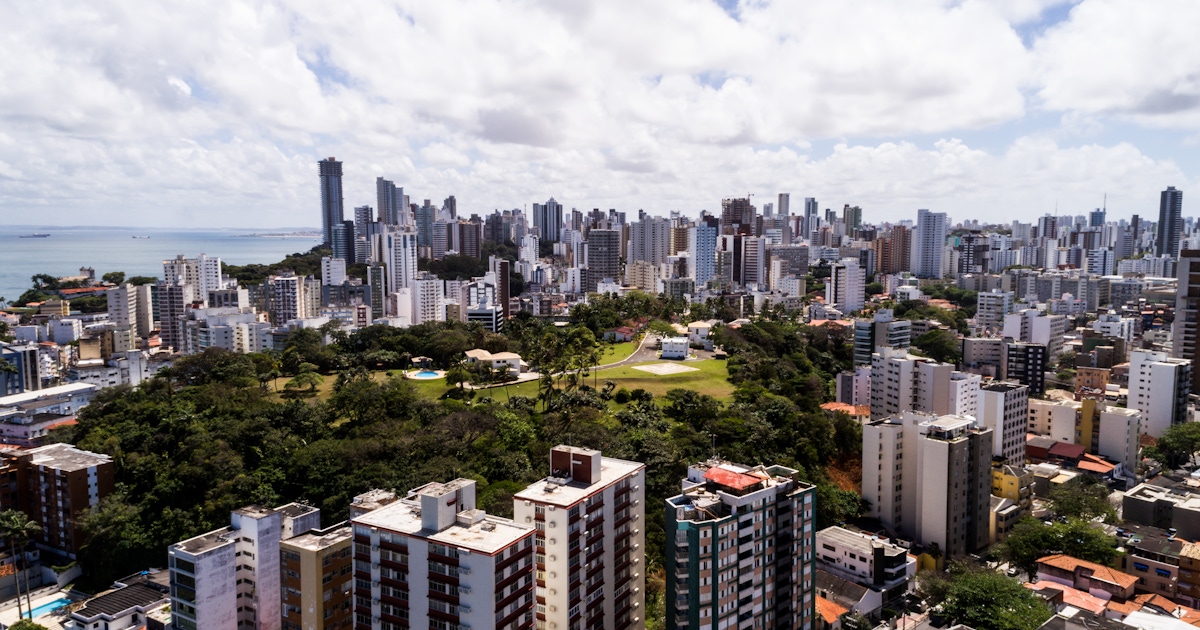
Salvador, Brazil Visitor Guide: Top Attractions, Tours & Activities Brazil Set on the coast of Bahia, it blends colonial architecture, Afro-Brazilian heritage, music, food, beaches, churches, islands and a warm tropical atmosphere that feels very different from Rio de Janeiro or…. Check current availability, inclusions and booking details before you go.
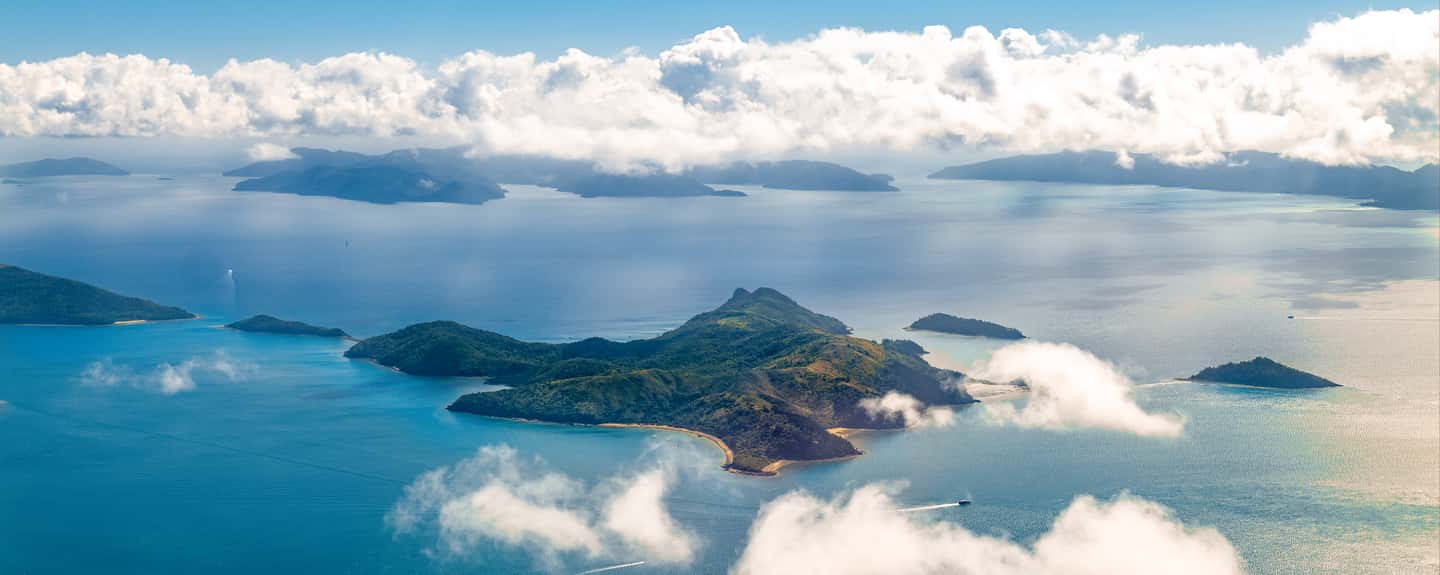
Best places to visit in the Whitsundays: Where to start Multiple Countries Lachlan lives in Paris and is the Head of Content and Community at misterb&b, an LGBTQ+ accommodation platform. He enjoys coffee and cocktails (not always in that order), and loves to… Check current availability, inclusions and booking conditions.
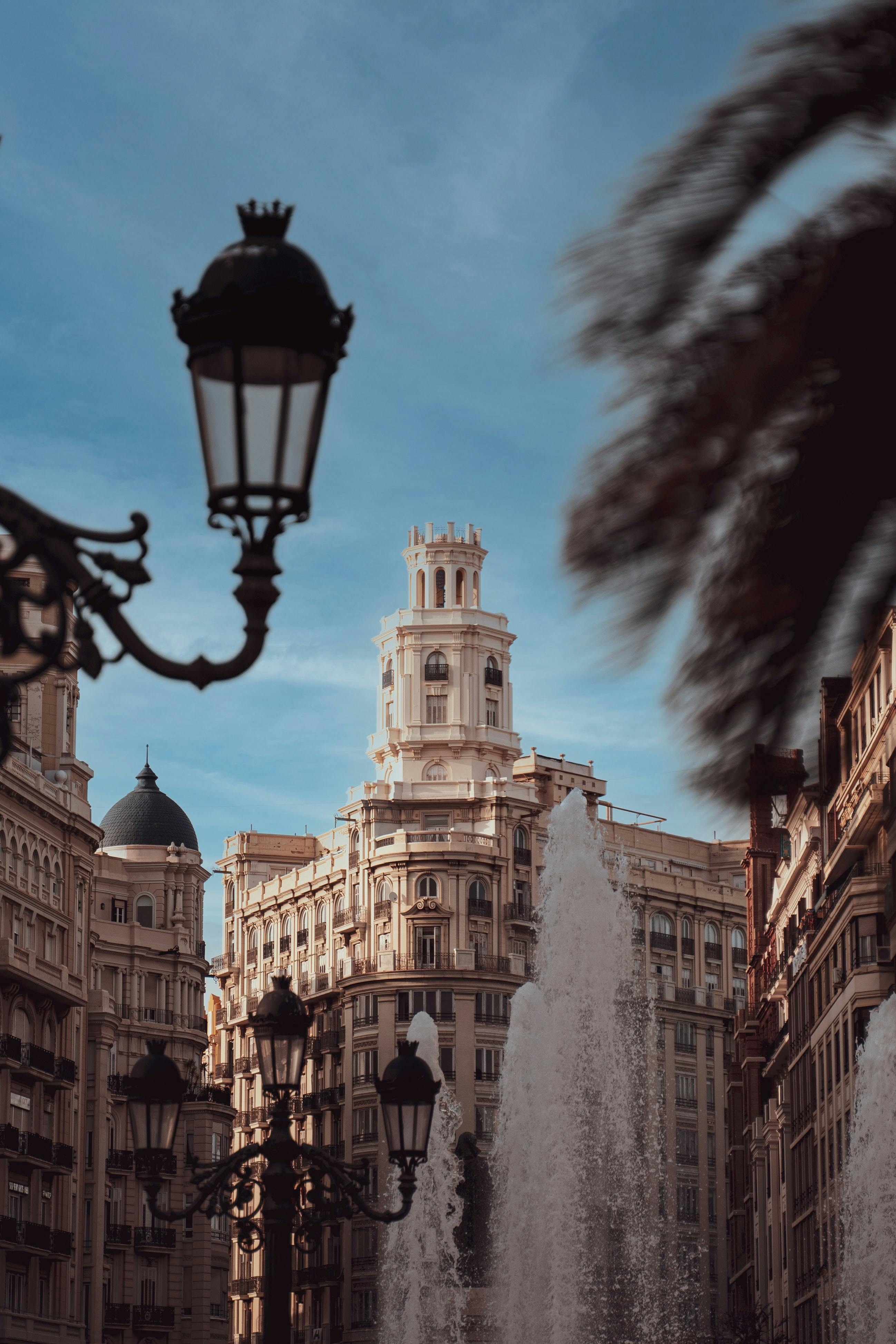
Valencia's Photogenic Places with Local Guide – Guided Tour – Guided Sightseeing Spain If you want a fast, practical way to photograph Valencia’s highlights—plus get local tips you’d normally miss—this 1 hour 30 minute guided walking experience is built for you. Check current availability, inclusions and booking details before you go.