Ceará is one of Brazil’s great coastal states, known for warm weather, long beaches, sand dunes, fishing villages, kitesurfing, seafood, lively Fortaleza, and dramatic landscapes shaped by wind and sea. It is a destination where travellers can spend the morning on a city beach, the afternoon eating crab by the water, and later plan a road trip toward dune-backed villages, lagoons, or remote coastal towns.
This is a good state for travellers who enjoy beaches, outdoor adventure, relaxed seaside towns, and scenic coastal routes. Ceará is not only about lying on the sand, although there is plenty of that. It also suits kitesurfers, photographers, families, couples, backpackers, and travellers who like a mix of city energy and slower beach escapes. The distances can be longer than they look on a map, and some places require careful transport planning, but Ceará rewards travellers who take their time.
Where Is Ceará?
Ceará is in north-eastern Brazil, with a long Atlantic coastline facing some of the country’s warmest and windiest coastal waters. The state sits between Rio Grande do Norte, Paraíba, Pernambuco and Piauí, and it is one of the most popular beach destinations in Brazil’s north-east.
Fortaleza is the state capital and the main arrival point for most travellers. It has the largest airport in Ceará, a wide range of accommodation, busy urban beaches, markets, restaurants, nightlife, and access to many coastal day trips.
Why Visit Ceará?
Ceará is worth visiting for its sunny beaches, sand dunes, lagoons, seafood, beach towns, kitesurfing conditions, and relaxed coastal travel. The coastline is varied, with busy city beaches in Fortaleza, dune-backed beaches around Cumbuco and Jericoacoara, lively resort areas near Aquiraz, and quieter fishing villages such as Icaraizinho de Amontada and Flecheiras.
The state is especially appealing for travellers who like open skies, warm evenings, simple seafood meals, beach walks, buggy tours, and coastal road trips. It can be lively in popular places and very quiet in smaller towns, so choosing the right base matters.
Best Places to Visit in Ceará
Fortaleza
Fortaleza is Ceará’s capital and the usual starting point for a trip through the state. It is a large, energetic coastal city with urban beaches, markets, restaurants, nightlife, cultural venues, and easy access to beach towns north and south of the city.
Travellers can walk along Beira Mar, try seafood, visit local craft markets, explore cultural spaces, and use the city as a base for day trips to Cumbuco, Aquiraz, Morro Branco, or Canoa Quebrada. Fortaleza suits travellers who want convenience and services, but it is still a big city, so normal safety awareness is important. Use registered transport, avoid displaying valuables, and take care when walking at night.
Praia de Iracema
Praia de Iracema is one of Fortaleza’s most historic and atmospheric coastal areas. It is known for nightlife, cultural spaces, restaurants, beach bars, and sunset walks. The area has long been associated with the city’s creative and bohemian side.
This neighbourhood suits travellers who want evening atmosphere and easy access to Fortaleza’s waterfront. It is better for walking, eating, and nightlife than for a classic swimming beach, as urban beach conditions can vary. As in many city areas, stay aware of your surroundings, especially after dark.
Meireles and Beira Mar
Meireles and the Beira Mar waterfront are among the most practical areas for visitors to stay in Fortaleza. The promenade is lined with hotels, restaurants, craft stalls, beach kiosks, and places to walk or cycle. It is one of the easiest parts of the city for first-time visitors.
This area suits couples, families, and travellers who want convenience, sea views, and a good base for tours. The waterfront can be busy in the evenings, which adds atmosphere, but valuables should still be kept discreet. Swimming conditions vary, so check local advice before entering the water.
Praia do Futuro
Praia do Futuro is Fortaleza’s best-known beach for a proper beach day. It is famous for its large beach clubs, seafood restaurants, waves, and long stretch of sand. Many visitors come here to spend several hours eating, relaxing, and enjoying the sea breeze.
It suits travellers who want a lively, organised beach experience with facilities. The sea can be rough at times, so pay attention to flags, currents, and local advice. Praia do Futuro is best reached by taxi, ride app, or organised transport rather than walking from other tourist areas.
Cumbuco
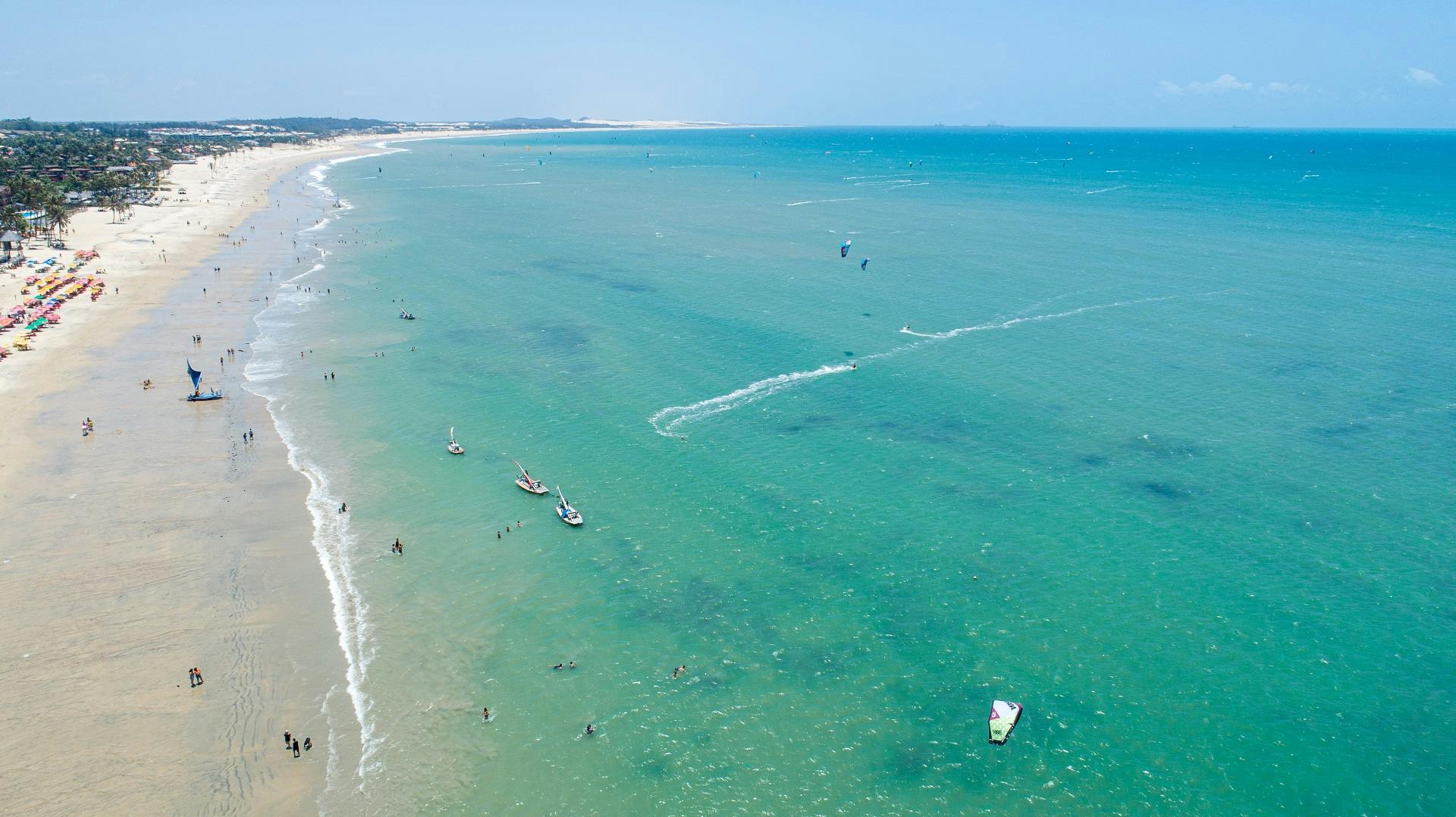
Cumbuco is a beach town west of Fortaleza, famous for dunes, lagoons, buggy rides, and kitesurfing. It is one of the easiest coastal escapes from the capital and can be visited as a day trip, although staying overnight gives a better feel for the beach village atmosphere.
Cumbuco suits kitesurfers, active travellers, families, and anyone interested in dune landscapes close to Fortaleza. Buggy tours are popular, but choose reputable operators and clarify the route, safety standards, and whether the ride is gentle or more adventurous. Wind conditions can be strong, which is great for kitesurfing but not always ideal for a calm beach day.
Aquiraz and Beach Park
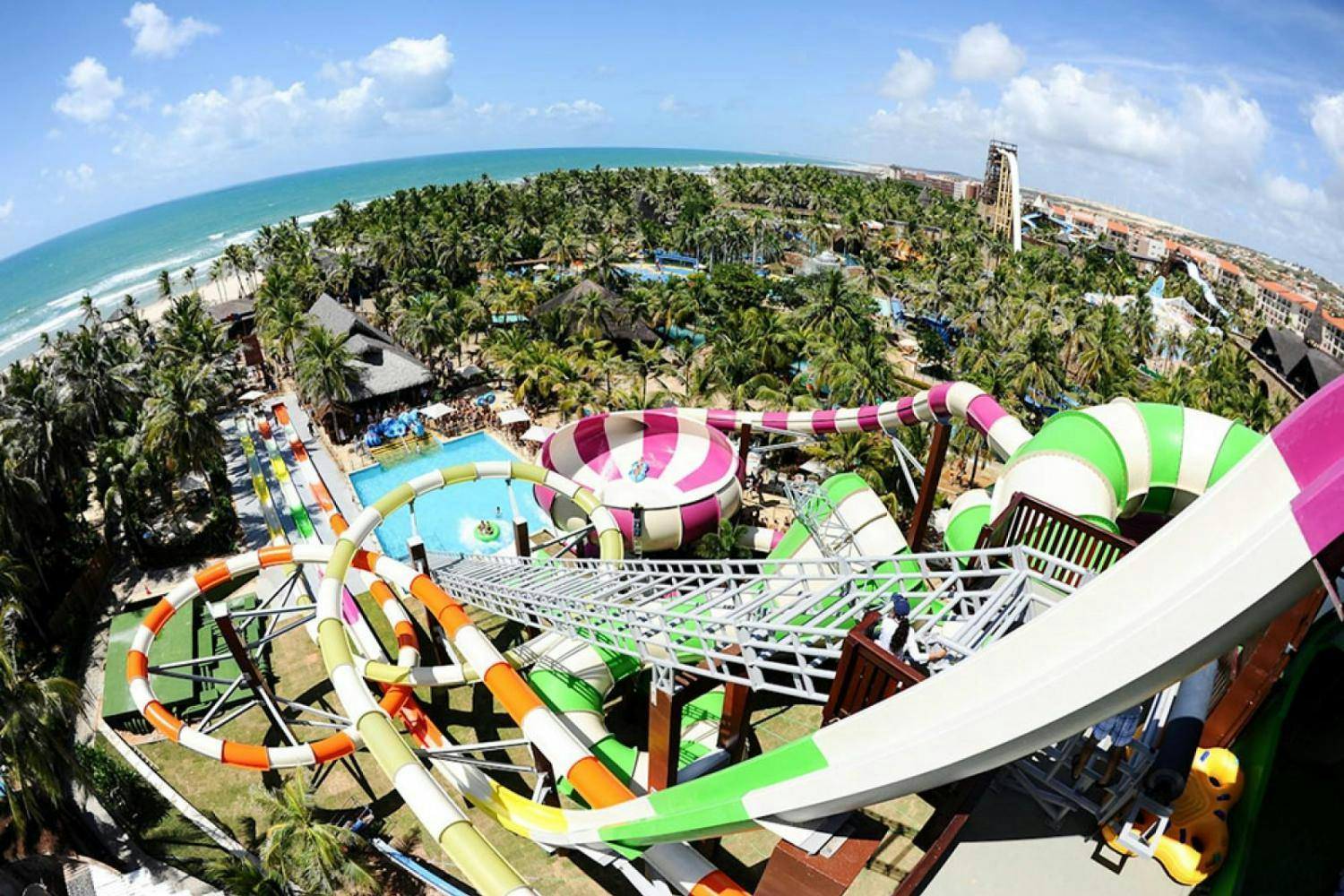
Aquiraz is south-east of Fortaleza and is best known to many travellers because of Beach Park, one of Brazil’s most famous water park and resort areas. The coast around Aquiraz also has beaches, resorts, and family-friendly accommodation.
This area suits families, travellers with children, and visitors looking for an easy resort-style break near Fortaleza. It can be visited as a day trip from the capital, but staying nearby is more convenient if the water park is a major part of your plan. Check opening days and conditions before travelling, as schedules can vary.
Morro Branco
Morro Branco is known for its colourful cliffs, sandy formations, beach scenery, and buggy routes. The cliffs and maze-like sandy paths are the main attraction, creating a landscape that is very different from Fortaleza’s urban beaches.
It is often visited as a day trip from Fortaleza, sometimes combined with other beaches along the east coast. Morro Branco suits photographers, families, and travellers who enjoy coastal scenery. Wear sun protection, bring water, and avoid walking too close to unstable cliff edges.
Canoa Quebrada
Canoa Quebrada is one of Ceará’s most famous beach towns, known for red cliffs, wide beaches, dunes, buggy rides, nightlife, and a relaxed traveller atmosphere. It has been popular for decades and still attracts a mix of Brazilian holidaymakers and international visitors.
It can be visited as a long day trip from Fortaleza, but it is better as an overnight stay if you want to enjoy the beach, sunset, restaurants, and evening atmosphere without rushing. Canoa suits couples, backpackers, groups of friends, and travellers who want a lively beach town with plenty of character.
Jericoacoara
Jericoacoara, often called Jeri, is one of Brazil’s most famous beach villages. It is known for sand streets, dunes, lagoons, sunsets, wind sports, relaxed nightlife, and a setting inside a protected coastal environment. The village has become more developed over the years, but it still feels different from a typical resort town.
Getting to Jericoacoara takes planning. Most travellers arrive via Jijoca de Jericoacoara and continue by 4WD transfer because the final access involves sandy routes. It is not ideal as a day trip from Fortaleza due to travel time. Jeri is better for at least two or three nights, especially if you want to visit lagoons, take buggy tours, and enjoy the village atmosphere.
Jijoca de Jericoacoara
Jijoca de Jericoacoara is the mainland gateway for visiting Jericoacoara and nearby lagoons. Many transfers pass through here before continuing to the village of Jeri by suitable vehicle. The area is also useful for reaching Lagoa do Paraíso and other freshwater lagoon spots.
Jijoca suits travellers who want access to the region’s lagoon scenery or who prefer to stay outside the more famous village. It is practical rather than glamorous, but it plays an important role in organising transport, tours, and access to the sandy coastal areas.
Lagoa do Paraíso
Lagoa do Paraíso is one of the best-known lagoon areas near Jericoacoara, famous for calm freshwater, pale sand, hammocks in the water, and relaxed beach-club-style settings. It is a popular place for swimming, photos, and a slower day away from the ocean wind.
It suits couples, families, and travellers who want calm water rather than surf. Conditions can vary with season, water level, weather, and crowds, so it is worth checking locally before planning your day. It is usually visited as part of a tour or transfer from Jericoacoara or Jijoca.
Icaraizinho de Amontada
Icaraizinho de Amontada, often simply called Icaraizinho, is a quieter coastal village west of Fortaleza. It is known for wide beaches, kitesurfing, natural pools at low tide, a relaxed pace, and a less developed atmosphere than Jericoacoara.
This destination suits kitesurfers, couples, slow travellers, and anyone looking for a peaceful beach stay. It is better as an overnight destination than a day trip because of the distance from Fortaleza. Services are more limited than in larger beach towns, so plan transport and accommodation ahead.
Flecheiras
Flecheiras is a charming beach village with calm areas at low tide, reef pools, seafood restaurants, and a relaxed local feel. It is popular with travellers who want a quieter coastal stop without going as far as Jericoacoara.
Flecheiras suits families, couples, and travellers who enjoy simple beach days and village atmosphere. Tide times matter here, especially for natural pools and safer swimming areas. It is best visited for at least one night if you want to enjoy the beach early or late in the day.
Guaramiranga
Guaramiranga is a mountain town in Ceará’s interior, offering a cooler climate, greenery, hiking, viewpoints, local food, and a different atmosphere from the coast. It is part of the state’s highland region and is popular with travellers who want a break from the beach heat.
It suits nature lovers, couples, and travellers who want to see another side of Ceará. Guaramiranga is better as an overnight stay than a rushed day trip, especially if you want to enjoy the cooler evenings, nearby trails, and slower pace. Road travel is required, and having a car or organised transfer makes the trip easier.
Best Beaches in Ceará
Ceará’s beaches are varied, which is one of the main reasons the state is so appealing. In Fortaleza, Praia do Futuro is the best-known beach for a full beach day with facilities, while Meireles and Beira Mar are better for walking, eating, and staying close to the city’s services.
For dune-backed beaches and kitesurfing, Cumbuco is one of the easiest choices near Fortaleza. Canoa Quebrada offers dramatic red cliffs, beach bars, and a lively traveller feel. Jericoacoara is more remote and scenic, with dunes, lagoons, wind sports, and famous sunset spots.
For quieter beach towns, Icaraizinho de Amontada and Flecheiras are excellent choices. They suit travellers who prefer slower days, seafood, beach walks, and less commercialised surroundings. Beach conditions vary with tides, wind, and currents, so always ask locally before swimming.
Dunes, Lagoons and Buggy Tours
Dunes and lagoons are a major part of Ceará’s coastal appeal. Around Cumbuco, Canoa Quebrada, Morro Branco, and Jericoacoara, travellers can join buggy rides, visit viewpoints, stop at freshwater lagoons, and explore sandy landscapes shaped by the wind.
Buggy tours can be a lot of fun, but safety matters. Use reputable operators, check that the vehicle and driver are licensed, and be clear about the type of ride you want. Some rides are gentle and scenic, while others are more adventurous. If you are travelling with children, older travellers, or anyone with back or neck issues, ask for a calmer route.
Conditions can change depending on weather, tides, wind, and sand movement. Do not assume every lagoon will look exactly like photos online, as water levels and colours can vary by season.
Kitesurfing and Outdoor Adventures
Ceará has a strong reputation for kitesurfing because of its consistent coastal winds, warm water, and long beach stretches. Cumbuco is one of the best-known kitesurfing areas near Fortaleza, while Jericoacoara, Icaraizinho de Amontada, and nearby coastal villages attract both experienced riders and travellers wanting lessons.
Beginners should book lessons with a proper school rather than trying to learn independently. Wind, currents, equipment, and beach traffic can make kitesurfing risky without instruction. Experienced kitesurfers should still check local wind conditions, launch areas, reef zones, and safety advice before heading out.
Beyond kitesurfing, Ceará offers buggy tours, beach walks, surfing in some areas, lagoon swimming, hiking around Guaramiranga, and scenic road trips. The best outdoor experiences are usually early in the morning or later in the afternoon, when the sun is less intense.
Culture, History and Local Life
Ceará’s culture is closely tied to the sea, the sertão interior, music, food, crafts, and a strong north-eastern identity. In Fortaleza, markets and craft centres are good places to see lacework, hammocks, leather goods, ceramics, souvenirs, and regional products.
Beach culture is a big part of daily life, especially around seafood restaurants, beach kiosks, fishing boats, and evening promenades. Smaller towns such as Flecheiras, Icaraizinho, and parts of the Jericoacoara region still have fishing-community roots, even where tourism has grown.
Music, dance, festivals, and regional traditions are also part of the state’s identity. Travellers who move beyond the beach clubs and spend time in markets, local restaurants, and small towns will get a fuller sense of Ceará.
What to Eat in Ceará
Seafood is one of the highlights of travelling in Ceará. Fresh fish, prawns, lobster where available, and crab are common along the coast. Fortaleza is especially known for crab nights at beach restaurants, while smaller towns often serve simple grilled fish with rice, beans, salad, farofa, or cassava.
Other regional foods to try include tapioca, carne de sol, baião de dois, cocada, tropical fruit juices, beachside snacks, and simple meals built around rice, beans, cheese, cassava, and grilled meat or seafood. Coconut water is easy to find and is especially welcome in the heat.
For the best food experiences, mix beach restaurants with local markets, casual lunch spots, and small village eateries. Some of the most satisfying meals in Ceará are simple: grilled fish, cold juice, and a view of the sea.
Best Time to Visit Ceará
Ceará is warm year-round, but the weather, wind, water clarity, and beach conditions can vary by season. The drier months are generally better for beach travel, clearer skies, and easier outdoor plans. The rainy season can still be warm, but showers may affect road conditions, tours, and beach days.
Kitesurfers often prefer the windier months, which are commonly from around July to January, although exact wind conditions vary by location and year. Travellers who are not kitesurfing should remember that strong wind can be refreshing in the heat but may also make some beach days sandier and less calm.
Peak holiday periods, especially around New Year, Brazilian school holidays, and long weekends, can bring higher demand and bigger crowds in Fortaleza, Jericoacoara, Canoa Quebrada, and other popular beach towns. Book ahead if travelling during these times.
How to Get to Ceará
Most travellers arrive in Ceará by air into Fortaleza. From there, beach towns can be reached by rental car, private transfer, bus, 4WD transfer, or organised tour depending on the destination.
Cumbuco, Aquiraz, Morro Branco, and Canoa Quebrada are commonly visited from Fortaleza by day trip or short stay. Jericoacoara requires more planning because the final access usually involves 4WD transport from Jijoca de Jericoacoara. Icaraizinho de Amontada and Flecheiras are better suited to travellers with private transfers, rental cars, or pre-arranged transport.
If you want a relaxed coastal route, allow extra time. Travel along the coast can be slower than expected, especially when transfers involve sandy roads, 4WD routes, or connections between smaller towns.
How Long Should You Spend in Ceará?
With 2 to 3 days, focus on Fortaleza and nearby beaches. You could enjoy Beira Mar, Praia do Futuro, local markets, and a day trip to Cumbuco, Aquiraz, or Morro Branco.
With 5 to 7 days, you can combine Fortaleza with Canoa Quebrada or Jericoacoara. This gives you time for city beaches, dune landscapes, lagoons, seafood, and at least one more relaxed beach-town stay.
With 10 days or more, Ceará works well as a slower coastal route. You could include Fortaleza, Cumbuco, Flecheiras or Icaraizinho, Jericoacoara, and possibly Canoa Quebrada or Guaramiranga, depending on whether you want more beach time or a cooler inland break.
Travel Tips for Visiting Ceará
Use strong sun protection: Ceará can be very hot and sunny, so bring sunscreen, a hat, sunglasses, and plenty of water.
Check beach safety: Currents, waves, rocks, and wind can affect swimming conditions. Ask locally before entering the water.
Check tides and wind: Natural pools, lagoon visits, kitesurfing, and some beach walks are better at certain times.
Book transfers to remote towns ahead: Jericoacoara, Icaraizinho, and some smaller beach villages require more planning than beaches near Fortaleza.
Carry some cash: Cards are common in Fortaleza and developed beach towns, but smaller villages, beach stalls, and local transport may require cash.
Use registered transport: Taxis, ride apps, official transfers, hotel-arranged transport, and reputable operators are safer and easier.
Choose reputable buggy operators: Ask about licensing, route, safety, and whether the ride is suitable for your comfort level.
Avoid isolated areas at night: Stick to well-lit streets, busy waterfront areas, and reliable transport after dark.
Allow extra travel time: Coastal distances, sandy access roads, and transfer changes can make journeys longer than expected.
Travel at a relaxed pace: Ceará is best enjoyed with time for weather, wind, tides, seafood lunches, and unhurried beach days.
Is Ceará Worth Visiting?
Ceará is definitely worth visiting if you enjoy beaches, dunes, outdoor adventure, seafood, warm weather, and relaxed coastal towns. It offers a strong mix of city energy in Fortaleza, scenic beach escapes, kitesurfing, lagoons, buggy tours, and smaller villages with a slower pace.
It is best enjoyed with realistic planning. The sun is strong, some beaches have rough conditions, coastal distances can be long, and remote towns may require transfers or 4WD access. But if you plan around transport, safety, weather, and seasonal wind conditions, Ceará can be one of the most enjoyable coastal destinations in north-eastern Brazil.
FAQs About Visiting Ceará
Is Ceará safe for tourists?
Ceará can be visited safely with sensible precautions, especially in established tourist areas, organised tours, and popular beach towns. In Fortaleza, use registered transport, avoid displaying valuables, take care at night, and ask your accommodation for local safety advice. In beach towns, avoid isolated areas after dark and follow local guidance.
What is Ceará best known for?
Ceará is best known for beaches, dunes, kitesurfing, warm weather, seafood, Fortaleza, Jericoacoara, Canoa Quebrada, Cumbuco, lagoons, buggy tours, and dramatic coastal landscapes.
Is Jericoacoara worth visiting?
Yes, Jericoacoara is worth visiting if you enjoy dunes, lagoons, sunsets, sand streets, wind sports, and relaxed beach-town atmosphere. It is more developed than it once was and takes effort to reach, so it is better for a multi-night stay than a quick day trip.
Do you need a car in Ceará?
You do not need a car if you are staying in Fortaleza and using organised tours or transfers. A car can be useful for visiting places such as Flecheiras, Icaraizinho, Guaramiranga, or multiple coastal towns, but some destinations, including Jericoacoara, require specific transfer arrangements because of sandy access routes.
What is the best time to visit Ceará?
The drier months are generally best for beach travel and outdoor activities. Kitesurfers often prefer the windier months, commonly from around July to January. Ceará is warm year-round, but rain, wind, crowds, and sea conditions can affect the experience.
How many days do you need in Ceará?
Allow 2 to 3 days for Fortaleza and nearby beaches, 5 to 7 days if you want to include Canoa Quebrada or Jericoacoara, and 10 days or more for a slower coastal route with several beach towns.
Is Fortaleza worth visiting?
Fortaleza is worth visiting as the main gateway to Ceará and a useful base for beaches, markets, seafood, nightlife, and day trips. It is a lively city rather than a quiet resort destination, so it is best enjoyed with normal city safety awareness and a clear plan for where to stay and how to get around.
Sponsored Popular Items
Quick take: Musement.com offers a worldwide selection of tours and attractions
La Gomera La Fortaleza Guided Hike – Outdoor Adventure Spain Hike to La Fortaleza adds structure, local context and purposeful sightseeing to the itinerary. Check current availability, inclusions and booking details before you go.
Fortaleza Beach Park Guided Tour Brazil The Beach Park guided tour from Fortaleza is a convenient full-day-style transfer and guided excursion to one of Brazil’s most famous seaside water park destinations. Check current availability, inclusions and booking details before you go.
Fortaleza City & Cumbuco Beach Tour – City Tour Brazil The Fortaleza city tour with Cumbuco beach is a full-day guided experience that combines the cultural highlights of Fortaleza with a relaxed beach escape to one of Ceará’s most popular coastal destinations. Check current availability, inclusions and booking details before you go.