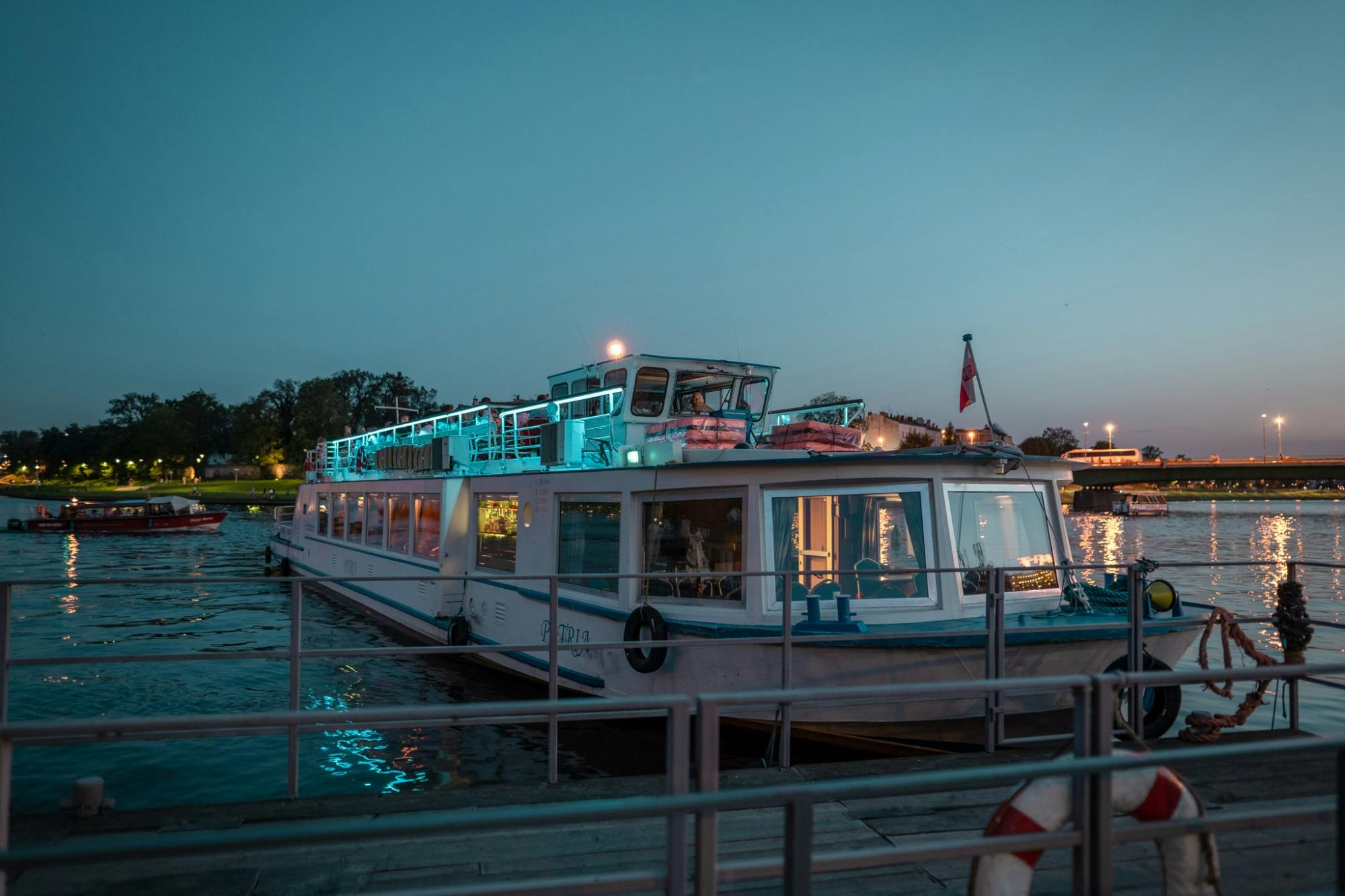
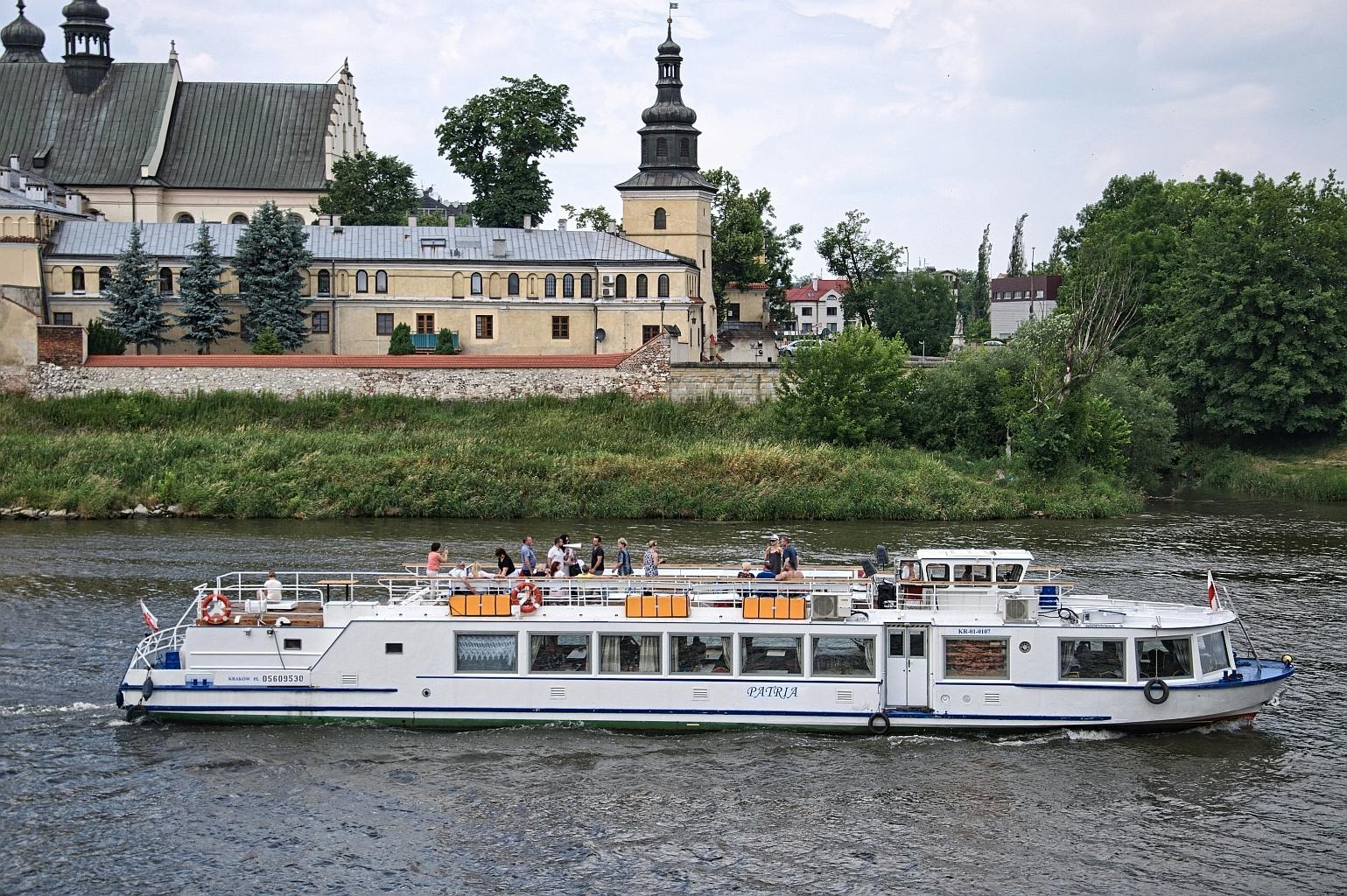
A gondola cruise on the Vistula offers one of the easiest and most relaxing ways to see Kraków from a different perspective. Instead of walking through crowded streets, visitors can sit close to the water while Wawel Castle, church towers, bridges and riverside neighbourhoods pass slowly on either side.
The word “gondola” can create the wrong impression. Kraków’s river gondolas are not narrow Venetian boats propelled by a gondolier with a long pole. They are small motorised wooden sightseeing boats inspired by traditional vessels that once travelled along the Vistula.
Sponsored Popular Items
Quick take: Musement.com offers a worldwide selection of tours and attractions
Motorboat Cruise Along the Vistula River in Warsaw Poland Planning Motorboat Cruise Along the Vistula River in Warsaw For a boat or water-based experience, live details matter because routes and schedules can change with weather and sea conditions. Check current availability, inclusions and booking details before you go.
Most have open sides, a protective roof, bench seating and room for around 12 passengers. Their small size creates a quieter and more intimate experience than a large sightseeing ship.
Short cruises normally last 30 or 60 minutes and depart from the Vistula boulevards near Wawel Castle. Longer private trips and cruises towards Tyniec Abbey may also be available.
Vistula Gondola Cruise Quick Facts
Visitor information
Details
Location
Vistula River, central Kraków, Poland
Usual boarding area
Bulwar Czerwieński below Wawel Castle
Typical cruise length
30 or 60 minutes
Boat type
Small motorised wooden sightseeing boat
Typical capacity
Up to 12 passengers
Regular cruise price
From approximately 55 PLN, depending on duration and operator
Private gondola hire
Available from some operators
Main landmark
Wawel Royal Castle
Operating season
Mainly spring to autumn
Best weather
Dry, calm and reasonably warm
Commentary
May be live, recorded or unavailable, depending on the cruise
Advance booking
Recommended during weekends and summer
Important: Several companies operate boats on the Vistula. The boarding point, route, price, timetable, commentary and vessel may differ from one booking to another.
What Is a Kraków Gondola Cruise?
A Kraków gondola is a compact riverboat designed for short sightseeing trips and private cruises.
The boats are usually made or finished in wood and have bench seating along the sides. A roof provides some protection from sun or light rain, while the open sides allow passengers to see and photograph the riverbanks.
The boats travel under motor power. They do not move with poles or oars, and passengers should not expect the formal appearance or romantic traditions associated with Venice.
Some operators also refer to the gondola as a water tram. The name reflects the small size and traditional appearance of the vessel rather than a precise historical boat type.
How Is It Different from a Large River Cruise?
A gondola cruise generally offers:
A smaller number of passengers.
Seating closer to the water.
A quieter and more personal atmosphere.
Open views through the sides of the boat.
Greater exposure to wind and weather.
Fewer facilities than a large ship.
Larger sightseeing boats may offer indoor cabins, toilets, refreshments and upper observation decks. A gondola provides fewer comforts but feels less like a conventional coach tour on water.
Why Take a Cruise on the Vistula?
Kraków’s most famous attractions are usually explored on foot, but the river reveals a different side of the city.
From the water, Wawel Castle appears as a complete hilltop complex rather than a collection of individual courtyards and buildings. The walls, towers and cathedral spires rise directly above the riverbank.
The cruise also allows visitors to see several districts without walking between them. Depending on the route, the boat may pass Dębniki, Kazimierz, Podgórze and the modern riverside buildings surrounding the historic centre.
A gondola cruise is particularly useful when:
You want a break after several hours of walking.
You have limited time in Kraków.
You want unobstructed photographs of Wawel Hill.
You are travelling with children or older relatives.
You prefer a small boat to a large sightseeing vessel.
You want a relaxed activity before dinner.
Cruise Lengths and Options
Thirty-Minute City Cruise
The shorter cruise is designed as a quick introduction to the central Vistula riverfront.
It normally remains close to Wawel Hill and the surrounding districts. The precise turning point depends on river conditions, boat traffic and the operator’s chosen route.
This option suits visitors with a crowded itinerary or families uncertain how children will respond to a longer boat journey.
One-Hour City Cruise
A 60-minute cruise provides a more complete view of central Kraków.
The boat may travel east towards Kazimierz and Podgórze or west towards Dębniki and the Norbertine Sisters’ Monastery. Some routes combine sections in both directions.
The one-hour option usually offers better value for visitors who want to identify several landmarks and have time to take photographs without feeling rushed.
Evening or Sunset Cruise
Evening cruises show Kraków as its riverside buildings and bridges begin to light up.
The atmosphere is more romantic, but individual monuments can be harder to identify after dark. Photography also becomes more difficult from a moving boat.
Private Gondola Hire
Private hire is available for couples, families and small groups.
A private cruise allows passengers to occupy the complete boat and may offer more flexibility with timing, music, drinks or a prearranged route.
Private hire is considerably more expensive than purchasing an individual ticket, but the cost can become reasonable when divided between a larger group.
Long-Distance Cruise
Longer gondola journeys may operate from central Kraków towards Tyniec Abbey. These trips are very different from the standard city cruise and can take several hours.
What Will You See from the Gondola?
No two routes are exactly identical, but several important Kraków landmarks are commonly visible from the river.
Wawel Royal Castle
Wawel Castle is the highlight of almost every central Vistula cruise.
The royal complex dominates a limestone hill above the river and includes palace buildings, defensive walls, towers and Wawel Cathedral.
The view from the water is one of the best ways to understand the scale of the site.
Wawel Cathedral
The cathedral’s towers and domes rise above the castle walls. It served as the coronation and burial church of Polish monarchs and remains one of the country’s most important religious buildings.
From the river, the cathedral forms part of the broader Wawel skyline rather than appearing as an isolated monument.
The Wawel Dragon
Near the base of Wawel Hill stands the statue of the legendary Wawel Dragon.
The dragon occasionally breathes fire and is one of Kraków’s most popular family attractions. It can usually be seen near the riverbank shortly after departure.
Dębniki
Dębniki lies across the river from Wawel Castle. Its embankment provides one of the classic land-based views of the castle and is also clearly visible from the boat.
Manggha Museum
The Manggha Museum of Japanese Art and Technology stands directly opposite Wawel Hill.
Its sweeping contemporary roofline provides a strong architectural contrast with the medieval and Renaissance buildings across the river.
Grunwaldzki Bridge
This important road and tram bridge connects the city centre with the southern side of the Vistula.
Passing beneath the bridge briefly changes the scale and sound of the journey before the wider river view opens again.
Church on the Rock
The Church of St Michael the Archangel and St Stanislaus, commonly called Skałka or the Church on the Rock, stands near the river in Kazimierz.
Its pale Baroque façade and twin towers are prominent from some eastbound cruise routes.
Kazimierz
Kazimierz is Kraków’s historic Jewish quarter and one of its best-known dining and nightlife districts.
The most famous synagogues and streets are set back from the water, but the cruise provides a view of the district’s riverside edge.
Bernatek Footbridge
The Father Bernatek Footbridge links Kazimierz with Podgórze.
The bridge is known for suspended acrobatic sculptures that appear to float above pedestrians and cyclists.
Cricoteka
Cricoteka is a museum and cultural centre devoted to the work of theatre director and artist Tadeusz Kantor.
Its dramatic modern structure incorporates and rises above a former power-station building on the Podgórze riverbank.
Norbertine Sisters’ Monastery
Westbound routes may pass the historic convent of the Norbertine Sisters in the Zwierzyniec area.
The white walls and green-roofed towers stand close to the river and form one of the most attractive views outside the immediate Old Town.
Kościuszko Mound
On clearer days, the Kościuszko Mound may be visible on a hill west of the centre.
It was built to commemorate the Polish and American military leader Tadeusz Kościuszko.
Where Do Gondola Cruises Depart?
Most central sightseeing cruises leave from the Vistula boulevards beneath or close to Wawel Castle.
A commonly used location is Bulwar Czerwieński, the riverside promenade running below Wawel Hill.
Several boats and floating restaurants operate along this section of the river. Do not assume that the first ticket desk or vessel you see belongs to your operator.
How to Find the Correct Boat
Read the meeting instructions on your booking confirmation.
Check the operator’s name rather than relying only on the word “gondola.”
Look for the specified boat, barge or numbered berth.
Arrive at least 15 minutes before departure.
Ask staff before joining a queue.
Walking from Kraków Old Town
The riverfront is approximately 10 to 20 minutes on foot from the Main Market Square, depending on the exact departure point.
Walk south along Grodzka Street towards Wawel Hill, then follow signs or paths down to the river boulevards.
By Tram
The Wawel tram stop is close to the northern side of the castle. From there, walk towards the river and descend to Bulwar Czerwieński.
By Taxi
Ask to be dropped near Wawel Castle or the Vistula boulevards. Vehicles may not be able to reach the exact boarding platform, so expect a short walk.
Tickets and Prices
Prices vary by operator, duration, time of day and whether the boat is shared or privately hired.
At the time of writing, one established Kraków operator publishes the following prices:
Cruise
Published price
30-minute city cruise, standard
55 PLN
30-minute city cruise, reduced
50 PLN
One-hour city cruise, standard
80 PLN
One-hour city cruise, reduced
70 PLN
One-hour sunset cruise, standard
90 PLN
Private gondola for up to 12 passengers, one hour
640 PLN
Private gondola for up to 12 passengers, two hours
1,200 PLN
These figures should be treated as a current example rather than a universal tariff. Online resellers may charge different prices or bundle the cruise with other activities.
Should You Book in Advance?
Advance booking is sensible during:
July and August.
Weekends.
Public holidays.
Warm evenings.
Major city events.
Christmas-market periods when winter cruises are offered.
Walk-up tickets may be available, but the next departure may use a larger ship or may not match the cruise length you want.
The Best Time to Take a Gondola Cruise
Morning
Morning cruises are usually quieter and provide clearer views of the riverside landmarks.
The light can be attractive on Wawel Hill, and the Vistula boulevards are less crowded.
Early Afternoon
Afternoon departures are easy to combine with a morning visit to Wawel Castle.
In summer, however, the sun can feel strong on an open-sided boat.
Late Afternoon
Late afternoon often provides warm light and a relaxed atmosphere.
This is a good choice for photography, especially when the sky is clear and the sun is beginning to fall behind the city.
Sunset
A sunset cruise can be attractive for couples and small groups. The sky, river and city lights gradually change during the journey.
Exact sunset timing varies considerably between summer and winter, so check the local sunset time rather than relying on a cruise title alone.
After Dark
Night cruises emphasise illuminated bridges, Wawel Hill and reflections on the river.
They are atmospheric but less useful for visitors who want detailed sightseeing commentary or clear photographs of every monument.
Daytime or Evening Cruise?
Daytime cruise
Evening cruise
Clearer landmark views
More atmospheric lighting
Better for first-time visitors
Better for couples and relaxed groups
Easier photography
More difficult photography
Often warmer
Can feel cold on the river
Easier to combine with Wawel
Easy to combine with dinner in Kazimierz
For a first visit, a late-morning or afternoon cruise is generally the most useful. An evening cruise works well as a second, more atmospheric experience.
Weather and Seasonal Operation
Small wooden gondolas are more exposed to the weather than enclosed sightseeing ships.
The principal operating season is normally spring to autumn. Some Kraków operators advertise cruises from March until November, while enclosed vessels may continue in colder conditions.
Rain
A roof may protect passengers from light rain, but open sides allow wind-driven rain to enter.
Heavy rain, storms, high water or strong wind may lead to delays, a change of boat or cancellation.
Wind
The temperature on the river can feel several degrees colder than in the sheltered Old Town streets.
Even on a sunny day, a light jacket can make the journey more comfortable.
Hot Weather
During very warm summer afternoons, choose a shaded seat and carry water. The boat roof provides protection, but low-angle sunlight can still enter through the sides.
Winter
Traditional open gondola services are limited during winter. Check whether your booking uses an enclosed boat, heated catamaran or seasonal wooden gondola.
What to Expect on Board
A traditional gondola is simple rather than luxurious.
Typical features include:
Bench seating along both sides.
A central table or narrow surface.
A fixed roof.
Open views through the sides.
Safety equipment carried by the operator.
A small sound system on some boats.
Lighting for evening cruises.
Seating
Seats may not be allocated. Arriving early can provide a better choice, although passengers often change their viewing direction as the boat turns.
Commentary
Some cruises include recorded or live commentary in Polish and English. Others focus entirely on the scenery.
Recorded commentary can be difficult to hear when the boat is busy, the engine is running or passengers are talking.
Food and Drinks
Standard short cruises may not include refreshments. Private gondolas may allow prearranged drinks, glassware or catering.
Do not bring alcohol without confirming the operator’s rules.
Toilets
Small gondolas generally do not have toilets. Use the facilities before boarding, particularly when taking a longer private cruise.
Luggage
Space is limited. Large suitcases and bulky luggage may be refused or difficult to store safely.
Cruising with Children
A short Vistula cruise can be a good family activity because children can see the castle, dragon, boats and bridges without walking long distances.
The 30-minute option is useful for younger children with limited patience.
Parents should:
Supervise children throughout the journey.
Prevent them from standing on benches.
Keep hands inside the boat near docks and bridges.
Follow instructions during boarding.
Bring a warm layer.
Check whether a child ticket or infant ticket is required.
Pushchairs may need to be folded and may not fit comfortably on a small gondola.
Accessibility
Traditional gondolas are not the easiest choice for passengers with reduced mobility.
Boarding may involve:
Steps down the river embankment.
A narrow gangway.
A height difference between the dock and boat.
Movement caused by passing vessels.
Limited space for wheelchairs.
Passengers who use a wheelchair or have significant mobility limitations should contact the operator before purchasing a ticket.
A larger sightseeing boat may provide easier boarding, more space and better access to indoor seating.
What to Bring
Booking confirmation: Keep it available on your phone or in print.
Light jacket: The river often feels cooler than the city streets.
Sun protection: Bring sunscreen and sunglasses in summer.
Water: Particularly useful on hot days.
Small bag: Space on board is limited.
Camera or phone: Charge it before departure.
Secure strap: Useful when photographing close to the open side.
Comfortable shoes: Riverside steps and gangways may be uneven.
Motion-sickness medication: Rarely necessary, but useful for sensitive passengers.
Photography Tips
The low position of a gondola provides excellent views of the riverbanks, but the boat is constantly moving.
Use a fast shutter speed when possible.
Keep the camera strap secure.
Use a wide-angle lens for Wawel Castle.
Photograph the castle before and after the boat turns.
Avoid leaning outside the boat.
Watch for bridge supports entering the frame.
Use reflections when the water is calm.
At night, stabilise the phone or camera against the boat structure.
Reduce digital zoom where possible.
Take several photographs rather than waiting for one perfect moment.
The best complete view of Wawel often appears shortly after leaving the dock or as the boat returns towards it.
Longer Gondola Cruise to Tyniec
Some operators offer a longer journey from Wawel towards the Benedictine Abbey at Tyniec.
This route leaves central Kraków and continues through quieter western districts and greener river scenery.
Possible sights include:
Dębniki.
The Manggha Museum.
The Norbertine Sisters’ Monastery.
Kościuszko Mound.
Przegorzały.
Bielany Monastery.
Wolski Forest.
The Kościuszko water-control structure.
Tyniec Benedictine Abbey.
The journey may involve passing through a lock and can take around four hours, including a short period ashore at Tyniec.
This is a genuine half-day excursion rather than an extended version of the city cruise.
Before booking, confirm:
The complete duration.
Whether passengers can leave the boat at Tyniec.
The amount of free time.
Whether food or drinks are included.
Whether there is a toilet on board.
The cancellation policy.
Things to Do Near the Cruise Departure Point
Wawel Royal Castle
Visit the castle courtyards, state rooms, royal apartments or exhibitions before the cruise.
Individual sections use timed tickets, so plan the boat departure around your castle booking.
Wawel Cathedral
The cathedral contains royal tombs, historic chapels and the Sigismund Bell.
Climbing the tower involves narrow stairs and should be allowed additional time.
Wawel Dragon
The dragon statue stands beside the river near the usual cruise area and is particularly popular with families.
Vistula Boulevards
The broad riverside paths are suitable for walking and cycling. They offer clear views of Wawel Hill and access to several bridges.
Kazimierz
Kazimierz is within walking distance and contains synagogues, churches, museums, cafés, restaurants and nightlife.
Podgórze
Cross the Bernatek Footbridge to explore Podgórze, including Ghetto Heroes Square and the area surrounding Oskar Schindler’s Factory.
Manggha Museum
The museum stands directly across the river from Wawel and contains exhibitions relating to Japanese art and culture.
Suggested Half-Day Itinerary
9:00 am: Visit Wawel Hill
Explore the castle courtyard and one prebooked interior exhibition.
11:00 am: Visit Wawel Cathedral
Allow time for the cathedral, royal tombs or tower.
12:15 pm: Walk Down to the River
See the Wawel Dragon and locate the correct cruise operator on Bulwar Czerwieński.
12:45 pm: Board the Gondola
Arrive approximately 15 minutes before the scheduled departure.
1:00 pm: One-Hour Vistula Cruise
Relax and view Wawel, Dębniki, Kazimierz or other landmarks included in the route.
2:15 pm: Lunch Near the River
Choose a riverside restaurant, walk into Kazimierz or return towards the Old Town.
3:30 pm: Explore Kazimierz
Visit the district’s historic streets, synagogues, churches and cafés.
Is a Vistula Gondola Cruise Worth It?
A gondola cruise is worthwhile for travellers who want a calm, uncomplicated activity in central Kraków.
Its greatest strengths are:
Excellent views of Wawel Castle.
A convenient boarding point near major attractions.
A manageable 30- or 60-minute duration.
A small and intimate boat.
Relief from long periods of walking.
Good photographic opportunities.
The experience may be less suitable for visitors who expect:
A Venetian-style gondola.
A luxury dining cruise.
A detailed guided history tour.
Indoor heating and full facilities.
A long journey through rural scenery.
The standard city cruise is relatively short, and much of the riverfront can also be explored on foot. Its value comes from the changing water-level perspective and the chance to see Wawel as part of the wider city landscape.
Frequently Asked Questions About a Vistula Gondola Cruise
Where does the gondola cruise take place?
It takes place on the Vistula River in central Kraków, usually close to Wawel Castle.
Is it like a gondola in Venice?
No. Kraków’s gondolas are small motorised wooden riverboats. They are not propelled by a standing gondolier.
How many people fit on the boat?
Traditional sightseeing gondolas commonly carry up to 12 passengers.
How long does the cruise take?
Regular city cruises usually last 30 or 60 minutes.
How much does it cost?
One current operator lists prices from 55 PLN for 30 minutes and 80 PLN for one hour. Prices vary between operators and booking platforms.
Where do cruises depart?
Most depart from Bulwar Czerwieński or another section of the Vistula boulevards beneath Wawel Castle.
Should I arrive early?
Yes. Arrive approximately 15 minutes before departure so you can identify the correct boat and complete boarding.
What landmarks can I see?
Common sights include Wawel Castle, Wawel Cathedral, the Manggha Museum, Dębniki, Kazimierz, Skałka Church and riverside bridges. The exact route varies.
Is commentary included?
Some cruises include recorded or live commentary, while others do not. Check the ticket description.
Does the boat have a toilet?
Small gondolas generally do not have toilets.
Can I buy drinks on board?
Usually not on a standard short gondola cruise. Private cruises may offer prearranged refreshments or catering.
Is the cruise suitable for children?
Yes. Children should remain supervised and follow crew instructions throughout boarding and the journey.
Can I bring a pushchair?
Space is limited. A small folding pushchair may be accepted, but this should be confirmed with the operator.
Is the boat wheelchair accessible?
Traditional wooden gondolas are generally not wheelchair accessible because of narrow gangways, steps and limited onboard space.
Will the cruise operate in rain?
Light rain may not stop the cruise, particularly when the boat has a roof. Severe weather, strong wind or unsafe river conditions may cause cancellation.
What should I wear?
Wear clothing suitable for the weather and bring an extra layer because it can feel cooler on the river.
What is the best time of day?
Morning and late afternoon are best for sightseeing and photography. Evening is more atmospheric.
Do cruises operate all year?
Traditional gondola cruises mainly operate from spring to autumn. Winter services may use larger enclosed vessels.
Can I book the whole gondola?
Yes. Private hire is available from some operators for families, couples and groups.
Can I travel all the way to Tyniec?
Some operators offer longer gondola excursions to Tyniec Abbey. These can take around four hours and require separate booking.
Can I take photographs?
Yes. Photography is encouraged, but passengers should keep cameras and phones secure and avoid leaning outside the boat.
Is the water rough?
The central Vistula is usually relatively calm, but the boat may move when passing larger vessels or during windy weather.
Is the cruise romantic?
The small boat, river views and evening light can create a romantic atmosphere, particularly on a private or sunset cruise.
Is a 30-minute cruise long enough?
It is enough for a quick view of the Wawel riverfront. Choose the one-hour option for a more complete sightseeing experience.
Can tickets be purchased at the river?
Often yes, subject to availability. Online booking is safer during busy periods.
Sponsored Popular Items
Quick take: Musement.com offers a worldwide selection of tours and attractions
Krakow Evening Cruise on Vistula River Krakow evening cruise on Vistula River combines sightseeing with the relaxed sense of movement that comes from a boat-based experience. Check current availability, inclusions and booking details before you go.
Final Thoughts
A gondola cruise on the Vistula is not one of Kraków’s essential historic monuments, but it can be one of the city’s most pleasant breaks.
The small wooden boat keeps passengers close to the river and provides a wide view of Wawel Castle that is difficult to appreciate from the narrow streets above.
The experience works best when visitors understand what they are booking. It is a compact sightseeing journey rather than a Venetian gondola ride, luxury cruise or detailed historical tour.
Choose a one-hour daytime cruise for the clearest introduction, an evening departure for atmosphere or a private gondola for a quieter group experience. Arrive early, carry a warm layer and check that the boat, route and boarding point match the information on your ticket.
Sponsored Popular Items
Quick take: Musement.com offers a worldwide selection of tours and attractions
Motorboat Cruise Along the Vistula River in Warsaw Poland Planning Motorboat Cruise Along the Vistula River in Warsaw For a boat or water-based experience, live details matter because routes and schedules can change with weather and sea conditions. Check current availability, inclusions and booking details before you go.
Krakow Evening Cruise on Vistula River Krakow evening cruise on Vistula River combines sightseeing with the relaxed sense of movement that comes from a boat-based experience. Check current availability, inclusions and booking details before you go.
1-Hour Krakow Vistula River Cruise with Audio Guide 1-hour Krakow Vistula River cruise with audio guide combines sightseeing with the relaxed sense of movement that comes from a boat-based experience. Check current availability, inclusions and booking details before you go.
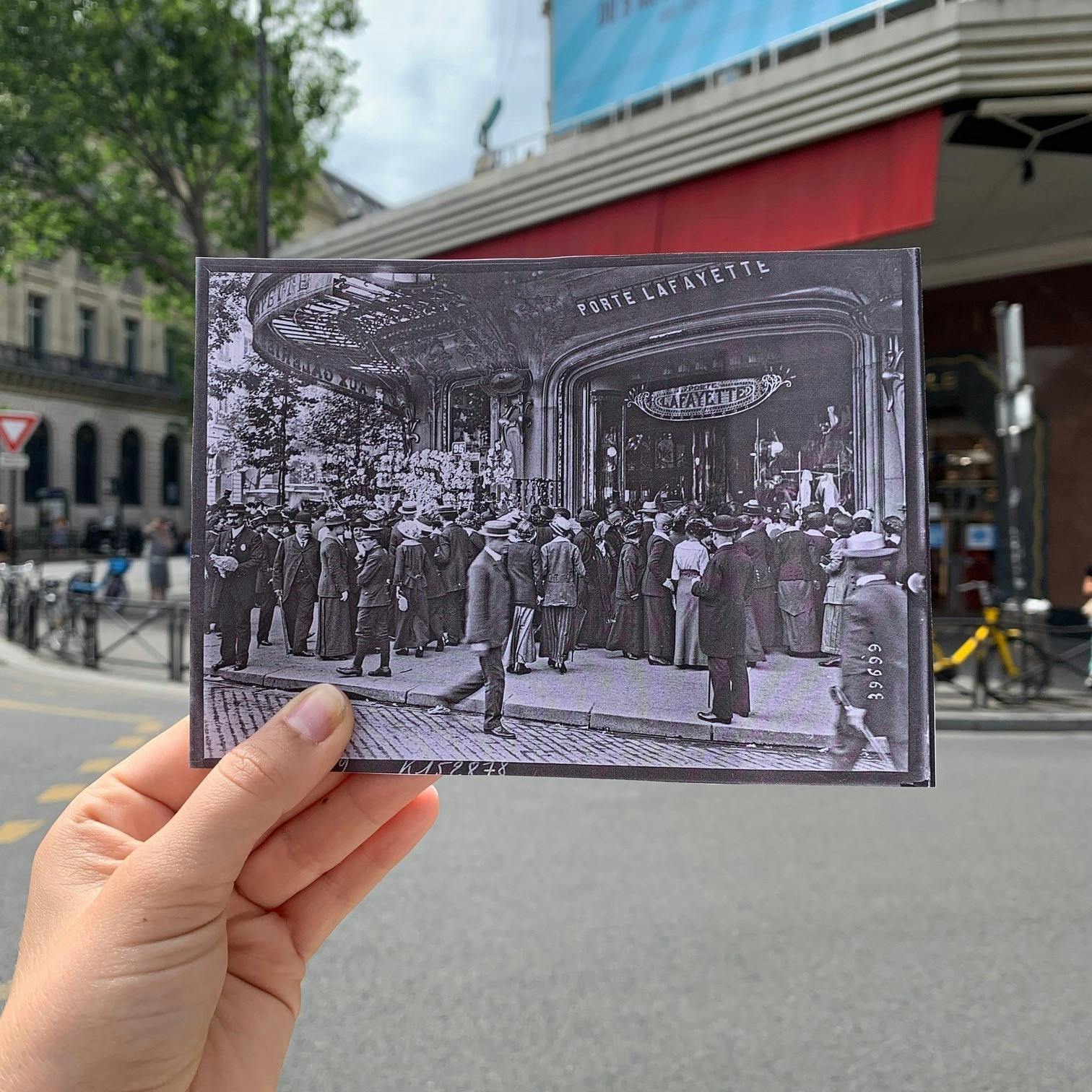
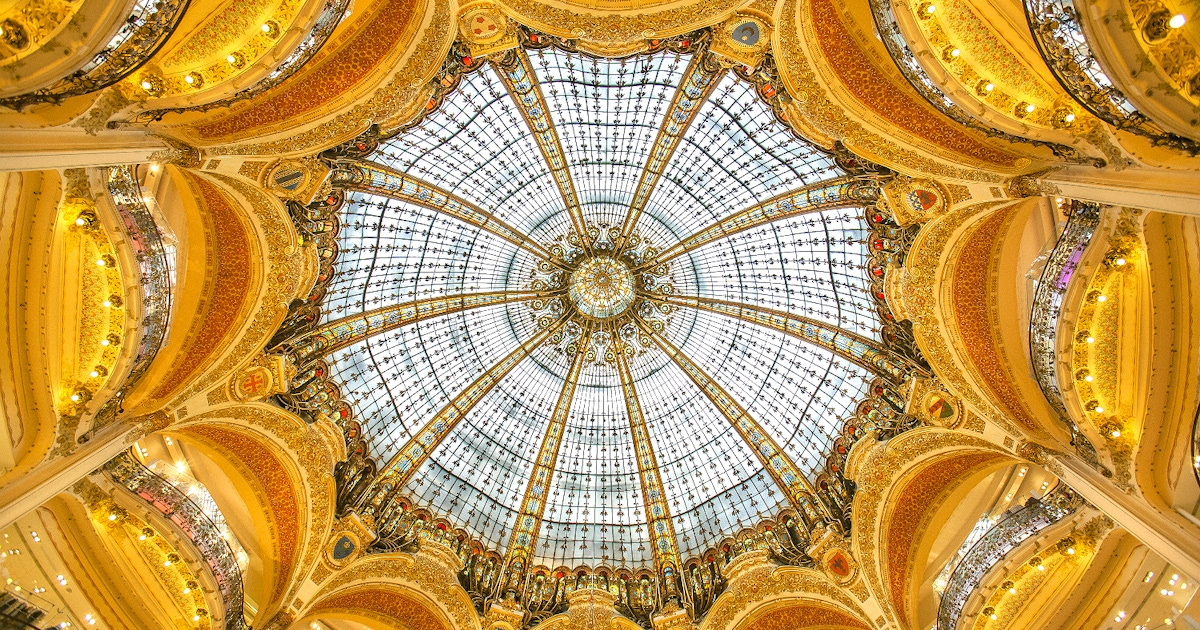
Galeries Lafayette Haussmann is far more than a place to buy clothes. Beneath its immense stained-glass dome, Parisian fashion, architecture, food and theatre come together in one of the city’s most recognisable interiors.
Visitors can browse major French and international brands, stand on a glass walkway suspended above the central atrium, explore a gourmet food hall and finish on a rooftop terrace overlooking the Opéra Garnier, Eiffel Tower, Montmartre and the rooftops of central Paris.
Sponsored Popular Items
Quick take: Musement.com offers a worldwide selection of tours and attractions
Galeries Lafayette Haussmann 90-Minute Guided Tour France Galeries Lafayette Haussmann Exclusive Guided Tour is a convenient way to add structure, local context and purposeful sightseeing to the itinerary. Check current availability, inclusions and booking details before you go.
The store is particularly useful for travellers because many of its best features can be enjoyed without making a purchase. Entry to the department store is free, the dome can be viewed from several levels, and access to the rooftop panorama is normally free during opening hours.
Galeries Lafayette Haussmann is also spread across several buildings rather than one simple shopping centre. Knowing which building contains the dome, menswear, food hall and home departments can save a considerable amount of time.
Galeries Lafayette Haussmann Quick Facts
Visitor information
Details
Main address
40 Boulevard Haussmann, 75009 Paris
Main building
Coupole Store
Admission
Free
Rooftop terrace
Normally free to access
Dome height
Approximately 43 metres
Glasswalk
Timed reservation required
Monday to Saturday
Normally 10:00 am to 8:30 pm
Sunday
Normally 11:00 am to 8:00 pm
Closest metro
Chaussée d’Antin–La Fayette
Closest RER stations
Auber and Haussmann–Saint-Lazare
Typical sightseeing visit
One to two hours
Shopping and meal visit
Three hours or more
Best known for
Art Nouveau dome, luxury shopping, rooftop views and Christmas displays
Important: Opening hours, rooftop access, restaurant operations and scheduled experiences can change during public holidays, special events and severe weather.
What Is Galeries Lafayette Haussmann?
Galeries Lafayette Haussmann is the flagship location of the French Galeries Lafayette department-store group. It occupies several connected or closely positioned buildings in the Opéra district of central Paris.
The best-known building is the Coupole Store, named after its elaborate stained-glass dome. This is the building most visitors imagine when they hear the name Galeries Lafayette.
The complex combines:
Luxury fashion.
Affordable and mid-range labels.
Beauty and fragrance departments.
Watches and jewellery.
Children’s fashion.
Menswear.
Homewares.
French food and wine.
Restaurants and cafés.
Visitor experiences and events.
Although shopping remains its main commercial purpose, the architecture and rooftop view have turned the store into a major Paris attraction.
A Short History of Galeries Lafayette Haussmann
Théophile Bader and Alphonse Kahn opened a small fashion shop near the intersection of Rue La Fayette and Rue de la Chaussée d’Antin in the late 19th century.
The location was well chosen. It stood near the railway stations, theatres, cafés and affluent neighbourhoods of a rapidly modernising Paris.
As the business expanded, the founders acquired neighbouring buildings along Boulevard Haussmann. Their aim was not merely to build a larger shop but to create a destination where shopping became a form of entertainment.
The great central hall and dome were inaugurated in 1912. The enlarged store included multiple departments, elegant balconies, restaurants, reading rooms and a rooftop terrace.
This approach reflected the changing culture of Paris. Department stores offered fixed prices, large displays, seasonal promotions and the ability to compare many products in one building.
Galeries Lafayette became closely associated with French fashion and the idea that style should be available to a much broader public than the traditional clients of exclusive couture houses.
The Famous Art Nouveau Dome
The main reason many travellers enter Galeries Lafayette is to see the dome.
Rising approximately 43 metres above the central atrium, the structure combines coloured glass, metal framing, gilded balconies and Neo-Byzantine decorative influences.
Master glassmaker Jacques Gruber designed the stained-glass panels, while the elaborate ironwork is associated with the decorative artist Louis Majorelle and the École de Nancy.
Natural light enters through the glass and changes the appearance of the atrium during the day. The colours are often most noticeable when the sky is bright but not excessively harsh.
Where Is the Best View of the Dome?
The central ground-floor atrium provides the classic view looking directly upwards. This is the best position for appreciating the complete height of the building.
The upper balconies offer a different perspective. From these levels, visitors can inspect the stained glass, ironwork and decorative details more closely.
Photography is often easier from a balcony because the camera can be held level rather than pointed vertically towards the ceiling.
Christmas Beneath the Dome
During the Christmas season, an enormous themed tree is traditionally installed in the centre of the atrium beneath the dome.
The design changes each year and is accompanied by animated window displays along Boulevard Haussmann.
The holiday period is visually impressive but extremely busy. Visitors who want clear photographs should arrive soon after opening on a weekday.
The Glasswalk
The Glasswalk is a transparent walkway extending from an upper balcony into the open central atrium beneath the dome.
The walkway is approximately nine metres long and suspended about 16 metres above the floor. From its outer end, visitors can photograph the dome, balconies and central shopping hall from an unusual position.
Do You Need to Book?
Yes. Access is controlled through short timed sessions, and reservations are normally required.
Slots are brief because the platform has limited capacity. Visitors should arrive before the stated appointment time and keep the reservation available on their phone.
Late arrivals may lose their booking.
Is the Glasswalk Frightening?
The structure is secure, but the transparent floor can feel uncomfortable for visitors who dislike heights.
There is no need to use the Glasswalk to enjoy the dome. Excellent views are available from the surrounding balconies.
Photography on the Glasswalk
The walkway is one of the most popular photo locations in the store. Use a wide-angle phone or camera setting to include both the person and the dome.
Because time is limited, decide on your pose before stepping onto the platform.
The Rooftop Terrace
The rooftop terrace is one of the best free viewpoints in central Paris.
Located on the eighth floor of the main Coupole building, it overlooks the roof of the Opéra Garnier and the dense streets of the 9th arrondissement.
On a clear day, visitors can identify:
The Eiffel Tower.
Opéra Garnier.
Sacré-Cœur and Montmartre.
Notre-Dame in the distance.
La Défense.
The Paris rooftops surrounding Boulevard Haussmann.
Is the Rooftop Free?
General access is normally free. A purchase from a rooftop café or seasonal restaurant is not required simply to view the panorama.
How Do You Reach the Rooftop?
Use the escalators or lifts in the Coupole building to reach the upper floors, then follow signs marked “Terrasse” or “Rooftop.”
The final section may involve stairs, queues or controlled access depending on current arrangements.
Can the Rooftop Close?
Yes. Strong wind, rain, storms, maintenance or special events can cause temporary closure.
Visitors should treat rooftop access as weather-dependent rather than guaranteed.
Best Time for the View
Morning provides clearer space and softer crowds. Late afternoon is better for warmer light and possible sunset views.
Sunset is popular, and the terrace can become crowded with photographers. Arrive early enough to secure a position near the edge.
Understanding the Different Buildings
Galeries Lafayette Haussmann is divided into three principal stores. They are close together, but each has a different focus.
Building
Address
Main departments
Coupole Store
40 Boulevard Haussmann
Women’s fashion, luxury, beauty, jewellery, children, wellness, dome and rooftop
Men’s Store
48 Boulevard Haussmann
Menswear, shoes, accessories and lifestyle brands
Gourmet & Home Store
35 Boulevard Haussmann
Food hall, restaurants, wine, delicatessen, furniture and homewares
The Coupole Store
This is the essential building for first-time visitors. It contains the central dome, major luxury concessions, beauty halls, women’s fashion, the Glasswalk and access to the rooftop terrace.
The Men’s Store
The separate Men’s Store spreads menswear across several floors. It carries both established labels and more contemporary brands.
The Gourmet & Home Store
Located across Boulevard Haussmann, this building is valuable even for visitors who are not interested in fashion.
Its food halls contain pastries, cheese, charcuterie, seafood, chocolate, wine and ready-to-eat meals. Upper floors focus on furniture, kitchenware and interior design.
What Can You Buy?
Galeries Lafayette carries thousands of brands across a broad range of prices.
Luxury Fashion
The main building contains concessions and boutiques for major French and international luxury houses.
Popular departments can become crowded, and queues may form outside individual boutiques during busy periods.
French Fashion
The store is a practical place to compare French labels in one location. Visitors can move between established designers, contemporary brands and more affordable fashion without travelling across Paris.
Beauty and Fragrance
The ground-floor beauty area is one of the busiest sections. It includes cosmetics, skincare, perfume and specialist beauty services.
Visitors looking for French pharmacy products should check the dedicated beauty and care areas as well as ordinary cosmetic counters.
Jewellery and Watches
Watch and jewellery departments range from fashion accessories to luxury timepieces and fine jewellery.
Children’s Fashion
The Coupole building includes children’s clothing, footwear and gifts from French and international brands.
Souvenirs
The store sells Paris-themed gifts, gourmet food, confectionery, accessories and French-made items. These can be more polished than souvenirs sold beside major monuments, although prices may be higher.
Galeries Lafayette Gourmet
Galeries Lafayette Gourmet is one of the most useful food destinations in the Opéra district.
Rather than functioning only as a supermarket, it combines food retail, delicatessen counters, bakeries, wine merchants and casual dining.
Visitors can browse:
French cheeses.
Charcuterie.
Fresh bread.
Pastries and macarons.
Chocolate.
Wine and champagne.
Foie gras and preserved foods.
Spices and condiments.
International dishes.
Prepared meals.
Buying Food to Take Home
Packaged biscuits, chocolate, tea, preserves and sealed delicatessen products are the easiest souvenirs to transport.
Travellers should check the customs and biosecurity regulations of their home country before buying meat, dairy or fresh food.
Buying a Picnic
The food hall is a convenient place to assemble a Paris picnic. Bread, cheese, fruit, pastries and drinks can be purchased in one building.
Food bought in the Gourmet building should not automatically be taken onto every restaurant terrace or consumption area. Follow the signs and staff instructions.
The Gourmet building is the best option for a fast lunch. Several counters serve dishes that can be eaten immediately.
Pastries and Coffee
Cafés throughout the complex offer pastries, coffee and lighter snacks. These are useful when sightseeing but can become crowded in the afternoon.
French and International Food
The restaurant selection includes French, Mediterranean and international options. The exact businesses change periodically, so current listings should be checked before planning a specific meal.
Rooftop Dining
Seasonal restaurants and bars often operate on the rooftop during warmer months.
These venues provide impressive views but may require reservations. The general viewing terrace can normally still be visited without dining.
Tours, Fashion Shows and Experiences
Galeries Lafayette offers several bookable activities that turn the visit into more than a shopping trip.
Guided Heritage Tours
Heritage tours explain the history of the store, the architecture of the dome and the development of the Paris department-store tradition.
These tours are worthwhile for visitors interested in Art Nouveau architecture and retail history.
Fashion Shows
Short fashion presentations are held on selected dates. They provide an accessible introduction to contemporary French style rather than the invitation-only atmosphere of Paris Fashion Week.
Cooking and Macaron Classes
Bookable workshops may include French cooking, pastry or macaron preparation.
These activities are popular and should be reserved in advance.
Wine Tastings
Wine and food experiences introduce visitors to French wine regions, tasting techniques and food pairings.
Temporary Exhibitions and Pop-Ups
The store regularly hosts fashion installations, brand launches, art exhibitions and seasonal events.
Check the current events calendar before visiting because temporary displays can significantly change the appearance of the atrium and rooftop.
Opening Hours
The normal opening schedule for the main Coupole building is:
Monday to Saturday: 10:00 am to 8:30 pm.
Sunday: 11:00 am to 8:00 pm.
The Men’s and Home stores generally follow similar hours.
The Gourmet food hall may open earlier and close later than the main fashion buildings.
Hours can vary on:
Public holidays.
Christmas Eve.
New Year’s Eve.
Major sales days.
Special events.
The rooftop may close before the store itself, particularly during poor weather.
How to Get to Galeries Lafayette Haussmann
By Metro
The most convenient station is Chaussée d’Antin–La Fayette, served by Metro Lines 7 and 9.
Other useful stations include:
Opéra: Lines 3, 7 and 8.
Havre–Caumartin: Lines 3 and 9.
Trinité–d’Estienne d’Orves: Line 12.
Madeleine: Lines 8, 12 and 14.
By RER
Auber on RER Line A is close to the store.
Haussmann–Saint-Lazare on RER Line E is also within walking distance.
From Gare du Nord
Metro Line 7 provides a relatively direct route to Chaussée d’Antin–La Fayette.
From the Louvre
Visitors can take Metro Line 7 from Palais Royal–Musée du Louvre towards Chaussée d’Antin–La Fayette.
From the Eiffel Tower
Several routes are possible. A practical option is to use Metro Line 9 from Trocadéro towards Chaussée d’Antin–La Fayette.
On Foot
Galeries Lafayette is easy to reach on foot from:
Opéra Garnier.
Place de la Madeleine.
Saint-Lazare station.
Place Vendôme.
Rue de la Paix.
Printemps Haussmann.
By Taxi or Rideshare
Traffic around Boulevard Haussmann can be heavy. Allow extra time during weekday afternoons and the Christmas shopping period.
Tax-Free Shopping for International Visitors
Eligible visitors who live outside the European Union may be able to claim a VAT refund on qualifying purchases.
At the time of writing, Galeries Lafayette advertises a standard refund of approximately 12 percent, excluding some fees, on eligible purchases above the required minimum threshold.
General Eligibility
Visitors generally need to:
Be permanently resident outside the European Union.
Be at least 16 years old.
Stay in the European Union for fewer than six months.
Make qualifying purchases above the required minimum.
Export the goods from the European Union within the permitted period.
Present an original passport and any required supporting documents.
Where to Process the Refund
The tax-refund area is located in the Coupole Store.
Keep all original receipts and allow enough time to complete the paperwork before the service closes.
Important Airport Step
Receiving paperwork or a preliminary refund in the store does not remove the requirement to validate the export when leaving the European Union.
Customs may ask to inspect the purchased items, so keep them accessible and unused where required.
Tax rules can change. Confirm the current minimum spend, documentation and departure procedure before purchasing expensive goods.
Accessibility
The main retail floors are served by lifts and escalators, and the department stores are generally accessible to visitors with reduced mobility.
However, crowded conditions can make movement difficult during weekends, sales periods and Christmas.
Accessibility may vary for:
The final approach to the rooftop.
The Glasswalk.
Temporary exhibitions.
Seasonal rooftop restaurants.
Historic or restricted areas used during heritage tours.
Visitors who require step-free rooftop access or specific assistance should contact the store before travelling.
The Best Time to Visit
Weekday Morning
This is the best time for viewing the dome, browsing beauty counters and taking photographs with fewer people.
Late Afternoon
Late afternoon is ideal for combining shopping with the rooftop near sunset.
The drawback is that the store and rooftop are usually busier.
Sunday
Sunday is convenient because many smaller Paris shops close or reduce their hours. Galeries Lafayette remains a useful shopping and sightseeing destination.
Christmas Season
The Christmas tree and animated windows are spectacular, but crowds can be intense.
Visit shortly after opening and avoid Saturday afternoon where possible.
Sales Periods
French winter and summer sales attract large crowds and may create queues at fitting rooms, payment desks and tax-refund services.
How Long Should You Allow?
Quick Sightseeing Visit
Allow approximately one hour to see the dome, walk through several levels and visit the rooftop.
Dome, Glasswalk and Rooftop
Allow 90 minutes to two hours, especially when waiting for lifts or timed Glasswalk access.
Shopping Visit
Allow three hours or more when comparing brands, using tax-refund services or visiting several buildings.
Shopping and Meal
A complete visit involving the Coupole, Men’s or Home stores, Gourmet food hall and lunch can easily occupy half a day.
Photography Tips
Stand near the centre of the ground floor for the classic upward view of the dome.
Use a wide-angle setting to capture the full atrium.
Move to an upper balcony for less distortion.
Avoid blocking escalator exits or shop entrances.
Reserve the Glasswalk before arrival.
Visit the rooftop when visibility is clear.
Use the Opéra Garnier as a foreground subject on the terrace.
Bring a lens cloth because rain and wind can affect rooftop photography.
Respect restrictions near individual luxury boutiques and security areas.
Tripods and large photographic equipment may be restricted because of crowds and safety concerns.
Things to Do Near Galeries Lafayette Haussmann
Opéra Garnier
The Palais Garnier is only a short walk away. Visitors can admire the exterior, book a self-guided interior visit or attend a performance.
Printemps Haussmann
Another historic Paris department store stands nearby. Its architecture, food areas and rooftop options make it an easy addition to a shopping-focused day.
Place de la Madeleine
The monumental Madeleine church is surrounded by specialist food shops, confectioners and delicatessens.
Place Vendôme
Place Vendôme is known for luxury jewellery, elegant façades and the column at its centre.
Rue de la Paix
This street links Opéra Garnier with Place Vendôme and contains several prestigious jewellery and watch houses.
Musée du Parfum Fragonard
The nearby perfume museum introduces the history and techniques of French fragrance production.
Montmartre
Montmartre can be reached by metro or a longer uphill walk. The Sacré-Cœur visible from the rooftop stands at its summit.
Suggested Half-Day Itinerary
9:45 am: Arrive Near Boulevard Haussmann
Walk around the exterior and view the display windows before the main store becomes busy.
10:00 am: Enter the Coupole Store
Begin beneath the dome and take photographs from the ground floor.
10:30 am: Explore the Upper Balconies
Use the escalators to inspect the dome and decorative ironwork from several levels.
11:00 am: Glasswalk Reservation
Complete the timed experience and take your photographs from the transparent walkway.
11:30 am: Visit the Rooftop Terrace
Look across the Opéra Garnier towards the Eiffel Tower and Montmartre.
12:15 pm: Browse the Fashion or Beauty Floors
Choose one or two departments rather than attempting to inspect every floor.
1:15 pm: Lunch at Galeries Lafayette Gourmet
Cross Boulevard Haussmann and choose a restaurant, delicatessen counter or pastry shop.
2:30 pm: Continue to Opéra Garnier
End the outing with a visit to the opera house or walk towards Place Vendôme and the Tuileries Garden.
Practical Visitor Tips
Use the Coupole entrance when visiting primarily for the dome and rooftop.
Book the Glasswalk before arriving.
Visit early for clearer photographs.
Check the weather before planning a rooftop visit.
Download or photograph the store map.
Keep your passport with you when planning a tax refund.
Retain all purchase receipts.
Allow extra time for tax-refund queues.
Do not assume all three buildings have identical opening hours.
Use the Gourmet building for lunch or edible souvenirs.
Secure valuables in crowded areas.
Wear comfortable shoes because the complex is large.
Frequently Asked Questions About Galeries Lafayette Haussmann
Is Galeries Lafayette Haussmann free to enter?
Yes. There is no general admission fee to enter the department store.
Is the rooftop terrace free?
General access is normally free, although seasonal restaurants and special events may charge separately.
Where is the famous dome?
The dome is inside the main Coupole Store at 40 Boulevard Haussmann.
What floor is the rooftop?
The terrace is on the eighth floor of the main building.
Can the rooftop close?
Yes. It may close because of rain, strong wind, storms, maintenance or private events.
Do I need to book the rooftop?
Normal terrace access usually does not require a reservation.
Do I need to book the Glasswalk?
Yes. Timed reservations are normally required because capacity is limited.
How long is the Glasswalk visit?
Each timed slot is brief, usually around five minutes.
Is the Glasswalk free?
Access arrangements can change. Check the current booking page when reserving.
What are the opening hours?
The main store normally opens from 10:00 am to 8:30 pm Monday to Saturday and from 11:00 am to 8:00 pm on Sunday.
What is the nearest metro station?
Chaussée d’Antin–La Fayette on Lines 7 and 9 is the most convenient station.
How far is Galeries Lafayette from the Opéra Garnier?
It is only a few minutes away on foot.
Can you see the Eiffel Tower from the rooftop?
Yes, provided visibility is good.
Can you see Sacré-Cœur?
Yes. Sacré-Cœur and the hill of Montmartre can normally be seen from the terrace.
Is Galeries Lafayette worth visiting without shopping?
Yes. The dome, balconies and rooftop make it worthwhile even for visitors who do not intend to buy anything.
Which building contains the food hall?
The Gourmet & Home Store at 35 Boulevard Haussmann contains the main food hall.
Can I eat on the rooftop?
Seasonal restaurants and bars often operate there, but availability changes throughout the year.
Are there toilets?
Yes. Customer toilets are available within the complex, although some facilities or services may carry a charge or require access through particular floors.
Is Galeries Lafayette accessible to wheelchair users?
The main shopping floors have lifts, but access to the rooftop, Glasswalk and temporary installations should be confirmed in advance.
Can tourists receive a VAT refund?
Eligible non-European Union residents may claim a refund on qualifying purchases when the current conditions are met.
Do I need my passport for the tax refund?
Yes. The original passport and any required supporting documentation should be presented.
Can I process purchases from different Galeries Lafayette buildings together?
Qualifying purchases from the Haussmann Coupole, Men’s, Home and Gourmet stores may generally be combined under the store’s current rules. Keep every receipt.
When are the Christmas decorations displayed?
The Christmas windows and central tree normally appear during the weeks leading into the holiday season. Exact dates and themes change annually.
Is it crowded?
It can be very crowded during weekends, sales periods, Christmas and late afternoons. Weekday mornings are usually quieter.
How long should a first-time visitor stay?
Allow at least 90 minutes for the dome, upper floors and rooftop. Add more time for shopping, dining or the Glasswalk.
Sponsored Popular Items
Quick take: Musement.com offers a worldwide selection of tours and attractions
Galeries Lafayette Haussmann Tours & Activities France Compare sightseeing experiences in Galeries Lafayette Haussmann, with practical tips on timing, inclusions and choosing the right option. Check current availability, prices and booking conditions before you go.
Final Thoughts
Galeries Lafayette Haussmann succeeds because it offers more than shopping. The building turns retail into theatre, with fashion counters arranged beneath one of Paris’s most remarkable commercial interiors.
The dome provides the architectural drama, the Glasswalk offers a modern viewpoint and the rooftop reveals how closely the store is connected to the surrounding city. Opéra Garnier appears almost within reach, while the Eiffel Tower and Sacré-Cœur rise beyond layers of grey Parisian roofs.
Visitors with limited time can see the highlights in little more than an hour. Those interested in fashion, food, architecture or photography can easily spend half a day exploring the three buildings.
Arrive early, begin beneath the dome, reserve the Glasswalk in advance and leave the rooftop until the light is at its best. Even without buying anything, Galeries Lafayette Haussmann provides one of the most enjoyable free indoor-and-outdoor experiences in central Paris.
Sponsored Popular Items
Quick take: Musement.com offers a worldwide selection of tours and attractions
Galeries Lafayette Haussmann 90-Minute Guided Tour France Galeries Lafayette Haussmann Exclusive Guided Tour is a convenient way to add structure, local context and purposeful sightseeing to the itinerary. Check current availability, inclusions and booking details before you go.
Galeries Lafayette Haussmann Tours & Activities France Compare sightseeing experiences in Galeries Lafayette Haussmann, with practical tips on timing, inclusions and choosing the right option. Check current availability, prices and booking conditions before you go.
The Rock of Gibraltar is one of Europe’s most recognisable natural landmarks. Rising steeply above a compact British territory at the entrance to the Mediterranean, the great limestone ridge has served as a fortress, lookout point, wildlife refuge and symbol of strength for centuries.
Most visitors come for the panoramic views and Gibraltar’s famous Barbary macaques, but the Upper Rock contains much more than a scenic summit. Inside and around the Rock are natural caves, military tunnels, gun batteries, walking trails, glass viewing platforms and remnants of fortifications created during repeated sieges.
Sponsored Popular Items
Quick take: Musement.com offers a worldwide selection of tours and attractions
On a clear day, visitors can look across the Strait of Gibraltar towards North Africa, watch ships moving between the Atlantic and Mediterranean, and see the Spanish coastline extending around the Bay of Gibraltar.
The Rock can be visited during a short cruise call or day trip from southern Spain, but it rewards travellers who allow enough time to explore beyond the main viewpoint. This guide explains what to see, how to reach the Upper Rock while the cable car is closed, how much time to allow and how to behave safely around the macaques.
Rock of Gibraltar Quick Facts
Visitor information
Details
Location
Gibraltar, at the southern end of the Iberian Peninsula
Political status
British Overseas Territory
Highest point
Approximately 426 metres above sea level
Highest accessible area
O’Hara’s Battery
Main rock type
Jurassic limestone
Protected area
Gibraltar Nature Reserve, Upper Rock
Main attractions
St Michael’s Cave, Skywalk, Great Siege Tunnels, macaques and walking trails
Adult Nature Reserve ticket
£30 at the time of writing
Child Nature Reserve ticket
£22 for children aged 5–11
Children aged 0–4
Free admission
Cable car
Closed for major refurbishment as of June 2026
Currency
Gibraltar pound; British pounds are widely accepted
Typical Upper Rock visit
Three to five hours
Full Gibraltar visit
One complete day
Important: Prices, opening hours, attraction closures and transport arrangements may change. Check official visitor information shortly before travelling.
What Is the Rock of Gibraltar?
The Rock of Gibraltar is a steep limestone promontory dominating the small territory of Gibraltar. It rises abruptly from the surrounding low ground and can be seen from ships, aircraft and roads across southern Spain.
The Rock stands beside the Strait of Gibraltar, the narrow maritime gateway connecting the Atlantic Ocean with the Mediterranean Sea. Morocco lies across the water to the south, while Spain surrounds Gibraltar to the north.
Its distinctive shape changes depending on the direction from which it is viewed. From Spain, the western side appears broad and imposing. From the Mediterranean side, the Rock presents steep cliffs rising almost directly above the sea.
The lower western slopes contain most of Gibraltar’s homes, businesses and streets. The upper slopes form the Nature Reserve, where visitors find the principal viewpoints, historic attractions and macaque groups.
How Was the Rock Formed?
The Rock consists mainly of Jurassic limestone formed from marine sediments roughly 200 million years ago. The rock was later raised, folded and tilted by enormous geological forces associated with the movement of the African and Eurasian tectonic plates.
Although Gibraltar appears connected naturally to Spain, the low sandy isthmus north of the Rock developed much later than the limestone ridge itself.
Rainwater gradually dissolved parts of the limestone, creating caves, passages, chambers and cracks. More than a hundred caves have been identified within Gibraltar.
The best known is St Michael’s Cave, but the Rock also contains archaeological caves, natural cavities and an extensive system of human-made military tunnels.
The Pillars of Hercules
In ancient geography, Gibraltar was identified with one of the Pillars of Hercules. The mountain commonly associated with the opposite pillar stands across the Strait in North Africa.
For ancient Mediterranean sailors, the pillars marked the entrance to the unknown Atlantic world beyond the familiar sea.
Why Gibraltar Became So Important
Gibraltar’s strategic value comes from its position beside one of the world’s most important maritime passages.
For centuries, whoever controlled Gibraltar could observe ships entering and leaving the Mediterranean. This made the Rock valuable to Moorish, Spanish and British forces and led to repeated sieges and military construction.
Moorish Gibraltar
In 711, forces led by Tariq ibn Ziyad crossed from North Africa during the Muslim conquest of the Iberian Peninsula. The name Gibraltar comes from the Arabic Jabal Tariq, meaning the Mountain of Tariq.
The surviving Moorish Castle reflects Gibraltar’s medieval Islamic period, although the visible fortifications were constructed and rebuilt over different stages.
British Control
An Anglo-Dutch force captured Gibraltar in 1704 during the War of the Spanish Succession. British possession was formally recognised by the Treaty of Utrecht in 1713.
Spain later made repeated attempts to recover the territory. The most famous was the Great Siege from 1779 to 1783, when British defenders created tunnels and gun positions within the northern face of the Rock.
The Second World War
Gibraltar became a major Allied military base during the Second World War. The civilian population was largely evacuated, and military engineers expanded the internal tunnel system enormously.
Command centres, storage areas, workshops, accommodation, hospitals and vehicle routes were created inside the limestone.
The Rock is therefore not only a natural formation. It is also a vast military structure containing kilometres of tunnels and chambers.
The Upper Rock Nature Reserve
The Gibraltar Nature Reserve covers a substantial section of the territory and protects the Rock’s landscape, wildlife, vegetation, caves and historic sites.
Visitors normally need a Nature Reserve ticket to enter the principal Upper Rock attractions. The ticket covers a range of sites rather than charging separately for each major stop.
The reserve includes:
St Michael’s Cave.
The Great Siege Tunnels.
Skywalk.
Windsor Suspension Bridge.
Apes’ Den.
O’Hara’s Battery.
Princess Caroline’s Battery.
Military viewpoints and exhibitions.
Marked nature trails.
Habitats used by Barbary macaques and migratory birds.
Not every site is always open. Maintenance, weather, military requirements and improvement work may temporarily restrict access.
How to Reach the Top of the Rock
Visitors currently have three main ways to explore the Upper Rock: walking, taking an authorised taxi tour or joining an organised excursion.
Walking
Walking provides the greatest freedom and allows visitors to spend time on the trails and viewpoints. However, the roads and paths are steep, and a complete circuit involves a considerable amount of climbing and descending.
Fit visitors can enter near Jews’ Gate or another recognised reserve entrance and follow marked routes between the main attractions.
A walking visit should not be judged by distance alone. Gibraltar’s heat, humidity, stairs and steep gradients can make a relatively short route tiring.
Authorised Taxi Tour
Licensed taxi tours are currently one of the easiest ways to reach the major Upper Rock attractions while the cable car is unavailable.
Drivers normally use minibuses or taxis adapted to the narrow roads and stop at a selection of attractions. The exact route, duration and number of stops depend on the tour purchased.
Before agreeing to a tour, confirm:
Whether the Nature Reserve admission fee is included.
Which attractions will be visited.
How much time is allowed at each stop.
Whether the vehicle returns to the border, town centre or cruise terminal.
Whether the price is per person or for the entire vehicle.
Organised Excursion
Day tours operate from Costa del Sol destinations including Málaga, Marbella and Estepona. Cruise passengers can also book shore excursions from Gibraltar’s port.
Some tours include only a panoramic drive and short monkey stop, while others include St Michael’s Cave, tunnels and free time in town. Read the itinerary carefully before booking.
Private Cars
Private visitor vehicles are generally not permitted to tour the Upper Rock Nature Reserve. Roads are narrow, steep and controlled.
Drivers should park in town or on the Spanish side and continue by foot, tour vehicle or local transport.
Current Gibraltar Cable Car Closure
For many years, the Gibraltar Cable Car was the best-known route from Grand Parade to the upper part of the Rock.
At the time of writing in June 2026, the cable car is closed while a major new system is constructed. No normal passenger service is operating.
Visitors should ignore outdated articles and ticket pages that still describe the cable car as the standard route to the summit.
The Upper Rock remains open. Current alternatives include:
Licensed taxi tours.
Guided minibus tours.
Walking through an official reserve entrance.
Approved guided cycling or electric-bike experiences where available.
No firm reopening date should be assumed until it is confirmed officially.
The Best Upper Rock Attractions
St Michael’s Cave
St Michael’s Cave is the best-known natural attraction inside the Rock. Its large limestone chambers contain stalactites, stalagmites and other formations created by water over thousands of years.
The main cavern is illuminated with a modern sound-and-light presentation. It is also used as an auditorium for concerts and events.
During the Second World War, the cave was prepared for possible use as a hospital, although it was not ultimately required for that purpose.
The standard tourist visit covers the Upper Cave. Lower St Michael’s Cave is a separate and more adventurous experience requiring advance arrangements and specialist supervision.
Skywalk
The Skywalk is a glass viewing platform built high on the eastern side of the Rock. It provides broad views across the Mediterranean, the Strait, Gibraltar and the Spanish coast.
On a clear day, the mountains of North Africa may be visible across the water.
The glass floor is secure, but visitors uncomfortable with heights may prefer to remain on the solid section of the platform.
Windsor Suspension Bridge
The Windsor Suspension Bridge crosses a steep rocky gap on the western side of the reserve.
The bridge is approximately 71 metres long and forms part of the walking-trail network. It moves slightly as visitors cross, creating a more adventurous experience than the nearby roads and viewpoints.
It can be avoided by visitors who dislike heights or unstable surfaces.
The Great Siege Tunnels
The Great Siege Tunnels were cut into the northern face of the Rock during the siege of 1779–1783.
The defenders initially needed a way to position guns where they could fire upon enemy forces. Openings were cut through the tunnel walls, turning the passage into an effective artillery gallery.
Displays, models and historic gun positions explain how the tunnels were constructed and used.
The passages involve slopes and steps, so allow enough time rather than rushing through.
The Second World War Tunnels
The Second World War tunnel network is much larger than the Great Siege system. Military engineers created an underground city capable of supporting a substantial garrison.
Only selected sections are open to visitors, and access arrangements may differ from the standard self-guided reserve attractions.
Visitors interested in military history should check whether a guided tunnel experience is operating on the day of their visit.
O’Hara’s Battery
O’Hara’s Battery stands near the highest point of the Rock, approximately 426 metres above sea level.
The site contains a large 9.2-inch coastal gun installed during the period when Gibraltar formed a major part of Britain’s imperial naval defence system.
Reaching the battery involves a steep climb. The reward is one of Gibraltar’s finest viewpoints.
Princess Caroline’s Battery
Princess Caroline’s Battery is another historic artillery position and provides access to military exhibits and views over the northern part of Gibraltar.
It is often combined with a visit to the Great Siege Tunnels.
Apes’ Den
Apes’ Den is a traditional viewing area associated with Gibraltar’s macaques.
The animals are not confined there and may appear almost anywhere in the Upper Rock. Sightings are common but cannot be guaranteed at one precise location.
The Moorish Castle
The Tower of Homage at the Moorish Castle is one of Gibraltar’s most visible historic structures.
At the time of writing, the castle site is closed for improvement work. Check its status before including it in an itinerary.
The Barbary Macaques
Gibraltar’s Barbary macaques are the only free-living population of monkeys in Europe.
Despite often being called apes, they are macaques and are native to North Africa. Several social groups live across the Upper Rock.
The animals have become comfortable around people, but they remain wild. They can scratch, bite, grab bags and react quickly when frightened or excited.
How to Behave Around the Macaques
Do not touch them.
Do not feed them.
Do not hold food where they can see it.
Keep bags securely closed.
Avoid carrying food in thin plastic bags.
Do not crouch beside young animals.
Do not block their path.
Do not stare directly into their eyes at close range.
Do not attempt a selfie with your face beside a macaque.
Follow the instructions of reserve staff and guides.
Feeding and interfering with the macaques is illegal. Human food changes their behaviour and encourages aggressive contact with visitors.
What to Do if a Macaque Approaches
Remain calm, avoid sudden movements and do not try to push the animal away.
If a macaque climbs onto a bag or railing beside you, allow it space to move. A guide or reserve employee can help when necessary.
Do not engage in a struggle over food or an object. Macaques are stronger and faster than they appear.
Walking Routes and Hiking Difficulty
The Upper Rock can be explored through several marked trail networks. Routes range from relatively easy walks to steep climbs involving uneven steps and exposed terrain.
Nature Lover Trail
This is one of the gentler options and focuses on scenery, vegetation and viewpoints. It is suitable for visitors who want a quieter alternative to the busiest road-based attractions.
Monkey Trail
The Monkey Trail connects areas frequently used by Gibraltar’s macaques. Wildlife remains unpredictable, so the name should not be treated as a guarantee of constant sightings.
History Buff Trail
This route links military positions, tunnels and historic sites. It is well suited to visitors interested in Gibraltar’s defensive history.
Thrill Seeker Trail
The more difficult trail network includes steep paths and demanding sections. Visitors need good footwear, sufficient water and confidence on uneven ground.
Mediterranean Steps
The Mediterranean Steps are among Gibraltar’s most strenuous recognised hikes. The route climbs the steep eastern and southern slopes towards the summit area.
The scenery is impressive, but the trail should not be attempted casually in strong heat, high wind, rain or poor visibility.
The walk includes:
Uneven stone steps.
Steep ascents.
Exposed slopes.
Limited shade.
Sections where secure footing is essential.
Start early, carry plenty of water and check local conditions before setting out.
Tickets and Opening Hours
At the time of writing, standard Nature Reserve admission is:
Ticket category
Price
Adult aged over 11
£30
Child aged 5–11
£22
Child aged 0–4
Free
The ticket provides access to the reserve and its included attractions, subject to opening status and operational restrictions.
Seasonal Opening Hours
May to September: Approximately 9:30 am to 7:00 pm.
October to April: Approximately 9:00 am to 6:00 pm.
Final ticket sales and last admission occur before closing time. Some individual attractions may close earlier.
The reserve normally closes on Christmas Day and New Year’s Day, with shorter hours on 24 and 31 December.
How Long Should You Allow?
Quick Rock Tour
A short taxi or minibus tour may take approximately 90 minutes to two hours. This is enough for selected viewpoints, a brief macaque encounter and one or two major attractions.
Standard Upper Rock Visit
Allow three to five hours to visit St Michael’s Cave, the Skywalk, macaque areas and the Great Siege Tunnels without rushing.
Walking Visit
A substantial self-guided walking route may require five to seven hours, depending on the entrance used, attractions visited and number of stops.
Complete Gibraltar Day
Allow a full day to combine the Upper Rock with Main Street, Casemates Square, Europa Point and lunch in town.
The Best Time to Visit
Spring
Spring generally provides comfortable walking temperatures, flowering vegetation and active bird migration.
Conditions can still be windy, and cloud may occasionally cover the summit.
Summer
Summer days can be hot and busy. Begin early, particularly when walking uphill or attempting the Mediterranean Steps.
Shade is limited on several routes, and reflected heat from the limestone can be intense.
Autumn
Early autumn is often warm enough for comfortable sightseeing while being less crowded than midsummer.
Rain and strong wind become more likely later in the season.
Winter
Winter can offer clear views and fewer visitors. Temperatures are usually mild compared with northern Europe, but the summit can feel cold in wind and cloud.
The Levante Cloud
Gibraltar is known for the Levante, an easterly wind that can create a dense cloud over the top of the Rock.
The town may remain sunny while the summit is hidden in mist. Views towards Africa can disappear completely during these conditions.
Check the summit before paying for a viewpoint-focused tour. Cloud does not prevent visits to caves and tunnels, but it may reduce the value of the scenic stops.
Getting to Gibraltar
From Málaga and the Costa del Sol
Gibraltar is commonly visited as a day trip from Málaga, Marbella, Estepona and other Costa del Sol resorts.
Driving times vary considerably with traffic. The journey from Málaga can take around two hours each way and sometimes longer.
Organised coaches simplify the journey but may provide limited time on the Rock.
By Car from Spain
Drivers approach through La Línea de la Concepción. Parking on the Spanish side and walking across the border is often easier than taking a car into Gibraltar.
This avoids possible vehicle queues and the difficulty of finding parking in the compact town centre.
By Bus
Spanish buses serve La Línea bus station, which is a short walk from the Gibraltar border.
After crossing, local buses, taxis and walking routes connect the border area with the town centre and reserve entrances.
By Air
Gibraltar International Airport is close to the border and town. The runway occupies the narrow isthmus linking Gibraltar with Spain.
By Cruise Ship
The cruise terminal is within walking distance of Casemates Square, although visitors with limited time may prefer a taxi or booked tour.
Cruise passengers should confirm that their Upper Rock tour returns with a generous margin before the ship’s departure.
Crossing the Gibraltar–Spain Border
The land frontier is open 24 hours a day, and there is no official fee to enter Gibraltar.
Visitors should carry a valid passport or other travel document accepted for their nationality.
Gibraltar is outside the Schengen Area and outside the European Union customs territory. Travellers crossing back into Spain must satisfy Spanish entry and customs requirements.
Border procedures can change, and delays are possible. This is especially important for:
Non-European passport holders.
Travellers close to the limit of their permitted Schengen stay.
Visitors carrying duty-free goods.
People travelling on a visa.
Cruise passengers with fixed boarding times.
Check current official border information before travelling rather than relying on old forum posts or tour-company summaries.
Accessibility
The Upper Rock presents significant accessibility challenges because of its steep terrain, historic structures, stairs and uneven surfaces.
Taxi tours can reduce the amount of walking, but not every attraction is step-free.
Visitors with limited mobility should ask tour operators specifically about:
Vehicle access at each stop.
Steps inside St Michael’s Cave.
Sloping passages in the tunnels.
Access to toilets.
Wheelchair storage in vehicles.
Time allowed for boarding and exiting.
The cable-car closure has reduced independent step-free options for reaching the upper areas. Contact the Nature Reserve or a licensed accessible-tour provider before travelling.
What to Bring
Passport: Essential when arriving through Spain.
Comfortable footwear: Roads, paths, caves and tunnels can be steep or uneven.
Water: Particularly important during summer and walking tours.
Sun protection: Bring sunscreen, sunglasses and a secure hat.
Light jacket: Summit wind and cave interiors can feel cool.
Small secure bag: Avoid loose food and open pockets around macaques.
Camera or phone: Panoramic views are a major part of the experience.
Payment card and cash: Gibraltar pounds and British pounds are commonly used.
Medication: Carry anything required during a long or strenuous visit.
Suggested One-Day Gibraltar Itinerary
8:30 am: Cross the Border or Arrive in Town
Begin early to avoid the busiest tour period and make the most of the cooler morning conditions.
9:00 am: Travel to the Upper Rock
Take a licensed taxi tour or enter the reserve on foot. Confirm that your ticket covers the attractions you intend to visit.
9:30 am: St Michael’s Cave
Allow approximately 30 to 45 minutes to explore the main chamber and lighting presentation.
10:30 am: Skywalk and Macaque Areas
Enjoy the views and observe the macaques without feeding or approaching them.
11:30 am: Great Siege Tunnels
Allow at least 45 minutes, particularly if you enjoy military history.
1:00 pm: Return to the Town Centre
Walk through Casemates Square and continue along Main Street.
1:30 pm: Lunch
Choose a pub, café or restaurant in the old town, Ocean Village or Queensway Quay.
3:00 pm: Explore Central Gibraltar
Visit the Gibraltar National Museum, city walls, churches, synagogues or shopping streets.
4:30 pm: Europa Point
Travel to Gibraltar’s southern end for views across the Strait, the lighthouse and the Ibrahim-al-Ibrahim Mosque.
6:00 pm: Return to the Border or Cruise Port
Leave extra time for traffic, border procedures or ship-security checks.
Other Places to Visit in Gibraltar
Casemates Square
Casemates Square is the main public space at the northern end of Main Street. It is surrounded by restaurants, shops and historic buildings.
Main Street
Main Street is Gibraltar’s principal shopping and pedestrian route. British, Mediterranean, Jewish, Genoese and North African influences can be seen in the surrounding streets.
Europa Point
Europa Point overlooks the Strait and North Africa. Attractions include Trinity Lighthouse, the Shrine of Our Lady of Europe and the Ibrahim-al-Ibrahim Mosque.
Catalan Bay
Catalan Bay is a small seaside settlement on the eastern side of Gibraltar, traditionally associated with fishing families.
Gibraltar National Museum
The museum explains Gibraltar’s archaeology, natural history and cultural development. It also contains remains of medieval baths.
Dolphin-Watching Trips
Boat tours operate in the Bay of Gibraltar and may encounter common, striped or bottlenose dolphins.
Wildlife sightings are never guaranteed, and visitors should choose operators that follow responsible viewing practices.
Frequently Asked Questions About the Rock of Gibraltar
Is Gibraltar a country?
Gibraltar is a British Overseas Territory rather than an independent sovereign country.
How high is the Rock of Gibraltar?
Its highest point is approximately 426 metres above sea level.
Can you currently take the cable car?
No. As of June 2026, the Gibraltar Cable Car is closed for major refurbishment.
How can I reach the Upper Rock while the cable car is closed?
You can walk, book a licensed taxi or minibus tour, or join an organised excursion.
How much does the Nature Reserve cost?
At the time of writing, tickets cost £30 for adults and £22 for children aged 5–11. Younger children enter free.
What does the Nature Reserve ticket include?
It includes entry to the reserve and a range of open attractions, including St Michael’s Cave, the Great Siege Tunnels, Skywalk and walking trails.
Is the Moorish Castle open?
It is temporarily closed for visitor-improvement work at the time of writing.
Can I drive my own car to the top?
Private visitor cars are generally not permitted to tour the Upper Rock Nature Reserve.
How long does it take to visit the Rock?
A short tour takes around two hours. Allow three to five hours for a fuller Upper Rock visit and an entire day for Gibraltar as a whole.
Can you see Africa from Gibraltar?
Yes. The mountains of North Africa are often visible on clear days, although cloud, haze and wind can obscure the view.
Are the Gibraltar monkeys wild?
Yes. The Barbary macaques live freely in social groups across the Upper Rock and should be treated as wild animals.
Can you touch the macaques?
No. Touching, feeding or interfering with them is illegal and can lead to injury.
Will macaques steal food or bags?
They may grab visible food, plastic bags or unsecured belongings. Keep food hidden and bags closed.
Is St Michael’s Cave natural?
Yes. It is a natural limestone cave, although lighting, paths and auditorium facilities have been added for visitors.
Are the Great Siege Tunnels the same as the Second World War Tunnels?
No. The Great Siege Tunnels were begun in the late 18th century. The much larger Second World War network was constructed and expanded during the 20th century.
Is the Rock suitable for children?
Yes, but children need close supervision around steep paths, glass viewpoints, tunnels and macaques.
Is the Upper Rock suitable for wheelchairs?
Accessibility is limited and varies by attraction. A prearranged vehicle tour is usually more practical than walking.
Do I need a passport to visit from Spain?
Most international visitors should carry a valid passport. Entry requirements depend on nationality and may change.
Is there a fee to cross the border?
No. There is no official charge to enter or leave Gibraltar.
Can I use euros in Gibraltar?
Euros are accepted by many businesses, but exchange rates vary and change may be returned in Gibraltar pounds.
Are British pounds accepted?
Yes. Bank of England notes and coins are widely accepted. Gibraltar banknotes may be difficult to spend after leaving the territory.
What is the best month to visit?
April, May, September and October usually provide a good balance of comfortable weather and manageable visitor numbers.
What happens when the summit is covered in cloud?
Views can be severely restricted, but caves, tunnels and historic attractions remain worthwhile.
Can Gibraltar be visited as a day trip from Málaga?
Yes, but the journey is long and border or road delays can reduce sightseeing time. An early departure is advisable.
Final Thoughts
The Rock of Gibraltar is much more than a famous shape on the horizon. It is a natural fortress containing caves, wildlife, artillery positions and an extraordinary network of tunnels created over centuries of conflict.
A rushed visit may provide a monkey photograph and a quick view across the Strait. A slower visit reveals a more complex place where Mediterranean geology, British military history, North African wildlife and modern Gibraltarian life occupy the same compact landscape.
The current cable-car closure requires more planning than usual, but the Upper Rock remains fully worth visiting. Choose a licensed tour or prepare for a steep walk, check which attractions are open and allow enough time to appreciate both the scenery and the history.
Above all, treat the macaques as wild animals, carry water and hope for a clear view across the Strait. When the cloud lifts and Africa appears beyond the sea, the strategic importance of the Rock becomes immediately understandable.
Sponsored Popular Items
Quick take: Musement.com offers a worldwide selection of tours and attractions
Punta Loma Sea Lion Reserve is one of the easiest places to see wild marine mammals near Puerto Madryn. A permanent colony of South American sea lions occupies the narrow beaches below a line of pale cliffs, where visitors can watch the animals resting, swimming, feeding their young and noisily competing for space.
The reserve is close enough to Puerto Madryn for a short excursion, yet the landscape feels unmistakably Patagonian. Beyond the city, paved streets give way to gravel roads, open steppe, low shrubs and broad views across the blue-green waters of Golfo Nuevo.
Sponsored Popular Items
Quick take: Musement.com offers a worldwide selection of tours and attractions
Puerto Madryn & Punta Loma Sea Lion Reserve Guided Tour Argentina Puerto Madryn and Punta Loma Sea Lion Reserve Guided Tour: Complete Visitor Guide is a convenient way to add structure, local context and purposeful sightseeing to the itinerary. Check current availability, inclusions and booking details before you go.
Punta Loma is not a zoo, aquarium or staged wildlife attraction. The sea lions live freely, and their numbers, positions and behaviour vary with the season, tide and weather. Visitors observe them from a high lookout rather than walking onto the beach.
The experience is relatively short, but it can be very rewarding when approached with realistic expectations. Punta Loma is particularly suitable for families, cruise passengers, wildlife photographers and travellers who do not have enough time for a full-day tour of Península Valdés.
Punta Loma Quick Facts
Visitor information
Details
Location
South of Puerto Madryn, Chubut, Argentina
Distance from Puerto Madryn
Approximately 14–16 kilometres
Main wildlife
South American sea lions
Scientific name
Otaria flavescens
Wildlife season
Sea lions can be seen throughout the year
Best tide
Low tide generally provides the best view
Typical time at the reserve
About 30–60 minutes
Total excursion time
Approximately 2–3 hours from Puerto Madryn
Walking difficulty
Easy, with short paths and a lookout
Road surface
A substantial section is gravel
Public transport
Limited; car, taxi or organised tour is more practical
Admission
Entrance fee charged per visitor
Pets
Not permitted inside the protected area
Important: Entrance fees and opening times can change. Confirm current arrangements with the Puerto Madryn tourism office or Chubut protected-area authority shortly before travelling.
What Is Punta Loma?
Punta Loma is a protected natural area covering approximately 1,700 hectares of Patagonian coastal steppe, cliffs and shoreline. It was legally established in 1967 and is one of the oldest protected areas in the province of Chubut.
The reserve was created to protect native plants, geological formations, seabirds and a permanent sea lion colony. Its official conservation category focuses on managing and protecting important habitats and species while allowing controlled scientific and tourist access.
The main visitor area is positioned above the coast. From the lookout, visitors look down towards a dark pebble beach where sea lions gather beneath cliffs shaped by wind and marine erosion.
The elevated position keeps people away from the animals while still allowing clear views. It also provides a broad panorama across Golfo Nuevo and the exposed Patagonian coastline.
What Will You See at Punta Loma?
The principal attraction is the sea lion colony, known locally as a lobería. Depending on the time of year, visitors may see animals sleeping in groups, entering the water, calling to one another or moving awkwardly across the beach.
The sounds are often as memorable as the view. Adult males produce deep roars, while females and younger animals use a range of calls to recognise and communicate with one another.
Wildlife sightings may include:
South American sea lions.
Black-necked cormorants.
Rock cormorants.
Kelp gulls.
South American terns.
Guanacos.
Maras.
Choiques, or lesser rheas.
Grey foxes.
Small armadillos known locally as piches.
The land animals are less predictable than the sea lions. They may be seen beside the access road or among the low vegetation, but they should never be approached or fed.
The South American Sea Lions
The animals at Punta Loma are South American sea lions, a species found along the Atlantic and Pacific coasts of southern South America.
In Spanish, they are commonly called lobos marinos de un pelo, meaning “one-haired sea lions.” This name distinguishes them from South American fur seals, which have a denser undercoat.
Adult Males
Adult males are considerably larger than females and develop a thick mane around the neck and shoulders. Their heavy build and deep calls make them easy to recognise.
During the reproductive period, males may defend groups of females and compete aggressively with rivals. These disputes can involve loud roaring, charges and biting.
Females
Females are smaller, more streamlined and lighter in colour than mature males. Mothers recognise their pups partly through individual calls and scent.
Pups
Young sea lions are darker when newly born. They remain close to their mothers and gradually begin exploring the beach and shallow water.
Visitors during the summer reproductive period may see mothers nursing pups or young animals practising their swimming near the shoreline.
Are the Sea Lions Always There?
Punta Loma is considered a permanent colony, so sea lions can be observed throughout the year. However, this does not mean that the same number of animals will be present every day.
The colony changes according to reproduction, feeding movements, sea conditions, tide and weather. A winter visit may look different from a busy summer day when breeding behaviour is more apparent.
The Best Time to Visit Punta Loma
Punta Loma can be visited throughout the year. The best period depends on the type of wildlife activity and weather you prefer.
November and December
Adult males begin establishing territories and competing for females. The colony can become louder and more active.
This is a fascinating period for observing social behaviour, although visitors should remember that wildlife activity can never be guaranteed.
January and February
Summer is associated with births, nursing and interactions between mothers and pups. It is also one of the busiest tourism periods in Puerto Madryn.
Temperatures are usually milder than in many parts of Argentina, but the sun can still be strong and the reserve has little shade.
March to May
Autumn can provide comfortable sightseeing conditions and fewer visitors. Sea lions remain present, although the intense reproductive activity of summer gradually decreases.
June to December
This period overlaps with the broader southern right whale season around Puerto Madryn and Golfo Nuevo. Punta Loma is not primarily a whale-watching site, but the reserve can be included in a wider wildlife itinerary.
Winter
Winter days can be cold and windy, but the reserve remains a possible year-round excursion. Bring warm layers, even when Puerto Madryn itself feels relatively mild.
Why Low Tide Matters
Low tide is generally the best time to visit because a larger section of beach is exposed beneath the lookout.
When the tide is high, water can cover much of the narrow shoreline and the sea lions may gather more tightly against the cliffs or move into the water. At low tide, they have more room to spread out, making individual animals and group behaviour easier to observe.
Organised tours often adjust their departure time according to the tide. Independent visitors should check a Puerto Madryn tide table and aim to reach the lookout around low tide.
The tide should guide your timing, but it does not need to be exact to the minute. Arriving shortly before or after low tide normally provides a useful viewing window.
How Long Should You Allow?
Most visitors spend between 30 minutes and one hour at the reserve.
The main activity is watching the colony from the lookout, reading the interpretive signs and walking a short trail through the steppe vegetation. There is no extensive network of long hiking paths or large visitor complex.
Allow approximately two to three hours for the full trip from Puerto Madryn, including:
Driving to the reserve.
Stops at coastal viewpoints.
Admission procedures.
Time at the sea lion lookout.
The return drive.
A guided city tour that combines Punta Loma with Puerto Madryn landmarks commonly takes around three hours.
How to Get to Punta Loma
By Hire Car
Driving provides the greatest flexibility, particularly when you want to plan the visit around low tide.
From Puerto Madryn, travel south along Boulevard Almirante Brown and follow the coastal route past Punta Cuevas. Signs lead towards Punta Loma and Cerro Avanzado.
The route leaves the developed city area and continues over gravel. Driving time varies with road conditions, but visitors should generally allow at least 30 minutes each way.
By Guided Tour
Numerous Puerto Madryn tour operators offer short excursions to Punta Loma. These often include:
Hotel or cruise-port pickup.
A city sightseeing circuit.
Punta Cuevas.
The Tehuelche monument.
Coastal viewpoints.
The Punta Loma sea lion lookout.
Commentary from a Spanish- or English-speaking guide.
A guided tour is convenient for visitors without a car and for anyone who wants help understanding the animals, landscape and regional history.
By Taxi or Private Driver
A taxi or private driver can be arranged from Puerto Madryn. Confirm whether the driver will wait during the visit or return at a specified time.
Because the reserve is outside the city and taxis may not wait nearby, do not rely on finding an available vehicle at the entrance.
By Bicycle
Some experienced cyclists ride from Puerto Madryn to Punta Loma. The route involves gravel, wind, passing vehicles and limited services.
This option is suitable only for confident riders with an appropriate bicycle, repair equipment, water and protection from changing weather.
Driving and Road Conditions
The coastal road to Punta Loma includes approximately 14 kilometres of gravel. A four-wheel-drive vehicle is not normally essential in good conditions, but drivers should reduce speed and avoid sudden braking.
Loose gravel can reduce grip and may cause stones to strike the vehicle. Leave sufficient distance behind buses and other cars.
Road conditions can deteriorate after rain, strong winds or maintenance work. Check locally before departure when the weather has been unsettled.
Other road considerations include:
Animals may cross unexpectedly.
Mobile reception may be inconsistent.
There are few services after leaving Puerto Madryn.
Fuel should be purchased in the city.
Rental-car agreements should permit driving on gravel roads.
Do not drive onto beaches, unmarked tracks or fragile areas of steppe.
Guided Tours and Cruise Excursions
Punta Loma is a popular shore excursion when cruise ships call at Puerto Madryn because it is considerably closer than Península Valdés or Punta Tombo.
A typical cruise excursion combines the reserve with a panoramic city tour and lasts approximately two and a half to four hours.
Before booking, check:
Whether the protected-area entrance fee is included.
Whether the tour operates according to the tide.
The meeting point at the cruise terminal.
The language used by the guide.
The maximum group size.
The guaranteed return time to the ship.
The cancellation policy if the ship cannot dock.
Independent cruise passengers should leave a generous safety margin. Gravel-road delays, queues and tide-adjusted schedules can affect the timing.
Admission and Opening Information
An entrance fee is charged per person. Prices differ according to residency and age, with separate categories for international visitors, Argentine residents, Chubut residents, children and eligible concessions.
Visitors may be asked to show identification to receive the correct rate. Each member of a group should carry a passport, national identity document or other accepted identification.
Argentine peso prices can change frequently. It is therefore better to check the current official tariff than rely on an amount quoted in an older travel article or review.
Opening hours may also vary by season, public holiday, weather or operational requirements. Contact the Puerto Madryn tourism office or reserve administration before making a special journey.
Walking Trails and Difficulty
Punta Loma is generally an easy attraction to visit. The main lookout is reached by a relatively short walk, and the reserve also has an interpretive trail explaining native plants of the Patagonian steppe.
Plants found in the protected area include hardy species adapted to dry soil, wind and limited rainfall. Their low, dense growth helps them survive the demanding coastal environment.
The terrain may include:
Gravel.
Compacted earth.
Uneven sections.
Steps or changes in level near viewing areas.
Exposed paths with little shelter.
Comfortable closed footwear is preferable to sandals or smooth-soled shoes.
The public visit does not involve descending to the sea lion beach. Visitors remain on marked paths and behind barriers above the colony.
What to Bring
Windproof jacket: Patagonia can be windy at any time of year.
Warm layer: Coastal temperatures can feel cooler than expected.
Sun protection: Bring sunscreen, sunglasses and a hat that will not blow away easily.
Water: Visitor services are limited.
Binoculars: Very useful for observing sea lions and nesting birds.
Camera or charged phone: Bring sufficient battery power.
Identification: Required for the correct admission category.
Payment method: Carry more than one option in case a payment system is unavailable.
Closed shoes: Better for gravel and uneven paths.
There is little shade, so sun protection remains important even on cool or cloudy days.
Wildlife Photography Tips
The sea lions are viewed from above and may be some distance from the platform. A camera or phone with optical zoom will generally produce better results than a basic wide-angle lens.
Visit at low tide to see more of the beach.
Use binoculars before choosing a subject to photograph.
Include the cliffs and water to show the animals in their habitat.
Use a fast shutter speed for animals entering the water or fighting.
Keep the horizon level when photographing Golfo Nuevo.
Protect cameras from windblown dust.
Avoid leaning equipment beyond barriers.
Do not use drones without explicit authorisation.
Midday light can create harsh shadows beneath the cliffs. Morning or later-afternoon light may produce softer landscape photographs, although the tide remains the more important factor for viewing the colony.
Responsible Wildlife Viewing
Punta Loma protects a functioning natural colony. Visitors can help minimise disturbance by following a few essential rules.
Remain on authorised trails and viewing platforms.
Stay behind barriers.
Keep voices low.
Do not play recorded animal sounds.
Never feed wildlife.
Do not throw objects towards the beach.
Do not collect plants, fossils, stones or archaeological material.
Take all rubbish away.
Follow instructions from wildlife rangers.
Leave pets outside the protected area.
Even apparently calm sea lions are powerful wild animals. Approaching them is dangerous to both visitors and the colony.
Accessibility and Facilities
The visitor experience is short and the walking difficulty is generally low. However, gravel, uneven ground, wind and changes in level may affect visitors with limited mobility.
Anyone requiring step-free access should contact the reserve or Puerto Madryn tourism office for current details before travelling. Maintenance work can change which paths and viewing areas are available.
Visitor facilities are modest compared with major national parks. Use toilets, purchase food and fill water bottles in Puerto Madryn before departure rather than assuming that full services will be available at the reserve.
Places to Visit Near Punta Loma
Punta Cuevas
Punta Cuevas is associated with the first permanent Welsh settlement in Chubut. The area provides coastal views and useful historical context for the development of Puerto Madryn.
Monument to the Tehuelche
This prominent monument overlooks the city and Golfo Nuevo. It is a common stop on city tours travelling towards Punta Loma.
Ecocentro Puerto Madryn
The Ecocentro focuses on the marine environment of Patagonia and can add scientific context to a wildlife outing.
Check its current opening status and exhibition arrangements before visiting.
Cerro Avanzado
Cerro Avanzado lies only a few kilometres beyond Punta Loma. Its exposed sedimentary layers contain evidence of the region’s ancient marine history.
Access conditions can vary, and some routes are better attempted with a guide or suitable vehicle.
Paraná Beach
Paraná Beach is known for a visible shipwreck and a broad, open shoreline. It may be included in coastal excursions south of Puerto Madryn.
Puerto Madryn Waterfront
After returning to the city, visitors can walk along Boulevard Almirante Brown, visit the beaches or eat at one of the restaurants overlooking Golfo Nuevo.
Suggested Half-Day Itinerary
8:30 am: Leave Puerto Madryn
Begin from the waterfront and travel south along Boulevard Almirante Brown.
8:45 am: Stop at Punta Cuevas
View the coastline and learn about the Welsh settlement history of the area.
9:15 am: Continue Along the Gravel Road
Drive carefully and stop only at established viewpoints.
9:45 am: Arrive at Punta Loma
Complete the admission process and follow the marked path towards the lookout.
10:00 am: Observe the Sea Lion Colony
Allow time to use binoculars, watch the animals’ behaviour and look for seabirds nesting in the cliffs.
10:45 am: Walk the Interpretive Trail
Learn about the low shrubs and grasses that survive in the Patagonian steppe.
11:15 am: Return Towards Puerto Madryn
Stop at an authorised coastal viewpoint if road and weather conditions permit.
12:00 pm: Lunch on the Puerto Madryn Waterfront
Finish the outing with lunch near the beach or continue to another city attraction.
The timing should be adjusted to place the reserve visit close to low tide.
Is Punta Loma Worth Visiting?
Punta Loma is worthwhile for travellers who want a convenient wildlife experience close to Puerto Madryn. It offers dependable year-round sea lion viewing without requiring a full day of travel.
It is particularly suitable when:
You have only a few hours in Puerto Madryn.
You are travelling with children.
You want an easy walk rather than a demanding excursion.
You are visiting by cruise ship.
You are interested in marine wildlife and seabirds.
You cannot fit Península Valdés into your itinerary.
It may feel limited to visitors expecting a large park with several kilometres of trails or extremely close wildlife encounters. The main experience centres on one elevated viewing area, and the animals remain below on the beach.
Punta Loma should not be treated as a substitute for a full Península Valdés tour. The two experiences are different. Punta Loma is a compact local reserve, while Península Valdés requires much more travel and offers a broader range of landscapes and seasonal wildlife.
For a short, genuine and easily organised encounter with Patagonia’s marine life, Punta Loma performs its role very well.
Frequently Asked Questions About Punta Loma
Where is Punta Loma Sea Lion Reserve?
It is approximately 14–16 kilometres south of Puerto Madryn in Argentina’s Chubut Province.
Can you see sea lions throughout the year?
Yes. Punta Loma has a permanent colony, although the number and behaviour of the animals vary by season and tide.
What is the best time of day to visit?
Low tide is generally the best time because more of the beach is exposed and the sea lions are easier to observe.
How long does a visit take?
Allow around 30–60 minutes at the reserve and approximately two to three hours for the return excursion from Puerto Madryn.
Is there an entrance fee?
Yes. Admission is charged per visitor, with different rates based on age and residency. Confirm current prices before travelling.
Do I need to carry identification?
Yes. Identification may be required to determine the correct admission category.
Can I reach Punta Loma without a tour?
Yes. Independent visitors can drive or arrange a taxi. Organised tours are more convenient for those without transport.
Do I need a four-wheel-drive vehicle?
Usually not in normal road conditions. A standard vehicle can generally manage the gravel road when driven carefully, but rental restrictions and current road conditions should be checked.
Is the road paved?
No. A substantial portion of the route is gravel.
Can I use public transport?
Regular public transport is not normally the most practical way to visit. A hire car, organised tour, taxi or private transfer is more reliable.
Can visitors walk onto the sea lion beach?
No. The colony is observed from a protected lookout above the beach.
Can I touch or feed the sea lions?
No. Feeding, disturbing or approaching wildlife is prohibited.
Can I swim with sea lions at Punta Loma?
Licensed operators in Puerto Madryn offer separate boat-based snorkelling or diving experiences with sea lions. These are not part of the standard land visit to the reserve.
Is Punta Loma suitable for children?
Yes. The visit is short and the walking is generally easy. Children must remain supervised near cliffs, barriers and uneven ground.
Are dogs allowed?
No. Pets are not permitted inside the protected natural area.
What birds can be seen?
Common sightings include black-necked cormorants, rock cormorants, kelp gulls and several species of tern.
Can whales be seen from Punta Loma?
Whales may occasionally be visible in Golfo Nuevo during the broader whale season, but Punta Loma is not a guaranteed or primary whale-watching location.
Is Punta Loma part of Península Valdés?
No. Punta Loma is a separate protected area south of Puerto Madryn. It is much closer to the city than the main attractions of Península Valdés.
Is the reserve accessible for wheelchairs?
The main visit is relatively easy, but surfaces may include gravel, uneven ground and changes in level. Contact the reserve for current accessibility information.
Are there restaurants at Punta Loma?
Do not rely on finding food services at the reserve. Eat in Puerto Madryn or bring water and a light snack.
Is Punta Loma a good cruise excursion?
Yes. Its proximity to Puerto Madryn makes it one of the easiest wildlife excursions for cruise passengers with limited time.
Final Thoughts
Punta Loma offers a straightforward way to see South American sea lions in their natural environment without travelling deep into Península Valdés.
The reserve is not large, and the visit does not require an entire day. Its value comes from observing a genuine wild colony against a striking landscape of cliffs, steppe and open sea.
Plan the trip around low tide, dress for wind, carry binoculars and approach the experience patiently. The sea lions may be resting quietly or filling the cove with roars, splashing and disputes.
Either way, Punta Loma provides a memorable introduction to the wildlife and coastal scenery that make Puerto Madryn one of Argentina’s most important nature destinations.
Sponsored Popular Items
Quick take: Musement.com offers a worldwide selection of tours and attractions
Puerto Madryn & Punta Loma Sea Lion Reserve Guided Tour Argentina Puerto Madryn and Punta Loma Sea Lion Reserve Guided Tour: Complete Visitor Guide is a convenient way to add structure, local context and purposeful sightseeing to the itinerary. Check current availability, inclusions and booking details before you go.
The Museum of Illusions Dubai is an interactive attraction where visitors are encouraged to question what they see, take unusual photographs and discover how easily the human brain can be confused.
Located in the heritage section of Al Seef beside Dubai Creek, the museum contains immersive rooms, optical illusions, holograms, perspective tricks and hands-on installations. Visitors can appear to grow or shrink, walk through a rotating tunnel, serve their own head on a platter or stand in a room where gravity seems to have stopped working.
Sponsored Popular Items
Quick take: Musement.com offers a worldwide selection of tours and attractions
Museum of Illusions Dubai Entry Tickets United Arab Emirates Museum of Illusions Dubai Tickets: Complete Visitor Guide to Al Seef’s Interactive Attraction provides a structured way to visit a notable attraction or cultural site. Check current availability, inclusions and booking details before you go.
This is not a traditional museum filled with historic objects and long information panels. It is a compact, playful experience designed around participation. The best exhibits work when visitors pose, move, experiment and take photographs from carefully marked positions.
The museum is particularly popular with families, couples, groups of friends and anyone looking for an air-conditioned activity during Dubai’s hotter months. It can also be combined easily with a walk around Al Seef, Al Fahidi Historical Neighbourhood and the old trading districts surrounding Dubai Creek.
Museum of Illusions Dubai Quick Facts
Visitor information
Details
Location
Heritage Area, Souk Al Seef, Dubai Creek
Type of attraction
Interactive optical illusion and perception museum
Typical visit
Approximately 45 to 90 minutes
Adult ticket
AED 90
Child ticket
AED 65 for children aged 3 to 15
Children aged 2 and under
Free admission
Monday to Thursday
10:00 am to 10:00 pm
Friday to Sunday
10:00 am to 11:00 pm
Public holidays
Normally 10:00 am to 11:00 pm
Nearest metro stations
BurJuman and Sharaf DG
Parking
Basement parking on the Heritage side of Al Seef
Food and drinks
Not permitted inside the museum
Important: Ticket prices, opening hours and special offers may change. Check the museum’s official booking page before travelling.
What Is the Museum of Illusions?
The Museum of Illusions is part of an international attraction concept built around vision, perspective, psychology and the ways in which the brain interprets information.
Some exhibits use mirrors and carefully calculated angles. Others rely on colour, movement, light or forced perspective. The visitor may understand that a room is level or that two people are the same height, yet the brain continues to interpret the scene differently.
The educational explanations are usually short and accessible. They describe why an illusion works without turning the visit into a lengthy science lesson.
The museum is divided broadly into three types of exhibit:
Illusion rooms: Large installations that visitors enter and physically experience.
Interactive installations: Smaller exhibits that use mirrors, angles and perspective.
Optical images and holograms: Pictures that appear to move, change or take on three-dimensional form.
Unlike many conventional museums, touching and interacting with the exhibits is part of the experience.
What to Expect During Your Visit
The museum is smaller than Dubai’s major theme parks and landmark attractions. Most visitors should think of it as a lively one-hour experience rather than an all-day destination.
After entering, visitors move through a series of rooms and exhibit areas. Some displays can be understood immediately, while others work only when viewed from a specific spot.
Staff members are often available to explain the illusions and help visitors find the correct position for photographs. This assistance can make a major difference because several displays look ordinary from the wrong angle.
The museum works best when visitors take their time. Rushing through without reading the instructions or taking photographs can make the experience feel much shorter.
It is also more enjoyable with at least one other person. Many of the most effective illusions require two people, and having a companion makes it easier to capture photographs.
The Best Exhibits and Illusion Rooms
Vortex Tunnel
The Vortex Tunnel is one of the museum’s best-known experiences. Visitors walk along a fixed platform while a brightly patterned cylinder rotates around them.
Although the walkway itself is not moving, the surrounding rotation can make the floor appear to tilt. Many people instinctively grip the handrail because their sense of balance no longer agrees with what their eyes are seeing.
The tunnel can feel disorientating. Visitors who experience vertigo, motion sickness or balance difficulties may prefer to view it from the entrance rather than walk through it.
Tilted Room
The Tilted Room uses angles and visual references to make standing upright feel surprisingly difficult. The walls and furnishings suggest one direction, while gravity pulls in another.
The effect is stronger in photographs, especially when visitors lean into the apparent slope or attempt poses that would normally be impossible.
Reversed Room
In the Reversed Room, the furniture and interior design are arranged to create an upside-down or gravity-defying photograph.
After the image is rotated, visitors may appear to be standing on the ceiling, hanging from furniture or walking along a wall.
It is one of the easiest exhibits for creating a memorable group photograph, but the final image depends on holding the camera at the correct orientation.
Ames Room
The Ames Room is designed so that two people standing in different corners appear to be dramatically different in size.
The room looks rectangular when viewed from the observation point, but its walls, floor and ceiling are actually distorted. The result makes one person appear tiny while another seems unusually large.
This exhibit is particularly popular with families because children can appear taller than their parents.
Anti-Gravity Room
The Anti-Gravity Room challenges normal expectations of balance and orientation. Visitors may appear to stand at impossible angles or resist the direction in which gravity should be pulling them.
As with several exhibits, the illusion is created by the room’s construction rather than by computer effects.
Beuchet Chair
The Beuchet Chair creates a dramatic size illusion by separating parts of a chair and placing visitors at different distances from the camera.
From the correct viewpoint, one person may appear enormous while another looks small enough to sit beside them.
The illusion demonstrates forced perspective, a technique also used in film sets and architectural photography.
Cloning Table
The Cloning Table uses mirrors to multiply a person’s reflection around a circular table.
From the camera’s perspective, it can look as though several identical versions of the same person are sitting together.
Head on a Platter
This playful exhibit makes it appear that a visitor’s head has been placed on a serving plate while the rest of the body has disappeared.
The effect is produced with carefully positioned mirrors. It is simple, humorous and particularly popular with children.
Holograms and Optical Images
The museum also contains holograms and static images that appear to move, change shape or reveal different subjects depending on the viewer’s position.
These quieter exhibits can be easy to overlook after the larger rooms, but they explain some of the most interesting aspects of visual perception.
Is the Museum of Illusions Dubai Worth Visiting?
The museum is worth considering for visitors who enjoy interactive activities, photography and unusual group experiences.
It is especially suitable for:
Families with school-aged children.
Couples and groups of friends.
Visitors looking for an indoor activity.
People interested in optical illusions and visual puzzles.
Travellers exploring Al Seef and Old Dubai.
Anyone wanting unusual holiday photographs.
It may be less satisfying for visitors expecting a large science centre, a full-day attraction or a traditional museum containing extensive historic collections.
The experience is fairly compact, and the ticket price may feel high when judged only by the time spent inside. Its value comes mainly from participation, shared photographs and interaction with the exhibits.
Visitors who dislike taking photos or prefer quiet, object-based museums may find it less compelling.
Tickets and Admission Prices
At the time of writing, standard admission prices are:
Ticket type
Price
Adult aged 16 and over
AED 90
Child aged 3 to 15
AED 65
Children aged 2 and under
Free
Family ticket: 2 adults and 2 children
AED 250
Family and Friends: 5 visitors
AED 370
Senior aged 60 and over
AED 75
Person of Determination
AED 40
Tickets can normally be purchased online or at the entrance. Door sales are subject to available capacity.
Online booking is the safer option during weekends, school holidays and busy tourism periods. The museum has also warned visitors about unofficial websites imitating its booking pages, so bookings should be made through the genuine museum website or a recognised travel platform.
Opening Hours
The museum’s published opening hours are:
Monday to Thursday: 10:00 am to 10:00 pm.
Friday, Saturday and Sunday: 10:00 am to 11:00 pm.
Public holidays: Normally 10:00 am to 11:00 pm.
Operating hours may be adjusted during Ramadan, religious holidays or special events. Visitors should check again shortly before travelling.
How Long Should You Allow?
Most visits last between 45 and 90 minutes.
Visitors who simply walk through and view each display may finish in less than an hour. Families and groups taking several photographs may remain considerably longer.
There is usually no need to reserve half a day for the museum itself. However, its location makes it easy to combine with several hours of sightseeing around Al Seef and Dubai Creek.
How to Get to the Museum of Illusions Dubai
Location
The museum is in the Heritage Area of Souk Al Seef beside Dubai Creek. The traditional-looking sand-coloured buildings can make individual shops difficult to identify, so allow a little time to locate the entrance.
By Dubai Metro
The closest practical metro stations are:
BurJuman: Served by the Red and Green lines.
Sharaf DG: Served by the Green line.
Both stations require a walk or short taxi journey to Al Seef. BurJuman is often convenient for visitors arriving from Downtown Dubai, Dubai Marina or areas served by the Red Line.
During the hottest months, the walk from the metro can be uncomfortable in the middle of the day. A short taxi journey may be preferable.
By Bus
The museum recommends the F70 bus to the Heritage Village stop. From there, the museum is a short walk away.
Dubai bus routes and stopping arrangements can change, so check the RTA journey planner on the day of travel.
By Taxi or Rideshare
A taxi is the simplest choice when travelling with young children or visiting during extreme heat.
Ask to be taken to the Heritage Area of Al Seef rather than simply saying Al Seef, as the waterfront development extends for a considerable distance.
By Car
Basement parking is available at Al Seef on the Heritage side. Follow signs for the heritage district and Museum of Illusions.
Allow time to walk from the parking area through the pedestrian lanes to the museum entrance.
By Boat
Al Seef is connected with Dubai’s marine transport network. Depending on the current schedule, visitors may be able to arrive by abra or water transport at an Al Seef marine station.
A boat journey is an enjoyable addition to the day, but it should not be relied upon without checking the current RTA timetable.
Accessibility
The museum building, grounds and parking are described as wheelchair and stroller accessible.
Three experiences are not fully accessible:
Vortex Tunnel.
Ames Room.
Anti-Gravity Room.
Visitors who have particular mobility, sensory or balance requirements should contact the museum before travelling.
The Vortex Tunnel may be uncomfortable for people who experience motion sickness, vertigo, migraines or sensory sensitivity. It can be skipped without preventing access to the rest of the museum.
Visiting with Children
The Museum of Illusions is designed to be family-friendly, but children of different ages will experience it differently.
Young children may enjoy the mirrors, size illusions and funny photographs without understanding the science. Older children can engage with the explanations about perspective, vision and the brain.
Children aged two and under do not require a ticket. Visitors aged 15 and under must be accompanied.
Parents should remain close to children in the Vortex Tunnel and rooms that affect balance. Running should be avoided because some spaces are deliberately disorientating.
The museum is stroller accessible apart from the three restricted exhibits, although a crowded weekend session may make a large stroller awkward to manoeuvre.
Photography Tips
Photography is an important part of the experience. A few simple techniques can improve the results considerably.
Read the instructions beside each exhibit before taking the picture.
Look for floor markings showing where the photographer should stand.
Use a wide-angle setting for room-sized illusions.
Keep the camera level unless the instructions say otherwise.
Ask a staff member for help when the illusion does not appear correctly.
Take several versions because small changes in position can alter the effect.
Use simple, exaggerated poses rather than standing normally.
Avoid blocking an exhibit for too long when other visitors are waiting.
Bright or contrasting clothing often shows clearly against the patterned rooms. Large bags can make posing more difficult, so travelling light is useful.
The Best Time to Visit
Weekday mornings are normally the best choice for a quieter experience.
The museum can become busier on Friday evenings, weekends, public holidays and during school breaks. Crowds matter more here than in a normal museum because each group needs space to pose and photograph the exhibits.
Late afternoon is a good option when combining the museum with Al Seef. Visitors can explore the indoor displays first and then walk beside Dubai Creek as the temperature falls and the waterfront lights begin to appear.
During summer, avoid planning a long outdoor walk between the metro and the museum during the hottest part of the day.
Things to Do Near the Museum
Explore Al Seef
Al Seef is a modern waterfront development designed to reflect the appearance of an older Arabian trading neighbourhood.
Its heritage section contains narrow lanes, wind-tower-style buildings, shops, cafés and restaurants. The waterfront promenade overlooks abras, dhows and other boats moving along Dubai Creek.
The setting is particularly attractive around sunset and after dark.
Visit Al Fahidi Historical Neighbourhood
Al Fahidi is one of the best areas in Dubai for exploring traditional courtyard houses, wind towers, galleries and narrow pedestrian lanes.
It provides a more historically grounded contrast to the playful Museum of Illusions.
Take an Abra Across Dubai Creek
A ride on a traditional abra is one of Dubai’s simplest and most memorable experiences.
Regular creek crossings connect Bur Dubai with Deira. Once across the water, visitors can explore the commercial streets and traditional markets on the Deira side.
Visit the Textile, Spice and Gold Souks
The Textile Souk is located on the Bur Dubai side of the creek. The Spice Souk and Gold Souk are in Deira and can be reached by abra.
These markets provide a very different experience from Dubai’s modern shopping malls.
Stop for a Creekside Meal
Al Seef contains a broad selection of cafés and restaurants. Visitors can choose from Emirati, Middle Eastern and international food while watching boats pass along the creek.
Food and drinks are not permitted inside the museum, so plan to eat before or after the visit.
Suggested Half-Day Itinerary
10:00 am: Arrive at Al Fahidi
Begin with a walk through the Al Fahidi Historical Neighbourhood before temperatures rise.
11:30 am: Walk to Al Seef
Continue towards the creek and explore the heritage-style lanes of Al Seef.
12:00 pm: Visit the Museum of Illusions
Allow approximately 60 to 90 minutes, including time for photographs.
1:30 pm: Lunch Beside Dubai Creek
Choose one of the restaurants or cafés along the Al Seef waterfront.
3:00 pm: Continue Along the Creek
Take an abra towards Deira or explore the Textile Souk on the Bur Dubai side.
Late Afternoon: Visit the Spice and Gold Souks
Finish the day among the traditional markets before returning by metro or taxi.
Practical Visitor Tips
Book ahead when visiting on a weekend or public holiday.
Use the official museum booking channel to avoid fraudulent ticket websites.
Visit with another person when possible, as many exhibits require a photographer.
Ask staff for help with camera positioning.
Allow 45 to 90 minutes inside.
Wear comfortable clothing that allows you to pose and move easily.
Skip the Vortex Tunnel if you are sensitive to motion.
Do not bring food or drinks into the museum.
Combine the visit with Al Seef rather than travelling across Dubai solely for a short museum session.
Confirm opening hours during Ramadan and public holidays.
Frequently Asked Questions
Where is the Museum of Illusions Dubai?
It is in the Heritage Area of Souk Al Seef beside Dubai Creek in Bur Dubai.
How much does admission cost?
At the time of writing, adult admission is AED 90 and admission for children aged 3 to 15 is AED 65. Children aged two and under enter free.
How long does the museum take?
Most visitors spend between 45 and 90 minutes inside.
Is it suitable for adults?
Yes. Although it is popular with families, many of the exhibits are designed for adults, couples and groups of friends as well as children.
Is the museum only for taking photographs?
No. The exhibits also explain perception, perspective and the way the brain interprets visual information. However, photography is a major part of the experience.
Can I buy tickets at the entrance?
Yes, provided the museum has not reached capacity. Booking online is recommended during busy periods.
What are the opening hours?
The museum normally opens from 10:00 am to 10:00 pm from Monday to Thursday and from 10:00 am to 11:00 pm from Friday to Sunday and on public holidays.
Is the museum wheelchair accessible?
Most of the museum and its parking facilities are accessible. The Vortex Tunnel, Ames Room and Anti-Gravity Room are exceptions.
Can I take a stroller inside?
Yes. The museum is generally stroller accessible, although three illusion rooms have access limitations.
Are food and drinks allowed?
No. Food and drinks are not permitted inside the museum.
Is the Vortex Tunnel really moving?
The platform remains stationary. The rotating cylinder surrounding it creates the sensation that the floor is moving or tilting.
Will the museum cause motion sickness?
Most exhibits do not, but the Vortex Tunnel can affect people who are sensitive to visual motion, vertigo or balance disturbances. It can be skipped.
What is the best metro station?
BurJuman and Sharaf DG are the closest practical metro stations. A walk or short taxi journey is still required.
Is parking available?
Yes. Basement parking is available on the Heritage side of Al Seef.
What else can I do nearby?
Nearby attractions include Al Seef, Al Fahidi Historical Neighbourhood, Dubai Creek, the abra crossings and the traditional souks of Bur Dubai and Deira.
Is the Museum of Illusions Dubai worth the price?
It offers the best value to families, couples and groups who actively try the exhibits and take photographs. Visitors looking for a large traditional museum may find the experience too short for the admission price.
Final Thoughts
The Museum of Illusions Dubai is a light-hearted attraction that works best when visitors participate rather than simply observe.
Its strongest exhibits use simple ideas—mirrors, angles, movement and perspective—to produce convincing results without relying entirely on screens or digital effects. The experience is compact, but it can produce some of the most unusual photographs of a Dubai holiday.
The museum’s Al Seef location is a major advantage. Rather than treating it as a destination on its own, combine it with a walk beside Dubai Creek, the historic lanes of Al Fahidi, an abra crossing and the traditional souks.
With realistic expectations, a charged phone and someone willing to take photographs, the Museum of Illusions can be a fun and memorable addition to a day in Old Dubai.
Sponsored Popular Items
Quick take: Musement.com offers a worldwide selection of tours and attractions
Museum of Illusions Dubai Entry Tickets United Arab Emirates Museum of Illusions Dubai Tickets: Complete Visitor Guide to Al Seef’s Interactive Attraction provides a structured way to visit a notable attraction or cultural site. Check current availability, inclusions and booking details before you go.
Few political figures have become as deeply woven into the identity of a country as Eva Perón. Known throughout Argentina simply as Evita, she was never elected to public office and died at only 33 years of age. Yet her image, speeches, social work and relationship with Argentina’s working class helped shape a political movement that has influenced the country for more than eight decades.
Sponsored Popular Items
Quick take: Musement.com offers a worldwide selection of tours and attractions
Tickets to 'Evita' Starring Rachel Zegler on Broadway United States Plan Tickets to 'Evita' Starring Rachel Zegler on Broadway, a ticket or attraction experience, with practical tips on timing, inclusions and what to check before booking. Compare current availability, prices and booking conditions before you go.
For some Argentines, Evita remains a symbol of compassion, dignity and social justice. For others, she represents authoritarian politics, personality cults and the concentration of power. Both views form part of the story.
To understand Evita, it is necessary to understand Peronism. It was not simply a political party or a fixed ideology. Peronism became a broad national movement built around organised labour, economic nationalism, state intervention, charismatic leadership and the promise that ordinary workers would become recognised participants in Argentine political life.
This guide explains who Evita was, how Peronism emerged, why the movement became so powerful, and where visitors can explore this history in Buenos Aires.
Evita and Peronism: Quick Facts
Subject
Key information
Full name
María Eva Duarte de Perón
Popular name
Evita
Born
7 May 1919
Died
26 July 1952
Age at death
33
Husband
Juan Domingo Perón
Official political office
None elected
Main political movement
Peronism, also known as Justicialism
Important organisations
Eva Perón Foundation and Female Peronist Party
Major cause
Women’s political rights and social assistance
Resting place
Duarte family tomb, Recoleta Cemetery, Buenos Aires
Who Was Eva Perón?
Eva Duarte was born in the rural province of Buenos Aires in 1919. Her childhood was marked by limited means and the social stigma attached to being born outside marriage, an issue that carried considerable weight in conservative Argentine society.
As a teenager, she moved to Buenos Aires with ambitions of becoming an actress. She worked in theatre, film and, most successfully, radio. Radio drama was an important form of popular entertainment at the time, and it gave Eva a public voice before she entered politics.
Her early acting career is sometimes dismissed as unsuccessful, but this interpretation is misleading. She did not become a major international film star, yet she established herself as a recognisable radio performer and gained experience speaking directly to a mass audience.
Those skills later became central to her political power. She understood microphones, publicity, emotional storytelling and the importance of presenting politics in personal rather than abstract terms.
The Rise of Juan Perón
Juan Domingo Perón was an army officer who rose to prominence after the military coup of 1943. As head of the labour department and later secretary of labour and social welfare, he developed strong relationships with trade unions.
Perón supported improved wages, workplace protections, paid holidays, pensions and collective bargaining. These policies attracted workers who had moved from rural provinces into Argentina’s growing industrial cities.
Urban growth and industrialisation had created a large working population that was economically important but often treated with contempt by traditional political and social elites.
Perón recognised that these workers could form the base of a new political movement. His critics saw this as political manipulation. His supporters saw it as the first time the Argentine state had genuinely listened to working people.
How Eva Met Juan Perón
Eva Duarte met Juan Perón in 1944, around the time of a fundraising campaign for victims of the devastating San Juan earthquake. Their relationship quickly became both personal and political.
They married in 1945. By then, Perón had become one of the most powerful and controversial figures in the military government.
Eva was not content to remain a ceremonial partner. She became involved in his campaign, appeared publicly beside him and helped present Perón as the leader of a movement rather than simply another military officer seeking political office.
17 October 1945 and the Birth of Peronism
In October 1945, Perón’s opponents within the government forced him from office and had him detained. On 17 October, large numbers of workers marched into central Buenos Aires and gathered in Plaza de Mayo to demand his release.
The mobilisation became the symbolic founding event of Peronism. Supporters remember the date as the Day of Loyalty, or Día de la Lealtad.
Perón was released and addressed the crowd from the Casa Rosada. The event demonstrated that he possessed something his opponents had underestimated: a large and mobilised working-class following.
Popular retellings sometimes portray Eva as the principal organiser of the demonstration. Historians continue to debate the extent of her direct role. Trade unions and local labour activists were central to the mobilisation, while Eva’s importance to the movement grew dramatically during the months that followed.
Perón won the presidential election of 1946. Eva actively campaigned for him, which was highly unusual for the wife of an Argentine presidential candidate at that time.
What Is Peronism?
Peronism is one of the most difficult political movements to define. It has included nationalists, trade unionists, social conservatives, left-wing revolutionaries, business leaders, welfare advocates and free-market reformers at different points in its history.
Its formal name is Justicialism, derived from the Spanish word for justice. Traditional Peronist doctrine is commonly associated with three principles:
Social justice: Improving wages, working conditions and access to social services.
Economic independence: Reducing dependence on foreign capital and increasing Argentine control over major industries.
Political sovereignty: Maintaining national independence from external powers and foreign political influence.
Perón presented his approach as a “Third Position” between Soviet communism and Western laissez-faire capitalism.
In practice, early Peronism combined expanded social rights with state-directed economic development, nationalism, strong executive power and close control over organised labour.
Why Peronism Is Not Easily Classified
Peronism is often described as left-wing because of its support for workers, unions and welfare programs. It has also contained conservative, nationalist, military and authoritarian elements.
Later Peronist governments adopted policies that differed sharply from those of Juan Perón. Some expanded state intervention, while others introduced privatisation and market-oriented reforms.
Peronism is therefore best understood as a flexible political tradition and coalition rather than a single unchanging ideology.
Workers, Trade Unions and the Descamisados
The most loyal supporters of Juan and Eva Perón came from the working classes. They were often called the descamisados, meaning “the shirtless ones.”
The term had originally been used dismissively by opponents, but Peronists embraced it as a symbol of workers who lacked wealth and privilege but possessed dignity and political strength.
Under Perón, trade unions gained membership, legal recognition and greater influence. Wage increases, social security, workplace regulation and paid leave improved conditions for many employees.
Workers also gained a powerful symbolic presence in national politics. Peronist ceremonies, speeches and rallies placed the labouring population at the centre of the nation’s identity.
This relationship was not entirely independent. Unions gained influence, but Perón also expected loyalty. Union leaders who opposed the government could be marginalised or removed.
Evita’s Role in the Peronist Movement
Eva Perón held no elected government office, yet she became one of the most powerful people in Argentina.
She maintained close relationships with the major trade unions, addressed mass rallies, received people seeking assistance and acted as a direct link between the presidency and Perón’s working-class supporters.
Her speeches were emotional, confrontational and personal. She presented herself as the loyal companion of Perón and the devoted representative of the poor.
She often referred to her supporters as her “shirtless ones” and described the wealthy establishment in combative language. This strengthened her bond with workers but also deepened social and political divisions.
Evita’s power did not come from constitutional authority. It came from her personal access to the president, her command of the Peronist public image, her control of social assistance and the intense loyalty she inspired among supporters.
The Eva Perón Foundation
The Eva Perón Foundation was established in 1948 and became the main vehicle for Evita’s social work.
It built or supported hospitals, schools, nursing facilities, homes for older people, temporary accommodation for women, housing projects, holiday centres and children’s programs.
The Foundation also distributed clothing, food, household goods, toys, sewing machines, scholarships and financial assistance.
People seeking help often appealed directly to Evita. This gave the Foundation a highly personal character. Assistance was presented not as distant government administration but as a direct response from Evita to people in need.
Why the Foundation Was So Popular
Traditional charitable institutions in Argentina had often been controlled by elite women. Evita replaced this paternal model with an organisation that publicly celebrated workers and the poor.
Recipients were not expected to appear grateful to a superior social class. Peronism portrayed assistance as a matter of dignity and social justice.
For many families, the Foundation provided real and immediate help that had not been available through existing institutions.
Criticism of the Foundation
The Foundation was also criticised for its finances, political favouritism and lack of transparent public accounting.
Some business contributions were regarded as voluntary donations, while critics alleged that others were made under political pressure. Opponents argued that the Foundation blurred the boundary between public welfare, personal charity and political propaganda.
Supporters responded that these criticisms came largely from privileged groups hostile to the redistribution of wealth.
Both the material achievements and the political use of the Foundation are important to understanding its role.
Women’s Suffrage and Political Organisation
Argentina granted women the right to vote and stand for national office through Law 13,010 in 1947.
Evita played a major role in campaigning for the law and in presenting women’s political participation as a central achievement of Peronism.
However, the history of Argentine women’s suffrage began before Evita. Feminists and reformers such as Julieta Lanteri, Alicia Moreau de Justo, Elvira Rawson and Cecilia Grierson had campaigned for women’s rights over many years.
Evita did not begin the struggle, but her political influence helped bring it to legislative success under the Peronist government.
Argentine women voted in a national presidential election for the first time in 1951.
The Female Peronist Party
In 1949, Evita established the Female Peronist Party. It organised women through local units across Argentina and brought large numbers of women into formal political activity.
The party was loyal to Perón and operated within the Peronist movement rather than as an independent feminist organisation.
It nevertheless created opportunities for women to campaign, organise and hold political office at a scale not previously seen in Argentina.
The Attempt to Make Evita Vice-President
In 1951, the organised labour movement called for Evita to become Juan Perón’s vice-presidential running mate.
A vast rally was held in Buenos Aires to support the proposed ticket. Evita spoke to the crowd but did not immediately accept the nomination.
She later announced that she would not stand.
Her declining health was a major factor. She was suffering from cervical cancer. There was also resistance from senior military officers and conservative groups who were alarmed by her power and her close relationship with organised labour.
Had she become vice-president, she would have been in the constitutional line of succession. For opponents, that possibility was unacceptable.
The episode strengthened her image as a leader who had sacrificed personal power for the movement, although the decision was shaped by political opposition as well as illness.
The Controversies Surrounding Evita and Perón
The first Peronist government transformed labour relations and expanded the political power of working people. It was also increasingly intolerant of opposition.
Sponsored Popular Items
Quick take: Musement.com offers a worldwide selection of tours and attractions
Evita & Peronism Private Tour in Buenos Aires Argentina Evita and Peronism Private Tour in Buenos Aires: Museum, Casa Rosada and Recoleta Cemetery is a convenient way to add structure, local context and purposeful sightseeing to the itinerary. Check current availability, inclusions and booking details before you go.
Pressure on the Press
Opposition newspapers faced government pressure, restrictions and, in some cases, closure or takeover. The prominent newspaper La Prensa was expropriated and transferred to the labour movement.
Political Opposition
Opposition politicians were harassed, and critics argued that state institutions were used to weaken Perón’s rivals.
Universities and the Courts
The government intervened in universities and was accused of weakening judicial independence. Loyalty to the government became increasingly important within public institutions.
Personality Cult
Images, speeches and official ceremonies promoted Juan and Eva Perón as the personal embodiment of the nation and its people.
School materials, public buildings and political rituals reinforced this image. To supporters, these symbols honoured leaders who had transformed their lives. To critics, they represented political indoctrination.
Economic Difficulties
During the early years of Perón’s presidency, Argentina used its wartime financial reserves to support industrialisation, wage growth, welfare expansion and the nationalisation of important services.
The government nationalised railways and utilities, increased state control of foreign trade and encouraged domestic manufacturing.
After the initial expansion, the economy faced inflation, foreign-exchange shortages, falling reserves and difficulties in agricultural production. The government was forced to adopt more restrained economic policies.
Was Peronism Fascist?
Peronism has frequently been compared with European fascism because of Perón’s military background, nationalism, mass rallies, corporatist organisation and admiration for aspects of authoritarian European government.
However, describing Peronism simply as fascism fails to explain its enduring trade-union base, its electoral legitimacy, its social welfare policies and the very different political factions that later operated under the Peronist name.
Most serious historical interpretations recognise authoritarian and corporatist features without treating Peronism as an exact Argentine copy of Italian Fascism or German National Socialism.
It was a distinctive Argentine movement shaped by local class divisions, industrialisation, nationalism and mass electoral politics.
Evita’s Illness, Death and Funeral
Eva Perón’s health deteriorated rapidly during the final years of her life. She was suffering from cervical cancer, although the seriousness of her illness was not initially explained publicly.
She appeared at Juan Perón’s second presidential inauguration in June 1952 but was extremely weak.
Evita died on 26 July 1952 at the age of 33.
The announcement produced an extraordinary public response. Large crowds gathered to mourn, and many people waited for hours to view her body.
Her death transformed her from a political leader into a near-sacred figure for many supporters. She had already been officially named the Spiritual Leader of the Nation.
Some followers promoted the idea that she should be recognised as a saint, although she was never canonised by the Roman Catholic Church.
The Extraordinary Journey of Evita’s Body
After her death, Evita’s body was embalmed and displayed while plans were made for a monumental memorial.
Those plans were interrupted when Juan Perón was overthrown by a military coup in 1955.
The new anti-Peronist authorities feared that Evita’s body would become a political shrine. It was secretly removed, hidden and eventually transported to Italy, where it was buried under a false name.
For years, most Argentines did not know where it had been taken.
Her remains were returned to Juan Perón during his exile in Spain in 1971. They were later brought back to Argentina and eventually placed in the Duarte family mausoleum in Recoleta Cemetery.
The treatment of Evita’s body illustrates the extraordinary intensity of Argentina’s political conflict. Even in death, she was regarded as politically powerful.
Peronism After Evita
Juan Perón remained president until he was overthrown in 1955. The military government banned Peronism, removed its symbols and attempted to erase Perón and Evita from public life.
The strategy failed to eliminate the movement. Trade unions remained strongly Peronist, and millions of voters continued to identify with Perón despite political repression and his long exile.
Perón returned to Argentina and was elected president again in 1973. By then, Peronism had divided into competing right-wing and left-wing factions.
Perón died in 1974 and was succeeded by his third wife and vice-president, Isabel Perón. Her government was overthrown in 1976.
Following Argentina’s return to democracy in 1983, Peronist candidates and parties continued to play a major role in national government.
Why Has Peronism Survived?
Peronism survived because it became more than the personal organisation of Juan and Eva Perón.
It developed strong connections with:
Trade unions and organised labour.
Provincial political organisations.
Working-class neighbourhoods.
Social welfare networks.
Nationalist traditions.
Political leaders with very different economic policies.
Its flexibility has allowed it to adapt, but it also makes Peronism difficult to define consistently.
Why Evita Still Matters
Evita remains powerful because she represents several stories at once.
A Story of Social Mobility
She rose from an impoverished provincial childhood to the centre of national power. For supporters, her life challenged Argentina’s rigid class hierarchy.
A Champion of the Poor
Her Foundation provided practical assistance, and she treated working people as politically important citizens rather than passive recipients of charity.
A Pioneer for Women
She helped secure women’s suffrage and created a political organisation that mobilised women throughout Argentina.
A Symbol of Personalised Power
Her influence depended heavily on her marriage, her personal authority and the Peronist state. Critics argue that this reinforced loyalty to leaders rather than independent democratic institutions.
A Source of Political Division
Evita used the language of conflict. She divided society between the people and those she regarded as privileged enemies of the people.
This language inspired intense devotion but also deep hostility.
Evita in Film, Theatre and Popular Culture
Outside Argentina, many people first encountered Evita through the musical created by Andrew Lloyd Webber and Tim Rice.
The stage production and later film helped turn her into a global cultural icon. The song commonly associated with her balcony appearance is a theatrical creation, not a speech or song written by Eva Perón.
The musical presents a dramatic interpretation rather than a complete historical account. It emphasises ambition, celebrity and spectacle while simplifying the political and social conditions that produced Peronism.
Visitors interested in the real history should look beyond the musical and examine the labour movement, women’s political organisation, economic policy and bitter class divisions of 1940s Argentina.
Places Connected with Evita in Buenos Aires
Museo Evita
The Museo Evita is the best place to begin learning about her life. It occupies a townhouse in Palermo that was acquired by the Eva Perón Foundation and used as a temporary home for women in vulnerable circumstances.
The museum displays clothing, photographs, personal objects, films, campaign material and exhibits about her acting career, political work and Foundation.
At the time of writing, it generally opens from Tuesday to Sunday, from 11:00 am to 7:00 pm, and closes on Mondays. Visitors should confirm current opening hours and admission charges before travelling.
Location: Lafinur 2988, Palermo, Buenos Aires.
Recoleta Cemetery
Evita is buried in the Duarte family mausoleum at Recoleta Cemetery.
The tomb is modest compared with some of the enormous monuments surrounding it. It is also one of the most visited places in the cemetery.
Visitors should remember that Recoleta remains an active cemetery and behave respectfully.
Plaza de Mayo
Plaza de Mayo was the central stage of Peronist political life. Workers gathered here on 17 October 1945, and Eva later addressed enormous crowds from the Casa Rosada.
The square remains one of the most important political spaces in Argentina.
Casa Rosada
The presidential palace is closely connected with the public memory of Juan and Eva Perón.
The famous balcony is associated with Peronist rallies, although popular culture sometimes combines or recreates events that occurred on different dates.
The Casa Rosada complex includes historical exhibition spaces, but visitor access and displays can change. Check official information before planning an interior visit.
The Evita Portraits on Avenida 9 de Julio
Large steel portraits of Evita are mounted high on the landmark former Ministry of Public Works building beside Avenida 9 de Julio.
One image shows her speaking into a microphone. The portraits are visible from a considerable distance and demonstrate how strongly her image remains embedded in the visual identity of Buenos Aires.
Buenos Aires City Legislature
The building of the city legislature is connected with the work of the Eva Perón Foundation, which used offices there during the height of its operations.
Interior access may depend on official tours and government schedules.
A One-Day Evita History Itinerary
Morning: Plaza de Mayo
Begin in Plaza de Mayo and view the Casa Rosada. This provides the political setting for the events of October 1945 and the mass rallies of the first Peronist government.
Late Morning: Avenida 9 de Julio
Walk or take public transport towards Avenida 9 de Julio to see the monumental steel portraits of Evita.
Early Afternoon: Recoleta Cemetery
Continue to Recoleta and visit the Duarte family tomb. Allow time to explore the cemetery’s architecture and the tombs of other important Argentine figures.
Late Afternoon: Museo Evita
Finish at the Museo Evita in Palermo. The museum provides the personal objects and historical interpretation needed to place the day’s locations in context.
The journey between Recoleta and Palermo is easiest by taxi, rideshare, bus or a combination of walking and public transport.
Frequently Asked Questions About Evita and Peronism
Was Evita ever president of Argentina?
No. Eva Perón was never president and never held elected office.
Was Evita vice-president?
No. She was proposed as Juan Perón’s vice-presidential running mate in 1951 but did not stand.
Why was she called Evita?
Evita is an affectionate diminutive of Eva. The name helped present her as close to ordinary people rather than as a distant official figure.
What is Peronism?
Peronism is an Argentine political movement created around Juan and Eva Perón. It traditionally emphasises social justice, organised labour, economic nationalism, political sovereignty and strong leadership.
Is Peronism left-wing or right-wing?
It has included both left-wing and right-wing factions. Different Peronist governments have followed sharply different economic and social policies.
What does Justicialism mean?
Justicialism is the formal name of Peronist doctrine. The term is derived from the concept of social justice.
Who were the descamisados?
The descamisados were the working-class supporters of Perón. The word literally means “shirtless ones.”
Did Evita give women the right to vote?
Evita was a major advocate for the 1947 women’s suffrage law, but the campaign for women’s political rights had begun decades earlier through the work of Argentine feminists and reformers.
What did the Eva Perón Foundation do?
It funded hospitals, schools, housing, homes, holiday centres and direct assistance. It distributed money, clothing, medicine, equipment and household goods to people in need.
Why was Evita controversial?
She was associated with meaningful social reform and help for poor families, but also with aggressive political rhetoric, personalistic government, disputed Foundation finances and an administration that restricted opposition.
How did Evita die?
She died from cervical cancer on 26 July 1952 at the age of 33.
Why was her body hidden?
After Perón was overthrown in 1955, the military authorities feared that her embalmed body would become a rallying point for Peronist resistance.
Where is Evita buried?
She is buried in the Duarte family tomb in Recoleta Cemetery in Buenos Aires.
Did Evita write “Don’t Cry for Me Argentina”?
No. The song was written for the musical Evita by Andrew Lloyd Webber and Tim Rice.
Is the musical historically accurate?
It is a dramatic interpretation rather than a complete documentary account. It captures aspects of her public image but simplifies Argentina’s political history.
Does Peronism still exist?
Yes. Peronism remains one of Argentina’s principal political traditions, although its parties, leaders and policies have changed considerably over time.
Final Thoughts
Evita cannot be understood simply as a saint, a dictator’s wife, a glamorous actress or the heroine of a musical. She was a skilled communicator, a powerful political organiser and the emotional centre of a movement that transformed Argentine society.
Her work helped give women a greater role in national politics and brought assistance to many families who had previously been ignored. At the same time, her power existed within a government that increasingly restricted criticism and concentrated authority around its leaders.
Peronism survived because it gave millions of workers a lasting sense of political identity. It also survived because it proved flexible enough to contain competing ideas and leaders.
More than seventy years after Evita’s death, Argentina continues to debate what she represented. That disagreement is not separate from her legacy. It is the reason her legacy remains so powerful.
Sponsored Popular Items
Quick take: Musement.com offers a worldwide selection of tours and attractions
Tickets to 'Evita' Starring Rachel Zegler on Broadway United States Plan Tickets to 'Evita' Starring Rachel Zegler on Broadway, a ticket or attraction experience, with practical tips on timing, inclusions and what to check before booking. Compare current availability, prices and booking conditions before you go.
Evita & Peronism Private Tour in Buenos Aires Argentina Evita and Peronism Private Tour in Buenos Aires: Museum, Casa Rosada and Recoleta Cemetery is a convenient way to add structure, local context and purposeful sightseeing to the itinerary. Check current availability, inclusions and booking details before you go.
Sfakia is one of the most dramatic regions of Crete. Here, the White Mountains fall sharply towards the Libyan Sea, creating deep limestone gorges, isolated beaches, mountain villages and stretches of coastline that remain inaccessible by road.
Sponsored Popular Items
Quick take: Musement.com offers a worldwide selection of tours and attractions
Crete’s Samaria Gorge hike from Agia Galini and Matala Greece Plan Crete’s Samaria Gorge hike from Agia Galini and Matala, a outdoor experience, with practical tips on timing, inclusions and what to check before booking. Compare current availability, prices and booking conditions before you go.
The famous Samaria Gorge attracts most of the attention, but it is only one part of the story. Sfakia also contains the narrow Imbros Gorge, the wilder Aradena Gorge, the quieter Kallikratis Gorge and several remote canyons that are best attempted with local knowledge.
This is not a region where every walk is neatly circular or supported by frequent public transport. Some hikes finish beside the sea, where the only practical way out is by boat. Others require a taxi, a second vehicle or a carefully timed bus connection. With sensible planning, however, the gorges of Sfakia offer some of the finest walking experiences in Crete.
Where is Sfakia?
Sfakia occupies a rugged section of southwestern Crete in the Chania regional area. Its main coastal settlement is Chora Sfakion, also called Hora Sfakion or simply Sfakia.
To the north rise the Lefka Ori, or White Mountains. To the south lies the Libyan Sea. Between them, seasonal streams and geological erosion have cut a series of deep ravines through the limestone.
The landscape has helped keep Sfakia relatively undeveloped. Mountain roads twist across high plateaus, while coastal settlements such as Loutro and Agia Roumeli can be reached only on foot or by boat. This isolation is a large part of the region’s appeal, but it also makes transport planning essential.
Comparing the Main Gorges of Sfakia
Gorge
Approximate walking time
General difficulty
Typical route
Best suited to
Samaria
6–7 hours
Moderate to demanding
Xyloskalo to Agia Roumeli
Fit walkers wanting a full-day experience
Imbros
2–3 hours
Easy to moderate
Imbros village to Komitades
First-time gorge walkers and families with capable children
Aradena
3–4 hours, excluding onward travel
Moderate to difficult
Aradena village to Marmara Beach
Experienced walkers comfortable on rough terrain
Kallikratis
About 3.5 hours
Moderate
Kallikratis plateau towards Patsianos and Kapsodasos
Walkers seeking a quieter trail
Important: Walking times are approximate. Heat, fitness, trail conditions, rest stops and transport arrangements can add considerably to the length of the day.
Samaria Gorge: Crete’s Famous Full-Day Walk
Samaria Gorge is the best-known gorge in Crete and the centrepiece of the White Mountains National Park. The standard route begins at Xyloskalo, near the Omalos Plateau, at an elevation of more than 1,200 metres.
From the entrance, the path descends steeply through pine and cypress forest. The early section places considerable strain on knees and ankles, even though the route is mostly downhill.
Farther inside the gorge, walkers pass the abandoned settlement of Samaria before entering the narrowest and most photographed section, commonly known as the Gates. The gorge walls close in dramatically as the trail follows the rocky riverbed towards the southern entrance.
The official path through the gorge is approximately 13 kilometres long. There is then another walk of about 3 kilometres from the park exit to Agia Roumeli, making the complete journey roughly 16 kilometres.
How difficult is Samaria Gorge?
Samaria is not a technical climb, but it should not be dismissed as an easy downhill stroll. Much of the surface is rocky and uneven, and walkers repeatedly cross the riverbed using bridges, stepping stones or rough sections of trail.
A reasonable level of fitness, good balance and supportive footwear are important. People with significant knee, hip or ankle problems may find the long descent uncomfortable.
What happens at the end?
Agia Roumeli has no road connection to the rest of Crete. After completing the walk, visitors normally take a ferry to Chora Sfakion, Sougia or Paleochora and continue by bus, taxi or prearranged tour transport.
This means the ferry is not an optional sightseeing extra. It is part of the transport chain. Walkers should check both the park status and ferry timetable before setting out.
Can you do a shorter Samaria walk?
Visitors who do not want to complete the entire route can travel by boat to Agia Roumeli and walk inland from the southern entrance. The famous narrow section of the gorge is relatively close to this end.
This shorter return walk provides a taste of Samaria without committing to the long descent from Omalos. Access rules still apply, and visitors must turn around in time for their return ferry.
Imbros Gorge: The Best Introduction to Gorge Walking
Imbros Gorge is shorter, easier to organise and less physically demanding than Samaria. It is therefore a strong choice for visitors who want a genuine Cretan gorge experience without spending an entire day on the trail.
The walk normally begins near the mountain village of Imbros, at an elevation of about 780 metres. From there, the trail descends for approximately 8 kilometres towards Komitades and the road leading to Chora Sfakion.
The gorge is particularly memorable for its narrow rock passages. At several points, the walls rise steeply on either side while the path contracts to only a few metres wide.
How long does Imbros Gorge take?
Most visitors take between two and three hours, although photographers and slower walkers may take longer. The path is easy to follow, but the surface remains rocky and proper footwear is advisable.
Why choose Imbros?
It is substantially shorter than Samaria.
The entrance and exit are both near roads.
It provides shade in several narrow sections.
It can often be walked when Samaria is seasonally closed.
Tavernas can usually be found near the starting and finishing areas.
Transport after the walk
Imbros is a linear walk, so visitors who leave a car near the entrance must arrange a return transfer. Local taxis commonly operate between the lower exit area and Imbros village, although availability should be confirmed before starting.
Another option is to continue towards Chora Sfakion for lunch or an overnight stay, using local transport where available.
Aradena Gorge: Wilder, Rougher and More Adventurous
Aradena Gorge begins near the abandoned stone village of Aradena, above the southern coast. The gorge is crossed near its upper end by a high metal bridge, one of the most striking sights in the Sfakia region.
The trail descends into the gorge and follows a rough route towards Marmara Beach on the Libyan Sea. Depending on the exact route and measuring point, the walk is generally described as roughly 6 to 7 kilometres and usually takes around three to four hours.
Aradena feels considerably more remote than Imbros. There are fewer walkers, less support and sections of rough ground where hikers may need to use their hands for balance. Route conditions and fixed aids can change, so local advice is especially valuable.
Who should walk Aradena Gorge?
Aradena is better suited to experienced walkers who are comfortable with uneven terrain, steep sections and exposure. It is not the best first gorge for nervous hikers or anyone uncomfortable with heights.
A guide is a sensible choice for visitors who do not know the route or who are uncertain about current conditions.
Finishing at Marmara Beach
The gorge reaches the sea at Marmara Beach, a small pebble beach surrounded by pale rock formations. After the walk, hikers may be able to take a seasonal boat to Loutro or continue on foot along the coastal trail.
The onward path to Loutro passes near the small coastal settlements of Lykos and Finikas. Although beautiful, this additional section extends the day and should not be underestimated in hot weather.
Boat availability is seasonal and weather-dependent. Never begin the gorge on the assumption that an unscheduled boat will definitely be waiting at the beach.
Kallikratis Gorge: A Quieter Walk with Sea Views
Kallikratis Gorge lies in the southeastern section of the White Mountains and forms part of the wider E4 walking network. It receives far fewer visitors than Samaria or Imbros.
The usual descent begins near the high village and plateau of Kallikratis. The path then drops towards the lower villages of Patsianos and Kapsodasos, not far from the Frangokastello plain.
The walk takes approximately three and a half hours. Some sections provide wide views towards the Libyan Sea and the coastal plain.
Kallikratis is a good choice for walkers who value quiet scenery and traditional mountain surroundings more than dramatic crowds of towering cliffs. Because public transport is limited, a taxi, second vehicle or arranged pickup is normally required.
The Lesser-Known Gorges of Sfakia
Beyond the four main walking routes, Sfakia contains numerous smaller and more remote gorges. These include the Sfakiano Gorge, Asfendou Gorge, Iligas Gorge, Eligia Gorge, Tripiti Gorge and Kladou Gorge.
They should not all be treated as ordinary marked hiking trails. Some involve long approaches, poorly defined paths, exposed terrain, rope work or canyoning equipment.
Sfakiano Gorge
The Sfakiano Gorge is a quieter, wooded route with a long approach. It is more complicated to organise than Imbros and is better for experienced independent walkers or those accompanied by a local guide.
Sponsored Popular Items
Quick take: Musement.com offers a worldwide selection of tours and attractions
Samaria Gorge Six-Hour Hiking Tour Greece Samaria Gorge Tour is a convenient way to add structure, local context and purposeful sightseeing to the itinerary. Check current availability, inclusions and booking details before you go.
Asfendou Gorge
The area around Asfendou contains impressive narrow terrain, but some routes are rough and may require specialist equipment. Visitors should not enter unfamiliar canyon sections solely on the basis of a basic online map.
Eligia, Tripiti and Kladou
These remote western gorges are serious undertakings rather than casual holiday walks. Routes may require mountaineering experience, navigation ability, ropes, more than one day and prearranged boat transport.
They are appropriate only for properly equipped parties with current local knowledge.
Which Gorge Should You Choose?
Choose Samaria if:
You want Crete’s most famous gorge.
You are fit enough for a long, rocky descent.
You are happy to commit an entire day.
You can coordinate buses, ferries or an organised excursion.
Choose Imbros if:
You have limited time.
You want a less strenuous walk.
You are visiting outside Samaria’s operating season.
You are travelling with active older children.
Choose Aradena if:
You have previous hiking experience.
You prefer a quieter and wilder landscape.
You are comfortable on rough, occasionally exposed terrain.
You have carefully arranged your onward transport.
Choose Kallikratis if:
You want to avoid the busiest trails.
You enjoy mountain villages and open views.
You have access to a car, taxi or arranged pickup.
Getting Around Sfakia
Chora Sfakion is the most practical coastal base for exploring the region. It has accommodation, tavernas, boat services and road connections to northern Crete.
The main drive from the Chania side passes through Vryses, the Askifou Plateau and Imbros before descending towards the coast. The road is paved but winding, and journey times are often longer than the distance suggests.
Using a hire car
A car provides flexibility for reaching Imbros, Anopoli, Aradena, Kallikratis and Frangokastello. However, a car does not solve every transport problem because most gorge walks are linear.
Leaving a car at the top of a gorge can mean arranging a taxi back later. For Samaria, driving to Xyloskalo creates the additional problem of recovering the vehicle after finishing at roadless Agia Roumeli.
Using buses and organised tours
Samaria is often easiest as an organised day trip because the bus, entrance, ferry connection and return transport can be coordinated together.
Public buses also serve parts of the region, but schedules may be seasonal and may be designed around ferry arrivals rather than frequent local travel.
Using ferries
Ferries connect Chora Sfakion with Loutro and Agia Roumeli, as well as other ports along the southwestern coast. Timetables vary by season and can be affected by wind and sea conditions.
Always verify the last practical departure before beginning a walk that finishes at the coast.
The Best Time to Visit the Gorges of Sfakia
Late spring and early autumn generally provide the most comfortable balance of daylight and temperature.
Spring
Spring brings greener slopes, wildflowers and more water in the mountain landscape. However, late rain or winter damage can delay the opening of Samaria or affect other trails.
Summer
Summer provides dependable holiday weather but can produce intense heat, particularly on exposed approaches and lower coastal sections. Begin early, carry sufficient water and avoid planning a strenuous remote walk during an extreme heat warning.
Autumn
September and early October can be excellent for hiking, with warm sea temperatures and fewer visitors. Storms become more likely later in the season, and ferry services may be disrupted by strong winds.
Winter
Samaria is normally closed during winter. Other gorges may not have formal gates, but flash flooding, loose rock and storm damage can make them dangerous.
A gorge that appears dry can fill quickly when rain falls higher in the mountains.
What to Take on a Gorge Walk
Supportive footwear: Hiking shoes or sturdy trainers with reliable grip.
Water: Carry more than you expect to need, especially in Aradena and the quieter gorges.
Food: Snacks or a light lunch, as shops are not available inside the trails.
Sun protection: A hat, sunscreen and lightweight protective clothing.
Basic first-aid supplies: Include blister treatment and any personal medication.
Offline map: Mobile reception can be weak or absent.
Charged phone and power bank: Useful for emergencies, even where reception is intermittent.
Cash: Small boats, taxis or tavernas may not always accept cards.
Swimming gear: Particularly useful for routes ending at Agia Roumeli or Marmara Beach.
Trekking poles can reduce strain during long descents, particularly in Samaria.
Important Safety Advice
Check the weather in the mountains, not only at the coast.
Do not enter a gorge when heavy rain or thunderstorms are forecast.
Start early and allow more time than the estimated walking duration.
Stay on recognised routes and obey park closures.
Do not rely completely on mobile reception.
Tell someone which route you are taking and when you expect to finish.
Confirm transport from the end of the walk before entering the gorge.
Avoid remote gorges alone unless you have suitable experience.
Carry all rubbish out with you.
Do not disturb wildlife, remove plants or light fires.
In an emergency anywhere in Greece, call 112.
Where to Stay When Exploring Sfakia
Chora Sfakion
The most convenient all-round base, with ferry connections, road access, restaurants and a useful choice of accommodation.
Loutro
A small roadless village reached by boat or on foot. It is ideal for coastal walking and relaxing after a gorge hike, but it is less convenient for reaching inland trailheads.
Anopoli
A traditional mountain village well placed for Aradena and high-level walks. Staying here allows an earlier start before the heat builds.
Frangokastello
A coastal base east of Chora Sfakion, convenient for Kallikratis, beaches and the wider southeastern part of the region.
Omalos
The best overnight base for walkers who want to enter Samaria Gorge early without travelling from Chania before dawn.
A Realistic Two-Gorge Itinerary
Day One: Arrive in Chora Sfakion
Settle into the village, confirm local transport and ferry schedules, and enjoy a short coastal walk rather than beginning with a major hike.
Day Two: Walk Imbros Gorge
Travel to Imbros village in the morning, descend the gorge and arrange transport from the Komitades area. Spend the afternoon in Chora Sfakion or at a nearby beach.
Day Three: Rest or Visit Loutro
Take a boat to Loutro, walk part of the coastal path or enjoy a quiet day by the sea. A rest day is sensible before another long descent.
Day Four: Samaria or Aradena
Choose Samaria for a long, organised full-day walk. Choose Aradena only when you have suitable experience and firm arrangements for reaching or leaving Marmara Beach.
Frequently Asked Questions
What is the easiest gorge in Sfakia?
Imbros is generally the easiest of the main gorges. It is shorter than Samaria, relatively straightforward to follow and accessible by road at both ends.
What is the most spectacular gorge?
Samaria offers the grandest scale and the most famous scenery. Aradena feels wilder and may appeal more to experienced hikers seeking fewer people.
How long does it take to walk Samaria Gorge?
The complete route is roughly 16 kilometres and normally takes around six to seven hours, excluding transport and waiting time.
Do I need a guide?
A guide is not normally necessary for Samaria or Imbros when the official trails are open and conditions are good. A guide is strongly recommended for remote routes and is useful for Aradena when walkers lack local experience.
Can children walk the gorges?
Active children may manage Imbros with close supervision. Samaria requires considerably more stamina. There is no single suitable age because fitness, heat tolerance, balance and hiking experience vary greatly.
Can I walk the gorges in ordinary trainers?
Sturdy trainers with strong grip may be adequate for Imbros in dry conditions. Supportive hiking shoes are preferable for Samaria, Aradena and rougher routes. Smooth-soled fashion shoes are unsuitable.
Is there drinking water inside the gorges?
Samaria has designated rest points and seasonal water sources, but visitors should still begin with water. Do not assume that water will be available in Imbros, Aradena or the smaller gorges.
Can I reach Agia Roumeli or Loutro by car?
No. Both settlements are roadless and are reached by boat or on foot.
When is Samaria Gorge open?
The official walking season normally runs from spring into autumn, but exact opening and closing dates depend on weather, water levels, trail repairs and safety inspections. Always check the official park announcement before travelling.
Can a gorge close during my holiday?
Yes. Heavy rain, high fire danger, rockfall, extreme heat or trail damage can cause temporary closures. Ferry cancellations can also disrupt walks that finish on the coast.
Where should first-time visitors stay?
Chora Sfakion is the most practical base for a first visit because it combines road access, ferry services, accommodation and local transport options.
Final Thoughts
The gorges of Sfakia reveal a side of Crete that cannot be experienced from a resort or roadside viewpoint. Their stone walls, abandoned villages, high plateaus and hidden coastal exits tell the story of a landscape shaped by geology and isolation.
Samaria may be the headline attraction, but Imbros, Aradena and Kallikratis each offer a different experience. The key is to choose a route that suits your fitness, prepare for the terrain and arrange the journey home before taking the first step into the gorge.
In Sfakia, the walk is only one part of the adventure. The mountain road, the ferry across the Libyan Sea and the quiet meal beside a harbour are all part of the same journey.
Sponsored Popular Items
Quick take: Musement.com offers a worldwide selection of tours and attractions
Crete’s Samaria Gorge hike from Agia Galini and Matala Greece Plan Crete’s Samaria Gorge hike from Agia Galini and Matala, a outdoor experience, with practical tips on timing, inclusions and what to check before booking. Compare current availability, prices and booking conditions before you go.
Samaria Gorge Six-Hour Hiking Tour Greece Samaria Gorge Tour is a convenient way to add structure, local context and purposeful sightseeing to the itinerary. Check current availability, inclusions and booking details before you go.
I checked key destination details against official Alabama Travel, National Park Service, Gulf Shores & Orange Beach, and Alabama State Parks sources before drafting.
Alabama is one of the most rewarding travel destinations in the American South, offering far more than many first-time visitors expect. From white-sand Gulf Coast beaches and mountain lookouts to civil rights landmarks, music heritage, space history, small towns, caves, lakes and lively cities, Alabama is a state made for road trips, family holidays and culture-rich escapes.
Whether you want to relax by the sea, follow the story of the Civil Rights Movement, hike through canyons, explore historic river towns or enjoy classic Southern food, Alabama has a destination to match your travel style. This guide covers the best places to visit in Alabama, including cities, beaches, small towns, parks and scenic natural attractions.
Why Visit Alabama?
Alabama is a destination with strong regional character. It combines Southern hospitality, deep history, coastal beauty, music culture and outdoor adventure in one easy-to-explore state. Travellers can spend the morning visiting an important museum, the afternoon walking through a historic downtown and the next day relaxing on the Gulf Coast.
The state is especially appealing for road trippers because many of its highlights are spread across different regions. Northern Alabama has mountains, caves, waterfalls and space attractions. Central Alabama is rich in civil rights history and university culture. Southern Alabama offers Mobile Bay, charming coastal towns and some of the best beaches on the Gulf of Mexico.
Food is another reason to visit. Expect barbecue, fried green tomatoes, Gulf seafood, biscuits, catfish, pecan pie, banana pudding and plenty of local diners, cafes and seafood shacks. Alabama is also a great choice for travellers who enjoy history, live music, nature trails, college towns and relaxed beach holidays.
Best Places to Visit in Alabama
Birmingham
Birmingham AL is one of the best places to start an Alabama trip. Once known as an industrial powerhouse, the city has become a lively destination for history, food, museums, parks and neighbourhood exploring.
History lovers should visit the Birmingham Civil Rights District, which includes key landmarks connected to the Civil Rights Movement. The Birmingham Civil Rights Institute, Kelly Ingram Park and the 16th Street Baptist Church help visitors understand the city’s role in the fight for equality.
For views over the city, head to Vulcan Park and Museum, home to the large cast-iron Vulcan statue. Families and garden lovers can also visit the Birmingham Botanical Gardens, Birmingham Zoo and Railroad Park. Birmingham is also one of Alabama’s best food cities, with excellent barbecue, Southern dining, coffee shops and modern restaurants.
Best for: history lovers, food travellers, couples, families and first-time visitors to Alabama.
Montgomery
Montgomery, Alabama’s capital city, is one of the most important historic destinations in the state. It has deep connections to the Civil Rights Movement, the American Civil War and Southern political history.
Important places to visit include the Rosa Parks Museum, Dexter Avenue King Memorial Baptist Church, the Alabama State Capitol and the Legacy Museum. The National Memorial for Peace and Justice is one of the most powerful and moving places to visit in Alabama, offering a serious and reflective look at racial injustice and American history.
Montgomery also has a pleasant riverfront area, historic homes, museums and restaurants. It is a worthwhile stop on any Alabama road trip and pairs well with nearby Selma.
Best for: history lovers, cultural travellers, educational trips and road trippers.
Mobile
Mobile is one of Alabama’s most distinctive cities. Set on Mobile Bay, it blends Gulf Coast culture, French and Spanish colonial heritage, seafood, festivals and historic architecture. The city is often associated with one of the oldest Mardi Gras traditions in the United States, making it a colourful destination with a strong sense of local identity.
Top things to do in Mobile include visiting the USS Alabama Battleship Memorial Park, exploring the History Museum of Mobile, walking through historic districts and enjoying the city’s seafood restaurants. The GulfQuest National Maritime Museum is also a good stop for families and anyone interested in maritime history.
Mobile is a strong base for exploring the Alabama coast, including Dauphin Island, Bellingrath Gardens and Mobile Bay.
Best for: history lovers, seafood fans, families, festival travellers and Gulf Coast road trips.
Gulf Shores and Orange Beach
Gulf Shores and Orange Beach are Alabama’s best-known beach destinations. Located along the Gulf of Mexico, these neighbouring coastal towns are famous for soft white sand, warm water, family-friendly attractions and a relaxed holiday atmosphere.
Visitors can swim, sunbathe, take dolphin cruises, go fishing, enjoy waterfront restaurants or explore Gulf State Park. The area is also popular for kayaking, cycling, beach walks, mini golf and family activities. Orange Beach has a slightly more resort-style feel, while Gulf Shores is lively, casual and easy to enjoy.
Gulf Shores and Orange Beach are excellent for both short beach breaks and longer family holidays. Summer is the busiest time, but spring and autumn are often more comfortable for travellers who prefer milder weather and fewer crowds.
Best for: beach lovers, families, couples, seafood lovers and relaxed coastal holidays.
Huntsville
Huntsville is one of the most interesting cities in Alabama, especially for families and science lovers. Known as “Rocket City”, Huntsville is closely connected to space exploration and aerospace history.
The U.S. Space & Rocket Center is the city’s major attraction, with rockets, space exhibits, simulators and educational displays. It is one of the best family attractions in Alabama and a highlight for anyone interested in NASA, engineering or science.
Huntsville also has a growing food and craft beer scene, attractive parks, the Huntsville Botanical Garden and Monte Sano State Park nearby. The city makes a great base for exploring northern Alabama’s caves, mountains and nature areas.
Best for: families, science lovers, road trippers, outdoor travellers and weekend breaks.
Tuscaloosa
Tuscaloosa is best known as the home of the University of Alabama, but it is also a lively river city with museums, restaurants, sporting culture and outdoor spaces. College football is a major part of the city’s identity, especially during the autumn season.
Visitors can walk along the Tuscaloosa Riverwalk, explore the university campus, visit the Alabama Museum of Natural History or enjoy local restaurants and cafes. The city is a good stop between Birmingham and western Alabama, especially for travellers interested in American university culture.
Best for: sports fans, university-town atmosphere, road trippers and casual weekend stays.
Dauphin Island
Dauphin Island is a quieter coastal escape compared with Gulf Shores and Orange Beach. Located near the mouth of Mobile Bay, this barrier island is known for beaches, birdwatching, fishing and a slower pace.
Top places to visit include the Audubon Bird Sanctuary, historic Fort Gaines, public beaches and the Dauphin Island Sea Lab’s Estuarium. The island is especially appealing for travellers who want nature, sea breezes and a more low-key coastal experience.
Dauphin Island is also a good choice for sunset views and relaxed family beach days without the busier resort feel of other Gulf Coast destinations.
Best for: nature lovers, birdwatchers, families, couples and quiet beach escapes.
Fairhope
Fairhope is one of Alabama’s most charming small towns. Located on the eastern shore of Mobile Bay, it is known for pretty streets, independent shops, galleries, cafes, flowers, bay views and a relaxed coastal feel.
Visitors can stroll through downtown Fairhope, browse boutiques, enjoy local restaurants and walk along Fairhope Municipal Pier. The sunsets over Mobile Bay are a highlight, and the town has a romantic, easygoing atmosphere.
Fairhope is ideal as a day trip from Mobile or as a peaceful overnight stop during a Gulf Coast itinerary.
Best for: couples, small-town lovers, art and shopping, relaxed coastal breaks and scenic sunsets.
Florence and Muscle Shoals
Florence and Muscle Shoals are essential stops for music lovers. Located in northwest Alabama along the Tennessee River, the area has a rich recording history and a strong creative identity.
Muscle Shoals is famous for its legendary recording studios, including FAME Studios and Muscle Shoals Sound Studio, where many major artists recorded influential music. Florence adds a pretty downtown, riverside scenery, restaurants, shops and access to the broader Shoals region.
This area is also close to the Natchez Trace Parkway, making it a good choice for travellers who enjoy scenic drives, music heritage and smaller cities with character.
Best for: music lovers, road trippers, couples, history fans and scenic drives.
Cheaha State Park
Cheaha State Park is one of the best outdoor destinations in Alabama. Located in the Talladega National Forest, it is home to Cheaha Mountain, the highest point in Alabama.
The park offers mountain views, hiking trails, cabins, camping, picnic spots and scenic lookouts. It is especially beautiful in autumn when the forested hills show seasonal colour. Hikers can enjoy trails ranging from short scenic walks to more challenging routes connected with the surrounding wilderness areas.
Cheaha is a great destination for travellers who want fresh air, quiet scenery and a mountain experience within Alabama.
Best for: hikers, nature lovers, photographers, campers and scenic road trips.
Little River Canyon National Preserve
Little River Canyon National Preserve is one of Alabama’s most beautiful natural areas. The preserve features waterfalls, canyon views, forested trails, picnic areas and scenic drives.
Little River Falls is one of the most popular stops, offering an impressive waterfall view that is easy to access. The canyon rim drive provides several overlooks where visitors can admire the landscape. Hiking, photography and nature watching are popular, but visitors should always take care near cliffs, rocks and fast-moving water.
This is one of the best places in Alabama for travellers who enjoy dramatic scenery and outdoor adventure.
Best for: hikers, photographers, nature lovers, families and scenic drives.
Selma
Selma is one of the most significant civil rights destinations in the United States. The city is closely connected to the 1965 voting rights marches from Selma to Montgomery, a defining moment in American history.
The Edmund Pettus Bridge is the most recognised landmark in Selma. Visitors can also explore sites connected to the Selma to Montgomery National Historic Trail and learn more about the people and events that helped shape voting rights history.
A visit to Selma is best approached with time for reflection. It pairs well with Montgomery for a deeper understanding of Alabama’s civil rights story.
Best for: history lovers, educational travel, civil rights history and meaningful road trips.
Auburn
Auburn is a welcoming university town with attractive streets, sporting energy, gardens, restaurants and a friendly Southern atmosphere. It is home to Auburn University and has a lively feel during the academic year and football season.
Visitors can explore the university campus, visit the Jule Collins Smith Museum of Fine Art, enjoy local cafes and restaurants, or spend time in nearby parks and gardens. Chewacla State Park is close by and offers walking trails, a lake, waterfalls and picnic areas.
Auburn is a pleasant stop for travellers heading between eastern Alabama and Georgia, or for those who enjoy college towns with a relaxed pace.
Best for: university-town atmosphere, sports fans, families, art lovers and easy weekend trips.
Lake Martin
Lake Martin is one of Alabama’s favourite lake destinations. With clear water, wooded shorelines and plenty of space for boating, swimming and relaxing, it is ideal for a slower holiday focused on the outdoors.
Popular activities include boating, kayaking, paddleboarding, fishing and lakeside dining. The lake is also known for Chimney Rock, a well-known landmark for boaters. Around the lake, visitors will find holiday rentals, marinas and quiet coves for a peaceful escape.
Lake Martin works well as a summer getaway, a family holiday destination or a relaxing stop on a central Alabama road trip.
Best for: families, boating, lake holidays, couples and summer escapes.
Cathedral Caverns State Park
Cathedral Caverns State Park is one of the best places in Alabama for cave tours. Located in northern Alabama, the park is known for its large cave entrance, dramatic underground formations and guided tours.
The cave is suitable for many visitors because tours follow a developed path, making it more accessible than rugged wild-cave experiences. Families often enjoy the gemstone mining activity, and the park is close enough to combine with Huntsville, Lake Guntersville or other northern Alabama attractions.
Cathedral Caverns is a good option in hot or rainy weather because the underground environment offers a different kind of adventure.
Best for: families, cave lovers, geology fans, rainy-day plans and northern Alabama road trips.
Mentone
Mentone is a small mountain town on Lookout Mountain, loved for its cabins, country charm, artsy feel and access to nearby waterfalls and parks. It is one of the best small-town escapes in northern Alabama.
Visitors can browse local shops, stay in a cabin, enjoy mountain scenery and explore nearby DeSoto State Park. The area is especially appealing in autumn, but it is peaceful and attractive throughout the year.
Best for: romantic escapes, cabin stays, autumn trips, nature lovers and quiet weekends.
Eufaula
Eufaula is a historic town in southeast Alabama, known for its grand homes, lake views and Southern charm. It sits beside Lake Eufaula, also known as Walter F. George Lake, which is popular for fishing and boating.
Visitors can take a self-guided walk through the historic district, admire preserved architecture, enjoy lake activities or explore nearby wildlife areas. Eufaula is a good choice for travellers who enjoy heritage towns and slower-paced road trips.
Best for: historic homes, lake activities, fishing, road trippers and Southern architecture.
Best Beaches in Alabama
Alabama may not have the longest coastline in the United States, but its Gulf Coast beaches are beautiful, family-friendly and easy to enjoy. The sand is soft and pale, the water is warm for much of the year, and the coastal towns offer plenty of restaurants, activities and accommodation.
Gulf Shores
Gulf Shores is the classic Alabama beach destination. It has public beach access, family attractions, seafood restaurants and a lively holiday atmosphere. It is a great choice for families, first-time visitors and anyone wanting a simple beach break.
Orange Beach
Orange Beach is known for resort-style stays, boating, fishing, dolphin cruises and waterfront dining. It is ideal for travellers who want a slightly more polished coastal experience with easy access to activities.
Dauphin Island
Dauphin Island is quieter and more natural. It is a good choice for birdwatching, fishing, beach walks and peaceful family holidays. It suits travellers who prefer fewer crowds and a slower pace.
Fort Morgan
Fort Morgan offers a quieter coastal setting at the western end of the Gulf Shores peninsula. Visitors can see the historic fort, enjoy beaches and take in views across Mobile Bay.
Best Places in Alabama for History Lovers
Alabama is one of the most important states in the United States for civil rights history. Travellers interested in history should allow time for Montgomery, Selma and Birmingham, as each city tells a different part of the story.
Montgomery: Visit the Rosa Parks Museum, Dexter Avenue King Memorial Baptist Church, the Alabama State Capitol, the Legacy Museum and the National Memorial for Peace and Justice.
Selma: Walk near the Edmund Pettus Bridge and follow the story of the Selma to Montgomery voting rights marches.
Birmingham: Explore the Birmingham Civil Rights District, Kelly Ingram Park and the Birmingham Civil Rights Institute.
Mobile: Learn about Gulf Coast history, maritime heritage, colonial influences and Mardi Gras traditions.
Tuskegee: Add Tuskegee to your itinerary for African American history, the Tuskegee Airmen story and Tuskegee University heritage.
Best Outdoor Adventures in Alabama
Alabama is an underrated outdoor destination. The state has mountains, lakes, rivers, caves, waterfalls, beaches and forests, making it a strong choice for travellers who enjoy nature without needing a remote wilderness trip.
Cheaha State Park: Mountain views, hiking, camping and Alabama’s highest point.
Little River Canyon National Preserve: Waterfalls, canyon overlooks, scenic drives and hiking.
Cathedral Caverns State Park: Guided cave tours and underground scenery.
DeSoto State Park: Waterfalls, trails, cabins and Lookout Mountain scenery.
Lake Martin: Boating, swimming, fishing and lakeside relaxation.
Gulf State Park: Beaches, trails, cycling, fishing and nature programs near Gulf Shores.
Bankhead National Forest: Forest trails, waterfalls and quiet natural landscapes.
Best Small Towns to Visit in Alabama
Alabama’s small towns are a major part of its appeal. Many offer historic streets, local shops, waterfront views, art galleries, Southern food and a relaxed pace that suits weekend escapes and road trips.
Fairhope: A beautiful Mobile Bay town with shops, cafes, galleries and sunset views.
Mentone: A mountain village ideal for cabins, nature and quiet escapes.
Eufaula: A historic lake town with grand homes and Southern architecture.
Florence: A creative river city with music heritage and a charming downtown.
Monroeville: A literary town associated with Harper Lee and Southern storytelling.
Scottsboro: A useful northern Alabama stop known for shopping, lake access and proximity to outdoor attractions.
Best Time to Visit Alabama
The best time to visit Alabama depends on the type of trip you are planning. Spring and autumn are generally the most comfortable seasons for sightseeing, road trips and outdoor activities.
Spring: A great time for gardens, mild temperatures, festivals, hiking and city sightseeing.
Summer: Best for beach holidays, lake trips and family breaks, although inland areas can be hot and humid.
Autumn: Excellent for road trips, college football, mountain scenery and outdoor adventures.
Winter: Quieter and cooler, suitable for museums, historic sites, city breaks and lower crowd levels.
For Gulf Coast beaches, late spring, summer and early autumn are popular. For hiking in places such as Cheaha State Park and Little River Canyon, spring and autumn are often more pleasant than the hottest summer months.
Suggested Alabama Road Trip Itinerary
This 7-day Alabama itinerary gives a good mix of cities, history, beaches and natural scenery. It can be adjusted depending on whether you prefer more beach time, more museums or more outdoor adventure.
Day 1: Birmingham
Start in Birmingham. Visit the Birmingham Civil Rights District, Kelly Ingram Park and Vulcan Park. Enjoy dinner at a local Southern restaurant or barbecue spot.
Day 2: Huntsville
Drive north to Huntsville and spend the day at the U.S. Space & Rocket Center. Add the Huntsville Botanical Garden or Monte Sano State Park if time allows.
Day 3: Little River Canyon and Mentone
Head towards Little River Canyon National Preserve for waterfalls, overlooks and scenic drives. Stay overnight in Mentone or nearby Fort Payne for a mountain-town experience.
Day 4: Cheaha State Park
Travel south towards Cheaha State Park. Spend the day hiking, enjoying mountain views and relaxing in the Talladega National Forest region.
Day 5: Montgomery and Selma
Drive to Montgomery for civil rights landmarks, museums and the Alabama State Capitol. If time allows, include Selma and the Edmund Pettus Bridge as part of a meaningful history-focused day.
Day 6: Mobile and Fairhope
Continue south to Mobile. Visit the USS Alabama Battleship Memorial Park, explore the historic downtown area and enjoy Gulf seafood. In the afternoon or evening, visit Fairhope for Mobile Bay views and a relaxed small-town atmosphere.
Day 7: Gulf Shores, Orange Beach or Dauphin Island
Finish your trip on the Alabama coast. Choose Gulf Shores or Orange Beach for classic beach activities, or Dauphin Island for a quieter nature-focused escape.
Travel Tips for Visiting Alabama
Renting a car is helpful: Alabama is best explored by road, especially if you want to visit beaches, small towns, parks and historic sites.
Allow time for history: Montgomery, Selma and Birmingham deserve more than a quick stop if you want to understand their significance.
Book beach accommodation early: Gulf Shores and Orange Beach can be busy during summer, school holidays and major events.
Prepare for warm weather: Summers can be hot and humid, so pack light clothing, sunscreen, a hat and plenty of water.
Check park conditions: Before hiking or visiting waterfalls, check local conditions and stay on marked trails.
Try local food: Alabama is a great place for barbecue, Gulf seafood, biscuits, fried catfish, pies and classic Southern cooking.
Mix cities and nature: A good Alabama itinerary balances museums and history with beaches, lakes or mountain scenery.
Final Thoughts on the Best Places to Visit in Alabama
Alabama is a state full of contrasts. You can stand at a landmark that changed American history, walk along a white-sand beach, explore a cave, listen to music in the Shoals, hike to a mountain lookout and enjoy seafood by the bay all in one trip.
For first-time visitors, the best Alabama itinerary should include Birmingham, Montgomery, Selma, Mobile, the Gulf Coast and at least one natural area such as Cheaha State Park or Little River Canyon. For a slower holiday, choose a region and explore it deeply, whether that means the beaches of Gulf Shores and Orange Beach, the music heritage of Florence and Muscle Shoals, or the mountain scenery of northern Alabama.
Alabama rewards curious travellers. Go beyond the obvious stops and you will find welcoming towns, powerful stories, scenic landscapes and memorable Southern experiences.
Frequently Asked Questions About Visiting Alabama
What is the prettiest place in Alabama?
Some of the prettiest places in Alabama include Little River Canyon National Preserve, Cheaha State Park, Gulf Shores, Orange Beach, Dauphin Island and Fairhope. For mountain scenery, Cheaha and Little River Canyon are excellent. For coastal beauty, the Alabama Gulf Coast is hard to beat.
Is Alabama good for a family holiday?
Yes, Alabama is a good family holiday destination. Families can enjoy the beaches at Gulf Shores and Orange Beach, the U.S. Space & Rocket Center in Huntsville, cave tours at Cathedral Caverns, parks, zoos, museums and lake activities.
What is Alabama best known for?
Alabama is best known for civil rights history, Southern culture, college football, Gulf Coast beaches, music heritage, barbecue, space history in Huntsville and scenic outdoor destinations such as mountains, lakes, caves and waterfalls.
Does Alabama have nice beaches?
Yes, Alabama has beautiful Gulf Coast beaches, especially around Gulf Shores, Orange Beach, Dauphin Island and Fort Morgan. The beaches are known for soft white sand, warm water and family-friendly coastal activities.
How many days do you need to visit Alabama?
A short Alabama trip can be done in 3 to 4 days if you focus on one region, such as the Gulf Coast or Birmingham and Montgomery. For a broader road trip covering cities, history, beaches and nature, 7 to 10 days is much better.
What is the best time of year to visit Alabama?
Spring and autumn are generally the best times to visit Alabama for comfortable weather, road trips and outdoor activities. Summer is best for beach holidays, while winter can be a quieter time for museums, historic sites and city breaks.
Is Alabama good for a road trip?
Yes, Alabama is excellent for a road trip. The state has a strong mix of cities, beaches, small towns, historic landmarks, lakes, mountains and parks. Driving makes it easier to connect destinations such as Birmingham, Huntsville, Montgomery, Selma, Mobile and the Gulf Coast.
Where should first-time visitors go in Alabama?
First-time visitors should consider Birmingham, Montgomery, Selma, Mobile, Gulf Shores or Orange Beach, Huntsville and either Cheaha State Park or Little River Canyon National Preserve. This combination gives a strong overview of Alabama’s history, culture, beaches and natural scenery.
What are the best romantic places to visit in Alabama?
Fairhope, Mentone, Lake Martin, Orange Beach and the mountain cabins around Lookout Mountain are good choices for couples. These destinations offer scenery, relaxed dining, sunsets, cosy stays and a slower pace.
What are the best outdoor places to visit in Alabama?
Top outdoor places in Alabama include Cheaha State Park, Little River Canyon National Preserve, Gulf State Park, Cathedral Caverns State Park, DeSoto State Park, Lake Martin, Bankhead National Forest and Dauphin Island.
Sponsored Popular Items
Quick take: Musement.com offers a worldwide selection of tours and attractions
Mobile Alabama Attractions, Tours & Tickets Guide United States Mobile (Alabama): Attractions, Tours & Tickets. Mobile is Alabama’s oldest city, set on Mobile Bay near the Gulf of Mexico. Check current availability, inclusions and booking details before you go.
1-Day Huntsville and North Alabama Multi-Attraction Pass - Attraction Entry 1-day Huntsville and North Alabama multi-attraction pass provides a structured way to visit one of the destination’s notable attractions or cultural sites. Check current availability, inclusions and booking details before you go.
Alaska is one of the most unforgettable travel destinations in the world. Known for its glaciers, mountains, wildlife, national parks, fjords, northern lights, coastal towns and remote wilderness, Alaska offers the kind of scenery that feels larger than life. It is a destination for travellers who want adventure, open space, dramatic landscapes and memorable experiences that are very different from a typical holiday.
From the mountain views of Denali National Park to the glaciers of Kenai Fjords, the cruise ports of the Inside Passage, the cultural attractions of Anchorage and the northern lights around Fairbanks, Alaska has something for road trippers, cruise passengers, families, photographers, hikers and wildlife lovers.
This guide covers the best places to visit in Alaska, including national parks, towns, scenic regions, coastal destinations and practical travel tips to help you plan your trip.
Why Visit Alaska?
Alaska is a destination for travellers who love nature, wildlife and wide-open landscapes. It is home to towering peaks, vast glaciers, fjords, forests, rivers, coastal communities and some of the most spectacular national parks in the United States.
One of the best things about visiting Alaska is the variety of experiences. You can cruise through the Inside Passage, take a train from Anchorage to Denali, watch whales near Juneau, see glaciers near Seward, go flightseeing over mountain ranges, explore Gold Rush history in Skagway, or search for the northern lights near Fairbanks.
Alaska is also a strong destination for wildlife viewing. Depending on where and when you travel, you may see moose, bears, bald eagles, sea otters, whales, caribou, mountain goats and seals. For many visitors, the combination of wildlife, scenery and remoteness is what makes Alaska so special.
Best Places to Visit in Alaska
Anchorage
Anchorage is the best starting point for many Alaska holidays. It is Alaska’s largest city and a practical base for flights, car hire, rail journeys, day tours and road trips. While Anchorage has city comforts, it is also surrounded by mountains, water and wildlife-rich landscapes.
Top things to do in Anchorage include visiting the Anchorage Museum, walking or cycling the Tony Knowles Coastal Trail, exploring local markets, enjoying fresh seafood and taking a scenic drive along Turnagain Arm. The Alaska Native Heritage Center is also a valuable stop for learning about Alaska Native cultures and traditions.
Anchorage is ideal if you want an easy introduction to Alaska before travelling to Denali, Seward, Girdwood, Talkeetna or the Kenai Peninsula.
Best for: first-time visitors, road trippers, families, culture, museums, day tours and easy transport connections.
Denali National Park and Preserve
Denali National Park and Preserve is one of Alaska’s most famous destinations. It is home to Denali, the highest peak in North America, as well as vast tundra, mountains, rivers, forests and wildlife habitat.
Visitors come to Denali for scenery, hiking, wildlife viewing, photography and the feeling of being in a truly wild landscape. Common wildlife sightings may include moose, caribou, Dall sheep, bears and wolves, although sightings are never guaranteed.
Because of ongoing road conditions and park access changes, visitors should check current Denali National Park information before booking tours or planning how far into the park they can travel. In recent seasons, access beyond certain points of the Denali Park Road has been restricted due to the Pretty Rocks landslide area.
Best for: wildlife lovers, mountain scenery, national park travellers, photographers and adventure-focused road trips.
Kenai Fjords National Park
Kenai Fjords National Park is one of the best places in Alaska to see glaciers, marine wildlife and dramatic coastal scenery. Located near Seward on the Kenai Peninsula, the park is known for its fjords, tidewater glaciers, rugged coastline and the Harding Icefield.
Many visitors experience Kenai Fjords on a day cruise from Seward. These cruises may offer views of glaciers, seabirds, sea otters, seals, whales and dramatic sea cliffs. Travellers who prefer land-based activities can visit the Exit Glacier area, where walking trails provide views of a glacier-shaped landscape.
Kenai Fjords is one of the most accessible national parks in Alaska and works well as part of a trip that includes Anchorage, Seward, Girdwood and the broader Kenai Peninsula.
Best for: glacier cruises, wildlife viewing, families, photographers, nature lovers and first-time Alaska visitors.
Seward
Seward is a beautiful harbour town and one of the best bases for exploring Kenai Fjords National Park. Surrounded by mountains and water, it has a classic coastal Alaska atmosphere and plenty of outdoor activities.
Top things to do in Seward include taking a Kenai Fjords wildlife and glacier cruise, visiting the Alaska SeaLife Center, walking around the small boat harbour, hiking nearby trails and exploring the Exit Glacier area. The journey to Seward from Anchorage is also very scenic, whether you travel by car, bus or train.
Seward is a great choice for travellers who want a mix of marine wildlife, glaciers, small-town charm and easy access to organised tours.
Best for: glacier cruises, marine wildlife, families, scenic rail journeys, couples and outdoor adventure.
Fairbanks
Fairbanks is one of the best places in Alaska for northern lights viewing, especially from late autumn through winter and into early spring. Located in Alaska’s Interior region, Fairbanks offers a very different experience from the coastal areas of the state.
In winter, visitors can join aurora-viewing tours, try dog sledding, visit hot springs, experience snowy landscapes and learn about life in the far north. In summer, Fairbanks has long daylight hours, river activities, museums and easy access to the wider Interior region.
Popular places to visit include the Museum of the North, Chena Hot Springs, Pioneer Park and the Chena River area. Fairbanks is also a starting point for tours heading towards the Arctic Circle.
Best for: northern lights, winter travel, Arctic Circle tours, museums, hot springs and travellers who want a deeper Interior Alaska experience.
Juneau
Juneau is Alaska’s capital city and one of the most popular cruise stops in the Inside Passage. It is unusual because it cannot be reached by road from the rest of Alaska, giving it a distinctive coastal and remote feel.
One of Juneau’s most famous attractions is Mendenhall Glacier, where visitors can see glacier views, walking trails and waterfalls. Juneau is also a top destination for whale watching, especially during the warmer months. Other highlights include the Mount Roberts Tramway, local seafood, museums and harbourfront walks.
Juneau works well for cruise passengers, but it is also worth considering as a longer stay for travellers who want to explore Southeast Alaska more deeply.
Best for: cruise visitors, whale watching, glacier views, seafood, families and scenic day tours.
Glacier Bay National Park and Preserve
Glacier Bay National Park and Preserve is one of Alaska’s most spectacular wilderness destinations. Located in Southeast Alaska, it is famous for glaciers, fjords, mountains, rainforest, marine wildlife and dramatic coastal scenery.
Many visitors experience Glacier Bay as part of an Alaska cruise, while others travel independently through Gustavus. The park is especially known for glacier viewing, kayaking, whale watching, wildlife viewing and quiet wilderness landscapes.
Glacier Bay is a place to slow down and take in the scale of Alaska’s natural beauty. It is one of the most impressive destinations in the Inside Passage and a highlight for travellers who want glaciers and wildlife in a remote setting.
Best for: cruises, glacier viewing, kayaking, wildlife, photography and wilderness scenery.
Skagway
Skagway is a historic Gold Rush town in Southeast Alaska and a favourite stop on many Inside Passage cruises. The town has preserved frontier-style buildings, wooden boardwalks and a strong sense of history.
One of the best things to do in Skagway is ride the White Pass & Yukon Route Railroad, a scenic rail journey through mountain landscapes connected to Klondike Gold Rush history. Visitors can also explore the Klondike Gold Rush National Historical Park, walk through the historic downtown area and join hiking or sightseeing tours.
Skagway is compact, atmospheric and easy to explore, making it a good destination for cruise passengers and history lovers.
Best for: cruise visitors, Gold Rush history, scenic train rides, families and photographers.
Ketchikan
Ketchikan is another popular Inside Passage destination, known for totem poles, rainforest, salmon, colourful waterfront buildings and Alaska Native culture. It is often one of the first Alaska ports visited on northbound cruises.
Top things to do in Ketchikan include visiting Creek Street, exploring Totem Bight State Historical Park, learning about Tlingit, Haida and Tsimshian culture, taking a wildlife or fishing tour and enjoying the town’s scenic harbour setting.
Ketchikan has a lively port-town feel and is a strong choice for travellers interested in culture, history and Southeast Alaska scenery.
Best for: cruise travellers, Alaska Native culture, history, fishing, rainforest scenery and waterfront exploring.
Sitka
Sitka is one of Alaska’s most interesting coastal towns, combining Tlingit heritage, Russian history, ocean scenery and wildlife. It is located on Baranof Island and has a more peaceful feel than some of the busier cruise ports.
Top attractions include Sitka National Historical Park, St. Michael’s Cathedral, the Alaska Raptor Center and scenic harbour views. Sitka is also a good place for sea kayaking, wildlife tours and learning about the layered history of Southeast Alaska.
For travellers who enjoy culture, history and coastal landscapes, Sitka is one of the best places to visit in Alaska.
Best for: history lovers, culture, wildlife, kayaking, cruise passengers and quieter coastal stays.
Talkeetna
Talkeetna is a small, quirky town often used as a base for Denali flightseeing tours. It has a relaxed atmosphere, mountain views, local cafes, historic buildings and a creative community feel.
On clear days, Talkeetna can offer remarkable views of Denali and the Alaska Range. Flightseeing tours from the area are a major highlight for many travellers, with some tours offering glacier landings when conditions allow.
Talkeetna is also a pleasant overnight stop between Anchorage and Denali National Park, especially for travellers who enjoy small towns with character.
Best for: Denali views, flightseeing, small-town charm, road trips and rail journeys.
Girdwood
Girdwood is a scenic mountain town south of Anchorage, surrounded by forest, peaks and glaciers. It is home to Alyeska Resort and is one of the best places near Anchorage for outdoor adventure.
In winter, Girdwood is known for skiing and snowboarding. In summer, visitors can enjoy hiking, scenic tram rides, biking, wildlife viewing and nearby glacier experiences. The drive from Anchorage to Girdwood along Turnagain Arm is one of the most scenic drives in Alaska.
Girdwood is a great option for travellers who want mountain scenery without travelling too far from Anchorage.
Best for: skiing, hiking, scenic drives, couples, families and easy day trips from Anchorage.
Homer
Homer is a coastal town on the Kenai Peninsula, known for its beautiful bay views, fishing, art galleries and relaxed atmosphere. It is often called the “Halibut Fishing Capital of the World” and is a favourite destination for travellers who want a slower coastal experience.
The Homer Spit is the town’s most famous area, with shops, restaurants, harbour views and access to fishing charters and boat tours. Across Kachemak Bay, visitors can explore remote communities, state park landscapes and kayaking routes.
Homer is ideal for travellers who want scenery, seafood, fishing and a more laid-back Alaska stay.
Best for: fishing, coastal scenery, artists, couples, seafood lovers and relaxed road trips.
Valdez
Valdez is one of Alaska’s most scenic coastal towns, surrounded by mountains, waterfalls, glaciers and Prince William Sound. The drive to Valdez is spectacular, with mountain passes, river views and roadside waterfalls.
Popular activities include glacier and wildlife cruises, kayaking, fishing, hiking and visiting Worthington Glacier. Valdez is also a good place to see dramatic coastal scenery without the same level of crowds as some better-known destinations.
Best for: scenic drives, waterfalls, kayaking, fishing, glaciers, photographers and travellers wanting a quieter coastal base.
Wrangell-St. Elias National Park and Preserve
Wrangell-St. Elias National Park and Preserve is the largest national park in the United States and one of Alaska’s great wilderness destinations. It is a place of mountains, glaciers, mining history and remote landscapes.
Many visitors explore the area around McCarthy and Kennicott, where old mining buildings and glacier views create a unique mix of history and wilderness. Travelling here requires more planning than visiting Anchorage, Seward or Denali, but the reward is a dramatic and less-crowded Alaska experience.
Best for: adventurous travellers, wilderness, history, hiking, photography and off-the-beaten-path road trips.
Best Places in Alaska for Glaciers
Glaciers are one of the biggest reasons travellers visit Alaska. Some can be seen on day cruises, some are reached by hiking trails, and others are best viewed by flightseeing or cruise ship.
Kenai Fjords National Park: Excellent for glacier and wildlife day cruises from Seward.
Mendenhall Glacier: One of the easiest glaciers to visit near Juneau.
Glacier Bay National Park: A major cruise and wilderness destination with dramatic glacier scenery.
Prince William Sound: Known for glacier cruises from Whittier or Valdez.
Exit Glacier: A land-accessible glacier area near Seward.
Wrangell-St. Elias National Park: A remote and dramatic region with vast glacier landscapes.
Best Places in Alaska for Wildlife
Wildlife viewing is one of the highlights of visiting Alaska, although sightings depend on season, weather, location and patience. Always keep a safe distance from wildlife and follow local rules and guide instructions.
Denali National Park: A top place for moose, caribou, Dall sheep, bears and wilderness scenery.
Kenai Fjords National Park: Excellent for whales, sea otters, seals, seabirds and marine wildlife.
Glacier Bay: Known for whales, seals, bears, seabirds and marine ecosystems.
Juneau: One of the best places for whale watching tours.
Kodiak Island: Famous for brown bears and remote landscapes.
Kachemak Bay near Homer: Good for seabirds, marine life, kayaking and coastal wildlife.
Best Alaska Cruise Destinations
An Alaska cruise is one of the easiest ways to see coastal scenery, glaciers and Inside Passage towns. Cruises are especially useful because many Southeast Alaska communities are not connected to the main road system.
Juneau: Glaciers, whale watching, seafood and mountain views.
Skagway: Gold Rush history and the White Pass scenic railway.
Ketchikan: Totem poles, rainforest, fishing and waterfront character.
Sitka: Tlingit culture, Russian history and wildlife attractions.
Glacier Bay: One of the most impressive glacier-viewing areas in Alaska.
Icy Strait Point: A smaller cruise stop known for wildlife tours, culture and coastal scenery.
Best Outdoor Adventures in Alaska
Alaska is made for outdoor adventure. Some experiences are easy and family-friendly, while others require guides, specialist equipment and careful planning.
Glacier cruises: A popular way to see fjords, icefields and marine wildlife.
Flightseeing: Scenic flights over Denali, glaciers and mountain ranges.
Hiking: Trails range from short walks near towns to challenging wilderness routes.
Kayaking: Popular in places such as Seward, Valdez, Homer, Glacier Bay and Prince William Sound.
Wildlife tours: Bear viewing, whale watching and birdwatching are major Alaska experiences.
Dog sledding: Available in winter in some areas and as glacier-based summer tours in selected locations.
Northern lights viewing: Best in darker months, especially around Fairbanks and Interior Alaska.
Best Time to Visit Alaska
The best time to visit Alaska depends on what you want to do. For most first-time visitors, summer is the easiest and most popular season.
May to September: Best for cruises, road trips, wildlife tours, hiking, glacier cruises and long daylight hours.
June to August: Peak travel season with the warmest weather, most tour options and the longest days.
September: A good shoulder-season month with autumn colours in some areas and the possibility of northern lights later in the month.
Winter: Best for northern lights, snow activities, dog sledding and a more adventurous cold-weather experience.
Late August to early April: Often considered the broader northern lights viewing season, depending on darkness, weather and location.
Weather in Alaska can change quickly, even in summer. Pack layers, waterproof outerwear, comfortable walking shoes and warm clothing for boat tours and glacier areas.
Suggested 7-Day Alaska Itinerary
This itinerary is a good introduction for first-time visitors who want a mix of city sights, glaciers, wildlife, mountains and coastal scenery.
Day 1: Anchorage
Arrive in Anchorage and spend the day exploring the Anchorage Museum, Tony Knowles Coastal Trail and local restaurants. Use this day to adjust, collect a rental car if needed and prepare for your road trip.
Day 2: Anchorage to Seward
Travel south along Turnagain Arm towards Seward. Stop for scenery along the way and enjoy the harbour town atmosphere once you arrive.
Day 3: Kenai Fjords National Park
Take a glacier and wildlife cruise into Kenai Fjords National Park. Look for marine wildlife, glaciers, seabirds and dramatic coastal scenery. Visit the Alaska SeaLife Center if time allows.
Day 4: Seward to Talkeetna
Drive or travel north towards Talkeetna. Enjoy the small-town feel, local cafes and possible Denali views if the weather is clear.
Day 5: Denali National Park
Travel to Denali National Park. Explore the entrance area, take a permitted tour if available, walk short trails and enjoy the mountain and tundra scenery. Check current park road access before you go.
Day 6: Denali to Fairbanks
Continue north to Fairbanks. Visit the Museum of the North, walk along the Chena River or relax at Chena Hot Springs if your schedule allows.
Day 7: Fairbanks or Return to Anchorage
Spend your final day in Fairbanks, take an Arctic Circle or local tour, or travel back to Anchorage depending on your flight plans. If travelling in the northern lights season, allow at least one evening for aurora viewing.
Suggested Alaska Cruise and Land Itinerary
If you are combining an Alaska cruise with a land trip, consider this simple route:
Days 1 to 7: Cruise the Inside Passage, visiting ports such as Ketchikan, Juneau, Skagway, Sitka or Glacier Bay, depending on the itinerary.
Day 8: Arrive in Seward or Whittier and transfer to Anchorage.
Day 9: Explore Anchorage and take a scenic day trip to Girdwood or Turnagain Arm.
Days 10 to 12: Travel to Denali National Park for mountain scenery, wildlife viewing and national park experiences.
Day 13: Continue to Fairbanks or return to Anchorage for your flight home.
Travel Tips for Visiting Alaska
Plan early: Alaska accommodation, cruises, rail trips and popular tours can book out well in advance during peak season.
Check distances carefully: Alaska is huge, and travel times can be longer than expected.
Use a mix of transport: Depending on your route, consider rental cars, trains, ferries, cruises and small-group tours.
Pack layers: Even in summer, you may need warm clothing, rain gear and wind protection.
Respect wildlife: Keep a safe distance from animals and never feed wildlife.
Check road and park conditions: Some roads, trails and park areas may have seasonal restrictions or closures.
Allow weather flexibility: Flightseeing, boat tours and wildlife tours can be affected by weather.
Book glacier and wildlife tours early: These are often the most memorable parts of an Alaska trip.
Do not overpack your itinerary: Alaska is best enjoyed with time to slow down and appreciate the scenery.
Final Thoughts on the Best Places to Visit in Alaska
Alaska is a destination that stays with you long after your trip ends. Its glaciers, mountains, wildlife, fjords and remote communities offer a powerful sense of scale and adventure. Whether you visit on a cruise, a road trip, a rail journey or a wilderness tour, Alaska rewards travellers who love scenery, nature and meaningful travel experiences.
For a first visit, a route including Anchorage, Seward, Kenai Fjords, Denali and Fairbanks is a strong choice. Cruise travellers should look for itineraries that include Juneau, Skagway, Ketchikan, Sitka or Glacier Bay. For travellers who want to go deeper, Homer, Valdez, Wrangell-St. Elias and the Arctic regions offer even more adventure.
The best places to visit in Alaska are not only beautiful; they are unforgettable. Give yourself enough time, dress for changing weather and be ready for some of the most dramatic landscapes in North America.
Frequently Asked Questions About Visiting Alaska
What is the prettiest place in Alaska?
Some of the prettiest places in Alaska include Denali National Park, Kenai Fjords National Park, Glacier Bay, Prince William Sound, Seward, Valdez, Homer and the Inside Passage. For mountains, Denali is hard to beat. For glaciers and coastal scenery, Kenai Fjords and Glacier Bay are outstanding.
What is the best place to visit in Alaska for first-time travellers?
For first-time visitors, Anchorage, Seward, Kenai Fjords National Park, Denali National Park and Fairbanks make a strong introduction. Cruise travellers should consider Juneau, Skagway, Ketchikan, Sitka and Glacier Bay.
How many days do you need in Alaska?
You can enjoy a short Alaska trip in 5 to 7 days if you focus on one region, but 10 to 14 days is better for a broader itinerary. If you are combining a cruise with a land tour, allow at least 12 to 14 days if possible.
What is the best month to visit Alaska?
June, July and August are the most popular months for Alaska travel because of long daylight hours, warmer weather and the widest range of tours. May and September can also be good shoulder-season options with fewer crowds in some areas.
When can you see the northern lights in Alaska?
The northern lights are generally best seen during the darker months, especially from late August through early April. Fairbanks is one of the best-known places in Alaska for aurora viewing.
Is Alaska better by cruise or road trip?
Both are excellent, but they offer different experiences. A cruise is best for the Inside Passage, coastal towns, glaciers and easy travel between ports. A road trip is better for Anchorage, Denali, Fairbanks, the Kenai Peninsula and Interior Alaska.
Can you visit Alaska without a car?
Yes, you can visit Alaska without a car by using cruises, trains, buses, ferries and organised tours. However, a rental car gives more flexibility for places such as the Kenai Peninsula, Denali region, Girdwood and some scenic road routes.
What wildlife can you see in Alaska?
Depending on the region and season, visitors may see moose, bears, whales, sea otters, seals, bald eagles, caribou, Dall sheep, mountain goats and many bird species. Wildlife sightings are never guaranteed, but guided tours can improve your chances.
Is Alaska good for families?
Yes, Alaska can be excellent for families. Popular family-friendly experiences include glacier cruises, wildlife tours, scenic train rides, easy hikes, museums, the Alaska SeaLife Center, whale watching and national park visits.
What should I pack for Alaska?
Pack layered clothing, a waterproof jacket, warm fleece or jumper, comfortable walking shoes, hat, gloves for boat trips, sunscreen, insect repellent, binoculars and a camera. Even in summer, weather can be cool, wet or windy.
Sponsored Popular Items
Quick take: Musement.com offers a worldwide selection of tours and attractions
Anchorage Alaska Winter Activities, Snow Tours & Seasonal Adventures United States Winter activities in Anchorage Alaska Anchorage in winter is a mix of snow-dusted mountains, wildlife encounters, Northern Lights viewing, and cultural experiences . Check current availability, inclusions and booking details before you go.
Arizona is one of the most spectacular travel destinations in the United States, famous for its red rock landscapes, desert scenery, dramatic canyons, national parks, Native American heritage, Route 66 towns, luxury resorts and unforgettable road trips. From the Grand Canyon to Sedona, Phoenix, Tucson, Monument Valley and the slot canyons near Page, Arizona is packed with places that feel cinematic, colourful and completely unique.
Whether you want to hike through desert trails, photograph sandstone cliffs, explore historic towns, relax at a resort, follow Route 66 or visit some of America’s most iconic natural landmarks, Arizona is a destination that works beautifully for couples, families, solo travellers and scenic road-trip lovers.
This guide covers the best places to visit in Arizona, including national parks, desert cities, small towns, canyons, lakes, scenic drives and practical travel tips.
Why Visit Arizona?
Arizona is known as the Grand Canyon State, but there is much more to see beyond its most famous landmark. The state has an incredible variety of landscapes, from cactus-filled desert around Phoenix and Tucson to pine forests near Flagstaff, red rock country around Sedona, high desert plateaus in the north and deep canyons carved by rivers over millions of years.
Arizona is especially good for road trips because many of its best attractions can be connected in one scenic route. Travellers can start in Phoenix, drive north to Sedona and Flagstaff, continue to the Grand Canyon, then loop towards Page, Monument Valley, Petrified Forest National Park and Route 66 towns.
The state is also rich in culture and history. Visitors can learn about Native American heritage, Spanish colonial history, Old West towns, mining communities, desert ecosystems and the story of Route 66. Add in excellent food, warm winter weather in the south, luxury resorts, hiking trails and world-class photography spots, and Arizona becomes one of the most rewarding states to explore.
Best Places to Visit in Arizona
Grand Canyon National Park
Grand Canyon National Park is Arizona’s most famous destination and one of the greatest natural wonders in the world. Its enormous scale, layered rock walls, changing colours and dramatic viewpoints make it a must-see for first-time visitors.
The South Rim is the most popular and accessible area, with viewpoints, shuttle buses, walking trails, visitor facilities and accommodation nearby. Popular viewpoints include Mather Point, Yavapai Point, Hopi Point and Desert View. The Rim Trail is a good option for visitors who want beautiful views without a difficult hike.
More adventurous travellers can hike part of the Bright Angel Trail or South Kaibab Trail, but hiking into the canyon is much harder than it looks and requires careful planning, water and realistic timing. The North Rim is quieter and higher in elevation, but it is generally seasonal and less accessible than the South Rim.
Best for: first-time visitors, families, photographers, hikers, road trippers and nature lovers.
Sedona
Sedona is one of the most beautiful places in Arizona, known for its red rock formations, spiritual atmosphere, hiking trails, galleries, resorts and scenic drives. The combination of desert colours, dramatic cliffs and easy access to outdoor activities makes Sedona a favourite for couples, hikers and photographers.
Top things to do in Sedona include visiting Cathedral Rock, Bell Rock, Airport Mesa, Chapel of the Holy Cross and Oak Creek Canyon. Sedona is also popular for jeep tours, wellness retreats, art galleries, stargazing and sunset viewpoints.
Sedona can be busy, especially during spring, autumn and weekends, so it is worth booking accommodation early and starting popular hikes early in the morning.
Best for: couples, hikers, photographers, wellness travellers, scenic drives and luxury stays.
Phoenix
Phoenix is Arizona’s capital and largest city, offering desert scenery, museums, resorts, restaurants, golf courses and access to excellent hiking. It is a practical starting point for many Arizona road trips because of its major airport and wide range of accommodation.
Popular things to do in Phoenix include visiting the Desert Botanical Garden, Heard Museum, Papago Park, South Mountain Park and Camelback Mountain. Travellers who enjoy food, art and nightlife should explore downtown Phoenix, Roosevelt Row and nearby Scottsdale.
Phoenix is especially appealing in winter and spring, when the weather is more comfortable for walking, hiking and outdoor dining. Summer can be extremely hot, so outdoor plans need to be timed carefully.
Best for: first-time visitors, resorts, museums, food, golf, desert hiking and road-trip starting points.
Scottsdale
Scottsdale sits beside Phoenix but has its own distinct character. It is known for luxury resorts, spas, golf courses, desert views, art galleries, shopping and excellent restaurants. Old Town Scottsdale is a lively area with boutiques, galleries, bars, public art and Western-inspired streetscapes.
Visitors can explore Taliesin West, the former winter home and studio of architect Frank Lloyd Wright, or spend time in the McDowell Sonoran Preserve, which offers desert trails and mountain views. Scottsdale is also a strong choice for romantic getaways, girls’ trips and relaxing resort holidays.
Best for: luxury resorts, couples, spa breaks, golf, shopping, restaurants and desert scenery.
Tucson
Tucson is one of the best places in Arizona for desert landscapes, food, culture and outdoor adventure. Surrounded by mountains and filled with Sonoran Desert scenery, Tucson has a relaxed feel and a strong sense of place.
The city is the gateway to Saguaro National Park, where giant saguaro cacti create one of the most iconic desert landscapes in America. Tucson is also known for its Mexican and Southwestern food, historic neighbourhoods, missions, museums and desert gardens.
Popular places to visit include Saguaro National Park, Mission San Xavier del Bac, the Arizona-Sonora Desert Museum, Sabino Canyon and the historic downtown area. Tucson is a strong choice for travellers who want a slower, more cultural alternative to Phoenix.
Best for: desert scenery, food lovers, hikers, culture, families and warm winter escapes.
Saguaro National Park
Saguaro National Park protects the giant saguaro cactus, one of the great symbols of the American Southwest. The park is split into two districts on either side of Tucson: the Tucson Mountain District to the west and the Rincon Mountain District to the east.
Visitors can drive scenic loops, walk short desert trails, photograph cactus forests and learn about the Sonoran Desert ecosystem. Sunrise and sunset are especially beautiful, when the cactus silhouettes stand against glowing desert skies.
This is a wonderful park for visitors who want an accessible desert experience without travelling far from a city.
Best for: desert landscapes, photographers, families, short walks, scenic drives and nature lovers.
Flagstaff
Flagstaff offers a very different side of Arizona. Set at higher elevation among pine forests, it has cooler weather, mountain scenery, historic Route 66 character and easy access to several major attractions.
Flagstaff is a useful base for visiting the Grand Canyon, Walnut Canyon National Monument, Sunset Crater Volcano National Monument and Wupatki National Monument. It also has a walkable downtown, breweries, restaurants and a lively university-town atmosphere.
In winter, Flagstaff can receive snow, making it one of the best places in Arizona for travellers who want mountain air and seasonal scenery.
Best for: Grand Canyon access, Route 66, cool weather, families, road trippers and mountain scenery.
Page, Lake Powell and Antelope Canyon
Page is one of the best places to visit in northern Arizona, especially for travellers who want dramatic desert scenery and famous photography locations. It sits near Lake Powell, Glen Canyon and several remarkable sandstone landscapes.
Antelope Canyon is one of the most famous slot canyons in the American Southwest. Access is by guided tour, and bookings are strongly recommended because tours are popular. Horseshoe Bend is another major attraction near Page, offering a sweeping view of the Colorado River curving around a sandstone bend.
Lake Powell and Glen Canyon are popular for boating, viewpoints, kayaking and scenic drives. Page is a strong stop on a road trip that includes the Grand Canyon, Monument Valley and southern Utah.
Best for: photographers, road trippers, canyon scenery, boat tours and iconic Southwest landscapes.
Monument Valley
Monument Valley is one of the most recognisable landscapes in the American West, famous for its towering sandstone buttes, open desert views and cinematic scenery. It sits within the Navajo Nation near the Arizona-Utah border.
Visitors can experience Monument Valley through scenic drives, viewpoints and guided tours led by local Navajo operators. The landscape is especially beautiful at sunrise and sunset, when the red sandstone formations glow in warm light.
Because Monument Valley is on Navajo land, visitors should check current access rules, fees and tour requirements before travelling. It is a memorable addition to a northern Arizona road trip.
Best for: photographers, cultural travel, road trippers, desert scenery and sunrise or sunset views.
Petrified Forest National Park
Petrified Forest National Park is one of Arizona’s most unusual national parks. It is known for colourful badlands, ancient petrified wood, desert landscapes and sections of historic Route 66.
Highlights include the Painted Desert, Blue Mesa, Crystal Forest and viewpoints with vivid layers of red, purple, grey and orange rock. The park is easy to explore by car, with short walks and scenic stops along the main park road.
Petrified Forest is a great choice for travellers driving across eastern Arizona or following Route 66. It is less crowded than the Grand Canyon and offers a completely different type of landscape.
Best for: road trippers, geology lovers, photographers, families and Route 66 travellers.
Route 66 Towns: Williams, Seligman and Kingman
Arizona has some of the best-preserved Route 66 towns in the United States. Travellers who enjoy classic diners, neon signs, vintage motels and old highway nostalgia should include Williams, Seligman and Kingman on their itinerary.
Williams is a popular gateway to the Grand Canyon and has a lively historic downtown. Seligman is strongly associated with Route 66 nostalgia and roadside Americana. Kingman is another important Route 66 stop, with museums, murals and access to scenic desert drives.
These towns are ideal for travellers who want a fun, nostalgic break between major natural attractions.
Best for: road trippers, Route 66 fans, families, photography and classic Americana.
Jerome
Jerome is a former mining town built on a hillside between Sedona and Prescott. Once known as a copper mining centre, it is now a quirky destination with galleries, shops, restaurants, historic buildings and sweeping views.
Visitors can walk the steep streets, learn about mining history, browse local art and enjoy the town’s unusual character. Jerome is often included as a day trip from Sedona or as a stop on a scenic drive through central Arizona.
Best for: history lovers, art, couples, scenic drives and quirky small-town exploring.
Prescott
Prescott is a historic city with a pleasant downtown, mild climate, Victorian-era buildings and access to lakes and forested landscapes. Whiskey Row is the city’s best-known historic district, with bars, restaurants and Old West character.
Outdoor travellers can visit Watson Lake, Lynx Lake and nearby hiking trails. Prescott is a good stop between Phoenix, Sedona and northern Arizona, especially for travellers who enjoy smaller cities with history and outdoor access.
Best for: history, lakes, couples, road trips, mild weather and relaxed weekend stays.
Bisbee
Bisbee is one of Arizona’s most charming and creative small towns. Located in southeastern Arizona, it is a former mining town known for colourful hillside houses, art galleries, vintage shops, historic hotels and a relaxed alternative atmosphere.
Visitors can take a mine tour, walk through the historic downtown, browse local shops and enjoy the town’s artistic energy. Bisbee pairs well with Tombstone for a southern Arizona road trip.
Best for: art lovers, history, couples, photography, boutique stays and offbeat road trips.
Tombstone
Tombstone is one of Arizona’s most famous Old West towns, known for its connection to the gunfight at the O.K. Corral and frontier history. While it is touristy, it can be a fun stop for travellers interested in Western legends and historic streetscapes.
Visitors can walk along Allen Street, see reenactments, visit museums and learn about the town’s mining and frontier past. Tombstone is best visited as part of a southern Arizona itinerary with Bisbee, Tucson and Kartchner Caverns.
Best for: Old West history, families, road trippers and themed sightseeing.
Lake Havasu City
Lake Havasu City is a popular destination for boating, lake holidays, water sports and warm-weather escapes. It is also famous for London Bridge, which was relocated from England and rebuilt in Arizona.
Visitors can enjoy boating, swimming, paddleboarding, fishing and waterfront dining. The city is especially popular in spring and summer, although summer temperatures can be very hot.
Best for: boating, water sports, families, warm-weather holidays and relaxed lake escapes.
Chiricahua National Monument
Chiricahua National Monument is one of Arizona’s most underrated natural attractions. Located in southeastern Arizona, it is known for unusual rock pinnacles, balanced rocks, scenic drives and hiking trails.
The landscape is often described as a “wonderland of rocks”, with formations that feel very different from the red rock scenery of Sedona or the desert around Tucson. It is a rewarding stop for hikers and travellers who want to explore a less-crowded part of Arizona.
Best for: hiking, geology, photographers, quiet nature trips and off-the-beaten-path travel.
Kartchner Caverns State Park
Kartchner Caverns State Park is one of Arizona’s best underground attractions. The park protects a living limestone cave system with guided tours, impressive formations and a visitor centre.
It is a good choice for families, geology lovers and travellers who want a break from the desert heat. Because cave tours can sell out, it is wise to book ahead.
Best for: families, cave tours, geology, rainy-day plans and southern Arizona road trips.
Best National Parks and Monuments in Arizona
Arizona is filled with national parks, monuments and protected landscapes. These are some of the best places to include in a scenic itinerary:
Grand Canyon National Park: Arizona’s most famous landmark and a must-see natural wonder.
Saguaro National Park: The best place to see giant saguaro cactus landscapes near Tucson.
Petrified Forest National Park: Colourful badlands, ancient petrified wood and Route 66 history.
Walnut Canyon National Monument: Cliff dwellings and canyon scenery near Flagstaff.
Wupatki National Monument: Ancient pueblos and high desert landscapes north of Flagstaff.
Sunset Crater Volcano National Monument: Volcanic scenery and lava fields near Flagstaff.
Chiricahua National Monument: Rock pinnacles, hiking and scenic drives in southeastern Arizona.
Canyon de Chelly National Monument: Canyon scenery and Navajo history in northeastern Arizona.
Organ Pipe Cactus National Monument: Remote Sonoran Desert scenery near the Mexico border.
Best Places in Arizona for Red Rock Scenery
Arizona is famous for red rock landscapes, and several destinations show off this scenery beautifully.
Sedona: The best all-round red rock destination, with hiking, resorts, viewpoints and scenic drives.
Monument Valley: Iconic sandstone buttes and desert views on Navajo land.
Page: Slot canyons, Horseshoe Bend, Lake Powell and sandstone formations.
Grand Canyon: Vast canyon walls with layered red, orange and brown rock.
Vermilion Cliffs region: Remote desert scenery and dramatic sandstone landscapes.
Best Places in Arizona for Families
Arizona can be an excellent family destination, especially if you balance sightseeing with easy walks, scenic drives, museums and relaxed stops.
Grand Canyon South Rim: Easy viewpoints, shuttle buses, visitor centres and short walks.
Phoenix: Desert Botanical Garden, museums, parks and family resorts.
Tucson: Arizona-Sonora Desert Museum, Saguaro National Park and Sabino Canyon.
Flagstaff: Cooler weather, Route 66, nearby monuments and access to the Grand Canyon.
Lake Havasu City: Water activities, lake views and family-friendly accommodation.
Kartchner Caverns: Guided cave tours and an educational visitor experience.
Best Small Towns to Visit in Arizona
Arizona’s small towns are full of history, scenery and personality. They are ideal for road trips and help show a different side of the state beyond its big natural landmarks.
Jerome: A hillside former mining town with galleries, views and quirky character.
Bisbee: Colourful, artistic and historic, with mining heritage and boutique accommodation.
Williams: A Route 66 town and gateway to the Grand Canyon.
Seligman: A classic Route 66 stop filled with retro roadside charm.
Prescott: Historic downtown, lakes, mild weather and Old West atmosphere.
Tombstone: Famous for Old West history and frontier-themed attractions.
Cottonwood: A relaxed Verde Valley town near Sedona, Jerome and wine-tasting areas.
Best Time to Visit Arizona
The best time to visit Arizona depends on which region you are exploring. Because Arizona has deserts, mountains and high-elevation plateaus, the weather can vary greatly across the state.
Spring: One of the best seasons for Arizona travel. Desert flowers may bloom, temperatures are pleasant and hiking is popular.
Autumn: Another excellent season, especially for Sedona, Phoenix, Tucson, the Grand Canyon and road trips.
Winter: Great for Phoenix, Scottsdale and Tucson, where the weather is usually much milder than in many other parts of the United States. Northern Arizona can be cold and snowy.
Summer: Very hot in Phoenix, Tucson and lower desert areas. Higher-elevation places such as Flagstaff and the Grand Canyon can be more comfortable, but storms and heat still require planning.
For most travellers, March to May and September to November are the most comfortable times for sightseeing, hiking and road trips. If visiting in summer, plan outdoor activities for early morning, carry water and avoid strenuous hiking in extreme heat.
Suggested 7-Day Arizona Road Trip Itinerary
This itinerary gives a strong first-time overview of Arizona, combining desert cities, red rocks, the Grand Canyon, northern scenery and Route 66.
Day 1: Phoenix and Scottsdale
Arrive in Phoenix and explore the Desert Botanical Garden, Papago Park or the Heard Museum. In the evening, visit Old Town Scottsdale for dinner, galleries and a relaxed introduction to Arizona.
Day 2: Phoenix to Sedona
Drive north to Sedona. Stop at viewpoints, walk around Uptown Sedona and enjoy sunset at Airport Mesa, Cathedral Rock or another scenic lookout.
Day 3: Sedona
Spend a full day in Sedona. Choose a hike such as Bell Rock, Cathedral Rock or Devil’s Bridge, take a jeep tour, visit Chapel of the Holy Cross and drive through Oak Creek Canyon.
Day 4: Sedona to Grand Canyon via Flagstaff
Travel through Flagstaff towards Grand Canyon National Park. Visit South Rim viewpoints and walk part of the Rim Trail. Stay near the Grand Canyon, Tusayan, Williams or Flagstaff.
Day 5: Grand Canyon to Page
Enjoy sunrise at the Grand Canyon, then travel towards Page. Visit Horseshoe Bend and, if booked in advance, take a guided tour of Antelope Canyon.
Day 6: Page to Monument Valley or Petrified Forest
Choose between travelling east towards Monument Valley for iconic desert scenery or heading towards Petrified Forest National Park for colourful badlands and Route 66 history.
Day 7: Route 66 and Return to Phoenix
Return towards Phoenix with stops in Flagstaff, Williams, Seligman, Jerome or Prescott, depending on your route. Finish with a final dinner in Phoenix or Scottsdale.
Suggested Southern Arizona Itinerary
For travellers who want desert scenery, history, food and smaller towns, southern Arizona makes a rewarding 4 to 6 day trip.
Day 1: Arrive in Tucson and explore downtown, local restaurants and Mission San Xavier del Bac.
Day 2: Visit Saguaro National Park and the Arizona-Sonora Desert Museum.
Day 3: Explore Sabino Canyon or take a scenic drive up Mount Lemmon.
Day 4: Travel to Kartchner Caverns, Tombstone and Bisbee.
Day 5: Spend more time in Bisbee or continue to Chiricahua National Monument.
Travel Tips for Visiting Arizona
Rent a car if possible: Arizona is one of the best road-trip states in America, and many highlights are easier to reach by car.
Book popular tours early: Antelope Canyon tours, Grand Canyon accommodation and Sedona stays can book out during busy periods.
Respect tribal lands: Some of Arizona’s most beautiful destinations are on Native American land. Follow local rules, pay required fees and use authorised guides where required.
Prepare for heat: Desert areas can be dangerously hot, especially in summer. Carry water, wear sun protection and avoid hard hikes in the middle of the day.
Check elevation: Northern Arizona is much cooler than Phoenix and Tucson, and places such as Flagstaff and the Grand Canyon can have snow in winter.
Start hikes early: Morning is usually best for cooler temperatures, easier parking and better light for photography.
Do not rush the Grand Canyon: Try to allow at least one full day, and stay overnight nearby if you want sunrise or sunset views.
Mix famous places with quieter stops: Sedona, the Grand Canyon and Antelope Canyon are popular, but places like Chiricahua, Bisbee, Jerome and Petrified Forest add variety.
Final Thoughts on the Best Places to Visit in Arizona
Arizona is a destination that delivers some of the most memorable scenery in the United States. The Grand Canyon may be the headline attraction, but the state’s real appeal comes from the variety of landscapes and experiences: red rock hikes in Sedona, desert sunsets in Tucson, luxury resorts in Scottsdale, Route 66 towns, slot canyons near Page and the open desert views of Monument Valley.
For a first visit, a road trip including Phoenix, Sedona, Flagstaff, the Grand Canyon and Page is a strong choice. Travellers with more time should add Tucson, Saguaro National Park, Petrified Forest National Park, Monument Valley, Jerome, Prescott, Bisbee and Chiricahua National Monument.
Whether you are visiting for a short desert escape or a longer Southwest road trip, Arizona offers dramatic landscapes, rich culture, excellent outdoor adventures and unforgettable places to explore.
Frequently Asked Questions About Visiting Arizona
What is the most beautiful place in Arizona?
The Grand Canyon is often considered the most beautiful place in Arizona because of its enormous scale and dramatic views. Sedona, Monument Valley, Antelope Canyon, Horseshoe Bend and Saguaro National Park are also among the state’s most scenic destinations.
What is Arizona best known for?
Arizona is best known for the Grand Canyon, desert landscapes, red rock scenery, saguaro cactus, Route 66, Native American heritage, Old West towns, warm winter weather and outdoor adventures.
How many days do you need to visit Arizona?
You can see a few highlights in 4 to 5 days, but 7 to 10 days is better for a road trip covering Phoenix, Sedona, the Grand Canyon, Page, Monument Valley and northern Arizona. Two weeks allows time to add Tucson, Bisbee, Petrified Forest and more small towns.
What is the best month to visit Arizona?
March, April, October and November are among the best months to visit Arizona because temperatures are generally more comfortable for sightseeing and hiking. Winter is excellent for Phoenix and Tucson, while summer is better suited to higher-elevation destinations such as Flagstaff and the Grand Canyon.
Is Arizona good for a family holiday?
Yes, Arizona is a great family holiday destination. Families can visit the Grand Canyon, Phoenix museums, Saguaro National Park, Flagstaff, Route 66 towns, Lake Havasu, Kartchner Caverns and easy scenic viewpoints around Sedona.
Is Arizona good for a road trip?
Arizona is excellent for a road trip. The state has scenic highways, national parks, historic towns, desert landscapes, red rock formations and Route 66 stops. A car makes it much easier to connect the best places to visit.
Where should first-time visitors go in Arizona?
First-time visitors should consider Phoenix or Scottsdale, Sedona, Flagstaff, Grand Canyon National Park, Page, Horseshoe Bend and Antelope Canyon. With extra time, add Monument Valley, Tucson, Saguaro National Park and Petrified Forest National Park.
Can you visit the Grand Canyon as a day trip from Phoenix?
Yes, it is possible to visit the Grand Canyon South Rim as a long day trip from Phoenix, but it involves many hours of driving. Staying overnight near the Grand Canyon, Flagstaff or Williams gives you more time and allows you to see sunrise or sunset.
Is Sedona worth visiting?
Yes, Sedona is one of the best places to visit in Arizona. It offers red rock scenery, hiking, jeep tours, galleries, resorts, wellness experiences and beautiful sunset viewpoints.
What should I pack for an Arizona trip?
Pack comfortable walking shoes, sun protection, a hat, sunglasses, refillable water bottle, light clothing for desert areas and warmer layers for northern Arizona or winter travel. If hiking, carry more water than you think you need and check trail conditions before setting out.
Sponsored Popular Items
Quick take: Musement.com offers a worldwide selection of tours and attractions
Honolulu: Pearl Harbor USS Arizona Memorial Tour United States At the Pearl Harbor National Memorial, learn about one of the most pivotal moments in US history. Take a boat ride to the USS Arizona Memorial and benefit from a hotel pickup and drop-off. Check current availability, inclusions and booking conditions.
Honolulu: Pearl Harbor, USS Arizona and Battleship Missouri United States Experience the poignant history of Pearl Harbor by paying homage to the fallen at the USS Arizona Memorial, then step onto the decks of the Battleship Missouri where the end of World War… Check current availability, inclusions and booking conditions.
Pearl Harbor USS Arizona Memorial Tour from Waikiki United States The Pearl Harbor National Monument is a must-visit when coming to Oahu, but it can be difficult to reach without a car. Book this half-day tour with convenient round-trip transport for a… Check current availability, inclusions and booking conditions.
Arkansas is one of the most underrated travel destinations in the American South. Known as “The Natural State”, Arkansas is filled with forested mountains, rivers, lakes, hot springs, caves, waterfalls, historic towns, scenic drives and welcoming communities. It is a wonderful destination for travellers who enjoy outdoor adventures, road trips, national parks, small towns and relaxing escapes surrounded by nature.
From the thermal waters of Hot Springs National Park to the dramatic bluffs of the Buffalo National River, the arts scene of Bentonville, the charm of Eureka Springs and the mountain views of the Ozarks and Ouachitas, Arkansas offers a surprisingly varied holiday experience. Whether you are planning a family road trip, a romantic weekend, a hiking break or a nature-focused getaway, Arkansas has plenty to discover.
This guide covers the best places to visit in Arkansas, including cities, state parks, rivers, mountain towns, historic sites, scenic drives and practical travel tips.
Why Visit Arkansas?
Arkansas is ideal for travellers who want a mix of natural beauty, history, culture and relaxed Southern hospitality. The state has an easygoing feel, but its landscapes can be dramatic, especially in the Ozark Mountains, the Ouachita Mountains and along the Buffalo National River.
Outdoor travellers can enjoy hiking, canoeing, kayaking, mountain biking, fishing, lake holidays, waterfall walks and cave tours. History lovers can explore Little Rock, Hot Springs, Civil War sites, historic bathhouses and preserved small towns. Art and culture travellers will enjoy Bentonville, Crystal Bridges Museum of American Art, Fayetteville and Eureka Springs.
Arkansas is also a very good road-trip state. Many of its best destinations can be linked together in a scenic loop, making it easy to combine cities, rivers, mountains, state parks and small towns in one itinerary.
Best Places to Visit in Arkansas
Hot Springs National Park
Hot Springs National Park is one of the most unique places to visit in Arkansas. Located in the city of Hot Springs, the park combines natural thermal springs, historic bathhouses, forested hills, walking trails and mountain views.
The heart of the park is Bathhouse Row, where elegant historic buildings tell the story of Hot Springs as a famous spa destination. Visitors can learn about the area’s bathing history, walk the Grand Promenade, fill bottles from public thermal water fountains and enjoy a traditional or modern spa experience at selected bathhouses.
Beyond the historic district, the park has scenic drives, hiking trails and viewpoints over the surrounding Ouachita Mountains. Hot Springs is also close to Lake Hamilton, Garvan Woodland Gardens and several family-friendly attractions.
Best for: history lovers, couples, spa breaks, families, walkers and first-time visitors to Arkansas.
Little Rock
Little Rock, the capital of Arkansas, is one of the best places to start a trip through the state. It offers museums, riverfront parks, restaurants, history, cultural attractions and easy access to nearby outdoor areas.
Top things to do in Little Rock include visiting the Clinton Presidential Center, exploring the River Market District, walking or cycling the Arkansas River Trail and visiting the Arkansas State Capitol. History lovers should also visit Little Rock Central High School National Historic Site, an important landmark in the story of the Civil Rights Movement.
For outdoor views close to the city, Pinnacle Mountain State Park is a popular place for hiking, picnicking and enjoying views over the Arkansas River Valley.
Best for: history, museums, food, families, riverfront walks and road-trip starting points.
Buffalo National River
The Buffalo National River is one of Arkansas’s greatest natural treasures. Flowing through the Ozark Mountains, the river is known for clear water, limestone bluffs, forested valleys, gravel bars and peaceful paddling routes.
Visitors can canoe, kayak, swim, fish, hike or simply enjoy the river scenery from overlooks and access points. Popular areas include Ponca, Tyler Bend, Buffalo Point and the surrounding Ozark communities. The river is especially beautiful in spring and early summer when water levels are often better for floating.
The Buffalo National River is also a good destination for hiking, with trails leading to viewpoints, waterfalls and rock formations. It is ideal for travellers who want a classic Arkansas outdoor experience.
Best for: canoeing, kayaking, hiking, camping, families, nature lovers and scenic road trips.
Eureka Springs
Eureka Springs is one of the most charming towns in Arkansas. Set in the Ozark Mountains, it is known for steep winding streets, Victorian architecture, historic hotels, art galleries, boutique shops, local restaurants and a relaxed creative atmosphere.
Visitors can walk through the historic downtown area, browse galleries, visit local springs, tour historic buildings or take a scenic drive through the surrounding hills. The town is also close to Thorncrown Chapel, a striking glass chapel set among the trees, and Beaver Lake, which is popular for boating and fishing.
Eureka Springs is a strong choice for couples, weekend escapes and travellers who enjoy small towns with personality.
Best for: couples, art lovers, historic towns, boutique stays, scenic drives and relaxed weekends.
Bentonville
Bentonville has become one of Arkansas’s most exciting cultural destinations. Once best known as the home of Walmart, it is now also recognised for its museums, restaurants, bike trails and lively downtown.
The highlight is Crystal Bridges Museum of American Art, a world-class museum set in a beautiful natural landscape with walking trails and striking architecture. Downtown Bentonville has cafes, shops, public art, restaurants and a friendly small-city feel.
Bentonville is also a major mountain biking destination, with extensive trails attracting riders from around the country. It is a great base for exploring northwest Arkansas, including Rogers, Springdale, Fayetteville and the Ozark region.
Best for: art, food, cycling, families, culture, museums and active travellers.
Fayetteville
Fayetteville is a lively university city in northwest Arkansas with a relaxed, youthful feel. It is home to the University of Arkansas and offers a strong mix of food, music, trails, markets and local culture.
Visitors can explore Dickson Street, visit the Fayetteville Downtown Square, enjoy local restaurants and breweries, or walk and cycle sections of the regional trail network. The city also makes a good base for exploring the Ozarks and nearby state parks.
Fayetteville is especially appealing for travellers who enjoy university towns, live music, casual dining and access to outdoor recreation.
Best for: university-town atmosphere, food, music, walking trails, young travellers and northwest Arkansas road trips.
Ozark Mountains
The Ozark Mountains cover much of northern Arkansas and provide some of the state’s best scenery. Expect forested hills, rivers, caves, waterfalls, small towns, winding roads and peaceful rural landscapes.
Popular Ozark experiences include floating the Buffalo National River, visiting Eureka Springs, hiking to overlooks, exploring caves and driving scenic routes through mountain towns. Autumn is a particularly beautiful time to visit when the forests turn shades of red, orange and gold.
The Arkansas Ozarks are ideal for travellers who want fresh air, nature, scenic drives and small-town charm.
Best for: road trips, autumn colour, hiking, river activities, cabins, couples and nature lovers.
Petit Jean State Park
Petit Jean State Park is one of the most beautiful state parks in Arkansas and an essential stop for outdoor travellers. Located on Petit Jean Mountain, the park is known for scenic overlooks, hiking trails, waterfalls, historic structures and forested landscapes.
One of the park’s most popular attractions is Cedar Falls, a beautiful waterfall reached by a hiking trail into Cedar Creek Canyon. The park also has viewpoints, picnic areas, cabins, campsites and Mather Lodge, a historic mountain lodge with lovely views.
Petit Jean State Park is a great destination for families, hikers and anyone wanting a classic Arkansas nature experience without travelling too far from central Arkansas.
Best for: waterfalls, hiking, families, camping, scenic views and state park holidays.
Mount Magazine State Park
Mount Magazine State Park is home to the highest point in Arkansas. It offers wide mountain views, hiking trails, cabins, camping, wildlife watching and a peaceful escape in the Arkansas River Valley region.
The park is popular for scenic drives, photography, hiking and relaxing at the lodge. On clear days, the views stretch across valleys and forests, making it one of the most impressive lookout destinations in the state.
Mount Magazine is a strong choice for travellers who enjoy mountain scenery, cooler air and quiet outdoor stays.
Best for: mountain views, hiking, couples, photographers, camping and peaceful nature escapes.
Crater of Diamonds State Park
Crater of Diamonds State Park is one of the most unusual attractions in Arkansas. Located near Murfreesboro, it is famous as a place where visitors can search for real diamonds in a volcanic field and keep what they find.
The park is a fun and educational stop for families, geology lovers and curious travellers. In addition to diamond searching, visitors can learn about minerals, rocks and the history of the site. It is a good idea to wear old clothes, bring sun protection and prepare for muddy or dusty conditions depending on the weather.
Best for: families, geology, unusual attractions, hands-on activities and road trippers.
Devil’s Den State Park
Devil’s Den State Park is a favourite outdoor destination in northwest Arkansas. Set in the Ozark Mountains, the park is known for hiking trails, caves, rock formations, cabins, camping and forest scenery.
The park has a strong Civilian Conservation Corps heritage, with rustic stone and wood structures that add character to the landscape. Popular activities include hiking, mountain biking, camping and exploring the rugged terrain.
Devil’s Den works well as a nature stop near Fayetteville and Bentonville, especially for travellers who want to include hiking and state park scenery in a northwest Arkansas itinerary.
Best for: hiking, camping, families, mountain biking, cabins and Ozark scenery.
Mount Nebo State Park
Mount Nebo State Park is another excellent mountain destination in Arkansas. It offers sweeping views, hiking and biking trails, cabins, campsites and a peaceful setting above the Arkansas River Valley.
The park is especially good for sunrise and sunset views. It is popular with hikers, cyclists and travellers looking for a scenic overnight stop between central and western Arkansas.
Best for: scenic views, hiking, biking, cabins, couples and quiet mountain stays.
Lake Ouachita
Lake Ouachita is one of the most beautiful lakes in Arkansas. Located near Hot Springs, it is known for clear water, forested shores, islands, fishing, boating and swimming.
Visitors can rent boats, kayak, paddleboard, fish, swim or relax by the water. The lake is a popular summer destination but also works well for peaceful off-season escapes. Nearby Hot Springs makes it easy to combine a lake holiday with spa history, restaurants and national park attractions.
Best for: boating, fishing, swimming, families, lake holidays and summer getaways.
Garvan Woodland Gardens
Garvan Woodland Gardens is a beautiful botanical garden near Hot Springs, set on a peninsula along Lake Hamilton. It is known for landscaped gardens, walking paths, seasonal flowers, bridges, woodland scenery and peaceful water views.
The gardens are especially popular in spring, when tulips and other blooms create colourful displays. It is also a lovely place for couples, photographers and travellers who want a gentler outdoor activity near Hot Springs.
Best for: garden lovers, couples, families, photography and relaxed walks.
Crystal Bridges Museum of American Art
Crystal Bridges Museum of American Art in Bentonville is one of the best cultural attractions in Arkansas. The museum combines art, architecture and nature, with indoor galleries, outdoor sculpture, walking trails and forested surroundings.
It is a must-visit for art lovers, but it is also enjoyable for travellers who simply want a beautiful, thoughtful and well-designed space. The museum is one of the main reasons Bentonville has become a major destination in northwest Arkansas.
Best for: art lovers, families, culture, architecture, walking trails and rainy-day sightseeing.
Fort Smith
Fort Smith sits on the Arkansas-Oklahoma border and has a strong frontier history. The city is known for its connection to the Old West, historic law courts, military history and riverfront setting.
Visitors can explore Fort Smith National Historic Site, walk through historic areas, learn about frontier justice and enjoy murals, museums and local restaurants. Fort Smith is a good stop on a western Arkansas road trip or a route connecting Arkansas with Oklahoma.
Best for: history lovers, road trippers, Old West heritage, museums and riverfront exploring.
Mountain View
Mountain View is a small Ozark town known for folk music, traditional crafts and access to nearby natural attractions. It is a good place to experience Arkansas’s mountain culture and slower pace.
Visitors can enjoy live music, browse local craft shops and explore nearby outdoor areas. The town is also close to Blanchard Springs Recreation Area and other Ozark scenery, making it a useful stop for nature and culture travellers.
Best for: folk music, small-town charm, crafts, Ozark culture and scenic drives.
Best Outdoor Adventures in Arkansas
Arkansas is one of the best states in the South for outdoor adventures. Its rivers, mountains, caves, forests and lakes offer activities for both relaxed travellers and more active visitors.
Float the Buffalo National River: Canoeing or kayaking the Buffalo is one of the classic Arkansas experiences.
Hike to Cedar Falls: Petit Jean State Park is a favourite place for waterfall walks and canyon scenery.
Explore Hot Springs National Park: Walk Bathhouse Row, hike forest trails and enjoy mountain views.
Visit Mount Magazine: Enjoy Arkansas’s highest point, scenic overlooks and peaceful mountain trails.
Go boating on Lake Ouachita: Swim, fish, kayak or relax on one of the state’s clearest lakes.
Ride mountain bike trails in Bentonville: Northwest Arkansas is one of the country’s most exciting mountain biking areas.
Explore caves and caverns: Northern Arkansas has several cave experiences, though opening times and tour access should be checked before travelling.
Best Places in Arkansas for Families
Arkansas is a strong family destination because it offers hands-on attractions, easy outdoor activities, state parks, museums and relaxed towns.
Crater of Diamonds State Park: A fun place where families can search for diamonds and other minerals.
Hot Springs: Historic bathhouses, gardens, lakes, walks and family attractions.
Little Rock: Museums, riverfront trails, parks and history sites.
Buffalo National River: Great for gentle floating trips when water conditions are suitable.
Petit Jean State Park: Waterfalls, cabins, camping, views and family-friendly hiking.
Bentonville: Crystal Bridges, bike trails, restaurants and downtown exploring.
Lake Ouachita: Boating, swimming, fishing and relaxed lake holidays.
Best Small Towns to Visit in Arkansas
Arkansas has many small towns that are ideal for weekend breaks and scenic road trips. These towns offer history, local shops, mountain scenery, art, music and a slower pace.
Eureka Springs: A romantic Ozark town with Victorian buildings, galleries and boutique accommodation.
Mountain View: Known for folk music, crafts and Ozark traditions.
Jasper: A scenic base for exploring the Buffalo National River region.
El Dorado: A historic town with a restored downtown, events and Southern charm.
Heber Springs: A relaxed lake and river town near Greers Ferry Lake and the Little Red River.
Murfreesboro: Best known as the gateway to Crater of Diamonds State Park.
Van Buren: A historic river town with antique shops and preserved architecture.
Best Scenic Drives in Arkansas
Arkansas is excellent for scenic driving, especially in the Ozarks and Ouachitas. Winding mountain roads, forested valleys and river views make the state ideal for a relaxed road trip.
Scenic Highway 7: One of Arkansas’s most famous drives, travelling through forests, mountains, small towns and state park regions.
Pig Trail Scenic Byway: A winding Ozark route popular for its forest scenery and motorcycling appeal.
Talimena Scenic Drive: A mountain route through the Ouachitas, especially beautiful in autumn.
Great River Road: A route along the Mississippi River side of Arkansas, with Delta scenery and historic communities.
Boston Mountains Scenic Loop: A rewarding drive through part of the Ozark Highlands.
Best Time to Visit Arkansas
Arkansas can be visited year-round, but spring and autumn are often the best seasons for sightseeing, hiking, scenic drives and outdoor activities.
Spring: One of the best times to visit, with wildflowers, waterfalls, gardens and pleasant temperatures.
Summer: Good for lakes, rivers, swimming and family holidays, although it can be hot and humid.
Autumn: Excellent for scenic drives, mountain views, hiking and fall colours in the Ozarks and Ouachitas.
Winter: Quieter and cooler, suitable for Hot Springs, museums, cosy cabins and peaceful state park stays.
For floating the Buffalo National River, conditions depend on water levels, so always check local guidance before planning a paddling trip. For waterfall hikes, spring and after periods of rain often provide stronger flows.
Suggested 7-Day Arkansas Road Trip Itinerary
This 7-day Arkansas itinerary gives a good mix of cities, history, mountains, rivers, state parks and relaxing nature experiences.
Day 1: Little Rock
Start in Little Rock. Visit the Clinton Presidential Center, River Market District, Arkansas State Capitol and Little Rock Central High School National Historic Site. Enjoy dinner downtown or near the riverfront.
Day 2: Petit Jean State Park and Mount Nebo
Drive to Petit Jean State Park for hiking, overlooks and Cedar Falls. Continue towards Mount Nebo for sunset views or stay overnight in a cabin or nearby town.
Day 3: Mount Magazine and Fort Smith
Visit Mount Magazine State Park for Arkansas’s highest point and mountain views. Continue to Fort Smith for frontier history and a walk through the historic district.
Day 4: Fayetteville and Bentonville
Head into northwest Arkansas. Explore Fayetteville’s downtown and Dickson Street, then continue to Bentonville for restaurants, trails and the Crystal Bridges Museum of American Art.
Day 5: Eureka Springs
Travel to Eureka Springs for historic streets, galleries, shops and a relaxed Ozark atmosphere. Visit Thorncrown Chapel or take a scenic drive through the surrounding hills.
Day 6: Buffalo National River
Spend the day around the Buffalo National River. Depending on conditions, enjoy a float trip, short hike, scenic overlook or picnic by the river. Stay near Jasper, Ponca, Harrison or another nearby community.
Day 7: Hot Springs National Park
Finish in Hot Springs. Walk Bathhouse Row, enjoy a spa experience, hike a short trail or visit Garvan Woodland Gardens. If time allows, add Lake Ouachita for a relaxing final afternoon.
Travel Tips for Visiting Arkansas
Rent a car: Arkansas is best explored by road, especially if you want to visit state parks, rivers, lakes and mountain towns.
Check river conditions: Floating and paddling depend on water levels, weather and safety guidance.
Book cabins early: Popular state park lodges, cabins and campsites can fill quickly during peak seasons.
Pack for changing weather: Mountain regions can feel cooler than lower areas, while summer can be hot and humid.
Bring walking shoes: Many of the best experiences involve trails, viewpoints, gardens or historic streets.
Allow extra time on scenic drives: Roads through the Ozarks and Ouachitas can be winding, and you will want time for stops.
Try local food: Look for barbecue, catfish, fried pies, Southern breakfasts, local diners and farm-to-table restaurants.
Mix outdoor and cultural stops: Arkansas works best when you combine places like Hot Springs, Bentonville and Little Rock with rivers, mountains and state parks.
Final Thoughts on the Best Places to Visit in Arkansas
Arkansas is a destination that often surprises first-time visitors. It is scenic, affordable, relaxed and full of variety, with enough mountains, rivers, lakes, caves, parks and historic towns to fill a memorable road trip.
For a first visit, a strong Arkansas itinerary should include Little Rock, Hot Springs National Park, Petit Jean State Park, the Buffalo National River, Eureka Springs and Bentonville. Travellers with more time can add Mount Magazine, Devil’s Den, Crater of Diamonds, Lake Ouachita, Fayetteville, Fort Smith and Mountain View.
Whether you want a peaceful cabin escape, a family-friendly state park holiday, a cultural weekend or a scenic road trip through the Ozarks, Arkansas is well worth adding to your travel list.
Frequently Asked Questions About Visiting Arkansas
What is the prettiest place in Arkansas?
Some of the prettiest places in Arkansas include the Buffalo National River, Petit Jean State Park, Mount Magazine State Park, Hot Springs National Park, Lake Ouachita, Eureka Springs and the Ozark Mountains. For river scenery, the Buffalo National River is especially beautiful. For mountain views, Mount Magazine and Mount Nebo are excellent choices.
What is Arkansas best known for?
Arkansas is best known for its natural scenery, hot springs, rivers, lakes, state parks, Ozark Mountain landscapes, Southern hospitality, diamonds at Crater of Diamonds State Park and historic destinations such as Little Rock and Hot Springs.
Is Arkansas good for a family holiday?
Yes, Arkansas is a great family holiday destination. Families can visit Hot Springs, Crater of Diamonds State Park, Little Rock museums, Petit Jean State Park, Lake Ouachita, Crystal Bridges and the Buffalo National River.
How many days do you need to visit Arkansas?
You can enjoy a short Arkansas getaway in 3 to 4 days if you focus on one region, such as Hot Springs or northwest Arkansas. For a broader road trip covering Little Rock, Hot Springs, the Ozarks, the Buffalo National River and Bentonville, 7 to 10 days is ideal.
What is the best time of year to visit Arkansas?
Spring and autumn are generally the best times to visit Arkansas. Spring is excellent for waterfalls, gardens and mild weather, while autumn is ideal for scenic drives and fall colours. Summer is good for lakes and rivers, but it can be hot and humid.
Is Arkansas good for a road trip?
Yes, Arkansas is excellent for a road trip. The state has scenic highways, mountain towns, rivers, state parks, historic cities and relaxed small communities. A car makes it much easier to explore the best places to visit.
Where should first-time visitors go in Arkansas?
First-time visitors should consider Little Rock, Hot Springs National Park, Petit Jean State Park, Eureka Springs, Bentonville, the Buffalo National River and Mount Magazine State Park. These destinations provide a strong mix of history, culture, nature and scenery.
Does Arkansas have mountains?
Yes, Arkansas has mountain regions, including the Ozark Mountains in the north and the Ouachita Mountains in the west and central part of the state. These areas are popular for hiking, scenic drives, cabins, rivers and outdoor recreation.
Can you swim or kayak in Arkansas?
Yes, Arkansas has many places for swimming, kayaking, canoeing and boating. Popular destinations include the Buffalo National River, Lake Ouachita, Greers Ferry Lake, Beaver Lake and several state park areas. Always check safety conditions and local rules before entering the water.
What should I pack for an Arkansas trip?
Pack comfortable walking shoes, light clothing for warm weather, a rain jacket, swimwear for lakes or rivers, insect repellent, sunscreen, a refillable water bottle and warmer layers if visiting mountain areas in cooler months.
I checked key details against official Colorado Tourism and National Park Service sources, including Rocky Mountain National Park, Mesa Verde National Park and Great Sand Dunes National Park. Colorado Tourism highlights the state’s mix of mountains, cities, arts, hot springs, national parks and historic attractions, while NPS confirms Rocky Mountain National Park’s alpine landscapes and hiking, Mesa Verde’s Ancestral Pueblo heritage, and Great Sand Dunes’ status as home to the tallest dunes in North America.
Colorado is one of the most spectacular travel destinations in the United States, known for its snow-capped mountains, national parks, scenic drives, ski towns, hot springs, red rock formations, craft breweries, historic mining towns and outdoor adventures. From Denver and Boulder to Rocky Mountain National Park, Aspen, Telluride, Mesa Verde and Great Sand Dunes, Colorado offers a remarkable mix of city culture and wild natural beauty.
Whether you are planning a mountain road trip, a ski holiday, a summer hiking escape, a family adventure or a relaxing hot springs getaway, Colorado has something for almost every traveller. This guide covers the best places to visit in Colorado, including national parks, mountain towns, scenic drives, cities, hot springs and practical travel tips.
Why Visit Colorado?
Colorado is a dream destination for travellers who love mountains, fresh air and outdoor adventure. The state is home to the Rocky Mountains, alpine lakes, forests, canyons, rivers, desert landscapes, historic railways, ski resorts and some of the most beautiful scenic drives in the country.
One of Colorado’s biggest strengths is its year-round appeal. In winter, visitors come for skiing, snowboarding, snowshoeing and cosy mountain towns. In summer, the state is ideal for hiking, cycling, rafting, camping, scenic drives and national park visits. Spring and autumn are quieter seasons, with wildflowers, mild days, golden aspens and fewer crowds in many areas.
Colorado also has excellent cities and towns. Denver offers museums, restaurants, live music and easy transport connections. Boulder has a relaxed outdoor lifestyle. Colorado Springs has dramatic red rock scenery and family attractions. Mountain towns such as Aspen, Vail, Breckenridge, Telluride, Steamboat Springs and Durango offer postcard-worthy streets, adventure activities and alpine charm.
Best Places to Visit in Colorado
Denver
Denver is the capital of Colorado and one of the best places to start a trip through the state. Known as the Mile High City, Denver combines urban attractions with easy access to the Rocky Mountains.
Top things to do in Denver include visiting the Denver Art Museum, Union Station, Larimer Square, the Museum of Nature & Science, Denver Botanic Gardens and the RiNo Art District. Sports fans can catch a game, food lovers can explore local restaurants and breweries, and music fans can visit the famous Red Rocks Amphitheatre nearby.
Denver is also a practical base for day trips to Boulder, Golden, Red Rocks, Mount Blue Sky, Colorado Springs and Rocky Mountain National Park.
Best for: first-time visitors, food lovers, museums, breweries, music, city breaks and road-trip starting points.
Rocky Mountain National Park
Rocky Mountain National Park is one of Colorado’s most famous destinations and a must-see for nature lovers. The park is known for alpine lakes, mountain peaks, wildlife, forests, meadows, scenic drives and more than 350 miles of hiking trails.
Popular places to visit include Bear Lake, Sprague Lake, Trail Ridge Road, Moraine Park, Alberta Falls and Emerald Lake. Trail Ridge Road is one of the most scenic high-altitude drives in the United States, although it is seasonal and usually closed during winter due to snow.
Wildlife viewing is a major highlight. Visitors may see elk, mule deer, bighorn sheep, marmots and, with luck, moose. Because the park is extremely popular, especially in summer and early autumn, check current entry requirements and timed-entry reservation information before travelling.
Best for: hiking, wildlife, alpine lakes, scenic drives, photographers, families and national park lovers.
Estes Park
Estes Park is the main gateway town to Rocky Mountain National Park. Surrounded by mountain scenery, it offers accommodation, restaurants, shops, galleries, river walks and easy access to park entrances.
The town is a good place to stay if you want to explore Rocky Mountain National Park over several days. Visitors can enjoy scenic drives, wildlife viewing, local breweries, the Estes Park Aerial Tramway and walks along the riverfront. The historic Stanley Hotel is also a well-known landmark.
Best for: Rocky Mountain National Park access, families, couples, mountain views, wildlife and relaxed alpine stays.
Boulder
Boulder is a beautiful and energetic city at the foothills of the Rocky Mountains. It is known for outdoor recreation, university culture, healthy dining, independent shops and the dramatic Flatirons rock formations.
Top things to do in Boulder include hiking at Chautauqua Park, walking along Pearl Street Mall, exploring Boulder Creek Path and enjoying the city’s cafes, breweries and restaurants. Boulder is also a great base for cycling, rock climbing and scenic drives into the foothills.
Its combination of mountain access and urban comfort makes Boulder one of the most enjoyable places to visit in Colorado.
Best for: hiking, food, university-town atmosphere, outdoor travellers, couples and day trips from Denver.
Colorado Springs
Colorado Springs is one of the best family-friendly destinations in Colorado. Located south of Denver, it is famous for dramatic red rock formations, mountain views and accessible attractions.
Garden of the Gods is the city’s standout attraction, with towering red sandstone formations, walking trails and views of Pikes Peak. Other popular places include Pikes Peak, the U.S. Olympic & Paralympic Museum, Cheyenne Mountain Zoo, Manitou Springs and the Broadmoor Seven Falls area.
Colorado Springs is a strong choice for travellers who want scenic beauty without committing to remote mountain travel.
Best for: families, red rock scenery, scenic drives, easy walks, museums and first-time Colorado visitors.
Garden of the Gods
Garden of the Gods is one of the most striking natural attractions in Colorado. The park is famous for its enormous red sandstone formations rising against a backdrop of mountains and blue sky.
Visitors can walk paved and unpaved trails, take photos, join guided tours or simply enjoy the views from scenic pullouts. The park is especially beautiful early in the morning or late in the afternoon when the light brings out the colour of the rocks.
Best for: photography, families, easy walks, red rock scenery and free outdoor sightseeing.
Pikes Peak
Pikes Peak is one of Colorado’s most famous mountains and a major attraction near Colorado Springs. Visitors can reach the summit by driving the Pikes Peak Highway, taking the cog railway or joining a guided tour, depending on conditions and availability.
At the top, you can enjoy sweeping views over the surrounding region. Because the summit is high in elevation, weather can change quickly and temperatures can be much cooler than in Colorado Springs. Take warm layers and move slowly if you are sensitive to altitude.
Best for: scenic views, mountain experiences, families, photographers and classic Colorado sightseeing.
Aspen
Aspen is one of Colorado’s most famous mountain towns, known for skiing, luxury hotels, restaurants, boutiques, arts events and beautiful alpine scenery. While it has a glamorous reputation, it is also an excellent destination for hiking, cycling and scenic drives.
In winter, Aspen is a major ski destination. In summer and autumn, visitors come for mountain trails, wildflowers, golden aspens and views of the Maroon Bells, one of the most photographed mountain scenes in Colorado.
Aspen is ideal for travellers who want a polished mountain experience with excellent dining, accommodation and outdoor activities.
Best for: luxury stays, skiing, hiking, couples, food lovers, autumn colour and alpine scenery.
Maroon Bells
The Maroon Bells near Aspen are among the most iconic mountain views in Colorado. The twin peaks reflected in Maroon Lake create a classic alpine scene, especially at sunrise and during autumn when the surrounding aspen trees turn gold.
Access can be controlled during busy seasons, and shuttle reservations may be required at certain times, so plan ahead before visiting. Short walks around the lake are popular, while longer hikes are available for experienced walkers.
Best for: photography, mountain scenery, autumn colour, couples and nature lovers.
Vail
Vail is one of Colorado’s best-known ski resort towns. Inspired by European alpine villages, it offers ski slopes, luxury hotels, restaurants, shopping, spas and a polished mountain atmosphere.
In winter, Vail is all about skiing, snowboarding and après-ski. In summer, the town becomes a base for hiking, cycling, fly fishing, festivals and scenic gondola rides. The pedestrian-friendly village makes it easy to explore on foot.
Best for: skiing, luxury stays, couples, families, shopping, spas and mountain resort holidays.
Breckenridge
Breckenridge is a historic mining town turned popular mountain resort. It has a lively main street, colourful buildings, restaurants, shops, ski slopes and year-round outdoor activities.
Winter visitors come for skiing and snowboarding, while summer travellers enjoy hiking, biking, alpine slides, scenic chairlifts and festivals. Breckenridge also has a more relaxed and historic feel than some of Colorado’s glossier resort towns.
Best for: skiing, families, historic charm, hiking, festivals, road trips and lively mountain-town atmosphere.
Telluride
Telluride is one of the most beautiful mountain towns in Colorado. Set in a dramatic box canyon surrounded by high peaks, it offers historic streets, waterfalls, skiing, hiking, festivals and unforgettable scenery.
The free gondola connecting Telluride with Mountain Village is one of the best ways to enjoy the views. In summer, visitors can hike to Bridal Veil Falls, explore the historic downtown or attend one of the town’s well-known festivals. In winter, Telluride becomes a world-class ski destination.
Telluride is more remote than some Colorado mountain towns, but the scenery makes the journey worthwhile.
Best for: couples, photographers, skiing, hiking, festivals, scenic stays and romantic mountain escapes.
Durango
Durango is a historic town in southwest Colorado, known for its Old West feel, mountain scenery and access to the Durango & Silverton Narrow Gauge Railroad. The town has a walkable downtown with restaurants, shops, hotels and historic buildings.
The scenic railway to Silverton is one of the classic experiences in Colorado, travelling through dramatic mountain landscapes. Durango is also a great base for visiting Mesa Verde National Park, the San Juan Mountains and nearby outdoor adventure areas.
Best for: historic railways, families, road trippers, mountain scenery, Old West atmosphere and southwest Colorado itineraries.
Mesa Verde National Park
Mesa Verde National Park is one of the most important cultural destinations in Colorado. The park protects the heritage of the Ancestral Pueblo people, including remarkable cliff dwellings and mesa-top archaeological sites.
Visitors can explore viewpoints, museums, scenic drives and guided tours to selected cliff dwellings when available. Cliff Palace is one of the park’s most famous sites. Mesa Verde offers a very different experience from Colorado’s mountain parks, focusing on history, architecture, archaeology and Indigenous heritage.
Because some tours are seasonal or require tickets, check current park information before visiting.
Best for: history lovers, cultural travellers, families, archaeology, road trippers and southwest Colorado adventures.
Great Sand Dunes National Park and Preserve
Great Sand Dunes National Park and Preserve is one of the most unusual places in Colorado. The park is home to the tallest dunes in North America, set against the dramatic backdrop of the Sangre de Cristo Mountains.
Visitors can hike on the dunes, try sandboarding or sand sledding, splash in seasonal Medano Creek when flowing, enjoy stargazing and explore nearby trails and scenic areas. The contrast between sand dunes, wetlands, grasslands, forests and mountains makes this park especially memorable.
The sand can become very hot in summer, so early morning and evening are often better times to explore the dunes.
Best for: families, photographers, sandboarding, unusual landscapes, stargazing and road trips.
Black Canyon of the Gunnison National Park
Black Canyon of the Gunnison National Park is one of Colorado’s most dramatic and underrated national parks. The canyon is deep, narrow and steep, with dark rock walls carved by the Gunnison River.
Most visitors explore the South Rim, where scenic overlooks provide impressive views into the canyon. Short walks and viewpoints make the park accessible for many travellers, while more challenging routes are available for experienced hikers.
This park is a strong choice for travellers who want dramatic scenery without the same crowds as some better-known national parks.
Best for: canyon scenery, photographers, road trippers, quiet national park visits and geology lovers.
Ouray
Ouray is often called the “Switzerland of America” because of its dramatic mountain setting. Surrounded by steep peaks, waterfalls and historic buildings, it is one of the most scenic small towns in Colorado.
Visitors can soak in hot springs, drive the Million Dollar Highway, hike nearby trails, explore waterfalls or use Ouray as a base for jeep roads and mountain adventures. In winter, the town is known for ice climbing.
Best for: hot springs, mountain views, couples, scenic drives, hiking and adventure travellers.
Silverton
Silverton is a small historic mining town in the San Juan Mountains. It is often visited as part of the Durango & Silverton Narrow Gauge Railroad journey or on a drive along the Million Dollar Highway.
The town has an old mining atmosphere, mountain views and access to rugged outdoor adventure. It is a good stop for travellers who enjoy history, photography and scenic mountain routes.
Best for: historic towns, rail journeys, photographers, mountain scenery and road trips.
Million Dollar Highway
The Million Dollar Highway between Ouray and Silverton is one of the most spectacular scenic drives in Colorado. The route passes through the San Juan Mountains with steep drop-offs, alpine views, mining history and dramatic road scenery.
This drive is beautiful but requires careful attention, especially in poor weather, winter conditions or if you are uncomfortable with mountain roads. In good conditions, it is one of Colorado’s most memorable road-trip experiences.
Best for: scenic drives, photographers, mountain road trips and travellers exploring southwest Colorado.
Steamboat Springs
Steamboat Springs is a welcoming mountain town known for skiing, hot springs, ranching heritage and outdoor recreation. It has a more relaxed Western feel than some of Colorado’s larger ski resorts.
Winter visitors come for skiing and snowboarding, while summer travellers enjoy hiking, biking, tubing, fishing and hot springs. Strawberry Park Hot Springs is one of the area’s best-known attractions.
Best for: skiing, hot springs, families, outdoor activities, Western atmosphere and relaxed mountain holidays.
Crested Butte
Crested Butte is a colourful mountain town loved for wildflowers, skiing, mountain biking and its friendly, laid-back atmosphere. It is especially beautiful in summer when alpine meadows bloom with wildflowers.
Visitors can explore the historic downtown, hike scenic trails, ride mountain bikes or ski in winter. Crested Butte is a great alternative to busier resort towns for travellers who want charm and mountain scenery.
Best for: wildflowers, mountain biking, skiing, hiking, couples and relaxed alpine stays.
Glenwood Springs
Glenwood Springs is a fun and relaxing mountain town known for hot springs, river scenery and outdoor activities. It is located between Vail and Aspen, making it a convenient stop on a Colorado road trip.
Visitors can soak in hot springs pools, explore Glenwood Caverns Adventure Park, walk or cycle along the river and hike to Hanging Lake when access is available by permit. The town is family-friendly and works well as a break between higher-intensity mountain destinations.
Best for: hot springs, families, road trips, caves, river walks and relaxing mountain breaks.
Fort Collins
Fort Collins is a lively northern Colorado city known for craft breweries, bike paths, a historic downtown and access to foothills and reservoirs. It has a relaxed university-town feel and is often included as a stop between Denver and northern Colorado’s outdoor areas.
Visitors can explore Old Town, visit local breweries, cycle along trails or take a day trip to Horsetooth Reservoir. Fort Collins is a good choice for travellers who enjoy food, beer, easy outdoor access and a less crowded city experience.
Best for: breweries, cycling, food, university-town energy, families and relaxed city breaks.
Colorado National Monument
Colorado National Monument near Grand Junction offers red rock canyons, desert scenery, cliffs, wildlife and one of the state’s most scenic drives. Rim Rock Drive provides outstanding views across the canyon landscape.
This area feels very different from Colorado’s alpine destinations, making it a great addition to a western Colorado itinerary. It also pairs well with Grand Junction, Fruita and the wine country of the Grand Valley.
Best for: red rock scenery, scenic drives, photographers, road trippers and western Colorado travel.
Best National Parks in Colorado
Colorado has four national parks, each offering a different type of landscape and travel experience.
Rocky Mountain National Park: Alpine lakes, high peaks, wildlife, meadows, scenic drives and hiking trails.
Mesa Verde National Park: Ancestral Pueblo cliff dwellings, archaeological sites and cultural history.
Great Sand Dunes National Park and Preserve: Towering sand dunes, mountain views, stargazing and sandboarding.
Black Canyon of the Gunnison National Park: Deep canyon views, dramatic cliffs and quieter national park scenery.
Best Mountain Towns in Colorado
Colorado’s mountain towns are some of the state’s biggest highlights. Many began as mining towns and later became ski resorts, hiking bases or scenic retreats.
Aspen: Luxury stays, skiing, fine dining and Maroon Bells scenery.
Vail: Ski resort atmosphere, spas, shopping and alpine-style villages.
Breckenridge: Historic charm, skiing, festivals and family-friendly activities.
Telluride: Dramatic mountain scenery, festivals, skiing and romantic escapes.
Ouray: Hot springs, waterfalls and access to the Million Dollar Highway.
Silverton: Mining history, rail journeys and rugged San Juan Mountain scenery.
Steamboat Springs: Skiing, hot springs and Western character.
Crested Butte: Wildflowers, mountain biking, skiing and a relaxed alpine feel.
Best Scenic Drives in Colorado
Colorado is one of the best states in America for scenic drives. Mountain passes, canyon roads, historic byways and high-altitude routes make driving part of the experience.
Trail Ridge Road: A spectacular high-elevation drive through Rocky Mountain National Park, usually open seasonally.
Million Dollar Highway: A dramatic mountain road between Ouray and Silverton.
San Juan Skyway: A scenic loop through Durango, Silverton, Ouray, Ridgway and Telluride.
Peak to Peak Scenic Byway: A beautiful route between the Front Range mountains and towns near Rocky Mountain National Park.
Independence Pass: A high mountain pass near Aspen, generally seasonal and weather-dependent.
Rim Rock Drive: A red rock canyon drive through Colorado National Monument.
Mount Blue Sky Scenic Byway: A high-altitude route near Denver, with seasonal access and mountain views.
Best Hot Springs in Colorado
Colorado is excellent for hot springs, especially if you want to relax after hiking, skiing or a long road trip.
Glenwood Springs: One of the most famous hot springs destinations in the state.
Ouray Hot Springs: Mountain views and a classic hot springs experience.
Pagosa Springs: Known for geothermal pools and a relaxed southwest Colorado setting.
Steamboat Springs: Home to popular hot springs experiences, including natural-style soaking options.
Mount Princeton Hot Springs: A scenic hot springs resort area near Buena Vista.
Salida and Buena Vista area: A good region for combining rafting, mountain views and hot springs.
Best Places in Colorado for Families
Colorado is a strong family destination because it offers wildlife, easy hikes, scenic drives, railways, museums, ski schools, hot springs and outdoor adventures.
Denver: Museums, parks, sports, food and easy day trips.
Colorado Springs: Garden of the Gods, Pikes Peak, Cheyenne Mountain Zoo and family attractions.
Rocky Mountain National Park: Wildlife viewing, short trails, scenic drives and ranger programs.
Durango: Historic railway rides and access to Mesa Verde.
Glenwood Springs: Hot springs, caves and family-friendly mountain activities.
Breckenridge: Skiing, summer activities, shops and walkable streets.
Great Sand Dunes: Sandboarding, dune exploring and unique landscapes.
Best Time to Visit Colorado
The best time to visit Colorado depends on what you want to do. Because the state has high mountains, cities, deserts and alpine regions, conditions can vary widely.
Winter: Best for skiing, snowboarding, snowshoeing, hot springs and cosy mountain stays.
Spring: A quieter season with mixed weather. Lower-elevation cities and red rock areas can be pleasant, while high mountain areas may still have snow.
Summer: Best for hiking, national parks, scenic drives, wildflowers, rafting and mountain towns.
Autumn: Excellent for golden aspens, scenic drives, cooler hiking weather and photography.
For most first-time visitors planning a road trip, June to September is the easiest period for mountain access. For skiing, December to March is the main season, though exact conditions vary by resort and year. For autumn colours, late September into early October is often popular in the mountains, depending on elevation and weather.
Suggested 10-Day Colorado Road Trip Itinerary
This itinerary gives a strong first-time overview of Colorado, combining cities, national parks, mountain towns, scenic drives and hot springs.
Day 1: Denver
Arrive in Denver and explore Union Station, the Denver Art Museum, Larimer Square or the RiNo Art District. Enjoy dinner at a local restaurant or brewery.
Day 2: Boulder and Estes Park
Drive to Boulder for a walk around Pearl Street Mall and a short hike near the Flatirons. Continue to Estes Park for mountain views and an overnight stay near Rocky Mountain National Park.
Day 3: Rocky Mountain National Park
Spend the day exploring Rocky Mountain National Park. Visit Bear Lake, Sprague Lake, Moraine Park and scenic viewpoints. Check current timed-entry rules before you go.
Day 4: Colorado Springs
Travel south to Colorado Springs. Visit Garden of the Gods and, if conditions allow, explore Pikes Peak or Manitou Springs.
Day 5: Great Sand Dunes National Park
Drive to Great Sand Dunes National Park and spend the afternoon exploring the dunes. Stay overnight nearby for stargazing if skies are clear.
Day 6: Durango
Continue to Durango in southwest Colorado. Explore the historic downtown and prepare for either a scenic railway trip or a visit to Mesa Verde.
Day 7: Mesa Verde National Park
Visit Mesa Verde National Park to see cliff dwellings, mesa-top sites and cultural history. Book guided tours in advance if required.
Day 8: Million Dollar Highway, Silverton and Ouray
Drive through the San Juan Mountains, stopping in Silverton and continuing along the Million Dollar Highway to Ouray. Allow plenty of time for photo stops and cautious driving.
Day 9: Telluride
Visit Telluride for mountain views, historic streets, the free gondola and scenic walks. Stay overnight if you want a slower mountain-town experience.
Day 10: Return Towards Denver or Continue West
Return towards Denver via scenic mountain routes, or extend your trip to Black Canyon of the Gunnison National Park, Colorado National Monument, Aspen, Glenwood Springs or Vail.
Shorter 5-Day Colorado Itinerary
If you have less time, focus on Denver, Rocky Mountain National Park and Colorado Springs.
Day 1: Arrive in Denver and explore the city.
Day 2: Visit Boulder and continue to Estes Park.
Day 3: Explore Rocky Mountain National Park.
Day 4: Drive to Colorado Springs and visit Garden of the Gods.
Day 5: Visit Pikes Peak or Manitou Springs, then return to Denver.
Travel Tips for Visiting Colorado
Prepare for altitude: Many Colorado destinations are high in elevation. Drink water, take it slow and allow time to adjust.
Check road conditions: Mountain passes can close due to snow, storms or seasonal conditions.
Book popular areas early: Rocky Mountain National Park, Aspen, Vail, Telluride and Breckenridge can be busy during peak seasons.
Pack layers: Weather can change quickly, especially in the mountains.
Start hikes early: Afternoon storms are common in the mountains during summer.
Respect wildlife: Keep a safe distance from elk, moose, bighorn sheep and other animals.
Check timed-entry and permit rules: Some parks, trailheads and popular attractions may require reservations or permits.
Do not underestimate distances: Mountain roads can be slow, winding and affected by weather.
Use sunscreen: High elevation increases sun exposure, even on cool days.
Balance adventure with rest: Colorado is active and outdoorsy, but hot springs, scenic drives and relaxed towns are worth building into your itinerary.
Final Thoughts on the Best Places to Visit in Colorado
Colorado is a destination that delivers unforgettable scenery in every season. Its mix of mountains, national parks, ski towns, hot springs, historic railways, red rock landscapes and lively cities makes it one of the best states in America for road trips and outdoor travel.
For a first visit, Denver, Boulder, Estes Park, Rocky Mountain National Park and Colorado Springs are a strong combination. Travellers with more time should add Aspen, Vail, Breckenridge, Telluride, Durango, Mesa Verde, Great Sand Dunes, Ouray and Black Canyon of the Gunnison.
Whether you want to hike alpine trails, soak in hot springs, ski world-class slopes, explore ancient cliff dwellings or simply drive through spectacular mountain scenery, Colorado is a place that rewards travellers who love fresh air, adventure and big landscapes.
Frequently Asked Questions About Visiting Colorado
What is the most beautiful place in Colorado?
Rocky Mountain National Park is often considered one of the most beautiful places in Colorado because of its alpine lakes, mountain peaks, wildlife and scenic drives. Other beautiful places include Telluride, Maroon Bells, Garden of the Gods, Great Sand Dunes, Ouray and the San Juan Mountains.
What is Colorado best known for?
Colorado is best known for the Rocky Mountains, skiing, hiking, national parks, scenic drives, craft breweries, hot springs, mountain towns, red rock formations and outdoor adventure.
How many days do you need to visit Colorado?
You can enjoy a short Colorado trip in 4 to 5 days if you focus on Denver, Boulder, Rocky Mountain National Park and Colorado Springs. For a broader road trip including mountain towns, national parks and southwest Colorado, 10 to 14 days is better.
What is the best month to visit Colorado?
July, August and September are excellent for hiking, scenic drives and mountain access. December to March is best for skiing. Late September and early October are popular for autumn colours, especially in aspen-filled mountain areas.
Is Colorado good for a family holiday?
Yes, Colorado is excellent for families. Family-friendly destinations include Denver, Colorado Springs, Rocky Mountain National Park, Glenwood Springs, Durango, Great Sand Dunes National Park and Breckenridge.
Is Colorado good for a road trip?
Yes, Colorado is one of the best road-trip states in the United States. Scenic drives, mountain towns, national parks, historic railways and hot springs make it ideal for travellers with a car.
Where should first-time visitors go in Colorado?
First-time visitors should consider Denver, Boulder, Estes Park, Rocky Mountain National Park, Colorado Springs and Garden of the Gods. With more time, add Aspen, Vail, Breckenridge, Durango, Mesa Verde, Great Sand Dunes and Telluride.
Do you need a car in Colorado?
A car is very helpful for exploring Colorado, especially if you want to visit national parks, mountain towns, scenic drives and hot springs. Denver can be explored without a car, but the wider state is much easier with your own transport.
Can you visit Colorado if you do not ski?
Yes, Colorado is wonderful even if you do not ski. Visitors can enjoy hiking, hot springs, scenic drives, national parks, museums, mountain towns, rail journeys, wildlife viewing, food, breweries and historic sites.
What should I pack for Colorado?
Pack layers, comfortable walking shoes, sun protection, a refillable water bottle, a warm jacket for mountain evenings and weather-appropriate gear for hiking or skiing. Because weather changes quickly at altitude, it is best to be prepared for both sun and cool conditions.
Sponsored Popular Items
Quick take: Musement.com offers a worldwide selection of tours and attractions