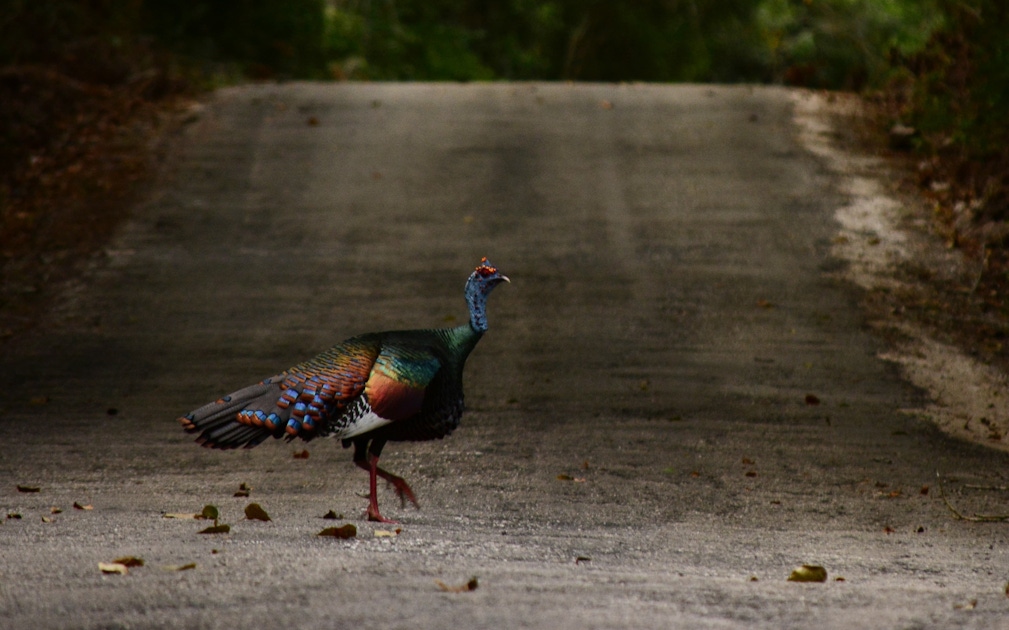
Pará is one of Brazil’s most fascinating Amazon states, known for Belém, river culture, rainforest, islands, seafood, açaí, Amazonian cuisine, historic streets, colourful markets, Indigenous and riverside communities, and freshwater beaches. It is not a typical beach-and-resort destination, and that is exactly what makes it so interesting.
This is a place for travellers who want to experience Brazil through rivers, food, markets, forest landscapes, boat trips, and local culture. Pará can be hot, humid, logistically slow, and less polished than Brazil’s more famous coastal states, but it offers a deep and memorable connection to the Amazon region. If you enjoy food, river journeys, local life, and travel that feels less conventional, Pará is well worth considering.
Where Is Pará?
Pará is in northern Brazil, in the Amazon region. It has a long connection to the Amazon River system, the Atlantic coast, rainforest landscapes, river islands, mangroves, and freshwater beaches. The state is large, so travelling between destinations can take time and often involves boats, flights, long roads, or a combination of all three.
Belém is the state capital and the main arrival point for many travellers. It sits near the mouth of the Amazon River system and is one of the best cities in Brazil for experiencing Amazonian food, riverfront life, markets, and regional culture.
Why Visit Pará?
Pará is worth visiting because it offers a very different side of Brazil. Instead of ocean beaches, many of its best landscapes are shaped by rivers. Instead of standard tourist menus, you find dishes built around tucupi, jambu, freshwater fish, shrimp, açaí, manioc, and tropical fruits. Instead of highly polished resort towns, you get river islands, markets, boats, forest communities, historic neighbourhoods, and slower local travel.
The state suits travellers interested in Amazon rivers, rainforest landscapes, historic Belém, colourful markets, island communities, local food, boat trips, freshwater beaches, wildlife, cultural traditions, and places that feel less commercialised than Brazil’s better-known beach and city destinations.
Best Places to Visit in Pará
Belém
Belém is the best place to begin a trip through Pará. The city is busy, humid, historic, food-focused, and strongly connected to the rivers around it. It is not a polished tourist city in the way some visitors might expect, but it is full of character and is one of the most important cultural gateways to the Brazilian Amazon.
Travellers can visit markets, waterfront areas, museums, parks, theatres, churches, and restaurants serving some of Brazil’s most distinctive regional food. Belém suits food lovers, culture-focused travellers, photographers, and anyone who wants to understand Pará before heading to islands, river beaches, or forest areas. As in any large city, use normal safety precautions, especially at night and in crowded areas.
Ver-o-Peso Market
Ver-o-Peso Market is one of the most famous markets in Brazil and one of the essential experiences in Belém. It is a lively, colourful, and sometimes chaotic place where you can see Amazonian fruits, herbs, fish, shrimp, spices, medicinal plants, juices, snacks, and local ingredients used in Pará’s cuisine.
This market suits travellers who enjoy food, photography, and real local atmosphere. Go in the morning for the most activity, keep your belongings secure, and take your time. It is not a sanitised tourist attraction; it is a working market, and that is what makes it so interesting.
Estação das Docas
Estação das Docas is a restored waterfront complex in Belém with restaurants, bars, shops, cultural spaces, and river views. It is a more polished and easy-going place than the busy street markets, making it a useful stop for travellers who want a relaxed meal or drink by the water.
It suits first-time visitors, couples, families, and anyone who wants a comfortable introduction to Belém’s riverfront. It is also a good place to try regional flavours in a more organised setting, although the atmosphere is very different from Ver-o-Peso.
Mangal das Garças
Mangal das Garças is a pleasant park and nature space near the historic centre of Belém. It has gardens, birdlife, river views, walkways, and a calm atmosphere that contrasts with the intensity of the city streets.
This is a good stop for families, photographers, and travellers wanting a gentle break from the heat and traffic. It is not a remote rainforest experience, but it gives an easy introduction to the relationship between Belém, wetlands, birds, and river landscapes.
Theatro da Paz
Theatro da Paz is one of Belém’s most important historic buildings. Built during the rubber-boom period, the theatre reflects the wealth and ambition that shaped the city during a key era of Amazonian history.
It suits travellers interested in architecture, history, music, and cultural heritage. If guided visits are available during your stay, they can help explain the theatre’s background and its place in Belém’s cultural life. Check opening hours before going, as schedules can vary.
Ilha do Combu
Ilha do Combu is a river island close to Belém and one of the easiest ways to experience island life without travelling far from the city. Visitors usually reach it by boat and go for riverside restaurants, cacao experiences, forested paths, local food, and a slower pace by the water.
It suits food lovers, families, and travellers who want a simple day trip from Belém. Boat access, opening days, and restaurant availability can vary, so it is worth checking locally before going. It is best approached as a relaxed river outing rather than a wilderness adventure.
Marajó Island
Marajó Island is one of Pará’s most distinctive destinations. Located where the Amazon River system meets the Atlantic, it is known for river beaches, wetlands, buffalo culture, fishing communities, ceramics, quiet towns, and a slower island rhythm.
Marajó suits travellers who enjoy rural landscapes, local culture, wildlife, river beaches, and places that feel less commercialised. Planning is important because ferry times, distances, tides, and road conditions can affect the trip. It is much better as an overnight or multi-night stay than a rushed day trip from Belém.
Soure
Soure is one of the main towns on Marajó Island and a practical base for exploring nearby beaches, buffalo farms, local restaurants, craft shops, and river landscapes. It has a relaxed feel and gives travellers a good introduction to Marajó’s culture and pace.
Soure suits travellers who want a comfortable base with access to local tours and beach areas. Having transport arranged locally makes it easier to visit beaches and surrounding sites, as distances can be longer than expected in the heat.
Salvaterra
Salvaterra is another useful base on Marajó Island, often paired with Soure. It has beaches, local life, river scenery, and access to nearby communities and natural areas. It is generally quieter and works well for travellers looking for a slower island stay.
It suits visitors who want to spend more than one night on Marajó and explore beyond the first arrival point. As with much of the island, transport should be planned ahead, especially if you want to move between beaches, towns, and rural areas.
Santarém
Santarém is an important city in western Pará, located where the Tapajós River meets the Amazon River. It is the main gateway for visiting Alter do Chão, the Tapajós River region, and the Tapajós National Forest.
The city itself is useful for transport, markets, river views, and regional food, although many travellers use it mainly as a base for nearby natural attractions. Santarém suits travellers who want to explore freshwater beaches, river trips, forest visits, and a different side of Pará beyond Belém.
Alter do Chão
Alter do Chão is one of Brazil’s best-known freshwater beach destinations. Located near Santarém on the Tapajós River, it is famous for white-sand river beaches, clear water, boat trips, forest visits, sunsets, and a relaxed village atmosphere.
It suits travellers who want beach time without the ocean, as well as families, couples, backpackers, and nature lovers. Beach conditions change through the year depending on river levels. At some times, sandbanks and beaches are wide and easy to enjoy; at other times, water levels rise and the landscape looks very different. It is best as an overnight or multi-night stay rather than a quick stop.
Tapajós National Forest
Tapajós National Forest is one of the most important nature areas near Santarém and Alter do Chão. It offers rainforest walks, river communities, giant trees, wildlife, forest interpretation, and a chance to learn more about Amazon ecosystems beyond short river beach visits.
This area suits travellers interested in nature, birdwatching, community-based tourism, and guided forest experiences. Access is best arranged with local guides or responsible operators, as routes, permissions, river conditions, and community visits need proper organisation.
Amazon River and Tapajós River Region
The Amazon and Tapajós rivers shape much of western Pará. Around Santarém, travellers can experience the meeting of different river systems, boat trips, riverside communities, fishing culture, forested banks, and freshwater beaches.
This region suits travellers who enjoy slow river travel and are comfortable with changing conditions. Boats, water levels, rain, and local schedules can all affect plans, so allow flexibility and avoid tight connections after river-based tours.
Mosqueiro Island
Mosqueiro Island is a popular freshwater beach escape from Belém. It is connected by road and is known for river beaches, local holiday atmosphere, simple restaurants, and weekend trips from the capital.
It suits travellers looking for an easy beach-style day trip or short break near Belém. It can be busy on weekends and holidays, and the experience is more local than resort-like. Water conditions vary, so ask locally before swimming.
Algodoal Island
Algodoal Island is a quieter coastal and island destination in north-eastern Pará, known for sandy paths, beaches, simple accommodation, mangroves, and a slower pace. It appeals to travellers who want a rustic beach escape with fewer large-scale developments.
Access requires planning, usually involving road travel and a boat crossing. Infrastructure is limited, so it is best for travellers who are comfortable with simple services and slower logistics. It is better as an overnight stay than a quick day trip.
Bragança
Bragança is one of Pará’s historic towns, located in the north-east of the state. It is known for colonial heritage, religious traditions, local food, and access to nearby coastal and mangrove landscapes.
It suits travellers interested in history, regional culture, and a less obvious route through Pará. Bragança can also work as part of a wider trip to the state’s north-eastern coast, especially for travellers who want to go beyond Belém and the Tapajós region.
Belém and the Flavours of Pará
Belém is one of the best places in Brazil to experience Amazonian cuisine. The city’s markets, waterfront areas, colonial buildings, parks, museums, and river atmosphere all help travellers understand why food is such a central part of Pará’s identity.
Ver-o-Peso Market is the most famous food landmark, but the experience continues across juice stands, tacacá stalls, fish restaurants, ice-cream shops, street snacks, and casual lunch spots. Estação das Docas offers a more polished waterfront version of the city’s food culture, while local neighbourhoods and markets give a more everyday view.
Belém is not only a place to pass through on the way to the Amazon; it is one of the main reasons to visit Pará. For travellers who enjoy food, markets, history, and river-city atmosphere, it deserves at least a couple of days.
Marajó Island and River Island Travel
Marajó Island is special because it feels like its own world within Pará. The island has buffalo culture, river beaches, wetlands, fishing communities, ceramics, quiet towns, and open landscapes shaped by water. Travel here is slower and more seasonal than in a typical beach town.
Soure and Salvaterra are the most practical bases for many visitors. From there, travellers can visit beaches, try local food, learn about ceramics, see buffalo in everyday life, and explore rural or riverside areas with local guidance.
Planning transport and overnight stays is important. Ferries, boats, road transfers, tides, and local schedules can affect the trip. Marajó is not ideal as a rushed day trip from Belém. Spending at least one or two nights allows you to feel the island’s slower rhythm.
Alter do Chão and Freshwater Beaches
Alter do Chão is one of Pará’s most attractive destinations for travellers who want beaches, river scenery, boat trips, and forest access. The beaches are freshwater beaches on the Tapajós River, with white sand and clear water during the right season.
The most famous area is around Ilha do Amor, but there are many other beaches, channels, and river landscapes nearby. Travellers can take boat trips, watch sunsets, visit forest areas, swim in calm water, and use the village as a relaxed base for exploring the Tapajós region.
Beach conditions change through the year as river levels rise and fall. Some areas are best visited with local boat operators or guides, especially if you want to reach quieter beaches, forest communities, or protected areas. Do not expect the landscape to look the same in every season.
Rainforest, Rivers and Outdoor Experiences
Pará offers many outdoor experiences connected to rivers, islands, rainforest, and freshwater landscapes. Travellers can take river trips, canoe rides, rainforest walks, birdwatching tours, community visits, freshwater swimming outings, island day trips, and guided forest experiences.
The Tapajós National Forest is one of the best-known areas for rainforest walks and community-based tourism near Santarém and Alter do Chão. Around Belém, Ilha do Combu gives a lighter, easier introduction to river island life, while Marajó Island offers wetlands, buffalo culture, beaches, and rural landscapes.
Responsible travel matters in protected and remote areas. Use local guides where appropriate, respect community rules, avoid disturbing wildlife, do not leave rubbish, and remember that rivers and forests are home environments, not just scenery for visitors.
Culture, History and Local Life
Pará’s culture is shaped by Indigenous, riverside, Portuguese colonial, Afro-Brazilian, and Amazonian influences. Daily life is strongly connected to waterways, whether through food, transport, fishing, trade, markets, island communities, or religious traditions.
Belém shows this mix through its markets, theatres, colonial buildings, religious sites, waterfront spaces, music, food stalls, and neighbourhood life. Marajó adds ceramics, buffalo culture, fishing traditions, and island communities. Santarém and Alter do Chão bring Tapajós River culture, forest connections, and freshwater beach life.
Local crafts, ceramics, music, festivals, religious traditions, and market culture are all part of the travel experience. Visitors should ask before photographing people, buy crafts from legitimate local sources, and approach community visits with respect rather than treating them as performances.
What to Eat in Pará
Food is one of the main reasons to visit Pará. The state has one of Brazil’s most distinctive regional cuisines, with ingredients and flavours that are deeply connected to the Amazon.
Açaí is essential, but in Pará it is often served in a local style that may be less sweet than visitors expect, sometimes eaten with fish, shrimp, farinha, or savoury dishes rather than only as a dessert. Tacacá is another classic, made with tucupi, jambu, and shrimp, served hot and full of character. Pato no tucupi, maniçoba, and dishes using jambu are also strongly associated with the region.
Freshwater fish such as pirarucu and filhote are common highlights, along with crab, shrimp dishes, tapioca, cupuaçu, Brazil nuts, tropical juices, market snacks, and regional ice creams made with Amazon fruits. Belém is the best place to start, but food experiences continue across islands, river towns, and local markets throughout the state.
Best Time to Visit Pará
Pará is hot and humid throughout the year, with wetter and drier periods rather than a cool season. Rain can happen at any time, but the wetter months usually bring heavier showers, higher humidity, and more changeable river conditions.
The drier months are often better for freshwater beaches around Alter do Chão because lower river levels reveal more sandbanks and beach areas. This is one of the main reasons many travellers time their Tapajós River trip carefully.
The wetter months can make the rainforest greener and river travel more atmospheric, but heavy rain, high humidity, changing river levels, and muddy conditions can affect plans. For Belém, rain is part of the experience, so bring protection and keep your itinerary flexible. For Marajó, Alter do Chão, and forest areas, check local seasonal conditions before finalising dates.
How to Get to Pará
Many travellers arrive in Pará by air into Belém, the state capital and main gateway for the eastern part of the state. Belém is the best starting point for Ver-o-Peso Market, Ilha do Combu, Mosqueiro, Marajó Island, Algodoal, Bragança, and the historic and cultural attractions of the capital.
Santarém is also a useful arrival point, especially for travellers visiting Alter do Chão, the Tapajós River, and the Tapajós National Forest. Depending on your itinerary, flying into Belém and later flying to Santarém, or entering directly through Santarém, can save time.
Onward travel in Pará may involve flights, ferries, river boats, buses, private transfers, taxis, rental cars, or organised tours. Boat schedules, river conditions, road distances, and seasonal changes can all affect travel times, so avoid planning connections too tightly.
How Long Should You Spend in Pará?
With 2 to 3 days, focus on Belém. This gives you time for Ver-o-Peso Market, Estação das Docas, Mangal das Garças, Theatro da Paz, the historic centre, and plenty of regional food.
With 4 to 5 days, you can include Belém plus Ilha do Combu, Mosqueiro, or another nearby island or river outing. This is a good short introduction to Pará’s river culture and food scene.
With 5 to 7 days, Santarém and Alter do Chão become realistic. This allows time for freshwater beaches, boat trips, sunsets, forest visits, and the Tapajós River region without rushing.
With 10 days or more, you can plan a broader Pará itinerary including Belém, Marajó Island, Santarém, Alter do Chão, and river-based travel. This length of trip is much better if you want to experience both the eastern and western parts of the state.
Travel Tips for Visiting Pará
Pack lightweight clothing: Pará is hot and humid, so breathable fabrics are essential.
Bring rain protection: A light rain jacket, umbrella, and waterproof cover for your bag are useful year-round.
Use insect repellent: Mosquitoes can be common, especially near rivers, islands, forest areas, and at dusk.
Take sun protection seriously: Bring sunscreen, sunglasses, a hat, and a refillable water bottle.
Use waterproof bags: Boat trips, rain, river spray, and beach outings can easily damage phones and documents.
Carry some cash: Cards are common in Belém and Santarém, but smaller towns, islands, markets, boats, and local operators may require cash.
Check ferry and boat schedules: Marajó, Ilha do Combu, Algodoal, and river trips all depend on local transport timing.
Book guides for forest areas: Protected areas, community visits, and rainforest walks are best done with knowledgeable local guides.
Allow extra time for river travel: Boats, weather, tides, and river levels can affect schedules.
Be careful with valuables in busy areas: In Belém, especially around markets and crowded streets, keep belongings discreet and secure.
Respect local communities: Ask before taking photos, follow local rules, and support responsible community-based tourism where possible.
Respect natural environments: Do not leave rubbish, disturb wildlife, or damage river beaches, forests, and protected areas.
Is Pará Worth Visiting?
Pará is absolutely worth visiting for travellers who want Amazon culture, food, rivers, rainforest, islands, freshwater beaches, and a less conventional Brazil travel experience. It is one of the most interesting states in the country for food lovers and travellers who want to understand the Amazon through daily life, not just scenery.
It is best enjoyed with realistic planning. Heat, humidity, boat travel, seasonal river levels, long distances, and limited infrastructure outside major centres can all affect the trip. But if you travel with patience and curiosity, Pará can be one of the most memorable parts of Brazil.
FAQs About Visiting Pará
Is Pará safe for tourists?
Pará can be visited safely with sensible precautions, especially in established tourist areas, organised tours, and well-known towns. In Belém, be careful with valuables in busy markets and city streets, use registered transport at night, and ask your accommodation for current local advice. In river and forest areas, travel with reliable operators and follow local safety guidance.
What is Pará best known for?
Pará is best known for Belém, Ver-o-Peso Market, Amazonian cuisine, açaí, tacacá, river culture, Marajó Island, Alter do Chão, the Tapajós River, rainforest areas, freshwater beaches, Indigenous and riverside influences, and strong Amazon identity.
Is Belém worth visiting?
Yes. Belém is worth visiting for its markets, food, riverfront areas, historic buildings, parks, museums, and Amazonian atmosphere. It is one of the best cities in Brazil for travellers interested in regional cuisine and local culture.
Is Alter do Chão worth visiting?
Yes. Alter do Chão is worth visiting if you enjoy freshwater beaches, river scenery, boat trips, sunsets, and relaxed village life. Beach conditions depend on river levels, so timing matters if you want wide sandbanks and classic river beach scenery.
Do you need a guide in Pará?
You do not need a guide for basic sightseeing in Belém or Alter do Chão village, but guides are recommended for rainforest walks, protected areas, community visits, river trips, and remote beaches or islands. A good local guide can improve safety, logistics, and cultural understanding.
What is the best time to visit Pará?
The best time depends on your itinerary. The drier months are often better for river beaches around Alter do Chão, while wetter months can make rainforest landscapes greener and river journeys more atmospheric. Heavy rain, humidity, and changing water levels can affect plans at any time of year.
How many days do you need in Pará?
Allow 2 to 3 days for Belém, 4 to 5 days if adding Ilha do Combu or nearby islands, 5 to 7 days for Santarém and Alter do Chão, and 10 days or more for a broader trip including Belém, Marajó Island, Santarém, Alter do Chão, and river-based travel.
What food is Pará famous for?
Pará is famous for açaí served in the local style, tacacá, pato no tucupi, maniçoba, jambu, pirarucu, filhote fish, crab, shrimp dishes, tapioca, cupuaçu, Brazil nuts, tropical juices, market snacks, and some of the most distinctive Amazonian cuisine in Brazil.
Sponsored Popular Items
Quick take: Musement.com offers a worldwide selection of tours and attractions
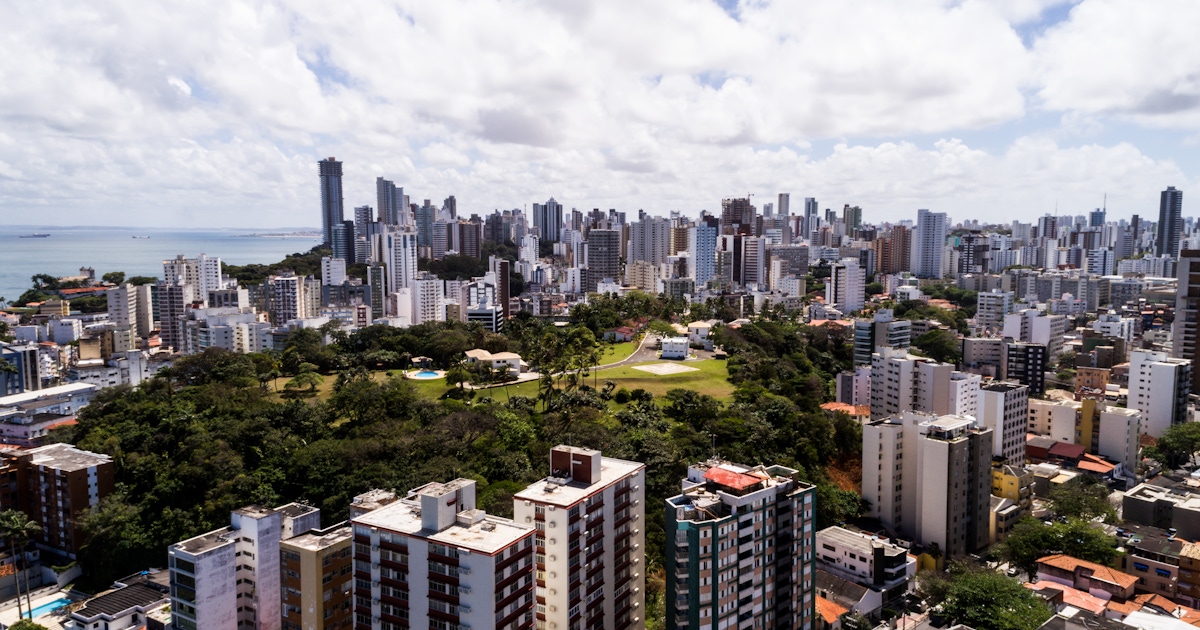
Salvador, Brazil Visitor Guide: Top Attractions, Tours & Activities Brazil Set on the coast of Bahia, it blends colonial architecture, Afro-Brazilian heritage, music, food, beaches, churches, islands and a warm tropical atmosphere that feels very different from Rio de Janeiro or…. Check current availability, inclusions and booking details before you go.
Best places to visit in the Whitsundays: Where to start Australia Lachlan lives in Paris and is the Head of Content and Community at misterb&b, an LGBTQ+ accommodation platform. He enjoys coffee and cocktails (not always in that order), and loves to… Check current availability, inclusions and booking conditions.
Valencia's Photogenic Places with Local Guide – Guided Tour – Guided Sightseeing Spain If you want a fast, practical way to photograph Valencia’s highlights—plus get local tips you’d normally miss—this 1 hour 30 minute guided walking experience is built for you. Check current availability, inclusions and booking details before you go.