Paraná is one of southern Brazil’s most varied states, known for Iguaçu Falls, Curitiba, Atlantic Forest reserves, coastal islands, historic towns, scenic train journeys, canyons, waterfalls, food, culture, and nature-based travel. It is a state where you can stand in front of one of the world’s great waterfalls, ride a train through forested mountains, explore a well-planned capital city, eat barreado in a colonial town, and slow down on a car-free island near the coast.
This is a good destination for travellers who want a balanced Brazil trip with nature, cities, culture, food, and cooler weather than many tropical parts of the country. Paraná suits first-time visitors who want major sights such as Iguaçu Falls, as well as slower travellers interested in forests, beaches, historic towns, hiking, and regional culture. It is not always warm and tropical in the way people imagine Brazil, so packing and planning around the weather makes a big difference.
Where Is Paraná?
Paraná is in southern Brazil, bordering São Paulo, Santa Catarina, Mato Grosso do Sul, Paraguay, and Argentina. It has a short but beautiful Atlantic coastline, inland plateaus, forested mountains, rivers, canyons, farming regions, and one of Brazil’s most famous natural attractions: Iguaçu Falls.
Curitiba is the state capital and one of the main arrival points for travellers. It is a practical base for exploring the city, taking the scenic train to Morretes, visiting nearby parks, and connecting to the coast or inland destinations. Foz do Iguaçu, in the far west of the state, is another major gateway for travellers visiting Iguaçu Falls and the border region.
Why Visit Paraná?
Paraná is worth visiting for its world-famous waterfalls, well-planned cities, coastal scenery, forest reserves, islands, historic towns, scenic rail travel, hiking, wildlife, cultural diversity, and cooler climate. It offers a different side of Brazil from the tropical northeast or the big coastal cities of Rio de Janeiro and Salvador.
The state is especially appealing for travellers who like variety. You can spend a few days in Curitiba, travel down through the Serra do Mar by train, visit Morretes and Antonina, continue to Ilha do Mel, or fly across the state to Foz do Iguaçu for waterfalls, wildlife, and borderland scenery. With more time, Paraná also offers canyons, waterfalls, rural towns, and cultural regions shaped by Indigenous, European, Japanese, and other immigrant influences.
Best Places to Visit in Paraná
Curitiba
Curitiba is Paraná’s capital and one of Brazil’s most organised cities. It is known for parks, museums, public transport, markets, architecture, green spaces, and a calmer urban feel than many larger Brazilian cities. It is not a beach city, but it makes a very practical and pleasant base for exploring the state.
Travellers can visit museums, gardens, food markets, neighbourhoods, and nearby day-trip destinations. Curitiba suits travellers who enjoy urban planning, culture, food, and easy access to nature. The weather can be changeable, and evenings may be cool, so bring layers even if you are travelling in Brazil’s warmer months.
Jardim Botânico de Curitiba
The Jardim Botânico de Curitiba is one of the city’s most recognisable landmarks. Its glasshouse, gardens, walking paths, and green lawns make it a favourite stop for first-time visitors and photographers.
It suits families, couples, casual walkers, and travellers wanting an easy outdoor stop within the city. It is usually best visited in the morning or late afternoon for softer light and more comfortable temperatures. On weekends and holidays, expect more local visitors.
Oscar Niemeyer Museum
The Oscar Niemeyer Museum, often called the “Eye Museum” because of its striking design, is one of Curitiba’s main cultural attractions. It focuses on art, architecture, design, and visual culture, and the building itself is part of the experience.
This museum suits art lovers, architecture fans, and travellers looking for a deeper cultural stop in Curitiba. Check opening days before going, as museum schedules can vary. Allow enough time to enjoy both the exhibitions and the building’s exterior.
Ópera de Arame
Ópera de Arame is a distinctive theatre built with a metal structure and glass-like design, set in a landscaped area with water, vegetation, and rocky surroundings. It is one of Curitiba’s most unusual architectural sights.
It suits travellers interested in architecture, photography, and easy sightseeing. Visits are usually short unless there is a performance or event, so it works well as part of a wider Curitiba route including parks and cultural sites.
Serra Verde Express Train Journey
The Serra Verde Express train journey between Curitiba and the coastal region is one of Brazil’s most scenic rail experiences. The route descends through the Serra do Mar, passing forested slopes, bridges, tunnels, waterfalls, and Atlantic Forest scenery on the way toward Morretes.
This journey suits travellers who enjoy slow travel, landscapes, photography, and historic rail routes. It is better treated as a full-day experience rather than quick transport. Weather can affect visibility, and tickets should be booked ahead during busy periods. Many travellers take the train one way and return by road.
Morretes
Morretes is a charming historic town between Curitiba and the coast, known for colonial buildings, river views, traditional food, and a relaxed small-town atmosphere. It is especially famous for barreado, Paraná’s slow-cooked beef dish.
Morretes is often visited as part of the scenic train journey from Curitiba, but it is also worth an overnight stay if you want to enjoy the town without rushing. It suits food lovers, photographers, couples, and travellers interested in historic towns and Atlantic Forest scenery.
Antonina
Antonina is a quiet historic town near Morretes, with colonial architecture, bay views, local culture, and a slower pace. It is less visited than Morretes, which can make it appealing for travellers who enjoy low-key places.
Antonina suits travellers with a rental car or those planning a slower coastal route. It can be visited as a short side trip from Morretes, but staying nearby gives more time to appreciate the waterfront, old streets, and surrounding landscapes.
Paranaguá
Paranaguá is one of the oldest cities in Paraná and an important port on the coast. It has historic buildings, churches, riverfront areas, and boat connections to Ilha do Mel and other coastal destinations.
Travellers often pass through Paranaguá on the way to Ilha do Mel, but it can also be interesting for those who enjoy history and port-town atmosphere. It is practical rather than polished, so keep expectations realistic and check boat schedules carefully if connecting onward.
Ilha do Mel
Ilha do Mel is one of Paraná’s best-loved coastal escapes. The island is known for beaches, walking trails, simple guesthouses, lighthouses, forts, Atlantic Forest, and a slower, low-key atmosphere. Cars are not part of the island experience, so travel is by foot, boat, and local paths.
It suits travellers who enjoy simple beach stays, nature, walking, and quiet evenings rather than large resorts. Access is by ferry or boat, usually from Paranaguá or Pontal do Sul. Accommodation is generally simple, and mosquitoes, rain, and muddy paths can be part of the experience. It is much better as an overnight stay than a rushed day trip.
Foz do Iguaçu
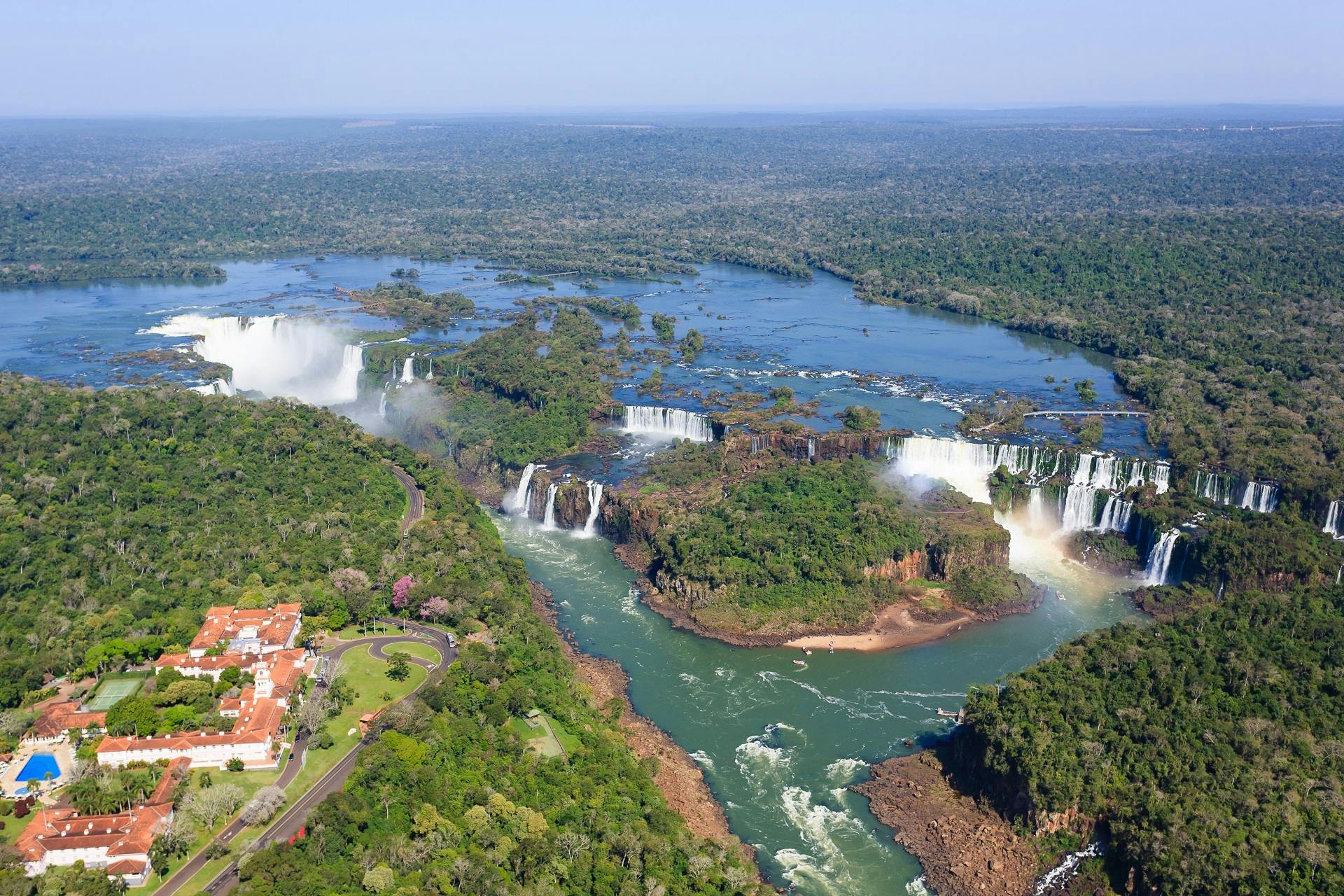
Foz do Iguaçu is the gateway city for visiting Iguaçu Falls, one of the most famous natural attractions in South America. The city sits near the borders with Argentina and Paraguay and is well set up for travellers, with accommodation, restaurants, transport, and tour services.
Foz do Iguaçu suits first-time visitors to Brazil, nature lovers, families, photographers, and travellers combining Brazil with Argentina. Most visitors come for the falls, but nearby attractions such as Itaipu Dam, bird parks, and cross-border trips can fill several days.
Iguaçu National Park
Iguaçu National Park protects the Brazilian side of Iguaçu Falls and offers some of the best panoramic views of the waterfalls. Visitors follow walkways with viewpoints over the falls, ending near a powerful section where spray, sound, and scale make the experience unforgettable.
The park suits almost every type of traveller, though some walking is required. Paths are generally manageable, but spray can make surfaces wet, and crowds can build during holidays and peak periods. The falls are impressive year-round, but water volume, weather, and visibility vary. Bring waterproof protection for cameras and phones.
Itaipu Dam
Itaipu Dam, near Foz do Iguaçu, is one of the world’s major hydroelectric projects and an important engineering site on the Paraná River. It offers tours focused on energy, infrastructure, and the scale of the dam.
This attraction suits travellers interested in engineering, modern history, sustainability, and large-scale infrastructure. It can be combined with Iguaçu Falls over a two or three-day stay in Foz do Iguaçu. Check tour schedules and documentation requirements before visiting.
Vila Velha State Park
Vila Velha State Park, near Ponta Grossa, is known for sandstone formations, sinkholes, natural pools, and open landscapes. The rock formations are the main draw, with shapes carved by erosion over long periods.
This park suits photographers, families, geology lovers, and travellers looking for a nature stop between Curitiba and inland Paraná. Access is controlled, and visiting rules may include set trails, transport within the park, or guided areas. Check opening days, ticket rules, and weather before travelling.
Guartelá Canyon
Guartelá Canyon, near Tibagi, is one of Paraná’s most impressive inland landscapes. It has viewpoints, trails, river scenery, rock formations, and natural swimming areas depending on access and conditions.
The canyon suits hikers, photographers, and nature travellers. Some trails are manageable for casual walkers, while others require more care and planning. Weather matters, especially during rain, when rocks can be slippery and river conditions less safe. It is better as part of an overnight stay in the region than a rushed day trip from Curitiba.
Tibagi
Tibagi is a useful base for visiting Guartelá Canyon and nearby river landscapes. The town has a relaxed inland feel and is connected to outdoor activities such as hiking, rafting, and nature excursions.
It suits travellers who want to explore the canyon area at a slower pace. Having a car is useful, as attractions are spread out and public transport is limited for nature sites. Check activity conditions in advance, especially if planning river-based adventures.
Prudentópolis
Prudentópolis is known for waterfalls, rural landscapes, and strong Ukrainian cultural influence. The surrounding area has many waterfalls, some of them tall and dramatic, along with churches, countryside roads, and local traditions.
This area suits travellers interested in nature, photography, culture, and road trips. Many waterfalls are outside town and may require driving on rural roads, paying entry fees, or using local guidance. It is better as an overnight stay or part of a longer inland Paraná route.
Superagui National Park
Superagui National Park protects a remote coastal environment of islands, beaches, mangroves, Atlantic Forest, and wildlife habitat. It is one of Paraná’s most important natural areas and offers a quieter, more rugged coastal experience than more developed beach destinations.
This destination suits experienced nature travellers, birdwatchers, and visitors who are comfortable with simple infrastructure. Access involves boats, and conditions depend on tides, weather, and local transport. Mosquito protection, rain gear, and flexible planning are important.
Londrina
Londrina is one of the main cities in northern Paraná, known for its connection to coffee history, modern urban life, parks, culture, and regional business. It is not usually a first stop for international tourists, but it can be interesting for travellers exploring the north of the state.
Londrina suits travellers with family, business, or a specific interest in Paraná’s interior. It can also work as a comfortable stop on a longer route through southern Brazil. The city has food, shopping, parks, and cultural spaces, but it is more of a regional urban destination than a major sightseeing centre.
Maringá
Maringá is a planned city in northern Paraná, known for wide avenues, green areas, urban organisation, and its distinctive cathedral. It has a calm, modern feel and is often praised for quality of life within Brazil.
Maringá suits travellers interested in urban planning, regional culture, and a quieter inland city experience. Like Londrina, it is not usually a headline destination for short Brazil trips, but it can be worthwhile as part of a broader Paraná itinerary.
Iguaçu Falls and Foz do Iguaçu
Iguaçu Falls is the best-known attraction in Paraná and one of the great natural sights of Brazil. The Brazilian side of Iguaçu National Park is especially strong for panoramic views, giving travellers a wide perspective on the immense chain of waterfalls across the river.
Within the park, visitors can follow walkways, stop at viewpoints, watch coatis and birdlife, and experience the sound and spray of the falls up close. Boat experiences may also be available through local operators, offering a wetter and more intense view of the falls, though conditions and schedules can vary.
The falls are impressive year-round, but water levels, crowds, and weather can change the experience. After heavy rain, the water volume can be dramatic; during drier periods, the falls may have more defined streams and clearer viewpoints. Peak holiday periods bring larger crowds.
Many travellers also visit the Argentina side of the falls, which offers longer trails and different perspectives. To do this, you need the correct documents and should check current border, visa, and entry requirements before travelling.
Curitiba and Urban Travel
Curitiba is one of Brazil’s most practical urban destinations. It is known for parks, museums, markets, public transport, architecture, food, and a more organised feel than many travellers expect. The city is also cooler than much of Brazil, which can be refreshing but may surprise visitors arriving with only beach clothes.
Highlights include Jardim Botânico, the Oscar Niemeyer Museum, Ópera de Arame, Mercado Municipal, Largo da Ordem, parks, cafés, and neighbourhoods with strong immigrant heritage. The city works well for travellers who like culture, design, green spaces, and easy day trips.
Curitiba is also a practical base for the Serra Verde Express train, Morretes, Antonina, Vila Velha State Park, and onward travel to the coast. It is worth staying at least two days if you want to enjoy the city rather than only pass through.
Coast, Islands and Historic Towns
Paraná’s coastline is short compared with many Brazilian states, but it is rich in atmosphere. The coast combines Atlantic Forest, mangroves, historic port towns, islands, fishing communities, and beaches with a slower pace than Brazil’s big resort regions.
Ilha do Mel is the most famous island escape, with beaches, trails, simple accommodation, and no-car island life. Morretes and Antonina offer colonial charm and river or bay views, while Paranaguá is the key port city and a transport hub for boat access. Superagui National Park offers a more remote nature experience for travellers comfortable with basic infrastructure.
Coastal travel requires planning. Ferries and boats depend on schedules and weather, rain can be frequent, paths can be muddy, and mosquitoes are common in forested or mangrove areas. Accommodation is often simpler than in large beach resorts, which is part of the region’s appeal for the right traveller.
Nature, Hiking and Outdoor Adventures
Paraná has excellent nature experiences beyond Iguaçu Falls. Vila Velha State Park offers sandstone formations and unusual geology. Guartelá Canyon and Tibagi are good for viewpoints, hiking, river landscapes, and adventure activities. Prudentópolis is known for waterfalls and rural scenery, while the Atlantic Forest coast offers trails, birds, islands, and protected areas.
Some hikes and natural areas require planning, suitable shoes, guides, permits, or attention to weather. Rain can make trails slippery and rivers more dangerous, especially in canyons, waterfalls, and forested areas. Always check park opening days, entry rules, and current conditions before setting out.
For outdoor travellers, Paraná is best explored slowly, with time for both the famous attractions and the quieter inland and coastal landscapes.
Culture, History and Local Life
Paraná’s culture reflects Indigenous roots, Portuguese settlement, and waves of Italian, German, Polish, Ukrainian, Japanese, and other immigrant communities. This mix appears in food, architecture, religious traditions, markets, festivals, crafts, and rural settlements across the state.
Curitiba shows this diversity through neighbourhoods, parks, markets, museums, and food. Morretes and Antonina reflect colonial and coastal heritage. Prudentópolis is especially known for Ukrainian influence, while northern Paraná cities such as Londrina and Maringá reflect agricultural growth, coffee history, and planned urban development.
Travellers interested in local life should explore markets, small-town restaurants, craft shops, churches, and festivals. Paraná is not only about major sights; much of its character comes from the cultural mix found between the coast, capital, and inland towns.
What to Eat in Paraná
Paraná has a varied food culture shaped by coastal, inland, Indigenous, and immigrant influences. The most famous regional dish is barreado, a slow-cooked beef stew traditionally associated with Morretes and the coast. It is rich, filling, and often served with cassava flour and banana.
Eastern European-influenced dishes, including pierogi, are part of the food culture in some communities, especially where Polish and Ukrainian heritage is strong. Pinhão, the seed of the Paraná pine, is a seasonal favourite in cooler months. Churrasco, freshwater fish, colonial-style meals, local cheeses, craft beer, coffee, market snacks, and regional sweets are also worth trying.
Curitiba is a good place for markets, cafés, craft beer, and international-influenced food, while Morretes is the classic place to try barreado. Inland towns and rural areas are good for hearty meals and local produce.
Best Time to Visit Paraná
Paraná can be visited year-round, but the weather varies more than in tropical parts of Brazil. Curitiba and higher areas can be cool, especially in winter, and cold spells are possible. Bring layers if you are visiting the capital, mountain areas, or inland parks outside the warmest months.
Summer can bring warmer weather but also more rain, especially around the coast, forests, and some hiking areas. Rain can affect trails, ferry crossings, visibility on scenic routes, and outdoor plans. Always check the weather before coastal or hiking trips.
Iguaçu Falls is impressive throughout the year. Higher water levels can make the falls more powerful, while drier periods may offer clearer views and easier walking conditions. Crowds are usually heavier during Brazilian school holidays, long weekends, and major holiday periods, so book early if travelling then.
How to Get to Paraná
Many travellers arrive in Paraná by air into Curitiba or Foz do Iguaçu, depending on the itinerary. Curitiba is best for the capital, Morretes, Ilha do Mel, Vila Velha State Park, the coast, and central or eastern Paraná. Foz do Iguaçu is the best gateway for Iguaçu Falls and the border region.
Buses connect many towns and cities across the state, while rental cars are useful for nature parks, smaller towns, canyon areas, waterfalls, and flexible road trips. Private transfers and organised tours can make logistics easier for day trips from Curitiba or Foz do Iguaçu.
Ferries and boats are needed for Ilha do Mel, Superagui, and some coastal areas. The Serra Verde Express train is a scenic experience rather than the fastest way to travel, but it is one of Paraná’s most memorable journeys.
How Long Should You Spend in Paraná?
With 2 to 3 days, focus on Curitiba. This gives you time for the botanical garden, museums, parks, markets, architecture, and the city’s food scene.
For Foz do Iguaçu, allow around 3 days. This gives you time for the Brazilian side of Iguaçu Falls, possibly the Argentina side if documents and timing allow, and nearby attractions such as Itaipu Dam.
With 4 to 5 days, you can combine Curitiba with Morretes and Ilha do Mel, especially if you want the scenic train journey and a taste of the coast.
With 7 to 10 days or more, you can build a broader Paraná trip combining Iguaçu Falls, Curitiba, Morretes, Ilha do Mel, Vila Velha State Park, Guartelá Canyon, Prudentópolis, and other nature or cultural stops. Because the state is spread out, longer trips are much more rewarding.
Travel Tips for Visiting Paraná
Pack for changing weather: Curitiba and higher areas can be cool, while the coast and Foz do Iguaçu may feel warmer and more humid.
Book Iguaçu Falls accommodation early in peak periods: Holidays, long weekends, and school breaks can be busy.
Check ferry schedules for Ilha do Mel: Boat times, weather, and sea conditions can affect access.
Wear comfortable shoes: Historic towns, parks, waterfalls, and island trails all involve walking.
Carry some cash in smaller towns: Cards are common in cities, but small shops, boats, markets, and rural areas may prefer cash.
Use insect repellent: Forest, coastal, mangrove, and island areas can have mosquitoes, especially after rain.
Check park opening days: Museums, parks, and natural attractions may close on certain days or require advance tickets.
Allow time for long road journeys: Distances between Foz do Iguaçu, Curitiba, the coast, and inland parks can be significant.
Respect protected natural areas: Stay on marked paths, do not feed wildlife, avoid removing plants or shells, and take rubbish with you.
Plan around rain: Rain can affect ferry crossings, hiking, trail safety, and visibility on scenic routes.
Is Paraná Worth Visiting?
Paraná is definitely worth visiting for travellers who want a varied Brazil trip with waterfalls, cities, forests, islands, scenic trains, cultural food, historic towns, and outdoor landscapes. Iguaçu Falls is the headline attraction, but the state has much more to offer if you spend time in Curitiba, the coast, the Serra do Mar, and inland nature areas.
It is best enjoyed with realistic planning around distances, weather, transport, and seasonal crowds. Paraná is not always hot, sunny, and beach-focused; it can be cool, rainy, forested, urban, rural, and adventurous all in one trip. For travellers who enjoy variety, that is exactly what makes it special.
FAQs About Visiting Paraná
Is Paraná safe for tourists?
Paraná can be visited safely with normal travel precautions, especially in established tourist areas such as Curitiba, Foz do Iguaçu, Ilha do Mel, and organised nature parks. In cities, use registered transport at night, keep valuables discreet, and ask accommodation staff for current local advice. In natural areas, follow trail rules, weather warnings, and park guidance.
What is Paraná best known for?
Paraná is best known for Iguaçu Falls, Curitiba, the Serra Verde Express train, Ilha do Mel, Morretes, barreado, Atlantic Forest, Vila Velha State Park, Guartelá Canyon, Itaipu Dam, cultural diversity, and cooler southern Brazilian landscapes.
Is Curitiba worth visiting?
Yes. Curitiba is worth visiting for its parks, museums, botanical garden, architecture, food markets, public transport, green spaces, and easy access to day trips such as Morretes, the scenic train journey, and Vila Velha State Park.
Is Iguaçu Falls worth visiting?
Yes. Iguaçu Falls is one of the most impressive natural attractions in Brazil and is worth visiting even on a short itinerary. The Brazilian side offers excellent panoramic views, while the Argentina side can add longer trails and different perspectives if travellers have the correct documents.
Do you need a car in Paraná?
You do not need a car for Curitiba, Foz do Iguaçu, the Serra Verde Express train, or Ilha do Mel. A car is useful for Vila Velha State Park, Guartelá Canyon, Prudentópolis, inland towns, waterfalls, and flexible road trips through the state.
What is the best time to visit Paraná?
Paraná can be visited year-round. Iguaçu Falls is impressive in every season, though water levels and crowds vary. Curitiba and higher areas can be cool in winter, while summer may bring more rain. For coastal and hiking trips, check weather carefully before travelling.
How many days do you need in Paraná?
Allow 2 to 3 days for Curitiba, around 3 days for Foz do Iguaçu, 4 to 5 days for Curitiba plus Morretes and Ilha do Mel, and 7 to 10 days or more for a broader trip combining Iguaçu Falls, Curitiba, the coast, historic towns, and nature parks.
Is Ilha do Mel worth visiting?
Yes. Ilha do Mel is worth visiting if you enjoy simple beach stays, walking trails, Atlantic Forest, quiet evenings, and a slower island pace. It is not a luxury resort destination, and access depends on ferries, but that is part of its charm.
Sponsored Popular Items
Quick take: Musement.com offers a worldwide selection of tours and attractions
Salvador, Brazil Visitor Guide: Top Attractions, Tours & Activities Brazil Set on the coast of Bahia, it blends colonial architecture, Afro-Brazilian heritage, music, food, beaches, churches, islands and a warm tropical atmosphere that feels very different from Rio de Janeiro or…. Check current availability, inclusions and booking details before you go.
Best places to visit in the Whitsundays: Where to start Australia Lachlan lives in Paris and is the Head of Content and Community at misterb&b, an LGBTQ+ accommodation platform. He enjoys coffee and cocktails (not always in that order), and loves to… Check current availability, inclusions and booking conditions.
Valencia's Photogenic Places with Local Guide – Guided Tour – Guided Sightseeing Spain If you want a fast, practical way to photograph Valencia’s highlights—plus get local tips you’d normally miss—this 1 hour 30 minute guided walking experience is built for you. Check current availability, inclusions and booking details before you go.