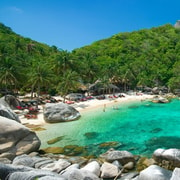
Koh Phangan is one of Thailand’s most famous island destinations, known for its tropical beaches, jungle-covered hills, relaxed wellness scene, snorkelling trips, beach bars and legendary Full Moon Party. Located in the Gulf of Thailand near Koh Samui and Koh Tao, the island offers far more than nightlife. It is a place where travellers can dance until sunrise, practise yoga by the sea, explore quiet coves, chase waterfalls, eat Thai food at night markets and slow down into island time.
Quick take: Musement.com offers a worldwide selection of tours and attractions
Koh Phangan: Koh Nangyuan & Koh Tao Boat Tour & Snorkeling Thailand Discover the idyllic Koh Nangyuan and Koh Tao on a cruise from Koh Phangan. Snorkel in vibrant reefs, relax on white beaches, hike for panoramic views, or explore the Japanese Gardens
For many visitors, Koh Phangan is a destination of contrasts. Haad Rin brings the party energy, while the north and west coasts offer calm beaches, sunset views and peaceful resorts. Inland, jungle roads lead to waterfalls, viewpoints and hidden cafés. Offshore, boat trips connect travellers to coral reefs, neighbouring islands and some of the best snorkelling in the Gulf of Thailand.
Why Visit Koh Phangan?
Koh Phangan is worth visiting because it can suit very different travel styles. Backpackers come for beach parties and budget bungalows. Couples come for sunsets, boutique stays and quiet coves. Wellness travellers come for yoga, meditation, detox retreats and plant-based cafés. Adventure travellers come for snorkelling, diving, kayaking, jungle trails and boat trips.
The island is famous for the Full Moon Party, but that is only one side of Koh Phangan. Away from Haad Rin, the island can feel calm, scenic and surprisingly natural, with palm trees, turquoise water, hilltop viewpoints and beaches where the day moves slowly.
Best Beaches in Koh Phangan
Haad Rin
Haad Rin is Koh Phangan’s most famous beach and the home of the Full Moon Party. It is the island’s nightlife centre, with beach bars, restaurants, music, hostels and party-focused accommodation.
During the day, Haad Rin can still be a beautiful beach with soft sand and clear water. At night, especially around full moon dates, it becomes one of Thailand’s most famous party locations.
Thong Nai Pan Noi and Thong Nai Pan Yai
Thong Nai Pan Noi and Thong Nai Pan Yai are two beautiful beaches on the island’s northeast coast. They are known for soft sand, calm water, green hills and a more relaxed resort atmosphere.
These beaches are excellent for travellers who want a quieter and more scenic side of Koh Phangan. They suit couples, families and anyone who prefers peaceful beach days over heavy nightlife.
Mae Haad Beach
Mae Haad Beach is one of Koh Phangan’s most photogenic beach areas. It is known for its connection to Koh Ma, a small island reached by a sandbar when conditions are right.
This area is popular for swimming, snorkelling and sunset views. The water can be clear and shallow, making it a good choice for relaxed beach time and photography.
Haad Yao
Haad Yao is a long, attractive beach on the west coast of Koh Phangan. It has a good balance of scenery, restaurants, accommodation and sunset atmosphere without feeling as intense as Haad Rin.
It is a strong choice for travellers who want beach comfort, easy food options and a relaxed base for exploring the island.
Secret Beach
Secret Beach, also known as Haad Son, is a smaller and more sheltered beach with a calm, pretty setting. Despite the name, it is no longer truly secret, but it remains a lovely stop for swimming, relaxing and taking photos.
It is often combined with west coast beach hopping, sunset bars and nearby viewpoints.
Bottle Beach
Bottle Beach is one of Koh Phangan’s more remote and beautiful beaches. Reaching it can take extra effort by boat, hiking route or rough road depending on conditions, but the reward is a peaceful stretch of sand surrounded by green hills.
It is ideal for travellers who want a quieter, more off-the-beaten-path beach experience.
The Full Moon Party
The Full Moon Party is Koh Phangan’s most famous event and takes place at Haad Rin Beach. It attracts travellers from around the world for music, dancing, fire shows, beach bars and a high-energy night that continues into the early hours.
If you want to experience the party, plan your accommodation early because rooms near Haad Rin can book out quickly around full moon dates. If you do not want the party scene, avoid staying near Haad Rin during that period and choose quieter areas such as Thong Nai Pan, Haad Yao, Srithanu or Mae Haad.
Full Moon Party Tips
Book accommodation early around full moon dates.
Keep valuables secure and take only what you need.
Wear shoes or sandals because broken glass and sharp objects can be a risk on crowded party nights.
Drink plenty of water and be careful with alcohol buckets.
Arrange safe transport back to your accommodation before the night gets too late.
Respect the beach and avoid littering.
Snorkelling and Boat Trips
Koh Phangan is a good base for snorkelling and island-hopping trips in the Gulf of Thailand. Popular excursions include snorkelling tours to Koh Tao and Koh Nang Yuan, where travellers can enjoy coral reefs, clear water, beach viewpoints and island scenery. Some tours from Koh Phangan include hotel pickup, transport, snorkelling equipment and lunch, depending on the operator and package.
Ang Thong Marine National Park is another major day-trip option from Koh Phangan. Tours commonly include kayaking, snorkelling, island viewpoints, lagoons and lunch, making it one of the best full-day nature experiences from the island.
Waterfalls and Jungle Nature
Than Sadet Waterfall
Than Sadet Waterfall is one of the island’s best-known natural attractions. Hidden in the jungle, it is a chain of cascades and natural pools that can be especially appealing after recent rain.
The area offers a different side of Koh Phangan, away from beaches and bars. Wear decent shoes, take care on wet rocks and check local conditions before swimming.
Phaeng Waterfall
Phaeng Waterfall is another popular inland stop and is often combined with viewpoints and jungle walks. The waterfall is more impressive after rain, but paths can become slippery, so take care.
Jungle Viewpoints
Koh Phangan has several viewpoints where you can look across beaches, forested hills and the surrounding sea. Some are reached by road, while others require short hikes. They are especially rewarding around sunset or after a clear morning.
Srithanu and the Wellness Side of Koh Phangan
Srithanu is the centre of Koh Phangan’s wellness and yoga scene. This area is known for yoga studios, meditation retreats, healing centres, vegetarian cafés, vegan restaurants, workshops and a slower, more mindful travel atmosphere.
If you want a quieter island stay focused on health, creativity and relaxation, Srithanu is one of the best areas to consider. It is also close to west coast beaches and sunset spots.
Thong Sala Night Market
Thong Sala is the island’s main town and ferry arrival point. Its night market is one of the best places to try Thai street food, snacks, seafood, fruit shakes, curries, grilled skewers, pancakes and local desserts.
This is a good place to eat cheaply, browse casually and experience the practical local side of Koh Phangan. It is especially useful on arrival or departure days because of its location near the pier.
Best Things to Do in Koh Phangan
Relax on the beaches such as Haad Yao, Mae Haad, Thong Nai Pan and Bottle Beach.
Experience the Full Moon Party at Haad Rin if you enjoy nightlife.
Take a snorkelling trip to Koh Tao and Koh Nang Yuan.
Visit Ang Thong Marine National Park for kayaking, snorkelling and island views.
Explore waterfalls such as Than Sadet and Phaeng Waterfall.
Enjoy yoga and wellness in Srithanu.
Eat at Thong Sala Night Market for casual Thai food and island atmosphere.
Watch the sunset from west coast beaches and hilltop bars.
Rent a scooter carefully or hire transport to explore the island’s beaches and viewpoints.
Where to Stay in Koh Phangan
Haad Rin
Best for nightlife, Full Moon Party access and travellers who want to stay close to the island’s most famous party beach.
Thong Nai Pan
Best for couples, families and travellers who want a scenic, quieter beach setting with a resort feel.
Haad Yao and the West Coast
Best for sunsets, beach restaurants, relaxed stays and easy access to several beaches.
Srithanu
Best for yoga, wellness, vegan food, retreats and a slower island lifestyle.
Thong Sala
Best for convenience, ferry access, markets, budget stays and travellers who want a practical base.
How Long Do You Need in Koh Phangan?
Three nights is enough for a taste of Koh Phangan, especially if you want beach time, one boat trip and a night market visit. Five to seven nights is better if you want to explore several beaches, join a snorkelling trip, visit waterfalls, enjoy the wellness scene and avoid rushing.
If you are visiting specifically for the Full Moon Party, allow at least two or three nights so you are not arriving and leaving in the middle of the busiest period.
Suggested Three-Day Koh Phangan Itinerary
Day One: Arrival and West Coast Sunset
Arrive by ferry at Thong Sala.
Settle into your accommodation.
Visit Haad Yao or Secret Beach for swimming.
Watch sunset on the west coast.
Eat at Thong Sala Night Market or a beachside restaurant.
Day Two: Beaches and Waterfalls
Start the morning at Mae Haad Beach and Koh Ma.
Visit a waterfall such as Than Sadet or Phaeng, depending on conditions.
Relax at Thong Nai Pan or Bottle Beach in the afternoon.
Enjoy dinner in Srithanu, Haad Yao or Thong Sala.
Day Three: Snorkelling or Marine Park
Take a full-day snorkelling trip to Koh Tao and Koh Nang Yuan, or choose Ang Thong Marine National Park.
Return to Koh Phangan in the late afternoon.
Finish with a relaxed beach dinner or sunset drink.
Best Time to Visit Koh Phangan
Koh Phangan can be visited year-round, but sea conditions and rainfall vary by season. The drier months are generally more comfortable for beach time, boat trips and scooter travel, while wetter periods can bring heavier showers, rougher seas and greener jungle scenery.
If you are planning snorkelling, diving or boat tours, check sea conditions before booking. If you are planning the Full Moon Party, check the current party calendar because dates are tied to the moon cycle and can shift around local events or Buddhist holidays.
Getting to Koh Phangan
Koh Phangan does not have its own airport. Most visitors travel via Koh Samui, Surat Thani or Chumphon, then continue by ferry. Ferry routes connect Koh Phangan with Koh Samui, Koh Tao and the mainland.
The easiest route often depends on where you are coming from. Koh Samui is convenient but flights can be more expensive. Surat Thani is a common budget route using a combined flight, bus and ferry ticket.
Getting Around Koh Phangan
Getting around Koh Phangan usually involves taxis, songthaews, private transfers, scooters or organised tours. Scooter rental is common, but roads can be steep, sandy or slippery, especially after rain. Only ride if you are experienced, licensed and insured.
If you are not confident on a scooter, use taxis or arrange transport through your accommodation. This is especially sensible at night or after parties.
Travel Tips for Visiting Koh Phangan
Book accommodation early if visiting around the Full Moon Party.
Choose your area carefully: Haad Rin for nightlife, Srithanu for wellness, west coast for sunsets, Thong Nai Pan for quiet beaches.
Check boat and ferry schedules before planning onward travel.
Use reef-safe sunscreen when swimming or snorkelling.
Carry cash, as smaller beach cafés and transport options may not accept cards.
Take care on scooters, especially on steep or wet roads.
Respect local temples, villages and beach environments.
Check weather and sea conditions before booking marine tours.
Is Koh Phangan Worth Visiting?
Yes, Koh Phangan is absolutely worth visiting. It is one of Thailand’s most versatile islands, offering nightlife, beaches, wellness, jungle nature, snorkelling trips, local markets and relaxed tropical scenery.
Travellers who only know Koh Phangan for the Full Moon Party may be surprised by how peaceful much of the island can be. Stay in the right area, plan around your travel style and the island can feel like a beach escape, a wellness retreat, a party destination or an adventure base.
Final Thoughts
Koh Phangan is an island with more than one personality. It can be wild, calm, social, spiritual, scenic or simple, depending on where you stay and how you spend your days. You can dance on Haad Rin, snorkel near Koh Tao, kayak through Ang Thong Marine National Park, eat at night markets, practise yoga in Srithanu or disappear to a quiet beach for the afternoon.
Whether you visit for the Full Moon Party or avoid it completely, Koh Phangan deserves a place on a Thailand island itinerary. Its mix of beaches, jungle, food, sunsets and Gulf of Thailand scenery makes it one of the country’s most memorable island stops.
Frequently Asked Questions About Koh Phangan
Where is Koh Phangan?
Koh Phangan is an island in the Gulf of Thailand, near Koh Samui and Koh Tao. It is part of Surat Thani Province.
What is Koh Phangan famous for?
Koh Phangan is most famous for the Full Moon Party at Haad Rin Beach, but it is also known for beaches, yoga retreats, waterfalls, snorkelling, night markets and relaxed island travel.
Is Koh Phangan only for partying?
No. While Haad Rin is famous for parties, many parts of Koh Phangan are quiet and scenic. The island also has wellness retreats, family-friendly beaches, jungle walks, snorkelling tours and peaceful resorts.
How many days do you need in Koh Phangan?
Three nights is enough for a short visit, but five to seven nights is better if you want to explore beaches, waterfalls, markets, wellness areas and boat trips without rushing.
What are the best beaches in Koh Phangan?
Popular beaches include Haad Rin, Thong Nai Pan Noi, Thong Nai Pan Yai, Mae Haad, Haad Yao, Secret Beach and Bottle Beach.
Can you visit Koh Tao from Koh Phangan?
Yes, Koh Tao and Koh Nang Yuan are popular snorkelling day trips from Koh Phangan. Tours often include speedboat transport, snorkelling stops and lunch, depending on the package.
How do you get to Koh Phangan?
Most travellers reach Koh Phangan by ferry from Koh Samui, Koh Tao or the mainland via Surat Thani or Chumphon. The island does not have its own airport.
Is Koh Phangan good for families?
Yes, Koh Phangan can be good for families if you choose the right area. Thong Nai Pan, Haad Yao and parts of the west and north coasts are generally more relaxed than Haad Rin during party periods.
Sponsored Popular Items
Quick take: Musement.com offers a worldwide selection of tours and attractions
Koh Phangan: Koh Nangyuan & Koh Tao Boat Tour & Snorkeling Thailand Discover the idyllic Koh Nangyuan and Koh Tao on a cruise from Koh Phangan. Snorkel in vibrant reefs, relax on white beaches, hike for panoramic views, or explore the Japanese Gardens
Koh Samui: Koh Phangan Island Full-Day Cruise with Sunset Thailand Discover the iconic Phangan Island aboard a traditional sailboat on a scenic cruise from Koh Samui. Eat a delicious lunch, relax on the beach, and end the day by admiring a stunning sunset
From Koh Samui or Koh Phangan: Ang Thong Marine Park Tour Thailand Explore Ang Thong National Marine Park on a full-day speedboat tour from Koh Samui or Koh Phangan. Snorkel, kayak, and enjoy a Thai lunch in a spectacular island setting
The Golden Bridge in Da Nang is one of Vietnam’s most photographed modern landmarks. Set high in the Ba Na Hills, this golden pedestrian walkway appears to float above the mountains, held in place by two enormous stone hands that seem to rise from the forest below.
Quick take: Musement.com offers a worldwide selection of tours and attractions
Hoi An/Da Nang: Da Nang Food Tour & Cruise Trip on Han River Vietnam Tour program: 3:30 pm to 9:30 pm. Discover Da Nang´s hidden places and try 6 different Vietnamese local food. Visit Con & Han Market. Enjoy the beauty of Dragon Bridge Fire and Water show at weekend
Known in Vietnamese as Cầu Vàng, the bridge has become an icon of Da Nang tourism. It is dramatic, unusual and instantly recognisable, combining mountain scenery, fantasy-style design and one of the most memorable photo opportunities in central Vietnam.
Why Visit the Golden Bridge?
The Golden Bridge is worth visiting because it delivers a travel experience that feels unlike anywhere else in Vietnam. The curved golden walkway, giant weathered hands, cool mountain air and sweeping views over Ba Na Hills create a scene that feels almost dreamlike.
For many travellers, the bridge is the main reason to visit Ba Na Hills. It is especially popular with photographers, couples, families, social media travellers and anyone who wants to see one of Vietnam’s most unusual architectural attractions.
Where Is the Golden Bridge?
The Golden Bridge is located within the Ba Na Hills resort area near Da Nang in central Vietnam. It sits high in the mountains west of the city and is reached by cable car as part of a Ba Na Hills visit.
Most visitors travel to the Golden Bridge on a day trip from Da Nang or Hoi An. The journey usually includes road transport to the Ba Na Hills cable car station, then a scenic cable car ride up through forested mountain scenery.
The Giant Stone Hands
The most famous feature of the Golden Bridge is the pair of enormous stone hands that appear to support the walkway. The hands look ancient and weathered, even though the bridge is a modern attraction.
This contrast is what makes the bridge so memorable. The golden railings and walkway feel sleek and polished, while the hands look like something from mythology. Together, they create the illusion of a bridge lifted out of the mountains by giant guardians.
The Mountain Views
The Golden Bridge is not only about the bridge itself. Its high position in Ba Na Hills gives visitors wide views over mountains, forest, valleys and, on clear days, the distant coastline around Da Nang.
Weather can change quickly in the mountains. One moment the bridge may be clear and bright; the next it may be wrapped in mist. This changing atmosphere is part of the experience. Fog can actually make the bridge feel even more magical, as if it is floating in the clouds.
The Ba Na Hills Cable Car
Reaching the Golden Bridge is part of the adventure. Visitors usually ride the Ba Na Hills cable car, which climbs from the lower station up into the mountain resort area.
The ride offers views of forested slopes, waterfalls, valleys and misty peaks. For many travellers, the cable car is almost as memorable as the bridge itself, especially if the weather is clear enough to see the landscape unfolding below.
Main Things to See at Ba Na Hills
Golden Bridge
The Golden Bridge is the headline attraction. Walk slowly across the bridge, take in the views and allow time for photos from both ends. The best photos often show the curve of the walkway with the giant hands rising around it.
Le Jardin d’Amour Flower Gardens
Near the Golden Bridge, the flower gardens add colour and a softer atmosphere to the visit. They are a pleasant place to wander before or after seeing the bridge, especially if you enjoy landscaped gardens and photo spots.
French Village
The French Village area is one of Ba Na Hills’ most recognisable themed zones. It has European-style buildings, squares, towers, cafés and restaurants, creating a playful contrast with the Vietnamese mountain setting.
Linh Ung Pagoda
Linh Ung Pagoda adds a spiritual and cultural element to the Ba Na Hills visit. Its Buddhist architecture and mountain setting provide a quieter contrast to the busier themed areas.
Fantasy Park
Fantasy Park is a family-friendly entertainment area with indoor games and amusement-style activities. It can be a useful addition if you are travelling with children or visiting Ba Na Hills as a full-day experience.
Best Time to Visit the Golden Bridge
The best time to visit the Golden Bridge is usually early in the morning before the largest crowds arrive. This gives you a better chance of taking photos without too many people on the walkway.
Late afternoon can also be beautiful, especially when the light is soft and the mountain atmosphere becomes more dramatic. However, weather in Ba Na Hills can be unpredictable, so views are never guaranteed.
Is the Golden Bridge Crowded?
Yes, the Golden Bridge can be very crowded, especially during weekends, holidays and peak travel seasons. It is one of the most popular photo stops in Vietnam, so patience is important.
If you want the best experience, arrive early, avoid major holiday periods where possible and allow enough time to wait for clear photo moments. Even when busy, the bridge is still impressive because of its scale and mountain setting.
How Long Do You Need at the Golden Bridge?
You only need around 30 to 60 minutes for the Golden Bridge itself, depending on crowds and how many photos you want to take. However, because the bridge is inside Ba Na Hills, most visitors spend a half day or full day in the wider resort area.
If you are including the cable car, gardens, French Village, Linh Ung Pagoda, lunch and Fantasy Park, allow most of the day.
How to Visit from Da Nang
The easiest way to visit the Golden Bridge from Da Nang is by organised tour, private driver or transfer to Ba Na Hills. Many tours include hotel pickup, return transport, cable car tickets and time at the main attractions.
Independent visitors can also arrange transport to the Ba Na Hills entrance, then purchase tickets for the cable car and resort area. A tour can be simpler if you want everything arranged in advance.
How to Visit from Hoi An
The Golden Bridge can also be visited from Hoi An as a day trip. The journey is longer than from Da Nang, but many travellers combine Hoi An, Da Nang and Ba Na Hills in the same central Vietnam itinerary.
If travelling from Hoi An, allow a full day. This gives enough time for the drive, cable car, Golden Bridge, Ba Na Hills attractions and return journey.
Suggested Golden Bridge Day Trip Itinerary
Morning: Leave Da Nang or Hoi An early and travel to the Ba Na Hills cable car station.
Mid-morning: Ride the cable car up into the mountains and head first to the Golden Bridge.
Late morning: Visit Le Jardin d’Amour Flower Gardens and nearby viewpoints.
Lunch: Eat at Ba Na Hills or choose a tour option that includes lunch.
Afternoon: Explore French Village, Linh Ung Pagoda and Fantasy Park.
Late afternoon: Return by cable car and travel back to Da Nang or Hoi An.
Photography Tips for the Golden Bridge
Arrive early for fewer people and clearer photo opportunities.
Use wide shots to capture the bridge, hands and mountain backdrop together.
Take photos from both ends of the bridge for different angles.
Clouds and mist can create a magical atmosphere, so do not be disappointed by imperfect weather.
Keep your camera or phone protected if the weather turns damp or foggy.
Be patient, as the bridge is a popular photo spot and crowds move in waves.
What to Wear and Bring
Comfortable shoes: You will walk around Ba Na Hills, not just across the bridge.
Light jacket: The mountain air can feel cooler than Da Nang city.
Rain jacket or umbrella: Weather can change quickly in the hills.
Camera or phone: The Golden Bridge is one of Vietnam’s best-known photo stops.
Sunscreen and hat: The bridge and open areas can be exposed in clear weather.
Water: Useful for a full-day visit, especially in warmer months.
Nearby Attractions to Combine with the Golden Bridge
Ba Na Hills French Village
The French Village is part of the Ba Na Hills experience and is easy to combine with the Golden Bridge. It offers themed architecture, restaurants, cafés and lively photo spots.
Marble Mountains
The Marble Mountains are located closer to Da Nang and are often combined with Ba Na Hills on broader sightseeing itineraries. They offer caves, temples, viewpoints and stone stairways.
My Khe Beach
After a mountain day at Ba Na Hills, My Khe Beach provides a relaxed coastal contrast. It is one of Da Nang’s most popular beach areas, with a long sandy shoreline and plenty of food options nearby.
Dragon Bridge
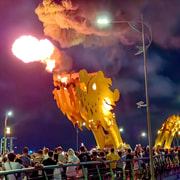
Dragon Bridge is another modern Da Nang landmark. It is especially popular at night, and on selected evenings the dragon may breathe fire and water, making it a fun city stop after a day trip.
Hoi An Ancient Town
Hoi An is one of central Vietnam’s most atmospheric heritage towns. Many travellers visit the Golden Bridge from Hoi An or combine Hoi An, Da Nang and Ba Na Hills over several days.
Is the Golden Bridge Worth Visiting?
Yes, the Golden Bridge is worth visiting if you enjoy dramatic photo spots, mountain views and unusual modern landmarks. It is one of the most recognisable attractions in Vietnam and a highlight for many travellers visiting Da Nang.
However, it is best to understand that the bridge is part of a themed mountain resort, not an ancient heritage site. If you go expecting a natural or historic attraction, the experience may feel commercial. If you go expecting a scenic, playful and highly photogenic day trip, it can be very enjoyable.
Final Thoughts
The Golden Bridge in Da Nang is one of those attractions that looks almost unreal the first time you see it. The giant hands, golden walkway, mountain clouds and wide views create a scene that feels designed for wonder.
Whether you visit for the photos, the cable car, the Ba Na Hills experience or the chance to see one of Vietnam’s most famous modern landmarks, the Golden Bridge is a memorable addition to a central Vietnam itinerary. It is bold, theatrical, scenic and unmistakably unique.
Frequently Asked Questions About the Golden Bridge in Da Nang
Where is the Golden Bridge in Vietnam?
The Golden Bridge is located at Ba Na Hills near Da Nang in central Vietnam. It is reached by cable car as part of the Ba Na Hills resort area.
What is the Golden Bridge famous for?
The Golden Bridge is famous for its curved golden walkway supported by two giant stone hands, along with its mountain views and dramatic location in Ba Na Hills.
How long is the Golden Bridge?
The Golden Bridge is commonly listed as nearly 150 metres long.
Can you visit the Golden Bridge from Da Nang?
Yes, the Golden Bridge is commonly visited as a day trip from Da Nang. Many tours include hotel pickup, transport, cable car tickets and time at Ba Na Hills.
Can you visit the Golden Bridge from Hoi An?
Yes, it is possible to visit the Golden Bridge from Hoi An on a full-day trip. The journey is longer than from Da Nang, so allow a full day.
Do you need a cable car to reach the Golden Bridge?
Yes, visitors generally reach the Golden Bridge by taking the Ba Na Hills cable car up into the mountain resort area.
Is the Golden Bridge crowded?
Yes, it can be very crowded, especially during peak travel periods, weekends and holidays. Visit early if you want better photos and a calmer experience.
Is the Golden Bridge worth visiting?
Yes, the Golden Bridge is worth visiting if you enjoy unique architecture, mountain scenery and iconic photo spots. It is especially worthwhile as part of a wider Ba Na Hills day trip.
Sponsored Popular Items
Quick take: Musement.com offers a worldwide selection of tours and attractions
Hoi An/Da Nang: Da Nang Food Tour & Cruise Trip on Han River Vietnam Tour program: 3:30 pm to 9:30 pm. Discover Da Nang´s hidden places and try 6 different Vietnamese local food. Visit Con & Han Market. Enjoy the beauty of Dragon Bridge Fire and Water show at weekend
Da Nang: Charming Da Nang Show Ticket Vietnam Explore Vietnam’s culture and tradition in one unforgettable display of talents. It provides a unique and entertaining glimpse into the culture and history, leaving a lasting impression on all who see it
Da Nang: Full-Day Car Rental in Da Nang & Hoi An city Vietnam Explore Da Nang at your own pace with a car rental and a suggested itinerary. Visit the Dragon Bridge, Cham Museum, Han Market, Marble Mountains, My Khe Beach, Son Tra Peninsula & Hoi An lantern
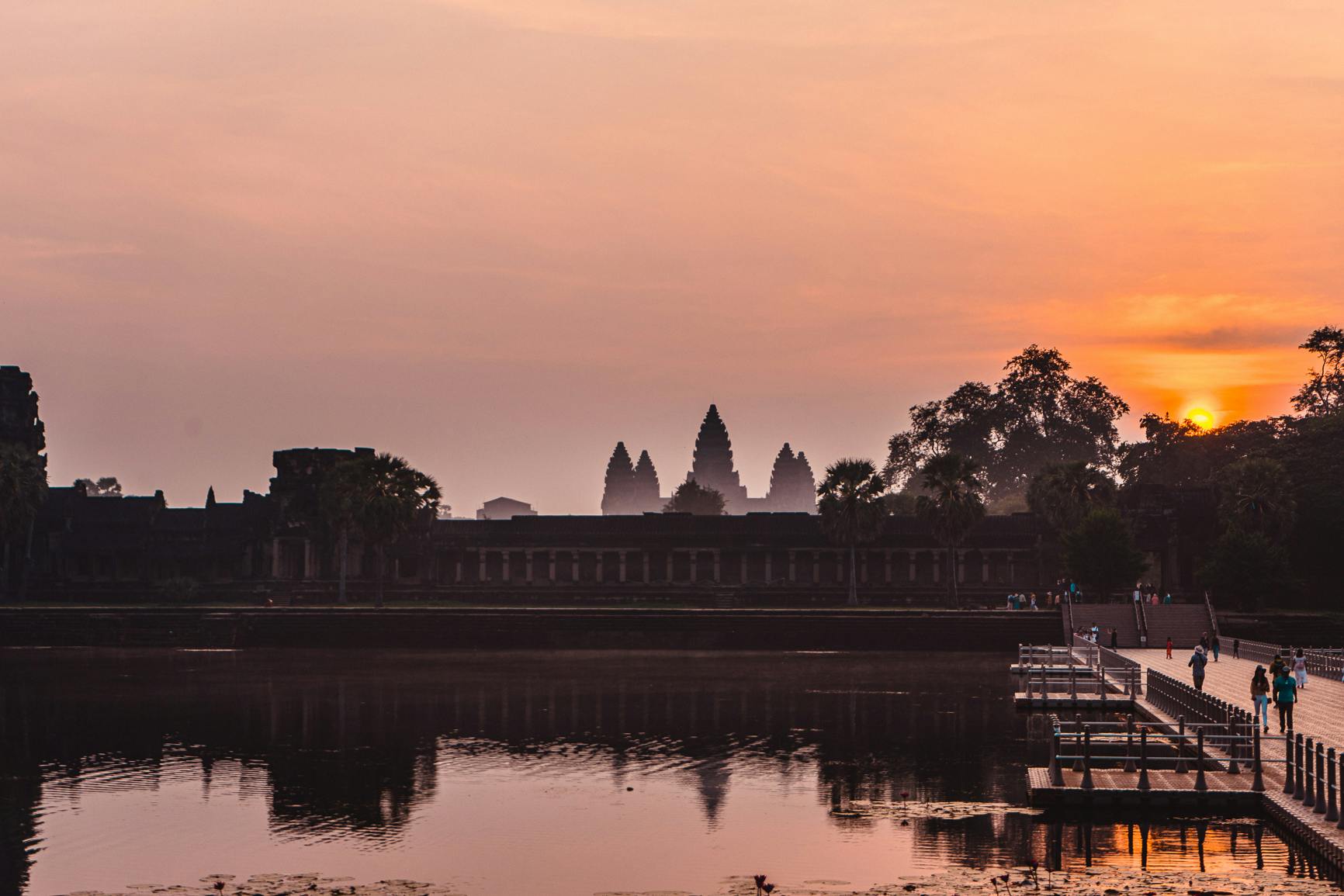
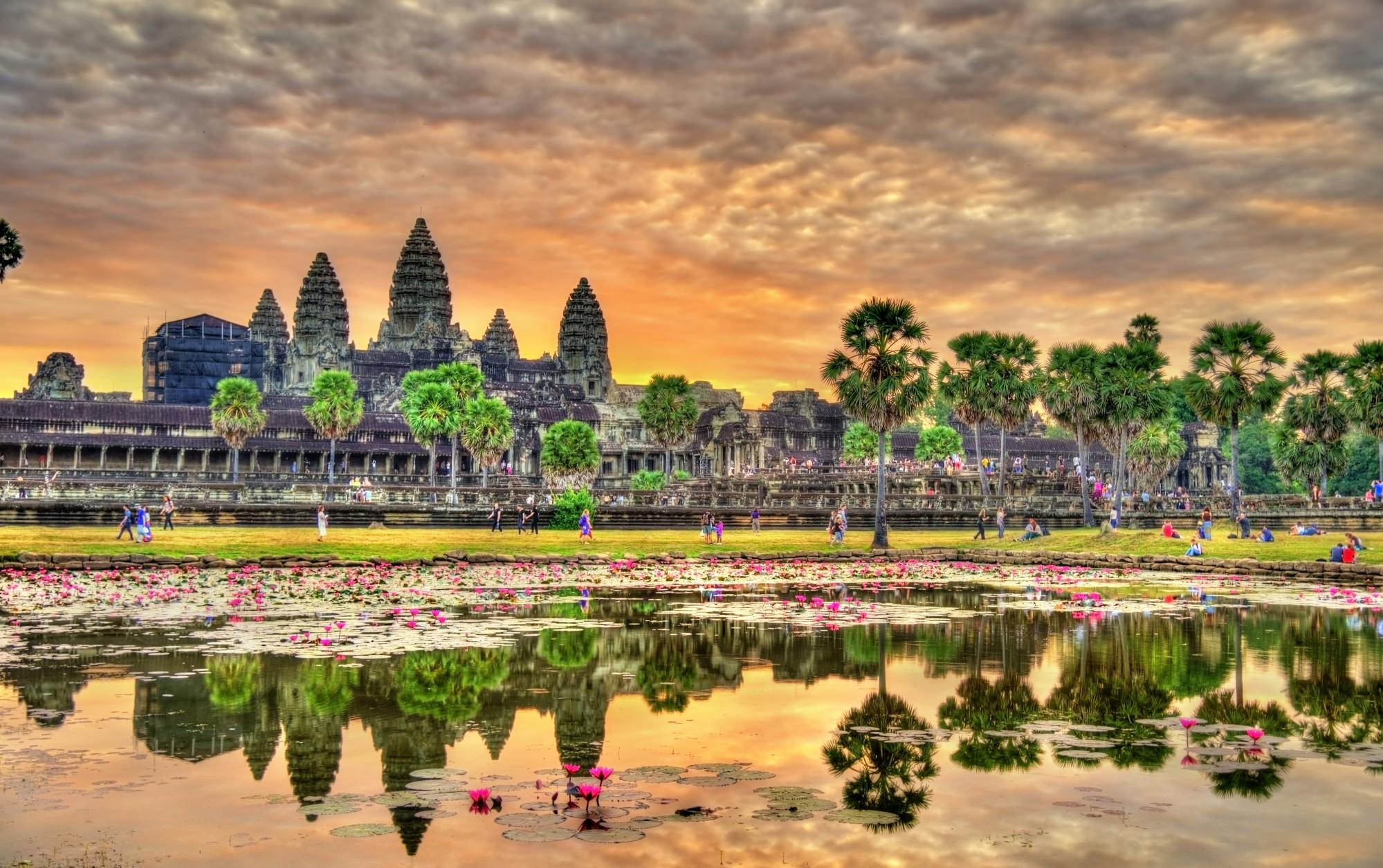
Pre Rup Temple is one of the most atmospheric temples in the Angkor Archaeological Park near Siem Reap, Cambodia. Built from warm-toned brick, laterite and sandstone, this temple-mountain rises in dramatic tiers above the surrounding landscape and is especially beautiful in the golden light of late afternoon.
Quick take: Musement.com offers a worldwide selection of tours and attractions
Angkor Wat Sunrise & Angkor Complex 4x4 Discovery Tour – Siem Reap… Cambodia Sunrise at Angkor Wat and Angkor complex discovery by 4x4 is for travellers who want movement, scenery and a more active element in their itinerary. Check current availability, inclusions and booking details before you go.
Often visited as part of the Grand Circuit temple route, Pre Rup offers a different experience from the more famous Angkor Wat and Bayon. It feels quieter, older and more rugged, with steep stairways, reddish stone towers, carved details and wide views across the Angkor countryside.
Why Visit Pre Rup Temple?
Pre Rup is worth visiting because it combines classic Khmer temple-mountain architecture with one of the most memorable sunset settings in Angkor. Its elevated platforms allow visitors to climb above the surrounding trees and look across a landscape of ancient ruins, forest and open sky.
The temple is especially appealing for travellers who enjoy photography, architecture, history and quieter temple experiences. While Angkor Wat is grand and iconic, Pre Rup feels more raw and elemental, with sun-warmed brick, steep steps and a strong sense of age.
A 10th-Century Temple-Mountain
Pre Rup was built in the 10th century during the reign of King Rajendravarman II. Its design follows the temple-mountain concept, with rising levels that symbolically represent Mount Meru, the sacred mountain at the centre of Hindu cosmology.
The temple was dedicated to Hindu worship and is often associated with Shiva. Its name is commonly interpreted in connection with funerary or transformation rituals, which adds to its mysterious atmosphere. Even without knowing the full symbolism, visitors can feel the power of the structure as they climb through its layers.
Main Features and Attractions
The Stepped Temple-Mountain Layout
The most striking feature of Pre Rup is its tiered design. The temple rises in levels, with stairways leading upward toward the central sanctuary towers. This vertical layout gives the site a strong ceremonial feeling and makes the climb part of the experience.
As you move higher, the view opens up around you. The temple becomes less about individual rooms and more about space, height, stone, sky and landscape.
The Central Towers
At the upper level, Pre Rup’s towers create the classic Angkor silhouette. Built from brick and sandstone, they have a weathered reddish tone that becomes especially beautiful in warm light.
The towers are not as finely preserved as some Angkor temples, but their rough texture and aged surfaces are part of the charm. They give Pre Rup a powerful, ancient character.
The Reddish Stone and Brickwork
Pre Rup is known for its warm colour palette. The brick and laterite surfaces glow in shades of orange, red and brown, particularly near sunset. This makes the temple one of the best places in Angkor for late-afternoon photography.
The stonework also helps distinguish Pre Rup from temples with darker jungle settings or grey sandstone façades. It has a dry, sunlit beauty that feels very different from Ta Prohm or Bayon.
The Steep Stairways
The stairways at Pre Rup are steep, so climbing requires care. The ascent is one of the reasons the temple feels dramatic, but it may not suit every visitor.
Wear shoes with good grip, take your time and avoid rushing, especially if the stone is hot, wet or crowded. The climb is rewarding, but the steps are part of the challenge.
The Sunset View
Pre Rup is widely known as a sunset temple. Late in the day, the warm light brings out the reddish colour of the towers and casts long shadows across the platforms.
The sunset view is not only about watching the sun drop. It is about the way the entire temple changes colour. The brick glows, the towers become silhouettes, and the surrounding landscape softens into gold and haze.
Best Time to Visit Pre Rup
The best time to visit Pre Rup is late afternoon, especially if you want photography and sunset atmosphere. Arriving before sunset gives you time to explore the temple, climb carefully and find a good viewpoint without rushing.
Morning can also be a good option if you prefer fewer people and cooler conditions. The light is gentler, the stone is less hot and the temple can feel calmer before the busiest tour routes arrive.
How Long Do You Need at Pre Rup?
Allow around 1 to 2 hours for Pre Rup Temple. This gives enough time to walk around the base, climb to the upper levels, take photos, enjoy the views and appreciate the temple’s structure.
If you are visiting at sunset, allow extra time. Arrive early enough to explore before the best light, then stay as the colours change across the temple.
Pre Rup on the Angkor Grand Circuit
Pre Rup is commonly included on the Angkor Grand Circuit, a temple route that explores sites beyond the most famous central temples. This makes it a useful stop for travellers who have already seen Angkor Wat, Angkor Thom and Ta Prohm, or for those who want a fuller Angkor experience.
Nearby and commonly paired temples include East Mebon, Ta Som, Neak Pean, Preah Khan and Srah Srang. Together, these sites show different styles, settings and moods within the Angkor Archaeological Park.
Nearby Temples and Attractions
East Mebon
East Mebon is close to Pre Rup and shares some architectural similarities. It is known for its temple-mountain form, elephant sculptures and historic connection to the former East Baray reservoir.
Srah Srang
Srah Srang is a large ancient reservoir often visited near sunrise or sunset. It offers a quieter, water-based contrast to Pre Rup’s dry brick platforms and rising towers.
Ta Som
Ta Som is a smaller temple with atmospheric gateways and tree-covered features. It is a good stop for travellers who enjoy the jungle-temple feeling without the scale of Ta Prohm.
Neak Pean
Neak Pean is a small island temple set within a water-based layout. It offers a completely different atmosphere from Pre Rup and adds variety to the Grand Circuit route.
Preah Khan
Preah Khan is a large and fascinating temple complex with corridors, courtyards, carvings and a partially overgrown atmosphere. It is one of the strongest highlights of the Grand Circuit.
Suggested Grand Circuit Itinerary with Pre Rup
Morning: Start with Preah Khan, one of the most impressive temples on the Grand Circuit.
Late morning: Continue to Neak Pean for a quieter water-temple experience.
Midday: Visit Ta Som and take a break for lunch or rest.
Afternoon: Explore East Mebon and nearby temple sites.
Late afternoon: Finish at Pre Rup for sunset views and warm golden light.
Photography Tips for Pre Rup
Pre Rup is one of the best temples in Angkor for warm-toned photography. The reddish brick, towers, shadows and open sky create strong images, especially in late afternoon.
Arrive before sunset so you can photograph the temple in changing light.
Take wide shots from the lower levels to capture the temple’s full structure.
Use the upper platform for views across the Angkor landscape.
Look for silhouettes of towers, lions and stairways against the sky.
Be careful when photographing on steep steps or crowded platforms.
What to Wear and Bring
Comfortable shoes: The temple has steep steps and uneven stone surfaces.
Modest clothing: Angkor temples are sacred heritage sites, so shoulders and knees should be covered.
Water: The stone can become very hot during the day.
Sun protection: Bring a hat, sunglasses and sunscreen.
Camera or phone: Pre Rup is especially photogenic in late afternoon.
Small flashlight: Useful if leaving after sunset, depending on your route and transport.
Travel Tips for Visiting Pre Rup
Visit late afternoon if you want the best light and sunset atmosphere.
Take care on the steep stairways, especially when descending.
Do not climb on fragile or restricted areas.
Combine Pre Rup with East Mebon, Ta Som, Neak Pean and Preah Khan for a full Grand Circuit day.
Bring water, as the site can feel exposed and hot.
Use a guide if you want deeper context about Khmer temple symbolism and history.
Allow time to walk around the base as well as climb to the upper levels.
Is Pre Rup Temple Worth Visiting?
Yes, Pre Rup Temple is absolutely worth visiting, especially if you want a temple experience that feels atmospheric, historic and less crowded than Angkor Wat. Its temple-mountain shape, reddish brick towers, steep stairways and sunset views make it one of the most memorable stops on the Grand Circuit.
It is especially worthwhile for photographers, history lovers and travellers who enjoy seeing the quieter but still powerful temples of Angkor.
Final Thoughts
Pre Rup Temple is one of Angkor’s most rewarding sunset temples. It may not have the fame of Angkor Wat or the jungle drama of Ta Prohm, but it has a beauty of its own: warm brick, high platforms, ancient towers and wide views over the Cambodian landscape.
Whether you visit as part of a Grand Circuit tour or make a special late-afternoon stop for golden light, Pre Rup offers a strong sense of ancient Khmer architecture and atmosphere. It is rugged, beautiful, historic and quietly unforgettable.
Frequently Asked Questions About Pre Rup Temple
Where is Pre Rup Temple?
Pre Rup Temple is located in the Angkor Archaeological Park near Siem Reap, Cambodia. It is commonly visited on the Grand Circuit temple route.
What is Pre Rup Temple famous for?
Pre Rup is famous for its 10th-century temple-mountain design, reddish brick and laterite construction, steep stairways, central towers and sunset views.
Is Pre Rup good for sunset?
Yes, Pre Rup is one of the popular sunset temples in Angkor. The warm light brings out the red and orange tones of the brick and stone.
How long should I spend at Pre Rup?
Allow around 1 to 2 hours. This gives enough time to explore the base, climb the upper levels, take photos and enjoy the views.
Is Pre Rup difficult to climb?
The climb can be steep in places. Visitors should wear good shoes, take their time and be careful when descending.
What temples are near Pre Rup?
Nearby and commonly paired temples include East Mebon, Ta Som, Neak Pean, Preah Khan and Srah Srang.
Is Pre Rup better in the morning or afternoon?
Morning is usually cooler and quieter, while late afternoon is best for golden light and sunset atmosphere.
Do you need a guide for Pre Rup?
A guide is not essential, but one can help explain the temple’s history, symbolism, architecture and place within the wider Angkor complex.
Sponsored Popular Items
Quick take: Musement.com offers a worldwide selection of tours and attractions
Angkor Wat, Angkor Thom & Ta Prohm Full-Day Private Tour – Siem Reap Guided Tour Cambodia Private One-Day Tour of Angkor Wat, Angkor Thom and Ta Prohm from Siem Reap This private full-day experience from Siem Reap is built around three of Angkor. Check current availability, inclusions and booking details before you go.
Mangshi is one of Yunnan’s most distinctive and underrated travel destinations. Located in Dehong Dai and Jingpo Autonomous Prefecture, close to China’s border with Myanmar, Mangshi feels different from the better-known highland towns of Yunnan. Instead of snow mountains and old tea-horse roads, it offers tropical greenery, golden pagodas, palm-lined streets, Dai-style architecture, Jingpo culture, markets, temples and a relaxed border-city atmosphere.
For travellers who enjoy places with a strong local identity, Mangshi is a rewarding stop. It has the warmth and colour of southwest China, with a flavour that feels close to Southeast Asia. Golden spires rise above the city, food stalls fill the streets with spice and smoke, and the pace is slower than in Kunming, Dali or Lijiang.
Why Visit Mangshi?
Mangshi is worth visiting because it gives travellers a different side of Yunnan. The city is known for its Dai and Jingpo cultural influences, Buddhist pagodas, tropical plants, markets, distinctive food and relaxed local life. It is not as internationally famous as Dali or Shangri-La, but that is part of its charm.
Visitors come for the golden and silver pagodas, local food, ethnic minority culture, gardens, hot springs, street life and access to the wider Dehong region. Mangshi can also work well as part of a broader western Yunnan itinerary with Ruili, Tengchong and Baoshan.
Menghuan Grand Golden Pagoda
Menghuan Grand Golden Pagoda is the most recognisable landmark in Mangshi. Sitting on a hill above the city, the pagoda glows in gold and can be seen from many parts of town. Its design reflects the Buddhist traditions of the region and gives Mangshi one of the most striking skylines in western Yunnan.
The pagoda is especially beautiful in the late afternoon and around sunset, when the gold surfaces catch the warm light. From the hilltop area, visitors can also enjoy views across Mangshi and the surrounding landscape.
Why It Is a Must-See
Iconic city landmark: The golden pagoda is one of Mangshi’s most famous sights.
Great views: Its elevated position offers views over the city.
Beautiful architecture: The gold detailing, spires and temple forms are highly photogenic.
Atmospheric at sunset: Late afternoon light makes the pagoda especially impressive.
Cultural importance: It reflects the region’s Dai Buddhist influence.
Menghuan Silver Pagoda
Menghuan Silver Pagoda is another major highlight of Mangshi. Unlike the golden glow of Menghuan Grand Golden Pagoda, the Silver Pagoda has a pale, luminous beauty that feels calm and elegant. Its white and silver tones make it especially photogenic against blue skies or evening light.
Many travellers visit both pagodas on the same day because they offer two very different visual experiences. The Golden Pagoda feels warm, rich and ceremonial, while the Silver Pagoda feels bright, graceful and almost dreamlike.
Photography Tips for the Silver Pagoda
Morning can be a good time for clear light and cleaner photos, while evening can bring a softer, more romantic atmosphere. Because the pale surfaces reflect light strongly, sunglasses can be useful on bright days.
For the best photos, take wide shots of the full pagoda complex, then move closer for details of the spires, steps, carvings and decorative features.
Dai Ancient Town Atmosphere
Mangshi has areas that showcase Dai-inspired architecture, night-market energy and tropical border-town character. Streets lit with warm lights, palm trees, food stalls, decorative gateways and local shops create a relaxed evening atmosphere.
This is one of the best ways to enjoy Mangshi after dark. Rather than rushing between formal attractions, spend time walking slowly, tasting snacks, browsing small stalls and enjoying the city’s social rhythm.
Puti Temple
Puti Temple is another important cultural stop in Mangshi. It offers a quieter temple experience and gives travellers another view of the city’s Buddhist heritage. The architecture, gardens and peaceful setting make it a good contrast to the larger pagoda attractions.
If you enjoy temples, photography or reflective travel stops, Puti Temple is worth adding to your Mangshi itinerary.
Mengbana Rare Garden
Mengbana Rare Garden is a popular attraction for visitors who enjoy plants, landscaped spaces and unusual natural displays. Mangshi’s warm climate supports lush vegetation, and garden attractions are a pleasant way to experience the city’s subtropical feel.
This kind of stop is especially good if you are travelling with family, want a slower activity or need a break from temple and pagoda sightseeing.
Markets and Local Life
Mangshi is a good city for travellers who enjoy markets and everyday street scenes. Local markets can include fruit, vegetables, spices, cooked snacks, textiles, household goods and regional specialities.
The markets are also a good place to experience Dehong’s cultural mix. You may notice differences in clothing, food, language, ingredients and market rhythms compared with other parts of Yunnan.
Food in Mangshi
Food is one of the best reasons to visit Mangshi. The city’s cuisine reflects Dai, Jingpo, Yunnan and border-region influences, with fresh herbs, rice dishes, grilled meats, sour and spicy flavours, tropical fruits and local snacks.
Look for dishes with lemongrass, chilli, lime, herbs, grilled fish, sticky rice, rice noodles, pickled flavours and fresh seasonal produce. Mangshi’s food scene can feel more tropical and Southeast Asian-influenced than northern Yunnan cuisine.
Food Experiences to Try
Dai-style flavours: Fresh herbs, sour notes, chilli and grilled dishes.
Rice noodles: A Yunnan staple, often served in regional styles.
Grilled snacks: Popular at night markets and casual street stalls.
Tropical fruit: Mangshi’s warmer climate makes fruit a highlight.
Local tea and drinks: Good for slow afternoons and café breaks.
Best Things to Do in Mangshi
Visit Menghuan Grand Golden Pagoda for Mangshi’s most iconic landmark.
Explore Menghuan Silver Pagoda for elegant architecture and beautiful photos.
Walk through Dai-style town areas for evening lights, food and local atmosphere.
Visit Puti Temple for a calmer cultural stop.
Spend time at Mengbana Rare Garden for greenery and a slower pace.
Try Dai and Jingpo-influenced food at local restaurants and markets.
Explore local markets for fruit, snacks, spices and everyday life.
Use Mangshi as a base for wider Dehong travel, including Ruili and nearby border-region sights.
How Long Do You Need in Mangshi?
One full day is enough to see the main highlights of Mangshi, including the Golden Pagoda, Silver Pagoda, a temple or garden, and an evening food walk. However, two days is better if you want a slower visit and time to enjoy the city’s markets, cafés, food and cultural atmosphere.
If you are combining Mangshi with Ruili, Tengchong or other parts of western Yunnan, allow three to five days for the wider region.
Suggested One-Day Mangshi Itinerary
Morning: Start at Menghuan Silver Pagoda for bright, clear photos and a peaceful start.
Late morning: Visit Puti Temple or Mengbana Rare Garden.
Lunch: Try local Dai-style or Yunnan-style food in the city.
Afternoon: Rest during the warmer part of the day or explore a local market.
Late afternoon: Visit Menghuan Grand Golden Pagoda for city views and sunset light.
Evening: Walk through Dai-style streets or night-market areas for food, lights and local atmosphere.
Suggested Two-Day Mangshi Itinerary
Day One: Pagodas and City Highlights
Visit Menghuan Silver Pagoda in the morning.
Explore Menghuan Grand Golden Pagoda in the late afternoon.
Try local food for lunch and dinner.
Enjoy an evening walk through Dai-style streets or market areas.
Day Two: Culture, Gardens and Slow Travel
Visit Puti Temple or another local temple.
Spend time at Mengbana Rare Garden.
Browse a local market for fruit, snacks and regional products.
Relax in a café or hot spring-style resort if available.
Use the evening for food, photography and local wandering.
Nearby Places to Visit from Mangshi
Ruili
Ruili is another major destination in Dehong, known for its border location, markets, tropical atmosphere and cultural mix. It is often combined with Mangshi on western Yunnan itineraries.
Tengchong
Tengchong is known for hot springs, volcanic landscapes, wetlands, old towns and a cooler mountain atmosphere. Pairing Tengchong with Mangshi gives travellers two very different sides of western Yunnan.
Baoshan
Baoshan can work as a transport or regional stop when travelling through western Yunnan. It is useful for longer itineraries connecting Kunming, Dali, Tengchong, Mangshi and Ruili.
Dehong Countryside
The wider Dehong region includes tropical valleys, ethnic minority villages, border landscapes, rivers, forests and agricultural areas. Travellers with more time can use Mangshi as a base for deeper regional exploration.
Best Time to Visit Mangshi
Mangshi has a warmer, more tropical feel than many other Yunnan destinations. The most comfortable months are usually the cooler, drier periods, when walking around pagodas, markets and gardens is easier.
During hotter or wetter months, plan outdoor sightseeing early in the morning or late in the afternoon. Midday can be better for rest, lunch, cafés or indoor activities.
What to Wear and Bring
Light clothing: Mangshi can feel warm and humid compared with other parts of Yunnan.
Comfortable shoes: Useful for pagoda steps, markets and city walks.
Sun protection: Bring a hat, sunglasses and sunscreen.
Mosquito repellent: Helpful in gardens, hilltop areas and evenings.
Modest clothing: Recommended when visiting temples and pagodas.
Camera or phone: The pagodas, night lights and tropical streets are very photogenic.
Travel Tips for Visiting Mangshi
Visit the Silver Pagoda earlier in the day for bright photos and cooler conditions.
Visit the Golden Pagoda in the late afternoon for warmer light and city views.
Dress respectfully at Buddhist sites, especially around temples and pagodas.
Try local Dai and Jingpo-influenced food rather than only standard Chinese dishes.
Allow time for slow wandering; Mangshi’s charm is in its atmosphere as much as its attractions.
Carry translation tools if you do not speak Mandarin, as English may be limited.
Combine Mangshi with Ruili or Tengchong for a richer western Yunnan itinerary.
Is Mangshi Worth Visiting?
Yes, Mangshi is worth visiting, especially if you want to experience a warmer, more tropical and culturally diverse side of Yunnan. It is less famous than Dali, Lijiang or Shangri-La, but it offers something different: golden pagodas, Dai-style streets, border-region food, relaxed local life and a strong sense of Dehong identity.
For travellers who enjoy hidden gems, regional culture, photography and food, Mangshi can be one of the most memorable stops in western Yunnan.
Final Thoughts
Mangshi is a city of golden spires, palm trees, warm evenings and borderland culture. It does not feel like the postcard version of Yunnan that many travellers expect, and that is exactly what makes it interesting.
Visit for the Menghuan Grand Golden Pagoda, stay for the food, markets, Silver Pagoda, local temples and relaxed tropical atmosphere. Whether you spend one day or use it as a base for Dehong and western Yunnan, Mangshi offers a colourful and memorable travel experience away from China’s more familiar tourist routes.
Frequently Asked Questions About Mangshi in Dehong
Where is Mangshi?
Mangshi is located in Dehong Dai and Jingpo Autonomous Prefecture in western Yunnan, China, close to the Myanmar border region.
What is Mangshi famous for?
Mangshi is famous for Menghuan Grand Golden Pagoda, Menghuan Silver Pagoda, Dai and Jingpo cultural influences, tropical scenery, local food, markets and its relaxed border-city atmosphere.
How many days do you need in Mangshi?
One day is enough for the main highlights, but two days is better if you want to enjoy the pagodas, markets, gardens, temples and food at a relaxed pace.
What are the top attractions in Mangshi?
Top attractions include Menghuan Grand Golden Pagoda, Menghuan Silver Pagoda, Puti Temple, Mengbana Rare Garden, Dai-style town areas, markets and local food streets.
Is Mangshi good for photography?
Yes, Mangshi is excellent for photography. The Golden Pagoda, Silver Pagoda, palm-lined streets, night lights, markets and tropical gardens all make strong photo subjects.
What food should I try in Mangshi?
Try Dai-style dishes, grilled foods, rice noodles, sticky rice, tropical fruit, sour and spicy flavours, fresh herbs and local snacks from markets or casual restaurants.
Can you visit Mangshi with Ruili?
Yes, Mangshi and Ruili are commonly combined on Dehong itineraries. Together, they offer pagodas, markets, border-region culture, food and tropical scenery.
Is Mangshi suitable for first-time visitors to Yunnan?
Mangshi can be suitable for first-time visitors who want something different from the classic Yunnan route. However, travellers who prefer famous old towns may want to combine it with better-known places such as Dali, Lijiang, Tengchong or Kunming.
Nhật Tân Bridge is one of Hanoi’s most striking modern landmarks. Spanning the Red River in the north of the city, this elegant cable-stayed bridge connects central Hanoi with the road toward Nội Bài International Airport and gives many travellers their first dramatic glimpse of the Vietnamese capital.
Quick take: Musement.com offers a worldwide selection of tours and attractions
From Hanoi Airport: Hanoi, Ninh Binh & Ha Long 3-Day Tour Vietnam Discovery place famous in Ha Noi Trang An Eco-Tourism Area:** Take a boat trip through spectacular limestone mountains, peaceful streams, rice fields and mysterious caves Visit Ha Long bay
Known in Vietnamese as Cầu Nhật Tân, the bridge is especially memorable at night, when its tall pylons and cables glow in shifting colours above the river. For visitors, it is not a traditional tourist attraction like a temple, museum or market, but it is still one of Hanoi’s most recognisable pieces of modern infrastructure and a beautiful sight for photography, sunset views and city travel.
Why Visit Nhật Tân Bridge?
Nhật Tân Bridge is worth seeing because it shows a different side of Hanoi. The city is famous for the Old Quarter, Hoàn Kiếm Lake, French colonial buildings, street food and ancient temples, but Nhật Tân Bridge represents modern Hanoi: ambitious, expanding and visually dramatic.
The bridge is particularly impressive in the evening, when the coloured lighting reflects across the Red River. It is also a memorable route if you are arriving from or travelling to Nội Bài International Airport, as the bridge creates a grand entrance into the city.
A Modern Gateway to Hanoi
For many visitors, Nhật Tân Bridge is experienced from a taxi, airport transfer or private car. As you travel between the airport and the city, the bridge rises ahead with its tall cable-stayed towers and wide roadway. It feels open, modern and spacious compared with the tighter streets of central Hanoi.
This makes the bridge feel like a gateway. On one side is the busy historic capital, full of lakes, markets, cafés and old streets. On the other side are the airport route, newer urban developments and the wider Red River landscape.
Main Features and Attractions
The Cable-Stayed Design
Nhật Tân Bridge is known for its elegant cable-stayed design. Tall pylons rise above the roadway, with cables spreading outward in strong geometric lines. This gives the bridge a clean, modern silhouette that stands out against the sky and river.
The design is especially photogenic from a distance, where you can see the rhythm of the towers, the sweep of the roadway and the width of the Red River beneath.
The Night Lighting
The bridge’s night lighting is one of its most popular features. After dark, the towers and cables can glow in bright colours, creating a vivid contrast with the dark river and Hanoi skyline.
This is when Nhật Tân Bridge feels most like a travel landmark. The coloured lights make it attractive for night photography, scenic drives and relaxed evening sightseeing from nearby viewpoints.
The Red River Views
The Red River gives Nhật Tân Bridge its sense of scale. From the bridge and nearby viewing areas, you can see broad water channels, riverbanks, farmland, neighbourhoods and parts of Hanoi’s expanding skyline.
At sunrise or sunset, the river can look especially beautiful. The light softens, reflections appear on the water, and the bridge becomes part of a wider Hanoi landscape rather than just a road crossing.
The Airport Route
Nhật Tân Bridge is closely associated with the road between Hanoi and Nội Bài International Airport. If you are arriving in Hanoi, crossing the bridge can be a memorable introduction to the city. If you are leaving, it can feel like a final panoramic farewell.
Travellers using airport transfers may not need to plan a separate visit. Simply travelling across the bridge, especially at night, can be enough to appreciate its size and design.
Best Time to See Nhật Tân Bridge
The best time to see Nhật Tân Bridge is in the evening, when the lights are on and the bridge becomes one of Hanoi’s most colourful modern landmarks. Sunset is also excellent, especially if you can view the bridge from a safe riverbank or nearby open area.
During the day, the bridge is still impressive, but it feels more like major city infrastructure. At night, it becomes more scenic and memorable.
Best Ways to Experience Nhật Tân Bridge
Cross the Bridge by Car or Taxi
The easiest way to experience Nhật Tân Bridge is simply to cross it by car, taxi or airport transfer. This gives you a clear sense of its scale and design without needing a special sightseeing stop.
If possible, time your airport transfer for evening or early night so you can see the bridge illuminated.
View It from a Distance
For photography, distant views are often better than being on the bridge itself. Look for safe public areas, riverside viewpoints or nearby open spaces where you can see the full shape of the bridge across the Red River.
A wide view lets you capture the towers, cables, water and skyline together.
Combine It with West Lake and North Hanoi
Nhật Tân Bridge is close enough to combine with a wider north Hanoi outing. You could spend time around West Lake, visit cafés in the Tây Hồ area, explore local neighbourhoods and then view the bridge around sunset or after dark.
This works well if you want a slower Hanoi experience away from the busiest parts of the Old Quarter.
See It on the Way to or from the Airport
If your schedule is tight, the most practical way to see Nhật Tân Bridge is during your airport transfer. Ask your driver or transfer service whether your route will cross the bridge, especially if travelling between Nội Bài Airport and the central city.
Nearby Places to Add to Your Visit
West Lake
West Lake is one of Hanoi’s most relaxing areas, with lakeside cafés, restaurants, temples, walking spots and sunset views. It pairs naturally with Nhật Tân Bridge because both are located in the northern part of the city.
Tây Hồ District
Tây Hồ is popular for cafés, international restaurants, boutique stays and lake views. It is a good area to visit before heading toward the bridge for evening photos.
Nhật Tân Flower Gardens
The Nhật Tân area is known for flower gardens, especially during seasonal blooms. Depending on the time of year, this can be a colourful addition to a north Hanoi route.
Long Biên Bridge
For contrast, consider also seeing Long Biên Bridge. While Nhật Tân Bridge represents modern Hanoi, Long Biên Bridge reflects the city’s older colonial-era infrastructure and historic character. Seeing both gives you two very different views of Hanoi across the Red River.
Hanoi Old Quarter
The Old Quarter is still the heart of most Hanoi itineraries. After seeing the bridge or arriving from the airport, head into the Old Quarter for street food, markets, cafés, Hoàn Kiếm Lake and Hanoi’s historic street life.
Suggested Hanoi Itinerary Including Nhật Tân Bridge
Morning: Explore the Old Quarter, Hoàn Kiếm Lake and nearby cafés.
Lunch: Try classic Hanoi dishes such as phở, bún chả or bánh mì.
Afternoon: Head toward West Lake and enjoy a slower lakeside walk or café stop.
Sunset: Travel toward the Nhật Tân Bridge area for river and skyline views.
Evening: Cross the bridge by car or view it from a safe distance when the lights are on.
Travel Tips for Visiting Nhật Tân Bridge
Do not stop in unsafe places on or near the roadway just for photos.
Use a taxi, private car or ride-hailing service if you want an easy crossing.
Evening is usually the most attractive time to see the bridge illuminated.
For photos, look for safe viewpoints away from traffic.
Combine the bridge with West Lake, Tây Hồ or an airport transfer.
Allow extra travel time during peak traffic periods.
Bring a camera or phone with good low-light capability for night shots.
Is Nhật Tân Bridge Worth Seeing?
Yes, Nhật Tân Bridge is worth seeing if you enjoy modern architecture, city views, night photography or scenic river crossings. It is not a place where most travellers spend hours, but it is a memorable Hanoi landmark and a striking part of the city’s modern identity.
For first-time visitors, the bridge is especially worthwhile if you are already travelling to or from Nội Bài International Airport, staying near West Lake, or looking for a different side of Hanoi beyond the Old Quarter.
Final Thoughts
Nhật Tân Bridge is one of Hanoi’s most impressive modern landmarks. With its cable-stayed towers, Red River setting and colourful night lighting, it gives travellers a glimpse of the city’s newer, more expansive side.
Whether you cross it on your airport transfer, photograph it at sunset, admire it from a riverside viewpoint or include it in a north Hanoi itinerary, Nhật Tân Bridge adds a fresh perspective to the Vietnamese capital. It is modern, elegant and especially beautiful after dark.
Frequently Asked Questions About Nhật Tân Bridge
Where is Nhật Tân Bridge?
Nhật Tân Bridge is located in Hanoi, Vietnam. It crosses the Red River and connects the city with the route toward Nội Bài International Airport.
What is Nhật Tân Bridge famous for?
Nhật Tân Bridge is famous for its modern cable-stayed design, tall pylons, Red River views and colourful night lighting.
Is Nhật Tân Bridge near Hanoi Airport?
Yes, Nhật Tân Bridge is commonly used on routes between Hanoi and Nội Bài International Airport, making it a familiar sight for airport transfers.
Is Nhật Tân Bridge good for photography?
Yes, it is good for photography, especially at sunset and after dark when the bridge is illuminated. The best photos are usually taken from safe viewpoints at a distance rather than from the bridge roadway.
Can you walk across Nhật Tân Bridge?
Nhật Tân Bridge is primarily a major road bridge. Visitors should prioritise safety and avoid stopping in unsafe traffic areas. For sightseeing, it is usually better to cross by vehicle or view the bridge from a safe location nearby.
When is the best time to see Nhật Tân Bridge?
Evening is the best time to see Nhật Tân Bridge because the lighting makes the towers and cables much more dramatic. Sunset can also be beautiful over the Red River.
What attractions are near Nhật Tân Bridge?
Nearby and nearby-route attractions include West Lake, Tây Hồ District, Nhật Tân flower gardens, Long Biên Bridge and the wider Red River area.
Is Nhật Tân Bridge worth adding to a Hanoi itinerary?
Yes, especially if you are interested in modern city landmarks, night views or photography. It works best as a short scenic stop or as part of an airport transfer, West Lake visit or north Hanoi route.
Sponsored Popular Items
Quick take: Musement.com offers a worldwide selection of tours and attractions
From Hanoi Airport: Hanoi, Ninh Binh & Ha Long 3-Day Tour Vietnam Discovery place famous in Ha Noi Trang An Eco-Tourism Area:** Take a boat trip through spectacular limestone mountains, peaceful streams, rice fields and mysterious caves Visit Ha Long bay
Hanoi Old Town: Past and Present of Hanoi Vietnam Explore Hanoi's Old Quarter on a guided walking tour. Visit Dong Xuan Market, the 36 Ancient Streets, 87 Mã Mây House, Bach Ma Temple, and Ta Hiện Beer Street
Hanoi: Hanoi Museum Guided Tour with Entry Ticket Vietnam Join a guided storytelling tour through 1,000 years of Hanoi’s history. Trace the capital’s evolution from imperial dynasties and colonial rule to wartime resilience and modern vitality
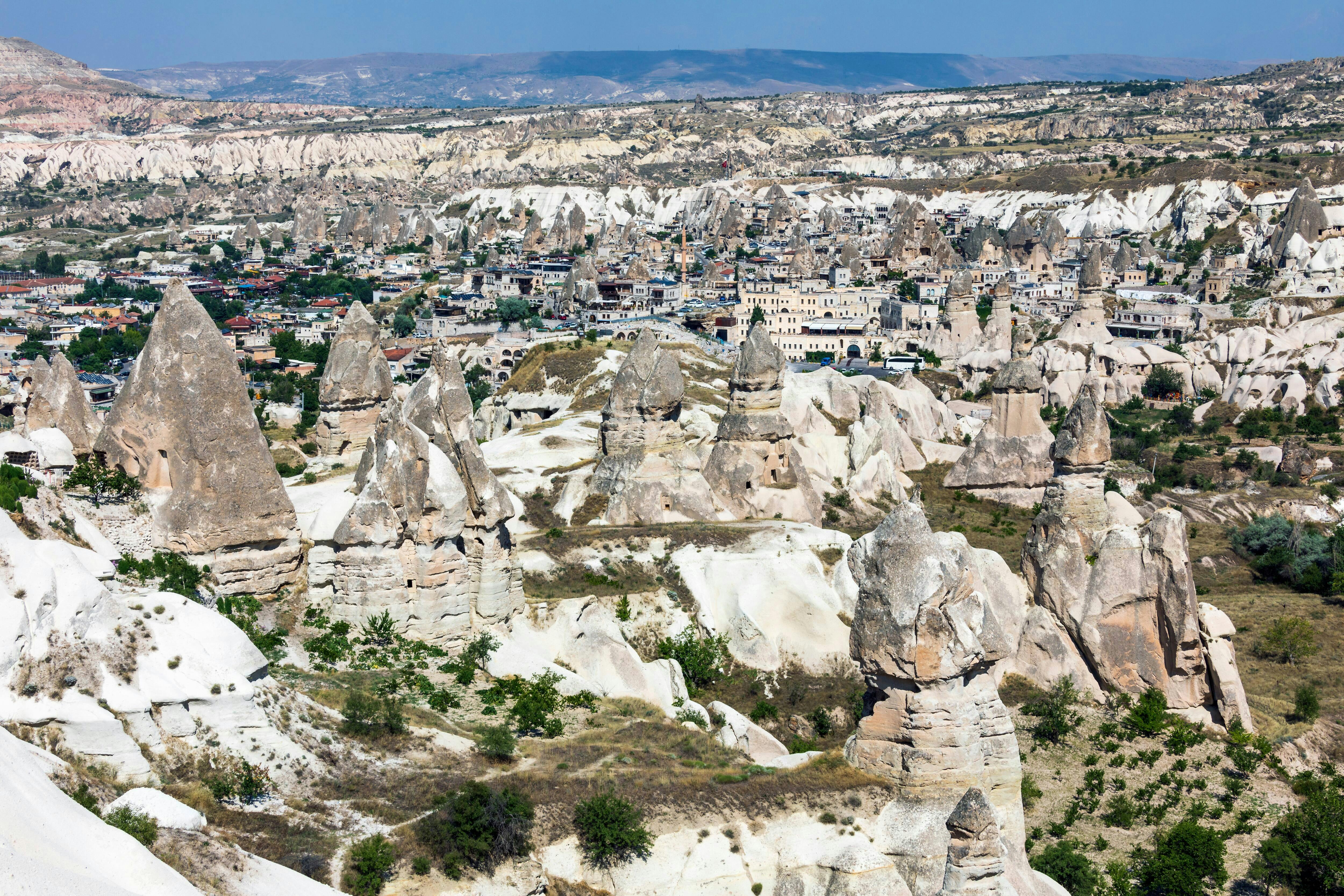
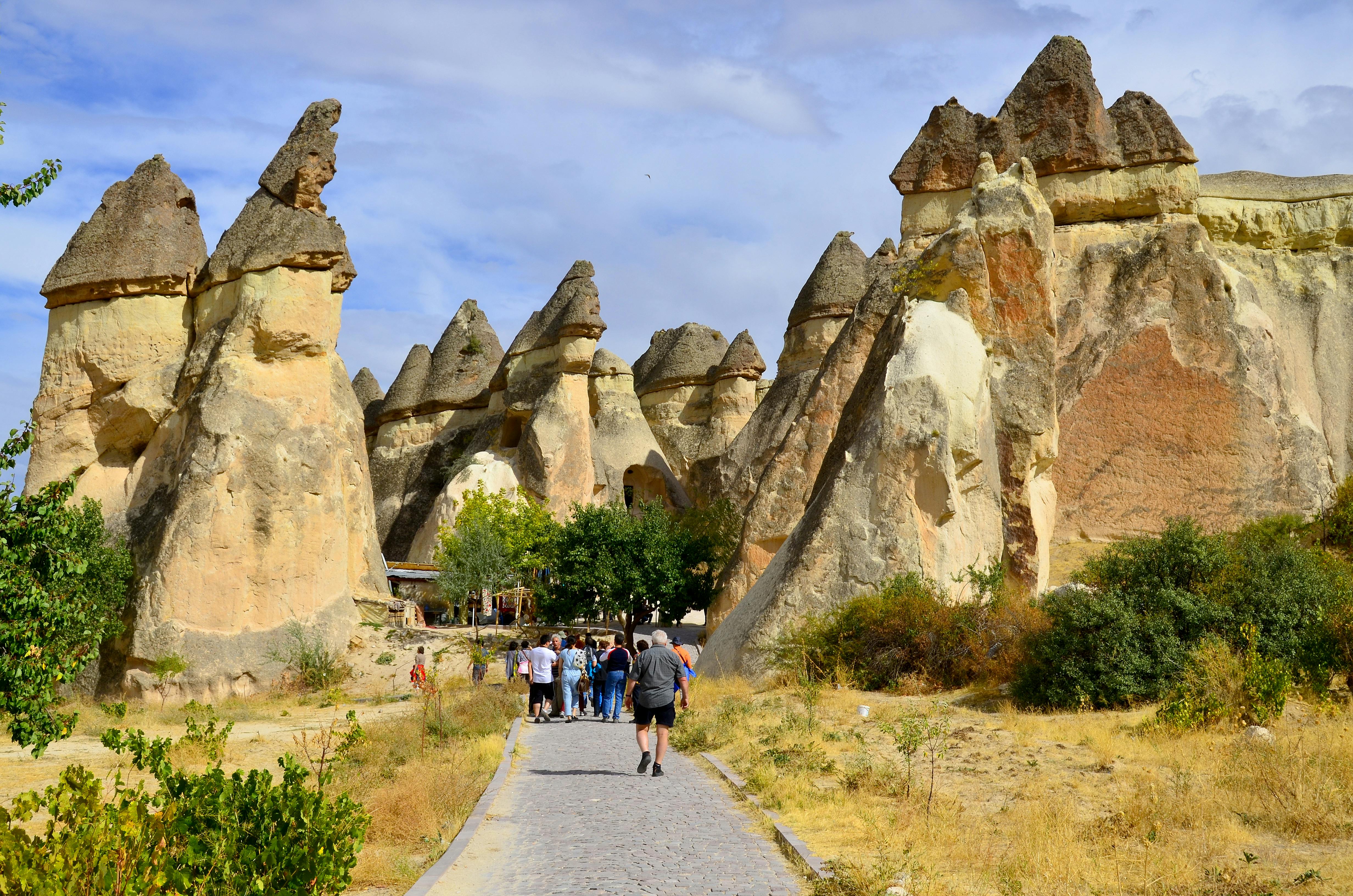
The magical valleys of Cappadocia are some of the most unforgettable landscapes in Turkey. Shaped by volcanic rock, wind and time, this surreal region is filled with fairy chimneys, rippled cliffs, hidden cave churches, old pigeon houses, soft-coloured rock formations and winding trails that feel like they belong in another world.
Quick take: Musement.com offers a worldwide selection of tours and attractions
Cappadocia in 1 day by motor coach from Istanbul Turkey Plan Cappadocia in 1 day by motor coach from Istanbul, a guided sightseeing experience, with practical tips on timing, inclusions and what to check before booking. Compare current availability, prices and booking conditions before you go.
Located in Central Anatolia, Cappadocia is famous for its hot air balloons, cave hotels and ancient underground cities, but the valleys are where the region’s natural beauty really comes alive. Whether you explore on foot, horseback, ATV or with a local guide, the valleys around Göreme, Uçhisar, Çavuşin and Ortahisar offer some of the most atmospheric travel experiences in Cappadocia.
Why Visit the Valleys of Cappadocia?
The valleys of Cappadocia are worth visiting because they show the region at its most magical. Instead of only seeing Cappadocia from a balloon or viewpoint, walking through the valleys lets you move between the rock formations, touch the soft volcanic stone, discover cave rooms and watch the colours change with the light.
Each valley has its own character. Some are dramatic and red at sunset, others are filled with pale rock towers, fruit trees, cave dwellings or quiet walking paths. Together, they create the dreamlike landscape that makes Cappadocia one of the most distinctive destinations in the world.
Red Valley
Red Valley is one of the most beautiful valleys in Cappadocia, especially late in the day. Its rock formations glow in shades of red, orange, pink and gold as the sun drops lower, making it one of the best places in the region for sunset views.
The valley is popular for hiking, horseback riding and ATV tours. It is also a wonderful place for photography because the landscape changes constantly as shadows move across the ridges and cliffs.
What Makes Red Valley Special?
Rich red and orange rock colours, especially at sunset.
Excellent hiking trails through soft volcanic formations.
Panoramic viewpoints over the Cappadocia landscape.
A strong sense of wilderness close to Göreme and Çavuşin.
Beautiful light for photography in the late afternoon.
Rose Valley
Rose Valley is another highlight of Cappadocia and is often explored together with Red Valley. Its name comes from the soft pink and rose-toned colours in the rock, which become especially beautiful in warm evening light.
This valley is ideal for travellers who want a mix of scenery and history. Along the trails, you may find old cave churches, carved rooms, tunnels and viewpoints that reveal how people once lived and worshipped within the rock.
Why Rose Valley Is Worth Exploring
Rose Valley feels romantic, quiet and cinematic. The colours are softer than Red Valley, and the walking routes can feel more intimate, with narrow paths, hidden corners and cave openings in the cliffs.
It is one of the best valleys for travellers who enjoy slow walking, landscape photography and discovering Cappadocia’s cave heritage beyond the busiest viewpoints.
Love Valley
Love Valley is one of Cappadocia’s most famous and unusual landscapes. It is known for its tall, pale fairy chimneys that rise from the valley floor in striking shapes. These natural stone towers are among the most recognisable rock formations in the region.
The valley is popular with hikers, photographers and hot air balloon watchers. From above, balloon flights often reveal the full scale of the formations, while walking through the valley gives a completely different view from below.
Best Things to Do in Love Valley
Walk among the tall fairy chimneys.
Visit a viewpoint for panoramic photos.
Watch hot air balloons in the early morning if conditions are suitable.
Combine the valley with nearby White Valley or Uçhisar.
Join a guided hike if you want help navigating the trails.
Pigeon Valley
Pigeon Valley runs between Göreme and Uçhisar and is one of the most accessible walking areas in Cappadocia. The valley gets its name from the many pigeon houses carved into the rock. For centuries, pigeons were valued in the region, and their droppings were used as fertiliser for local agriculture.
This valley is a good choice if you want a scenic walk with views toward Uçhisar Castle. It combines natural beauty, old cave dwellings, pigeon holes, rock formations and a strong sense of local history.
Why Visit Pigeon Valley?
Pigeon Valley is especially good for travellers who want a manageable hike with classic Cappadocia scenery. The trail can be combined with a visit to Uçhisar, where the castle-like rock formation offers one of the best viewpoints in the region.
White Valley
White Valley is known for its pale, sculpted rock formations and quiet walking paths. It is often linked with Love Valley, making it a good choice for travellers who want a longer valley hike with changing scenery.
The landscape here feels softer and more open, with creamy-white ridges, narrow passages and unusual formations shaped by erosion. It is less dramatic in colour than Red or Rose Valley, but its beauty lies in its calm, lunar atmosphere.
Meskendir Valley
Meskendir Valley is a rewarding walking route for visitors who enjoy quieter trails. It often appears on guided valley hikes and can connect with Red Valley and Rose Valley routes.
The valley includes narrow paths, cave openings, shaded sections and a more peaceful atmosphere than some of the busier stops. It is a good choice for travellers who want to feel like they are discovering Cappadocia slowly rather than rushing between viewpoints.
Zemi Valley
Zemi Valley is another beautiful hiking area near Göreme. It is known for its varied rock formations, greenery, cave spaces and walking trails that feel more natural and less crowded than some of the most famous valleys.
This is a good option for travellers who enjoy hiking and want a valley experience that feels slightly more adventurous. The route can include uneven surfaces, so comfortable shoes are important.
Ihlara Valley
Ihlara Valley is different from the valleys around Göreme because it is a deeper canyon with a river running through it. Located farther from the central Cappadocia villages, it is often included on full-day tours rather than short local walks.
The valley is known for riverside walking, greenery, cave churches and dramatic canyon walls. If you have more time in Cappadocia, Ihlara Valley is a wonderful addition because it shows a completely different side of the region.
Best Ways to Explore the Cappadocia Valleys
Hiking
Hiking is one of the best ways to experience the magical valleys of Cappadocia. Walking allows you to notice details that are easy to miss from a vehicle: carved rooms, small churches, changing rock textures, wildflowers, old paths and quiet viewpoints.
Good hiking routes include Red Valley, Rose Valley, Pigeon Valley, Love Valley, White Valley, Meskendir Valley and Zemi Valley. Some trails are easy to follow, while others are better with a guide, especially if you want to avoid getting lost or understand the history of the cave churches and settlements.
Hot Air Balloon Viewing
Hot air balloons are one of Cappadocia’s most famous experiences, and the valleys are part of what makes the flights so beautiful. At sunrise, balloons often drift above fairy chimneys, ridges and cave villages, creating one of the world’s most memorable travel scenes.
Even if you do not take a balloon flight, watching the balloons from a terrace, viewpoint or valley edge can be magical. Early morning is the key time, but flights depend on weather and safety conditions.
Horseback Riding
Cappadocia is often called the “land of beautiful horses,” and horseback riding is a romantic way to explore the valleys. Guided rides commonly pass through scenic valley routes and can be especially beautiful around sunset.
This is a good option if you want something more atmospheric than a vehicle tour but less strenuous than a long hike.
ATV Tours
ATV tours are popular for travellers who want a faster, more adventurous way to see several valleys in a short time. These tours often include stops in places such as Red Valley, Rose Valley, Love Valley and nearby viewpoints.
Sunset ATV tours are especially popular because the rock colours become warmer and more dramatic in the late afternoon light.
Guided Day Tours
Guided tours can be useful if you want to combine valleys with other Cappadocia highlights such as Göreme Open-Air Museum, Uçhisar Castle, underground cities, Çavuşin, Avanos or Ihlara Valley.
A guide can also help explain the geology, cave dwellings, early Christian sites and local traditions that make the valleys more meaningful.
Best Valley for Each Type of Traveller
Best for sunset: Red Valley and Rose Valley.
Best for unusual fairy chimneys: Love Valley.
Best for a scenic walk between villages: Pigeon Valley.
Best for soft, pale rock formations: White Valley.
Best for quieter hiking: Meskendir Valley and Zemi Valley.
Best for a full-day canyon experience: Ihlara Valley.
Best for photography: Red Valley, Rose Valley, Love Valley and Pigeon Valley.
Suggested One-Day Valley Itinerary
If you want to focus on Cappadocia’s valleys in one day, a simple itinerary could look like this:
Sunrise: Watch hot air balloons from a viewpoint, hotel terrace or valley edge.
Morning: Walk through Pigeon Valley toward Uçhisar or visit Love Valley for fairy chimney views.
Lunch: Stop in Göreme, Uçhisar or Çavuşin for a relaxed meal.
Afternoon: Explore Rose Valley or Meskendir Valley on foot.
Sunset: Finish at Red Valley for warm light and panoramic views.
Suggested Two-Day Valley Itinerary
Day One: Classic Cappadocia Valleys
Start early with hot air balloon viewing.
Visit Love Valley for fairy chimneys.
Walk part of White Valley or Pigeon Valley.
Spend sunset in Red Valley or Rose Valley.
Day Two: Deeper Hiking and Hidden Corners
Explore Meskendir Valley or Zemi Valley in the morning.
Visit Çavuşin for cave houses and old village scenery.
Add Göreme Open-Air Museum for cave churches and frescoes.
Choose a horseback ride or ATV tour for a different view of the valleys.
Best Time to Visit the Valleys of Cappadocia
Spring and autumn are generally the most pleasant times to explore Cappadocia’s valleys because temperatures are usually more comfortable for walking. Summer can be hot and dry, so early morning and late afternoon are better for outdoor activities. Winter can be cold, but snow on the fairy chimneys can make the landscape look extraordinary.
For photography, sunrise and sunset are the most magical times. Sunrise is ideal for balloons and soft light, while sunset brings out the red, rose and gold colours of the valleys.
What to Wear and Bring
Comfortable walking shoes: Trails can be dusty, rocky and uneven.
Sun protection: Bring a hat, sunglasses and sunscreen, especially in warmer months.
Water: Many valley trails have limited shade and few facilities.
Light layers: Mornings and evenings can be cool, even when days are warm.
Camera or phone: The valleys are extremely photogenic.
Small backpack: Useful for snacks, water and a light jacket.
Travel Tips for Visiting Cappadocia’s Valleys
Start hikes early in the day during warm weather.
Use a guide for longer or less clearly marked routes.
Do not climb fragile rock formations or enter unstable cave spaces.
Check weather conditions if planning balloon viewing or a balloon flight.
Allow time for sunset, especially in Red Valley and Rose Valley.
Stay in Göreme, Uçhisar, Çavuşin or Ortahisar for easy access to valley routes.
Carry cash for small cafés, viewpoints or local stalls near popular stops.
Are the Valleys of Cappadocia Worth Visiting?
Yes, the valleys of Cappadocia are absolutely worth visiting. They are the heart of the region’s magic and one of the main reasons Cappadocia feels so different from anywhere else.
The fairy chimneys, cave churches, coloured cliffs, pigeon houses, walking trails and sunrise balloon views create a landscape that is both natural and deeply human. These valleys are not just scenic places; they are living records of geology, history and imagination.
Final Thoughts
The magical valleys of Cappadocia are best experienced slowly. Walk through them, watch the light change, look for carved rooms in the cliffs, pause at viewpoints and let the landscape reveal itself one turn at a time.
Whether you choose Red Valley at sunset, Love Valley at sunrise, Pigeon Valley on foot, Rose Valley by horse or Ihlara Valley on a full-day trip, Cappadocia’s valleys offer some of the most memorable scenery in Turkey. They are strange, beautiful, ancient and unforgettable — exactly the kind of place that makes travel feel magical.
Frequently Asked Questions About the Valleys of Cappadocia
What are the most beautiful valleys in Cappadocia?
Some of the most beautiful valleys in Cappadocia include Red Valley, Rose Valley, Love Valley, Pigeon Valley, White Valley, Meskendir Valley, Zemi Valley and Ihlara Valley.
Which Cappadocia valley is best for sunset?
Red Valley and Rose Valley are among the best places for sunset because the rock formations glow in warm red, pink and gold tones.
Which valley has the best fairy chimneys?
Love Valley is especially famous for its tall fairy chimney formations, while other valleys around Göreme and Çavuşin also feature dramatic rock shapes.
Can you hike the valleys of Cappadocia without a guide?
Some valley trails can be explored independently, especially shorter and popular routes. However, a guide is helpful for longer hikes, hidden churches, local history and less clearly marked paths.
How many days do you need for Cappadocia’s valleys?
Two to three days is ideal if you want to see several valleys without rushing. One day can cover a few highlights, but a longer stay allows time for sunrise, sunset, hiking and weather flexibility.
What is the best way to see the valleys?
The best way depends on your travel style. Hiking gives the most detail, hot air balloons give the most dramatic aerial view, horseback riding feels romantic, and ATV tours cover more ground quickly.
Are the valleys suitable for children?
Many valley viewpoints and shorter walks can suit families, but some trails are uneven, dusty or exposed. Choose easier routes, bring water and supervise children around cliffs, caves and rock edges.
Where should I stay to explore Cappadocia’s valleys?
Göreme is one of the most convenient bases for valley access, tours, balloon viewing and restaurants. Uçhisar, Çavuşin and Ortahisar are also good options for travellers who want beautiful views and a slightly quieter atmosphere.
Sponsored Popular Items
Quick take: Musement.com offers a worldwide selection of tours and attractions
Cappadocia in 1 day by motor coach from Istanbul Turkey Plan Cappadocia in 1 day by motor coach from Istanbul, a guided sightseeing experience, with practical tips on timing, inclusions and what to check before booking. Compare current availability, prices and booking conditions before you go.
Cappadocia Two-Day Tour with Flights from Antalya Turkey Cappadocia overnight tour with flights is a convenient way to add structure, local context and purposeful sightseeing to the itinerary. Check current availability, inclusions and booking details before you go.
Bad weather does not have to ruin a trip to Guatemala. In fact, rain can make the country feel even more atmospheric, with mist around the volcanoes, greener hillsides, quieter streets and dramatic skies over colonial towns and lakes. The key is to plan your days around the weather rather than fighting against it.
Quick take: Musement.com offers a worldwide selection of tours and attractions
Guatemala’s rainy season often brings clearer mornings and wetter afternoons, especially in the highlands and around Antigua, Lake Atitlán and the western regions. That means you can still enjoy outdoor sightseeing early in the day, then shift to museums, markets, cafés, workshops and cultural experiences when the rain arrives.
How to Plan Around Bad Weather in Guatemala
The best rainy-day strategy in Guatemala is simple: do outdoor activities in the morning and keep flexible indoor options for the afternoon. Volcano hikes, lake viewpoints, walking tours and markets are usually better earlier in the day, while cooking classes, museums, cafés, galleries and spa experiences work well once the rain starts.
Rain can be heavy, but it is not always all-day rain. In many places, showers build later in the day and pass through in bursts. Keep a light rain jacket, waterproof bag cover and quick-dry shoes with you, and you can still enjoy a full travel day.
Best Things to Do in Antigua When It Rains
Take a Guatemalan Cooking Class
Antigua is one of the best places in Guatemala for a rainy-day cooking class. Instead of losing an afternoon to the weather, you can learn how to make traditional dishes such as pepián, tamales, tortillas or Guatemalan-style stews.
Cooking classes are especially good during bad weather because they are hands-on, cultural and usually held in covered or indoor spaces. They also give you a deeper connection to Guatemala than simply waiting out the rain in a hotel room.
Join a Coffee Workshop
Guatemala is known for excellent coffee, and Antigua is surrounded by coffee-growing areas. A coffee workshop or tasting is a great wet-weather activity, especially if you want to learn about growing, roasting, grinding and brewing.
This is a good option for travellers who enjoy slow travel, local flavours and practical experiences. It also pairs well with a relaxed café afternoon in Antigua’s cobbled historic centre.
Try a Jade or Craft Workshop
Jade has deep cultural significance in Guatemala, especially in relation to Maya history. A jade workshop or craft experience can be a rewarding way to spend a rainy afternoon in Antigua.
Other good workshop ideas include pottery, weaving, candle-making, chocolate-making and textile experiences. These activities are ideal when the streets are wet but you still want to do something memorable.
Visit Casa Santo Domingo
Casa Santo Domingo is one of Antigua’s most atmospheric places to visit in poor weather. Set within the remains of a former convent, it combines ruins, gardens, museums, art, architecture and hotel spaces in one beautiful complex.
Even if it rains, the stonework, corridors and historic atmosphere make it a rewarding stop. It is also a good place for photography, especially when wet stone and soft light add extra mood to the setting.
Explore Antigua’s Churches and Covered Corners
Antigua is filled with churches, convent ruins, courtyards and historic buildings. If the rain is light, you can still walk between nearby sights such as La Merced, San Francisco and the central area around Parque Central.
When the rain becomes heavier, duck into a café, chocolate shop, gallery or covered courtyard until it eases. Antigua is compact, so it is one of the easier places in Guatemala to enjoy even during unsettled weather.
Best Rainy-Day Things to Do in Guatemala City
Visit the Museums
Guatemala City is one of the best places to be when the weather is bad because it has several indoor cultural attractions. Museums focused on Maya history, archaeology, textiles, modern art and national heritage can turn a rainy day into one of the most educational parts of the trip.
Good museum-style stops include the National Museum of Maya Art, Museo Popol Vuh, Museo Ixchel del Traje Indígena and other cultural institutions depending on your location and opening times.
Explore the Historic Centre
If the rain is not too heavy, Guatemala City’s historic centre can still be explored with a flexible plan. You can visit the cathedral, central plazas, government buildings, cafés and covered market areas.
A guided city tour can be useful in bad weather because transport is organised and the route can be adjusted if conditions change. It also helps you understand the city’s history without spending too long exposed to the rain.
Browse Mercado Central
Mercado Central is a good rainy-day option if you enjoy local food, crafts and everyday city life. It is especially useful when you want to stay partly under cover while still experiencing Guatemalan culture.
Look for textiles, ceramics, candles, wooden crafts, local snacks and traditional food stalls. Markets are also a good place to try warming dishes and drinks when the weather turns cool or damp.
What to Do at Lake Atitlán When the Weather Is Bad
Lake Atitlán is beautiful in changing weather, but heavy rain can affect boat trips, visibility and walking paths. If the forecast looks wet, plan lake activities early in the morning and keep afternoons flexible.
Visit Lakeside Villages
Short village visits can still work in light rain. San Juan La Laguna is especially good for textile workshops, galleries, natural dye demonstrations and artisan cooperatives. Panajachel has cafés, shops and lakefront areas where you can pause between showers.
Book a Weaving or Textile Experience
A weaving workshop is one of the best rainy-day activities around Lake Atitlán. You can learn about traditional backstrap looms, natural dyes, regional patterns and Maya textile heritage while staying mostly indoors.
Choose a Café with a Lake View
Bad weather at Lake Atitlán can still be beautiful. Choose a covered café, order coffee or hot chocolate and watch clouds move across the volcanoes. Some of the most memorable lake views happen when mist, rain and sunlight shift across the water.
What to Avoid in Bad Weather
Some activities are best postponed when the weather is poor. Heavy rain can make roads slower, trails slippery and visibility limited. Lightning, strong wind and fast-moving water are the biggest concerns.
Volcano hikes: Avoid hiking during thunderstorms, lightning or poor visibility.
Lake crossings: Be cautious with small boats if the lake is rough or visibility is poor.
Semuc Champey: Heavy rain can affect water clarity and river conditions.
Cave or river activities: Avoid these after heavy rain unless local guides confirm conditions are safe.
Long mountain drives: Allow extra time, as rain can slow traffic and make roads more difficult.
Best Bad-Weather Activities by Destination
Antigua
Cooking class
Coffee workshop
Chocolate-making class
Jade or pottery workshop
Casa Santo Domingo
Churches, ruins and covered courtyards
Cafés with volcano views when the clouds clear
Guatemala City
Museums and galleries
Mercado Central
Historic centre tour
Cathedral and cultural buildings
Shopping centres and cafés
Food tours or cooking experiences
Lake Atitlán
Textile and weaving workshops
Village visits during lighter rain
Cafés and lake-view restaurants
Artisan cooperatives
Spanish lessons or cultural classes
Spa or wellness experiences
Flores and Tikal
Visit Tikal early before afternoon rain builds
Use waterproof shoes for jungle paths
Explore Flores cafés and lakeside restaurants during showers
Choose guided tours that can adapt to weather conditions
Keep electronics protected from humidity and sudden rain
What to Pack for Wet Weather in Guatemala
Light rain jacket: Better than a heavy coat in warm, humid areas.
Small umbrella: Useful in towns and markets.
Waterproof phone pouch: Helpful for boats, hikes and sudden showers.
Quick-dry shoes: Cobblestones and trails can become slippery.
Dry bag or backpack cover: Important for cameras, documents and electronics.
Light layers: Highlands can feel cool after rain, especially in the evening.
Insect repellent: Mosquitoes can be more noticeable in damp areas.
Sample Rainy-Day Itinerary in Antigua
Morning: Walk around Parque Central, Santa Catalina Arch and La Merced before the rain builds.
Late morning: Visit Casa Santo Domingo or a museum-style cultural site.
Lunch: Choose a covered courtyard restaurant or café.
Afternoon: Join a cooking class, jade workshop, coffee workshop or chocolate-making experience.
Evening: Enjoy dinner in the historic centre and photograph wet cobblestones if the rain clears.
Sample Rainy-Day Itinerary in Guatemala City
Morning: Visit a museum focused on Maya history, textiles or archaeology.
Late morning: Explore the historic centre with a guide or driver.
Lunch: Try traditional Guatemalan food near the centre or in a safer, well-known dining area.
Afternoon: Browse Mercado Central or visit another indoor cultural attraction.
Evening: Keep plans close to your accommodation if rain and traffic are heavy.
Is Guatemala Worth Visiting in Rainy Weather?
Yes, Guatemala is still worth visiting in rainy weather. The country becomes lush and dramatic, the landscapes look greener, and some popular places feel quieter than in the dry season. The most important thing is to keep your itinerary flexible.
Plan hikes, viewpoints, ruins and lake crossings early in the day. Save museums, markets, workshops, cafés, cooking classes and cultural experiences for the afternoon. With that approach, even a wet day can become one of the most memorable parts of your Guatemala trip.
Final Thoughts
Bad weather in Guatemala is not the end of the adventure. It simply changes the pace. Rainy afternoons are perfect for slowing down, learning something local, tasting Guatemalan food, exploring museums, watching clouds move over volcanoes or discovering a covered courtyard you might otherwise have rushed past.
Whether you are visiting Antigua, Guatemala City, Lake Atitlán, Flores, Tikal or the highlands, a flexible plan will help you make the most of the trip. Guatemala is beautiful in sunshine, but it can be just as memorable in mist, rain and shifting mountain light.
Frequently Asked Questions About Bad Weather in Guatemala
When is the rainy season in Guatemala?
Guatemala’s rainy season generally runs from around mid-May to October, although timing and intensity vary by region. Some areas, especially jungle and Caribbean regions, can stay wetter for longer.
Does it rain all day in Guatemala?
Not usually. In many highland areas, mornings can be clearer and rain often builds in the afternoon. However, heavier weather systems can still bring longer periods of rain.
Can you still visit Antigua when it rains?
Yes, Antigua is one of the best places in Guatemala for rainy weather. Cooking classes, coffee workshops, churches, museums, chocolate experiences, cafés and covered courtyards all work well when the weather is wet.
Is Lake Atitlán worth visiting in bad weather?
Lake Atitlán can still be beautiful in bad weather, especially when mist moves across the volcanoes. Plan boat trips and viewpoints early, and use rainy afternoons for workshops, cafés, village visits and wellness experiences.
Should I hike volcanoes if it is raining?
Light rain may not always cancel a hike, but thunderstorms, lightning, poor visibility and slippery trails can make volcano hikes unsafe. Always follow local guide advice and avoid hiking in dangerous conditions.
What should I do in Guatemala City when it rains?
Good rainy-day options in Guatemala City include museums, Mercado Central, the historic centre, cathedrals, galleries, cafés and guided city tours with transport.
What should I pack for Guatemala in rainy season?
Pack a light rain jacket, quick-dry shoes, a small umbrella, waterproof phone pouch, backpack cover, insect repellent and light layers for cooler highland evenings.
Is rainy season a bad time to visit Guatemala?
No, rainy season can still be a rewarding time to visit Guatemala. The scenery is greener, crowds may be lighter, and mornings are often usable for outdoor activities. The key is to plan flexibly and keep strong indoor options ready.
Sponsored Popular Items
Quick take: Musement.com offers a worldwide selection of tours and attractions
Bran Castle is one of Romania’s most famous attractions, known around the world for its dramatic towers, mountain setting and connection with the Dracula legend. Perched on a rocky hill in Transylvania, the castle looks exactly like the kind of place travellers imagine when they think of Gothic stories, medieval walls and misty Carpathian landscapes.
Quick take: Musement.com offers a worldwide selection of tours and attractions
Bran Castle, Peles Castle and Brasov Guided Tour – Guided Sightseeing Romania Bran Castle, Peles Castle and Brasov Guided Tour USD 42 adds structure, local context and purposeful sightseeing to the itinerary. Check current availability, inclusions and booking details before you go.
For visitors staying in Bucharest, Bran Castle is one of the most popular day trips from the capital. The journey takes you away from the wide boulevards and grand architecture of Bucharest and into a region of forested hills, mountain towns, royal castles and Saxon-style old towns. Many travellers combine Bran Castle with Peleș Castle and Brașov, creating a full-day itinerary that blends legend, history and some of Romania’s most beautiful scenery.
Why Visit Bran Castle from Bucharest?
Bran Castle is worth visiting because it offers a classic Transylvanian experience in a single stop. The castle’s steep roofs, towers, narrow stairways, stone rooms and hilltop position give it a strong sense of atmosphere, even before you add the Dracula connection.
Although the Dracula legend is the main reason many travellers first hear about Bran Castle, the visit is not only about vampires and fiction. The castle also has real historical interest, royal associations, mountain views and a strong connection to Romania’s tourism identity.
Bran Castle and the Dracula Legend
Bran Castle is widely promoted as “Dracula’s Castle,” largely because its dramatic appearance and Transylvanian location fit the Gothic mood associated with Bram Stoker’s famous novel. Visitors should understand that the Dracula connection is more legendary than strictly historical, but that does not make the experience less enjoyable.
The castle leans into the mystery. Its towers, courtyards, timbered interiors and winding passages create the right atmosphere for travellers who enjoy folklore, dark legends and medieval settings. For many visitors, the fun is in the mix of real castle history and the imaginative world that has grown around it.
What to See at Bran Castle
The Castle Exterior
The first view of Bran Castle is one of the highlights of the trip. The castle rises from a rocky hill, surrounded by trees and mountain scenery. Its white walls, red-tiled roofs and tall towers make it one of the most photogenic castles in Eastern Europe.
Take time to admire the castle from below before entering. Some of the best photos are taken from the village area, where you can capture the full shape of the castle above the hillside.
The Interior Rooms
Inside Bran Castle, visitors can explore a series of rooms, stairways, corridors and historic displays. The interiors are not as lavish as some European palaces, but they are atmospheric and full of character.
Expect wooden beams, stone walls, small chambers, old furniture, narrow passages and window views over the surrounding hills. The castle’s compact layout makes it feel intimate and slightly mysterious.
The Courtyard
The inner courtyard is one of the most charming parts of Bran Castle. It gives visitors a sense of the castle’s layout and offers a break between the enclosed interior rooms.
From the courtyard, you can appreciate the castle’s layered design, balconies, windows and defensive character. It is also a good place to pause for photos before continuing through the building.
The Secret Stairway
One of the castle’s memorable features is its narrow secret stairway. This adds to the sense of discovery and gives the visit a slightly adventurous feel.
Because the stairways and passages can be narrow, comfortable shoes are helpful, and visitors should take their time when moving through busier sections.
Mountain and Village Views
Bran Castle’s setting is one of its greatest strengths. From various windows and viewpoints, you can see the village of Bran, the surrounding hills and the wider Transylvanian landscape.
The views help place the castle in context. It is not just an isolated attraction; it sits within a mountain region that feels very different from Bucharest.
Bucharest to Bran Castle: What the Day Trip Is Like
A Bucharest to Bran Castle day trip is usually a long but rewarding day. Many tours leave early in the morning and return in the evening, often combining several major sights into one itinerary.
The most common route includes Peleș Castle in Sinaia, Bran Castle near Brașov and free time in Brașov’s old town. This gives travellers a strong mix of royal elegance, Dracula legend and medieval city atmosphere.
Peleș Castle: A Beautiful Stop on the Way
Peleș Castle is often included on Bucharest to Bran Castle tours, and for many travellers it becomes one of the biggest surprises of the day. Located in Sinaia, this former royal residence is known for its ornate architecture, decorative interiors and mountain setting.
Where Bran Castle feels mysterious and medieval, Peleș Castle feels elegant and refined. Visiting both on the same day gives you two very different versions of Romanian castle history.
Brașov: The Perfect Transylvanian Add-On
Brașov is another common stop on Bran Castle day trips from Bucharest. This historic city has a beautiful old town, colourful buildings, mountain views, lively squares and a strong Saxon heritage.
Popular sights include Council Square, the Black Church, narrow lanes, old city walls and views toward Mount Tampa. Even a short visit gives you a taste of Transylvania beyond the castle itself.
Suggested Bucharest to Bran Castle Day Itinerary
Early morning: Leave Bucharest and travel north toward the Carpathian Mountains.
Morning: Visit Peleș Castle in Sinaia for royal architecture and mountain scenery.
Midday: Continue toward Bran and explore Bran Castle.
Afternoon: Visit Brașov for the old town, Council Square and the Black Church area.
Evening: Return to Bucharest after a full day in Transylvania.
How Long Do You Need at Bran Castle?
Allow around 1 to 2 hours at Bran Castle. This is usually enough time to walk through the interior rooms, explore the courtyard, take photos and browse the area around the entrance.
If you are visiting independently and want a slower experience, allow extra time for the village, souvenir stalls, cafés and viewpoints around the castle.
Best Time to Visit Bran Castle
Bran Castle can be visited year-round, but the experience changes with the seasons. Spring and summer bring green hills and easier travel conditions, while autumn adds rich colour to the surrounding forests. Winter can be especially atmospheric if there is snow, giving the castle a more dramatic fairytale appearance.
Halloween is a popular time because of the Dracula association, but it can also be busier. If you prefer fewer crowds, consider visiting outside peak holiday periods or choosing an early start.
Is It Better to Take a Tour or Visit Independently?
A guided tour from Bucharest is the easiest option for many travellers, especially if you want to see Bran Castle, Peleș Castle and Brașov in one day without organising transport yourself.
Independent travel gives you more flexibility, but it requires more planning. You may need to combine trains, buses, taxis or a rental car, especially because Bran Castle is not directly in Bucharest and is best reached through the Transylvania region.
What to Wear and Bring
Comfortable shoes: Bran Castle has stairs, uneven surfaces and narrow passages.
Layered clothing: Mountain weather can feel cooler than Bucharest.
Camera or phone: The castle exterior and Transylvanian scenery are highly photogenic.
Water and snacks: A full-day trip can be long, especially with travel time.
Cash or card: Useful for souvenirs, cafés and optional extras.
Patience: Bran Castle can be busy, especially during peak travel periods.
Best Photo Spots at Bran Castle
The best photos of Bran Castle are often taken from outside, where you can capture the castle perched above the village. Look for viewpoints that show the towers, rocky base and surrounding trees.
Inside, good photo opportunities include the courtyard, stairways, windows, old rooms and views over the surrounding hills. Lighting can vary inside the castle, so exterior shots are usually the strongest for travel photography.
Nearby Attractions Around Bran Castle
Bran Village
The village around Bran Castle has cafés, restaurants, souvenir shops and market-style stalls. It is a good place to pause before or after visiting the castle.
Râșnov Fortress
Râșnov Fortress is another historic site in the region and can be added if you have extra time. It offers hilltop views and a more defensive fortress atmosphere.
Brașov Old Town
Brașov is one of the best nearby cities to combine with Bran Castle. Its old town, churches, squares and mountain setting make it a natural companion stop.
Peleș Castle
Peleș Castle is usually visited on the way between Bucharest and Bran. Its elegant interiors and royal history make it one of Romania’s most beautiful castles.
Is Bran Castle Worth Visiting?
Yes, Bran Castle is worth visiting, especially if you are interested in Dracula legends, Transylvanian scenery, castle architecture or day trips from Bucharest. The castle is atmospheric, visually memorable and easy to combine with other major Romanian attractions.
Travellers should go with the right expectations. Bran Castle is not the largest or most luxurious castle in Europe, and the Dracula connection is largely based on legend and tourism. However, its setting, appearance and atmosphere make it one of Romania’s most enjoyable and recognisable landmarks.
Final Thoughts
A Bucharest to Bran Castle day trip is one of the classic travel experiences in Romania. It takes you from the capital into the mountains, through royal history, medieval towns and one of the world’s most famous castle legends.
Bran Castle delivers atmosphere: towers, stairways, stone walls, misty stories and Transylvanian views. When combined with Peleș Castle and Brașov, it becomes a full and varied day that gives travellers a memorable taste of Romania beyond Bucharest.
Frequently Asked Questions About Bucharest and Bran Castle
Where is Bran Castle?
Bran Castle is located in Bran, near Brașov, in Romania’s Transylvania region. It is commonly visited as a day trip from Bucharest.
Is Bran Castle really Dracula’s Castle?
Bran Castle is widely promoted as Dracula’s Castle because of its Gothic appearance and Transylvanian setting. The connection is more legendary than strictly historical, but it remains a major part of the castle’s appeal.
Can you visit Bran Castle from Bucharest in one day?
Yes, Bran Castle can be visited from Bucharest in one day, especially on organised tours that also include Peleș Castle and Brașov. Expect a long day with several hours of travel.
How long is the trip from Bucharest to Bran Castle?
The journey can take several hours each way depending on traffic, weather, stops and transport type. Full-day tours from Bucharest commonly run for most of the day.
What is usually included on a Bran Castle day trip from Bucharest?
Many day trips include Bran Castle, Peleș Castle and Brașov. Some include guided commentary, transport and free time, while entrance tickets may vary by tour.
How long should I spend at Bran Castle?
Allow around 1 to 2 hours for Bran Castle itself. Add more time if you want to explore the village, cafés and souvenir stalls nearby.
Is Bran Castle suitable for children?
Yes, children can enjoy Bran Castle, especially if they like castles, legends and narrow stairways. Parents should supervise children carefully because some areas include steps, crowds and uneven surfaces.
What should I wear to Bran Castle?
Wear comfortable shoes and layered clothing. The castle has stairs and narrow passages, and the mountain region can feel cooler than Bucharest.
Sponsored Popular Items
Quick take: Musement.com offers a worldwide selection of tours and attractions
Bran Castle, Peles Castle and Brasov Guided Tour – Guided Sightseeing Romania Bran Castle, Peles Castle and Brasov Guided Tour USD 42 adds structure, local context and purposeful sightseeing to the itinerary. Check current availability, inclusions and booking details before you go.
Bran Castle, Peles Castle and Brasov Full-Day Tour – Guided Sightseeing Romania Bran Castle, Peles Castle and Brasov Full-Day Tour USD 42 adds structure, local context and purposeful sightseeing to the itinerary. Check current availability, inclusions and booking details before you go.
Bran Castle Entry Ticket with Audio Guide Romania Plan Bran Castle Entry Ticket with Audio Guide, a ticket or attraction experience, with practical tips on timing, inclusions and what to check before booking. Compare current availability, prices and booking conditions before you go.
Mombasa is one of Kenya’s most fascinating coastal cities, where Indian Ocean beaches, Swahili culture, historic forts, spice markets, old wooden doors, seafood restaurants and harbour life come together. It is warm, colourful and full of character, offering a very different experience from Kenya’s safari parks and inland highlands.
Quick take: Musement.com offers a worldwide selection of tours and attractions
Three-Day Safari from Mombasa to Tsavo and Taita Hills Kenya Plan Three-Day Safari from Mombasa to Tsavo and Taita Hills, a outdoor experience, with practical tips on timing, inclusions and what to check before booking. Compare current availability, prices and booking conditions before you go.
Located on Kenya’s coast, Mombasa has long been shaped by trade, seafaring, African, Arab, Indian and European influences. That layered history can still be felt in the streets of Old Town, the walls of Fort Jesus, the local food, the markets, the architecture and the relaxed rhythm of the coast.
Why Visit Mombasa?
Mombasa is worth visiting because it offers a rich mix of history, culture and beach life. You can spend the morning exploring Fort Jesus and Old Town, wander through spice-scented markets, photograph the famous Mombasa Tusks on Moi Avenue, then head to the coast for white sand, warm water and seafood by the ocean.
It is also a useful base for exploring Kenya’s coast. Nearby attractions include Nyali Beach, Bamburi Beach, Mombasa Marine Park, Haller Park and Diani Beach. Whether you want culture, wildlife, food, history or relaxation, Mombasa gives you plenty of variety.
Fort Jesus: Mombasa’s Historic Landmark
Fort Jesus is one of Mombasa’s most important attractions and a must-see for first-time visitors. Built by the Portuguese in the late 16th century, the fort stands above the harbour and tells the story of Mombasa’s strategic position on the Indian Ocean trade routes.
The fort’s thick stone walls, courtyards, old cannons, museum displays and sea views make it one of the best places to begin understanding the city. Its history reflects centuries of conflict, trade and cultural exchange along the Swahili Coast.
For travellers who enjoy architecture and history, Fort Jesus is one of Mombasa’s strongest highlights. It is especially rewarding when combined with a guided walk through Old Town, as the two areas help explain each other.
Old Town Mombasa
Old Town is one of the most atmospheric parts of Mombasa. Its narrow streets, carved wooden doors, balconies, mosques, spice shops and weathered buildings reveal the city’s long Swahili, Arab, Indian and coastal trading heritage.
This is an area best explored slowly. Look for ornate doorways, faded façades, street vendors, small shops and glimpses of everyday life. The charm is not in polished perfection, but in the texture of the streets and the feeling of a place shaped by centuries of movement and exchange.
The Mombasa Tusks
The famous Mombasa Tusks on Moi Avenue are one of the city’s best-known symbols. These large crossed tusks form a striking gateway-like landmark in the centre of the city and are a popular photo stop.
They are often included on city tours and make an easy addition to a Mombasa sightseeing route. While the stop itself is usually brief, the tusks are strongly associated with the city’s identity and are worth seeing if you are nearby.
Haller Park
Haller Park is a popular nature and wildlife attraction in Mombasa. Created on a rehabilitated quarry site, it is now a green sanctuary where visitors can see animals, birds, reptiles and landscaped walking areas.
It is a good choice for families, animal lovers and travellers who want a break from the busy streets. Haller Park is often paired with Fort Jesus and Old Town on Mombasa city tours, making it easy to combine culture and nature in one day.
Mombasa Marine Park
Mombasa Marine Park is one of the best places near the city for travellers interested in the Indian Ocean. The marine park area is known for coral reefs, colourful fish, snorkelling, boat trips and coastal scenery.
If you want to add a water-based activity to your Mombasa visit, this is one of the most convenient options. Depending on conditions and tour type, visitors may be able to enjoy snorkelling, glass-bottom boat trips or relaxed time by the beach.
Best Beaches Around Mombasa
Nyali Beach
Nyali Beach is one of the easiest beaches to reach from central Mombasa. It offers white sand, Indian Ocean views, resorts, restaurants and a relaxed coastal atmosphere. It is a good choice if you want beach time without travelling too far from the city.
Bamburi Beach
Bamburi Beach is another popular coastal area north of Mombasa. It is known for resorts, beach activities, restaurants and access to marine excursions. It works well for travellers who want a classic beach-holiday feel close to the city.
Diani Beach
Diani Beach sits south of Mombasa and is one of Kenya’s most famous beach destinations. It is known for long stretches of white sand, turquoise water, palm trees and resort stays. Many travellers combine Mombasa’s history and markets with a few slower days in Diani.
Food and Flavours of Mombasa
Mombasa is a wonderful city for food because its cuisine reflects the Swahili Coast’s mix of cultures. Expect seafood, coconut-based dishes, rice, spices, grilled meats, chapati, samosas, biryani, pilau and fresh tropical fruit.
For a local food experience, look for Swahili dishes, coastal curries, street snacks and fresh fish. Tea, coffee, sugarcane juice and spiced flavours are also part of the city’s everyday food culture.
Shopping and Markets
Mombasa’s markets are full of colour and energy. Visitors can browse spices, textiles, sandals, baskets, wood carvings, jewellery, souvenirs and local produce. The spice market is especially interesting if you want to experience the scents and ingredients that shape coastal cooking.
When shopping, bargaining may be part of the experience in some market settings. Keep it friendly, take your time and compare prices before buying. Markets are also good places to photograph colour and daily life, but always be respectful when taking photos of people or stalls.
Best Things to Do in Mombasa
Visit Fort Jesus for Mombasa’s most important historic landmark.
Walk through Old Town to see carved doors, old buildings and Swahili Coast architecture.
Photograph the Mombasa Tusks on Moi Avenue.
Explore Haller Park for a family-friendly nature and wildlife stop.
Relax at Nyali or Bamburi Beach for an easy coastal break.
Take a boat or snorkelling trip around Mombasa Marine Park.
Try Swahili food such as pilau, biryani, seafood and coconut-based dishes.
Shop for spices and souvenirs in local markets.
Add Diani Beach if you want a longer beach stay south of Mombasa.
How Long Do You Need in Mombasa?
You can see the main city highlights in one full day, especially if you focus on Fort Jesus, Old Town, the Mombasa Tusks, a market and Haller Park. However, two to three days is better if you want to add beaches, marine activities and a slower coastal rhythm.
If Mombasa is part of a wider Kenya itinerary, consider spending at least one day in the city and extra time along the coast. This allows you to enjoy both the historic and beach sides of the destination.
Suggested One-Day Mombasa Itinerary
Morning: Start at Fort Jesus and spend time exploring the museum, walls and harbour views.
Late morning: Walk through Old Town with time for photos, carved doors and local streets.
Lunch: Try Swahili or coastal Kenyan food in the city or near the waterfront.
Afternoon: Visit the Mombasa Tusks and continue to Haller Park or a local market.
Evening: Head to Nyali or Bamburi for a beach walk, seafood dinner or relaxed ocean views.
Suggested Two-Day Mombasa Itinerary
Day One: History and Culture
Visit Fort Jesus.
Explore Old Town Mombasa.
See the Mombasa Tusks.
Browse the spice market or local shops.
Enjoy a Swahili-style dinner.
Day Two: Nature and Coast
Spend the morning at Haller Park or Mombasa Marine Park.
Relax at Nyali Beach or Bamburi Beach.
Book a snorkelling, boat or glass-bottom boat experience if conditions are suitable.
Finish the day with seafood by the ocean.
Best Time to Visit Mombasa
Mombasa can be visited year-round, but the experience depends on heat, humidity and rainfall. The coast is generally warm, so lightweight clothing, sun protection and hydration are important.
For beach activities and walking tours, mornings are usually more comfortable than the hottest part of the day. If you are planning snorkelling or boat trips, check local sea conditions and tour availability before booking.
Travel Tips for Visiting Mombasa
Wear lightweight, breathable clothing suitable for hot coastal weather.
Dress modestly when visiting Old Town, religious areas or traditional neighbourhoods.
Use comfortable shoes for Old Town, Fort Jesus and market walks.
Carry water, sunscreen and a hat, especially during daytime sightseeing.
Consider a local guide for Old Town and Fort Jesus if you want deeper historical context.
Keep valuables secure in busy markets and crowded areas.
Check beach and sea conditions before swimming, snorkelling or booking boat trips.
Allow time for traffic when moving between the city, beaches and hotels.
Is Mombasa Worth Visiting?
Yes, Mombasa is absolutely worth visiting. It is one of East Africa’s most interesting coastal cities, offering a rich combination of history, Swahili culture, Indian Ocean scenery, markets, food and beach access.
The city is especially rewarding for travellers who want more than a resort stay. Fort Jesus and Old Town give Mombasa depth, while the beaches and marine activities add relaxation and tropical appeal.
Final Thoughts
Mombasa is a city of layers. It has old stone walls, busy markets, coastal breezes, spice-scented streets, carved doors, beach resorts, seafood restaurants and a long history of trade across the Indian Ocean.
For travellers visiting Kenya, Mombasa offers a completely different atmosphere from safari destinations and inland cities. It is colourful, coastal, historic and full of character. Whether you come for Fort Jesus, Old Town, beaches, food or a wider journey along the Kenyan coast, Mombasa deserves a place on your travel itinerary.
Frequently Asked Questions About Mombasa
Where is Mombasa?
Mombasa is located on Kenya’s Indian Ocean coast. It is one of the country’s most important coastal cities and a major gateway to beach destinations along the Kenyan coast.
What is Mombasa famous for?
Mombasa is famous for Fort Jesus, Old Town, Swahili culture, Indian Ocean beaches, spice markets, seafood, the Mombasa Tusks, Haller Park and nearby marine activities.
Is Mombasa good for beaches?
Yes, Mombasa is a good base for beach travel. Popular nearby beach areas include Nyali, Bamburi and, farther south, Diani Beach.
How many days do you need in Mombasa?
One day is enough for the main city highlights, but two to three days is better if you want to include beaches, marine park activities, markets and a relaxed coastal pace.
What should I not miss in Mombasa?
Do not miss Fort Jesus, Old Town, the Mombasa Tusks, a local market, Haller Park and at least one beach or marine activity if time allows.
Is Fort Jesus worth visiting?
Yes, Fort Jesus is one of the most important historic attractions in Mombasa. It is especially worthwhile for travellers interested in history, architecture and the story of the Swahili Coast.
Is Mombasa suitable for families?
Yes, Mombasa can be suitable for families. Haller Park, beach areas, marine activities and guided city tours can all work well for children, depending on age and travel style.
Can you visit Mombasa on a cruise stop?
Yes, Mombasa can work as a cruise stop or shore-excursion destination. Fort Jesus, Old Town, the Mombasa Tusks, Haller Park and local markets are common sightseeing options for limited-time visitors.
Sponsored Popular Items
Quick take: Musement.com offers a worldwide selection of tours and attractions
Three-Day Safari from Mombasa to Tsavo and Taita Hills Kenya Plan Three-Day Safari from Mombasa to Tsavo and Taita Hills, a outdoor experience, with practical tips on timing, inclusions and what to check before booking. Compare current availability, prices and booking conditions before you go.
Arabuko Sokoke Forest & Gedi Ruins Day Tour from Mombasa Kenya Arabuko Sokoke Forest and Gedi Ruins Day Tour from Mombasa North Coast GBP 131 adds structure, local context and purposeful sightseeing to the itinerary. Check current availability, inclusions and booking details before you go.
Sheikh Zayed Grand Mosque is one of the most spectacular landmarks in the United Arab Emirates. Located in Abu Dhabi, this magnificent mosque is known for its gleaming white marble, soaring domes, elegant minarets, reflective pools, floral details, vast courtyards and serene prayer halls.
Quick take: Musement.com offers a worldwide selection of tours and attractions
Ferrari World and Sheikh Zayed Grand Mosque Day Trip from Dubai - Guided… United Arab Emirates Ferrari World and Sheikh Zayed Grand Mosque Day Trip From Dubai is a convenient way to add structure, local context and purposeful sightseeing to the itinerary. Check current availability, inclusions and booking details before you go.
For travellers visiting Abu Dhabi, the mosque is one of the city’s essential attractions. It is grand, peaceful and visually unforgettable, offering a powerful introduction to Islamic architecture, Emirati culture and the refined beauty of the UAE capital.
Why Visit Sheikh Zayed Grand Mosque?
Sheikh Zayed Grand Mosque is worth visiting because it combines scale, craftsmanship and serenity in a way few modern landmarks can match. From the outside, the mosque impresses with its bright white domes, marble colonnades and symmetrical design. Inside, the prayer hall reveals intricate decoration, enormous chandeliers, floral patterns and a vast carpet that
Sponsored Popular Items
Quick take: Musement.com offers a worldwide selection of tours and attractions
Sheikh Zayed Grand Mosque Tickets & Guided Tours in Abu Dhabi United Arab Emirates Compare sightseeing experiences in Sheikh Zayed Grand Mosque Tickets & Guided, with practical tips on timing, inclusions and choosing the right option. Check current availability, prices and booking conditions before you go.
Sultan Qaboos Grand Mosque is one of the most beautiful and important landmarks in Muscat, Oman. With its gleaming marble, soaring minarets, elegant domes, peaceful courtyards and breathtaking prayer hall, the mosque is a must-see for travellers who want to experience the cultural and architectural heart of Oman’s capital.
Quick take: Musement.com offers a worldwide selection of tours and attractions
Built as a place of worship and a symbol of modern Omani identity, Sultan Qaboos Grand Mosque combines scale, serenity and craftsmanship. It is grand without feeling overwhelming, decorative without feeling crowded, and deeply peaceful despite being one of Muscat’s most visited attractions.
Why Visit Sultan Qaboos Grand Mosque?
Sultan Qaboos Grand Mosque is worth visiting because it offers one of the finest introductions to Omani architecture, Islamic design and Muscat’s calm, elegant character. The mosque is famous for its vast prayer hall, intricate patterns, marble surfaces, enormous chandelier and beautifully detailed handwoven carpet.
For travellers, the experience is both visual and reflective. You can admire the building’s symmetry, walk through the courtyards, notice the calligraphy and decorative details, and step inside one of the most impressive mosque interiors in the Middle East.
A Landmark of Modern Oman
Sultan Qaboos Grand Mosque was created as a national landmark and remains one of the defining sights of Muscat. Its design blends traditional Islamic architectural principles with Omani elegance, using domes, arches, minarets, geometric patterns and carefully balanced open spaces.
The mosque is not hidden away in a historic quarter. It sits proudly in modern Muscat, showing how Oman connects faith, culture, craftsmanship and national identity in one remarkable building.
Main Features and Attractions
The Main Prayer Hall
The main prayer hall is the highlight of the mosque visit. This vast, beautifully decorated space is known for its high dome, marble columns, detailed arches, stained-glass elements, patterned walls and sense of quiet grandeur.
Even before you notice individual details, the overall impression is powerful. The proportions, colours and lighting create a calm and majestic atmosphere that makes the prayer hall one of Muscat’s most memorable interiors.
The Grand Chandelier
One of the most photographed features inside Sultan Qaboos Grand Mosque is the enormous chandelier suspended beneath the dome. Its scale, glow and intricate form draw the eye upward and add drama to the prayer hall.
The chandelier is not just decorative. It helps define the space, giving the hall a strong central focus and adding to the feeling of ceremony and beauty.
The Handwoven Carpet
The mosque’s vast handwoven carpet is another major highlight. Its detailed pattern, scale and craftsmanship make it one of the most impressive features of the interior.
Standing inside the prayer hall, it is easy to appreciate how the carpet works with the architecture. It softens the marble, adds colour and pattern, and helps create a unified visual experience from floor to ceiling.
The Courtyards
The mosque’s courtyards are peaceful, open and beautifully proportioned. They give visitors space to slow down and appreciate the building from different angles.
The clean lines, pale stone, arches and surrounding colonnades make the courtyards especially photogenic. They are also a good place to pause before or after entering the main prayer hall.
The Minarets and Domes
The minarets and domes give Sultan Qaboos Grand Mosque its graceful skyline. Their symmetry and scale are particularly striking from the outside, especially in the soft light of morning.
From a distance, the mosque feels elegant and balanced. Up close, the details become richer, with carved stone, decorative panels and carefully arranged architectural forms.
The Gardens and Grounds
The landscaped grounds add to the serenity of the mosque. Palm trees, pathways, gardens and open spaces help frame the building and make the visit feel calm rather than rushed.
The gardens are also useful for photography, as they allow wider views of the mosque’s exterior and create a softer contrast with the stone architecture.
Dress Code and Visitor Etiquette
Sultan Qaboos Grand Mosque is an active religious site, so modest dress is essential. Men should wear long trousers and avoid sleeveless tops. Women should cover their arms, legs and hair with a scarf. Clothing should be loose and respectful.
Visitors should also behave quietly, avoid eating or drinking inside the mosque areas, and follow any instructions from staff. Shoes may need to be removed before entering prayer areas, so wearing easy-to-remove footwear can make the visit smoother.
Best Time to Visit Sultan Qaboos Grand Mosque
Morning is generally the best time to visit, especially for non-Muslim visitors, as access is usually limited to specific visitor hours. Early morning also brings softer light, cooler temperatures and a more peaceful atmosphere.
Muscat can become hot during the day, so visiting early is more comfortable. The pale marble and open courtyards are beautiful in strong sunlight, but the heat can be intense, particularly outside the cooler months.
How Long Do You Need at Sultan Qaboos Grand Mosque?
Allow around 1 to 2 hours for a relaxed visit. This gives enough time to explore the exterior, walk through the courtyards, visit the main prayer hall, take photos and appreciate the details without rushing.
If you are visiting with a guide, allow extra time for explanations about Islamic design, Omani culture, the mosque’s construction and the symbolism of the architectural features.
Nearby Attractions to Add to Your Visit
Mutrah Souq
Mutrah Souq is one of Muscat’s most atmospheric traditional markets. It is a wonderful place to browse frankincense, silver, textiles, perfumes, spices, lamps and souvenirs. After the calm beauty of the mosque, the souq adds colour, sound and local energy to your day.
Mutrah Corniche
The Mutrah Corniche offers a scenic waterfront walk with views of the harbour, mountains, old buildings and traditional boats. It pairs well with a visit to Mutrah Souq.
Al Alam Palace
Al Alam Palace is one of Muscat’s most recognisable royal landmarks. While visitors usually admire it from outside, its colourful façade and ceremonial setting make it a popular stop on city tours.
Royal Opera House Muscat
The Royal Opera House Muscat is another example of Oman’s elegant modern architecture. It is a good addition for travellers interested in culture, performance and refined design.
Bait Al Zubair Museum
Bait Al Zubair Museum is a useful stop for travellers who want to learn more about Omani heritage, traditional clothing, weapons, jewellery and everyday culture.
Suggested Muscat Half-Day Itinerary
If you want to build a simple sightseeing route around Sultan Qaboos Grand Mosque, try this half-day plan:
Morning: Visit Sultan Qaboos Grand Mosque early, while the temperature is cooler and the light is soft.
Late morning: Continue to the Royal Opera House Muscat or Bait Al Zubair Museum.
Lunch: Stop at a local restaurant or café for Omani or Middle Eastern food.
Afternoon: Explore Mutrah Souq and walk along Mutrah Corniche.
Optional extra: Add Al Alam Palace and the old Muscat area if you have more time.
Travel Tips for Visiting Sultan Qaboos Grand Mosque
Dress modestly and bring a headscarf if you are a woman.
Visit early in the morning for cooler weather and softer light.
Wear shoes that are easy to remove before entering prayer areas.
Bring a camera or phone, but be respectful when taking photos.
Allow time to appreciate the courtyards, not just the main prayer hall.
Check current visitor hours before you go, especially around Fridays, Ramadan or public holidays.
Combine the mosque with Mutrah Souq, Mutrah Corniche and Al Alam Palace for a classic Muscat itinerary.
Is Sultan Qaboos Grand Mosque Worth Visiting?
Yes, Sultan Qaboos Grand Mosque is absolutely worth visiting. It is one of the most beautiful landmarks in Oman and one of the best places in Muscat to experience Islamic architecture, Omani culture and peaceful design.
The main prayer hall, chandelier, handwoven carpet, gardens and courtyards make it a visually stunning attraction, while the calm atmosphere gives the visit a deeper sense of meaning. It is suitable for first-time visitors, architecture lovers, photographers and anyone interested in understanding Muscat beyond beaches and markets.
Final Thoughts
Sultan Qaboos Grand Mosque is one of the highlights of Muscat and a landmark that leaves a lasting impression. Its beauty is not only in its size, but in its balance: marble and pattern, light and shade, grandeur and quietness, tradition and modern craftsmanship.
Whether you visit as part of a city tour, a cruise stop, a cultural itinerary or a longer Oman journey, Sultan Qaboos Grand Mosque deserves a place on your travel plans. It is elegant, peaceful, photogenic and deeply connected to the identity of modern Oman.
Frequently Asked Questions About Sultan Qaboos Grand Mosque
Where is Sultan Qaboos Grand Mosque?
Sultan Qaboos Grand Mosque is located in Muscat, the capital city of Oman.
What is Sultan Qaboos Grand Mosque famous for?
It is famous for its Islamic architecture, grand prayer hall, enormous chandelier, handwoven carpet, marble courtyards, domes, minarets and peaceful landscaped grounds.
Can non-Muslims visit Sultan Qaboos Grand Mosque?
Yes, non-Muslim visitors can usually visit during designated visitor hours. Access may vary, so check current times before going.
What should women wear to Sultan Qaboos Grand Mosque?
Women should dress modestly, covering arms, legs and hair. A scarf is required for the head, and clothing should be loose and respectful.
What should men wear to Sultan Qaboos Grand Mosque?
Men should wear long trousers and avoid sleeveless tops or shorts. Modest clothing is expected inside the mosque grounds.
How long should I spend at Sultan Qaboos Grand Mosque?
Allow around 1 to 2 hours for a relaxed visit, including the courtyards, exterior, main prayer hall and photo stops.
Is Sultan Qaboos Grand Mosque good for photography?
Yes, the mosque is excellent for photography. The best subjects include the domes, minarets, courtyards, arches, prayer hall, chandelier and geometric details.
What attractions are near Sultan Qaboos Grand Mosque?
Nearby and commonly combined Muscat attractions include Mutrah Souq, Mutrah Corniche, Al Alam Palace, Royal Opera House Muscat and Bait Al Zubair Museum.
Sponsored Popular Items
Quick take: Musement.com offers a worldwide selection of tours and attractions
Sultan Qaboos Grand Mosque Muscat – Tickets & Guided Tours Oman A listing may offer admission, a guided visit, transport, a combination package or premium access. Check current availability, inclusions and booking details before you go.
Jabreen Castle, also written as Jabrin or Jibreen Castle, is one of Oman’s most elegant historic landmarks. Located near Bahla in the Ad Dakhiliyah region, this beautifully preserved castle offers a more refined and decorative experience than many of Oman’s defensive forts.
Quick take: Musement.com offers a worldwide selection of tours and attractions
Jabal Shams 2-Day Tour: Nizwa, Misfat, Balcony Walk & Jabreen Castle Oman The Tour Hoor 2 Days-1 Night in Jabal Shams, Oman is a private overnight adventure from Muscat that combines culture, history, mountain scenery and trekking. Check current availability, inclusions and booking details before you go.
With painted ceilings, carved wooden doors, warm stone courtyards, rooftop views and traditional Omani architectural details, Jabreen Castle is a rewarding stop for travellers exploring inland Oman. It is often visited alongside Nizwa Fort, Nizwa Souq and Bahla Fort, making it a natural addition to a cultural day trip from Muscat or a deeper journey through the Hajar Mountains region.
Why Visit Jabreen Castle?
Jabreen Castle is worth visiting because it shows a softer, more artistic side of Omani castle architecture. While many forts in Oman feel strongly military, Jabreen has a palace-like quality. Its rooms, ceilings, stairways and decorative details give visitors a sense of learning, refinement and domestic life as well as defence.
The castle is especially appealing for travellers who enjoy architecture, Islamic design, heritage interiors, quiet courtyards and atmospheric historic buildings. It is also a good contrast to nearby Nizwa Fort, which is known for its massive circular tower and more powerful defensive character.
A Castle of Craftsmanship and Detail
The beauty of Jabreen Castle is in the details. Inside, visitors can find carved doors, wooden beams, decorative ceilings, plasterwork, arched windows and traditional rooms arranged around peaceful courtyards.
The castle feels carefully designed rather than purely defensive. As you walk through the rooms and passageways, you notice how light, shade, airflow and privacy were all considered. This makes the visit feel more intimate than simply walking around thick walls and battlements.
Main Features and Attractions
The Painted Ceilings
One of the most memorable features of Jabreen Castle is its painted ceilings. These decorated wooden ceilings add colour, pattern and refinement to the interiors, showing the artistic skill and cultural sophistication of the castle’s builders.
Look up as you move through the rooms. The ceilings are one of the main reasons Jabreen Castle is considered so special among Oman’s historic sites.
The Carved Wooden Doors
The carved doors are another highlight. Their traditional designs, dark wood and fine detail create a strong contrast with the pale walls and sunlit courtyards.
These doors help give Jabreen Castle its sense of age and personality. They are not just functional; they are part of the building’s beauty.
The Courtyards
The courtyards at Jabreen Castle are calm, warm and atmospheric. Surrounded by arched windows, balconies and thick walls, they show how the castle was designed around shaded internal spaces.
These areas are excellent for photography, especially when sunlight falls across the plaster walls and wooden details. The courtyards also help visitors appreciate the castle’s layout and traditional cooling design.
The Secret Rooms and Passageways
Jabreen Castle is known for hidden spaces, secret rooms and clever internal design. These features add a sense of mystery to the visit and make the castle especially interesting to explore.
Rather than feeling like a simple rectangular building, Jabreen Castle reveals itself gradually through stairways, rooms, corners and upper levels.
The Date Stores
Date storage areas are an important feature of the castle and a reminder of how closely Omani life was connected to date palms, oasis agriculture and practical food preservation.
These spaces help visitors understand that castles were not only symbols of power. They were also working buildings, designed to support daily life, hospitality and survival in a hot desert environment.
The Rooftop Views
The rooftop areas offer views over the surrounding oasis landscape, palm groves and desert-edge scenery. From above, you can appreciate how Jabreen Castle sits within the wider inland Omani landscape.
The rooftop is especially rewarding in the softer light of morning or late afternoon, when the pale walls, date palms and distant mountains feel more atmospheric.
Jabreen Castle and Omani Heritage
Jabreen Castle gives travellers a valuable insight into Omani culture and design. Its architecture reflects not only defence, but also privacy, hospitality, scholarship and beauty.
This is one of the reasons the castle feels different from nearby forts. It has protective features, but it also feels like a place of learning, residence and refined taste. For visitors interested in the deeper cultural side of Oman, Jabreen Castle is one of the most rewarding stops in the region.
How Long Do You Need at Jabreen Castle?
Allow around 1 to 2 hours for Jabreen Castle. This gives enough time to walk through the main rooms, admire the ceilings, explore the courtyards, climb to the rooftop and take photos without rushing.
If you are visiting as part of a day trip that includes Nizwa and Bahla, Jabreen Castle can fit comfortably into a full-day itinerary. Travellers who enjoy architecture and photography may want to allow a little extra time.
Best Time to Visit Jabreen Castle
The cooler months are the most comfortable time to visit Jabreen Castle, especially if you are combining it with other outdoor attractions in inland Oman. Early morning and late afternoon are ideal for softer light and more pleasant temperatures.
During hotter months, visit earlier in the day where possible. The castle interiors provide some shade, but the courtyards, rooftop and surrounding areas can become very hot under the Omani sun.
Nearby Attractions to Add to Your Visit
Bahla Fort
Bahla Fort is one of Oman’s most important heritage landmarks and is located close to Jabreen Castle. It has a more fortress-like character, making it a strong contrast to Jabreen’s decorative interiors.
Nizwa Fort
Nizwa Fort is one of Oman’s most famous forts, known for its huge circular tower and old-city setting. It is often combined with Jabreen Castle on cultural day trips through the Ad Dakhiliyah region.
Nizwa Souq
Nizwa Souq is a lively traditional market known for dates, pottery, silver, spices, coffee and local crafts. It pairs well with Jabreen Castle because it adds everyday culture and market life to the historical itinerary.
Birkat Al Mouz
Birkat Al Mouz is a scenic historic village known for palm groves, old mud-brick ruins and traditional irrigation channels. It is a good addition if you want to see more of inland Oman’s oasis landscapes.
Jebel Akhdar
Jebel Akhdar, the Green Mountain, offers cooler mountain scenery, terraced farms and dramatic views. Travellers with more time can combine the Nizwa and Bahla region with a mountain stay or scenic drive.
Suggested Jabreen Castle Day Trip Itinerary
If you are planning a cultural day trip through inland Oman, a simple route could look like this:
Morning: Visit Nizwa Fort and explore the old city area.
Late morning: Walk through Nizwa Souq for dates, pottery, silver and local produce.
Lunch: Stop in Nizwa or near Bahla for a relaxed meal.
Afternoon: Visit Bahla Fort, then continue to Jabreen Castle for painted ceilings, carved doors and rooftop views.
Optional extra: Add Birkat Al Mouz or continue toward Jebel Akhdar if you are staying in the region.
Travel Tips for Visiting Jabreen Castle
Wear comfortable shoes, as there are stairs, courtyards and upper levels to explore.
Dress modestly, as Oman is a traditional country and heritage sites are best visited respectfully.
Bring water, especially if visiting during warmer months.
Look up often, as the painted ceilings are among the castle’s finest features.
Allow time for photos in the courtyards and rooftop areas.
Combine Jabreen Castle with Nizwa Fort, Nizwa Souq and Bahla Fort for a richer itinerary.
Check opening times before travelling, especially around public holidays or Ramadan.
Is Jabreen Castle Worth Visiting?
Yes, Jabreen Castle is absolutely worth visiting. It is one of the most beautiful historic castles in Oman and offers a different experience from the larger defensive forts nearby.
The painted ceilings, carved doors, courtyards, secret rooms and rooftop views make it a memorable stop for travellers interested in Omani architecture and culture. It is especially worthwhile if you are already visiting Nizwa, Bahla or the Hajar Mountains region.
Final Thoughts
Jabreen Castle is one of Oman’s most graceful heritage sites. It may not have the monumental tower of Nizwa Fort or the vast scale of Bahla Fort, but it has something equally valuable: elegance, atmosphere and detail.
For travellers who want to see more than the desert landscapes and mountain roads of Oman, Jabreen Castle offers a quieter and more intimate connection with the country’s past. Its painted ceilings, shaded courtyards and carefully crafted interiors make it a highlight of any inland Oman itinerary.
Frequently Asked Questions About Jabreen Castle
Where is Jabreen Castle?
Jabreen Castle is located near Bahla in Oman’s Ad Dakhiliyah region. It is commonly visited with Nizwa Fort, Nizwa Souq and Bahla Fort.
Is it Jabreen, Jabrin or Jibreen Castle?
All three spellings are commonly used in English. Jabreen, Jabrin and Jibreen usually refer to the same historic castle near Bahla in Oman.
What is Jabreen Castle famous for?
Jabreen Castle is famous for its painted ceilings, carved wooden doors, decorative plasterwork, traditional courtyards, secret rooms, rooftop views and beautifully preserved Omani architecture.
How long should I spend at Jabreen Castle?
Allow around 1 to 2 hours for a relaxed visit. This gives enough time to explore the rooms, courtyards, rooftop and decorative details.
Can you visit Jabreen Castle from Muscat?
Yes, Jabreen Castle is often included on full-day trips from Muscat, usually combined with Nizwa, Nizwa Souq and Bahla Fort.
Is Jabreen Castle good for photography?
Yes, Jabreen Castle is excellent for photography. The courtyards, carved doors, painted ceilings, stairways, rooftop views and warm Omani architecture all make strong photo subjects.
What should I wear to Jabreen Castle?
Wear modest, lightweight clothing and comfortable shoes. Bring sun protection and water, particularly if visiting during warm weather.
What attractions are near Jabreen Castle?
Nearby attractions include Bahla Fort, Nizwa Fort, Nizwa Souq, Birkat Al Mouz, Jebel Akhdar and the wider Hajar Mountains region.
Sponsored Popular Items
Quick take: Musement.com offers a worldwide selection of tours and attractions
Jabal Shams 2-Day Tour: Nizwa, Misfat, Balcony Walk & Jabreen Castle Oman The Tour Hoor 2 Days-1 Night in Jabal Shams, Oman is a private overnight adventure from Muscat that combines culture, history, mountain scenery and trekking. Check current availability, inclusions and booking details before you go.
Dublin: Blarney Castle, Rock of Cashel & Cahir Castle Best deals for Dublin: Blarney Castle, Rock of Cashel & Cahir Castle. Kiss the Blarney Stone, explore the majestic Rock of Cashel, and discover Cahir Castle. Enjoy a premium day trip from Dublin with all entry fees included and expert driver-guide stories. Available from getyourguide.com.
Osaka Castle Autumn Walk: History, Colors & Castle Views Best deals for Osaka Castle Autumn Walk: History, Colors & Castle Views. Experience Osaka Castle in autumn on a guided walk through colorful gardens, historic walls and moats, followed by a visit to the castle tower and panoramic city views. Available from getyourguide.com.