Zapotec ruins are among the most fascinating archaeological sites in Mexico, especially in the state of Oaxaca. These ancient cities, ceremonial centres, tombs, ball courts and stone temples reveal the story of one of Mesoamerica’s great civilisations: the Zapotec people, whose culture shaped the Central Valleys of Oaxaca for centuries.
The most famous Zapotec site is Monte Albán, a spectacular hilltop city above Oaxaca City. But it is not the only place worth visiting. Travellers can also explore Mitla, famous for its intricate geometric stone mosaics; Yagul, with fortress-like ruins and sweeping valley views; Dainzú, known for carved stone figures; and Zaachila, an important later-period site with tombs and Mixtec-Zapotec connections.
For visitors to Oaxaca, these ruins are more than old stones. They are places of astronomy, politics, ritual, burial, trade, identity and landscape. They also connect beautifully with Oaxaca’s living culture: markets, textiles, food, mezcal, village traditions and Indigenous communities that still shape the region today.
Why Visit the Zapotec Ruins?
The Zapotec ruins around Oaxaca are ideal for travellers who enjoy archaeology, history, culture and dramatic landscapes. Many sites sit on hilltops, ridges or valley edges, giving visitors a strong sense of how ancient builders used the natural terrain to create ceremonial and political centres.
Unlike some archaeological destinations that feel isolated from modern life, Oaxaca’s Zapotec sites are closely tied to the living culture of the region. You can visit Monte Albán in the morning, explore Oaxaca City in the afternoon, then spend the next day travelling through villages known for weaving, black pottery, mezcal or traditional markets.
Zapotec ruins are best for:
Travellers interested in ancient Mexico and Mesoamerican civilisations
Visitors staying in Oaxaca City
History lovers who want more than beaches and resorts
Photographers looking for ruins, mountains and valley views
Culture-focused travellers combining archaeology, food and village visits
Families with older children or teenagers interested in history
Visitors who want UNESCO-listed heritage experiences in Mexico
Best Zapotec Ruins to Visit in Oaxaca
Site
Best For
Why Visit?
Good Base
Monte Albán
First-time visitors and major ruins
Grand plazas, pyramids, tombs, carvings and panoramic views above Oaxaca City.
Oaxaca City
Mitla
Stonework, tombs and religious history
Famous for geometric stone mosaics, courtyards and funerary associations.
Oaxaca City or Tlacolula Valley
Yagul
Views, quieter ruins and fortress-style atmosphere
Hilltop site with ball court, palace areas and views across the Central Valley.
Oaxaca City
Dainzú
Carvings and a less crowded stop
Known for stone reliefs, including figures often associated with ball-game imagery.
Oaxaca City
Zaachila
Tombs and later-period history
A smaller site with tombs and connections to later regional power centres.
Oaxaca City
Atzompa
Monte Albán extension and quieter archaeology
A nearby archaeological zone associated with the wider Monte Albán area.
Oaxaca City
Monte Albán: The Great Zapotec Capital
Monte Albán is the essential Zapotec ruin to visit in Oaxaca. Built on a levelled mountaintop above the Oaxaca Valley, it was one of the most important cities in ancient Mesoamerica and the ceremonial and political heart of Zapotec civilisation for many centuries.
The first thing visitors notice is the setting. Monte Albán sits high above the valley, with wide views in almost every direction. The central plaza is vast, surrounded by platforms, pyramids, temples, ball courts, carved stones and tombs. The scale is impressive, but the layout is also surprisingly walkable.
Quick take: Musement.com offers a worldwide selection of tours and attractions
Monte Albán, Alebrijes & Black Clay Full-Day Tour from Oaxaca – Nature &… Mexico The Monte Albán Classic Tour from Oaxaca City is a full-day cultural experience that combines one of Mexico’s most important archaeological sites with several of Oaxaca’s best-known artisan traditions. Check current availability, inclusions and booking details before you go.
Highlights of Monte Albán
The Great Plaza – the main ceremonial space, framed by platforms and temples.
Los Danzantes – carved stone figures that are among the site’s most discussed archaeological features.
The ball court – a reminder of the ritual and social importance of Mesoamerican ball games.
Panoramic viewpoints – sweeping views over Oaxaca City and the surrounding valleys.
The site museum – useful for understanding artefacts, tombs, carvings and Zapotec history.
Monte Albán is the best choice if you only have time for one Zapotec site. It is close to Oaxaca City, visually dramatic and historically important.
Mitla: Stone Mosaics and the World of the Dead
Mitla offers a very different experience from Monte Albán. Instead of a huge hilltop plaza, Mitla is known for finely worked stone walls, geometric mosaic patterns, courtyards, tombs and strong funerary associations. The name is often linked with ideas of the underworld or place of the dead, and the atmosphere feels more intimate and ritual-focused.
The most distinctive feature of Mitla is its intricate stone fretwork. These geometric patterns were assembled without mortar using thousands of precisely cut stones. The result is unlike almost any other archaeological site in Mexico.
Why Mitla is special
It has some of the finest surviving geometric stonework in Mesoamerica.
It reflects Zapotec religious and funerary traditions.
It is easy to combine with Tule Tree, Teotitlán del Valle, mezcal villages and Hierve el Agua.
It gives travellers a more detailed, close-up architectural experience than Monte Albán.
Mitla works very well as part of a full-day route through the Tlacolula Valley. Many travellers combine it with village markets, craft workshops and mezcal tasting.
Yagul: Hilltop Ruins and Valley Views
Yagul is a quieter archaeological site in the Central Valley of Oaxaca, often visited together with Mitla. It has a more rugged and open feeling than Mitla, with ruins spread across a hillside and views over the valley below.
Yagul includes palace-like structures, patios, a ball court and defensive-looking areas. The site is especially appealing if you prefer ruins that feel less crowded and more atmospheric. It is also connected with the broader UNESCO-listed cultural landscape of the Prehistoric Caves of Yagul and Mitla.
Why visit Yagul?
It is usually quieter than Monte Albán and Mitla.
The valley views are excellent.
It gives a stronger sense of landscape and defensive positioning.
It pairs naturally with Mitla, Tule, Teotitlán del Valle and mezcal stops.
Other Zapotec Sites Worth Knowing
Dainzú
Dainzú is a smaller archaeological site that is often overlooked by visitors. It is best known for carved stone reliefs, some of which are commonly associated with athletes or ball-game imagery. It is a good stop for travellers who enjoy archaeology but prefer less crowded sites.
Zaachila
Zaachila was an important later-period centre and is known for tombs and regional history. It can be combined with a market visit or a southern-valley day trip from Oaxaca City.
Atzompa
Atzompa is associated with the wider Monte Albán area and offers a quieter archaeological experience. It is a useful option for travellers who have already visited Monte Albán and want to explore beyond the most famous ruins.
San José Mogote
San José Mogote is important for understanding early village life and the development of complex societies in the Oaxaca Valley. It is more specialised than Monte Albán or Mitla, but rewarding for travellers with a deeper interest in archaeology.
Suggested Oaxaca Zapotec Ruins Itinerary
Option 1: One-Day Essential Ruins Itinerary
Morning: Visit Monte Albán early to avoid the heat and crowds.
Midday: Explore the site museum and viewpoints.
Afternoon: Return to Oaxaca City for lunch, museums and the historic centre.
Evening: Enjoy Oaxacan food, mole, tlayudas or a rooftop view in the city.
Option 2: Two-Day Zapotec History Itinerary
Day 1: Monte Albán, Oaxaca City and the Museum of Oaxacan Cultures.
Day 2: Mitla, Yagul, Tule Tree, Teotitlán del Valle and a mezcal stop.
Option 3: Three-Day Deeper Archaeology Route
Day 1: Monte Albán and Atzompa.
Day 2: Mitla, Yagul and the Tlacolula Valley.
Day 3: Dainzú, Zaachila or San José Mogote, depending on your interests and transport.
For most travellers, the best combination is Monte Albán plus Mitla. Monte Albán gives you the grandeur of the Zapotec capital, while Mitla gives you the fine detail of Zapotec stonework and ritual architecture.
Useful Booking Resources for Zapotec Ruins and Oaxaca Tours
The Zapotec ruins can be visited independently, but a guide can make a big difference. Many details at Monte Albán, Mitla and Yagul are easier to understand with historical context. Tours can also simplify transport, especially if you want to combine ruins with villages, markets, mezcal tasting or Hierve el Agua. The suppliers below are useful places to compare travel products. Skimlinks may automatically convert these merchant links into affiliate links if the merchant is active in your Skimlinks account.
GetYourGuide – offers Oaxaca day tours, Monte Albán guided visits, Mitla and Hierve el Agua combinations, food tours, mezcal experiences and private sightseeing options.
Viator – offers Monte Albán tours, Oaxaca archaeological day trips, private guides, village craft tours, mezcal routes and combined itineraries covering Mitla, Tule and Hierve el Agua.
Klook – offers city activities, attraction tickets, transport products and local experiences in selected destinations. It is worth checking for Oaxaca and Mexico travel add-ons where available.
KKday – offers local tours, attraction tickets, transport services and cultural activities. It may be useful for comparing Mexico experiences depending on current availability.
Tiqets – offers mobile-friendly tickets for museums, attractions and landmarks. It is useful for ticket-led sightseeing in major cities and may help with cultural attractions before or after Oaxaca.
Musement – offers city tours, museum tickets, cultural activities and local experiences. It can help travellers compare Oaxaca sightseeing, Mexico tours and archaeology-focused experiences.
G Adventures – offers small-group and multi-day adventure tours. It is best suited to travellers wanting a longer Mexico itinerary that may include Oaxaca rather than a standalone ruins visit.
Go City – offers bundled attraction passes in selected destinations. It is not a main booking option for Zapotec ruins, but it can help readers planning multi-city stopovers before or after Mexico.
CityPASS – offers bundled attraction passes mainly for selected North American cities. It is not designed for Oaxaca ruins, but may suit readers planning a wider international trip.
Booking tip: Before choosing a Zapotec ruins tour, check whether the price includes hotel pickup, entrance fees, guide service, transport between sites, meals, mezcal tasting, village stops and enough time at each archaeological zone. Some tours move quickly, while private guides usually allow a slower pace.
Travel Tips for Visiting Zapotec Ruins
Start early
Monte Albán and the valley sites can become hot and exposed by midday. Early morning is usually more comfortable for walking and photography.
Wear proper shoes
Expect stone steps, uneven paths, dusty ground and open plazas. Comfortable walking shoes are better than sandals.
Bring sun protection
Many ruins have limited shade. Bring a hat, sunscreen, sunglasses and water.
Use a guide for deeper meaning
The ruins are impressive on their own, but a guide can explain Zapotec writing, tombs, urban planning, astronomy, ball courts, religious life and the differences between sites.
Do not climb restricted structures
Follow posted rules and staff instructions. Archaeological sites are fragile, and some areas are closed for preservation or safety.
Combine archaeology with living culture
Oaxaca is one of Mexico’s richest cultural regions. Pair ruins with markets, mezcal villages, weaving workshops, pottery studios, food tours and the historic centre of Oaxaca City.
Carry cash
Some smaller sites, local vendors, taxis or market stops may not accept cards. Carry small bills in Mexican pesos.
Are the Zapotec Ruins Worth Visiting?
Yes, the Zapotec ruins are absolutely worth visiting, especially if you are staying in Oaxaca City. Monte Albán alone is one of Mexico’s great archaeological experiences, with its mountaintop setting, monumental plazas and sweeping valley views. Mitla adds a completely different kind of beauty, with delicate stone mosaics and a more intimate ritual atmosphere.
If you only have one day, visit Monte Albán. If you have two days, add Mitla and Yagul. If you have three days or more, explore smaller sites such as Dainzú, Zaachila or Atzompa for a richer understanding of the ancient Oaxaca Valley.
The best approach is not to rush. The Zapotec ruins are most rewarding when you take time to stand in the plazas, look across the valleys, notice the carvings and imagine how these ancient cities connected landscape, power, ceremony and daily life.
FAQs About Zapotec Ruins
Where are the Zapotec ruins?
The best-known Zapotec ruins are in Oaxaca, Mexico, especially in and around the Central Valleys. Major sites include Monte Albán, Mitla, Yagul, Dainzú, Zaachila and Atzompa.
What is the most famous Zapotec ruin?
Monte Albán is the most famous and important Zapotec ruin. It was a major ancient capital and is located on a hilltop above Oaxaca City.
Is Monte Albán Zapotec or Aztec?
Monte Albán is primarily associated with the Zapotec civilisation, although the site was inhabited and influenced by different peoples over its long history. It is not an Aztec site.
Is Mitla a Zapotec site?
Yes. Mitla is strongly associated with Zapotec culture and is especially known for its geometric stone mosaics, courtyards and funerary traditions.
Can you visit Monte Albán and Mitla in one day?
It is possible, but it can feel rushed because they are in different directions from Oaxaca City. A better plan is to visit Monte Albán on one day and Mitla, Yagul, Tule and the Tlacolula Valley on another day.
Do you need a guide at the Zapotec ruins?
You can visit independently, but a guide is very helpful. The sites become much more meaningful when you understand the history, architecture, tombs, carvings and ceremonial spaces.
Are the Zapotec ruins suitable for older travellers?
Yes, but visitors should expect uneven ground, steps and exposed sun. Monte Albán is large, so a slow pace, comfortable shoes and early arrival are recommended.
What should I bring to Monte Albán or Mitla?
Bring water, a hat, sunscreen, comfortable shoes, a camera or phone, cash in pesos and a light layer if visiting early in the morning or in cooler months.
Are the Zapotec people still around today?
Yes. Zapotec communities are still present in Oaxaca and beyond. Visiting ancient ruins should be done respectfully, recognising that Zapotec culture is not only ancient history but also part of living Indigenous identity today.
Sponsored Popular Items
Quick take: Musement.com offers a worldwide selection of tours and attractions
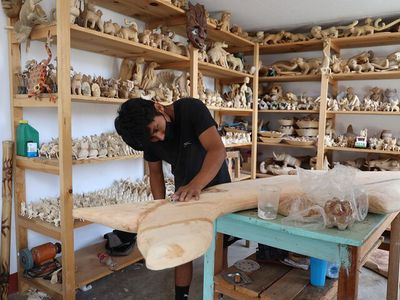
Monte Albán, Alebrijes & Black Clay Full-Day Tour from Oaxaca – Nature & Scenic Experience Mexico The Monte Albán Classic Tour from Oaxaca City is a full-day cultural experience that combines one of Mexico’s most important archaeological sites with several of Oaxaca’s best-known artisan traditions. Check current availability, inclusions and booking details before you go.
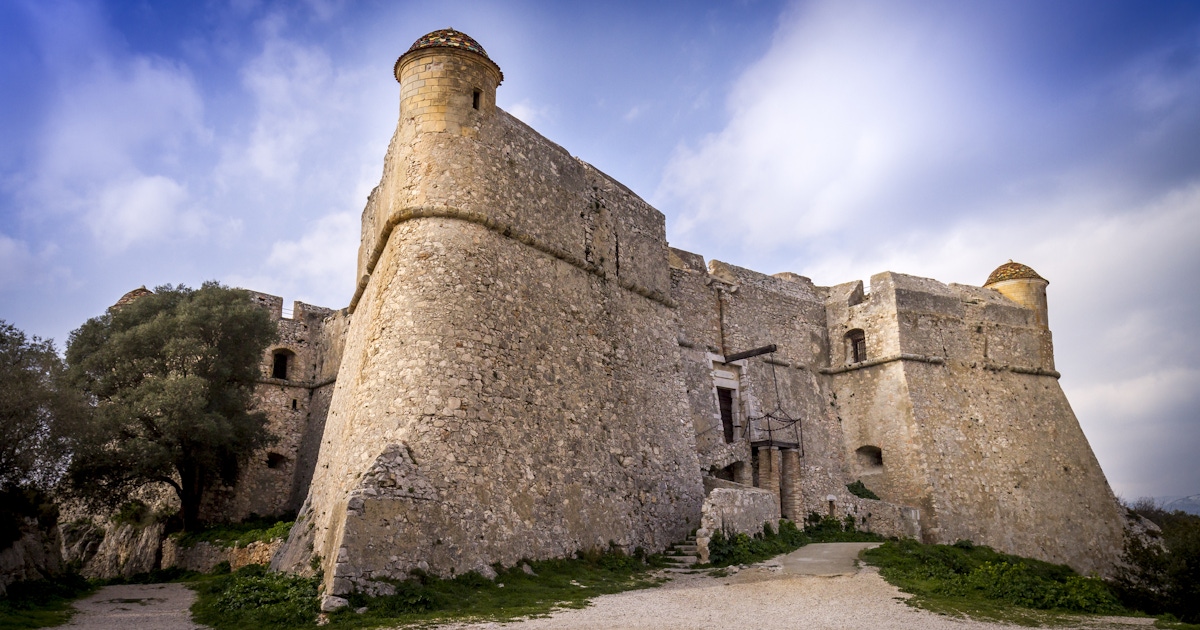
Fort du Mont Alban Nice – Historic Site Tickets & Tours France A listing may offer admission, a guided visit, transport, a combination package or premium access. Check current availability, inclusions and booking details before you go.
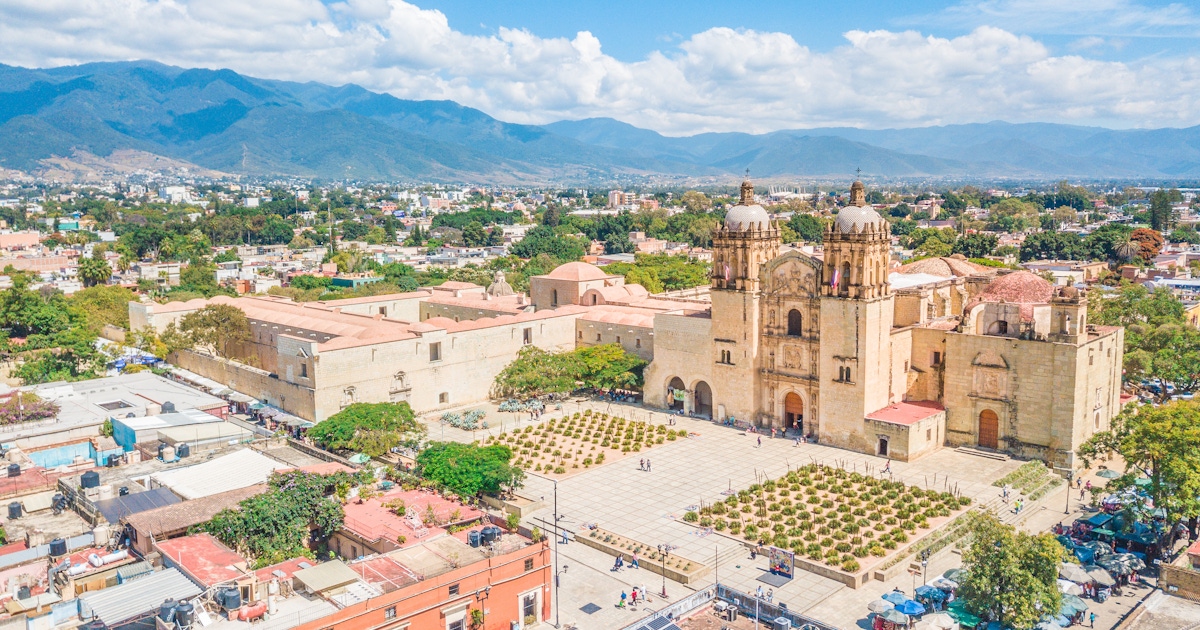
Oaxaca de Juárez Visitor Guide: Top Attractions, Tours & Activities Mexico Oaxaca de Juárez is best suited to food travellers, art and craft lovers, archaeology enthusiasts and cultural visitors. Check current availability, inclusions and booking details before you go.