Brunelleschi’s Dome is the crowning glory of Florence Cathedral and one of the most unforgettable landmarks in Italy. Rising above the red rooftops of Florence, the great terracotta dome dominates the city skyline and symbolises the genius, ambition and beauty of the Renaissance.
Sponsored Popular Items
Quick take: Musement.com offers a worldwide selection of tours and attractions
Florence Cathedral and Brunelleschi’s Dome Ticket with Two Audio Apps –… Italy Florence Cathedral and Brunelleschi’s Dome Ticket with Two Audio Apps provides a structured way to visit a notable attraction or cultural site. Check current availability, inclusions and booking details before you go.
Known in Italian as the Cupola del Brunelleschi, the dome sits above the Cathedral of Santa Maria del Fiore in Piazza del Duomo. For many travellers, climbing to the top is one of the most memorable experiences in Florence. It combines architecture, history, art, narrow stairways, dramatic frescoes and a breathtaking view over the city.
Why Visit Brunelleschi’s Dome?
Brunelleschi’s Dome is more than a beautiful roof. It is one of the great engineering achievements of the Renaissance. When Filippo Brunelleschi designed and built it, he solved a problem that had challenged Florence for generations: how to cover the enormous octagonal space above the cathedral without using traditional wooden supports.
The result was a structure that still feels astonishing today. From the outside, the dome gives Florence its most recognisable silhouette. From the inside, it offers a close look at the vast frescoed ceiling. From the top, it gives one of the best views in the entire city.
The Climb to the Top
Climbing Brunelleschi’s Dome is not just about reaching a viewpoint. The climb itself is part of the experience. Visitors ascend through narrow passages built inside the dome, following stairways that reveal how the structure was created.
The climb involves 463 steps, so it is best suited to visitors who are comfortable with stairs and enclosed spaces. Some sections can feel narrow and steep, but the reward is outstanding. As you rise through the dome, you get closer to the artwork, the architecture and eventually the open-air viewing terrace at the top.
The Last Judgment Frescoes
One of the highlights of the dome climb is seeing the enormous Last Judgment frescoes at close range. Painted by Giorgio Vasari and Federico Zuccari, the frescoes cover the interior of the dome and create a powerful visual experience above the cathedral floor.
From below, the artwork is impressive but distant. During the climb, you pass much closer to the painted figures, colours and dramatic scenes. This gives the visit a very different feeling from simply standing inside the cathedral and looking up.
The View Over Florence
At the top of Brunelleschi’s Dome, Florence opens up in every direction. The view takes in the cathedral complex, Giotto’s Bell Tower, terracotta rooftops, church towers, the Arno River, surrounding hills and the historic centre of the city.
This is one of the best viewpoints in Florence because you are standing on the city’s most iconic landmark. The view feels especially rewarding because you have earned it step by step. For photographers, it is a superb place to capture the shape, colour and texture of Florence from above.
Main Features and Attractions
The Dome Exterior
The exterior of Brunelleschi’s Dome is instantly recognisable. Its red-tiled surface, white ribs and elegant lantern rise above the marble façade of Florence Cathedral. From many streets in the historic centre, the dome appears suddenly between buildings, reminding visitors that they are walking through one of Europe’s great art cities.
The Interior Frescoes
The interior frescoes are a major reason to climb the dome. The closer you get, the more detail you notice in the dramatic painted scenes. The scale is enormous, and the artwork adds emotional intensity to the architectural experience.
The Stairways Inside the Dome
The stairways are narrow and atmospheric, giving visitors a rare chance to move inside the structure itself. This makes the climb feel like both a sightseeing experience and a behind-the-scenes journey through Renaissance engineering.
The Panoramic Terrace
The terrace at the top provides a 360-degree view over Florence. It is one of the most rewarding viewpoints in the city and a highlight for anyone who enjoys photography, architecture or skyline views.
How Long Do You Need?
Allow around 1 to 2 hours for the Brunelleschi’s Dome experience, depending on the ticket type, queues, pace of the climb and how long you spend at the top. If your ticket includes access to other parts of the Duomo complex, such as the Baptistery, Bell Tower, Crypt or Opera del Duomo Museum, allow extra time.
Best Time to Visit Brunelleschi’s Dome
Morning is a good time to visit if you want to experience Florence before the busiest part of the day. Late afternoon can also be beautiful, especially when softer light falls across the rooftops and hills.
Because dome climb tickets are often timed, it is wise to book ahead rather than leaving it until the last minute. The climb is one of Florence’s most popular experiences and can sell out during busy travel periods.
What to Wear and Bring
Comfortable shoes: The climb involves many steps and some uneven surfaces.
Light clothing: The stairways can feel warm, especially in summer.
A small bag: Large bags are not ideal for narrow stairways.
Water: Drink before or after the climb, especially on hot days.
Camera or phone: The view from the top is one of the best in Florence.
Is the Climb Difficult?
The climb is moderately challenging because of the 463 steps, narrow passages and enclosed stairways. It is not suitable for everyone, especially visitors who have mobility issues, strong claustrophobia or difficulty climbing stairs.
For travellers who are reasonably fit and comfortable with heights and enclosed spaces, the climb is very achievable. Take your time, use the railings where available and allow other visitors to pass when needed.
Nearby Attractions in Piazza del Duomo
Florence Cathedral
The Cathedral of Santa Maria del Fiore is the centrepiece of Piazza del Duomo. Its marble façade, vast nave and historic importance make it one of Florence’s essential sights.
Giotto’s Bell Tower
Giotto’s Bell Tower stands beside the cathedral and offers another excellent climb and viewpoint. It is especially good for photos of Brunelleschi’s Dome because you can see the dome from across the square.
The Baptistery of San Giovanni
The Baptistery is one of the oldest and most important religious buildings in Florence. It is famous for its mosaics and beautiful bronze doors.
Opera del Duomo Museum
The Opera del Duomo Museum is ideal for visitors who want to understand the art, sculpture and history behind the cathedral complex. It adds valuable context to the dome, façade, baptistery and bell tower.
Suggested Florence Duomo Itinerary
If you want to make the most of your visit to the Duomo area, a simple half-day itinerary could look like this:
Morning: Visit Florence Cathedral and admire the dome from inside.
Mid-morning: Climb Brunelleschi’s Dome for frescoes and panoramic views.
Lunch: Eat nearby in the historic centre, away from the busiest square if possible.
Afternoon: Visit the Baptistery, Giotto’s Bell Tower or the Opera del Duomo Museum.
Evening: Walk to Piazza della Signoria or the Arno River for a relaxed Florence stroll.
Is Brunelleschi’s Dome Worth Visiting?
Yes, Brunelleschi’s Dome is absolutely worth visiting. It is one of the defining experiences of Florence and one of the best ways to understand the city’s Renaissance identity. The climb combines art, architecture, history and skyline views in a way few attractions can match.
Even if you do not climb the dome, it is worth admiring from the square, nearby streets and viewpoints around Florence. But if you are able to manage the stairs, the climb offers a deeper and more memorable connection with the cathedral.
Final Thoughts
Brunelleschi’s Dome is not just a landmark; it is the symbol of Florence. It represents creative courage, technical brilliance and the artistic spirit of the Renaissance. From the streets below, it shapes the skyline. From inside, it overwhelms with scale and colour. From the top, it reveals Florence in all directions.
For travellers visiting Florence, climbing Brunelleschi’s Dome is one of the city’s great experiences. It is challenging enough to feel like an achievement, beautiful enough to feel unforgettable and historic enough to remind you why Florence remains one of the world’s most treasured travel destinations.
Frequently Asked Questions About Brunelleschi’s Dome
Where is Brunelleschi’s Dome?
Brunelleschi’s Dome is part of Florence Cathedral, also known as the Cathedral of Santa Maria del Fiore, in Piazza del Duomo in Florence, Italy.
How many steps are there to climb Brunelleschi’s Dome?
There are 463 steps to climb to the top of Brunelleschi’s Dome.
Is there a lift to the top of the dome?
No, visitors must climb the stairs. There is no lift to the top of Brunelleschi’s Dome.
How long does it take to visit Brunelleschi’s Dome?
Most visitors should allow around 1 to 2 hours for the dome climb, depending on timing, queues and how long they spend enjoying the view.
Is Brunelleschi’s Dome suitable for children?
It can be suitable for older children who are comfortable with stairs, enclosed passages and heights. Younger children may find the climb tiring or cramped.
What can you see from the top?
From the top of Brunelleschi’s Dome, you can see Florence Cathedral, Giotto’s Bell Tower, the historic centre, terracotta rooftops, surrounding hills and many of the city’s famous landmarks.
Should I book tickets in advance?
Yes, booking ahead is strongly recommended because dome climb tickets are timed and can sell out, especially during busy travel seasons.
Sponsored Popular Items
Quick take: Musement.com offers a worldwide selection of tours and attractions
Brunelleschi's Dome Private Guided Tour – Guided Sightseeing Italy Brunelleschi's Dome private guided tour USD 210 adds structure, local context and purposeful sightseeing to the itinerary. Check current availability, inclusions and booking details before you go.
Dunluce Castle is often linked with Game of Thrones because of its dramatic cliff-edge setting and its association with the world of House Greyjoy. Fans of the series may recognise the wild coastal mood, ruined stonework and stormy Atlantic backdrop that feel perfectly suited to the Iron Islands.
Sponsored Popular Items
Quick take: Musement.com offers a worldwide selection of tours and attractions
Game of Thrones Exploration Game in Dubrovnik Game of Thrones exploration game in Dubrovnik provides a structured way to visit one of the destination’s notable attractions or cultural sites. Check current availability, inclusions and booking details before you go.
While Dunluce Castle itself has become strongly associated with Castle Greyjoy and Pyke, many of the best-known Game of Thrones filming locations are spread across Northern Ireland’s Causeway Coast and surrounding countryside. This makes Dunluce Castle an excellent stop for travellers who want to combine real medieval history with a fantasy-inspired road trip.
Dunluce Castle and House Greyjoy
In the world of Game of Thrones, House Greyjoy rules the Iron Islands, a harsh and sea-battered region known for cliffs, waves and rugged fortresses. Dunluce Castle fits that mood beautifully. Its ruined walls, narrow bridge, exposed headland and crashing sea below all create the kind of bleak, powerful atmosphere that fans associate with Pyke.
Even if you are not a dedicated fan of the series, the connection adds another layer of interest to the visit. Standing near the ruins, it is easy to imagine why this part of Northern Ireland became such a popular backdrop for fantasy storytelling.
The Dark Hedges
The Dark Hedges is one of the most famous Game of Thrones locations in Northern Ireland. This atmospheric avenue of twisted beech trees appeared as the Kingsroad, where Arya Stark travels after escaping King’s Landing.
It is a popular photography stop and is often included on day tours that combine the Causeway Coast, Dunluce Castle and other filming locations. The trees create a moody tunnel-like effect, especially in soft light or misty weather.
Ballintoy Harbour
Ballintoy Harbour is another important stop for fans. This small coastal harbour was used to represent parts of the Iron Islands, including scenes connected with Pyke and the Greyjoy storyline.
The real location is rugged and beautiful, with rocky shores, sea views and a quiet harbour atmosphere. It feels much less like a film set and more like a working coastal landscape, which is part of its appeal.
Cushendun Caves
Cushendun Caves are often included on Game of Thrones filming-location tours. The caves are best known among fans for a dark and memorable scene involving Melisandre.
The caves sit close to the sea and have a naturally mysterious feel. Their rough rock formations, shadows and coastal setting make them a strong contrast to the open cliffs of Dunluce Castle.
Larrybane Quarry
Larrybane Quarry is another Northern Ireland location associated with the series. Its pale cliffs, open spaces and dramatic coastal scenery helped create the look of several outdoor scenes.
Visitors often combine Larrybane with nearby stops such as Ballintoy Harbour and Carrick-a-Rede, making it a useful addition to a wider Causeway Coast route.
How to Plan a Game of Thrones Day Trip
If you want to add a Game of Thrones theme to your Dunluce Castle visit, consider building your day around the Causeway Coast. A simple route could include:
Dunluce Castle for House Greyjoy atmosphere and dramatic cliff views.
Ballintoy Harbour for Iron Islands-style coastal scenery.
The Dark Hedges for the famous Kingsroad photo stop.
Cushendun Caves for one of the show’s darker and more atmospheric locations.
Giant’s Causeway as a nearby natural highlight, even though it is more of a Causeway Coast attraction than a main filming stop.
Is Dunluce Castle Worth Visiting for Game of Thrones Fans?
Yes, Dunluce Castle is well worth visiting if you are a Game of Thrones fan, especially if you are already exploring the Causeway Coast. The castle’s connection with House Greyjoy, combined with its real medieval history and spectacular setting, makes it one of the most memorable stops in the region.
It is also a great choice for travellers who are only casually interested in the series. Even without the television connection, Dunluce Castle is a powerful historic ruin with unforgettable coastal views. The Game of Thrones link simply adds an extra reason to include it in your Northern Ireland itinerary.
Sponsored Popular Items
Quick take: Musement.com offers a worldwide selection of tours and attractions
Game of Thrones Exploration Game in Dubrovnik Game of Thrones exploration game in Dubrovnik provides a structured way to visit one of the destination’s notable attractions or cultural sites. Check current availability, inclusions and booking details before you go.
Banbridge: Game of Thrones Studio Entry & Tea with Transfers Best deals for Banbridge: Game of Thrones Studio Entry & Tea with Transfers. Visit the official Game of Thrones Studio Tour in Banbridge. Explore TV sets, costumes, and props—then enjoy a beautifully themed afternoon tea in the Studio Restaurant. Available from getyourguide.com.
From Dublin: Game of Thrones Studio Tour with Coach Transfer Best deals for From Dublin: Game of Thrones Studio Tour with Coach Transfer. Coach transfer from Dublin to the world's only official Game of Thrones Studio Tour. 90 minutes each way, with return included. Departs Suffolk Street daily. Available from getyourguide.com.
Dunluce Castle is one of the most striking historic landmarks on Northern Ireland’s Causeway Coast. Perched on a rocky headland above the Atlantic Ocean, this ruined medieval fortress feels wild, windswept and cinematic from the moment it comes into view. With broken stone walls, sea cliffs, legends, coastal scenery and centuries of history, Dunluce Castle is a must-see stop for travellers exploring County Antrim.
Recommended for you
Sponsored Popular Items
Quick take: Musement.com offers a worldwide selection of tours and attractions
Dublin: Giant's Causeway, Dunluce Castle & Belfast Best deals for Dublin: Giant's Causeway, Dunluce Castle & Belfast. Discover Northern Ireland on this full-day tour from Dublin! Visit dramatic Dunluce Castle, explore the iconic Giant's Causeway, and experience Belfast with a complimentary guided walking tour. Available from getyourguide.com.
Why Visit Dunluce Castle?
Dunluce Castle is not a perfectly restored castle with polished rooms and formal gardens. Its beauty lies in its dramatic ruin. The castle stands on the edge of steep basalt cliffs, surrounded by crashing waves, open sky and rugged coastal scenery. It is the kind of place where the landscape is just as important as the history.
The ruins are atmospheric, photogenic and easy to explore, making Dunluce Castle a rewarding stop whether you are interested in medieval history, Irish legends, coastal walks or simply memorable travel views.
A Castle Built for Drama
The first thing you notice about Dunluce Castle is its setting. The fortress sits high above the sea, separated from the mainland by a narrow bridge. From a distance, the castle appears almost to grow out of the cliffs, with its stone walls clinging to the edge of the Atlantic.
This dramatic location was no accident. In medieval times, the headland offered natural protection, excellent visibility and a commanding position over the coastline. Today, that same setting gives Dunluce Castle its unforgettable character.
Main Features and Attractions
The Cliff-Edge Location
The castle’s most famous feature is its position above the sea. The surrounding cliffs, ocean views and exposed headland make it one of the most photographed ruins in Northern Ireland. Even in cloudy or misty weather, Dunluce Castle has a powerful atmosphere.
The Ruined Towers and Stone Walls
Inside the castle grounds, you can walk among the remains of towers, courtyards, archways and old domestic spaces. These ruins give a glimpse into the castle’s past while leaving plenty to the imagination. The empty windows and broken walls frame the sea beautifully, especially for photography.
The Bridge Entrance
The approach to Dunluce Castle adds to the experience. Crossing toward the ruins gives you a strong sense of how isolated and defensive the castle once was. It also helps you appreciate how bold the original builders were to construct a fortress in such an exposed position.
Coastal Views
Dunluce Castle offers wonderful views along the Causeway Coast. On a clear day, you can see the surrounding cliffs, green fields and open Atlantic. The scenery changes quickly with the weather, which makes every visit feel slightly different.
History and Legends of Dunluce Castle
Dunluce Castle has a long and fascinating history connected to the powerful families of the Antrim coast. Over the centuries, it was used as a defensive stronghold, a family seat and a symbol of power in this rugged part of Ireland.
The castle is also wrapped in legend. Stories of storms, ghostly figures and rooms lost to the sea have become part of its identity. Whether you believe the legends or simply enjoy the atmosphere, Dunluce Castle has a mysterious quality that makes it feel more than just a collection of old stones.
Best Time to Visit Dunluce Castle
Dunluce Castle can be visited year-round, but the experience changes with the seasons. Spring and summer often bring longer daylight hours and greener scenery, while autumn and winter can make the castle feel even more dramatic with darker skies and stronger coastal winds.
For photography, early morning or late afternoon can be especially beautiful. Softer light brings out the texture of the stone walls and the shape of the cliffs. If the weather is unsettled, do not be discouraged. Moody skies often make Dunluce Castle look even more impressive.
How Long Do You Need at Dunluce Castle?
Most visitors can enjoy Dunluce Castle in around 45 minutes to 1.5 hours, depending on how much time they spend taking photos and exploring the ruins. It is compact enough to visit as part of a larger Causeway Coast itinerary, but atmospheric enough that you may want to linger.
Nearby Places to Visit
Giant’s Causeway
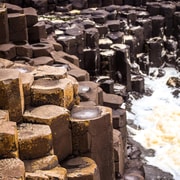
The Giant’s Causeway is one of Northern Ireland’s most famous natural attractions and is an easy addition to a Dunluce Castle itinerary. The unusual basalt columns, coastal views and walking paths make it a perfect companion stop.
Old Bushmills Distillery
Old Bushmills Distillery is close to Dunluce Castle and is a popular stop for visitors interested in Irish whiskey and local heritage. It pairs well with a castle visit, especially if you are spending the day around Bushmills.
Portrush
Portrush is a lively seaside town near Dunluce Castle. It offers beaches, food options, accommodation and a relaxed coastal atmosphere. It is a useful base for exploring the wider Causeway Coast.
The Dark Hedges
The Dark Hedges is another popular stop in the region, especially for visitors interested in photography or filming locations. Its avenue of twisted beech trees creates a very different kind of atmosphere from Dunluce Castle, but the two are often combined on day tours.
Suggested One-Day Itinerary
If you are planning a day around Dunluce Castle, a simple itinerary could look like this:
Morning: Visit the Giant’s Causeway and enjoy the coastal walking paths.
Late morning: Stop at Dunluce Castle for photos and a walk through the ruins.
Lunch: Head to Bushmills or Portrush for a meal.
Afternoon: Visit Old Bushmills Distillery or explore the beaches around Portrush.
Optional extra: Add the Dark Hedges if you are travelling by car or joining a guided tour.
Travel Tips for Visiting Dunluce Castle
Wear comfortable shoes, as the ground around ruins and viewpoints can be uneven.
Bring a jacket, even in warmer months, because the coastal wind can be strong.
Keep your camera or phone ready, as the castle is photogenic from several angles.
Allow extra time if you enjoy photography or want to take in the views slowly.
Combine your visit with other Causeway Coast attractions to make the most of the journey.
Is Dunluce Castle Worth Visiting?
Yes, Dunluce Castle is absolutely worth visiting. It offers a rare mix of history, scenery and atmosphere in one compact location. The castle ruins are impressive, but the cliff-edge setting is what makes the experience truly memorable.
For travellers who love castles, coastal landscapes, photography, folklore or historic ruins, Dunluce Castle is one of the highlights of Northern Ireland. It is easy to include in a Causeway Coast road trip and works well as part of a day tour from Belfast or a longer stay around Bushmills and Portrush.
Final Thoughts
Dunluce Castle is one of those places that feels larger than life. Its ruined walls, wild Atlantic setting and dramatic cliffside position create a sense of mystery that stays with you long after you leave. It is not just a historic attraction; it is a place where landscape and legend meet.
Whether you visit for the views, the history, the legends or the photography, Dunluce Castle deserves a place on any Northern Ireland travel itinerary. It is rugged, romantic, haunting and unforgettable — everything a great castle ruin should be.
Frequently Asked Questions About Dunluce Castle
Where is Dunluce Castle?
Dunluce Castle is located on the Causeway Coast in County Antrim, Northern Ireland. It sits close to Bushmills and Portrush and is commonly visited alongside the Giant’s Causeway.
Can you go inside Dunluce Castle?
Visitors can explore the castle ruins and walk through parts of the historic site. The experience is mainly outdoors, with ruined walls, courtyards, viewpoints and interpretive areas.
How long should I spend at Dunluce Castle?
Allow around 45 minutes to 1.5 hours. This gives enough time to walk through the ruins, enjoy the views and take photos.
Is Dunluce Castle good for photography?
Yes. Dunluce Castle is one of the most photogenic ruins in Northern Ireland. The best photos are often taken from outside the castle, where you can capture the ruins against the cliffs and sea.
What should I wear to visit Dunluce Castle?
Wear comfortable walking shoes and bring a jacket. The site is exposed to coastal weather, so wind and light rain are possible even when the day starts out fine.
What attractions are near Dunluce Castle?
Nearby attractions include the Giant’s Causeway, Old Bushmills Distillery, Portrush, Portstewart, the Causeway Coastal Route and the Dark Hedges.
Sponsored Popular Items
Quick take: Musement.com offers a worldwide selection of tours and attractions
Dublin: Giant's Causeway, Dunluce Castle & Belfast Best deals for Dublin: Giant's Causeway, Dunluce Castle & Belfast. Discover Northern Ireland on this full-day tour from Dublin! Visit dramatic Dunluce Castle, explore the iconic Giant's Causeway, and experience Belfast with a complimentary guided walking tour. Available from getyourguide.com.
Dublin: Giant's Causeway, Dark Hedges, Dunluce & Belfast Tour Best deals for Dublin: Giant's Causeway, Dark Hedges, Dunluce & Belfast Tour. Discover the legend of the Giant’s Causeway on a scenic tour that includes the highlights of Northern Ireland including Dunluce Castle, Dark Hedges, and the city of Belfast. Available from getyourguide.com.
Dublin: Giant's Causeway, Dark Hedges, Dunluce & Belfast Tour Best deals for Dublin: Giant's Causeway, Dark Hedges, Dunluce & Belfast Tour. Discover Northern Ireland's dramatic coastal route on a day trip to the Giant's Causeway from Dublin. Visit the Dark Hedges, Dunluce Castle, and spend some time in Belfast. Available from getyourguide.com.
Jewel Cave, Western Australia: A Spectacular Underground World Near Augusta
A breathtaking South West experience of vast limestone chambers, glittering crystal formations, towering stalagmites, ancient fossils and one of Western Australia’s most memorable guided cave tours.
Jewel Cave is one of those places that makes you feel small in the best possible way. Above ground, the surrounding landscape feels peaceful and forested, but once you descend below the surface, the mood changes completely. The cave opens into a dramatic underground world of immense chambers, delicate crystal straws, shimmering shawls and massive formations that have taken thousands of years to develop.
What makes Jewel Cave so rewarding is not only its beauty, but its sense of scale. This is not a quick underground stop with a few rock features and a short look around. It feels monumental. The chambers are vast, the formations are richly decorated, and the guided format helps the whole experience come alive through geology, storytelling and local natural history. For visitors exploring the Margaret River region or the Augusta end of the South West, it is one of the area’s standout natural attractions.
Where Is Jewel Cave?
Jewel Cave is located on Jewel Caves Road in Deepdene, near Augusta, in Western Australia’s South West. It sits within the broader Leeuwin-Naturaliste landscape, which is famous for forests, coastline, limestone ridges and some of the region’s most impressive caves.
Why Visit Jewel Cave?
It is the largest show cave in Western Australia, which gives the experience a real sense of scale and drama.
The formations are exceptionally striking, from delicate straws to towering stalagmites and glittering crystal decorations.
The guided tour adds depth, helping visitors understand how the cave formed and why it matters.
It is one of the South West’s best all-weather attractions, making it a strong option even when the coast is windy or wet.
It fits beautifully into a wider Augusta or Margaret River itinerary, especially with nearby forest and coastline attractions.
How to Get There
From Augusta
Jewel Cave is an easy drive from Augusta and works very well as part of a half-day or full-day outing around the southern end of the Margaret River region.
From Margaret River
Visitors staying in Margaret River can reach Jewel Cave by car as part of a scenic drive south through forest, farmland and coastal country. This is one of the easiest ways to combine the cave with other South West highlights.
Best Way to Visit
Self-driving is the most practical way to visit. This gives you flexibility around tour times and makes it much easier to combine the cave with nearby attractions such as Augusta, Cape Leeuwin Lighthouse, Hamelin Bay or other caves in the region.
Closest Towns and Best Bases
Augusta
Augusta is the closest and most practical base for Jewel Cave. It works especially well if you want a quieter southern Margaret River region stay with easy access to coast, forest and cave attractions.
Karridale
Karridale is another useful nearby point to know and can work well for travellers exploring the southern section of the region by car.
Margaret River
Margaret River is the broader regional base that many visitors use. It is farther away than Augusta, but still works well if you are planning a scenic day trip with multiple stops.
What to Expect at Jewel Cave
1. A Fully Guided Cave Experience
Jewel Cave is not a self-guided attraction. The experience is led by a guide, which gives the visit more context and makes the cave feel richer and more memorable than a simple walk-through.
2. Enormous Underground Chambers
One of the defining features of Jewel Cave is its scale. The chambers feel grand and theatrical, giving the cave a sense of real spectacle from the moment you descend.
3. Stunning Crystal Formations
The cave is celebrated for its dense and beautiful decorations. Expect a visual mix of delicate hanging straws, sparkling surfaces, shawls, stalactites and stalagmites that make the cave feel almost cathedral-like in places.
4. Ancient Fossil History
Jewel Cave also carries a fascinating natural history story. The site is known for fossil discoveries, including remains connected to Tasmanian tigers, which adds another layer of interest beyond the cave formations themselves.
5. Forest Surroundings Above Ground
The experience does not end at the cave entrance. The surrounding karri forest landscape gives the site a beautiful above-ground setting and adds to the sense that this is a full nature stop rather than only an underground attraction.
How Long Do You Need?
About 1 hour: for the guided cave tour itself
1.5 to 2 hours: a better allowance if you want time to arrive comfortably, look around the visitor area and enjoy the surroundings
Half a day: ideal if you are combining Jewel Cave with other nearby attractions
Suggested Day Plan
Start from Augusta or Margaret River in the morning
Arrive with enough time before your guided tour
Explore Jewel Cave with a guide
Take some time to enjoy the forested setting above ground
Continue on to another southern Margaret River region stop such as Cape Leeuwin Lighthouse or Hamelin Bay
What to Wear and Bring
Comfortable walking shoes with grip
Light layers, as cave temperatures can feel cooler than outside
A water bottle for before or after the tour
A camera or phone for above-ground scenery where permitted
Only small essentials, as the cave is best enjoyed without bulky bags
Useful Travel Tips
Book ahead rather than assuming your preferred tour time will be available.
Be prepared for stairs and a moderate level of physical activity.
Arrive a little early so the visit feels relaxed rather than rushed.
Pair the cave with nearby South West attractions to make the most of the drive.
If travelling with very young children, check practical access details before you go.
Who Will Love Jewel Cave?
Nature lovers and geology fans
Families with older children
Couples exploring the Margaret River region
Travellers wanting a memorable all-weather attraction
Visitors who enjoy guided experiences with both scenery and storytelling
Final Thoughts
Jewel Cave stands out because it feels both beautiful and substantial. It is not just a cave full of formations, but a place where scale, atmosphere and history all work together. The guided format helps you appreciate what you are seeing, while the sheer size of the chambers gives the whole experience a lasting sense of drama.
If you are travelling through Western Australia’s South West, Jewel Cave deserves a place high on the list. It is one of the region’s most impressive natural attractions and one of the easiest ways to experience the hidden underground side of this beautiful part of the state.
Sponsored Popular Items
Quick take: Musement.com offers a worldwide selection of tours and attractions
Rua Augusta Arch Entry Tickets Portugal Rua Augusta Arch entrance tickets provides a structured way to visit a notable attraction or cultural site. Check current availability, inclusions and booking details before you go.
Rua Augusta Arch Tickets, Tours & Visitor Experiences Portugal Compare sightseeing experiences in Rua Augusta Arch Tickets,, with practical tips on timing, inclusions and choosing the right option. Check current availability, prices and booking conditions before you go.
National Gallery of Victoria: Melbourne’s Essential Art Experience
A landmark cultural destination of world-class exhibitions, striking architecture, free permanent collections and two major gallery sites in the heart of Melbourne.
The National Gallery of Victoria is one of those places that rewards almost every kind of visitor. You can arrive with a deep interest in art history, contemporary design, photography or Indigenous art, and leave satisfied. You can also walk in with no real plan at all and still have a memorable experience simply because the spaces themselves are so compelling. The NGV feels both grand and welcoming, which is a rare combination for a major museum.
What makes the NGV especially appealing is that it is not just one gallery in one building. It stretches across two major Melbourne locations, each with a distinct personality. One site focuses on international art and design in a bold modernist setting on St Kilda Road, while the other celebrates Australian art at Federation Square. Together, they create one of the richest and most accessible cultural experiences in Australia.
Where Is the National Gallery of Victoria?
The National Gallery of Victoria has two main public sites in central Melbourne. NGV International is on St Kilda Road, near the Arts Centre and the Royal Botanic Gardens, while The Ian Potter Centre: NGV Australia is at Federation Square. This two-site layout makes it easy to combine the gallery with other Melbourne attractions, whether you are exploring the arts precinct or the city centre.
Why Visit the NGV?
It is Australia’s oldest public art gallery, with an atmosphere of real cultural importance.
It offers two major gallery experiences, one centred on international collections and one devoted to Australian art.
General entry is free, which makes it one of Melbourne’s most rewarding accessible attractions.
It works for short visits and long afternoons alike, whether you want a quick look or a deeper cultural day out.
The architecture and interiors are part of the experience, not just the exhibitions themselves.
How to Get There
NGV International
NGV International is easy to reach from Melbourne’s CBD and is a simple walk from key city areas such as Flinders Street and Southbank. It fits naturally into a day exploring the arts precinct, St Kilda Road and nearby gardens.
NGV Australia at Federation Square
The Ian Potter Centre: NGV Australia is one of the easiest cultural venues in Melbourne to access, sitting right at Federation Square near Flinders Street Station. If you are arriving by train or tram, this is often the most convenient NGV site to visit first.
Best Way to Visit
If you have the time, it is worth seeing both sites rather than treating the NGV as a single-building museum. Each location offers a different mood, and together they give a broader sense of the gallery’s importance and range.
Closest Areas and Best Bases
Melbourne CBD
The CBD is the most practical base for visiting both NGV locations. You can move easily between Federation Square, St Kilda Road, Southbank and other central attractions on foot or by tram.
Southbank
Southbank is especially convenient if NGV International is your priority. It also works well for travellers wanting restaurants, river walks and arts precinct access all within easy reach.
East End and Flinders Street Area
This part of the city is a strong choice if you want immediate access to Federation Square, NGV Australia and central transport links.
What to Do at the National Gallery of Victoria
1. Visit NGV International
This is the more monumental of the two NGV sites and often the one that feels most iconic to first-time visitors. The building itself creates a strong sense of arrival, and the collections span major international works across art and design.
2. See The Ian Potter Centre: NGV Australia
This site gives the NGV a more specifically Australian identity. It is where you can explore works by Indigenous and non-Indigenous artists and get a stronger sense of Australian visual culture across time.
3. Explore the Free Collection Displays
One of the best things about the NGV is that you do not need a major exhibition ticket to have a rewarding visit. The permanent collection displays alone can easily justify the time, especially if you enjoy moving between historical and contemporary works.
4. Book a Special Exhibition
The NGV regularly hosts major exhibitions that draw strong local and international attention. If your trip lines up with one of these, it can add real weight to the visit and turn a casual stop into a major cultural highlight.
5. Take a Guided Experience
If you want more context, a gallery tour can be an excellent addition. It helps connect the works to the buildings, the collection and the broader history of the institution.
6. Spend Time in the Great Hall and Public Spaces
The NGV is one of those museums where slowing down in the shared spaces is part of the pleasure. The interiors, seating areas and overall atmosphere make it easy to pause rather than rushing from room to room.
7. Combine It with Melbourne’s Arts Precinct
The St Kilda Road site in particular pairs beautifully with a broader cultural day in Melbourne. It works well alongside Southbank, the Arts Centre precinct and a city walk that moves between food, architecture and performance venues.
Suggested NGV Day Plan
Start at Federation Square and visit NGV Australia
Pause for coffee or lunch nearby
Walk or tram to NGV International on St Kilda Road
Spend the afternoon with the permanent collection and any booked exhibition
Finish with a stroll through Southbank or Melbourne’s arts precinct
How Long Should You Allow?
1 hour: enough for a focused quick visit to one site.
Half a day: ideal for one gallery site at a relaxed pace.
Full day: best if you want to visit both NGV locations and take your time.
What to Wear and Bring
Comfortable walking shoes
A light layer for indoor climate-controlled spaces
A small bag only, as larger items may need to be cloaked
A phone or camera for permitted non-flash photography where allowed
A notebook if you enjoy spending longer with exhibitions and collections
Useful Travel Tips
Check what special exhibitions are on before you visit.
Do not underestimate how much time two NGV sites can take if you enjoy museums.
Visit both locations if you want the fullest experience of the gallery.
Allow time for cloakroom procedures if you are carrying larger bags or umbrellas.
Keep some flexibility in your day so you can linger in the galleries that interest you most.
Who Will Love the NGV?
Art and design lovers
First-time visitors to Melbourne
Travellers wanting a strong free cultural attraction
Visitors interested in both Australian and international collections
Anyone who enjoys architecture, exhibitions and city-based cultural days
Final Thoughts
The National Gallery of Victoria works so well because it offers more than a standard museum visit. It gives you two distinct gallery worlds, one deeply tied to Australia and one outward-looking and international, both set within some of Melbourne’s most important cultural spaces.
If you are planning time in Melbourne, the NGV deserves more than a quick filler stop. Give it proper time, see both sites if you can, and let the visit unfold at its own pace. That is when it becomes not just a gallery visit, but one of the city’s most rewarding cultural experiences.
Sponsored Popular Items
Quick take: Musement.com offers a worldwide selection of tours and attractions
Melbourne: Spirit of Melbourne Yarra River Lunch Cruise Australia Indulge in a lunch cruise with a side of breathtaking views of the Yarra River in Melbourne. Enjoy a blend of good times and delicious bites on the Spirit of Melbourne as you cruise the… Check current availability, inclusions and booking conditions.
Melbourne: University of Melbourne Guided Walking Tour Australia Explore the University of Melbourne on a guided walking tour. Discover historic buildings, cutting-edge facilities, and the vibrant campus life of this world-leading institution. Check current availability, inclusions and booking conditions.
Melbourne: The Magical Boutiques of Melbourne Walking Tour Australia Explore Melbourne's enchanting boutiques on a guided walking experience. Discover local designers, vintage treasures, and artisan craftsmanship in the city's laneways and historic arcades. Check current availability, inclusions and booking conditions.
Rottnest Island: Quokkas, Turquoise Bays and a Car-Free Escape Off Perth
A beautiful island getaway of clear-water beaches, easy cycling, snorkelling coves, lighthouse views, rich cultural history and one of Western Australia’s most memorable day trips.
Rottnest Island has a way of making life feel lighter almost as soon as you arrive. The ferry ride leaves the mainland behind, the roads quieten, and the whole island settles into a slower rhythm of bikes, bays, beaches and bright Indian Ocean water. It feels close to Perth, yet once you are there it has the mood of a genuine escape.
What makes Rottnest especially appealing is its balance. It is easy enough for a relaxed day trip, but varied enough to reward a longer stay. You can swim in calm turquoise water, snorkel coral-fringed bays, cycle past salt lakes, spot quokkas near the settlement, and finish the day with sunset light over the coast. It is one of those destinations that suits families, couples, solo travellers and first-time visitors to Western Australia equally well.
Where Is Rottnest Island?
Rottnest Island, known as Wadjemup, lies just off the coast of Perth in Western Australia. It is one of the state’s best-loved island destinations and is close enough to the mainland to work as an easy day trip while still feeling distinct and self-contained.
Why Visit Rottnest Island?
It is easy to reach from Perth, yet feels like a proper island break.
The beaches are exceptional, with sheltered bays, white sand and clear water.
The island is largely car-free, which gives it a slower, more relaxed atmosphere.
It is famous for quokkas, but offers much more than wildlife photos.
It suits many travel styles, from quick ferry day trips to longer cycling and beach stays.
How to Get There
By Ferry from Fremantle
Fremantle is one of the most popular departure points and the quickest option for many visitors. It is especially convenient if you are staying nearby or want the fastest crossing.
By Ferry from Perth
Departing from Perth city adds more travel time, but it can make the journey feel more scenic and complete, especially for visitors staying in the CBD.
By Ferry from Hillarys
Hillarys is another useful departure point, particularly for travellers staying in Perth’s northern suburbs or coastal areas.
Do You Need a Car?
No. In fact, part of the island’s appeal is that you do not bring a normal visitor car across. Most people get around by bike, bus or on foot, which helps give Rottnest its distinctive holiday pace.
Closest Areas and Best Bases
Perth CBD
The Perth city centre is a practical base if you want easy access to ferries, city attractions and a simple day-trip plan.
Fremantle
Fremantle is one of the best places to stay if Rottnest is a priority. It cuts down travel time and adds its own strong mix of dining, heritage and coastal atmosphere.
Hillarys
Hillarys can work well for visitors staying north of Perth who want a straightforward ferry departure.
On the Island
Staying overnight on Rottnest gives the island a quieter feel once many day visitors leave. If you have the time, this is one of the best ways to experience it more deeply.
What to Do on Rottnest Island
1. Cycle Around the Island
Cycling is one of the classic Rottnest experiences. It is not just transport here; it is part of the identity of the island. Riding between bays, beaches and lookouts makes the whole visit feel more immersive and relaxed.
2. Swim at The Basin
The Basin is one of the island’s best-known swimming spots and a favourite for good reason. The naturally protected water and beautiful setting make it one of the easiest places to understand Rottnest’s appeal.
3. Relax at Pinky Beach
Pinky Beach is a strong choice if you want an easy beach stop close to the settlement. It has a classic island-holiday feel and is especially appealing for travellers who do not want to venture too far straight away.
4. Snorkel Little Salmon Bay
If snorkelling is high on your list, Little Salmon Bay is one of the standout spots. Its calmer waters and marine life make it one of the island’s most rewarding bays for getting into the water.
5. Spot Quokkas Respectfully
Quokkas are one of Rottnest’s signature drawcards, but the best experience comes from observing them properly. Keep your distance, avoid feeding them, and let the interaction stay natural.
6. Take the Bus If You Want an Easier Day
If cycling is not for you, the island bus network makes Rottnest much easier to enjoy. It is a smart option for families, slower-paced travellers or visitors who want to cover more ground without the physical effort of riding.
7. Explore the Island’s Cultural and Historical Side
Rottnest is not only about beaches and wildlife. Wadjemup holds deep cultural significance and has a layered, at times confronting history that deserves time and respect. Taking the time to learn some of this history gives the visit much more depth.
8. Visit a Lighthouse or Scenic Lookout
Once you move beyond the main settlement, the island opens into coastal roads, salt lakes, windswept viewpoints and some very memorable outlooks across sea and shoreline.
Suggested Rottnest Island Day Plan
Catch an early ferry from Perth, Fremantle or Hillarys
Hire a bike or organise your island transport on arrival
Start with a beach close to the settlement such as Pinky Beach or The Basin
Head farther out for snorkelling or a scenic coastal ride
Pause for lunch back near the settlement or bayside facilities
Spend the afternoon exploring more beaches, lookouts or quokka spots
Take a late ferry back, or stay overnight for a quieter evening island atmosphere
How Long Should You Stay?
Day trip: enough for the highlights if you plan well.
1 night: a much more relaxed way to enjoy beaches, cycling and sunset atmosphere.
2 to 3 nights: ideal if you want a slower island rhythm with more time for snorkelling, rides and lookouts.
What to Wear and Bring
Comfortable clothing for cycling and beach time
Swimwear and a towel
A hat, sunscreen and sunglasses
Comfortable shoes or sandals
A reusable water bottle
A snorkel mask if you prefer your own
A phone or camera for beach views and wildlife photos
Useful Travel Tips
Book your ferry ahead in busy periods.
Decide before arrival whether you want to bike, bus or mostly walk.
Bring plenty of sun protection because exposure adds up quickly on the island.
Do not underestimate cycling distances if you are not used to riding in wind and heat.
Respect wildlife and cultural sites throughout your visit.
Who Will Love Rottnest Island?
Families wanting an easy island day trip
Couples looking for beaches and relaxed coastal scenery
Travellers who enjoy cycling and swimming
First-time visitors to Perth and Western Australia
Wildlife lovers wanting to see quokkas in their natural home
Final Thoughts
Rottnest Island remains one of Western Australia’s most rewarding coastal escapes because it offers more than a quick beach stop. It gives you clear water, car-free freedom, a gentle island pace and a setting that feels both playful and meaningful.
If you are staying in Perth or Fremantle, Rottnest is one of the easiest standout experiences to add to your itinerary. Go early, slow down once you arrive, and let the day unfold between bays, bikes and bright ocean water. That is when the island feels at its best.
Sponsored Popular Items
Quick take: Musement.com offers a worldwide selection of tours and attractions
From Perth: Rottnest Island Grand Island Day Tour with Lunch Australia Join this full-day, all-inclusive Grand Island day tour from Perth to all the must-see locations of Rottnest Island. Enjoy a 4-hour tour, see the Wadjemup Lighthouse and Henrietta Rocks… Check current availability, inclusions and booking conditions.
Perth: 7-Day Rottnest Island Tour Package with Accommodation Australia Embark on an adventure through Western Australia's natural wonders, including the Pinnacles, Wave Rock, Margaret River, and Rottnest Island, plus koala encounters and sandboarding.
Great Barrier Reef: Australia’s Living Masterpiece of Coral, Islands and Ocean Adventure
A world-famous marine wonder of coral gardens, tropical islands, snorkelling lagoons, sailing routes, dive sites and unforgettable coastal gateways along Queensland’s shoreline.
The Great Barrier Reef is one of those destinations that feels almost too big to describe properly until you see it for yourself. It is not just a single reef, a single island or a single viewpoint. It is a vast living seascape of coral formations, turquoise shallows, sandy cays, forested islands and marine life that stretches for thousands of kilometres along the Queensland coast.
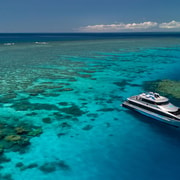
What makes the reef especially appealing is the sheer variety of ways you can experience it. You can snorkel straight off a tropical pontoon, dive outer reef walls, sail through the Whitsundays, fly over coral formations, stay on an island, or base yourself in a coastal town such as Cairns, Port Douglas or Airlie Beach and head out for the day. That flexibility is part of the magic. The reef can feel adventurous, luxurious, family-friendly, remote or wonderfully easy depending on how you choose to visit.
Where Is the Great Barrier Reef?
The Great Barrier Reef lies off the coast of Queensland in northeastern Australia. It stretches along a huge section of the state’s coastline and includes coral reefs, islands, coral cays and surrounding marine environments that together create one of the world’s great natural travel experiences.
Why Visit the Great Barrier Reef?
It is one of the world’s most iconic natural wonders, and one of Australia’s most memorable travel experiences.
The variety is extraordinary, with snorkelling, diving, sailing, island stays, scenic flights and wildlife encounters all possible within the broader reef region.
It works for different travel styles, whether you want a simple day trip, a family-friendly island holiday or a more adventurous dive itinerary.
The gateway regions each feel different, which makes it easy to tailor the trip to your pace and interests.
How to Get There
Cairns
Cairns is one of the best-known and most practical gateways to the Great Barrier Reef. It is especially popular for day trips to the outer reef, pontoon experiences, snorkelling, diving and liveaboard departures.
Port Douglas
Port Douglas offers a more polished resort-town atmosphere and is a strong choice for travellers who want reef access paired with boutique accommodation, good dining and an easy tropical holiday feel.
Airlie Beach and the Whitsundays
If you are drawn to white-sand beaches, island scenery and sailing, the Whitsundays are one of the most beautiful parts of the broader reef experience. Airlie Beach is the main mainland gateway for this style of trip.
Townsville and Magnetic Island
Townsville is another useful access point and suits travellers exploring the central section of the reef, particularly if they want to combine island time with a city base.
Southern Great Barrier Reef
The southern end of the reef offers a different rhythm, often with a calmer, less crowded feel and strong appeal for travellers interested in island stays, marine life and a slower pace.
Closest Towns and Best Bases
Cairns
Cairns is the main all-round reef hub for many travellers and one of the easiest places to base yourself if you want lots of tour choices.
Port Douglas
Port Douglas is ideal if you want a more refined tropical base with good access to reef cruises and an easy holiday atmosphere.
Airlie Beach
Airlie Beach is best for Whitsunday-style reef trips, especially if you love sailing, island-hopping and scenic flights.
Townsville
Townsville works well as a central reef gateway and can be combined with nearby island experiences.
Bundaberg and the Southern Reef
Bundaberg and the southern reef gateways suit travellers who want something a little less mainstream and more nature-focused.
What to Do on the Great Barrier Reef
1. Snorkel the Reef
For many visitors, snorkelling is the easiest and most rewarding first experience. You do not need to be an expert swimmer or diver to appreciate the colour, clarity and marine life that make the reef so famous.
2. Go Scuba Diving
If you want a deeper look at the reef, diving opens up another level of the experience. It is especially appealing for travellers who want coral walls, larger marine encounters and a stronger sense of immersion.
3. Take a Sailing Trip
Sailing is one of the most atmospheric ways to experience the reef, especially in the Whitsundays. It combines island scenery, reef access and the feeling of moving slowly through a truly extraordinary marine landscape.
4. Stay on an Island
An island stay gives the reef a very different mood from a day trip. Instead of treating it as a single excursion, you wake up inside the landscape and let the days unfold more slowly.
5. See the Reef from the Air
Scenic flights are one of the best ways to understand the reef’s scale. From above, the coral formations, reef patterns and changing shades of blue become even more impressive.
6. Visit the Outer Reef
If your main goal is to see striking coral and clear water, outer reef trips are often the highlight. These experiences tend to feel more dramatic and marine-focused than simply staying close to shore.
7. Combine Reef and Island Time
One of the most satisfying ways to experience the Great Barrier Reef is to blend activity with relaxation. A day of snorkelling feels even better when balanced with beach time, island walks or a slower coastal stay.
Suggested Great Barrier Reef Trip Styles
Easy First-Time Reef Trip
Base yourself in Cairns or Port Douglas and take a full-day snorkelling or outer reef cruise.
Island Holiday
Choose an island or Whitsundays base and mix reef time with beach and sailing experiences.
Broader Coastal Itinerary
Combine the reef with Tropical North Queensland, the Whitsundays or the Southern Great Barrier Reef depending on how much time you have.
How Long Should You Allow?
1 day: enough for a day cruise or snorkelling experience.
2 to 3 days: much better if you want more than one reef outing or a mix of reef and island time.
4 days or more: ideal if you want to combine reef activities with a wider Queensland coastal trip.
Best Time to Visit
The reef can be visited year-round, but many travellers find the cooler, drier months especially appealing for visibility, comfort and on-water conditions. Seasonal wildlife events can also shape the best timing depending on what you most want to see.
What to Wear and Bring
Swimwear and a towel
Reef-safe sun protection, hat and sunglasses
Light clothing for tropical weather
A dry bag or small day bag
Motion-sickness tablets if you are sensitive on boats
A phone or camera for boat and island views
Any personal snorkel gear if you prefer your own
Useful Travel Tips
Choose your gateway carefully, because Cairns, Port Douglas, the Whitsundays and the southern reef all offer quite different styles of trip.
Book reef tours ahead in busy seasons.
Check what is included, especially snorkel gear, meals and environmental charges.
Allow for weather flexibility if reef access is central to your itinerary.
Follow reef-safe guidance and operator instructions carefully while on the water.
Who Will Love the Great Barrier Reef?
First-time visitors to Australia
Snorkellers and divers
Families wanting a memorable marine experience
Couples looking for island and sailing scenery
Travellers who enjoy nature, wildlife and tropical coastlines
Final Thoughts
The Great Barrier Reef remains one of the most remarkable places in Australia because it offers more than one kind of beauty. It can be calm and gentle in a shallow lagoon, dramatic on the outer reef, luxurious from an island resort, or exhilarating from the deck of a boat cutting across bright tropical water.
If you are planning a Queensland trip, the reef deserves more than a rushed glance. Choose the gateway that suits your style, give yourself enough time to actually get out on the water, and let the experience unfold properly. That is when the Great Barrier Reef becomes much more than a famous name. It becomes one of the great travel memories of Australia.
Sponsored Popular Items
Quick take: Musement.com offers a worldwide selection of tours and attractions
Reef Sleep: 2-Day Great Barrier Reef All Inclusive Overnight Australia Sleep overnight on the Great Barrier Reef. Experience the tranquility of just you, the sea and the stars. Explore the reef by day, watch the sun set over the water, enjoy gourmet meals… Check current availability, inclusions and booking conditions.
From Port Douglas: Sail to Low Isles Great Barrier Reef Australia Board a catamaran and enjoy an idyllic day on this sailing cruise. Sunbathe on an unspoiled coral cay island in the middle of the Great Barrier Reef and learn about the reef from a… Check current availability, inclusions and booking conditions.
Mandurah, Australia: Dolphins, Canals, Beaches and Easy Coastal Escape
A relaxed waterside getaway of estuary walks, playful dolphins, family-friendly beaches, scenic canals, giant outdoor art and easy day-trip access from Perth.
Mandurah is one of those coastal destinations that feels easy from the moment you arrive. The water is everywhere, the pace softens quickly, and the city seems built around simple pleasures: walking by the estuary, spotting dolphins, heading out on a boat, finding a beach that suits your mood, or settling in for a meal near the foreshore as the light changes over the water.
What makes Mandurah especially appealing is the variety packed into such an accessible place. You can spend the morning on a dolphin cruise, the afternoon beach-hopping or paddling calm estuary waters, and the evening wandering the foreshore or tracking down one of the famous Giants of Mandurah. It works beautifully for families, couples, weekenders and anyone looking for a low-fuss coastal break not far from Perth.
Where Is Mandurah?
Mandurah is in Western Australia, south of Perth, in a setting shaped by estuary waterways, canals, ocean beaches and wetland landscapes. It feels like a holiday town, but it is close enough to the city to work just as well for a day trip as for a longer coastal stay.
Why Visit Mandurah?
It is easy to reach from Perth, making it one of Western Australia’s most convenient coastal escapes.
The waterways are a major part of the appeal, with canals, estuary cruises, paddling and dolphin spotting all central to the experience.
There is strong variety, from beaches and foreshore walks to giant outdoor sculptures and family attractions.
It suits different travel styles, whether you want a relaxed beach break, a family day out or an active weekend on the water.
How to Get There
From Perth by Car
Driving from Perth is straightforward and makes Mandurah an easy coastal escape. This is the best option if you want flexibility to move between the city centre, beaches, trails and surrounding areas at your own pace.
From Perth by Train
The train is one of Mandurah’s biggest advantages. You can travel down from Perth quickly and then connect onward to the foreshore and local attractions by bus, walking or short local transfers.
Getting Around
Once you arrive, many central attractions are easy to explore on foot, especially around the foreshore, marina and canals. A car is useful if you want to include several beaches, Giants locations or outer estuary areas in one trip.
Closest Areas and Best Bases
Mandurah City Centre
The city centre and foreshore area are the most practical base for first-time visitors. You are close to restaurants, waterfront walks, tour departures and easy access to the canals and estuary.
Halls Head
Halls Head works well if you want to stay close to the coast and scenic walking areas while still being near central Mandurah.
Falcon
Falcon is a strong choice for travellers wanting calmer family-friendly beach time and a slightly more local coastal feel.
Dawesville
Dawesville is worth knowing if you want more estuary scenery, boating access and a quieter southern edge to your stay.
What to Do in Mandurah
1. Go Dolphin Spotting
Mandurah is best known for its dolphins, and spotting them is one of the signature local experiences. You can see them on cruises, from kayaks, and sometimes even from shore if you are lucky.
2. Cruise the Canals and Waterways
The canals are one of the city’s defining features. They give Mandurah a distinct look and a very relaxed, water-oriented atmosphere that feels different from many other Australian coastal centres.
3. Walk the Eastern Foreshore
The Eastern Foreshore is one of the easiest and most enjoyable places to start. It works for a casual stroll, family time, coffee stops and a good first feel for the city’s laid-back waterside mood.
4. Visit the Giants of Mandurah
The Giants of Mandurah add a creative and adventurous layer to the trip. These large outdoor sculptures are scattered through landscapes around the region and make Mandurah feel more playful and distinctive than a standard beach destination.
5. Spend Time at the Beaches
Mandurah has a good mix of beaches, from central easy-access stretches to calmer bays and more open surf-oriented spots. That makes it easy to match the beach to your mood, whether you want swimming, walking, paddling or wave watching.
6. Paddle the Estuary
If you enjoy low-key outdoor activity, the estuary is ideal for kayaking, canoeing and stand-up paddleboarding. It is a lovely way to slow down and experience the city from the water.
7. Take a Sunset Walk
Mandurah’s sunsets are part of the appeal. A simple late-day walk near the beach, canals or estuary often becomes one of the most memorable parts of the trip.
8. Browse Markets and Waterfront Spots
If your visit lines up well, the foreshore markets and waterfront dining areas can add extra life and colour to the day, especially around weekends.
Suggested Mandurah Day Plan
Arrive in the morning and start with a foreshore walk
Head out on a dolphin or canal cruise
Have lunch near the waterfront
Spend the afternoon at the beach or exploring a Giants trail
Finish with sunset views by the water
How Long Should You Stay?
Day trip: very doable from Perth and enough for the main highlights.
Weekend: ideal for combining dolphins, beaches, canals and Giants without rushing.
3 days or more: best if you want a slower coastal stay with time to explore different parts of the wider region.
What to Wear and Bring
Comfortable walking shoes
Swimwear and a towel if you plan beach time
A hat, sunscreen and sunglasses
A windproof layer for boat trips or evening foreshore walks
A camera or phone for canals, dolphins and sunset views
Water and light snacks if you are doing a Giants trail or longer outdoor day
Useful Travel Tips
Start early if you want to fit both water activities and beach or art stops into one day.
Check cruise or tour times ahead rather than assuming you can book everything on arrival.
Keep some flexibility in your schedule because dolphin sightings and weather conditions can shape the day.
Do not rush the foreshore area. Some of Mandurah’s best moments are the simple ones by the water.
Who Will Love Mandurah?
Families wanting an easy coastal break from Perth
Couples looking for a relaxed waterfront weekend
Travellers who enjoy dolphins, boats and estuary scenery
Visitors wanting beaches without a long road trip
People who like combining nature with casual food, walking and art
Final Thoughts
Mandurah works so well because it never feels like hard work. It gives you water, wildlife, beaches and scenic walking in a setting that is easy to access and easy to enjoy. You can be as active or as relaxed as you like, and the destination still feels rewarding.
If you want a Western Australia getaway that combines dolphins, foreshore atmosphere, beach time and something a little different in the form of the Giants, Mandurah is one of the strongest choices near Perth. It is simple, scenic and genuinely enjoyable.
Sponsored Popular Items
Quick take: Musement.com offers a worldwide selection of tours and attractions
Mandurah: Wild Seafood Experience Australia Cruise Mandurah’s picture-perfect waters for an interactive sea-to-plate adventure. Catch live Western Rock Lobster and dine on a chef-crafted, 8-course seafood lunch with beverages included
Mandurah: Sunset Cruise Australia Enjoy an evening sunset cruise and sail along the canals in Mandurah. Cruise past the marina, admire the view of the Peel Harvey Estuary and have fun with your family and friends.
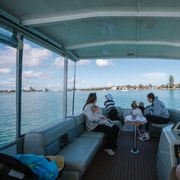
Mandurah: Premium Pontoon Boat Rental Australia Explore the waterways on a deluxe sightseeing boat. Enjoy comfortable seating, a small canopy for sun protection, and a provided map to plan your route.
Port Stephens, Australia: Beaches, Dolphins, Sand Dunes and Coastal Adventure
A beautiful New South Wales escape of calm blue bays, giant coastal dunes, scenic summit walks, marine wildlife and relaxed beach towns just north of Sydney.
Port Stephens is one of those destinations that feels generous from the moment you arrive. The water is bright, the coastline curves around sheltered bays and headlands, and there is a sense that almost every road leads to either a beach, a lookout, a marina or a place to launch into the sea. It is easy to see why so many visitors come for a weekend and immediately start planning a longer return trip.
What makes Port Stephens especially appealing is its range. This is not just a beach destination, and it is not just an adventure hub. It gives you both. You can spend the morning climbing a coastal summit, the afternoon gliding out on a dolphin cruise, and the evening dining by the water in Nelson Bay. You can swap all of that for sandboarding, whale watching, kayaking, swimming, fishing or simply doing very little on a beautiful beach. It is that flexibility that makes the area work so well for families, couples, road trippers and first-time visitors to coastal New South Wales.
Where Is Port Stephens?
Port Stephens is on the North Coast of New South Wales, just north of Newcastle and within easy reach of Sydney. The region centres around a vast natural harbour and a string of coastal towns and villages, with Tomaree National Park on one side and the remarkable Worimi sand dune system on the other.
Why Visit Port Stephens?
It is easy to reach, making it one of the most rewarding coastal getaways from Sydney.
The scenery is varied, with calm bays, surf beaches, headland walks, dunes and national park landscapes all close together.
Wildlife is a major draw, especially resident bottlenose dolphins and seasonal humpback whales.
It suits many travel styles, from active adventure weekends to easy family beach breaks.
The towns are close together, so it is simple to explore several different parts of the region in one trip.
How to Get There
From Sydney
Port Stephens is an easy road trip from Sydney and works well for a weekend or short coastal break. Driving gives you the flexibility to move between Nelson Bay, Shoal Bay, Anna Bay and the dunes without relying on limited local transport.
From Newcastle
If you are travelling from Newcastle, Port Stephens is even closer and makes an easy day trip or overnight escape. This is one of the simplest ways to enjoy beaches, wildlife and coastal walking without committing to a long drive.
Getting Around
A car is the best way to explore the region properly. The main towns are close enough to combine easily, but spread out enough that having your own transport makes the trip much smoother and more enjoyable.
Closest Towns and Best Areas to Stay
Nelson Bay
Nelson Bay is the main tourist hub and the most practical base for many visitors. It has a marina, waterfront dining, tour departures, accommodation and easy access to nearby beaches and walks.
Shoal Bay
Shoal Bay is a beautiful base for beach lovers and anyone wanting quick access to the Tomaree Head Summit walk. It feels scenic and relaxed, with a very classic holiday-town atmosphere.
Anna Bay
Anna Bay is the gateway to the dunes and a strong choice if your focus is sandboarding, beach adventure and access to the Worimi landscape.
Fingal Bay
Fingal Bay is a good option for travellers wanting a slightly quieter coastal stay with great beach access and easy links into Tomaree National Park.
What to Do in Port Stephens
1. Climb Tomaree Head Summit
This is one of Port Stephens’ signature experiences. The walk is short enough to be achievable for many visitors, but steep enough to feel satisfying, and the panoramic views from the top are among the best on the New South Wales coast.
2. Explore the Worimi Sand Dunes
The dunes are one of the most distinctive landscapes in the region. They feel immense, exposed and almost desert-like, which creates a dramatic contrast with the surrounding ocean and bushland. This is one of the highlights that makes Port Stephens feel different from a standard beach town.
3. Go Sandboarding or Join a 4WD Tour
If you want something more active, the dunes are the place to do it. Sandboarding and guided 4WD tours are among the region’s best-known adventures and are especially popular with families and groups.
4. Take a Dolphin Cruise
Port Stephens is famous for its resident bottlenose dolphins, and seeing them on the water is one of the region’s classic experiences. It adds a memorable marine element to the trip and suits visitors who want something scenic without needing to be particularly adventurous.
5. Go Whale Watching in Season
During migration season, Port Stephens becomes an excellent whale-watching destination. Whether you join a cruise or watch from one of the headlands, this is one of the most exciting times to visit.
6. Spend Time on the Beaches
One of the joys of Port Stephens is that the beaches are so varied. Some are calm and protected, ideal for swimming and families, while others feel more open and ocean-facing. This makes it easy to match the beach to your mood.
7. Swim, Kayak or Paddleboard in the Bay
The protected waters around the bay are ideal for gentle water activities. If you like a slower-paced beach day, this side of Port Stephens is especially rewarding.
8. Explore Tomaree National Park
The national park adds more than one good walk. It gives the whole area its rugged coastal character, with beaches, lookouts, heathland and headlands all contributing to the sense of wild natural beauty.
9. Enjoy Nelson Bay Marina and Foreshore
Nelson Bay is the social and practical heart of the area. The marina, waterfront restaurants and relaxed foreshore make it an easy place to return to between adventures.
Suggested Port Stephens Day Plan
Start early with the Tomaree Head Summit walk
Spend late morning in Shoal Bay or Nelson Bay
Take a dolphin cruise or enjoy lunch by the marina
Head to Anna Bay for dunes, beach time or sandboarding
Finish with sunset views or a relaxed dinner by the water
How Long Should You Stay?
Day trip: possible, but best if you focus on only a few highlights.
Weekend: ideal for beaches, a walk, a cruise and time around the towns.
3 to 4 days: much better if you want to enjoy the region without rushing and explore both the dunes and the bay properly.
Best Time to Visit
Port Stephens works year-round, but different seasons bring different strengths. Warmer months are ideal for swimming, boating and beach time, while cooler months can be excellent for hiking and whale watching. Spring and autumn often give the nicest balance of outdoor comfort and lighter crowds.
What to Wear and Bring
Comfortable walking shoes for headland tracks and lookouts
Swimwear and a towel for bay and beach stops
A hat, sunscreen and sunglasses
A windproof layer for exposed headlands or boat trips
A camera or phone for dune, beach and lookout views
Water and snacks if you plan to combine walking with dune or beach time
Useful Travel Tips
Start popular walks earlier in the day, especially in warmer weather.
Do not try to squeeze every attraction into one rushed visit. Port Stephens is best enjoyed at a slower pace.
Check local conditions before heading onto the water or into the dunes.
Bring more sun protection than you think you need, especially around the dunes and on boat trips.
If whale watching matters to you, plan your visit during the migration season.
Who Will Love Port Stephens?
Families wanting a classic NSW coastal break
Couples looking for beaches and scenic walks
Nature lovers and wildlife watchers
Travellers who enjoy both relaxation and adventure
Visitors wanting an easy escape from Sydney or Newcastle
Final Thoughts
Port Stephens is one of those destinations that feels easy to recommend because it does so many things well. It is beautiful without being difficult, active without being exhausting, and varied enough to suit almost any kind of coastal traveller. The mix of marine life, beaches, dunes and national park scenery gives it a sense of abundance that keeps the trip feeling fresh from one stop to the next.
If you want a New South Wales getaway that combines outdoor adventure, easy holiday atmosphere and genuinely memorable natural landscapes, Port Stephens is one of the strongest choices on the coast. It is easy to reach, easy to enjoy and hard to leave after only one visit.
Sponsored Popular Items
Quick take: Musement.com offers a worldwide selection of tours and attractions
Sydney: Port Stephens Private Day Tour Australia Enjoy a private transfer from Sydney to Port Stephens with optional stops along the way. Experience the thrill of sandboarding, see dolphins on a cruise, or visit a winery.
From Sydney: Port Stephens Private Tour Australia Enjoy a private tour from Sydney to Port Stephens. Experience a thrilling array of activities like sandboarding, dolphin cruises, quad biking, and more.
From Sydney: Port Stephens, Anna Bay, Sandboarding & Hike Australia Experience the beauty of Port Stephens on a day trip from Sydney. Enjoy a 4WD sand safari ride, sandboarding, a guided hike up Mount Tomaree, and free time in Nelson Bay.
Bruny Island: Tasmania’s Wild Coastal Escape South of Hobart
A windswept island of dramatic cliffs, white-sand beaches, coastal walks, lighthouse views, wildlife encounters and some of Tasmania’s finest local produce.
Bruny Island is one of those places that feels like a real escape almost as soon as you board the ferry. The crossing is short, but the mood shift is immediate. The pace slows, the scenery opens up, and the island begins to reveal a mix of sheltered bays, rugged southern coastline, rolling farmland and long empty beaches that make it feel much wilder than its easy access from Hobart might suggest.
What makes Bruny especially memorable is the contrast. You can spend the morning eating oysters, cheese or honey, the afternoon walking along a windswept headland or beach, and the evening watching light fade over a quiet bay. It is this balance of food, scenery, wildlife and space that makes Bruny Island one of the strongest short breaks and day trips in southern Tasmania.
Where Is Bruny Island?
Bruny Island lies off Tasmania’s south-east coast, just south of Hobart. It is made up of North Bruny and South Bruny, connected by a narrow isthmus known as The Neck, which is one of the island’s most recognisable landmarks.
Why Visit Bruny Island?
It is easy to reach from Hobart, yet still feels distinctly remote and wild.
The scenery is wonderfully varied, with beaches, forests, cliffs, bays and open farmland all on one island.
It combines nature with food, making it just as rewarding for relaxed grazing as it is for walking and sightseeing.
It suits many travel styles, from day-trippers and couples to photographers, walkers and road trippers.
How to Get There
From Hobart to Kettering
The journey starts with a drive south from Hobart to Kettering. This is the mainland ferry departure point and the standard way onto the island.
By Ferry
From Kettering, take the vehicle ferry across to Bruny Island. Bringing your car is the best option for most visitors because the island is spread out and the best beaches, lookouts and food stops are easiest to enjoy at your own pace.
Getting Around the Island
Self-driving is the most practical way to explore Bruny. Roads vary from sealed to gravel in places, and there is plenty to see across both the northern and southern parts of the island, so having your own vehicle makes a big difference.
Closest Towns and Best Bases
Hobart
Hobart is the main gateway and the easiest base if you are doing Bruny Island as a day trip.
Kettering
Kettering is the mainland departure point for the ferry and a useful place to know when planning timings.
Adventure Bay
Adventure Bay is one of the island’s best-known settlements and a great area to stay if you want beaches, walks and easy access to South Bruny highlights.
Alonnah
Alonnah is another useful base with services and a quieter local feel, especially for overnight stays.
What to Do on Bruny Island
1. Stop at The Neck
The Neck is one of Bruny Island’s signature sights. This narrow strip of land linking North and South Bruny creates one of the most photogenic viewpoints on the island and is one of the first must-see stops for many visitors.
2. Explore Adventure Bay
Adventure Bay has a gentler, more classic coastal feel than some of the island’s wilder southern scenery. It is a lovely place for a beach walk, a relaxed break or the starting point for nearby walks.
3. Walk to Grass Point
This is one of the island’s more accessible coastal walks and a strong choice for visitors who want scenic views without committing to a demanding hike. The ruins of the old whaling station add another layer of interest.
4. Tackle Fluted Cape if You Want Bigger Views
For walkers after something more adventurous, Fluted Cape is one of the island’s standout tracks. It delivers more dramatic scenery and a stronger sense of Bruny’s rugged coastal character.
5. Visit Cape Bruny Lighthouse
The lighthouse is one of the island’s most memorable landmarks. The setting above dolerite cliffs feels properly wild, and the history adds real depth to the experience.
6. Spend Time in South Bruny National Park
South Bruny National Park is where the island really begins to show its more rugged side. This is the place for bigger coastal scenery, wildlife, remote-feeling beaches and longer walks.
7. Eat Your Way Around the Island
Bruny is also one of Tasmania’s great food day trips. Oysters, cheese, honey, chocolate, wine and whisky all help make the island feel rewarding even if your pace is slow and your itinerary is flexible.
8. Look Out for Wildlife
Bruny Island is well known for its birdlife and coastal wildlife, and many visitors also keep an eye out for the island’s famous white wallabies.
How Long Should You Stay?
Day trip: enough for major highlights if you start early.
1 night: much better if you want to enjoy the island without rushing.
2 to 3 nights: ideal for combining walks, beaches, food stops and a slower pace.
Suggested Bruny Island Day Plan
Leave Hobart in the morning and drive to Kettering
Catch the ferry to Bruny Island
Stop at The Neck lookout
Continue to Adventure Bay
Choose a short walk such as Grass Point or spend time on the beach
Drive south for bigger coastal scenery and Cape Bruny Lighthouse
Build in time for local produce stops on the return journey
What to Wear and Bring
Comfortable walking shoes
A warm layer and windproof jacket
Water and snacks for longer drives or walks
A camera or phone for lookouts and wildlife
Sun protection, even on cooler days
Useful Travel Tips
Bring your car if possible, because it is the easiest way to explore properly.
Drive carefully, especially on winding or gravel roads.
Avoid driving at dawn and dusk if you can, when wildlife is more active.
Do not overload the day. Bruny is best with a little room to stop, eat and wander.
If you want a more relaxed experience, stay overnight rather than returning to Hobart the same day.
Who Will Love Bruny Island?
Nature lovers and photographers
Food-focused travellers
Couples wanting a scenic Tasmanian escape
Visitors based in Hobart looking for a standout day trip
Walkers who enjoy coastal tracks and big views
Final Thoughts
Bruny Island earns its appeal because it feels both accessible and wild at the same time. It is close enough for a simple trip from Hobart, yet once you are there, the beaches, cliffs, bays and open landscapes feel genuinely far removed from city life.
If you want a Tasmanian destination that combines scenery, wildlife and excellent local produce in one memorable outing, Bruny Island is one of the best choices in the south of the state. It rewards slow travel, and it almost always leaves people wishing they had given it more time.
Sponsored Popular Items
Quick take: Musement.com offers a worldwide selection of tours and attractions
Bruny Island: Cape Bruny Lighthouse Tour Australia Enjoy a fully-guided tour of the historic Cape Bruny Lighthouse, perched high on a cliff top above pounding seas. Climb the spiral stairs to the prism room and out onto the balcony!
Hobart: 2 Day Combo Bruny Island & Port Arthur with Devils Australia Discover Tasmania's highlights on a 2-day tour from Hobart. Explore the Port Arthur Historic Site, see Tasmanian Devils, hike Bruny Island, and indulge in local food and drink.
Ultimate Full-Day Bruny Island Inc Exclusive Lighthouse Tour Australia Discover the best of Bruny Island on this all-inclusive, full day tour from Hobart. Explore inside Cape Bruny Lighthouse with exclusive access, take in the incredible sights and dine on local produce.
Kuranda Rainforest: A Tropical Escape Above Cairns
A lush mountain village experience of ancient rainforest, soaring cableway views, heritage railway curves, waterfall lookouts, colourful markets and easy day-trip adventure from Cairns.
Kuranda has a different feel from the coast almost as soon as you begin the climb. The air cools, the road bends into greener country, and the whole landscape shifts from tropical city edge to deep rainforest atmosphere. By the time you arrive, Kuranda feels less like a stop and more like a retreat, with forest all around, birdsong in the background and a village centre full of markets, cafés, galleries and wildlife experiences.
What makes Kuranda especially appealing is that getting there is part of the attraction. You can drive up through the range, float above the canopy on Skyrail, or take the Kuranda Scenic Railway through Barron Gorge with waterfalls and steep rainforest-clad slopes unfolding around you. That combination of journey, scenery and village character is what makes Kuranda one of the strongest day trips from Cairns.
Where Is Kuranda Rainforest?
Kuranda is a rainforest village in the hills above Cairns in Tropical North Queensland. It sits on the edge of the Wet Tropics and is closely linked with Barron Gorge National Park, which gives the whole area its dramatic mix of rainforest canopy, river valleys, gorge views and waterfalls.
Why Visit Kuranda?
It is one of the easiest rainforest escapes from Cairns, with straightforward access by road, rail or cableway.
The journey is part of the experience, especially if you travel one way by Skyrail and the other by train.
It combines nature with village atmosphere, so the day feels more varied than a simple lookout stop.
It suits many travel styles, from families and first-time visitors to photographers and slower-paced travellers.
It works well as a full-day outing, with enough to do beyond the transport experience itself.
How to Get There
By Car from Cairns
Driving is the simplest independent option. The trip from Cairns takes around 30 to 40 minutes, making Kuranda an easy day trip if you want flexibility and time to explore at your own pace.
By Skyrail Rainforest Cableway
Skyrail is one of the most scenic ways to arrive. It glides above and through the rainforest with stops at Red Peak and Barron Falls, giving you time to step out, walk through the forest and appreciate the scale of the gorge.
By Kuranda Scenic Railway
The railway is the more nostalgic and historic way to reach Kuranda. The journey winds through rainforest and Barron Gorge, passes waterfalls and climbs into the village through one of Tropical North Queensland’s most iconic travel experiences.
Best Way to Do It
Many visitors choose one direction by Skyrail and the other by Kuranda Scenic Railway. This gives the day more variety and lets you experience the landscape from two very different perspectives.
Closest Towns and Best Bases
Cairns
Cairns is the main base for visiting Kuranda and the easiest place to stay if you are planning the trip as a day out.
Northern Beaches
The Northern Beaches are also convenient if you want a more resort-style base while still staying within reach of Kuranda.
Port Douglas
Port Douglas is farther away but still commonly paired with a Kuranda visit as part of a broader Tropical North Queensland itinerary.
Mareeba and the Tablelands
The nearby Tablelands side gives Kuranda a different context and can work well if you are exploring inland rainforest, farms and cooler-country scenery beyond the coast.
What to Do in Kuranda Rainforest
1. Ride the Kuranda Scenic Railway
This is one of the area’s signature experiences. It is slow enough to enjoy the details, scenic enough to feel special, and historic enough to give the trip real character.
2. Float Above the Canopy on Skyrail
Skyrail brings a completely different perspective, with long views across the Wet Tropics, glimpses of the Coral Sea and close-up moments above the rainforest canopy.
3. See Barron Falls
Barron Falls is one of the standout natural highlights in the Kuranda area. Even when the flow changes with the seasons, the gorge scenery alone makes it worth the stop.
4. Walk to Din Din Barron Falls Lookout
This is one of the easiest and most rewarding short walks near Kuranda, making it a strong option for travellers who want a rainforest walk without committing to a long hike.
5. Explore Kuranda Village and Its Markets
The village itself is part of the attraction. Browsing the markets, local shops, galleries and cafés gives the day a more relaxed rhythm and helps Kuranda feel more personal than a simple transport-based outing.
6. Visit a Wildlife Attraction
Kuranda also has several popular wildlife-focused attractions, including the Australian Butterfly Sanctuary, Birdworld Kuranda and Kuranda Koala Gardens, making it especially good for families and animal lovers.
7. Try a Rainforest Walk or Trail
If you want more than village wandering, Barron Gorge National Park has short and longer walking options that add more depth to the rainforest experience.
How Long Should You Allow?
Half a day: possible, but too short to appreciate both the journey and the village.
Full day: ideal for most visitors, especially if you combine Skyrail or the railway with time in Kuranda itself.
Longer: worth considering if you want a slower village stay or plan to explore more rainforest walks and nearby attractions.
Suggested Kuranda Day Plan
Start from Cairns in the morning
Travel to Kuranda by Skyrail or Kuranda Scenic Railway
Spend late morning exploring the village
Have lunch in one of the cafés or market areas
Visit Barron Falls or a wildlife attraction in the afternoon
Return by the alternate transport option for a more complete day
What to Wear and Bring
Light clothing for tropical weather
Comfortable walking shoes
A hat, sunscreen and insect repellent
A light rain layer, especially in the wetter months
A camera or phone for gorge and canopy views
A small day bag for essentials
Useful Travel Tips
Book transport ahead if you want a specific Skyrail or railway combination.
Allow enough time in the village rather than treating Kuranda as only a transfer point.
Check current conditions for walking tracks and waterfall access before you go.
Bring water and plan for warm, humid weather even if the village feels cooler than Cairns.
Consider travelling one way by Skyrail and the other by train for the best overall experience.
Who Will Love Kuranda?
First-time visitors to Cairns and Tropical North Queensland
Families wanting an easy rainforest day trip
Travellers who enjoy scenic transport experiences
Nature lovers and photographers
Visitors wanting a balance of rainforest scenery, village charm and light adventure
Final Thoughts
Kuranda works so well because it offers more than a single viewpoint or attraction. It gives you the rainforest from above, from within and from the village edge, all in one outing. The combination of ancient forest, dramatic gorge scenery, market atmosphere and easy access from Cairns makes it one of the most rewarding short escapes in the region.
If you are planning time in Tropical North Queensland, Kuranda deserves more than a rushed stop. Give it a full day, let the journey be part of the experience, and take time to enjoy both the rainforest and the village itself. That is when Kuranda feels most memorable.
Sponsored Popular Items
Quick take: Musement.com offers a worldwide selection of tours and attractions
Kuranda Scenic Railway Australia Book your Kuranda Scenic Railway tickets online. Save time and money with our best price guarantee. Make the most of your visit to Kuranda. Check current availability, inclusions and booking conditions.
Kuranda Wildlife Experience: Koalas, Birds & Butterflies Australia Get up close and personal with incredible wildlife with access to 3 great attractions. Includes entry to Kuranda Koala Gardens, Birdworld Kuranda and The Australian Butterfly Sanctuary. Check current availability, inclusions and booking conditions.
Kuranda: Birdworld Entry Ticket Australia Immerse yourself in one of the most unique wildlife attractions of tropical North Queensland. Check current availability, inclusions and booking conditions.
Darling Harbour: Sydney’s Waterside Playground in the Heart of the City
A lively harbourside precinct of family attractions, museums, waterfront dining, parks, light-filled promenades and some of the easiest sightseeing in Sydney.
Darling Harbour is one of those places in Sydney that feels instantly easy to enjoy. You do not need a complicated plan, and you do not need to travel far out of the city to get there. The harbour, promenades, attractions, gardens and restaurants all sit close together, which makes the area ideal for relaxed sightseeing. One moment you are by the water watching ferries and people drift past, and the next you are inside an aquarium, a museum, a cinema or a waterside restaurant.
What makes Darling Harbour especially appealing is its range. It works for families, couples, solo travellers and first-time visitors to Sydney because it offers a little of everything: big attractions, easy walks, green public spaces, child-friendly activities, event venues and scenic dining spots. It is one of the few places in Sydney where you can build an entire day without needing to leave the precinct.
Where Is Darling Harbour?
Darling Harbour sits on the western side of central Sydney, right on the edge of the CBD. Its location makes it one of the most convenient waterfront destinations in the city and an easy addition to almost any Sydney itinerary.
Why Visit Darling Harbour?
It is central and easy to reach, which makes it a simple choice for visitors staying in Sydney.
There is plenty to do in one compact area, from museums and aquariums to parks, dining and entertainment.
It suits all kinds of travellers, especially families, couples and first-time visitors.
The atmosphere changes through the day, from morning walks and family outings to evening dining and harbour lights.
How to Get There
On Foot
Darling Harbour is an easy walk from central Sydney. If you come from Town Hall, the route down Bathurst Street takes you straight toward Darling Quarter and Tumbalong Park. Walking in is one of the best ways to arrive because the precinct opens up gradually as you descend toward the water.
By Light Rail
Light rail is one of the easiest public transport options. Different stops serve different parts of the precinct, so it is worth choosing the stop that matches your plans. Exhibition is useful for ICC Sydney and Tumbalong Park, Convention is best for the convention centre, and Pyrmont Bay is ideal for the maritime museum side.
By Ferry
For a more scenic arrival, ferries connect the area with Circular Quay via nearby wharves. A ferry approach adds a classic Sydney feel to the visit and works especially well if you are combining Darling Harbour with a broader harbour day out.
By Car or Taxi
Driving and taxi access are straightforward, with several city approach points and nearby parking options. This can be handy for families or visitors planning an evening meal, cinema outing or event at ICC Sydney.
Closest Areas to Stay
Sydney CBD
The CBD is the most practical all-round base. Staying here keeps Darling Harbour within easy walking distance while also giving you quick access to Circular Quay, shopping, train stations and other major landmarks.
Pyrmont
Pyrmont is right beside Darling Harbour and feels a little calmer while still being extremely convenient. It works well if you want to stay close to the water and the western side of the precinct.
Haymarket and Chinatown
Haymarket is another useful nearby base, especially if you want food options, easy transport and quick access to the southern end of Darling Harbour.
Barangaroo
Barangaroo is a polished harbourside option nearby and pairs well with a more upscale Sydney stay, especially if you plan to move between waterfront precincts.
What to Do in Darling Harbour
1. Stroll the Waterfront
Sometimes the best thing to do here is simply walk. Darling Harbour is made for wandering, with wide promenades, harbour views and enough activity around you to keep the atmosphere lively without feeling overwhelming.
2. Visit SEA LIFE Sydney Aquarium
This is one of the precinct’s best-known attractions and a major drawcard for families and marine-life lovers. It is an easy way to turn a general harbour visit into a fuller sightseeing day.
3. See WILD LIFE Sydney Zoo
If you want an accessible Australian wildlife experience without leaving the city, this is one of the most convenient places to do it.
4. Explore the Australian National Maritime Museum
The maritime museum adds depth to the precinct by balancing family entertainment with history, exhibitions and harbour culture. It is one of the most worthwhile stops if you want something more substantial than a quick attraction visit.
5. Wander Through the Chinese Garden of Friendship
This is one of Darling Harbour’s most peaceful corners. It offers a quieter contrast to the busy waterfront and is ideal when you want a more reflective, garden-style break in the middle of the city.
6. Spend Time at Darling Quarter and Tumbalong Park
These areas help make Darling Harbour especially strong for families. They give the precinct room to breathe, with green space, play areas and a more open public atmosphere than a purely commercial waterfront.
7. Catch a Film at IMAX Sydney
If you want to add evening entertainment, IMAX is a strong option and helps turn Darling Harbour into more than just a daytime sightseeing precinct.
8. Eat at Cockle Bay Wharf
Cockle Bay Wharf is one of the best places in the precinct to sit by the water and settle in for a meal or drink. It is particularly appealing later in the day when the harbour lights begin to reflect across the water.
9. Check What’s On at ICC Sydney
Darling Harbour is also a major events precinct, so it is worth checking whether a concert, exhibition or conference is on during your visit.
Suggested Darling Harbour Day Plan
Arrive in the morning and start with a waterfront stroll
Choose one major attraction such as SEA LIFE, WILD LIFE or the maritime museum
Pause for lunch by the water
Spend the afternoon around Darling Quarter, Tumbalong Park or the Chinese Garden
Stay into the evening for dinner, a film or city lights along the harbour
How Long Should You Allow?
1 to 2 hours: enough for a scenic walk and a quick look around
Half a day: good for one attraction plus a meal and waterfront time
Full day: ideal if you want multiple attractions, slower wandering and an evening finish
What to Wear and Bring
Comfortable walking shoes
Sunglasses and sunscreen for daytime visits
A light jacket for evening harbour breezes
A camera or phone for waterfront photos
A small bag for day essentials if you are combining several attractions
Useful Travel Tips
Choose your transport stop carefully because different parts of Darling Harbour are best approached from different directions.
Do not try to do every paid attraction in one rushed visit; it is better to combine one or two with time outdoors.
Stay into the evening if you can, because the precinct feels quite different once the lights come on.
Check the events calendar before visiting, especially if you are interested in festivals, performances or family activities.
Who Will Love Darling Harbour?
First-time visitors to Sydney
Families wanting an easy day out
Couples looking for waterside dining and evening atmosphere
Travellers who prefer central, walkable attractions
Visitors wanting a flexible Sydney day with both free and ticketed options
Final Thoughts
Darling Harbour works so well because it makes Sydney feel accessible. It gives you the harbour atmosphere people come for, but without demanding a complicated plan. Everything is close, the scenery is pleasant, and there is enough variety to shape the visit around your mood.
If you want a Sydney destination that is easy, lively and full of options, Darling Harbour is one of the safest and strongest choices in the city. It can be a quick stroll, a family day, a date-night stop or a full sightseeing precinct all at once, which is exactly why it remains so popular.
Sponsored Popular Items
Quick take: Musement.com offers a worldwide selection of tours and attractions
Darling Harbour: Slow Jet Boat Cruise Vivid Sydney Australia Experience the magic of Vivid Sydney from the water on a slow jet boat cruise. See the Sydney Opera House, Harbour Bridge, and other icons illuminated as you glide through the heart of the festival.
Darling Harbour Australia Book your Darling Harbour tickets online. Save time and money with our best price guarantee. Make the most of your visit to Sydney.