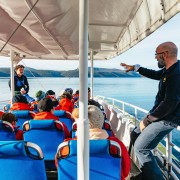
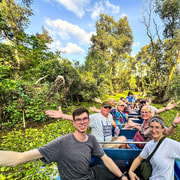
Quick take: Drift down a ~16 km stretch of the Hozu River on a traditional wooden boat, guided by skilled boatmen.
It’s scenic, gently adventurous (a few rapids), and one of the best ways to arrive into Arashiyama.
Note: KKday pages may restrict access in some regions (403). The experience details below are based on reputable Kyoto travel references and the official operator information.
At a glance
Route: Kameoka (Hozu) → Arashiyama (Kyoto)
Distance: ~16 km
Time on water: typically ~2 hours (often quoted as ~90–120 minutes depending on conditions)
Style: traditional sightseeing boat ride through a largely undeveloped river gorge
Best seasons: cherry blossoms (spring), deep green (summer), autumn leaves (fall), and occasional snow scenes (winter)
Why you’ll love the Hozu River Boat Ride
It’s the most memorable way to “arrive” in Arashiyama: you finish your ride right near one of Kyoto’s most famous sightseeing areas.
Nature you don’t expect so close to Kyoto: the Hozu Gorge feels wild and calm, with steep riverbanks and seasonal colour.
Boatmen storytelling + skill: the boat is steered by experienced boatmen who know every bend and rapid.
Short, satisfying adventure: mostly smooth and scenic, with a few fun rapids for a little adrenaline.
What to expect
The Hozu River Boat Ride (often called Hozugawa Kudari) is a traditional sightseeing cruise that travels downstream from Kameoka to Arashiyama. You’ll sit in a wooden boat and glide through the Hozu Gorge, watching the scenery shift from quiet pools to small rapids.
Along the way, boatmen point out seasonal highlights and interesting rock formations, and you get a front-row view of Kyoto’s “other side”:
dramatic riverbanks, forested slopes, and changing colours through the year.
Seasonal vibe
Spring: fresh green and blossoms in the wider region
Summer: lush foliage (a cooler-feeling escape from Kyoto city heat)
Autumn: peak colour in the gorge (a major reason this ride is so popular)
Winter: crisp air and occasional snow scenery (when operating)
Weather & operations (important)
The boats may still operate in rain (typically with canopies), but can be suspended in high water levels or severe weather.
Even in clear weather, operations can be suspended due to strong winds or other conditions—final decisions are made after assessing the day’s conditions.
Umbrellas may not be permitted onboard (they can inconvenience other passengers).
Always check your booking instructions and the operator’s latest operation notice on the day.
How to combine it with Arashiyama (best way to plan the day)
A popular plan is to do one direction by river and one direction by rail. Many travellers pair the boat ride with the Sagano Scenic (Romantic) Train for a perfect “train + river” loop:
Start in Kyoto → take train to the Kameoka area
Ride the Hozu River down to Arashiyama
Spend the afternoon in Arashiyama (bamboo grove, riverside strolls, temples, cafes)
Who it’s suitable for
First-time Kyoto visitors who want a classic, highly “Kyoto” experience outside the city streets
Couples wanting a scenic, relaxing adventure with a memorable finish in Arashiyama
Families with older kids who’ll enjoy the “gentle rapids” moments
Photographers chasing seasonal colour and gorge scenery
What to bring
Layers (it can feel cooler on the river, especially outside summer)
Rain jacket in wet seasons (hands-free beats umbrellas)
Sun protection in warmer months (hat/sunnies)
Secure bag (keep valuables safe and close)
Phone/camera + a strap if you’re worried about drops near water
Start & end points (general)
Start: Hozu/Kameoka area (upstream)
Finish: Arashiyama area (downstream)
Your exact check-in/exchange instructions and meeting point are shown on your KKday voucher after booking.
FAQ
How long does the boat ride take?
Most references describe it as about 2 hours for the ~16 km journey, with timing varying by river conditions.
Is it scary?
It’s mostly calm and scenic with a few rapids. Think “gentle adventure” rather than extreme whitewater.
Does it run in the rain?
Often yes (with canopies), but it can be suspended for high water levels or severe weather. Always check the day-of operation status.
What’s the best way to pair it with other transport?
Many visitors combine it with the Sagano Scenic (Romantic) Train for a one-way train ride and one-way river cruise.
Osaka/Kyoto: Kyoto and Nara Customizable Day Tour with Guide Best deals for Osaka/Kyoto: Kyoto and Nara Customizable Day Tour with Guide. Discover Kyoto & Nara on an exclusive private tour with guide & vehicle. Customize your itinerary & visit highlights like Fushimi Inari, Arashiyama, Kinkaku-ji, Nara Park, & Todai-ji at your own pace. Available from getyourguide.com.
From Kyoto/Osaka: Kyoto Top Highlights 1-Day Guided Bus Tour Best deals for From Kyoto/Osaka: Kyoto Top Highlights 1-Day Guided Bus Tour. Explore Kyoto's iconic sites in one day: walk through Fushimi Inari's torii gates, admire UNESCO Sites Kiyomizu-dera and Kinkakuji, and stroll Arashiyama's serene bamboo grove with an expert guide. Available from getyourguide.com.
From Kyoto/Osaka: Private Customizable Kyoto Tour Best deals for From Kyoto/Osaka: Private Customizable Kyoto Tour. Explore Kyoto by private car with your English-speaking driver-guide. Choose from 7 attractions or a classic route, and enjoy a 5-hour or 10-hour personalized tour. Available from getyourguide.com.
Quick take: Jump from up to 15,000ft for a bucket-list tandem skydive over Wollongong’s coastline.
Expect up to 60 seconds of freefall at around 200 km/h, followed by a peaceful canopy ride with sweeping views of beaches,
mountains and the NSW coast.
Total time to allow: around 4 hours (arrival to finish)
Day: Weekend (also available on weekdays)
Minimum age: 16+ (no maximum age limit)
Max weight: 120kg (weight surcharges apply from 94kg+)
Extras: photo/video packs available for purchase on the day
Cancellation: changes allowed up to 24 hours prior (no changes within 24 hours)
Highlights
Beach landing: touch down on the sand for an iconic finish.
Unmatched views: take in the NSW coastline, mountains and beaches from the air.
Big freefall thrill: up to 60 seconds of pure adrenaline from up to 15,000ft.
Easy add-on: return transfers from Sydney CBD are available upon request.
What to expect
Start by checking in at the Wollongong drop zone, where you’ll be geared up and taken through a safety briefing and instructions.
Then you’ll board the aircraft and climb to altitude—up to 15,000ft.
When it’s time, you and your tandem instructor will count down and step out into the sky for up to 60 seconds of freefall at around 200 km/h.
Your instructor handles the parachute deployment, and the intensity instantly shifts into a calm, scenic canopy ride—perfect for soaking in the coastline
before landing on the beach.
What’s included
Highly qualified, experienced tandem instructor
Safety briefing and instruction
Comfortable goggles (designed to fit over prescription glasses if needed)
Personalised certificate of achievement
APF levy
Personal accident insurance (Australian Parachute Federation)
Optional extras
Photo and video packages (available for purchase on the day)
Timing & duration
Arrival: please arrive at least 15 minutes prior to your scheduled jump time
Total experience time: allow approximately 4 hours
Departure location
Meet at: Drop zone check-in office, Stuart Park (corner of George Hanley Drive & Cliff Road), North Wollongong NSW 2500.
Wollongong: 90-Minute Lake Illawarra Jet Ski Tour Australia Experience the thrill of riding a jet ski on Lake Illawarra on Sydney's south coast with a guided tour from Wollongong. Learn how to operate your own jet ski and cover 50 km of water in 90 minutes.
Wollongong’s Wicked Women: Inspiring History Walking Tour Australia Walk into Wollongong's hidden history and see Wollongong in a whole new light. Discover the city’s stories, meet the women who shaped it and have a few laughs along the way.
From Wollongong: Southern Highlands Explore Tour Australia Discover the Southern Highlands at a relaxed pace — scenic lookouts, cascading waterfalls & charming countryside on a private tour from Wollongong. Perfect for all fitness levels.
Quick take: A 20-minute helicopter flight over Sydney’s most famous landmarks with live pilot commentary via noise-cancelling headsets. Choose shared or private, with an optional return shuttle
from Sydney CBD hotels to the heliport.
Highlights: Sydney Harbour Bridge, Opera House, Bondi Beach, harbour & skyline views
Runs: Daily
Cancellation: Free cancellation up to 7 days prior to the experience
Why you’ll love this flight
Best views in the city: Sydney’s icons look completely different from the air—especially the harbour curve and skyline.
Big impact, minimal time: only 20 minutes in the air, making it easy to fit into a Sydney itinerary.
Live commentary: hear what you’re flying over through noise-cancelling headsets.
Easy logistics: a complimentary shuttle is available from Sydney CBD hotels (subject to schedule).
What to expect
You’ll take off from Sydney’s heliport and spend around 20 minutes soaring over the city’s most iconic sights.
Expect sweeping views of the Harbour Bridge, Opera House, Bondi Beach, and Sydney’s harbour and skyline.
Before departure, you’ll receive a routine safety briefing.
What’s included
Private or shared 20-minute scenic helicopter flight
Complimentary return hotel-to-heliport shuttle bus (Sydney CBD hotels, based on the bus schedule)
Timing & check-in
Flight duration: approximately 20 minutes
Arrive: passengers must arrive 30 minutes prior to the scheduled booking time
Briefing: a routine safety briefing is conducted prior to take-off
Departure location
Flights depart daily from: 472 Ross Smith Ave, Mascot (Sydney) Transfers: Complimentary transfers are available from Sydney CBD hotels (subject to schedule).
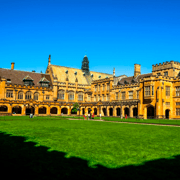
Sydney: University of Sydney Student-Led Walking Tour Australia Discover the University of Sydney on a student-led walking tour. Explore the Main Quadrangle, Fisher Library, and the Chau Chak Wing Museum while learning about the university’s history.
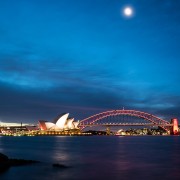
Sydney: Sydney Harbour Sunset Photo Tour & Cruise Australia Explore one of the most picturesque city harbours with a local professional photographer guide. They will capture once-in-a-lifetime photos plus enjoy a 30 minute harbour cruise on Sydney Harbour.
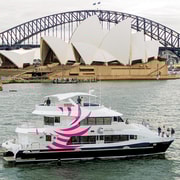
Sydney: Sydney Harbor Lunch Cruise with Welcome Drink Australia Enjoy a lunch cruise on Sydney Harbour with a welcome glass of bubbles. Savor a delicious 2-course meal inspired by locally sourced, regionally inspired cuisines.
Swim, jump, slide and abseil your way through Empress Canyon—one of the Blue Mountains’ most popular canyoning routes.
Quick take: A beginner-friendly (but still thrilling) canyoning adventure at Empress Falls featuring short swims,
rock jumps, natural slides, and an epic 30-metre waterfall abseil—all in spectacular Blue Mountains scenery not far from Sydney.
Duration: approximately 3 hours (canyoning journey)
Season: September to mid-June (warm weather season)
Location: Wentworth Falls, Blue Mountains (NSW)
Experience level: no experience necessary (full training provided)
Key feature: 30-metre waterfall abseil at Empress Falls
Cancellation: free changes up to 7 days prior (see policy below)
Highlights
Enjoy the thrills of canyoning at Empress Falls in the Blue Mountains
Take on short swims, rock jumps and a 30-metre waterfall abseil
See incredible natural scenery close to Sydney
What to expect
This half-day canyoning tour is ideal for beginners and also suits experienced canyoners who want a fast, fun canyon run (with optional extra obstacles).
You’ll meet your guides in the Blue Mountains, get a full safety briefing, and be fitted with all technical gear (harness, pack, helmet and wetsuit).
From there it’s a short bushland walk to the canyon entry—then the adventure ramps up. Depending on water levels, you’ll move through the canyon by abseiling, walking, wading, swimming, jumping and sliding all the way to the end.
The big finale is the famous 30-metre waterfall abseil—a true “I can’t believe I just did that” moment.
What’s included
Half-day canyoning experience
Full instruction from expert guides
All technical and safety equipment for canyoning and abseiling
Departure location / meeting point
Meet here: Bus parking area outside The Conservation Hut Café Address: 92 Fletcher St, Wentworth Falls NSW 2782
From Sydney: Blue Mountains Sightseeing And Sunset Day Tour Australia Discover the Blue Mountains with a private, luxury 9-hour tour. Enjoy stunning landscapes, iconic lookouts, and a magical sunset. Perfect for small groups, traveling in style and comfort.
Blue Mountains: Overcliff-Undercliff Guided Hike Australia Embark on a guided hike of the Overcliff-Undercliff hike in the Blue Mountains. Admire the views of the Jamison Valley, explore the beauty & see waterfalls within a part of the Blue Mountains.
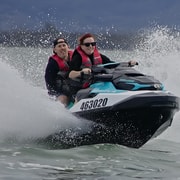
Quick take: A 30-minute jet boat blast on Sydney Harbour that mixes high-speed sightseeing with
full-throttle jet boating—spins, massive slides, fish-tails, and power-brake stops.
Departs from Circular Quay on the famous Red Shark Boat.
Iconic harbour views: see major landmarks while you’re getting sprayed and laughing.
Super central departure: Circular Quay makes it easy to fit into a city day.
What to expect
You’ll board at Circular Quay, strap in, and head out onto Sydney Harbour at speed. The ride combines “race car on water” thrills—slides, spins, fishtails and
sudden stops—with classic harbour sightseeing.
Landmarks specifically mentioned on the source page include the Sydney Opera House, Fort Denison, Goat Island, Taronga Zoo, Rose Bay, and the Sydney Harbour Bridge.
Expect salt spray and wind—this is a proper wet-and-wild harbour run, not a gentle cruise.
Thrill-seekers who want high-energy action in a short time window
Visitors short on time who still want a harbour “highlight reel” moment
Families with older kids who meet the minimum height requirement
Minimum height: children must be at least 1.2m tall to ride.
What to bring (and how to dress)
Clothes you don’t mind getting wet (spray is part of the fun)
A light change of clothes for after (optional but handy)
Secure footwear (avoid loose thongs)
Hair tie if you have long hair
The source page states valuables are not permitted onboard and the operator isn’t responsible for loss/damage—so travel light.
Important safety notes
You may get wet on the ride.
Valuables are not permitted onboard.
If you’re pregnant or have back, neck, shoulder or heart conditions, or injuries/conditions that may risk your health,
you’re strongly advised not to ride (and if you do, it’s at your own risk).
Adults are required to sign an Assumption of Risk form prior to boarding (for themselves and minors in their care).
Cancellation & weather
Cancellation: must be received at least 24 hours prior to departure or full payment is due and no refund is given.
Weather: if the operator cancels due to inclement weather (or other reasons), the ride is rescheduled; if it can’t be rescheduled, a refund is provided.
Closest areas for planning
Circular Quay (departure point)
The Rocks (easy walk to/from Circular Quay)
Sydney CBD (short train/light rail or walk)
Opera House precinct (nearby; great pre- or post-ride photos)
FAQ
How long is the ride?
It’s a 30-minute jet boat experience.
Where does it depart from?
Eastern Pontoon, Circular Quay in central Sydney.
Will I get wet?
Possibly, yes—the terms note passengers may get wet, and spray is part of the thrill.
Are photos included?
No—photos and videos are available for purchase on the day.
Is there a minimum height?
Yes—children must be at least 1.2m tall.
“`0
Sponsored Popular Items
Quick take: Musement.com offers a worldwide selection of tours and attractions
Sydney: University of Sydney Student-Led Walking Tour Australia Discover the University of Sydney on a student-led walking tour. Explore the Main Quadrangle, Fisher Library, and the Chau Chak Wing Museum while learning about the university’s history.
Sydney: Sydney Harbour Sunset Photo Tour & Cruise Australia Explore one of the most picturesque city harbours with a local professional photographer guide. They will capture once-in-a-lifetime photos plus enjoy a 30 minute harbour cruise on Sydney Harbour.
Sydney: Sydney Harbor Lunch Cruise with Welcome Drink Australia Enjoy a lunch cruise on Sydney Harbour with a welcome glass of bubbles. Savor a delicious 2-course meal inspired by locally sourced, regionally inspired cuisines.
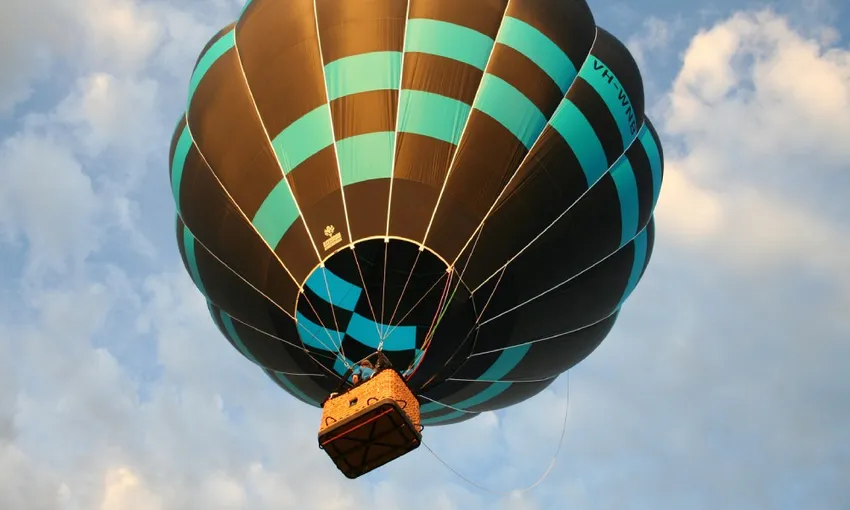
Hot Air Balloon Ride & Breakfast – Hunter Valley (Sunrise Flight + Bubbles)
Float above Australia’s oldest wine region at sunrise, then celebrate with a champagne breakfast.
Quick take: A classic Hunter Valley bucket-list morning—sunrise ballooning over vineyards and countryside,
followed by a champagne breakfast at The Blaxland Inn. Your flight includes a safety briefing, stunning views, and access to digital photos.
Experience: Sunrise hot air balloon flight + breakfast
Flight time: ~45–60 minutes (approx. one hour)
Location: Hunter Valley (Pokolbin, NSW) — about 120km north of Sydney
Includes: Champagne breakfast + digital photos access
Weather dependent: yes (flights only run when safe)
Why you’ll love it
Sunrise over wine country: drift above vineyards as the day begins.
Views for days: see vineyards, surrounding mountains, and local wildlife from above.
Celebrate properly: toast your flight with a champagne breakfast after landing.
Take the memories home: access to digital photos from the flight is included.
What to expect
Your morning starts early (this is a sunrise experience). After you arrive, you’ll be taken through a safety briefing,
then it’s time to lift off and float above the Hunter Valley—Australia’s oldest wine region. As the sun comes up, you’ll glide across the landscape,
soaking up sweeping views of vineyards, valleys and distant ridgelines.
After your flight (approximately one hour), you’ll return to The Blaxland Inn for a champagne breakfast—the perfect finish
to a memorable morning.
What’s included
Approximately one hour hot air balloon flight over the Hunter Valley
Champagne breakfast at The Blaxland Inn
Access to digital photos from the flight
Departure location
Meet here: The Blaxland Inn Address: 2198 Broke Rd, Pokolbin NSW 2320
Solid shoes (early mornings can be dewy and the ground uneven)
Sunglasses and a cap
Camera
Good to know before you book
Timing
Flights take place at sunrise.
Your exact flight time will be advised the afternoon before your scheduled flight.
Participant requirements
Maximum weight: 130kg
Minimum height: 120cm
You must be able to stand for the duration of the flight (approximately 45–60 minutes).
Minimum age: 7 years (children must be accompanied by a participating adult).
Not suitable for those more than 12 weeks pregnant.
Please advise any medical condition that may preclude you from flying (e.g., serious knee/hip/back problems, recent surgeries, broken bones).
Weather
Flights are cancelled if weather is not suitable to conduct a safe flight (including strong winds, rain, fog, or an unstable atmosphere).
Cancellation & changes
Adrenaline notes free cancellation up to 72 hours prior to the experience. The provider’s detailed policy also lists specific change/cancellation fees.
Always read the current booking terms at checkout for the most up-to-date rules.
Changes over 36 hours prior: $25 per passenger change fee (non-refundable)
Changes within 36 hours prior: $50 per passenger change fee (non-refundable)
Changes after flight status confirmation message (day prior before 5:30pm): $100 per person (non-refundable)
Any booking altered within 72 hours: at provider discretion, subject to availability
Cancellations within 72 hours: full fare forfeited
Cancellations outside 72 hours: $50 per passenger cancellation fee
Closest towns & cities for planning
Pokolbin (departure point and heart of the Hunter Valley wine region)
Sydney (about 120km south; ideal for an overnight weekend escape)
Hunter Valley (surrounding vineyard areas for cellar doors, long lunches, and accommodation)
FAQ
How long is the balloon flight?
Approximately 45–60 minutes (around one hour), plus briefing and breakfast afterwards.
Where do we meet?
The Blaxland Inn, 2198 Broke Rd, Pokolbin NSW 2320.
What if the weather is bad?
Flights only run when safe. The provider may cancel due to conditions like strong winds, rain, fog, or an unstable atmosphere.
Is it suitable for kids?
Yes, for children aged 7+ (must be accompanied by a participating adult). Minimum height is 120cm.
“`0
Sponsored Popular Items
Quick take: Musement.com offers a worldwide selection of tours and attractions
The Hunter Tasting - Wine Tasting Hunter Valley Australia Explore the flavors of the Hunter Valley with a wine tasting experience that highlights the history and future of Australian wine. Learn about the history of the region and the wines you are tasting.
Hunter Valley: Tastes of the Hunter Tour Australia Discover the Hunter Valley on a half-day tour visiting a trio of different venues. Enjoy tastings of premium wines, cheese plates, spirits, and artisan chocolates paired with wines.
A tropical Phuket stay suits travellers who want beach time, pool time and easy access to Karon.
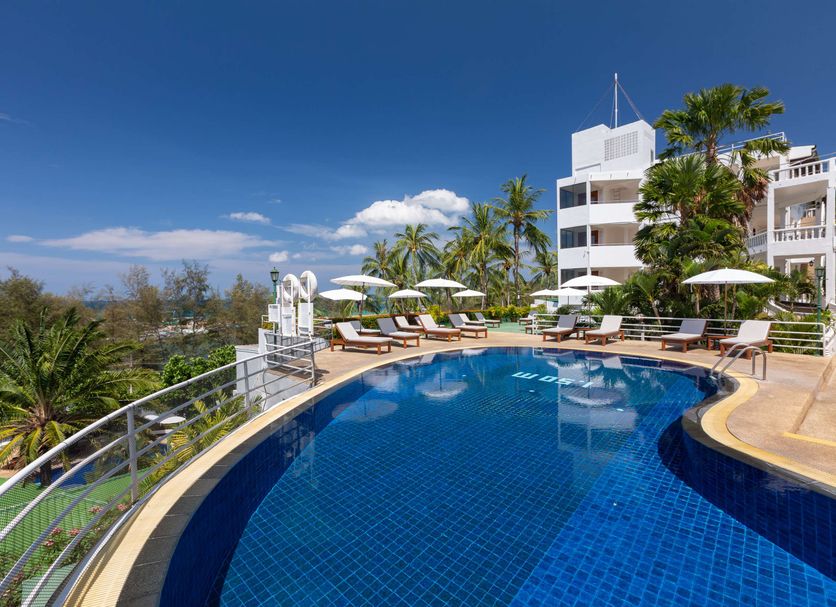
If you want a Phuket holiday that feels easy rather than overdone, Best Western Phuket Ocean Resort stands out for a simple reason: it puts you close to Karon Beach while still giving you the elevated views and leafy setting many travellers come to Thailand for. This is not a flashy ultra-luxury resort trying to be everything at once. Instead, it looks like a well-placed, practical, scenic stay for people who value a good location, tropical surroundings, and a property that keeps the holiday mood front and centre.
The hotel sits on Patak Road in Karon, on a hillside framed by greenery and coconut trees, with views out toward Karon Beach and the lagoon. The setting matters here. From the available descriptions and guest-review summaries, this appears to be one of those stays where the outlook does a lot of the work. You are near the beach and local dining, but the raised position gives the property more of a resort feel than a standard flat roadside hotel.
What the hotel is like
Best Western Phuket Ocean Resort is a three-star property with 240 guestrooms. The rooms are described across the booking sources as having private balconies, refrigerators, Wi-Fi, televisions, in-room safes, air conditioning, and private bathrooms with toiletries. Some descriptions also note bathtubs and views, which helps explain why the hotel attracts travellers who want a comfortable base rather than just a cheap overnight stop.
One of the strongest recurring themes is the water outlook. Several sources describe ocean views over Karon Beach and Karon Lagoon, while guest summaries also mention great views and spacious rooms. That combination gives the hotel broad appeal for couples, solo travellers, and holidaymakers who plan to spend time both at the beach and back at the property.
Why many travellers would like it
The biggest draw is balance. This hotel seems to land in a sweet spot between location, scenery, and value. It is close enough to the beach to make daily swims or sunset walks easy, yet it also offers multiple pools if you would rather stay onsite. It is near Karon’s shops and restaurants, with Patong within driving distance, so you can keep things quiet or make your trip busier depending on your mood.
Another plus is that the property appears family-friendly without feeling exclusively built for families. There is a children’s pool, babysitting is available for an added charge, and there are family room options and practical in-room features. At the same time, the pool bar, ocean-facing atmosphere, and hillside position make it easy to imagine the hotel working just as well for couples wanting a laid-back Phuket break.
Standout features
Three outdoor pools, plus a children’s pool
Views over Karon Beach and Karon Lagoon
Private balconies in guestrooms
Restaurant dining with Thai and European dishes mentioned in the sources
Pool bar and additional bar/lounge options
Fitness centre
Free Wi-Fi
Near Karon Beach and several local attractions
Dining and resort facilities
The dining side looks straightforward and holiday-friendly. One source names The Beach Restaurant for lunch and dinner, while another mentions Thai and European food, regular BBQ dishes, and fresh fish. That suggests a stay where you can comfortably eat onsite when you want the convenience, while still having the option of walking or driving out for other meals around Karon.
Facilities listed across the sources include outdoor pools, a children’s pool, pool bar, free parking, free Wi-Fi, a fitness centre, concierge services, 24-hour reception, airport shuttle availability, room service during limited hours, and babysitting for a surcharge. Guest review summaries also highlight friendly staff, good breakfast, cleanliness, and a good location near the beach and restaurants.
Location: one of the hotel’s strongest points
The address given across the booking sites is 562 Patak Road, Karon Beach, Karon 83100, Thailand. Based on the source listings, the hotel is near several popular Karon sights and is a short walk or short drive from local points of interest. Nearby places listed include Wat Suwan Khirikhet, Karon Temple Market, Karon Beach, Dino Park Mini Golf, The Big Buddha, Kata Beach, and Karon Viewpoint.
This makes the property especially appealing for travellers who do not want to feel isolated. You can base yourself in Karon, enjoy one of Phuket’s better-known beach areas, and still branch out to nearby viewpoints, beaches, and attractions without turning every outing into a major trip.
Who this hotel suits best
Couples who want ocean views and a more relaxed Karon setting
Families who will use the pools and child-friendly facilities
Value-conscious travellers looking for a scenic resort stay rather than a basic room
First-time Phuket visitors who want beach access with restaurants and attractions nearby
Travellers splitting time between Karon and Patong and wanting a calmer base
Things to keep in mind
The hotel’s hillside setting is part of its appeal, but it may not suit every traveller equally. One of the source descriptions specifically notes that the property is on a hill, and guest summaries mention stairs. That can be worth remembering if mobility, prams, or heavy luggage are concerns. It is also wise to remember that rates shown on booking platforms can change by date, room type, and provider.
In other words, this looks like a very good fit for travellers who appreciate views and don’t mind the slight elevation that often comes with them.
What to expect from a stay
Expect a tropical resort atmosphere rather than a city-hotel feel. Expect pools with a view, a beach area close by, and a holiday rhythm built around swimming, casual meals, and easy outings around Karon. Expect rooms designed for comfort and practicality, with balconies helping many stays feel more open and holiday-like. Based on the guest feedback summaries, service and location appear to be two of the hotel’s most reliable strengths.
Nearby places to know
If you stay here, Karon is your main base. Nearby areas and attractions mentioned in the source material include:
Karon Beach
Karon Temple Market
Wat Suwan Khirikhet
Dino Park Mini Golf
The Big Buddha
Kata Beach
Kata Noi Beach
Karon Viewpoint
Patong, which is described as being within easy driving distance
Final thoughts
Best Western Phuket Ocean Resort looks like one of those properties that wins people over by getting the basics right and adding a memorable setting. The combination of Karon location, ocean views, multiple pools, practical rooms, and easy access to nearby sights gives it broad appeal. It may not be the right choice for travellers chasing ultra-modern luxury or a totally flat beachfront layout, but for many visitors it appears to offer exactly what a Phuket holiday needs: comfort, scenery, and convenience.
If your ideal stay includes mornings by the pool, afternoons at the beach, casual dinners, and a base near some of Karon’s best-known attractions, this hotel makes a strong case for itself.
FAQ
Is Best Western Phuket Ocean Resort right on the beach?
It is close to Karon Beach, but the source material describes it as being set on a hill rather than directly on the sand.
Does the hotel have swimming pools?
Yes. The sources describe three outdoor pools, plus a children’s pool.
Is the hotel suitable for families?
Yes, it appears suitable for families thanks to the children’s pool, family-friendly room features, and babysitting services available for an extra charge.
What kind of food is served at the hotel?
The sources mention Thai and European dishes, along with BBQ dishes, fresh fish, and restaurant dining onsite.
Are there balconies in the rooms?
Yes. The room descriptions across the sources mention private balconies.
Is Wi-Fi available?
Yes. Complimentary Wi-Fi is listed in the source material.
What attractions are near the hotel?
Nearby attractions listed include Karon Beach, Karon Temple Market, Wat Suwan Khirikhet, Dino Park Mini Golf, The Big Buddha, Kata Beach, and Karon Viewpoint.
Is the hotel good for couples?
It looks well suited to couples who want a scenic Karon stay with ocean views, pool time, and easy beach access.
SEO Summary
SEO Title: Best Western Phuket Ocean Resort Review: Karon Beach Views, Pools & Location
SEO Description: Thinking about staying at Best Western Phuket Ocean Resort? Explore its Karon Beach location, ocean views, pools, dining, room features and nearby attractions.
Keywords: Best Western Phuket Ocean Resort, Karon Beach hotel, Phuket hotel with pools, Phuket ocean view hotel, where to stay in Karon, family friendly Phuket hotel
“`
## Factual basis used
The hotel is described on the available booking pages as a 3-star property at **562 Patak Road, Karon Beach**, with **ocean views**, **private balconies**, **three outdoor pools**, a **children’s pool**, **free Wi-Fi**, and dining onsite. KAYAK also lists nearby attractions including **Karon Beach**, **Karon Temple Market**, **Wat Suwan Khirikhet**, **The Big Buddha**, and **Kata Beach**. ([KAYAK][1])
Guest-review summaries on KAYAK describe the hotel’s strengths as **location near the beach and restaurants**, **friendly staff**, and **cleanliness**, with some mentions of **stairs** and occasional pool-chair limitations. ([KAYAK][1])
One of the four source pages was not accessible in this browser session due to a paywall, so I did not rely on it for factual claims.
I can also turn this into a fuller affiliate-style WordPress block with a CTA button, pros and cons box, and featured snippet section.
[1]: https://www.kayak.com.au/Karon-Hotels-Best-Western-Phuket-Ocean-Resort.37656.ksp “Best Western Phuket Ocean Resort (SHA Plus+) $57. Karon Hotel Deals & Reviews – KAYAK”
Sponsored Popular Items
Quick take: Musement.com offers a worldwide selection of tours and attractions
Phuket: Guided Tour of Phuket City with Hotel Transfers Thailand Explore the city of Phuket on this guided tour, which includes hotel pickup and drop-off. Discover scenic viewpoints, the Big Buddha Viewpoint, and stroll through Phuket's colorful old town
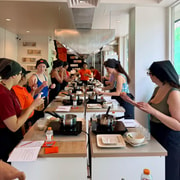
Phuket: Pum Thai Cooking Class with Local Ingredients Thailand Master authentic Thai cuisine in a hands-on Phuket cooking class. Pick from 40+ recipes, cook with fresh local ingredients, and take home new skills, a full belly, and your own recipe book
Truganini – The Last Full-Blood Aboriginal Tasmanian
The story of Truganini is one of the most poignant and tragic chapters in Australian history. Often described as the last full-blood Aboriginal Tasmanian, her life reflects the devastating impact that European colonisation had on the Aboriginal peoples of Tasmania, whose cultures had existed for more than 40,000 years before British settlement.
Although this phrase has historically been used to describe her, modern historians emphasise that Tasmanian Aboriginal people did not disappear. Their descendants continue to live and maintain culture today.
—
Early Life in Van Diemen’s Land
Truganini was born around 1812 on Bruny Island, in what was then called Van Diemen’s Land, the colonial name for Tasmania. She belonged to the Nuenonne people, one of several Aboriginal groups who lived along the island’s southeast coast.
Before European settlement intensified, the Aboriginal population of Tasmania is estimated to have been between 4,000 and 10,000 people.
However, by the time Truganini was a child, violent conflict between settlers and Aboriginal groups had already begun.
—
The Impact of the Black War
The 1820s and early 1830s saw one of the darkest periods in Tasmanian history — the Black War.
During this period:
Aboriginal land was rapidly seized by settlers.
Violent reprisals occurred on both sides.
Many Aboriginal people were killed by settlers, soldiers, or disease.
Others were forcibly removed from their homelands.
Truganini personally experienced immense loss. Members of her family were murdered, and she herself was abducted and assaulted by European sealers.
These experiences shaped the rest of her life.
—
Work With George Augustus Robinson
In the late 1820s, Truganini became associated with George Augustus Robinson, a missionary who believed he could persuade Aboriginal people to surrender and relocate peacefully.
Robinson recruited Truganini as a guide and intermediary during what he called the Friendly Mission, aimed at persuading remaining Aboriginal groups to move to government settlements.
Her knowledge of language, landscape, and Aboriginal communities made her invaluable.
However, the relocations ultimately resulted in Aboriginal people being taken to Flinders Island, where many died from disease, grief, and poor living conditions.
—
Life at Oyster Cove
Later in life, Truganini was moved again, this time to Oyster Cove, south of Hobart. By this time only a handful of Aboriginal Tasmanians remained in the government settlement.
Despite immense hardship, Truganini survived when many others did not.
She became widely known among colonial authorities and settlers and was sometimes brought to public events as a curiosity — a reflection of the deeply paternalistic attitudes of the time.
—
Her Death and Final Wishes
Truganini died on 8 May 1876 in Hobart at approximately 64 years of age.
Before her death she made a final request:
She asked that her body be cremated and her ashes scattered in the D’Entrecasteaux Channel, the waters near her ancestral homeland.
She feared that scientists would treat her remains as a specimen.
Unfortunately, her wishes were ignored.
Her skeleton was placed on display in the Tasmanian Museum and Art Gallery for decades. It was not until 1976 — exactly 100 years after her death — that her ashes were finally scattered at sea, fulfilling her request.
—
A Misunderstood Legacy
For many years Truganini was described as “the last Tasmanian Aboriginal.”
This claim is historically inaccurate.
While she may have been the last person of entirely unmixed Aboriginal ancestry from the original Tasmanian nations, many Tasmanian Aboriginal descendants survived through mixed heritage.
Today, thousands of people identify as Tasmanian Aboriginal, maintaining culture, language revival programs, and connections to country.
—
Why Truganini’s Story Matters
Truganini’s life is significant because it represents:
The survival of a woman through extreme cultural disruption
The tragedy of colonial violence in Tasmania
The resilience of Aboriginal identity
Her story reminds Australians that the history of colonisation involved profound human loss, but also enduring cultural survival.
—
Where to Learn More Today
Visitors to Tasmania can explore this history through several important locations:
Bruny Island – Truganini’s birthplace
Oyster Cove – where she spent her final years
Tasmanian Museum and Art Gallery – exhibits on Tasmanian Aboriginal history
These places help tell the deeper story of Tasmania’s first peoples and the legacy that continues today.
—
✅ Historical Note:
Modern historians increasingly recognise Truganini not as the end of a people, but as a witness to survival. The Tasmanian Aboriginal community remains active today and continues to protect and share their culture.
—
Sponsored Popular Items
Quick take: Musement.com offers a worldwide selection of tours and attractions
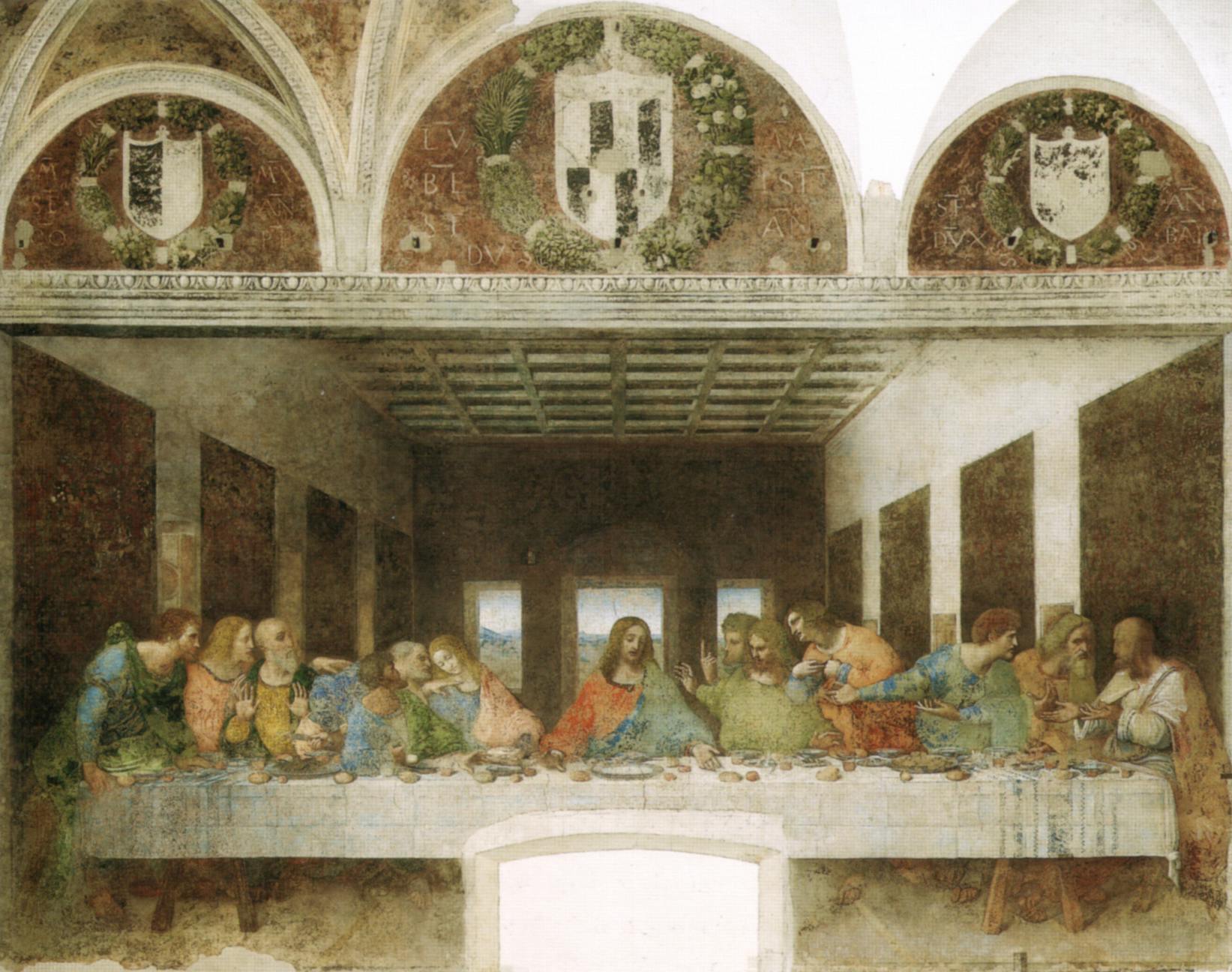
Leonardo da Vinci's Last Supper Last-Minute Guided Tour Italy Last-minute Da Vinci's Last Supper guided tour adds structure, local context and purposeful sightseeing to the itinerary. Check current availability, inclusions and booking details before you go.
Cradle Mountain: After Dark Tasmanian Devil Feeding Tour Australia Enjoy an evening visit to Devils@Cradle Wildlife Sanctuary for a guided tour during feeding time. Learn about Tasmanian devils and the threats they face from a passionate zookeeper.
From Hobart: Tasmanian Whisky & Gin Tour Australia Discover Tasmania's whisky and spirits on a guided distillery tour from Hobart. Visit 4 iconic and boutique distilleries in the Southern Midlands and Coal River Valley and enjoy guided tastings.
Port Arthur Tasmania: The Powerful Story Behind Australia’s Most Notorious Penal Settlement
Port Arthur, located on Tasmania’s rugged Tasman Peninsula, is one of Australia’s most historically significant and hauntingly beautiful destinations. Once a feared penal colony of the British Empire, today it stands as a deeply moving heritage site that tells the story of punishment, reform, resilience, and remembrance.
The Remote Penal Colony That Shaped Early Australia
Port Arthur was established in 1830 during the era when Britain transported convicts to Australia. The location was chosen deliberately. Surrounded by water and dense forest, the Tasman Peninsula formed a natural prison that was extremely difficult to escape.
Convicts arriving at Port Arthur were typically repeat offenders who had already been transported to Australia but committed further crimes. Authorities intended the settlement to be both a punishment facility and a place of labour that would contribute to the colony’s development.
The site quickly became one of the most important penal settlements in the Australian colonies. At its peak, thousands of convicts, soldiers, and administrators lived and worked here.
Rather than relying solely on physical punishment, Port Arthur became known for experimenting with a controversial system of psychological discipline that was considered progressive for its time.
The Silent System: A Harsh Experiment in Psychological Punishment
One of the most distinctive aspects of Port Arthur was the introduction of the Separate Prison in the 1840s. Inspired by prison reform movements in Britain and the United States, this facility aimed to reform convicts through isolation and reflection rather than constant physical punishment.
Prisoners were forced to remain silent at all times. When they moved through the prison, they wore hoods so they could not see other inmates. Even during chapel services, prisoners sat in narrow cubicles so they could hear the sermon but never see the person beside them.
The theory was that isolation would encourage moral reflection and repentance. In reality, many prisoners experienced severe mental distress under these conditions.
Today, visitors walking through the restored prison cells often remark that the atmosphere remains deeply unsettling, offering a powerful reminder of the psychological toll of early prison systems.
Hard Labour and Industry at Port Arthur
While imprisonment was severe, Port Arthur was also a working settlement that produced goods for the wider colony.
Convicts laboured in several industries including:
Shipbuilding and timber harvesting
Stone quarrying and brickmaking
Agriculture and food production
Construction of buildings and infrastructure
One of the most remarkable achievements of the settlement was the extensive network of buildings and docks created largely by convict labour. Many of these structures still stand today and form the core of the heritage site.
The shipyard in particular was highly productive, building vessels used throughout the Australian colonies.
The Dramatic Natural Prison of the Tasman Peninsula
The geography of Port Arthur played a major role in its operation as a prison.
The only land access to the peninsula was a narrow strip called Eaglehawk Neck. Authorities stationed guards and fierce dogs there to prevent escapes. The waters surrounding the peninsula were also believed to be shark-infested, adding another deterrent.
Because of this natural isolation, Port Arthur became known as one of the most secure prisons in the British Empire.
Despite these barriers, a few daring escape attempts occurred. Some convicts disguised themselves or attempted to swim across dangerous waters, though very few succeeded.
The End of Transportation and Closure of the Prison
Transportation of convicts to Tasmania officially ended in 1853. Over time the penal settlement began to decline, and by 1877 Port Arthur was closed as a prison.
After the closure, the area gradually transformed into a small township. Many of the original buildings fell into ruin, while others were repurposed by local residents.
Interestingly, the town was briefly renamed Carnarvon in an attempt to distance the community from its convict past. However, the historical significance of Port Arthur eventually led to preservation efforts rather than erasure.
Port Arthur Today: One of Australia’s Most Important Heritage Sites
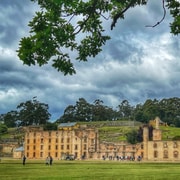
Today Port Arthur is protected as part of the Australian Convict Sites World Heritage listing. The site attracts visitors from around the world who come to explore the preserved ruins, restored buildings, and museum exhibits.
Key areas visitors often explore include:
The Penitentiary ruins
The Separate Prison
The historic church and gardens
The dockyards
The Isle of the Dead cemetery
Guided tours, harbour cruises, and evening ghost tours help visitors better understand both the history and the human stories connected to the settlement.
A Place of Reflection and Remembrance
Port Arthur is also remembered for a modern tragedy. In 1996, the Port Arthur massacre occurred nearby, leading to significant changes in Australian gun laws. A memorial garden now honours those who lost their lives.
This additional layer of history makes Port Arthur not only a place to learn about colonial Australia but also a place of quiet reflection.
Planning a Visit to Port Arthur
Port Arthur is located approximately 95 kilometres southeast of Hobart and can be reached by car in about 90 minutes. The journey itself is scenic, passing through coastal landscapes and small Tasmanian communities.
Nearby towns and areas worth exploring include:
Hobart – Tasmania’s capital and main travel hub
Eaglehawk Neck – known for dramatic coastal rock formations
Taranna – a small community near the Tasmanian Devil Unzoo
Nubeena – the local service town of the Tasman Peninsula
Many visitors combine Port Arthur with a broader exploration of the Tasman Peninsula, including walks, coastal viewpoints, and wildlife experiences.
Why Port Arthur Remains One of Australia’s Most Fascinating Historic Sites
Few places in Australia present history as powerfully as Port Arthur. The preserved ruins, dramatic natural setting, and detailed historical interpretation make it possible to understand the realities of the convict era in a very personal way.
For historians, travellers, and anyone interested in Australia’s past, Port Arthur offers an unforgettable journey into the stories that shaped the nation.
Walking among the stone ruins and quiet gardens, it becomes clear that Port Arthur is not just a historic site — it is a place where the past still speaks.
Frequently Asked Questions About Port Arthur Tasmania
Why was Port Arthur chosen as a penal colony?
Port Arthur’s isolated position on the Tasman Peninsula made it extremely difficult for prisoners to escape. The narrow land connection at Eaglehawk Neck and surrounding waters created a natural barrier.
When did Port Arthur operate as a prison?
The settlement operated as a penal colony from 1830 until 1877.
How far is Port Arthur from Hobart?
Port Arthur is approximately 95 kilometres from Hobart and takes about 90 minutes to reach by car.
Is Port Arthur a UNESCO World Heritage Site?
Yes. Port Arthur is included in the Australian Convict Sites World Heritage listing because of its importance in the history of convict transportation.
Can visitors explore the original prison buildings?
Yes. Many of the original buildings and ruins remain preserved, including the Penitentiary, Separate Prison, and historic church.
Sponsored Popular Items
Quick take: Musement.com offers a worldwide selection of tours and attractions
From Port Arthur: Tasman Island Wilderness Cruise Australia This Tasman Island cruise provides an unforgettable 3-hour wilderness trip along the spectacular coastline between Port Arthur and Eaglehawk Neck in southern Tasmania.
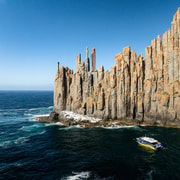
Port Arthur: Cape Raoul Wilderness Cruise Australia Discover the dramatic cliffs, caves, and arches of the Tasman Peninsula on a cruise from Port Arthur Historic Site. Marvel at the towering dolerite columns of Cape Raoul.
Hobart: Port Arthur, Harbor Cruise and Isle of the Dead Tour Australia Learn about Port Arthur's convict era and gain insights into its past on a guided tour from Hobart. Explore Tasman National Park, cruise along Carnarvon Bay, and walk around the Isle of the Dead.
The Remarkable Bees of Kangaroo Island: One of the Purest Bee Populations in the World 🐝
Kangaroo Island, located off the coast of South Australia, is famous for its rugged coastline, wildlife, and pristine landscapes. But one of its most remarkable natural treasures is something much smaller — its bees. The island is home to one of the last remaining pure populations of Ligurian honey bees in the world, making it a globally significant sanctuary for beekeeping and honey production.
These bees have been carefully protected for more than a century and produce some of the purest and most distinctive honey in Australia.
—
How the Bees Arrived on Kangaroo Island
The story of Kangaroo Island’s bees begins in 1884, when a beekeeper named August Fiebig imported Ligurian honey bees from Italy. These bees originated from the Liguria region of northern Italy and were prized for their gentle nature and excellent honey production.
Because Kangaroo Island is naturally isolated from mainland Australia, it was chosen as the ideal place to establish a protected population.
Soon after the bees were introduced, strict regulations were implemented to protect them:
Importing bees onto the island was banned
The island was declared a bee sanctuary
Only pure Ligurian bees were allowed to be bred
These rules are still enforced today to maintain the genetic purity of the population.
—
Why Ligurian Bees Are Special
The Ligurian honey bee (Apis mellifera ligustica) is considered one of the best honey-producing bee species in the world.
Some of their key characteristics include:
Gentle temperament
They are calm and easy for beekeepers to handle, making them ideal for managed hives.
Excellent honey producers
They work efficiently and forage over long periods, producing high honey yields.
Strong disease resistance
The isolation of Kangaroo Island means the bees are free from many pests and diseases affecting bees elsewhere.
Beautiful golden colour
Ligurian bees are often recognised by their distinctive golden bands.
Because of this protected environment, Kangaroo Island bees are free from Varroa mite infestation, a major pest affecting bee colonies worldwide.
—
Kangaroo Island’s Famous Honey
The honey produced by Kangaroo Island bees is renowned for its purity and flavour.
One of the most famous varieties is Liguria honey, produced by bees feeding on native plants such as:
Sugar gum
Mallee
Coastal heath
Wildflowers
The honey has a light golden colour and delicate floral flavour, making it highly sought after both in Australia and internationally.
A well-known producer on the island is Clifford’s Honey Farm, where visitors can taste honey, see working hives, and learn about the island’s unique bee heritage.
—
Why the Bees Are So Carefully Protected
Protecting the Kangaroo Island bees is extremely important. Around the world, bee populations face major threats including:
Parasites such as the Varroa mite
Pesticide exposure
Habitat loss
Climate change
Because the island is isolated, it acts as a natural quarantine zone, helping preserve this rare genetic population.
Strict rules remain in place:
No outside bees can be brought onto the island
Beekeeping equipment must be carefully controlled
Queen bees cannot be imported
These regulations ensure that the pure Ligurian bloodline continues to survive.
—
Visiting Bee Farms on Kangaroo Island
If you are exploring the island — especially if you are driving from Penneshaw toward the western attractions — visiting a honey farm is a fascinating stop.
Visitors can:
Taste different honey varieties
Learn about beekeeping
See live bee demonstrations
Buy locally produced honey products
Honey ice cream and honey mead are also popular treats.
—
A Global Treasure Worth Protecting
The bees of Kangaroo Island are far more than just honey producers. They represent an important genetic resource for global beekeeping, offering scientists and beekeepers insight into healthy bee populations.
In a world where bee colonies are declining, the protected Ligurian bees of Kangaroo Island are a reminder of how conservation and careful management can preserve something truly special.
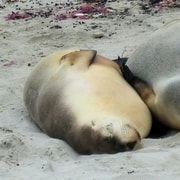
So while the island’s sea lions, kangaroos, and dramatic coastal scenery draw many visitors, the tiny golden bees quietly working among the wildflowers are one of Kangaroo Island’s most valuable natural wonders.
—
✅ Quick Facts
Bees introduced to Kangaroo Island in 1884
Species: Ligurian honey bee
One of the last pure populations in the world
Island declared a bee sanctuary
Famous for premium Ligurian honey
—
If you like, I can also show you:
Where the bee farms are located on Kangaroo Island
Places to stop for honey on the drive from Penneshaw to the Remarkable Rocks
How much Ligurian honey sells for and why it’s expensive. 🐝
Sponsored Popular Items
Quick take: Musement.com offers a worldwide selection of tours and attractions
Kangaroo Island: Clifford's Honey Farm Tour with Ice Cream Australia Learn about Ligurian honeybees on a guided tour of a honey farm. Enjoy a homemade honey ice cream, see beekeeping equipment, taste different varieties of honey, and view a live beehive in glass.
Kangaroo Island: One Day Highlights Tour with Seal Bay Walk Australia Journey along Kangaroo Island’s southern coast, meet sea lions at Seal Bay, and explore Flinders Chase National Park. Enjoy local insights and scenic stops throughout the day.
Brisbane Hotels: Where to Stay + How to Compare Prices (A Realistic Guide)
Brisbane’s best stays depend on your priorities: walkability (CBD), lifestyle (South Bank), nightlife (Valley), or convenience (airport).
Quick take: Trivago helps you compare prices across multiple booking sites. Use it to shortlist hotels, then click through to confirm the final price, room type, and inclusions on the booking site.
Best for: first-timers, business trips, walkability, easy transport
What it feels like: practical and central; you can walk to the river, Queen Street Mall, and major venues
South Bank
Best for: weekends, families, arts/culture, riverside walks
What it feels like: restaurants, parks, and a more “holiday” energy than the CBD
Fortitude Valley (The Valley)
Best for: nightlife, dining, boutique hotels
What it feels like: lively, louder at night, great if you want bars and late dinners
Brisbane Airport / Ascot / Hamilton
Best for: early flights, short stopovers, event travel
What it feels like: convenience-first; usually less walkable for tourist sightseeing
Real examples you’ll see on Trivago (and what they imply)
On the Brisbane Trivago list, you’ll typically see a mix of CBD hotels, South Bank riverside stays, and budget motels further out.
Here are examples that appear on the page (names/ratings and “from” prices can change by date):
Treasury Brisbane (listed close to city centre; example “from” price shown around $208)
Royal On The Park (CBD edge; example “from” price shown around $186)
ibis Styles Brisbane Elizabeth Street (CBD; example “from” price shown around $140)
Holiday Inn Express Brisbane Central (CBD fringe; example “from” price shown around $147)
Novotel Brisbane South Bank (South Bank; example “from” price shown around $167)
Amora Hotel Brisbane (near CBD; example “from” price shown around $151)
ibis budget Brisbane Airport (airport zone; example “from” price shown around $134)
These examples are useful as “anchors” for your budget expectations, not as guaranteed pricing.
How to use Trivago without getting tricked by “from” prices
Set dates first: “from” prices often reflect the cheapest date or room type, not your exact stay.
Compare like-for-like: match room type, bed type, breakfast inclusion, and cancellation terms.
Check total cost: look for taxes/fees, parking charges, resort/amenity fees, and payment timing.
Open 2–3 booking sites: Trivago compares sites, but you should confirm the final terms on the actual booking page.
Use rating volume as a sanity check: a high rating with thousands of reviews is usually a safer bet than a new listing with little feedback.
Filters that actually matter
Distance to City Centre: decide if you want walkability or are happy using rideshare/train.
Guest rating threshold: set a minimum (e.g., “Very good” and up) to avoid surprises.
Free cancellation: essential if your plans might change.
Parking: Brisbane parking can add real cost—filter it early if you have a car.
Pool / apartment-style: helpful for summer trips and longer stays.
FAQs
Why do Trivago prices change so much?
Trivago pulls prices from multiple booking sites, and those sites update availability and pricing constantly. Always confirm the final total on the booking site.
What’s the best area to stay for first-time visitors?
The CBD is the simplest base for transport and sightseeing. South Bank is a close second if you want a more riverside “holiday” feel.
How do I get the best deal?
Be flexible by 1–2 days, compare booking sites, and check what’s included (breakfast and cancellation policy can flip the true value).
Sponsored Popular Items
Quick take: Musement.com offers a worldwide selection of tours and attractions
Brisbane: Private Brisbane Night Tour with Stops Australia Sit back, relax and enjoy Brisbane by night in a private tour. Get driven around Brisbane after dark with stops for photos and exploring. See the beauty of Brisbane and surrounds at… Check current availability, inclusions and booking conditions.
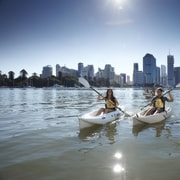
Brisbane: 2-Hour Kayak Hire on Brisbane River Australia Get out and discover Brisbane's beautiful river with this 2-hour kayak hire. Be your own kayak tour guide, whether you're a first-timer or an experienced paddler. Cruise along the… Check current availability, inclusions and booking conditions.
Byron Bay, Gold Coast, Brisbane, Noosa Hop-On Hop-Off Pass Australia Hop-on hop-off along Australia’s East Coast! Travel Byron Bay, Brisbane, Gold Coast, Noosa & Rainbow Beach at your pace, with local tips, must-see spots & exclusive discounts.
Things to Do in Phnom Penh: Culture, History, Street Food & River Sunsets
Phnom Penh blends royal architecture, deep 20th-century history, and lively neighbourhoods along the river.
Phnom Penh is Cambodia’s energetic capital—part heritage, part modern city, and a place where your itinerary can be as
reflective (museums and memorial sites) or as fun (street food, tuk-tuk evenings, river cruises) as you want it to be.
On Klook, you’ll find a wide mix of experiences here—from half-day city explorations to tours covering major historical sites,
plus transport options that make day trips and cross-border routes easier to plan.
Klook notes that peak season runs from November to February. It’s typically less busy from March to May,
and the rest of the year brings rainy weather. If you like planning around local colour, Klook also highlights Khmer New Year (April) and Bon Om Touk / Water Festival (November), which features boat racing.
Best areas to stay (practical picks)
For first-timers, Klook points to two popular tourist areas:
Sangkat Tonle Basak – described as a high-end, modern area known for nightlife, a global shopping mall,
and upscale hotels.
Sangkat Boeng Keng Kang Ti Muoy (BKK1) – highlighted for souvenir markets and a central location near
landmarks like Wat Langka and the Independence Monument.
Top things to do in Phnom Penh
1) Royal Palace & Silver Pagoda
Klook frames the Royal Palace and Silver Pagoda as a key stop to experience the cultural splendour
associated with the Khmer royal family. It’s one of the easiest “first-day” sights because it instantly sets the tone of the city.
2) Tuol Sleng Genocide Museum (S-21) & Choeung Ek Killing Fields
For travellers who want to understand Cambodia’s recent history, Klook highlights both the Tuol Sleng Genocide Museum and the Choeung Ek Killing Fields as places to commemorate the history
of the Khmer Rouge era. These visits can be emotionally heavy—many people choose a guided tour for context.
3) Night markets, street food & evening city vibes
Phnom Penh comes alive in the evening. Klook features multiple small-group and evening options (including street food-style tours),
which can be a great way to try local dishes without overthinking where to go.
4) River time: Mekong/Tonlé Sap sunsets
A sunset cruise is one of the lowest-effort, highest-reward add-ons: you get breezes, skyline views, and a calmer side of the city
after a hot day of sightseeing.
Popular tours & experiences on Klook
Klook lists a broad menu of bookable options in Phnom Penh (including dozens of “things to do”), and a few recurring themes stand out:
History-focused tours that combine the Killing Fields and S-21
City tours that bundle major landmarks (often with tuk-tuk/Vespa options)
Food experiences, including small-group street food formats
Sunset and evening cruises on the river
Day trips and transfers linking Phnom Penh with places like Siem Reap
For short hops, Phnom Penh is commonly explored via tuk-tuk style rides and walking between clusters of sights. Many Klook tours
also include hotel pickup, which helps simplify logistics for first-time visitors.
Between cities (and beyond)
Klook also highlights transport options in and out of Phnom Penh—including bus routes such as the Ho Chi Minh ↔ Phnom Penh service—useful if you’re building a multi-country itinerary.
Afternoon: Choose one: S-21 or a guided combo tour that includes major historical sites
Evening: Street food or a sunset cruise
2 days: balanced city + history
Day 1: Royal Palace area + neighbourhood exploring
Day 2: Tuol Sleng (S-21) + Choeung Ek (guided tour recommended for context)
Night: Markets and a relaxed dinner
3 days: add a day trip or countryside
Day 1–2: Follow the 2-day plan
Day 3: Add a day trip (e.g., Silk Island-style countryside experiences or a transfer/day excursion)
FAQs
When is the best time to visit Phnom Penh?
Klook notes peak season is November to February, with a quieter period from March to May, and rainy weather during the rest of the year.
What are the “must-see” sights?
Klook highlights the Royal Palace and Silver Pagoda, plus key history sites like Tuol Sleng Genocide Museum (S-21) and the Choeung Ek Killing Fields.
Where should I stay as a tourist?
Klook points to Sangkat Tonle Basak (modern, nightlife and upscale hotels) and Sangkat Boeng Keng Kang Ti Muoy/BKK1 (central, markets and nearby landmarks).
Disclosure: Links marked “sponsored” may be affiliate links, meaning a commission may be earned if you book—at no extra cost to you.
Sponsored Popular Items
Quick take: Musement.com offers a worldwide selection of tours and attractions
Amazing Cambodia 5-Day Private Tour Phnom Penh & Siem Reap Cambodia Gain in-depth insight into Cambodia’s intriguing past on this exciting 5-day tour of iconic Phnom Penh and Angkor Wat. Guided visits to UNESCO World Heritage Sites Angkor Temples and discover
HCM: 3-Day Mekong Delta Journey Optional Exit to Phnom Penh Vietnam Discover the vibrant Mekong Delta on a 3-day journey through floating markets, charming riverside villages, and lush forests—ending with the option to continue seamlessly to Phnom Penh by fast boat
From Ho Chi Minh: 2-Day Mekong Delta to Phnom Penh by Boat Vietnam Discover the Mekong Delta 2-day tour from Ho Chi Minh City to Phnom Penh. Visit Vinh Trang Pagoda and explore traditional factories, taste local treats. Experience life along the Mekong River