Green Island Queensland: A Tropical Great Barrier Reef Escape from Cairns
A classic reef day trip where white sand, warm turquoise water, tropical rainforest and easy snorkelling come together on one of the most accessible islands off Cairns.
Green Island has the kind of appeal that works instantly. The water is bright and clear, the beaches are soft and inviting, and the island itself feels compact enough to explore without any stress. Yet what makes it especially memorable is the contrast. You are not just visiting a reef cay with sand and sea. You also get lush rainforest, easy walking tracks, jetty views over marine life and a setting that feels more complete than a simple boat stop.
For travellers based in Cairns, Green Island is one of the easiest ways to experience the Great Barrier Reef without committing to a long offshore journey. It suits families, couples, casual swimmers, first-time snorkellers and visitors who want a tropical island feel with straightforward logistics. You can spend the day snorkelling, swimming, walking, relaxing on the beach or adding optional reef activities, then still be back in Cairns by late afternoon.
Where Is Green Island?
Green Island is a small coral cay on the Great Barrier Reef off the coast of Cairns in Tropical North Queensland. It sits within a protected reef and national park setting, which is part of what makes it feel so special. The island may be small, but it offers a surprisingly rich mix of beach, reef and rainforest experiences in one place.
Why Visit Green Island?
It is one of the easiest reef islands to reach from Cairns, making it ideal for day trips.
You can snorkel straight from the beach, which is a major draw for visitors who want a simpler reef experience.
It combines reef and rainforest, giving the island a more varied atmosphere than many quick marine excursions.
It suits a wide range of travellers, from families and non-divers to couples wanting an easy tropical escape.
You can keep it relaxed or make it active, depending on whether you prefer beach time, walks or extra reef adventures.
How to Get There
From Cairns
The standard way to reach Green Island is by fast catamaran from Cairns. This is what makes the island such an attractive day trip. You can leave the city in the morning and be on the island quickly, without needing a long transfer or overnight logistics just to enjoy reef scenery.
By Tour or Island Transfer
Most visitors arrive on a packaged island transfer or a day-tour option that may include extras such as snorkelling gear or a glass-bottom boat experience. This makes Green Island particularly convenient for travellers who want a simple, well-organised day rather than a DIY marine trip.
Overnight Stay
If you want a slower experience, Green Island can also work as a short island stay rather than only a day trip. Staying overnight gives the island a quieter feel once most day visitors have returned to Cairns.
Closest Towns and Best Bases
Cairns
Cairns is the obvious and most practical base for Green Island. It is where most day trips depart, and it gives you easy access to accommodation, restaurants, reef tour operators and onward travel in Tropical North Queensland.
Northern Beaches
If you are staying in the Cairns northern beach areas, Green Island is still very doable, though you will generally need to plan around transport into Cairns for departure. For most visitors, a Cairns stay keeps things simplest.
What to Do on Green Island
1. Snorkel from the Beach
This is one of Green Island’s biggest advantages. You do not need to travel far again once you arrive. You can get into the water directly from the island and start exploring the reef environment close to shore.
2. Relax on the White Sand Beaches
Green Island is just as appealing above the water as it is below it. If your ideal reef day includes swimming, sunbathing and reading under the shade of coastal trees, the beaches here make that easy.
3. Walk the Rainforest Boardwalk
The rainforest gives Green Island a very different character from a simple sand cay. A short boardwalk stroll adds shade, birdlife and a welcome change of pace between swims or snorkelling sessions.
4. Do the Beach Walk
If you want to see the island more fully, walking around its edge is a rewarding way to appreciate the reef, beach vegetation and changing views back across the water.
5. Walk the Jetty
The jetty is one of the easiest places to enjoy the marine setting without even getting wet. Looking down into the clear water can be a highlight in itself, especially for families or visitors who prefer to stay dry.
6. Try a Glass-Bottom Boat or Other Reef Activity
Green Island works well for non-snorkellers too. Optional experiences can make the reef more accessible for travellers who want to see marine life without spending much time in the water.
7. Make It a Reef-and-Relaxation Day
One of the best things about Green Island is that you do not have to choose between adventure and ease. You can snorkel in the morning, walk through the rainforest later, enjoy lunch, then spend the afternoon unwinding by the beach.
How Long Should You Allow?
Half day: possible, but you will only get a taste of the island.
Full day: ideal for most visitors, with time for snorkelling, walking and beach time.
Overnight: best if you want a quieter island experience and more time away from the day-trip rhythm.
Suggested Day Plan
Depart Cairns in the morning
Arrive and get your bearings with a short jetty or beach walk
Snorkel or swim while the day is still fresh
Take a break for lunch and shade
Walk the rainforest boardwalk
Spend your final hour relaxing on the beach or adding a reef activity
Return to Cairns in the afternoon
What to Wear and Bring
Swimwear and a towel
Reef-safe sun protection, hat and sunglasses
Light clothing for tropical weather
Comfortable sandals or water-friendly footwear
A dry bag or small day bag
A phone or camera for beach and jetty views
Any personal snorkel gear if you prefer your own
Useful Travel Tips
Book ahead, especially in holiday periods.
Allow enough time in Cairns before departure rather than arriving at the terminal last minute.
Plan water activities around the safest designated swimming and snorkelling areas.
If you are sensitive to sun, build in some rainforest or shaded breaks through the day.
Do not rush off as soon as you arrive. Green Island is best enjoyed slowly.
Who Will Love Green Island?
First-time Great Barrier Reef visitors
Families wanting an easy reef island day trip
Couples looking for a scenic tropical escape
Travellers who prefer shorter boat transfers from Cairns
Visitors who want a balance of snorkelling, walking and relaxation
Final Thoughts
Green Island is popular for good reason. It gives you a Great Barrier Reef setting without making the day feel complicated or exhausting. The combination of beach, reef and rainforest makes it more rounded than many simple marine excursions, and its closeness to Cairns means it is easy to add to a Tropical North Queensland itinerary.
If you want a reef experience that feels scenic, practical and distinctly tropical, Green Island remains one of the strongest choices near Cairns. It is easy to reach, easy to enjoy and memorable in a way that feels both relaxed and iconic.
Sponsored Popular Items
Quick take: Musement.com offers a worldwide selection of tours and attractions
Cairns: Spirit of Cairns Dinner Cruise Australia End your perfect day in paradise with a Cairns dinner cruise. Sail on the catamaran along Trinity Inlet, enjoying the tropical city's sights and sounds as day turns to night. Check current availability, inclusions and booking conditions.
Discover Cairns: Cairns River Cruise & City Sights Tour Australia Explore Cairns Harbour along the picturesque Cairns Inlet, enjoy lunch on the waterfront before joining your afternoon tour of discovery exploring Australia's most tropical city. Check current availability, inclusions and booking conditions.
Cairns: Rainforest River Tubing & Cairns Jetboating - 2 Tours Australia Drift through the rainforest on a relaxing river tubing adventure, then turn up the thrill with high-speed spins and slides on an exciting Cairns jet boat ride. Check current availability, inclusions and booking conditions.
Uluru (Ayers Rock): Australia’s Great Red Heart Experience
A powerful desert destination of sunrise colour, ancient culture, red-earth walks, vast skies and one of the world’s most recognisable natural landmarks.
Uluru is one of those places that feels bigger than a landmark. Yes, the rock itself is extraordinary, but what makes the experience so memorable is the wider sense of space, stillness and significance that surrounds it. The desert light shifts by the hour, the colours deepen and soften across the stone, and the whole landscape seems to carry a presence that is difficult to describe until you are actually there.
For many travellers, Uluru is a bucket-list destination. Yet it is far more than a quick photo stop in the outback. It is a place to slow down, walk, learn, watch the light change, visit nearby Kata Tjuta, and spend time understanding that this is not just a geological wonder but a living cultural landscape with deep meaning for Aṉangu Traditional Owners.
Where Is Uluru?
Uluru is in Uluṟu-Kata Tjuṯa National Park in the Northern Territory, in the heart of Australia’s Red Centre. It rises from a vast desert landscape of spinifex, red earth and open sky, creating one of the most distinctive and iconic scenes in the country.
Why Visit Uluru?
It is one of Australia’s most iconic natural landmarks, but it feels even more impressive in person than in photographs.
The landscape changes constantly, especially at sunrise and sunset when the colours across the rock shift dramatically.
It offers cultural depth as well as scenery, making the visit richer than a simple sightseeing stop.
Kata Tjuta adds a second major highlight, giving the region more than one unforgettable experience.
The desert atmosphere is part of the appeal, with huge skies, quiet roads and a sense of distance that feels uniquely Australian.
How to Get There
By Air
The easiest way to reach Uluru is to fly into Ayers Rock Airport, near Yulara. This is the most practical arrival point for most visitors and makes it possible to reach the national park without a long overland drive.
By Road
Driving from Alice Springs is also a popular option for travellers exploring more of the Red Centre. The roads are sealed, and the drive itself is part of the outback experience, with big horizons and a strong sense of remoteness.
Getting Around
Once you arrive, most visitors get around by rental car, organised tour or a dedicated local shuttle service. This is one of those destinations where transport planning matters, because the main sights are spread out across a vast desert landscape.
Closest Towns and Best Bases
Yulara
Yulara is the main accommodation base for visiting Uluru. It sits just outside the national park and is the obvious choice for most travellers because it keeps you close to sunrise, sunset and early-morning walks.
Alice Springs
Alice Springs is much farther away, but it is still an important regional hub. It works well if you are combining Uluru with a wider Red Centre road trip that includes Kings Canyon or other outback stops.
What to Do at Uluru
1. Watch Sunrise Over Uluru
Sunrise is one of the classic Uluru experiences. The early light slowly reveals the desert around you, and the rock changes through deep red, rust and glowing ochre tones. It is one of the simplest activities here, but also one of the most memorable.
2. Stay for Sunset
Sunset is just as important as sunrise, but it feels different. The light becomes warmer and more dramatic, and the atmosphere often feels softer and more reflective. If your schedule allows, do both rather than choosing only one.
3. Walk Part or All of the Base Walk
The best way to understand Uluru properly is to walk around it rather than only viewing it from a lookout. The base walk reveals changing textures, waterholes, desert plant life and a surprising variety of features that you simply do not appreciate from a distance.
4. Visit the Cultural Centre
The Cultural Centre adds essential context to the visit. This is where the experience becomes deeper and more meaningful, helping you understand the living cultural importance of the landscape and why it should be approached with care and respect.
5. Explore Kata Tjuta
Do not stop at Uluru alone. Kata Tjuta is one of the great highlights of the region and gives the trip a second, very different landscape experience. The domes feel wilder, more enclosed and more rugged, and they add real depth to any Red Centre itinerary.
6. Walk Waḻpa Gorge or Valley of the Winds
If you enjoy walking, Kata Tjuta offers some of the region’s most rewarding tracks. Waḻpa Gorge is a strong option for a shorter walk, while Valley of the Winds is better for travellers who want something more immersive and physically demanding.
7. Enjoy the Night Sky
Uluru is also a wonderful place to slow down after dark. With so little urban glow, the desert sky can feel immense. Even a quiet evening outside after dinner can become one of the trip’s most memorable moments.
How Long Should You Stay?
1 day: enough for a quick look, but too short to do the region justice
2 days: a much better minimum for Uluru sunrise or sunset, the Cultural Centre and at least one major walk
3 days or more: ideal if you want Uluru, Kata Tjuta and time to enjoy the Red Centre at a slower pace
Suggested Two-Day Plan
Arrive in Yulara and settle in
Visit the Cultural Centre
Watch sunset over Uluru
Start early the next day for sunrise
Walk part or all of the base walk in the cooler morning
Head to Kata Tjuta for Waḻpa Gorge or Valley of the Winds
Spend the evening relaxing under the desert sky
Best Time to Visit
Many travellers prefer the cooler months, when walking and outdoor sightseeing are more comfortable. Shoulder seasons can also work well, but summer conditions can be extremely hot, so early starts and careful planning become even more important.
What to Wear and Bring
Lightweight clothing for daytime heat
Layers for cooler mornings and evenings
Sturdy walking shoes
A wide-brim hat, sunscreen and sunglasses
Plenty of water for any walk
A camera or phone for sunrise and sunset light
Useful Travel Tips
Start walks early, especially in warmer months.
Give yourself enough time for both Uluru and Kata Tjuta.
Read and follow local cultural guidance carefully.
Book accommodation and transport ahead, especially in peak travel periods.
Do not underestimate distances in the Red Centre, even when the map looks simple.
Who Will Love Uluru?
First-time visitors to the Australian outback
Travellers interested in landscape and culture together
Photographers chasing changing desert light
Walkers who enjoy scenic, meaningful trails
Anyone wanting one of Australia’s most powerful travel experiences
Final Thoughts
Uluru deserves its reputation not because it is simply famous, but because it feels deeply grounded and unforgettable once you arrive. The scale, the silence, the colour and the cultural significance all work together to create an experience that stays with people long after the trip ends.
If you are planning a journey into Australia’s Red Centre, give Uluru more than a rushed stop. Stay long enough to walk, learn, watch the light change and feel the rhythm of the desert. That is when the destination becomes something much more powerful than a landmark.
Sponsored Popular Items
Quick take: Musement.com offers a worldwide selection of tours and attractions
Uluru: Guided Trek of Uluru's Base in a Small Group Australia Experience Uluru at sunrise on a 6-hour, small-group tour. Walk the full base of Uluru and enjoy breakfast along the way. See ancient rock art, explore Mutitjulu waterhole, and visit Kantju Gorge.
Uluru: Sunset, Sparkling Wine, Cheeseboard & Gourmet BBQ Australia Experience the magic of Uluru at sunset with sparkling wine and a delicious cheeseboard. Head to an exclusive spot for a gourmet BBQ dinner under the stars—an unforgettable outback evening.
Uluru: Guided Walking Tour at Sunrise with Light Breakfast Australia Discover Australia's spiritual heart on a 10.5-kilometer walk around the entire base of Uluru! Get incredible views of the red desert landscape as the sun rises. Listen to an informative commentary about the sacred site.
Melbourne to the Great Ocean Road: One of Australia’s Greatest Coastal Drives
A classic Victorian road trip of surf towns, sea cliffs, rainforest walks, famous lookouts and the unforgettable limestone stacks of the Shipwreck Coast.
The Great Ocean Road is one of those journeys that feels bigger than a simple drive. Yes, the scenery is spectacular, but what makes it so memorable is the rhythm of the trip itself. You leave Melbourne behind, reach the surf coast, wind through cliff-hugging bends, pause in relaxed seaside towns, then push deeper into a landscape of wild beaches, cool rainforest and the dramatic rock formations that have made this stretch of Victoria famous around the world.
For many travellers, the Great Ocean Road is the ultimate Melbourne escape. It works as a big day out, but it is even better when you give it time. The route rewards slow travel. The best moments are often not just the headline landmarks, but the in-between stretches: a lookout above crashing surf, coffee in a coastal town, a short rainforest walk under giant ferns, or a late-afternoon stop when the cliffs begin to glow in softer light.
Where Is the Great Ocean Road?
The Great Ocean Road begins at Torquay, southwest of Melbourne, and follows Victoria’s spectacular coastline westward through surf towns, beaches, national parks and major lookouts. For most visitors coming from Melbourne, Torquay is the gateway to the journey and the point where the road trip really begins to feel special.
Why Visit?
It is one of Australia’s most iconic road trips, combining ocean scenery, wildlife, beaches and charming coastal towns.
The variety is exceptional, with surf culture, waterfalls, rainforest, cliff-top lookouts and famous rock formations all on one route.
It suits many travel styles, from quick sightseeing loops to longer self-drive holidays.
It is easily reachable from Melbourne, which makes it one of Victoria’s best high-impact getaways.
How to Get There from Melbourne
By Car
Driving is the best way to experience the Great Ocean Road properly. From Melbourne, it takes around an hour and a half to reach Torquay, where the coastal route begins. Having your own car gives you the freedom to stop at beaches, lookouts and towns at your own pace, which is a big part of what makes the drive so enjoyable.
By Tour
If you do not want to drive, day tours from Melbourne are a popular option. They make the route accessible in a single long outing and can work well for first-time visitors with limited time. The trade-off is that you move faster and have less freedom to linger.
How Long Does It Take?
You can drive part of the Great Ocean Road in a day, but a rushed return trip from Melbourne can feel long. The most famous coastal section is easy to reach, but the farther west you go, the more worthwhile it becomes to stay overnight rather than squeeze everything into one very full day.
Closest Towns and Best Bases
Torquay
Torquay is the official starting point of the Great Ocean Road and the natural first stop from Melbourne. It is ideal if you want surf culture, beach access and a gentle beginning to the trip.
Lorne
Lorne is one of the road’s best-loved seaside towns, with a beach-town feel, scenic drives nearby and easy access to lookouts and waterfalls. It works very well for a first overnight stop.
Apollo Bay
Apollo Bay is one of the most useful bases on the route. It gives you coast on one side, the Otways on the other, and a strong mix of scenery, food and accommodation options. If you only stay one night along the route, this is one of the best places to consider.
Port Campbell
Port Campbell is the most practical base for the Twelve Apostles, Loch Ard Gorge and other Shipwreck Coast highlights. If your focus is the dramatic limestone coastline, this is the smartest overnight choice.
What to Do on the Great Ocean Road
1. Start in Torquay and Feel the Surf Coast Energy
Torquay sets the tone well. It is relaxed, beachy and unmistakably tied to Australian surf culture. It is the right place to ease into the drive rather than immediately racing west.
2. Stop at Bells Beach and Coastal Lookouts
This part of the route delivers some of the early wow-factor scenery. Surf beaches, sandstone cliffs and sweeping ocean outlooks make the Surf Coast feel dramatic without yet reaching the heavier spectacle of the western end.
3. Pause in Lorne
Lorne is one of the best towns for a break. It is lively enough to feel like a destination in its own right, but still relaxed enough to suit a slow coastal road trip. It is a good place for lunch, coffee or an overnight stay.
4. Take in Viewpoints Between Lorne and Apollo Bay
The stretch between Lorne and Apollo Bay is one of the most picturesque parts of the drive. This is where the road and the ocean feel especially close, and where scenic pullovers really earn your time.
5. Explore the Otways
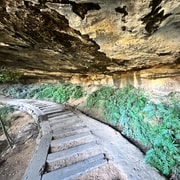
The Great Ocean Road is not just about cliffs and beaches. The Otways add a completely different mood with cool rainforest, fern gullies and sheltered walking tracks. A short stop in the forest is one of the best ways to make the trip feel more varied and complete.
6. Walk Through Rainforest at Maits Rest
If you want one accessible rainforest experience, Maits Rest is a strong choice. It offers a short walk through ancient cool-temperate forest and feels like a refreshing contrast to the exposed coastline.
7. See the Twelve Apostles
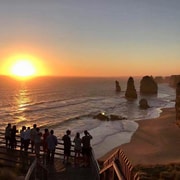
This is the landmark most visitors build the journey around. The Twelve Apostles are the defining image of the Great Ocean Road: sea, wind, cliffs and limestone stacks rising out of the Southern Ocean. Even if you have seen hundreds of photos, the real setting still feels bigger and more dramatic in person.
8. Visit Loch Ard Gorge
Loch Ard Gorge is one of the best stops on the western section of the route. It is more intimate than the Twelve Apostles and gives the coastline a different character, with beach access, steep enclosing cliffs and a strong sense of history and atmosphere.
9. Continue to Port Campbell
Port Campbell is a smart place to end the day, especially if you want to stay overnight. It keeps you close to the major limestone attractions and makes sunrise or sunset viewing much easier to plan.
Suggested One-Day Trip from Melbourne
Leave Melbourne early
Reach Torquay and begin the coastal drive
Stop at Bells Beach or an early lookout
Pause in Lorne for coffee or brunch
Continue through Apollo Bay
Add a short Otways stop if time allows
Finish at the Twelve Apostles and Loch Ard Gorge
Return inland if you are doing it as a long day trip, or stay overnight in Port Campbell
How Long Should You Allow?
1 day: possible from Melbourne, but long and best for highlights only
2 days: much better for enjoying the coast without rushing
3 days or more: ideal if you want towns, walks, lookouts, beaches and the Shipwreck Coast at a more rewarding pace
What to Wear and Bring
Comfortable walking shoes
A jacket or extra layer, as coastal weather can shift quickly
Sunscreen and sunglasses
Water and snacks for longer stretches between stops
A camera or phone for coastal lookouts and evening light
A small day bag for walks and short stops
Useful Travel Tips
Do not underestimate the distance if you are trying to do it all in one day from Melbourne.
Start early if you want to fit in multiple scenic stops.
Build in short walks, not just lookout stops, to enjoy more of the region’s variety.
Consider sleeping on the road rather than returning to Melbourne the same night.
Check weather and road conditions before setting out, especially in winter or after storms.
Who Will Love This Trip?
First-time visitors to Victoria
Road trip lovers
Photographers and nature travellers
Couples wanting a scenic coastal escape
Families looking for a memorable self-drive adventure from Melbourne
Final Thoughts
The Great Ocean Road remains one of the best journeys you can make from Melbourne because it gives you more than a destination. It gives you a sequence of landscapes and moods: surf coast, holiday towns, rainforest, cliffs, open ocean and finally the monumental drama of the western limestone coast.
If you can, resist the urge to treat it as a checklist drive. Slow down, stop often and let the road unfold properly. That is when the Great Ocean Road feels less like a famous route and more like one of Australia’s truly memorable travel experiences.
Sponsored Popular Items
Quick take: Musement.com offers a worldwide selection of tours and attractions
Great Ocean Road Hidden Coastal Gems Full Day Explorer -Tour Australia This is not just another Great Ocean Road tour. Join me on an exploratory route from Melbourne to the 12 Apostles Discover kangaroo hideaways & panoramic sea views — a unique… Check current availability, inclusions and booking conditions.
Torquay: Surf Experience on the Great Ocean Road United Kingdom Take a surf lesson at Torquay Beach, Victoria’s surf capital! Suit up in warm wetsuits, grab a softboard, and let top instructors get you riding waves on your very first lesson! Check current availability, inclusions and booking conditions.
Phillip Island: Penguins, Wild Coastlines and One of Victoria’s Best Easy Escapes
A classic coastal getaway where little penguins, surf beaches, rugged headlands, family attractions and relaxed seaside towns make it easy to turn a Melbourne day trip into something far more memorable.
Phillip Island is one of those destinations that feels effortlessly appealing. It is close enough to Melbourne to reach without much difficulty, yet once you cross onto the island the mood shifts quickly. The pace softens, the air feels saltier, and the whole place opens into a mix of windswept coastline, wildlife reserves, beaches, boardwalks and small-town holiday charm.
For many visitors, the island is best known for the Penguin Parade, and rightly so. Watching little penguins come ashore at sunset is one of Victoria’s most distinctive wildlife experiences. But Phillip Island is much more than one attraction. It also offers dramatic ocean views, koalas, heritage farmland, surf culture, family-friendly walks, quiet inlets and plenty of ways to fill a day or a long weekend without feeling rushed.
Where Is Phillip Island?
Phillip Island is in Victoria, south-east of Melbourne, and is connected to the mainland by bridge. It is one of the easiest and most popular coastal escapes from the city, making it ideal for day trips, weekend breaks and family holidays.
Why Visit Phillip Island?
It is close to Melbourne, which makes it easy to visit even on a short itinerary.
The wildlife experiences are a major draw, especially the world-famous Penguin Parade and the chance to spot koalas and fur seals.
The scenery is varied, with beaches, wetlands, headlands, boardwalks and rural pockets all within a relatively compact island.
It suits almost every travel style, from families and couples to photographers, road trippers and first-time visitors to Victoria.
How to Get There
By Car from Melbourne
Driving is the easiest and most flexible way to visit Phillip Island. The trip from Melbourne is straightforward, and having your own car makes it much easier to move between Cowes, the Penguin Parade, The Nobbies, surf beaches and other attractions across the island.
By Bus
Public transport is possible, but it is more limited than driving. Bus services connect from Melbourne to the island’s main town, Cowes, which can work for travellers who are planning a slower visit or focusing on one or two key attractions.
Getting Around on the Island
Phillip Island is best explored by car or on an organised tour. Distances are manageable, but attractions are spread out enough that independent public transport between sights can be less convenient, especially if you are timing your day around sunset penguin viewing.
Closest Towns and Useful Bases
Cowes
Cowes is the island’s main town and the most practical base for most visitors. It offers accommodation, cafés, restaurants, shopping and an easy central position for exploring the rest of Phillip Island.
Ventnor
Ventnor sits closer to the Penguin Parade side of the island and can be a good option if you want a quieter coastal base away from the busier town centre atmosphere.
Rhyll
Rhyll is a smaller, calmer area known for wetlands, birdlife and a more peaceful waterside feel. It suits travellers who enjoy nature and a gentler pace.
San Remo
San Remo is on the mainland side of the bridge and is worth knowing if you want a convenient stop before or after the island. It works well for a meal break, overnight stop or scenic pause on the drive.
What to Do on Phillip Island
1. See the Penguin Parade
This is the island’s signature experience. At sunset, little penguins come ashore and make their way across the beach to their burrows. It is one of the most distinctive wildlife attractions in Australia and the kind of experience that feels genuinely special rather than overly staged.
2. Walk the Nobbies Boardwalks
The Nobbies is one of the best places on the island for dramatic coastal scenery. Boardwalks lead you through rugged headland views, ocean lookouts and a landscape that feels windswept, wild and unmistakably southern Victorian.
3. Visit the Koala Conservation Reserve
If you want a second major wildlife stop beyond the penguins, the Koala Conservation Reserve is a strong choice. Elevated boardwalks and natural bushland settings make it easy to see koalas in a calmer, more spacious environment than many standard animal attractions.
4. Spend Time in Cowes
Cowes is worth more than a quick drive through. It is the island’s social centre and a good place to pause for lunch, browse the foreshore, enjoy a coffee or unwind after a day of coastal sightseeing.
5. Explore Churchill Island Heritage Farm
For something slower and more pastoral, Churchill Island offers historic buildings, farming activity, bay views and walking trails. It adds a completely different texture to a Phillip Island trip and works especially well for families or travellers who want a break from the coastal wind.
6. Head to the Beaches
Phillip Island has beaches for very different moods. Some are suited to surf culture and ocean energy, while others are better for gentler seaside downtime. Even if wildlife is your main reason for visiting, the beaches add a big part of the island’s holiday character.
7. Look Out for Fur Seals and Birdlife
The waters and coastline around Phillip Island are rich in marine and bird life. Depending on where you go and how you plan the day, you may spot fur seals, seabirds and migratory birdlife that add even more interest to the island beyond its best-known attractions.
Suggested One-Day Phillip Island Plan
Leave Melbourne in the morning
Arrive on the island and spend some time in Cowes
Visit the Koala Conservation Reserve or Churchill Island
Head to the coast for beach or lookout time
Walk The Nobbies boardwalks in the late afternoon
Finish with the Penguin Parade at sunset
How Long Should You Stay?
Day trip: enough for the key highlights if you plan the timing well
1 night: a much more relaxed way to enjoy the island, especially around the Penguin Parade
2 to 3 nights: ideal if you want beaches, wildlife, walks and slower time in the island towns
What to Wear and Bring
Layers, because coastal weather can change quickly
A windproof jacket for exposed lookouts and evening penguin viewing
Comfortable walking shoes
Sunscreen and sunglasses for daytime exploring
A camera or phone for scenery, though photography is not permitted at the Penguin Parade
Water and snacks if you are building a full day around multiple stops
Useful Travel Tips
Book Penguin Parade tickets ahead, especially in busy periods.
Arrive early for sunset wildlife experiences rather than cutting the timing too fine.
Drive carefully around dawn, dusk and at night, when wildlife is most active.
Do not try to cram in too much. Phillip Island is better enjoyed at a measured pace.
Bring warmer clothing than you think you need if you are staying out for the penguins.
Who Will Love Phillip Island?
Families wanting a classic Victoria day trip or short break
Nature and wildlife lovers
Couples looking for a scenic coastal escape
First-time visitors to Melbourne wanting an easy excursion
Travellers who enjoy a mix of beaches, boardwalks and relaxed seaside towns
Final Thoughts
Phillip Island works so well because it offers more than one reason to visit. Yes, the penguins are extraordinary, but the island also has a broader appeal that keeps the day feeling full and varied. One moment you are on a rugged boardwalk above the sea, the next you are walking through koala habitat or sitting by the water in Cowes with fish and chips.
If you want a Victoria destination that is scenic, accessible and full of natural charm, Phillip Island remains one of the strongest choices near Melbourne. It is easy to reach, easy to enjoy and memorable in a way that feels both iconic and relaxed.
Sponsored Popular Items
Quick take: Musement.com offers a worldwide selection of tours and attractions
Phillip Island and Churchill Island Visit – Guided Local Tour Australia Phillip Island and Churchill Island Visit USD 110 adds structure, local context and purposeful sightseeing to the itinerary. Check current availability, inclusions and booking details before you go.
Churchill Island Ticket in Phillip Island – Attraction Ticket Australia Churchill Island Ticket in Phillip Island provides a structured way to visit a notable attraction or cultural site. Check current availability, inclusions and booking details before you go.
Puffing Billy Railway Melbourne: A Timeless Steam Train Journey Through the Dandenong Ranges
One of Victoria’s most charming day trips, where open-sided heritage carriages, fern-filled forests, timber trestle bridges and old-fashioned station towns create a classic escape from Melbourne.
Puffing Billy Railway is one of those rare attractions that feels nostalgic without being old-fashioned in the wrong way. It is genuinely atmospheric, genuinely scenic and genuinely fun. The moment the steam starts to rise around the locomotive and the whistle cuts through the cool air of the Dandenong Ranges, the whole experience begins to feel less like a simple train ride and more like a journey into another era.
For many visitors, this is one of the best easy day trips from Melbourne. It combines heritage, scenery and family-friendly adventure in a way that is hard to beat. The open-sided carriages, forested curves, famous trestle bridges and storybook stations give the railway real personality, while the surrounding hills, lakes and villages make it easy to turn the outing into a full day rather than just a short ride.
Where Is Puffing Billy Railway?
Puffing Billy Railway is located in the Dandenong Ranges, east of Melbourne. The main departure point for most visitors is Belgrave Station, with other important stops including Menzies Creek, Lakeside in Emerald Lake Park, and Gembrook.
Why Visit Puffing Billy?
It is one of Victoria’s most iconic heritage attractions, with real steam locomotives and beautifully restored historic carriages.
The scenery is part of the magic, with fern gullies, mountain ash forest, rolling hills and classic timber trestle bridges along the route.
It works for all ages, from families with children to couples, interstate visitors and anyone who enjoys nostalgic travel experiences.
It is easy to combine with the wider region, especially Belgrave, Emerald Lake Park and Gembrook.
How to Get There
From Melbourne by Train
One of the easiest ways to reach Puffing Billy is by public transport to Belgrave. This makes it a particularly convenient day trip for visitors staying in Melbourne who do not want to drive.
By Car
Driving is a simple option if you want more flexibility or plan to explore the Dandenong Ranges before or after your train ride. Parking is available near Belgrave and Lakeside, though busy periods can be more crowded, so arriving early is sensible.
Which Departure Point Should You Choose?
Most first-time visitors choose Belgrave to Lakeside, which is the classic trip. If you want a longer outing and more old-country atmosphere, Gembrook is worth considering as part of a full-line journey or an extended day in the hills.
Closest Towns and Useful Bases
Belgrave
Belgrave is the main gateway to Puffing Billy and the most practical place to start. It is especially useful for visitors coming from Melbourne by train.
Emerald
Emerald is closely tied to the Lakeside end of the experience and is a good area to know if you want to spend extra time around Emerald Lake Park.
Gembrook
Gembrook gives the trip a more rural and leisurely feel. It is a lovely small-town stop if you want cafés, a playground and a quieter countryside atmosphere after the train ride.
What to Do on a Puffing Billy Visit
1. Ride the Classic Belgrave to Lakeside Journey
This is the signature experience and the best choice for most visitors. The route carries you through the heart of the Dandenong Ranges and gives you the classic open-carriage, bridge-crossing Puffing Billy feeling that people come for.
2. Spend Time at Emerald Lake Park
Do not treat Lakeside as just a turnaround point. Emerald Lake Park adds real value to the day, with walking trails, lake views, picnic spaces and room to slow down. This is what helps turn the trip from a train ride into a rounded day out.
3. Visit the Lakeside Visitor Centre
The Lakeside Visitor Centre is worth seeing in its own right. It adds a polished, comfortable stop to the heritage experience, with dining, exhibits and an easy place to regroup before or after your journey.
4. Consider a Longer Ride to Gembrook
If you want more time on the train and more of the old railway atmosphere, the Gembrook trips are especially appealing. The scenery gradually shifts, and the destination town gives the day a more complete excursion feel.
5. Enjoy the Famous Open-Sided Carriage Experience
Part of Puffing Billy’s enduring appeal is the sense of freedom on board. The breeze, the rhythm of the train and the close-up views of the forest are what make the experience memorable in a way that modern transport never could.
How Long Do You Need?
Half a day: enough for a straightforward Belgrave to Lakeside return ride
Most of a day: ideal if you want time at Emerald Lake Park and the visitor centre
A full day: best for longer journeys such as Gembrook, or if you want a slower, more relaxed outing in the Dandenong Ranges
Suggested Day Plan
Travel from Melbourne to Belgrave in the morning
Arrive early and check in with time to spare
Ride from Belgrave to Lakeside
Spend time at Emerald Lake Park
Visit the Lakeside Visitor Centre for a meal, coffee or exhibits
Return by train and explore Belgrave or continue driving through the Dandenong Ranges
What to Wear and Bring
Comfortable clothing suitable for outdoor weather
A jacket or extra layer, especially in cooler months
Comfortable shoes for walking around stations and park areas
Sunglasses, as open carriages can be bright
A camera or phone for bridge and forest views
A small bag for essentials only, so boarding is easier
Useful Travel Tips
Book ahead rather than assuming same-day availability.
Arrive early enough for check-in and to settle in before departure.
Be prepared for a little soot, breeze and smoke as part of a real steam railway experience.
If you are starting from Lakeside instead of Belgrave, plan transport carefully because public transport and rideshare options are more limited there.
Allow time off the train as well, because the surrounding region is part of the appeal.
Who Will Love Puffing Billy?
Families wanting a classic Melbourne day trip
Couples looking for a scenic and nostalgic outing
Visitors who enjoy heritage travel and old railways
Photographers chasing forest scenery, steam and timber bridges
Travellers wanting an easy escape from the city without a long drive
Final Thoughts
Puffing Billy Railway endures because it offers something more than transport and more than nostalgia. It gives you movement, scenery, sound and atmosphere all at once. The steam, the timber bridges, the forest air and the rhythm of the carriages create a distinctly Victorian day out that still feels fresh, even if the railway itself has been loved for generations.
If you are planning time in Melbourne and want a trip that is scenic, memorable and suitable for almost any age, Puffing Billy remains one of the strongest choices in the region. It is charming in the best possible way, and it leaves most visitors wishing they had set aside even more time in the hills.
Sponsored Popular Items
Quick take: Musement.com offers a worldwide selection of tours and attractions
Yarra Valley and Dandenong Ranges: Scenic Bus Tour and Lunch Australia Explore scenic Yarra Valley on a day tour escorting you to some of the region's best tourist attractions. Enjoy a sumptuous lunch with a glass of wine, before later indulging in a… Check current availability, inclusions and booking conditions.
Private Tour to Dandenong Ranges & Puffing Billy Steam Train Australia Journey to the Dandenong Ranges with a private local tour guide. Explore the best of this stunning region including a ride on Victoria's oldest train, The Puffing Billy. Check current availability, inclusions and booking conditions.
Melbourne: Dandenong Ranges & Yarra Valley Day Trip Australia Explore the Dandenong Ranges and Yarra Valley on a day trip from Melbourne. Visit Emerald Lake Park, Healesville Sanctuary, and a chocolaterie for a sweet treat. Check current availability, inclusions and booking conditions.
Sydney Opera House: The Iconic Heart of Sydney Harbour
A world-famous masterpiece of architecture where harbour views, performance culture, guided tours and Sydney’s most recognisable skyline come together in one unforgettable destination.
The Sydney Opera House is one of those landmarks that somehow exceeds expectations, even if you have seen it in photographs for years. Its white sail-like forms rise above the harbour with a confidence that feels both elegant and dramatic, and the setting on Bennelong Point gives it a sense of occasion from every angle. Ferries pass in front, the Harbour Bridge frames the skyline nearby, and the whole precinct feels alive from morning through late evening.
What makes the Opera House such a rewarding place to visit is that it is much more than a building to admire from the outside. It is a working cultural centre, a performance venue, a guided tour destination, a dining precinct and one of the best places in Sydney simply to slow down and take in the harbour. Whether you come for a show, a tour, a meal or just a walk around the forecourt, it earns its place on any Sydney itinerary.
Where Is the Sydney Opera House?
The Sydney Opera House stands on Bennelong Point, right on Sydney Harbour and just beyond Circular Quay. Its position places it at the centre of the city’s most famous harbour sights, making it easy to combine with nearby attractions such as the Royal Botanic Garden, The Rocks and harbour ferries.
Why Visit?
It is one of the world’s great architectural landmarks, instantly recognisable and even more impressive in person.
It offers more than photo opportunities, with tours, concerts, theatre, opera, talks and dining all on site.
The location is exceptional, placing you right on Sydney Harbour with superb views in every direction.
It suits almost every kind of traveller, from first-time Sydney visitors to architecture lovers, couples and families.
How to Get There
On Foot from Circular Quay
The easiest and most scenic approach is to walk from Circular Quay. The walk is short, straightforward and one of the classic arrival experiences in Sydney, with the harbour opening up as you get closer.
By Train
Take the train to Circular Quay Station and continue on foot. This is one of the simplest options for visitors staying in the CBD or arriving from other parts of Sydney.
By Ferry
Arriving by ferry is one of the most memorable ways to reach the precinct. Circular Quay is the key ferry hub, and from there the Opera House is just a short walk away.
By Light Rail or Bus
Light rail and bus services also connect easily with Circular Quay, making the Opera House straightforward to include in a day of city sightseeing.
By Car
Driving is possible, but public transport is usually easier because of the central harbourside location. If you do drive, it is worth checking current parking arrangements before you go.
Closest Areas to Stay
Circular Quay
Circular Quay is the most convenient base if you want the Opera House close at hand. It is ideal for harbour views, transport access and easy walking to major landmarks.
The Rocks
The Rocks is a strong choice if you want history, harbour atmosphere and easy access to the Opera House, the Harbour Bridge and Circular Quay.
Sydney CBD
The Sydney CBD works well for visitors who want a broad range of hotels, shopping and transport links while still staying within easy reach of the harbour precinct.
What to Do at the Sydney Opera House
1. Take a Guided Tour
A guided tour is one of the best ways to understand why the building matters. You get more than architecture alone. You also get the story of its design, engineering, performance spaces and cultural significance. For many visitors, this transforms the Opera House from an iconic photo stop into one of Sydney’s most interesting experiences.
2. See a Performance
The Opera House is at its best when it is doing what it was built for. Seeing a concert, opera, theatre production, talk or other live performance here adds depth to the visit and makes the landmark feel fully alive.
3. Walk the Forecourt and Lower Concourse
Even without a ticketed experience, the precinct is worth exploring. Wander around the broad exterior spaces, enjoy the angles of the sails from different viewpoints and take in the harbour activity around you.
4. Enjoy the Harbour Views
The views are part of the attraction. From the Opera House precinct you can take in the Harbour Bridge, ferries, city skyline and changing light across the water. Early morning and late afternoon are especially rewarding.
5. Dine or Have a Drink by the Water
The Opera House is also a strong place to pause for lunch, dinner or a drink with a view. Even a simple stop for coffee can feel elevated here because the setting does so much of the work.
6. Combine It with Nearby Sights
The Opera House fits easily into a wider harbour itinerary. You can pair it with a walk through the Royal Botanic Garden, time in The Rocks, Circular Quay ferry rides or a Harbour Bridge viewpoint for a full Sydney day.
Best Time to Visit
The Sydney Opera House is rewarding at any time of year, but the experience changes with the light. Morning visits feel fresh and open, while sunset and evening bring more atmosphere as the building glows against the harbour. If you want photographs with softer light and fewer crowds, go earlier in the day.
How Long Do You Need?
30 to 60 minutes: enough for an exterior visit and harbour photos
1 to 2 hours: good for a relaxed walk, a drink or meal, and time around the precinct
2 to 3 hours: ideal if you are adding a guided tour
Half a day or more: worthwhile if you are combining it with nearby harbour sights or attending a performance
Suggested Visit Plan
Arrive via Circular Quay
Walk out to the Opera House and take in the harbour views
Explore the exterior and lower concourse
Join a guided tour or browse the Welcome Centre
Stop for a drink, lunch or dinner in the precinct
Continue into the Royal Botanic Garden or The Rocks
What to Wear and Bring
Comfortable walking shoes
A hat and sunscreen for daytime visits
A light layer if you are visiting in the evening or in cooler weather
A camera or phone for harbour photos
Smart-casual clothing if you are attending a performance and want to dress for the occasion
Who Will Love the Sydney Opera House?
First-time visitors to Sydney
Architecture and design enthusiasts
Couples looking for a scenic harbour experience
Cultural travellers interested in performances and tours
Anyone wanting one of Sydney’s most iconic and photogenic locations
Useful Travel Tips
Arrive early if you want cleaner photos and a more relaxed walk around the precinct.
Book tours and performances ahead if there is a specific time or event you want.
Allow extra time if you are combining the Opera House with Circular Quay ferries, The Rocks or the Botanic Garden.
Check current visitor information before you go, especially if you need accessibility services, parking details or specific tour times.
Final Thoughts
The Sydney Opera House is one of the few famous landmarks that feels both monumental and welcoming. It is visually extraordinary, but it is also easy to enjoy in simple ways: walking around the sails, looking out at the harbour, hearing the city and ferries moving around it, and realising how naturally it belongs to Sydney.
If you are visiting the city, this is not just something to photograph from a distance. Step into the precinct, take your time, and let it become part of the day. That is when the Sydney Opera House feels less like a postcard image and more like the living cultural heart of the harbour.
Sponsored Popular Items
Quick take: Musement.com offers a worldwide selection of tours and attractions
Sydney: Great Opera Hits Ticket at the Sydney Opera House Australia Join the stars of Opera Australia at the Sydney Opera House and listen to famous arias performed by some of Australia's finest singers. Check current availability, inclusions and booking conditions.
Sydney: The Original Sydney Opera House Kayak Tour Australia Kayak on Sydney Harbour with Sophie, the first kayak tour operator, the original and the best! Enjoy the closest views of the Opera House and Harbour Bridge with the best equipment, location and photos.
Sydney: Sydney Opera House VIP Backstage Tour and Breakfast Australia Sweep back the curtains and explore behind the scenes on this backstage tour of the Sydney Opera House. Enjoy breakfast and journey through rehearsal spaces that are not open to the public. Check current availability, inclusions and booking conditions.
Blue Mountains National Park: Waterfalls, Lookouts and One of Australia’s Great Escapes
A dramatic World Heritage landscape of sandstone cliffs, deep valleys, eucalyptus forest, famous lookouts and some of the best day walks in New South Wales.
Blue Mountains National Park is one of those rare places that feels iconic before you even arrive. The name alone suggests cliffs, mist, escarpments and distant blue ridgelines, and the reality more than lives up to it. Just west of Sydney, this immense protected landscape delivers grand lookouts, accessible short walks, challenging descents, waterfalls, picnic spots and heritage-rich mountain villages that make the whole region easy to explore.
What makes the Blue Mountains so appealing is their versatility. You can come for a quick lookout stop and leave impressed, or stay for several days and barely scratch the surface. Families can enjoy easy viewpoints and short bushwalks, photographers can chase morning haze and dramatic cliffs, and more active travellers can link together waterfalls, stairs, valleys and longer escarpment tracks into a rewarding hiking itinerary.
Where Is Blue Mountains National Park?
Blue Mountains National Park lies west of Sydney in New South Wales and forms part of the Greater Blue Mountains World Heritage Area. It is a vast landscape of sandstone plateaux, escarpments, deep gorges, waterfalls and eucalypt forest, with popular access points around Katoomba, Wentworth Falls, Leura, Blackheath and Glenbrook.
Why Visit?
It is one of Australia’s most famous natural landscapes, yet it is still easy to reach from Sydney.
The park offers experiences for every pace, from accessible lookouts to longer cliff-edge hikes and steep valley descents.
The scenery is constantly changing, with waterfalls, forest, rocky ledges and wide valley views all within one region.
The surrounding mountain towns add character, making it easy to turn a day trip into a longer, slower escape.
How to Get There
By Train from Sydney
One of the best things about Blue Mountains National Park is that you do not need a car to enjoy it. Regular trains run from Sydney on the Blue Mountains Line, with stations including Wentworth Falls, Leura, Katoomba, Blackheath and Lithgow. For many visitors, Katoomba is the easiest rail base because it gives quick access to some of the best-known lookouts and walking areas.
By Car
Driving is straightforward from Sydney via the M4 and Great Western Highway. This gives you more flexibility if you want to combine several lookouts and walking areas in one day, especially if you plan to move between Katoomba, Wentworth Falls and Blackheath.
Visitor Access
The park itself is always open, but individual tracks, roads and lookouts may close temporarily because of weather, maintenance or fire danger. It is wise to check current alerts before setting out, especially if you are planning walks rather than simple sightseeing stops.
Closest Towns and Best Bases
Katoomba
Katoomba is the heart of the classic Blue Mountains visitor experience. It places you close to Echo Point, the Three Sisters, major valley views and several popular walking tracks. If you are visiting for the first time, this is usually the easiest and most practical base.
Leura
Leura sits close to Katoomba and works well if you want a charming mountain village atmosphere with easy access to walks, cafés and lookouts. It is a particularly pleasant choice for couples and travellers who prefer a slower pace.
Wentworth Falls
Wentworth Falls is ideal if you want quick access to waterfalls, scenic walking tracks and the eastern end of the Grand Cliff Top Walk. It feels a little quieter while still being close to the park’s major highlights.
Blackheath
Blackheath is a strong base for travellers who love big escarpment views and a slightly less crowded feel. It gives easy access to Govetts Leap and other Grose Valley lookouts.
What to Do in Blue Mountains National Park
1. See the Three Sisters at Echo Point
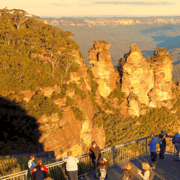
This is the park’s most famous viewpoint for a reason. Echo Point delivers classic views over the Jamison Valley and the Three Sisters rock formation, and it is one of the easiest ways to appreciate the scale of the Blue Mountains even on a short visit.
2. Walk the Three Sisters Track
If you want more than a photo stop, take the short walk from Echo Point. It adds movement and perspective to the visit and makes the landmark feel more immersive than simply viewing it from the railing.
3. Explore Wentworth Falls
Wentworth Falls picnic area is one of the best starting points in the park. From here you can enjoy lookouts, bushwalks and beautiful waterfall scenery. It works well for visitors who want a scenic half-day without committing to a very long hike.
4. Take in the Views from Govetts Leap
Govetts Leap is one of the most rewarding lookouts in the Blue Mountains, with sweeping views over the Grose Valley, cliff walls and waterfalls. It is also a strong option if you want spectacular scenery without a strenuous walk.
5. Hike Part of the Grand Cliff Top Walk
If you want a more immersive experience, the Grand Cliff Top Walk links Wentworth Falls, Leura and Katoomba across 19 kilometres of escarpment country. You do not have to complete the full route to enjoy it. Even a shorter section can give you a wonderful mix of waterfalls, viewpoints and village access.
6. Try an Easy Scenic Walk
The park is not only about steep descents and full-day hikes. There are also access-friendly and easier walking options around some of the major viewpoints, which makes the region appealing for a broad range of travellers.
Suggested One-Day Blue Mountains Plan
Start early in Katoomba
Visit Echo Point and enjoy the Three Sisters views
Take a short walk if conditions suit
Head to Wentworth Falls picnic area for another change of scenery
Stop for lunch in a mountain village
Finish the day with a lookout stop at Govetts Leap in Blackheath
How Long Should You Stay?
Half a day: enough for one or two iconic lookouts
1 full day: good for the major highlights
2 to 3 days: ideal if you want to combine walks, waterfalls, villages and slower sightseeing
Longer: worthwhile for keen hikers and repeat visitors
What to Wear and Bring
Comfortable walking shoes with grip
A jacket or extra layer because mountain weather can shift quickly
Water and snacks for walks
Sunscreen and a hat
A charged phone or camera
A small daypack for longer walks
Useful Practical Tips
Check park alerts before you go, especially for walking tracks.
Start early on weekends and holidays if you want easier parking and quieter lookouts.
Do not assume every walk is easy just because the lookout is accessible. Some tracks are steep and can be challenging.
Mobile reception can be limited in parts of the park, so plan ahead for longer walks.
Pets are not permitted in the national park.
Most of the park has no general entry fee, but an $8 per vehicle per day fee applies at attractions in the Glenbrook area.
Who Will Love This Park?
First-time visitors to New South Wales
Nature lovers and photographers
Walkers wanting everything from short lookouts to longer hikes
Families looking for an easy scenic escape from Sydney
Travellers who enjoy combining wilderness with village cafés and mountain stays
Final Thoughts
Blue Mountains National Park earns its reputation because it offers real variety without losing its sense of scale. It can be dramatic, peaceful, convenient and wild all at once. One moment you are at a busy, famous lookout; the next, you are following a track into forest and waterfall country with nothing but birdsong and cliff walls around you.
If you are planning a New South Wales itinerary, this is one of the easiest and most rewarding nature destinations to add. Give it more than a rushed stop if you can. The longer you stay, the more the Blue Mountains reveal just how much landscape, atmosphere and adventure they hold.
Sponsored Popular Items
Quick take: Musement.com offers a worldwide selection of tours and attractions
From Sydney: Blue Mountains Sightseeing And Sunset Day Tour Australia Discover the Blue Mountains with a private, luxury 9-hour tour. Enjoy stunning landscapes, iconic lookouts, and a magical sunset. Perfect for small groups, traveling in style and comfort.
Blue Mountains: Overcliff-Undercliff Guided Hike Australia Embark on a guided hike of the Overcliff-Undercliff hike in the Blue Mountains. Admire the views of the Jamison Valley, explore the beauty & see waterfalls within a part of the Blue Mountains.
Taronga Zoo Sydney: Harbour Views, Wildlife Encounters and One of Sydney’s Best Family Days Out
A classic Sydney attraction where ferry rides, skyline views and close-up wildlife experiences come together in a spectacular harbourside setting.
Taronga Zoo Sydney is far more than a standard city zoo. Set above Sydney Harbour in Mosman, it combines animal encounters, conservation experiences and some of the most memorable views in the city. One moment you are watching seals dive and play, the next you are looking across the water toward the Harbour Bridge and Opera House. That mix of wildlife and world-famous scenery is what makes Taronga feel so special.
For visitors to Sydney, Taronga is one of the easiest major attractions to enjoy without needing a full-day road trip. It is scenic, practical, family-friendly and surprisingly varied, with Australian animals, big cats, birds, marine life, daily presentations and optional add-ons that can turn a simple visit into a real highlight of the trip.
Where Is Taronga Zoo Sydney?
Taronga Zoo Sydney is located on Bradleys Head Road, Mosman, on the northern side of Sydney Harbour. Its position gives it a dramatic natural backdrop and makes the journey there part of the experience, especially if you arrive by ferry from the city.
Why Visit Taronga Zoo Sydney?
It has one of the best settings of any zoo in Australia, with sweeping harbour views throughout the visit.
It works brilliantly for families, but also appeals to couples, solo travellers and first-time Sydney visitors.
You can easily combine it with other Sydney sightseeing, especially Circular Quay and the harbour ferry network.
It offers more than exhibits, with keeper talks, presentations, animal encounters and extra adventure experiences.
How to Get There
By Ferry
The most iconic way to reach Taronga Zoo is by ferry from Circular Quay. This is also the most enjoyable option for many visitors, because it turns the trip into part of the day out. After arriving at Taronga Zoo Wharf, it is a short walk to the lower entrance, and there is also a free shuttle service linked to ferry arrivals.
By Train and Ferry
If you are coming from elsewhere in Sydney, a simple option is to travel by train to Circular Quay and then continue by ferry to Taronga Zoo.
By Car
Driving is straightforward for visitors staying outside the CBD or travelling with children. Parking is available on site, making Taronga an easy half-day or full-day outing from many parts of Sydney.
By Bus
Public buses also serve the zoo, which can be useful if you are staying on the north side of the harbour or prefer not to use the ferry.
Closest Areas to Stay
Mosman
Mosman is the closest suburb to the zoo and a lovely base if you want harbour scenery, a quieter local atmosphere and easy access to Taronga.
Circular Quay and the Sydney CBD
If you want the easiest all-round tourist base, stay near Circular Quay or in the Sydney CBD. This keeps you close to ferries, major attractions and plenty of accommodation choices, while making Taronga an easy harbour excursion.
North Sydney
North Sydney is another practical option. It gives you convenient access to the city and the northern harbour suburbs, while often feeling a little calmer than the tourist core.
What to Do at Taronga Zoo Sydney
1. See Australian Wildlife
For many visitors, one of the biggest drawcards is the chance to see iconic Australian animals in one place. Taronga is a great stop for travellers who want a strong native wildlife experience without leaving Sydney.
2. Watch the Seals for the Wild Presentation
This is one of the zoo’s best-known live presentations and a favourite with families. It adds energy to the day and gives your visit more shape than simply wandering from habitat to habitat.
3. Catch the Free Flight Birds Presentation
Bird presentations are another signature Taronga experience. They are especially memorable in a harbourside setting, where the backdrop is almost as impressive as the show itself.
4. Plan Around Keeper Talks
If you want a fuller experience, build your visit around the daily keeper talks. They add context, help break up the walking and make the zoo feel more interactive and educational.
5. Book an Animal Encounter
Taronga offers a range of paid encounters that can bring you much closer to the animals than a standard visit. Depending on availability, these experiences can be one of the most memorable parts of the day.
6. Try Wild Ropes
If your group wants something more active, Wild Ropes adds an adventure element to the visit. It is a good option for families with older children or anyone wanting more than a traditional zoo day.
7. Stay Overnight
Taronga is also unusual in offering accommodation experiences. If you want to turn the visit into something more distinctive, an overnight stay can give the zoo a completely different feel.
How Long Do You Need?
You can enjoy the highlights in around three hours, but many visitors will prefer to allow at least a half day so there is time for presentations, animal viewing, breaks and harbour photos without rushing.
Best Way to Plan Your Visit
Arrive early, especially on weekends or school holidays
Check presentation and keeper talk times on arrival
Choose your must-see animals first
Work in a seal or bird presentation
Leave time to enjoy the harbour outlooks rather than treating the zoo as a checklist
What to Wear and Bring
Comfortable walking shoes
A hat, sunglasses and sunscreen
A refillable water bottle
A light layer in cooler months or windy weather
A camera or phone for harbour and wildlife photos
Who Will Love Taronga Zoo Sydney?
Families with children
First-time visitors to Sydney
Travellers who want to see Australian wildlife
Couples looking for a scenic harbour outing
Visitors who enjoy combining nature, views and easy public transport access
Things to Know Before You Go
The zoo is built on a slope, so expect some uphill and downhill walking.
Ferry access is one of the best parts of the experience, so it is worth considering even if you are staying elsewhere.
Presentation times matter if you want to make the most of your ticket.
Some premium encounters and experiences may need to be booked or secured early.
The original Sky Safari cable car is not currently operating.
Final Thoughts
Taronga Zoo Sydney earns its reputation because it delivers more than animals alone. It gives you wildlife, harbour scenery, great city views and an outing that feels unmistakably Sydney from start to finish. It is easy enough for casual visitors, varied enough for families and scenic enough to stay memorable long after the trip ends.
If you are building a Sydney itinerary and want one attraction that combines iconic views with a genuinely enjoyable day out, Taronga Zoo deserves a place near the top of the list.
Sponsored Popular Items
Quick take: Musement.com offers a worldwide selection of tours and attractions
Taronga Zoo Australia Book your Taronga Zoo tickets online. Save time and money with our best price guarantee. Make the most of your visit to Sydney.
Sydney: Whale Watching Cruise and Taronga Zoo Explorer Australia Spot migrating humpback whales on a thrilling 2.5-hour cruise, then discover incredible wildlife and stunning harbour views at Sydney’s famous Taronga Zoo.
Taronga Zoo Sydney Wild Australia Experience Australia Experience the best of Australia's wildlife up close and personal. Get behind-the-scenes access and a personalised Koala Encounter on this unforgettable Taronga Zoo tour with a zoo keeper. Check current availability, inclusions and booking conditions.
Shijiazhuang Polar Ocean World: A Family-Friendly Ocean Escape in Hebei
A practical and entertaining stop in Luquan where aquarium tunnels, marine animal theatres and hands-on family sightseeing come together inside Shijiazhuang Zoo.
Shijiazhuang Polar Ocean World is one of those attractions that works especially well when you want an easy, crowd-pleasing outing rather than a complicated travel day. Set inside Shijiazhuang Zoo in Luquan District, it combines the appeal of an aquarium, an indoor marine attraction and a family sightseeing stop, all within a broader zoo setting. That makes it a particularly convenient choice for travellers with children, multigenerational groups, or anyone looking for a softer pace between larger historical or mountain attractions in Hebei.
What gives this place its appeal is variety. You are not just looking at tanks one after another. The attraction mixes underwater viewing, marine life displays, theatre-style performance spaces and a setting that feels more substantial than a small city aquarium. If you are travelling in or around Shijiazhuang and want something visual, accessible and relatively easy to plan, this is a strong option.
Where Is Shijiazhuang Polar Ocean World?
Shijiazhuang Polar Ocean World is located inside Shijiazhuang Zoo in Luquan District, on the western side of the wider Shijiazhuang urban area. For most visitors, the easiest way to think about it is as a Luquan attraction that is still very much part of a Shijiazhuang trip.
Why Visit?
It is easy to combine with other attractions because it sits within the zoo complex.
It suits families particularly well, with indoor exhibits, animal viewing and a manageable sightseeing format.
It works in mixed weather, which can be useful if you want an option that is less exposed than a purely outdoor attraction.
It offers a different kind of sightseeing in Shijiazhuang, especially if your itinerary already includes temples, mountains or historic districts.
How to Get There
From Central Shijiazhuang
The attraction is most commonly reached from central Shijiazhuang by taxi, ride-hailing car or local bus to Shijiazhuang Zoo. Because the ocean world is inside the zoo complex, visitors should plan their transport around the zoo rather than searching for a separate standalone waterfront-style aquarium district.
By Public Transport
The official zoo transport guide lists several routes serving the zoo, including Tourism Route 6 as well as Tourism Route 12, 320, 305, 309, 316 and 321. This makes it relatively practical for independent visitors staying in Shijiazhuang.
By Car
If you are using a private driver or self-driving, the zoo’s official directions route visitors toward Luquan District and Shandadao. For many travellers, this is the simplest option, especially when visiting with children.
By Air and Rail
The main aviation gateway for the region is Shijiazhuang Zhengding International Airport, while the main long-distance rail gateway is Shijiazhuang Railway Station. Most visitors arrive in the city first, then continue west toward Luquan for the attraction.
Closest Towns and Useful Bases
Luquan District
Luquan is the immediate district for the attraction and the most relevant local area to know. If you are building a western Shijiazhuang sightseeing day, this is the district that anchors it.
Shijiazhuang City Centre
For most travellers, staying in central Shijiazhuang makes the most sense. It gives you the broadest choice of hotels, restaurants and onward transport while keeping the ocean world within easy reach for a half-day or full-day outing.
Zhengding
If you are extending your Hebei itinerary, Zhengding is another useful name to know for its historic sights. It is not the closest base for the ocean world itself, but it pairs well with a broader Shijiazhuang region trip.
What to See Inside
Underwater Tunnel
The underwater tunnel is one of the most visually satisfying parts of the visit. It gives the attraction a classic aquarium feel and is often the area that makes the strongest impression on children and first-time visitors.
Whale and Dolphin Theatre
The complex includes a dedicated whale-dolphin theatre, which adds a performance element to the visit and breaks up the rhythm of standard exhibit viewing.
Sea Lion Theatre
The sea lion theatre is another crowd-friendly highlight and tends to appeal to families wanting a more animated, event-style stop during the visit.
Mermaid Show Area
For visitors who enjoy more theatrical presentation, the mermaid performance area adds a more whimsical side to the attraction.
Coral Hall and Penguin Viewing
The coral display zone and temperate penguin area help round out the experience, giving the attraction more variety than a quick walk-through aquarium.
How Long Do You Need?
If you are visiting only the ocean world, allow roughly 1 to 2 hours at a comfortable pace. If you are combining it with the zoo, the outing can easily become a half-day to full-day excursion.
Tickets and Opening Hours
Current official information lists:
Standard ticket: CNY 80
Concession ticket: CNY 60
Summer opening: 8:30 am to 5:30 pm
Winter opening: 8:30 am to 5:00 pm
As with many attractions, it is sensible to re-check details before visiting, especially around holiday periods or special events.
Who Will Enjoy It Most?
Families with children
Travellers wanting an easy indoor-friendly attraction
Visitors already planning a day at Shijiazhuang Zoo
People looking for a lighter sightseeing option between heritage and mountain attractions
Travel Tips
Visit earlier in the day if you want a calmer pace.
Pair it with the zoo if you want better overall value from the trip west to Luquan.
Wear comfortable shoes, even though much of the attraction is indoors.
Keep some flexibility for show times and family rest breaks.
Follow venue rules carefully, especially around photography, food and animal areas.
What Else Is Nearby?
If you want to build out the day, the wider Shijiazhuang area has other well-known attractions including Baodu Scenic Spot, Longquan Ancient Town, Longxing Temple and the main Shijiazhuang Zoo itself. That makes the polar ocean world a useful anchor for a family-focused or mixed-interest day trip rather than a standalone long-haul destination.
Final Thoughts
Shijiazhuang Polar Ocean World is not the kind of destination you visit for wilderness spectacle or major heritage depth. Its strength is different. It is convenient, family-friendly, visually engaging and easy to fit into a broader city itinerary. For travellers in Shijiazhuang who want an outing that is simple to reach and easy to enjoy, it does exactly what it needs to do.
If your ideal day includes marine exhibits, theatre-style animal attractions and a relaxed pace that works for different ages, this is one of the more practical leisure stops in the Shijiazhuang area.
Hoi An Ancient Town: Vietnam’s Lantern-Lit Heritage Treasure
A timeless riverside town of yellow-walled houses, old merchant lanes, glowing lanterns and easy day trips to beaches, craft villages and ancient ruins.
Hoi An Ancient Town is one of those places that feels instantly memorable. The streets are lined with ochre-coloured buildings, timber-fronted shop houses, temples, old assembly halls and lanterns that add warmth even before sunset. By day, it is charming and walkable. By night, it becomes one of the most atmospheric destinations in Vietnam, with the river reflecting colour and movement from boats, lanterns and bustling streets.
What makes Hoi An especially appealing is that it is not just pretty. It also feels layered and lived in. The town carries the imprint of centuries of trade, cultural exchange and craftsmanship, and that mix is still visible in its architecture, food, markets and everyday rhythm. It is the kind of place where sightseeing, shopping, eating and simply wandering all blend together naturally.
Where Is Hoi An Ancient Town?
Hoi An Ancient Town is in Quang Nam Province in central Vietnam, on the banks of the Thu Bon River. It sits south of Da Nang and is one of the region’s easiest and most rewarding destinations to visit. Its riverside setting and preserved historic core give it a very different feel from the modern beach city atmosphere of Da Nang.
Why Visit Hoi An Ancient Town?
It is one of Vietnam’s most beautiful heritage destinations, with a character that feels romantic, historic and easy to enjoy on foot.
The old town is compact and walkable, making it ideal for relaxed sightseeing without needing a complicated itinerary.
It offers more than old buildings, with river life, tailoring, food, cafés, lanterns and nearby countryside all adding to the experience.
It suits almost every type of traveller, from couples and photographers to families and first-time visitors to Vietnam.
How to Get There
From Da Nang International Airport
The nearest major airport is Da Nang International Airport. From there, Hoi An is usually reached by private transfer, taxi, shuttle or hotel car. For many travellers, flying into Da Nang is the simplest way to start a Hoi An trip.
From Da Nang City
If you are already staying in Da Nang, Hoi An is an easy side trip or onward stop. Many visitors combine a few beach days in Da Nang with a stay in Hoi An for a more atmospheric, slower-paced finish.
Getting Around
Once you arrive, the ancient town is best explored on foot. Walking is part of the appeal here. Bicycles are also popular for reaching nearby villages and the beach, while taxis and ride-hailing services are useful for trips outside the historic centre.
Closest Towns and Nearby Places
Da Nang
Da Nang is the closest major city and the main transport hub for Hoi An. It is the most practical place for flights, rail connections and city-style accommodation, while Hoi An offers a more intimate heritage setting.
An Bang Beach
An Bang Beach is one of the easiest nearby escapes if you want to combine old town sightseeing with sea air and a more laid-back coastal afternoon.
My Son Sanctuary
My Son Sanctuary is a worthwhile side trip for travellers interested in Vietnam’s deeper history and can be paired with a longer Hoi An stay.
What to Do in Hoi An Ancient Town
1. Wander the Old Streets
The best way to experience Hoi An is simply to walk. Let yourself drift through the narrow streets, pause at old façades, look into courtyards and notice how the town changes from morning calm to evening glow. Hoi An rewards curiosity more than speed.
2. See the Japanese Covered Bridge
This is one of Hoi An’s most recognisable landmarks and a must for first-time visitors. It adds a strong sense of identity to the town and is one of the sights that most clearly reflects Hoi An’s long history of cultural exchange.
3. Visit Historic Houses and Assembly Halls
Hoi An’s appeal is not limited to the streetscape. Step inside preserved merchant houses, temples and assembly halls to appreciate the details that make the town feel so layered. These interiors often reveal the craftsmanship, decorative styles and cross-cultural influences that shaped the port over centuries.
4. Enjoy the Riverside at Night
Evenings are when Hoi An becomes truly magical. Lanterns glow above the lanes, the river reflects colour and movement, and the whole town takes on a softer, more theatrical mood. A slow stroll by the water is one of the simplest and best experiences in town.
5. Shop for Tailoring, Lanterns and Local Crafts
Hoi An is famous for shopping with character. Whether you are browsing custom clothing, lanterns, leather goods or handmade souvenirs, the town feels more personal than a generic retail stop. Even window-shopping is enjoyable here.
6. Eat Your Way Through Town
Hoi An is also a food destination. Small eateries, market stops and riverside restaurants make it easy to turn a day of sightseeing into a memorable culinary experience. This is a town where lunch, coffee breaks and dinner can be highlights in their own right.
Best Time to Visit
Hoi An can be visited year-round, but many travellers find March to May especially pleasant for sightseeing. These months often bring warm weather that suits walking and exploring. The wetter period from October to January can still be atmospheric, though rain and storms are more likely.
How Long Should You Stay?
Half a day: enough for a quick look, but too short to appreciate the town properly.
1 full day: good for the major highlights and an evening stroll.
2 to 3 days: ideal for enjoying the old town, nearby beach, countryside and food scene without rushing.
Suggested One-Day Hoi An Plan
Start with a morning walk through the quieter old streets
Visit key heritage sights such as the Japanese Covered Bridge and historic houses
Stop for a relaxed lunch with local dishes
Spend the afternoon browsing shops or cycling beyond the centre
Return before sunset for riverside views
Stay into the evening when the lanterns transform the town
What to Wear and Bring
Light, breathable clothing for warm weather
Comfortable walking shoes or sandals
A hat and sunscreen for daytime exploring
A small crossbody bag or day bag
A camera or phone for evening photos
A light layer if you prefer extra cover when visiting heritage or religious sites
Who Will Love Hoi An?
Couples looking for atmosphere and romance
Photographers chasing texture, colour and night scenes
Food lovers interested in local specialties
Travellers who enjoy walking and discovering places slowly
Visitors wanting a gentler, more character-filled stop in central Vietnam
Travel Tips
Stay overnight if you can, because Hoi An feels very different by day and by night.
Get up early for a quieter look at the old streets before crowds build.
Keep your plans flexible so you can enjoy cafés, shops and riverside pauses rather than rushing through a checklist.
If you have extra time, combine Hoi An with Da Nang, An Bang Beach or My Son Sanctuary for a fuller regional itinerary.
Final Thoughts
Hoi An Ancient Town is not just a place to tick off for its UNESCO label. It is somewhere to linger. The beauty of Hoi An lies in the details: old shutters, lantern light, river reflections, worn stone, timber beams, market smells and the easy pleasure of wandering without urgency.
If you are planning a trip through central Vietnam, Hoi An earns more than a quick stop. Give it time, stay into the evening, and let the town reveal itself slowly. That is when it becomes unforgettable.
Sponsored Popular Items
Quick take: Musement.com offers a worldwide selection of tours and attractions
Hoi An Ancient Town, Lantern Boat Ride & Memories Show Vietnam Discover Hoi An at its most magical: explore its UNESCO-listed Ancient Town, cruise the Hoai River, release a glowing lantern, and end your evening with the spectacular Hoi An Memories Show
Half-Day Hoi an Ancient Town Guided Walking Tour - Guided Sightseeing Tour Vietnam Half-day Hoi An ancient town guided walking tour is a convenient way to add structure, local context and purposeful sightseeing to the itinerary. Check current availability, inclusions and booking details before you go.
Avatar Hallelujah Mountains: How to Visit Zhangjiajie’s Real-Life Floating Peaks
Misty stone pillars, cliff-edge viewpoints and one of China’s most cinematic landscapes
If there is one place in China that feels as though it belongs in a fantasy film, it is the landscape around the Avatar Hallelujah Mountains in Zhangjiajie. Rising dramatically from deep forested valleys, these slender sandstone pillars appear to hover in the clouds after rain, creating the dreamlike scenery that has made this part of Hunan famous around the world.
The best-known peak is Avatar Hallelujah Mountain, a towering pillar in the Yuanjiajie Scenic Area, but the real magic is the wider panorama around it. You do not come here for a single lookout alone. You come for a whole world of soaring rock spires, natural stone bridges, forest trails, cliffside lifts and viewpoints that seem built for sunrise, mist and unforgettable photographs.
Where Are the Avatar Hallelujah Mountains?
The Avatar Hallelujah Mountains are in Yuanjiajie Scenic Area, inside Zhangjiajie National Forest Park in Wulingyuan District, Zhangjiajie, Hunan Province, China. This is part of the larger Wulingyuan scenic region, one of China’s most spectacular natural landscapes.
Although many travellers casually refer to the whole area as the “Avatar Mountains”, the landmark most people mean is the famous pillar now known as Avatar Hallelujah Mountain. Around it, you will find hundreds of other stone peaks, deep ravines, forested slopes and cloud-wrapped viewpoints that make the entire area feel surreal.
Why Visit?
See a world-famous landscape in real life: the scenery is every bit as dramatic as the photos suggest.
Experience one of China’s most iconic national parks: this is a destination that feels different from anywhere else.
Combine easy access with big scenery: you can reach major viewpoints without committing to a strenuous multi-day trek.
Enjoy a mix of sightseeing and walking: cable cars, shuttle buses and the Bailong Elevator make the area accessible for many travellers.
Photograph mist, forest and stone spires: conditions can change by the hour, which keeps the landscape visually dramatic all day.
How to Get There
By Air
The nearest airport is Zhangjiajie Hehua International Airport. From there, most travellers continue by road to either Wulingyuan or Zhangjiajie City, depending on where they are staying.
By Train
Many visitors also arrive via Zhangjiajie West Railway Station, the main high-speed rail gateway for the region. From the station, continue by taxi, private transfer or local transport toward Wulingyuan or the national park entrances.
By Road
If you are already in Zhangjiajie, the simplest way to reach the park is by taxi, private driver or bus to the Wulingyuan side of the scenic area. For many independent travellers, this is the easiest base and entry point for visiting Yuanjiajie and the Avatar Hallelujah Mountain area.
Closest Towns and Best Places to Stay
Wulingyuan
Wulingyuan is the closest and most practical base for visiting the Avatar Hallelujah Mountains. Staying here cuts down travel time in the morning and makes it easier to get an early start before the biggest crowds arrive. It is also convenient for park entrances, restaurants and evening walks after a full day sightseeing.
Zhangjiajie City
Zhangjiajie City is the main transport hub of the region and is a good choice if you are also planning to visit Tianmen Mountain. It is less convenient than Wulingyuan for early entry into the forest park, but it works well if you want a split stay and plan to see multiple scenic areas.
Best Stay Strategy
If your main goal is the Avatar Hallelujah Mountains, stay in Wulingyuan. If you are building a broader Zhangjiajie itinerary, split your stay between Wulingyuan and Zhangjiajie City.
What to Do at the Avatar Hallelujah Mountains
1. See Avatar Hallelujah Mountain in Yuanjiajie
This is the signature experience. Stand at one of the main viewing platforms in Yuanjiajie and look out over a forest of vertical peaks rising from the valley below. In clear weather the rock pillars look immense and sculptural. In mist, they seem to float.
2. Ride the Bailong Elevator
One of the most memorable ways to enter Yuanjiajie is via the Bailong Elevator, a glass lift built against the cliff face. It turns the journey up the mountain into part of the attraction and saves time compared with a long uphill hike.
3. Walk to First Bridge Under Heaven
This naturally formed stone bridge is one of the area’s most striking geological features. Even if you are not usually interested in rock formations, this one stands out for its scale, setting and sense of drama.
4. Stop at Enchanting Terrace
Enchanting Terrace is one of the best places to pause, slow down and take in the layered stone peaks. It is especially rewarding when cloud or mist lingers around the mountains.
5. Explore More of Zhangjiajie National Forest Park
Do not limit yourself to one viewpoint if you have the time. The wider park includes other memorable areas such as:
Tianzi Mountain for wide panoramas and classic sea-of-peaks views
Golden Whip Stream for a calmer valley walk beneath towering cliffs
Yangjiajie for more rugged scenery and a slightly wilder feel
Huangshizhai for more big-picture views across the forest park
Best Time to Visit
The Avatar Hallelujah Mountains can be visited year-round, but the most comfortable seasons are usually spring and autumn. Spring brings fresh greenery, flowers and soft mist, while autumn often offers crisp air, clearer views and rich seasonal colour.
Summer is lush and vibrant, though it can be humid and busy. Winter can be quieter and atmospheric, especially when the peaks are touched by frost or snow, but conditions may be colder and visibility more changeable.
How Much Time Do You Need?
If you are focused only on the main Avatar viewpoints, you can experience the highlights of Yuanjiajie in half a day to a full day. That said, the surrounding national park deserves more than a rushed stop.
For most travellers, the sweet spot is:
1 day for Yuanjiajie and nearby highlights
2 days for a more rewarding forest park visit
3 days or more if you also want Tianmen Mountain or the Grand Canyon area
Suggested One-Day Route
Start early from Wulingyuan
Enter via the East Gate
Take transport toward the Bailong Elevator
Explore Yuanjiajie and see Avatar Hallelujah Mountain
Walk to First Bridge Under Heaven
Pause at Enchanting Terrace
Continue to Tianzi Mountain if you still have time and energy
Return to Wulingyuan for dinner
Practical Travel Tips
Start early: the most famous viewpoints get busy.
Wear proper walking shoes: even with lifts and shuttle buses, you will still do a fair amount of walking.
Bring water and snacks: a long sightseeing day is more enjoyable if you are prepared.
Pack for changing weather: mist, drizzle and cooler temperatures can appear quickly at higher viewpoints.
Allow flexibility for photos: the scenery can look completely different in sun, fog and low cloud.
Respect wildlife: if you encounter monkeys, keep your distance and do not feed them.
Check current ticketing and entry rules before you go: transport options and access arrangements can change.
Who Will Love This Destination?
The Avatar Hallelujah Mountains are ideal for travellers who love dramatic natural scenery, photography, unusual geology and places that feel genuinely different from the standard city-and-temple circuit. They also work well for visitors who want big rewards without needing a hardcore hiking expedition.
This is a particularly strong choice for:
nature lovers
photographers
couples
China first-timers wanting an iconic landscape
travellers building a wider Hunan itinerary
Final Thoughts
The Avatar Hallelujah Mountains are more than a movie comparison. Yes, the landscape feels cinematic, but what makes it special is the scale, the atmosphere and the way the scenery changes from hour to hour. One moment the cliffs are sharp and sunlit; the next, the whole valley disappears into cloud and the peaks seem to hover in empty air.
If you are planning a trip to Zhangjiajie, make Yuanjiajie and the Avatar Hallelujah Mountain area a priority. Stay nearby in Wulingyuan, start early, give yourself time to wander, and let the landscape do what it does best: surprise you.
Sponsored Popular Items
Quick take: Musement.com offers a worldwide selection of tours and attractions
The Colosseum is one of those landmarks that never really needs selling, but choosing how to visit it matters more than many travelers expect.
Quick answer
The best way to visit the Colosseum depends less on the monument itself and more on how much context you want. If you want the strongest overall first-time experience, a guided Colosseum tour that also includes the Roman Forum and Palatine Hill is usually the smartest choice. If you mainly want lower cost and flexibility, timed entry with an audio guide can still work well. Arena floor access is usually the best-value upgrade if you want something extra without paying for the most specialized tours.
The Colosseum is so famous that many travelers assume any ticket will do. That is where people often get it wrong. The monument itself is extraordinary, but the visit can feel surprisingly thin if you go in without enough context or if you choose a format that does not match your style of travel.
That is why the current tour market around the Colosseum looks the way it does. Most visitors are not just booking the amphitheater. They are booking Ancient Rome as a package: Colosseum, Roman Forum and Palatine Hill together. In practical terms, that usually makes sense.
Why the Colosseum Still Matters
The Colosseum is not just Rome’s most recognizable ruin. It is one of the clearest symbols of imperial Rome’s scale, ambition and appetite for spectacle. Even after nearly two thousand years, it still feels built to overwhelm.
That is part of the challenge too. The building is so visually powerful that visitors can mistake awe for understanding. A good tour or a good route helps turn the monument from a photo stop into a real historical experience.
What the Viator Colosseum Page Is Really Showing
The attraction page is not presenting one standard way to visit. It is effectively showing four main strategies. First, the classic guided tour that combines the Colosseum, Roman Forum and Palatine Hill. Second, tours that add arena floor access. Third, premium tours that reach restricted areas such as the underground. Fourth, simpler admission-and-audio-guide options for travelers who want more freedom and less structure.
That matters because it immediately tells you something useful: most travelers and operators agree that the Colosseum works best as part of a wider Ancient Rome visit rather than as a completely isolated monument stop.
The Best First-Time Option
For most first-time visitors, the best overall choice is a guided tour that includes the Colosseum, Roman Forum and Palatine Hill. The reason is simple. The amphitheater is more meaningful once you understand how it related to the wider political and ceremonial landscape of ancient Rome.
Without that connection, the Colosseum can feel like an astonishing shell. With it, the place starts to make sense as part of a larger world of emperors, public rituals, urban planning and Roman power.
When Arena Floor Access Is Worth It
Arena floor access is one of the most common upgrades on the current attraction page, and it is usually the one that makes the most practical sense. It changes your perspective, gives you a more dramatic viewpoint into the amphitheater, and feels noticeably different from a standard visit.
That is why it often lands in the sweet spot. It gives you something special without automatically pushing you into the most expensive or most time-intensive product category.
When Underground Access Makes Sense
Underground tours are better for travelers who are genuinely interested in the mechanics of the Colosseum rather than simply in the idea of special access. The underground is where the building starts to feel like a machine: staging, movement, preparation and controlled spectacle rather than just seating and stone.
It is a stronger choice for repeat visitors, history-focused travelers or anyone who already knows they want the deeper version of the experience. It is not always the necessary upgrade for a casual first visit.
When an Audio Guide Is Enough
An audio guide option can still be a very good choice if you prefer independence. Some travelers simply do better when they can pause, move at their own pace and skip the group-tour rhythm. That is especially true if you dislike large groups or want a more flexible schedule.
The trade-off is that the Roman Forum and Palatine Hill can feel more confusing without a live guide. The Colosseum is visually direct. The Forum, especially, is less forgiving. So the audio-guide route works best for travelers who are comfortable doing a little more interpretive work on their own.
Why the Roman Forum and Palatine Hill Matter So Much
The Roman Forum and Palatine Hill are not filler. They are what stop the Colosseum from becoming a one-note visit. The Forum gives you the political and civic heart of ancient Rome, while the Palatine adds imperial scale, mythic origins and one of the most important topographical viewpoints in the city.
That is one reason the combined visits dominate the current booking page. The three sites belong together more naturally than many travelers first realize.
How Long to Allow
A standard combined visit usually makes the most sense when you allow a solid half day. If you choose a guided tour, around two and a half to three hours is common for a structured version. If you go more independently, it is easy to spend longer, especially once the Palatine and Forum are included.
This is not the kind of attraction that rewards rushing. Ancient Rome works better when you give it room.
Who Should Book Which Type
Choose a Standard Guided Tour If:
It is your first time in Rome
You want the clearest historical framework
You do not want to navigate the Roman Forum alone
You like structured sightseeing
Choose Arena Floor Access If:
You want the best-value upgrade
You care about viewpoint and atmosphere
You want something more memorable than standard entry
Choose Underground Access If:
You are especially interested in Roman engineering or gladiatorial logistics
You have already done a more basic Colosseum visit before
You do not mind paying more for a narrower but deeper experience
Choose Audio Guide / Admission If:
You prefer flexibility over group structure
You are on a tighter budget
You are comfortable exploring archaeological sites more independently
What to Expect on the Day
Expect security checks, timed entry structure, and a lot of foot traffic. Even when the booking process is smooth, this is still one of Rome’s most heavily visited monuments. That means the best Colosseum visit is rarely the one with the lowest theoretical price. It is the one that reduces friction and matches your pace.
It is also worth remembering that the Colosseum visit is more physically demanding than some people expect once the Forum and Palatine are added. Comfortable shoes matter here.
How to Keep It Real
The Colosseum is worth seeing, but it is also one of the easiest places in Rome to over-romanticize. The best visits balance spectacle with honesty. The building is astonishing, but it is also crowded, formalized and highly managed as a modern attraction. That does not reduce its power. It just means the right booking choice can make a major difference.
That is the real takeaway from the current attraction page. The question is not whether the Colosseum is worth it. The question is how to visit it in a way that feels worth it to you.
Nearby Sights That Actually Belong in the Same Visit
Roman Forum
Palatine Hill
Arch of Constantine
Via Sacra
San Pietro in Vincoli if you want to continue the ancient-Rome thread afterward
Bottom line:
If you want the safest, smartest first-time choice, book a guided Colosseum tour that also includes the Roman Forum and Palatine Hill. If you want one worthwhile upgrade, make it the arena floor. If you want flexibility and lower cost, timed entry with an audio guide can still be a very good visit. The only weak option is treating the Colosseum as if any ticket format will feel the same.
Ready to compare live tour formats? The Viator Colosseum page is useful because it shows the current mix of standard guided visits, arena floor upgrades, underground tours and audio-guide entry options in one place.
Is it better to visit the Colosseum on its own or with the Roman Forum and Palatine Hill?
For most people, it is better to do the combined visit. That is how the current market is structured, and it usually gives Ancient Rome much more context.
Is arena floor access worth paying extra for?
Usually yes. It is often the most balanced upgrade because it changes your perspective without demanding the premium pricing of the most specialized tours.
Is underground access necessary on a first visit?
No. It can be excellent, but it is more of a deeper-interest upgrade than a universal must-do.
Are guided tours better than audio guides?
For first-time visitors, usually yes. For independent travelers who like flexibility, an audio guide can still work very well.
How long should I allow for the Colosseum area?
A half day is the more realistic approach if you are including the Roman Forum and Palatine Hill rather than rushing through only the amphitheater.
What is the biggest mistake people make when booking the Colosseum?
Assuming the cheapest or simplest ticket will automatically deliver the best experience. At the Colosseum, format matters almost as much as admission itself.
The article above is grounded in the live Viator attraction page plus official Colosseum and UNESCO sources confirming the page’s current tour mix and the monument’s historical context.
Sponsored Popular Items
Quick take: Musement.com offers a worldwide selection of tours and attractions
Colosseum Italy Book your Colosseum tickets online. Save time and money with our best price guarantee. Make the most of your visit to Rome. Check current availability, inclusions and booking conditions.
Colosseum Arena Floor, Roman Forum & Palatine Hill Guided Tour Italy Arena floor access changes the Colosseum visit from a standard monument stop into something more immediate, giving you the amphitheater from one of its most dramatic viewpoints. Check current availability, inclusions and booking details before you go.