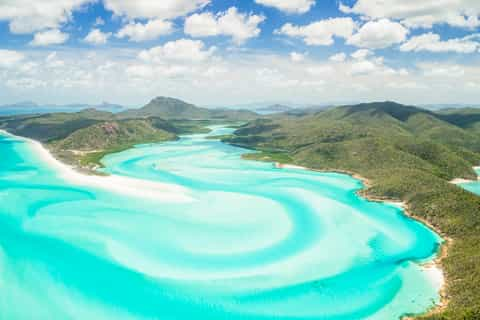
The Gold Coast is one of Australia’s most famous holiday destinations, known for its long sandy beaches, surf culture, high-rise skyline, theme parks, waterways, rainforest hinterland and relaxed outdoor lifestyle. For first-time visitors, it offers the perfect mix of classic beach holiday, family fun, nature escapes, shopping, dining and easy day trips.
Whether you are visiting for a weekend, a week-long holiday or part of a bigger Queensland road trip, the Gold Coast is easy to enjoy. You can start the day with a sunrise beach walk, spend the afternoon at a theme park or rainforest lookout, then finish with dinner in Broadbeach, Burleigh or Surfers Paradise.
This guide covers the best things to do on the Gold Coast for first-time visitors, including beaches, attractions, wildlife, hinterland escapes, food spots, shopping areas and practical travel tips.
Why Visit the Gold Coast?
The Gold Coast is ideal for first-time visitors because it offers so many different holiday styles in one destination. Beach lovers can swim, surf, walk and relax along the coast. Families can visit world-class theme parks and wildlife attractions. Couples can enjoy rooftop bars, beachside dining and hinterland drives. Nature lovers can explore waterfalls, rainforest, creeks, headlands and national parks.
It is also a very practical destination. The region has a wide range of accommodation, good public transport along the coastal strip, plenty of tours and easy access to Brisbane, Byron Bay, Tamborine Mountain and the Scenic Rim.
Best Things to Do on the Gold Coast for First-Time Visitors
1. Start at Surfers Paradise Beach
Surfers Paradise is the classic Gold Coast starting point. It has the famous skyline, a long stretch of sand, beachside walking paths, restaurants, shops, nightlife and easy access to many hotels and apartments.
For first-time visitors, a walk along Surfers Paradise Beach is a must. Go early in the morning for a quieter experience, or visit in the evening when the beachfront comes alive. It is also a handy base if you want to be close to transport, tours, restaurants and nightlife.
Best for: first-time visitors, nightlife, beach walks, families, couples and easy access to attractions.
Top things to do: Walk the beachfront, swim between the flags, visit Cavill Avenue, browse beachside markets and enjoy casual dining.
Travel tip: Surfers Paradise is lively and convenient, but if you prefer a quieter stay, consider Broadbeach, Burleigh Heads or Coolangatta.
2. Take in the View from SkyPoint Observation Deck
SkyPoint Observation Deck, located in the Q1 building at Surfers Paradise, is one of the best ways to understand the scale of the Gold Coast. From above, you can see the beaches, canals, city skyline, hinterland and coastline stretching into the distance.
It is especially good for first-time visitors because it helps you get your bearings. Visit during the day for clear coastal views, or time your visit around sunset for a more atmospheric experience.
Best for: views, couples, photographers, first-time visitors and rainy-day sightseeing.
Top things to do: Enjoy the observation deck, take skyline photos and consider the SkyPoint Climb if you want a more adventurous experience.
Travel tip: Sunset is popular, so arrive early if you want a good viewing spot.
3. Explore Broadbeach
Broadbeach is one of the best areas on the Gold Coast for dining, shopping and a slightly more relaxed atmosphere than Surfers Paradise. It has a beautiful beach, parks, restaurants, cafes, bars, The Star Gold Coast, the Gold Coast Convention and Exhibition Centre and Pacific Fair Shopping Centre nearby.
For first-time visitors, Broadbeach is a great place to stay if you want beach access, good restaurants and easy public transport without being right in the busiest part of Surfers Paradise.
Best for: food lovers, couples, families, shopping, beach stays and a central location.
Top things to do: Swim at Broadbeach, dine around Oracle Boulevard, visit Pacific Fair, walk to Kurrawa Beach and enjoy evening drinks or dinner.
Travel tip: Broadbeach is well connected by the G:link light rail, making it easy to travel to Surfers Paradise and Southport.
4. Spend Time at Burleigh Heads
Burleigh Heads is one of the Gold Coast’s most loved coastal areas. It combines a beautiful beach, surf culture, Burleigh Hill, ocean views, cafes, restaurants, boutiques and Burleigh Head National Park.
First-time visitors should allow at least half a day here. Walk through the national park, swim at the beach, have lunch in James Street and finish with sunset from Burleigh Hill if the weather is good.
Best for: beach lovers, food lovers, sunset views, walking, couples and relaxed coastal atmosphere.
Top things to do: Walk Burleigh Head National Park, swim at Burleigh Beach, picnic on Burleigh Hill and explore James Street’s cafes and shops.
Travel tip: Parking can be difficult on weekends, so arrive early or use public transport where possible.
5. Swim or Paddle at Tallebudgera Creek
Tallebudgera Creek is one of the best calm-water swimming spots on the Gold Coast. Its clear, protected water makes it a favourite with families, paddleboarders, kayakers and travellers who want a gentler alternative to the surf beaches.
The creek sits near Burleigh Head National Park, so it is easy to combine a walk, swim and picnic in one outing. It is especially good for first-time visitors who want a scenic place to relax without needing a full-day tour.
Best for: families, calm swimming, paddleboarding, picnics and relaxed nature time.
Top things to do: Swim, paddleboard, kayak, picnic by the water and walk nearby coastal tracks.
Travel tip: Visit early in the day during school holidays, as this area is very popular with locals.
6. Visit Currumbin Wildlife Sanctuary
Currumbin Wildlife Sanctuary is one of the Gold Coast’s best attractions for first-time visitors who want to see Australian wildlife. It is especially popular with families, international visitors and animal lovers.
The sanctuary offers opportunities to see native animals, learn about wildlife conservation and experience one of the region’s most established visitor attractions. It is also close to Currumbin Beach and Currumbin Creek, so you can combine wildlife and beach time in the same day.
Best for: families, wildlife lovers, international visitors and educational experiences.
Top things to do: See native animals, attend keeper talks, explore wildlife habitats and combine the visit with Currumbin Beach.
Travel tip: Wear comfortable shoes and allow several hours rather than trying to rush through.
7. Enjoy the Southern Gold Coast: Currumbin, Kirra and Coolangatta
The southern end of the Gold Coast has a more relaxed beach-town feel than the high-rise centre. Currumbin, Palm Beach, Kirra and Coolangatta are ideal for visitors who want surf beaches, local cafes, coastal walks and a slower pace.
Kirra is famous for its surf culture, while Coolangatta has beautiful beaches, easy walks and views towards Snapper Rocks and Rainbow Bay. This part of the coast is also close to Gold Coast Airport, making it a practical first or last stop.
Best for: surfers, beach lovers, couples, relaxed stays and return visitors wanting a quieter base.
Top things to do: Walk from Coolangatta to Snapper Rocks, swim at Rainbow Bay, explore Kirra Beach and enjoy cafes along the southern coast.
Travel tip: Stay in Coolangatta or Kirra if you want a more local beach holiday and less nightlife.
8. Spend a Day at the Theme Parks
The Gold Coast is Australia’s theme park capital, making it a favourite destination for families and thrill-seekers. Popular parks include Warner Bros. Movie World, Sea World, Wet’n’Wild and Dreamworld.
Each park has a different style. Movie World is known for rides and entertainment, Sea World combines marine attractions and family rides, Wet’n’Wild is a water park, and Dreamworld offers thrill rides, family zones and wildlife experiences.
Best for: families, teenagers, thrill-seekers and first-time Gold Coast holidays.
Top things to do: Choose one or two parks that match your group rather than trying to do everything in one day.
Travel tip: Buy tickets in advance and check ride maintenance schedules before you go.
9. Visit Sea World at Main Beach
Sea World is one of the easiest major theme parks to combine with a central Gold Coast stay because it is located at Main Beach, not far from Surfers Paradise and Southport. It suits families, animal lovers and visitors who prefer a mix of shows, rides, marine life and gentle entertainment.
Main Beach itself is also worth exploring, with The Spit, waterfront dining, marina areas and luxury accommodation nearby.
Best for: families, younger children, marine attractions and visitors staying near Surfers Paradise or Main Beach.
Top things to do: Enjoy rides, shows, marine exhibits and nearby Main Beach dining.
Travel tip: Combine Sea World with a visit to The Spit or Marina Mirage if you want a fuller day.
10. Explore The Spit and Main Beach
The Spit is a scenic area at the northern end of the Gold Coast’s main beach strip. It offers ocean views, walking areas, fishing spots, dog-friendly sections, calm Broadwater access and a more open coastal feel than the busier central beaches.
Main Beach is also home to Tedder Avenue dining, Marina Mirage, luxury hotels and easy access to Sea World. It is a good area for first-time visitors who want beaches and dining without the intensity of Surfers Paradise.
Best for: beach walks, families, couples, photography, dining and a quieter coastal outing.
Top things to do: Walk The Spit, visit Main Beach, dine near Tedder Avenue, explore Marina Mirage and enjoy sunset by the water.
Travel tip: The Spit is particularly good for a relaxed morning walk before the day heats up.
11. Discover HOTA, Home of the Arts
HOTA, Home of the Arts, adds a cultural side to a Gold Coast itinerary. Located in Surfers Paradise, it includes galleries, performances, events, outdoor spaces, cinema, dining and city views.
It is a useful option for visitors who want something beyond beaches and theme parks. It also works well on rainy days or when you want a slower afternoon.
Best for: art lovers, culture, rainy days, couples and relaxed afternoons.
Top things to do: Visit the gallery, check current exhibitions, enjoy the outdoor precinct and have a drink or meal with views.
Travel tip: Check the event calendar before your trip, as HOTA often hosts exhibitions, performances and festivals.
12. Go Shopping at Pacific Fair or Harbour Town
The Gold Coast is a strong shopping destination, whether you want designer labels, major retailers, outlet bargains, surfwear or boutique coastal fashion.
Pacific Fair at Broadbeach is one of Queensland’s major shopping centres, with fashion, dining, entertainment and luxury brands. Harbour Town Premium Outlets is popular with bargain hunters and visitors looking for discounted fashion, sportswear and lifestyle brands.
Best for: shopping, rainy days, families, couples and visitors wanting a break from the beach.
Top things to do: Shop at Pacific Fair, visit Harbour Town, browse local boutiques in Burleigh and explore beachside markets.
Travel tip: Pacific Fair is easier if you are staying in Broadbeach; Harbour Town is best with a car, rideshare or planned transfer.
13. Take a Day Trip to Tamborine Mountain
Tamborine Mountain is one of the best hinterland day trips from the Gold Coast. It offers rainforest walks, lookouts, waterfalls, cafes, galleries, wineries, distilleries, fudge shops and the popular Gallery Walk shopping strip.
This is a great option if you want to swap the beach for cooler mountain air and country-style scenery. It suits couples, families and anyone who enjoys scenic drives and relaxed exploring.
Best for: couples, food lovers, families, scenic drives, rainforest and country atmosphere.
Top things to do: Walk to Curtis Falls, browse Gallery Walk, visit lookouts, enjoy a winery or distillery stop and explore rainforest sections.
Travel tip: Self-driving gives you the most flexibility, but guided tours are useful if you do not want to navigate mountain roads.
14. Explore Springbrook National Park
Springbrook National Park is one of the most beautiful nature escapes near the Gold Coast. It is known for rainforest, waterfalls, lookouts, walking tracks and the famous Natural Bridge section.
For first-time visitors, Springbrook offers a completely different side of the region. After a few days of beaches and urban attractions, the cool rainforest, mountain roads and waterfall views feel like a true escape.
Best for: nature lovers, photographers, walkers, couples and families with older children.
Top things to do: Visit Natural Bridge, stop at lookouts, walk rainforest tracks and enjoy waterfall scenery.
Travel tip: Check Queensland Parks alerts before travelling, as wet weather can affect roads, tracks and access.
15. Try a Surf Lesson
The Gold Coast is strongly connected to surf culture, so a beginner surf lesson is a memorable activity for first-time visitors. Lessons are available at several beaches, with instructors choosing conditions suitable for beginners.
If you are not ready to surf, you can still enjoy watching surfers at Burleigh, Snapper Rocks, Kirra or Currumbin Alley. These areas are also great for coastal photography and beach walks.
Best for: active travellers, teenagers, couples, groups and anyone wanting a classic Gold Coast experience.
Top things to do: Book a beginner lesson, watch local surfers or take a beach walk along famous surf breaks.
Travel tip: Always swim between the red and yellow flags and follow lifeguard advice.
16. Cruise the Gold Coast Waterways
The Gold Coast is not just beaches. Its canals, Broadwater and rivers create a different way to experience the region. Cruises, jet boat rides, kayaking, paddleboarding and boat tours are popular options.
A relaxed waterways cruise is ideal for couples and families who want to see the skyline, waterfront homes and calmer side of the coast. More adventurous visitors may prefer jet boating or guided kayak tours.
Best for: families, couples, skyline views, relaxed sightseeing and water activities.
Top things to do: Take a canal cruise, try kayaking, join a jet boat ride or explore the Broadwater.
Travel tip: Book early in busy holiday periods, especially for sunset cruises and popular tour times.
17. Visit Currumbin or Burleigh Markets
Markets are a great way to experience the local side of the Gold Coast. Depending on timing, you may find beachfront markets, farmers markets, fashion markets, food stalls, handmade goods and live music.
Burleigh and Currumbin are particularly good areas for visitors who enjoy local food, creative stalls and relaxed weekend atmosphere.
Best for: food lovers, shoppers, couples, families and local atmosphere.
Top things to do: Browse stalls, try local food, shop for gifts and combine the market with a beach walk.
Travel tip: Check market days and times before you go, as many operate only on selected weekends or evenings.
18. Enjoy Gold Coast Dining and Rooftop Bars
The Gold Coast has a strong dining scene, with everything from beachside cafes and seafood restaurants to rooftop bars, modern Australian dining, Asian eateries and relaxed surf-club meals.
Broadbeach is excellent for variety, Burleigh is great for stylish coastal dining, Surfers Paradise is convenient for nightlife, and Main Beach offers a more polished dining feel. For casual travellers, a surf club meal with ocean views is a classic Gold Coast experience.
Best for: couples, groups, food lovers, nightlife and relaxed holiday meals.
Top things to do: Dine in Broadbeach, have drinks in Burleigh, enjoy seafood at Main Beach or try a casual surf-club dinner.
Travel tip: Book ahead for popular restaurants, especially Friday and Saturday nights.
19. Watch Sunrise or Sunset
The Gold Coast is beautiful at both ends of the day. Sunrise is best enjoyed from the beach, while sunset is often memorable from Burleigh Hill, SkyPoint, The Spit, a rooftop bar or a hinterland lookout.
For first-time visitors, an early morning beach walk is one of the simplest and most rewarding experiences. The light, ocean air and quieter sand give you a calmer version of the Gold Coast before the day gets busy.
Best for: photographers, couples, walkers, early risers and relaxed travellers.
Top things to do: Watch sunrise from Surfers Paradise, Burleigh, Currumbin or Coolangatta; watch sunset from Burleigh Hill or SkyPoint.
Travel tip: Take a light layer in winter, as early mornings and evenings can feel cooler near the water.
20. Add a Whale-Watching Tour in Season
If you visit during whale-watching season, a whale cruise can be one of the most memorable Gold Coast experiences. Tours typically depart from areas such as Main Beach or the Broadwater and head offshore in search of migrating humpback whales.
Whale watching is seasonal, so it will not suit every itinerary, but it is worth considering if your visit lines up with the migration period.
Best for: wildlife lovers, families, couples and seasonal visitors.
Top things to do: Join a whale-watching cruise, bring binoculars and allow time for possible sea conditions.
Travel tip: Choose a morning tour if you are prone to seasickness, and check cancellation or rescheduling policies.
Best Gold Coast Areas for First-Time Visitors
Surfers Paradise
Choose Surfers Paradise if you want the classic Gold Coast experience, easy transport, nightlife, tours, shopping and a central beachfront location.
Broadbeach
Choose Broadbeach if you want restaurants, shopping, beach access and a slightly more relaxed base while still staying central.
Burleigh Heads
Choose Burleigh Heads if you prefer a local, stylish, beach-town atmosphere with excellent cafes, restaurants and coastal walks.
Main Beach
Choose Main Beach if you want a quieter, more polished area close to Sea World, The Spit, Marina Mirage and waterfront dining.
Coolangatta and Kirra
Choose Coolangatta or Kirra if you want a slower southern Gold Coast stay with surf beaches, coastal walks and easy airport access.
Suggested Gold Coast Itineraries for First-Time Visitors
One-Day Gold Coast Highlights
Morning: Walk along Surfers Paradise Beach and visit SkyPoint Observation Deck.
Midday: Head to Broadbeach for lunch and a beach swim.
Afternoon: Visit Burleigh Heads and walk part of Burleigh Head National Park.
Evening: Watch sunset from Burleigh Hill and have dinner in Burleigh or Broadbeach.
Three-Day Gold Coast First-Timer Itinerary
Day 1: Surfers Paradise, SkyPoint, Broadbeach and beachside dining.
Day 2: Theme park day or Sea World, followed by dinner at Main Beach or Surfers Paradise.
Day 3: Burleigh Heads, Tallebudgera Creek, Currumbin Wildlife Sanctuary and Coolangatta.
Five-Day Gold Coast Itinerary
Day 1: Surfers Paradise, SkyPoint and beach walk.
Day 2: Theme park day at Movie World, Dreamworld, Wet’n’Wild or Sea World.
Day 3: Burleigh Heads, Tallebudgera Creek and southern beaches.
Day 4: Tamborine Mountain or Springbrook National Park day trip.
Day 5: Shopping, HOTA, waterways cruise, markets or a relaxed beach day.
Seven-Day Gold Coast Holiday
Days 1-2: Settle into Surfers Paradise or Broadbeach, visit SkyPoint and enjoy beach time.
Day 3: Theme park day.
Day 4: Burleigh Heads, Tallebudgera Creek and Currumbin.
Day 5: Springbrook National Park or Tamborine Mountain.
Day 6: Southern Gold Coast, Coolangatta, Kirra and Snapper Rocks.
Day 7: Shopping, HOTA, markets, waterfront dining or a final beach morning.
Travel Tips for First-Time Gold Coast Visitors
Stay near the G:link light rail if you do not have a car: Surfers Paradise, Broadbeach and Southport are convenient bases for public transport.
Swim between the flags: Gold Coast beaches can have strong surf and rips, so always follow lifeguard instructions.
Book theme park tickets ahead: Online tickets and multi-park passes may save time and money.
Allow time for traffic: Roads can be busy during school holidays, weekends and major events.
Visit popular beaches early: Burleigh, Tallebudgera and Currumbin can get very busy on warm weekends.
Pack for both beach and hinterland: Bring swimwear, sunscreen, walking shoes, a hat and a light layer for cooler mountain areas.
Check weather before hinterland trips: Rain can affect visibility, waterfalls, roads and walking tracks.
Do not only stay in Surfers Paradise: Make time for Burleigh, Currumbin, Coolangatta, the hinterland and the waterways.
Book restaurants for weekends: Popular places in Broadbeach and Burleigh can fill quickly.
Plan around your travel style: Families may prefer theme parks and wildlife attractions, while couples may prefer Burleigh, Broadbeach, Tamborine Mountain and sunset viewpoints.
Best Things to Do by Travel Style
Best for Families
Visit Sea World, Movie World, Dreamworld or Wet’n’Wild.
Spend a day at Currumbin Wildlife Sanctuary.
Swim at Tallebudgera Creek.
Explore Broadwater Parklands.
Enjoy easy beach time at Broadbeach or Coolangatta.
Best for Couples
Watch sunset from Burleigh Hill.
Have dinner in Broadbeach or Burleigh.
Take a day trip to Tamborine Mountain.
Visit SkyPoint at sunset.
Book a relaxed waterways cruise.
Best for Nature Lovers
Walk Burleigh Head National Park.
Visit Springbrook National Park.
Explore Tamborine Mountain rainforest walks.
Swim or paddle at Currumbin Creek or Tallebudgera Creek.
Walk The Spit and Main Beach coastal areas.
Best for Beach Lovers
Surfers Paradise for the classic Gold Coast scene.
Broadbeach for central beach access and dining.
Burleigh Heads for surf, views and atmosphere.
Currumbin for creek and beach scenery.
Coolangatta and Kirra for a relaxed southern Gold Coast feel.
Best for Rainy Days
Visit Pacific Fair or Harbour Town.
Explore HOTA, Home of the Arts.
Enjoy cafes and restaurants in Broadbeach or Burleigh.
Visit SkyPoint if visibility is still good.
Book a spa, indoor attraction or entertainment venue.
Final Thoughts
The Gold Coast is an easy destination to love on a first visit because it offers much more than one type of holiday. You can enjoy the energy of Surfers Paradise, the dining and convenience of Broadbeach, the coastal beauty of Burleigh Heads, the calm water of Tallebudgera Creek, the wildlife of Currumbin, the fun of the theme parks and the rainforest scenery of Springbrook or Tamborine Mountain.
For the best first-time experience, do not try to rush everything. Choose a base that suits your travel style, spend time at the beach, visit at least one viewpoint, explore one southern coastal area and add either a theme park or hinterland day trip.
Whether you are travelling as a couple, family, solo visitor or group of friends, the Gold Coast offers a sunny, active and memorable introduction to Queensland’s coastal lifestyle.
Frequently Asked Questions
What is the number one thing to do on the Gold Coast for first-time visitors?
For most first-time visitors, the best place to start is Surfers Paradise Beach, followed by SkyPoint Observation Deck for views over the coastline. This gives you the classic Gold Coast experience and helps you understand the layout of the region.
How many days do you need on the Gold Coast?
Three days is enough for a quick first visit covering Surfers Paradise, Broadbeach, Burleigh Heads and one major attraction. Five to seven days is better if you want to include theme parks, Currumbin, Coolangatta, Tamborine Mountain or Springbrook National Park.
Where should first-time visitors stay on the Gold Coast?
Surfers Paradise is best for convenience, nightlife and classic Gold Coast energy. Broadbeach is ideal for dining, shopping and a slightly more relaxed central base. Burleigh Heads suits visitors who prefer a stylish local beach-town feel, while Coolangatta is better for a quieter southern stay.
Is Surfers Paradise worth visiting?
Yes, Surfers Paradise is worth visiting, especially on a first Gold Coast trip. It has the famous beach, skyline, restaurants, shopping, nightlife and attractions. Even if you stay elsewhere, it is worth visiting for a walk, swim or SkyPoint view.
What are the best free things to do on the Gold Coast?
Great free things to do include walking along Surfers Paradise Beach, visiting Burleigh Hill, exploring Burleigh Head National Park, swimming at patrolled beaches, walking The Spit, enjoying Coolangatta’s coastal paths and visiting local markets where entry is free.
Are the Gold Coast theme parks worth it?
Yes, the Gold Coast theme parks are worth it if you enjoy rides, shows, water parks or family attractions. Movie World, Sea World, Wet’n’Wild and Dreamworld each offer a different experience, so choose based on your group’s interests.
What is the best beach on the Gold Coast?
There is no single best beach for everyone. Surfers Paradise is best for the classic holiday scene, Broadbeach is convenient and central, Burleigh Heads has atmosphere and views, Tallebudgera Creek is great for calm swimming, and Coolangatta is ideal for a more relaxed southern beach experience.
Can you visit the Gold Coast without a car?
Yes, you can visit the Gold Coast without a car, especially if you stay near the G:link light rail route in Surfers Paradise, Broadbeach or Southport. However, a car or organised tour is useful for Tamborine Mountain, Springbrook National Park and some theme parks.
What is the best time to visit the Gold Coast?
The Gold Coast is popular year-round. Spring and autumn are especially pleasant, with warm weather and fewer peak-season crowds. Summer is great for beach holidays but can be hot, humid and busy during school holidays. Winter is mild and often suitable for walking, dining and sightseeing.
What should I do on the Gold Coast if it rains?
On rainy days, visit Pacific Fair, Harbour Town, HOTA, indoor entertainment venues, cafes, restaurants or SkyPoint if visibility is good. You can also use the day for shopping, spa treatments or a relaxed long lunch.
Is the Gold Coast good for families?
Yes, the Gold Coast is one of Australia’s best family holiday destinations. Families can enjoy theme parks, patrolled beaches, wildlife attractions, playgrounds, calm-water swimming spots, shopping centres and family-friendly accommodation.
Is the Gold Coast good for couples?
Yes, couples can enjoy beach walks, rooftop bars, sunset views, coastal dining, spa experiences, hinterland day trips, wineries, rainforest walks and relaxed stays in Broadbeach, Burleigh Heads, Main Beach or Coolangatta.
SEO Title
Best Things to Do on the Gold Coast for First-Time Visitors
Meta Description
Discover the best things to do on the Gold Coast for first-time visitors, including Surfers Paradise, SkyPoint, Broadbeach, Burleigh Heads, Currumbin, theme parks, beaches, hinterland day trips and travel tips.
Sponsored Popular Items
Quick take: Musement.com offers a worldwide selection of tours and attractions
Byron Bay, Gold Coast, Brisbane, Noosa Hop-On Hop-Off Pass Australia Hop-on hop-off along Australia’s East Coast! Travel Byron Bay, Brisbane, Gold Coast, Noosa & Rainbow Beach at your pace, with local tips, must-see spots & exclusive discounts.
'Farm to Bottle' Rum Tour & Tastings: The Tweed/Gold Coast Australia Join us at Husk Farm Distillery for an immersive farm-to-glass experience. With a cocktail in one hand and a cane knife in the other, delve into the sustainable farming processes behind Husk Rum.
Australia is famous for its beaches, but some of the country’s most unforgettable coastal experiences are found just offshore. From tropical coral cays and reef-fringed islands to wild sand islands, wildlife sanctuaries, remote Indian Ocean outposts and cool-climate Tasmanian escapes, Australia’s islands offer a remarkable mix of scenery, wildlife and adventure.
Some islands are perfect for a relaxed beach holiday. Others are made for hiking, snorkelling, diving, wildlife encounters, scenic flights, sailing or remote nature experiences. Whether you want luxury, wilderness, family-friendly beaches or a once-in-a-lifetime escape, these are some of Australia’s most beautiful islands to add to your travel list.
Why Visit Australia’s Islands?
Australia’s islands offer a different style of travel from the mainland. Many feel slower, quieter and more connected to nature. You can wake to ocean views, walk to secluded beaches, snorkel over coral, spot native wildlife, explore national parks and enjoy the simple pleasure of being surrounded by water.
The best island for you depends on your travel style. Choose the Whitsundays or Hamilton Island for tropical resort scenery, Lord Howe Island for World Heritage-listed nature, Rottnest Island for beaches and quokkas, Kangaroo Island for wildlife and rugged coastlines, K’gari for 4WD adventure, or Bruny Island for food, wildlife and Tasmanian landscapes.
Australia’s Most Beautiful Islands
1. Lord Howe Island, New South Wales
Lord Howe Island is one of Australia’s most spectacular island destinations. Located in the Tasman Sea, it combines turquoise lagoon waters, dramatic volcanic peaks, coral reefs, rainforest, walking trails and a peaceful village atmosphere.
The island is ideal for travellers who want nature without crowds. Visitor numbers are limited, which helps protect its fragile environment and keeps the island feeling calm and exclusive. Days can be spent snorkelling, kayaking, cycling, birdwatching, walking to viewpoints or relaxing beside the lagoon.
Best for: couples, nature lovers, walkers, snorkellers and luxury escape seekers.
Top things to do: Snorkel the lagoon, walk to Malabar Hill, visit Ned’s Beach, cycle around the island and enjoy views of Mount Gower.
Best time to visit: September to May for warmer conditions, although it is beautiful year-round.
Travel tip: Book flights and accommodation well ahead, as visitor numbers and beds are limited.
2. The Whitsunday Islands, Queensland
The Whitsundays are among Australia’s most iconic island destinations. Set in the heart of the Great Barrier Reef, this island group is famous for turquoise water, sailing, snorkelling, luxury resorts and Whitehaven Beach.
Hamilton Island is the best-known resort base, while Whitsunday Island is home to Whitehaven Beach and Hill Inlet. Daydream Island, Hayman Island and Long Island also offer different styles of island stays. Travellers can visit by boat, scenic flight, sailing tour or resort transfer.
Best for: sailing, honeymoons, resort holidays, reef experiences and first-time Queensland visitors.
Top things to do: Visit Whitehaven Beach, see Hill Inlet, take a scenic flight over Heart Reef, join a sailing trip and snorkel the Great Barrier Reef.
Best time to visit: May to October for drier weather and comfortable tropical conditions.
Travel tip: Stay in Airlie Beach for a more affordable mainland base, or choose Hamilton Island for a resort-style island stay.
3. Hamilton Island, Queensland
Hamilton Island is one of the easiest Whitsunday islands to visit because it has its own airport and a wide range of accommodation. It is a polished, resort-style island with beaches, pools, restaurants, tours, walking trails and easy access to the reef.
This is a great choice if you want tropical island scenery without roughing it. You can spend your days sailing, snorkelling, relaxing at the pool, playing golf, taking scenic flights or joining day trips to Whitehaven Beach.
Best for: families, couples, resort holidays, first-time island visitors and travellers wanting convenience.
Top things to do: Swim at Catseye Beach, join a Whitehaven Beach tour, take a reef trip, enjoy sunset drinks and explore the island by buggy.
Best time to visit: May to October, with spring especially appealing for warm, sunny weather.
Travel tip: Pre-book restaurants and popular tours before arrival, especially during school holidays.
4. Rottnest Island / Wadjemup, Western Australia
Rottnest Island, also known as Wadjemup, is one of Western Australia’s most loved island escapes. Located just off the coast near Perth, it is famous for clear bays, white-sand beaches, snorkelling, cycling and friendly quokkas.
The island is predominantly car-free, which gives it a relaxed and outdoorsy feel. Many visitors explore by bike, stopping at beaches, snorkelling spots, lookouts and cafes along the way. It works well as a day trip from Perth or Fremantle, but staying overnight gives you a much calmer experience after the day-trippers leave.
Best for: beach lovers, families, cycling, snorkelling, wildlife and easy island day trips.
Top things to do: Meet quokkas respectfully, swim at The Basin, snorkel at Little Salmon Bay, cycle around the island and visit Wadjemup Lighthouse.
Best time to visit: September to April for warmer beach weather.
Travel tip: Book ferry tickets, bike hire and accommodation early during summer and school holidays.
5. Kangaroo Island, South Australia
Kangaroo Island is one of Australia’s best islands for wildlife, rugged scenery and local food. Located off South Australia’s Fleurieu Peninsula, it offers dramatic coastlines, beaches, national parks, sea lions, kangaroos, koalas, birdlife and excellent produce.
The island is large enough to deserve several days. Highlights include Flinders Chase National Park, Remarkable Rocks, Admirals Arch, Seal Bay, Vivonne Bay and local farms, distilleries and food producers.
Best for: wildlife, road trips, food lovers, photographers, families and nature-focused travellers.
Top things to do: Visit Seal Bay, explore Remarkable Rocks, walk coastal trails, see Admirals Arch, enjoy local produce and visit beautiful beaches.
Best time to visit: Spring and autumn for comfortable touring weather; summer for beaches.
Travel tip: Take or hire a car. Kangaroo Island is much bigger than many visitors expect.
6. K’gari / Fraser Island, Queensland
K’gari, formerly known as Fraser Island, is one of Australia’s most extraordinary natural islands. It is famous for freshwater lakes, rainforest growing from sand, long beaches, dunes, coloured sands, creeks and 4WD touring.
Lake McKenzie, Eli Creek, the Maheno Shipwreck, Central Station and 75 Mile Beach are among the island’s best-known sights. K’gari is wild, beautiful and adventurous, making it a very different experience from resort-style islands.
Best for: 4WD travellers, adventure seekers, nature lovers, photographers and guided tours.
Top things to do: Swim at Lake McKenzie, float down Eli Creek, see the Maheno Shipwreck, explore rainforest and drive along 75 Mile Beach.
Best time to visit: Autumn and spring for mild weather and comfortable touring.
Travel tip: Join a guided tour if you are not experienced with beach driving. Check tide times, permits and dingo safety advice before visiting.
7. Magnetic Island, Queensland
Magnetic Island sits just off Townsville and offers a relaxed mix of beaches, walking tracks, wildlife and easy island living. It has a friendly, low-key atmosphere and is one of the most accessible island escapes in North Queensland.
The island is known for secluded bays, granite boulders, snorkelling spots and koalas. The Forts Walk is a favourite for views and wildlife spotting, while Horseshoe Bay, Alma Bay and Geoffrey Bay are popular places to swim and relax.
Best for: families, couples, wildlife lovers, walkers and relaxed island holidays.
Top things to do: Walk the Forts Walk, look for koalas, swim at Alma Bay, explore Horseshoe Bay and hire a car or take the local bus.
Best time to visit: April to October for warm but generally more comfortable conditions.
Travel tip: Stay at least one night if you can. The island feels much more peaceful after the day visitors leave.
8. Bruny Island, Tasmania
Bruny Island is one of Tasmania’s most rewarding island escapes. It combines wild coastlines, beaches, forests, wildlife, walking trails and excellent local food. It is close enough to Hobart for a long day trip, but an overnight stay gives you more time to enjoy the island properly.
The Neck lookout is one of Bruny’s most photographed spots, with sweeping views over the narrow isthmus connecting North and South Bruny. The island is also loved for cheese, oysters, berries, whisky, chocolate and cool-climate coastal scenery.
Best for: food lovers, couples, wildlife watchers, photographers and Tasmania road-trippers.
Top things to do: Visit The Neck, join a wilderness cruise, taste oysters and cheese, explore South Bruny National Park and look for white wallabies.
Best time to visit: Summer and early autumn for milder weather; winter for a quieter, cosy escape.
Travel tip: Take a car on the ferry so you can explore at your own pace.
9. Phillip Island, Victoria
Phillip Island is one of Victoria’s best-known island destinations, famous for its penguin parade, surf beaches, wildlife and family-friendly attractions. It is connected to the mainland by bridge, making it an easy trip from Melbourne.
The island offers a great mix of nature and convenience. Visitors can watch little penguins return to shore, see dramatic coastal scenery at The Nobbies, visit beaches, explore walking trails and enjoy relaxed seaside towns.
Best for: families, wildlife lovers, short breaks, surfers and Melbourne day trips.
Top things to do: See the Penguin Parade, visit The Nobbies, walk coastal tracks, explore Cowes and visit surf beaches.
Best time to visit: Year-round, although summer is popular for beaches and winter can feel wild and atmospheric.
Travel tip: Book Penguin Parade tickets ahead, especially during holidays and weekends.
10. Maria Island, Tasmania
Maria Island is a peaceful, car-free island off Tasmania’s east coast, known for wildlife, convict history, walking tracks, cliffs, beaches and wide-open natural scenery. It is one of Australia’s best islands for travellers who want simplicity and nature.
There are no shops or busy resort areas, so visitors need to be self-sufficient. That is part of the appeal. You can walk or cycle between historic ruins, beaches, wildlife areas and geological formations such as the Painted Cliffs and Fossil Cliffs.
Best for: walkers, cyclists, wildlife lovers, history travellers and quiet nature escapes.
Top things to do: See wombats, walk to the Painted Cliffs, explore Darlington, cycle the island and enjoy the peaceful beaches.
Best time to visit: Spring to autumn for milder weather and longer days.
Travel tip: Bring food, water, layers and all essentials, as facilities are limited.
11. Norfolk Island
Norfolk Island is a unique Australian external territory in the South Pacific, with a strong history, green landscapes, pine trees, cliffs, beaches and a distinctive island culture. It feels different from mainland Australia and suits travellers looking for something slower and more unusual.
Visitors can explore Kingston’s historic sites, swim at Emily Bay, enjoy clifftop views, learn about convict and Pitcairn history, browse local markets and join cultural experiences.
Best for: history lovers, older travellers, quiet escapes, scenic drives and cultural travel.
Top things to do: Visit Kingston, swim at Emily Bay, explore national park walks, enjoy local food and learn about the island’s layered history.
Best time to visit: Spring and autumn for pleasant conditions.
Travel tip: Hire a car, as public transport is limited and the island is best explored independently.
12. Lady Elliot Island, Queensland
Lady Elliot Island is a small coral cay at the southern end of the Great Barrier Reef. It is one of Australia’s best islands for snorkelling, diving and marine wildlife, particularly turtles, manta rays and colourful reef life.
The island has a strong eco-tourism focus and limited accommodation, creating a peaceful and nature-centred experience. It is ideal for travellers who want to spend most of their time in or near the water.
Best for: snorkellers, divers, eco-travellers, couples and marine wildlife lovers.
Top things to do: Snorkel the lagoon, look for turtles, join a glass-bottom boat tour, dive with manta rays and enjoy reef walks at low tide.
Best time to visit: Year-round, with different marine life highlights across the seasons.
Travel tip: Pack lightly and book early, as flights and accommodation are limited.
13. Heron Island, Queensland
Heron Island is another beautiful coral cay on the Southern Great Barrier Reef. It is a true reef island, where you can walk from the beach straight into snorkelling areas and experience marine life close to shore.
The island is especially appealing for travellers who want a quiet reef experience rather than a busy resort atmosphere. Turtles, reef fish, coral, seabirds and clear water are the main attractions.
Best for: snorkelling, diving, couples, nature lovers and relaxed reef holidays.
Top things to do: Snorkel from the beach, dive the reef, watch seabirds, look for turtles and enjoy slow island days.
Best time to visit: Year-round, although reef and wildlife conditions vary by season.
Travel tip: Heron Island is best for travellers who want nature and reef time rather than nightlife or shopping.
14. Fitzroy Island, Queensland
Fitzroy Island is an easy tropical island escape from Cairns. It offers rainforest, coral beaches, snorkelling, walking tracks and resort facilities, making it a convenient choice for travellers who want a Great Barrier Reef island experience without a long journey.
Nudey Beach is one of the island’s most famous spots, while the walking tracks provide views, rainforest and a sense of adventure. Fitzroy Island works well as either a day trip or overnight stay.
Best for: Cairns visitors, families, snorkellers, walkers and easy tropical day trips.
Top things to do: Visit Nudey Beach, snorkel from shore, walk to the summit, kayak and relax by the water.
Best time to visit: May to October for drier tropical conditions.
Travel tip: Wear reef shoes or sturdy sandals, as some beaches are coral rather than soft sand.
15. Moreton Island / Mulgumpin, Queensland
Moreton Island, also known as Mulgumpin, is a sand island close to Brisbane and one of Queensland’s best island adventures. It is known for beaches, clear water, sand dunes, 4WD tracks and the Tangalooma Wrecks.
Visitors can snorkel, kayak, sandboard, take marine-life tours or simply enjoy the beach. It is accessible enough for a day trip from Brisbane, but staying overnight allows more time to explore beyond the main visitor areas.
Best for: Brisbane day trips, families, adventure travellers, snorkelling and 4WD touring.
Top things to do: Snorkel the Tangalooma Wrecks, try sandboarding, relax on the beach, join a marine-life cruise and explore by 4WD.
Best time to visit: Spring and autumn for warm weather without the peak summer rush.
Travel tip: Book ferry transfers, tours and permits in advance if you plan to drive or camp.
16. Great Keppel Island, Queensland
Great Keppel Island is a relaxed Southern Great Barrier Reef destination off the Capricorn Coast near Yeppoon. It has clear water, beaches, walking tracks and a more casual, low-key feel than many larger resort islands.
The island is great for swimming, snorkelling, kayaking, beach walking and enjoying simple island days. It is a strong choice for travellers who want reef-region beauty without a luxury-resort price tag.
Best for: relaxed beach holidays, families, couples, snorkelling and budget-conscious island travellers.
Top things to do: Swim, snorkel, walk between beaches, kayak and take a day trip from Yeppoon.
Best time to visit: April to October for comfortable conditions.
Travel tip: Check ferry times carefully, especially if visiting as a day trip.
17. Tiwi Islands, Northern Territory
The Tiwi Islands sit north of Darwin and offer one of Australia’s most distinctive cultural island experiences. Bathurst Island and Melville Island are known for strong Tiwi culture, art, fishing, coastal scenery and community-based tourism.
Visitors usually join organised tours to learn about Tiwi art, traditions and community life. This is not a typical beach-resort island; it is best suited to travellers who value culture, respect and a deeper connection to place.
Best for: cultural travel, art lovers, fishing trips and travellers seeking something different.
Top things to do: Join a guided cultural tour, visit art centres, learn about Tiwi traditions and experience northern island landscapes.
Best time to visit: The dry season, generally May to October.
Travel tip: Do not plan this independently without checking access requirements. Tours and permits are important.
18. Christmas Island
Christmas Island is one of Australia’s most unusual island destinations. Located in the Indian Ocean, it is known for rainforest, cliffs, beaches, birdlife, diving and its famous annual red crab migration.
This is a remote island for travellers who enjoy nature, wildlife and places that feel far from the usual tourist trail. It offers dramatic scenery, multicultural food influences and excellent marine experiences.
Best for: wildlife lovers, divers, birdwatchers, photographers and remote-island travellers.
Top things to do: See the red crab migration if timing allows, dive or snorkel, visit beaches, explore rainforest and look for seabirds.
Best time to visit: Conditions vary, but many travellers plan around wildlife events and diving conditions.
Travel tip: Book carefully and allow flexibility, as remote-island logistics can be more complex than mainland travel.
19. Cocos / Keeling Islands
The Cocos / Keeling Islands are a remote Australian territory in the Indian Ocean, known for turquoise lagoons, palm-fringed beaches, coral reefs, kitesurfing, diving and a peaceful tropical atmosphere.
This is one of Australia’s most far-flung island escapes. It suits travellers who want a genuine remote-island feel, warm water, simple accommodation and a slower rhythm.
Best for: remote escapes, snorkelling, diving, kitesurfing, couples and offbeat tropical holidays.
Top things to do: Snorkel the lagoon, visit Direction Island, enjoy beach walks, try kitesurfing and explore local culture.
Best time to visit: Many travellers choose the drier months, but conditions depend on activities such as diving or kitesurfing.
Travel tip: Pack thoughtfully, as services are limited and supplies can be more expensive than on the mainland.
20. King Island, Tasmania
King Island sits in Bass Strait and is known for rugged coastlines, excellent produce, golf courses, seafood, cheese, beef and windswept natural beauty. It is not a typical tropical island; its appeal is wild scenery, food and a strong sense of place.
Travellers come for quiet roads, coastal views, local food, birdlife and a slower style of island touring. It is a great choice if you like remote landscapes and good produce more than busy beach resorts.
Best for: food lovers, golfers, couples, photographers and travellers seeking a quiet escape.
Top things to do: Taste local cheese, enjoy seafood, explore beaches, visit lighthouses and play golf with ocean views.
Best time to visit: Summer and early autumn for milder weather.
Travel tip: Hire a car so you can explore beaches, farms and viewpoints at your own pace.
Best Australian Islands by Travel Style
Best for Luxury Escapes
Lord Howe Island for boutique nature and exclusivity.
Hamilton Island for resort-style convenience.
Hayman Island in the Whitsundays for high-end tropical luxury.
Kangaroo Island for premium lodges, wildlife and food experiences.
Bruny Island for boutique Tasmanian stays and local produce.
Best for Families
Rottnest Island for cycling, beaches and quokkas.
Hamilton Island for easy resort facilities.
Magnetic Island for beaches, wildlife and relaxed transport.
Phillip Island for penguins and family attractions.
Moreton Island for snorkelling and sand adventures.
Best for Snorkelling and Diving
Lady Elliot Island for manta rays, turtles and coral.
Heron Island for reef access straight from the beach.
Fitzroy Island for easy snorkelling from Cairns.
Rottnest Island for clear bays and snorkel trails.
Cocos / Keeling Islands for remote lagoon and reef experiences.
Best for Wildlife
Kangaroo Island for sea lions, kangaroos, koalas and birdlife.
Phillip Island for little penguins.
Rottnest Island for quokkas.
Maria Island for wombats and peaceful wildlife encounters.
Christmas Island for red crabs and seabirds.
Best for Adventure
K’gari for 4WD touring and wild sand-island landscapes.
Moreton Island for sandboarding, snorkelling and 4WD tracks.
Whitsundays for sailing, reef tours and scenic flights.
Lord Howe Island for hiking and snorkelling.
Tiwi Islands for cultural touring and remote northern travel.
Best for Quiet Escapes
Lord Howe Island for limited visitor numbers and peaceful scenery.
Maria Island for car-free nature and simple walking holidays.
King Island for windswept coastlines and food experiences.
Bruny Island for slow Tasmanian touring.
Great Keppel Island for a casual, low-key reef-region holiday.
Suggested Island Itinerary Ideas
3-Day Rottnest Island Escape
Day 1: Take the ferry from Perth or Fremantle, collect a bike and explore nearby beaches.
Day 2: Cycle to bays, snorkel, visit lookouts and enjoy a relaxed dinner.
Day 3: Take a morning swim, see more of the island by bus or bike, then return to the mainland.
5-Day Whitsundays Holiday
Day 1: Arrive on Hamilton Island or in Airlie Beach.
Day 2: Visit Whitehaven Beach and Hill Inlet.
Day 3: Join a reef snorkelling or diving tour.
Day 4: Take a scenic flight or sailing trip.
Day 5: Enjoy a slow beach morning before departure.
5-Day Kangaroo Island Road Trip
Day 1: Arrive by ferry or plane and explore Kingscote or Penneshaw.
Day 2: Visit Seal Bay and local food producers.
Day 3: Explore Flinders Chase National Park, Remarkable Rocks and Admirals Arch.
Day 4: Relax at beaches and visit wildlife areas.
Day 5: Enjoy a final scenic drive before returning to the mainland.
7-Day Tasmania Island Add-On
Days 1-2: Explore Hobart and nearby coastal areas.
Days 3-4: Visit Bruny Island for food, views and wildlife.
Days 5-6: Travel to Tasmania’s east coast and visit Maria Island.
Day 7: Return to Hobart via scenic coastal towns.
10-Day Queensland Island Adventure
Days 1-2: Start in Brisbane and visit Moreton Island.
Days 3-5: Travel to K’gari for lakes, rainforest and 4WD touring.
Days 6-8: Continue to the Whitsundays for sailing and Whitehaven Beach.
Days 9-10: Add Magnetic Island or Fitzroy Island depending on your route.
Travel Tips for Visiting Australian Islands
Book early: Island accommodation, ferries, flights and tours can sell out quickly, especially in school holidays.
Check transport carefully: Some islands need ferries, flights, water taxis, resort transfers or permits.
Pack for limited services: Smaller islands may have fewer shops, restaurants, medical services or transport options.
Respect wildlife: Keep your distance, never feed animals and follow local rules around penguins, quokkas, dingoes, turtles and seabirds.
Protect reefs: Do not touch coral, stand on reef or disturb marine life. Follow tour operator instructions when snorkelling or diving.
Check seasons: Tropical islands can have wet seasons, marine stinger periods and hotter conditions; southern islands can be windy and cool.
Bring sun protection: Sunscreen, hats, sunglasses and protective clothing are essential on Australian islands.
Allow more time than you think: Islands are best enjoyed slowly. A rushed day trip is sometimes less rewarding than one or two nights.
Plan for cancellations: Ferries and flights can be affected by weather, especially on remote or exposed islands.
Final Thoughts
Australia’s islands are as varied as the country itself. Some are tropical and reef-fringed, some are wild and remote, some are rich in wildlife, and others are quiet places where food, scenery and slow travel take centre stage.
For classic beauty, Lord Howe Island, the Whitsundays, Rottnest Island and Kangaroo Island deserve a place high on your list. For reef experiences, consider Lady Elliot Island, Heron Island, Fitzroy Island and Great Keppel Island. For wildlife, add Phillip Island, Maria Island, Christmas Island and K’gari. For something remote and different, look to Norfolk Island, the Tiwi Islands or the Cocos / Keeling Islands.
Whether you are planning a weekend escape, a tropical holiday, a road trip or a bucket-list adventure, Australia’s most beautiful islands offer some of the country’s most memorable travel experiences.
Frequently Asked Questions
What is the most beautiful island in Australia?
Lord Howe Island is often considered one of Australia’s most beautiful islands because of its lagoon, mountains, coral reefs, walking trails and limited visitor numbers. The Whitsundays, Rottnest Island, Kangaroo Island and K’gari are also among Australia’s most spectacular island destinations.
Which Australian island is best for a luxury holiday?
Hamilton Island, Hayman Island, Lord Howe Island and Kangaroo Island are excellent choices for a luxury island holiday. They offer premium accommodation, beautiful scenery and memorable experiences such as sailing, wildlife tours, reef trips and fine dining.
Which Australian island is best for families?
Rottnest Island, Hamilton Island, Magnetic Island, Phillip Island and Moreton Island are great family-friendly options. They offer a mix of beaches, wildlife, easy activities, accommodation and transport options suitable for children and adults.
Which island in Australia is best for wildlife?
Kangaroo Island is one of the best Australian islands for wildlife, with opportunities to see sea lions, kangaroos, koalas and birdlife. Phillip Island is famous for penguins, Rottnest Island for quokkas, Maria Island for wombats and Christmas Island for red crabs.
What is the best island near Perth?
Rottnest Island is the best-known island near Perth. It is popular for beaches, cycling, snorkelling, quokkas and easy ferry access from Perth, Fremantle and Hillarys.
What is the best island near Brisbane?
Moreton Island is one of the best islands near Brisbane for beaches, snorkelling, sandboarding and 4WD adventures. North Stradbroke Island is another excellent choice for beaches, wildlife and coastal walks.
What is the best island near Cairns?
Fitzroy Island is one of the easiest island trips from Cairns, offering rainforest, snorkelling and beautiful beaches. Green Island is another popular day-trip option, while the wider Great Barrier Reef offers many reef and island experiences.
Which Australian islands are best for snorkelling?
Lady Elliot Island, Heron Island, Fitzroy Island, Rottnest Island, Cocos / Keeling Islands and parts of the Whitsundays are excellent for snorkelling. The best choice depends on your location, budget and preferred travel style.
Is Kangaroo Island worth visiting?
Yes, Kangaroo Island is worth visiting if you enjoy wildlife, rugged coastlines, beaches, national parks and local food. It is best explored over several days with a car, as the island is large and attractions are spread out.
Is K’gari worth visiting?
Yes, K’gari is one of Australia’s most unique islands, known for freshwater lakes, sand dunes, rainforest, beaches and 4WD touring. It is best suited to travellers who enjoy nature and adventure.
What is the best time to visit Australian islands?
The best time depends on the island. Tropical Queensland islands are often most comfortable from May to October, while southern islands such as Kangaroo Island, Bruny Island, Phillip Island and Maria Island are popular from spring to autumn. Remote islands may require extra planning around weather, flights and seasonal wildlife events.
Do you need a car to visit Australian islands?
It depends on the island. Kangaroo Island, Bruny Island, King Island and K’gari are best with a vehicle or guided tour. Rottnest Island and Maria Island are mostly explored without cars. Hamilton Island uses buggies and resort transport, while smaller reef islands may not need vehicles at all.
SEO Title
Australia’s Most Beautiful Islands to Add to Your Travel List
Meta Description
Discover Australia’s most beautiful islands, from Lord Howe Island and the Whitsundays to Rottnest Island, Kangaroo Island, K’gari, Bruny Island, Magnetic Island, Lady Elliot Island and more.
Sponsored Popular Items
Quick take: Musement.com offers a worldwide selection of tours and attractions
Alice Springs: Women's Museum of Australia & Old Gaol Entry Australia Explore the Women's Museum of Australia and Old Gaol with an entry ticket. Learn about pioneering women in Central Australia, women's firsts and discover the history of the Old Gaol.
Hahndorf Walking Tour, South Australia Australia Willkommen/Welcome to our village! Take in the sites and stories at locations to which we have exclusive access Numerous photographic opportunities which you will enjoy and share for a lifetime.
Brisbane is one of Australia’s best cities for easy day trips. Within a short drive, ferry ride or guided tour, you can swap the city for surf beaches, rainforest walks, mountain lookouts, island escapes, waterfalls, wildlife encounters, country towns and scenic food trails.
Whether you want a relaxed beach day, a nature-filled adventure, a pretty hinterland drive or a quiet country-town lunch, there are plenty of memorable places to visit near Brisbane. This guide covers the best day trips from Brisbane for nature, beaches and country towns, with practical tips to help you choose the right escape.
Why Brisbane Is Perfect for Day Trips
Brisbane sits in a fantastic position between the coast, islands, hinterland and country regions of South East Queensland. To the east, Moreton Bay offers beaches, ferries, marine life and sand islands. To the north, the Sunshine Coast and Glass House Mountains provide coastal towns, national parks and mountain scenery. To the south, the Gold Coast hinterland, Springbrook and Lamington National Park offer rainforest, waterfalls and scenic drives. To the west, the Scenic Rim, Ipswich, Samford and country towns provide a slower rural escape.
The best part is that many of these places can be visited in a single day. Some are easy self-drive trips, while others work better with a ferry, organised tour or early start.
Best Day Trips from Brisbane for Nature, Beaches and Country Towns
1. Moreton Island / Mulgumpin
Moreton Island, also known as Mulgumpin, is one of the most rewarding island day trips from Brisbane. It is famous for clear water, sandy beaches, snorkelling, 4WD adventures, sand dunes and the Tangalooma Wrecks.
A day trip to Moreton Island can be as relaxed or active as you like. Some visitors simply enjoy the beach and resort facilities around Tangalooma, while others join snorkelling tours, dolphin-spotting cruises, desert safari tours or sandboarding adventures.
Best for: beaches, snorkelling, families, adventure travellers and island escapes.
Top things to do: Snorkel the Tangalooma Wrecks, relax on the beach, join a marine-life cruise, try sandboarding or take a 4WD tour.
Travel style: Ferry or organised day tour.
Day trip tip: Book ferry transfers and activities in advance, especially during weekends, school holidays and peak summer periods.
2. North Stradbroke Island / Minjerribah
North Stradbroke Island, also known as Minjerribah, is a beautiful day trip for travellers who want beaches, wildlife, coastal walks and island atmosphere without travelling far from Brisbane. It has a more local, laid-back feel than many resort-style destinations.
Point Lookout is the main highlight for many visitors. The North Gorge Walk offers ocean views and the chance to spot wildlife, including dolphins, turtles, manta rays and whales in season. Cylinder Beach and Frenchman’s Beach are also popular stops, depending on conditions.
Best for: beaches, wildlife, coastal walks, couples, families and relaxed island days.
Top things to do: Walk the North Gorge Walk, swim at Cylinder Beach, visit Point Lookout, enjoy seafood and explore Amity Point or Dunwich.
Travel style: Drive or train to Cleveland, then ferry or water taxi to the island.
Day trip tip: Start early. Ferry timing matters if you want enough time to explore Point Lookout and enjoy a swim.
3. Bribie Island
Bribie Island is one of the easiest island-style day trips from Brisbane because it is connected to the mainland by bridge. This makes it a practical choice for travellers who want beaches, calm water, fishing spots, coastal scenery and a relaxed day out without needing a ferry.
The Pumicestone Passage side is popular for calm water, boating and family-friendly picnics, while the ocean side offers surf beaches and longer coastal views. Parts of Bribie Island National Park require a 4WD and permits, but there is still plenty to enjoy in a regular car.
Best for: families, beach picnics, relaxed drives, fishing, birdwatching and easy island access.
Top things to do: Visit Woorim Beach, walk along Bongaree foreshore, enjoy views of the Glass House Mountains and explore the Pumicestone Passage.
Travel style: Easy self-drive day trip.
Day trip tip: Choose Bongaree for calmer water and Woorim for surf beach atmosphere.
4. Glass House Mountains
The Glass House Mountains are one of the most dramatic natural landscapes within easy reach of Brisbane. Their distinctive volcanic peaks rise from the Sunshine Coast hinterland and create some of the best lookout views in South East Queensland.
This is a great day trip for travellers who enjoy walking, photography, scenic drives and mountain views. You can visit lookouts, take shorter walking tracks or explore nearby towns such as Beerwah, Landsborough and Maleny.
Best for: nature lovers, photographers, walkers, scenic drives and mountain views.
Top things to do: Visit the Glass House Mountains Lookout, walk suitable national park tracks, stop at local cafes and continue towards Maleny or Montville.
Travel style: Self-drive is easiest.
Day trip tip: Check current walking track conditions before attempting hikes, and choose routes that match your fitness and experience.
5. Maleny and Montville
Maleny and Montville are two of the best country-town day trips from Brisbane. Located in the Sunshine Coast hinterland, they offer rolling green hills, cafes, galleries, local produce, boutique shops, rainforest walks and sweeping views towards the coast.
Maleny has a creative, community-focused feel with dairies, markets, cafes and scenic countryside. Montville is known for its charming main street, galleries, gift shops, cottages and relaxed mountain atmosphere.
Best for: couples, food lovers, scenic drives, country towns, galleries and relaxed weekends.
Top things to do: Browse Montville’s shops, visit Mary Cairncross Scenic Reserve, enjoy lunch with a view, explore Maleny’s cafes and stop at local produce stores.
Travel style: Self-drive day trip.
Day trip tip: Combine Maleny, Montville and the Glass House Mountains for a full hinterland loop.
6. Sunshine Coast Beaches
The Sunshine Coast is one of the best beach day trips from Brisbane, especially if you want a more relaxed coastal feel than the Gold Coast. Depending on how far you want to drive, you can visit Caloundra, Mooloolaba, Maroochydore, Coolum or Noosa.
Caloundra is a practical choice for families and shorter drives. Mooloolaba has a lively beach and dining scene. Coolum is relaxed and surfy. Noosa is beautiful, polished and ideal for a longer day trip if you start early.
Best for: beaches, families, swimming, cafes, coastal walks and relaxed seaside days.
Top things to do: Swim, walk the coastal paths, enjoy fish and chips, visit beachside cafes or explore Noosa National Park if heading farther north.
Travel style: Self-drive is best for flexibility.
Day trip tip: For an easier day, choose Caloundra or Mooloolaba. For a bigger day out, continue to Noosa.
7. Noosa
Noosa can be visited as a day trip from Brisbane, although it is best with an early start. It is one of Queensland’s most popular coastal towns, known for Main Beach, Hastings Street, Noosa National Park, riverfront dining and stylish holiday atmosphere.
The Noosa National Park coastal walk is the highlight for nature lovers. You can combine a morning walk with a swim, lunch in Hastings Street and a sunset stop by the river before returning to Brisbane.
Best for: beach lovers, couples, walkers, food lovers and coastal scenery.
Top things to do: Walk Noosa National Park, swim at Main Beach, browse Hastings Street and enjoy riverside dining in Noosaville.
Travel style: Self-drive day trip, best with an early departure.
Day trip tip: Parking can be difficult during peak periods, so arrive early or consider staying overnight if you want a slower visit.
8. Tamborine Mountain
Tamborine Mountain is one of the most popular hinterland day trips from Brisbane. It combines rainforest, lookouts, waterfalls, wineries, cafes, craft shops and the well-known Gallery Walk shopping strip.
This is a great choice if you want a day that mixes nature and country-town browsing. You can take a short rainforest walk, enjoy lunch at a cafe, visit a lookout, browse local shops and sample local wine, cheese or fudge.
Best for: couples, families, scenic drives, rainforest walks, cafes, wineries and shopping.
Top things to do: Visit Gallery Walk, walk to Curtis Falls, explore rainforest tracks, stop at lookouts and enjoy local food and drink.
Travel style: Self-drive or organised day tour.
Day trip tip: Weekdays are quieter than weekends, especially around Gallery Walk and popular cafes.
9. Springbrook National Park
Springbrook National Park is one of the best day trips from Brisbane for rainforest, waterfalls and dramatic scenery. It forms part of the Gondwana Rainforests of Australia World Heritage Area and offers a cool, green escape from the city.
Natural Bridge is one of the most famous stops, with a short walking circuit leading to a striking rock formation and waterfall. Other highlights may include lookouts, Twin Falls, Purling Brook Falls and rainforest tracks, depending on time, conditions and current access.
Best for: rainforest, waterfalls, walking, photography and nature lovers.
Top things to do: Visit Natural Bridge, enjoy short rainforest walks, stop at lookouts and explore Springbrook’s waterfall areas.
Travel style: Self-drive or guided tour.
Day trip tip: Wear proper walking shoes and check current park alerts, as wet weather can affect tracks and roads.
10. Lamington National Park and O’Reilly’s
Lamington National Park is a superb day trip for travellers who want ancient rainforest, birdlife, mountain views and bushwalking. The Green Mountains section, often associated with O’Reilly’s, is especially popular for day visitors.
The drive itself is part of the experience, with winding roads, forest and views across the hinterland. Once there, visitors can enjoy rainforest walks, lookouts, birdwatching and a peaceful mountain atmosphere.
Best for: rainforest walks, birdwatching, nature lovers, scenic drives and cooler mountain air.
Top things to do: Walk rainforest trails, enjoy lookouts, visit O’Reilly’s, watch for birdlife and take in the hinterland views.
Travel style: Self-drive or guided tour.
Day trip tip: The road can be winding and slow, so allow more time than the map suggests and avoid rushing the return drive.
11. Scenic Rim: Boonah, Canungra and Lake Moogerah
The Scenic Rim is one of the best country and nature regions close to Brisbane. It offers mountain scenery, farmland, country towns, lakes, wineries, bushwalks and a slower rural pace.
Boonah is a charming country town with cafes, shops and access to scenic drives. Canungra is a good gateway to the Gold Coast hinterland and Lamington region. Lake Moogerah is ideal for picnics, water views and a relaxed day outdoors.
Best for: country towns, scenic drives, picnics, food trails, couples and relaxed rural escapes.
Top things to do: Visit Boonah, stop at Canungra, enjoy Lake Moogerah, take country roads and explore local cafes or farm shops.
Travel style: Self-drive day trip.
Day trip tip: Plan a loop route rather than a simple out-and-back drive to enjoy more scenery.
12. Samford Village, Mount Nebo and Mount Glorious
Samford Village, Mount Nebo and Mount Glorious are excellent options for a short country-style escape close to Brisbane. This area gives you a mix of village cafes, scenic roads, forested drives and mountain air without needing to travel far.
Samford has a relaxed country-town feel with cafes, shops and heritage character. Mount Nebo and Mount Glorious offer winding roads, forest scenery, lookouts and access to D’Aguilar National Park.
Best for: short drives, cafes, forest scenery, motorbike rides, couples and relaxed weekend mornings.
Top things to do: Have brunch in Samford, drive Mount Nebo Road, stop at lookouts and enjoy a forest walk or picnic.
Travel style: Easy self-drive day trip.
Day trip tip: This is a good choice when you want a half-day escape rather than a long full-day trip.
13. Ipswich and the Heritage Country West of Brisbane
Ipswich is an underrated day trip from Brisbane for travellers interested in heritage buildings, parks, museums, cafes and a slower inland feel. It is close enough for a relaxed day out and works well for families, history lovers and anyone wanting a change from the coast.
Highlights may include Queens Park, the Ipswich Nature Centre, heritage streets, local cafes and nearby country drives. Families may also enjoy rail history attractions and open parklands.
Best for: families, heritage, parks, museums, cafes and easy inland day trips.
Top things to do: Visit Queens Park, explore heritage streets, stop at local cafes and enjoy a gentle country drive west of the city.
Travel style: Train or self-drive.
Day trip tip: Ipswich is a practical option if you want a low-stress day trip without a long drive.
14. Toowoomba
Toowoomba is a bigger day trip from Brisbane, but it is worth considering if you enjoy gardens, country air, heritage streets, cafes and lookout views. Known as the Garden City, Toowoomba has a cooler climate and a very different feel from coastal South East Queensland.
Queens Park, Picnic Point, street art, cafes and historic architecture are among the main attractions. Spring is especially popular because of the city’s famous flower season, but Toowoomba is enjoyable year-round.
Best for: gardens, country towns, cafes, heritage streets, cooler weather and scenic lookouts.
Top things to do: Visit Queens Park, enjoy views from Picnic Point, browse cafes and explore the city’s heritage areas.
Travel style: Self-drive is easiest, although public transport options may suit some travellers.
Day trip tip: Leave early and plan your stops, as Toowoomba deserves more than a rushed lunch visit.
15. Redcliffe and Moreton Bay
Redcliffe is an easy coastal day trip from Brisbane with beaches, markets, waterfront paths, cafes and Moreton Bay views. It is a great option when you want sea air without committing to a long drive or ferry trip.
The Redcliffe Jetty area, Settlement Cove Lagoon, Suttons Beach and the Bee Gees Way are popular attractions. The foreshore is well suited to walking, casual dining and family-friendly outings.
Best for: easy beach days, families, waterfront walks, casual dining and short coastal escapes.
Top things to do: Walk the foreshore, visit Redcliffe Jetty, swim at Settlement Cove Lagoon, enjoy fish and chips and browse weekend markets if timing suits.
Travel style: Self-drive or public transport with planning.
Day trip tip: Redcliffe is ideal when you want a relaxed coastal day without the traffic and distance of bigger beach destinations.
Best Brisbane Day Trips by Travel Style
Best for Beaches
Moreton Island / Mulgumpin for island beaches and snorkelling.
North Stradbroke Island / Minjerribah for surf beaches and coastal walks.
Bribie Island for easy beach access by bridge.
Sunshine Coast beaches for swimming, cafes and coastal atmosphere.
Redcliffe for a simple seaside escape close to Brisbane.
Best for Nature
Springbrook National Park for rainforest and waterfalls.
Lamington National Park for rainforest walks and birdlife.
Glass House Mountains for dramatic peaks and lookout views.
Moreton Island for sand dunes, marine life and beaches.
Scenic Rim for mountains, lakes and country landscapes.
Best for Country Towns
Maleny and Montville for hinterland charm, cafes and galleries.
Samford Village for a quick country-style escape.
Boonah for Scenic Rim country atmosphere.
Canungra for hinterland access and village character.
Toowoomba for gardens, heritage streets and cooler country air.
Best for Families
Bribie Island for calm water, beaches and easy access.
Redcliffe for waterfront paths, swimming areas and casual dining.
North Stradbroke Island for beaches and wildlife.
Ipswich for parks, heritage and family-friendly attractions.
Sunshine Coast beaches for a classic family beach day.
Best for Couples
Tamborine Mountain for cafes, wineries and rainforest walks.
Maleny and Montville for views, galleries and long lunches.
Noosa for beaches, dining and coastal walks.
Scenic Rim for country drives, wineries and picnic spots.
Moreton Island for a more adventurous island escape.
Best for a Short Half-Day Escape
Samford Village and Mount Nebo.
Redcliffe and Moreton Bay.
Ipswich.
Mount Coot-tha and Brisbane’s western suburbs.
Cleveland and the bayside, if you want a relaxed waterfront outing.
Suggested Brisbane Day Trip Itineraries
Relaxed Beach Day: Redcliffe or Bribie Island
Morning: Leave Brisbane after breakfast and head to Redcliffe or Bribie Island.
Midday: Enjoy a beach walk, swim or waterfront picnic.
Afternoon: Have fish and chips, visit a lookout or stroll the foreshore before returning to Brisbane.
Island Adventure: North Stradbroke Island
Morning: Travel to Cleveland and take the ferry or water taxi to Minjerribah.
Midday: Head to Point Lookout and walk the North Gorge Walk.
Afternoon: Swim, enjoy lunch and return by ferry later in the day.
Hinterland Food and Views: Maleny, Montville and Glass House Mountains
Morning: Drive north and stop at the Glass House Mountains Lookout.
Midday: Continue to Maleny for lunch and local produce.
Afternoon: Browse Montville, enjoy a scenic lookout and return to Brisbane.
Rainforest and Waterfalls: Springbrook National Park
Morning: Leave early and drive towards Springbrook.
Midday: Visit Natural Bridge or choose a suitable rainforest walk.
Afternoon: Stop at lookouts, enjoy a picnic and return before dark if you are not joining a glow-worm tour.
Country Escape: Scenic Rim Loop
Morning: Drive towards Boonah or Canungra.
Midday: Enjoy lunch in a country town or near Lake Moogerah.
Afternoon: Take a scenic drive, visit a local farm shop or winery, then return to Brisbane.
Practical Tips for Day Trips from Brisbane
Start early: Many of the best day trips are more enjoyable if you leave before traffic builds.
Check ferry times: Island trips need careful timing, especially if you are taking a vehicle ferry or returning late in the day.
Book ahead: Popular tours, ferry transfers, restaurants and parking can fill quickly during weekends and school holidays.
Check park alerts: National park tracks, roads and facilities may close due to weather, maintenance or safety issues.
Take sun protection: Brisbane and South East Queensland can be hot and sunny, even outside summer.
Wear suitable shoes: Rainforest tracks, lookouts and island walks can be uneven or slippery.
Allow for traffic: Roads to the Sunshine Coast, Gold Coast and hinterland areas can be busy during peak periods.
Do not overpack the day: One or two main stops are usually better than rushing through five places.
Carry water and snacks: This is especially useful for national parks, ferry trips and remote scenic drives.
Respect wildlife and local rules: Keep your distance from animals, stay on marked tracks and follow signs around swimming, cliffs and restricted areas.
Final Thoughts
The best day trips from Brisbane show just how much variety surrounds the city. You can spend the morning snorkelling off Moreton Island, walking the headlands of North Stradbroke Island, browsing galleries in Montville, exploring waterfalls at Springbrook, enjoying a country lunch in the Scenic Rim or taking a short coastal escape to Redcliffe or Bribie Island.
For beaches, choose Moreton Island, North Stradbroke Island, Bribie Island, the Sunshine Coast or Redcliffe. For nature, head to Springbrook, Lamington National Park, the Glass House Mountains or the Scenic Rim. For country towns, plan a day around Maleny, Montville, Samford, Boonah, Canungra or Toowoomba.
Whether you want a peaceful picnic, an active hike, a beach swim or a scenic drive, Brisbane makes it easy to escape the city and return home the same day refreshed.
Frequently Asked Questions
What is the best day trip from Brisbane?
The best day trip from Brisbane depends on your travel style. Moreton Island is excellent for beaches and snorkelling, North Stradbroke Island is ideal for wildlife and coastal walks, Springbrook is best for rainforest and waterfalls, and Maleny and Montville are perfect for country-town charm.
What are the best beach day trips from Brisbane?
The best beach day trips from Brisbane include Moreton Island, North Stradbroke Island, Bribie Island, Redcliffe, Caloundra, Mooloolaba and Noosa. For the easiest beach escape, choose Redcliffe or Bribie Island. For a more memorable island experience, choose Moreton Island or North Stradbroke Island.
Can you visit Moreton Island as a day trip from Brisbane?
Yes, Moreton Island can be visited as a day trip from Brisbane by ferry or organised tour. Many visitors choose day cruises or activity packages that include beach time, snorkelling, sandboarding or marine-life experiences.
Is North Stradbroke Island worth visiting for one day?
Yes, North Stradbroke Island is worth visiting for one day, especially if you start early. Point Lookout, the North Gorge Walk, Cylinder Beach and local dining make it one of the best island day trips near Brisbane.
What are the best rainforest day trips from Brisbane?
Springbrook National Park, Lamington National Park, Tamborine Mountain and parts of the Sunshine Coast hinterland are excellent rainforest day trips from Brisbane. Springbrook is especially popular for waterfalls and Natural Bridge, while Lamington is ideal for longer rainforest walks and birdwatching.
What country towns can you visit from Brisbane in a day?
Great country-town day trips from Brisbane include Maleny, Montville, Samford, Boonah, Canungra and Toowoomba. Maleny and Montville are especially popular for cafes, galleries, local produce and scenic hinterland views.
What is the easiest day trip from Brisbane without a long drive?
Redcliffe, Samford, Ipswich and Mount Coot-tha are among the easiest day trips from Brisbane if you want a shorter travel time. Bribie Island is also relatively easy because it is connected to the mainland by bridge.
Can you do a Sunshine Coast day trip from Brisbane?
Yes, the Sunshine Coast is a popular day trip from Brisbane. Caloundra and Mooloolaba are easier options for a relaxed beach day, while Noosa is better for a longer day trip with an early start.
What is the best day trip from Brisbane for families?
Families often enjoy Bribie Island, Redcliffe, North Stradbroke Island, Ipswich and the Sunshine Coast. These destinations offer a mix of beaches, parks, easy walks, family-friendly dining and relaxed activities.
What is the best day trip from Brisbane for couples?
Couples may enjoy Tamborine Mountain, Maleny and Montville, Noosa, the Scenic Rim or Moreton Island. These day trips offer a mix of scenery, dining, walking, beaches and memorable experiences.
Do you need a car for day trips from Brisbane?
A car is helpful for most day trips from Brisbane, especially national parks, hinterland towns and scenic drives. However, some destinations can be reached by public transport, ferry, shuttle or organised tour, including North Stradbroke Island, Moreton Island, Redcliffe and parts of the Sunshine Coast.
What should I pack for a Brisbane day trip?
Pack water, sunscreen, a hat, sunglasses, comfortable shoes, swimwear, a towel, snacks, a light jacket, phone charger and any ferry or tour documents. For national parks, bring insect repellent and check walking track conditions before leaving.
SEO Title
Best Day Trips from Brisbane for Nature, Beaches and Country Towns
Meta Description
Discover the best day trips from Brisbane for nature, beaches and country towns, including Moreton Island, North Stradbroke Island, Bribie Island, Springbrook, Maleny, Montville, Tamborine Mountain, the Scenic Rim and more.
Sponsored Popular Items
Quick take: Musement.com offers a worldwide selection of tours and attractions
Brisbane: Private Brisbane Night Tour with Stops Australia Sit back, relax and enjoy Brisbane by night in a private tour. Get driven around Brisbane after dark with stops for photos and exploring. See the beauty of Brisbane and surrounds at… Check current availability, inclusions and booking conditions.
Brisbane: 2-Hour Kayak Hire on Brisbane River Australia Get out and discover Brisbane's beautiful river with this 2-hour kayak hire. Be your own kayak tour guide, whether you're a first-timer or an experienced paddler. Cruise along the… Check current availability, inclusions and booking conditions.
Byron Bay, Gold Coast, Brisbane, Noosa Hop-On Hop-Off Pass Australia Hop-on hop-off along Australia’s East Coast! Travel Byron Bay, Brisbane, Gold Coast, Noosa & Rainbow Beach at your pace, with local tips, must-see spots & exclusive discounts.
Cruising from Brisbane is one of the easiest ways for Queensland travellers to enjoy a holiday at sea without flying interstate. From short weekend-style getaways to South Pacific island cruises, Fiji itineraries, Queensland coastal voyages and longer regional adventures, Brisbane has become a convenient departure point for travellers who want a relaxed start to their cruise holiday.
For many passengers, the appeal is simple: arrive at the terminal, check in, unpack once and let the ship become your floating hotel. Whether you are a first-time cruiser, a family planning a school holiday escape, a couple looking for a tropical break or a retiree wanting a no-fuss holiday, Brisbane offers a wide range of cruise options.
This ultimate guide to cruising from Brisbane covers where cruises depart, how to get to the terminal, parking, popular itineraries, cruise lines, what to pack, when to go and how to make the most of your pre-cruise or post-cruise stay in Brisbane.
Why Cruise from Brisbane?
Brisbane is a strong cruise departure point because it sits close to many of the South Pacific and Queensland coastal cruise routes. For Queensland residents, it can remove the need for flights to Sydney or Melbourne. For interstate and international visitors, Brisbane is also a great city to enjoy before or after a cruise.
Another major advantage is the variety of cruise styles available. You can choose a short cruise if you are testing whether cruising suits you, a family-friendly South Pacific itinerary, a tropical Fiji escape, a Queensland coastal cruise, or a longer voyage that connects with New Zealand, Papua New Guinea or repositioning routes.
Brisbane also works well for travellers who want warm-weather cruising. Many itineraries head north or east towards islands, beaches, reef regions and tropical ports, making it an appealing choice for those chasing sunshine, sea days and easy holiday comfort.
Where Do Cruises Depart from in Brisbane?
Most major cruises from Brisbane depart from the Brisbane International Cruise Terminal at Pinkenba, near the mouth of the Brisbane River. This purpose-built cruise facility was designed to handle larger modern cruise ships and is now Brisbane’s main cruise departure point.
The terminal is located at:
Brisbane International Cruise Terminal
1 Cruise Terminal Drive, Pinkenba, Queensland
The area is also known as Luggage Point. Some GPS systems may not recognise the address immediately, so it can help to search for Brisbane International Cruise Terminal or use Marine Road, which becomes Cruise Terminal Drive.
Before travelling, always check your cruise documents carefully. Your cruise line will confirm your terminal, boarding time, luggage instructions and check-in requirements.
Getting to the Brisbane International Cruise Terminal
The Brisbane International Cruise Terminal is close to Brisbane Airport but away from the city centre. The terminal is not currently serviced by regular public transport, so most passengers arrive by private car, taxi, rideshare, shuttle, transfer service or cruise-line-arranged transport.
From Brisbane Airport
Brisbane Airport is the closest major transport hub to the cruise terminal. The drive is usually straightforward, although travel time can vary depending on traffic and cruise-day congestion.
If you are flying in on the day of your cruise, allow generous time between your flight arrival and cruise check-in. Delayed flights, baggage wait times and traffic can add stress. If your budget allows, arriving the day before your cruise is usually the safer and more relaxing option.
From Brisbane CBD
The cruise terminal is farther from Brisbane CBD than some first-time visitors expect. If you are staying in the city before your cruise, a taxi or rideshare is usually the most convenient option. Hotel transfers and private shuttle services may also be available.
Because the terminal is not in the inner city, it is best not to plan a tight morning schedule before boarding. Have breakfast, check out early and leave plenty of time to reach the port.
Taxi and Rideshare
Taxis and rideshare services are practical options for passengers who do not want to drive and park. There are designated taxi and rideshare areas at the terminal. For pick-up after a cruise, it is usually best to wait until you have collected your luggage and exited the terminal before booking a rideshare.
Private Transfers and Shuttles
Private transfers can be useful for families, groups, passengers with lots of luggage or travellers arriving from airport hotels. Some offsite parking operators and transfer companies also offer shuttle services to the cruise terminal.
Parking at the Brisbane Cruise Terminal
Paid onsite parking is available at the Brisbane International Cruise Terminal, but it is best to book in advance where possible. Parking is especially important to arrange early for longer cruises, school holidays and peak summer departures.
The terminal has multiple parking areas, with some prepaid-only spaces and limited drive-up parking subject to availability. If you plan to drive, check the current parking rules, pricing and availability before your departure date.
There is also a short passenger pick-up and set-down area near the terminal building. This is designed for quick drop-offs and pick-ups, not long waiting periods. Drivers usually need to remain with the vehicle.
What Facilities Are at the Brisbane Cruise Terminal?
The Brisbane International Cruise Terminal is a modern facility with dedicated areas for arrivals, check-in, security screening, immigration, quarantine, luggage drop-off and luggage collection. Facilities may include a cafe, gift shop, information counter, lifts, travelators, accessible bathrooms, parent rooms and waiting areas.
The terminal can be busy on cruise days, especially when one ship is disembarking passengers and another group is boarding. Follow your cruise line’s arrival time instructions rather than arriving too early. Turning up well before your allocated boarding time may mean extra waiting.
Popular Cruises from Brisbane
Cruises from Brisbane vary by season, ship and cruise line, but several broad itinerary types are especially popular.
Short Cruises from Brisbane
Short cruises are ideal for first-time cruisers or anyone wanting a quick break. These may include two, three or four-night sailings, often with sea days or a nearby port. They are a good way to test the cruise experience before booking a longer holiday.
Short cruises are also popular for birthdays, anniversaries, group getaways and long weekend-style escapes. The main advantage is convenience: you can enjoy the ship, restaurants, entertainment and sea views without needing a long time away from home.
South Pacific Cruises from Brisbane
South Pacific cruises are among the most popular options from Brisbane. These itineraries may visit destinations such as Vanuatu, New Caledonia and other island ports, depending on the cruise line and sailing.
These cruises suit travellers who want tropical beaches, snorkelling, warm weather, cultural experiences and plenty of sea days. They are especially popular with families and couples who want an easy island holiday without organising flights, transfers and multiple hotels.
Fiji Cruises from Brisbane
Fiji cruises from Brisbane are usually longer than short South Pacific itineraries, but they can be very rewarding. Ports may vary, but Fiji cruises often appeal to travellers who want island scenery, local culture, snorkelling, warm hospitality and a more relaxed tropical rhythm.
Fiji cruises are a good choice if you enjoy sea days and do not mind a longer voyage. They can suit couples, families and retirees who want a proper holiday rather than a quick break.
Queensland Coastal Cruises
Some cruises from Brisbane focus on Queensland’s own coastline. These may include ports linked with the Great Barrier Reef, the Whitsundays or Far North Queensland. Depending on the itinerary, passengers may be able to visit Airlie Beach, Cairns, Willis Island scenic cruising or other coastal highlights.
Queensland coastal cruises are ideal for travellers who want to see more of their own state from the water. They also suit visitors who want reef and island scenery without organising a long road trip.
Papua New Guinea Cruises
Some Brisbane itineraries may include Papua New Guinea, depending on the season and cruise schedule. These cruises are often more culturally focused and can feel more adventurous than standard island resort-style itineraries.
They suit travellers who are interested in history, local culture, traditional communities, snorkelling and less familiar ports. As with all international cruises, check passport and visa requirements carefully before booking.
New Zealand and Longer Regional Cruises
Some cruise lines offer longer itineraries from Brisbane or cruises that connect Brisbane with New Zealand, Sydney, Melbourne, Auckland or other regional ports. These may be seasonal and can vary significantly from year to year.
Longer cruises are best for travellers who enjoy sea days, onboard dining, entertainment and a slower travel pace. They can be excellent value when compared with combining flights, hotels and transport across multiple destinations.
Repositioning and One-Way Cruises
Repositioning cruises occur when ships move between regions or seasonal homeports. These can sometimes offer interesting one-way itineraries, longer sea crossings or unusual port combinations.
They are worth considering if you are flexible with dates and do not mind arranging a flight home or a flight to the starting port. Always factor in the total cost, including airfares, transfers and accommodation.
Which Cruise Lines Sail from Brisbane?
Cruise lines and ships operating from Brisbane change by season, so it is important to check current schedules before booking. Major and seasonal operators may include Carnival Cruise Line, Royal Caribbean, Princess Cruises, Disney Cruise Line and other visiting cruise brands depending on the year and itinerary.
Carnival is a popular option for families, groups and casual cruisers, with a fun-focused onboard atmosphere. Royal Caribbean is known for larger resort-style ships with activities, entertainment and family appeal. Princess Cruises often suits travellers wanting a more traditional cruise feel with longer itineraries and destination-focused voyages. Disney Cruise Line is popular with families and Disney fans when it offers Australia and New Zealand sailings.
The best cruise line depends on your priorities. Before booking, compare the ship, cabin type, dining options, onboard activities, included features, drinks packages, port times, cancellation terms and total price.
Best Time to Cruise from Brisbane
Brisbane cruises operate across different seasons, but the best time depends on your chosen destination.
Summer Cruising
Summer is popular for school holidays, Christmas, New Year and warm-weather cruising. It can also be hot and humid, especially on tropical routes. Families often prefer summer because children are out of school, but prices may be higher and ships can be busier.
Autumn Cruising
Autumn can be a very pleasant time to cruise from Brisbane. The weather is often warm, but the peak holiday rush has usually eased outside Easter and school holiday periods. It can be a good season for couples, retirees and travellers with flexible dates.
Winter Cruising
Winter is a great time for Queenslanders who want a warm escape. Brisbane is milder, and tropical destinations can be appealing. Winter sailings may suit travellers who prefer less humidity and more comfortable sightseeing conditions.
Spring Cruising
Spring is another excellent season, with warm weather, longer days and good conditions for island-style itineraries. It can also be popular around school holidays, so book early if travelling with children.
How to Choose the Right Cruise from Brisbane
Choosing the right cruise is about more than picking the cheapest fare. The ship, itinerary, cabin, timing and onboard style all affect the overall experience.
For First-Time Cruisers
Choose a short cruise or a seven-night South Pacific itinerary. This gives you enough time to enjoy the ship without committing to a very long voyage. Avoid booking the cheapest cabin automatically; location and comfort matter if you are unsure how you will handle motion.
For Families
Look for ships with kids’ clubs, family cabins, casual dining, water play areas, entertainment and activities for different age groups. Check whether the itinerary has family-friendly ports and whether shore excursions are suitable for children.
For Couples
Consider a balcony cabin, a longer itinerary, specialty dining and cruises outside school holiday periods. South Pacific, Fiji and New Zealand itineraries can all work well for couples wanting a mix of relaxation and sightseeing.
For Retirees
Look for comfortable cabins, good accessibility, manageable port days and itineraries with a relaxed pace. Longer cruises can be excellent because they allow more time to settle into the ship.
For Budget Travellers
Compare the total holiday cost, not just the advertised fare. Add gratuities where applicable, drinks, Wi-Fi, specialty dining, excursions, transfers, insurance and parking. Sometimes a slightly more expensive fare with better inclusions can be better value.
Best Cabins for Cruises from Brisbane
Your cabin choice can make a big difference to your cruise experience.
Inside Cabins
Inside cabins are usually the most affordable. They suit travellers who plan to spend most of their time around the ship rather than in the room. The downside is no natural light.
Oceanview Cabins
Oceanview cabins provide a window or porthole, giving you daylight and sea views without the higher price of a balcony. They can be a good middle-ground option.
Balcony Cabins
Balcony cabins are popular for longer cruises, scenic routes and travellers who enjoy private outdoor space. They are especially appealing for sea days, morning coffee and quiet sunset moments.
Suites
Suites offer more space and may include extra perks depending on the cruise line. They are best for special occasions, families wanting more room or travellers who value comfort and convenience.
What to Pack for a Cruise from Brisbane
Packing for a Brisbane cruise depends on your destination, but most warm-weather itineraries call for light, comfortable clothing and practical travel essentials.
Passport and travel documents for international cruises
Printed or digital cruise documents
Travel insurance details
Swimwear and cover-ups
Comfortable walking shoes
Smart-casual outfits for dinner
Sunhat, sunglasses and sunscreen
Light jacket or wrap for air-conditioned areas
Medication in original packaging
Reusable water bottle
Phone charger and Australian power adapter if needed
Small day bag for shore excursions
Motion sickness medication if you are prone to seasickness
Pack your essentials, medication, documents, valuables and a change of clothes in your carry-on bag. Checked luggage may not arrive at your cabin immediately after boarding.
Before You Board: Important Cruise Tips
Check your passport: Many international cruises require a passport with at least six months validity beyond your travel dates.
Buy travel insurance: Choose a policy that covers cruising, medical care at sea, missed ports, cancellations and pre-existing conditions where relevant.
Complete online check-in: Most cruise lines require online check-in before boarding.
Confirm your boarding time: Arrive at your allocated time rather than too early.
Label your luggage: Attach cruise luggage tags clearly before arriving at the terminal.
Book key extras early: Shore excursions, specialty dining, drinks packages and spa appointments can sell out.
Download the cruise app: Many cruise lines use apps for daily schedules, dining bookings, messaging and onboard accounts.
Check prohibited items: Rules around power boards, alcohol, irons, steamers and other items vary by cruise line.
Things to Do in Brisbane Before or After Your Cruise
If you are travelling from outside Brisbane, it is worth adding at least one night before your cruise. This reduces travel stress and gives you time to enjoy the city.
South Bank
South Bank is one of the best places to start. It has riverside walks, restaurants, parklands, Streets Beach, museums, galleries and easy access to the CBD.
Brisbane River
A CityCat or ferry ride is a relaxing way to see Brisbane from the water. It is also a good option if you want a low-effort activity before or after your cruise.
Howard Smith Wharves
Howard Smith Wharves is a lively riverside dining precinct beneath the Story Bridge. It is ideal for a pre-cruise dinner or a relaxed drink with river views.
Mount Coot-tha Lookout
Mount Coot-tha offers sweeping views over Brisbane and is a good choice if you have a car or are happy to take a taxi or tour.
Moreton Island
If you have extra time, Moreton Island can make a wonderful add-on with beaches, sand dunes, snorkelling and clear water. It is best planned as a full-day or overnight trip rather than something to squeeze in before boarding.
Gold Coast or Sunshine Coast
Travellers with several extra days can add the Gold Coast or Sunshine Coast before or after a cruise. Both regions offer beaches, dining, hinterland drives and family-friendly attractions.
Suggested Cruise Itineraries from Brisbane
3-Night First-Time Cruise
Best for: first-time cruisers, couples, groups and weekend-style breaks.
Why choose it: You can try cruising without committing to a long itinerary.
Tip: Focus on enjoying the ship rather than worrying about ports.
7-Night South Pacific Cruise
Best for: families, couples and warm-weather holiday seekers.
Why choose it: A good balance of sea days, island stops and onboard entertainment.
Tip: Book shore excursions early if you want snorkelling, beach clubs or cultural tours.
10-to-12-Night Fiji Cruise
Best for: travellers who enjoy sea days and tropical destinations.
Why choose it: Fiji offers a relaxed island feel, friendly culture and beautiful coastal scenery.
Tip: Take reef shoes, sun protection and a day bag for island stops.
Queensland Coast Cruise
Best for: travellers wanting reef, Whitsundays or tropical Queensland experiences.
Why choose it: It is an easy way to see more of Queensland without a long road trip.
Tip: Choose excursions carefully, as port times can limit how far you can travel inland.
Longer Regional Cruise
Best for: retirees, experienced cruisers and travellers with more time.
Why choose it: Longer cruises offer a slower pace, more sea days and more varied destinations.
Tip: Consider a balcony cabin if your budget allows.
Common Mistakes to Avoid When Cruising from Brisbane
Flying in too late: Arrive the day before if possible, especially for international or interstate flights.
Assuming public transport goes to the terminal: Plan a taxi, rideshare, transfer or parking.
Not checking the terminal address: Brisbane’s cruise terminal is at Pinkenba, not in the CBD.
Ignoring boarding times: Arriving too early can mean unnecessary waiting.
Forgetting travel insurance: Medical care at sea and overseas ports can be expensive.
Overpacking: Cabins have limited storage, so pack smart.
Not budgeting for extras: Drinks, Wi-Fi, excursions and specialty dining can add up.
Booking excursions too late: Popular tours may sell out before departure.
Is Cruising from Brisbane Worth It?
Yes, cruising from Brisbane is worth it if you want a convenient, warm-weather cruise departure point with access to Queensland, the South Pacific, Fiji and longer regional itineraries. It is especially convenient for Queensland residents and useful for travellers who want to avoid flying to Sydney or Melbourne to join a ship.
The main thing to understand is that the Brisbane International Cruise Terminal is not in the CBD and is not currently connected by regular public transport. Once you plan your transport properly, the departure process is usually straightforward.
For families, couples, retirees and first-time cruisers, Brisbane offers a practical and enjoyable way to start a cruise holiday close to home.
Frequently Asked Questions
Where do cruises leave from in Brisbane?
Most major cruises from Brisbane depart from the Brisbane International Cruise Terminal at Pinkenba, near the mouth of the Brisbane River. Always check your cruise documents because your cruise line will confirm the exact terminal and boarding details.
How far is Brisbane Cruise Terminal from the airport?
The Brisbane International Cruise Terminal is close to Brisbane Airport by road. Travel time can vary depending on traffic and cruise-day congestion, so allow extra time, especially if arriving by flight on the same day.
Is there public transport to Brisbane International Cruise Terminal?
The terminal is not currently serviced by regular public transport. Most passengers use private cars, taxis, rideshare services, shuttles, private transfers or cruise-line-arranged transfers.
Can you park at the Brisbane Cruise Terminal?
Yes, paid onsite parking is available at the Brisbane International Cruise Terminal. Some parking areas may require prepayment, and drive-up parking can be limited. It is best to check availability and book ahead where possible.
What cruises can you take from Brisbane?
Popular cruises from Brisbane include short cruises, South Pacific cruises, Fiji cruises, Queensland coastal cruises, Papua New Guinea itineraries, New Zealand cruises and longer repositioning or regional voyages. Availability changes by season and cruise line.
Which cruise lines sail from Brisbane?
Cruise lines vary by season, but Brisbane may be served by major operators such as Carnival Cruise Line, Royal Caribbean, Princess Cruises, Disney Cruise Line and other visiting cruise brands depending on the year and itinerary.
Do I need a passport for a cruise from Brisbane?
You will generally need a passport for international cruises from Brisbane, including South Pacific, Fiji, Papua New Guinea and New Zealand itineraries. Some domestic cruises may have different identification requirements. Always check with your cruise line before departure.
What is the best month to cruise from Brisbane?
The best month depends on your itinerary. Autumn, winter and spring can offer comfortable conditions for many travellers, while summer is popular for families and holiday-season cruising. Tropical weather, school holidays and pricing should all be considered.
Should I arrive in Brisbane the day before my cruise?
If you are flying or travelling a long distance, arriving the day before is strongly recommended. It reduces the risk of missing the ship due to flight delays, traffic, baggage delays or unexpected travel problems.
What should I pack in my cruise carry-on bag?
Pack your passport, cruise documents, medication, valuables, phone charger, swimwear, basic toiletries and a change of clothes in your carry-on bag. Your checked luggage may take several hours to arrive at your cabin.
Are cruises from Brisbane good for families?
Yes, many cruises from Brisbane are family-friendly, especially short cruises and South Pacific itineraries on ships with kids’ clubs, casual dining, pools, entertainment and family activities.
Is Brisbane a good city to visit before a cruise?
Yes, Brisbane is a great pre-cruise city. South Bank, the Brisbane River, Howard Smith Wharves, Mount Coot-tha, museums, galleries and nearby islands or beaches can all be added before or after your cruise.
SEO Title
The Ultimate Guide to Cruising from Brisbane
Meta Description
Plan your cruise from Brisbane with this complete guide to the Brisbane International Cruise Terminal, parking, transport, cruise lines, popular itineraries, packing tips and pre-cruise stays.
Sponsored Popular Items
Quick take: Musement.com offers a worldwide selection of tours and attractions
Brisbane: Private Brisbane Night Tour with Stops Australia Sit back, relax and enjoy Brisbane by night in a private tour. Get driven around Brisbane after dark with stops for photos and exploring. See the beauty of Brisbane and surrounds at… Check current availability, inclusions and booking conditions.
Brisbane: 2-Hour Kayak Hire on Brisbane River Australia Get out and discover Brisbane's beautiful river with this 2-hour kayak hire. Be your own kayak tour guide, whether you're a first-timer or an experienced paddler. Cruise along the… Check current availability, inclusions and booking conditions.
Byron Bay, Gold Coast, Brisbane, Noosa Hop-On Hop-Off Pass Australia Hop-on hop-off along Australia’s East Coast! Travel Byron Bay, Brisbane, Gold Coast, Noosa & Rainbow Beach at your pace, with local tips, must-see spots & exclusive discounts.
Australia is home to some of the world’s most beautiful beaches, but the best coastal holidays are not always about the busiest strips of sand. For many travellers, the perfect beach escape means slowing down, waking to sea air, walking barefoot to a cafe, swimming in clear water and ending the day with fish and chips, sunset views or a quiet drink by the ocean.
From tropical Queensland villages and laid-back New South Wales surf towns to Victorian seaside favourites, South Australian coastal gems, Tasmanian fishing towns and Western Australia’s reef-fringed hideaways, there are beach towns across Australia that are ideal for a relaxing escape.
This guide covers some of the best beach towns in Australia for travellers who want coastal scenery, slower days, local food, nature, gentle adventure and a true holiday feeling.
Why Choose an Australian Beach Town for a Relaxing Holiday?
Beach towns offer a different pace from major cities and resort hubs. You can start the morning with a swim, spend the afternoon exploring coastal walks or local shops, and keep your evenings simple with seafood, sunset views or a beach picnic.
Australia’s beach towns suit many types of travellers. Couples can choose boutique stays and long lunches, families can enjoy safe swimming beaches and holiday parks, retirees can take scenic drives and gentle walks, and nature lovers can find national parks, wildlife, reefs, dunes and coastal trails.
The best relaxing beach town is not necessarily the quietest place on the map. It is the place that matches your travel style, whether that means a stylish coastal village, an island-like reef town, a surf community, a fishing harbour or a secluded stretch of coast.
Best Beach Towns in Australia for a Relaxing Escape
1. Noosa, Queensland
Noosa is one of Australia’s most loved beach towns, combining natural beauty with an easy holiday atmosphere. It is polished and popular, but still perfect for a relaxing escape if you enjoy calm mornings, coastal walks, boutique shopping and excellent dining.
Noosa Main Beach is one of the most accessible and family-friendly beaches on the Sunshine Coast, while Noosa National Park offers scenic walking tracks, quiet coves and ocean views. Hastings Street adds cafes, restaurants and resort-style shopping, while Noosaville provides a calmer riverside alternative.
Best for: couples, families, food lovers, walkers and stylish beach holidays.
Top things to do: Swim at Main Beach, walk Noosa National Park, browse Hastings Street, enjoy sunset by the river and take a Noosa Everglades tour.
Best time to visit: Autumn and spring for warm weather without peak summer crowds.
Relaxing travel tip: Stay in Noosaville if you want a quieter base with easy access to the river and restaurants.
2. Palm Cove, Queensland
Palm Cove is one of Tropical North Queensland’s most relaxing beach towns. Located north of Cairns, it has a palm-lined esplanade, beachfront restaurants, day spas and a slower tropical rhythm.
The beach is long and scenic, with views across the Coral Sea. Palm Cove is also a great base for day trips to the Great Barrier Reef, Kuranda, Port Douglas and the Daintree, but many visitors are just as happy staying close to the esplanade and doing very little.
Best for: couples, spa escapes, tropical holidays and slower resort-style stays.
Top things to do: Walk the esplanade, enjoy beachfront dining, book a spa treatment, visit nearby Cairns attractions or take a reef tour.
Best time to visit: May to October for drier, more comfortable tropical weather.
Relaxing travel tip: In tropical North Queensland, always follow local swimming advice, especially during marine stinger season.
3. Port Douglas, Queensland
Port Douglas is a relaxed tropical town with a more boutique feel than Cairns. It is known for Four Mile Beach, reef tours, resort accommodation, good restaurants and easy access to the Daintree Rainforest.
The town centre is compact and walkable, with cafes, bars, shops and restaurants along Macrossan Street. For travellers who want reef and rainforest experiences without staying in a larger city, Port Douglas is one of Australia’s best beach-town bases.
Best for: couples, honeymooners, reef trips, resort holidays and rainforest escapes.
Top things to do: Walk Four Mile Beach, visit the Sunday markets, take a reef cruise, explore Mossman Gorge and drive towards Cape Tribulation.
Best time to visit: May to October for the dry season.
Relaxing travel tip: Choose accommodation within walking distance of Macrossan Street if you want easy dinners without driving.
4. Mission Beach, Queensland
Mission Beach is a quieter tropical beach town between Cairns and Townsville. It has a long stretch of sand, rainforest surroundings and a much slower pace than Queensland’s busier holiday centres.
This is a good choice if you want a tropical escape that feels natural and uncrowded. Nearby Dunk Island adds extra appeal, while the surrounding rainforest is home to cassowaries, making the region feel wild and distinctive.
Best for: nature lovers, quiet beach escapes, couples and travellers avoiding big resorts.
Top things to do: Walk the beach, visit local cafes, look for wildlife, take a water taxi to Dunk Island or simply relax by the pool.
Best time to visit: May to October for generally drier conditions.
Relaxing travel tip: Hire a car so you can explore the different village areas, including South Mission Beach and Wongaling Beach.
5. Byron Bay, New South Wales
Byron Bay is famous, fashionable and often busy, but it can still be deeply relaxing if you visit outside peak periods and choose your location carefully. Its beaches, hinterland, wellness scene and sunrise walks make it one of Australia’s most iconic coastal escapes.
Main Beach, Wategos Beach and The Pass are local favourites, while the Cape Byron walking track is one of the best coastal walks in the country. The town also offers yoga studios, health-focused cafes, boutique shopping, markets and day trips into the Byron hinterland.
Best for: wellness travellers, couples, surfers, food lovers and first-time visitors to northern New South Wales.
Top things to do: Walk to Cape Byron Lighthouse, swim at Wategos, browse local shops, visit Bangalow and enjoy a long brunch.
Best time to visit: Outside school holidays for a calmer experience.
Relaxing travel tip: Stay slightly outside the town centre if you want peace and easier parking.
6. Brunswick Heads, New South Wales
Brunswick Heads is a smaller, gentler alternative to Byron Bay. It has a river, surf beach, old-school holiday charm, casual cafes and a relaxed village atmosphere.
The Brunswick River is ideal for kayaking, paddleboarding and calm-water swimming, while the beach offers long walks and ocean views. The town centre is compact and easy to explore on foot, making it perfect for a low-stress coastal break.
Best for: quiet weekends, families, couples, river swimming and low-key beach holidays.
Top things to do: Swim in the river, walk to the beach, enjoy local cafes, browse small shops and take a short drive to Byron Bay or Mullumbimby.
Best time to visit: Autumn and spring for mild weather and fewer crowds.
Relaxing travel tip: Book early for holiday periods, as accommodation is limited compared with larger towns.
7. Yamba, New South Wales
Yamba is one of the best beach towns in Australia for travellers who want a relaxed surf-town feel without the intensity of more famous coastal destinations. Located at the mouth of the Clarence River, it has beaches, headlands, seafood, walks and a friendly local atmosphere.
Main Beach, Pippi Beach and Angourie are popular spots, while the town has excellent casual dining and a slower pace. Nearby Angourie is also well known among surfers and nature lovers.
Best for: surfers, couples, families, seafood lovers and relaxed road-trippers.
Top things to do: Swim, surf, visit Angourie, enjoy seafood, walk the headlands and explore the Clarence River area.
Best time to visit: Spring and autumn for comfortable beach weather.
Relaxing travel tip: Spend at least three nights so you can enjoy both the beaches and the river without rushing.
8. South West Rocks, New South Wales
South West Rocks is a peaceful coastal town on the Mid North Coast, known for beaches, clear water, historic sites and access to national parks. It is a strong choice for families, nature lovers and travellers who prefer a quieter coastal escape.
Trial Bay, Horseshoe Bay and nearby Smoky Cape are highlights. Visitors can explore Trial Bay Gaol, walk coastal tracks, snorkel or dive, and enjoy the slower pace of a classic Australian beach holiday.
Best for: families, history lovers, snorkellers, divers and quiet beach escapes.
Top things to do: Visit Trial Bay Gaol, swim at Horseshoe Bay, explore Arakoon National Park and enjoy coastal walks.
Best time to visit: Spring and autumn for pleasant weather.
Relaxing travel tip: Stay near Trial Bay or Horseshoe Bay for easy beach access.
9. Huskisson, New South Wales
Huskisson is a relaxed coastal town on Jervis Bay, known for white sand, clear water, dolphin cruises and easy access to beaches and national parks. It is one of the best beach towns in New South Wales for travellers who want natural beauty without travelling too far from Sydney or Canberra.
Nearby Hyams Beach, Vincentia, Greenfield Beach and Booderee National Park offer plenty of options for swimming, walking and scenic drives. The town itself has cafes, casual restaurants and a friendly holiday feel.
Best for: families, couples, beach walkers, dolphin cruises and weekend escapes.
Top things to do: Take a dolphin cruise, visit Booderee National Park, swim in Jervis Bay and walk the White Sands Walk.
Best time to visit: Late spring, summer and early autumn.
Relaxing travel tip: Visit outside peak summer if you want the clearest sense of calm.
10. Narooma, New South Wales
Narooma is a beautiful South Coast town with turquoise water, dramatic rock formations, beaches, wildlife and a relaxed fishing-town atmosphere. It is especially appealing for travellers who enjoy coastal scenery and nature-based activities.
Highlights include Australia Rock, Bar Beach, the Mill Bay Boardwalk and tours to Montague Island. You may see seals, dolphins, whales in season and abundant birdlife.
Best for: nature lovers, photographers, couples, wildlife watchers and South Coast road trips.
Top things to do: Visit Australia Rock, walk the boardwalk, take a Montague Island tour, swim at Bar Beach and enjoy seafood.
Best time to visit: Spring to autumn for beach weather and coastal touring.
Relaxing travel tip: Bring walking shoes, as many of Narooma’s best views are found along easy coastal paths.
11. Lorne, Victoria
Lorne is one of the most appealing beach towns on the Great Ocean Road. It combines a lovely beach, forested hills, waterfalls, cafes, galleries and a long-standing holiday atmosphere.
It is a relaxing base because you can enjoy both coast and rainforest in the same trip. Spend the morning at the beach, the afternoon exploring waterfalls in the Otways and the evening dining in town.
Best for: couples, families, Great Ocean Road trips, food lovers and nature travellers.
Top things to do: Swim at Lorne Beach, visit Erskine Falls, browse shops and galleries, drive the Great Ocean Road and enjoy local dining.
Best time to visit: Late spring to early autumn for beach weather; winter for a quieter, moodier coastal escape.
Relaxing travel tip: Stay two or three nights rather than passing through on a rushed Great Ocean Road drive.
12. Apollo Bay, Victoria
Apollo Bay is a charming seaside town backed by the Otways and fronted by a wide beach. It is less polished than Lorne, but that is part of its appeal. It feels relaxed, practical and close to nature.
The town is a useful base for exploring the Great Ocean Road, Great Otway National Park and nearby waterfalls. It also has a working harbour, seafood, beach walks and a calm holiday feel.
Best for: road-trippers, families, walkers, nature lovers and travellers wanting a quieter Great Ocean Road base.
Top things to do: Walk the beach, visit Marriners Lookout, explore the Otways, enjoy local seafood and continue towards the Twelve Apostles.
Best time to visit: Summer for beach days, spring and autumn for walking and touring.
Relaxing travel tip: Use Apollo Bay as a two-night stop to avoid rushing the Great Ocean Road.
13. Port Fairy, Victoria
Port Fairy is one of Victoria’s most atmospheric coastal towns. It has historic cottages, a working harbour, beaches, river walks, boutique accommodation and a calm village feel.
This is a great beach town for travellers who enjoy heritage, coastal walks and a slower pace. Griffiths Island is a local highlight, with walking tracks, ocean views and birdlife.
Best for: couples, history lovers, walkers, older travellers and quiet coastal weekends.
Top things to do: Walk Griffiths Island, explore the historic streets, visit the harbour, enjoy East Beach and browse local shops.
Best time to visit: Spring, summer and autumn; winter is quieter and cosy.
Relaxing travel tip: Choose heritage accommodation or a cottage-style stay for the full Port Fairy experience.
14. Port Elliot, South Australia
Port Elliot is a beautiful beach town on South Australia’s Fleurieu Peninsula. It is known for Horseshoe Bay, historic streets, coastal walks and a relaxed holiday feel close to Adelaide.
The town suits travellers who want a simple seaside escape with swimming, walking, cafes and scenic views. It also pairs well with nearby Victor Harbor, Goolwa and McLaren Vale wine country.
Best for: families, couples, Adelaide weekenders, walkers and relaxed beach breaks.
Top things to do: Swim at Horseshoe Bay, walk the coastal trail, explore local cafes and visit nearby Victor Harbor.
Best time to visit: Summer for beach days; winter for coastal walks and whale-watching opportunities nearby.
Relaxing travel tip: Combine Port Elliot with a long lunch in McLaren Vale for a beach-and-wine getaway.
15. Robe, South Australia
Robe is a charming coastal town on South Australia’s Limestone Coast. It has a historic village feel, beaches, fishing, local seafood and a relaxed pace that makes it ideal for a quiet escape.
Long Beach is one of the town’s best-known stretches of sand, while the harbour, heritage buildings and coastal drives add variety. Robe is also a good stop on a longer trip between Adelaide and Melbourne.
Best for: couples, families, seafood lovers, road-trippers and quiet coastal holidays.
Top things to do: Visit Long Beach, explore the historic town, enjoy seafood, take coastal walks and drive through the Limestone Coast region.
Best time to visit: Summer for beach weather, autumn for calmer conditions.
Relaxing travel tip: Stay a few nights and use Robe as a base for nearby coastal and wine-region exploring.
16. Bicheno, Tasmania
Bicheno is a relaxed beachside town on Tasmania’s east coast, known for seafood, coastal scenery, penguins, blowholes and proximity to national parks. It is quieter than many mainland beach towns and has a cool-climate coastal charm.
The town is well placed for visiting Freycinet National Park, Douglas-Apsley National Park and nearby beaches. It is ideal for travellers who want fresh seafood, coastal walks and a slower Tasmanian escape.
Best for: seafood lovers, couples, walkers, wildlife watchers and Tasmania road-trippers.
Top things to do: Visit the Bicheno Blowhole, walk the foreshore, take a penguin tour, eat local seafood and day trip to Freycinet.
Best time to visit: Summer and early autumn for milder coastal weather.
Relaxing travel tip: Allow extra time in the region, as Tasmania’s east coast rewards slow travel.
17. Stanley, Tasmania
Stanley is a picturesque seaside town in north-west Tasmania, famous for The Nut, a dramatic volcanic plug rising above the village. It has historic buildings, quiet beaches, seafood, coastal views and a peaceful old-world atmosphere.
This is not a tropical beach escape; it is a scenic, windswept, character-filled town for travellers who enjoy heritage, landscapes and quiet coastal charm.
Best for: couples, photographers, heritage travellers, seafood lovers and quiet escapes.
Top things to do: Climb or take the chairlift up The Nut, walk the historic streets, enjoy local seafood and explore nearby coastline.
Best time to visit: Late spring to early autumn for milder conditions.
Relaxing travel tip: Pack layers, as Tasmanian coastal weather can change quickly.
18. Dunsborough, Western Australia
Dunsborough is a relaxed beach town in Western Australia’s Margaret River region. It has calm bays, family-friendly swimming, nearby surf beaches, wineries, breweries and easy access to Cape Naturaliste.
This town is ideal for travellers who want a beach escape with food, wine and nature close by. You can swim in the morning, visit a cellar door at lunch and watch sunset over the coast in the evening.
Best for: couples, families, food and wine lovers, beach swimmers and Perth weekenders.
Top things to do: Swim at Meelup Beach, visit Cape Naturaliste Lighthouse, explore local wineries and take coastal walks.
Best time to visit: Spring, summer and autumn.
Relaxing travel tip: Book accommodation early during school holidays and long weekends.
19. Denmark, Western Australia
Denmark is a peaceful coastal town on Western Australia’s south coast, surrounded by forests, beaches, wineries and dramatic coastal scenery. It has a slower, nature-focused feel that is perfect for a restful escape.
Nearby Greens Pool and Elephant Rocks are standout attractions, offering clear water, granite formations and memorable coastal views. Denmark also has a strong local food and wine scene.
Best for: nature lovers, couples, food and wine travellers, photographers and quiet coastal escapes.
Top things to do: Visit Greens Pool, see Elephant Rocks, explore local wineries, walk forest trails and enjoy scenic drives.
Best time to visit: Summer for swimming, spring for wildflowers and autumn for calmer touring.
Relaxing travel tip: Stay in a forest cabin or coastal cottage for a true slow-travel experience.
20. Coral Bay, Western Australia
Coral Bay is one of Australia’s best beach towns for travellers who want reef, marine life and a barefoot holiday atmosphere. Located on the Ningaloo Coast, it offers easy access to coral, snorkelling, manta ray tours and clear turquoise water.
The town is small and relaxed, with the reef as the main attraction. It is a wonderful choice for travellers who prefer simple days built around swimming, snorkelling, sunsets and marine encounters.
Best for: snorkellers, families, marine wildlife lovers and relaxed reef holidays.
Top things to do: Snorkel, take a manta ray tour, swim in clear water, join a glass-bottom boat tour and enjoy sunset by the beach.
Best time to visit: Autumn to spring for comfortable conditions; marine wildlife experiences vary by season.
Relaxing travel tip: Book tours and accommodation early, as Coral Bay is small and popular during peak travel periods.
21. Exmouth, Western Australia
Exmouth is the gateway to Ningaloo Reef and Cape Range National Park, making it one of Australia’s best beach towns for travellers who want reef, wildlife and remote coastal scenery.
Turquoise Bay, Yardie Creek, snorkelling sites and whale shark tours are major drawcards. While Exmouth is more spread out than Coral Bay, it offers excellent access to some of Western Australia’s most memorable coastal landscapes.
Best for: reef lovers, wildlife travellers, snorkellers, divers, road-trippers and adventure-minded couples.
Top things to do: Visit Turquoise Bay, snorkel Ningaloo Reef, explore Cape Range National Park and join seasonal marine wildlife tours.
Best time to visit: April to October is popular for weather and marine experiences.
Relaxing travel tip: Hire a car, as many of the best beaches and national park sites are outside town.
22. Broome, Western Australia
Broome is a unique beach town with red earth, turquoise water, pearling history and spectacular sunsets. Cable Beach is the star attraction, offering a long sweep of sand and one of Australia’s most famous sunset experiences.
Broome has a tropical, remote feel that makes it very different from east coast beach towns. It is best suited to travellers who want warm weather, culture, history, scenic flights, coastal walks and a slower northern pace.
Best for: couples, sunset lovers, history travellers, photographers and warm-weather escapes.
Top things to do: Watch sunset at Cable Beach, explore Chinatown, learn about pearling history, visit Gantheaume Point and take a scenic flight if budget allows.
Best time to visit: The dry season, generally from around May to October.
Relaxing travel tip: Broome is remote, so plan flights, accommodation and tours well ahead for peak season.
Best Beach Towns in Australia by Travel Style
Best for Couples
Noosa for dining, beach walks and boutique stays.
Port Douglas for tropical resorts and reef trips.
Port Fairy for heritage charm and quiet coastal walks.
Denmark for forest cottages, wineries and dramatic beaches.
Broome for sunsets and a remote tropical feel.
Best for Families
Noosa for calm beach areas and easy facilities.
Brunswick Heads for river swimming and a village feel.
Huskisson for Jervis Bay beaches and dolphin cruises.
Dunsborough for calm bays and family-friendly beaches.
Coral Bay for reef experiences close to shore.
Best for Quiet Escapes
Mission Beach for tropical calm and natural surroundings.
South West Rocks for a slower Mid North Coast holiday.
Port Elliot for a gentle Fleurieu Peninsula escape.
Bicheno for seafood, wildlife and Tasmanian coastal charm.
Denmark for forest, beaches and space to unwind.
Best for Food and Wine
Noosa for restaurants and coastal dining.
Lorne for Great Ocean Road cafes and dining.
Port Elliot for easy access to McLaren Vale.
Dunsborough for Margaret River wineries and breweries.
Denmark for local produce, wineries and relaxed dining.
Best for Nature and Wildlife
Mission Beach for rainforest and cassowary country.
Narooma for marine wildlife and coastal scenery.
Bicheno for penguins, seafood and nearby national parks.
Coral Bay for Ningaloo Reef and marine life.
Exmouth for reef, Cape Range National Park and seasonal whale shark tours.
Best for a Short Break
Noosa from Brisbane or the Sunshine Coast.
Brunswick Heads from northern New South Wales or south-east Queensland.
Huskisson from Sydney or Canberra.
Lorne from Melbourne.
Port Elliot from Adelaide.
Suggested Relaxing Beach Town Itineraries
3-Day Noosa Escape
Day 1: Arrive, settle in, walk along Main Beach and enjoy dinner near Hastings Street or Noosaville.
Day 2: Walk Noosa National Park in the morning, swim in the afternoon and enjoy a relaxed sunset by the river.
Day 3: Visit the Eumundi Markets if timing suits, or take a gentle cruise before heading home.
4-Day Byron Bay and Brunswick Heads Break
Day 1: Arrive in Byron Bay and enjoy a sunset walk.
Day 2: Walk to Cape Byron Lighthouse, swim at Wategos and explore the town.
Day 3: Spend the day in Brunswick Heads with river swimming, cafes and beach walks.
Day 4: Visit Bangalow or Mullumbimby before departure.
5-Day Great Ocean Road Beach Town Trip
Day 1: Drive from Melbourne to Lorne and settle in.
Day 2: Enjoy Lorne Beach, cafes and nearby waterfalls.
Day 3: Travel to Apollo Bay and explore the Otways.
Day 4: Continue towards the Twelve Apostles or enjoy a slow Apollo Bay day.
Day 5: Return slowly, stopping at coastal lookouts and small towns.
5-Day South Australian Coastal Escape
Day 1: Travel from Adelaide to Port Elliot and enjoy Horseshoe Bay.
Day 2: Explore Victor Harbor, Goolwa and local coastal walks.
Day 3: Add a McLaren Vale long lunch or winery visit.
Day 4: Continue to Robe for a quieter Limestone Coast stay.
Day 5: Enjoy Long Beach, local seafood and a relaxed morning before continuing your trip.
7-Day Western Australia Beach and Reef Holiday
Day 1: Arrive in Perth and connect to Exmouth or begin a longer Coral Coast road trip.
Days 2-4: Base yourself in Exmouth for Cape Range National Park, Turquoise Bay and Ningaloo Reef.
Days 5-6: Stay in Coral Bay for easy snorkelling and a relaxed village feel.
Day 7: Depart or continue your Western Australia coastal adventure.
Travel Tips for a Relaxing Australian Beach Town Holiday
Travel outside peak periods: School holidays, long weekends and Christmas can make even quiet towns feel busy.
Book accommodation early: Small beach towns often have limited accommodation, especially cabins, cottages and beachfront stays.
Swim between the flags: Australian beaches can have strong rips and changing conditions. Use patrolled beaches where possible.
Check local safety advice: In northern Australia, follow warnings about marine stingers and crocodiles. In reef areas, listen to tour operators and local authorities.
Pack sun protection: Sunscreen, hats, sunglasses and lightweight cover-ups are essential for Australian coastal travel.
Slow the itinerary down: The best beach holidays leave room for unplanned swims, long lunches and quiet afternoons.
Support local businesses: Eat at local cafes, shop at markets and book tours with local operators.
Respect the environment: Avoid walking on dunes, take rubbish with you and never touch coral or marine life.
Final Thoughts
The best beach towns in Australia for a relaxing escape are not all the same. Some are tropical and reef-fringed, some are stylish and restaurant-filled, some are quiet fishing villages, and others are cool-climate coastal towns with wild scenery and fresh seafood.
For a polished beach holiday, Noosa, Port Douglas and Dunsborough are excellent choices. For something quieter, consider Brunswick Heads, Mission Beach, South West Rocks, Port Fairy, Bicheno or Denmark. For reef and marine life, Coral Bay and Exmouth are hard to beat. For a classic coastal road trip, Lorne, Apollo Bay, Narooma, Robe and Port Elliot all deserve a place on your itinerary.
Wherever you choose, the secret to a relaxing Australian beach escape is simple: stay longer, do less and let the coast set the pace.
Frequently Asked Questions
What is the best beach town in Australia for a relaxing holiday?
Noosa, Brunswick Heads, Port Fairy, Bicheno, Denmark, Coral Bay and Mission Beach are all excellent choices for a relaxing beach holiday. The best option depends on whether you prefer tropical weather, calm bays, surf beaches, seafood, reef experiences or quiet coastal walks.
What is the quietest beach town in Australia?
There is no single quietest beach town, as crowds change by season. For a quieter feel, consider Mission Beach in Queensland, South West Rocks in New South Wales, Port Fairy in Victoria, Bicheno or Stanley in Tasmania, Denmark in Western Australia, or Robe in South Australia.
Which Australian beach town is best for couples?
Noosa, Port Douglas, Port Fairy, Denmark, Broome and Dunsborough are excellent for couples. They offer a mix of scenic beaches, boutique accommodation, good food and relaxed holiday atmosphere.
Which beach towns in Australia are best for families?
Family-friendly beach towns include Noosa, Brunswick Heads, Huskisson, South West Rocks, Dunsborough, Port Elliot and Coral Bay. These towns offer beaches, holiday parks, casual dining and activities suitable for a slower family holiday.
What is the best beach town near Brisbane?
Noosa is one of the best beach towns within reach of Brisbane for a relaxing escape. Other good options include Caloundra, Coolum, Mooloolaba, Marcoola and the Sunshine Coast hinterland towns if you want to combine beach and country scenery.
What is the best beach town near Sydney?
For a relaxing escape from Sydney, consider Huskisson, South West Rocks, Narooma, Avoca Beach, Terrigal or towns along the South Coast. Huskisson is especially popular for Jervis Bay’s clear water and white-sand beaches.
What is the best beach town near Melbourne?
Lorne, Apollo Bay and Port Fairy are excellent beach towns for a relaxing escape from Melbourne. Lorne is ideal for a shorter Great Ocean Road break, while Apollo Bay and Port Fairy suit slower coastal touring.
Which Australian beach town is best for snorkelling?
Coral Bay and Exmouth are among the best beach towns in Australia for snorkelling because of their access to Ningaloo Reef. Other good options include South West Rocks, Narooma and parts of Jervis Bay, depending on conditions and experience level.
When is the best time for an Australian beach holiday?
The best time depends on the region. Southern beach towns are usually best from late spring to early autumn. Tropical destinations such as Port Douglas, Palm Cove, Mission Beach and Broome are often most comfortable during the dry season. Western Australia’s reef regions are popular from autumn to spring.
Are Australian beach towns expensive?
Some beach towns, such as Noosa, Byron Bay and Port Douglas, can be expensive, especially during peak periods. More affordable or quieter alternatives may include Brunswick Heads, South West Rocks, Robe, Bicheno, Apollo Bay, Mission Beach or smaller towns outside major holiday seasons.
SEO Title
Best Beach Towns in Australia for a Relaxing Escape
Meta Description
Discover the best beach towns in Australia for a relaxing escape, from Noosa, Byron Bay and Yamba to Lorne, Port Fairy, Bicheno, Denmark, Coral Bay, Exmouth and Broome.
Sponsored Popular Items
Quick take: Musement.com offers a worldwide selection of tours and attractions
Alice Springs: Women's Museum of Australia & Old Gaol Entry Australia Explore the Women's Museum of Australia and Old Gaol with an entry ticket. Learn about pioneering women in Central Australia, women's firsts and discover the history of the Old Gaol.
Hahndorf Walking Tour, South Australia Australia Willkommen/Welcome to our village! Take in the sites and stories at locations to which we have exclusive access Numerous photographic opportunities which you will enjoy and share for a lifetime.
Australia is a country made for slow travel. Its landscapes are vast, varied and dramatic, with long stretches of coastline, red desert, tropical rainforest, rolling farmland, mountain ranges and remote outback towns. While flying may be faster, travelling by train gives you something different: time to watch the country change outside your window.
For scenic travel lovers, Australia’s best train journeys are more than transport. They are experiences in their own right. Some cross the continent over several days in comfort and style. Others are heritage railways that wind through rainforest, mountain passes or historic goldfields. Whether you want luxury rail travel, a nostalgic steam train ride or a practical way to see more of the country, these top Australian train journeys are worth adding to your travel list.
Why Choose Train Travel in Australia?
Train travel in Australia is ideal for travellers who enjoy the journey as much as the destination. Instead of rushing from airport to airport, you can sit back, relax and watch the scenery unfold. Long-distance rail journeys also offer a sense of scale that is hard to appreciate from the air.
Australia’s scenic train journeys suit different travel styles. Luxury travellers can choose all-inclusive rail holidays such as The Ghan, Indian Pacific or Great Southern. Nature lovers can ride through rainforest on the Kuranda Scenic Railway or Tasmania’s West Coast Wilderness Railway. Families can enjoy shorter heritage rides such as Puffing Billy, Zig Zag Railway or Pichi Richi Railway. Road-trippers can also combine train journeys with self-drive holidays for a more varied itinerary.
Best Australian Train Journeys for Scenic Travel Lovers
1. The Ghan: Adelaide to Darwin
The Ghan is one of Australia’s most famous rail journeys, travelling between Adelaide and Darwin through the heart of the country. This is a bucket-list train trip for travellers who want to experience the vastness of the Australian outback without driving thousands of kilometres.
The scenery changes dramatically along the way, from South Australian plains to red desert, rocky ranges and tropical Top End landscapes. Depending on the itinerary and direction, passengers can experience stops and off-train excursions around places such as Alice Springs, Katherine and Coober Pedy.
Best for: luxury travellers, outback lovers, couples, retirees and bucket-list holidays.
Scenic highlights: Red Centre landscapes, desert sunrises, remote outback views and Top End scenery.
Travel tip: Book early, especially for peak-season departures and premium cabins.
2. Indian Pacific: Sydney to Perth
The Indian Pacific is one of the world’s great transcontinental train journeys, linking Sydney, Adelaide and Perth. It is named after the two oceans it connects: the Indian Ocean and the Pacific Ocean.
This journey is perfect for travellers who want to cross Australia in style. The route includes the Blue Mountains, South Australian landscapes, the vast Nullarbor Plain and the approach into Western Australia. The Nullarbor section is especially memorable because of its wide-open horizons and sense of isolation.
Best for: travellers who want a coast-to-coast Australian rail adventure.
Scenic highlights: Blue Mountains, Nullarbor Plain, outback sunsets and changing regional landscapes.
Travel tip: Choose this journey if you want the classic “crossing Australia by train” experience.
3. Great Southern: Brisbane to Adelaide
The Great Southern is a seasonal rail journey between Brisbane and Adelaide, showcasing a different side of Australia from the desert-focused Ghan and Indian Pacific. It combines coastal scenery, inland regions, food experiences and guided off-train touring.
This journey is a strong choice for travellers who want a luxury rail holiday with a summer feel. Depending on the itinerary, the route may include experiences around places such as Coffs Harbour, the Hunter Valley, regional Victoria, Melbourne or Canberra.
Best for: couples, food and wine lovers, summer travellers and luxury rail fans.
Scenic highlights: Coastal New South Wales, regional landscapes, vineyard regions and city stopovers.
Travel tip: Check the seasonal timetable, as this train does not run year-round.
4. Spirit of Queensland: Brisbane to Cairns
The Spirit of Queensland is one of the best practical train journeys for seeing the Queensland coast. Travelling between Brisbane and Cairns, it links major regional centres and provides access to reef, rainforest and tropical holiday destinations.
This journey is ideal for travellers who want to avoid flying and enjoy the gradual shift from subtropical south-east Queensland to tropical North Queensland. Stops along the route can connect travellers with destinations such as Bundaberg, Rockhampton, Mackay, the Whitsundays, Townsville and Cairns.
Best for: Queensland road-trip alternatives, reef holidays, seniors, backpackers and slow travellers.
Scenic highlights: Coastal Queensland, cane fields, regional towns and the approach into tropical Cairns.
Travel tip: Consider a RailBed for overnight comfort on the longer sections.
5. Spirit of the Outback: Brisbane to Longreach
The Spirit of the Outback connects Brisbane with Longreach, taking passengers from the state capital into the heart of Outback Queensland. It is one of the best Australian train journeys for travellers who want an inland adventure without a long self-drive route.
The scenery becomes more open and remote as the train heads west. Longreach is a rewarding destination, with attractions such as the Australian Stockman’s Hall of Fame, Qantas Founders Museum and Thomson River experiences.
Best for: outback travellers, history lovers, grey nomads, families and rail enthusiasts.
Scenic highlights: Western Queensland plains, country towns, big skies and outback sunsets.
Travel tip: Spend at least two or three nights in Longreach to make the journey worthwhile.
6. Kuranda Scenic Railway: Cairns to Kuranda
The Kuranda Scenic Railway is one of Australia’s most beautiful short train journeys. It travels from Cairns through the Wet Tropics rainforest to the mountain village of Kuranda, passing waterfalls, steep gorges and lush tropical scenery.
This is a classic Far North Queensland experience and works well as a day trip from Cairns or Palm Cove. Many visitors combine the train in one direction with the Skyrail Rainforest Cableway in the other direction for two different views of the rainforest.
Best for: families, cruise passengers, rainforest lovers, photographers and first-time Cairns visitors.
Travel tip: Sit on the right-hand side when travelling up from Cairns for some of the best views.
7. The Savannahlander: Cairns to Forsayth
The Savannahlander is a character-filled rail journey that departs from Cairns and travels through the Kuranda Range, the Atherton Tablelands and out into Gulf Savannah country. It is not a polished luxury train; its appeal is personality, landscape and access to remote regions.
Travellers can experience rainforest, open savannah, small towns and classic North Queensland outback scenery. The train uses classic railmotors, adding a nostalgic feel to the journey.
Best for: rail enthusiasts, adventurous travellers, outback explorers and small-group touring.
Travel tip: This is best planned as a package or multi-day trip rather than a simple point-to-point ride.
8. The Gulflander: Normanton to Croydon
The Gulflander is one of Australia’s most unusual heritage rail experiences. Running between Normanton and Croydon in Queensland’s Gulf Savannah, it is affectionately known as a train that travels “from nowhere to nowhere”.
This journey is remote, historic and full of character. It suits travellers who enjoy quirky experiences, heritage engineering and outback touring. The landscape is wide, dry and distinctly different from Queensland’s coastal regions.
Best for: outback road-trippers, heritage rail fans and travellers visiting the Gulf Country.
Scenic highlights: Gulf Savannah landscapes, heritage stations, open plains and remote railway history.
Travel tip: Combine it with a Gulf Savannah road trip or a Savannahlander package for a fuller experience.
9. West Coast Wilderness Railway: Tasmania
The West Coast Wilderness Railway is one of Australia’s most atmospheric heritage train journeys. Located on Tasmania’s rugged west coast, it travels through cool-temperate rainforest, river valleys and historic mining country between Queenstown and the Strahan region.
This journey is ideal for travellers who love rainforest, history and dramatic landscapes. The railway tells the story of Tasmania’s mining past while offering a slow and scenic ride through remote wilderness.
Best for: nature lovers, heritage travellers, photographers and Tasmania road-trippers.
Scenic highlights: Rainforest, river crossings, mountain scenery and historic mining landscapes.
Travel tip: Stay in Strahan or Queenstown and allow time for other west coast attractions such as Gordon River cruises or local walks.
10. Puffing Billy Railway: Dandenong Ranges, Victoria
Puffing Billy Railway is one of Australia’s best-loved heritage steam train experiences. Located in the Dandenong Ranges near Melbourne, it travels through forested hills, fern gullies and charming villages.
This is a particularly good choice for families, nostalgic travellers and anyone wanting a scenic day trip from Melbourne. The open-sided carriages and classic steam locomotive atmosphere make it a memorable experience for all ages.
Best for: families, day-trippers from Melbourne, steam train lovers and international visitors.
Scenic highlights: Dandenong Ranges forest, timber trestle bridges, fern gullies and village scenery.
Travel tip: Book ahead during weekends, school holidays and peak visitor periods.
11. Pichi Richi Railway: Quorn and Port Augusta, South Australia
The Pichi Richi Railway is a heritage railway in South Australia’s Flinders Ranges region. It follows part of the original Ghan route and offers a wonderful combination of railway history, dry-country scenery and vintage rolling stock.
Depending on the service, travellers may ride between Quorn and Woolshed Flat or take a longer journey between Port Augusta and Quorn. The scenery includes rocky outcrops, gum-lined creeks, cuttings, bridges and classic Flinders Ranges landscapes.
Best for: heritage rail lovers, families, Flinders Ranges visitors and photographers.
Scenic highlights: Pichi Richi Pass, historic bridges, rocky hills and old Ghan railway heritage.
Travel tip: Check the operating calendar, as heritage services usually run on selected dates rather than daily.
12. Zig Zag Railway: Blue Mountains, New South Wales
Zig Zag Railway is a heritage railway near Lithgow in the Blue Mountains region of New South Wales. It offers a nostalgic rail experience through sandstone country, bushland and historic railway engineering.
This is a good option for travellers visiting the Blue Mountains who want something different from the usual lookouts and walking tracks. It is especially appealing for families and train enthusiasts.
Best for: families, Blue Mountains visitors, heritage railway fans and weekend travellers from Sydney.
Scenic highlights: Bushland, sandstone landscapes, heritage railway structures and mountain air.
Travel tip: Pair the train ride with a visit to Lithgow, Katoomba, Blackheath or nearby Blue Mountains lookouts.
13. NSW TrainLink Sydney to Dubbo
The Sydney to Dubbo train is a practical regional journey that also offers excellent scenery. It travels from Sydney through the Blue Mountains and into the Central West of New South Wales, making it a strong choice for travellers who enjoy accessible rail travel without luxury pricing.
The early part of the trip is especially scenic, with the train climbing through mountain towns such as Katoomba and Lithgow before continuing west towards Bathurst, Orange, Wellington and Dubbo.
Best for: budget-conscious travellers, regional explorers, families and visitors heading to Taronga Western Plains Zoo.
Scenic highlights: Blue Mountains, Central West towns, open farmland and country landscapes.
Travel tip: Stay at least one or two nights in Dubbo to visit the zoo and explore the region.
14. The Overland: Melbourne to Adelaide
The Overland connects Melbourne and Adelaide, offering a relaxed daylight rail journey between two of Australia’s most appealing southern cities. While it is not as dramatic as The Ghan or Indian Pacific, it is a pleasant way to travel between Victoria and South Australia without flying.
The scenery includes regional Victoria, open farmland, small towns and the changing landscapes approaching South Australia. It works well as part of a longer rail itinerary, especially for travellers connecting with The Ghan or Indian Pacific in Adelaide.
Best for: slow travellers, city-to-city trips, seniors and rail holiday connections.
Scenic highlights: Regional Victoria, farmland, country towns and South Australian approaches.
Travel tip: Use it as a comfortable link between Melbourne and Adelaide before joining a longer luxury rail journey.
15. Victorian Goldfields Railway: Castlemaine to Maldon
The Victorian Goldfields Railway is a heritage railway between Castlemaine and Maldon in central Victoria. It offers a slower, nostalgic way to explore goldfields country, with historic towns, dry forests and rural scenery along the route.
This journey suits travellers who enjoy heritage towns, country pubs, antique shops and old railway atmosphere. Maldon and Castlemaine are both worth exploring before or after the ride.
Best for: heritage travellers, Melbourne weekenders, families and country-town explorers.
Travel tip: Combine the train with a weekend stay in Castlemaine, Maldon or nearby Bendigo.
Best Australian Train Journeys by Travel Style
Best for Luxury Travel
The Ghan
Indian Pacific
Great Southern
Best for Rainforest Scenery
Kuranda Scenic Railway
West Coast Wilderness Railway
Savannahlander, especially the Kuranda Range section
Best for Outback Landscapes
The Ghan
Spirit of the Outback
Savannahlander
Gulflander
Pichi Richi Railway
Best for Families
Puffing Billy Railway
Zig Zag Railway
Kuranda Scenic Railway
Pichi Richi Railway
NSW TrainLink Sydney to Dubbo
Best for Short Scenic Trips
Kuranda Scenic Railway
Puffing Billy Railway
Zig Zag Railway
Victorian Goldfields Railway
Pichi Richi Explorer
Best for First-Time Visitors to Australia
Indian Pacific for a coast-to-coast experience.
The Ghan for the Red Centre and outback.
Kuranda Scenic Railway for rainforest scenery near Cairns.
Puffing Billy for an easy heritage day trip from Melbourne.
Suggested Train Travel Itinerary Ideas
3-Day Melbourne Heritage Rail Escape
Day 1: Explore Melbourne and the Yarra River precinct.
Day 2: Take a day trip to Puffing Billy Railway in the Dandenong Ranges.
Day 3: Travel to Castlemaine and ride the Victorian Goldfields Railway to Maldon.
5-Day Cairns Rainforest and Rail Trip
Day 1: Arrive in Cairns and explore the Esplanade.
Day 2: Ride the Kuranda Scenic Railway and return by Skyrail if desired.
Day 3: Visit the Great Barrier Reef or Fitzroy Island.
Day 4: Explore the Atherton Tablelands or join a Savannahlander section if timing allows.
Day 5: Relax in Palm Cove or Cairns before departure.
7-Day Queensland Rail Adventure
Day 1: Depart Brisbane on the Spirit of Queensland or Spirit of the Outback.
Days 2-3: Break the journey in a regional destination such as Rockhampton, Townsville, Cairns or Longreach.
Days 4-5: Add a local experience such as reef touring, island hopping or outback sightseeing.
Days 6-7: Return by rail or continue the trip with a flight or road journey.
10-Day Luxury Australian Rail Holiday
Days 1-2: Start in Adelaide and explore the city or nearby wine regions.
Days 3-6: Travel on The Ghan between Adelaide and Darwin.
Days 7-8: Explore Darwin and the Top End.
Days 9-10: Add a short nature or cultural tour before flying home.
14-Day Coast-to-Coast Rail Journey
Days 1-2: Begin in Sydney and visit the harbour, beaches and Blue Mountains.
Days 3-6: Travel on the Indian Pacific towards Perth.
Days 7-10: Explore Perth, Fremantle and Rottnest Island.
Days 11-14: Add Margaret River, the Swan Valley or a Western Australia coastal extension.
Tips for Planning Scenic Train Travel in Australia
Book early for famous journeys: The Ghan, Indian Pacific and Great Southern can sell out, especially during popular travel periods.
Check seasonal operation: Some heritage and luxury trains run only on selected dates or during certain months.
Allow extra time: Long-distance train travel is about the experience, not speed. Avoid tight same-day connections.
Pack for changing conditions: Australia’s climate varies widely between regions, from tropical humidity to desert nights and cool mountain air.
Choose your comfort level: Some trains offer luxury cabins, while others have economy seats, shared facilities or heritage-style carriages.
Confirm luggage limits: Rail operators may have different rules from airlines, especially on heritage services.
Plan stopovers: Many train journeys are better when combined with a few nights in key destinations.
Check service updates: Timetables and operating conditions can change due to weather, maintenance, trackwork or seasonal scheduling.
Final Thoughts
Australia’s best train journeys offer a slower and more memorable way to see the country. From the luxury of The Ghan and Indian Pacific to the rainforest drama of Kuranda Scenic Railway and the heritage charm of Puffing Billy, each route reveals a different side of Australia.
For scenic travel lovers, the appeal is simple: the journey becomes part of the holiday. You can watch landscapes shift from city to coast, rainforest to outback, farmland to desert and mountains to sea. Whether you choose a short steam train ride or a multi-day rail adventure across the continent, travelling by train in Australia is a wonderful way to slow down and see more.
Frequently Asked Questions
What is the most scenic train journey in Australia?
The Ghan, Indian Pacific and Kuranda Scenic Railway are often considered among Australia’s most scenic train journeys. The best choice depends on your preferred scenery. Choose The Ghan for outback landscapes, Indian Pacific for a coast-to-coast crossing, and Kuranda Scenic Railway for rainforest and waterfalls.
What is the best luxury train journey in Australia?
The Ghan and Indian Pacific are two of Australia’s best-known luxury rail journeys. Both offer all-inclusive rail holiday options, onboard dining and off-train experiences. The Great Southern is another luxury option, especially for travellers interested in eastern and southern Australia.
Are Australian train journeys expensive?
Prices vary widely. Luxury rail journeys such as The Ghan and Indian Pacific can be expensive, especially in premium cabins. Regional services and heritage railways are usually more affordable. Short scenic rides such as Puffing Billy, Kuranda Scenic Railway or Zig Zag Railway can be good options for travellers on a smaller budget.
Can you travel around Australia by train?
You can travel between many major cities and regions by train, but Australia’s rail network is not as extensive as some countries. Many travellers combine trains with flights, buses, self-drive routes or tours to reach more remote destinations.
Which Australian train journey is best for families?
Puffing Billy Railway, Kuranda Scenic Railway, Zig Zag Railway and Pichi Richi Railway are excellent choices for families because they offer shorter, scenic experiences. The Sydney to Dubbo train can also work well for families visiting Taronga Western Plains Zoo.
What is the best train journey for seeing the outback?
The Ghan is the most famous outback rail journey, travelling through the centre of Australia. The Spirit of the Outback, Savannahlander, Gulflander and Pichi Richi Railway also offer memorable outback or dry-country rail experiences.
Is the Indian Pacific worth it?
The Indian Pacific is worth considering if you want a true coast-to-coast Australian rail journey. It is not just a way to get from Sydney to Perth; it is a multi-day experience that showcases the scale and diversity of the country.
Is The Ghan better than the Indian Pacific?
The Ghan is better if you want Red Centre and outback scenery between Adelaide and Darwin. The Indian Pacific is better if you want to cross the continent between Sydney and Perth. Both are iconic, but they offer different landscapes and travel experiences.
What is the best short scenic train ride in Australia?
Kuranda Scenic Railway is one of the best short scenic train rides in Australia because of its rainforest, waterfalls and gorge views. Puffing Billy Railway is another excellent short journey, especially for visitors staying in Melbourne.
Do Australian scenic trains run all year?
Some trains run year-round, while others operate seasonally or on selected dates. Always check the latest timetable before planning your trip, especially for heritage trains and long-distance luxury services.
SEO Title
Top Australian Train Journeys for Scenic Travel Lovers
Meta Description
Discover the top Australian train journeys for scenic travel lovers, from The Ghan and Indian Pacific to Kuranda Scenic Railway, Puffing Billy, Spirit of Queensland, West Coast Wilderness Railway and more.
Sponsored Popular Items
Quick take: Musement.com offers a worldwide selection of tours and attractions
Alice Springs: Women's Museum of Australia & Old Gaol Entry Australia Explore the Women's Museum of Australia and Old Gaol with an entry ticket. Learn about pioneering women in Central Australia, women's firsts and discover the history of the Old Gaol.
Hahndorf Walking Tour, South Australia Australia Willkommen/Welcome to our village! Take in the sites and stories at locations to which we have exclusive access Numerous photographic opportunities which you will enjoy and share for a lifetime.
The Gold Coast is one of Queensland’s best-known holiday destinations, famous for its beaches, theme parks, shopping, nightlife and hinterland escapes. But Queensland is much more than one sparkling stretch of coastline. Travel beyond the Gold Coast and you will find tropical islands, ancient rainforests, reef adventures, country towns, outback landscapes, cool-climate wine regions and some of Australia’s most unforgettable road trips.
Whether you want a relaxed beach break, a family-friendly holiday, a romantic island escape, a nature-focused adventure or a big Queensland road trip, there are plenty of incredible places to explore. This guide covers the best places to visit in Queensland beyond the Gold Coast, including coastal favourites, reef gateways, hinterland towns and outback highlights.
Why Explore Queensland Beyond the Gold Coast?
Queensland is one of Australia’s most diverse travel destinations. In a single state, you can snorkel the Great Barrier Reef, walk through ancient rainforest, sail between tropical islands, explore dramatic gorges, visit country markets, enjoy cool-climate wineries and watch the sun set over the outback.
Exploring beyond the Gold Coast gives you a better sense of Queensland’s scale and personality. The south-east has lively cities, beaches and hinterland villages. Central Queensland offers islands, reef access and national parks. Tropical North Queensland combines rainforest, reef and Indigenous cultural experiences. Inland Queensland brings big skies, pioneering history, dinosaur country, rodeo culture and red-dirt road trips.
The key is choosing the right region for your travel style, the time of year and how far you want to travel. Some destinations are ideal for a weekend from Brisbane, while others are best enjoyed as part of a longer holiday.
Best Places to Visit in Queensland Beyond the Gold Coast
1. Brisbane
Brisbane is Queensland’s capital and a natural starting point for exploring the state. It has a relaxed river-city feel, warm weather, excellent dining, cultural precincts, river walks and easy access to both the Sunshine Coast and Gold Coast.
Top things to do include exploring South Bank, visiting the Queensland Art Gallery and Gallery of Modern Art, walking along the Brisbane River, taking a ferry ride, dining at Howard Smith Wharves and enjoying views from Mount Coot-tha. Families can visit the parklands, museums and nearby wildlife attractions, while couples will enjoy rooftop bars, riverside restaurants and boutique hotels.
Best for: city breaks, food lovers, families, short stays and first-time Queensland visitors.
Best time to visit: autumn, winter and spring, when the weather is warm but generally comfortable.
Travel tip: Stay near South Bank, the CBD, Fortitude Valley or Kangaroo Point if you want easy access to restaurants, river transport and attractions.
2. Sunshine Coast
The Sunshine Coast is one of the best alternatives to the Gold Coast for travellers who want beaches, nature and a slower pace. Stretching from Caloundra to Noosa and into the hinterland, the region offers surf beaches, family-friendly swimming spots, markets, waterfalls, national parks and stylish coastal towns.
Popular places to visit include Mooloolaba, Maroochydore, Coolum, Alexandra Headland and Caloundra. Inland, the Glass House Mountains, Maleny and Montville add scenic drives, boutique shops, cheese, chocolate, gardens and rainforest walks.
Best for: families, couples, beach lovers, nature lovers and relaxed road trips.
Best time to visit: spring and autumn for pleasant beach weather and fewer peak-season crowds.
Travel tip: Combine a beach stay with a hinterland day trip to Maleny, Montville and the Glass House Mountains.
3. Noosa
Noosa is one of Queensland’s most stylish coastal destinations. It combines beautiful beaches, national park walks, boutique shopping, excellent dining and a relaxed holiday atmosphere. Hastings Street is the main dining and shopping strip, while Noosa Main Beach is popular for swimming and gentle surf.
Noosa National Park is a highlight, with coastal walking tracks, scenic lookouts and the chance to spot koalas in the trees. Nearby, Noosaville offers riverfront dining and boating, while the Noosa Everglades provide a quieter nature-based experience.
Best for: couples, food lovers, beach holidays, walking trails and stylish short breaks.
Best time to visit: May to October for mild weather, although it is popular year-round.
Travel tip: Book accommodation early during school holidays, Easter and Christmas, as Noosa fills quickly.
4. K’gari / Fraser Island
K’gari, formerly known as Fraser Island, is one of Queensland’s most extraordinary natural destinations. It is famous for long beaches, freshwater lakes, rainforest growing from sand, dramatic dunes and remote camping areas. Lake McKenzie, Eli Creek, the Maheno Shipwreck, Central Station and 75 Mile Beach are among the island’s best-known sights.
K’gari is a destination for travellers who enjoy nature, 4WD adventures and guided touring. Driving conditions can be challenging, so many visitors choose an organised tour rather than driving themselves.
Best for: nature lovers, adventure travellers, 4WD travellers, photographers and wildlife watchers.
Best time to visit: autumn and spring for comfortable conditions; whale-watching season near Hervey Bay is usually a major winter and spring highlight.
Travel tip: Only 4WD vehicles are suitable for K’gari. Check beach driving conditions, tide times, permits and dingo safety information before you go.
5. Hervey Bay
Hervey Bay is a relaxed coastal city best known as a gateway to K’gari and one of Australia’s most popular whale-watching destinations. Its calm beaches, long esplanade, pier, cafes and gentle pace make it a great choice for families and retirees.
Visitors can take whale-watching cruises in season, join K’gari day tours, cycle along the esplanade, explore Urangan Pier or enjoy a quiet beach holiday. Hervey Bay is also a practical stop on a Queensland road trip between Brisbane and Bundaberg.
Best for: whale watching, families, older travellers, relaxed coastal stays and K’gari access.
Best time to visit: winter to early spring for whale watching.
Travel tip: Choose accommodation near the Esplanade or Urangan if you want easy access to cafes, walking paths and tour departures.
6. Bundaberg
Bundaberg is a great base for exploring the Southern Great Barrier Reef, local food experiences and turtle encounters. The region is known for Bundaberg Rum, sugarcane fields, farm produce, nearby beaches and access to Lady Elliot Island and Lady Musgrave Island.
One of the most memorable experiences is visiting Mon Repos during turtle season, when visitors may see nesting turtles or hatchlings under guided conditions. Bargara, just outside Bundaberg, offers a relaxed beachside base.
Best for: reef access, turtle encounters, food trails, families and road-trippers.
Best time to visit: turtle season is generally a major draw from late spring through summer, while the broader region is enjoyable most of the year.
Travel tip: Stay at Bargara for a beach feel, or in Bundaberg if you want easier access to tours, shops and local attractions.
7. Lady Elliot Island
Lady Elliot Island is a coral cay at the southern end of the Great Barrier Reef and one of Queensland’s best destinations for snorkelling, diving and marine life. It is especially well known for manta rays, turtles, coral gardens and clear lagoon waters.
The island is ideal for travellers who want a reef experience without the crowds of larger resort islands. Accommodation is limited, which helps keep the experience peaceful and nature-focused.
Best for: snorkellers, divers, eco-travellers, couples and marine wildlife lovers.
Best time to visit: year-round, although marine life sightings vary by season.
Travel tip: Book well ahead, as accommodation and day-trip flight seats are limited.
8. Airlie Beach and the Whitsundays
Airlie Beach is the mainland gateway to the Whitsundays, one of Queensland’s most iconic holiday regions. The Whitsundays are famous for sailing, island resorts, snorkelling, Whitehaven Beach and the brilliant blue waters of the Great Barrier Reef.
Airlie Beach suits travellers who want a lively base with restaurants, tours, nightlife and easy access to island day trips. Hamilton Island, Daydream Island and other island stays offer a more resort-style experience.
Best for: couples, honeymooners, sailing trips, reef tours, island holidays and first-time Great Barrier Reef visitors.
Best time to visit: May to October for generally drier, milder conditions.
Travel tip: Consider a scenic flight over Heart Reef and Whitehaven Beach if your budget allows, as it is one of Queensland’s most memorable views.
9. Cairns
Cairns is one of the best-known gateways to the Great Barrier Reef and Tropical North Queensland. It is a practical, lively base with reef cruises, island tours, rainforest excursions, markets, restaurants and easy access to the Atherton Tablelands.
Popular experiences include snorkelling or diving the reef, visiting Green Island or Fitzroy Island, taking the Skyrail Rainforest Cableway, riding the Kuranda Scenic Railway, exploring waterfalls and enjoying the Cairns Esplanade Lagoon.
Best for: reef trips, families, adventure travellers, backpackers, rainforest tours and tropical holidays.
Best time to visit: May to October for drier weather and comfortable conditions.
Travel tip: Cairns does not have a surf-style city beach, so use the lagoon, visit nearby beaches or take island day trips for swimming.
10. Port Douglas
Port Douglas is a polished tropical town north of Cairns, known for Four Mile Beach, relaxed resort stays, dining, reef tours and easy access to Mossman Gorge and the Daintree. It has a more laid-back, boutique feel than Cairns, making it popular with couples and travellers wanting a quieter tropical escape.
Top things to do include visiting the Great Barrier Reef, walking Four Mile Beach, browsing the Sunday markets, dining along Macrossan Street and taking a day trip to the Daintree Rainforest.
Best for: couples, resort holidays, reef tours, food lovers and relaxed tropical escapes.
Best time to visit: May to October for drier conditions.
Travel tip: Port Douglas is smaller than Cairns, so it is best for travellers who prefer a resort-town atmosphere over a busier city base.
11. Daintree Rainforest and Cape Tribulation
The Daintree Rainforest and Cape Tribulation region is one of Queensland’s most remarkable natural areas. It is where ancient rainforest meets reef, creating a landscape of jungle, beaches, rivers, boardwalks and wildlife.
Visitors can explore Mossman Gorge, take a Daintree River wildlife cruise, walk rainforest boardwalks, join an Indigenous cultural experience and continue north to Cape Tribulation. This region feels wild, lush and deeply atmospheric.
Best for: nature lovers, photographers, eco-travellers, birdwatchers and travellers interested in rainforest and culture.
Best time to visit: the dry season, usually May to October, is generally the most comfortable time for exploring.
Travel tip: Hire a car or join a guided tour. Some areas north of the Daintree River are more remote, so check road and ferry conditions before travelling.
12. Townsville and Magnetic Island
Townsville is a sunny North Queensland city with a waterfront esplanade, heritage buildings, reef and island access, and a strong military and marine history. Just offshore, Magnetic Island is the real highlight for many visitors.
Magnetic Island offers beaches, walking tracks, snorkelling, wildlife and a relaxed island atmosphere only a short ferry ride from the mainland. The Forts Walk is especially popular for views and the chance to spot koalas.
Best for: island escapes, families, wildlife watchers, walkers and travellers heading along the Queensland coast.
Best time to visit: autumn, winter and spring for warm but more comfortable conditions.
Travel tip: Spend at least one night on Magnetic Island rather than rushing it as a day trip.
13. Mackay
Mackay is often overlooked, but it makes a rewarding stop for travellers who enjoy uncrowded beaches, rainforest, wildlife and access to lesser-known parts of the Great Barrier Reef. The region is close to Eungella National Park, one of the best places in Queensland to try spotting platypus in the wild.
Other highlights include Cape Hillsborough, where wallabies and kangaroos are often seen near the beach at sunrise, the Bluewater Trail, Finch Hatton Gorge and nearby islands.
Best for: road-trippers, wildlife lovers, nature travellers and visitors wanting a quieter coastal base.
Best time to visit: May to October for comfortable touring weather.
Travel tip: Set your alarm early for Cape Hillsborough, as sunrise is the best-known time to experience the beach setting.
14. Toowoomba
Toowoomba, known as the Garden City, sits on the edge of the Great Dividing Range west of Brisbane. It offers a different Queensland experience, with cooler air, heritage streets, gardens, cafes, lookouts, street art and country charm.
Top attractions include Queens Park, Picnic Point, the Cobb+Co Museum, the street art trail and nearby country drives. The Toowoomba Carnival of Flowers is one of Queensland’s major annual events and a highlight for garden lovers.
Best for: garden lovers, weekend escapes, food lovers, couples, families and travellers wanting a cooler inland break.
Best time to visit: spring for flowers, autumn for colour and winter for crisp country air.
Travel tip: Toowoomba is an easy drive from Brisbane, making it a strong choice for a short break without heading to the coast.
15. Stanthorpe and the Granite Belt
Stanthorpe and the Granite Belt feel different from the tropical and coastal image many travellers associate with Queensland. This region is known for cool-climate wine, granite landscapes, orchards, local produce, cosy accommodation and Girraween National Park.
It is one of the best places in Queensland for a food and wine escape. Visitors can explore cellar doors, taste local cheese, visit farm shops, walk among giant granite boulders and enjoy fireside winter stays.
Best for: wine lovers, food travellers, couples, winter escapes and scenic drives.
Best time to visit: autumn and winter for cool weather, fireside stays and wine touring.
Travel tip: Book wine tours or nominate a driver, as cellar doors are spread across the region.
16. Longreach
Longreach is one of the best places to experience Outback Queensland. It is strongly connected to Australian pioneering history, aviation, agriculture and life on the land. The wide streets, big skies and country hospitality make it a memorable contrast to Queensland’s coast.
Major attractions include the Australian Stockman’s Hall of Fame, the Qantas Founders Museum, Thomson River cruises and outback station experiences. Longreach can be reached by road, rail or air, making it more accessible than many travellers expect.
Best for: outback experiences, history lovers, grey nomads, families and road-trippers.
Best time to visit: April to September, when temperatures are generally more comfortable for outback travel.
Travel tip: Allow several nights, as Longreach has enough major attractions to justify more than a quick stop.
17. Mount Isa
Mount Isa is a rugged outback city in north-west Queensland, known for mining history, rodeo culture, red landscapes and big-distance road trips. It is a strong choice for travellers who want to see a more remote and industrial side of Queensland.
Things to do include visiting Outback at Isa, exploring Lake Moondarra, learning about the region’s mining history and timing a trip around the Mount Isa Rodeo. The city can also be part of longer routes such as the Overlander’s Way.
Best for: outback road-trippers, rodeo fans, mining history, big landscapes and adventurous travellers.
Best time to visit: the cooler dry-season months, especially if planning a long road trip.
Travel tip: Distances are large in north-west Queensland, so plan fuel, water, accommodation and driving times carefully.
18. Carnarvon Gorge
Carnarvon Gorge is one of Queensland’s most spectacular inland natural attractions. Located within Carnarvon National Park, it features sandstone cliffs, side gorges, walking tracks, Aboriginal rock art, wildlife and pockets of lush vegetation.
This is a destination for travellers who enjoy hiking, nature and quiet nights under the stars. Highlights include the main gorge walking track, Moss Garden, Amphitheatre, Wards Canyon and ancient cultural sites.
Best for: hikers, nature lovers, photographers, families with active children and road-trippers.
Best time to visit: the cooler months are generally more comfortable for walking.
Travel tip: Book accommodation or camping early during peak periods and carry enough water for long walks.
Best Queensland Destinations by Travel Style
Best for Beaches
Noosa for stylish beach holidays and national park walks.
Sunshine Coast for family-friendly beaches and relaxed coastal towns.
Airlie Beach and the Whitsundays for island beaches and sailing.
Magnetic Island for quiet coves and a relaxed island feel.
Bargara near Bundaberg for a low-key beach base.
Best for Families
Brisbane for museums, parklands and easy transport.
Sunshine Coast for beaches, wildlife attractions and hinterland day trips.
Hervey Bay for calm beaches and whale-watching tours.
Cairns for reef trips, island days and rainforest experiences.
Longreach for interactive outback history and family-friendly attractions.
Best for Nature and Wildlife
Daintree Rainforest and Cape Tribulation for rainforest, rivers and wildlife.
K’gari for lakes, dunes, rainforest and coastal scenery.
Lady Elliot Island for turtles, manta rays and reef life.
Mackay and Eungella National Park for rainforest and platypus spotting.
Carnarvon Gorge for walking, wildlife and sandstone landscapes.
Best for Road Trips
Brisbane to Sunshine Coast and Noosa for an easy coastal drive.
Brisbane to Hervey Bay, Bundaberg and the Southern Great Barrier Reef.
Cairns to Port Douglas and the Daintree for a tropical north itinerary.
Toowoomba to Stanthorpe for a country food and wine drive.
Longreach and Mount Isa for a true Outback Queensland adventure.
Best for Food and Wine
Brisbane for restaurants, bars and riverfront dining.
Noosa for beachside dining and stylish restaurants.
Sunshine Coast Hinterland for local produce, cafes and scenic dining.
Stanthorpe and the Granite Belt for wineries, cheese, orchards and winter escapes.
Toowoomba for cafes, produce and country hospitality.
Best for Adventure
K’gari for 4WD touring and remote island landscapes.
Whitsundays for sailing, snorkelling and scenic flights.
Cairns for reef trips, rainforest tours and outdoor activities.
Daintree and Cape Tribulation for rainforest exploration.
Carnarvon Gorge for hiking and nature-based adventure.
Best for a Quiet Escape
Lady Elliot Island for a peaceful reef stay.
Magnetic Island for a slower island holiday.
Stanthorpe for cosy cottages, wine and cool weather.
Mackay’s surrounding beaches and rainforest areas for fewer crowds.
Carnarvon Gorge for nature, walking and nights under the stars.
Suggested Queensland Itinerary Ideas
3-Day Brisbane and Sunshine Coast Escape
Day 1: Explore Brisbane’s South Bank, riverfront dining and cultural precinct.
Day 2: Drive to the Sunshine Coast, stopping at the Glass House Mountains or Australia Zoo before staying near Mooloolaba or Maroochydore.
Day 3: Visit Maleny and Montville, then return to Brisbane via scenic hinterland roads.
5-Day Noosa and K’gari Trip
Day 1: Travel to Noosa and enjoy Hastings Street, Main Beach and sunset by the river.
Day 2: Walk Noosa National Park and relax at the beach.
Day 3: Travel towards Hervey Bay or Rainbow Beach.
Day 4: Join a guided K’gari day tour or overnight tour.
Day 5: Return slowly, stopping at coastal towns or the Sunshine Coast hinterland.
7-Day Whitsundays and Reef Holiday
Day 1: Arrive in Airlie Beach and explore the lagoon and marina.
Day 2: Take a Whitehaven Beach and Hill Inlet tour.
Day 3: Enjoy a snorkelling or reef tour.
Day 4: Join a sailing day trip or scenic flight.
Day 5: Transfer to an island resort or enjoy a relaxed Airlie Beach day.
Day 6: Explore Conway National Park or nearby beaches.
Day 7: Depart or continue north towards Townsville or Cairns.
10-Day Cairns, Port Douglas and Daintree Itinerary
Days 1-3: Stay in Cairns and enjoy the Esplanade, reef tours, Green Island or Fitzroy Island.
Day 4: Visit Kuranda using the scenic railway and Skyrail combination.
Days 5-6: Move to Port Douglas for Four Mile Beach, dining and reef access.
Day 7: Visit Mossman Gorge and explore nearby rainforest areas.
Days 8-9: Travel to the Daintree and Cape Tribulation for rainforest walks and guided tours.
Day 10: Return to Cairns for departure.
14-Day Queensland Road Trip Idea
Days 1-2: Brisbane city break.
Days 3-4: Sunshine Coast and Noosa.
Days 5-6: Hervey Bay and K’gari.
Days 7-8: Bundaberg and Southern Great Barrier Reef experiences.
Days 9-10: Airlie Beach and the Whitsundays.
Days 11-12: Townsville and Magnetic Island.
Days 13-14: Cairns, reef tours or rainforest experiences.
If you prefer inland travel, swap the northern coast for Toowoomba, Stanthorpe, Carnarvon Gorge and Longreach. Queensland is huge, so avoid trying to cover every region in one short trip.
Travel Tips for Visiting Queensland
Plan around distance: Queensland is much larger than many visitors expect. Driving times between regions can be long, especially once you leave the south-east.
Choose the right season: Tropical North Queensland is usually most comfortable in the dry season, while southern Queensland is pleasant for much of the year.
Respect reef safety: Use reef-safe practices, follow tour operator instructions and avoid touching coral or marine life.
Be sun smart: Queensland sun can be strong. Wear sunscreen, a hat, sunglasses and protective clothing, even on cloudy days.
Book key tours early: Reef cruises, whale-watching tours, island accommodation and national park stays can sell out during peak periods.
Understand wet season conditions: In the tropical north, summer can bring heavy rain, humidity and changing road conditions.
Check wildlife advice: Follow local guidance about marine stingers, crocodile warnings, dingoes, snakes and national park safety.
Use visitor information centres: Local visitor centres are helpful for maps, road updates, tour advice and regional tips.
Do not overpack the itinerary: Queensland rewards slower travel. Allow time for beach days, scenic drives and unexpected stops.
Final Thoughts
The Gold Coast is a fantastic holiday destination, but it is only one part of Queensland’s travel story. Beyond the Gold Coast, you can discover Brisbane’s riverfront energy, the Sunshine Coast’s relaxed beaches, Noosa’s national park walks, K’gari’s wild landscapes, the Whitsundays’ island beauty, Cairns and Port Douglas reef adventures, the ancient Daintree Rainforest, country towns, wine regions and unforgettable outback experiences.
The best Queensland trip depends on your interests. Choose the Sunshine Coast or Noosa for a relaxed beach escape, the Whitsundays or Lady Elliot Island for reef and island experiences, Cairns and Port Douglas for tropical adventure, Stanthorpe for food and wine, or Longreach and Carnarvon Gorge for inland landscapes and outback character.
For the most rewarding holiday, combine two or three regions rather than trying to see everything at once. Queensland is a state made for return trips, and every region offers a different reason to come back.
Frequently Asked Questions
What is the best place to visit in Queensland besides the Gold Coast?
Some of the best places to visit in Queensland beyond the Gold Coast include Brisbane, Noosa, the Sunshine Coast, K’gari, the Whitsundays, Cairns, Port Douglas, the Daintree Rainforest, Lady Elliot Island and Carnarvon Gorge. The best choice depends on whether you want beaches, reef, rainforest, food, wine or outback scenery.
Is Cairns or Port Douglas better?
Cairns is better if you want a larger base with more tour options, nightlife, transport connections and family-friendly attractions. Port Douglas is better if you prefer a smaller, more relaxed resort-style town with easy access to Four Mile Beach, reef tours and the Daintree.
When is the best time to visit Queensland?
The best time depends on the region. South-east Queensland is enjoyable most of the year, although spring and autumn are especially pleasant. Tropical North Queensland is generally most comfortable during the dry season from around May to October. Outback Queensland is usually best in the cooler months from autumn to early spring.
Where can I see the Great Barrier Reef in Queensland?
Popular places to experience the Great Barrier Reef include Cairns, Port Douglas, the Whitsundays, Townsville, Bundaberg, Lady Elliot Island and Lady Musgrave Island. Each region offers a different style of reef experience, from day cruises and snorkelling trips to island stays and scenic flights.
What are the best Queensland destinations for families?
Great family destinations include Brisbane, the Sunshine Coast, Noosa, Hervey Bay, Bundaberg, Cairns, Townsville and Longreach. Families often enjoy places with easy accommodation, safe swimming options, wildlife attractions, short tours and plenty of casual dining.
What are the best quiet places to visit in Queensland?
For quieter Queensland escapes, consider Lady Elliot Island, Magnetic Island, Stanthorpe, Carnarvon Gorge, Mackay’s nearby beaches, the Sunshine Coast hinterland or smaller towns around the Granite Belt. These destinations are ideal if you want nature, slower travel and fewer crowds.
Is K’gari worth visiting?
Yes, K’gari is worth visiting if you enjoy wild landscapes, lakes, beaches, dunes, rainforest and 4WD touring. It is one of Queensland’s most unique natural destinations. Visitors should plan carefully, follow safety advice and consider a guided tour if they are not experienced with beach driving.
How many days do you need to travel around Queensland?
You can enjoy a short Queensland escape in three to five days if you focus on one region, such as Brisbane and the Sunshine Coast or Cairns and Port Douglas. For a broader coastal road trip, allow at least 10 to 14 days. To include the outback, reef, rainforest and islands, you may need several weeks.
What is the best Queensland road trip?
A classic coastal road trip from Brisbane to Cairns is one of the best Queensland journeys, with stops such as the Sunshine Coast, Noosa, Hervey Bay, Bundaberg, Airlie Beach, Townsville and Cairns. For a different experience, an inland road trip through Toowoomba, Stanthorpe, Carnarvon Gorge and Longreach offers country towns, national parks and outback scenery.
What is the best island to visit in Queensland?
For reef and marine life, Lady Elliot Island is a standout. For resort holidays, Hamilton Island is popular. For a relaxed and accessible island escape, Magnetic Island is a great choice. For wild natural scenery and 4WD adventure, K’gari is one of Queensland’s most memorable islands.
SEO Title
Best Places to Visit in Queensland Beyond the Gold Coast
Meta Description
Discover the best places to visit in Queensland beyond the Gold Coast, including Brisbane, Noosa, K’gari, the Whitsundays, Cairns, Port Douglas, the Daintree, Stanthorpe, Longreach and Carnarvon Gorge.
Sponsored Popular Items
Quick take: Musement.com offers a worldwide selection of tours and attractions
Queensland: Zip line adventures Australia Book the most popular Zip line adventures in Queensland. Best price and money back guarantee! Read the reviews of your fellow travelers. Check current availability, inclusions and booking conditions.
Queensland: Wellness & spas Australia Book the most popular Wellness & spas in Queensland. Best price and money back guarantee! Read the reviews of your fellow travelers. Check current availability, inclusions and booking conditions.
Queensland: Theme & amusement parks Australia Book the most popular Theme & amusement parks in Queensland. Best price and money back guarantee! Read the reviews of your fellow travelers. Check current availability, inclusions and booking conditions.
The best place in Australia is Ningaloo Reef in Western Australia. It is one of the world’s most reliable, best-regulated whale shark swim destinations, with whale sharks most reliably seen from March to July, sometimes continuing into August, September or October. Tours run from Exmouth and Coral Bay.
Best Places to See Whale Sharks
Destination Best Time Why Go
Ningaloo Reef, Western Australia March to July/August Best choice from Australia; strong regulation, reliable seasonal sightings, snorkelling tours from Exmouth or Coral Bay.
South Ari Atoll, Maldives Year-round, often best Jan–Mar for calm seas Good resort-style option; PADI says whale shark sightings occur year-round around South Ari Atoll. Isla Mujeres / Isla Holbox, Mexico June to September, peak July–August One of the world’s famous seasonal aggregations; tours run from Isla Mujeres, Holbox and Cancun area.
Donsol, Philippines November to May/June, peak Feb–Apr Better ethical choice than Oslob because it is wild, seasonal and non-feeding; sightings are not guaranteed.
Sogod Bay, Southern Leyte, Philippines November to May Quieter and less commercial than Cebu/Oslob; good for travellers who want a more natural experience.
Cenderawasih Bay, Indonesia Often listed as year-round Remote Papua option, usually for serious divers/snorkellers and liveaboard-style trips.
Mafia Island, Tanzania October to March, often best Oct–Dec/Nov–Feb Good East Africa choice; works well with safari or Zanzibar-style trips.
Galápagos, Ecuador — Darwin & Wolf Islands June to November, peak Aug–Sep Best for advanced divers, not casual snorkellers; often involves liveaboard diving.
My Top 3 Picks
1. Ningaloo Reef, Western Australia
Best overall if you are travelling from Australia. It is seasonal, well managed and one of the more responsible places to swim with whale sharks. Base yourself in Exmouth or Coral Bay.
2. Donsol, Philippines
Best if you want a more natural, non-feeding encounter in Southeast Asia. Avoid Oslob if animal welfare is important to you, because Oslob’s year-round encounters are associated with feeding and heavy tourism pressure, while Donsol is seasonal and wild.
3. South Ari Atoll, Maldives
Best if you want a resort holiday with a chance of whale sharks. It is not a guarantee, but South Ari is one of the rare places where whale sharks are seen throughout the year.
What About Fiji?
Fiji is not one of the world’s reliable whale shark destinations. You may hear of rare sightings, but it is not a place I would choose if whale sharks are the main goal. Fiji is much better for manta rays, reef sharks, bull shark dives, soft coral diving and occasional humpback whale sightings in season. Fiji’s official tourism site lists manta ray season as May to October, humpback whales as July to October, and shark diving conditions as especially good around June to September.
Quick Recommendation
For the best chance and easiest logistics from Australia: Ningaloo Reef, WA — March to July.
For a Southeast Asia trip: Donsol or Southern Leyte, Philippines — February to April.
For a luxury tropical holiday: South Ari Atoll, Maldives — year-round, with Jan–Mar often a good weather window.
Sponsored Popular Items
Quick take: Musement.com offers a worldwide selection of tours and attractions
Puerto Princesa: Swim with Whale Sharks Boat Cruise Philippines Have an amazing encounter with majestic whale sharks on a cruise from Puerto Princesa. With an expert guide to lead you, dive into the water for a safe and respectful swim with the gentle giants
Oslob: Whale Sharks, Tumalog Falls & Sumilon Trio Adventure Philippines ✨ Dive into Oslob’s aquatic paradise—swim alongside gentle whale sharks, marvel at Tumalog Falls, and relax on the white-sand shores of Sumilon Island. Your ultimate Cebu adventure awaits! ✨
Oslob: Whale Sharks, Sumilon & Sardine Run Tour Philippines Why choose one adventure when you can experience three? Swim with whale sharks, relax on Sumilon Island, and snorkel with Moalboal's Sardine Run and sea turtles on Cebu's ultimate day tour
Warwick Fiji on the Coral Coast is a strong choice for travellers who want the classic Fiji resort experience without needing to take a boat to an outer island. Set beside a sheltered beach in Korolevu, the resort works well for couples, families, multi-generation groups and anyone who wants a mix of pool time, beach walks, cultural experiences and easy day trips.
Quick take: Musement.com offers a worldwide selection of tours and attractions
Warwick Visitor Guide: Top Attractions, Tours & Activities United Kingdom Warwick is especially well suited to families, castle enthusiasts, history lovers and Midlands day-trippers. Check current availability, inclusions and booking details before you go.
A week here gives you enough time to properly unwind while still exploring some of the best-known attractions along Viti Levu’s southern coastline. You can spend lazy mornings by the water, join a village or waterfall tour, visit Sigatoka, ride through the coast by railbike, or enjoy a river safari into the Sigatoka Valley.
Why Stay on the Coral Coast?
The Coral Coast is one of Fiji’s most convenient resort regions because it sits on the main island of Viti Levu. That means you can fly into Nadi, travel by road to the resort, and avoid the extra ferry or island transfer that some Fiji holidays require. The drive from Nadi Airport to Warwick Fiji is usually around 1.5 to 2 hours, depending on traffic, stops and transfer type.
The area is known for its fringing reefs, palm-lined beaches, village culture, family-friendly resorts and access to inland experiences. It is less urban than Nadi or Denarau, but still close enough to day-trip attractions, local markets and adventure activities.
What to Expect at Warwick Fiji
Warwick Fiji has the feel of a large beachfront resort, with gardens, ocean views, swimming pools, restaurants, bars and organised activities. It is especially useful for a week-long stay because you do not need to leave the property every day to feel entertained. There is a family-friendly pool, adults-only pool area, beach access, a kids club, spa, sports facilities and water-based activities such as kayaking and snorkelling when conditions suit.
Rooms vary from garden-view options to ocean-view rooms and suites. For families, some room types can accommodate multiple guests, while couples may prefer ocean-view rooms or upgraded suites for extra space and outlook.
Dining at Warwick Fiji
One of the advantages of staying at Warwick Fiji for a full week is the range of dining options within the resort. The resort has several restaurants and bars, including buffet-style dining, Italian food, Japanese teppanyaki, casual poolside meals and seafood dining at Wicked Walu.
For a special night, Wicked Walu is one of the resort’s most memorable options because of its overwater island-style setting. For easier family meals, Bula Brasserie and the casual grill-style options are practical choices. If you are staying for seven nights, it is worth mixing resort dining with at least one or two meals outside the resort if transport is available.
Are There Restaurants Within Walking Distance?
Warwick Fiji is not in a busy town centre, so do not expect a long strip of restaurants immediately outside the hotel. There are some local businesses and eateries in the broader Korolevu area, but for most visitors the easiest dining will be inside the resort or by using a taxi, hotel-arranged transfer, or local driver to nearby restaurants and neighbouring resort areas.
If you want to eat outside the resort, ask reception for current recommendations and transport costs before you go. This is especially useful at night, as the Coral Coast roads are not ideal for casual walking after dark.
Suggested 7-Day Warwick Fiji Itinerary
Day 1: Arrival and Resort Orientation
After arriving from Nadi, keep the first day simple. Check in, explore the resort, walk along the beach, book any tours you want to do later in the week, and enjoy dinner without rushing. If you arrive in the afternoon, this is a good night to have a relaxed resort meal and an early night.
Before dinner, check the activity board or ask reception about cultural activities, kids club sessions, snorkelling conditions, spa times and local tour pickups. Popular tours can book out, so it is worth organising your week early.
Day 2: Beach, Pool and Snorkelling Day
Use your first full day to enjoy the resort properly. Start with breakfast, then spend the morning by the pool or on the beach. The Coral Coast is reef-fringed, so swimming and snorkelling can depend on tides, weather and reef conditions. Reef shoes are useful, especially if you plan to walk near the water at low tide.
In the afternoon, try kayaking, a resort activity, a spa treatment, or simply relax in the adults-only pool area if you are travelling without children. Finish the day with sunset drinks or a casual dinner at the resort.
Day 3: Biausevu Waterfall and Village Visit
Biausevu Waterfall is one of the best half-day outings from the Coral Coast. The experience usually combines a village welcome with a guided walk through tropical scenery to a waterfall and swimming hole. The waterfall is about 20 metres high, and the walk is often described as manageable for most travellers with reasonable mobility.
Wear comfortable walking shoes or water shoes, bring swimwear, a towel, insect repellent and a small amount of cash for local fees or purchases. A village visit is also a good chance to learn about local customs, but dress modestly when entering village areas. Shoulders and knees are best covered, and hats are usually removed in traditional village settings.
Day 4: Sigatoka, Sand Dunes and Local Culture
Sigatoka is the main town for this part of the Coral Coast and is a useful place to visit if you want to see markets, shops and everyday local life. The Sigatoka Sand Dunes National Park is nearby and makes a good active morning trip. The dunes are one of Fiji’s most distinctive landscapes, with walking trails, coastal views and an important archaeological setting.
After visiting the dunes, continue into Sigatoka for lunch or a look around town. If you enjoy history, Tavuni Hill Fort is another worthwhile stop in the Sigatoka Valley area. It gives a different perspective on Fiji’s pre-colonial past and has views across the river valley.
Day 5: Kula WILD Adventure Park or EcoTrax Fiji
For families, Kula WILD Adventure Park is one of the easiest and most popular day trips from the Coral Coast. It combines native wildlife, marine displays, reptiles, birdlife and family-friendly activities. It is a good option if you are travelling with children or teenagers and want a break from the beach.
For something more unusual, consider EcoTrax Fiji. This guided railbike-style experience follows an old railway line through coastal scenery, villages, vegetation and beach areas. It is a memorable way to see the Coral Coast from a different angle and suits travellers who enjoy gentle adventure rather than a standard sightseeing tour.
Day 6: Sigatoka River Safari or Inland Adventure
If you want one bigger outing during your week, choose the Sigatoka River Safari. This tour travels by jet boat into the Sigatoka Valley and usually includes a village visit, cultural explanations and a meal or local hospitality experience. It is one of the better-known tours from the Coral Coast because it combines scenery, culture and adventure in one day.
This is also a good day to book a private driver if you want flexibility. A driver can help combine Sigatoka, Tavuni Hill Fort, local viewpoints, lunch and village or valley experiences into a more personalised day.
Day 7: Slow Final Day at the Resort
Keep the final full day easy. After several excursions, you will probably appreciate a slow resort day. Sleep in, enjoy breakfast, swim, take photos, book a massage, revisit your favourite pool area, or have a long lunch by the water.
For your final dinner, choose one of the resort’s more memorable dining options. If you have not eaten at Wicked Walu yet, this is a good night to do it. Book ahead, especially during busy travel periods.
Best Things to Do Near Warwick Fiji
Biausevu Waterfall
A village and waterfall experience that is close enough for a relaxed half-day trip. It is ideal for travellers who want rainforest scenery, a swim and a taste of local village life.
Sigatoka Sand Dunes National Park
A striking coastal dune landscape near Sigatoka. It is best visited in the morning before the heat builds. Bring water, sun protection and comfortable shoes.
Kula WILD Adventure Park
A family-friendly wildlife and adventure park with native birds, reptiles, marine displays and extra activities. It is one of the easiest outings for families staying on the Coral Coast.
Sigatoka River Safari
A popular jet boat and village tour that takes visitors inland along the Sigatoka River. It is a good choice for travellers wanting a more cultural and scenic day away from the resort.
EcoTrax Fiji
A fun guided railbike experience using modified electric-assisted carriages on an old railway line. Expect coastal views, villages, greenery and a relaxed adventure pace.
Tavuni Hill Fort
A historic hilltop site near Sigatoka with links to Fiji’s pre-colonial history. It is worth considering if you enjoy cultural history and scenic viewpoints.
What to Pack for a Week at Warwick Fiji
Swimwear, resort wear and light cotton clothing
Reef shoes or water shoes for beach and reef areas
Comfortable walking shoes for waterfalls, dunes and village visits
Sun hat, sunglasses and reef-safe sunscreen
Insect repellent for inland or evening activities
A light rain jacket if travelling in the wetter months
Modest clothing for village visits, including covered shoulders and knees
A reusable water bottle
Small cash for tips, village fees, markets or local purchases
Best Time to Visit the Coral Coast
Fiji is warm year-round, but the drier season from May to October is generally the most comfortable time for beach holidays, sightseeing and outdoor activities. This period usually brings lower humidity and more settled weather, but it can also be busier and more expensive, especially during Australian and New Zealand school holidays.
The wetter season from November to April is warmer and more humid, with tropical downpours possible. It can still be a good time to visit if you want lush scenery and potentially better-value accommodation, but travellers should keep plans flexible and monitor weather conditions.
Tips for Families Staying at Warwick Fiji
Warwick Fiji works well for families because the resort has a kids club, pool areas, casual dining and enough activities to fill relaxed days. For a seven-night stay, alternate active days with quiet days so children do not become overtired. Kula WILD Adventure Park, the pool, beach activities and short local outings are usually easier family choices than long full-day tours.
If travelling with grandparents or anyone with mobility concerns, request a room location that reduces walking and stairs. Larger resorts can involve more walking than expected, especially between rooms, dining areas, pools and beach zones.
Tips for Couples
Couples can make the stay feel more special by choosing an ocean-view room, booking a spa treatment, enjoying the adults-only pool, and reserving a dinner at Wicked Walu. A week gives you time to balance romance and adventure: spend some days doing very little, then add one waterfall trip, one river or rail adventure, and one local culture day.
Getting Around from Warwick Fiji
The easiest way to explore from Warwick Fiji is by hotel-arranged tour, private driver, taxi, or organised pickup. Local buses operate along the Queen’s Highway, but for families, older travellers, or anyone on a schedule, arranged transport is usually simpler.
If you plan to visit several places in one day, hiring a driver can be worthwhile. For example, Sigatoka town, the Sand Dunes and Tavuni Hill Fort can potentially be combined into one cultural sightseeing day. Always confirm return pickup times and costs before you leave the resort.
Is One Week Too Long at Warwick Fiji?
One week is a good length of stay if you want a true resort holiday rather than a rushed stopover. Three or four nights would give you pool time and one excursion, but seven nights lets you slow down and enjoy the Coral Coast properly. The key is not to over-plan every day. Fiji is best enjoyed with space in the itinerary for weather, tides, conversations, long lunches and spontaneous relaxation.
Final Thoughts
A week at Warwick Fiji is ideal for travellers who want an easy, comfortable Coral Coast base with enough resort facilities to relax and enough nearby attractions to explore. You can make the holiday as slow or active as you like: snorkel and swim, visit waterfalls, explore Sigatoka, learn about village life, ride the rails with EcoTrax, or simply settle into the rhythm of Fiji time.
For families, couples and multi-generation groups, Warwick Fiji offers a practical balance of beachfront resort comfort and accessible day trips. Plan a few key outings, leave plenty of room for rest, and you will have a Coral Coast holiday that feels both easy and memorable.
Sponsored Popular Items
Quick take: Musement.com offers a worldwide selection of tours and attractions
Warwick Fiji Resort Stay United Kingdom Warwick Fiji (Korolevu) - Today's 2026/27 Deal - Luxury Escapes adds structure, local context and purposeful sightseeing to the itinerary. Check current availability, inclusions and booking details before you go.
Warwick Monuments, Landmarks & Heritage Sites Guide United Kingdom Warwick combines a major medieval castle, historic streets, churches, gardens and strong links with English aristocratic and military history. Check current availability, inclusions and booking details before you go.
Warwick Visitor Guide: Top Attractions, Tours & Activities United Kingdom Warwick is especially well suited to families, castle enthusiasts, history lovers and Midlands day-trippers. Check current availability, inclusions and booking details before you go.
Kerið Crater, often written as Kerid Crater, is one of the most colourful and accessible volcanic crater lakes in Iceland. Located in South Iceland’s Grímsnes area, it is a popular stop on or near the Golden Circle route, known for its red volcanic slopes, green moss, dark rock and striking blue-green lake.
Kerið Crater Iceland: A Guide to the Colourful Volcanic Crater Lake on the Golden Circle
Unlike many Icelandic sights that require a long hike or rough road, Kerið is easy to visit by car or tour. Visitors can walk around the crater rim, descend toward the lake, take photos from several angles and enjoy a quick but memorable volcanic landscape only a short detour from the main Golden Circle route.
Sponsored Popular Items
Quick take: Musement.com offers a worldwide selection of tours and attractions
Kerid Crater Iceland – Nature Excursion Iceland A listing may offer admission, a guided visit, transport, a combination package or premium access. Check current availability, inclusions and booking details before you go.
What Is Kerið Crater?
Kerið is a volcanic crater lake in South Iceland. It is part of a volcanic landscape in the Grímsnes area and is known for its bowl-shaped crater, steep red and brown volcanic walls, mossy green patches and a lake at the bottom.
The crater is often described as younger than many other volcanic formations in Iceland, which is one reason its slopes retain such vivid colour and shape. The contrast between the red volcanic rock and blue-green water makes it one of the most photogenic short stops near the Golden Circle.
Why Visit Kerið Crater?
Kerið is worth visiting because it is quick, easy and visually different from many other Golden Circle stops. Þingvellir is broad and historic, Geysir is geothermal and active, Gullfoss is powerful and dramatic, while Kerið feels compact, colourful and volcanic.
It is also practical. You do not need a long hike, specialist gear or a full day. Most visitors can experience the crater in under an hour, making it ideal as a final Golden Circle stop before returning to Reykjavík or continuing along the South Coast.
Kerið and the Golden Circle
Kerið is not always included in the classic three-stop Golden Circle route, but it is one of the best add-ons. The classic Golden Circle usually includes Þingvellir National Park, Geysir geothermal area and Gullfoss waterfall. Kerið sits farther south and is commonly added on the return drive toward Reykjavík.
If you are self-driving, Kerið is easy to include after Gullfoss and Geysir, especially if your route returns through Selfoss or the south-western side of the Golden Circle.
What to See at Kerið
The Crater Rim
The rim gives the best overall view of the crater shape. From above, you can see the full oval bowl, the lake below and the changing colours of the crater walls.
The Crater Lake
The lake at the bottom is the main visual feature. Depending on light and weather, it can look deep blue, turquoise, green-blue or dark and reflective.
The Red Volcanic Slopes
Kerið’s red and rust-coloured slopes make it stand out from darker volcanic landscapes elsewhere in Iceland. The red tones contrast beautifully with green moss and pale grasses.
Changing Light
The crater looks different throughout the day. Bright sun brings out the colour of the water, while cloud creates a moodier volcanic look. After rain, the slopes can appear richer and darker.
Walking Around the Crater Rim
The rim walk is the best way to appreciate Kerið’s shape. The path around the top gives multiple viewpoints, so do not stop only at the first lookout.
The walk is not long, but it can be exposed to wind. Some sections may be uneven, muddy, icy or slippery depending on the season. Stay on the path and avoid walking too close to the edge.
Walking Down to the Lake
Visitors can usually walk down toward the lake using the marked path and steps. This gives a different perspective from the crater floor, where the walls rise around you and the water feels much closer.
The descent is worthwhile if conditions are safe and you have suitable shoes. In winter or icy conditions, take extra care or enjoy the crater from the rim only.
Why Is Kerið So Colourful?
Kerið’s colour comes from the mix of volcanic rock, minerals, moss, grasses and lake water. The red volcanic slopes are especially striking because they differ from the black lava landscapes many visitors expect in Iceland.
The water colour changes with the sky, season and light. On a bright day, the lake can look vivid blue-green. On a grey day, it may appear darker and more reflective.
How to Get There from Reykjavík
Kerið is located in South Iceland, roughly east of Reykjavík and close to the Golden Circle driving route. Most visitors arrive by rental car or as part of a Golden Circle tour that includes Kerið as an extra stop.
For self-drivers, Kerið is reached via Route 35 in the Grímsnes area. It is generally easy to find, with a parking area near the entrance. Always check road conditions in winter, as Icelandic weather can change quickly.
Entry Fee and Opening Hours
Kerið is one of the Icelandic natural attractions that charges a small service fee. The official Kerið website currently lists the service fee at 700 ISK.
Opening is generally daylight-based rather than a typical indoor-attraction schedule. In summer, this gives long visiting hours because of Iceland’s extended daylight. In winter, daylight is short, so plan your visit carefully.
Best Time to Visit
Summer
Summer gives long daylight, easier walking conditions and strong colour contrast between red slopes, green moss and blue water. It is also the busiest season.
Autumn
Autumn can be beautiful, with cooler air, softer light and fewer visitors. The earthy crater colours often look especially rich in autumn weather.
Winter
Winter can make Kerið look dramatic, especially if snow lines the rim or the lake partly freezes. Paths may be icy, and daylight is limited, so wear proper footwear and avoid rushing.
Spring
Spring brings changing light, melting snow and quieter conditions before the main summer season. Paths can be muddy or slippery, so good shoes are useful.
How Long to Spend There
20 minutes: Enough for a quick look from the rim and a few photos.
30 to 45 minutes: Best for most visitors. This gives time to walk part or all of the rim and descend toward the lake.
One hour: Ideal if you want relaxed photography, changing viewpoints and a slower walk.
Kerið is usually a short stop, not a full-day destination. Its strength is that it adds a vivid volcanic landscape to a Golden Circle itinerary without taking too much time.
Simple Golden Circle Itinerary with Kerið
Classic Full-Day Self-Drive Route
Morning: Leave Reykjavík and drive to Þingvellir National Park.
Late morning: Continue to the Geysir geothermal area.
Midday: Visit Gullfoss waterfall.
Afternoon: Drive toward Kerið Crater and walk the rim.
Late afternoon: Continue toward Selfoss or return to Reykjavík.
Short Golden Circle Add-On
Visit Geysir and Gullfoss first.
Stop at Kerið on the return route.
Allow 30 to 45 minutes for the crater.
Return to Reykjavík before dark in winter.
What to See Nearby
Þingvellir National Park
Þingvellir is one of Iceland’s most important historic and geological sites, where the North American and Eurasian tectonic plates pull apart.
Geysir Geothermal Area
The Geysir area is famous for Strokkur, the active geyser that erupts regularly and is one of the main Golden Circle highlights.
Gullfoss Waterfall
Gullfoss is a powerful two-tiered waterfall and one of Iceland’s most famous natural attractions.
Selfoss
Selfoss is a useful town for fuel, food and overnight stays when travelling between the Golden Circle, Reykjavík and the South Coast.
Secret Lagoon
The Secret Lagoon near Flúðir is a popular geothermal bathing stop that can be added to a Golden Circle day if you want a warm soak.
What to Wear and Bring
Warm layer or windproof jacket
Comfortable walking shoes
Waterproof jacket in wet weather
Hat and gloves in winter
Camera or phone
Power bank
Water bottle
Microspikes in icy winter conditions
Card or payment method for the service fee
Practical Travel Tips
Walk More Than One Viewpoint
The crater looks different from every side. Walk at least part of the rim before deciding you have seen it properly.
Wear Proper Shoes
The path can be muddy, gravelly, windy or icy depending on the season. Avoid smooth-soled shoes.
Visit Late in the Day for Softer Light
Late afternoon can be excellent for photos, especially in summer and autumn. In winter, make sure you still have enough daylight.
Do Not Fly a Drone Without Permission
Drone restrictions may apply, and many Icelandic natural sites restrict or prohibit drone use. Check local signs and rules before flying.
Stay on Marked Paths
The crater slopes are fragile and can be slippery. Staying on marked tracks protects both visitors and the landscape.
Do Not Treat It as a Swimming Stop
Kerið is best visited as a viewpoint and walking stop. The lake is not a normal swimming attraction.
Check Winter Road Conditions
If visiting in winter, check Icelandic road and weather information before driving. Conditions can change quickly.
Add It to the End of the Golden Circle
Kerið works especially well as a final stop before returning to Reykjavík, because it is easy to visit in under an hour.
FAQs About Kerið Crater
Where is Kerið Crater?
Kerið Crater is in the Grímsnes area of South Iceland, close to the Golden Circle route and east of Reykjavík.
Is Kerið Crater worth visiting?
Yes. Kerið is worth visiting because it is colourful, easy to access and quick to add to a Golden Circle itinerary.
How much does Kerið Crater cost?
The official Kerið website currently lists a 700 ISK service fee to visit the crater and lake.
How long do you need at Kerið?
Most visitors need 30 to 45 minutes. Allow up to one hour if you want to walk the rim, go down to the lake and take photos slowly.
Can you walk around Kerið Crater?
Yes. Visitors can walk around the rim and usually descend toward the lake using marked paths.
Is Kerið part of the Golden Circle?
Kerið is often included as an extra Golden Circle stop, although the classic Golden Circle usually focuses on Þingvellir, Geysir and Gullfoss.
Can you visit Kerið in winter?
Yes, but paths can be icy and daylight is short. Wear proper footwear and check road conditions before travelling.
Can you swim in Kerið Crater Lake?
No. Kerið should be treated as a scenic crater-lake viewpoint, not a swimming spot.
Do you need a tour to visit Kerið?
No. Kerið is easy to visit by rental car. Many Golden Circle tours also include it as an additional stop.
What makes Kerið Crater red?
The red colour comes from the volcanic rock and mineral-rich slopes, which contrast strongly with moss, grasses and the blue-green lake.
Final Thoughts
Kerið Crater is one of the easiest ways to add a vivid volcanic landscape to a Golden Circle trip. Its red crater walls, blue-green lake and simple walking paths make it a rewarding short stop for photographers, families and self-drive travellers.
For the best experience, allow at least 30 to 45 minutes, walk part of the rim, go down toward the lake if conditions are safe, and visit in good light if photography matters. Kerið may be a quick stop, but its colour and shape make it one of South Iceland’s most memorable small natural attractions.
Sponsored Popular Items
Quick take: Musement.com offers a worldwide selection of tours and attractions
Kerid Crater Iceland – Nature Excursion Iceland A listing may offer admission, a guided visit, transport, a combination package or premium access. Check current availability, inclusions and booking details before you go.
Golden Circle and Blue Lagoon Admission Tickets with Kerid Volcanic Crater Iceland Golden Circle and Blue Lagoon admission tickets with Kerid Volcanic Crater provides a structured way to visit a notable attraction or cultural site. Check current availability, inclusions and booking details before you go.
Tour of the Golden Circle and Kerid Crater – Reykjavik Guided Tour Iceland Tour of the Golden Circle and Kerid Crater is a convenient way to add structure, local context and purposeful sightseeing to the itinerary. Check current availability, inclusions and booking details before you go.
Skaftafell Glacier is one of the most accessible and memorable glacier areas in south-east Iceland. Located within Vatnajökull National Park, the Skaftafell area is known for outlet glaciers, dramatic mountain scenery, black-sand plains, waterfall walks, glacier hiking tours and views of Europe’s largest ice cap.
Skaftafell Glacier Iceland: A Guide to Glacier Hikes, Viewpoints, Waterfalls and Vatnajökull National Park
Travellers often use the name “Skaftafell Glacier” to refer to the glacier experiences around Skaftafell, especially Skaftafellsjökull, Falljökull and nearby outlet glaciers flowing down from Vatnajökull. Whether you want a guided glacier hike, an easy viewpoint walk, a waterfall trail or a stop on Iceland’s South Coast, Skaftafell is one of the best places to experience the power of Icelandic ice.
Sponsored Popular Items
Quick take: Musement.com offers a worldwide selection of tours and attractions
Vatnajökull ice cave tour with a glacier hike – Outdoor Adventure Iceland Vatnajökull ice cave tour with a glacier hike adds structure, local context and purposeful sightseeing to the itinerary. Check current availability, inclusions and booking details before you go.
What Is Skaftafell Glacier?
Skaftafell Glacier usually refers to the glacier landscape around Skaftafell in Vatnajökull National Park. The most commonly visited glacier tongue is Skaftafellsjökull, an outlet glacier flowing down from the Vatnajökull ice cap. Nearby glaciers such as Falljökull and Svínafellsjökull are also associated with Skaftafell glacier tours and viewpoints.
This is not one single fenced attraction. Skaftafell is a wider nature area with trails, glacier tongues, guided tour meeting points, campsites, viewpoints and access to some of Iceland’s most dramatic south-east landscapes.
Why Visit Skaftafell?
Skaftafell is worth visiting because it gives travellers several classic Icelandic landscapes in one area: glaciers, mountains, black volcanic ground, waterfalls, birch woodland, braided rivers and views toward Vatnajökull.
It works for many travel styles. You can do a short walk to a glacier viewpoint, join a guided glacier hike, walk to Svartifoss waterfall, take a longer hike to Sjónarnípa, or use Skaftafell as a base between Jökulsárlón Glacier Lagoon and the South Coast.
Skaftafell and Vatnajökull National Park
Skaftafell is part of Vatnajökull National Park, one of Iceland’s most important protected landscapes. Vatnajökull is the huge ice cap that dominates south-east Iceland, and its outlet glaciers flow down through valleys toward the lowlands.
The Skaftafell area is especially popular because it is relatively easy to reach from Iceland’s Ring Road while still feeling wild and powerful. It is one of the best places in Iceland to understand how glaciers shape valleys, rivers, plains and mountains.
Skaftafellsjökull Glacier Viewpoint
Skaftafellsjökull is the easiest glacier tongue to view from the Skaftafell visitor area. A marked walking route leads toward a viewpoint where you can see the glacier, its moraine, meltwater and surrounding mountains.
This is a good option if you want to see a glacier without joining a guided ice hike. The walk is not the same as walking on the glacier itself; it is a land-based viewpoint route. Do not leave the marked trail or attempt to step onto the ice without a qualified guide and proper glacier equipment.
Guided Glacier Hikes
Guided glacier hikes are one of the main reasons travellers come to Skaftafell. These tours usually provide specialist equipment such as crampons, helmets, harnesses where required and ice axes, along with instruction from trained glacier guides.
A typical beginner-friendly glacier hike may involve walking across ice, learning how to use crampons, seeing crevasses from a safe distance, exploring blue ice features and understanding how the glacier moves. More advanced tours may include longer routes, deeper crevasse areas or ice climbing.
Glacier hikes should be booked in advance during busy seasons. Tour times, minimum ages, difficulty levels and meeting points vary by operator, so read the details carefully before booking.
Ice Caves and Winter Glacier Experiences
Natural ice caves are usually a winter experience in Iceland because colder conditions make some caves more stable. Skaftafell and the wider Vatnajökull region are popular bases for winter ice-cave tours, although exact cave locations change from year to year.
Never enter an ice cave independently. Ice caves can change rapidly because of melt, movement, temperature, rain and structural instability. Go only with a professional guide who has checked current conditions.
Svartifoss Waterfall
Svartifoss is one of Skaftafell’s most famous non-glacier attractions. The waterfall drops over dark basalt columns, creating one of Iceland’s most distinctive waterfall scenes.
The hike to Svartifoss is moderately uphill and takes more effort than a roadside stop, but it is one of the best short hikes in the area. The basalt-column setting makes it especially photogenic.
Sjónarnípa Viewpoint
Sjónarnípa is a scenic viewpoint above Skaftafell with sweeping views toward Skaftafellsjökull and the surrounding glacier landscape. It is a longer and more demanding walk than the simple glacier viewpoint, but it is rewarding in clear weather.
This is a good choice for travellers who want a hiking experience rather than only a short stop. Weather and visibility matter, so check conditions at the visitor centre before heading out.
Skaftafell Visitor Centre
Skaftafellsstofa Visitor Centre is the practical starting point for most visits. It provides information about trails, conditions, safety, accommodation, camping, recreation and the local environment.
Before hiking, stop here to check current trail conditions, weather, closures and advice. Icelandic weather can change quickly, and local guidance is valuable, especially if you are planning anything beyond the shortest marked walks.
How to Get There
Skaftafell is located in south-east Iceland along the Ring Road, between Kirkjubæjarklaustur and Jökulsárlón Glacier Lagoon. Most visitors arrive by rental car, campervan, guided South Coast tour or multi-day Iceland tour.
Driving from Reykjavík is a long journey, so Skaftafell is best included as part of a multi-day South Coast itinerary rather than a rushed day trip from the capital. Many travellers stay nearby or continue to Höfn, Jökulsárlón, Vík or Kirkjubæjarklaustur depending on their route.
Best Time to Visit Skaftafell
Summer
Summer is best for long daylight, green landscapes, hiking trails and easier driving. Glacier hikes usually operate in summer, but natural ice caves are generally not the main focus then.
Autumn
Autumn can be beautiful, with fewer crowds, cooler weather and changing colours. Conditions become more variable, so waterproof and warm clothing are important.
Winter
Winter is best for ice-cave tours, snowy scenery and a more dramatic frozen atmosphere. Driving can be more difficult, daylight is short and weather can disrupt plans.
Spring
Spring can offer a mix of snow, ice, meltwater and improving daylight. Trail conditions vary, and some higher routes may still be affected by snow or ice.
How Long to Spend There
One to two hours: Enough for a short stop at the visitor centre and a simple walk toward the Skaftafellsjökull viewpoint.
Half day: Good for Svartifoss, Sjónarnípa or a shorter guided glacier walk.
Full day: Best if you want a glacier hike plus one waterfall or viewpoint trail.
Two days: Ideal if you want to combine Skaftafell with Jökulsárlón, Diamond Beach, an ice cave, longer hiking or a slower South Coast route.
Simple Skaftafell Itinerary
Half-Day Visit
Arrive at Skaftafell Visitor Centre.
Check trail and weather conditions.
Walk to the Skaftafellsjökull glacier viewpoint.
Return to the visitor area for a short break.
If time allows, add a shorter section of the Svartifoss trail.
Full-Day Glacier and Waterfall Plan
Arrive early and meet your guided glacier hike operator.
Join a glacier hike with crampons and safety gear.
Have lunch near the visitor centre or picnic area.
Walk to Svartifoss waterfall in the afternoon.
Continue to Jökulsárlón or stay nearby overnight.
Winter Ice-Cave Plan
Check road and weather conditions before departure.
Join a guided ice-cave or glacier tour only with a qualified operator.
Wear warm waterproof clothing and sturdy boots.
Allow extra driving time because winter roads can be slower.
Add Jökulsárlón Glacier Lagoon or Diamond Beach if daylight allows.
What to See Nearby
Jökulsárlón Glacier Lagoon
Jökulsárlón is one of Iceland’s most famous sights, with floating icebergs, glacier views and boat tours in season. It is an easy add-on from Skaftafell by South Coast standards.
Diamond Beach
Diamond Beach sits near Jökulsárlón, where ice chunks wash onto black sand. Conditions change daily, but it can be spectacular when ice is present.
Fjallsárlón Glacier Lagoon
Fjallsárlón is a smaller glacier lagoon near Jökulsárlón. It is often quieter and gives beautiful glacier views.
Hofskirkja Turf Church
Hofskirkja is a small turf-roofed church near the Skaftafell area. It is a quick cultural photo stop if your route passes nearby.
Vík and Reynisfjara
Farther west, Vík and Reynisfjara black sand beach are major South Coast stops. They are not immediately next to Skaftafell, but they are often included on the same multi-day route.
What to Wear and Bring
Waterproof jacket
Warm layers
Sturdy hiking boots with ankle support
Gloves and hat
Waterproof trousers if hiking in wet weather
Reusable water bottle
Snacks or packed lunch
Camera or phone with power bank
Sunglasses for glacier glare
Small backpack
Microspikes for non-glacier icy trails if conditions require them
Glacier Safety Tips
Do Not Walk Onto a Glacier Alone
Glaciers are active, moving landscapes with crevasses, moulins, unstable ice, meltwater channels and changing surfaces. Only step onto a glacier with a qualified guide and proper equipment.
Use Proper Equipment
Glacier hikes require equipment such as crampons, helmets and sometimes harnesses or ice axes. Tour operators usually provide specialist gear, but you still need suitable boots and clothing.
Check Weather and Road Conditions
Weather in south-east Iceland can change quickly. Wind, rain, snow, fog and road closures can affect travel plans at any time of year.
Stay on Marked Trails
For land-based hikes, stay on marked paths and follow signs. Glacier fronts, moraine areas and river edges can be unstable.
Never Step on Floating Ice
Icebergs and floating ice can roll, break or drift suddenly. Never step onto ice in lagoons or near glacier lakes.
Respect Closures
Trail and area closures are used for safety and conservation. Do not enter closed paths, glacier access areas or unstable moraine zones.
Be Honest About Fitness
Glacier hikes vary in difficulty. Choose a tour that matches your fitness, age, experience and comfort with cold, uneven terrain.
FAQs About Skaftafell Glacier
Where is Skaftafell Glacier?
Skaftafell Glacier is in the Skaftafell area of Vatnajökull National Park in south-east Iceland, close to the Ring Road and west of Jökulsárlón Glacier Lagoon.
Is Skaftafell Glacier worth visiting?
Yes. Skaftafell is one of the best places in Iceland for glacier views, guided glacier hikes, waterfall trails and South Coast mountain scenery.
Can you walk on Skaftafell Glacier without a guide?
No. You should not walk onto any glacier in Iceland without proper experience, equipment and local knowledge. A certified glacier guide is strongly recommended.
What glacier is near Skaftafell?
Skaftafellsjökull is the most accessible glacier tongue near the Skaftafell visitor area. Nearby glacier-tour areas may also include Falljökull and Svínafellsjökull.
How long is the walk to the Skaftafellsjökull viewpoint?
The walk is a relatively short return route from the visitor area, but conditions and exact timing vary. Allow roughly one to two hours if you want to walk, take photos and return comfortably.
What is the best glacier hike in Skaftafell?
The best glacier hike depends on your fitness and experience. Beginners should choose an introductory guided glacier walk, while more active travellers may prefer a longer glacier hike or ice-climbing tour.
Can you visit ice caves in Skaftafell?
Ice-cave tours are usually winter experiences in the Skaftafell and Vatnajökull region. Exact cave locations and availability change each season.
Is Skaftafell good for families?
Yes, Skaftafell can be good for families, especially for short walks and viewpoints. Glacier hikes may have minimum age limits, so check tour requirements before booking.
What else can you do in Skaftafell besides glacier hiking?
You can hike to Svartifoss, walk to Skaftafellsjökull viewpoint, visit Sjónarnípa, use the visitor centre, camp nearby and combine the area with Jökulsárlón and Diamond Beach.
What is the best time to visit Skaftafell?
Summer is best for hiking and long daylight. Winter is best for ice caves and snowy glacier scenery. Spring and autumn can be quieter but more weather-dependent.
Final Thoughts
Skaftafell Glacier is one of the best places in Iceland to experience the meeting of ice, mountains and black volcanic landscape. Whether you join a guided glacier hike, walk to a glacier viewpoint or hike to Svartifoss, the area gives a powerful sense of how glaciers shape Iceland’s South Coast.
For the best visit, stop first at Skaftafellsstofa Visitor Centre, check current conditions, book glacier tours ahead in busy seasons and never step onto glacier ice without a qualified guide. With the right planning, Skaftafell can be one of the most memorable stops on an Iceland Ring Road or South Coast itinerary.
Sponsored Popular Items
Quick take: Musement.com offers a worldwide selection of tours and attractions
Vatnajökull ice cave tour with a glacier hike – Outdoor Adventure Iceland Vatnajökull ice cave tour with a glacier hike adds structure, local context and purposeful sightseeing to the itinerary. Check current availability, inclusions and booking details before you go.
The Golden Gate Bridge is the most recognisable landmark in San Francisco and one of the most famous bridges in the world. Spanning the Golden Gate Strait between San Francisco and Marin County, the bridge is known for its International Orange colour, Art Deco towers, sweeping suspension cables, bay views, fog, coastal cliffs and dramatic viewpoints.
Golden Gate Bridge San Francisco: A Guide to Walking, Cycling, Viewpoints, Tolls and Visitor Tips
For first-time visitors, the best Golden Gate Bridge experience usually includes walking part or all of the bridge, visiting the Golden Gate Bridge Welcome Center, stopping at Battery Spencer or Vista Point for photos, exploring Crissy Field or Fort Point, and seeing the bridge from at least one beach or coastal overlook.
Sponsored Popular Items
Quick take: Musement.com offers a worldwide selection of tours and attractions
The Golden Gate Bridge is worth visiting because it combines engineering, scenery, history and San Francisco atmosphere in one unforgettable landmark. The bridge looks different depending on the weather: bright and sharp under blue skies, moody in fog, glowing at sunset, or partly hidden by low cloud rolling through the bay.
It is not only a bridge to photograph from a distance. Walking or cycling across it gives you views of San Francisco Bay, Alcatraz, Angel Island, Marin Headlands, the Pacific Ocean, Fort Point and the city skyline.
A Short History of the Bridge
The Golden Gate Bridge was built during the 1930s and opened in 1937. At the time, it was an extraordinary engineering achievement, crossing a difficult stretch of water known for strong tides, wind, fog and deep currents.
The bridge’s distinctive colour is called International Orange. It was chosen because it stands out against the natural landscape, fog and water, while still complementing the surrounding hills and bay.
The bridge remains both a working transport link and a symbol of San Francisco. It carries vehicle traffic, pedestrians and cyclists, while also serving as one of the city’s most visited attractions.
Walking Across the Golden Gate Bridge
Walking across the Golden Gate Bridge is one of the best ways to experience it. The full bridge span is longer than many visitors expect, so allow enough time and dress for wind.
You do not have to walk the whole bridge. Many visitors walk from the Welcome Center to the first tower and back, which gives excellent views without committing to the full crossing.
Walking Options
Short walk: Walk from the south side to the first tower and return.
Half crossing: Walk farther toward the middle for bay and city views.
Full crossing: Walk from San Francisco to the north side near Vista Point, then return or continue into Marin.
Pedestrian sidewalk hours can change seasonally or because of maintenance and events. Check the official Golden Gate Bridge sidewalk schedule before planning an early morning or evening walk.
Cycling Across the Bridge
Cycling across the Golden Gate Bridge is popular, especially as part of a ride from San Francisco to Sausalito. Many visitors rent bikes near Fisherman’s Wharf, ride through the Marina and Crissy Field, cross the bridge, continue downhill to Sausalito, then return by ferry.
Cyclists should follow bridge rules carefully. The sidewalks can be narrow, crowded and windy, especially near the towers. Cyclists must yield to pedestrians, obey speed limits and use the correct sidewalk according to the official schedule.
Electric bikes are allowed, but riders still need to follow cyclist rules. Scooters, skateboards, roller skates and rollerblades are not permitted on the bridge sidewalks.
Best Golden Gate Bridge Viewpoints
The Golden Gate Bridge is best seen from several viewpoints because each angle gives a different impression. Some viewpoints look across the bay, some place the city behind the towers, and others show the bridge from beaches, cliffs or historic forts.
Battery Spencer
Battery Spencer in the Marin Headlands is one of the most famous Golden Gate Bridge viewpoints. It gives a close, elevated view looking south across the bridge toward San Francisco.
This is one of the best places for classic bridge photos, especially in the late afternoon or around sunset. Parking is limited, roads can be busy, and fog may block the view, so allow extra time.
Golden Gate Bridge Vista Point
Vista Point is on the north side of the bridge in Marin County. It is easy to reach after crossing the bridge from San Francisco and gives good views back toward the city, bay and bridge.
It is convenient for drivers and cyclists, but it can be crowded. It works well as a quick stop if you are driving north toward Sausalito, Muir Woods, Marin Headlands or Napa/Sonoma routes.
Fort Point
Fort Point sits directly beneath the southern end of the Golden Gate Bridge. This viewpoint shows the huge scale of the bridge from below, with the red steel structure rising above the historic brick fort.
It is one of the best places for dramatic close-up photos. The fort itself is also worth visiting if open, especially for history lovers and photographers.
Quick take: Musement.com offers a worldwide selection of tours and attractions
San Francisco City Self-Guided Audio Tour through Golden Gate Bridge United States San Francisco city self-guided audio tour through Golden Gate Bridge is designed for travellers who prefer independent exploration while still having structured digital guidance available. Check current availability, inclusions and booking details before you go.
Crissy Field
Crissy Field offers a wide, relaxed waterfront view of the Golden Gate Bridge from the San Francisco side. It is excellent for walking, cycling, picnics, dog walking, beach views and skyline photos.
This area is especially good for families because it is flatter and more open than many other viewpoints. It also connects naturally with the Presidio, Palace of Fine Arts and Fort Point.
Baker Beach and Marshall’s Beach
Baker Beach gives a classic beach-level view of the Golden Gate Bridge with the Marin Headlands behind it. It is a strong sunset location, although fog can roll in quickly.
Marshall’s Beach is smaller and more rugged, with a closer coastal view of the bridge. Access involves trails and steps, so it is less convenient than Baker Beach but rewarding for photographers.
Swimming is not recommended at these beaches because of cold water, strong currents and rough conditions.
Golden Gate Bridge Welcome Center
The Golden Gate Bridge Welcome Center on the San Francisco side is a useful starting point. It has visitor information, exhibits, souvenirs, restrooms nearby and access to the bridge sidewalk and south-side viewpoints.
This is one of the easiest places to begin if you are using public transport, rideshare, bike rental or a tour. It is also convenient for short walks onto the bridge.
Golden Gate Bridge Tolls
Golden Gate Bridge vehicle tolls are collected electronically in the southbound direction into San Francisco. There are no cash toll collectors. Drivers can pay through FasTrak, a License Plate Account, One-Time Payment or a Toll Invoice.
If you are driving a rental car, check the rental company’s toll policy before crossing. Some rental agencies charge extra administrative fees. Visitors can also make a one-time payment before crossing or shortly after crossing if they choose not to use the rental company’s toll program.
Pedestrians and cyclists do not pay a toll to cross the bridge.
How to Get There
By Public Transport
Public transport can get you close to the bridge, especially via bus routes serving the Presidio and Golden Gate Bridge area. Check current routes and schedules before travelling, as services and stops can change.
By Bike
Cycling is one of the most popular ways to reach the bridge. A common route starts near Fisherman’s Wharf, continues through the Marina and Crissy Field, crosses the bridge and ends in Sausalito.
By Car
Driving is useful if you want to visit Battery Spencer, Marin Headlands or multiple viewpoints, but parking can be limited. Expect traffic during weekends, holidays and clear-weather afternoons.
By Rideshare or Taxi
A rideshare is an easy option for reaching the Welcome Center or nearby viewpoints, especially if you do not want to manage parking.
Parking Tips
Parking near the Golden Gate Bridge is limited and can fill quickly. Some lots close during busy weekends and holidays, especially around major visitor periods.
If you plan to drive, arrive early, check official parking alerts and have a backup viewpoint. Crissy Field, Baker Beach, Battery East and the Presidio may offer alternatives, depending on your route and timing.
Best Time to Visit
The Golden Gate Bridge can be visited year-round, but weather changes quickly. Fog is common, especially in summer, and it can hide the bridge completely or create dramatic partial views.
Morning
Morning can be good for lighter crowds and calmer walking. Fog may be present, but it can also create beautiful atmosphere.
Afternoon
Afternoon often brings better visibility, although wind can increase. This is a good time for bridge walks and south-side viewpoints.
Sunset
Sunset is excellent from Battery Spencer, Baker Beach, Marshall’s Beach and the Marin Headlands. Arrive early because parking fills and fog can change the view quickly.
Clear Winter Days
Some of the clearest bridge views happen in winter after rain, when the air is crisp and visibility across the bay is excellent.
What to See Nearby
The Presidio
The Presidio is a former military post turned national park site, with trails, picnic areas, historic buildings, viewpoints, museums and open spaces near the bridge.
Fort Point
Fort Point is directly beneath the bridge and combines military history with one of the best close-up bridge views.
Crissy Field
Crissy Field is ideal for flat walking, cycling, picnics and relaxed bay views.
Palace of Fine Arts
The Palace of Fine Arts is a beautiful architectural landmark near the Marina and pairs well with Crissy Field and the bridge.
Sausalito
Sausalito is a scenic waterfront town north of the bridge, popular with cyclists, day-trippers, cafés, galleries and ferry returns to San Francisco.
Marin Headlands
The Marin Headlands offer some of the best bridge views, coastal trails, military batteries, beaches and ocean scenery.
Simple Golden Gate Bridge Itinerary
Classic Half-Day Visit
Start at the Golden Gate Bridge Welcome Center.
Walk onto the bridge to the first tower or farther if time allows.
Visit Battery East or nearby south-side viewpoints.
Continue down to Fort Point for a view from underneath the bridge.
Walk or cycle through Crissy Field.
Finish at the Palace of Fine Arts or return to Fisherman’s Wharf.
Photo-Focused Visit
Start early at Battery Spencer or the Marin Headlands if driving.
Visit Vista Point for a north-side view.
Cross back toward San Francisco and stop at Fort Point.
Continue to Baker Beach or Marshall’s Beach for beach-level photos.
Stay for sunset if conditions are clear.
Bike Ride to Sausalito
Rent a bike near Fisherman’s Wharf or the Marina.
Ride through Crissy Field toward the bridge.
Cross the Golden Gate Bridge using the correct bicycle sidewalk.
Continue downhill to Sausalito.
Have lunch by the waterfront.
Return by ferry to San Francisco if available and convenient.
What to Wear and Bring
Warm jacket or windproof layer
Comfortable walking shoes
Hat or beanie if windy
Sunglasses
Water bottle
Phone or camera
Power bank
Bike helmet if cycling
Small day bag
Transit card or payment method if using public transport
Safety Tips
Dress for Wind
The bridge can be much colder and windier than nearby streets. Bring a layer even on sunny days.
Stay on the Sidewalk
Do not climb railings, barriers or bridge structures. Stay on permitted pedestrian and cycling areas.
Follow Bicycle Rules
Cyclists should use the correct sidewalk, slow near towers, yield to pedestrians and obey posted speed limits.
Watch Children Closely
The bridge is busy, windy and close to traffic. Keep children close and avoid letting them run ahead.
Be Careful at Coastal Viewpoints
Battery Spencer, Marshall’s Beach and cliffside areas can have steep drops, loose ground and strong wind. Stay behind barriers where present.
Protect Valuables in Cars
Do not leave bags or valuables visible in parked cars at bridge viewpoints, beaches or trailheads.
Check Fog Before Committing to Sunset
Fog can hide the bridge completely. If photography is important, check live cameras or local weather before travelling across the city.
FAQs About the Golden Gate Bridge
Where is the Golden Gate Bridge?
The Golden Gate Bridge connects San Francisco with Marin County across the Golden Gate Strait in California.
Can you walk across the Golden Gate Bridge?
Yes. Pedestrians can walk on the bridge sidewalk during permitted hours. Check the current official sidewalk schedule before visiting.
How long does it take to walk across the Golden Gate Bridge?
A full one-way walk usually takes about 35 to 45 minutes for many visitors, depending on pace, wind and photo stops. A return walk can take 90 minutes or more.
Is it free to walk across the Golden Gate Bridge?
Yes. Walking and cycling across the Golden Gate Bridge are free.
Do cars pay a toll on the Golden Gate Bridge?
Yes. Vehicle tolls are collected electronically in the southbound direction into San Francisco. Northbound travel out of San Francisco is not tolled.
Can you bike across the Golden Gate Bridge?
Yes. Cyclists can cross the bridge, but they must follow the official sidewalk schedule and rules. Cyclists have toll-free access 24 hours a day.
What is the best viewpoint for the Golden Gate Bridge?
Battery Spencer is one of the best elevated viewpoints. Fort Point is best from below, Crissy Field is best for a relaxed bay view, and Baker Beach is excellent for a beach-level view.
Why is the Golden Gate Bridge orange?
The bridge colour is called International Orange. It improves visibility in fog and complements the surrounding landscape.
Is the Golden Gate Bridge always visible?
No. Fog can hide the bridge partly or completely, especially in summer. Conditions can change quickly.
What should I combine with the Golden Gate Bridge?
Good nearby stops include the Presidio, Fort Point, Crissy Field, Palace of Fine Arts, Baker Beach, Marin Headlands and Sausalito.
Final Thoughts
The Golden Gate Bridge is more than a photo stop. It is best experienced from several angles: walking onto the span, standing beneath it at Fort Point, seeing it from Crissy Field, and viewing it from the Marin Headlands or Baker Beach.
For the best visit, dress for wind, check sidewalk access hours, arrive early if driving, and allow time for fog to shift. Whether it appears bright against blue sky or half-hidden in mist, the Golden Gate Bridge remains one of the most memorable landmarks in California.
Sponsored Popular Items
Quick take: Musement.com offers a worldwide selection of tours and attractions
San Francisco Golden Gate Bridge Bike and Brew Tour United States San Francisco Golden Gate Bridge bike and brew tour is a convenient way to add structure, local context and purposeful sightseeing to the itinerary. Check current availability, inclusions and booking details before you go.
San Francisco City Self-Guided Audio Tour through Golden Gate Bridge United States San Francisco city self-guided audio tour through Golden Gate Bridge is designed for travellers who prefer independent exploration while still having structured digital guidance available. Check current availability, inclusions and booking details before you go.