Tasmania is one of Australia’s most beautiful and distinctive travel destinations. This island state is known for wild coastlines, cool-climate food and wine, heritage towns, convict history, alpine wilderness, ancient forests, dramatic mountains, wildlife, beaches and peaceful road trips.
From Hobart’s waterfront and Salamanca Market to Cradle Mountain, Freycinet National Park, Bruny Island, the Bay of Fires and the rugged West Coast, Tasmania is ideal for travellers who enjoy nature, food, history and scenic drives.
Whether you are planning a romantic escape, a family holiday, a walking trip, a food and wine weekend or a longer self-drive adventure, this guide covers the best places to visit in Tasmania.
Hobart
Hobart is Tasmania’s capital and one of Australia’s most atmospheric small cities. Set between the River Derwent and kunanyi / Mount Wellington, it offers historic streets, waterfront dining, galleries, markets, gardens, harbour views and easy access to nearby day trips.
Best things to do: Visit Salamanca Market, explore Battery Point, wander the waterfront, enjoy fresh seafood, visit the Tasmanian Museum and Art Gallery, and drive or walk on kunanyi / Mount Wellington.
Why visit: Hobart combines heritage, food, art, scenery and a relaxed waterfront lifestyle.
Best time to go: Spring and autumn are ideal for sightseeing, while summer is popular for festivals, markets and outdoor dining.
Good for: Couples, families, food lovers, history lovers, art lovers and first-time visitors to Tasmania.
kunanyi / Mount Wellington
Rising above Hobart, kunanyi / Mount Wellington is one of the best places to enjoy sweeping views over the city, river, islands and surrounding wilderness. The mountain can be visited by road, but it is also popular for walking, cycling and photography.
Best things to do: Drive to the summit, stop at lookouts, walk short trails, enjoy views over Hobart and visit in different weather for dramatic scenery.
Why visit: It offers one of the easiest and most memorable nature experiences close to Hobart.
Best time to go: Clear days are best for views, but conditions can change quickly at higher altitude.
Good for: Photographers, couples, walkers, nature lovers and short trips from Hobart.
MONA
The Museum of Old and New Art, known as MONA, is one of Tasmania’s most famous cultural attractions. Located north of Hobart, it offers bold contemporary art, unusual exhibitions, architecture, dining and a memorable ferry trip along the River Derwent.
Best things to do: Take the ferry from Hobart, explore the galleries, enjoy the grounds, dine on site and combine the visit with nearby wine or food experiences.
Why visit: MONA is one of Australia’s most distinctive art experiences and adds a modern cultural edge to a Hobart stay.
Best time to go: It can be visited year-round, making it a good option in any season.
Good for: Art lovers, couples, adults, culture travellers and rainy-day sightseeing.
Port Arthur and the Tasman Peninsula
Port Arthur is one of Australia’s most important historic sites and a key destination for understanding Tasmania’s convict past. The surrounding Tasman Peninsula adds dramatic sea cliffs, coastal walks, wildlife cruises and natural rock formations.
Best things to do: Visit the Port Arthur Historic Site, see the Tessellated Pavement, Tasman Arch and Devil’s Kitchen, walk coastal trails and consider a wildlife or sea cliff cruise.
Why visit: This region combines history, rugged coastline and some of Tasmania’s most dramatic coastal scenery.
Best time to go: Spring, summer and autumn are ideal for walking and coastal touring.
Good for: History lovers, families, couples, walkers, photographers and day trips from Hobart.
Bruny Island
Bruny Island is a beautiful island escape south of Hobart, known for beaches, wildlife, local produce, sea cliffs, forest walks and sweeping coastal views. It is reached by ferry from Kettering and is best enjoyed slowly, either as a long day trip or overnight stay.
Best things to do: Visit The Neck lookout, taste local cheese, oysters and chocolate, explore South Bruny National Park, walk to Cape Bruny Lighthouse and join a wilderness cruise.
Why visit: Bruny Island offers food, wildlife, beaches and wild coastal scenery close to Hobart.
Best time to go: Summer is popular for beaches, while autumn and spring are excellent for food, walks and quieter travel.
Good for: Couples, food lovers, families, wildlife lovers, photographers and island escapes.
Freycinet National Park and Wineglass Bay
Freycinet National Park is one of Tasmania’s most famous coastal destinations. Its pink granite peaks, clear water, white beaches and walking trails make it a highlight of the East Coast. Wineglass Bay is the star attraction and one of the most photographed views in Tasmania.
Best things to do: Walk to the Wineglass Bay lookout, visit Honeymoon Bay, explore Cape Tourville, kayak if conditions suit and stay in or near Coles Bay.
Why visit: Freycinet offers a classic mix of beaches, mountains, coastal walks and spectacular views.
Best time to go: Spring and autumn are excellent for walking, while summer is best for swimming and beach time.
Good for: Couples, walkers, photographers, families, beach lovers and road trippers.
Coles Bay
Coles Bay is the main village beside Freycinet National Park and a convenient base for exploring Wineglass Bay and the surrounding coastline. It has a quiet holiday feel and beautiful views across Great Oyster Bay.
Best things to do: Stay near the water, take scenic photos of the Hazards, join a kayak tour, visit local beaches and use the village as a base for Freycinet walks.
Why visit: Coles Bay gives travellers easy access to one of Tasmania’s most beautiful national parks.
Best time to go: Summer is lively and beach-focused, while spring and autumn are ideal for a quieter stay.
Good for: Couples, families, walkers, nature lovers and East Coast holidays.
Bay of Fires
The Bay of Fires is famous for clear blue water, white sand and orange-lichen-covered granite rocks. Located on Tasmania’s north-east coast, it is one of the most visually striking coastal areas in the state and is ideal for relaxed beach walks, photography and scenic touring.
Best things to do: Visit Binalong Bay, explore coastal beaches, photograph the orange rocks, swim in clear water and take time to enjoy quiet seaside scenery.
Why visit: The Bay of Fires is one of Tasmania’s most beautiful coastal regions and perfect for a peaceful escape.
Best time to go: Summer is best for swimming, while spring and autumn are excellent for walking and photography.
Good for: Couples, photographers, beach lovers, walkers, families and road trippers.
St Helens and Binalong Bay
St Helens is a practical base for exploring the Bay of Fires and the north-east coast. Nearby Binalong Bay is especially scenic, with bright sand, clear water and easy access to the region’s famous orange rocks.
Best things to do: Visit Binalong Bay, explore beaches north of town, enjoy seafood, take coastal drives and use St Helens as a base for the East Coast.
Why visit: St Helens and Binalong Bay are ideal for travellers wanting beach scenery with convenient facilities nearby.
Best time to go: Summer is popular for beach holidays, while autumn offers calmer conditions and fewer crowds.
Good for: Families, couples, beach lovers, seafood lovers and coastal road trips.
Maria Island
Maria Island is a peaceful national park island off Tasmania’s east coast. It is known for wildlife, convict history, walking tracks, fossil cliffs, beaches and a car-free atmosphere. Visitors arrive by ferry from Triabunna and explore on foot or by bike.
Best things to do: Walk to the Painted Cliffs, see wildlife, explore Darlington’s historic buildings, cycle around the island and enjoy quiet beaches.
Why visit: Maria Island is one of Tasmania’s best places for wildlife, walking and peaceful island scenery.
Best time to go: Spring, summer and autumn are best for walking, cycling and ferry-based day trips.
Good for: Families, walkers, cyclists, wildlife lovers, history lovers and nature travellers.
Launceston
Launceston is Tasmania’s second-largest city and a charming base in the island’s north. It offers heritage architecture, parks, restaurants, cool-climate wine nearby and easy access to Cataract Gorge, one of the city’s most loved natural attractions.
Best things to do: Visit Cataract Gorge, explore City Park, enjoy local restaurants, admire historic streets and take day trips to the Tamar Valley.
Why visit: Launceston combines city comfort, heritage and nature in a compact and easy-to-explore setting.
Best time to go: Spring and autumn are ideal for sightseeing, gardens and nearby wine touring.
Good for: Couples, families, food lovers, wine lovers, history lovers and northern Tasmania road trips.
Cataract Gorge
Cataract Gorge is one of Launceston’s standout attractions and is only a short distance from the city centre. It features walking paths, cliffs, gardens, a suspension bridge, swimming areas and scenic lookouts.
Best things to do: Walk the gorge trails, cross the suspension bridge, enjoy the gardens, take the chairlift and relax by the water.
Why visit: Cataract Gorge is a rare natural attraction so close to a city centre.
Best time to go: It can be visited year-round, with spring and summer especially pleasant for outdoor time.
Good for: Families, couples, walkers, photographers and easy sightseeing in Launceston.
Tamar Valley
The Tamar Valley is one of Tasmania’s best food and wine regions, stretching north from Launceston toward the coast. It is known for cool-climate wines, cellar doors, river scenery, orchards, lavender fields and relaxed rural drives.
Best things to do: Visit wineries, enjoy a long lunch, drive along the river, explore small towns and stop at local produce stores.
Why visit: The Tamar Valley is ideal for food and wine lovers who want an easy day trip from Launceston.
Best time to go: Autumn and spring are excellent for wine tasting and countryside scenery.
Good for: Couples, food lovers, wine lovers, scenic drivers and relaxed weekends.
Cradle Mountain-Lake St Clair National Park
Cradle Mountain-Lake St Clair National Park is one of Tasmania’s most iconic wilderness areas. It is part of the Tasmanian Wilderness World Heritage Area and is known for alpine scenery, glacial lakes, ancient rainforest, wildlife and world-class walking tracks.
Best things to do: Walk around Dove Lake, see Cradle Mountain, explore short rainforest walks, look for wombats and consider longer hikes such as sections of the Overland Track.
Why visit: Cradle Mountain is one of Australia’s great wilderness destinations and a must-see for nature lovers.
Best time to go: Summer and autumn are popular for walking, while winter offers snow-dusted scenery for prepared travellers.
Good for: Walkers, photographers, nature lovers, couples, wildlife watchers and adventure travellers.
Lake St Clair
Lake St Clair sits at the southern end of Cradle Mountain-Lake St Clair National Park and is Australia’s deepest lake. It has a quieter atmosphere than the Cradle Mountain area and is an excellent place for forest walks, lake views and wilderness experiences.
Best things to do: Walk lakeside trails, take in mountain views, enjoy peaceful forest scenery and use the area as the finish point for the Overland Track.
Why visit: Lake St Clair offers a calm and atmospheric wilderness experience in central Tasmania.
Best time to go: Spring, summer and autumn are best for walking and lake views.
Good for: Nature lovers, walkers, couples, photographers and quiet wilderness escapes.
Strahan and the West Coast
Strahan is a picturesque harbour town on Tasmania’s wild West Coast. It is known for Macquarie Harbour, rainforest, convict history, river cruises and access to some of the island’s most remote scenery.
Best things to do: Cruise the Gordon River, visit Sarah Island, walk along Ocean Beach, explore the waterfront and enjoy the dramatic atmosphere of the West Coast.
Why visit: Strahan is one of the best bases for experiencing Tasmania’s wild western wilderness.
Best time to go: Summer and autumn are popular for cruises and road trips, while winter feels moody and atmospheric.
Good for: Couples, nature lovers, history lovers, photographers and road trippers.
Queenstown
Queenstown is one of Tasmania’s most distinctive towns, surrounded by dramatic, rugged hills shaped by mining history. It has a raw and unusual landscape that feels very different from the forests and beaches elsewhere on the island.
Best things to do: Explore the town’s mining history, ride the West Coast Wilderness Railway if available, drive scenic roads and photograph the surrounding hills.
Why visit: Queenstown offers a unique look at Tasmania’s mining heritage and wild western landscapes.
Best time to go: Spring, summer and autumn are easiest for road touring, though the area has character year-round.
Good for: History lovers, photographers, road trippers and travellers seeking something different.
Mount Field National Park
Mount Field National Park is one of Tasmania’s oldest national parks and an easy nature escape from Hobart. It is known for waterfalls, tall trees, rainforest walks, alpine scenery and wildlife.
Best things to do: Visit Russell Falls, walk among tall trees, explore forest tracks and continue higher into the park for alpine scenery if conditions allow.
Why visit: Mount Field offers waterfalls and rainforest within a manageable distance of Hobart.
Best time to go: It can be visited year-round, with spring and autumn especially lovely for walking.
Good for: Families, couples, walkers, photographers and day trips from Hobart.
Richmond
Richmond is one of Tasmania’s most charming historic villages. Located near Hobart, it is known for colonial buildings, galleries, cafes, antique shops and Australia’s oldest stone bridge still in use.
Best things to do: Walk across Richmond Bridge, browse boutiques, visit historic sites, enjoy cafes and combine the village with a Coal River Valley wine trip.
Why visit: Richmond is easy to reach from Hobart and offers a gentle heritage experience.
Best time to go: Spring and autumn are ideal for walking and countryside touring.
Good for: Couples, families, history lovers, shoppers and easy day trips from Hobart.
Huon Valley
The Huon Valley is a beautiful region south of Hobart, known for orchards, cider, rivers, forests, small towns and access to Tasmania’s far south. It is a relaxing area for food, scenery and slower travel.
Best things to do: Visit local cider producers, explore Huonville and Cygnet, drive through farmland and forests, and continue toward the Tahune region or southern coastal areas.
Why visit: The Huon Valley offers food, countryside and peaceful scenery close to Hobart.
Best time to go: Autumn is especially appealing for orchards, produce and country drives.
Good for: Food lovers, couples, scenic drivers, families and slow travel.
Stanley and The Nut
Stanley is a beautiful historic village on Tasmania’s north-west coast, best known for The Nut, a dramatic volcanic plug rising above the town. The area has coastal charm, heritage buildings, wildlife and sweeping views.
Best things to do: Walk or take the chairlift up The Nut, explore Stanley’s historic streets, visit beaches and enjoy fresh local produce.
Why visit: Stanley is one of Tasmania’s prettiest small towns and a highlight of the north-west coast.
Best time to go: Spring, summer and autumn are best for coastal views and walking.
Good for: Couples, photographers, history lovers, road trippers and coastal escapes.
Devonport
Devonport is a key arrival point for many travellers coming to Tasmania by ferry. It is also a useful base for exploring the north-west, with beaches, coastal walks, cafes and nearby attractions.
Best things to do: Walk along the Mersey Bluff, visit local beaches, explore cafes and use the city as a starting point for Cradle Mountain, Sheffield, Stanley or the north-west coast.
Why visit: Devonport is a practical and pleasant gateway to northern Tasmania.
Best time to go: Spring to autumn is ideal for coastal walks and road trips.
Good for: Families, ferry travellers, road trippers and north-west Tasmania itineraries.
Sheffield
Sheffield is known as Tasmania’s town of murals and is a popular stop on the way to Cradle Mountain. Its colourful murals, mountain views and small-town atmosphere make it a pleasant detour on a northern Tasmania road trip.
Best things to do: Walk around the town murals, visit local cafes, browse shops and enjoy views toward Mount Roland.
Why visit: Sheffield adds art, colour and country charm to a Cradle Mountain journey.
Best time to go: It can be visited year-round, with spring and autumn especially comfortable for walking.
Good for: Road trippers, families, photographers and travellers heading to Cradle Mountain.
Flinders Island
Flinders Island is a remote island in Bass Strait, known for wild beaches, granite mountains, wildlife, walking tracks and a peaceful off-the-beaten-path atmosphere. It is a wonderful choice for travellers who want a quieter and more adventurous island escape.
Best things to do: Walk coastal tracks, climb or view Strzelecki Peaks, explore beaches, enjoy local produce and experience a slower island pace.
Why visit: Flinders Island offers remote natural beauty and a strong sense of escape.
Best time to go: Spring, summer and autumn are best for walking, beaches and scenic touring.
Good for: Nature lovers, walkers, couples, photographers and travellers seeking solitude.
King Island
King Island is famous for produce, rugged coastline, surf, golf and a remote Bass Strait setting. It has a strong food identity and appeals to travellers who enjoy windswept scenery, quiet roads and local flavours.
Best things to do: Taste local produce, explore coastal lookouts, visit beaches, play golf if that interests you and enjoy the island’s slow pace.
Why visit: King Island is ideal for food lovers and travellers looking for a remote island experience.
Best time to go: Spring to autumn is best for touring, food experiences and coastal exploring.
Good for: Food lovers, golfers, couples, photographers and quiet island escapes.
Best Road Trips in Tasmania
Tasmania is one of Australia’s best road trip destinations because distances are manageable and the scenery changes quickly. Even short drives can include beaches, mountains, forests, historic towns and farm-gate produce.
Hobart to Freycinet: A classic East Coast drive through Orford, Swansea, Coles Bay and Wineglass Bay.
Great Eastern Drive: A scenic coastal route linking beaches, seafood towns, Maria Island, Freycinet, Bicheno, St Helens and the Bay of Fires.
Hobart to Bruny Island: A short island escape with food, wildlife, beaches and sea cliffs.
Hobart to Port Arthur: A rewarding trip through the Tasman Peninsula, combining history and dramatic coastal scenery.
Launceston to Cradle Mountain: A northern route through heritage towns, farmland and alpine wilderness.
West Coast road trip: Explore Queenstown, Strahan, rainforest, harbour scenery and remote wilderness.
North-west coast route: Visit Devonport, Sheffield, Stanley, The Nut and coastal towns.
Full Tasmania loop: Combine Hobart, the East Coast, Launceston, Cradle Mountain, the West Coast and the south for a longer island-wide itinerary.
Best Places to Visit in Tasmania for Families
Families will find plenty of rewarding places to visit in Tasmania. Hobart is a great starting point with markets, museums, waterfront walks, kunanyi / Mount Wellington and easy day trips. Bruny Island is excellent for wildlife, beaches and local produce, while Port Arthur and the Tasman Peninsula combine history with dramatic coastal scenery.
Launceston is another strong family base thanks to Cataract Gorge and nearby food and wine regions. Freycinet, Bay of Fires, Devonport, Stanley and Mount Field National Park are also good choices for families who enjoy short walks, beaches, wildlife and scenic drives.
Best Places to Visit in Tasmania for Couples
Tasmania is ideal for romantic escapes. Hobart offers boutique accommodation, waterfront dining, galleries and mountain views. Bruny Island, Freycinet, Coles Bay, Bay of Fires and Stanley are excellent for coastal romance, while the Tamar Valley and Huon Valley suit couples who enjoy food, wine and countryside scenery.
For a more atmospheric wilderness escape, consider Cradle Mountain, Lake St Clair, Strahan or the West Coast. These areas offer cosy stays, dramatic landscapes and a slower pace.
Best Places to Visit in Tasmania for Nature Lovers
Nature lovers should place Cradle Mountain-Lake St Clair National Park, Freycinet National Park, Bruny Island, Maria Island, Mount Field National Park, the Bay of Fires and the West Coast high on their list. These destinations offer mountains, beaches, rainforest, wildlife, waterfalls and walking trails.
For remote natural beauty, Flinders Island and King Island are also excellent options. Travellers who enjoy wilderness scenery should allow time for the West Coast, Lake St Clair and the alpine regions of central Tasmania.
Best Places to Visit in Tasmania for Food and Wine
Tasmania has a strong reputation for food, wine and local produce. Hobart is excellent for seafood, markets, restaurants and bars. The Tamar Valley is a top wine region near Launceston, while the Coal River Valley, Huon Valley and East Coast also offer wineries and farm-gate experiences.
Bruny Island is especially popular for cheese, oysters, chocolate, berries and local produce. King Island is known for its produce, while coastal towns across Tasmania are excellent for seafood, bakeries, cafes and relaxed regional dining.
Best Time to Visit Tasmania
The best time to visit Tasmania depends on the type of holiday you want. Summer, from December to February, is the warmest and busiest season. It is ideal for beaches, festivals, road trips, national parks and outdoor dining, especially around Hobart, Bruny Island, Freycinet and the East Coast.
Autumn, from March to May, is one of the most beautiful times to visit Tasmania. The weather is often settled, the crowds are smaller and places such as Cradle Mountain, the Tamar Valley, Huon Valley and historic towns look especially attractive.
Winter, from June to August, is cold but atmospheric. It is a good season for cosy Hobart stays, wilderness lodges, moody West Coast scenery, snow-dusted mountains and food-focused escapes.
Spring, from September to November, is excellent for gardens, waterfalls, wildlife, walking tracks and fresh green landscapes. It is also a good time for a road trip before peak summer crowds arrive.
Frequently Asked Questions About Visiting Tasmania
What is the most beautiful place in Tasmania?
Some of the most beautiful places in Tasmania include Cradle Mountain-Lake St Clair National Park, Freycinet National Park, Wineglass Bay, Bay of Fires, Bruny Island, Maria Island, Mount Field National Park and the wild West Coast.
How many days do you need to visit Tasmania?
You can enjoy Hobart and nearby day trips in three to five days. For a broader Tasmania road trip covering Hobart, the East Coast, Launceston, Cradle Mountain and the West Coast, allow at least 10 to 14 days.
Is Tasmania good for a road trip?
Yes, Tasmania is one of Australia’s best road trip destinations. The island has scenic coastal drives, mountain roads, heritage towns, national parks, food regions and relatively manageable distances compared with mainland Australia.
What are the best places to visit near Hobart?
The best places to visit near Hobart include kunanyi / Mount Wellington, MONA, Richmond, Bruny Island, Port Arthur, the Tasman Peninsula, Mount Field National Park, the Huon Valley and the Coal River Valley.
What are the best places to visit near Launceston?
Great places near Launceston include Cataract Gorge, the Tamar Valley, Bridestowe Lavender Estate, Evandale, Cradle Mountain, Devonport, Sheffield and the north coast.
Where can you see wildlife in Tasmania?
Good places to see wildlife in Tasmania include Maria Island, Bruny Island, Cradle Mountain, Narawntapu National Park, Freycinet, the Tasman Peninsula and many quieter coastal and forest areas. Always view wildlife respectfully and never feed wild animals.
What is the best time of year to visit Tasmania?
Summer is best for warm-weather travel, beaches and festivals. Autumn is excellent for road trips, food and changing colours. Winter is atmospheric for cosy stays and wilderness scenery, while spring is ideal for gardens, waterfalls and walking.
What are the best hidden gems in Tasmania?
Some underrated places in Tasmania include Stanley, Sheffield, the Huon Valley, Lake St Clair, Mount Field National Park, Binalong Bay, Maria Island, Flinders Island, King Island and smaller towns along the West Coast and north-west coast.
Is Cradle Mountain worth visiting?
Yes, Cradle Mountain is one of Tasmania’s most iconic natural attractions. It is worth visiting for Dove Lake, alpine scenery, wildlife, rainforest walks and access to some of Tasmania’s best hiking experiences.
Is Bruny Island worth visiting?
Yes, Bruny Island is worth visiting for beaches, wildlife, food, coastal scenery and its easy access from Hobart. It can be visited as a day trip, but staying overnight gives you more time to explore.
Final Thoughts
Tasmania is a destination that rewards slow travel. It offers Hobart’s waterfront charm, Freycinet’s coastal beauty, Cradle Mountain’s alpine wilderness, Bruny Island’s food and wildlife, Launceston’s heritage, the Bay of Fires’ colourful coastline and the West Coast’s wild landscapes.
Whether you are planning a short Hobart escape, a family road trip, a romantic getaway or a longer island-wide adventure, the best places to visit in Tasmania offer nature, history, food, wine, wildlife and scenery that feels completely different from mainland Australia.
For more travel inspiration, this article pairs well with guides to Australia road trips, best island holidays in Australia, things to do in Hobart, best national parks in Australia and scenic places to visit in Australia.
Sponsored Popular Items
Quick take: Musement.com offers a worldwide selection of tours and attractions
Tasmania: Hop-on Hop-off tours Australia Book the most popular Hop-on Hop-off tours in Tasmania. Best price and money back guarantee! Read the reviews of your fellow travelers.
Tasmania: Canoe & kayak tours Australia Book the most popular Canoe & kayak tours in Tasmania. Best price and money back guarantee! Read the reviews of your fellow travelers.
Tasmania: Activities for couples Australia Book the most popular Activities for couples in Tasmania. Best price and money back guarantee! Read the reviews of your fellow travelers.
The Northern Territory is one of Australia’s most unforgettable travel destinations. It is a place of ancient landscapes, powerful Aboriginal culture, tropical wetlands, dramatic waterfalls, red desert scenery, outback towns, wildlife encounters and some of the country’s most iconic natural landmarks.
From Darwin and the tropical Top End to Kakadu National Park, Litchfield National Park, Katherine, Alice Springs, Kings Canyon and Uluru, the Northern Territory is ideal for travellers who want nature, culture, road trips and wide-open spaces.
Whether you are planning a family holiday, a romantic escape, an outback adventure or a once-in-a-lifetime Australian road trip, this guide covers the best places to visit in the Northern Territory.
Darwin
Darwin is the tropical capital of the Northern Territory and the main gateway to the Top End. It has a relaxed outdoor lifestyle, waterfront dining, markets, museums, sunset cruises and easy access to nearby national parks. The city is also strongly influenced by Aboriginal, Asian and multicultural food and art traditions.
Best things to do: Visit the Darwin Waterfront, explore Mindil Beach Sunset Market in season, see the Museum and Art Gallery of the Northern Territory, take a harbour sunset cruise and enjoy the city’s restaurants and bars.
Why visit: Darwin is the best base for exploring Kakadu, Litchfield, Katherine, Arnhem Land and the Tiwi Islands.
Best time to go: The dry season, from roughly May to October, is usually the most comfortable time for sightseeing.
Good for: Couples, families, food lovers, culture lovers, city breaks and Top End road trips.
Kakadu National Park
Kakadu National Park is one of Australia’s most extraordinary national parks and a must-see destination in the Northern Territory. It is known for wetlands, escarpments, waterfalls, wildlife, Aboriginal rock art and deep cultural significance. Kakadu is vast, so it is best explored over several days rather than as a rushed day trip.
Best things to do: Visit Ubirr, see Burrungkuy/Nourlangie rock art, cruise Yellow Water Billabong, explore waterfalls in season and enjoy lookouts over wetlands and escarpments.
Why visit: Kakadu combines natural beauty, Aboriginal culture, wildlife and ancient landscapes in one remarkable destination.
Best time to go: The dry season is the most popular for access and touring, while the tropical wet season brings dramatic waterfalls and lush landscapes.
Good for: Nature lovers, photographers, wildlife watchers, culture travellers, road trippers and adventure travellers.
Litchfield National Park
Litchfield National Park is one of the most popular natural escapes near Darwin. It is famous for waterfalls, swimming holes, monsoon forest, termite mounds and easy day-trip access from the city. Many travellers visit Litchfield as a day trip, but staying longer allows more time to enjoy the park at a slower pace.
Best things to do: Swim at Florence Falls, visit Wangi Falls, see Buley Rockhole, view the magnetic termite mounds and enjoy short walks through tropical scenery.
Why visit: Litchfield is one of the easiest places near Darwin to experience waterfalls, swimming and Top End landscapes.
Best time to go: The dry season is best for road access and swimming, though conditions can vary after heavy rain.
Good for: Families, couples, swimmers, nature lovers, day trips and road trips from Darwin.
Katherine
Katherine is a major regional hub south of Darwin and an important stop on Northern Territory road trips. It is best known as the gateway to Nitmiluk National Park, but it also offers hot springs, river scenery, local culture and access to outback landscapes.
Best things to do: Visit Katherine Hot Springs, explore Nitmiluk Gorge, enjoy local galleries, take a river cruise and use the town as a base for Top End and outback touring.
Why visit: Katherine is a practical and scenic stop between Darwin, Kakadu, Litchfield and the Red Centre.
Best time to go: The dry season is generally best for touring, walking and cruises.
Good for: Families, couples, road trippers, nature lovers and travellers heading between Darwin and Alice Springs.
Nitmiluk National Park
Nitmiluk National Park is famous for Nitmiluk Gorge, also known as Katherine Gorge. The park features towering sandstone cliffs, river scenery, walking tracks, lookouts and cultural significance for the Jawoyn people. It is one of the best places in the Northern Territory for a gorge cruise or kayaking experience.
Best things to do: Take a Nitmiluk Gorge cruise, kayak if conditions allow, walk to lookouts, visit Edith Falls and learn about the cultural stories connected to the landscape.
Why visit: Nitmiluk offers some of the Northern Territory’s most striking gorge scenery.
Best time to go: The dry season is best for cruises, walking and easier access.
Good for: Nature lovers, photographers, families, couples, walkers and road trippers.
Arnhem Land
Arnhem Land is one of Australia’s most culturally significant and remote regions. It is known for Aboriginal art, ancient culture, coastal wilderness, wildlife and landscapes that feel far removed from mainstream travel routes. Access usually requires permits or guided tours, making planning essential.
Best things to do: Join a guided cultural tour, learn about Aboriginal art, visit remote landscapes with local permission and experience one of Australia’s most unique cultural regions.
Why visit: Arnhem Land offers a deeper cultural and wilderness experience for travellers who want something truly distinctive.
Best time to go: The dry season is generally the best time for access and touring.
Good for: Culture travellers, photographers, nature lovers, experienced travellers and guided touring.
Tiwi Islands
The Tiwi Islands sit north of Darwin and offer a fascinating cultural day trip or short escape. The islands are known for Tiwi art, community culture, coastal scenery and a distinctive identity separate from the mainland. Most visitors travel on organised tours, which helps support respectful cultural access.
Best things to do: Visit local art centres, learn about Tiwi culture, explore island communities with a guide and enjoy the coastal setting.
Why visit: The Tiwi Islands offer one of the most accessible Aboriginal cultural experiences from Darwin.
Best time to go: The dry season is the easiest time for visiting.
Good for: Culture lovers, art lovers, day trips from Darwin and travellers interested in Aboriginal heritage.
Mary River Region
The Mary River region is a beautiful Top End wetland area between Darwin and Kakadu. It is known for birdlife, billabongs, crocodiles, fishing, wildlife cruises and peaceful wilderness lodges. It is a good choice for travellers who want a quieter Top End nature experience.
Best things to do: Take a wetlands cruise, look for birdlife, enjoy fishing tours, stay in wilderness accommodation and use the region as a stop between Darwin and Kakadu.
Why visit: Mary River offers wetland scenery and wildlife without the crowds of some larger destinations.
Best time to go: The dry season is generally best for touring and wildlife viewing.
Good for: Birdwatchers, photographers, couples, nature lovers and wildlife travellers.
Alice Springs
Alice Springs is the main town in Central Australia and a key base for exploring the Red Centre. Surrounded by desert landscapes and the MacDonnell Ranges, it offers galleries, cultural experiences, historic sites, desert parks and access to some of the Northern Territory’s most iconic natural attractions.
Best things to do: Visit the Alice Springs Desert Park, explore local galleries, see Anzac Hill, discover the Royal Flying Doctor Service tourist facility and take day trips into the MacDonnell Ranges.
Why visit: Alice Springs is the gateway to the Red Centre and a strong base for outback culture, scenery and road trips.
Best time to go: Autumn, winter and spring are generally more comfortable than the hotter summer months.
Good for: Culture lovers, road trippers, families, outback travellers and visitors exploring Central Australia.
West MacDonnell Ranges
The West MacDonnell Ranges stretch west of Alice Springs and offer some of Central Australia’s most accessible and beautiful landscapes. Expect red rock gaps, waterholes, walking trails, gorges and dramatic desert scenery.
Best things to do: Visit Simpsons Gap, Standley Chasm, Ellery Creek Big Hole, Ormiston Gorge and Glen Helen, and walk sections of the Larapinta Trail.
Why visit: The West MacDonnell Ranges are ideal for experiencing Red Centre landscapes close to Alice Springs.
Best time to go: Cooler months are best for walking and sightseeing.
Good for: Hikers, photographers, nature lovers, families, road trippers and outdoor travellers.
Uluru-Kata Tjuta National Park
Uluru-Kata Tjuta National Park is one of Australia’s most iconic and meaningful destinations. Uluru is a deeply significant place for Anangu Traditional Owners, and visitors are encouraged to experience it respectfully through walks, viewpoints, cultural learning and guided experiences.
Best things to do: Watch sunrise or sunset at Uluru, walk parts of the base trail, visit the Cultural Centre, see Kata Tjuta and join guided cultural experiences.
Why visit: Uluru-Kata Tjuta is one of Australia’s most powerful combinations of landscape, culture and spiritual significance.
Best time to go: Autumn, winter and spring are generally best for walking and sightseeing.
Good for: Couples, culture travellers, photographers, families, nature lovers and once-in-a-lifetime Australian holidays.
Kata Tjuta
Kata Tjuta, also known as the Olgas, is a group of massive domed rock formations within Uluru-Kata Tjuta National Park. It is less photographed than Uluru but equally impressive, with dramatic walking trails and powerful desert scenery.
Best things to do: Walk the Valley of the Winds, visit the Walpa Gorge walk, enjoy sunrise or sunset viewpoints and take time to appreciate the scale of the formations.
Why visit: Kata Tjuta offers a different and often quieter Red Centre experience within the same national park as Uluru.
Best time to go: Cooler months are best for walking, as trails may close in extreme heat.
Good for: Walkers, photographers, nature lovers, couples and Red Centre road trips.
Kings Canyon
Kings Canyon in Watarrka National Park is one of the most dramatic natural attractions in Central Australia. Its towering sandstone walls, desert views and famous Rim Walk make it a highlight between Alice Springs and Uluru.
Best things to do: Walk the Kings Canyon Rim Walk, see the Garden of Eden area, enjoy sunrise views and take scenic drives through the Red Centre.
Why visit: Kings Canyon offers spectacular outback scenery and one of the best walks in the Northern Territory.
Best time to go: Cooler months are best for walking, and early morning starts are recommended.
Good for: Hikers, photographers, adventure travellers, couples and Red Centre road trippers.
Devils Marbles / Karlu Karlu
Karlu Karlu, also known as the Devils Marbles, is a striking collection of huge granite boulders near Tennant Creek. The site is culturally significant and visually memorable, especially at sunrise and sunset when the rocks glow in the changing light.
Best things to do: Walk among the boulders, take photos at sunrise or sunset, learn about cultural significance and stop as part of an outback road trip.
Why visit: Karlu Karlu is one of the most distinctive natural landmarks along the Stuart Highway.
Best time to go: Autumn, winter and spring are generally more comfortable for outback travel.
Good for: Road trippers, photographers, culture travellers and outback explorers.
Tennant Creek
Tennant Creek is a historic outback town located along the Stuart Highway. It is often used as a stop between Alice Springs and Darwin, but it also offers gold mining history, Aboriginal culture and access to nearby Karlu Karlu.
Best things to do: Visit local heritage attractions, learn about gold mining history, explore Aboriginal cultural experiences and take a side trip to Karlu Karlu.
Why visit: Tennant Creek provides a useful and interesting stop on long Northern Territory road trips.
Best time to go: Cooler months are best for sightseeing and driving.
Good for: Road trippers, history lovers, outback travellers and long-distance touring.
Mataranka
Mataranka is a relaxing stop south of Katherine, best known for its thermal pools and tropical setting. It is a favourite place for travellers driving the Stuart Highway who want to break up the journey with a swim and a slower pace.
Best things to do: Swim at Mataranka Thermal Pool, visit Bitter Springs, enjoy river scenery and stop overnight on a Darwin to Alice Springs road trip.
Why visit: Mataranka is an easy and refreshing stop with warm natural pools and a relaxed outback atmosphere.
Best time to go: The dry season is generally best for access and touring.
Good for: Families, couples, road trippers, swimmers and relaxed stopovers.
Daly Waters
Daly Waters is a small outback stop famous for its historic pub and quirky roadside character. It is not a major destination in itself, but it is a memorable stop on the Stuart Highway between Katherine and Tennant Creek.
Best things to do: Visit the Daly Waters Pub, enjoy classic outback hospitality, take photos of the quirky displays and stop overnight during a long road trip.
Why visit: Daly Waters adds humour, history and personality to a Northern Territory driving holiday.
Best time to go: Cooler months are more comfortable for long-distance driving.
Good for: Road trippers, outback travellers and anyone who enjoys unusual roadside stops.
Best Road Trips in the Northern Territory
The Northern Territory is one of Australia’s great road trip destinations. Distances can be long, so it is important to plan fuel, water, accommodation, road conditions and seasonal access before travelling.
Nature’s Way: A classic Top End loop from Darwin through Kakadu, Nitmiluk National Park and Litchfield National Park.
Red Centre Way: A scenic Central Australia route linking Alice Springs, the West MacDonnell Ranges, Kings Canyon, Uluru and Kata Tjuta.
Explorers Way: A major outback route following the Stuart Highway between Adelaide and Darwin through the heart of Australia.
Darwin to Kakadu: A shorter Top End journey ideal for wetlands, rock art, wildlife and Aboriginal culture.
Darwin to Katherine: A rewarding drive with stops at Litchfield, Adelaide River, Katherine and Nitmiluk Gorge.
Alice Springs to Uluru: A Red Centre classic featuring desert landscapes, roadhouses, lookouts and access to Uluru-Kata Tjuta National Park.
Savannah Way: A longer northern Australia route that can include parts of the Northern Territory, linking remote landscapes and outback towns.
Best Places to Visit in the Northern Territory for Families
Families can enjoy many memorable experiences in the Northern Territory, especially if the trip is planned around the right season and realistic driving distances. Darwin is a great starting point with waterfront attractions, museums, markets and easy day trips.
Litchfield National Park is one of the best family-friendly nature destinations because it offers waterfalls, swimming spots and relatively easy access from Darwin. Katherine and Nitmiluk Gorge are also excellent for families, especially with gorge cruises and hot springs nearby.
In Central Australia, Alice Springs, the West MacDonnell Ranges, Uluru-Kata Tjuta and Kings Canyon can be excellent for older children who enjoy walking, scenery and outdoor adventure.
Best Places to Visit in the Northern Territory for Couples
Couples looking for a special Northern Territory escape should consider Uluru, Kings Canyon, Kakadu, the Tiwi Islands, Darwin and the West MacDonnell Ranges. These destinations offer dramatic scenery, sunsets, cultural experiences and unforgettable landscapes.
Darwin is ideal for sunset cruises, waterfront dining and relaxed tropical evenings. Uluru and Kata Tjuta are excellent for a once-in-a-lifetime romantic escape, while Kakadu and Arnhem Land suit couples who want culture, nature and guided wilderness experiences.
Best Places to Visit in the Northern Territory for Nature Lovers
Nature lovers will find some of Australia’s most powerful landscapes in the Northern Territory. Kakadu offers wetlands, wildlife, escarpments and waterfalls. Litchfield is ideal for waterfalls and swimming holes. Nitmiluk National Park offers gorge scenery, river cruises and walking trails.
In the Red Centre, the West MacDonnell Ranges, Uluru-Kata Tjuta, Kings Canyon and Karlu Karlu provide desert landscapes, rock formations, walking trails and big-sky views. For remote wilderness, Arnhem Land and the Mary River region are especially rewarding.
Best Places to Visit in the Northern Territory for Culture
The Northern Territory is one of the best places in Australia to learn about Aboriginal culture, art and Country. Uluru-Kata Tjuta National Park, Kakadu National Park, Arnhem Land, the Tiwi Islands and Alice Springs all offer important cultural experiences.
Travellers should take time to visit cultural centres, join guided tours where available, respect local rules and permissions, and understand that many landscapes in the Northern Territory have deep spiritual and cultural significance.
Best Time to Visit the Northern Territory
The best time to visit the Northern Territory depends on whether you are travelling to the Top End or the Red Centre.
For Darwin, Kakadu, Litchfield, Katherine and Arnhem Land, the dry season from roughly May to October is the most popular time to visit. The weather is generally more comfortable, many roads are more accessible and it is a good time for waterfalls, cruises, walks and outdoor touring.
The tropical wet season, from roughly November to April, can bring heavy rain, humidity, storms and road closures, but it also creates dramatic waterfalls, green landscapes and powerful skies. Some experiences may be limited during this period, so careful planning is needed.
For Alice Springs, Uluru, Kings Canyon and the Red Centre, autumn, winter and spring are generally the most comfortable seasons. Summer can be extremely hot, especially for walking, so early starts and heat safety are essential.
Frequently Asked Questions About Visiting the Northern Territory
What is the most beautiful place in the Northern Territory?
Some of the most beautiful places in the Northern Territory include Uluru, Kata Tjuta, Kings Canyon, Kakadu National Park, Litchfield National Park, Nitmiluk Gorge and the West MacDonnell Ranges. Each offers a different style of scenery, from red desert landscapes to tropical waterfalls and wetlands.
How many days do you need to visit the Northern Territory?
You can enjoy either Darwin and the Top End or Alice Springs and the Red Centre in about five to seven days. To experience both regions properly, allow at least 10 to 14 days, especially if you are driving.
What are the best places to visit near Darwin?
The best places to visit near Darwin include Litchfield National Park, Kakadu National Park, Mary River, Adelaide River, Berry Springs, the Tiwi Islands and Katherine. Some are possible as day trips, while others are better as overnight or multi-day trips.
Is Uluru worth visiting?
Yes, Uluru is one of Australia’s most iconic and culturally significant destinations. It is worth visiting for the landscape, sunrise and sunset views, cultural learning, walking trails and the nearby Kata Tjuta formations.
Is Kakadu worth visiting?
Yes, Kakadu is one of the Northern Territory’s most important natural and cultural destinations. It is especially rewarding for Aboriginal rock art, wetlands, wildlife, waterfalls, escarpments and guided touring.
What is the best time of year to visit the Northern Territory?
The dry season is generally best for the Top End, including Darwin, Kakadu and Litchfield. For the Red Centre, the cooler months from autumn to spring are usually the most comfortable for walking and sightseeing.
Can you visit Darwin and Uluru in the same trip?
Yes, you can visit Darwin and Uluru in the same trip, but they are far apart. Many travellers fly between Darwin, Alice Springs or Yulara, while others include them as part of a longer road trip along the Stuart Highway.
What are the best Northern Territory road trips?
The best Northern Territory road trips include Nature’s Way, Red Centre Way, Explorers Way, Darwin to Kakadu, Darwin to Katherine and Alice Springs to Uluru. Travellers should plan carefully because distances are long and some roads are seasonal.
Where can you see wildlife in the Northern Territory?
Good wildlife destinations include Kakadu National Park, Mary River, Yellow Water Billabong, Litchfield National Park, Nitmiluk National Park and the Alice Springs Desert Park. The Top End is especially known for birdlife, crocodiles and wetlands.
What are the best hidden gems in the Northern Territory?
Some underrated places in the Northern Territory include Mataranka, Bitter Springs, Mary River, Daly Waters, parts of the West MacDonnell Ranges, Tennant Creek, Karlu Karlu and quieter sections of the Top End and Red Centre road routes.
Final Thoughts
The Northern Territory is unlike anywhere else in Australia. It offers Darwin’s tropical lifestyle, Kakadu’s wetlands and rock art, Litchfield’s waterfalls, Nitmiluk’s gorge scenery, Alice Springs’ outback character, Kings Canyon’s cliffs and the unforgettable presence of Uluru and Kata Tjuta.
Whether you are planning a Top End escape, a Red Centre adventure or a long Australian road trip, the best places to visit in the Northern Territory deliver powerful landscapes, rich culture, wildlife, waterfalls, desert skies and travel experiences that stay with you long after you leave.
For more travel inspiration, this article pairs well with guides to Australia road trips, things to do in Darwin, best national parks in Australia, Australian outback holidays and scenic places to visit in Australia.
Western Australia is one of the most spectacular and diverse travel destinations in Australia. It is a place of turquoise beaches, coral reefs, red cliffs, ancient gorges, wildflower country, wine regions, relaxed coastal towns, remote outback landscapes and one of Australia’s sunniest capital cities.
Because Western Australia is so vast, it is best explored slowly. You can enjoy Perth and its nearby beaches, take a short island escape to Rottnest Island, drive south to Margaret River and the forests of the South West, travel north to Ningaloo Reef and Broome, or venture inland to the Goldfields and the dramatic landscapes of Karijini National Park.
Whether you are planning a family holiday, a romantic escape, a beach break, a food and wine trip or a long road trip, this guide covers the best places to visit in Western Australia.
Perth
Perth is the capital of Western Australia and a relaxed starting point for exploring the state. The city offers riverside walks, beaches, gardens, restaurants, shopping, museums and easy access to nearby day trips. It has a sunny outdoor lifestyle and feels less crowded than many other Australian capital cities.
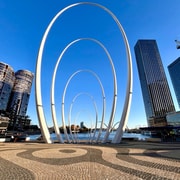
Best things to do: Visit Kings Park and Botanic Garden, explore Elizabeth Quay, walk along the Swan River, swim at Cottesloe Beach, visit museums and enjoy the city’s restaurants and bars.
Why visit: Perth combines city attractions with beautiful beaches, parks and easy access to islands, wine regions and coastal drives.
Best time to go: Spring and autumn are ideal for sightseeing, beach walks and outdoor dining.
Good for: Couples, families, beach lovers, city breaks, food lovers and first-time visitors to Western Australia.
Fremantle
Fremantle is a historic port city just south of Perth, known for heritage buildings, markets, cafes, breweries, seafood, street art and a relaxed coastal atmosphere. It is one of the easiest and most enjoyable day trips from Perth.
Best things to do: Visit Fremantle Markets, explore Fremantle Prison, walk around the harbour, enjoy fish and chips by the water and browse boutiques and galleries.
Why visit: Fremantle has history, character, food and an easy-going seaside feel.
Best time to go: Spring, summer and autumn are great for walking, markets and waterfront dining.
Good for: Couples, families, history lovers, food lovers, shoppers and day trips from Perth.
Rottnest Island
Rottnest Island is one of Western Australia’s most loved island escapes. Located off the coast near Perth and Fremantle, it is famous for clear water, white beaches, cycling, snorkelling and its friendly quokkas. With no private cars, the island has a peaceful holiday feel.
Best things to do: Meet the quokkas, cycle around the island, swim at The Basin, snorkel at Little Salmon Bay, visit Wadjemup Lighthouse and enjoy beachside accommodation.
Why visit: Rottnest Island is easy to reach and offers one of the best beach and wildlife experiences near Perth.
Best time to go: Summer is best for swimming, while spring and autumn are excellent for cycling and fewer crowds.
Good for: Families, couples, beach lovers, snorkellers, cyclists and wildlife lovers.
Swan Valley
The Swan Valley is Western Australia’s oldest wine region and an easy day trip from Perth. It is known for cellar doors, breweries, distilleries, chocolate shops, farm gates, restaurants and relaxed countryside scenery.
Best things to do: Visit wineries, enjoy a long lunch, stop at chocolate and nougat shops, explore Guildford and take a scenic drive through vineyard country.
Why visit: The Swan Valley is a convenient food and wine escape close to Perth.
Best time to go: Autumn and spring are ideal for wine tasting and outdoor dining.
Good for: Couples, food lovers, wine lovers, group trips and easy day trips.
Margaret River Region
The Margaret River Region is one of Australia’s best destinations for wine, beaches, caves, forests, food and coastal scenery. It is perfect for a long weekend or a longer South West road trip, with plenty of boutique accommodation, cellar doors, restaurants and nature experiences.
Best things to do: Visit wineries, explore limestone caves, walk part of the Cape to Cape Track, surf or swim at local beaches, visit farmers markets and enjoy forest drives.
Why visit: Margaret River combines premium food and wine with dramatic coastline and beautiful natural scenery.
Best time to go: Spring and autumn are ideal for wineries, walking trails and mild weather.
Good for: Couples, food lovers, wine lovers, surfers, walkers and romantic escapes.
Busselton
Busselton is a relaxed coastal city in the South West, famous for its long timber jetty and calm waters of Geographe Bay. It is a family-friendly destination and a great gateway to Dunsborough, Yallingup and Margaret River.
Best things to do: Walk or ride the Busselton Jetty train, visit the underwater observatory, swim in Geographe Bay and use Busselton as a base for exploring nearby beaches and wineries.
Why visit: Busselton is easy-going, scenic and ideal for beach holidays and family stays.
Best time to go: Summer is popular for swimming, while spring and autumn are great for sightseeing and nearby wine regions.
Good for: Families, couples, beach lovers, road trippers and relaxed holidays.
Dunsborough and Yallingup
Dunsborough and Yallingup are two of the most beautiful coastal areas in the South West. Expect clear bays, surf beaches, caves, coastal walks, cafes and easy access to wineries. These towns are ideal for travellers who want beach time with a touch of luxury.
Best things to do: Swim at Meelup Beach, visit Cape Naturaliste Lighthouse, explore Ngilgi Cave, surf at Yallingup and enjoy coastal dining.
Why visit: This area offers some of the best beaches and coastal scenery near Margaret River.
Best time to go: Summer is ideal for swimming, while spring and autumn are excellent for walking and fewer crowds.
Good for: Couples, families, surfers, beach lovers, walkers and weekend escapes.
Albany
Albany is a historic coastal city on Western Australia’s south coast, known for rugged cliffs, beaches, whale history, national parks and dramatic ocean scenery. It has a cooler climate and a strong sense of heritage, making it a rewarding stop on a South West road trip.
Best things to do: Visit Torndirrup National Park, see The Gap and Natural Bridge, explore the National Anzac Centre, walk along Middleton Beach and visit nearby coastal lookouts.
Why visit: Albany offers history, wild coastline, whale watching in season and access to beautiful national parks.
Best time to go: Spring is excellent for wildflowers, while winter can be good for whale watching.
Good for: History lovers, nature lovers, couples, families, photographers and road trippers.
Denmark
Denmark is a peaceful South Coast town surrounded by forests, beaches, wineries and rivers. It is known for its relaxed atmosphere and nearby natural attractions, including some of the most beautiful beaches in Western Australia.
Best things to do: Visit Greens Pool, see Elephant Rocks, explore local wineries, walk forest trails and enjoy the quiet riverside setting.
Why visit: Denmark is perfect for travellers who love nature, beaches, forests and a slower pace.
Best time to go: Spring and autumn are ideal for walking, scenic drives and mild weather.
Good for: Couples, families, nature lovers, beach lovers and peaceful escapes.
Esperance
Esperance is famous for dazzling white beaches, turquoise water, coastal drives and access to Cape Le Grand National Park. It is one of the most beautiful beach destinations in Western Australia and is well worth the journey for travellers who love remote coastal scenery.
Best things to do: Visit Lucky Bay, explore Cape Le Grand National Park, drive the Great Ocean Drive, swim at Twilight Beach and enjoy views from coastal lookouts.
Why visit: Esperance offers some of Australia’s most stunning beaches and a true sense of space.
Best time to go: Summer is best for beach holidays, while spring is excellent for wildflowers and sightseeing.
Good for: Beach lovers, photographers, families, nature lovers, road trippers and campers.
Kalbarri
Kalbarri is a colourful coastal and national park destination where river gorges meet ocean cliffs. It is a standout stop on the Coral Coast, offering dramatic landscapes, wildflowers, beaches and scenic lookouts.
Best things to do: Visit Kalbarri National Park, see Nature’s Window and the Kalbarri Skywalk, explore coastal cliffs, enjoy river activities and look for wildflowers in season.
Best time to go: Autumn, winter and spring are best for walking and sightseeing, while spring is especially good for wildflowers.
Good for: Families, nature lovers, photographers, road trippers and walkers.
Shark Bay
Shark Bay is a World Heritage area known for marine life, red cliffs, white beaches and unusual natural features. It is a remote and fascinating destination on the Coral Coast, with Denham as the main town base.
Best things to do: Visit Monkey Mia, see Shell Beach, explore Francois Peron National Park, enjoy coastal lookouts and learn about the area’s unique marine environment.
Why visit: Shark Bay offers wildlife, unusual landscapes and a strong sense of remote coastal beauty.
Best time to go: Autumn to spring is generally more comfortable for exploring.
Good for: Families, wildlife lovers, nature travellers, road trippers and photographers.
Coral Bay
Coral Bay is a small coastal town with direct access to Ningaloo Reef. It is one of the easiest places in Western Australia to enjoy reef experiences close to shore, with snorkelling, glass-bottom boat tours, manta ray encounters and calm beach days.
Best things to do: Snorkel on Ningaloo Reef, take a reef tour, swim at the beach, join a manta ray tour and enjoy relaxed seaside accommodation.
Why visit: Coral Bay is perfect for travellers who want reef experiences without a large resort-town feel.
Best time to go: Autumn to spring is excellent for marine activities, while summer can be hot.
Good for: Families, snorkellers, couples, marine life lovers and relaxed beach holidays.
Exmouth and Ningaloo Reef
Exmouth is the gateway to Ningaloo Reef and Cape Range National Park. This region is one of Western Australia’s most extraordinary natural destinations, offering coral reefs, whale sharks in season, turquoise beaches, gorges and marine wildlife.
Best things to do: Snorkel at Turquoise Bay, visit Cape Range National Park, join a whale shark tour in season, explore Yardie Creek and enjoy reef and beach experiences.
Why visit: Ningaloo Reef is one of the best places in Australia for accessible reef and marine wildlife experiences.
Best time to go: Autumn to spring is generally best, with whale shark season usually a major draw during the year.
Good for: Snorkellers, divers, families, couples, wildlife lovers and adventure travellers.
Broome
Broome is one of Western Australia’s most iconic northern destinations, known for Cable Beach, sunsets, pearl history, red earth, turquoise water and its gateway location to the Kimberley. It has a tropical feel and a distinctive cultural mix.
Best things to do: Watch sunset at Cable Beach, learn about pearling history, visit Chinatown, see dinosaur footprints at low tide if conditions suit and join a Kimberley tour.
Why visit: Broome combines beach beauty, history and access to one of Australia’s most remote regions.
Best time to go: The dry season, roughly May to October, is generally the best time for comfortable travel.
Good for: Couples, families, photographers, beach lovers, history lovers and Kimberley adventures.
The Kimberley
The Kimberley is one of Australia’s great wilderness regions. It is vast, remote and dramatic, with gorges, waterfalls, ancient rock formations, Aboriginal cultural experiences, station stays, rugged roads and spectacular coastline.
Best things to do: Explore the Gibb River Road, visit El Questro, see Windjana Gorge, discover Mitchell Falls, cruise the Kimberley coast and join guided cultural experiences.
Why visit: The Kimberley offers a powerful sense of wilderness, ancient landscapes and remote adventure.
Best time to go: The dry season is the most practical time for touring and road access.
Good for: Adventure travellers, photographers, nature lovers, 4WD travellers and outback explorers.
Karijini National Park
Karijini National Park is one of Western Australia’s most dramatic inland destinations. Located in the Pilbara, it is famous for deep red gorges, natural pools, waterfalls, layered rock walls and unforgettable walking trails.
Best things to do: Explore Dales Gorge, swim at Fern Pool, visit Fortescue Falls, walk through Hancock Gorge and admire lookouts over the rugged landscape.
Why visit: Karijini is one of the best places in WA for gorge scenery, adventure walks and outback landscapes.
Best time to go: The cooler months are best for walking and exploring safely.
Good for: Hikers, photographers, adventure travellers, campers and nature lovers.
The Pinnacles Desert
The Pinnacles Desert in Nambung National Park is one of Western Australia’s most unusual landscapes. Thousands of limestone formations rise from golden sand, creating a striking desert scene that is easily visited from Perth.
Best things to do: Walk or drive through the Pinnacles Desert, visit the discovery centre, stop at Cervantes and enjoy nearby beaches and coastal scenery.
Why visit: The Pinnacles are unique, photogenic and one of the most accessible natural attractions north of Perth.
Best time to go: Spring and autumn are comfortable for sightseeing, while sunset is especially atmospheric.
Good for: Families, photographers, couples, road trippers and day trips from Perth.
Geraldton
Geraldton is a sunny coastal city on the Coral Coast, known for beaches, history, wildflowers, water sports and access to the Abrolhos Islands. It is a useful and enjoyable stop on a Perth to Exmouth or Perth to Broome road trip.
Best things to do: Visit the HMAS Sydney II Memorial, enjoy beaches, explore local cafes, take an Abrolhos Islands flight or tour and use the city as a Coral Coast base.
Why visit: Geraldton offers coastal comfort, history and a good break on longer northern road trips.
Best time to go: Spring is excellent for wildflowers, while autumn is comfortable for coastal activities.
Good for: Road trippers, families, history lovers, beach lovers and nature travellers.
Pemberton
Pemberton is a peaceful forest town in the South West, surrounded by towering karri trees, rivers, national parks and scenic drives. It offers a completely different experience from WA’s beaches and desert landscapes.
Best things to do: Explore karri forests, visit Gloucester National Park, enjoy forest drives, sample local produce and walk among giant trees.
Why visit: Pemberton is ideal for cool forest scenery, country stays and nature-based relaxation.
Best time to go: Spring and autumn are especially pleasant for walking and scenic drives.
Good for: Couples, nature lovers, families, photographers and slow road trips.
Wave Rock and Hyden
Wave Rock near Hyden is one of Western Australia’s most recognisable inland landmarks. The curved granite formation looks like a giant wave frozen in stone and is often included on road trips through the Golden Outback.
Best things to do: See Wave Rock, visit Hippo’s Yawn, explore nearby walking trails and learn about the local landscape and cultural stories.
Why visit: Wave Rock is a unique natural landmark and a memorable stop on an inland WA road trip.
Best time to go: Spring is popular for wildflowers, while autumn offers comfortable driving weather.
Good for: Road trippers, photographers, families and travellers interested in unusual landscapes.
Kalgoorlie-Boulder
Kalgoorlie-Boulder is the heart of Western Australia’s Goldfields and a fascinating destination for travellers interested in mining history, heritage architecture and outback character. It offers a very different side of WA from the coast.
Best things to do: Visit the Super Pit lookout, explore historic buildings, learn about gold rush history, visit museums and enjoy classic outback hospitality.
Why visit: Kalgoorlie-Boulder gives travellers a strong sense of WA’s mining heritage and inland identity.
Best time to go: Autumn, winter and spring are generally more comfortable for sightseeing.
Good for: History lovers, road trippers, outback travellers and regional explorers.
Best Road Trips in Western Australia
Western Australia is made for road trips, but distances can be long. It is important to plan fuel stops, accommodation, supplies and driving times carefully, especially outside the Perth and South West regions.
Perth to Margaret River: A classic South West route with beaches, wineries, caves, forests and coastal towns.
South West Edge: Travel through Bunbury, Busselton, Margaret River, Pemberton, Denmark, Albany and Esperance for beaches, forests and historic towns.
Perth to Exmouth: Follow the Coral Coast through the Pinnacles, Kalbarri, Shark Bay, Carnarvon, Coral Bay and Exmouth.
Perth to Broome: A long and memorable coastal journey linking Coral Coast highlights with the north-west.
Gibb River Road: A legendary Kimberley 4WD adventure through gorges, station country and remote wilderness.
Golden Outback road trip: Explore Wave Rock, Kalgoorlie-Boulder, gold rush towns, wildflower country and inland landscapes.
Perth to Esperance: A rewarding route for travellers wanting white beaches, inland landmarks and the beauty of Cape Le Grand National Park.
Best Places to Visit in Western Australia for Families
Families will find plenty of excellent destinations in Western Australia. Perth is a great base with beaches, parks, museums and family-friendly day trips. Rottnest Island is ideal for cycling, swimming and seeing quokkas, while Busselton, Dunsborough and Margaret River offer calm beaches, caves and holiday accommodation.
For nature-focused family holidays, consider Kalbarri, Shark Bay, Coral Bay, Exmouth and Esperance. These destinations offer beaches, wildlife, national parks and outdoor activities, although longer drives require careful planning.
Best Places to Visit in Western Australia for Couples
Western Australia has many romantic escapes for couples. Margaret River, Yallingup and Dunsborough are perfect for wine, beaches, boutique stays and long lunches. Rottnest Island offers a relaxed island break close to Perth, while Broome is ideal for sunsets, warm evenings and Cable Beach.
Couples who enjoy nature may prefer Denmark, Albany, Pemberton, Esperance or Karijini National Park. For a luxury beach and reef escape, Exmouth and Coral Bay are memorable choices.
Best Places to Visit in Western Australia for Nature Lovers
Nature lovers are spoilt for choice in Western Australia. Ningaloo Reef, Cape Range National Park, Karijini National Park, the Kimberley, Kalbarri National Park, Shark Bay, Esperance, Denmark and Albany all offer extraordinary scenery and wildlife experiences.
For marine life, focus on Exmouth, Coral Bay, Shark Bay and Rottnest Island. For forests, head to Pemberton and the South West. For dramatic gorges and remote landscapes, Karijini and the Kimberley are among the most impressive places in Australia.
Best Places to Visit in Western Australia for Food and Wine
Margaret River is Western Australia’s standout food and wine destination, with wineries, restaurants, breweries, chocolate, cheese, farmers markets and coastal dining. The Swan Valley is another excellent choice, especially for travellers staying in Perth.
For seafood, head to Fremantle, Geraldton, Shark Bay, Exmouth, Broome and coastal towns throughout the state. The South West is also strong for local produce, farm gates, boutique wineries and relaxed regional dining.
Best Time to Visit Western Australia
The best time to visit Western Australia depends on the region because the state is enormous and has different climate zones.
For Perth, Rottnest Island, Margaret River, the South West and the Coral Coast, spring and autumn are often the best all-round seasons. The weather is generally comfortable for sightseeing, beach walks, wineries, road trips and national parks.
Summer is best for beach holidays in the south, including Perth, Rottnest Island, Busselton, Dunsborough, Margaret River, Albany, Denmark and Esperance. However, inland and northern areas can become very hot.
Winter can be a good time for northern Western Australia, including Broome, the Kimberley, Karijini and Exmouth, because conditions are often more comfortable than the hotter months. It is also a good time for whale watching in some coastal regions.
Spring is one of the most beautiful seasons in Western Australia, especially for wildflowers. It is a great time for road trips through the Coral Coast, Golden Outback, South West and national parks.
Frequently Asked Questions About Visiting Western Australia
What is the most beautiful place in Western Australia?
Some of the most beautiful places in Western Australia include Ningaloo Reef, Esperance, Rottnest Island, Karijini National Park, Broome, the Kimberley, Margaret River, Shark Bay and the South West coast. Each offers a different type of scenery, from coral reefs and beaches to gorges, forests and outback landscapes.
How many days do you need to visit Western Australia?
You can enjoy Perth, Fremantle and Rottnest Island in four to five days. For Perth and the South West, allow at least one week. For longer trips to Exmouth, Broome, the Kimberley or Esperance, 10 to 14 days or more is much better because distances are long.
What are the best day trips from Perth?
The best day trips from Perth include Rottnest Island, Fremantle, Swan Valley, the Pinnacles Desert, Cottesloe Beach, Mandurah and the Perth Hills. Margaret River is better as an overnight or multi-day trip rather than a day trip.
Is Western Australia good for road trips?
Yes, Western Australia is one of the best road trip destinations in Australia. Popular routes include Perth to Margaret River, the South West Edge, Perth to Exmouth, Perth to Broome, the Golden Outback and the Gibb River Road. Travellers should plan carefully because distances can be very long.
Where can you see wildlife in Western Australia?
Rottnest Island is famous for quokkas, Ningaloo Reef is known for marine life, Shark Bay has dolphins and dugongs, and the Kimberley, Karijini and South West forests offer native wildlife and birdlife. Whale watching is also popular in several coastal regions during migration season.
What are the best beaches in Western Australia?
Some of the best beaches in Western Australia include Cottesloe Beach, The Basin on Rottnest Island, Meelup Beach, Greens Pool, Lucky Bay, Twilight Beach, Turquoise Bay, Cable Beach and beaches around Coral Bay and Exmouth.
What is the best time of year to visit Western Australia?
Spring and autumn are the best all-round seasons for much of Western Australia. Summer is excellent for southern beaches, while winter and the dry season are often better for northern destinations such as Broome, the Kimberley and Karijini.
What are the best hidden gems in Western Australia?
Some underrated places in Western Australia include Denmark, Pemberton, Kalbarri, Shark Bay, Coral Bay, the Abrolhos Islands, Wave Rock, the Perth Hills and smaller towns along the South West and Coral Coast routes.
Is Ningaloo Reef worth visiting?
Yes, Ningaloo Reef is one of Western Australia’s top natural attractions. It is especially popular for snorkelling, diving, marine wildlife and reef experiences close to shore.
Is Broome worth visiting?
Yes, Broome is worth visiting for Cable Beach, sunsets, pearl history, tropical scenery and access to the Kimberley. It is especially appealing during the dry season when travel conditions are more comfortable.
Final Thoughts
Western Australia is a destination for travellers who love space, scenery and adventure. It offers Perth’s relaxed city lifestyle, Rottnest Island’s beaches and quokkas, Margaret River’s food and wine, Esperance’s white sand, Ningaloo Reef’s marine life, Broome’s sunsets, Karijini’s gorges and the Kimberley’s remote wilderness.
Whether you are planning a short Perth escape, a South West food and wine holiday, a Coral Coast road trip or a once-in-a-lifetime outback adventure, the best places to visit in Western Australia are diverse, memorable and often breathtaking.
For more travel inspiration, this article pairs well with guides to Australia road trips, best beach towns in Australia, Australian island holidays, things to do in Perth and scenic places to visit in Australia.
Sponsored Popular Items
Quick take: Musement.com offers a worldwide selection of tours and attractions
Perth: Your Gateway to Western Australia Wonders Nature Life Australia Explore Perth's top sights on a private tour with a flexible itinerary. Visit Kings Park, Elizabeth Quay, and Scarborough Beach, and enjoy a delicious lunch at Fishing Boat Harbour. Check current availability, inclusions and booking conditions.
Perth: Motor Museum of Western Australia Entry Ticket Australia Discover the Motor Museum of Western Australia in Whiteman Park. See Daniel Ricciardo’s 2014 Red Bull RB10, explore over 200 cars and motorcycles, and enjoy interactive activities. Check current availability, inclusions and booking conditions.
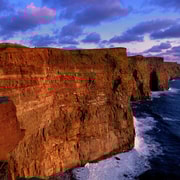
South Western Ireland: 4 Days from Galway to Kerry Best deals for South Western Ireland: 4 Days from Galway to Kerry. Spend 4 enjoyable days in the southwest of Ireland. Take in amazing Connemara, Dingle Peninsula, and Cliffs of Moher; visit traditional Irish villages, and kiss the Blarney Stone. Available from getyourguide.com.
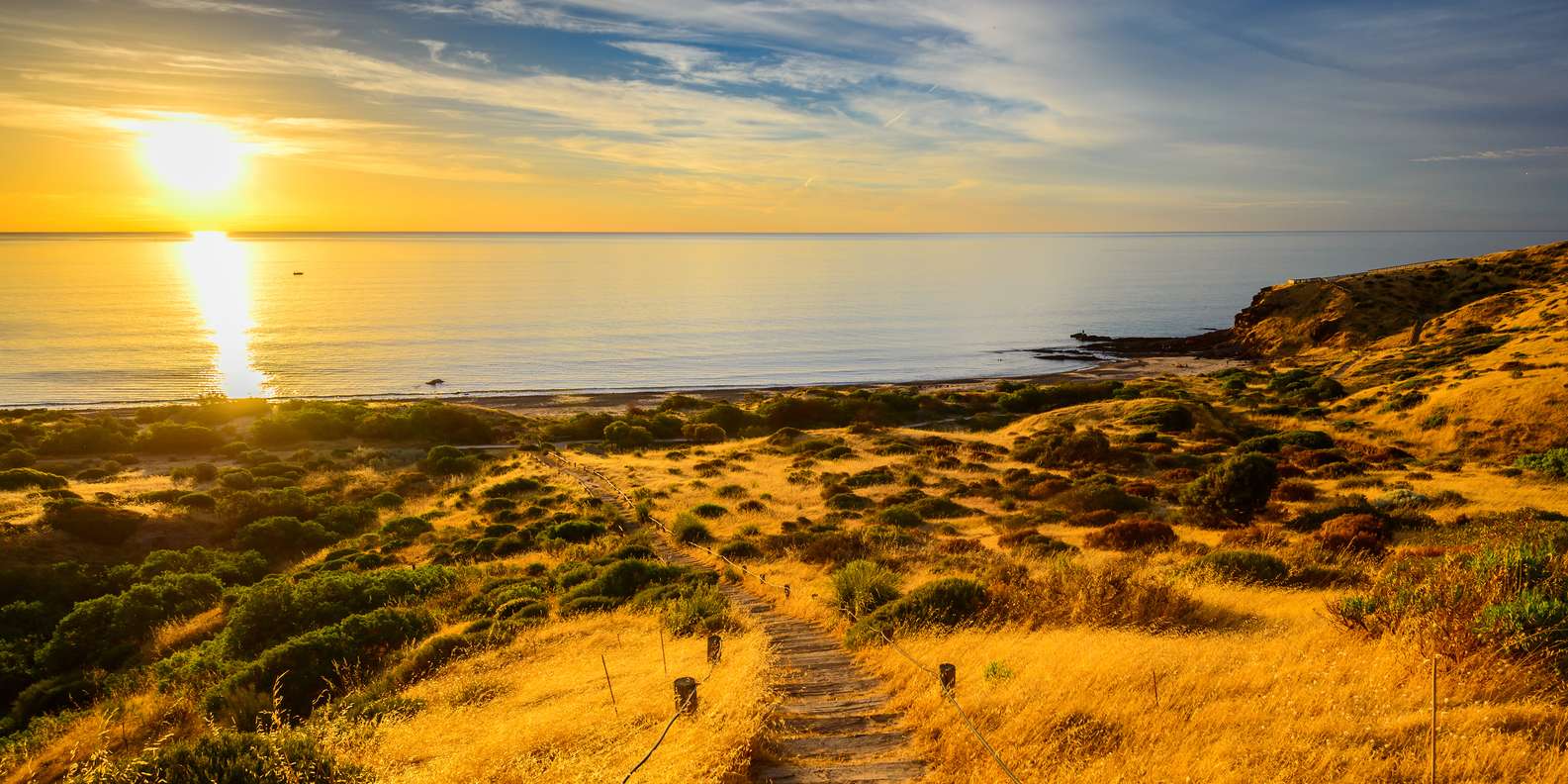
South Australia is one of Australia’s most rewarding states for travellers who love food, wine, wildlife, beaches, road trips and outback scenery. From Adelaide’s festivals and laneways to the Barossa Valley’s vineyards, Kangaroo Island’s wildlife, the Flinders Ranges’ ancient landscapes and the Eyre Peninsula’s seafood coast, South Australia offers a rich mix of experiences in one easy-to-explore state.
Whether you are planning a short city break, a romantic wine escape, a family holiday, a coastal road trip or an outback adventure, this guide covers the best places to visit in South Australia.
Adelaide
Adelaide is a relaxed and elegant capital city with beaches, gardens, museums, markets, festivals and excellent food. It is easy to explore, with the city centre, Adelaide Central Market, North Terrace cultural precinct and nearby beaches all within convenient reach.
Best things to do: Visit Adelaide Central Market, explore the Art Gallery of South Australia, wander through the Botanic Garden, enjoy Glenelg Beach and dine in the city’s laneways.
Why visit: Adelaide is a perfect base for exploring South Australia’s wine regions, beaches and wildlife destinations.
Best time to go: Autumn and spring are ideal for sightseeing, festivals, outdoor dining and day trips.
Good for: Couples, families, food lovers, culture lovers, city breaks and first-time visitors.
Kangaroo Island
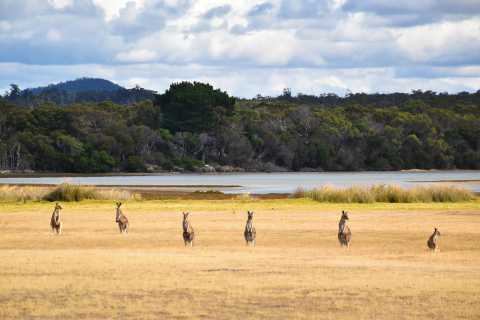
Kangaroo Island is one of South Australia’s most iconic nature destinations. It is known for wildlife, beaches, rugged coastal scenery, local produce and dramatic rock formations. The island feels peaceful and wild, making it ideal for travellers who want nature and space.
Best things to do: See Remarkable Rocks, visit Admirals Arch, explore Flinders Chase National Park, walk on quiet beaches, enjoy local produce and look for kangaroos, koalas, sea lions and native birds.
Why visit: Kangaroo Island offers one of Australia’s best combinations of wildlife, coastline and natural scenery.
Best time to go: Spring and autumn are excellent for mild weather, wildlife and sightseeing.
Good for: Nature lovers, couples, families, photographers, wildlife watchers and island holidays.
Barossa Valley
The Barossa Valley is one of Australia’s most famous wine regions and a must-visit destination for food and wine lovers. It is known for cellar doors, vineyard restaurants, heritage villages, local produce and rolling countryside.
Best things to do: Visit cellar doors, enjoy a long lunch, explore Tanunda, Angaston and Nuriootpa, taste local produce and take scenic drives through vineyard country.
Why visit: The Barossa is one of the best places in South Australia for wine, food and romantic country escapes.
Best time to go: Autumn is beautiful during vintage season, while spring is fresh and scenic.
Good for: Couples, food lovers, wine lovers, weekend escapes and group getaways.
McLaren Vale
McLaren Vale combines wine country with coastal scenery, making it one of South Australia’s most enjoyable day trips or weekend escapes. It sits close to the Fleurieu Peninsula and offers wineries, restaurants, beaches and art-filled cellar doors.
Best things to do: Visit wineries, explore the d’Arenberg Cube, dine at vineyard restaurants, drive to nearby Willunga and visit beaches around Port Willunga and Aldinga.
Why visit: McLaren Vale is ideal for travellers who want both wine and coast in one easy trip.
Best time to go: Spring and autumn are ideal for wine tasting, dining and coastal drives.
Good for: Couples, food lovers, wine lovers, beach lovers and day trips from Adelaide.
Flinders Ranges
The Flinders Ranges are one of South Australia’s most dramatic landscapes, with ancient ranges, red earth, rocky gorges, wildlife and big-sky outback scenery. The region is ideal for travellers who want a deeper nature experience and a sense of the Australian outback.
Best things to do: Visit Wilpena Pound, explore Brachina Gorge, take scenic drives, join guided cultural experiences, enjoy bushwalks and admire sunrise or sunset over the ranges.
Why visit: The Flinders Ranges are one of the best places in South Australia for outback scenery, walking, geology and photography.
Best time to go: Autumn, winter and spring are the most comfortable seasons for walking and sightseeing.
Good for: Nature lovers, hikers, photographers, road trippers, adventure travellers and outback holidays.
Clare Valley
Clare Valley is a beautiful wine region north of Adelaide, known for riesling, stone cottages, country roads, cellar doors and the Riesling Trail. It has a quieter feel than the Barossa, making it perfect for a relaxed food and wine escape.
Best things to do: Cycle or walk the Riesling Trail, visit cellar doors, explore Sevenhill, Clare and Auburn, enjoy country dining and take scenic drives through vineyards.
Why visit: Clare Valley is peaceful, scenic and excellent for wine lovers who enjoy a slower pace.
Best time to go: Autumn and spring are ideal for cycling, wine tasting and countryside views.
Good for: Couples, cyclists, food lovers, wine lovers and country weekends.
Adelaide Hills
The Adelaide Hills are close to the city but feel like a country escape. The region is known for cool-climate wines, gardens, forests, farm shops, historic towns and charming villages such as Hahndorf.
Best things to do: Visit Hahndorf, explore Mount Lofty, enjoy cellar doors, stop at farm gates, visit gardens and take scenic drives through leafy villages.
Why visit: The Adelaide Hills offer fresh air, food, wine and village charm within easy reach of Adelaide.
Best time to go: Autumn is beautiful for colour, while spring is ideal for gardens and outdoor dining.
Good for: Couples, families, food lovers, garden lovers and easy day trips from Adelaide.
Hahndorf
Hahndorf is one of South Australia’s most popular heritage villages. Located in the Adelaide Hills, it is known for German-influenced architecture, food, galleries, shops, bakeries and nearby wineries.
Best things to do: Walk the main street, visit local galleries, try German-style food, browse artisan shops and explore nearby wineries and farm gates.
Why visit: Hahndorf is easy to reach from Adelaide and offers a charming village atmosphere.
Best time to go: Autumn and spring are especially pleasant for walking and outdoor dining.
Good for: Families, couples, food lovers, shoppers and short scenic escapes.
Fleurieu Peninsula
The Fleurieu Peninsula is a scenic region south of Adelaide with beaches, wineries, coastal towns, walking trails and wildlife experiences. It is a great destination for travellers who want coast, food and relaxed holiday towns.
Best things to do: Visit Victor Harbor, Port Elliot, Goolwa, McLaren Vale, Deep Creek National Park and coastal beaches.
Why visit: The Fleurieu Peninsula has a lovely mix of seaside scenery, wine, country towns and outdoor activities.
Best time to go: Summer is best for beaches, while spring and autumn are ideal for road trips and walks.
Good for: Families, couples, beach lovers, wine lovers, walkers and weekend escapes.
Victor Harbor
Victor Harbor is a classic South Australian seaside destination with beaches, coastal walks, family attractions and access to Granite Island. It is especially popular for relaxed holidays and short breaks from Adelaide.
Best things to do: Walk or ride to Granite Island, enjoy the waterfront, visit nearby Port Elliot, take scenic drives and look for whales in season.
Why visit: Victor Harbor is easy to reach and offers a traditional coastal holiday feel.
Best time to go: Summer is popular for beach holidays, while winter can be good for whale watching.
Good for: Families, couples, beach lovers, seniors and easy coastal getaways.
Eyre Peninsula
The Eyre Peninsula is a spectacular coastal region known for seafood, beaches, rugged cliffs, wildlife and marine adventures. It is less crowded than many other Australian coastal regions, making it ideal for travellers who want space, nature and fresh local seafood.
Best things to do: Visit Port Lincoln, Coffin Bay, Lincoln National Park, seafood restaurants, coastal lookouts and beaches along the peninsula.
Why visit: The Eyre Peninsula is one of the best places in South Australia for seafood, coastal wilderness and marine wildlife.
Best time to go: Spring, summer and autumn are best for beaches, wildlife and road trips.
Good for: Seafood lovers, beach lovers, wildlife watchers, road trippers and adventure travellers.
Port Lincoln
Port Lincoln is known as the seafood capital of Australia and is a great base for exploring the lower Eyre Peninsula. It offers coastal scenery, national parks, marine experiences, seafood dining and access to beautiful beaches.
Best things to do: Explore Lincoln National Park, enjoy seafood, visit local beaches, take a boat tour and discover nearby Coffin Bay.
Why visit: Port Lincoln is ideal for travellers who love seafood, coast and nature-based experiences.
Best time to go: Spring and autumn are excellent for comfortable weather and outdoor exploring.
Good for: Food lovers, families, couples, wildlife lovers and coastal road trips.
Coffin Bay
Coffin Bay is famous for oysters, calm waterways and beautiful coastal scenery. It is a relaxed place to slow down, enjoy seafood and explore nearby beaches and national park landscapes.
Best things to do: Taste fresh oysters, visit Coffin Bay National Park, enjoy fishing, take coastal drives and relax by the water.
Why visit: Coffin Bay is perfect for seafood lovers and travellers wanting a peaceful coastal escape.
Best time to go: Spring, summer and autumn are great for water activities and seafood experiences.
Good for: Couples, seafood lovers, beach lovers, nature lovers and relaxed holidays.
Limestone Coast
The Limestone Coast is a diverse region in South Australia’s south-east, known for caves, crater lakes, wine regions, coastal towns and heritage. It is ideal for a slower road trip between Adelaide and Melbourne.
Best things to do: Visit Mount Gambier, Robe, Naracoorte Caves, Coonawarra wine region and coastal conservation areas.
Why visit: The Limestone Coast offers a mix of natural wonders, wine, history and seaside towns.
Best time to go: Spring and autumn are ideal for road trips, wine tasting and sightseeing.
Good for: Road trippers, wine lovers, families, nature lovers and history lovers.
Mount Gambier
Mount Gambier is one of South Australia’s most interesting regional cities, known for volcanic landscapes, sinkholes, gardens and the famous Blue Lake. It makes a great stop on a Limestone Coast itinerary.
Best things to do: See the Blue Lake, visit Umpherston Sinkhole, explore Engelbrecht Cave, walk around crater lakes and discover nearby coastal towns.
Why visit: Mount Gambier offers unusual natural attractions and a strong regional base for exploring the south-east.
Best time to go: Summer is popular for seeing the Blue Lake at its most vivid, while spring and autumn are comfortable for sightseeing.
Good for: Families, nature lovers, photographers, road trippers and regional explorers.
Robe
Robe is a charming seaside town on the Limestone Coast, known for beaches, historic buildings, seafood and relaxed holiday accommodation. It is a lovely place to pause on a South Australian coastal road trip.
Best things to do: Walk along Long Beach, explore heritage streets, enjoy seafood, visit local cafes and take scenic coastal drives.
Why visit: Robe offers coastal charm, good food and a peaceful seaside atmosphere.
Best time to go: Summer is best for beach holidays, while autumn offers a quieter coastal escape.
Good for: Couples, families, beach lovers, food lovers and relaxed road trips.
Naracoorte Caves
Naracoorte Caves National Park is one of South Australia’s most important natural and fossil sites. It is a fascinating destination for families, history lovers and travellers interested in ancient landscapes.
Best things to do: Join a guided cave tour, learn about fossils, explore walking trails and visit nearby Coonawarra wine region.
Why visit: Naracoorte Caves is a unique place to discover South Australia’s natural history.
Best time to go: It can be visited year-round, making it a good option in any season.
Good for: Families, nature lovers, history lovers, school holiday trips and road trippers.
Coober Pedy
Coober Pedy is one of the most unusual towns in Australia. Famous for opals and underground living, it offers a distinctive outback experience unlike anywhere else in South Australia.
Best things to do: Visit underground homes and churches, learn about opal mining, explore desert landscapes, see the Breakaways and enjoy outback sunsets.
Why visit: Coober Pedy is fascinating, remote and memorable, especially for travellers interested in the Australian outback.
Best time to go: Autumn, winter and spring are more comfortable than the heat of summer.
Good for: Outback travellers, photographers, road trippers, history lovers and adventurous visitors.
Yorke Peninsula
The Yorke Peninsula is a relaxed coastal region known for beaches, fishing towns, coastal camping and Innes National Park. It is a favourite for South Australians looking for a beach escape without travelling too far from Adelaide.
Best things to do: Visit Innes National Park, explore Marion Bay, enjoy fishing, swim at sheltered beaches and take coastal drives through seaside towns.
Why visit: The Yorke Peninsula is ideal for simple beach holidays, fishing trips and scenic coastal camping.
Best time to go: Summer is best for beaches, while spring and autumn are excellent for camping and road trips.
Good for: Families, beach lovers, fishing trips, campers and relaxed coastal holidays.
Riverland and Murray River
The Riverland is a sunny inland region shaped by the Murray River. It is known for houseboats, citrus orchards, wetlands, river towns and relaxed water-based holidays.
Best things to do: Stay on a houseboat, visit Renmark and Berri, enjoy river cruises, explore wetlands and sample local produce.
Why visit: The Riverland is perfect for a slow, sunny holiday on the water.
Best time to go: Spring and autumn are comfortable for river activities, while summer is popular for boating and swimming.
Good for: Families, couples, houseboat holidays, nature lovers and slow travel.
Best Road Trips in South Australia
South Australia is ideal for road trips because it offers coast, wine regions, desert, wildlife and country towns within one state. Some routes are easy weekend escapes, while others are longer adventures into remote landscapes.
Adelaide to Barossa Valley: A classic food and wine escape with cellar doors, vineyard dining and heritage towns.
Adelaide Hills and Hahndorf drive: A short scenic route through villages, gardens, wineries and countryside.
Fleurieu Peninsula road trip: Explore McLaren Vale, Victor Harbor, Port Elliot, Goolwa and coastal beaches.
Kangaroo Island self-drive: A nature-focused island road trip with beaches, wildlife, national parks and local produce.
Flinders Ranges adventure: Travel north for ancient landscapes, outback drives, gorges, walking trails and big-sky scenery.
Eyre Peninsula seafood route: Discover Port Lincoln, Coffin Bay, beaches, seafood and coastal national parks.
Limestone Coast drive: Visit Mount Gambier, Robe, Naracoorte Caves, Coonawarra and coastal towns.
Murray River and Riverland escape: Enjoy houseboats, wetlands, orchards, river towns and sunny inland scenery.
Best Places to Visit in South Australia for Families
Families will find plenty of easy and memorable destinations in South Australia. Adelaide is a great starting point with beaches, gardens, museums, markets and nearby day trips. Victor Harbor, the Fleurieu Peninsula and the Yorke Peninsula are excellent for relaxed coastal holidays with beaches and family-friendly accommodation.
Kangaroo Island is ideal for wildlife and nature experiences, while Naracoorte Caves offers an educational and adventurous stop. The Riverland is also a strong family choice for houseboats, swimming and gentle outdoor activities.
Best Places to Visit in South Australia for Couples
Couples looking for a romantic South Australian escape should consider the Barossa Valley, McLaren Vale, Clare Valley and Adelaide Hills for wine, boutique accommodation and long lunches. Kangaroo Island is ideal for couples who want wildlife, beaches and memorable scenery.
For a slower coastal break, Robe, Victor Harbor, Port Elliot and Coffin Bay offer peaceful seaside settings. Couples who enjoy adventure and dramatic landscapes may prefer the Flinders Ranges or a road trip through the Limestone Coast.
Best Places to Visit in South Australia for Nature Lovers
South Australia is outstanding for nature-based travel. Kangaroo Island offers wildlife, beaches and coastal landscapes, while the Flinders Ranges provide rugged outback scenery and ancient geological formations. The Eyre Peninsula is excellent for marine wildlife, beaches and seafood coast experiences.
Nature lovers should also consider Innes National Park on the Yorke Peninsula, Deep Creek National Park on the Fleurieu Peninsula, Naracoorte Caves, the Murray River wetlands and the volcanic landscapes around Mount Gambier.
Best Places to Visit in South Australia for Food and Wine
South Australia is one of Australia’s top food and wine destinations. The Barossa Valley is famous for bold reds, historic wineries and vineyard dining. McLaren Vale combines cellar doors with coastal scenery, while Clare Valley is known for riesling and relaxed country charm.
The Adelaide Hills offer cool-climate wines, farm gates and village dining, while Coonawarra on the Limestone Coast is another excellent wine region. Seafood lovers should head to the Eyre Peninsula, especially Port Lincoln and Coffin Bay, while Adelaide Central Market is a must for anyone who enjoys fresh produce and multicultural food.
Best Time to Visit South Australia
The best time to visit South Australia depends on where you plan to go. Autumn, from March to May, is one of the best all-round seasons, especially for wine regions, road trips and comfortable sightseeing. The Barossa, Clare Valley, McLaren Vale and Adelaide Hills are especially attractive at this time of year.
Winter, from June to August, is a good time for cosy wine escapes, whale watching along parts of the coast and exploring the Flinders Ranges in cooler conditions. It is also a quieter season for many destinations.
Spring, from September to November, is excellent for wildflowers, wildlife, walking trails and road trips. It is a beautiful time to visit Kangaroo Island, the Flinders Ranges, the Adelaide Hills and coastal regions.
Summer, from December to February, is best for beach holidays on the Fleurieu Peninsula, Yorke Peninsula, Eyre Peninsula and Kangaroo Island. Inland and outback areas can be very hot, so coastal destinations are often the better choice during this season.
Frequently Asked Questions About Visiting South Australia
What is the most beautiful place in South Australia?
Some of the most beautiful places in South Australia include Kangaroo Island, the Flinders Ranges, the Barossa Valley, the Eyre Peninsula, the Fleurieu Peninsula and the Limestone Coast. Each offers a different style of scenery, from wildlife-rich coastlines to vineyards, caves and outback ranges.
How many days do you need to visit South Australia?
You can enjoy Adelaide and a nearby wine region in three to four days. For a broader South Australia holiday including Kangaroo Island, the Barossa, Flinders Ranges or the Eyre Peninsula, allow at least 10 to 14 days.
What are the best day trips from Adelaide?
Popular day trips from Adelaide include the Barossa Valley, McLaren Vale, Adelaide Hills, Hahndorf, Victor Harbor, Glenelg, Mount Lofty and parts of the Fleurieu Peninsula. Kangaroo Island is better as an overnight or multi-day trip.
Is Kangaroo Island worth visiting?
Yes, Kangaroo Island is one of South Australia’s top destinations. It is especially worth visiting for wildlife, coastal scenery, national parks, beaches and local produce.
What are the best wine regions in South Australia?
The best-known wine regions in South Australia include the Barossa Valley, McLaren Vale, Clare Valley, Adelaide Hills and Coonawarra. Each region has its own style, scenery and food experiences.
Where can you see wildlife in South Australia?
Kangaroo Island is one of the best places to see wildlife in South Australia. Other good options include the Eyre Peninsula, Flinders Ranges, Victor Harbor area, Murray River wetlands and national parks across the state.
Is South Australia good for road trips?
Yes, South Australia is excellent for road trips. Popular routes include Adelaide to the Barossa, the Fleurieu Peninsula, Kangaroo Island, the Flinders Ranges, the Eyre Peninsula, the Limestone Coast and the Murray River region.
What is the best time of year to visit South Australia?
Autumn and spring are the best all-round seasons for visiting South Australia because the weather is generally comfortable for sightseeing, wine regions, walking and road trips. Summer is best for beaches, while winter is good for the Flinders Ranges and cosy wine escapes.
What are the best hidden gems in South Australia?
Some underrated places in South Australia include Coffin Bay, Robe, Clare Valley, Yorke Peninsula, the Riverland, Naracoorte Caves, Port Elliot, Innes National Park and smaller towns throughout the Limestone Coast and Eyre Peninsula.
What is South Australia best known for?
South Australia is best known for wine regions, food, festivals, Kangaroo Island, the Flinders Ranges, seafood, beaches, wildlife and outback scenery. It is a diverse state that suits both relaxed holidays and adventurous road trips.
Final Thoughts
South Australia is a destination that rewards slow travel. It has the food and festivals of Adelaide, the vineyards of the Barossa and McLaren Vale, the wildlife of Kangaroo Island, the ancient beauty of the Flinders Ranges and the seafood coast of the Eyre Peninsula.
Whether you are planning a romantic weekend, a family holiday, a nature escape or a longer Australian road trip, the best places to visit in South Australia offer beaches, wine regions, wildlife, caves, river towns and unforgettable outback landscapes.
For more travel inspiration, this article pairs well with guides to Australia road trips, best wine regions in Australia, Australian island holidays, best beach towns in Australia and scenic places to visit in Australia.
Sponsored Popular Items
Quick take: Musement.com offers a worldwide selection of tours and attractions
Hahndorf Walking Tour, South Australia Australia Willkommen/Welcome to our village! Take in the sites and stories at locations to which we have exclusive access Numerous photographic opportunities which you will enjoy and share for a lifetime.
The Luxe South Australia Experience Full-Day Tour Australia Discover the breathtaking beauty of South Australia, with its stunning beaches and historic landmarks. Check current availability, inclusions and booking conditions.
Victoria may be one of Australia’s smaller states, but it offers an incredible variety of travel experiences. From Melbourne’s laneways and galleries to the Great Ocean Road, alpine villages, wildlife islands, wine regions, coastal towns, mineral springs and national parks, Victoria is ideal for short breaks, scenic road trips and longer holidays.
Whether you want beaches, mountains, food and wine, history, family attractions or nature escapes, this guide covers the best places to visit in Victoria, Australia.
Melbourne
Melbourne is the cultural capital of Victoria and one of Australia’s best city destinations. It is known for its laneways, cafes, street art, markets, galleries, sporting events, shopping and neighbourhood dining scenes. It is also a great base for day trips to the Yarra Valley, Mornington Peninsula, Phillip Island and the Great Ocean Road.
Best things to do: Explore Federation Square, Queen Victoria Market, the National Gallery of Victoria, Royal Botanic Gardens, Southbank, St Kilda, Fitzroy and the city laneways.
Why visit: Melbourne offers food, culture, shopping, sport and easy access to regional Victoria.
Best time to go: Spring and autumn are ideal for sightseeing, walking and outdoor dining.
Good for: Couples, families, food lovers, art lovers, shopping, city breaks and first-time visitors.
Great Ocean Road
The Great Ocean Road is one of Australia’s most famous scenic drives and a must-see destination in Victoria. It winds along dramatic coastline, surf beaches, rainforest pockets, seaside towns and limestone formations, including the famous Twelve Apostles.
Best things to do: See the Twelve Apostles, stop at Loch Ard Gorge, visit Apollo Bay, explore Lorne, walk in Great Otway National Park and enjoy coastal lookouts.
Why visit: It is one of the most spectacular coastal road trips in Australia.
Best time to go: Spring and autumn are excellent for road trips, while summer is popular for beach towns.
Good for: Road trips, photographers, couples, families, beach lovers and nature travellers.
Phillip Island
Phillip Island is one of Victoria’s best wildlife destinations and a favourite day trip or weekend escape from Melbourne. It is best known for the Penguin Parade, where little penguins return to shore at sunset, but the island also has beaches, coastal walks, family attractions and wildlife viewing areas.
Best things to do: Watch the Penguin Parade, visit The Nobbies, explore beaches, see koalas, enjoy coastal walks and visit Churchill Island.
Why visit: Phillip Island combines wildlife, ocean scenery and family-friendly attractions close to Melbourne.
Best time to go: Spring, summer and autumn are best for beaches and outdoor activities, while penguins can be seen year-round.
Good for: Families, wildlife lovers, couples, nature lovers and short breaks from Melbourne.
Yarra Valley
The Yarra Valley is one of Victoria’s most loved food and wine regions. It is an easy drive from Melbourne and offers wineries, cellar doors, vineyard restaurants, local produce, galleries, gardens and scenic countryside.
Best things to do: Visit wineries, enjoy a long lunch, take a hot-air balloon ride, explore Healesville Sanctuary and discover local produce stores.
Why visit: The Yarra Valley is perfect for wine, food and relaxed country scenery close to the city.
Best time to go: Autumn and spring are especially beautiful for vineyard views and comfortable weather.
Good for: Couples, food lovers, wine lovers, weekend escapes and day trips from Melbourne.
Mornington Peninsula
The Mornington Peninsula is a stylish coastal region south of Melbourne, known for beaches, wineries, hot springs, golf courses, coastal walks and seaside villages. It is a wonderful destination for both relaxed weekends and longer summer holidays.
Best things to do: Visit Sorrento, Portsea, Red Hill, Peninsula Hot Springs, Cape Schanck, coastal wineries and bay beaches.
Why visit: It offers a beautiful mix of beach, food, wine, wellness and coastal scenery.
Best time to go: Summer is popular for beach holidays, while autumn and spring are excellent for food, wine and walking.
Good for: Couples, families, spa escapes, beach holidays, food lovers and romantic weekends.
Dandenong Ranges
The Dandenong Ranges are a cool, leafy escape just outside Melbourne. The area is known for mountain villages, fern gullies, gardens, walking tracks, tearooms and the famous Puffing Billy Railway. It is a great choice for a gentle nature escape without travelling too far from the city.
Best things to do: Ride Puffing Billy, visit Olinda and Sassafras, explore gardens, walk through Sherbrooke Forest and enjoy Devonshire tea.
Why visit: The Dandenong Ranges offer forest scenery, charming villages and family-friendly attractions close to Melbourne.
Best time to go: Spring is lovely for gardens, autumn is beautiful for colour and winter is cosy and atmospheric.
Good for: Families, couples, garden lovers, walkers and day trips from Melbourne.
Grampians National Park
The Grampians are one of Victoria’s most impressive natural regions, with rugged sandstone mountains, waterfalls, Aboriginal cultural sites, wildlife and spectacular lookouts. Halls Gap is the main village base and is surrounded by walking trails and scenic drives.
Best things to do: Visit The Pinnacle, MacKenzie Falls, Boroka Lookout, Reeds Lookout, Halls Gap Zoo and Brambuk Cultural Centre.
Why visit: The Grampians are perfect for dramatic landscapes, hiking, wildlife and nature photography.
Best time to go: Spring is excellent for wildflowers, while autumn offers cooler walking weather.
Good for: Hikers, nature lovers, families, photographers, road trippers and adventure travellers.
Wilsons Promontory
Wilsons Promontory, often called “The Prom”, is one of Victoria’s most beautiful national parks. It features granite mountains, white beaches, turquoise water, wildlife and excellent walking trails. It is a standout destination for travellers who love unspoilt coastal scenery.
Best things to do: Visit Squeaky Beach, walk to Mount Oberon Summit, explore Tidal River, spot wombats and enjoy coastal tracks.
Why visit: Wilsons Promontory offers some of the best beaches and national park scenery in Victoria.
Best time to go: Spring, summer and autumn are ideal for walking, swimming and camping.
Good for: Nature lovers, campers, hikers, beach lovers, couples and wildlife watchers.
Daylesford and Hepburn Springs
Daylesford and Hepburn Springs are famous for mineral springs, spa retreats, boutique accommodation, galleries, gardens and excellent food. This region is perfect for a relaxing escape, especially for couples or travellers wanting wellness, slow travel and country charm.
Best things to do: Visit Hepburn Bathhouse, explore Lake Daylesford, browse local shops, enjoy spa treatments and dine at country restaurants.
Why visit: It is one of Victoria’s best destinations for relaxation, wellness and romantic weekends.
Best time to go: Autumn and winter are especially cosy, while spring is lovely for gardens and fresh country air.
Good for: Couples, wellness escapes, food lovers, spa weekends and boutique stays.
Ballarat
Ballarat is one of Victoria’s most important gold rush cities and a great destination for history lovers. Its grand architecture, museums, gardens and family attractions make it a rewarding stop on a regional Victoria itinerary.
Best things to do: Visit Sovereign Hill, explore Lake Wendouree, see the Art Gallery of Ballarat, walk through historic streets and visit the Ballarat Botanical Gardens.
Why visit: Ballarat brings Victoria’s gold rush history to life and offers strong family appeal.
Best time to go: Spring and autumn are ideal for walking, gardens and heritage sightseeing.
Good for: Families, history lovers, culture lovers, school holidays and regional road trips.
Bendigo
Bendigo is another historic goldfields city with impressive architecture, galleries, gardens and a growing food scene. It has a strong arts and heritage identity and works well as a weekend escape from Melbourne.
Best things to do: Visit Bendigo Art Gallery, explore Rosalind Park, see the Central Deborah Gold Mine, admire heritage buildings and enjoy local cafes.
Best time to go: Autumn and spring are excellent for comfortable weather and regional exploring.
Good for: Couples, families, art lovers, history lovers and weekend getaways.
High Country
Victoria’s High Country is a beautiful alpine region with mountains, rivers, wineries, historic towns, cycling trails and snowfields. It is ideal for travellers who love outdoor adventure, fresh air and scenic country drives.
Best things to do: Visit Bright, Beechworth, Mount Buffalo, Mansfield, Mount Buller, Falls Creek and the King Valley wine region.
Why visit: The High Country offers alpine scenery, charming towns, cycling, skiing, hiking and regional produce.
Best time to go: Winter is best for snow, autumn is beautiful for colour and summer is ideal for hiking and cycling.
Good for: Adventure travellers, families, cyclists, skiers, hikers, food lovers and road trippers.
Bright
Bright is one of Victoria’s most picturesque country towns, especially in autumn when the streets glow with colourful leaves. It is a popular base for exploring the High Country, cycling trails, rivers, lookouts and nearby alpine villages.
Best things to do: Walk along the Ovens River, cycle the rail trail, visit nearby Mount Buffalo, enjoy local cafes and take scenic drives through the High Country.
Why visit: Bright is charming, scenic and ideal for a relaxed country escape with outdoor activities nearby.
Best time to go: Autumn is the most famous season, while summer is great for rivers and outdoor adventure.
Good for: Couples, families, cyclists, walkers, photographers and country holidays.
Beechworth
Beechworth is a beautifully preserved historic town in north-east Victoria. It is known for gold rush architecture, local produce, bakeries, heritage sites, nearby wineries and connections to the Ned Kelly story.
Best things to do: Explore heritage streets, visit the old gaol, enjoy local food, discover nearby wineries and take scenic drives around the region.
Why visit: Beechworth offers history, food, wine and country charm in one walkable town.
Best time to go: Autumn and spring are excellent for sightseeing, food and scenic drives.
Good for: Couples, history lovers, food lovers, road trippers and relaxed weekends.
Geelong and the Bellarine Peninsula
Geelong and the Bellarine Peninsula offer waterfront dining, beaches, wineries, family attractions and easy access to the start of the Great Ocean Road. The region is less hectic than Melbourne but still has plenty to see and do.
Best things to do: Walk along Geelong Waterfront, visit Ocean Grove, Barwon Heads, Queenscliff, Point Lonsdale and Bellarine wineries.
Why visit: It is a relaxed coastal and food region within easy reach of Melbourne.
Best time to go: Summer is best for beaches, while autumn and spring suit food, wine and coastal walks.
Good for: Families, couples, beach lovers, food lovers and weekend escapes.
Gippsland
Gippsland is a large and diverse region in eastern Victoria, offering lakes, beaches, forests, mountains, dairy country and peaceful towns. It is perfect for travellers who want nature, road trips and a quieter pace.
Best things to do: Visit the Gippsland Lakes, Lakes Entrance, Walhalla, Tarra-Bulga National Park, Ninety Mile Beach and local food producers.
Why visit: Gippsland is ideal for waterways, forests, coastal scenery and slow regional travel.
Best time to go: Spring and autumn are comfortable for exploring, while summer is best for lakes and beaches.
Good for: Nature lovers, families, road trippers, beach holidays and peaceful escapes.
Lakes Entrance
Lakes Entrance is a popular holiday town where the Gippsland Lakes meet the ocean. It is known for fishing, boating, seafood, long beaches and family-friendly waterfront activities.
Best things to do: Walk across the footbridge to Ninety Mile Beach, enjoy seafood, cruise the lakes, go fishing and explore nearby coastal towns.
Why visit: Lakes Entrance is a classic Victorian seaside holiday destination with easy access to waterways and beaches.
Best time to go: Summer is ideal for beach and lake activities, while autumn offers a quieter coastal escape.
Good for: Families, fishing trips, beach holidays, boating and relaxed road trips.
Warrnambool
Warrnambool is a strong stop near the western end of the Great Ocean Road. It has beaches, whale watching in season, maritime history and easy access to nearby coastal towns such as Port Fairy.
Best things to do: Visit Logan’s Beach Whale Watching Platform in season, explore Flagstaff Hill, walk along the foreshore and take a day trip to Port Fairy.
Why visit: Warrnambool is a practical and scenic base for exploring Victoria’s western coastline.
Best time to go: Winter is good for whale watching, while summer suits beach activities and coastal road trips.
Good for: Families, road trippers, whale watchers, history lovers and coastal holidays.
Port Fairy
Port Fairy is one of Victoria’s prettiest coastal towns, known for heritage cottages, beaches, a working harbour, relaxed dining and a charming village atmosphere. It is a lovely place to slow down after driving the Great Ocean Road.
Best things to do: Walk around Griffiths Island, explore historic streets, enjoy the harbour, visit beaches and dine at local cafes and restaurants.
Why visit: Port Fairy combines seaside charm, heritage and a peaceful coastal setting.
Best time to go: Spring, summer and autumn are ideal for walking, beaches and outdoor dining.
Good for: Couples, families, photographers, coastal escapes and relaxed weekends.
Echuca and the Murray River
Echuca sits on the Murray River and is known for paddle steamers, river history, heritage buildings and a relaxed inland holiday feel. It is a great destination for families and travellers interested in river culture and regional history.
Best things to do: Ride a paddle steamer, explore the historic port area, enjoy riverfront dining, visit local wineries and take scenic drives along the Murray.
Why visit: Echuca offers a different side of Victoria, with river scenery, history and a slower pace.
Best time to go: Autumn and spring are comfortable for river activities and sightseeing.
Good for: Families, history lovers, river holidays, couples and regional road trips.
Best Road Trips in Victoria
Victoria is one of Australia’s best states for road trips because distances are manageable and the scenery changes quickly. You can drive from Melbourne to beaches, mountains, wine regions, forests and historic towns in just a few hours.
Great Ocean Road: Melbourne to Torquay, Lorne, Apollo Bay, the Twelve Apostles, Warrnambool and Port Fairy.
Melbourne to Phillip Island: A short coastal and wildlife escape with beaches, penguins and family attractions.
Yarra Valley and Dandenong Ranges: A scenic food, wine and forest route close to Melbourne.
Mornington Peninsula: A relaxed drive through beaches, wineries, hot springs and coastal villages.
Goldfields road trip: Explore Ballarat, Bendigo, Castlemaine and historic country towns.
High Country road trip: Visit Bright, Beechworth, Mount Buffalo, King Valley and alpine scenery.
Murray River road trip: Follow river towns such as Echuca and enjoy paddle steamers, heritage and inland landscapes.
Best Places to Visit in Victoria for Families
Families will find plenty of easy and enjoyable destinations in Victoria. Melbourne is ideal for museums, gardens, markets, sport and nearby beaches. Phillip Island is one of the best family destinations thanks to the Penguin Parade, wildlife experiences and beach activities.
Ballarat is excellent for families interested in gold rush history, especially with Sovereign Hill. The Dandenong Ranges are great for Puffing Billy and forest walks, while Lakes Entrance, Geelong, the Bellarine Peninsula and the Mornington Peninsula offer beach holidays with plenty of family-friendly accommodation and activities.
Best Places to Visit in Victoria for Couples
Victoria is perfect for romantic weekends and relaxed short breaks. Daylesford and Hepburn Springs are ideal for spa escapes, mineral springs and boutique stays. The Yarra Valley and Mornington Peninsula are excellent for wine, long lunches and scenic accommodation.
For coastal romance, consider Port Fairy, the Great Ocean Road, Wilsons Promontory or the Bellarine Peninsula. Couples who enjoy cool-climate scenery may prefer Bright, Beechworth, the High Country or the Dandenong Ranges.
Best Places to Visit in Victoria for Nature Lovers
Nature lovers should place the Great Ocean Road, Grampians National Park, Wilsons Promontory, the High Country and Gippsland high on their list. These regions offer dramatic cliffs, beaches, mountains, forests, waterfalls, wildlife and excellent walking trails.
Phillip Island is ideal for wildlife experiences, while the Dandenong Ranges offer lush forest close to Melbourne. The Mornington Peninsula and Bellarine Peninsula also provide coastal walks, beaches and marine scenery without needing to travel too far from the city.
Best Places to Visit in Victoria for Food and Wine
Victoria has outstanding food and wine regions. The Yarra Valley is famous for cellar doors and vineyard dining, while the Mornington Peninsula offers wineries, farm gates, restaurants and coastal produce. Daylesford is known for wellness retreats, country dining and local produce.
Other excellent food and wine destinations include the Bellarine Peninsula, King Valley, Beechworth, Rutherglen, Bendigo, Ballarat and the High Country. Melbourne itself is also one of Australia’s best cities for restaurants, cafes, bars and multicultural dining.
Best Time to Visit Victoria
The best time to visit Victoria depends on the type of holiday you want. Summer, from December to February, is popular for beaches, coastal towns, camping and road trips. Destinations such as the Great Ocean Road, Mornington Peninsula, Phillip Island, Lakes Entrance and Wilsons Promontory are especially popular in summer.
Autumn, from March to May, is one of the best times to visit Victoria. The weather is generally pleasant, wine regions are beautiful and towns such as Bright, Beechworth, Daylesford, Ballarat and Bendigo look especially attractive.
Winter, from June to August, is ideal for snow trips in the High Country, cosy weekends in Daylesford, gallery visits in Melbourne and atmospheric stays in the Dandenong Ranges or Macedon Ranges.
Spring, from September to November, is excellent for gardens, wildflowers, walking trails, waterfalls and scenic drives. It is a lovely time to visit the Grampians, Dandenong Ranges, Yarra Valley, Wilsons Promontory and regional towns.
Frequently Asked Questions About Visiting Victoria, Australia
What is the most beautiful place in Victoria?
Some of the most beautiful places in Victoria include the Great Ocean Road, Wilsons Promontory, the Grampians, the High Country, Phillip Island and the Mornington Peninsula. Each offers a different type of scenery, from rugged coastlines to mountains, beaches and forests.
How many days do you need to visit Victoria?
You can enjoy a short Victoria holiday in three to five days if you focus on Melbourne and one nearby region. For a broader trip including the Great Ocean Road, Phillip Island, the Yarra Valley, the Grampians and regional towns, allow 10 to 14 days.
What are the best day trips from Melbourne?
Popular day trips from Melbourne include the Yarra Valley, Dandenong Ranges, Phillip Island, Mornington Peninsula, Geelong, Bellarine Peninsula and parts of the Great Ocean Road. Some destinations can be visited in one day, but they are often better as overnight escapes.
Is the Great Ocean Road worth visiting?
Yes, the Great Ocean Road is one of Victoria’s top travel experiences. It offers dramatic ocean scenery, surf towns, rainforest walks, wildlife, coastal lookouts and famous landmarks such as the Twelve Apostles and Loch Ard Gorge.
Where can you see wildlife in Victoria?
Phillip Island is one of the best places to see wildlife in Victoria, especially little penguins. Wilsons Promontory is good for wombats, kangaroos and native birds. The Grampians, Great Ocean Road region and Healesville Sanctuary in the Yarra Valley are also popular for wildlife experiences.
What are the best places in Victoria for a romantic weekend?
Daylesford, Hepburn Springs, the Yarra Valley, Mornington Peninsula, Port Fairy, Bright, Beechworth and the Dandenong Ranges are all excellent choices for romantic weekends. These destinations offer boutique accommodation, scenic views, food, wine and relaxing experiences.
What are the best family holiday destinations in Victoria?
Great family destinations in Victoria include Melbourne, Phillip Island, Ballarat, Geelong, the Bellarine Peninsula, Lakes Entrance, Mornington Peninsula and the Dandenong Ranges. These places offer a mix of beaches, wildlife, history, gardens, trains, museums and outdoor activities.
What is the best season to visit Victoria?
Autumn and spring are the best all-round seasons for visiting Victoria because the weather is comfortable for sightseeing and road trips. Summer is best for beaches, while winter is best for snow holidays, cosy country stays and Melbourne galleries.
What are the best hidden gems in Victoria?
Some lesser-known gems in Victoria include Port Fairy, Beechworth, Walhalla, the King Valley, Mount Buffalo, Tarra-Bulga National Park, the Bellarine Peninsula, Castlemaine and smaller towns throughout Gippsland and the High Country.
Is Victoria good for road trips?
Yes, Victoria is excellent for road trips. The state is compact compared with other parts of Australia, so travellers can experience coast, mountains, wine regions, forests, historic towns and river country without extremely long driving distances.
Final Thoughts
Victoria is one of Australia’s most rewarding states to explore because it offers so much variety in a relatively compact area. You can enjoy Melbourne’s food and culture, drive the Great Ocean Road, watch penguins on Phillip Island, relax in mineral springs, hike in the Grampians or discover alpine towns in the High Country.
Whether you are planning a weekend getaway, a family holiday, a romantic escape or a longer Australian road trip, the best places to visit in Victoria offer beaches, mountains, wildlife, history, wine regions, national parks and unforgettable scenery.
For more travel inspiration, this article pairs well with guides to Australia road trips, best beach towns in Australia, things to do in Melbourne, Australian wine regions and scenic places to visit in Australia.
Sponsored Popular Items
Quick take: Musement.com offers a worldwide selection of tours and attractions
Mornington Peninsula Private Day Tour Victoria Australia Australia Explore the beautiful coastal landscapes of the Mornington Peninsula. Walk on the wild beaches on one side and the calm beaches on the other, dotted with colourful bathing boxes. Check current availability, inclusions and booking conditions.
Victoria Australia Visitor Guide: Top Attractions, Tours & Activities Canada The best things to do in Victoria Australia Victoria, Australia, is a state rich in natural beauty, cultural experiences, and world-class attractions. Check current availability, inclusions and booking details before you go.
New South Wales is one of Australia’s most rewarding travel destinations, offering everything from famous beaches and dramatic mountain scenery to country towns, wine regions, wildlife encounters, coastal drives and vibrant city experiences. Whether you are planning a weekend escape, a family holiday, a romantic break or a longer road trip, NSW has an impressive variety of places to explore.
From the harbour views of Sydney to the rainforest-fringed beaches of the North Coast, the sandstone cliffs of the Blue Mountains, the white sands of Jervis Bay and the outback character of Broken Hill, this guide covers some of the best places to visit in New South Wales.
Sydney
Sydney is the natural starting point for many NSW holidays. The city combines world-famous icons with coastal walks, harbour beaches, galleries, gardens, restaurants and lively neighbourhoods. It is a destination that works well for first-time visitors, couples, families and travellers who want a mix of sightseeing, food, culture and outdoor experiences.
Best things to do: Visit the Sydney Opera House, walk across or climb the Sydney Harbour Bridge, explore The Rocks, relax at Bondi Beach, take the Bondi to Coogee coastal walk and catch a ferry to Manly.
Why visit: Sydney offers one of the most beautiful harbour settings in the world, with easy access to beaches, dining, museums and day trips.
Best time to go: Spring and autumn are ideal for walking, sightseeing and outdoor dining, while summer is best for beach holidays.
Good for: Couples, families, city breaks, beach holidays, food lovers and first-time visitors to Australia.
Blue Mountains
The Blue Mountains are perfect for travellers who love scenery, bushwalking and cool-climate charm. Just west of Sydney, this World Heritage-listed region is known for dramatic cliffs, eucalyptus forests, waterfalls, lookouts and historic mountain villages. Katoomba, Leura and Blackheath make excellent bases for exploring the area.
Best things to do: See the Three Sisters, visit Scenic World, walk to waterfalls, explore Leura village, enjoy lookouts around Wentworth Falls and discover Jenolan Caves if time allows.
Why visit: The Blue Mountains offer spectacular natural scenery within easy reach of Sydney.
Best time to go: Autumn is beautiful for colour and crisp air, winter is cosy and atmospheric, and spring is ideal for gardens and walks.
Good for: Nature lovers, couples, hikers, photographers and weekend escapes.
Byron Bay
Byron Bay is one of the most famous beach towns in Australia, known for its surf culture, wellness retreats, coastal views, markets, music scene and relaxed lifestyle. It has a strong holiday atmosphere, but it also offers plenty of natural beauty, from headland walks to quiet beaches and hinterland villages.
Best things to do: Walk to Cape Byron Lighthouse, swim at Main Beach, surf at The Pass, explore nearby Bangalow, visit local markets and enjoy the cafes and restaurants.
Why visit: Byron Bay combines beach lifestyle, nature, wellness and great food in one easy-going coastal destination.
Best time to go: Spring and autumn offer warm weather with fewer crowds than peak summer.
Good for: Beach lovers, couples, solo travellers, surfers, wellness holidays and food lovers.
Hunter Valley
The Hunter Valley is one of Australia’s best-known wine regions and a favourite weekend getaway from Sydney. It is a relaxing destination with cellar doors, vineyard restaurants, boutique accommodation, day spas, chocolate shops, gardens and scenic countryside.
Best things to do: Visit cellar doors, enjoy a long lunch, explore Hunter Valley Gardens, take a hot-air balloon flight and stay among the vineyards.
Why visit: It is one of the best places in NSW for wine, food and romantic country escapes.
Best time to go: Autumn and spring are especially pleasant for vineyard views and outdoor dining.
Good for: Couples, food lovers, wine lovers, group weekends and relaxing short breaks.
Jervis Bay
Jervis Bay is famous for clear water, white sand beaches, marine life and peaceful coastal scenery. It is one of the most beautiful beach destinations in NSW and is a wonderful choice for swimming, kayaking, paddleboarding, dolphin watching and relaxed family holidays.
Best things to do: Visit Hyams Beach, explore Booderee National Park, take a dolphin cruise, swim at Greenfield Beach and walk around the White Sands Walk.
Why visit: Jervis Bay is ideal for travellers looking for calm beaches, wildlife and clear blue water.
Best time to go: Summer is perfect for swimming, while spring and autumn are excellent for walking and fewer crowds.
Good for: Families, couples, beach holidays, nature lovers and road trips from Sydney or Canberra.
Port Stephens
Port Stephens is a coastal playground north of Sydney, known for sheltered bays, dolphin cruises, sand dunes, beaches and family-friendly activities. Nelson Bay is the main hub, with easy access to boat trips, waterfront dining and nearby national parks.
Best things to do: Climb Tomaree Head Summit, go dolphin watching, explore Stockton Sand Dunes, swim at Shoal Bay and enjoy fresh seafood by the water.
Why visit: Port Stephens has a great mix of beaches, wildlife, adventure and relaxed coastal towns.
Best time to go: Summer is popular for beach holidays, while autumn and spring are excellent for walking and wildlife cruises.
Good for: Families, couples, beach lovers, adventure travellers and wildlife experiences.
Lord Howe Island
Lord Howe Island is one of the most special places to visit in New South Wales. This remote island paradise is known for its turquoise lagoon, coral reef, walking trails, birdlife and dramatic volcanic peaks. Visitor numbers are limited, which helps preserve its peaceful atmosphere.
Best things to do: Snorkel in the lagoon, walk to Malabar Hill, cycle around the island, take a glass-bottom boat tour and admire views of Mount Gower.
Why visit: Lord Howe Island feels remote, pristine and unforgettable, making it one of Australia’s most beautiful island escapes.
Best time to go: Spring to autumn offers pleasant weather for swimming, walking and snorkelling.
Good for: Couples, nature lovers, walkers, snorkellers, birdwatchers and peaceful island holidays.
South Coast NSW
The NSW South Coast is filled with beaches, national parks, fishing villages, coastal towns, oyster farms and scenic drives. It is a region made for slow travel, with plenty of places to stop for swims, walks, local produce and ocean views.
Best things to do: Drive the Grand Pacific Drive, visit Kiama, explore Jervis Bay, stop in Mollymook, discover Eurobodalla and continue towards the Sapphire Coast.
Why visit: The South Coast offers some of the most beautiful beaches and coastal scenery in New South Wales.
Best time to go: Summer is ideal for beaches, while autumn and spring are excellent for road trips and quieter coastal stays.
Good for: Families, couples, beach holidays, road trips, food lovers and nature lovers.
Central Coast
The Central Coast is a convenient coastal escape between Sydney and Newcastle. It has surf beaches, calm waterways, national parks, family attractions and relaxed seaside towns. It is a great choice for a short getaway without travelling too far from Sydney.
Best things to do: Visit Terrigal, swim at Avoca Beach, walk in Bouddi National Park, explore The Entrance and enjoy coastal views around Killcare.
Why visit: The Central Coast is easy to reach and offers a classic NSW beach holiday atmosphere.
Best time to go: Summer is popular for swimming, while spring and autumn are great for walks and weekend breaks.
Good for: Families, beach lovers, couples, short breaks and Sydney weekend getaways.
Snowy Mountains
The Snowy Mountains are a year-round adventure destination. In winter, the region attracts skiers and snowboarders, while the warmer months are ideal for hiking, mountain biking, fishing and scenic drives. The area is also home to Mount Kosciuszko, Australia’s highest mountain.
Best things to do: Ski or snowboard in winter, walk to Mount Kosciuszko in summer, explore Lake Jindabyne, go mountain biking and enjoy alpine scenery.
Why visit: The Snowy Mountains are one of the best places in NSW for alpine landscapes and outdoor adventure.
Best time to go: Winter is best for snow holidays, while summer is ideal for hiking and mountain biking.
Good for: Adventure travellers, families, hikers, skiers, road trippers and nature lovers.
Mudgee
Mudgee is a charming country town known for wineries, heritage streets, local produce and relaxed rural scenery. It is less crowded than some larger wine regions, making it a lovely choice for a slower food and wine escape.
Best things to do: Visit cellar doors, explore heritage buildings, enjoy local cafes, browse markets and take scenic drives through surrounding countryside.
Why visit: Mudgee offers excellent wine, country hospitality and a peaceful rural setting.
Best time to go: Autumn is beautiful for vineyards and country drives, while spring is fresh and scenic.
Good for: Couples, food lovers, wine lovers, country escapes and weekend road trips.
Orange
Orange is a cool-climate food and wine destination in the Central West of NSW. It is known for elegant streets, nearby vineyards, seasonal produce, gardens and the scenic slopes of Mount Canobolas. It is a great place for travellers who enjoy good food, wine and country charm.
Best things to do: Visit wineries, dine at local restaurants, explore Cook Park, drive to Mount Canobolas and enjoy the autumn colours.
Why visit: Orange is one of the best NSW destinations for cool-climate wines, seasonal food and stylish country accommodation.
Best time to go: Autumn is especially popular for colour, food and wine experiences.
Good for: Couples, food lovers, wine lovers, garden lovers and country weekends.
Newcastle
Newcastle is a lively coastal city with ocean baths, beaches, heritage buildings, cafes, galleries and a growing dining scene. It is often underrated, but it makes an excellent short break or stop on a longer NSW road trip.
Best things to do: Swim at Newcastle Ocean Baths, walk the Bathers Way, visit Nobbys Beach, explore Darby Street and enjoy the harbour foreshore.
Why visit: Newcastle combines city energy with beach access and a relaxed coastal lifestyle.
Best time to go: Spring, summer and autumn are ideal for beaches, walks and outdoor dining.
Good for: Couples, families, beach lovers, city breaks, food lovers and road trippers.
Coffs Harbour
Coffs Harbour is a North Coast favourite with beaches, rainforest, marine life and family attractions. It is well placed for travellers driving between Sydney and Brisbane, and it offers a good mix of coastal relaxation and nature-based activities.
Best things to do: Visit the Big Banana, walk around Muttonbird Island, explore beaches, take a scenic drive into the hinterland and enjoy wildlife and marine experiences.
Why visit: Coffs Harbour is a relaxed coastal destination with family-friendly attractions and beautiful natural surroundings.
Best time to go: Spring and autumn are excellent for warm weather and outdoor activities.
Good for: Families, road trippers, beach lovers, nature lovers and travellers heading along the Pacific Coast.
Kangaroo Valley
Kangaroo Valley is a peaceful village set among green hills, farmland, escarpments and river scenery. It is one of the most beautiful country escapes in NSW and is perfect for travellers wanting nature, boutique stays, kayaking, local food and a slower pace.
Best things to do: Visit Hampden Bridge, kayak on the Kangaroo River, browse village shops, enjoy local cafes and explore nearby waterfalls and lookouts.
Why visit: Kangaroo Valley is ideal for a quiet country escape with beautiful scenery and easy access to the Southern Highlands and South Coast.
Best time to go: Spring and autumn are ideal for comfortable weather and scenic countryside.
Good for: Couples, nature lovers, country escapes, photographers and relaxing weekends.
Broken Hill
Broken Hill offers a completely different side of New South Wales. This outback city is known for mining history, desert landscapes, art galleries, heritage buildings and dramatic sunsets. It is a fascinating destination for travellers who want culture, history and wide-open spaces.
Best things to do: Visit the Living Desert Sculptures, explore Silverton, discover local galleries, learn about mining history and enjoy sunset views over the desert.
Why visit: Broken Hill is one of the best places in NSW to experience outback character, art and heritage.
Best time to go: Autumn and spring offer more comfortable temperatures for exploring.
Good for: History lovers, art lovers, photographers, road trippers and outback travellers.
Dubbo
Dubbo is a major inland destination and a great choice for families, especially because of Taronga Western Plains Zoo. The city also offers heritage attractions, parks, river scenery and access to wider Central West road trips.
Best things to do: Visit Taronga Western Plains Zoo, explore Old Dubbo Gaol, walk beside the Macquarie River and use the city as a base for Central West touring.
Why visit: Dubbo is one of the best family-friendly destinations in regional NSW.
Best time to go: Autumn and spring are comfortable for zoo visits and outdoor sightseeing.
Good for: Families, wildlife lovers, road trippers and regional NSW holidays.
Kiama
Kiama is a beautiful seaside town on the South Coast, famous for its blowhole, ocean pools, coastal walks and green rolling hills. It is close enough to Sydney for a day trip but rewarding enough for a weekend stay.
Best things to do: See the Kiama Blowhole, walk part of the Kiama Coast Walk, swim in ocean pools, visit nearby Gerringong and enjoy coastal cafes.
Why visit: Kiama offers classic coastal scenery with easy access from Sydney and Wollongong.
Best time to go: Spring, summer and autumn are ideal for beaches and coastal walks.
Good for: Couples, families, photographers, walkers and South Coast road trips.
Batemans Bay
Batemans Bay is a relaxed coastal town in the Eurobodalla region, known for beaches, oysters, waterways and easy access to national parks. It is a great base for exploring the South Coast, especially for travellers who enjoy fishing, boating, kayaking and quiet beaches.
Best things to do: Enjoy fresh seafood, visit nearby beaches, kayak on calm waterways, explore Murramarang National Park and take scenic drives along the coast.
Why visit: Batemans Bay is a peaceful South Coast destination with great seafood and family-friendly outdoor activities.
Best time to go: Summer is best for swimming, while autumn is excellent for relaxed road trips.
Good for: Families, couples, seafood lovers, beach holidays and nature-based escapes.
Nelson Bay
Nelson Bay is the main holiday hub of Port Stephens and a great place to stay if you want easy access to beaches, boat tours, restaurants and coastal walks. It has a relaxed waterfront feel and is especially popular with families.
Best things to do: Join a dolphin cruise, walk to Tomaree Head, swim at Shoal Bay, visit Little Beach and explore the marina area.
Why visit: Nelson Bay is ideal for a relaxed coastal holiday with plenty of activities close by.
Best time to go: Summer is lively and beach-focused, while spring and autumn are great for walking and boat trips.
Good for: Families, couples, beach lovers, wildlife lovers and short coastal breaks.
Best Road Trips in New South Wales
New South Wales is excellent for road trips because the scenery changes quickly from coast to mountains, vineyards, rainforests and outback towns. Whether you have a weekend or two weeks, there are plenty of routes to suit different travel styles.
Sydney to Blue Mountains: A classic short escape with lookouts, bushwalks, waterfalls, gardens and cosy mountain villages.
Grand Pacific Drive: A scenic coastal drive south of Sydney, featuring ocean views, the Sea Cliff Bridge, Wollongong, Shellharbour and Kiama.
Sydney to Jervis Bay: A beautiful beach-focused route with stops around the Illawarra, Kiama, Shoalhaven and Jervis Bay.
Pacific Coast route to Byron Bay: A longer coastal journey with stops such as Newcastle, Port Stephens, Coffs Harbour and other North Coast towns.
Hunter Valley weekend escape: A food and wine road trip through vineyards, cellar doors and country accommodation.
Snowy Mountains road trip: A scenic alpine journey through Canberra, Jindabyne, Kosciuszko National Park and mountain villages.
South Coast coastal drive: A slower route through beaches, oyster towns, national parks and relaxed seaside villages.
Best Places to Visit in NSW for Families
Families have plenty of excellent options in New South Wales, from beach towns to wildlife parks and easy road trips. For a classic beach holiday, Jervis Bay, Port Stephens, Nelson Bay, Batemans Bay, the Central Coast and Coffs Harbour are strong choices. These places offer swimming, wildlife experiences, boat trips, short walks and plenty of relaxed accommodation options.
Dubbo is another standout for families thanks to Taronga Western Plains Zoo, while Sydney is ideal for families who want museums, ferries, beaches, gardens and major attractions in one place. The Snowy Mountains can also be a memorable family destination, especially for snow holidays in winter or hiking and lake activities in summer.
Best Places to Visit in NSW for Couples
Couples looking for a romantic NSW escape have many choices. The Hunter Valley, Mudgee and Orange are perfect for wine, long lunches, boutique accommodation and scenic drives. Kangaroo Valley is ideal for a peaceful country weekend, while the Blue Mountains offers cosy stays, fireside dining, lookouts and atmospheric walks.
For coastal romance, Byron Bay, Jervis Bay, Kiama and the South Coast all offer beautiful beaches, sunrise walks and relaxed dining. Lord Howe Island is one of the most memorable choices for couples wanting a special island holiday surrounded by nature.
Best Places to Visit in NSW for Nature Lovers
Nature lovers will find endless variety across New South Wales. The Blue Mountains are excellent for cliffs, waterfalls and bushwalks, while the Snowy Mountains offer alpine scenery and access to Mount Kosciuszko. Jervis Bay, Port Stephens and the South Coast are ideal for beaches, marine life and national parks.
Lord Howe Island is a dream destination for snorkelling, birdwatching and walking, while Broken Hill offers desert landscapes and outback skies. Kangaroo Valley, Coffs Harbour and the Central Coast are also strong choices for travellers who enjoy rainforest, rivers, lookouts, coastal tracks and wildlife encounters.
Best Time to Visit New South Wales
The best time to visit New South Wales depends on the style of holiday you want. Summer, from December to February, is ideal for beach destinations such as Byron Bay, Jervis Bay, Port Stephens, the Central Coast and the South Coast. This is the busiest season, especially during school holidays, so booking ahead is important.
Autumn, from March to May, is one of the best times for road trips, wine regions and country towns. The weather is often comfortable, the vineyards look beautiful and places like Orange, Mudgee, the Hunter Valley and the Blue Mountains are especially appealing.
Winter, from June to August, is best for snow trips in the Snowy Mountains and cosy escapes in the Blue Mountains. It is also a good time to explore inland destinations if you prefer cooler weather.
Spring, from September to November, is excellent for coastal walks, gardens, wildlife, wildflowers, food festivals and scenic drives. It is a particularly good season for travellers who want pleasant weather without peak summer crowds.
Frequently Asked Questions About Visiting New South Wales
What is the most beautiful place in New South Wales?
There are many beautiful places in New South Wales, but the Blue Mountains, Jervis Bay, Lord Howe Island, Port Stephens and the South Coast are often among the most memorable. Each offers a different kind of beauty, from mountain cliffs and waterfalls to white beaches, turquoise water and island scenery.
How many days do you need to explore NSW?
You can enjoy a short NSW getaway in two or three days, especially if you focus on Sydney, the Blue Mountains, the Hunter Valley or the South Coast. For a broader trip that includes beaches, wine regions, mountains and regional towns, allow at least 10 to 14 days.
What are the best coastal towns in NSW?
Some of the best coastal towns in NSW include Byron Bay, Kiama, Nelson Bay, Terrigal, Newcastle, Coffs Harbour, Batemans Bay and towns around Jervis Bay. Each offers beaches, relaxed dining and access to scenic coastal experiences.
Is New South Wales good for a road trip?
Yes, New South Wales is excellent for road trips. Popular routes include the Grand Pacific Drive, Sydney to Jervis Bay, Sydney to the Blue Mountains, the Pacific Coast route to Byron Bay, the Hunter Valley, the South Coast and the Snowy Mountains.
What are the best places to visit near Sydney?
Great places to visit near Sydney include the Blue Mountains, Hunter Valley, Central Coast, Newcastle, Port Stephens, Kiama, Kangaroo Valley and Jervis Bay. Some are possible as day trips, while others are better enjoyed as weekend escapes.
Where can you see wildlife in NSW?
You can see wildlife in many parts of New South Wales. Port Stephens and Jervis Bay are known for dolphin cruises, the South Coast offers whale watching in season, Dubbo is home to Taronga Western Plains Zoo, and Lord Howe Island is excellent for birdlife and marine life.
What is the best time of year to visit NSW?
Spring and autumn are generally the best all-round times to visit NSW because the weather is comfortable for sightseeing, walking and road trips. Summer is best for beach holidays, while winter is ideal for snow trips and cosy mountain escapes.
What are the best hidden gems in New South Wales?
Some lesser-known gems in NSW include Kangaroo Valley, Mudgee, Orange, Broken Hill, smaller South Coast villages, quiet beaches around Eurobodalla and scenic inland drives through the Central West. These places are ideal for travellers who want fewer crowds and a slower pace.
Is NSW better for beaches or mountains?
New South Wales is excellent for both beaches and mountains. Beach lovers will enjoy Byron Bay, Jervis Bay, Port Stephens, the Central Coast and the South Coast, while mountain lovers should consider the Blue Mountains and Snowy Mountains.
What are the best places in NSW for a romantic weekend?
The Hunter Valley, Blue Mountains, Kangaroo Valley, Mudgee, Orange, Byron Bay and Lord Howe Island are all excellent choices for a romantic weekend. These destinations offer scenic accommodation, good food, nature and a slower pace.
Final Thoughts
New South Wales is far more than Sydney, although the harbour city is an unforgettable place to start. Beyond the city, you can discover white sand beaches, mountain villages, wine regions, coastal drives, country towns, island escapes and outback landscapes.
Whether you are planning a short weekend away or a longer Australian road trip, the best places to visit in New South Wales offer something for every traveller. From the Blue Mountains and Hunter Valley to Jervis Bay, Byron Bay, Lord Howe Island and the South Coast, NSW is a destination worth exploring slowly.
For more travel inspiration, this article pairs well with guides to Australia road trips, best beach towns in Australia, things to do in Sydney, Australian island holidays and scenic places to visit in Australia.
Sponsored Popular Items
Quick take: Musement.com offers a worldwide selection of tours and attractions
Orange NSW: Ross Hill Winery Behind-the-Scenes Tour Australia Enjoy a behind-the-scenes tour of the Ross Hill Winery in Orange, NSW. Learn about the winemaking process and taste a selection of wines produced at the winery.
Honey Farm Tour. Guided Tasting. Morning Tea. Bowral NSW Australia Visit a beautiful honey farm for a tour & honey tasting. Wearing a veil, see bees up close, learn about bees & beekeeping & finish with a guided honey tasting and morning tea on the terrace.
The Great Barrier Reef is one of Australia’s most extraordinary natural wonders, stretching along the Queensland coast with coral reefs, tropical islands, marine life, beaches, sailing routes, snorkelling sites and rainforest-fringed gateways. For many travellers, it is a once-in-a-lifetime destination, but choosing where to go can be confusing because the reef is not one single place.
You can experience the Great Barrier Reef from major gateways such as Cairns, Port Douglas, Airlie Beach, Townsville, Bundaberg, Yeppoon and Gladstone. You can also stay on islands, join day cruises, take scenic flights, snorkel from coral cays, dive outer reef walls, sail through the Whitsundays or explore quieter southern reef destinations.
This guide covers the best places to visit on the Great Barrier Reef, including the top reef gateways, islands, beaches, snorkelling spots and travel styles to help you choose the right destination for your holiday.
Quick Guide: Best Great Barrier Reef Places by Travel Style
Travel Style
Best Places
First-time visitors
Cairns, Port Douglas, Green Island, Fitzroy Island and the Whitsundays
Luxury island stays
Hamilton Island, Hayman Island, Lizard Island and Orpheus Island
Snorkelling
Lady Elliot Island, Heron Island, Fitzroy Island, Green Island, Low Isles and outer reef tours
Diving
Cairns outer reef, Port Douglas outer reef, Lizard Island, Heron Island and the Southern Great Barrier Reef
Families
Cairns, Green Island, Fitzroy Island, Hamilton Island and Magnetic Island
Romantic escapes
Port Douglas, Hamilton Island, Lady Elliot Island, Orpheus Island and Lizard Island
Quiet reef holidays
Lady Elliot Island, Heron Island, Lady Musgrave Island and Great Keppel Island
Sailing and scenery
Airlie Beach, the Whitsundays, Whitehaven Beach and Hill Inlet
1. Cairns
Cairns is one of the most popular and practical gateways to the Great Barrier Reef. It has a large choice of reef tours, from beginner-friendly snorkelling cruises and reef pontoons to scuba diving trips, liveaboard dive boats, scenic flights and island day trips.
The city is a good base for first-time visitors because it offers reef access, rainforest day trips, restaurants, markets, the Esplanade Lagoon and easy tour departures from the marina. Cairns also works well for families, solo travellers, backpackers, couples and visitors who want plenty of tour options in one place.
Best for: first-time reef visitors, families, snorkellers, divers and travellers without a car.
Top experiences: Outer reef cruise, Green Island, Fitzroy Island, scenic helicopter flight, Cairns Aquarium and the Esplanade Lagoon.
Travel tip: Choose an outer reef tour if your main goal is coral and marine life, or choose an island tour if you want a gentler beach-and-reef day.
2. Port Douglas
Port Douglas is a stylish tropical town north of Cairns and one of the best places to combine the Great Barrier Reef with the Daintree Rainforest. It has a more relaxed resort feel than Cairns, with Four Mile Beach, restaurants, boutique shops and a strong range of reef tours.
Many reef cruises from Port Douglas visit outer reef sites, making it a strong option for snorkellers and divers. It is also a great base for couples, honeymooners and travellers who want a slower tropical holiday with good dining and easy rainforest access.
Best for: couples, reef and rainforest trips, boutique stays, food lovers and relaxed tropical holidays.
Top experiences: Outer reef snorkelling, diving, Four Mile Beach, Sunday markets, Mossman Gorge and Daintree day trips.
Travel tip: Stay a few nights rather than visiting from Cairns for one day, as Port Douglas is best enjoyed slowly.
3. Green Island
Green Island is a coral cay close to Cairns and one of the easiest Great Barrier Reef island trips. It is a good choice for families, nervous swimmers, beginner snorkellers and travellers who want a reef experience without spending a full day far offshore.
The island has rainforest, beaches, snorkelling areas, glass-bottom boat tours and optional activities depending on your chosen package. Because it is close to Cairns, it is one of the most accessible reef experiences for visitors with limited time.
Best for: families, beginner snorkellers, non-swimmers and easy day trips from Cairns.
Top experiences: Snorkelling, glass-bottom boat tour, rainforest boardwalk, beach time and optional reef activities.
Travel tip: Green Island is convenient and popular, so book ahead during school holidays and peak travel periods.
4. Fitzroy Island
Fitzroy Island is another excellent island day trip from Cairns, offering a more rugged and natural feel than Green Island. It has rainforest-covered hills, coral beaches, walking tracks, snorkelling, kayaking and the famous Nudey Beach.
This island is ideal for travellers who want to mix reef time with walking and beach scenery. You can visit for the day or stay overnight for a quieter island experience.
Best for: active travellers, couples, families, snorkellers and beach lovers.
Top experiences: Nudey Beach, snorkelling from shore, kayaking, summit walk and rainforest trails.
Travel tip: Bring reef shoes or sturdy sandals, as some beach areas are coral rather than soft sand.
5. Low Isles
Low Isles is a beautiful reef destination off Port Douglas, known for calm snorkelling, coral gardens, a lighthouse and a more intimate island feel. Many tours to Low Isles suit travellers who prefer a smaller-scale reef day rather than a large pontoon experience.
The shallow lagoon environment can be appealing for snorkellers, families and first-time reef visitors, while the island setting adds a classic tropical feel.
Best for: snorkelling, families, couples and relaxed reef day trips from Port Douglas.
Top experiences: Guided snorkelling, coral viewing, island walks and sailing tours.
Travel tip: Choose Low Isles if you want a scenic island-based reef trip rather than a deep outer reef experience.
6. The Outer Reef from Cairns or Port Douglas
The outer reef is one of the best choices if your main goal is to see coral, reef fish and deeper-water marine life. Tours from Cairns and Port Douglas visit different reef systems and may include pontoons, multiple snorkel sites, scuba diving, helmet diving, semi-submersibles or guided snorkelling.
Outer reef tours are usually full-day trips and can involve open-water travel, so they are best for visitors who are comfortable on boats or prepared with motion sickness medication if needed.
Best for: serious snorkellers, divers, photographers and travellers wanting a classic reef experience.
Top experiences: Snorkelling, introductory diving, certified diving, reef pontoons, marine biologist talks and scenic flights.
Travel tip: Check whether your tour visits one large reef platform or several smaller reef sites, as the experience can feel quite different.
7. Airlie Beach
Airlie Beach is the mainland gateway to the Whitsundays and one of the best places to base yourself for sailing, island day trips, backpacker travel, reef tours and scenic flights. The town has a lively holiday atmosphere with restaurants, bars, marinas, accommodation and tour departures.
Airlie Beach is ideal if you want a more social and affordable base than staying on a resort island. From here, you can visit Whitehaven Beach, Hill Inlet, nearby islands and reef sites.
Best for: sailing, Whitsunday tours, backpackers, couples, groups and budget-conscious travellers.
Top experiences: Whitehaven Beach day trip, sailing tour, Hill Inlet lookout, scenic flight and Airlie Beach Lagoon.
Travel tip: Stay at least three nights so you have time for both a Whitsunday island tour and a relaxed day in town.
8. Whitehaven Beach
Whitehaven Beach is one of the most famous places in the Great Barrier Reef region. Located on Whitsunday Island, it is known for brilliant white silica sand, turquoise water and postcard-perfect views.
Most visitors reach Whitehaven Beach by boat tour, sailing trip, seaplane or helicopter from Airlie Beach or Hamilton Island. The northern end, near Hill Inlet, is especially famous for swirling sand and water patterns.
Best for: scenery, photography, couples, day trips and first-time Whitsunday visitors.
Top experiences: Beach walk, swimming, Hill Inlet lookout, scenic flight and sailing tours.
Travel tip: Choose a tour that includes Hill Inlet if you want the classic elevated Whitsunday view.
9. Hill Inlet
Hill Inlet is one of the most photographed places in Queensland. The lookout reveals swirling patterns of white sand and turquoise water at the northern end of Whitehaven Beach.
This is not a place for a long stay, but it is a highlight of many Whitsunday day tours. The view changes with the tide, which is part of what makes it so memorable.
Best for: photographers, first-time visitors, couples and scenic day trips.
Top experiences: Hill Inlet lookout walk, Whitehaven Beach visit and scenic flights.
Travel tip: Check that your tour includes access to the lookout, not just the southern end of Whitehaven Beach.
10. Hamilton Island
Hamilton Island is one of the most convenient resort islands in the Whitsundays because it has its own airport, marina, accommodation, restaurants and tour departures. It is a polished island base for families, couples, honeymooners and travellers who want comfort with easy access to reef and island experiences.
From Hamilton Island, you can visit Whitehaven Beach, join reef tours, take scenic flights, play golf, explore by buggy, enjoy resort pools and dine with ocean views.
Best for: families, couples, resort holidays, honeymoons and convenient island stays.
Top experiences: Catseye Beach, Whitehaven Beach tours, scenic flights, buggy hire, sunset drinks and reef cruises.
Travel tip: Book restaurants and popular tours before arrival, especially during school holidays.
11. Hayman Island
Hayman Island is one of the Whitsundays’ most luxurious island escapes. It is best suited to travellers seeking premium accommodation, resort facilities, fine dining, spa treatments and a high-end tropical setting.
It is a strong choice for honeymoons, anniversaries and special occasions. The appeal is not budget travel or nightlife; it is comfort, seclusion and classic island luxury.
Best for: luxury travellers, honeymooners, special occasions and couples.
Top experiences: Resort relaxation, island dining, spa treatments, reef tours, boating and Whitehaven Beach excursions.
Travel tip: Factor in transfer costs and package inclusions when comparing island resort prices.
12. Heart Reef
Heart Reef is one of the most famous aerial sights in the Great Barrier Reef. It is a naturally heart-shaped coral formation in the Whitsundays and is typically seen by scenic flight rather than visited directly.
This is a premium experience, especially popular with couples, honeymooners and photographers. Scenic flights often combine Heart Reef with views over Whitehaven Beach, Hill Inlet and the Whitsunday Islands.
Best for: scenic flights, couples, photography and special occasions.
Top experiences: Helicopter or seaplane flight over Heart Reef, Whitehaven Beach and Hill Inlet.
Travel tip: Choose a morning flight if you prefer a better chance of calmer conditions, but always follow operator advice.
13. Townsville
Townsville is a major North Queensland city and a useful Great Barrier Reef gateway for travellers who want access to Magnetic Island, reef trips, diving, museums, waterfront dining and coastal scenery.
The city has a sunny, local feel, with The Strand, Castle Hill, museums, restaurants and easy ferry access to Magnetic Island. It is a good alternative to Cairns and Airlie Beach if you want a less tourist-heavy base.
Best for: Magnetic Island access, families, road-trippers, diving, history and quieter reef-region travel.
Top experiences: The Strand, Castle Hill, Magnetic Island ferry, reef tours and local museums.
Travel tip: Spend a night or two on Magnetic Island rather than visiting only for the day.
14. Magnetic Island
Magnetic Island is one of the easiest and most rewarding islands to visit in the Great Barrier Reef region. Located just offshore from Townsville, it offers beaches, walking tracks, koalas, snorkelling, bays and a relaxed island atmosphere.
The Forts Walk is one of the island’s best experiences, offering views and the chance to spot koalas in the trees. Alma Bay, Horseshoe Bay, Geoffrey Bay and Picnic Bay are popular stops, depending on your interests and transport.
Best for: families, wildlife lovers, walkers, couples and relaxed island stays.
Top experiences: Forts Walk, koala spotting, Alma Bay, Horseshoe Bay, snorkelling and sunset views.
Travel tip: Use the local bus, hire a car or stay overnight so you are not rushed by ferry times.
15. Museum of Underwater Art
The Museum of Underwater Art near Townsville adds a creative and conservation-focused layer to the Great Barrier Reef experience. It combines art, reef education and underwater exploration, with installations designed to encourage awareness of the reef environment.
This is a memorable option for divers and snorkellers who want something different from a standard reef tour.
Best for: divers, snorkellers, art lovers, conservation-minded travellers and repeat reef visitors.
Top experiences: Underwater sculpture viewing, reef tours and marine interpretation.
Travel tip: Check whether tours are suitable for snorkellers, certified divers or both before booking.
16. Lady Elliot Island
Lady Elliot Island is a coral cay at the southern end of the Great Barrier Reef and one of the best places in Australia for marine life. It is especially known for manta rays, turtles, reef fish, coral gardens and clear-water snorkelling.
The island has a strong eco-tourism focus and limited accommodation, creating a peaceful, nature-centred atmosphere. It can be visited on day trips by scenic flight or as an overnight island stay.
Best for: snorkelling, diving, manta rays, turtles, eco-travel and quiet reef holidays.
Top experiences: Lagoon snorkelling, glass-bottom boat tour, guided reef walk, turtle viewing in season and manta ray encounters.
Travel tip: Book early because flights and accommodation are limited.
17. Lady Musgrave Island
Lady Musgrave Island is a beautiful Southern Great Barrier Reef destination known for its coral lagoon, snorkelling, day tours and low-impact reef experiences. It is often accessed from Bundaberg or the Town of 1770.
The lagoon setting makes it a memorable place for snorkelling, coral viewing and marine life. Some visitors choose day cruises, while others look for overnight reef-based experiences where available.
Best for: snorkelling, families, marine life, Southern Great Barrier Reef trips and quieter reef experiences.
Top experiences: Lagoon snorkelling, guided island walks, glass-bottom boat viewing and reef tours.
Travel tip: Check departure points and sea conditions, as tours are weather-dependent and travel time can vary.
18. Heron Island
Heron Island is a coral cay on the Southern Great Barrier Reef and one of the best places for travellers who want to stay directly on the reef. The island is known for snorkelling from the beach, diving, turtles, seabirds and a quiet natural setting.
Unlike larger resort islands, Heron Island’s appeal is marine life and simple reef immersion rather than nightlife or shopping. It is a strong choice for snorkellers, divers, couples and nature-focused travellers.
Best for: snorkelling, diving, turtles, seabirds, couples and quiet reef stays.
Top experiences: Beach snorkelling, diving, reef walks, turtle nesting season and relaxed island time.
Travel tip: Choose Heron Island if you want to spend several days surrounded by reef rather than doing a single day tour.
19. Great Keppel Island
Great Keppel Island is a relaxed island off the Capricorn Coast near Yeppoon. It offers beaches, walking tracks, snorkelling, kayaking, clear water and a more casual atmosphere than some of the better-known resort islands.
This is a good option for travellers who want a beautiful island experience without the price tag or polish of luxury resorts. It works well as a day trip or simple island stay.
Best for: relaxed beach holidays, families, couples, snorkelling and budget-conscious island travellers.
Top experiences: Swimming, snorkelling, beach walks, kayaking and island viewpoints.
Travel tip: Check ferry times carefully, especially if visiting as a day trip from Yeppoon.
20. Yeppoon and the Capricorn Coast
Yeppoon is the mainland gateway to Great Keppel Island and the Capricorn Coast. It has beaches, a relaxed waterfront, family-friendly facilities, local dining and access to islands and reef-region experiences.
The Capricorn Coast is a strong choice if you want a quieter Queensland coastal holiday than Cairns or the Whitsundays, while still having access to the Southern Great Barrier Reef.
Best for: families, road-trippers, quieter coastal holidays and Great Keppel Island access.
Top experiences: Yeppoon Lagoon, Great Keppel Island day trip, coastal drives, beaches and local seafood.
Travel tip: Add Yeppoon to a Brisbane-to-Cairns road trip if you want a less crowded reef-region stop.
21. Bundaberg and Bargara
Bundaberg and nearby Bargara are excellent gateways to the Southern Great Barrier Reef. The region is known for turtles, reef islands, beaches, rum, farm produce and access to Lady Elliot Island and Lady Musgrave Island tours.
Bargara is the better base if you want a relaxed beach feel, while Bundaberg is practical for transport, tours, shops and local attractions. Mon Repos is a major highlight during turtle season.
Best for: turtles, Southern Great Barrier Reef trips, families, food trails and relaxed coastal stays.
Top experiences: Lady Elliot Island, Lady Musgrave Island, Mon Repos turtle encounters, Bargara beaches and Bundaberg Rum.
Travel tip: Book turtle experiences and reef flights early during popular seasons.
22. Town of 1770 and Agnes Water
The Town of 1770 and Agnes Water offer a laid-back coastal base for visiting parts of the Southern Great Barrier Reef, especially Lady Musgrave Island. The area has a slower pace, surf beaches, sunsets, kayaking, coastal walks and a relaxed holiday feel.
This is a good option for road-trippers who prefer small towns and casual beach stays over larger tourism centres.
Best for: relaxed beach holidays, road-trippers, reef day trips, kayaking and quiet coastal escapes.
Top experiences: Lady Musgrave Island tour, Agnes Water beach, sunset at 1770, kayaking and coastal walks.
Travel tip: Stay two or three nights if you want time for both a reef tour and a relaxed beach day.
23. Lizard Island
Lizard Island is one of the Great Barrier Reef’s most exclusive island destinations. Located north of Cairns, it is known for luxury accommodation, remote beaches, diving, snorkelling and access to famous reef sites.
This is a premium choice for travellers seeking seclusion, high-end service and a remote island atmosphere. It is especially appealing for couples, honeymooners and divers.
Best for: luxury travellers, honeymooners, divers, snorkellers and remote island escapes.
Top experiences: Private beaches, diving, snorkelling, island walks, gourmet dining and remote reef touring.
Travel tip: Expect premium pricing and plan well ahead, as access and accommodation are limited.
24. Orpheus Island
Orpheus Island is a luxury island escape in the northern section of the Great Barrier Reef region. It is known for seclusion, marine life, kayaking, snorkelling, diving, private beaches and a boutique high-end atmosphere.
This is not a mainstream day-trip destination. It suits travellers looking for a quiet, exclusive reef holiday away from the busier gateways.
Best for: luxury escapes, couples, honeymoons, marine life and quiet island stays.
Top experiences: Snorkelling, diving, kayaking, private beaches, fine dining and relaxed island touring.
Travel tip: Compare package inclusions carefully, as luxury island stays often bundle meals, transfers and activities differently.
25. Mission Beach
Mission Beach is not as famous as Cairns or the Whitsundays, but it is a beautiful tropical coastal base between Cairns and Townsville. It offers long beaches, rainforest, nearby islands, cassowary habitat and a quieter atmosphere.
It is a strong choice for travellers who want a peaceful tropical escape with reef-region access, rainforest scenery and fewer crowds.
Best for: quiet tropical holidays, couples, nature lovers, road-trippers and relaxed beach stays.
Top experiences: Beach walks, Dunk Island trips, rainforest scenery, wildlife spotting and relaxed coastal dining.
Travel tip: Hire a car so you can explore South Mission Beach, Wongaling Beach and surrounding rainforest areas.
Best Great Barrier Reef Places for First-Time Visitors
If this is your first Great Barrier Reef holiday, choose a destination that makes logistics easy. Cairns is the most practical all-round gateway because it has many reef tours, island trips, hotels, restaurants and rainforest day trips. Port Douglas is ideal if you want a more stylish and relaxed base. Airlie Beach and the Whitsundays are best if your dream reef holiday includes Whitehaven Beach, sailing and island scenery.
Best easy base: Cairns
Best resort town: Port Douglas
Best island scenery: Whitsundays
Best first island day trip: Green Island or Fitzroy Island
Best premium island stay: Hamilton Island or Lizard Island
Best Great Barrier Reef Places for Snorkelling
The best snorkelling depends on weather, tides, visibility and reef conditions, but several destinations are especially popular for snorkellers.
Lady Elliot Island: Excellent for manta rays, turtles and reef life.
Heron Island: Strong choice for snorkelling directly from the beach.
Fitzroy Island: Easy shore snorkelling and island walks from Cairns.
Green Island: Accessible and beginner-friendly from Cairns.
Low Isles: Calm island snorkelling from Port Douglas.
Outer reef tours: Best for travellers wanting deeper coral reef sites.
Great Keppel Island: Relaxed snorkelling in a quieter Southern Great Barrier Reef setting.
Best Great Barrier Reef Places for Diving
Certified divers have excellent options across the reef. Cairns and Port Douglas offer outer reef day trips and liveaboard options, while islands such as Heron Island, Lady Elliot Island and Lizard Island provide more immersive reef-based experiences.
Cairns outer reef: Wide choice of day trips and liveaboards.
Port Douglas outer reef: Good for high-quality reef sites and comfortable day tours.
Lizard Island: Premium diving and remote reef access.
Heron Island: Reef diving directly from an island base.
Lady Elliot Island: Marine life-focused diving, especially for manta rays and turtles.
Townsville region: Good for divers interested in reef sites, wrecks and underwater art experiences.
Best Great Barrier Reef Places for Families
Families often need easy transport, safe swimming options, flexible tours and accommodation with practical facilities. Cairns, Green Island, Fitzroy Island, Hamilton Island and Magnetic Island are among the strongest choices.
Cairns: Easy tours, lagoon, aquarium and family accommodation.
Green Island: Beginner-friendly reef day trip.
Fitzroy Island: Beach, walking, snorkelling and kayaking.
Hamilton Island: Resort facilities and easy tour options.
Magnetic Island: Beaches, wildlife, walking tracks and relaxed transport.
Yeppoon and Great Keppel Island: Quieter coastal family escape.
Best Great Barrier Reef Places for Couples
Couples may prefer destinations with scenic accommodation, good dining, relaxed beaches and memorable experiences. Port Douglas, Hamilton Island, Hayman Island, Lady Elliot Island and Lizard Island are especially appealing.
Port Douglas: Dining, reef, rainforest and resort atmosphere.
Hamilton Island: Convenience, scenery and island activities.
Hayman Island: Luxury and special-occasion travel.
Lady Elliot Island: Eco-focused reef escape.
Lizard Island: Remote luxury and diving.
Airlie Beach: Sailing, sunsets and Whitsunday day trips.
Suggested Great Barrier Reef Itineraries
3-Day Cairns Reef and Island Trip
Day 1: Arrive in Cairns, swim at the Esplanade Lagoon and explore the waterfront.
Day 2: Take a full-day outer reef snorkelling or diving tour.
Day 3: Visit Fitzroy Island or Green Island before an evening in Cairns.
5-Day Port Douglas Reef and Rainforest Escape
Day 1: Arrive in Port Douglas and walk Four Mile Beach.
Day 2: Join an outer reef snorkelling or diving tour.
Day 3: Visit Low Isles or enjoy a relaxed beach and dining day.
Day 4: Explore Mossman Gorge and the Daintree Rainforest.
Day 5: Browse the town, visit markets if timing suits and return to Cairns.
5-Day Whitsundays Holiday
Day 1: Arrive in Airlie Beach or Hamilton Island.
Day 2: Visit Whitehaven Beach and Hill Inlet.
Day 3: Take a reef tour or snorkelling day trip.
Day 4: Book a scenic flight over Heart Reef or a relaxed sailing trip.
Day 5: Enjoy a slow beach morning before departure.
7-Day Southern Great Barrier Reef Itinerary
Day 1: Arrive in Bundaberg or Bargara.
Day 2: Visit Mon Repos in turtle season or enjoy Bargara beaches.
Day 3: Take a day trip or scenic flight to Lady Elliot Island.
Day 4: Travel to the Town of 1770 or Agnes Water.
Day 5: Join a Lady Musgrave Island tour.
Day 6: Continue to Yeppoon and relax by the coast.
Day 7: Visit Great Keppel Island before continuing your Queensland road trip.
10-Day Great Barrier Reef Highlights
Days 1-3: Cairns, outer reef tour and Fitzroy Island or Green Island.
Days 4-5: Port Douglas, Mossman Gorge and Daintree Rainforest.
Days 6-8: Airlie Beach or Hamilton Island, Whitehaven Beach and Hill Inlet.
Days 9-10: Townsville and Magnetic Island or a Southern Great Barrier Reef extension.
Best Time to Visit the Great Barrier Reef
The Great Barrier Reef can be visited year-round, but the best time depends on where you go and what you want to do. Many travellers prefer the drier months from around May to October, especially for Tropical North Queensland, because conditions are often more comfortable for reef trips, island stays and rainforest touring.
Summer can bring warmer water, humidity and tropical rain in the north. It may also overlap with marine stinger season in some areas, so visitors should follow local swimming advice and use stinger suits where recommended. Wildlife seasons also vary, with turtles, whales, manta rays, seabirds and coral spawning occurring at different times of year depending on the region.
Responsible Reef Travel Tips
Do not touch coral: Coral is fragile and can be damaged by hands, fins or standing.
Never stand on the reef: Float, swim or snorkel carefully instead.
Keep distance from marine life: Do not chase, touch or feed turtles, rays, fish or other wildlife.
Use reef-conscious sun protection: Wear a rash vest, hat and shade where possible, and choose sunscreen carefully.
Listen to guides: Tour operators know local reef conditions and safety requirements.
Choose responsible operators: Look for operators that follow reef protection practices and support conservation.
Take rubbish with you: Nothing should be left on islands, beaches or boats.
Use moorings where required: Anchoring can damage coral if done incorrectly.
Respect wildlife seasons: Turtle nesting, seabird nesting and whale seasons may involve special rules.
Travel gently: The reef is a living ecosystem, not just a tourist attraction.
How to Choose the Best Great Barrier Reef Base
Choose Cairns if…
You want the biggest range of tours, easy logistics, reef pontoons, island day trips, rainforest access and a practical city base.
Choose Port Douglas if…
You want a more relaxed resort town with excellent reef tours, good dining and easy access to the Daintree Rainforest.
Choose Airlie Beach or the Whitsundays if…
You want Whitehaven Beach, sailing, island scenery, scenic flights and a social holiday atmosphere.
Choose Hamilton Island if…
You want a convenient resort island with flights, restaurants, family facilities and easy access to Whitsunday tours.
Choose Lady Elliot Island or Heron Island if…
You want a quieter, nature-focused reef stay with excellent snorkelling, diving and marine life.
Choose Townsville or Magnetic Island if…
You want a less crowded reef-region experience with beaches, koalas, walking tracks and a more local North Queensland feel.
Choose Bundaberg, 1770 or Yeppoon if…
You want the Southern Great Barrier Reef, fewer crowds, turtle experiences, coral cays and a relaxed road-trip atmosphere.
Final Thoughts
The best place to visit on the Great Barrier Reef depends on your travel style. Cairns is the easiest all-round gateway, Port Douglas is ideal for reef and rainforest, the Whitsundays are best for island scenery and sailing, and the Southern Great Barrier Reef is perfect for travellers who want quieter coral cays and marine life.
For a first visit, Cairns, Port Douglas and the Whitsundays are the safest choices because they offer the widest range of tours and accommodation. For a more peaceful or nature-focused trip, consider Lady Elliot Island, Heron Island, Lady Musgrave Island, Great Keppel Island or Magnetic Island.
Wherever you go, plan ahead, choose responsible operators and treat the reef with care. The Great Barrier Reef is not just one of Australia’s best destinations; it is one of the world’s most remarkable natural environments.
Frequently Asked Questions
What is the best place to visit on the Great Barrier Reef?
Cairns is the best all-round place for first-time visitors because it has the widest choice of reef tours, island day trips, accommodation and rainforest experiences. Port Douglas is better for a relaxed resort town, while the Whitsundays are best for island scenery and Whitehaven Beach.
Is Cairns or Port Douglas better for the Great Barrier Reef?
Cairns is better for variety, convenience and budget choice. Port Douglas is better for a more relaxed, polished reef-and-rainforest holiday. Both offer excellent reef access, so the best choice depends on your preferred travel style.
Where is the best snorkelling on the Great Barrier Reef?
Some of the best snorkelling options include Lady Elliot Island, Heron Island, Fitzroy Island, Green Island, Low Isles and outer reef tours from Cairns or Port Douglas. Conditions vary by weather, tide and reef site.
Where is the best diving on the Great Barrier Reef?
Great diving options include outer reef trips from Cairns and Port Douglas, liveaboard dive boats, Lizard Island, Heron Island, Lady Elliot Island and selected sites around Townsville and the Southern Great Barrier Reef.
What is the best island to stay on in the Great Barrier Reef?
Hamilton Island is best for convenience and resort facilities. Lady Elliot Island and Heron Island are best for nature, snorkelling and diving. Lizard Island and Orpheus Island are best for luxury and seclusion.
Is the Whitsundays part of the Great Barrier Reef?
Yes, the Whitsundays are part of the Great Barrier Reef region and are one of the most famous areas to visit, especially for Whitehaven Beach, Hill Inlet, sailing, island stays and scenic flights.
Can you visit the Great Barrier Reef without swimming?
Yes. Non-swimmers can enjoy glass-bottom boat tours, semi-submersible tours, scenic flights, reef pontoons, island walks, beaches and underwater observatories where available. Choose tours that specifically cater to non-swimmers.
What is the best time of year to visit the Great Barrier Reef?
Many travellers prefer May to October for drier and more comfortable conditions, especially in Tropical North Queensland. However, the reef can be visited year-round, and wildlife highlights vary by season.
Are reef tours suitable for families?
Yes, many Great Barrier Reef tours are family-friendly. Green Island, Fitzroy Island, reef pontoons, Hamilton Island and Magnetic Island are especially good options for families. Always check age limits, swimming requirements and included facilities before booking.
How many days do you need for the Great Barrier Reef?
You can take a reef day trip in one day, but three to five days is better if you want to include an island, rainforest experience or multiple reef activities. A week allows a much richer reef holiday.
Is the Southern Great Barrier Reef worth visiting?
Yes, the Southern Great Barrier Reef is worth visiting, especially if you want quieter coral cays, turtles, manta rays, snorkelling, diving and fewer crowds. Lady Elliot Island, Lady Musgrave Island, Heron Island and Great Keppel Island are standout choices.
Should I visit the Great Barrier Reef from Cairns or Airlie Beach?
Choose Cairns if your priority is outer reef snorkelling, diving and rainforest day trips. Choose Airlie Beach if your priority is the Whitsundays, sailing, Whitehaven Beach and island scenery.
SEO Title
Best Places to Visit on the Great Barrier Reef
Meta Description
Discover the best places to visit on the Great Barrier Reef, including Cairns, Port Douglas, Green Island, Fitzroy Island, the Whitsundays, Whitehaven Beach, Hamilton Island, Lady Elliot Island, Heron Island, Magnetic Island and more.
Sponsored Popular Items
Quick take: Musement.com offers a worldwide selection of tours and attractions
Reef Sleep: 2-Day Great Barrier Reef All Inclusive Overnight Australia Sleep overnight on the Great Barrier Reef. Experience the tranquility of just you, the sea and the stars. Explore the reef by day, watch the sun set over the water, enjoy gourmet meals… Check current availability, inclusions and booking conditions.
From Port Douglas: Sail to Low Isles Great Barrier Reef Australia Board a catamaran and enjoy an idyllic day on this sailing cruise. Sunbathe on an unspoiled coral cay island in the middle of the Great Barrier Reef and learn about the reef from a… Check current availability, inclusions and booking conditions.
The Gold Coast and Sunshine Coast are two of Queensland’s most popular holiday destinations, and at first glance they can seem similar. Both offer beautiful beaches, warm weather, coastal towns, nature escapes, family attractions and easy access from Brisbane. But the two regions have very different personalities.
The Gold Coast is bigger, busier and more energetic. It is famous for high-rise beachfront apartments, surf beaches, nightlife, shopping, theme parks, rooftop bars, family attractions and a lively holiday atmosphere. The Sunshine Coast is more relaxed, spread out and nature-focused, with beach villages, national parks, hinterland towns, markets, food trails and a slower coastal rhythm.
So, which is better: the Gold Coast or the Sunshine Coast? The answer depends on the type of holiday you want. This guide compares both destinations for beaches, families, couples, nightlife, nature, food, road trips, accommodation, transport and overall travel style.
Quick Verdict: Gold Coast vs Sunshine Coast
Choose the Gold Coast if you want theme parks, nightlife, shopping, surf beaches, high-rise accommodation, easy public transport along the coast and a busier holiday atmosphere.
Choose the Sunshine Coast if you want a more relaxed beach escape, Noosa, hinterland villages, national parks, markets, local produce, calmer coastal towns and a slower pace.
Best overall for first-time visitors: Gold Coast, especially if you want variety, entertainment and major attractions.
Best overall for a relaxing escape: Sunshine Coast, especially if you prefer beaches, nature, food and quieter coastal stays.
Gold Coast at a Glance
The Gold Coast is Queensland’s classic high-energy beach destination. It stretches from the northern theme park corridor and Main Beach through Surfers Paradise, Broadbeach, Burleigh Heads, Palm Beach, Currumbin, Kirra and Coolangatta.
It is best known for long surf beaches, high-rise accommodation, shopping centres, nightlife, major events, theme parks, waterways, wildlife attractions and the Gold Coast Hinterland. It suits travellers who want plenty to do and like having entertainment close by.
Best for: families, first-time visitors, theme parks, nightlife, shopping, surf beaches and entertainment.
Top areas: Surfers Paradise, Broadbeach, Burleigh Heads, Main Beach, Coolangatta and Kirra.
Top attractions: Surfers Paradise Beach, SkyPoint, Sea World, Movie World, Dreamworld, Wet’n’Wild, Currumbin Wildlife Sanctuary, Burleigh Head National Park and Springbrook National Park.
Holiday style: Busy, energetic, convenient and attraction-focused.
Sunshine Coast at a Glance
The Sunshine Coast has a softer and more relaxed feel. It stretches through Caloundra, Mooloolaba, Maroochydore, Coolum, Noosa and the Sunshine Coast Hinterland. The region also includes hinterland towns such as Maleny, Montville, Mapleton and Eumundi.
It is best known for beach towns, national parks, Noosa, Australia Zoo, the Glass House Mountains, Eumundi Markets, coastal walks, local produce, breweries, cafes, rainforest walks and scenic hinterland drives.
Best for: couples, relaxed beach holidays, nature lovers, food lovers, families, road trips and hinterland escapes.
Top areas: Noosa, Mooloolaba, Caloundra, Coolum, Maroochydore, Maleny and Montville.
Top attractions: Noosa National Park, Noosa Main Beach, Mooloolaba Beach, Eumundi Markets, Australia Zoo, Glass House Mountains, Maleny, Montville and Kondalilla Falls.
Holiday style: Relaxed, scenic, nature-focused and village-like.
Gold Coast vs Sunshine Coast: Main Differences
Category
Gold Coast
Sunshine Coast
Overall feel
Busy, energetic, high-rise and entertainment-focused
Relaxed, spread out, scenic and nature-focused
Best for families
Theme parks, attractions and easy entertainment
Beaches, wildlife, markets and gentle outdoor activities
Best beaches
Surf beaches, iconic skyline and patrolled swimming areas
More varied beach towns, calmer pockets and national park scenery
Nightlife
Much stronger nightlife, especially Surfers Paradise and Broadbeach
More relaxed dining, bars, breweries and sunset drinks
Nature
Excellent hinterland and rainforest day trips
Excellent beaches, national parks, hinterland villages and scenic drives
Transport
Easier without a car along the coastal strip
Better with a car because towns are more spread out
Best base
Broadbeach, Surfers Paradise, Burleigh or Coolangatta
Noosa, Mooloolaba, Caloundra, Coolum or Maleny
Best for relaxation
Good if you choose Burleigh, Main Beach or Coolangatta
Better overall for a slower holiday
Which Has Better Beaches?
Gold Coast Beaches
The Gold Coast is famous for long, open surf beaches. Surfers Paradise is the most iconic, with its skyline, wide sand and energetic holiday feel. Broadbeach is central and convenient. Burleigh Heads has a more local atmosphere, with great views from Burleigh Hill and walking tracks through Burleigh Head National Park. Tallebudgera Creek is excellent for calmer swimming, while Kirra, Coolangatta and Rainbow Bay offer a slower southern Gold Coast feel.
The Gold Coast is best if you want surf, long beach walks, a classic Queensland holiday skyline and easy access to restaurants, shopping and nightlife after a swim.
Sunshine Coast Beaches
The Sunshine Coast beaches feel more varied and relaxed. Noosa Main Beach is protected and popular with families and beginner surfers. Mooloolaba is lively but still relaxed, with dining close to the sand. Caloundra has family-friendly beaches and coastal walks. Coolum and Sunshine Beach offer a more surfy, local feel, while smaller beaches near Noosa National Park can feel scenic and tucked away.
The Sunshine Coast is better if you want a gentler coastal feel, scenic beach towns, national park walks and a more relaxed beach holiday.
Beach Verdict
Choose the Gold Coast for iconic surf beaches, skyline views, beach energy and long coastal walks.
Choose the Sunshine Coast for a calmer, more relaxed beach holiday with village atmosphere and national park scenery.
Which Is Better for Families?
Gold Coast for Families
The Gold Coast is one of Australia’s best family holiday destinations. The major theme parks are a huge drawcard, including Sea World, Warner Bros. Movie World, Dreamworld and Wet’n’Wild. Families can also visit Currumbin Wildlife Sanctuary, SkyPoint, mini golf, water activities, shopping centres and patrolled beaches.
If your children enjoy rides, shows, water parks and busy attractions, the Gold Coast is the stronger choice. It is also easy to build a five-to-seven-day family holiday around beaches, theme parks and short day trips.
Sunshine Coast for Families
The Sunshine Coast is also excellent for families, but in a more relaxed way. Children can enjoy Noosa Main Beach, Mooloolaba, Caloundra, Australia Zoo, SEA LIFE Sunshine Coast, Eumundi Markets, hinterland drives and family-friendly coastal walks.
The Sunshine Coast suits families who prefer beach days, wildlife, markets, nature, apartment stays and a less hectic pace.
Family Verdict
Gold Coast wins for families who want action, theme parks and major attractions.
Sunshine Coast wins for families who want a relaxed beach-and-nature holiday.
Which Is Better for Couples?
Gold Coast for Couples
The Gold Coast can be a great couples’ destination if you choose the right base. Broadbeach offers restaurants, bars, shopping and beach access. Burleigh Heads is stylish and relaxed, with excellent dining and sunset views. Main Beach is quieter and more polished. Coolangatta and Kirra are ideal for couples who want a slower southern beach stay.
Couples can enjoy rooftop bars, beach walks, spa treatments, fine dining, whale watching in season, a day trip to Tamborine Mountain or a rainforest escape to Springbrook.
Sunshine Coast for Couples
The Sunshine Coast is especially strong for couples who want a slower, more romantic escape. Noosa has boutique accommodation, beach walks, Hastings Street dining and Noosa National Park. Maleny and Montville offer cottages, hinterland views, wineries, cheese, chocolate, galleries and cosy country-style stays.
Mooloolaba and Coolum are good choices for couples who want a beach holiday without the full Noosa price tag.
Couples Verdict
Gold Coast is better for couples who want dining, nightlife, rooftop bars and a more energetic holiday.
Sunshine Coast is better for couples who want romance, nature, slow travel, boutique stays and hinterland scenery.
Which Has Better Nightlife?
The Gold Coast clearly has stronger nightlife. Surfers Paradise has nightclubs, bars, entertainment venues and late-night activity. Broadbeach has restaurants, bars, The Star Gold Coast and a more polished evening scene. Burleigh and Miami offer craft breweries, live music, casual bars and a younger coastal dining scene.
The Sunshine Coast has good restaurants, breweries and relaxed bars, but it is not a nightlife destination in the same way. Evenings are more about long dinners, sunset drinks, beach walks, live music at local venues and quieter village atmosphere.
Nightlife verdict: Gold Coast wins easily.
Which Is Better for Nature?
Gold Coast Nature
The Gold Coast has excellent nature experiences if you look beyond the beach. Burleigh Head National Park is right on the coast, Tallebudgera Creek is beautiful for calm-water swimming, and the hinterland offers rainforest, waterfalls and walking tracks.
Springbrook National Park, Natural Bridge, Lamington National Park and Tamborine Mountain are all popular day trips. The contrast between high-rise beaches and ancient rainforest is one of the region’s biggest strengths.
Sunshine Coast Nature
The Sunshine Coast has a more naturally scenic feel across the whole region. Noosa National Park, the Noosa Everglades, Glass House Mountains, Kondalilla Falls, Mary Cairncross Scenic Reserve and the hinterland villages all make nature part of the everyday holiday experience.
The region is less about big attractions and more about beaches, walking trails, markets, waterways, lookouts and scenic drives.
Nature Verdict
Gold Coast is excellent for dramatic day trips into rainforest and waterfalls.
Sunshine Coast feels more naturally relaxed overall and is better for gentle nature-based holidays.
Which Is Better for Food and Dining?
Gold Coast Dining
The Gold Coast has a bigger and more varied dining scene, especially in Broadbeach, Burleigh Heads, Mermaid Beach, Miami, Main Beach and Surfers Paradise. You can find fine dining, rooftop bars, beach clubs, casual eateries, Asian restaurants, breweries and surf clubs.
Broadbeach is convenient for variety, while Burleigh is strong for stylish coastal dining and bars. Surfers Paradise is more tourist-focused but has plenty of options.
Sunshine Coast Dining
The Sunshine Coast is excellent for relaxed coastal dining, local produce, seafood, markets, farm-to-table experiences, hinterland cafes, breweries and wineries. Noosa has the most polished dining scene, while Mooloolaba is strong for seafood and casual waterfront meals.
The hinterland adds another layer, with Maleny, Montville, Yandina and Eumundi offering cafes, markets, local produce and scenic lunch spots.
Food Verdict
Gold Coast is better for variety, nightlife dining and modern restaurant energy.
Sunshine Coast is better for relaxed lunches, local produce, markets, seafood and hinterland food trails.
Which Is Easier Without a Car?
The Gold Coast is easier without a car if you stay near the G:link light rail route. Surfers Paradise, Broadbeach, Southport and parts of Main Beach are well connected. You can use public transport, taxis, rideshare and tours for many attractions.
The Sunshine Coast is more spread out. Public transport exists, but it is not as convenient for visitors who want to move between Noosa, Mooloolaba, Caloundra, Eumundi, Maleny, Montville and the Glass House Mountains. A car makes a big difference.
Transport verdict: Gold Coast is better without a car. Sunshine Coast is better with a car.
Which Is Better for Accommodation?
Gold Coast Accommodation
The Gold Coast has a huge range of hotels, resorts, apartments, serviced apartments, budget stays and high-rise holiday rentals. It is very strong for beachfront apartments and family accommodation.
Surfers Paradise and Broadbeach are best for convenience. Burleigh Heads is better for a local feel. Main Beach suits travellers wanting a quieter, more polished stay. Coolangatta and Kirra suit relaxed beach holidays.
Sunshine Coast Accommodation
The Sunshine Coast also offers a wide range of accommodation, but it is more spread out. Noosa is the premium option, with boutique hotels, apartments and resorts. Mooloolaba and Caloundra are practical for families. Coolum is more relaxed, while Maleny and Montville are ideal for hinterland cottages and romantic stays.
Accommodation Verdict
Gold Coast is better for high-rise apartments, convenience and family resort-style stays.
Sunshine Coast is better for boutique beach stays, hinterland cottages and relaxed coastal accommodation.
Which Is Cheaper?
Both regions can be affordable or expensive depending on when you travel, where you stay and what you do. The Gold Coast can offer good-value apartments because there is a large supply of accommodation, but theme parks, parking, nightlife and attractions can increase the total cost.
The Sunshine Coast can feel cheaper if you focus on beaches, walks, markets and self-catering. However, Noosa can be expensive, especially around Hastings Street, school holidays and peak summer periods.
Budget verdict: Gold Coast may offer more accommodation deals, but Sunshine Coast can be cheaper for a low-key nature and beach holiday. Noosa is usually the Sunshine Coast’s premium-priced area.
Which Is Better for a Weekend?
For a short weekend, the best choice depends on your starting point and travel style.
The Gold Coast works well for a high-energy weekend with beach time, dining, shopping, nightlife, a theme park or a quick hinterland day trip.
The Sunshine Coast works well for a slower weekend with Noosa, Mooloolaba, Caloundra, Eumundi Markets, Maleny, Montville or a beach-and-hinterland combination.
Weekend verdict: Gold Coast for action; Sunshine Coast for relaxation.
Which Is Better for a Longer Holiday?
The Gold Coast is better for a longer holiday if you want to include multiple theme parks, beach days, shopping, nightlife, wildlife attractions and hinterland drives. It is especially good for families travelling for five to seven days.
The Sunshine Coast is better for a longer slow-travel holiday. You can split time between Noosa, Mooloolaba or Caloundra and the hinterland. It is also great for travellers who like markets, scenic drives, food stops and national parks.
Longer holiday verdict: Gold Coast for families and entertainment; Sunshine Coast for slow coastal touring and nature.
Best Areas to Stay on the Gold Coast
Surfers Paradise
Best for first-time visitors who want nightlife, convenience, tours, shopping and the classic Gold Coast skyline.
Broadbeach
Best for restaurants, beach access, shopping, light rail convenience and a slightly more relaxed central base.
Burleigh Heads
Best for couples, food lovers, surf culture, coastal walks and a stylish local atmosphere.
Main Beach
Best for a quieter stay close to Sea World, The Spit, Marina Mirage and waterfront dining.
Coolangatta and Kirra
Best for a relaxed southern Gold Coast beach holiday, surf views and easy access to Gold Coast Airport.
Best Areas to Stay on the Sunshine Coast
Noosa
Best for a premium beach holiday, Hastings Street dining, Noosa National Park and a polished coastal atmosphere.
Mooloolaba
Best for families, couples, seafood, beach access and a central Sunshine Coast base.
Caloundra
Best for families, calm swimming areas, coastal walks and easier access from Brisbane.
Coolum
Best for a relaxed surf-town feel, beach walks and a less crowded base.
Maleny and Montville
Best for hinterland cottages, romance, mountain views, cafes, galleries and country-style escapes.
Gold Coast vs Sunshine Coast by Travel Style
Best for Families
Winner: Gold Coast
The theme parks, wildlife attractions, beaches, shopping centres and entertainment options make the Gold Coast easier for families who want a full itinerary.
Best for Couples
Winner: Sunshine Coast
Noosa, Maleny, Montville, Coolum and Mooloolaba are ideal for relaxed romantic escapes, long lunches, beach walks and boutique stays.
Best for Nightlife
Winner: Gold Coast
Surfers Paradise, Broadbeach, Burleigh and Miami offer a stronger evening scene than anywhere on the Sunshine Coast.
Best for Beaches
Winner: Tie
The Gold Coast has iconic surf beaches and skyline views. The Sunshine Coast has more relaxed beach towns and scenic national park settings.
Best for Nature
Winner: Sunshine Coast
The Sunshine Coast feels more nature-focused overall, with Noosa National Park, the Glass House Mountains, the hinterland and the Noosa Everglades.
Best for Theme Parks
Winner: Gold Coast
The Gold Coast is the clear winner for major theme parks and big family attractions.
Best for Food and Wine
Winner: Sunshine Coast for relaxed food trails; Gold Coast for restaurant variety
The Sunshine Coast is excellent for local produce, markets and hinterland dining. The Gold Coast has a larger and livelier restaurant and bar scene.
Best Without a Car
Winner: Gold Coast
The light rail and more compact coastal activity zones make the Gold Coast easier for visitors relying on public transport, taxis and rideshare.
Best for a Quiet Holiday
Winner: Sunshine Coast
The Sunshine Coast is generally better for travellers who want calm beaches, small-town atmosphere and less nightlife.
Suggested Itineraries
3-Day Gold Coast Itinerary
Day 1: Surfers Paradise, SkyPoint, Broadbeach and beachside dinner.
Day 2: Theme park day or Sea World, followed by dinner at Main Beach or Broadbeach.
Day 3: Burleigh Heads, Tallebudgera Creek, Currumbin and Coolangatta.
3-Day Sunshine Coast Itinerary
Day 1: Mooloolaba or Caloundra beach day with seafood dinner.
Day 2: Noosa Main Beach, Noosa National Park and Hastings Street.
Day 3: Eumundi Markets, Maleny, Montville and Glass House Mountains views.
7-Day Gold Coast Family Holiday
Day 1: Settle into Surfers Paradise or Broadbeach.
Day 2: Sea World or Movie World.
Day 3: Burleigh Heads and Tallebudgera Creek.
Day 4: Dreamworld or Wet’n’Wild.
Day 5: Currumbin Wildlife Sanctuary and southern beaches.
Day 6: Springbrook National Park or Tamborine Mountain.
Day 7: Shopping, markets, beach time or a waterways cruise.
7-Day Sunshine Coast Relaxed Holiday
Day 1: Arrive and stay in Mooloolaba, Noosa or Caloundra.
Day 2: Beach day and coastal walk.
Day 3: Noosa National Park and Hastings Street.
Day 4: Australia Zoo or SEA LIFE Sunshine Coast.
Day 5: Eumundi Markets and Noosa hinterland.
Day 6: Maleny, Montville and Glass House Mountains.
Day 7: Slow beach morning, local cafes and final coastal drive.
Final Verdict: Gold Coast or Sunshine Coast?
The Gold Coast is better if you want a busy, attraction-filled holiday with beaches, theme parks, nightlife, shopping, surf culture and high-rise accommodation. It is the stronger choice for families, first-time visitors who want lots to do, groups of friends and travellers who like a lively atmosphere.
The Sunshine Coast is better if you want a slower, more relaxed holiday with beautiful beaches, Noosa, hinterland towns, national parks, markets, food trails and scenic drives. It is the stronger choice for couples, relaxed families, nature lovers, food-focused travellers and anyone wanting a quieter coastal escape.
If you have time, the best answer is to visit both. They are close enough to combine in one South East Queensland holiday, yet different enough to feel like two separate trips.
Frequently Asked Questions
Is the Gold Coast or Sunshine Coast better?
The Gold Coast is better for theme parks, nightlife, shopping, entertainment and a busier beach holiday. The Sunshine Coast is better for relaxation, nature, Noosa, hinterland towns, food trails and a slower coastal atmosphere.
Which is better for families, Gold Coast or Sunshine Coast?
The Gold Coast is usually better for families who want theme parks and major attractions. The Sunshine Coast is better for families who prefer beaches, wildlife, markets, gentle walks and a quieter pace.
Which is better for couples, Gold Coast or Sunshine Coast?
The Sunshine Coast is often better for couples because of Noosa, Maleny, Montville, beach walks, hinterland stays and relaxed dining. The Gold Coast is better for couples who want nightlife, rooftop bars, shopping and a livelier scene.
Which has better beaches, Gold Coast or Sunshine Coast?
Both have excellent beaches. The Gold Coast is better for iconic surf beaches, skyline views and long coastal energy. The Sunshine Coast is better for relaxed beach towns, calmer pockets, national park scenery and a slower coastal feel.
Which is cheaper, Gold Coast or Sunshine Coast?
It depends on where you stay and what you do. The Gold Coast can offer more apartment deals but attractions can add up. The Sunshine Coast can be affordable if you focus on beaches and nature, but Noosa is often expensive during peak periods.
Can you visit the Gold Coast and Sunshine Coast in one trip?
Yes. Many travellers combine both regions with Brisbane in one South East Queensland itinerary. A good plan is three or four nights on the Gold Coast, one or two nights in Brisbane and three or four nights on the Sunshine Coast.
Which is better without a car?
The Gold Coast is easier without a car, especially if you stay near the G:link light rail in Surfers Paradise, Broadbeach or Southport. The Sunshine Coast is more spread out and is much easier with a car.
Is Noosa on the Gold Coast or Sunshine Coast?
Noosa is on the Sunshine Coast. It is one of the region’s most popular destinations and is known for Noosa Main Beach, Hastings Street, Noosa National Park and stylish coastal accommodation.
Is the Gold Coast too busy?
The Gold Coast can be busy, especially in Surfers Paradise, Broadbeach and during school holidays. For a quieter Gold Coast stay, choose Burleigh Heads, Main Beach, Coolangatta or Kirra.
Is the Sunshine Coast boring compared with the Gold Coast?
No, but it is quieter. The Sunshine Coast has beaches, national parks, markets, wildlife attractions, hinterland towns, breweries, food trails and scenic drives. It is better suited to travellers who prefer relaxation and nature over nightlife and theme parks.
Which has better hinterland, Gold Coast or Sunshine Coast?
Both have excellent hinterland areas. The Gold Coast Hinterland is stronger for rainforest, waterfalls and dramatic national parks such as Springbrook and Lamington. The Sunshine Coast Hinterland is better for villages, food, views, gardens, cottages, Maleny, Montville and Glass House Mountains scenery.
What is the best time to visit the Gold Coast and Sunshine Coast?
Spring and autumn are excellent for both regions, with warm weather and fewer peak-season crowds. Summer is popular for beach holidays but can be busier and more humid. Winter is mild and good for walking, dining, sightseeing and whale watching in season.
SEO Title
Gold Coast vs Sunshine Coast: Which Is Better?
Meta Description
Gold Coast vs Sunshine Coast: compare beaches, family holidays, couples’ escapes, nightlife, nature, food, accommodation, transport and travel style to decide which Queensland destination is better for your trip.
Sponsored Popular Items
Quick take: Musement.com offers a worldwide selection of tours and attractions
Byron Bay, Gold Coast, Brisbane, Noosa Hop-On Hop-Off Pass Australia Hop-on hop-off along Australia’s East Coast! Travel Byron Bay, Brisbane, Gold Coast, Noosa & Rainbow Beach at your pace, with local tips, must-see spots & exclusive discounts.
'Farm to Bottle' Rum Tour & Tastings: The Tweed/Gold Coast Australia Join us at Husk Farm Distillery for an immersive farm-to-glass experience. With a cocktail in one hand and a cane knife in the other, delve into the sustainable farming processes behind Husk Rum.
Cairns is one of Australia’s best tropical holiday destinations, offering easy access to the Great Barrier Reef, ancient rainforest, island day trips, waterfalls, wildlife, markets, food, culture and outdoor adventure. Located in Tropical North Queensland, it is a relaxed city where many of the best experiences happen on the water, in the rainforest or in the surrounding highlands.
For first-time visitors, Cairns is often used as a gateway to the Great Barrier Reef and the Daintree Rainforest, but the city itself also has plenty to offer. You can swim at the Esplanade Lagoon, browse night markets, take a scenic railway to Kuranda, visit tropical islands, chase waterfalls on the Atherton Tablelands or simply enjoy warm evenings by the waterfront.
This guide covers the best things to do in Cairns, including reef tours, rainforest experiences, island escapes, family attractions, day trips, food ideas, suggested itineraries and practical travel tips.
Why Visit Cairns?
Cairns is a destination where reef and rainforest meet. It is one of the most convenient places in Australia to experience the Great Barrier Reef, and it is also close to the Wet Tropics rainforest, Kuranda, Port Douglas, Mossman Gorge, the Daintree and Cape Tribulation.
The city has a casual, holiday-friendly feel. Instead of big-city sightseeing, Cairns is about outdoor experiences, day tours, tropical scenery and relaxed evenings. It suits families, couples, solo travellers, retirees, backpackers, snorkellers, divers, nature lovers and anyone wanting a warm-weather Queensland escape.
Best Things to Do in Cairns
1. Visit the Great Barrier Reef
A Great Barrier Reef tour is the number one reason many travellers visit Cairns. From the city marina, you can join day cruises to outer reef pontoons, snorkelling sites, dive locations, reef platforms and island-based reef experiences.
First-time visitors often choose a full-day reef cruise that includes snorkelling, lunch and time at one or more reef sites. More experienced travellers may prefer scuba diving, small-group snorkelling trips, liveaboard dive boats or scenic flights.
Best for: snorkellers, divers, families, couples and bucket-list travellers.
Top things to do: Snorkel, dive, take a glass-bottom boat tour, join a semi-submersible tour or book a scenic helicopter flight.
Travel tip: Choose your reef tour carefully. Outer reef trips usually offer a bigger reef experience, while island trips can be easier for families and nervous swimmers.
2. Spend the Day on Green Island
Green Island is one of the easiest Great Barrier Reef island trips from Cairns. It is a small coral cay with rainforest, sandy beaches, coral gardens and tour options suited to both swimmers and non-swimmers.
Visitors can snorkel from the beach, take a glass-bottom boat tour, walk through the island’s rainforest, relax by the water or add optional activities depending on the tour package.
Best for: families, beginner snorkellers, non-swimmers, day-trippers and first-time reef visitors.
Top things to do: Snorkel, take a glass-bottom boat tour, walk the island boardwalk and relax on the beach.
Travel tip: Green Island is a good choice if you want a gentler reef experience without committing to a full outer reef cruise.
3. Escape to Fitzroy Island
Fitzroy Island is another popular island day trip from Cairns. It has rainforest, walking tracks, clear water, coral beaches and snorkelling close to shore. It feels more rugged and natural than Green Island, making it a great choice for travellers who want both beach time and walking trails.
Nudey Beach is the island’s most famous beach and is often photographed for its clear water and tropical setting. Visitors can also kayak, snorkel, walk to lookouts or simply relax by the water.
Best for: couples, active travellers, snorkellers, walkers and tropical island escapes.
Top things to do: Visit Nudey Beach, snorkel from shore, kayak, walk to the summit and enjoy a beach picnic.
Travel tip: Wear reef shoes or sturdy sandals, as some beaches have coral rather than soft sand.
4. Swim at the Cairns Esplanade Lagoon
Cairns does not have a typical swimming beach in the city centre, so the Cairns Esplanade Lagoon is one of the best places to cool off. This large public swimming lagoon sits beside the waterfront and is popular with locals, families and visitors.
The surrounding Esplanade area has walking paths, picnic areas, public art, fitness stations, playgrounds, cafes and views over Trinity Inlet. It is an easy place to start or end the day.
Best for: families, budget travellers, relaxed afternoons and easy city swimming.
Top things to do: Swim, walk the Esplanade, enjoy a picnic, visit nearby cafes and watch the waterfront activity.
Travel tip: The lagoon is especially useful on arrival day or when you want a low-cost activity between tours.
5. Ride the Kuranda Scenic Railway
The Kuranda Scenic Railway is one of the most memorable experiences near Cairns. The historic train travels from Cairns up through rainforest-covered mountains to the village of Kuranda, passing steep gorges, waterfalls and scenic viewpoints along the way.
This is a classic Tropical North Queensland day trip and a good option for travellers who want scenery without a strenuous hike. Many visitors combine the railway in one direction with the Skyrail Rainforest Cableway in the other.
Best for: families, couples, photographers, railway lovers and rainforest scenery.
Top things to do: Ride the historic train, visit Kuranda village, browse markets and return by Skyrail if your ticket allows.
Travel tip: Book a combined Kuranda Scenic Railway and Skyrail package for two different views of the rainforest.
6. Take the Skyrail Rainforest Cableway
The Skyrail Rainforest Cableway is a spectacular way to experience the rainforest canopy between Cairns and Kuranda. Gondolas glide above the treetops, with stops where visitors can walk through rainforest and learn more about the Wet Tropics environment.
The views are a highlight, especially over the Barron Gorge area. This is one of the best activities for travellers who want a scenic rainforest experience without needing a long walk.
Best for: rainforest views, families, couples, photographers and first-time Cairns visitors.
Top things to do: Ride above the canopy, stop at rainforest boardwalks, enjoy Barron Gorge views and combine the trip with Kuranda village.
Travel tip: Allow a full day if combining Skyrail, Kuranda village and the scenic railway.
7. Explore Kuranda Village
Kuranda is a small rainforest village in the mountains above Cairns. It is known for markets, wildlife attractions, galleries, cafes, local crafts and rainforest surroundings.
The village is easy to explore on foot once you arrive. Depending on your interests, you can browse the markets, visit butterfly or bird attractions, enjoy a relaxed lunch or take short walks in the surrounding area.
Best for: markets, families, wildlife attractions, relaxed day trips and rainforest atmosphere.
Top things to do: Browse Kuranda markets, visit local wildlife attractions, enjoy cafes and combine the visit with Skyrail or the scenic railway.
Travel tip: Check attraction opening times before you go, especially if visiting outside peak periods.
8. Visit the Daintree Rainforest
The Daintree Rainforest is one of the most important natural attractions accessible from Cairns. It is part of the Wet Tropics region and offers ancient rainforest, rivers, wildlife, boardwalks, beaches and guided cultural experiences.
Many travellers visit the Daintree on a long day tour from Cairns, often including Mossman Gorge, the Daintree River and Cape Tribulation. If you have more time, staying overnight in the Daintree or Port Douglas allows a slower experience.
Best for: nature lovers, photographers, birdwatchers, rainforest walks and eco-travel.
Top things to do: Walk rainforest boardwalks, take a Daintree River cruise, visit Mossman Gorge and continue to Cape Tribulation if time allows.
Travel tip: A guided tour is useful if you do not want to manage the long drive, ferry timing and rainforest roads yourself.
9. Discover Mossman Gorge
Mossman Gorge is a beautiful rainforest area north of Cairns and close to Port Douglas. It is known for clear water, giant boulders, walking tracks and lush rainforest scenery.
The gorge is one of the best places to experience the rainforest in a relatively accessible way. Visitors can walk, join guided cultural experiences and enjoy the cool, green atmosphere of the rainforest.
Best for: rainforest walks, cultural experiences, couples, families and nature lovers.
Top things to do: Walk the rainforest trails, visit the gorge area, join an Indigenous-guided experience and combine it with Port Douglas.
Travel tip: Wear sturdy shoes, bring insect repellent and check current swimming and safety advice before entering any natural waterway.
10. Take a Day Trip to Port Douglas
Port Douglas is a stylish tropical town north of Cairns, known for Four Mile Beach, Macrossan Street, restaurants, markets and reef tours. It has a more polished resort-town feel than Cairns and makes an excellent day trip or overnight extension.
The drive between Cairns and Port Douglas is one of Queensland’s most scenic coastal routes, with ocean views and rainforest-covered mountains along the way.
Best for: couples, resort atmosphere, dining, beach walks and scenic drives.
Top things to do: Walk Four Mile Beach, browse Macrossan Street, visit the Sunday markets and enjoy lunch by the coast.
Travel tip: If your itinerary allows, spend one or two nights in Port Douglas rather than rushing it as a day trip.
11. Chase Waterfalls on the Atherton Tablelands
The Atherton Tablelands are one of the best day trips from Cairns for waterfalls, lakes, rainforest, country towns and cooler highland scenery. This region feels very different from the coast and is ideal for travellers who enjoy scenic drives and nature stops.
Popular places include Millaa Millaa Falls, Lake Eacham, Lake Barrine, Yungaburra, the Curtain Fig Tree and various waterfall circuits. The area is also known for local produce, dairy, coffee and wildlife.
Best for: waterfalls, swimming holes, road trips, families, photographers and nature lovers.
Top things to do: Visit Millaa Millaa Falls, swim at Lake Eacham, stop in Yungaburra and explore rainforest viewpoints.
Travel tip: Hire a car or book a waterfall tour, as many of the best stops are spread across the region.
12. Visit Cairns Aquarium
Cairns Aquarium is a useful indoor attraction for families, wildlife lovers and rainy days. It focuses on the habitats of Tropical North Queensland, including reef, rainforest, rivers, mangroves and coastal ecosystems.
It is a good way to learn more about the animals and environments you may encounter on reef and rainforest tours. It also works well as a lighter activity after a busy day trip.
Best for: families, rainy days, wildlife lovers, education and relaxed city sightseeing.
Top things to do: Explore reef and rainforest exhibits, learn about local marine life and add it to an easy Cairns city day.
Travel tip: Visit before your reef tour if you want a better understanding of the marine life you may see.
13. Browse the Cairns Night Markets
The Cairns Night Markets are a popular evening stop in the city centre. They offer souvenirs, casual food, massages, gifts, clothing and a relaxed tropical holiday atmosphere.
This is an easy activity after a day tour, especially if you are staying near the Esplanade. It is not a full-day attraction, but it is convenient and fun for a casual evening.
Best for: evening browsing, souvenirs, casual dining and budget-friendly activities.
Top things to do: Shop for gifts, try casual food, book a quick massage and walk the Esplanade afterwards.
Travel tip: Pair the markets with dinner nearby or a sunset walk along the waterfront.
14. Enjoy Rusty’s Markets
Rusty’s Markets are a Cairns favourite for fresh tropical fruit, local produce, flowers, coffee, snacks and casual food. They are especially good if you want to try tropical fruits or pick up picnic supplies.
The market has a lively local feel and is a good contrast to the more tourist-focused activities around the marina and Esplanade.
Best for: food lovers, local produce, tropical fruit, casual breakfasts and market atmosphere.
Top things to do: Try tropical fruit, enjoy coffee, buy fresh produce and sample casual food stalls.
Travel tip: Visit earlier in the day for the best selection and a more local market feel.
15. Walk or Cycle the Cairns Esplanade
The Cairns Esplanade is one of the best places to enjoy the city without spending much money. The waterfront path is popular for walking, jogging, cycling, birdwatching and relaxed evening strolls.
Along the Esplanade you will find the lagoon, parks, public facilities, cafes, playgrounds and views across the mudflats and inlet. It is especially pleasant early in the morning or near sunset.
Best for: budget travellers, walkers, families, birdwatching and relaxed city time.
Top things to do: Walk the waterfront, swim at the lagoon, use the picnic areas and enjoy sunrise or sunset views.
Travel tip: Bring water and sun protection, as Cairns can be hot and humid.
16. Try White-Water Rafting
Cairns is one of Australia’s best bases for white-water rafting, with tours operating on nearby rivers depending on conditions and operator schedules. This is a good choice for adventurous travellers who want something more active than a standard sightseeing tour.
Rafting experiences can range from beginner-friendly to more exciting river sections, so choose a tour that matches your comfort and fitness level.
Best for: adventure travellers, groups, active couples and thrill-seekers.
Top things to do: Join a guided rafting tour, enjoy rainforest river scenery and add an active day to your Cairns itinerary.
Travel tip: Check age, fitness and swimming requirements before booking.
17. Take a Scenic Flight
A scenic flight is one of the most memorable ways to appreciate the scale and colour of the Great Barrier Reef, rainforest and coastline around Cairns. Flights may include reef views, islands, rainforest, waterfalls or combinations depending on the operator.
This is a premium experience, but it can be worth it for photographers, honeymooners or travellers wanting a once-in-a-lifetime view.
Best for: photographers, couples, special occasions and bucket-list experiences.
Top things to do: Take a reef flight, helicopter flight or combined reef-and-rainforest scenic tour.
Travel tip: Morning flights can sometimes offer smoother conditions, but always check with the operator.
18. Visit Palm Cove
Palm Cove is a relaxed beachside village north of Cairns, known for palm-lined streets, beachfront dining, resorts, spas and a slower tropical pace. It is one of the best nearby places for a quieter coastal escape.
The beach is scenic, and the village is perfect for a long lunch, spa treatment or gentle afternoon away from the city.
Best for: couples, spa escapes, relaxed lunches, beach walks and tropical atmosphere.
Top things to do: Walk the esplanade, enjoy beachfront dining, book a spa treatment and relax by the water.
Travel tip: Always follow local swimming advice in Tropical North Queensland, especially during marine stinger season.
19. Explore the Northern Beaches
The Cairns Northern Beaches include areas such as Trinity Beach, Clifton Beach, Kewarra Beach and Palm Cove. These suburbs offer a more relaxed coastal feel than the city centre and can be a good base if you want beach atmosphere.
They are quieter than Cairns city but still close enough for reef tours, airport access and day trips. Trinity Beach and Palm Cove are especially popular with visitors.
Best for: families, couples, longer stays, beach atmosphere and quieter accommodation.
Top things to do: Walk the beaches, dine by the water, stay in a resort or apartment and use the area as a relaxed base.
Travel tip: A car is useful if staying at the Northern Beaches, especially for exploring beyond your accommodation.
20. Join an Indigenous Cultural Experience
Tropical North Queensland has deep Aboriginal and Torres Strait Islander cultural connections, and Cairns is a good base for learning more through guided tours, art, storytelling, food, rainforest walks and coastal experiences.
Cultural tours may be available around Cairns, Kuranda, Mossman Gorge, Port Douglas and the Daintree region. These experiences can add meaning and context to the landscapes you are visiting.
Best for: cultural travellers, families, nature lovers and visitors wanting a deeper connection to place.
Top things to do: Join a guided cultural walk, visit Indigenous art spaces or choose tours led by local Traditional Owner guides.
Travel tip: Book with reputable operators and follow cultural protocols during guided experiences.
Best Things to Do in Cairns by Travel Style
Best for First-Time Visitors
Take a Great Barrier Reef day tour.
Ride the Kuranda Scenic Railway and Skyrail Rainforest Cableway.
Swim at the Cairns Esplanade Lagoon.
Visit Fitzroy Island or Green Island.
Take a Daintree Rainforest or Mossman Gorge day trip.
Best for Families
Cairns Esplanade Lagoon.
Green Island day trip.
Cairns Aquarium.
Kuranda Scenic Railway and Skyrail.
Wildlife and rainforest tours suited to children.
Best for Couples
Fitzroy Island beach day.
Port Douglas day trip.
Palm Cove long lunch or spa day.
Scenic reef flight.
Sunset walk along the Esplanade.
Best for Adventure Travellers
Scuba diving the Great Barrier Reef.
White-water rafting.
Skydiving, bungy or adventure tours if available.
Waterfall chasing on the Atherton Tablelands.
Rainforest hikes and mountain bike trails where suitable.
Best for Rainy Days
Cairns Aquarium.
Cairns Night Markets.
Rusty’s Markets.
Local cafes and restaurants.
Art galleries, cultural experiences and indoor attractions.
Best Free or Low-Cost Things to Do
Swim at the Cairns Esplanade Lagoon.
Walk or cycle the Esplanade.
Browse the Night Markets.
Visit Rusty’s Markets.
Explore beaches and lookouts if you have transport.
Suggested Cairns Itineraries
One Day in Cairns
Morning: Walk the Esplanade and swim at the Cairns Lagoon.
Midday: Visit Cairns Aquarium or enjoy lunch near the waterfront.
Afternoon: Browse shops, relax by the lagoon or take a short local tour.
Evening: Visit the Cairns Night Markets and have dinner near the Esplanade.
Three Days in Cairns
Day 1: Explore Cairns city, the Esplanade Lagoon, Rusty’s Markets and the Night Markets.
Day 2: Take a full-day Great Barrier Reef tour.
Day 3: Ride the Kuranda Scenic Railway and Skyrail, with time in Kuranda village.
Five Days in Cairns
Day 1: Cairns Esplanade, lagoon, aquarium and markets.
Day 2: Great Barrier Reef outer reef cruise.
Day 3: Kuranda Scenic Railway, Skyrail and Kuranda village.
Day 4: Fitzroy Island or Green Island day trip.
Day 5: Atherton Tablelands waterfall tour or Port Douglas and Mossman Gorge day trip.
Seven Days in Cairns
Day 1: Arrive, swim at the lagoon and enjoy the Esplanade.
Day 2: Great Barrier Reef snorkelling or diving tour.
Day 3: Kuranda Scenic Railway and Skyrail.
Day 4: Fitzroy Island or Green Island.
Day 5: Atherton Tablelands waterfalls, lakes and country towns.
Day 6: Port Douglas, Mossman Gorge or Palm Cove.
Day 7: Daintree Rainforest and Cape Tribulation, or a relaxed final day in Cairns.
Best Day Trips from Cairns
Great Barrier Reef
The most famous day trip from Cairns, suitable for snorkelling, diving, reef pontoons, scenic flights and island-based experiences.
Kuranda
A classic rainforest day trip using the Kuranda Scenic Railway, Skyrail Rainforest Cableway or a combination of both.
Fitzroy Island
A beautiful island escape with snorkelling, beaches, kayaking and rainforest walks close to Cairns.
Green Island
A beginner-friendly reef island trip with snorkelling, glass-bottom boat tours and easy beach access.
Atherton Tablelands
A scenic inland region with waterfalls, crater lakes, rainforest, country towns and local produce.
Port Douglas
A stylish tropical town with Four Mile Beach, restaurants, markets and reef access.
Daintree Rainforest and Cape Tribulation
A longer nature-focused day trip featuring rainforest, river cruises, boardwalks and wild tropical scenery.
Where to Stay in Cairns
Cairns City Centre
Stay in Cairns city centre if you want easy access to reef departures, restaurants, the Esplanade, markets, tours and nightlife. This is the most practical option for first-time visitors without a car.
Cairns Esplanade
The Esplanade area is ideal if you want waterfront walks, lagoon access, restaurants and easy tour pick-ups.
Palm Cove
Palm Cove is best for couples, spa stays and travellers who want a quieter resort-style beach atmosphere.
Trinity Beach
Trinity Beach is a good choice for families and visitors wanting a relaxed beach base close to Cairns.
Port Douglas
Port Douglas is not in Cairns, but it is worth considering if you prefer a smaller resort town with strong reef, rainforest and dining options.
Travel Tips for Visiting Cairns
Book reef tours early: Popular reef cruises, dive trips and island tours can sell out during busy periods.
Plan around the weather: Cairns has a tropical climate, with a wetter season and a drier season.
Use reef-safe behaviour: Do not touch coral, stand on reef or disturb marine life.
Follow swimming advice: In Tropical North Queensland, pay attention to marine stinger warnings, crocodile signs and lifeguard instructions.
Pack sun protection: Bring sunscreen, a hat, sunglasses and lightweight clothing.
Bring insect repellent: This is especially useful for rainforest and evening activities.
Consider motion sickness tablets: Reef trips can involve open water, so prepare if you are prone to seasickness.
Allow rest days: Cairns tours can involve early starts and full days, so avoid overpacking your itinerary.
Hire a car for flexibility: A car is useful for Palm Cove, Port Douglas, the Atherton Tablelands and self-guided exploring.
Check tour inclusions: Some tours include lunch, equipment and transfers, while others charge extra.
Best Time to Visit Cairns
Cairns can be visited year-round, but the experience changes with the seasons. The dry season, generally from May to October, is often the most popular time for visitors because conditions are usually more comfortable for reef trips, rainforest walks and sightseeing.
The warmer wet season can bring humidity, tropical rain and lush landscapes. This time of year can still be rewarding, especially for waterfalls and rainforest scenery, but travellers should check weather, road conditions and tour availability.
If you are planning a reef trip, island visit or rainforest drive, always check current conditions close to your travel date.
Final Thoughts
Cairns is one of Australia’s best destinations for travellers who want reef, rainforest, islands, waterfalls and tropical adventure in one holiday. The Great Barrier Reef is the headline attraction, but the best Cairns trips include more than one experience.
For a first visit, combine a reef tour, Kuranda Scenic Railway and Skyrail, Fitzroy Island or Green Island, the Esplanade Lagoon and either the Atherton Tablelands, Port Douglas, Mossman Gorge or the Daintree Rainforest. This gives you a strong mix of water, rainforest, scenery, wildlife, food and relaxed tropical atmosphere.
Whether you are travelling as a couple, family, solo visitor or group, Cairns offers an unforgettable introduction to Tropical North Queensland.
Frequently Asked Questions
What is Cairns best known for?
Cairns is best known as a gateway to the Great Barrier Reef and Tropical North Queensland’s rainforest regions. It is also popular for island day trips, Kuranda Scenic Railway, Skyrail Rainforest Cableway, the Esplanade Lagoon, markets, waterfalls and adventure tours.
How many days do you need in Cairns?
Three days is enough for a quick visit covering the reef, Kuranda and Cairns city. Five to seven days is better if you want to add Fitzroy Island, Green Island, the Atherton Tablelands, Port Douglas, Mossman Gorge or the Daintree Rainforest.
What is the number one thing to do in Cairns?
The number one thing to do in Cairns is visit the Great Barrier Reef. Most visitors choose a snorkelling, diving, reef pontoon or island tour departing from Cairns.
Is Cairns worth visiting?
Yes, Cairns is worth visiting if you want easy access to the Great Barrier Reef, rainforest, islands, waterfalls and tropical Queensland scenery. It is one of Australia’s most practical bases for nature-focused day trips.
Can you swim at the beach in Cairns?
Cairns city does not have a typical swimming beach in the centre. Most visitors swim at the Cairns Esplanade Lagoon, visit the Northern Beaches, take island day trips or follow local swimming advice at patrolled beaches and designated swimming areas.
Is Green Island or Fitzroy Island better?
Green Island is often better for beginner snorkellers, families and visitors wanting an easy reef island experience. Fitzroy Island is better for travellers who want a more rugged island feel, walking tracks, kayaking and beach scenery.
Can you do the Daintree as a day trip from Cairns?
Yes, the Daintree can be visited as a long day trip from Cairns, often including Mossman Gorge, a Daintree River cruise and Cape Tribulation. However, staying overnight in Port Douglas or the Daintree gives you a more relaxed experience.
Do you need a car in Cairns?
You do not need a car if you are staying in central Cairns and joining organised reef, rainforest and island tours. A car is useful if you want to explore Palm Cove, Port Douglas, the Atherton Tablelands, beaches and waterfalls at your own pace.
What is the best month to visit Cairns?
Many visitors prefer the dry season months from May to October because the weather is generally more comfortable for outdoor activities. However, the best month depends on your priorities, budget, tour plans and tolerance for heat or rain.
Is Cairns good for families?
Yes, Cairns is a good family destination. Families can enjoy the Esplanade Lagoon, Green Island, Fitzroy Island, Cairns Aquarium, Kuranda Scenic Railway, Skyrail and suitable reef or rainforest tours.
What should I pack for Cairns?
Pack lightweight clothing, swimwear, reef-safe sun protection, hat, sunglasses, insect repellent, comfortable walking shoes, reef shoes, a light rain jacket, reusable water bottle and motion sickness medication if needed for reef trips.
What are the best free things to do in Cairns?
The best free or low-cost things to do in Cairns include swimming at the Esplanade Lagoon, walking the Esplanade, visiting local markets, enjoying waterfront parks, exploring public art and relaxing by the marina or lagoon.
SEO Title
Best Things to Do in Cairns
Meta Description
Discover the best things to do in Cairns, including the Great Barrier Reef, Fitzroy Island, Green Island, Kuranda Scenic Railway, Skyrail, Daintree Rainforest, Atherton Tablelands, Cairns Esplanade Lagoon and more.
Sponsored Popular Items
Quick take: Musement.com offers a worldwide selection of tours and attractions
Cairns: Spirit of Cairns Dinner Cruise Australia End your perfect day in paradise with a Cairns dinner cruise. Sail on the catamaran along Trinity Inlet, enjoying the tropical city's sights and sounds as day turns to night. Check current availability, inclusions and booking conditions.
Discover Cairns: Cairns River Cruise & City Sights Tour Australia Explore Cairns Harbour along the picturesque Cairns Inlet, enjoy lunch on the waterfront before joining your afternoon tour of discovery exploring Australia's most tropical city. Check current availability, inclusions and booking conditions.
Cairns: Rainforest River Tubing & Cairns Jetboating - 2 Tours Australia Drift through the rainforest on a relaxing river tubing adventure, then turn up the thrill with high-speed spins and slides on an exciting Cairns jet boat ride. Check current availability, inclusions and booking conditions.
Australia is a country of extraordinary contrasts. One holiday can include world-famous beaches, ancient rainforests, coral reefs, red desert landscapes, stylish cities, wildlife-rich islands, wine regions, outback towns and dramatic coastal drives.
For first-time visitors, choosing where to go can feel overwhelming. Australia is huge, and each region offers a completely different experience. You can snorkel the Great Barrier Reef, watch sunset at Uluru, explore Sydney Harbour, drive the Great Ocean Road, taste wine in Margaret River, see wildlife on Kangaroo Island or escape to Tasmania’s wild coastlines.
This guide covers 25 of the best places to visit in Australia for an unforgettable holiday, including iconic cities, natural wonders, beach destinations, island escapes, outback adventures and scenic road trip regions.
1. Sydney, New South Wales
Sydney is one of Australia’s most iconic destinations and a natural starting point for many first-time visitors. The city combines harbour scenery, famous landmarks, beaches, dining, coastal walks and easy day trips.
Top things to do include visiting the Sydney Opera House, walking around Circular Quay, climbing or viewing the Sydney Harbour Bridge, catching a ferry to Manly, relaxing at Bondi Beach and walking the Bondi to Coogee coastal trail.
Best for: first-time visitors, harbour views, beaches, dining and city sightseeing.
Best time to visit: Spring and autumn for pleasant weather and fewer peak-season crowds.
Travel tip: Use ferries as part of your sightseeing. Sydney Harbour is best experienced from the water.
2. Great Barrier Reef, Queensland
The Great Barrier Reef is one of Australia’s greatest natural wonders and a must-visit for snorkellers, divers and marine-life lovers. It stretches along Queensland’s coast and can be accessed from places such as Cairns, Port Douglas, Airlie Beach, Townsville, Bundaberg and the Southern Great Barrier Reef islands.
Visitors can snorkel coral gardens, take reef cruises, join diving tours, stay on reef islands or enjoy scenic flights over turquoise water and coral formations.
Best for: snorkelling, diving, island holidays, marine wildlife and bucket-list travel.
Best time to visit: May to October is generally popular for drier, more comfortable conditions in Tropical North Queensland.
Travel tip: Choose your reef base carefully. Cairns and Port Douglas are great for outer reef trips, while the Whitsundays are ideal for sailing and island scenery.
3. Uluru-Kata Tjuta National Park, Northern Territory
Uluru is one of Australia’s most powerful and recognisable landmarks. Rising from the red desert in the heart of the country, it is a deeply significant place for Anangu, the Traditional Owners of the land.
Visitors can walk around the base of Uluru, watch sunrise or sunset, explore Kata Tjuta, join guided cultural experiences and learn about the landscape’s meaning, history and ecology.
Best for: culture, outback landscapes, photography, walking and meaningful travel.
Best time to visit: April to September for cooler weather.
Travel tip: Respect local cultural guidance. Do not climb Uluru and follow all signs and restrictions.
4. Melbourne, Victoria
Melbourne is Australia’s capital of culture, coffee, sport, laneways and creative energy. It is a great city for travellers who enjoy food, galleries, live music, shopping, street art and day trips.
Highlights include Federation Square, the National Gallery of Victoria, Queen Victoria Market, the Royal Botanic Gardens, St Kilda, Fitzroy, Carlton and the city’s famous laneway cafes and bars.
Best for: food lovers, culture, shopping, sport, art and city breaks.
Best time to visit: Autumn and spring for comfortable weather.
Travel tip: Allow time for at least one day trip, such as the Great Ocean Road, Phillip Island, the Yarra Valley or the Mornington Peninsula.
5. Great Ocean Road, Victoria
The Great Ocean Road is one of Australia’s most scenic coastal drives. It combines surf beaches, seaside towns, rainforest, waterfalls, cliffs and famous rock formations such as the Twelve Apostles.
Popular stops include Torquay, Bells Beach, Lorne, Apollo Bay, Great Otway National Park, Port Campbell, Loch Ard Gorge and Warrnambool.
Best for: road trips, beaches, coastal scenery, wildlife and photography.
Best time to visit: Spring, summer and autumn for beach and touring weather.
Travel tip: Do not rush it as a one-day return trip from Melbourne. Stay at least one or two nights along the coast.
6. Cairns, Queensland
Cairns is one of Australia’s best bases for reef and rainforest adventures. It offers easy access to the Great Barrier Reef, Kuranda, the Atherton Tablelands, Fitzroy Island, Green Island and Tropical North Queensland.
The city itself has a relaxed tropical feel, with an esplanade lagoon, night markets, restaurants and tour departures close to the centre.
Best for: reef tours, rainforest day trips, families, adventure travellers and tropical holidays.
Best time to visit: May to October for drier conditions.
Travel tip: Cairns does not have a typical surf beach in the city centre, so plan island trips, reef tours or use the lagoon for swimming.
7. Port Douglas and the Daintree Rainforest, Queensland
Port Douglas is a stylish tropical town north of Cairns, known for Four Mile Beach, reef tours, restaurants and access to the Daintree Rainforest. It has a more relaxed resort-town feel than Cairns.
The nearby Daintree Rainforest and Cape Tribulation region offer ancient rainforest, river cruises, boardwalks, wildlife, beaches and guided cultural experiences.
Best for: couples, rainforest, reef, resort stays and nature lovers.
Best time to visit: The dry season, generally May to October.
Travel tip: Combine a reef tour with Mossman Gorge and a Daintree day trip for the best mix of reef and rainforest.
8. The Whitsundays, Queensland
The Whitsundays are among Australia’s most beautiful island destinations. This tropical region is famous for sailing, Whitehaven Beach, Hill Inlet, luxury resorts, reef tours and brilliant blue water.
Airlie Beach is the mainland gateway, while Hamilton Island, Daydream Island and Hayman Island offer resort-style stays. Sailing trips are one of the best ways to experience the islands.
Best for: island holidays, sailing, honeymoons, beaches and scenic flights.
Best time to visit: May to October for warm, generally drier conditions.
Travel tip: Book a Whitehaven Beach and Hill Inlet tour. It is one of the most memorable experiences in Queensland.
9. Brisbane, Queensland
Brisbane is a sunny river city with a relaxed outdoor lifestyle, good restaurants, cultural attractions and easy access to beaches, islands and hinterland regions.
Top things to do include exploring South Bank, riding a CityCat ferry, visiting Howard Smith Wharves, walking along the Brisbane River, browsing galleries and taking day trips to Moreton Island, North Stradbroke Island, the Sunshine Coast or the Scenic Rim.
Best for: city breaks, river views, food, culture and day trips.
Best time to visit: Autumn, winter and spring.
Travel tip: Stay near South Bank, the CBD, Fortitude Valley or Kangaroo Point for easy access to dining and transport.
10. Gold Coast, Queensland
The Gold Coast is famous for beaches, theme parks, nightlife, shopping and hinterland escapes. It is one of Australia’s best destinations for families, first-time Queensland visitors and travellers who want a mix of beach and entertainment.
Highlights include Surfers Paradise, Broadbeach, Burleigh Heads, Tallebudgera Creek, Currumbin Wildlife Sanctuary, Coolangatta, SkyPoint Observation Deck and the major theme parks.
Best for: families, beaches, nightlife, surfing, theme parks and first-time visitors.
Best time to visit: Spring and autumn for warm weather and fewer crowds.
Travel tip: Explore beyond Surfers Paradise. Burleigh, Currumbin and Coolangatta show a more relaxed side of the region.
11. Sunshine Coast and Noosa, Queensland
The Sunshine Coast offers a more relaxed beach holiday than the Gold Coast, with surf towns, family-friendly beaches, hinterland villages and national parks. Noosa is the region’s most famous destination, known for Main Beach, Hastings Street and Noosa National Park.
Other great stops include Mooloolaba, Caloundra, Coolum, Eumundi, Maleny, Montville and the Glass House Mountains.
Best for: relaxed beach holidays, families, couples, food, nature and hinterland drives.
Best time to visit: Spring and autumn.
Travel tip: Pair beach time with a hinterland day trip to Maleny, Montville and the Glass House Mountains.
12. K’gari / Fraser Island, Queensland
K’gari, formerly known as Fraser Island, is the world’s largest sand island and one of Australia’s most unique natural destinations. It is known for freshwater lakes, rainforest growing from sand, dunes, long beaches, creeks and 4WD adventures.
Popular sights include Lake McKenzie, Eli Creek, Central Station, 75 Mile Beach, the Maheno Shipwreck and the island’s coloured sands.
Best for: 4WD touring, nature, adventure, beaches and photography.
Best time to visit: Autumn and spring for comfortable conditions.
Travel tip: Join a guided tour if you are not experienced with beach driving.
13. Kangaroo Island, South Australia
Kangaroo Island is one of Australia’s best wildlife destinations. It combines rugged coastlines, beaches, national parks, sea lions, kangaroos, koalas, echidnas, local produce and quiet roads.
Highlights include Seal Bay, Flinders Chase National Park, Remarkable Rocks, Admirals Arch, Vivonne Bay and the island’s food and drink producers.
Best for: wildlife, road trips, food lovers, families and photographers.
Best time to visit: Spring and autumn for comfortable touring weather.
Travel tip: Stay several nights and take or hire a car, as the island is larger than many visitors expect.
14. Adelaide and the Barossa Valley, South Australia
Adelaide is a graceful, easygoing city known for festivals, food, wine, beaches and access to some of Australia’s best wine regions. The Barossa Valley is one of the country’s most famous wine destinations and is an easy trip from the city.
In Adelaide, visit the Central Market, North Terrace, Glenelg, the Botanic Garden and nearby beaches. In the Barossa, enjoy cellar doors, long lunches, heritage towns and vineyard scenery.
Best for: food, wine, festivals, relaxed city breaks and couples.
Best time to visit: Autumn and spring.
Travel tip: Add McLaren Vale or the Adelaide Hills if you want more wine and food experiences close to the city.
15. Perth, Western Australia
Perth is one of Australia’s sunniest capital cities, offering beaches, parks, river scenery, rooftop bars, restaurants and easy access to Fremantle, Rottnest Island and the Swan Valley.
Top experiences include Cottesloe Beach, Kings Park, Elizabeth Quay, Fremantle, Scarborough Beach and a ferry trip to Rottnest Island.
Best for: beaches, city breaks, sunsets, families and relaxed outdoor travel.
Best time to visit: Spring and autumn for comfortable weather.
Travel tip: Plan at least one full day for Rottnest Island, or stay overnight for a quieter experience.
16. Margaret River, Western Australia
Margaret River is one of Australia’s best regions for wine, food, surf beaches, forests, caves and boutique accommodation. It is ideal for couples, food lovers and travellers who want a scenic road trip from Perth.
Highlights include cellar doors, breweries, farmers markets, Cape Leeuwin, Lake Cave, Boranup Forest, Yallingup, Dunsborough and the region’s dramatic coastline.
Best for: wine, food, surfing, couples, caves and scenic drives.
Best time to visit: Spring, summer and autumn.
Travel tip: Stay at least three nights so you can explore beaches, wineries and forests without rushing.
17. Ningaloo Reef and Exmouth, Western Australia
Ningaloo Reef is one of Australia’s best marine destinations. Unlike many reef systems, parts of Ningaloo are close to shore, making it ideal for snorkelling, diving and wildlife tours.
Exmouth and Coral Bay are the main bases. Visitors can explore Cape Range National Park, snorkel at Turquoise Bay, join whale shark tours in season, look for manta rays and enjoy remote coastal scenery.
Best for: snorkelling, diving, whale sharks, marine wildlife and remote beaches.
Best time to visit: April to October is popular for weather and marine experiences.
Travel tip: Book whale shark, manta ray and reef tours early, as seasonal experiences are popular.
18. Broome and the Kimberley, Western Australia
Broome is a unique tropical town known for Cable Beach, red earth, turquoise water, pearling history and spectacular sunsets. It is also a gateway to the wider Kimberley region, one of Australia’s most dramatic wilderness areas.
Highlights include Cable Beach, Gantheaume Point, Chinatown, dinosaur footprints, pearl farms and scenic flights over the Kimberley or Horizontal Falls.
Best for: sunsets, remote landscapes, history, photography and luxury wilderness experiences.
Best time to visit: The dry season, generally May to October.
Travel tip: Book early during peak dry-season months, as Broome and Kimberley tours can fill quickly.
19. Hobart, Tasmania
Hobart is a compact and atmospheric city surrounded by water, mountains and historic neighbourhoods. It is an excellent base for exploring southern Tasmania, including kunanyi / Mount Wellington, MONA, Salamanca, Bruny Island, the Huon Valley and the Tasman Peninsula.
The city has a strong food, art and waterfront culture, with easy access to wilderness and coastal scenery.
Best for: food, art, history, nature, couples and scenic short breaks.
Best time to visit: Summer and autumn for milder weather, although winter has a cosy appeal.
Travel tip: Spend at least one day exploring outside the city, such as Bruny Island or the Tasman Peninsula.
20. Freycinet National Park and Tasmania’s East Coast
Freycinet National Park and Tasmania’s east coast are among the most beautiful coastal regions in Australia. The area is famous for Wineglass Bay, pink granite peaks, clear water, beaches, walking tracks, seafood and quiet coastal towns.
Nearby destinations include Coles Bay, Bicheno, Swansea, Maria Island, St Helens and the Bay of Fires.
Best for: beaches, walking, seafood, wildlife, couples and road trips.
Best time to visit: Summer and early autumn for milder coastal weather.
Travel tip: Add Maria Island if you want one of Tasmania’s best wildlife experiences.
21. Cradle Mountain-Lake St Clair National Park, Tasmania
Cradle Mountain is one of Tasmania’s most iconic wilderness destinations. It offers alpine scenery, lakes, rainforest, walking tracks, wildlife and cool mountain air.
Popular experiences include the Dove Lake Circuit, short rainforest walks, wildlife spotting and, for experienced hikers, the longer Overland Track.
Best for: hiking, wilderness, photography, wildlife and alpine scenery.
Best time to visit: Summer and autumn for more stable walking conditions, though weather can change quickly at any time.
Travel tip: Pack warm layers and wet-weather gear even in summer.
22. Darwin and Kakadu National Park, Northern Territory
Darwin is a tropical capital with markets, sunsets, waterfront dining and access to some of Australia’s most important national parks. Kakadu National Park is a vast World Heritage-listed landscape known for wetlands, escarpments, rock art, waterfalls, wildlife and Aboriginal culture.
Many travellers combine Darwin with Kakadu, Litchfield National Park and Katherine Gorge for a Top End adventure.
Best for: culture, wildlife, waterfalls, wetlands, road trips and tropical landscapes.
Best time to visit: The dry season, generally May to October.
Travel tip: Kakadu is large. Join a guided tour or allow several days if self-driving.
23. Canberra, Australian Capital Territory
Canberra is Australia’s capital and an underrated destination for museums, galleries, national institutions, lakeside walks, food, wine and easy nature escapes.
Top places to visit include Parliament House, the Australian War Memorial, National Gallery of Australia, National Museum of Australia, Lake Burley Griffin, Mount Ainslie and nearby Tidbinbilla Nature Reserve.
Best for: history, culture, museums, families, national institutions and short breaks.
Best time to visit: Spring and autumn.
Travel tip: Canberra is spread out, so having a car makes sightseeing much easier.
24. Blue Mountains, New South Wales
The Blue Mountains are a scenic mountain region west of Sydney, known for sandstone cliffs, eucalyptus forests, waterfalls, lookouts, walking tracks and charming villages.
Popular stops include Katoomba, Echo Point, the Three Sisters, Wentworth Falls, Leura, Blackheath and Scenic World.
Best for: walking, lookouts, mountain scenery, couples, families and Sydney side trips.
Best time to visit: Spring and autumn for walking weather; winter for cosy stays and crisp views.
Travel tip: Stay overnight if you can. The area is much more atmospheric outside the busiest day-trip hours.
25. Byron Bay, New South Wales
Byron Bay is one of Australia’s most famous beach towns, known for surf, wellness, dining, coastal walks, markets and hinterland escapes. It can be busy, but it remains a memorable destination for first-time visitors and beach lovers.
Highlights include Cape Byron Lighthouse, Wategos Beach, The Pass, Main Beach, local cafes, boutique shopping and day trips to Bangalow, Brunswick Heads and the Byron hinterland.
Best for: beaches, wellness, surfing, couples, food lovers and coastal holidays.
Best time to visit: Outside school holidays for a calmer experience.
Travel tip: Stay slightly outside the town centre if you want a quieter holiday.
Best Places to Visit in Australia by Travel Style
Best for First-Time Visitors
Sydney for harbour icons, beaches and city sightseeing.
Great Barrier Reef for a bucket-list natural wonder.
Uluru for outback landscapes and cultural significance.
Melbourne for food, culture and day trips.
Great Ocean Road for classic coastal scenery.
Best for Beaches
Gold Coast for surf beaches and holiday energy.
Byron Bay for surf culture and coastal walks.
Noosa for calm beach style and national park scenery.
Whitsundays for island beaches and Whitehaven Beach.
Western Australia’s south west and Ningaloo Coast for clear water and remote beaches.
Best for Wildlife
Kangaroo Island for kangaroos, koalas, sea lions and echidnas.
Tasmania’s east coast for wombats, wallabies, penguins and birdlife.
Ningaloo Reef for whale sharks, manta rays, turtles and reef life.
K’gari for dingoes, marine life and wild landscapes.
Kakadu for birds, crocodiles and wetland wildlife.
Best for Food and Wine
Melbourne for restaurants, cafes and markets.
Adelaide and the Barossa Valley for wine and regional produce.
Margaret River for wineries, breweries and gourmet food.
Hobart for seafood, markets and cool-climate produce.
Brisbane and the Sunshine Coast for relaxed dining and local produce.
Best for Road Trips
Great Ocean Road for cliffs, beaches and rainforest.
Brisbane to Cairns for Queensland coast, islands and reef access.
Perth to Exmouth for Ningaloo Reef and Coral Coast scenery.
Tasmania’s east coast for beaches, seafood and national parks.
Red Centre Way for desert landscapes and outback adventure.
Best for Adventure
Cairns for reef tours, rainforest, rafting and adventure activities.
Cradle Mountain for hiking and wilderness.
Uluru and the Red Centre for desert walks and cultural touring.
K’gari for 4WD adventure.
Broome and the Kimberley for remote wilderness and scenic flights.
Suggested Australia Itinerary Ideas
7-Day First-Time Australia Itinerary
Days 1-3: Sydney, including the harbour, Bondi, Manly and the Blue Mountains.
Days 4-5: Fly to Cairns or Port Douglas for reef and rainforest experiences.
Days 6-7: Add a Great Barrier Reef tour and a rainforest day trip before departure.
10-Day Classic Australia Holiday
Days 1-3: Sydney and the Blue Mountains.
Days 4-5: Uluru and Kata Tjuta.
Days 6-8: Cairns, Port Douglas or the Great Barrier Reef.
Days 9-10: Melbourne for food, culture and city sightseeing.
14-Day East Coast Highlights
Days 1-3: Sydney and the Blue Mountains.
Days 4-5: Byron Bay or the Gold Coast.
Days 6-8: Brisbane, Sunshine Coast or Noosa.
Days 9-11: Whitsundays or Airlie Beach.
Days 12-14: Cairns, Port Douglas and the Great Barrier Reef.
14-Day Southern Australia Food, Wine and Scenery Trip
Days 1-3: Melbourne and nearby neighbourhoods.
Days 4-6: Great Ocean Road.
Days 7-9: Adelaide and Barossa Valley.
Days 10-14: Kangaroo Island for wildlife, beaches and local produce.
14-Day Western Australia Adventure
Days 1-3: Perth, Fremantle and Rottnest Island.
Days 4-6: Margaret River, Dunsborough and Yallingup.
Days 7-10: Fly or drive towards Exmouth and Ningaloo Reef.
Days 11-14: Coral Bay, Cape Range National Park and marine wildlife tours.
Travel Tips for Visiting Australia
Do not underestimate distances: Australia is very large. Flying between regions may be necessary for shorter holidays.
Choose regions by season: Northern Australia is often best in the dry season, while southern beaches are popular in summer.
Book major experiences early: Reef tours, Uluru accommodation, island stays and popular national park accommodation can sell out.
Use sun protection: Australian UV can be strong. Wear sunscreen, a hat, sunglasses and protective clothing.
Swim safely: Use patrolled beaches and swim between the red and yellow flags.
Respect wildlife: Do not feed or approach wild animals, and drive carefully at dawn and dusk.
Check national park alerts: Weather, fires, flooding, track closures and seasonal access can affect plans.
Allow rest days: Australia is best enjoyed slowly, especially if combining cities, road trips and nature experiences.
Consider travel insurance: This is especially important for remote travel, cruises, adventure activities and pre-paid tours.
Respect Aboriginal and Torres Strait Islander cultures: Follow local guidance, especially at culturally significant sites.
Final Thoughts
The best places to visit in Australia depend on the type of holiday you want. For iconic first-time experiences, Sydney, the Great Barrier Reef, Uluru, Melbourne and the Great Ocean Road are hard to beat. For beaches, choose the Gold Coast, Noosa, Byron Bay, the Whitsundays or Western Australia’s coast. For wildlife, Kangaroo Island, Tasmania, Ningaloo Reef and Kakadu are outstanding. For food and wine, Melbourne, Adelaide, Margaret River and Hobart all deserve a place on your itinerary.
Australia is too large to see properly in one trip, so the best approach is to choose a few regions and explore them well. Whether you want reef, rainforest, red desert, city culture, islands, wildlife or road trips, Australia offers unforgettable holidays in every direction.
Frequently Asked Questions
What is the best place to visit in Australia for first-time visitors?
Sydney is often the best starting point for first-time visitors because it combines famous landmarks, beaches, harbour views, dining and easy day trips. Many travellers combine Sydney with the Great Barrier Reef, Uluru, Melbourne or the Great Ocean Road.
What are the top 5 places to visit in Australia?
Five of the most iconic places to visit in Australia are Sydney, the Great Barrier Reef, Uluru-Kata Tjuta National Park, Melbourne and the Great Ocean Road. These destinations offer a strong mix of city life, nature, culture and scenery.
How many days do you need for an Australia holiday?
You can enjoy one region in 7 days, but 10 to 14 days is better for a first Australia holiday. If you want to visit several states or combine cities, reef, outback and road trips, allow at least two to three weeks.
What is the best time to visit Australia?
The best time depends on the region. Southern Australia is popular from spring to autumn. Tropical North Queensland, the Northern Territory and northern Western Australia are generally best during the dry season. Australia is a year-round destination if you choose the right region for the season.
Where should I go in Australia for beaches?
Great beach destinations include the Gold Coast, Noosa, Byron Bay, the Whitsundays, Rottnest Island, Margaret River, Esperance, Ningaloo Reef and Tasmania’s east coast. The best choice depends on whether you want surf, calm water, islands, reef or remote scenery.
Where is the best place to see wildlife in Australia?
Kangaroo Island is one of the best places for wildlife, including kangaroos, koalas, sea lions and echidnas. Other excellent wildlife destinations include Tasmania, Ningaloo Reef, Kakadu, K’gari, Magnetic Island and the Great Ocean Road region.
Is Uluru worth visiting?
Yes, Uluru is one of Australia’s most meaningful and memorable destinations. It offers dramatic desert scenery, cultural experiences, walking trails, sunrise and sunset views, and nearby Kata Tjuta.
Is the Great Barrier Reef worth visiting?
Yes, the Great Barrier Reef is one of Australia’s most famous natural wonders and is worth visiting for snorkelling, diving, sailing, island stays and scenic flights. Cairns, Port Douglas, the Whitsundays and the Southern Great Barrier Reef all offer different reef experiences.
What is the best Australian city to visit?
Sydney is best for harbour views and beaches, Melbourne is best for food and culture, Brisbane is best for warm weather and day trips, Perth is best for beaches and sunsets, Adelaide is best for wine and festivals, and Hobart is best for history, food and access to nature.
What is the best road trip in Australia?
The Great Ocean Road is one of the best short road trips in Australia. For longer trips, consider Brisbane to Cairns, Sydney to Brisbane, Perth to Exmouth, Tasmania’s east coast or the Red Centre Way.
Can you visit Australia without a car?
Yes, you can visit major cities and many popular destinations without a car by using flights, public transport, tours, ferries and transfers. However, a car is useful for regional areas, national parks, wine regions and road trips.
What should I not miss in Australia?
Do not miss Sydney Harbour, the Great Barrier Reef, Uluru, the Great Ocean Road, at least one Australian beach destination, a wildlife experience and one region that shows Australia’s natural landscapes beyond the cities.
SEO Title
25 Best Places to Visit in Australia for an Unforgettable Holiday
Meta Description
Discover 25 of the best places to visit in Australia, including Sydney, the Great Barrier Reef, Uluru, Melbourne, the Great Ocean Road, Cairns, the Whitsundays, Kangaroo Island, Tasmania, Perth, Margaret River and more.
Sponsored Popular Items
Quick take: Musement.com offers a worldwide selection of tours and attractions
Alice Springs: Women's Museum of Australia & Old Gaol Entry Australia Explore the Women's Museum of Australia and Old Gaol with an entry ticket. Learn about pioneering women in Central Australia, women's firsts and discover the history of the Old Gaol.
Hahndorf Walking Tour, South Australia Australia Willkommen/Welcome to our village! Take in the sites and stories at locations to which we have exclusive access Numerous photographic opportunities which you will enjoy and share for a lifetime.
Australia is one of the world’s great road trip destinations. With wide-open highways, coastal touring routes, tropical rainforest drives, remote outback roads, beach towns, national parks and wildlife-rich regions, the country is made for travellers who enjoy the freedom of the open road.
Some Australian road trips are all about beaches and surf towns. Others take you through rainforest, wine regions, red desert, island landscapes or rugged coastal cliffs. The best routes combine several highlights in one journey: beautiful beaches, native wildlife, scenic lookouts, small towns, local food and memorable places to stay.
This guide covers the best Australian road trips for beaches, wildlife and scenic drives, including classic coastal routes, Queensland reef drives, Western Australia’s Coral Coast, Tasmania’s east coast, South Australia’s Eyre Peninsula and more.
Why Australia Is Perfect for Road Trips
Australia rewards slow travel. Distances can be long, but that is part of the appeal. A road trip allows you to stop at quiet beaches, national parks, country towns, lookouts, wildlife areas, farm gates, seafood shacks and local cafes that you might miss if you fly between major cities.
Road trips are also flexible. You can build a route around your interests, whether that means snorkelling, whale watching, surfing, hiking, photography, wine tasting, wildlife spotting or simply finding peaceful places to stay by the sea.
The key is to avoid rushing. Australia is much larger than many visitors expect, so the best road trips usually focus on one region at a time rather than trying to cover the whole country in one journey.
Best Australian Road Trips for Beaches, Wildlife and Scenic Drives
1. Great Ocean Road, Victoria
The Great Ocean Road is one of Australia’s most famous scenic drives and a must-do for first-time visitors to Victoria. Stretching along the south-west coast, it combines dramatic cliffs, surf beaches, rainforest, seaside towns, waterfalls and famous rock formations such as the Twelve Apostles.
This road trip is ideal for travellers who want a mix of coast and nature. You can stop at Torquay, Bells Beach, Anglesea, Lorne, Apollo Bay, Great Otway National Park, Port Campbell and Warrnambool. Along the way, look for koalas in eucalyptus trees, kangaroos in open areas, seabirds, whales in season and rainforest wildlife in the Otways.
Best for: first-time road trippers, beaches, cliffs, wildlife, waterfalls and photography.
Suggested time: 3 to 5 days.
Top stops: Torquay, Lorne, Apollo Bay, Great Otway National Park, Twelve Apostles, Loch Ard Gorge and Warrnambool.
Wildlife highlights: Koalas, kangaroos, whales in season, seals, birds and rainforest wildlife.
Travel tip: Stay overnight in Lorne or Apollo Bay rather than trying to rush the route in one long day from Melbourne.
2. Sydney to Brisbane Coastal Drive, New South Wales and Queensland
The Sydney to Brisbane coastal drive is one of Australia’s classic east coast road trips. It links beaches, national parks, surf towns, river towns, wildlife experiences and relaxed holiday destinations between New South Wales and Queensland.
Popular stops include the Central Coast, Port Stephens, Forster, Port Macquarie, Coffs Harbour, Yamba, Byron Bay, Brunswick Heads, Tweed Heads and the Gold Coast. This is a flexible route that can be done quickly, but it is much better when spread over a week or more.
Best for: beaches, surf towns, families, couples, wildlife and relaxed coastal travel.
Suggested time: 7 to 14 days.
Top stops: Port Stephens, Port Macquarie, Coffs Harbour, Yamba, Byron Bay, Brunswick Heads and the Gold Coast.
Wildlife highlights: Dolphins, koalas, kangaroos, whales in season and coastal birdlife.
Travel tip: Do not only stop at Byron Bay. Smaller towns such as Yamba, South West Rocks and Brunswick Heads can feel more relaxed.
3. Grand Pacific Drive, New South Wales
The Grand Pacific Drive is a shorter but highly scenic road trip south of Sydney. It is ideal for travellers who want coastal drama without committing to a long multi-day journey.
The route is best known for the Sea Cliff Bridge, but the surrounding region also offers beaches, lookouts, rainforest, seaside towns and easy access to Wollongong, Kiama, Shellharbour and the Shoalhaven. It works well as a weekend escape or as the beginning of a longer South Coast road trip.
Best for: short road trips, coastal views, couples, photographers and Sydney weekend escapes.
Suggested time: 1 to 3 days.
Top stops: Royal National Park, Sea Cliff Bridge, Wollongong, Kiama Blowhole, Gerringong and Jervis Bay if extending the trip.
Wildlife highlights: Seabirds, whales in season, dolphins and national park wildlife.
Travel tip: Extend the drive to Jervis Bay if you want white-sand beaches, clear water and a more relaxed coastal stay.
4. Brisbane to Cairns: Pacific Coast Way, Queensland
The Brisbane to Cairns drive, often travelled along Queensland’s Pacific Coast Way, is one of Australia’s best long coastal road trips. It links beaches, islands, reef gateways, coastal cities, small towns and tropical North Queensland.
This route can include the Sunshine Coast, Noosa, Hervey Bay, K’gari, Bundaberg, Yeppoon, Airlie Beach, the Whitsundays, Townsville, Magnetic Island, Mission Beach and Cairns. It is a big journey, so allow plenty of time if you want to enjoy the beaches, islands and reef experiences properly.
Best for: Queensland beaches, islands, reef access, families, grey nomads and long road trips.
Suggested time: 10 to 21 days.
Top stops: Noosa, Hervey Bay, Bundaberg, Yeppoon, Airlie Beach, Townsville, Magnetic Island, Mission Beach and Cairns.
Wildlife highlights: Whales in season, turtles, reef fish, kangaroos, cassowaries in some northern areas and marine wildlife.
Travel tip: Build in island time. K’gari, the Whitsundays and Magnetic Island are worth more than a quick stop.
5. Great Barrier Reef Drive: Cairns to Cape Tribulation, Queensland
The Great Barrier Reef Drive between Cairns and Cape Tribulation is one of Australia’s most beautiful short tropical drives. It follows the coast north through Palm Cove, Port Douglas, Mossman Gorge, the Daintree River and Cape Tribulation, where rainforest meets reef.
This road trip is ideal for travellers who want tropical scenery, rainforest, beaches, wildlife, reef tours and a slower Far North Queensland experience. The drive itself is scenic, with ocean views, mountain backdrops and lush rainforest sections.
Best for: rainforest, reef, tropical beaches, couples, photographers and nature lovers.
Suggested time: 3 to 7 days.
Top stops: Palm Cove, Port Douglas, Mossman Gorge, Daintree River, Cape Tribulation and nearby rainforest boardwalks.
Wildlife highlights: Crocodiles on guided river cruises, cassowaries if lucky, reef fish, turtles, birds and rainforest wildlife.
Travel tip: Check road, ferry and weather conditions before driving north of the Daintree River, especially during the wet season.
6. Coral Coast Highway: Perth to Exmouth, Western Australia
The Coral Coast Highway is one of Western Australia’s great road trips, linking Perth with the Pinnacles, Kalbarri, Shark Bay, Carnarvon, Coral Bay, Exmouth and Ningaloo Reef. It is a long journey, but it rewards travellers with beaches, reefs, gorges, wildlife and big coastal landscapes.
This route is especially good for marine wildlife lovers. Depending on the season, you may encounter whale sharks, humpback whales, manta rays, turtles and colourful reef life around Ningaloo. On land, expect red cliffs, wildflowers in season, national parks and wide-open roads.
Best for: snorkelling, marine wildlife, remote beaches, national parks and long-distance road trips.
Suggested time: 8 to 14 days or longer.
Top stops: Cervantes, the Pinnacles, Kalbarri, Shark Bay, Monkey Mia, Coral Bay, Exmouth and Cape Range National Park.
Wildlife highlights: Dolphins, whale sharks, manta rays, turtles, humpback whales, emus and marine life.
Travel tip: Distances are long. Book accommodation and tours early, especially in Coral Bay and Exmouth.
7. South West Edge, Western Australia
The South West Edge is a beautiful road trip from Perth through Margaret River, tall forests, beaches, wine regions and the rugged south coast. It is one of the best Australian road trips for travellers who want beaches, food, wine, forests and coastal scenery in one route.
Highlights can include Busselton, Dunsborough, Yallingup, Margaret River, Augusta, Pemberton, Denmark, Albany and Esperance if extending farther east. The region offers surf beaches, calm bays, caves, wineries, breweries, whale-watching lookouts, forest drives and spectacular coastal landscapes.
Best for: food and wine, beaches, forests, couples, nature lovers and scenic touring.
Suggested time: 7 to 14 days.
Top stops: Busselton, Dunsborough, Yallingup, Margaret River, Pemberton, Denmark, Albany and Esperance.
Wildlife highlights: Whales in season, dolphins, kangaroos, birdlife and marine life.
Travel tip: Add Denmark and Albany if you want dramatic beaches and a quieter south coast feel.
8. Eyre Peninsula Road Trip, South Australia
The Eyre Peninsula is one of Australia’s best road trips for travellers who love seafood, wildlife, empty beaches and rugged coastal scenery. It feels wilder and less crowded than many east coast routes, making it ideal for slow travellers and nature-focused visitors.
Port Lincoln, Coffin Bay, Lincoln National Park, Memory Cove, Baird Bay, Streaky Bay, Venus Bay and the coastline towards Ceduna all offer different experiences. The region is known for oysters, fishing, sea lions, dolphins, coastal walks, dunes, cliffs and clear water.
Best for: seafood, wildlife, quiet beaches, coastal drives and adventurous travellers.
Suggested time: 7 to 10 days.
Top stops: Port Lincoln, Coffin Bay, Lincoln National Park, Streaky Bay, Venus Bay and Baird Bay.
Wildlife highlights: Sea lions, dolphins, kangaroos, emus, birdlife and marine life.
Travel tip: Driving gives the greatest flexibility, but distances can be large, so plan fuel and accommodation carefully.
9. Kangaroo Island Road Trip, South Australia
Kangaroo Island is one of Australia’s best compact road trip destinations. Although it is an island, it is large enough to need several days and a vehicle. The route combines beaches, wildlife, rugged coastlines, national parks, local food, cellar doors and quiet roads.
Top places include Penneshaw, Kingscote, Seal Bay, Flinders Chase National Park, Remarkable Rocks, Admirals Arch, Vivonne Bay and Stokes Bay. Kangaroo Island is especially good for travellers who want wildlife without travelling deep into the outback.
Best for: wildlife, beaches, local produce, couples, families and photographers.
Suggested time: 3 to 5 days.
Top stops: Seal Bay, Flinders Chase National Park, Remarkable Rocks, Admirals Arch, Vivonne Bay and local food producers.
Wildlife highlights: Kangaroos, koalas, sea lions, echidnas, wallabies and birdlife.
Travel tip: Take or hire a car and avoid driving at night where possible, as wildlife is often active near roads.
10. Great Eastern Drive, Tasmania
Tasmania’s Great Eastern Drive is one of Australia’s most scenic and relaxing road trips. It follows the island’s east coast through beaches, fishing towns, national parks, wineries, wildlife areas and coastal villages.
Highlights can include Orford, Swansea, Freycinet National Park, Wineglass Bay, Bicheno, St Helens and the Bay of Fires. The route is perfect for travellers who enjoy beaches, seafood, cool-climate wine, walking trails and quieter coastal scenery.
Best for: beaches, seafood, wildlife, couples, walkers and relaxed road trips.
Suggested time: 5 to 7 days.
Top stops: Orford, Maria Island, Swansea, Freycinet, Wineglass Bay, Bicheno, St Helens and Bay of Fires.
Wildlife highlights: Wombats, wallabies, Tasmanian devils in sanctuaries, penguins, seabirds and marine life.
Travel tip: Add Maria Island if you want one of Tasmania’s best wildlife side trips.
11. Red Centre Way, Northern Territory
The Red Centre Way is not a beach road trip, but it deserves a place on any list of Australia’s best scenic drives. This route takes travellers through some of the country’s most powerful inland landscapes, including Alice Springs, the West MacDonnell Ranges, Kings Canyon and Uluru-Kata Tjuta National Park.
Expect red desert, ancient rock formations, waterholes, gorges, big skies and unforgettable sunsets. Wildlife sightings may include kangaroos, wallabies, birds, reptiles and desert animals, especially around water sources and cooler parts of the day.
Best for: outback scenery, photography, culture, hiking and bucket-list Australian travel.
Suggested time: 5 to 7 days or longer.
Top stops: Alice Springs, West MacDonnell Ranges, Kings Canyon, Uluru and Kata Tjuta.
Wildlife highlights: Red kangaroos, wallabies, wedge-tailed eagles, reptiles and desert birdlife.
Travel tip: Respect cultural rules at Uluru and Kata Tjuta, carry plenty of water and avoid walking in extreme heat.
12. Nullarbor Plain: Adelaide to Perth
The Nullarbor crossing is one of Australia’s great long-distance drives. It is not a beach-hopping holiday in the usual sense, but it offers dramatic coastal cliffs, remote roadhouses, vast plains, big skies and a true sense of scale.
The route between South Australia and Western Australia can include the Eyre Peninsula, Head of Bight, the Nullarbor cliffs, Eucla, Esperance and the south coast of Western Australia. Whales may be seen at Head of Bight in season, while kangaroos, emus and birdlife are part of the broader outback experience.
Best for: experienced road trippers, remote landscapes, big-distance driving and classic Australian adventure.
Suggested time: 5 to 10 days depending on side trips.
Top stops: Ceduna, Head of Bight, Nullarbor Roadhouse, Eucla, Norseman and Esperance.
Wildlife highlights: Southern right whales in season, kangaroos, emus, birds and marine life near the coast.
Travel tip: Plan fuel, water, accommodation and rest stops carefully. Avoid driving long distances at night.
Best Road Trips by Travel Style
Best for Beaches
Sydney to Brisbane: Surf towns, national parks, river towns and beaches.
Brisbane to Cairns: Queensland beaches, islands and reef gateways.
Coral Coast Highway: Remote Western Australian beaches and Ningaloo Reef.
Great Eastern Drive: Tasmanian beaches, bays and coastal villages.
South West Edge: Margaret River, Denmark, Albany and Esperance beaches.
Best for Wildlife
Kangaroo Island: Kangaroos, koalas, sea lions, echidnas and birdlife.
Eyre Peninsula: Dolphins, sea lions, kangaroos, emus and marine life.
Great Ocean Road: Koalas, kangaroos, whales, seals and rainforest wildlife.
Great Eastern Drive: Wombats, wallabies, penguins and Tasmanian wildlife.
Best for Scenic Drives
Great Ocean Road: Cliffs, beaches, rainforest and rock stacks.
Great Barrier Reef Drive: Tropical coast, rainforest and reef access.
Red Centre Way: Desert, gorges, ranges and sacred landscapes.
South West Edge: Forests, beaches, wineries and rugged coast.
Great Eastern Drive: Tasmanian coastline, national parks and seaside towns.
Best for Families
Great Ocean Road: Short distances, beach towns, waterfalls and wildlife.
Sydney to Brisbane: Flexible stops, beaches, wildlife parks and family accommodation.
Brisbane to Cairns: Islands, reef trips, beaches and family-friendly towns.
Kangaroo Island: Wildlife, beaches and manageable island touring.
Great Eastern Drive: Shorter driving days and relaxed coastal stops.
Best for Couples
South West Edge: Wine, beaches, forests and boutique stays.
Great Eastern Drive: Seafood, scenery, quiet beaches and coastal lodges.
Great Barrier Reef Drive: Palm Cove, Port Douglas and Daintree rainforest.
Great Ocean Road: Clifftop views, beach towns and cosy stays.
Kangaroo Island: Wildlife, local produce and secluded scenery.
Suggested Road Trip Itineraries
3-Day Great Ocean Road Escape
Day 1: Melbourne to Torquay, Bells Beach, Lorne and Apollo Bay.
Day 2: Explore Great Otway National Park, waterfalls and the Twelve Apostles.
Day 3: Visit Loch Ard Gorge, Port Campbell and return inland or continue to Warrnambool.
5-Day Tropical North Queensland Drive
Day 1: Cairns to Palm Cove and Port Douglas.
Day 2: Reef tour from Port Douglas.
Day 3: Mossman Gorge and Daintree River cruise.
Day 4: Cape Tribulation and rainforest boardwalks.
Day 5: Return to Cairns with beach and lookout stops.
7-Day Tasmania East Coast Road Trip
Day 1: Hobart to Orford or Swansea.
Day 2: Maria Island day trip.
Day 3: Freycinet National Park and Wineglass Bay.
Day 4: Bicheno, penguin viewing or coastal walks.
Day 5: St Helens and Bay of Fires.
Day 6: Explore beaches, seafood and local drives.
Day 7: Return to Hobart or continue to Launceston.
10-Day Brisbane to Cairns Coastal Drive
Days 1-2: Brisbane to Noosa and the Sunshine Coast.
Days 3-4: Hervey Bay, K’gari or Bundaberg.
Days 5-6: Yeppoon or Airlie Beach and the Whitsundays.
Day 7: Townsville and Magnetic Island.
Day 8: Mission Beach.
Days 9-10: Cairns, reef trip or rainforest day tour.
14-Day Western Australia Coral Coast Adventure
Days 1-2: Perth to Cervantes and the Pinnacles.
Days 3-4: Kalbarri National Park and coastal cliffs.
Days 5-6: Shark Bay and Monkey Mia.
Day 7: Carnarvon or coastal stopover.
Days 8-10: Coral Bay for snorkelling and reef time.
Days 11-13: Exmouth, Ningaloo Reef and Cape Range National Park.
Day 14: Fly out from Exmouth or begin the return drive to Perth.
Practical Tips for Australian Road Trips
Do not underestimate distances: Australia is large, and driving times can be longer than they look on a map.
Avoid driving at night: Kangaroos, wallabies, cattle and other animals are more active around dusk, dawn and after dark.
Check road conditions: Flooding, fires, storms, roadworks and seasonal closures can affect routes.
Book ahead in peak periods: School holidays, summer, Easter and long weekends can make accommodation difficult to find.
Carry water and snacks: This is especially important on long regional and outback routes.
Plan fuel stops: Some remote stretches have limited services, especially in Western Australia, South Australia and the Northern Territory.
Pack for varied weather: Coastal wind, tropical rain, desert heat and cool mountain air can all happen depending on the route.
Use offline maps: Mobile reception can be limited outside towns and cities.
Respect wildlife: Keep your distance, never feed animals and follow local rules in national parks.
Slow the trip down: The best road trips leave room for beaches, walks, lookouts and unexpected stops.
Best Time to Take an Australian Road Trip
Summer
Summer is popular for beach road trips in southern Australia, including the Great Ocean Road, South Coast NSW, Tasmania, South Australia and Western Australia’s south west. It can be hot, busy and expensive during school holidays.
Autumn
Autumn is one of the best all-round seasons for Australian road trips. Weather is often mild, crowds are lower than summer and many coastal regions remain warm enough for swimming.
Winter
Winter is ideal for northern Australia, including Tropical North Queensland, the Coral Coast, Ningaloo, the Red Centre and parts of the Northern Territory. Southern coastal areas can be cool but atmospheric.
Spring
Spring is excellent for wildflowers, wildlife, comfortable temperatures and coastal touring. Western Australia’s wildflower regions and many southern road trips are especially appealing at this time.
Final Thoughts
The best Australian road trips offer more than a way to get from one place to another. They are journeys through beaches, wildlife habitats, national parks, country towns, coastal lookouts and landscapes that change day by day.
For a classic coastal journey, choose the Great Ocean Road, Sydney to Brisbane or Brisbane to Cairns. For reef and marine life, drive the Coral Coast Highway or the Great Barrier Reef Drive. For wildlife, Kangaroo Island, the Eyre Peninsula and Tasmania’s Great Eastern Drive are outstanding. For pure scenic drama, the Red Centre Way and Nullarbor crossing reveal Australia’s inland scale and remote beauty.
Wherever you go, plan carefully, drive safely and give yourself time. Australia’s best road trips are not meant to be rushed. The magic often happens between the major stops: a quiet beach, a roadside lookout, a country bakery, a wildlife sighting or a sunset you did not expect.
Frequently Asked Questions
What is the best road trip in Australia for first-time visitors?
The Great Ocean Road is one of the best Australian road trips for first-time visitors because it is scenic, accessible and easy to combine with Melbourne. The Sydney to Brisbane drive and Brisbane to Cairns drive are also excellent for travellers wanting beaches, towns and wildlife.
What is the best Australian road trip for beaches?
The best beach road trips include Sydney to Brisbane, Brisbane to Cairns, the Coral Coast Highway, the Great Eastern Drive in Tasmania and Western Australia’s South West Edge. These routes offer a mix of surf beaches, quiet bays, reef areas and coastal towns.
What is the best Australian road trip for wildlife?
Kangaroo Island is one of the best road trips for wildlife, with kangaroos, koalas, sea lions, echidnas and birdlife. Other strong wildlife routes include the Eyre Peninsula, Great Ocean Road, Coral Coast Highway and Tasmania’s Great Eastern Drive.
How long do you need for a road trip in Australia?
Short scenic road trips can be done in two to five days, such as the Great Ocean Road or Great Barrier Reef Drive. Longer routes such as Sydney to Brisbane, Brisbane to Cairns or the Coral Coast Highway are better with 10 to 14 days or more.
Is it safe to road trip in Australia?
Yes, road tripping in Australia is generally safe if you plan properly. Drive on the left, avoid fatigue, check road conditions, carry water, plan fuel stops and avoid driving at night in regional areas where wildlife may be on the road.
What is the most scenic drive in Australia?
The Great Ocean Road is often considered one of Australia’s most scenic drives because of its cliffs, beaches, rainforests and rock formations. Other highly scenic routes include the Great Barrier Reef Drive, Coral Coast Highway, Great Eastern Drive and Red Centre Way.
Which Australian road trip is best for families?
Family-friendly road trips include the Great Ocean Road, Sydney to Brisbane, Brisbane to Cairns, Kangaroo Island and Tasmania’s Great Eastern Drive. These routes offer manageable stops, beaches, wildlife, family accommodation and plenty of outdoor activities.
What is the best road trip for couples in Australia?
Couples may enjoy the South West Edge in Western Australia, the Great Ocean Road in Victoria, the Great Barrier Reef Drive in Queensland, Kangaroo Island in South Australia or Tasmania’s Great Eastern Drive. These routes offer scenery, boutique stays, food, wine and nature.
Can you road trip Australia without a 4WD?
Yes, many Australian road trips can be done in a standard car, including the Great Ocean Road, Sydney to Brisbane, Great Eastern Drive and much of the South West Edge. A 4WD may be needed for beaches, remote tracks, parts of K’gari, some national parks and outback routes.
What should I pack for an Australian road trip?
Pack water, snacks, sunscreen, hat, sunglasses, comfortable shoes, swimwear, towel, first-aid kit, phone charger, offline maps, insect repellent, warm layers and any national park passes or ferry bookings needed for your route.
When is the best time to road trip around Australia?
The best time depends on the region. Southern coastal routes are often best from spring to autumn. Northern Australia, Tropical Queensland, Ningaloo and the Red Centre are often better during the cooler dry-season months. Always check seasonal weather before planning.
What is the best long-distance road trip in Australia?
For long-distance coastal travel, Brisbane to Cairns and the Coral Coast Highway are excellent choices. For remote adventure, the Nullarbor crossing and Red Centre Way are iconic. For a mix of beaches, cities and towns, Sydney to Brisbane is one of the most popular long-distance routes.
SEO Title
The Best Australian Road Trips for Beaches, Wildlife and Scenic Drives
Meta Description
Discover the best Australian road trips for beaches, wildlife and scenic drives, including the Great Ocean Road, Sydney to Brisbane, Brisbane to Cairns, Coral Coast Highway, Great Eastern Drive, Eyre Peninsula, Kangaroo Island and more.
Sponsored Popular Items
Quick take: Musement.com offers a worldwide selection of tours and attractions
Alice Springs: Women's Museum of Australia & Old Gaol Entry Australia Explore the Women's Museum of Australia and Old Gaol with an entry ticket. Learn about pioneering women in Central Australia, women's firsts and discover the history of the Old Gaol.
Hahndorf Walking Tour, South Australia Australia Willkommen/Welcome to our village! Take in the sites and stories at locations to which we have exclusive access Numerous photographic opportunities which you will enjoy and share for a lifetime.
Seeing Australia’s most iconic wildlife is one of the great highlights of travelling around the country. Kangaroos grazing at sunrise, koalas sleeping in eucalyptus trees and whales breaching offshore are all unforgettable experiences, especially when viewed responsibly in natural settings.
Australia is a huge country, so the best place to see kangaroos, koalas and whales depends on where you are travelling, the season and whether you prefer wild encounters, guided tours or wildlife sanctuaries. Some destinations are famous for one animal, while others give you the chance to see several in the same trip.
This guide covers where to see kangaroos, koalas and whales in Australia, including the best places by state, the best time to visit, responsible wildlife viewing tips and itinerary ideas for planning a nature-focused holiday.
Quick Guide: Best Places to See Kangaroos, Koalas and Whales
Animal
Best Places
Best Time
Kangaroos
Lucky Bay, Cape Hillsborough, Murramarang National Park, Kangaroo Island, the Grampians and the Red Centre
Early morning and late afternoon year-round
Koalas
Noosa National Park, Magnetic Island, Raymond Island, Kangaroo Island, Great Ocean Road and Port Stephens
Year-round, especially early morning or cooler parts of the day
Whales
Hervey Bay, Eden, Sydney coast, Gold Coast, Warrnambool, Albany, Exmouth and Victor Harbor
Generally May to November, depending on region and migration direction
Responsible Wildlife Viewing in Australia
Before planning wildlife encounters, it is important to remember that wild animals should be observed respectfully. The best experiences are usually the ones where animals are behaving naturally and visitors keep a safe distance.
Never feed wild kangaroos, koalas or marine wildlife.
Do not touch or attempt to hold wild animals.
Keep a respectful distance and use a zoom lens for photos.
Stay on marked tracks in national parks and reserves.
Follow local signs, ranger advice and tour operator instructions.
Drive carefully at dawn, dusk and night, when kangaroos and wallabies are more active.
Choose ethical wildlife tours that prioritise conservation and animal welfare.
For whales, follow all boat, drone and approach-distance rules.
Wildlife sightings are never guaranteed, but responsible travellers have the best chance when they visit the right habitats at the right time of day or season.
Where to See Kangaroos in Australia
1. Lucky Bay, Western Australia
Lucky Bay in Cape Le Grand National Park near Esperance is one of the most famous places in Australia to see kangaroos on the beach. The combination of white sand, turquoise water and kangaroos resting near the shoreline makes it a dream location for photographers and wildlife lovers.
The kangaroos are often seen near the beach and campground area, particularly in the cooler parts of the day. Lucky Bay is also a beautiful destination for swimming, beach walks, camping and scenic drives through Cape Le Grand National Park.
Best for: beach kangaroos, photography, road trips and nature lovers.
Best time: Early morning or late afternoon.
Travel tip: Do not feed the kangaroos, even if they appear friendly or used to people.
2. Cape Hillsborough, Queensland
Cape Hillsborough, near Mackay in Queensland, is another famous beach location where kangaroos and wallabies are often seen at sunrise. The animals may come down towards the beach in the early morning, creating a memorable coastal wildlife experience.
This is a wonderful stop on a Queensland road trip, especially for travellers heading between Rockhampton, Mackay, Airlie Beach and the Whitsundays. The surrounding national park also offers walking tracks, lookouts and coastal scenery.
Best for: sunrise photography, Queensland road trips and beach wildlife.
Best time: Sunrise.
Travel tip: Arrive early, stay quiet and give the animals plenty of space.
3. Murramarang National Park and Pebbly Beach, New South Wales
Murramarang National Park on the New South Wales South Coast is one of the best places to see kangaroos near the beach. Pebbly Beach is especially well known for eastern grey kangaroos that graze in open grassy areas close to the sand.
This area is ideal for travellers driving between Sydney, Jervis Bay, Batemans Bay and the far South Coast. It combines beaches, forest, camping, walking tracks and classic coastal scenery.
Best for: kangaroos near Sydney, South Coast road trips and camping holidays.
Best time: Morning and late afternoon.
Travel tip: Watch for kangaroos on the road, especially around dawn and dusk.
4. Kangaroo Island, South Australia
With a name like Kangaroo Island, it is no surprise that this South Australian island is one of the country’s best wildlife destinations. Kangaroos, wallabies, koalas, echidnas, sea lions and abundant birdlife can all be seen here with patience and care.
Kangaroo Island is not just a quick stop. It is a large island with national parks, rugged coastlines, beaches, local produce, wildlife tours and scenic drives. For kangaroo sightings, look around open grassy areas and quiet roads early or late in the day.
Best for: wildlife holidays, road trips, families and photographers.
Best time: Year-round, with wildlife often active around dawn and dusk.
Travel tip: Stay at least three nights if you want time to explore the island properly.
5. The Grampians / Gariwerd, Victoria
The Grampians, also known as Gariwerd, is one of Victoria’s best places to see kangaroos in natural surroundings. Halls Gap is especially famous for kangaroos grazing in open spaces around town, particularly in the early morning and late afternoon.
The region is also known for mountain views, waterfalls, walking tracks, Aboriginal rock art, lookouts and native wildlife. It is a strong choice for travellers who want a nature-focused escape from Melbourne.
Best for: kangaroos, hiking, mountain scenery and weekend escapes from Melbourne.
Best time: Early morning and late afternoon.
Travel tip: Drive slowly through Halls Gap and surrounding roads, especially at night.
6. Canberra and Tidbinbilla Nature Reserve, Australian Capital Territory
Canberra is one of the easiest capital cities for seeing kangaroos in open spaces. Tidbinbilla Nature Reserve, Namadgi National Park and grassy areas around the city can offer excellent wildlife viewing.
Tidbinbilla is particularly good for travellers who want a managed nature reserve experience with walking tracks, wetlands, picnic areas and chances to see kangaroos, wallabies, emus, koalas and other native species.
Best for: families, easy wildlife viewing, Canberra visitors and nature walks.
Best time: Morning or late afternoon.
Travel tip: Combine Tidbinbilla with the nearby Canberra Deep Space Communication Complex for a varied day trip.
7. The Red Centre, Northern Territory
For travellers who want to see red kangaroos in a classic outback setting, the Red Centre offers one of the most iconic landscapes in Australia. Kangaroos and wallabies may be seen around national parks, waterholes and desert habitats, although sightings can depend heavily on season, water availability and time of day.
Uluru-Kata Tjuta National Park, Kings Canyon and areas around Alice Springs offer unforgettable scenery and the possibility of seeing wildlife in a desert environment.
Best for: outback landscapes, red kangaroos, road trips and photography.
Best time: Cooler months and early morning or late afternoon.
Travel tip: Respect national park rules and cultural restrictions, especially around Uluru and Kata Tjuta.
Where to See Koalas in Australia
1. Noosa National Park, Queensland
Noosa National Park is one of the best places in Queensland to look for wild koalas. The park’s coastal walking tracks pass through eucalyptus habitat where koalas may be seen resting high in the trees.
Koalas can be difficult to spot because they sleep for much of the day and blend into the branches. Move slowly, look up, and watch for other visitors quietly pointing into the trees. The park is also beautiful for coastal views, beaches and walking.
Best for: wild koalas, coastal walks, beach holidays and first-time Queensland visitors.
Best time: Early morning or cooler parts of the day.
Travel tip: Bring binoculars or use your camera zoom, as koalas are often high above the track.
2. Magnetic Island, Queensland
Magnetic Island, off Townsville, is one of the best places in Australia to see koalas in the wild. The Forts Walk is particularly popular because koalas are often spotted in the trees along the trail.
The island also offers beaches, bays, snorkelling spots, walking tracks and a relaxed tropical atmosphere. It works well as a day trip from Townsville, but staying overnight gives you a much better island experience.
Best for: wild koalas, island stays, walking trails and relaxed beach holidays.
Best time: Morning walks are often more comfortable.
Travel tip: Ask locals or check visitor information for recent koala sightings before walking the Forts Track.
3. Raymond Island, Victoria
Raymond Island in Gippsland is one of Victoria’s easiest places to look for koalas in the wild. The island is reached by a short ferry from Paynesville and has a well-known koala walk where visitors can search the trees at a gentle pace.
This is a peaceful and low-key wildlife experience, ideal for families, couples and travellers exploring the Gippsland Lakes region.
Best for: easy koala spotting, families, gentle walks and Gippsland road trips.
Best time: Year-round, with cooler parts of the day best for walking.
Travel tip: Keep noise low and do not stand directly under koalas for long periods, as they need rest.
4. Great Ocean Road, Victoria
The Great Ocean Road region is another strong option for seeing koalas in the wild. Areas around Kennett River and nearby eucalyptus forests have long been popular with travellers hoping to spot koalas during a coastal road trip.
The Great Ocean Road is also famous for beaches, cliffs, rainforest, waterfalls and the Twelve Apostles, making it one of Australia’s most scenic drives.
Best for: koalas, road trips, coastal scenery and first-time Victoria visitors.
Best time: Year-round, with morning and late afternoon often more pleasant.
Travel tip: Avoid crowding wildlife viewing spots and never feed birds or animals to attract them closer.
5. Kangaroo Island, South Australia
Kangaroo Island is also one of Australia’s best places to see koalas. While the island is famous for kangaroos and sea lions, it has large areas of eucalyptus habitat where koalas may be seen resting in trees.
Popular wildlife areas, guided tours and national parks provide good opportunities for spotting koalas, especially when travelling slowly with a knowledgeable guide.
Best for: combined kangaroo and koala viewing, wildlife tours and nature holidays.
Best time: Year-round, especially cooler times of day.
Travel tip: A guided wildlife tour can help you spot animals you might otherwise miss.
6. Port Stephens, New South Wales
Port Stephens is a good destination for travellers who want a mix of beaches, dunes, dolphins and koala-focused experiences. The region has important koala habitat and is home to conservation-based attractions that help visitors learn about koala care and protection.
This is a practical option from Sydney or Newcastle, especially for families and travellers who want wildlife experiences without travelling deep into remote bushland.
Best for: families, koala conservation, beaches and easy coastal escapes.
Best time: Year-round.
Travel tip: Combine koala viewing with a dolphin cruise, sand dune tour or beach stay.
7. Lone Pine Koala Sanctuary, Brisbane, Queensland
Lone Pine Koala Sanctuary in Brisbane is one of the easiest places for visitors to see koalas up close in a managed setting. It is especially useful for international visitors or travellers with limited time who may not be able to search for koalas in the wild.
Wildlife sanctuaries can be a good option when you want reliable viewing, educational talks and close observation without disturbing wild animals.
Best for: first-time visitors, families, Brisbane travellers and reliable koala viewing.
Best time: Year-round.
Travel tip: Choose experiences that focus on observation, education and conservation rather than handling.
Currumbin Wildlife Sanctuary is one of the Gold Coast’s best-known wildlife attractions and a convenient place to see koalas, kangaroos and other Australian animals in one visit. It works especially well for families and visitors staying between Surfers Paradise, Broadbeach, Burleigh Heads and Coolangatta.
The sanctuary also has a wildlife hospital, helping visitors understand the challenges facing native animals and the importance of conservation.
Best for: Gold Coast visitors, families, wildlife education and close observation.
Best time: Year-round.
Travel tip: Allow several hours and check the day’s keeper talk schedule before you arrive.
Where to See Whales in Australia
1. Hervey Bay, Queensland
Hervey Bay is one of the best places in Australia for whale watching. It is especially famous for humpback whales, which spend time in the calm waters between the mainland and K’gari during their annual migration.
Unlike some coastal locations where whales simply pass by, Hervey Bay is known for more lingering whale behaviour, making it a top choice for dedicated whale-watching cruises. It is also a practical base for visiting K’gari.
Best for: humpback whales, dedicated whale cruises, families and Queensland road trips.
Best time: Generally July to October, with the broader Queensland season often running from June to November.
Travel tip: Book a half-day or full-day whale cruise and stay near the marina if you want an easy morning departure.
2. Gold Coast, Queensland
The Gold Coast is a convenient whale-watching destination for travellers staying in Surfers Paradise, Broadbeach, Main Beach or Burleigh Heads. During migration season, whale-watching tours depart from areas such as the Broadwater and Main Beach.
The Gold Coast is a good choice if you want to combine whales with beaches, theme parks, dining and hinterland day trips.
Best for: first-time visitors, families, beach holidays and easy tour access.
Best time: Usually winter to spring during humpback migration.
Travel tip: Morning tours can be more comfortable if you are prone to seasickness.
3. Sydney, New South Wales
Sydney is one of the easiest capital cities for whale watching. During migration season, whales may be seen from coastal headlands, harbour entrances and dedicated whale-watching cruises.
Good land-based options include coastal walks and lookouts around the eastern suburbs, North Head, South Head and the Royal National Park. Cruises offer a closer offshore experience when conditions are suitable.
Best for: city visitors, coastal walks, short stays and whale cruises.
Best time: May to November, with northbound and southbound migration periods offering different viewing opportunities.
Travel tip: Bring binoculars for land-based watching and check sea conditions before booking a cruise.
4. Eden, New South Wales
Eden on the Sapphire Coast is one of Australia’s most historic whale-watching destinations. The town has a deep connection with whales and is a particularly good place during the southern migration, when whales travel back towards Antarctic feeding grounds.
Visitors can join whale-watching cruises, use shoreline vantage points and visit the Eden Killer Whale Museum to learn about the region’s unusual whale history.
Best for: whale history, South Coast road trips, nature lovers and photographers.
Best time: September to November is especially popular for the southern migration.
Travel tip: Plan extra time for coastal lookouts and the Eden Killer Whale Museum.
5. Warrnambool, Victoria
Warrnambool is one of the best places in Victoria to see southern right whales. Logan’s Beach is known as a whale nursery, where female southern right whales may return during winter to calve and nurse their young.
The viewing platform at Logan’s Beach makes this one of the most accessible land-based whale-watching spots in Australia. It also pairs well with a Great Ocean Road trip.
Best for: land-based whale watching, southern right whales and Great Ocean Road itineraries.
Best time: June to October.
Travel tip: Check local whale sighting updates and allow time for more than one visit.
6. Albany, Western Australia
Albany, on Western Australia’s south coast, is a major whale-watching destination with dramatic coastal scenery and strong maritime history. Humpback whales and southern right whales may be seen in season, and the area has several excellent coastal viewpoints.
Albany also has the Historic Whaling Station, national parks, beaches, rock formations and scenic drives, making it a strong nature and history destination.
Best for: whale watching, coastal scenery, history and southern Western Australia road trips.
Best time: Winter to spring.
Travel tip: Combine whale watching with Torndirrup National Park, The Gap and Natural Bridge.
7. Exmouth and Ningaloo Reef, Western Australia
Exmouth and Ningaloo Reef are best known for whale sharks, manta rays and coral reef experiences, but humpback whales are also a major seasonal highlight. Depending on timing and regulations, visitors may be able to join whale-watching or approved in-water humpback experiences with licensed operators.
Ningaloo is ideal for travellers who want marine wildlife, snorkelling, remote beaches and national park scenery in one destination.
Best for: marine wildlife, reef trips, snorkelling, adventure travellers and remote coastlines.
Best time: Wildlife seasons vary, so check current operator calendars before booking.
Travel tip: Book marine tours early, as the best seasonal experiences can sell out.
8. Victor Harbor and the Fleurieu Peninsula, South Australia
Victor Harbor and the Fleurieu Peninsula are convenient whale-watching areas south of Adelaide. Southern right whales may be seen in season, especially around Encounter Bay and nearby coastal viewpoints.
This area works well for a day trip or short break from Adelaide, with beaches, coastal walks, Granite Island, cafes and nearby wine regions adding to the appeal.
Best for: Adelaide visitors, land-based whale watching, coastal drives and short breaks.
Best time: Winter whale season.
Travel tip: Check local whale sighting updates before making the trip.
9. Tasmania’s East Coast
Tasmania’s east coast can offer whale sightings during migration periods, particularly from headlands, beaches and coastal cruises. While sightings can be less predictable than major mainland whale-watching hubs, the scenery makes the search worthwhile.
Areas around the Tasman Peninsula, Freycinet, Bicheno and the east coast can be rewarding for travellers who enjoy coastal nature, wildlife and slower road trips.
Best for: scenic coastal drives, nature lovers, photographers and flexible travellers.
Best time: Migration periods, especially winter and spring.
Travel tip: Treat whales as a bonus and plan the trip around Tasmania’s scenery, walks and wildlife as well.
Best Places to See More Than One Iconic Animal
Kangaroo Island, South Australia
Kangaroo Island is one of the best all-round wildlife destinations in Australia. It offers the chance to see kangaroos, koalas, sea lions, echidnas, birds and other wildlife in a beautiful island setting. It is not a whale-watching hub in the same way as Hervey Bay or Warrnambool, but seasonal marine life and coastal wildlife add to the island’s appeal.
Great Ocean Road, Victoria
The Great Ocean Road region can combine koala spotting around eucalyptus areas with whale watching further west around Warrnambool during the right season. Add beaches, rainforest, waterfalls and the Twelve Apostles, and it becomes one of Australia’s best nature road trips.
South East Queensland
South East Queensland is excellent for combining wildlife experiences. You can see koalas in Noosa National Park, visit wildlife sanctuaries in Brisbane or the Gold Coast, look for whales off the Gold Coast or Hervey Bay in season, and see kangaroos or wallabies in hinterland and coastal areas.
New South Wales South Coast
The NSW South Coast is strong for kangaroos and whales. Murramarang National Park and Pebbly Beach are well known for kangaroos, while Eden and other South Coast headlands are excellent for whale watching during migration season.
Best Wildlife Itinerary Ideas
5-Day South East Queensland Wildlife Trip
Day 1: Brisbane and Lone Pine Koala Sanctuary.
Day 2: Noosa National Park for coastal walks and possible koala spotting.
Day 3: Drive to Hervey Bay.
Day 4: Join a Hervey Bay whale-watching cruise in season.
Day 5: Add a K’gari day tour or return towards Brisbane.
7-Day Sydney to South Coast Wildlife Road Trip
Day 1: Sydney coastal walk and whale watching in season.
Day 2: Royal National Park or Jervis Bay.
Day 3: Murramarang National Park and Pebbly Beach for kangaroos.
Day 4: Batemans Bay or Narooma.
Day 5: Travel to Eden.
Day 6: Whale watching in Eden during migration season.
Day 7: Explore the Sapphire Coast before returning or continuing to Victoria.
7-Day Melbourne, Great Ocean Road and Warrnambool Trip
Day 1: Melbourne arrival and city exploring.
Day 2: Drive towards the Great Ocean Road.
Day 3: Search for koalas around suitable eucalyptus areas and enjoy coastal scenery.
Day 4: Visit waterfalls, rainforest and Apollo Bay.
Day 5: See the Twelve Apostles and continue to Warrnambool.
Day 6: Visit Logan’s Beach for whale watching in season.
Day 7: Return via inland Victoria or continue towards South Australia.
5-Day Kangaroo Island Wildlife Escape
Day 1: Travel from Adelaide to Kangaroo Island.
Day 2: Explore Seal Bay and nearby wildlife areas.
Day 3: Visit Flinders Chase National Park, Remarkable Rocks and Admirals Arch.
Day 4: Join a guided wildlife tour for kangaroos and koalas.
Day 5: Enjoy a final scenic drive before returning to the mainland.
Best Time to See Kangaroos, Koalas and Whales
Kangaroos
Kangaroos can be seen year-round in many parts of Australia. They are usually most active in the early morning and late afternoon, when temperatures are cooler. Avoid driving fast at dawn, dusk and night, as kangaroos are more likely to cross roads at these times.
Koalas
Koalas can also be seen year-round in suitable habitat, but they can be hard to spot because they spend much of the day sleeping in trees. Look carefully in eucalyptus branches and visit during cooler parts of the day.
Whales
Whale-watching seasons vary by region. On the east coast, humpback whales generally migrate north during autumn and winter and return south during spring. Hervey Bay is especially popular from winter into spring, while Eden is a strong spring destination for the southern migration. In Victoria and South Australia, southern right whales are usually associated with winter calving areas.
Wildlife Travel Tips
Use binoculars: They are useful for whales, koalas high in trees and distant wildlife.
Take a zoom lens: Good wildlife photos should not require getting too close.
Be patient: Wildlife sightings often take time and quiet observation.
Ask local rangers or visitor centres: They may know recent sighting areas and safety advice.
Choose guided tours when appropriate: Good guides can improve your chances while protecting wildlife.
Dress for conditions: Bring sun protection, water, walking shoes and layers for coastal whale-watching lookouts.
Respect closures: Tracks, beaches and viewing platforms may close for safety, weather or wildlife protection.
Do not chase sightings: Let animals move naturally and never block their path.
Final Thoughts
Australia is one of the world’s great wildlife destinations, and seeing kangaroos, koalas and whales can be a highlight of any trip. For kangaroos, consider Lucky Bay, Cape Hillsborough, Murramarang National Park, Kangaroo Island and the Grampians. For koalas, head to Noosa National Park, Magnetic Island, Raymond Island, the Great Ocean Road or Kangaroo Island. For whales, Hervey Bay, Eden, Sydney, the Gold Coast, Warrnambool, Albany and Exmouth are among the best choices.
The most rewarding wildlife encounters are usually quiet, patient and respectful. Choose natural habitats where possible, support ethical operators and remember that these animals are not props for photos. When seen responsibly, Australia’s kangaroos, koalas and whales offer some of the most memorable travel experiences in the country.
Frequently Asked Questions
Where is the best place to see kangaroos in Australia?
Some of the best places to see kangaroos in Australia include Lucky Bay in Western Australia, Cape Hillsborough in Queensland, Murramarang National Park in New South Wales, Kangaroo Island in South Australia and the Grampians in Victoria.
Where can I see koalas in the wild in Australia?
Good places to see koalas in the wild include Noosa National Park and Magnetic Island in Queensland, Raymond Island and the Great Ocean Road region in Victoria, Kangaroo Island in South Australia and selected areas around Port Stephens in New South Wales.
Where is the best place to see whales in Australia?
Hervey Bay in Queensland is one of Australia’s best whale-watching destinations, especially for humpback whales. Other excellent whale-watching locations include Eden, Sydney, the Gold Coast, Warrnambool, Albany, Exmouth and Victor Harbor.
Can you see kangaroos and koalas in the same place?
Yes. Kangaroo Island is one of the best places to see both kangaroos and koalas. Some wildlife sanctuaries, such as Lone Pine Koala Sanctuary in Brisbane and Currumbin Wildlife Sanctuary on the Gold Coast, also allow visitors to see both animals in one location.
What is the best time of day to see kangaroos?
Kangaroos are usually most active early in the morning and late in the afternoon. These are also the best times for photography. Drivers should be especially careful at dawn, dusk and night because kangaroos may cross roads suddenly.
What is the best time of day to see koalas?
Koalas can be seen at any time of day, but cooler parts of the day are often more comfortable for walking and searching. Koalas sleep for long periods, so look high in eucalyptus trees and be patient.
When is whale-watching season in Australia?
Whale-watching season varies by region, but many Australian coastal areas see whales between May and November. Hervey Bay is especially popular from winter into spring, Eden is excellent during the southern migration, and Warrnambool is known for southern right whales during winter.
Can you see whales from land in Australia?
Yes. Many Australian whale-watching locations offer land-based viewing. Good options include coastal headlands in Sydney, Eden and the NSW South Coast, Logan’s Beach in Warrnambool, Albany’s coastal lookouts, Victor Harbor and parts of the Gold Coast and Sunshine Coast.
Is it better to see koalas in the wild or at a sanctuary?
Both can be worthwhile. Wild koala spotting is more natural and rewarding, but sightings are not guaranteed. Sanctuaries offer reliable viewing, educational talks and conservation information, which can be useful for families and visitors with limited time.
Can you feed kangaroos in the wild?
No. You should not feed wild kangaroos. Feeding can make them sick, change their behaviour and create safety problems for both animals and people. Enjoy them from a respectful distance instead.
Are whale-watching cruises worth it?
Whale-watching cruises can be very worthwhile, especially in places such as Hervey Bay, Sydney, Eden, the Gold Coast and Albany. Cruises can provide closer views and expert commentary, but always choose licensed operators that follow wildlife regulations.
What should I pack for wildlife watching in Australia?
Pack binoculars, a camera or phone with zoom, sunscreen, a hat, water, comfortable walking shoes, insect repellent, a light jacket and any required tour documents. For whale watching, bring warm layers and motion sickness medication if needed.
SEO Title
Where to See Kangaroos, Koalas and Whales in Australia
Meta Description
Discover where to see kangaroos, koalas and whales in Australia, including Lucky Bay, Kangaroo Island, Noosa, Magnetic Island, Hervey Bay, Eden, Warrnambool, Albany and more.
Sponsored Popular Items
Quick take: Musement.com offers a worldwide selection of tours and attractions
Coonawarra: Caves, Cabernet, & Kangaroos Day Tour & Lunch Australia Visit our incredible Coonawarra and experience this action-packed full-day shared tour including World Heritage natural wonders, icon wines, delicious dining, superb Gin tasting, wildlife, & more!
Newcastle: Animal Lovers Tour - Kangaroos, Dolphins & more! Australia Embark on a day tour to Port Stephens, starting with a scenic dolphin boat cruise. Enjoy a BBQ lunch and an exclusive koala encounter followed by interacting with a variety of Australian animals.
Koalas, Kangaroos and Lyrebirds Australia Explore the wild beauty of Mallacoota while keeping an eye out for our adorable koalas, kangaroos and lyrebirds. This tour is run as a cruise ship shore excursion.