Discover Chukka Ocean Outpost Single Activity Tour museums, galleries, landmarks, parks, food culture, and hidden gems with practical tips for an easy, engaging
Sponsored Popular Items
Quick take: Musement.com offers a worldwide selection of tours and attractions
Chukka Ocean Outpost Single Activity Tour - Guided Sightseeing Tour Chukka Ocean Outpost Single Activity Tour brings the main theme of the experience into one planned outing, making it easier to use limited time in Puerto Plata well. Check current availability, inclusions and booking details before you go.
Why Visit Chukka Ocean Outpost Single Activity Tour USD 109.54
Chukka Ocean Outpost Single Activity Tour USD 109.54 blends history, culture, and everyday life in a way that rewards slow exploration. Travellers find a mix of museums, lively streets, and neighbourhood charm.
From landmark architecture to green spaces and local markets, the city offers a balanced itinerary for first-time visitors and repeat travellers alike.
History & Heritage Museums
Chukka Ocean Outpost Single Activity Tour USD 109.54’s museums help you step through the region’s timeline with clear exhibits and well-curated collections. Expect artifacts, multimedia displays, and concise interpretation panels.
Most venues are walkable or connected by public transport, and many offer audio guides or rotating exhibitions that spotlight local stories alongside global context.
Art Galleries & Cultural Spaces
Creative hubs in Chukka Ocean Outpost Single Activity Tour USD 109.54 highlight classical works, contemporary installations, and community projects under one skyline. Small studios sit alongside established galleries.
Look for temporary shows, evening openings, and cultural centres where workshops, talks, and performances make art approachable and engaging for all visitors.
Science & Innovation Centers
Interactive science spaces introduce technology, nature, and engineering through hands-on exhibits. Families appreciate zones designed for curious minds at different ages.
Expect live demos, observatories or labs, and special programming during weekends or holidays that turn complex ideas into memorable experiences.
Landmarks & Architecture
Chukka Ocean Outpost Single Activity Tour USD 109.54 combines historic façades with modern silhouettes. Prominent squares, monuments, and skyline viewpoints help orient your footsteps across the city.
Architectural walks reveal different eras side by side, while guided tours unpack details you might otherwise miss, from craftsmanship to city-planning decisions.
Family Attractions
Parks with playgrounds, small zoos or aquariums, and light-touch museums make planning with kids straightforward. Many sites include cafés, shade, and stroller-friendly paths.
Pick attractions with short dwell times and nearby rest stops, then layer in one larger activity—like a scenic ride, boat trip, or theme exhibit—per day.
Parks & Promenades
Green belts, riverside walks, and hilltop lookouts provide fresh air between museum visits. Morning jogs and sunset strolls show a quieter side of the city.
Wayfinding is generally intuitive; look for signed trails and public gardens with seasonal blooms, sculptures, and benches for unhurried breaks.
Food & Culture Highlights
Food in Chukka Ocean Outpost Single Activity Tour USD 109.54 reflects regional produce and neighbourhood traditions. Markets offer quick tastings, while casual eateries and bakeries keep schedules flexible.
Consider a short food walk to sample local staples, sweets, or street snacks. Reserve popular spots early for weekends and arrive mid-week for calmer dining rooms.
Local Favorites & Hidden Gems
Beyond main streets, residential quarters hide pocket parks, indie bookshops, and family-run cafés. Small museums and community theatres reward curious detours.
Chat with locals for tips on viewpoint alleys, quiet courtyards, and seasonal events—simple moments that often become the highlight of a visit.
Travel Tips
Use a reloadable transit card or day pass; many sights cluster by district, making it easy to group stops. Comfortable walking shoes are essential on mixed surfaces.
Check opening days and timed-entry policies, especially on Mondays and public holidays. Carry a refillable bottle and light layers for changeable weather.
Final Thoughts
Chukka Ocean Outpost Single Activity Tour USD 109.54 invites you to balance headline attractions with slow, local moments. Pace your days, follow your interests, and give each neighbourhood time to breathe.
With thoughtful planning and an open schedule, you’ll leave with a clear sense of place—and reasons to return.
Sponsored Popular Items
Quick take: Musement.com offers a worldwide selection of tours and attractions
Chukka Ocean Outpost Single Activity Tour - Guided Sightseeing Tour Chukka Ocean Outpost Single Activity Tour brings the main theme of the experience into one planned outing, making it easier to use limited time in Puerto Plata well. Check current availability, inclusions and booking details before you go.
Chukka Ocean Outpost Double Activity Tour - Guided Sightseeing Tour Chukka Ocean Outpost Double Activity Tour brings the main theme of the experience into one planned outing, making it easier to use limited time in Puerto Plata well. Check current availability, inclusions and booking details before you go.
Chukka Ocean Outpost beach day Dominican Republic Plan Chukka Ocean Outpost beach day, a guided sightseeing experience, with practical tips on timing, inclusions and what to check before booking. Compare current availability, prices and booking conditions before you go.
Discover Discover the Secrets of Luxembourg urban escape game museums, galleries, landmarks, parks, food culture, and hidden gems with practical tips for an
Sponsored Popular Items
Quick take: Musement.com offers a worldwide selection of tours and attractions
Why Visit Discover the Secrets of Luxembourg urban escape game USD 24
Discover the Secrets of Luxembourg urban escape game USD 24 blends history, culture, and everyday life in a way that rewards slow exploration. Travellers find a mix of museums, lively streets, and neighbourhood charm.
From landmark architecture to green spaces and local markets, the city offers a balanced itinerary for first-time visitors and repeat travellers alike.
History & Heritage Museums
Discover the Secrets of Luxembourg urban escape game USD 24’s museums help you step through the region’s timeline with clear exhibits and well-curated collections. Expect artifacts, multimedia displays, and concise interpretation panels.
Most venues are walkable or connected by public transport, and many offer audio guides or rotating exhibitions that spotlight local stories alongside global context.
Art Galleries & Cultural Spaces
Creative hubs in Discover the Secrets of Luxembourg urban escape game USD 24 highlight classical works, contemporary installations, and community projects under one skyline. Small studios sit alongside established galleries.
Look for temporary shows, evening openings, and cultural centres where workshops, talks, and performances make art approachable and engaging for all visitors.
Science & Innovation Centers
Interactive science spaces introduce technology, nature, and engineering through hands-on exhibits. Families appreciate zones designed for curious minds at different ages.
Expect live demos, observatories or labs, and special programming during weekends or holidays that turn complex ideas into memorable experiences.
Landmarks & Architecture
Discover the Secrets of Luxembourg urban escape game USD 24 combines historic façades with modern silhouettes. Prominent squares, monuments, and skyline viewpoints help orient your footsteps across the city.
Architectural walks reveal different eras side by side, while guided tours unpack details you might otherwise miss, from craftsmanship to city-planning decisions.
Family Attractions
Parks with playgrounds, small zoos or aquariums, and light-touch museums make planning with kids straightforward. Many sites include cafés, shade, and stroller-friendly paths.
Pick attractions with short dwell times and nearby rest stops, then layer in one larger activity—like a scenic ride, boat trip, or theme exhibit—per day.
Parks & Promenades
Green belts, riverside walks, and hilltop lookouts provide fresh air between museum visits. Morning jogs and sunset strolls show a quieter side of the city.
Wayfinding is generally intuitive; look for signed trails and public gardens with seasonal blooms, sculptures, and benches for unhurried breaks.
Food & Culture Highlights
Food in Discover the Secrets of Luxembourg urban escape game USD 24 reflects regional produce and neighbourhood traditions. Markets offer quick tastings, while casual eateries and bakeries keep schedules flexible.
Consider a short food walk to sample local staples, sweets, or street snacks. Reserve popular spots early for weekends and arrive mid-week for calmer dining rooms.
Local Favorites & Hidden Gems
Beyond main streets, residential quarters hide pocket parks, indie bookshops, and family-run cafés. Small museums and community theatres reward curious detours.
Chat with locals for tips on viewpoint alleys, quiet courtyards, and seasonal events—simple moments that often become the highlight of a visit.
Travel Tips
Use a reloadable transit card or day pass; many sights cluster by district, making it easy to group stops. Comfortable walking shoes are essential on mixed surfaces.
Check opening days and timed-entry policies, especially on Mondays and public holidays. Carry a refillable bottle and light layers for changeable weather.
Final Thoughts
Discover the Secrets of Luxembourg urban escape game USD 24 invites you to balance headline attractions with slow, local moments. Pace your days, follow your interests, and give each neighbourhood time to breathe.
With thoughtful planning and an open schedule, you’ll leave with a clear sense of place—and reasons to return.
Sponsored Popular Items
Quick take: Musement.com offers a worldwide selection of tours and attractions
Urban Art & Nature Escape-Taichung Gaomei Wetlands Best deals for Urban Art & Nature Escape-Taichung Gaomei Wetlands. Approximately an 8-hour tour in Taichung. Visit the Rainbow Village, watch the sunset at Gaomei Wetlands, and explore the retro and elegant Miyahara. Available from getyourguide.com.
Urban Art & Nature Escape-Taichung Gaomei Wetlands Best deals for Urban Art & Nature Escape-Taichung Gaomei Wetlands. Approximately an 8-hour tour in Taichung. Visit the Rainbow Village, watch the sunset at Gaomei Wetlands, and explore the retro and elegant Miyahara. Available from getyourguide.com.
Why Visit Discover the Secrets of Rome urban escape game USD 24
Discover the Secrets of Rome urban escape game USD 24 blends history, culture, and everyday life in a way that rewards slow exploration. Travellers find a mix of museums, lively streets, and neighbourhood charm.
From landmark architecture to green spaces and local markets, the city offers a balanced itinerary for first-time visitors and repeat travellers alike.
History & Heritage Museums
Discover the Secrets of Rome urban escape game USD 24’s museums help you step through the region’s timeline with clear exhibits and well-curated collections. Expect artifacts, multimedia displays, and concise interpretation panels.
Most venues are walkable or connected by public transport, and many offer audio guides or rotating exhibitions that spotlight local stories alongside global context.
Art Galleries & Cultural Spaces
Creative hubs in Discover the Secrets of Rome urban escape game USD 24 highlight classical works, contemporary installations, and community projects under one skyline. Small studios sit alongside established galleries.
Look for temporary shows, evening openings, and cultural centres where workshops, talks, and performances make art approachable and engaging for all visitors.
Science & Innovation Centers
Interactive science spaces introduce technology, nature, and engineering through hands-on exhibits. Families appreciate zones designed for curious minds at different ages.
Expect live demos, observatories or labs, and special programming during weekends or holidays that turn complex ideas into memorable experiences.
Landmarks & Architecture
Discover the Secrets of Rome urban escape game USD 24 combines historic façades with modern silhouettes. Prominent squares, monuments, and skyline viewpoints help orient your footsteps across the city.
Architectural walks reveal different eras side by side, while guided tours unpack details you might otherwise miss, from craftsmanship to city-planning decisions.
Family Attractions
Parks with playgrounds, small zoos or aquariums, and light-touch museums make planning with kids straightforward. Many sites include cafés, shade, and stroller-friendly paths.
Pick attractions with short dwell times and nearby rest stops, then layer in one larger activity—like a scenic ride, boat trip, or theme exhibit—per day.
Parks & Promenades
Green belts, riverside walks, and hilltop lookouts provide fresh air between museum visits. Morning jogs and sunset strolls show a quieter side of the city.
Wayfinding is generally intuitive; look for signed trails and public gardens with seasonal blooms, sculptures, and benches for unhurried breaks.
Food & Culture Highlights
Food in Discover the Secrets of Rome urban escape game USD 24 reflects regional produce and neighbourhood traditions. Markets offer quick tastings, while casual eateries and bakeries keep schedules flexible.
Consider a short food walk to sample local staples, sweets, or street snacks. Reserve popular spots early for weekends and arrive mid-week for calmer dining rooms.
Local Favorites & Hidden Gems
Beyond main streets, residential quarters hide pocket parks, indie bookshops, and family-run cafés. Small museums and community theatres reward curious detours.
Chat with locals for tips on viewpoint alleys, quiet courtyards, and seasonal events—simple moments that often become the highlight of a visit.
Travel Tips
Use a reloadable transit card or day pass; many sights cluster by district, making it easy to group stops. Comfortable walking shoes are essential on mixed surfaces.
Check opening days and timed-entry policies, especially on Mondays and public holidays. Carry a refillable bottle and light layers for changeable weather.
Final Thoughts
Discover the Secrets of Rome urban escape game USD 24 invites you to balance headline attractions with slow, local moments. Pace your days, follow your interests, and give each neighbourhood time to breathe.
With thoughtful planning and an open schedule, you’ll leave with a clear sense of place—and reasons to return.
Sponsored Popular Items
Quick take: Musement.com offers a worldwide selection of tours and attractions
Urban Art & Nature Escape-Taichung Gaomei Wetlands Best deals for Urban Art & Nature Escape-Taichung Gaomei Wetlands. Approximately an 8-hour tour in Taichung. Visit the Rainbow Village, watch the sunset at Gaomei Wetlands, and explore the retro and elegant Miyahara. Available from getyourguide.com.
Tokyo: Ghost Stories, Urban Legends & Cemetery Night Walk Best deals for Tokyo: Ghost Stories, Urban Legends & Cemetery Night Walk. A 2-hour night walk from Shibuya Crossing to Aoyama Cemetery, guided by a local storyteller sharing real Japanese urban legends and ghost folklore. Available from getyourguide.com.
Seoul to Incheon: Urban & Cultural Highlights Private Tour Best deals for Seoul to Incheon: Urban & Cultural Highlights Private Tour. Explore Incheon's history and modernity on a private tour from Seoul: visit Chinatown, Fairy Tale Village, a traditional market, Incheon Landing Memorial, Songdo Central Park, and G Tower. Available from getyourguide.com.
Discover Discover the Secrets of Milan urban escape game and tour museums, galleries, landmarks, parks, food culture, and hidden gems with practical tips
Sponsored Popular Items
Quick take: Musement.com offers a worldwide selection of tours and attractions
Urban Art & Nature Escape-Taichung Gaomei Wetlands Best deals for Urban Art & Nature Escape-Taichung Gaomei Wetlands. Approximately an 8-hour tour in Taichung. Visit the Rainbow Village, watch the sunset at Gaomei Wetlands, and explore the retro and elegant Miyahara. Available from getyourguide.com.
Why Visit Discover the Secrets of Milan urban escape game and tour USD 24
Discover the Secrets of Milan urban escape game and tour USD 24 blends history, culture, and everyday life in a way that rewards slow exploration. Travellers find a mix of museums, lively streets, and neighbourhood charm.
From landmark architecture to green spaces and local markets, the city offers a balanced itinerary for first-time visitors and repeat travellers alike.
History & Heritage Museums
Discover the Secrets of Milan urban escape game and tour USD 24’s museums help you step through the region’s timeline with clear exhibits and well-curated collections. Expect artifacts, multimedia displays, and concise interpretation panels.
Most venues are walkable or connected by public transport, and many offer audio guides or rotating exhibitions that spotlight local stories alongside global context.
Art Galleries & Cultural Spaces
Creative hubs in Discover the Secrets of Milan urban escape game and tour USD 24 highlight classical works, contemporary installations, and community projects under one skyline. Small studios sit alongside established galleries.
Look for temporary shows, evening openings, and cultural centres where workshops, talks, and performances make art approachable and engaging for all visitors.
Science & Innovation Centers
Interactive science spaces introduce technology, nature, and engineering through hands-on exhibits. Families appreciate zones designed for curious minds at different ages.
Expect live demos, observatories or labs, and special programming during weekends or holidays that turn complex ideas into memorable experiences.
Landmarks & Architecture
Discover the Secrets of Milan urban escape game and tour USD 24 combines historic façades with modern silhouettes. Prominent squares, monuments, and skyline viewpoints help orient your footsteps across the city.
Architectural walks reveal different eras side by side, while guided tours unpack details you might otherwise miss, from craftsmanship to city-planning decisions.
Family Attractions
Parks with playgrounds, small zoos or aquariums, and light-touch museums make planning with kids straightforward. Many sites include cafés, shade, and stroller-friendly paths.
Pick attractions with short dwell times and nearby rest stops, then layer in one larger activity—like a scenic ride, boat trip, or theme exhibit—per day.
Parks & Promenades
Green belts, riverside walks, and hilltop lookouts provide fresh air between museum visits. Morning jogs and sunset strolls show a quieter side of the city.
Wayfinding is generally intuitive; look for signed trails and public gardens with seasonal blooms, sculptures, and benches for unhurried breaks.
Food & Culture Highlights
Food in Discover the Secrets of Milan urban escape game and tour USD 24 reflects regional produce and neighbourhood traditions. Markets offer quick tastings, while casual eateries and bakeries keep schedules flexible.
Consider a short food walk to sample local staples, sweets, or street snacks. Reserve popular spots early for weekends and arrive mid-week for calmer dining rooms.
Local Favorites & Hidden Gems
Beyond main streets, residential quarters hide pocket parks, indie bookshops, and family-run cafés. Small museums and community theatres reward curious detours.
Chat with locals for tips on viewpoint alleys, quiet courtyards, and seasonal events—simple moments that often become the highlight of a visit.
Travel Tips
Use a reloadable transit card or day pass; many sights cluster by district, making it easy to group stops. Comfortable walking shoes are essential on mixed surfaces.
Check opening days and timed-entry policies, especially on Mondays and public holidays. Carry a refillable bottle and light layers for changeable weather.
Final Thoughts
Discover the Secrets of Milan urban escape game and tour USD 24 invites you to balance headline attractions with slow, local moments. Pace your days, follow your interests, and give each neighbourhood time to breathe.
With thoughtful planning and an open schedule, you’ll leave with a clear sense of place—and reasons to return.
Sponsored Popular Items
Quick take: Musement.com offers a worldwide selection of tours and attractions
Urban Art & Nature Escape-Taichung Gaomei Wetlands Best deals for Urban Art & Nature Escape-Taichung Gaomei Wetlands. Approximately an 8-hour tour in Taichung. Visit the Rainbow Village, watch the sunset at Gaomei Wetlands, and explore the retro and elegant Miyahara. Available from getyourguide.com.
Urban Bali Life on a Denpasar Heritage Tour – Guided Sightseeing Tour Indonesia Discover Urban Bali Life on a Denpasar Heritage Tour USD 47 adds structure, local context and purposeful sightseeing to the itinerary. Check current availability, inclusions and booking details before you go.
Singapore: Guided Urban Farms and Gardens Cycling Tour Singapore Cycle through Singapore's hidden farms & community gardens with Corridor Farmers. See how the city turns unused spaces into food, community & resilience
Discover Discover the Secrets of Madrid urban escape game museums, galleries, landmarks, parks, food culture, and hidden gems with practical tips for an
Sponsored Popular Items
Quick take: Musement.com offers a worldwide selection of tours and attractions
Urban Art & Nature Escape-Taichung Gaomei Wetlands Best deals for Urban Art & Nature Escape-Taichung Gaomei Wetlands. Approximately an 8-hour tour in Taichung. Visit the Rainbow Village, watch the sunset at Gaomei Wetlands, and explore the retro and elegant Miyahara. Available from getyourguide.com.
Why Visit Discover the Secrets of Madrid urban escape game USD 24
Discover the Secrets of Madrid urban escape game USD 24 blends history, culture, and everyday life in a way that rewards slow exploration. Travellers find a mix of museums, lively streets, and neighbourhood charm.
From landmark architecture to green spaces and local markets, the city offers a balanced itinerary for first-time visitors and repeat travellers alike.
History & Heritage Museums
Discover the Secrets of Madrid urban escape game USD 24’s museums help you step through the region’s timeline with clear exhibits and well-curated collections. Expect artifacts, multimedia displays, and concise interpretation panels.
Most venues are walkable or connected by public transport, and many offer audio guides or rotating exhibitions that spotlight local stories alongside global context.
Art Galleries & Cultural Spaces
Creative hubs in Discover the Secrets of Madrid urban escape game USD 24 highlight classical works, contemporary installations, and community projects under one skyline. Small studios sit alongside established galleries.
Look for temporary shows, evening openings, and cultural centres where workshops, talks, and performances make art approachable and engaging for all visitors.
Science & Innovation Centers
Interactive science spaces introduce technology, nature, and engineering through hands-on exhibits. Families appreciate zones designed for curious minds at different ages.
Expect live demos, observatories or labs, and special programming during weekends or holidays that turn complex ideas into memorable experiences.
Landmarks & Architecture
Discover the Secrets of Madrid urban escape game USD 24 combines historic façades with modern silhouettes. Prominent squares, monuments, and skyline viewpoints help orient your footsteps across the city.
Architectural walks reveal different eras side by side, while guided tours unpack details you might otherwise miss, from craftsmanship to city-planning decisions.
Family Attractions
Parks with playgrounds, small zoos or aquariums, and light-touch museums make planning with kids straightforward. Many sites include cafés, shade, and stroller-friendly paths.
Pick attractions with short dwell times and nearby rest stops, then layer in one larger activity—like a scenic ride, boat trip, or theme exhibit—per day.
Parks & Promenades
Green belts, riverside walks, and hilltop lookouts provide fresh air between museum visits. Morning jogs and sunset strolls show a quieter side of the city.
Wayfinding is generally intuitive; look for signed trails and public gardens with seasonal blooms, sculptures, and benches for unhurried breaks.
Food & Culture Highlights
Food in Discover the Secrets of Madrid urban escape game USD 24 reflects regional produce and neighbourhood traditions. Markets offer quick tastings, while casual eateries and bakeries keep schedules flexible.
Consider a short food walk to sample local staples, sweets, or street snacks. Reserve popular spots early for weekends and arrive mid-week for calmer dining rooms.
Local Favorites & Hidden Gems
Beyond main streets, residential quarters hide pocket parks, indie bookshops, and family-run cafés. Small museums and community theatres reward curious detours.
Chat with locals for tips on viewpoint alleys, quiet courtyards, and seasonal events—simple moments that often become the highlight of a visit.
Travel Tips
Use a reloadable transit card or day pass; many sights cluster by district, making it easy to group stops. Comfortable walking shoes are essential on mixed surfaces.
Check opening days and timed-entry policies, especially on Mondays and public holidays. Carry a refillable bottle and light layers for changeable weather.
Final Thoughts
Discover the Secrets of Madrid urban escape game USD 24 invites you to balance headline attractions with slow, local moments. Pace your days, follow your interests, and give each neighbourhood time to breathe.
With thoughtful planning and an open schedule, you’ll leave with a clear sense of place—and reasons to return.
Sponsored Popular Items
Quick take: Musement.com offers a worldwide selection of tours and attractions
Urban Art & Nature Escape-Taichung Gaomei Wetlands Best deals for Urban Art & Nature Escape-Taichung Gaomei Wetlands. Approximately an 8-hour tour in Taichung. Visit the Rainbow Village, watch the sunset at Gaomei Wetlands, and explore the retro and elegant Miyahara. Available from getyourguide.com.
Tokyo: Ghost Stories, Urban Legends & Cemetery Night Walk Best deals for Tokyo: Ghost Stories, Urban Legends & Cemetery Night Walk. A 2-hour night walk from Shibuya Crossing to Aoyama Cemetery, guided by a local storyteller sharing real Japanese urban legends and ghost folklore. Available from getyourguide.com.
Seoul to Incheon: Urban & Cultural Highlights Private Tour Best deals for Seoul to Incheon: Urban & Cultural Highlights Private Tour. Explore Incheon's history and modernity on a private tour from Seoul: visit Chinatown, Fairy Tale Village, a traditional market, Incheon Landing Memorial, Songdo Central Park, and G Tower. Available from getyourguide.com.
Discover Discover the Secrets of Amsterdam urban escape game museums, galleries, landmarks, parks, food culture, and hidden gems with practical tips for an
Sponsored Popular Items
Quick take: Musement.com offers a worldwide selection of tours and attractions
Urban Art & Nature Escape-Taichung Gaomei Wetlands Best deals for Urban Art & Nature Escape-Taichung Gaomei Wetlands. Approximately an 8-hour tour in Taichung. Visit the Rainbow Village, watch the sunset at Gaomei Wetlands, and explore the retro and elegant Miyahara. Available from getyourguide.com.
Why Visit Discover the Secrets of Amsterdam urban escape game USD 24
Discover the Secrets of Amsterdam urban escape game USD 24 blends history, culture, and everyday life in a way that rewards slow exploration. Travellers find a mix of museums, lively streets, and neighbourhood charm.
From landmark architecture to green spaces and local markets, the city offers a balanced itinerary for first-time visitors and repeat travellers alike.
History & Heritage Museums
Discover the Secrets of Amsterdam urban escape game USD 24’s museums help you step through the region’s timeline with clear exhibits and well-curated collections. Expect artifacts, multimedia displays, and concise interpretation panels.
Most venues are walkable or connected by public transport, and many offer audio guides or rotating exhibitions that spotlight local stories alongside global context.
Art Galleries & Cultural Spaces
Creative hubs in Discover the Secrets of Amsterdam urban escape game USD 24 highlight classical works, contemporary installations, and community projects under one skyline. Small studios sit alongside established galleries.
Look for temporary shows, evening openings, and cultural centres where workshops, talks, and performances make art approachable and engaging for all visitors.
Science & Innovation Centers
Interactive science spaces introduce technology, nature, and engineering through hands-on exhibits. Families appreciate zones designed for curious minds at different ages.
Expect live demos, observatories or labs, and special programming during weekends or holidays that turn complex ideas into memorable experiences.
Landmarks & Architecture
Discover the Secrets of Amsterdam urban escape game USD 24 combines historic façades with modern silhouettes. Prominent squares, monuments, and skyline viewpoints help orient your footsteps across the city.
Architectural walks reveal different eras side by side, while guided tours unpack details you might otherwise miss, from craftsmanship to city-planning decisions.
Family Attractions
Parks with playgrounds, small zoos or aquariums, and light-touch museums make planning with kids straightforward. Many sites include cafés, shade, and stroller-friendly paths.
Pick attractions with short dwell times and nearby rest stops, then layer in one larger activity—like a scenic ride, boat trip, or theme exhibit—per day.
Parks & Promenades
Green belts, riverside walks, and hilltop lookouts provide fresh air between museum visits. Morning jogs and sunset strolls show a quieter side of the city.
Wayfinding is generally intuitive; look for signed trails and public gardens with seasonal blooms, sculptures, and benches for unhurried breaks.
Food & Culture Highlights
Food in Discover the Secrets of Amsterdam urban escape game USD 24 reflects regional produce and neighbourhood traditions. Markets offer quick tastings, while casual eateries and bakeries keep schedules flexible.
Consider a short food walk to sample local staples, sweets, or street snacks. Reserve popular spots early for weekends and arrive mid-week for calmer dining rooms.
Local Favorites & Hidden Gems
Beyond main streets, residential quarters hide pocket parks, indie bookshops, and family-run cafés. Small museums and community theatres reward curious detours.
Chat with locals for tips on viewpoint alleys, quiet courtyards, and seasonal events—simple moments that often become the highlight of a visit.
Travel Tips
Use a reloadable transit card or day pass; many sights cluster by district, making it easy to group stops. Comfortable walking shoes are essential on mixed surfaces.
Check opening days and timed-entry policies, especially on Mondays and public holidays. Carry a refillable bottle and light layers for changeable weather.
Final Thoughts
Discover the Secrets of Amsterdam urban escape game USD 24 invites you to balance headline attractions with slow, local moments. Pace your days, follow your interests, and give each neighbourhood time to breathe.
With thoughtful planning and an open schedule, you’ll leave with a clear sense of place—and reasons to return.
Sponsored Popular Items
Quick take: Musement.com offers a worldwide selection of tours and attractions
Urban Art & Nature Escape-Taichung Gaomei Wetlands Best deals for Urban Art & Nature Escape-Taichung Gaomei Wetlands. Approximately an 8-hour tour in Taichung. Visit the Rainbow Village, watch the sunset at Gaomei Wetlands, and explore the retro and elegant Miyahara. Available from getyourguide.com.
Tokyo: Ghost Stories, Urban Legends & Cemetery Night Walk Best deals for Tokyo: Ghost Stories, Urban Legends & Cemetery Night Walk. A 2-hour night walk from Shibuya Crossing to Aoyama Cemetery, guided by a local storyteller sharing real Japanese urban legends and ghost folklore. Available from getyourguide.com.
Seoul to Incheon: Urban & Cultural Highlights Private Tour Best deals for Seoul to Incheon: Urban & Cultural Highlights Private Tour. Explore Incheon's history and modernity on a private tour from Seoul: visit Chinatown, Fairy Tale Village, a traditional market, Incheon Landing Memorial, Songdo Central Park, and G Tower. Available from getyourguide.com.
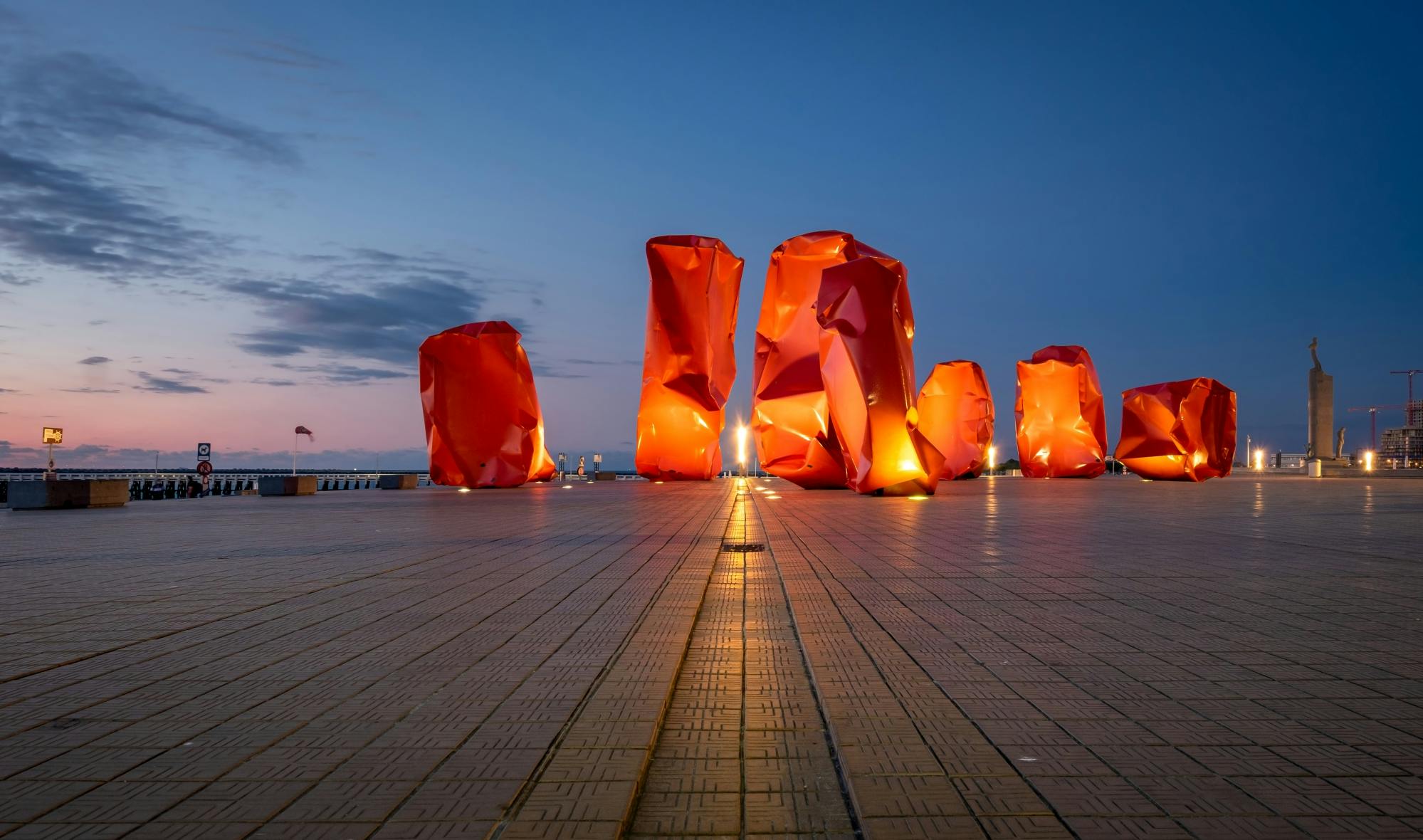
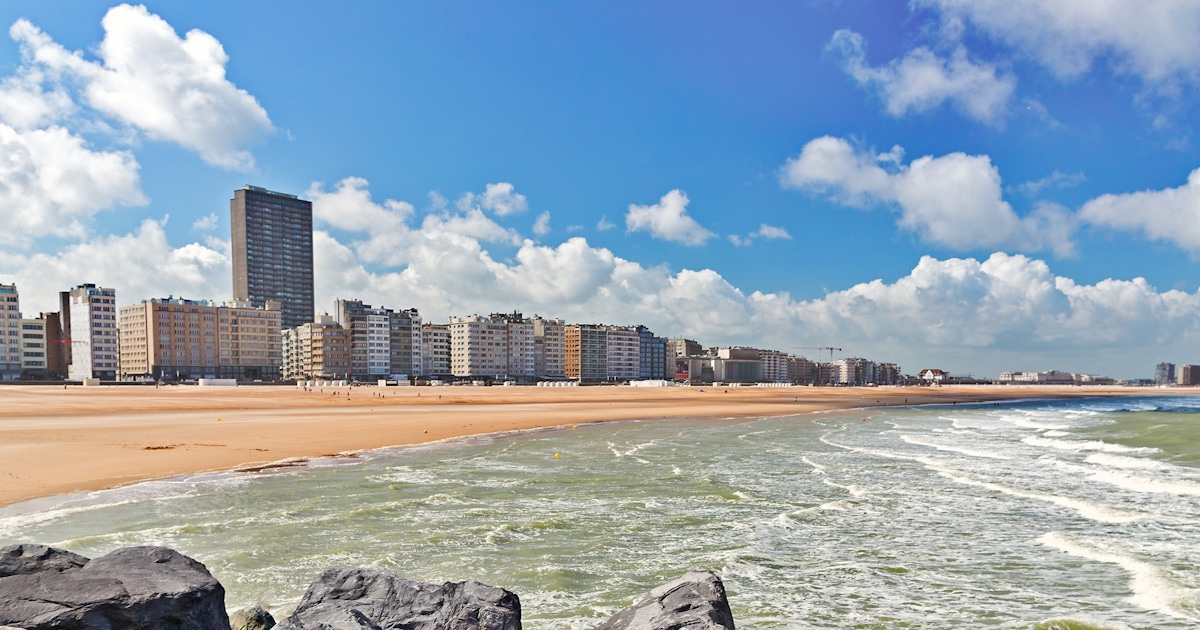
Discover Urban escape game: discover the secrets of Ostend museums, galleries, landmarks, parks, food culture, and hidden gems with practical tips for an
Sponsored Popular Items
Quick take: Musement.com offers a worldwide selection of tours and attractions
Sea-crets of Ostend City Exploration Game Belgium Plan Sea-crets of Ostend City Exploration Game, a water-based experience, with practical tips on timing, inclusions and what to check before booking. Compare current availability, prices and booking conditions before you go.
Why Visit Urban escape game: discover the secrets of Ostend USD 24
Urban escape game: discover the secrets of Ostend USD 24 blends history, culture, and everyday life in a way that rewards slow exploration. Travellers find a mix of museums, lively streets, and neighbourhood charm.
From landmark architecture to green spaces and local markets, the city offers a balanced itinerary for first-time visitors and repeat travellers alike.
History & Heritage Museums
Urban escape game: discover the secrets of Ostend USD 24’s museums help you step through the region’s timeline with clear exhibits and well-curated collections. Expect artifacts, multimedia displays, and concise interpretation panels.
Most venues are walkable or connected by public transport, and many offer audio guides or rotating exhibitions that spotlight local stories alongside global context.
Art Galleries & Cultural Spaces
Creative hubs in Urban escape game: discover the secrets of Ostend USD 24 highlight classical works, contemporary installations, and community projects under one skyline. Small studios sit alongside established galleries.
Look for temporary shows, evening openings, and cultural centres where workshops, talks, and performances make art approachable and engaging for all visitors.
Science & Innovation Centers
Interactive science spaces introduce technology, nature, and engineering through hands-on exhibits. Families appreciate zones designed for curious minds at different ages.
Expect live demos, observatories or labs, and special programming during weekends or holidays that turn complex ideas into memorable experiences.
Landmarks & Architecture
Urban escape game: discover the secrets of Ostend USD 24 combines historic façades with modern silhouettes. Prominent squares, monuments, and skyline viewpoints help orient your footsteps across the city.
Architectural walks reveal different eras side by side, while guided tours unpack details you might otherwise miss, from craftsmanship to city-planning decisions.
Family Attractions
Parks with playgrounds, small zoos or aquariums, and light-touch museums make planning with kids straightforward. Many sites include cafés, shade, and stroller-friendly paths.
Pick attractions with short dwell times and nearby rest stops, then layer in one larger activity—like a scenic ride, boat trip, or theme exhibit—per day.
Parks & Promenades
Green belts, riverside walks, and hilltop lookouts provide fresh air between museum visits. Morning jogs and sunset strolls show a quieter side of the city.
Wayfinding is generally intuitive; look for signed trails and public gardens with seasonal blooms, sculptures, and benches for unhurried breaks.
Food & Culture Highlights
Food in Urban escape game: discover the secrets of Ostend USD 24 reflects regional produce and neighbourhood traditions. Markets offer quick tastings, while casual eateries and bakeries keep schedules flexible.
Consider a short food walk to sample local staples, sweets, or street snacks. Reserve popular spots early for weekends and arrive mid-week for calmer dining rooms.
Local Favorites & Hidden Gems
Beyond main streets, residential quarters hide pocket parks, indie bookshops, and family-run cafés. Small museums and community theatres reward curious detours.
Chat with locals for tips on viewpoint alleys, quiet courtyards, and seasonal events—simple moments that often become the highlight of a visit.
Travel Tips
Use a reloadable transit card or day pass; many sights cluster by district, making it easy to group stops. Comfortable walking shoes are essential on mixed surfaces.
Check opening days and timed-entry policies, especially on Mondays and public holidays. Carry a refillable bottle and light layers for changeable weather.
Final Thoughts
Urban escape game: discover the secrets of Ostend USD 24 invites you to balance headline attractions with slow, local moments. Pace your days, follow your interests, and give each neighbourhood time to breathe.
With thoughtful planning and an open schedule, you’ll leave with a clear sense of place—and reasons to return.
Sponsored Popular Items
Quick take: Musement.com offers a worldwide selection of tours and attractions
Sea-crets of Ostend City Exploration Game Belgium Plan Sea-crets of Ostend City Exploration Game, a water-based experience, with practical tips on timing, inclusions and what to check before booking. Compare current availability, prices and booking conditions before you go.
Self-Guided E-Scavenger Hunt in Ostend - Self-Guided Experience Visitors who prefer flexibility over a fixed group schedule may appreciate the self-guided format of Self-guided e-Scavenger Hunt in Ostend. Check current availability, inclusions and booking details before you go.
Ostend Visitor Guide: Top Attractions, Tours & Activities Belgium Things to do in Ostend: Museums, tours, and attractions Belgium Ostend, often called the “Queen of the Belgian Coast,” is a lively seaside city on the North Sea. Check current availability, inclusions and booking details before you go.
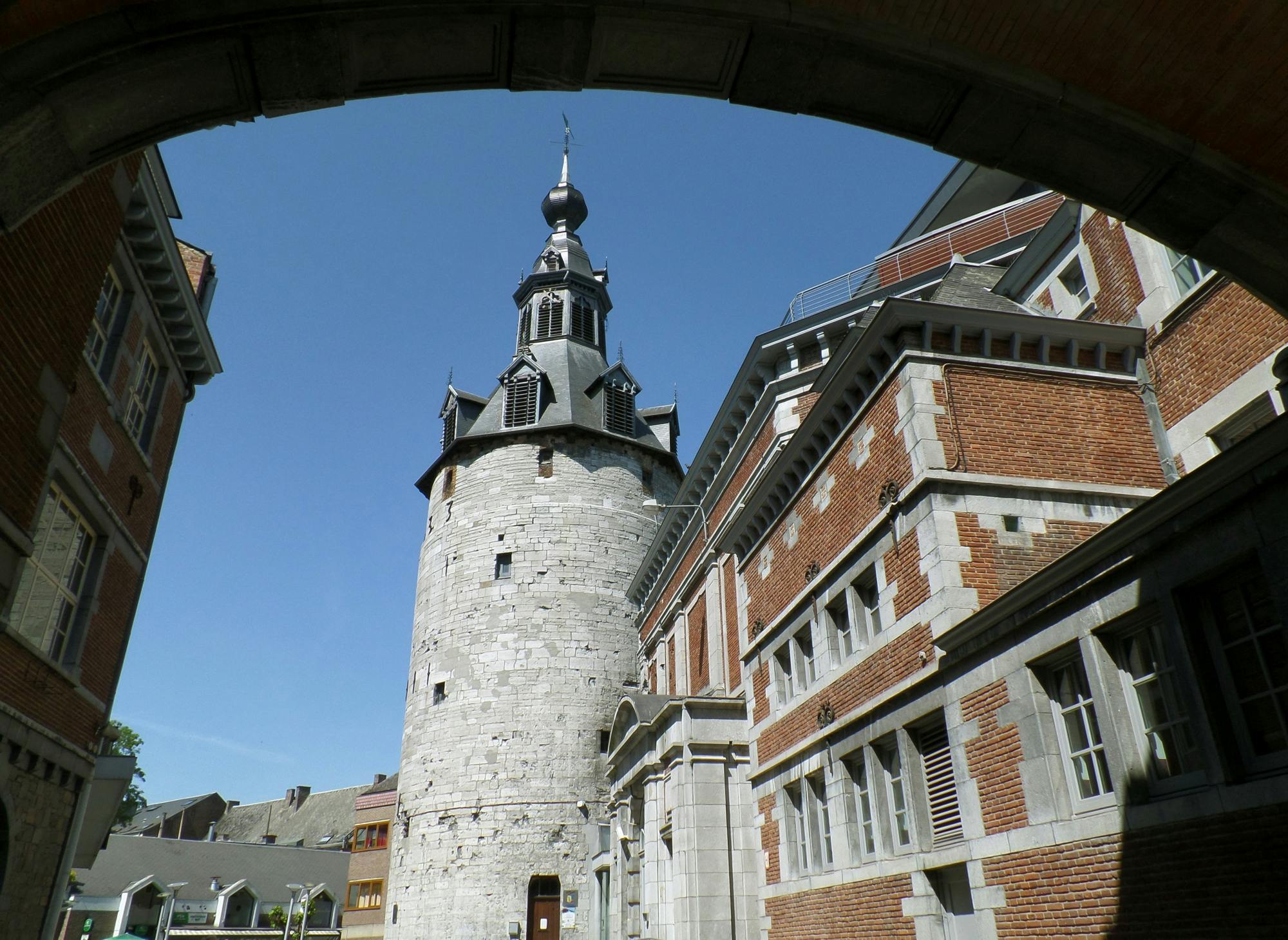
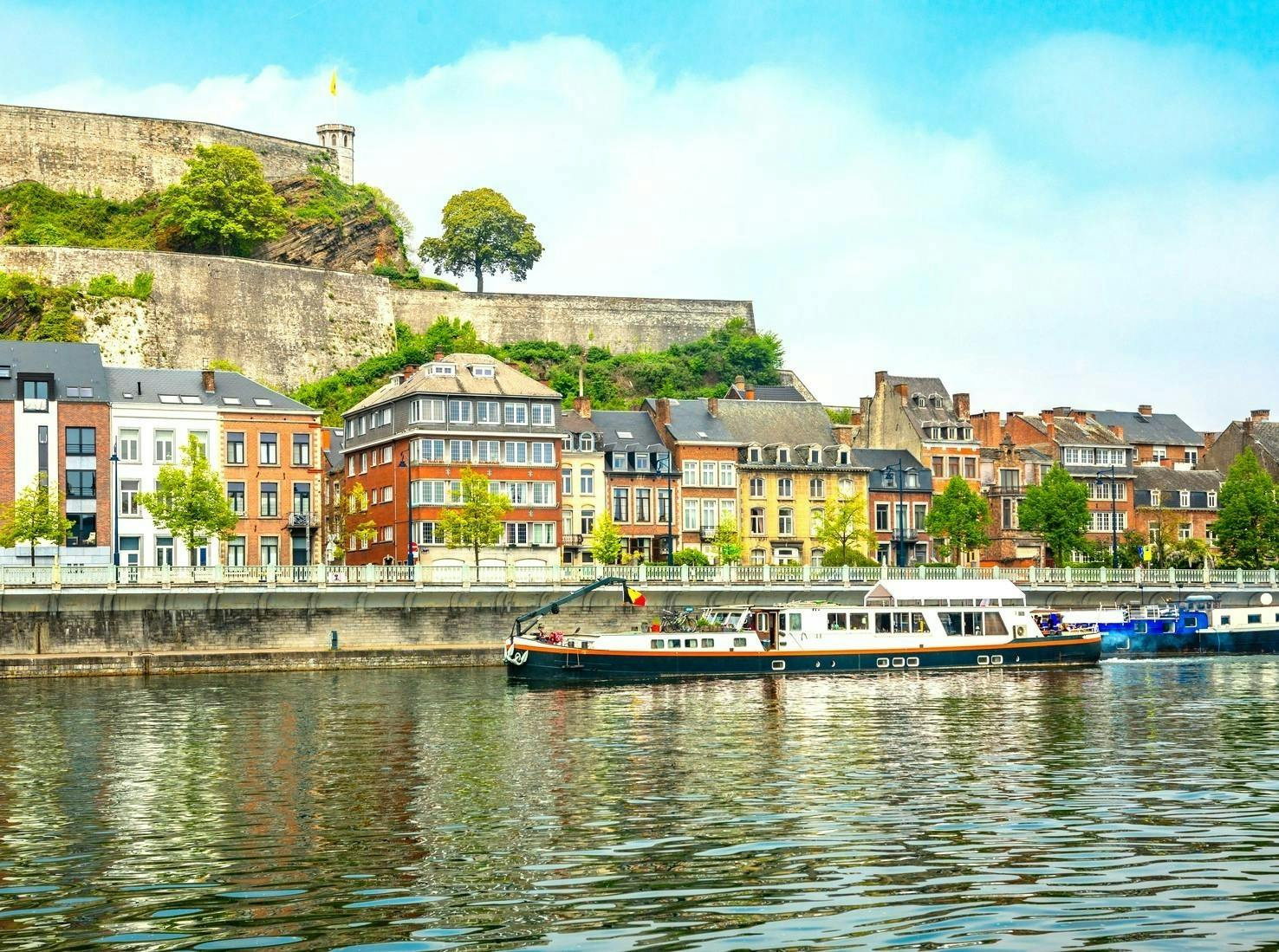
Discover Urban escape game: discover the secrets of Namur museums, galleries, landmarks, parks, food culture, and hidden gems with practical tips for an
Sponsored Popular Items
Quick take: Musement.com offers a worldwide selection of tours and attractions
Self-Guided Tour with Interactive City Game of Namur - Self-Guided Experience Belgium Self guided tour with interactive city game of Namur is designed for travellers who prefer independent exploration while still having structured digital guidance available. Check current availability, inclusions and booking details before you go.
Why Visit Urban escape game: discover the secrets of Namur USD 24
Urban escape game: discover the secrets of Namur USD 24 blends history, culture, and everyday life in a way that rewards slow exploration. Travellers find a mix of museums, lively streets, and neighbourhood charm.
From landmark architecture to green spaces and local markets, the city offers a balanced itinerary for first-time visitors and repeat travellers alike.
History & Heritage Museums
Urban escape game: discover the secrets of Namur USD 24’s museums help you step through the region’s timeline with clear exhibits and well-curated collections. Expect artifacts, multimedia displays, and concise interpretation panels.
Most venues are walkable or connected by public transport, and many offer audio guides or rotating exhibitions that spotlight local stories alongside global context.
Art Galleries & Cultural Spaces
Creative hubs in Urban escape game: discover the secrets of Namur USD 24 highlight classical works, contemporary installations, and community projects under one skyline. Small studios sit alongside established galleries.
Look for temporary shows, evening openings, and cultural centres where workshops, talks, and performances make art approachable and engaging for all visitors.
Science & Innovation Centers
Interactive science spaces introduce technology, nature, and engineering through hands-on exhibits. Families appreciate zones designed for curious minds at different ages.
Expect live demos, observatories or labs, and special programming during weekends or holidays that turn complex ideas into memorable experiences.
Landmarks & Architecture
Urban escape game: discover the secrets of Namur USD 24 combines historic façades with modern silhouettes. Prominent squares, monuments, and skyline viewpoints help orient your footsteps across the city.
Architectural walks reveal different eras side by side, while guided tours unpack details you might otherwise miss, from craftsmanship to city-planning decisions.
Family Attractions
Parks with playgrounds, small zoos or aquariums, and light-touch museums make planning with kids straightforward. Many sites include cafés, shade, and stroller-friendly paths.
Pick attractions with short dwell times and nearby rest stops, then layer in one larger activity—like a scenic ride, boat trip, or theme exhibit—per day.
Parks & Promenades
Green belts, riverside walks, and hilltop lookouts provide fresh air between museum visits. Morning jogs and sunset strolls show a quieter side of the city.
Wayfinding is generally intuitive; look for signed trails and public gardens with seasonal blooms, sculptures, and benches for unhurried breaks.
Food & Culture Highlights
Food in Urban escape game: discover the secrets of Namur USD 24 reflects regional produce and neighbourhood traditions. Markets offer quick tastings, while casual eateries and bakeries keep schedules flexible.
Consider a short food walk to sample local staples, sweets, or street snacks. Reserve popular spots early for weekends and arrive mid-week for calmer dining rooms.
Local Favorites & Hidden Gems
Beyond main streets, residential quarters hide pocket parks, indie bookshops, and family-run cafés. Small museums and community theatres reward curious detours.
Chat with locals for tips on viewpoint alleys, quiet courtyards, and seasonal events—simple moments that often become the highlight of a visit.
Travel Tips
Use a reloadable transit card or day pass; many sights cluster by district, making it easy to group stops. Comfortable walking shoes are essential on mixed surfaces.
Check opening days and timed-entry policies, especially on Mondays and public holidays. Carry a refillable bottle and light layers for changeable weather.
Final Thoughts
Urban escape game: discover the secrets of Namur USD 24 invites you to balance headline attractions with slow, local moments. Pace your days, follow your interests, and give each neighbourhood time to breathe.
With thoughtful planning and an open schedule, you’ll leave with a clear sense of place—and reasons to return.
Sponsored Popular Items
Quick take: Musement.com offers a worldwide selection of tours and attractions
Self-Guided Tour with Interactive City Game of Namur - Self-Guided Experience Belgium Self guided tour with interactive city game of Namur is designed for travellers who prefer independent exploration while still having structured digital guidance available. Check current availability, inclusions and booking details before you go.
Namur 2-hour Intro Walking Tour with a Local Belgium Plan Namur 2-hour Intro Walking Tour with a Local, a outdoor experience, with practical tips on timing, inclusions and what to check before booking. Compare current availability, prices and booking conditions before you go.
Namur City Highlights Walking Tour with a Local Belgium Plan Namur City Highlights Walking Tour with a Local, a outdoor experience, with practical tips on timing, inclusions and what to check before booking. Compare current availability, prices and booking conditions before you go.
Discover Urban escape game: discover the secrets of Ghent museums, galleries, landmarks, parks, food culture, and hidden gems with practical tips for an
Sponsored Popular Items
Quick take: Musement.com offers a worldwide selection of tours and attractions
Urban Art & Nature Escape-Taichung Gaomei Wetlands Best deals for Urban Art & Nature Escape-Taichung Gaomei Wetlands. Approximately an 8-hour tour in Taichung. Visit the Rainbow Village, watch the sunset at Gaomei Wetlands, and explore the retro and elegant Miyahara. Available from getyourguide.com.
Why Visit Urban escape game: discover the secrets of Ghent USD 24
Urban escape game: discover the secrets of Ghent USD 24 blends history, culture, and everyday life in a way that rewards slow exploration. Travellers find a mix of museums, lively streets, and neighbourhood charm.
From landmark architecture to green spaces and local markets, the city offers a balanced itinerary for first-time visitors and repeat travellers alike.
History & Heritage Museums
Urban escape game: discover the secrets of Ghent USD 24’s museums help you step through the region’s timeline with clear exhibits and well-curated collections. Expect artifacts, multimedia displays, and concise interpretation panels.
Most venues are walkable or connected by public transport, and many offer audio guides or rotating exhibitions that spotlight local stories alongside global context.
Art Galleries & Cultural Spaces
Creative hubs in Urban escape game: discover the secrets of Ghent USD 24 highlight classical works, contemporary installations, and community projects under one skyline. Small studios sit alongside established galleries.
Look for temporary shows, evening openings, and cultural centres where workshops, talks, and performances make art approachable and engaging for all visitors.
Science & Innovation Centers
Interactive science spaces introduce technology, nature, and engineering through hands-on exhibits. Families appreciate zones designed for curious minds at different ages.
Expect live demos, observatories or labs, and special programming during weekends or holidays that turn complex ideas into memorable experiences.
Landmarks & Architecture
Urban escape game: discover the secrets of Ghent USD 24 combines historic façades with modern silhouettes. Prominent squares, monuments, and skyline viewpoints help orient your footsteps across the city.
Architectural walks reveal different eras side by side, while guided tours unpack details you might otherwise miss, from craftsmanship to city-planning decisions.
Family Attractions
Parks with playgrounds, small zoos or aquariums, and light-touch museums make planning with kids straightforward. Many sites include cafés, shade, and stroller-friendly paths.
Pick attractions with short dwell times and nearby rest stops, then layer in one larger activity—like a scenic ride, boat trip, or theme exhibit—per day.
Parks & Promenades
Green belts, riverside walks, and hilltop lookouts provide fresh air between museum visits. Morning jogs and sunset strolls show a quieter side of the city.
Wayfinding is generally intuitive; look for signed trails and public gardens with seasonal blooms, sculptures, and benches for unhurried breaks.
Food & Culture Highlights
Food in Urban escape game: discover the secrets of Ghent USD 24 reflects regional produce and neighbourhood traditions. Markets offer quick tastings, while casual eateries and bakeries keep schedules flexible.
Consider a short food walk to sample local staples, sweets, or street snacks. Reserve popular spots early for weekends and arrive mid-week for calmer dining rooms.
Local Favorites & Hidden Gems
Beyond main streets, residential quarters hide pocket parks, indie bookshops, and family-run cafés. Small museums and community theatres reward curious detours.
Chat with locals for tips on viewpoint alleys, quiet courtyards, and seasonal events—simple moments that often become the highlight of a visit.
Travel Tips
Use a reloadable transit card or day pass; many sights cluster by district, making it easy to group stops. Comfortable walking shoes are essential on mixed surfaces.
Check opening days and timed-entry policies, especially on Mondays and public holidays. Carry a refillable bottle and light layers for changeable weather.
Final Thoughts
Urban escape game: discover the secrets of Ghent USD 24 invites you to balance headline attractions with slow, local moments. Pace your days, follow your interests, and give each neighbourhood time to breathe.
With thoughtful planning and an open schedule, you’ll leave with a clear sense of place—and reasons to return.
Sponsored Popular Items
Quick take: Musement.com offers a worldwide selection of tours and attractions
Urban Art & Nature Escape-Taichung Gaomei Wetlands Best deals for Urban Art & Nature Escape-Taichung Gaomei Wetlands. Approximately an 8-hour tour in Taichung. Visit the Rainbow Village, watch the sunset at Gaomei Wetlands, and explore the retro and elegant Miyahara. Available from getyourguide.com.
Discover Urban escape game: discover the secrets of Bruges museums, galleries, landmarks, parks, food culture, and hidden gems with practical tips for an
Sponsored Popular Items
Quick take: Musement.com offers a worldwide selection of tours and attractions
Urban Art & Nature Escape-Taichung Gaomei Wetlands Best deals for Urban Art & Nature Escape-Taichung Gaomei Wetlands. Approximately an 8-hour tour in Taichung. Visit the Rainbow Village, watch the sunset at Gaomei Wetlands, and explore the retro and elegant Miyahara. Available from getyourguide.com.
Why Visit Urban escape game: discover the secrets of Bruges USD 24
Urban escape game: discover the secrets of Bruges USD 24 blends history, culture, and everyday life in a way that rewards slow exploration. Travellers find a mix of museums, lively streets, and neighbourhood charm.
From landmark architecture to green spaces and local markets, the city offers a balanced itinerary for first-time visitors and repeat travellers alike.
History & Heritage Museums
Urban escape game: discover the secrets of Bruges USD 24’s museums help you step through the region’s timeline with clear exhibits and well-curated collections. Expect artifacts, multimedia displays, and concise interpretation panels.
Most venues are walkable or connected by public transport, and many offer audio guides or rotating exhibitions that spotlight local stories alongside global context.
Art Galleries & Cultural Spaces
Creative hubs in Urban escape game: discover the secrets of Bruges USD 24 highlight classical works, contemporary installations, and community projects under one skyline. Small studios sit alongside established galleries.
Look for temporary shows, evening openings, and cultural centres where workshops, talks, and performances make art approachable and engaging for all visitors.
Science & Innovation Centers
Interactive science spaces introduce technology, nature, and engineering through hands-on exhibits. Families appreciate zones designed for curious minds at different ages.
Expect live demos, observatories or labs, and special programming during weekends or holidays that turn complex ideas into memorable experiences.
Landmarks & Architecture
Urban escape game: discover the secrets of Bruges USD 24 combines historic façades with modern silhouettes. Prominent squares, monuments, and skyline viewpoints help orient your footsteps across the city.
Architectural walks reveal different eras side by side, while guided tours unpack details you might otherwise miss, from craftsmanship to city-planning decisions.
Family Attractions
Parks with playgrounds, small zoos or aquariums, and light-touch museums make planning with kids straightforward. Many sites include cafés, shade, and stroller-friendly paths.
Pick attractions with short dwell times and nearby rest stops, then layer in one larger activity—like a scenic ride, boat trip, or theme exhibit—per day.
Parks & Promenades
Green belts, riverside walks, and hilltop lookouts provide fresh air between museum visits. Morning jogs and sunset strolls show a quieter side of the city.
Wayfinding is generally intuitive; look for signed trails and public gardens with seasonal blooms, sculptures, and benches for unhurried breaks.
Food & Culture Highlights
Food in Urban escape game: discover the secrets of Bruges USD 24 reflects regional produce and neighbourhood traditions. Markets offer quick tastings, while casual eateries and bakeries keep schedules flexible.
Consider a short food walk to sample local staples, sweets, or street snacks. Reserve popular spots early for weekends and arrive mid-week for calmer dining rooms.
Local Favorites & Hidden Gems
Beyond main streets, residential quarters hide pocket parks, indie bookshops, and family-run cafés. Small museums and community theatres reward curious detours.
Chat with locals for tips on viewpoint alleys, quiet courtyards, and seasonal events—simple moments that often become the highlight of a visit.
Travel Tips
Use a reloadable transit card or day pass; many sights cluster by district, making it easy to group stops. Comfortable walking shoes are essential on mixed surfaces.
Check opening days and timed-entry policies, especially on Mondays and public holidays. Carry a refillable bottle and light layers for changeable weather.
Final Thoughts
Urban escape game: discover the secrets of Bruges USD 24 invites you to balance headline attractions with slow, local moments. Pace your days, follow your interests, and give each neighbourhood time to breathe.
With thoughtful planning and an open schedule, you’ll leave with a clear sense of place—and reasons to return.
Sponsored Popular Items
Quick take: Musement.com offers a worldwide selection of tours and attractions
Urban Art & Nature Escape-Taichung Gaomei Wetlands Best deals for Urban Art & Nature Escape-Taichung Gaomei Wetlands. Approximately an 8-hour tour in Taichung. Visit the Rainbow Village, watch the sunset at Gaomei Wetlands, and explore the retro and elegant Miyahara. Available from getyourguide.com.
Tokyo: Ghost Stories, Urban Legends & Cemetery Night Walk Best deals for Tokyo: Ghost Stories, Urban Legends & Cemetery Night Walk. A 2-hour night walk from Shibuya Crossing to Aoyama Cemetery, guided by a local storyteller sharing real Japanese urban legends and ghost folklore. Available from getyourguide.com.
Seoul to Incheon: Urban & Cultural Highlights Private Tour Best deals for Seoul to Incheon: Urban & Cultural Highlights Private Tour. Explore Incheon's history and modernity on a private tour from Seoul: visit Chinatown, Fairy Tale Village, a traditional market, Incheon Landing Memorial, Songdo Central Park, and G Tower. Available from getyourguide.com.
Discover Urban escape game: discover the secrets of Toulouse museums, galleries, landmarks, parks, food culture, and hidden gems with practical tips for an
Sponsored Popular Items
Quick take: Musement.com offers a worldwide selection of tours and attractions
Urban Art & Nature Escape-Taichung Gaomei Wetlands Best deals for Urban Art & Nature Escape-Taichung Gaomei Wetlands. Approximately an 8-hour tour in Taichung. Visit the Rainbow Village, watch the sunset at Gaomei Wetlands, and explore the retro and elegant Miyahara. Available from getyourguide.com.
Why Visit Urban escape game: discover the secrets of Toulouse USD 24
Urban escape game: discover the secrets of Toulouse USD 24 blends history, culture, and everyday life in a way that rewards slow exploration. Travellers find a mix of museums, lively streets, and neighbourhood charm.
From landmark architecture to green spaces and local markets, the city offers a balanced itinerary for first-time visitors and repeat travellers alike.
History & Heritage Museums
Urban escape game: discover the secrets of Toulouse USD 24’s museums help you step through the region’s timeline with clear exhibits and well-curated collections. Expect artifacts, multimedia displays, and concise interpretation panels.
Most venues are walkable or connected by public transport, and many offer audio guides or rotating exhibitions that spotlight local stories alongside global context.
Art Galleries & Cultural Spaces
Creative hubs in Urban escape game: discover the secrets of Toulouse USD 24 highlight classical works, contemporary installations, and community projects under one skyline. Small studios sit alongside established galleries.
Look for temporary shows, evening openings, and cultural centres where workshops, talks, and performances make art approachable and engaging for all visitors.
Science & Innovation Centers
Interactive science spaces introduce technology, nature, and engineering through hands-on exhibits. Families appreciate zones designed for curious minds at different ages.
Expect live demos, observatories or labs, and special programming during weekends or holidays that turn complex ideas into memorable experiences.
Landmarks & Architecture
Urban escape game: discover the secrets of Toulouse USD 24 combines historic façades with modern silhouettes. Prominent squares, monuments, and skyline viewpoints help orient your footsteps across the city.
Architectural walks reveal different eras side by side, while guided tours unpack details you might otherwise miss, from craftsmanship to city-planning decisions.
Family Attractions
Parks with playgrounds, small zoos or aquariums, and light-touch museums make planning with kids straightforward. Many sites include cafés, shade, and stroller-friendly paths.
Pick attractions with short dwell times and nearby rest stops, then layer in one larger activity—like a scenic ride, boat trip, or theme exhibit—per day.
Parks & Promenades
Green belts, riverside walks, and hilltop lookouts provide fresh air between museum visits. Morning jogs and sunset strolls show a quieter side of the city.
Wayfinding is generally intuitive; look for signed trails and public gardens with seasonal blooms, sculptures, and benches for unhurried breaks.
Food & Culture Highlights
Food in Urban escape game: discover the secrets of Toulouse USD 24 reflects regional produce and neighbourhood traditions. Markets offer quick tastings, while casual eateries and bakeries keep schedules flexible.
Consider a short food walk to sample local staples, sweets, or street snacks. Reserve popular spots early for weekends and arrive mid-week for calmer dining rooms.
Local Favorites & Hidden Gems
Beyond main streets, residential quarters hide pocket parks, indie bookshops, and family-run cafés. Small museums and community theatres reward curious detours.
Chat with locals for tips on viewpoint alleys, quiet courtyards, and seasonal events—simple moments that often become the highlight of a visit.
Travel Tips
Use a reloadable transit card or day pass; many sights cluster by district, making it easy to group stops. Comfortable walking shoes are essential on mixed surfaces.
Check opening days and timed-entry policies, especially on Mondays and public holidays. Carry a refillable bottle and light layers for changeable weather.
Final Thoughts
Urban escape game: discover the secrets of Toulouse USD 24 invites you to balance headline attractions with slow, local moments. Pace your days, follow your interests, and give each neighbourhood time to breathe.
With thoughtful planning and an open schedule, you’ll leave with a clear sense of place—and reasons to return.
Sponsored Popular Items
Quick take: Musement.com offers a worldwide selection of tours and attractions
Urban Art & Nature Escape-Taichung Gaomei Wetlands Best deals for Urban Art & Nature Escape-Taichung Gaomei Wetlands. Approximately an 8-hour tour in Taichung. Visit the Rainbow Village, watch the sunset at Gaomei Wetlands, and explore the retro and elegant Miyahara. Available from getyourguide.com.
Tokyo: Ghost Stories, Urban Legends & Cemetery Night Walk Best deals for Tokyo: Ghost Stories, Urban Legends & Cemetery Night Walk. A 2-hour night walk from Shibuya Crossing to Aoyama Cemetery, guided by a local storyteller sharing real Japanese urban legends and ghost folklore. Available from getyourguide.com.
Seoul to Incheon: Urban & Cultural Highlights Private Tour Best deals for Seoul to Incheon: Urban & Cultural Highlights Private Tour. Explore Incheon's history and modernity on a private tour from Seoul: visit Chinatown, Fairy Tale Village, a traditional market, Incheon Landing Memorial, Songdo Central Park, and G Tower. Available from getyourguide.com.
Discover Urban escape game: discover the secrets of Strasbourg museums, galleries, landmarks, parks, food culture, and hidden gems with practical tips for an
Sponsored Popular Items
Quick take: Musement.com offers a worldwide selection of tours and attractions
Urban Art & Nature Escape-Taichung Gaomei Wetlands Best deals for Urban Art & Nature Escape-Taichung Gaomei Wetlands. Approximately an 8-hour tour in Taichung. Visit the Rainbow Village, watch the sunset at Gaomei Wetlands, and explore the retro and elegant Miyahara. Available from getyourguide.com.
Why Visit Urban escape game: discover the secrets of Strasbourg USD 24
Urban escape game: discover the secrets of Strasbourg USD 24 blends history, culture, and everyday life in a way that rewards slow exploration. Travellers find a mix of museums, lively streets, and neighbourhood charm.
From landmark architecture to green spaces and local markets, the city offers a balanced itinerary for first-time visitors and repeat travellers alike.
History & Heritage Museums
Urban escape game: discover the secrets of Strasbourg USD 24’s museums help you step through the region’s timeline with clear exhibits and well-curated collections. Expect artifacts, multimedia displays, and concise interpretation panels.
Most venues are walkable or connected by public transport, and many offer audio guides or rotating exhibitions that spotlight local stories alongside global context.
Art Galleries & Cultural Spaces
Creative hubs in Urban escape game: discover the secrets of Strasbourg USD 24 highlight classical works, contemporary installations, and community projects under one skyline. Small studios sit alongside established galleries.
Look for temporary shows, evening openings, and cultural centres where workshops, talks, and performances make art approachable and engaging for all visitors.
Science & Innovation Centers
Interactive science spaces introduce technology, nature, and engineering through hands-on exhibits. Families appreciate zones designed for curious minds at different ages.
Expect live demos, observatories or labs, and special programming during weekends or holidays that turn complex ideas into memorable experiences.
Landmarks & Architecture
Urban escape game: discover the secrets of Strasbourg USD 24 combines historic façades with modern silhouettes. Prominent squares, monuments, and skyline viewpoints help orient your footsteps across the city.
Architectural walks reveal different eras side by side, while guided tours unpack details you might otherwise miss, from craftsmanship to city-planning decisions.
Family Attractions
Parks with playgrounds, small zoos or aquariums, and light-touch museums make planning with kids straightforward. Many sites include cafés, shade, and stroller-friendly paths.
Pick attractions with short dwell times and nearby rest stops, then layer in one larger activity—like a scenic ride, boat trip, or theme exhibit—per day.
Parks & Promenades
Green belts, riverside walks, and hilltop lookouts provide fresh air between museum visits. Morning jogs and sunset strolls show a quieter side of the city.
Wayfinding is generally intuitive; look for signed trails and public gardens with seasonal blooms, sculptures, and benches for unhurried breaks.
Food & Culture Highlights
Food in Urban escape game: discover the secrets of Strasbourg USD 24 reflects regional produce and neighbourhood traditions. Markets offer quick tastings, while casual eateries and bakeries keep schedules flexible.
Consider a short food walk to sample local staples, sweets, or street snacks. Reserve popular spots early for weekends and arrive mid-week for calmer dining rooms.
Local Favorites & Hidden Gems
Beyond main streets, residential quarters hide pocket parks, indie bookshops, and family-run cafés. Small museums and community theatres reward curious detours.
Chat with locals for tips on viewpoint alleys, quiet courtyards, and seasonal events—simple moments that often become the highlight of a visit.
Travel Tips
Use a reloadable transit card or day pass; many sights cluster by district, making it easy to group stops. Comfortable walking shoes are essential on mixed surfaces.
Check opening days and timed-entry policies, especially on Mondays and public holidays. Carry a refillable bottle and light layers for changeable weather.
Final Thoughts
Urban escape game: discover the secrets of Strasbourg USD 24 invites you to balance headline attractions with slow, local moments. Pace your days, follow your interests, and give each neighbourhood time to breathe.
With thoughtful planning and an open schedule, you’ll leave with a clear sense of place—and reasons to return.
Sponsored Popular Items
Quick take: Musement.com offers a worldwide selection of tours and attractions
Urban Art & Nature Escape-Taichung Gaomei Wetlands Best deals for Urban Art & Nature Escape-Taichung Gaomei Wetlands. Approximately an 8-hour tour in Taichung. Visit the Rainbow Village, watch the sunset at Gaomei Wetlands, and explore the retro and elegant Miyahara. Available from getyourguide.com.
Escape Tour Self-Guided, Interactive City Challenge in Strasbourg Escape Tour self-guided, interactive city challenge in Strasbourg combines self-paced sightseeing with useful background information and flexible stopping time. Check current availability, inclusions and booking details before you go.