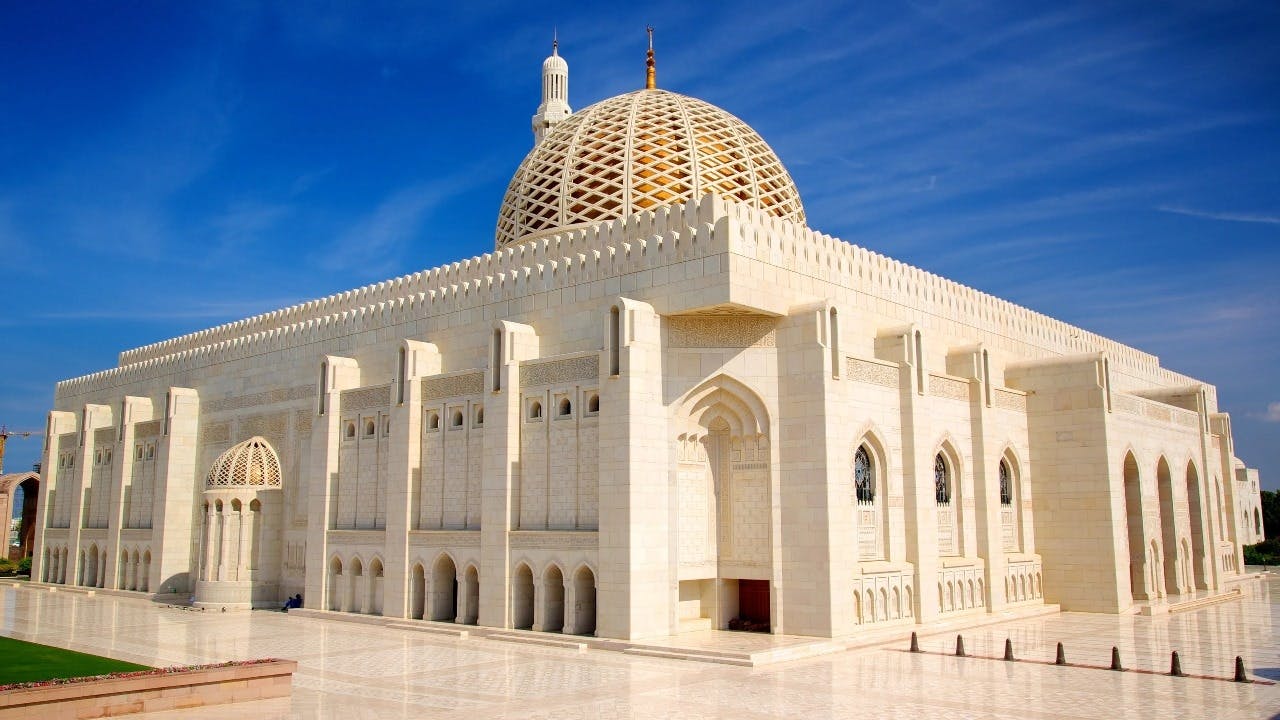
Sultan Qaboos Grand Mosque is one of the most beautiful and important landmarks in Muscat, Oman. With its gleaming marble, soaring minarets, elegant domes, peaceful courtyards and breathtaking prayer hall, the mosque is a must-see for travellers who want to experience the cultural and architectural heart of Oman’s capital.
Quick take: Musement.com offers a worldwide selection of tours and attractions
Built as a place of worship and a symbol of modern Omani identity, Sultan Qaboos Grand Mosque combines scale, serenity and craftsmanship. It is grand without feeling overwhelming, decorative without feeling crowded, and deeply peaceful despite being one of Muscat’s most visited attractions.
Why Visit Sultan Qaboos Grand Mosque?
Sultan Qaboos Grand Mosque is worth visiting because it offers one of the finest introductions to Omani architecture, Islamic design and Muscat’s calm, elegant character. The mosque is famous for its vast prayer hall, intricate patterns, marble surfaces, enormous chandelier and beautifully detailed handwoven carpet.
For travellers, the experience is both visual and reflective. You can admire the building’s symmetry, walk through the courtyards, notice the calligraphy and decorative details, and step inside one of the most impressive mosque interiors in the Middle East.
A Landmark of Modern Oman
Sultan Qaboos Grand Mosque was created as a national landmark and remains one of the defining sights of Muscat. Its design blends traditional Islamic architectural principles with Omani elegance, using domes, arches, minarets, geometric patterns and carefully balanced open spaces.
The mosque is not hidden away in a historic quarter. It sits proudly in modern Muscat, showing how Oman connects faith, culture, craftsmanship and national identity in one remarkable building.
Main Features and Attractions
The Main Prayer Hall
The main prayer hall is the highlight of the mosque visit. This vast, beautifully decorated space is known for its high dome, marble columns, detailed arches, stained-glass elements, patterned walls and sense of quiet grandeur.
Even before you notice individual details, the overall impression is powerful. The proportions, colours and lighting create a calm and majestic atmosphere that makes the prayer hall one of Muscat’s most memorable interiors.
The Grand Chandelier
One of the most photographed features inside Sultan Qaboos Grand Mosque is the enormous chandelier suspended beneath the dome. Its scale, glow and intricate form draw the eye upward and add drama to the prayer hall.
The chandelier is not just decorative. It helps define the space, giving the hall a strong central focus and adding to the feeling of ceremony and beauty.
The Handwoven Carpet
The mosque’s vast handwoven carpet is another major highlight. Its detailed pattern, scale and craftsmanship make it one of the most impressive features of the interior.
Standing inside the prayer hall, it is easy to appreciate how the carpet works with the architecture. It softens the marble, adds colour and pattern, and helps create a unified visual experience from floor to ceiling.
The Courtyards
The mosque’s courtyards are peaceful, open and beautifully proportioned. They give visitors space to slow down and appreciate the building from different angles.
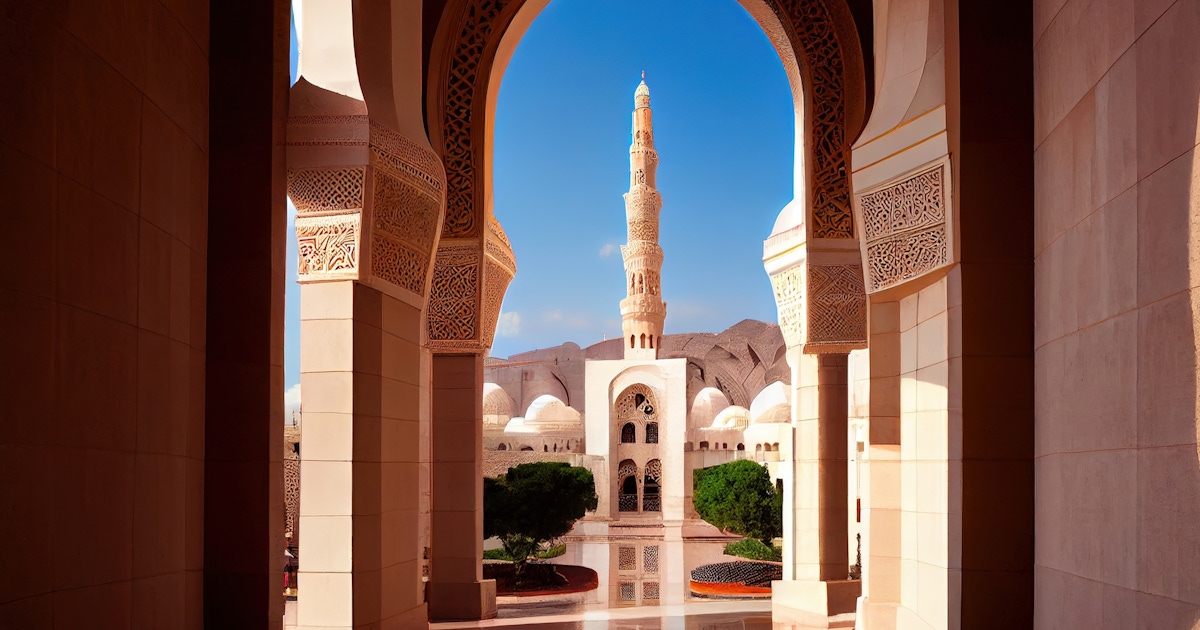
The clean lines, pale stone, arches and surrounding colonnades make the courtyards especially photogenic. They are also a good place to pause before or after entering the main prayer hall.
The Minarets and Domes
The minarets and domes give Sultan Qaboos Grand Mosque its graceful skyline. Their symmetry and scale are particularly striking from the outside, especially in the soft light of morning.
From a distance, the mosque feels elegant and balanced. Up close, the details become richer, with carved stone, decorative panels and carefully arranged architectural forms.
The Gardens and Grounds
The landscaped grounds add to the serenity of the mosque. Palm trees, pathways, gardens and open spaces help frame the building and make the visit feel calm rather than rushed.
The gardens are also useful for photography, as they allow wider views of the mosque’s exterior and create a softer contrast with the stone architecture.
Dress Code and Visitor Etiquette
Sultan Qaboos Grand Mosque is an active religious site, so modest dress is essential. Men should wear long trousers and avoid sleeveless tops. Women should cover their arms, legs and hair with a scarf. Clothing should be loose and respectful.
Visitors should also behave quietly, avoid eating or drinking inside the mosque areas, and follow any instructions from staff. Shoes may need to be removed before entering prayer areas, so wearing easy-to-remove footwear can make the visit smoother.
Best Time to Visit Sultan Qaboos Grand Mosque
Morning is generally the best time to visit, especially for non-Muslim visitors, as access is usually limited to specific visitor hours. Early morning also brings softer light, cooler temperatures and a more peaceful atmosphere.
Muscat can become hot during the day, so visiting early is more comfortable. The pale marble and open courtyards are beautiful in strong sunlight, but the heat can be intense, particularly outside the cooler months.
How Long Do You Need at Sultan Qaboos Grand Mosque?
Allow around 1 to 2 hours for a relaxed visit. This gives enough time to explore the exterior, walk through the courtyards, visit the main prayer hall, take photos and appreciate the details without rushing.
If you are visiting with a guide, allow extra time for explanations about Islamic design, Omani culture, the mosque’s construction and the symbolism of the architectural features.
Nearby Attractions to Add to Your Visit
Mutrah Souq
Mutrah Souq is one of Muscat’s most atmospheric traditional markets. It is a wonderful place to browse frankincense, silver, textiles, perfumes, spices, lamps and souvenirs. After the calm beauty of the mosque, the souq adds colour, sound and local energy to your day.
Mutrah Corniche
The Mutrah Corniche offers a scenic waterfront walk with views of the harbour, mountains, old buildings and traditional boats. It pairs well with a visit to Mutrah Souq.
Al Alam Palace
Al Alam Palace is one of Muscat’s most recognisable royal landmarks. While visitors usually admire it from outside, its colourful façade and ceremonial setting make it a popular stop on city tours.
Royal Opera House Muscat
The Royal Opera House Muscat is another example of Oman’s elegant modern architecture. It is a good addition for travellers interested in culture, performance and refined design.
Bait Al Zubair Museum
Bait Al Zubair Museum is a useful stop for travellers who want to learn more about Omani heritage, traditional clothing, weapons, jewellery and everyday culture.
Suggested Muscat Half-Day Itinerary
If you want to build a simple sightseeing route around Sultan Qaboos Grand Mosque, try this half-day plan:
Morning: Visit Sultan Qaboos Grand Mosque early, while the temperature is cooler and the light is soft.
Late morning: Continue to the Royal Opera House Muscat or Bait Al Zubair Museum.
Lunch: Stop at a local restaurant or café for Omani or Middle Eastern food.
Afternoon: Explore Mutrah Souq and walk along Mutrah Corniche.
Optional extra: Add Al Alam Palace and the old Muscat area if you have more time.
Travel Tips for Visiting Sultan Qaboos Grand Mosque
Dress modestly and bring a headscarf if you are a woman.
Visit early in the morning for cooler weather and softer light.
Wear shoes that are easy to remove before entering prayer areas.
Bring a camera or phone, but be respectful when taking photos.
Allow time to appreciate the courtyards, not just the main prayer hall.
Check current visitor hours before you go, especially around Fridays, Ramadan or public holidays.
Combine the mosque with Mutrah Souq, Mutrah Corniche and Al Alam Palace for a classic Muscat itinerary.
Is Sultan Qaboos Grand Mosque Worth Visiting?
Yes, Sultan Qaboos Grand Mosque is absolutely worth visiting. It is one of the most beautiful landmarks in Oman and one of the best places in Muscat to experience Islamic architecture, Omani culture and peaceful design.
The main prayer hall, chandelier, handwoven carpet, gardens and courtyards make it a visually stunning attraction, while the calm atmosphere gives the visit a deeper sense of meaning. It is suitable for first-time visitors, architecture lovers, photographers and anyone interested in understanding Muscat beyond beaches and markets.
Final Thoughts
Sultan Qaboos Grand Mosque is one of the highlights of Muscat and a landmark that leaves a lasting impression. Its beauty is not only in its size, but in its balance: marble and pattern, light and shade, grandeur and quietness, tradition and modern craftsmanship.
Whether you visit as part of a city tour, a cruise stop, a cultural itinerary or a longer Oman journey, Sultan Qaboos Grand Mosque deserves a place on your travel plans. It is elegant, peaceful, photogenic and deeply connected to the identity of modern Oman.
Frequently Asked Questions About Sultan Qaboos Grand Mosque
Where is Sultan Qaboos Grand Mosque?
Sultan Qaboos Grand Mosque is located in Muscat, the capital city of Oman.
What is Sultan Qaboos Grand Mosque famous for?
It is famous for its Islamic architecture, grand prayer hall, enormous chandelier, handwoven carpet, marble courtyards, domes, minarets and peaceful landscaped grounds.
Can non-Muslims visit Sultan Qaboos Grand Mosque?
Yes, non-Muslim visitors can usually visit during designated visitor hours. Access may vary, so check current times before going.
What should women wear to Sultan Qaboos Grand Mosque?
Women should dress modestly, covering arms, legs and hair. A scarf is required for the head, and clothing should be loose and respectful.
What should men wear to Sultan Qaboos Grand Mosque?
Men should wear long trousers and avoid sleeveless tops or shorts. Modest clothing is expected inside the mosque grounds.
How long should I spend at Sultan Qaboos Grand Mosque?
Allow around 1 to 2 hours for a relaxed visit, including the courtyards, exterior, main prayer hall and photo stops.
Is Sultan Qaboos Grand Mosque good for photography?
Yes, the mosque is excellent for photography. The best subjects include the domes, minarets, courtyards, arches, prayer hall, chandelier and geometric details.
What attractions are near Sultan Qaboos Grand Mosque?
Nearby and commonly combined Muscat attractions include Mutrah Souq, Mutrah Corniche, Al Alam Palace, Royal Opera House Muscat and Bait Al Zubair Museum.
Sponsored Popular Items
Quick take: Musement.com offers a worldwide selection of tours and attractions
Sultan Qaboos Grand Mosque Muscat – Tickets & Guided Tours Oman A listing may offer admission, a guided visit, transport, a combination package or premium access. Check current availability, inclusions and booking details before you go.
Old Cairo Churches, Mosque & Grand Egyptian Museum Tour from Sharm Egypt Old Cairo Mosque, Churches, and New Grand Museum by Plane from Sharm USD 430 provides a structured way to visit a notable attraction or cultural site. Check current availability, inclusions and booking details before you go.
Hagia Sophia, Blue Mosque, Grand Bazaar Guided Small-Group Tour Hagia Sophia, Blue Mosque, Grand Bazaar guided small group tour is a convenient way to add structure, local context and purposeful sightseeing to the itinerary. Check current availability, inclusions and booking details before you go.
Ahmed Al Fateh Grand Mosque Manama – Tickets & Guided Tours Bahrain A listing may offer admission, a guided visit, transport, a combination package or premium access. Check current availability, inclusions and booking details before you go.
Sheikh Zayed Grand Mosque Tickets & Guided Tours in Abu Dhabi United Arab Emirates Compare sightseeing experiences in Sheikh Zayed Grand Mosque Tickets & Guided, with practical tips on timing, inclusions and choosing the right option. Check current availability, prices and booking conditions before you go.