Wuli Bridge Hui Village Guide: Dali’s Muslim Heritage, Hui Culture, Local Food and Nearby Historic Sites
Wuli Bridge Hui Village, often connected with South Wuli Bridge Village or Nan Wuliqiao, is a Hui Muslim village area near Dali Ancient City in Yunnan, China. It is a useful cultural stop for travellers who want to understand Dali beyond Cangshan, Erhai Lake and the old town’s tourist streets.
This is not a major theme-park-style attraction. It is a living village community with Hui, Han, Bai and other ethnic connections, local food businesses, village lanes, mosque culture, family life and strong links to Dali’s wider Muslim history. For Muslim travellers, it can also be part of a meaningful Dali itinerary that includes halal dining, mosque visits, Donglianhua Village and sites connected with Du Wenxiu, the 19th-century Muslim leader associated with Dali’s history.
Wuli Bridge Hui Village works best as a slow cultural visit rather than a quick photo stop. Come for local atmosphere, food, heritage, village renewal stories and a deeper look at how Dali’s multi-ethnic identity lives outside the main tourist core.
Sponsored Popular Items
Quick take: Trip.com offers a worldwide selection of tours and attractions and hotels
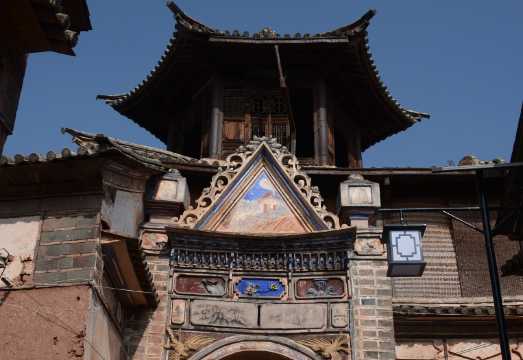
Donglianhua (East Lotus) & Wuli Bridge Hui Village & Du Wenxiu – Guided Tour Donglianhua (East Lotus) & Wuli Bridge Hui Village + Du Wenxiu Mansion & Tomb Muslim Tour adds structure, local context and purposeful sightseeing to the itinerary. Donglianhua (East Lotus) & Wuli Bridge Hui Village + Du Wenxiu Mansion & Tomb Muslim Tour: experience overview Enjoy a private personalized experience with private vehicle and optional professional tour guide with itinerary tailored for Muslim travelers;Explore the attractions at your own pace and preference in a private group and customize the itinerary according to your interests;Online Support with Travel Concierge Service Available from trip.com. This makes the experience a useful option when planning…
Quick take: Trip.com helps you compare prices across accommodations. Use it to shortlist hotels, then click through to confirm the final price, room type, and inclusions on the booking site.
Wuli Bridge Hui Village is worth visiting if you are interested in Dali’s Hui Muslim culture, village life, halal food, ethnic history and community-based travel. Many visitors to Dali focus only on the old town, Cangshan Mountain, Erhai Lake, Xizhou and Shuanglang. Wuli Bridge gives a different perspective: a local village close to the old city, shaped by Hui identity and everyday community life.
Wuli Bridge Hui Village is best for:
Travellers interested in Hui Muslim culture in Yunnan
Muslim visitors looking for a culturally relevant Dali route
Food travellers interested in halal restaurants and local village dining
Visitors who want to go beyond Dali Ancient City’s tourist streets
People interested in ethnic minority communities around Dali
Travellers combining Dali with Donglianhua Village and Du Wenxiu sites
Slow travellers who enjoy markets, neighbourhoods and village walks
Photographers looking for local detail rather than standard landmark shots
Where Is Wuli Bridge Hui Village?
Wuli Bridge Hui Village is in the Dali area of Yunnan, south of Dali Ancient City. Chinese sources commonly refer to South Wuli Bridge Natural Village as part of the Dali Town / Yanghe Village area. It is close enough to Dali Ancient City to combine with a half-day or full-day cultural route.
Location Detail
Traveller Notes
Destination
Wuli Bridge Hui Village / South Wuli Bridge Village / Nan Wuliqiao
Region
Dali, Yunnan, China
Nearby major landmark
Dali Ancient City
Known for
Hui Muslim community, village renewal, local food, cultural identity and proximity to Dali Old Town
Good to combine with
Dali Ancient City, South Gate Mosque, Du Wenxiu sites, Donglianhua Village, Cangshan and Erhai Lake
Best transport
Taxi, private driver, local guide, e-bike where permitted, or organised private tour
Best visit length
1 to 2 hours for a village stop; half day with Dali Ancient City; full day with Donglianhua and Du Wenxiu sites
What to Expect
Expect a living village rather than a ticketed scenic area. The main value is cultural: village roads, Hui community life, food businesses, mosque heritage, local homes, community spaces and the sense of Dali’s multi-ethnic landscape. Depending on the exact route, you may see village gateways, clean streets, local restaurants, guesthouses, mosque-related architecture and everyday neighbourhood life.
What you may find
Hui Muslim community atmosphere
Local halal food and family-run dining
Village lanes and community spaces
Architecture with Islamic and local Yunnan influences
Nearby access to Dali Ancient City
Possible mosque visits if arranged respectfully
Local businesses connected with food, guesthouses and tourism
A quieter contrast to Dali Old Town’s souvenir streets
Connections to broader Dali Hui history and Du Wenxiu heritage
What not to expect
Do not expect a large commercial tourist attraction.
Do not expect English signage everywhere.
Do not expect all mosque or community areas to be open to casual visitors.
Do not treat residents’ homes, courtyards or prayer spaces as photo props.
Do not expect the same café-and-shop atmosphere as Dali Ancient City.
Do not visit only to take photos; the village is best appreciated slowly and respectfully.
Hui Culture and Muslim Heritage
The Hui are a Muslim ethnic group in China with long histories of trade, settlement, food culture, mosque life and regional adaptation. Around Dali and western Yunnan, Hui communities are part of a wider multi-ethnic landscape that also includes Bai, Han, Yi and other groups.
Wuli Bridge Hui Village is meaningful because it shows Hui culture close to Dali’s main travel route. Visitors can see how Muslim identity, local Yunnan culture and village life overlap in everyday settings rather than only in museums or old monuments.
Things to notice respectfully
Halal food signs and restaurants
Village gateways and community slogans
Mosque-related architectural details where publicly visible
Clean village streets and local public spaces
Family-run food and guesthouse businesses
How Hui culture sits alongside Bai and broader Dali culture
Local dress, food customs and community rhythms
Village Walk and Local Life
A good visit to Wuli Bridge Hui Village is simple: walk slowly, look carefully, eat locally and stay respectful. Unlike Dali Ancient City, where tourism dominates many streets, Wuli Bridge is more about everyday village life.
Suggested village walk
Arrive near the main village entry area. If travelling with a guide or driver, confirm where to start and where to meet again.
Walk the main village roads. Notice gateways, clean streets, food businesses and public spaces.
Look for halal dining options. This is one of the most practical reasons many travellers include the village.
Ask before photographing people. Respect privacy, especially around homes, prayer areas and family businesses.
Visit mosque-related areas only if appropriate. Follow local rules and avoid disturbing worshippers.
Continue to Dali Ancient City or Du Wenxiu sites. The village works well as part of a wider Hui heritage route.
Village walk tips
Go with a local guide if you want meaningful cultural explanation.
Use translation apps if you do not speak Mandarin.
Dress modestly, especially if you hope to visit mosque areas.
Buy food or drinks locally if you spend time in the village.
Do not enter private courtyards without invitation.
Mosque Etiquette and Respectful Visiting
Wuli Bridge Hui Village is connected with Hui Muslim culture, so visitors should be mindful of mosque etiquette and community expectations. Some mosque areas may welcome visitors at certain times, while others may be intended mainly for worshippers.
Respectful mosque visiting tips
Dress modestly, covering shoulders and knees.
Remove shoes if required before entering prayer areas.
Do not enter during prayer unless invited or clearly permitted.
Ask before taking photos inside or around worship spaces.
Keep your voice low.
Do not point cameras at worshippers without permission.
Follow gender-specific entry guidance if it applies.
Avoid bringing non-halal food or alcohol into sensitive community spaces.
If you are unsure, stay outside, observe respectfully and ask a guide or local contact for help.
Halal Food and Local Eating
Food is one of the best reasons to include Wuli Bridge Hui Village in a Dali itinerary. Hui communities in Yunnan are known for halal food traditions, and the village area is a good place to look for Muslim-friendly meals, especially if you are travelling with dietary requirements.
Food experiences to look for
Halal beef or mutton dishes: common in Hui food culture.
Yunnan noodles: ask clearly about halal preparation.
Local breads and flatbreads: often good with meat dishes or soup.
Hotpot or grill restaurants: check whether they are halal before ordering.
Tea and simple local snacks: good for a slower village stop.
Family-run restaurants: often the most interesting places to eat.
Food tips
Look for clear halal signs or ask your guide to confirm.
Use the phrase “qingzhen” when asking about halal food in Chinese.
Confirm that no pork or alcohol is used if you require strict halal preparation.
Bring cash or Chinese mobile payment options where possible.
Visit at lunch or early dinner rather than late at night.
Support local restaurants instead of treating the village only as a sightseeing stop.
Donglianhua Village Add-On
Donglianhua Village, also known as East Lotus Village, is often paired with Wuli Bridge Hui Village on Muslim cultural routes around Dali. It is especially associated with Hui culture, caravan history and old courtyard architecture.
For travellers interested in Dali’s Muslim heritage, Donglianhua is a strong add-on because it gives a more historic village setting, while Wuli Bridge offers a closer-to-Dali, living-community perspective.
Why combine Wuli Bridge and Donglianhua?
Both are connected with Hui cultural identity.
Donglianhua adds caravan and old-village history.
Wuli Bridge is closer to Dali Ancient City.
Together they make a stronger Muslim heritage day.
They pair well with Du Wenxiu Mansion and mosque visits.
Donglianhua tips
Allow enough time; Donglianhua is not right beside Dali Old Town.
Consider a private driver or tour for an efficient route.
Ask whether a guide can explain caravan history and Hui architecture.
Combine with lunch at a halal restaurant if possible.
Du Wenxiu History Sites
Du Wenxiu is an important figure in Dali’s 19th-century history and is commonly included in Muslim-focused heritage routes. Tours may combine Wuli Bridge Hui Village with the Du Wenxiu Mansion, related museum spaces, tomb sites and mosque visits.
These sites help connect village culture with the wider political and religious history of western Yunnan. If you are interested in Hui history, this context is valuable because it places Wuli Bridge within a larger story.
Possible Du Wenxiu-related stops
Du Wenxiu Mansion / Marshal’s Mansion areas
Dali City Museum sites connected with the former mansion
Du Wenxiu tomb or memorial-related places depending on access
South Gate Mosque in Dali Ancient City routes
Dali Old Town historical streets
Tips for visiting history sites
Use a guide if you want accurate historical explanation.
Check opening hours before planning your route.
Allow time to connect the sites rather than rushing between them.
Be aware that English interpretation may be limited.
Dali Ancient City Connection
Dali Ancient City is the main tourist base near Wuli Bridge Hui Village. Many travellers stay inside or near the old town and then use it as a starting point for village visits, Cangshan, Erhai Lake and cultural day trips.
Wuli Bridge is valuable because it shows a different side of Dali very close to the main visitor area. You can visit old-town gates, cafes and shops, then move south to see a Hui village community with a more local identity.
Good Dali Old Town pairings
South Gate and old-town walls
South Gate Mosque if included in your route
Du Wenxiu Mansion or museum areas
Local halal restaurants near the old town
Cangshan views from the western side of the city
Evening walk through Dali Ancient City after a village visit
Cangshan and Erhai Add-Ons
Most visitors to Dali also want to see Cangshan Mountain and Erhai Lake. Wuli Bridge Hui Village can fit into a flexible Dali plan before or after these major natural sights.
Easy add-ons
Cangshan: cable cars, walking paths and mountain views above Dali.
Erhai Lake: cycling, lake roads, villages, cafes and photography.
Xizhou: Bai architecture, old courtyards and local snacks.
Three Pagodas: one of Dali’s best-known historic landmarks.
Shuanglang: lake views and scenic accommodation on the Erhai side.
Planning tip
Do not try to fit Wuli Bridge, Donglianhua, Du Wenxiu sites, Cangshan and a full Erhai loop into one day. Choose either a cultural Hui heritage day or a mountain-and-lake day for a better experience.
How to Get to Wuli Bridge Hui Village
The easiest way to reach Wuli Bridge Hui Village is from Dali Ancient City or Dali City by taxi, private car or local driver. Because the village is not as internationally famous as Dali’s main attractions, having the Chinese name ready can help.
Transport Option
Best For
Traveller Notes
Taxi or rideshare
Simple short visit from Dali Ancient City
Show the Chinese name and confirm the exact drop-off point.
Private driver
Combining Wuli Bridge with Donglianhua and Du Wenxiu sites
Best for a full cultural day without transport stress.
Guided private tour
Travellers wanting historical and cultural explanation
Most useful if you want Hui heritage context.
E-bike or bicycle
Confident local explorers staying nearby
Only practical if road conditions, weather and local rules suit.
Public transport
Budget travellers with Mandarin confidence
Possible locally, but less convenient for first-time visitors.
Useful Chinese names
Wuli Bridge Hui Village: 五里桥回族村
South Wuli Bridge Village: 南五里桥村
Dali Ancient City: 大理古城
Donglianhua Village: 东莲花村
Halal / Muslim food: 清真
Tour Options
Wuli Bridge Hui Village can be visited independently, but a private tour is useful if your goal is cultural understanding rather than simply passing through. Some Muslim-focused tours combine Wuli Bridge with Donglianhua Village, Du Wenxiu sites, Dali Ancient City and mosque stops.
Tour Type
Best For
Traveller Notes
Self-guided short visit
Independent travellers already staying in Dali
Good for food and a quick village walk, but cultural context may be limited.
Private Hui heritage tour
Muslim travellers and culture-focused visitors
Best for combining Wuli Bridge, Donglianhua, mosques and Du Wenxiu history.
Private driver day
Families and small groups
Flexible, but arrange your own guide or research if you need explanation.
Dali cultural day tour
First-time visitors wanting a broader route
Check whether Wuli Bridge is specifically included.
Food-focused stop
Halal dining and local food travellers
Best combined with Dali Ancient City or Donglianhua.
Suggested Itinerary Ideas
Option 1: Short Wuli Bridge Village Visit from Dali Old Town
Morning: Start in Dali Ancient City.
Transfer: Take a taxi or private car to Wuli Bridge Hui Village.
Village walk: Explore the main lanes and community spaces respectfully.
Food: Eat at a local halal restaurant if available.
Return: Go back to Dali Ancient City for cafes, shopping and evening atmosphere.
Option 2: Muslim Heritage Day in Dali
Morning: Visit Wuli Bridge Hui Village.
Lunch: Choose a halal meal in or near the village.
Afternoon: Visit Du Wenxiu Mansion or related museum areas.
Next: Stop at South Gate Mosque or another mosque site if access is appropriate.
Evening: Walk through Dali Ancient City.
Option 3: Wuli Bridge and Donglianhua Cultural Route
Morning: Depart Dali with a private driver or guide.
Stop 1: Wuli Bridge Hui Village for local Hui community atmosphere.
Stop 2: Donglianhua Village for caravan history and Hui architecture.
Lunch: Halal meal arranged in advance.
Afternoon: Return toward Dali Ancient City and add Du Wenxiu sites if time allows.
Option 4: Dali Old Town and Nearby Hui Culture Half-Day
Start: Dali Ancient City South Gate.
Stop: South Gate Mosque area if open and appropriate.
Continue: Visit Wuli Bridge Hui Village.
Food: Try halal local dishes.
Finish: Return to the old town or continue to Cangshan viewpoint areas.
Option 5: Slow Travel Day
Morning: Coffee or breakfast in Dali Ancient City.
Midday: Visit Wuli Bridge Hui Village for a slow walk and lunch.
Afternoon: Rest, photograph village details and speak with locals if language allows.
Evening: Return to Dali for sunset views toward Cangshan or Erhai.
Best Time to Visit Wuli Bridge Hui Village
Time / Season
What to Expect
Advice
Morning
Quieter streets and softer light
Good for village walking and photography.
Lunch time
Best time to include halal food
Useful if food is the main reason for visiting.
Afternoon
Warmer light and easier combination with Dali Old Town
Good for a relaxed half-day route.
Evening
Some food businesses may be active, but village sightseeing may be limited
Better for dining than cultural exploring.
Spring
Mild weather and good walking conditions
Excellent for Dali cultural routes.
Summer
Warmer weather and possible rain
Carry sun protection and check weather.
Autumn
Clearer skies and pleasant temperatures
One of the best seasons for Dali travel.
Winter
Cooler but often manageable
Bring layers, especially for morning and evening.
Where to Stay
Area
Best For
Traveller Notes
Dali Ancient City
First-time visitors and easy sightseeing
Best base for old-town walks, Cangshan, food and cultural day trips.
South of Dali Ancient City
Access to Wuli Bridge and quieter local areas
Useful if your focus is Hui village culture or local food.
Near Erhai Lake
Lake views and relaxed stays
Better for scenery, but farther from Wuli Bridge and old-town heritage stops.
Xizhou
Bai architecture and village atmosphere
Good for a different cultural base, but not as close to Wuli Bridge.
Shuanglang
Erhai views and scenic accommodation
Beautiful, but less practical for Wuli Bridge Hui Village.
Xiaguan / Dali City centre
Transport convenience
Practical for trains and buses, less atmospheric than the old town.
Useful Booking Resources for Wuli Bridge Hui Village and Dali
Wuli Bridge Hui Village can be visited independently, but booking platforms are useful for private Muslim heritage tours, Dali drivers, Donglianhua Village trips, Du Wenxiu history routes, hotels, transfers and wider Yunnan travel planning. Skimlinks may automatically convert some merchant links into affiliate links if the merchant is active in your Skimlinks account.
Trip.com – useful for Dali hotels, China train planning, transfers, eSIMs and private tours that may include Wuli Bridge Hui Village, Donglianhua and Du Wenxiu sites.
Booking.com – useful for comparing hotels and guesthouses in Dali Ancient City, Erhai Lake, Xizhou and other nearby areas.
GetYourGuide – useful for broader Yunnan, Dali, Lijiang and China cultural tours depending on availability.
Viator – useful for private guides, cultural tours, Dali day trips and wider Yunnan itineraries depending on current listings.
Klook – useful for China eSIMs, transfers, attraction tickets and selected Yunnan experiences depending on availability.
KKday – useful for selected China tours, transfers and local experiences depending on availability.
Tripadvisor – useful for checking recent traveller reviews of Dali private tours, Donglianhua Village, local guides and cultural experiences.
Booking tip: Before booking a tour, check whether Wuli Bridge Hui Village is actually included, whether the itinerary includes a mosque visit, whether halal food can be arranged, whether pickup is from Dali Ancient City, whether Donglianhua is included, and whether the guide can explain Hui history in a language you understand.
Wuli Bridge Hui Village Travel Tips
Use the Chinese name
Carry the Chinese name 五里桥回族村 or 南五里桥村 so taxi drivers and local contacts understand where you want to go.
Visit with cultural respect
This is a living village, not a staged attraction. Be considerate around homes, elders, children, restaurants and prayer spaces.
Dress modestly
Modest dress is recommended, especially if you hope to visit mosque-related areas or eat in traditional Hui settings.
Ask before taking photos
Always ask before photographing people, private courtyards, mosque interiors or family businesses.
Go for food as well as sightseeing
Halal food is one of the best reasons to visit. Plan your stop around lunch or early dinner if possible.
Consider a guide
A guide can explain Hui culture, village history, Du Wenxiu links and local etiquette far better than a quick self-guided walk.
Combine with Dali Ancient City
Wuli Bridge is close enough to combine with South Gate, Du Wenxiu sites, old-town streets and mosque-related stops.
Do not overpack the day
If adding Donglianhua Village, allow a full day. If staying near Dali Old Town, Wuli Bridge can be a relaxed half-day stop.
Check restaurant hours
Small local restaurants may not operate all day. Ask your driver, guide or hotel to confirm suitable halal dining options.
Support local businesses
Eat locally, buy respectfully and contribute to the village economy rather than only passing through for photos.
Is Wuli Bridge Hui Village Worth Visiting?
Yes, Wuli Bridge Hui Village is worth visiting if you want a deeper cultural experience near Dali Ancient City. It is especially meaningful for travellers interested in Hui Muslim culture, halal food, ethnic community life and the broader history of Muslim communities in western Yunnan.
It may not suit visitors looking only for big-ticket landmarks, dramatic scenery or polished tourist streets. Wuli Bridge is more subtle: a local village, a food stop, a community space and a cultural layer of Dali that many travellers miss.
The best way to enjoy it is to visit slowly, eat locally, dress respectfully, ask before taking photos and combine it with Dali Ancient City, Du Wenxiu sites, South Gate Mosque or Donglianhua Village for a fuller Hui heritage route.
FAQs About Wuli Bridge Hui Village
Where is Wuli Bridge Hui Village?
Wuli Bridge Hui Village is in the Dali area of Yunnan, China, south of Dali Ancient City. It is commonly connected with South Wuli Bridge Village, or Nan Wuliqiao.
What is Wuli Bridge Hui Village known for?
Wuli Bridge Hui Village is known for its Hui Muslim community, local village life, halal food, mosque culture, multi-ethnic setting and proximity to Dali Ancient City.
Is Wuli Bridge Hui Village a major tourist attraction?
No. It is more of a living cultural village than a large commercial tourist attraction. It is best visited slowly and respectfully.
Can Muslim travellers find halal food near Wuli Bridge Hui Village?
Wuli Bridge Hui Village is a Hui Muslim community area, so it is a good place to look for halal food. Travellers with strict requirements should still confirm halal preparation before ordering.
Can you visit Wuli Bridge Hui Village from Dali Ancient City?
Yes. Wuli Bridge Hui Village is close enough to Dali Ancient City to visit by taxi, private driver or guided tour.
What Chinese name should I show a taxi driver?
Show the names 五里桥回族村 for Wuli Bridge Hui Village or 南五里桥村 for South Wuli Bridge Village.
What should I combine with Wuli Bridge Hui Village?
Good combinations include Dali Ancient City, South Gate Mosque, Du Wenxiu Mansion or museum sites, Donglianhua Village, Cangshan and Erhai Lake.
Is Donglianhua Village the same as Wuli Bridge Hui Village?
No. They are different places, but both are often included in Hui Muslim cultural routes around Dali.
Do I need a guide?
You do not need a guide for a simple visit, but a guide is helpful if you want to understand Hui culture, local history, mosque etiquette and Du Wenxiu-related heritage.
Is Wuli Bridge Hui Village worth visiting?
Yes. Wuli Bridge Hui Village is worth visiting for travellers interested in Hui Muslim culture, halal food, local Dali village life and a more meaningful cultural experience beyond the main old-town tourist streets.
::contentReference[oaicite:0]{index=0}
Sponsored Popular Items
Quick take: Trip.com offers a worldwide selection of tours and attractions and hotels
Donglianhua (East Lotus) & Wuli Bridge Hui Village & Du Wenxiu – Guided Tour Donglianhua (East Lotus) & Wuli Bridge Hui Village + Du Wenxiu Mansion & Tomb Muslim Tour adds structure, local context and purposeful sightseeing to the itinerary. Donglianhua (East Lotus) & Wuli Bridge Hui Village + Du Wenxiu Mansion & Tomb Muslim Tour: experience overview Enjoy a private personalized experience with private vehicle and optional professional tour guide with itinerary tailored for Muslim travelers;Explore the attractions at your own pace and preference in a private group and customize the itinerary according to your interests;Online Support with Travel Concierge Service Available from trip.com. This makes the experience a useful option when planning…
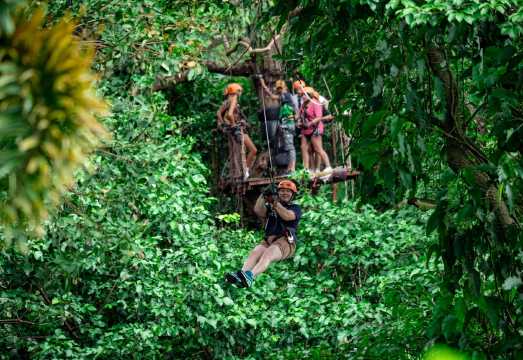
Koh Samui Tree Bridge Coffee Ziplining – Tree Bridge Zipline – Zipline Adventure Koh Samui Tree Bridge Coffee Ziplining|Tree Bridge Zipline|Thrilling Jungle Zipline Adventure adds movement, scenery and a more active element to the itinerary. Koh Samui Tree Bridge Coffee Ziplining|Tree Bridge Zipline|Thrilling Jungle Zipline Adventure: experience overview Experience an adrenaline rush as you trek through Koh Samui's lush jungles and waterfalls Available from trip.com. This makes the experience a useful option when planning time in > Koh Samui local experienceSearch results. The exact duration can depend on the selected date, option or operating schedule. Routes, start times, inclusions and meeting arrangements may vary, so the current booking page should be treated as…
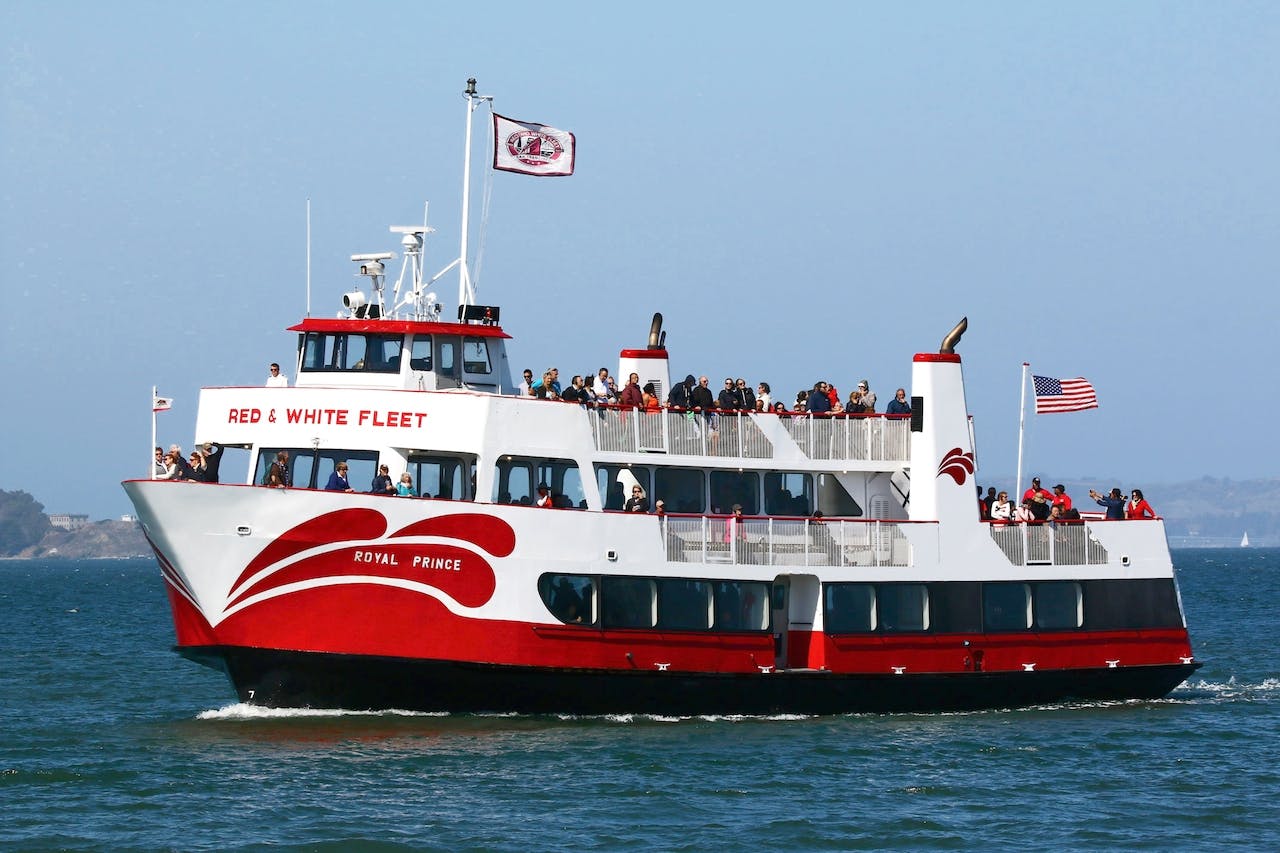
Bridge to Bridge Cruise in San Francisco Bridge to Bridge cruise in San Francisco presents the destination from the water and offers a different perspective from road-based sightseeing. Bridge to Bridge cruise in San Francisco: experience overview Experience the Bridge to Bridge tour of San Francisco now and discover the history, culture and architecture of this fantastic city via the audio guide. This makes the experience a useful option when planning time in San Francisco. The exact duration can depend on the selected date, option or operating schedule. Routes, start times, inclusions and meeting arrangements may vary, so the current booking page should be treated as the…
Ba Na Hills – Golden Bridge and French Village Day Tour – Guided Sightseeing Tour Ba Na Hills - Golden Bridge and French Village Day Tour adds structure, local context and purposeful sightseeing to the itinerary. Ba Na Hills - Golden Bridge and French Village Day Tour: experience overview Enjoy the feeling of being immersed in the sea of clouds on the way to the top of Ba Na Mountain;Admire the stunning views of mountains, waterfalls, and clouds from above, as you stroll on the Golden Bridge;Convenient hotel pick-up and drop-off in Da Nang with a 9-seater Limousine Available from trip.com. This makes the experience a useful option when planning time in > Da Nang…
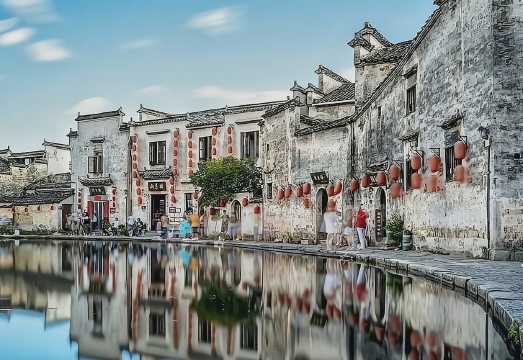
Yi County Lu Village & South Lake & Hongcun Painting Bridge & Moon Pond day – Guided Tour Yi County Lu Village + South Lake + Hongcun Painting Bridge + Moon Pond day tour with Chinese/English/Russian guide EA adds structure, local context and purposeful sightseeing to the itinerary. Yi County Lu Village + South Lake + Hongcun Painting Bridge + Moon Pond day tour with Chinese/English/Russian guide EA: experience overview Full Chinese/English/Russian services for seamless communication with adjustable attractions;Customized day tours, experience the regional charm of China in the least amount of time.;24/7 customer support online, ensuring a smooth journey for you! Available from trip.com. This makes the experience a useful option when planning time in > Huangshan…
Ba Na Hills, Golden Bridge & French Village Day Tour Vietnam Ba Na Hills + Cable Car + Golden Bridge + French Castle + Hotel Transfer + Optional Small Group 1-Day Tour adds structure, local context and purposeful sightseeing to the itinerary. Vietnam Ba Na Hills + Cable Car + Golden Bridge + French Castle + Hotel Transfer + Optional Small Group 1-Day Tour: experience overview Take the cable car to Ba Na Hills, experience a resort in the clouds, pristine natural beauty, and a fantastic amusement park.;Daily departures available, self-guided tour travelers can book with one click and set off immediately.;Stroll along the 150-meter-long Golden Bridge, which stands at…
Quick take: Trip.com helps you compare prices across accommodations. Use it to shortlist hotels, then click through to confirm the final price, room type, and inclusions on the booking site.
Genting Highlands, French Village, Japanese Village & Batu Caves Day Tour – Guided Tour Japan Genting Highlands, French Village, Japanese Village & Batu Caves Day Tour – Highland Mist & Global Charms in One Trip adds structure, local context and purposeful sightseeing to the itinerary. Genting Highlands, French Village, Japanese Village & Batu Caves Day Tour – Highland Mist & Global Charms in One Trip: experience overview Step into Europe and Japan in a Day – Highland Romance, Cloud Views & Sacred Batu Caves Wonders Available from trip.com. This makes the experience a useful option when planning time in > Kuala Lumpur local experienceSearch results. The exact duration can depend on the selected date, option…
Mohe Arctic Village & Beihong Village Photography Tour with Aerial Images – Guided Tour Mohe Trip Moments[Arctic Village/Birch Forest/Beihong Village on-the-go photography and aerial shooting + multilingual translator photographer] adds structure, local context and purposeful sightseeing to the itinerary. Mohe Trip Moments[Arctic Village/Birch Forest/Beihong Village on-the-go photography and aerial shooting + multilingual translator photographer]: experience overview Global Shooting · Multilingual Companion;One-on-One · Full-Category Customization;Camera / Phone · Dual Shooting Options Available from trip.com. This makes the experience a useful option when planning time in > Mohe local experienceSearch results. The exact duration can depend on the selected date, option or operating schedule. Routes, start times, inclusions and meeting arrangements may vary, so the current…
Incense Village & Hat-Making Village Half-Day Tour Half Day: Incense Village and Hat Making Village (Morning/Afternoon) adds structure, local context and purposeful sightseeing to the itinerary. Half Day: Incense Village and Hat Making Village (Morning/Afternoon): experience overview Visit Chuong Village, famous for traditional conical hat making;Meet local artisans and learn how Vietnam's iconic nón lá is crafted;Explore Quang Phu Cau, Hanoi's most colorful incense-making village Available from trip.com. This makes the experience a useful option when planning time in > Hanoi local experienceSearch results. The listing describes this as a half day experience. Routes, start times, inclusions and meeting arrangements may vary, so the current booking page…
Brooklyn Bridge & DUMBO 2-Hour Walking Tour Brooklyn Bridge and DUMBO 2 Hour Guided Walking Tour in New York adds structure, local context and purposeful sightseeing to the itinerary. Brooklyn Bridge and DUMBO 2 Hour Guided Walking Tour in New York: experience overview Enjoy a walk across the historic Brooklyn Bridge and explore the charm and waterfront views of DUMBO, a neighbourhood known for its galleries and boutiques. This makes the experience a useful option when planning time in New York. The listing describes this as a 2 hour experience. Routes, start times, inclusions and meeting arrangements may vary, so the current booking page should be treated…
Bali Gianyar Regency Glass Bridge Experience Tickets – Attraction Entry Bali Gianyar Regency Glass Bridge Experience Tickets provides a structured way to visit a notable attraction or cultural site. Bali Gianyar Regency Glass Bridge Experience Tickets: experience overview Experience the thrill of Indonesia's first glass bridge in Bali. Choose your ticket type and admire the awe-inspiring views. Book now. This makes the experience a useful option when planning time in Bali. The exact duration can depend on the selected date, option or operating schedule. Routes, start times, inclusions and meeting arrangements may vary, so the current booking page should be treated as the final source of operational information. At a…
Cirque du Soleil, Tibetan Bridge & Roc del Quer Package – Guided Sightseeing Experience Best deals for Cirque du Soleil Radio Andorra and Tibetan Bridge & Roc del Quer Viewpoint package. This duo of exciting activities in Andorra is enough to set anyone's holiday off to a great start. You'll have access to one of the world's longest suspension bridges at Tibetan Bridge of Canillo, with an active hike in the great outdoors to accompany your adventure. And if that's not enough, take advantage of Radio Andorra, Cirque de Soleil's latest show. The drama unfolds as two strangers request the same song at exactly the same moment on Radio Andorra, with fate drawing them together on a…
Quick take: Trip.com helps you compare prices across accommodations. Use it to shortlist hotels, then click through to confirm the final price, room type, and inclusions on the booking site.