Tsavo East National Park Guide: Red Elephants, Safari Drives, Aruba Dam, Mudanda Rock and Travel Tips
Tsavo East National Park is one of Kenya’s great safari landscapes: vast, dry, open, red-soiled and full of classic African wildlife. It is famous for its red elephants, which get their colour from dust-bathing in Tsavo’s iron-rich soil, as well as lions, giraffes, buffalo, zebras, antelope, birds of prey, river scenery and long, cinematic safari drives.
Located in south-eastern Kenya between Nairobi and Mombasa, Tsavo East is especially popular for travellers combining a beach holiday on the Kenyan coast with a short safari. From Mombasa, Diani, Watamu or Malindi, it is one of the most accessible big wildlife parks. From Nairobi, it can also be combined with Tsavo West, Amboseli or a longer Kenya safari route.
Tsavo East feels wilder and more open than many compact safari reserves. Instead of dense tourist traffic around a few sightings, the experience is about space, red earth, big skies, riverbeds, elephants moving across dusty tracks and the quiet drama of wildlife in a semi-arid landscape.
Sponsored Popular Items
Quick take: Trip.com offers a worldwide selection of tours and attractions and hotels
Tsavo East National Park Day Trip from Diani or Mombasa – Guided… Kenya Tsavo East National Park is famous for its red-dust elephants, open savannah and classic Kenya safari scenery. A Tsavo East National Park day trip from Diani or Mombasa is one of the best ways to add a real safari experience to a Kenya beach holiday. In a single day, travellers can leave the coast, travel inland to one of Kenya’s most famous national parks, enjoy game drives, have lunch at a safari lodge and return to the beach by evening. This tour is ideal for visitors staying in Diani Beach, Mombasa, Nyali or nearby coastal areas who want to see…
Quick take: Trip.com helps you compare prices across accommodations. Use it to shortlist hotels, then click through to confirm the final price, room type, and inclusions on the booking site.
Tsavo East is worth visiting because it delivers a raw, spacious and very Kenyan safari experience. The park is not only about ticking off animals. It is about seeing elephants coated in red dust, watching wildlife move across open plains, following tracks beside dry riverbeds and feeling the scale of one of East Africa’s great protected landscapes.
It is also one of the best safari options for travellers staying on the Kenyan coast. A 1-night or 2-night Tsavo East safari from Mombasa, Diani, Watamu or Malindi is much easier than flying deep inland, while still giving a strong wildlife experience.
Tsavo East National Park is best for:
First-time safari travellers staying on Kenya’s coast
Seeing large herds of elephants
Photographing red-dust wildlife and open landscapes
Combining beach and safari in one trip
Families wanting a shorter safari from Mombasa or Diani
Travellers who prefer wide-open parks over crowded reserves
Birdwatchers and nature photographers
Road safaris between Nairobi and Mombasa
Combining with Tsavo West or Amboseli
Where Is Tsavo East National Park?
Tsavo East National Park is in south-eastern Kenya, east of the Nairobi-Mombasa highway and railway corridor. It forms part of the wider Tsavo ecosystem together with Tsavo West National Park and surrounding conservation areas.
Location Detail
Traveller Notes
Destination
Tsavo East National Park
Country
Kenya
Region
South-eastern Kenya
Nearest major road town
Voi
Popular coastal access
Mombasa, Diani, Watamu and Malindi
Good safari combinations
Tsavo West, Amboseli, Taita Hills, Mombasa coast and Diani Beach
Known for
Red elephants, open plains, Aruba Dam, Mudanda Rock, Galana River, Lugard Falls and Yatta Plateau
Best visit length
2 days / 1 night minimum; 3 days / 2 nights better
What to Expect in Tsavo East
Expect a big, dry, open park with long game drives, red soil, thornbush, acacia, riverine vegetation and wide horizons. Tsavo East is not a manicured safari park. It can feel remote, dusty and quiet, especially away from the main routes.
What you may experience
Red elephants crossing dusty roads
Long safari drives between sightings
Open plains and dry bushland
Wildlife gathering around water sources
Birdlife around dams, rivers and wetlands
Beautiful early morning and late afternoon light
Hot daytime temperatures
Dusty roads, especially in dry season
Less crowding than some famous safari reserves
A stronger sense of scale and wilderness
What not to expect
Do not expect animals to appear every minute.
Do not expect the green scenery of highland parks.
Do not expect to leave your vehicle unless your guide says it is safe and allowed.
Do not expect all sightings to be close to the road.
Do not expect guaranteed big cats on a short safari.
Do not expect cool weather during the day.
Do not treat Tsavo East as only a quick stop; the park rewards time and patience.
Tsavo’s Famous Red Elephants
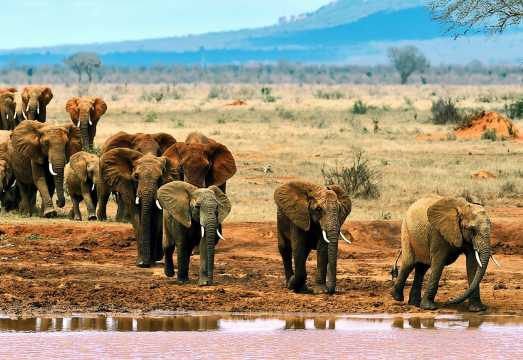
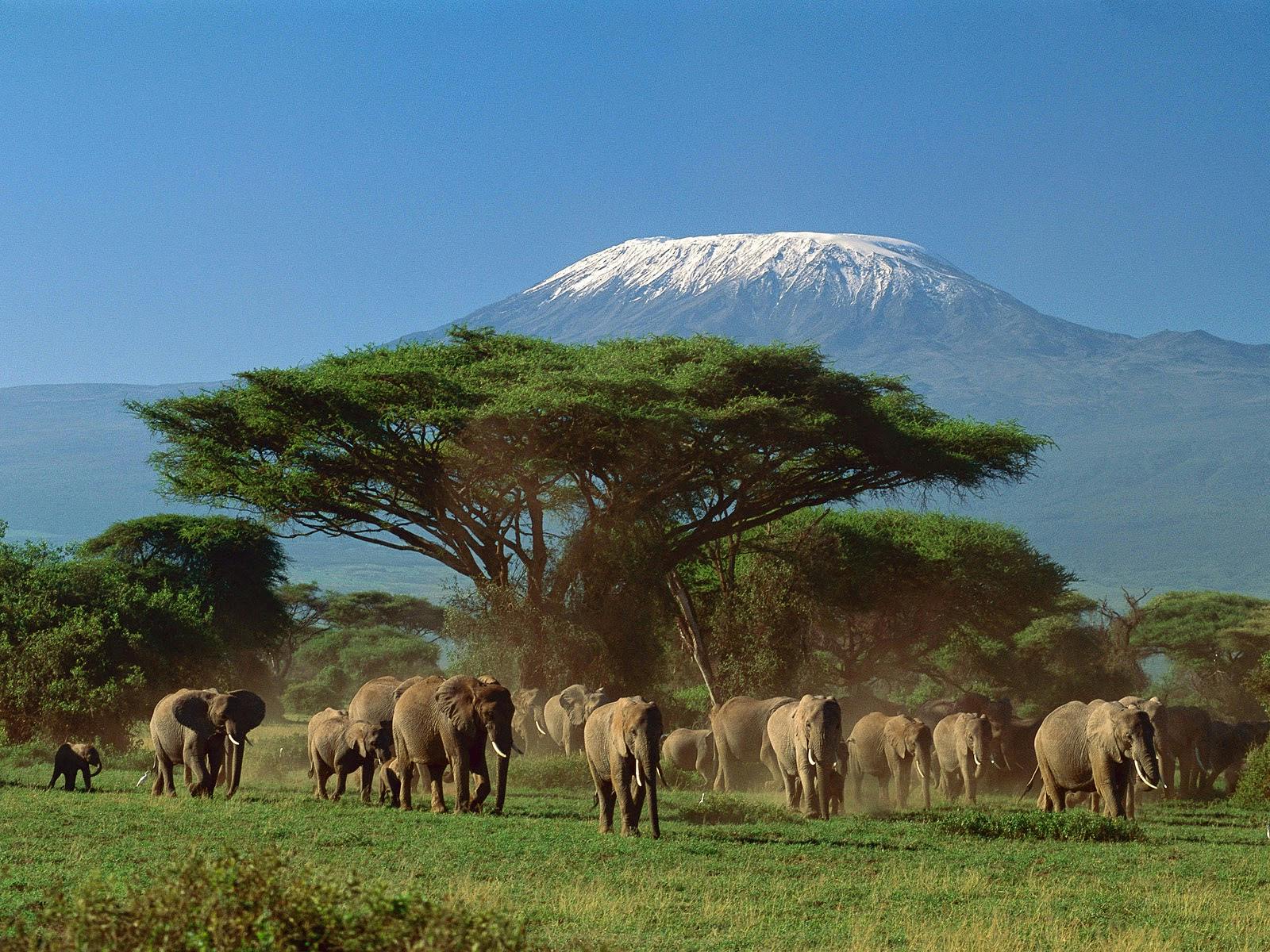
The most famous wildlife image of Tsavo East is the red elephant. The elephants are not a separate species; they appear red because they dust-bathe and coat themselves in the park’s red soil. This gives them a striking rusty colour, especially in dry conditions and late-afternoon light.
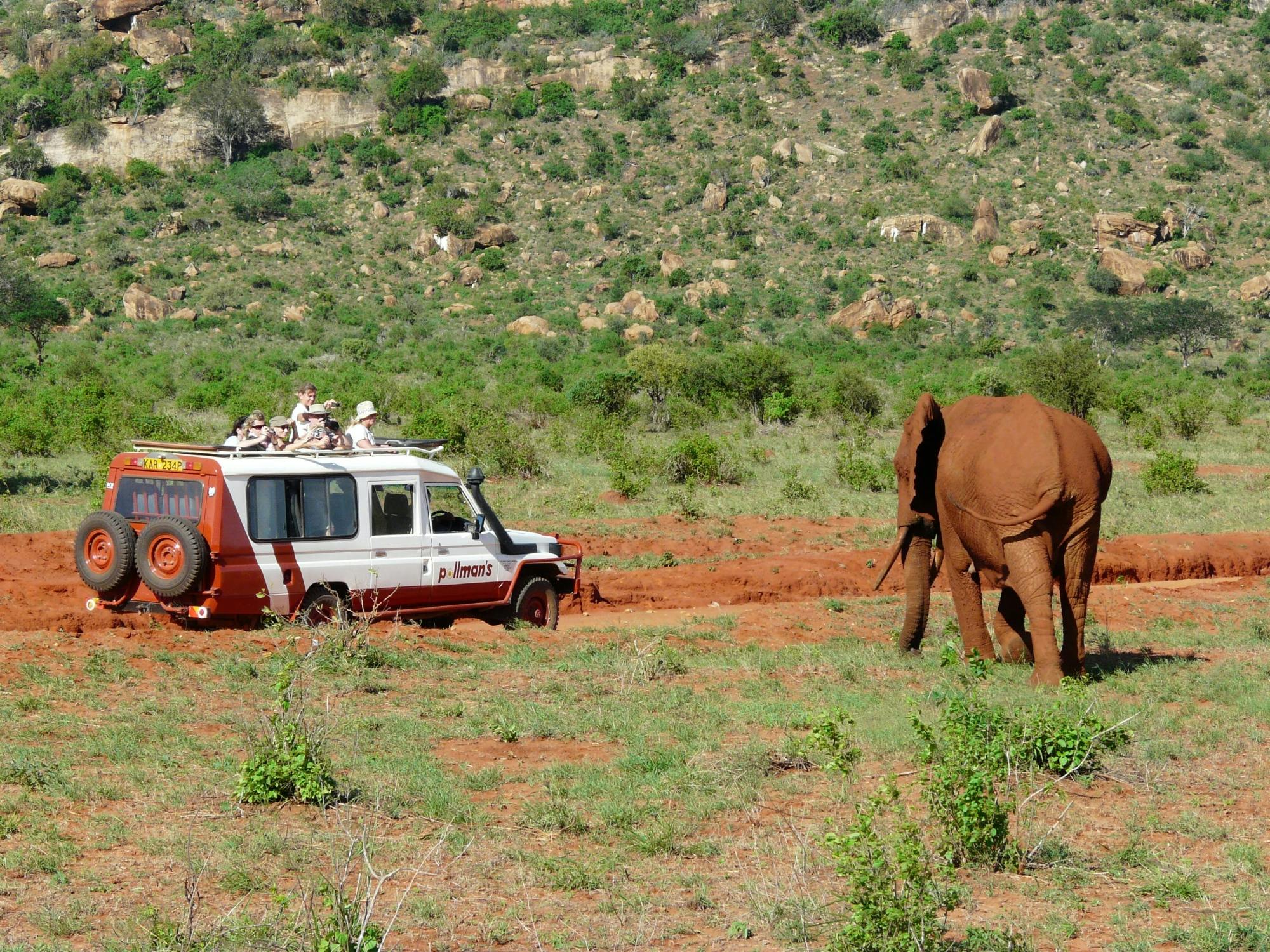
Elephants are often seen near water sources, river areas, Aruba Dam, Mudanda Rock and along safari tracks. Seeing a herd of red elephants crossing the road is one of the signature moments of a Tsavo East safari.
Tips for seeing elephants
Go on early morning and late afternoon game drives.
Spend time around water sources in dry periods.
Be patient near Aruba Dam and Mudanda Rock.
Keep quiet when elephants are close.
Never ask a driver to block or pressure an elephant herd.
Give mothers and calves plenty of space.
Use a zoom lens rather than trying to get too close.
Wildlife You May See
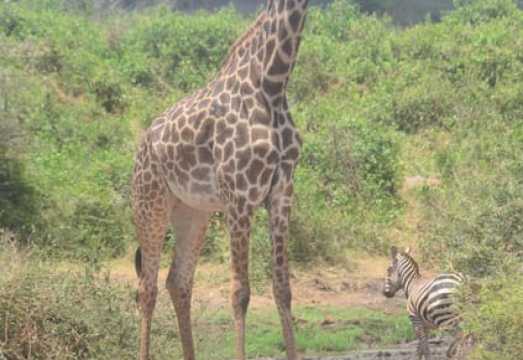
Tsavo East has a strong range of classic safari wildlife. Sightings depend on season, water, time of day, luck and how much time you spend in the park. Elephants are the headline species, but the park is also good for giraffes, zebras, buffalo, antelope and predators.
Wildlife
Chance / Notes
Where to Look
Elephants
One of the park’s signature animals
Water sources, plains, river areas and main game tracks
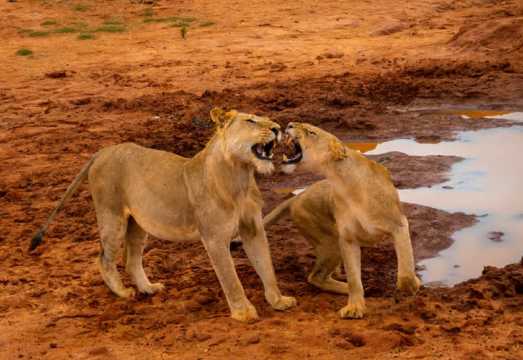
Lions
Possible, but not guaranteed on short visits
Open plains, shade areas and early morning routes
Giraffes
Often seen browsing in open bush
Acacia areas and open plains
Buffalo
Common in suitable habitats
Near water, grassland and riverine zones
Zebras
Frequently seen in open areas
Plains and water approaches
Antelope
Includes impala, dik-dik, hartebeest and others
Open bush and plains
Cheetah
Possible but less predictable
Open plains and quieter game routes
Leopard
Present but elusive
Rocky areas, riverine vegetation and dusk/dawn conditions
Birdlife
Excellent, especially around water
Aruba Dam, Galana River, wetlands and bushland
Aruba Dam
Aruba Dam is one of the best-known wildlife areas in Tsavo East. Built across the Voi River, it creates a water source that can attract animals and birds, especially in dry periods.
For many visitors, Aruba Dam is a key game-drive stop because wildlife often comes to drink nearby. It is also a good place for birdwatching and wide landscape photography.
Why visit Aruba Dam?
Good chance of seeing animals near water
Useful birdwatching location
Classic Tsavo East safari stop
Good landscape and wildlife photography
Often included in game drives from Voi Gate and nearby lodges
Aruba Dam tips
Visit early or late for better light.
Be patient; wildlife may arrive gradually.
Use binoculars to scan the far side of the dam.
Look for birds as well as large mammals.
Ask your guide about recent sightings in the area.
Mudanda Rock
Mudanda Rock is a long rock formation and one of Tsavo East’s most interesting natural landmarks. It acts as a water catchment and is a useful vantage point for viewing surrounding plains and wildlife that may gather below, especially during dry periods.
The rock is also a good place to appreciate the shape and scale of the landscape. Instead of only watching animals from a vehicle, Mudanda Rock gives a broader view over the country around you.
Why visit Mudanda Rock?
Good viewpoint over the surrounding plains
Potential elephant and wildlife viewing below
Interesting geological feature
Strong photography location
Useful stop during a longer game drive
Mudanda Rock tips
Only get out where your guide confirms it is safe and permitted.
Wear proper shoes if walking on rock surfaces.
Bring binoculars.
Use the stop to scan for elephants and plains wildlife.
Avoid wandering away from your vehicle or guide.
Lugard Falls and Galana River
Lugard Falls is not a tall waterfall in the usual sense. It is a series of rapids and sculpted channels along the Galana River, where water cuts through rock to create a dramatic river feature.
The Galana River is one of the important lifelines of Tsavo East. Riverine areas can be good for wildlife, birdlife and photography, especially when water is flowing strongly.
Why visit Lugard Falls?
See one of Tsavo East’s important river landmarks
Photograph carved rock and flowing water
Add landscape variety to a game drive
Look for wildlife and birds around the river corridor
Understand how water shapes animal movement in the park
Safety tips
Follow guide instructions carefully.
Do not stand too close to slippery or unsafe river edges.
Watch children closely.
Do not approach crocodile or hippo areas.
Stay alert even when outside the vehicle at permitted stops.
Yatta Plateau
The Yatta Plateau is one of Tsavo East’s major geological features and is often described as one of the world’s longest lava flows. It runs along part of the park landscape and gives the region important geological character.
You may not always experience the plateau as a single dramatic stop, but it forms part of the broader scenery and story of Tsavo East. For travellers interested in geology, it adds another layer beyond wildlife.
Why it matters
It shows the volcanic history of the region.
It helps shape the park’s landscape.
It adds geological interest to the safari route.
It is part of what makes Tsavo East different from smaller savanna reserves.
Best Gates and Entry Points
Tsavo East has several gates, and the best one depends on where you are coming from, where you are staying and which part of the park your guide wants to explore.
Gate / Entry Area
Best For
Traveller Notes
Voi Gate
Most common access from Voi, Mombasa road and many coastal safaris
Very practical for first-time visitors and short safaris.
Bachuma Gate
Access from the Mombasa-Nairobi road corridor
Useful for some coastal and road-transfer safaris.
Manyani Gate
Access near the highway and railway corridor
Often used depending on route and lodge location.
Sala Gate
Access from the Malindi / coastal side
Useful for travellers coming from Malindi or Watamu.
Ithumba area
Remote northern Tsavo East
Best for longer, specialist or more adventurous safaris.
For most first-time visitors from Mombasa or Diani, Voi Gate is the most common and practical entry point. From Watamu or Malindi, routes may use the Sala Gate side.
Types of Tsavo East Safaris
Safari Type
Best For
Traveller Notes
1-day safari
Travellers with very limited time
Possible from the coast, but rushed and less rewarding.
2-day / 1-night safari
Beach visitors wanting a real taste of safari
Best minimum option from Mombasa, Diani or Watamu.
3-day / 2-night safari
Better wildlife chances and a slower pace
Recommended if budget and time allow.
Tsavo East and Tsavo West combo
Travellers wanting varied landscapes
Combines open red plains with hills, lava flows and springs.
Tsavo and Amboseli combo
Elephants, Kilimanjaro views and varied habitats
Good for a stronger Kenya safari circuit.
Private safari
Couples, families and photographers
More flexible timing and less compromise.
Group safari
Budget-conscious travellers
Cheaper, but less flexible and may involve mixed pickup points.
How Many Days Do You Need in Tsavo East?
You can visit Tsavo East on a short safari, but more time gives better wildlife chances. One day is possible but rushed. Two days gives you an afternoon game drive, overnight stay and morning game drive. Three days gives you more time to explore deeper routes and wait patiently around water sources.
Recommended timing
1 day: only if you have no other option.
2 days / 1 night: best minimum safari from the coast.
3 days / 2 nights: better for wildlife, photography and relaxed game drives.
4+ days: ideal if combining Tsavo East, Tsavo West, Amboseli or Taita Hills.
Best Time to Visit Tsavo East National Park
Tsavo East can be visited year-round, but the experience changes with rainfall, vegetation and water availability. Dry periods often make wildlife easier to see because animals concentrate around water, while greener periods can be beautiful for landscapes and birdlife.
Time / Season
What to Expect
Advice
June to October
Drier weather, thinner vegetation and good wildlife visibility
One of the best periods for classic safari viewing.
January to February
Warm, generally drier conditions
Good for wildlife and photography.
March to May
Long rains, greener scenery and possible difficult road conditions
Beautiful but more variable; check road and lodge conditions.
November to December
Short rains and fresh vegetation
Good birding and attractive landscapes, but some rain possible.
Early morning
Cooler temperatures and active wildlife
Best time for game drives.
Late afternoon
Warm light and animals moving toward water
Excellent for photography.
Midday
Hotter conditions and less active animals
Best for rest at the lodge.
Where to Stay in and Around Tsavo East
Accommodation ranges from safari lodges and tented camps inside or near the park to budget options around Voi and road-transfer lodges. Where you stay affects your safari quality because distance to gates and game-drive areas matters.
Stay Type
Best For
Traveller Notes
Lodge inside or near Tsavo East
Classic safari comfort
Best for easy morning and afternoon game drives.
Tented camp
More atmospheric safari feel
Good for travellers wanting a closer-to-nature experience.
Voi area hotel
Budget or road-trip travellers
Useful for access, but check drive time to gates and game routes.
Luxury safari lodge
Comfort, views and full-service safari packages
Higher cost but easier logistics.
Combination stay with Tsavo West
Varied landscapes
Good if you want more than one park style.
Coastal hotel plus short safari
Beach-safari holidays
Stay at the coast and book 1 or 2 nights in Tsavo East.
Visiting Tsavo East from Mombasa, Diani, Watamu or Malindi
Tsavo East is one of the easiest big safari parks to combine with a Kenyan coast holiday. Many visitors are collected from beach hotels in Mombasa, Diani, Watamu or Malindi and driven to the park for a 1-night or 2-night safari.
Best coastal safari options
From Mombasa: popular and straightforward for 2-day Tsavo East safaris.
From Diani: allow extra transfer time, but very common for beach-safari trips.
From Watamu: often practical via the Sala Gate side depending on operator.
From Malindi: good for northern coastal access to Tsavo East.
Coast safari tips
Start early to maximise game-drive time.
Choose at least 1 overnight stay if possible.
Ask whether park fees are included in the quote.
Check whether the vehicle is a safari van or 4×4.
Confirm luggage arrangements if returning to a different hotel.
Visiting Tsavo East from Nairobi
Tsavo East can also be visited from Nairobi, especially as part of a road route to Mombasa or a longer safari including Tsavo West and Amboseli. The journey is longer than from the coast, so it is best with at least 2 nights or as part of a multi-park itinerary.
Good Nairobi combinations
Nairobi to Tsavo East to Mombasa coast
Nairobi to Tsavo East and Tsavo West
Nairobi to Amboseli, Tsavo West and Tsavo East
Nairobi to Voi by train, then safari pickup
Nairobi route tips
Do not make the safari too rushed.
Consider SGR train options to Voi if they suit your itinerary.
Use a reputable operator for road transfers and park logistics.
Combine with the coast if you want a safari-and-beach trip.
Park Fees and Practical Costs
Tsavo East is managed by Kenya Wildlife Service, and visitors pay conservation fees. KWS fee schedules can change, and rates vary by visitor category, age, residency status, vehicle type and other services. Always check the official KWS fee page or your safari operator’s latest quote before booking.
Costs to check before booking
Adult and child park entry fees
Resident, citizen or non-resident category
Vehicle entry charges
Guide or ranger fees if applicable
Accommodation and meal plan
Transport from Mombasa, Diani, Nairobi, Watamu or Malindi
Safari vehicle type
Drinks, tips and personal expenses
Single supplement if travelling alone
Cancellation terms
Booking tip
When comparing safari prices, do not look only at the headline cost. Check whether park fees, vehicle charges, accommodation, meals, pickup, drop-off and game drives are included.
What to Pack for Tsavo East
Tsavo East is hot, dusty and open, so practical packing makes your safari more comfortable. Pack light, but include the essentials for heat, dust, photography and early morning drives.
Safari packing list
Neutral-coloured lightweight clothing
Light jacket or fleece for early mornings
Sunhat or cap
Sunglasses
Sunscreen
Insect repellent
Binoculars
Camera with zoom lens or phone with enough storage
Power bank and charging cables
Reusable water bottle
Closed shoes
Dust scarf or buff
Personal medications
Small day bag
Cash for tips and small purchases
What to avoid
Bright white clothing that shows dust quickly
Dark heavy clothing in hot weather
Strong perfume on game drives
Large hard-shell luggage if your safari vehicle has limited space
Standing up or leaning out when your guide says not to
Safari Safety Tips
Tsavo East is a wild national park, not a zoo. Animals move freely, and visitors must follow guide and park rules at all times. Most safaris are very safe when conducted properly, but the environment requires respect.
Safety tips
Stay inside the vehicle unless your guide says it is safe to get out.
Do not feed wildlife.
Do not shout at animals to get a reaction.
Keep hands and phones inside the vehicle near large animals.
Give elephants plenty of space, especially cows with calves.
Do not block animal paths.
Listen to your driver-guide at all times.
Do not walk around camp after dark without escort if advised.
Drink plenty of water.
Use sunscreen and a hat during the day.
Respect speed limits and park rules.
Suggested Tsavo East Itinerary Ideas
Option 1: 2-Day Tsavo East Safari from Mombasa or Diani
Day 1 morning: Early hotel pickup and drive to Tsavo East.
Late morning: Enter via a suitable gate and begin game drive.
Lunch: Check in at lodge or camp.
Afternoon: Game drive around Aruba Dam, plains or nearby wildlife routes.
Night: Dinner and overnight in or near the park.
Day 2 early morning: Sunrise game drive.
Late morning: Breakfast, checkout and exit the park.
Afternoon: Return to beach hotel.
Option 2: 3-Day Tsavo East Safari
Day 1: Transfer from coast or Nairobi, afternoon game drive and overnight.
Day 2: Full day exploring Aruba Dam, Mudanda Rock, Galana River routes and plains.
Day 3: Early morning game drive, breakfast and return transfer.
Option 3: Tsavo East and Tsavo West Combo
Day 1: Tsavo East game drive and overnight.
Day 2: Morning game drive, transfer to Tsavo West and afternoon game drive.
Day 3: Tsavo West highlights, then return to coast or continue to Amboseli.
Option 4: Nairobi to Coast Safari Route
Day 1: Travel from Nairobi toward Tsavo East and enter the park.
Day 2: Full Tsavo East game drives.
Day 3: Exit toward Mombasa, Diani, Watamu or Malindi for beach time.
Option 5: Family-Friendly Short Safari
Day 1: Early pickup, relaxed game drive and lodge lunch.
Afternoon: Shorter game drive focused on elephants and easy sightings.
Evening: Lodge dinner and rest.
Day 2: Early game drive, breakfast and return before children get too tired.
Useful Booking Resources for Tsavo East National Park
Tsavo East can be booked through safari operators, lodges, hotels, travel agencies and online platforms. Booking platforms are useful for comparing safari styles, while official sources are best for park rules and current conservation fees. Skimlinks may automatically convert some merchant links into affiliate links if the merchant is active in your Skimlinks account.
Kenya Wildlife Service – official source for park information, conservation fees, park rules and protected-area management.
GetYourGuide – offers Tsavo East safaris, Mombasa day trips, multi-day safaris, Diani pickup tours and Kenya wildlife experiences.
Viator – offers Tsavo East safari packages, private safaris, coast departures, Nairobi combinations and multi-park Kenya itineraries.
Trip.com – useful for Kenya flights, Mombasa hotels, Nairobi stays, car hire and travel planning.
Booking.com – useful for accommodation in Mombasa, Diani, Nairobi, Voi and around Tsavo safari routes.
Klook – offers selected transfers, tours, activities, eSIMs and travel products depending on availability.
KKday – useful for selected tours, transfers and travel experiences depending on availability.
TourRadar – useful for comparing multi-day Kenya safari packages, including Tsavo, Amboseli, Maasai Mara and coast combinations.
G Adventures – useful for small-group Kenya and East Africa trips that may include safari circuits.
Booking tip: Before booking, confirm the exact pickup point, safari vehicle type, number of game drives, lodge name, park fees, meals, drinking water, driver-guide language, cancellation rules and whether Tsavo East is combined with Tsavo West or Amboseli.
Tsavo East Travel Tips
Choose at least one overnight stay
A day trip is possible from some coastal areas, but one overnight gives you a much better safari rhythm with afternoon and early morning game drives.
Start game drives early
Wildlife is usually more active in the cooler hours. Early starts are worth it.
Bring binoculars
Tsavo East is open and spacious. Binoculars make distant sightings much more rewarding.
Expect dust
The red soil is part of the beauty, but it gets everywhere. Protect cameras, lenses and light-coloured clothing.
Be patient
Tsavo East is not a drive-through zoo. Some of the best moments happen after quiet stretches.
Do not chase the Big Five only
The park’s beauty is in its elephants, landscapes, birdlife, river systems and space as much as in predator sightings.
Check what is included
Safari prices vary widely. Always check whether park fees, accommodation, meals and game drives are included.
Travel with a reputable guide
A skilled driver-guide makes a major difference in finding wildlife, reading animal behaviour and managing timing.
Plan for heat
Use sunscreen, drink water and rest during the hottest part of the day.
Combine with the coast
Tsavo East pairs beautifully with Mombasa, Diani, Watamu or Malindi for a safari-and-beach holiday.
Is Tsavo East National Park Worth Visiting?
Yes, Tsavo East National Park is absolutely worth visiting, especially if you want a classic Kenyan safari that is accessible from the coast and famous for red elephants, open landscapes and big skies. It is one of the best parks for combining beach and safari without needing a long inland flight.
Tsavo East may not always deliver dense animal sightings in the same way as smaller, more crowded reserves, but that is part of its appeal. It feels spacious, wild and atmospheric. The best experience comes from staying at least one night, doing early and late game drives, being patient and appreciating the landscape as much as the wildlife.
A strong first itinerary is a 2-day / 1-night safari from Mombasa or Diani, with game drives around Aruba Dam, Mudanda Rock and the open plains. If time allows, a 3-day safari or a Tsavo East and Tsavo West combination gives a richer and more varied experience.
FAQs About Tsavo East National Park
Where is Tsavo East National Park?
Tsavo East National Park is in south-eastern Kenya, east of the Nairobi-Mombasa highway and railway corridor. It is commonly accessed from Voi, Mombasa, Diani, Watamu, Malindi or Nairobi.
What is Tsavo East National Park famous for?
Tsavo East is famous for red elephants, open savanna, Aruba Dam, Mudanda Rock, Galana River, Lugard Falls, Yatta Plateau and classic road safaris from the Kenyan coast.
Why are Tsavo elephants red?
Tsavo elephants appear red because they dust-bathe in the park’s red soil, which coats their skin and gives them a rusty colour.
Is Tsavo East good for a first safari?
Yes. Tsavo East is a good first safari, especially for travellers staying on the Kenyan coast. It is accessible, scenic and famous for elephants, although wildlife sightings require patience.
How many days do you need in Tsavo East?
A 2-day / 1-night safari is the best minimum option. A 3-day / 2-night safari gives better wildlife chances and a more relaxed experience.
Can you visit Tsavo East from Mombasa or Diani?
Yes. Tsavo East is one of the most popular safari parks for visitors staying in Mombasa, Diani, Watamu or Malindi.
What animals can you see in Tsavo East?
You may see elephants, lions, giraffes, buffalo, zebras, antelope, warthogs, jackals, hyenas, cheetahs, leopards and many bird species, depending on season, route and luck.
Is Tsavo East better than Tsavo West?
Tsavo East is better for open plains, red elephants and classic wide landscapes. Tsavo West is more varied in terrain, with hills, lava flows, springs and denser scenery. Many travellers combine both.
When is the best time to visit Tsavo East?
The drier months from June to October and January to February are generally strong for wildlife viewing. Green seasons can be beautiful but may make wildlife harder to spot and roads more variable.
Is Tsavo East National Park worth visiting?
Yes. Tsavo East is worth visiting for red elephants, big landscapes, accessible safaris from the coast, classic wildlife drives and a wilder, more spacious feel than many smaller reserves.
::contentReference[oaicite:4]{index=4}
Sponsored Popular Items
Quick take: Trip.com offers a worldwide selection of tours and attractions and hotels
Tsavo East National Park Day Trip from Diani or Mombasa – Guided Sightseeing Experience Kenya Tsavo East National Park is famous for its red-dust elephants, open savannah and classic Kenya safari scenery. A Tsavo East National Park day trip from Diani or Mombasa is one of the best ways to add a real safari experience to a Kenya beach holiday. In a single day, travellers can leave the coast, travel inland to one of Kenya’s most famous national parks, enjoy game drives, have lunch at a safari lodge and return to the beach by evening. This tour is ideal for visitors staying in Diani Beach, Mombasa, Nyali or nearby coastal areas who want to see…
Mombasa / Mtwapa / Diani / Tiwi Departure: Tsavo East National Park – Guided Tour Kenya Mombasa/Mtwapa/Diani/Tiwi Departure: Tsavo East National Park Tour in Kenya places landscapes, habitats or wildlife at the centre of the experience. Mombasa/Mtwapa/Diani/Tiwi Departure: Tsavo East National Park Tour in Kenya: experience overview Witness majestic wildlife, breathtaking landscapes, and immerse yourself in the heart of the African wilderness;Enjoy unforgettable moments and capture the action of the "Red Elephant";Discover fascinating insights into the diverse ecosystem of East Tsavo Available from trip.com. This makes the experience a useful option when planning time in > Mombasa local experienceSearch results. The exact duration can depend on the selected date, option or operating schedule. Routes, start times,…
Full-Day tour to Tsavo East National Park from Mombasa – Guided Sightseeing Experience Kenya A red elephant in Tsavo East National Park. Photo: McKay Savage/Wikimedia Commons, licensed under CC BY 2.0. This private full-day safari offers travellers staying in Mombasa a practical way to experience Tsavo East National Park without booking an overnight safari. The advertised experience combines early hotel pickup, return transport, park admission, several hours of game viewing, an English-speaking safari guide and lunch at a lodge inside the park. Trip.com identifies the activity as Full Day tour to Tsavo East National Park from Mombasa. Matching supplier information describes a journey of approximately seven to eight hours, although the real door-to-door day…
Tsavo East Safari with Overnight Stay at Ashnil Aruba Lodge – Outdoor Adventure Tsavo East Safari with Overnight Stay at Ashnil Aruba Lodge places landscapes, habitats or wildlife at the centre of the experience. Tsavo East Safari with Overnight Stay at Ashnil Aruba Lodge: experience overview Experience the Tsavo East overnight safari at Ashnil Aruba Lodge and get ready to adventure the largest and oldest national parks in Kenya. This makes the experience a useful option when planning time in Mombasa. The exact duration can depend on the selected date, option or operating schedule. Routes, start times, inclusions and meeting arrangements may vary, so the current booking page should be treated as the…
Four-Day Kenyan Safari in Tsavo East & Amboseli – Outdoor Adventure Four-Day Kenyan Safari in Tsavo East and Amboseli places landscapes, habitats or wildlife at the centre of the experience. Four-Day Kenyan Safari in Tsavo East and Amboseli: experience overview Book this four-day safari across the wilds of Kenya’s Taita Hills and Tsavo East and Amboseli National Parks. Stay in safari lodges and search for the big five. This makes the experience a useful option when planning time in Mombasa. The listing describes this as a four-day experience. Routes, start times, inclusions and meeting arrangements may vary, so the current booking page should be treated as the final source of operational…
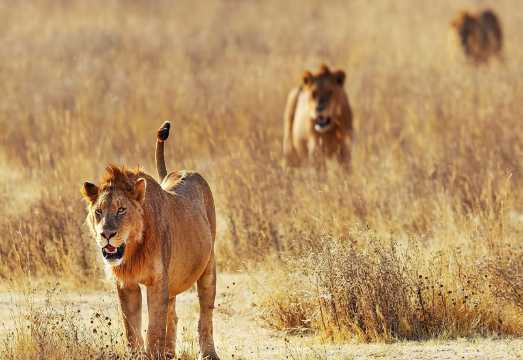
Tsavo East Day Safari from Diani or Mombasa – Bookable Travel Experience Kenya A maneless male lion in Tsavo East National Park. Photo: Mgiganteus/Wikimedia Commons, licensed under CC BY-SA 3.0. This long day safari travels from Kenya’s coast into Tsavo East National Park for several hours of wildlife viewing in a customised vehicle with a pop-up roof. It is designed for travellers staying around Diani Beach or Mombasa who want to add a safari to a coastal holiday without booking an overnight lodge stay. The original Trip.com product ID 62551776 is titled Day Trip – Tsavo East National Park (Man Eater Lions of Tsavo & Other Big Five). The supplied URL now redirects…
Quick take: Trip.com helps you compare prices across accommodations. Use it to shortlist hotels, then click through to confirm the final price, room type, and inclusions on the booking site.
[Private Tour] Zhangjiajie National Forest Park East Gate Tour – Guided Tour [Private Tour] Zhangjiajie National Forest Park East Gate Tour | Yuanjiajie + Tianzi Mountain + Ten-mile Gallery adds structure, local context and purposeful sightseeing to the itinerary. [Private Tour] Zhangjiajie National Forest Park East Gate Tour | Yuanjiajie + Tianzi Mountain + Ten-mile Gallery: experience overview [Private Car Service] Enjoy private car transfers (not the attraction's eco-buses) between all attractions and the East Gate, saving you significant waiting and transfer time for a more flexible itinerary.; [Highlight Route] Efficiently connect the "mountain-top" Yuanjiajie Peak Forest and Tianzi Mountain Sea of Clouds with the "mountain-base" Ten-mile Gallery canyon in a single…
Tokyo Imperial Palace East National Gardens private guided tour – Guided Tour Japan Tokyo Imperial Palace East National Gardens private guided tour - Explore the history and natural beauty of Japan's imperial family adds structure, local context and purposeful sightseeing to the itinerary. Tokyo Imperial Palace East National Gardens private guided tour - Explore the history and natural beauty of Japan's imperial family: experience overview Avoid the crowds of mass tourism and enjoy personalized guided commentary.;Perfect for history buffs, family travelers, or photography enthusiasts to deeply capture the serene beauty of the Imperial Palace.;Accompanied by a professional guide, delve into the buided commentary on the Imperial Palace's history and uncover the daily life…
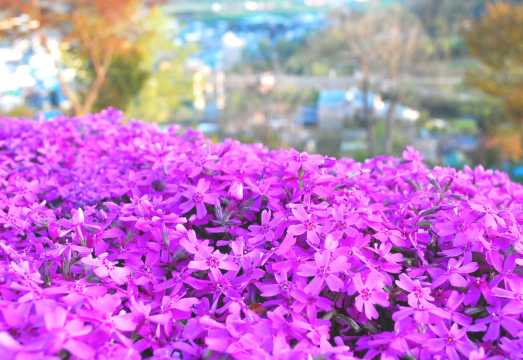
Hokkaido East 1-Day Tour: Shibazakura Takinoue kōen Park – Guided Sightseeing Experience Hokkaido East 1-Day Tour: Shibazakura Takinoue kōen Park + Kamiyubetsu Tulip Park|From Sapporo adds structure, local context and purposeful sightseeing to the itinerary. Hokkaido East 1-Day Tour: Shibazakura Takinoue kōen Park + Kamiyubetsu Tulip Park|From Sapporo: experience overview Explore breathtaking scenery inaccessible by train with a local guide on a convenient round-trip day tour from Sapporo!;Experience enchanting pink romance at the famous sakura viewing spot—Takinoue Park with 100,000 square meters of shibazakura (moss phlox)!;Visit the famous tulip sanctuary and enjoy the comfort of being surrounded by 1.2 million tulips! Available from trip.com. This makes the experience a useful option when…
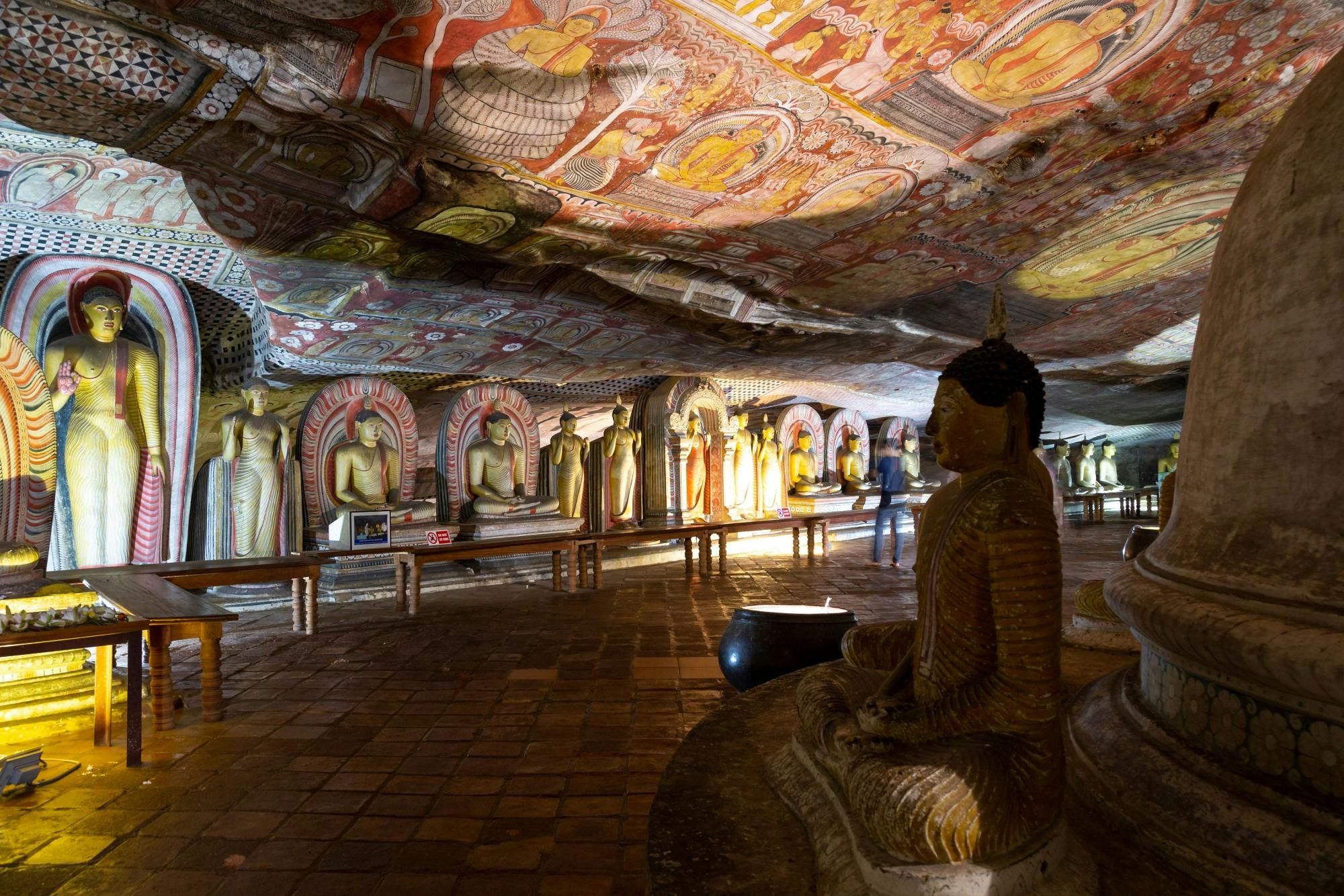
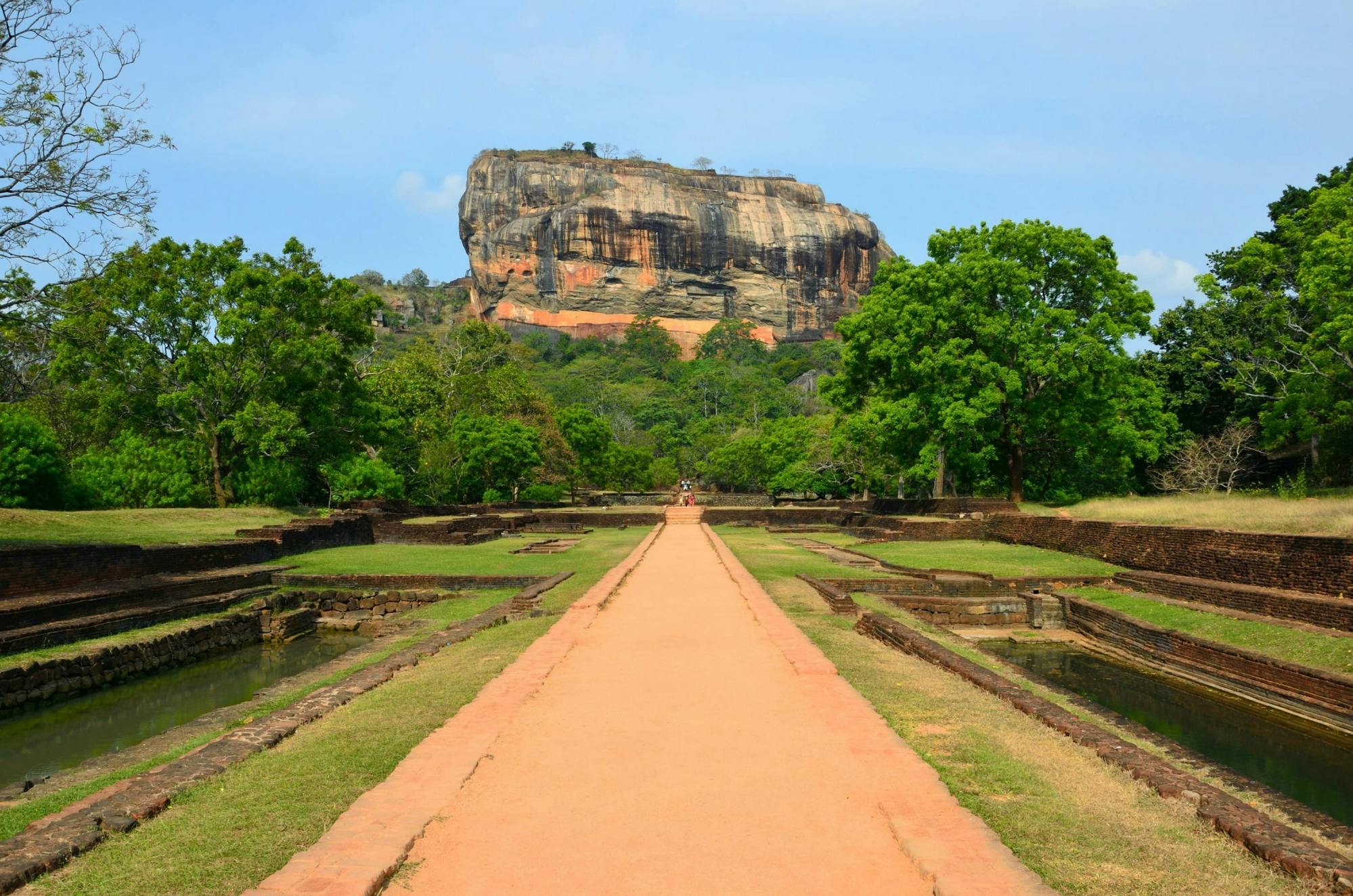
Kandy, Sigiriya, Dambulla & Minneriya Park safari two-day tour from the East Coast Best deals for Kandy, Sigiriya, Dambulla & Minneriya Park safari two-day tour from the East Coast. Make the most of your Sri Lankan break with this two-day tour to some of the country's best bits. You'll see the Temple of the Tooth Relic, climb the steps of a UNESCO World Heritage Site and even go on a wildlife safari in Minneriya National Park. And what's more, overnight accommodation, activities and all meals are covered. Day one is dedicated to what's best known as the cultural capital of Sri Lanka, Kandy. Starting at the Royal Botanical Gardens, you'll venture into the city for…
Sigiriya, Dambulla and Minneriya Park Safari Tour from the East Coast Best deals for Sigiriya, Dambulla and Minneriya Park Safari Tour from the East Coast. Visiting two contrasting UNESCO World Heritage Sites in one day calls for a great day out in Sri Lanka. Combine that with a chance to see the country's fauna, and you're on to an even bigger win. You'll see both Sigiriya's Lion Rock and Dambulla Cave Temple on this full day tour from the east, ending the day with a wildlife safari at Minneriya National Park. You'll start the day in Sigiriya's Lion Rock. It juts out into the sky, and its frescoes and landscaped gardens make for an awe-inspiring sight. Climb the steps of…
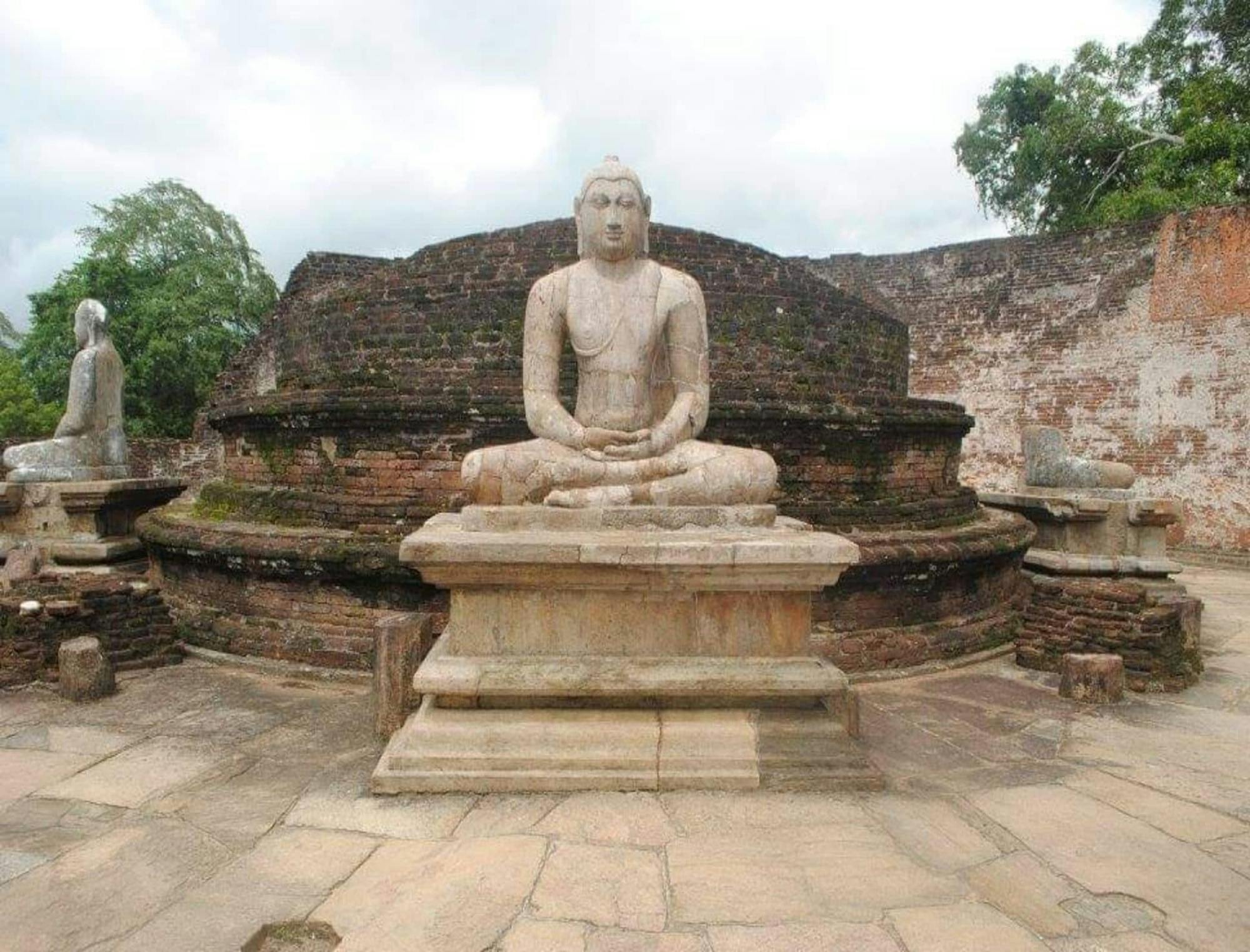
Ancient Polonnaruwa & Minneriya Park Safari Tour from East Coast Best deals for Ancient Polonnaruwa and Minneriya Park Safari Tour from the East Coast. A perfect mix of history and nature awaits on this full day tour from the east. First, you'll delve into the past at the UNESCO World Heritage Site of ancient Polonnaruwa – a 10th-century kingdom that helped shape the nation of Sri Lanka. Then, spend the afternoon on a thrilling wildlife safari in Minneriya National Park, spotting monkeys, elephants and more. You'll head into Polonnaruwa early-morning to avoid the rising heat. Follow in the footsteps of ancient kings that once ruled the kingdom with a guided tour of its…
Quick take: Trip.com helps you compare prices across accommodations. Use it to shortlist hotels, then click through to confirm the final price, room type, and inclusions on the booking site.
![[Private Tour] Zhangjiajie National Forest Park East Gate Tour – Guided Tour](https://ak-d.tripcdn.com/images/0355r12000rv2r9k9C6E1_C_960_660_Q50.jpg "[Private Tour] Zhangjiajie National Forest Park East Gate Tour – Guided Tour")