Chile Easter Island Guide: Rapa Nui, Moai, Ahu Tongariki, Rano Raraku, Orongo and Travel Tips
Chile’s Easter Island, known locally as Rapa Nui, is one of the most extraordinary destinations in the Pacific. Remote, volcanic, mysterious and deeply cultural, the island is famous for its giant moai statues, ancient ceremonial platforms called ahu, crater landscapes, ocean cliffs, caves, petroglyphs, Polynesian traditions and the living Rapa Nui community that continues to protect its heritage.
Although Easter Island belongs to Chile, it feels very different from mainland Chile. It is a Polynesian island in the south-eastern Pacific Ocean, reached by air from Santiago. Visitors come to see places such as Ahu Tongariki, Rano Raraku, Rano Kau, Orongo, Anakena Beach, Ahu Tahai, Puna Pau, Vinapu and Hanga Roa, the island’s main town.
This is not a destination to rush. Rapa Nui’s archaeological sites are sacred, fragile and protected. Entry to Rapa Nui National Park requires a park ticket and visits to park sites must be made with an accredited guide. The best approach is to stay several nights, learn the cultural context, respect local rules and treat the island as a living heritage landscape rather than an outdoor museum.
Sponsored Popular Items
Quick take: Trip.com offers a worldwide selection of tours and attractions and hotels
Chile Easter Island Rapa Nui Tour – Guided Sightseeing Experience Chile Easter Island Rapa Nui Tour (Group Travel/Bookable for 1 Person) adds structure, local context and purposeful sightseeing to the itinerary. Chile Easter Island Rapa Nui Tour (Group Travel/Bookable for 1 Person): experience overview Chinese customer support online service;Discover the Mysteries of Easter Island;Experience the ancient charm of Polynesia Available from trip.com. This makes the experience a useful option when planning time in > Easter Island local experienceSearch results. The exact duration can depend on the selected date, option or operating schedule. Routes, start times, inclusions and meeting arrangements may vary, so the current booking page should be treated as…
Quick take: Trip.com helps you compare prices across accommodations. Use it to shortlist hotels, then click through to confirm the final price, room type, and inclusions on the booking site.
Easter Island is worth visiting because it is unlike anywhere else in Chile or the wider Pacific. It combines monumental archaeology, Polynesian culture, volcanic landscapes, remote-island atmosphere and some of the world’s most recognisable heritage sites.
The island is most famous for the moai, but Rapa Nui is much more than statues. The landscape also includes crater lakes, lava caves, coastal cliffs, ceremonial villages, restored ahu platforms, petroglyphs, beaches, small harbours, traditional dance, local food and a strong living culture.
Chile Easter Island is best for:
Travellers interested in archaeology and ancient cultures
Seeing the moai statues and ahu platforms
Learning about Polynesian heritage within Chile
Photographing sunrise at Ahu Tongariki and sunset at Tahai
Exploring volcanic craters, caves and coastal cliffs
Visiting UNESCO-listed Rapa Nui National Park
Beach time at Anakena
Small-island slow travel
Combining culture, history, nature and photography
Where Is Easter Island?
Easter Island is a Chilean territory in the south-eastern Pacific Ocean. Its indigenous name is Rapa Nui. The island lies far from mainland Chile, making it one of the most remote inhabited islands on Earth.
Location Detail
Traveller Notes
Destination
Easter Island / Rapa Nui
Country
Chile
Region
Valparaíso Region, Chile
Main town
Hanga Roa
Airport
Mataveri International Airport
Main heritage area
Rapa Nui National Park
Known for
Moai, ahu platforms, Rano Raraku, Ahu Tongariki, Orongo, Rano Kau and Anakena Beach
Best visit length
4 to 6 nights for a balanced first visit
Entry Requirements for Rapa Nui
Rapa Nui has special entry rules because of its fragile environment, limited resources and protected cultural heritage. Travellers should check current official requirements before booking flights, accommodation or tours.
Common visitor requirements include:
A valid passport or identity document, depending on nationality and travel status
A completed Rapa Nui Single Entry Form, often referred to as FUI
A round-trip or onward ticket
A stay within the permitted visitor limit, commonly a maximum of 30 days
A confirmed reservation in accommodation registered with SERNATUR, or an official invitation letter if staying with a resident
Compliance with Chile’s general entry rules for international visitors
Because requirements can change, confirm details with official Chilean sources, your airline and your accommodation before departure. Keep printed or offline copies of your accommodation booking, return ticket and entry form confirmation.
Rapa Nui National Park
Rapa Nui National Park protects many of the island’s most important archaeological and cultural sites. The park is a UNESCO World Heritage property and includes famous locations such as Rano Raraku, Ahu Tongariki, Orongo, Puna Pau, Vinapu, Anakena and other sacred landscapes.
Visitors must purchase a national park ticket and enter park sites with an accredited guide. These rules help protect the moai, platforms, petroglyphs, caves and cultural landscapes from damage.
Important park rules
Do not touch or climb the moai.
Stay on marked paths.
Do not walk onto ahu platforms.
Do not remove stones, bones, shells or archaeological material.
Do not fly drones unless specifically authorised.
Do not make graffiti or markings.
Do not camp or light fires in prohibited areas.
Do not bring pets into park sites.
Do not smoke or drink alcohol inside protected sites.
Follow your accredited guide’s instructions at all times.
What Are the Moai?
The moai are the giant stone figures that made Easter Island famous around the world. They were carved by the Rapa Nui people, mostly from volcanic tuff at Rano Raraku, and many were placed on ceremonial platforms called ahu. They are generally understood as ancestral figures connected to lineage, authority, memory and spiritual protection.
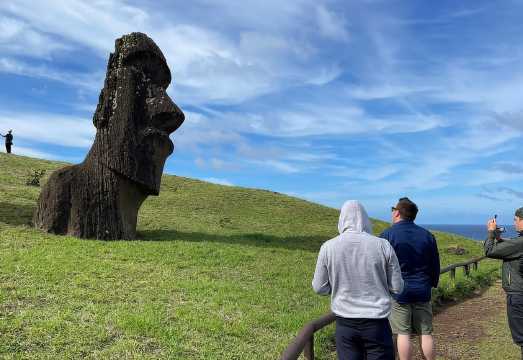
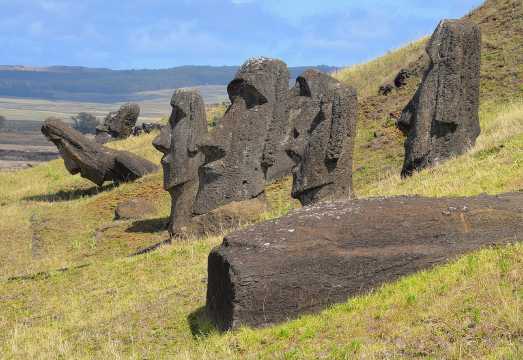
Some moai stand upright on restored platforms, some lie fallen, some remain unfinished in the quarry, and others are partly buried on the slopes of Rano Raraku. Their different positions tell the story of carving, transport, ceremony, conflict, collapse, rediscovery, restoration and conservation.
What to understand before visiting
The moai are sacred cultural heritage, not decorative statues.
Many moai represent ancestors and are connected to specific communities and lineages.
Ahu platforms are ceremonial spaces and should never be walked on.
Rano Raraku is the main quarry where most moai were carved.
Some moai once had red stone topknots called pukao.
Restoration has returned some ahu and moai to upright positions, but many fallen sites remain as part of the island’s historical story.
Ahu Tongariki
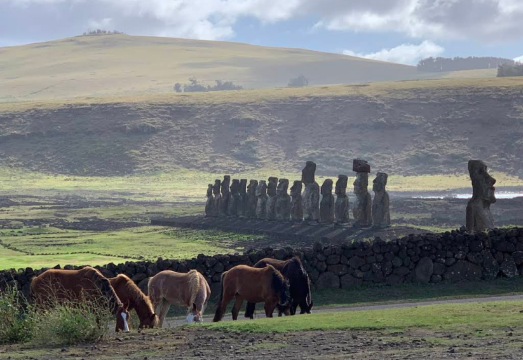
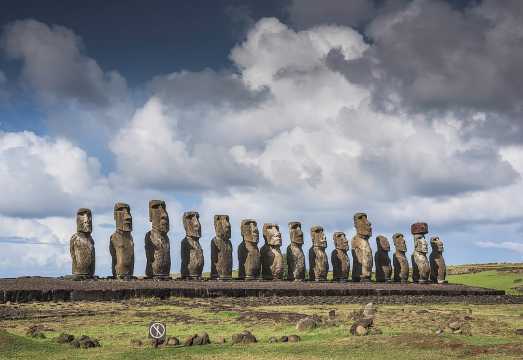
Ahu Tongariki is one of the most impressive sites on Easter Island. It is the largest restored ahu platform on the island and is famous for its line of 15 moai facing inland, with the Pacific Ocean behind them. This is one of the classic sunrise locations on Rapa Nui.
The site has enormous visual power. In the early morning, the sky brightens behind the moai, creating silhouettes that are among the most famous images of the island. Later in the day, the light reveals more detail in the statues, platform and surrounding landscape.
Why visit Ahu Tongariki?
It is the largest restored moai platform on Rapa Nui.
It has 15 standing moai in a dramatic row.
It is one of the best sunrise locations on the island.
It is close to Rano Raraku, making it easy to combine with the quarry.
It gives a powerful sense of scale and restoration.
Ahu Tongariki tips
Go for sunrise if weather and timing allow.
Bring a jacket because early mornings can feel cool and windy.
Stay behind marked boundaries.
Do not climb the platform.
Visit again later in the day if you want better front lighting for photos.
Combine with Rano Raraku on a guided tour.
Rano Raraku
Rano Raraku is one of the most important places on Easter Island because it was the main quarry where the moai were carved. The slopes of this volcanic crater are dotted with standing, fallen and unfinished moai, creating one of the island’s most unforgettable landscapes.
Visiting Rano Raraku helps you understand how the moai were made. Some figures are still attached to the rock, others appear partially buried in the earth, and the surrounding quarry landscape shows the scale of the carving work.
Why visit Rano Raraku?
It is the main moai quarry.
It contains many unfinished and partially buried moai.
It explains the carving process better than any other site.
The crater landscape is dramatic and atmospheric.
It is one of the essential Rapa Nui National Park stops.
Rano Raraku tips
Visit with an accredited guide for proper cultural context.
Wear comfortable shoes for walking paths.
Do not step off marked trails.
Bring sun protection and water.
Combine with Ahu Tongariki on the same guided route.
Allow enough time; this is not a site to rush.
Rano Kau Volcano
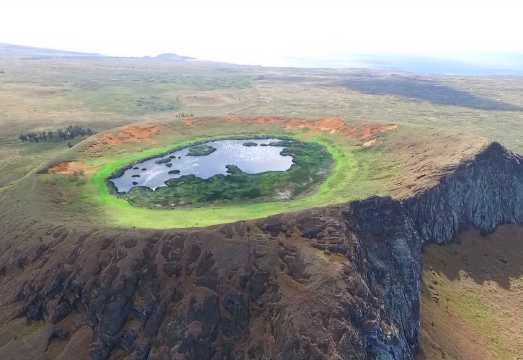
Rano Kau is a large volcanic crater near Hanga Roa and one of the island’s most dramatic natural landmarks. Its crater lake and steep rim create a striking landscape, especially on clear days when you can see across the crater, toward the ocean and over the south-western part of the island.
Rano Kau is also closely connected with Orongo, the ceremonial village associated with the birdman tradition. Together, these two sites reveal a different chapter of Rapa Nui culture beyond the moai platforms.
Why visit Rano Kau?
It is one of Easter Island’s most impressive volcanic features.
The crater viewpoint is spectacular.
It is close to Orongo ceremonial village.
It is relatively easy to reach from Hanga Roa.
It gives strong views over the island and ocean when weather is clear.
Rano Kau tips
Bring a wind layer.
Stay away from unstable edges.
Visit with Orongo for the full cultural and landscape story.
Go earlier in the day if clouds are building.
Use a guide to understand the birdman tradition.
Orongo Ceremonial Village
Orongo is an ancient ceremonial village located near the rim of Rano Kau. It is strongly associated with the Tangata Manu, or birdman, tradition. The village overlooks the offshore islets of Motu Nui, Motu Iti and Motu Kao Kao, which were central to the birdman ceremonies.
Orongo is very different from Ahu Tongariki or Rano Raraku. Instead of giant statues, you see low stone houses, cliff-edge views, petroglyphs and a landscape connected with competition, ritual power and social transformation.
Why visit Orongo?
It is one of the key ceremonial sites on Rapa Nui.
It explains the birdman tradition.
The setting above the ocean and islets is dramatic.
It adds cultural depth beyond the moai story.
It pairs naturally with Rano Kau.
Orongo tips
Stay on the marked route.
Do not touch petroglyphs or stone structures.
Bring a windproof layer.
Listen carefully to your guide’s explanation of the birdman ceremonies.
Take time to look toward the offshore islets.
Anakena Beach
Anakena is Easter Island’s most famous beach and one of the best places to relax after several days of archaeological sightseeing. It has pale sand, palm trees, warm-water swimming conditions when safe, and nearby moai platforms, including Ahu Nau Nau.
According to Rapa Nui tradition, Anakena is associated with the arrival of Hotu Matu’a, the founding ancestor-king. That makes the beach both a scenic and culturally meaningful location.
Why visit Anakena?
It is the island’s most beautiful beach.
It combines swimming, sand and archaeology.
Ahu Nau Nau is one of the most photogenic moai platforms.
It is a good rest day after guided park visits.
It is suitable for families when sea conditions are safe.
Anakena tips
Bring swimwear, towel and sunscreen.
Respect all park boundaries around the moai.
Check conditions before swimming.
Allow time for both beach relaxation and cultural interpretation.
Do not touch or climb the statues or platforms.
Hanga Roa
Hanga Roa is the main town and practical base for almost all Easter Island visitors. It has accommodation, restaurants, shops, tour offices, car-hire options, diving operators, small harbours, churches, local markets and the island’s main services.
Although many of the famous archaeological sites are outside town, Hanga Roa is worth exploring slowly. It gives a sense of daily life on Rapa Nui and is the best place for meals, sunset walks, local performances and arranging guided tours.
Things to do in Hanga Roa
Walk the coastal path toward Tahai.
Visit local shops and craft stalls.
Eat seafood, tuna, ceviche and empanadas.
Book guided national park tours.
Watch sunset near Ahu Tahai.
Visit the church and local cemetery respectfully.
Join a cultural dance or dinner performance.
Arrange diving, snorkelling or boat trips if conditions suit.
Ahu Tahai and Sunset
Ahu Tahai is one of the easiest moai sites to visit from Hanga Roa and one of the island’s most popular sunset spots. The site includes several platforms and restored moai, including Ahu Ko Te Riku, known for its restored eyes.
Because it is close to town, Tahai works well on your first evening or as a gentle walk after a guided day tour. The sun sets over the ocean behind the moai, creating a memorable scene.
Why visit Ahu Tahai?
It is close to Hanga Roa.
It is one of the best sunset locations on the island.
It gives a gentle introduction to moai sites.
It is easy to visit without a long drive.
It is beautiful in soft evening light.
Tahai tips
Arrive before sunset to find a respectful viewing spot.
Stay behind boundaries.
Do not climb platforms or touch stones.
Bring a light jacket for the evening breeze.
Be patient; this is a popular sunset gathering place.
Puna Pau
Puna Pau is the red scoria quarry where many of the moai topknots, known as pukao, were carved. These red cylindrical or rounded forms were placed on some moai and are an important part of understanding statue design and symbolism.
The site is smaller than Rano Raraku, but it adds an important piece to the moai story. It shows where the red stone came from and gives good views across the island landscape.
Why visit Puna Pau?
It explains the origin of the red pukao.
It adds depth to the moai-carving story.
It is a quieter site than some major stops.
It has good views in clear weather.
It pairs well with Vinapu or inland island routes.
Vinapu
Vinapu is an archaeological site known for its finely fitted stonework and ahu remains. Visitors often notice how precise some of the masonry appears, which has made the site especially interesting to people comparing Polynesian and South American stone-building traditions.
Vinapu is a good stop for travellers who want to look beyond the most famous moai-photo locations and understand the variety of ceremonial architecture on Rapa Nui.
Why visit Vinapu?
It has impressive stone platform construction.
It shows a different style of archaeological detail.
It is useful for understanding ahu architecture.
It is often quieter than Ahu Tongariki and Rano Raraku.
It pairs well with Rano Kau and Orongo routes.
Caves and Coastal Sites
Easter Island has lava tubes, caves and rugged coastal locations that add variety to the main moai and crater routes. Some caves are accessible only with proper guidance, and visitors should never enter unsafe or restricted areas.
Possible cave and coastal stops
Ana Kakenga: often called the “two windows” cave, known for ocean views from lava-tube openings.
Ana Te Pahu: a larger cave area associated with ancient shelter and plant life.
Ana Kai Tangata: a cave near Hanga Roa with cultural significance and coastal setting.
Ovahe: a small beach area near Anakena, subject to access and safety conditions.
Coastal tracks: rugged walking areas where guidance and caution are important.
Cave safety tips
Visit caves only where access is permitted.
Use a guide if required or recommended.
Wear sturdy shoes.
Bring a light if your guide advises it.
Do not touch rock art or fragile formations.
Do not enter caves in rough weather or unsafe conditions.
Tapati Rapa Nui Festival
Tapati Rapa Nui is the island’s major cultural festival, usually held in February. It celebrates Rapa Nui identity through music, dance, traditional sports, body painting, food, storytelling, family teams and community events.
Visiting during Tapati can be unforgettable, but it also requires early planning because flights and accommodation can book out quickly. It is a busy and culturally important time, so visitors should attend respectfully and follow local guidance.
Why visit during Tapati?
Experience Rapa Nui music, dance and performance.
See traditional competitions and community celebrations.
Learn more about living culture, not just archaeology.
Enjoy a festive atmosphere in Hanga Roa.
Photograph cultural events respectfully, where permitted.
Tapati tips
Book flights and accommodation well in advance.
Expect higher demand and prices.
Ask before photographing performers closely.
Respect the cultural meaning of events.
Check the current festival schedule before travelling.
How to Get to Easter Island
The main way to reach Easter Island is by flying to Mataveri International Airport from Santiago, Chile. Flight schedules can vary, and seats are limited compared with mainland routes, so booking ahead is important.
Travel Detail
Traveller Notes
Main route
Santiago to Easter Island / Rapa Nui
Arrival airport
Mataveri International Airport
Main airline route
Usually via Santiago, depending on current schedules
Flight time
About 5 hours 30 minutes from Santiago
Important documents
Entry form, return ticket, accommodation proof and identification
Best planning advice
Book flights, accommodation and guides early
How Long to Stay on Easter Island?
You can see some highlights in 3 nights, but that is rushed. Easter Island deserves more time because flights are long, access rules require planning, weather can affect visibility, and guided site visits are better when spread out.
Recommended stay lengths
3 nights: minimum for major highlights, but rushed.
4 nights: good first visit with guided park tours and some free time.
5 to 6 nights: best balance for culture, archaeology, beaches and flexibility.
7+ nights: ideal for slow travel, photography, diving, hiking, Tapati or deeper cultural exploring.
Suggested Easter Island Itinerary Ideas
Option 1: 4-Night First-Time Rapa Nui Itinerary
Day 1: Arrive at Mataveri Airport, settle into Hanga Roa and walk to Ahu Tahai for sunset.
Day 2: Guided tour to Rano Raraku, Ahu Tongariki and Anakena Beach.
Day 3: Guided visit to Rano Kau, Orongo, Vinapu and nearby cultural sites.
Day 4: Puna Pau, caves, local museum or relaxed Hanga Roa time.
Day 5: Departure or final town walk.
Option 2: 5 to 6-Night Balanced Itinerary
Day 1: Arrival, Hanga Roa orientation and Tahai sunset.
Day 2: Rano Raraku and Ahu Tongariki guided tour.
Day 3: Rano Kau, Orongo, Vinapu and cultural sites.
Day 4: Anakena Beach, Ahu Nau Nau and Ovahe area if access and conditions suit.
Day 5: Caves, Puna Pau, museum, craft shops or coastal walk.
Day 6: Diving, snorkelling, free day, photography or departure.
Option 3: Photography-Focused Itinerary
Sunrise: Ahu Tongariki.
Morning: Rano Raraku with a guide.
Afternoon: Puna Pau or Vinapu.
Sunset: Ahu Tahai.
Extra day: Anakena in soft light and Rano Kau when clouds are clear.
Option 4: Culture-Focused Itinerary
Day 1: Hanga Roa, local church, craft shops and Tahai sunset.
Day 2: Rano Raraku and Ahu Tongariki with cultural guide explanation.
Day 3: Orongo and Rano Kau birdman tradition route.
Day 4: Museum visit, local performance and traditional food.
Day 5: Community-led tour, caves or Tapati events if visiting in festival season.
Option 5: Relaxed Beach and Heritage Itinerary
Day 1: Arrival and Hanga Roa.
Day 2: Guided major moai sites.
Day 3: Anakena Beach and Ahu Nau Nau.
Day 4: Rano Kau and Orongo.
Day 5: Free day for food, swimming, diving, crafts or sunset photography.
Getting Around the Island
Most visitors base themselves in Hanga Roa and explore the island by guided tour, private guide, rental car, taxi, bike, horse-riding tour or organised transfers. Because many protected sites require accredited guides, do not assume that renting a car alone gives full access to the national park.
Transport Option
Best For
Traveller Notes
Accredited guided tour
Major archaeological sites
Essential for national park visits and cultural context.
Private guide and vehicle
Couples, families and photographers
Best flexibility and deeper explanation.
Rental car
Independent exploring outside guided site visits
Useful, but park access rules still apply.
Taxi
Short transfers from Hanga Roa
Useful for airport, town and nearby sites.
Bicycle
Fit travellers and shorter routes
Distances, wind and sun can make cycling harder than expected.
Walking
Hanga Roa, Tahai and local coastal paths
Great for town and sunset areas.
Best Time to Visit Easter Island
Rapa Nui can be visited year-round, but the best time depends on weather, crowds, festival interest and travel budget. The island has a subtropical climate with warm conditions through much of the year, though wind, rain and cloud can occur at any time.
Time / Season
What to Expect
Advice
January to March
Warm weather, drier conditions and Tapati festival season
Excellent but busy; book early.
February
Tapati Rapa Nui cultural festival
Best for culture, but accommodation demand is high.
April to June
Shoulder season, fewer crowds and mild conditions
Good balance for sightseeing and photography.
July to September
Cooler and quieter months
Good for fewer visitors, but pack layers.
October to December
Warming weather and good travel conditions
Strong pre-summer travel period.
Sunrise
Best for Ahu Tongariki
Book or arrange transport with a guide if required.
Sunset
Best for Tahai
Arrive early and stay behind boundaries.
Where to Stay on Easter Island
Most accommodation is in or near Hanga Roa. This is the best base for restaurants, shops, tours, the airport, sunset walks and practical services. Because visitors must usually show accommodation in an authorised establishment, choose a legitimate registered property and keep your booking confirmation.
Area
Best For
Traveller Notes
Central Hanga Roa
First-time visitors and easy dining
Best for restaurants, tour offices and walking access.
Coastal Hanga Roa / Tahai side
Sunset walks and ocean views
Good for travellers who want evening scenery.
Near Mataveri Airport
Short stays and easy transfers
Practical, but less atmospheric than coastal areas.
Eco-lodges and boutique stays
Comfort and quiet
Often more expensive; book early.
Guesthouses and cabins
Budget-conscious travellers and longer stays
Check registration, location and transport options.
Camping or simple stays
Budget travellers
Only use legal, registered accommodation options.
Food and Local Flavours
Food on Easter Island reflects its Pacific setting, Chilean connection and local Rapa Nui culture. Expect seafood, tuna, empanadas, tropical fruit, sweet potato, taro, ceviche and Polynesian-style dishes, alongside Chilean meals and international options in Hanga Roa.
Food ideas to try
Fresh tuna: one of the island’s signature foods.
Ceviche: often made with local fish.
Empanadas: especially tuna or seafood versions.
Po’e: a Polynesian-style sweet dish often made with banana, pumpkin or fruit.
Umu-style food: traditional earth-oven cooking, often experienced at cultural events or special meals.
Seafood: fish, lobster and other ocean ingredients depending on season and availability.
Tropical fruit: useful for breakfasts and snacks.
Food tips
Book popular restaurants in peak season.
Expect prices to be higher than mainland Chile because supplies are imported.
Try local seafood but ask about freshness and availability.
Carry snacks and water when touring remote sites.
Support local restaurants and family-run businesses.
Respect, Safety and Park Rules
Rapa Nui’s heritage is sacred and fragile. The most important travel rule is simple: do not touch, climb or disturb archaeological sites. Damage to moai, ahu or petroglyphs is taken seriously and can carry penalties.
Respectful travel tips
Use local accredited guides for national park sites.
Follow all signs and boundaries.
Do not touch moai or ahu platforms.
Ask before photographing people, ceremonies or private property.
Do not remove rocks, shells or archaeological material.
Do not enter caves or paths that are closed or unsafe.
Carry rubbish out with you.
Use reef-safe sunscreen when swimming or snorkelling.
Conserve water where possible.
Respect the island’s living Rapa Nui culture, not only its ancient sites.
General safety tips
Bring sun protection; the island can be windy and exposed.
Wear proper shoes for archaeological paths and lava-rock areas.
Take care around cliffs and ocean blowholes.
Do not swim in unsafe surf or rough conditions.
Keep valuables secure in Hanga Roa and rental vehicles.
Book tours through reputable local operators.
Useful Booking Resources for Chile Easter Island
Easter Island requires more planning than most Chile destinations because flights, accommodation, park tickets, guides and entry documents all need attention. Booking platforms are useful for comparing hotels, tours and flights, while official sources are essential for entry rules and park requirements. Skimlinks may automatically convert some merchant links into affiliate links if the merchant is active in your Skimlinks account.
Chile Travel – official Chile tourism information for Rapa Nui highlights, climate, flight access and travel planning.
Rapa Nui National Park – official park information for tickets, accredited guides, rules and protected archaeological sites.
Rapa Nui Entry Form – official platform for the Rapa Nui Single Entry Form, where required.
LATAM Airlines – useful for flights between Santiago and Rapa Nui, depending on current schedules.
Trip.com – useful for flights, hotels, travel planning and selected Easter Island activities.
Booking.com – useful for comparing registered accommodation in Hanga Roa and around the island.
GetYourGuide – offers guided Rapa Nui tours, Ahu Tongariki sunrise trips, Orongo tours and island experiences depending on availability.
Viator – offers private and small-group Easter Island tours, cultural routes, sunrise experiences and multi-site itineraries.
Klook – useful for selected Chile travel services, eSIMs and activities depending on availability.
TourRadar – useful for comparing Chile itineraries that may include Easter Island as an extension.
Booking tip: Before booking any Rapa Nui tour, confirm whether the guide is accredited, whether park tickets are included or separate, which sites are covered, whether pickup is included, whether sunrise or sunset timing is guaranteed, and what happens if weather changes the route.
Chile Easter Island Travel Tips
Book early
Flights, registered accommodation and good guides can sell out, especially around Tapati festival and peak travel months.
Do not skip the guide
Guides are mandatory for park entry and essential for understanding what you are seeing. Rapa Nui is much more meaningful with cultural explanation.
Keep your documents handy
Carry your entry form confirmation, return ticket, accommodation booking and passport or ID for travel checks.
Stay several nights
Because the island is remote and flights are long, 4 to 6 nights gives a better experience than a rushed stay.
Respect sacred spaces
Moai, ahu, caves and petroglyphs are not props. Stay behind boundaries and follow local rules.
Plan sunrise and sunset
Ahu Tongariki is famous for sunrise, while Tahai is the classic sunset site near Hanga Roa.
Expect higher prices
Remote island logistics mean food, accommodation, transport and tours are often more expensive than on mainland Chile.
Bring practical supplies
Pack sunscreen, hat, reusable water bottle, walking shoes, insect repellent, swimwear, light rain layer and a wind jacket.
Use cash and cards
Cards are accepted in many places, but carrying some cash is useful for small businesses, markets and tips.
Travel slowly
The island’s magic is not only in major sites. Leave time for Hanga Roa, coastal walks, local food, quiet views and conversations with guides.
Is Chile Easter Island Worth Visiting?
Yes, Chile’s Easter Island is absolutely worth visiting if you are interested in archaeology, Polynesian culture, remote landscapes and one of the world’s most distinctive heritage destinations. The moai are unforgettable, but the deeper value lies in understanding Rapa Nui as a living culture and sacred landscape.
It may not suit travellers looking for a cheap, quick or casual beach holiday. Flights are long, prices can be high, entry rules require preparation, and the most important sites must be visited respectfully with accredited guides.
The best way to experience Easter Island is to stay at least 4 nights, book registered accommodation, arrange guided park tours, visit Ahu Tongariki at sunrise, see Rano Raraku and Orongo with cultural context, relax at Anakena, watch sunset at Tahai and leave with a stronger respect for the Rapa Nui people and their heritage.
FAQs About Chile Easter Island
Is Easter Island part of Chile?
Yes. Easter Island, known locally as Rapa Nui, is a Chilean territory in the south-eastern Pacific Ocean.
What is Easter Island famous for?
Easter Island is famous for the moai, the giant stone figures carved by the Rapa Nui people, as well as ahu platforms, Rano Raraku quarry, Ahu Tongariki, Orongo ceremonial village, Rano Kau volcano and Anakena Beach.
How do you get to Easter Island?
The main way to reach Easter Island is by flying from Santiago, Chile, to Mataveri International Airport on Rapa Nui.
Do you need a guide on Easter Island?
Yes. To enter Rapa Nui National Park sites, visitors must have a park ticket and be accompanied by an accredited guide.
How many days do you need on Easter Island?
Four nights is a good first visit, while 5 to 6 nights gives a better balance of major sites, beach time, culture, photography and weather flexibility.
What are the must-see places on Easter Island?
The must-see places include Ahu Tongariki, Rano Raraku, Rano Kau, Orongo, Anakena Beach, Ahu Tahai, Puna Pau, Vinapu and Hanga Roa.
Can you touch the moai?
No. You must not touch, climb or walk onto moai or ahu platforms. These are sacred and protected heritage sites.
What is the best sunrise spot on Easter Island?
Ahu Tongariki is the most famous sunrise spot, with 15 restored moai silhouetted against the morning sky.
What is the best sunset spot on Easter Island?
Ahu Tahai, near Hanga Roa, is the classic sunset spot and one of the easiest moai sites to reach from town.
Is Chile Easter Island worth visiting?
Yes. Chile’s Easter Island is worth visiting for its moai, Rapa Nui culture, volcanic landscapes, UNESCO World Heritage sites, remote Pacific setting and powerful sense of living heritage.
::contentReference[oaicite:6]{index=6}
Sponsored Popular Items
Quick take: Trip.com offers a worldwide selection of tours and attractions and hotels
Chile Easter Island Rapa Nui Tour – Guided Sightseeing Experience Chile Easter Island Rapa Nui Tour (Group Travel/Bookable for 1 Person) adds structure, local context and purposeful sightseeing to the itinerary. Chile Easter Island Rapa Nui Tour (Group Travel/Bookable for 1 Person): experience overview Chinese customer support online service;Discover the Mysteries of Easter Island;Experience the ancient charm of Polynesia Available from trip.com. This makes the experience a useful option when planning time in > Easter Island local experienceSearch results. The exact duration can depend on the selected date, option or operating schedule. Routes, start times, inclusions and meeting arrangements may vary, so the current booking page should be treated as…
Easter Island Hotu Matua Tour in Chile – Guided Sightseeing Experience Easter Island Hotu Matua Tour in Chile (Group Tour/Bookable for 1 Person) adds structure, local context and purposeful sightseeing to the itinerary. Easter Island Hotu Matua Tour in Chile (Group Tour/Bookable for 1 Person): experience overview Chinese customer support online service;Discover the Mysteries of Easter Island;Experience the ancient charm of Polynesia Available from trip.com. This makes the experience a useful option when planning time in > Easter Island local experienceSearch results. The exact duration can depend on the selected date, option or operating schedule. Routes, start times, inclusions and meeting arrangements may vary, so the current booking page should be…
1-day tour to Easter Island from Hanga Roa, Chile – Accommodation 1-day tour to Easter Island from Hanga Roa, Chile (includes English-speaking guide + hotel transfers) adds structure, local context and purposeful sightseeing to the itinerary. 1-day tour to Easter Island from Hanga Roa, Chile (includes English-speaking guide + hotel transfers): experience overview Explore Easter Island, full of historical mystery, and immerse yourself in Rapa Nui culture;Local guide + hotel transfer + transportation + uncovering the mystery of Moai statues on Easter Island;Marvel at the ancient stone statues scattered throughout—the moai. Available from trip.com. This makes the experience a useful option when planning time in > Hanga Roa local experienceSearch results.…
Our to the Markets of Valparaiso: A Local Look at Chile’s Colourful – Travel Experience Chili The Tour to the Markets of Valparaiso is a culture-rich walking and transport experience through one of Chile’s most characterful coastal cities. Instead of only seeing viewpoints and postcard streets, this tour takes you into the everyday market life of Valparaíso, where fresh produce, seafood, crafts, antiques and local traditions all come together. This Tinggly experience is based in Valparaíso, Chile and is designed for travellers who want a more authentic view of the city. The itinerary includes local markets, Plaza Sotomayor, Mercado del Puerto, Caleta Portales, Muelle Barón and Mercado El Cardonal, with an English-speaking human tour guide. It…
Santiago de Chile Cable Car Rides & Scenic Experiences Best deals for Cable cars in Santiago de Chile. Get tickets for Cable cars in Santiago de Chile with secure booking, price match guarantee and 24/7 customer support. Available from .
Santiago de Chile City Tours & Sightseeing Experiences Best deals for City in Santiago de Chile. Get tickets for City in Santiago de Chile with secure booking, price match guarantee and 24/7 customer support. Available from .
Quick take: Trip.com helps you compare prices across accommodations. Use it to shortlist hotels, then click through to confirm the final price, room type, and inclusions on the booking site.
Ahu Akivi Mini Island Tour - Easter Island Mysteries – Guided Sightseeing Tour Ahu Akivi Mini Island Tour - Easter Island Mysteries USD 46.3 adds structure, local context and purposeful sightseeing to the itinerary. Ahu Akivi Mini Island Tour - Easter Island Mysteries USD 46.3: experience overview Experience the Ahu Akivi Mini Island Tour with Musement with our price match guarantee and secure booking. This makes the experience a useful option when planning time in Easter Island. The exact duration can depend on the selected date, option or operating schedule. Routes, start times, inclusions and meeting arrangements may vary, so the current booking page should be treated as the final source of operational…
Easter Island Private Travel Photography & Aerial Photoshoot Easter Island Trip Moments in Chile[Photography Services: Follow Shoots, Aerial Photography, Scheduled Sessions, Candid Shots, Street Photography,... adds structure, local context and purposeful sightseeing to the itinerary. Easter Island Trip Moments in Chile[Photography Services: Follow Shoots, Aerial Photography, Scheduled Sessions, Candid Shots, Street Photography,...: experience overview Global Shooting · Multilingual Companion;One-on-One · Full-Category Customization;Camera / Phone · Dual Shooting Options Available from trip.com. This makes the experience a useful option when planning time in > Easter Island local experienceSearch results. The exact duration can depend on the selected date, option or operating schedule. Routes, start times, inclusions and meeting arrangements…
Private Tour: Full-Day Easter Island Highlights – Guided Sightseeing Experience Private Tour: Full Day Easter Island Highlights adds structure, local context and purposeful sightseeing to the itinerary. Private Tour: Full Day Easter Island Highlights: experience overview from Trip.com in Easter Island. Stay connected with family and friends. Available from trip.com. This makes the experience a useful option when planning time in > Easter Island local experienceSearch results. The listing describes this as a full day experience. Routes, start times, inclusions and meeting arrangements may vary, so the current booking page should be treated as the final source of operational information. At a glance Experience type: Guided sightseeing experience Destination: >…
Private Full-Day Easter Island Highlights South and East – Bookable Travel Experience Private Full-Day Easter Island Highlights South and East adds structure, local context and purposeful sightseeing to the itinerary. Private Full-Day Easter Island Highlights South and East: experience overview from Trip.com in Hanga Roa. Stay connected with family and friends. Available from trip.com. This makes the experience a useful option when planning time in > Hanga Roa local experienceSearch results. The listing describes this as a full-day experience. Routes, start times, inclusions and meeting arrangements may vary, so the current booking page should be treated as the final source of operational information. At a glance Experience type: Guided sightseeing experience Destination:…
Dunrobin Castle and the Easter Ross from Inverness – History & Heritage Experience Dunrobin Castle and the Easter Ross from Inverness adds structure, local context and purposeful sightseeing to the itinerary. Dunrobin Castle and the Easter Ross from Inverness: experience overview Join this tour to explore the Highlands and delve into the history of the southern stretch of the North Coast 500. This makes the experience a useful option when planning time in Inverness. The exact duration can depend on the selected date, option or operating schedule. Routes, start times, inclusions and meeting arrangements may vary, so the current booking page should be treated as the final source of operational information. At a…
Conrad Hong Kong European Easter Brunch Voucher China [15% Off] Conrad Hong Kong | Brasserie on the Eighth | Easter European Brunch on the Eighth / 'Vive le Brunch' Weekend Brunch adds a restorative pause to the itinerary. [15% Off] Conrad Hong Kong | Brasserie on the Eighth | Easter European Brunch on the Eighth / 'Vive le Brunch' Weekend Brunch: experience overview The chilled seafood platter is presented to the table by the restaurant team. Highlights include Boston lobster, Canadian snow crab legs, tiger prawns, French mussels and whelk.;Guests ordering the designated package enjoy unlimited sparkling wine and four signature cocktails meticulously prepared by the mixologist. Upgrade…
Quick take: Trip.com helps you compare prices across accommodations. Use it to shortlist hotels, then click through to confirm the final price, room type, and inclusions on the booking site.