Easter Island Hotu Matuʻa Guide: Rapa Nui’s First King, Anakena, Oral Tradition and Sacred Sites
Hotu Matuʻa is one of the most important names in the story of Easter Island, known locally as Rapa Nui. In Rapa Nui oral tradition, Hotu Matuʻa is remembered as the first great king, founding ancestor and leader who brought the first Polynesian settlers to the island. His story is closely connected with Anakena Beach, the traditional landing place of the first settlers, and with the wider cultural landscape of moai, ahu platforms, clan lands, sacred places and ancestral memory.
For travellers, learning about Hotu Matuʻa makes Easter Island much more meaningful. The island is not only a place of mysterious stone statues. It is a living Polynesian homeland with stories, genealogies, sacred sites and cultural rules that continue to matter to the Rapa Nui people today.
This guide explains who Hotu Matuʻa was, why Anakena matters, which sites are linked to the founding traditions, and how to explore Easter Island respectfully with an accredited guide.
Sponsored Popular Items
Quick take: Trip.com offers a worldwide selection of tours and attractions and hotels
Easter Island Hotu Matua Tour in Chile – Guided Sightseeing Experience Easter Island Hotu Matua Tour in Chile (Group Tour/Bookable for 1 Person) adds structure, local context and purposeful sightseeing to the itinerary. Easter Island Hotu Matua Tour in Chile (Group Tour/Bookable for 1 Person): experience overview Chinese customer support online service;Discover the Mysteries of Easter Island;Experience the ancient charm of Polynesia Available from trip.com. This makes the experience a useful option when planning time in > Easter Island local experienceSearch results. The exact duration can depend on the selected date, option or operating schedule. Routes, start times, inclusions and meeting arrangements may vary, so the current booking page should be…
Quick take: Trip.com helps you compare prices across accommodations. Use it to shortlist hotels, then click through to confirm the final price, room type, and inclusions on the booking site.
Hotu Matuʻa, often written Hotu Matua without the glottal mark, is remembered in Rapa Nui tradition as the island’s founding king and ancestral leader. He is not simply a historical personality in the modern documentary sense. He belongs to oral tradition, genealogy, sacred history and cultural memory.
In many versions of the story, Hotu Matuʻa led a voyaging party from a distant homeland called Hiva and arrived at Rapa Nui in Polynesian ocean-going canoes. His landing is traditionally associated with Anakena, a sandy beach on the north coast of the island.
Why Hotu Matuʻa matters
He is remembered as the first king, or ariki, of Rapa Nui.
He is connected with the founding migration to the island.
His story links Rapa Nui to the wider Polynesian voyaging world.
Anakena Beach is traditionally associated with his arrival.
Later clan traditions trace descent and land divisions back to the founding ancestors.
His story helps visitors understand Rapa Nui as a living culture, not just an archaeological site.
Hotu Matuʻa in Rapa Nui Oral Tradition
The story of Hotu Matuʻa comes mainly through Rapa Nui oral tradition. As with many ancient island histories, different versions exist. Names, details, routes and interpretations may vary depending on the source, family tradition, scholar or guide.
That variation does not make the story unimportant. It means travellers should treat it with respect. Oral traditions are not the same as a modern written travel timeline. They preserve memory, identity, migration stories, sacred geography and relationships between people and land.
Common elements in the Hotu Matuʻa story
A distant homeland called Hiva.
A visionary or dream journey that revealed the island.
Explorers sent ahead to inspect the new land.
A sea voyage led by Hotu Matuʻa.
Arrival at Anakena Beach.
Settlement of Rapa Nui by the founding group.
Division of land among descendants and clans.
The beginning of Rapa Nui social and sacred order.
When visiting Easter Island, the best way to understand these traditions is with a knowledgeable local guide who can explain the stories in context and distinguish between oral tradition, archaeology and later interpretation.
Anakena: The Traditional Landing Place
Anakena Beach is the place most strongly connected with Hotu Matuʻa. In Rapa Nui tradition, this is where the first settlers landed and where the first settlement was established. Today, Anakena is also one of Easter Island’s most beautiful visitor sites, with pale sand, palm trees, turquoise water and moai platforms nearby.
For many travellers, Anakena feels like a beach stop. For Rapa Nui culture, it is much more than that. It is a place of arrival, ancestry and royal memory.
Why Anakena is important
It is traditionally remembered as the landing place of Hotu Matuʻa.
It is associated with the first settlement of Rapa Nui.
It combines cultural heritage with one of the island’s best beaches.
It is home to important moai sites, including Ahu Nau Nau.
It helps connect the founding story with the physical landscape.
Anakena visitor tips
Visit with a guide to understand the Hotu Matuʻa connection.
Bring swimwear, towel, sunscreen and water if staying for beach time.
Respect all national park boundaries around the moai and ahu.
Do not touch the statues or climb platforms.
Allow time for both cultural interpretation and relaxation.
Morning light is often good for photographing the moai at Ahu Nau Nau.
Ahu Nau Nau and the Moai of Anakena
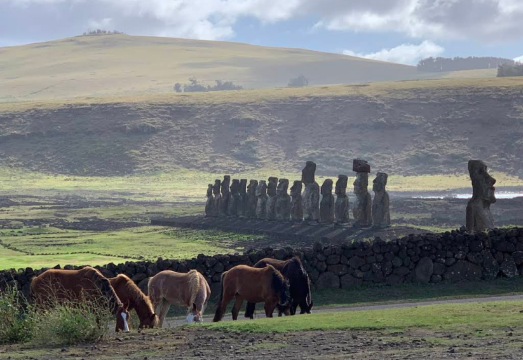
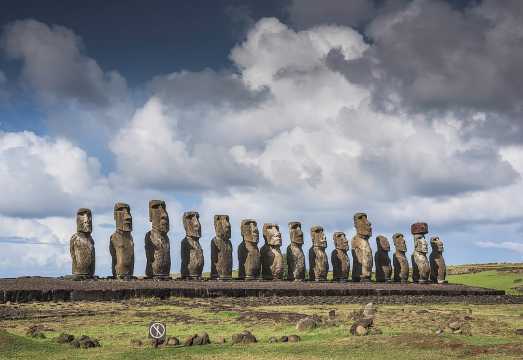
Ahu Nau Nau is the main moai platform at Anakena. Its moai are among the most recognisable on Easter Island, partly because several wear red stone topknots known as pukao. The beach setting, palm trees and ocean backdrop make this one of the most memorable sites on Rapa Nui.
The presence of moai at Anakena reinforces the area’s deep ancestral significance. This is not just a scenic beach with statues nearby. It is a sacred landscape where settlement tradition, chiefly memory and ceremonial architecture overlap.
What to notice at Ahu Nau Nau
The restored moai standing on the ahu platform.
The red pukao on several figures.
The inland-facing orientation of the moai.
The relationship between the platform, the beach and the surrounding land.
The way the site combines royal tradition, settlement memory and ancestral presence.
Respectful visiting tips
Stay behind the marked boundaries.
Do not walk on the ahu platform.
Do not touch the moai or pukao.
Listen to your guide’s explanation before taking photos.
Remember that the site is sacred, not simply decorative.
Akahanga and the Burial Tradition
Akahanga, often called Ahu Akahanga, is another important site often connected with Hotu Matuʻa traditions. Some accounts identify it as a place associated with the burial of the first king. As with many Rapa Nui traditions, details vary, and visitors should understand the site through local guidance rather than treating one simple version as the only story.
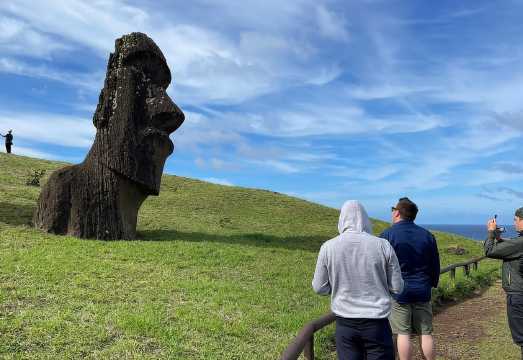
Akahanga is different from restored sites such as Ahu Tongariki or Ahu Nau Nau. It has fallen moai, stone remains and a more archaeological atmosphere. This makes it useful for understanding that Rapa Nui heritage includes both restored monuments and places left in a state that tells another part of the island’s story.
Why visit Akahanga?
It is commonly linked with Hotu Matuʻa traditions.
It shows fallen moai and unrestored archaeological remains.
It helps visitors understand that not every important site is restored.
It adds depth to a Hotu Matuʻa heritage route.
It is best understood with an accredited guide.
The Homeland of Hiva
In Rapa Nui oral tradition, Hotu Matuʻa came from a homeland called Hiva. The exact location of Hiva is debated and interpreted in different ways. Some traditions and scholars connect the story broadly with eastern Polynesia, while others discuss possible links with the Marquesas or other Polynesian islands.
The important point for travellers is that Hotu Matuʻa’s story places Rapa Nui within the wider world of Polynesian navigation. The first settlers were not lost wanderers. They belonged to a sophisticated seafaring culture capable of long-distance voyaging across the Pacific.
What the Hiva story helps explain
Rapa Nui’s Polynesian cultural identity.
The importance of ocean navigation and voyaging.
The connection between migration stories and sacred geography.
Why Anakena is remembered as a place of arrival.
How Rapa Nui fits within the wider Polynesian Triangle.
Hau Maka and the Dream of the Island
Many versions of the Hotu Matuʻa story include Hau Maka, a visionary or adviser whose dream revealed the existence of a new land. In the tradition, Hau Maka’s spirit travelled ahead and saw the island before Hotu Matuʻa’s migration.
This part of the story gives Rapa Nui a sacred geography before physical arrival. Places on the island are not just locations on a map. They are discovered, named and remembered through dream, vision, exploration and ancestral movement.
Why the Hau Maka story matters
It gives spiritual depth to the migration tradition.
It links place names with ancestral discovery.
It shows that Rapa Nui geography is remembered through story.
It helps visitors understand why guides often speak about landscape and legend together.
The First Settlement Story
The first settlement story centres on arrival, survival and the beginning of social order on a remote island. Hotu Matuʻa and his people are traditionally said to have brought the knowledge, plants, animals, social structures and sacred authority needed to establish life on Rapa Nui.
For travellers, this story changes how Anakena is experienced. It is not simply a pleasant beach. It is the symbolic doorway into Rapa Nui history.
The first settlement story connects:
Ocean voyaging
Royal leadership
Family descent
Land division
Food and survival
Spiritual authority
Settlement at Anakena
The later development of Rapa Nui ceremonial landscapes
Hotu Matuʻa and the Division of the Island
In traditional history, Hotu Matuʻa is associated with the division of Rapa Nui among descendants and clans. These traditions are important because they connect people, ancestry and land. On Rapa Nui, the landscape is not empty scenery. It is linked to genealogy, authority and memory.
When guides explain moai and ahu, they often discuss how platforms related to communities and ancestors. This is why the founding traditions matter. They provide a cultural foundation for understanding why the island’s sacred sites are placed where they are.
What this means for visitors
Land and family history are closely connected on Rapa Nui.
Ahu platforms belong to cultural and ancestral landscapes.
Moai represent more than art or engineering.
Many places are meaningful because of genealogy and oral tradition.
Respect for boundaries is also respect for living heritage.
How Hotu Matuʻa Connects to the Moai
Hotu Matuʻa’s story belongs to the founding period of Rapa Nui tradition, while the moai and ahu platforms represent later ceremonial and ancestral developments across the island. The moai are generally understood as ancestral figures connected to lineage, authority and protection.
So, Hotu Matuʻa should not be reduced to “the man who built the moai.” His importance is broader. He is the founding ancestor figure whose story helps explain the social world in which ancestor veneration, ahu platforms and moai culture later became central.
Useful way to understand the connection
Hotu Matuʻa: founding king and ancestral leader in oral tradition.
Anakena: traditional landing and first settlement place.
Ahu: ceremonial platforms connected to communities and ancestors.
Moai: ancestral figures that embodied authority, memory and protection.
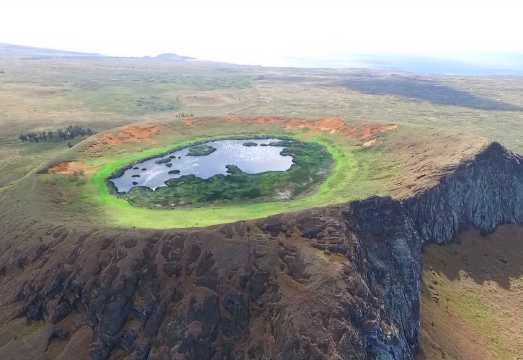
Rano Raraku: the main quarry where most moai were carved.
Puna Pau: the red scoria quarry for many pukao topknots.
Key Sites Linked to Hotu Matuʻa and Early Rapa Nui History
Site
Connection
Traveller Notes
Anakena Beach
Traditional landing place of Hotu Matuʻa and first settlement area
Essential stop for understanding the founding story.
Ahu Nau Nau
Moai platform at Anakena
One of the most photogenic and culturally important sites.
Ahu Ature Huki
Moai site near Anakena
Often included in guided interpretation of the Anakena area.
Akahanga
Traditionally associated with Hotu Matuʻa burial stories
Important for a Hotu Matuʻa heritage route.
Rano Raraku
Main moai quarry
Explains the later carving tradition that shaped Rapa Nui’s sacred landscape.
Ahu Tongariki
Largest restored moai platform
Not directly a Hotu Matuʻa landing site, but essential for understanding moai culture.
Hanga Roa
Main modern town
Best base for guides, food, tours and cultural performances.
Orongo
Birdman ceremonial village
Represents a later cultural chapter beyond the moai era.
Rapa Nui National Park Rules
Many sites connected with Hotu Matuʻa, moai, ahu platforms and early Rapa Nui history are inside Rapa Nui National Park. Visitors must follow current park rules. A park ticket and an accredited guide are required for entry to national park sites.
Essential rules for visitors
Buy the official Rapa Nui National Park ticket.
Visit park sites with an accredited Maʻu Henua guide.
Stay on marked paths.
Do not touch, climb or lean on moai.
Do not walk on ahu platforms.
Do not remove stones, shells, bones or archaeological material.
Do not enter restricted areas.
Do not use drones unless you have official authorisation.
Do not smoke, drink alcohol, camp or light fires in protected sites.
Follow your guide’s instructions at all times.
These rules are not just formalities. Rapa Nui’s archaeological sites are fragile, sacred and vulnerable to erosion, weather, visitor pressure and climate change. Respectful travel helps protect them for future generations.
Suggested Hotu Matuʻa Heritage Itinerary
Option 1: Half-Day Anakena and Hotu Matuʻa Route
Start: Depart Hanga Roa with an accredited guide.
Stop 1: Anakena Beach and the traditional landing story.
Stop 2: Ahu Nau Nau and the moai of Anakena.
Stop 3: Ahu Ature Huki if included in your guide’s route.
Finish: Swim or relax at Anakena if conditions are safe.
Option 2: Full-Day Hotu Matuʻa and Moai Context Tour
Morning: Anakena Beach and Ahu Nau Nau.
Next: Akahanga for Hotu Matuʻa burial traditions and fallen moai.
Midday: Rano Raraku to understand moai carving.
Afternoon: Ahu Tongariki for the largest restored platform.
Return: Hanga Roa for dinner and local culture.
Option 3: Culture-Focused Two-Day Route
Day 1: Anakena, Ahu Nau Nau, Akahanga, Rano Raraku and Ahu Tongariki.
Day 2: Rano Kau, Orongo, Puna Pau, Vinapu and Tahai sunset.
Option 4: First Evening Introduction
Afternoon: Arrive in Hanga Roa and settle into accommodation.
Early evening: Walk to Ahu Tahai with a guide or after receiving local orientation.
Sunset: Watch the moai silhouettes and begin learning about ancestors, ahu and Rapa Nui heritage.
Next day: Visit Anakena to connect the story back to Hotu Matuʻa.
Option 5: Slow Travel Hotu Matuʻa Day
Morning: Anakena with guide interpretation.
Late morning: Ahu Nau Nau photography and cultural explanation.
Lunch: Beach food or picnic where permitted.
Afternoon: Quiet beach time, reading, swimming if safe and reflection on the founding story.
Evening: Return to Hanga Roa for local food or a cultural show.
Best Time to Visit the Hotu Matuʻa Sites
Time / Season
What to Expect
Advice
Morning at Anakena
Softer light on Ahu Nau Nau and fewer beach crowds
Best for photography and cultural interpretation.
Midday at Anakena
Brighter sun and warmer beach conditions
Good for swimming and relaxing after a guided visit.
Late afternoon
Warmer light and quieter atmosphere
Good for slower travel, but check return transport.
January to March
Warm weather and peak travel season
Book accommodation and guides early.
February
Tapati Rapa Nui festival season
Excellent for living culture, but busy and expensive.
April to June
Mild conditions and fewer crowds
Great for balanced sightseeing.
July to September
Cooler, quieter and windier at times
Bring layers and enjoy fewer visitors.
October to December
Warming weather before peak summer
Good for cultural tours and photography.
Where to Stay
Most visitors stay in or near Hanga Roa, the island’s main town. This is the most convenient base for guided tours, restaurants, shops, airport transfers and sunset walks.
Area
Best For
Traveller Notes
Central Hanga Roa
First-time visitors and easy logistics
Best for restaurants, tour offices, shops and local services.
Coastal Hanga Roa / Tahai side
Sunset walks and ocean views
Good for evening photography and relaxed coastal walking.
Near Mataveri Airport
Short stays and simple transfers
Practical, though less atmospheric than central or coastal areas.
Eco-lodges and boutique stays
Comfort, quiet and higher-end travel
Often more expensive; book well ahead.
Guesthouses and cabins
Budget-conscious travellers and longer stays
Check that accommodation is officially registered where required.
Food and Local Culture
Food is a good way to connect with Rapa Nui beyond archaeological sites. The island’s food culture reflects Polynesian traditions, Chilean influence and remote Pacific ingredients.
Food ideas to try
Fresh tuna: one of the island’s best-known foods.
Ceviche: often made with local fish.
Tuna empanadas: a popular casual meal in Hanga Roa.
Poʻe: a sweet Polynesian-style dish often made with fruit or pumpkin.
Umu-style cooking: traditional earth-oven cooking, often part of cultural meals or special events.
Seafood: depending on season and availability.
Tropical fruit: useful for breakfasts and snacks.
Cultural experiences to consider
Rapa Nui dance and music performances.
Guided storytelling tours focused on oral tradition.
Local craft markets in Hanga Roa.
Tapati Rapa Nui festival if visiting in February.
Respectful conversations with local guides and hosts.
Useful Booking Resources for Easter Island and Hotu Matuʻa Sites
To explore Hotu Matuʻa traditions properly, book with accredited local guides and check official park requirements before arrival. Many important sites are inside Rapa Nui National Park and cannot be visited casually without following current rules. Skimlinks may automatically convert some merchant links into affiliate links if the merchant is active in your Skimlinks account.
Rapa Nui National Park – official information for park tickets, accredited guide requirements, protected sites and visitor rules.
Chile Travel – official Chile tourism information for Rapa Nui highlights, climate, access and travel planning.
Easter Island Foundation – useful background reading on Rapa Nui history, culture, archaeology and island research.
Rapa Nui Entry Form – official entry-form platform where required for travel to the island.
LATAM Airlines – useful for flights between Santiago and Rapa Nui, depending on current schedules.
Booking.com – useful for comparing accommodation in Hanga Roa and around the island.
Trip.com – useful for flights, accommodation and selected Easter Island tour planning.
GetYourGuide – offers guided Rapa Nui tours, Anakena experiences, Ahu Tongariki sunrise tours and cultural routes depending on availability.
Viator – offers private and small-group Easter Island tours, including Rano Raraku, Anakena, Orongo and moai heritage routes.
Klook – useful for selected Chile travel services, eSIMs and activities depending on availability.
Booking tip: Before booking a Hotu Matuʻa-themed tour, confirm that the guide is accredited, Anakena and Ahu Nau Nau are included, Akahanga is included if you want the burial-tradition connection, park tickets are clearly explained, and the tour provides cultural interpretation rather than only transport and photo stops.
Respectful Travel Tips
Use the name Rapa Nui as well as Easter Island
Easter Island is the internationally familiar name, but Rapa Nui is the local Polynesian name and is important to island identity.
Understand that Hotu Matuʻa is part of oral tradition
Do not treat the story as a simple modern biography. It belongs to ancestral memory, genealogy, sacred geography and cultural identity.
Visit Anakena with a guide
Anakena is much more meaningful when you understand its connection with Hotu Matuʻa and the first settlement traditions.
Respect ahu and moai
Never touch the moai, climb onto platforms or cross marked boundaries.
Do not remove stones or shells
Even small objects can be part of the protected cultural landscape.
Book accredited guides early
Good guides are essential, especially during busy periods and festival season.
Bring sun and wind protection
Anakena can feel sunny and beach-like, while other sites may be windy and exposed.
Allow enough time
Do not rush from site to site. The Hotu Matuʻa story is best understood slowly.
Ask before photographing people
Landscape photography is easy, but people, ceremonies and community events require respect and permission.
Support local businesses
Use local guides, eat in local restaurants and buy crafts from island makers where possible.
Is the Hotu Matuʻa Story Worth Exploring on Easter Island?
Yes, the Hotu Matuʻa story is essential to understanding Easter Island. Without it, visitors may see only moai, beaches and volcanic scenery. With it, Rapa Nui becomes a connected cultural landscape of arrival, ancestry, settlement, memory and sacred places.
The best way to explore the story is to visit Anakena, Ahu Nau Nau and Akahanga with a knowledgeable accredited guide, then connect those places with Rano Raraku, Ahu Tongariki, Puna Pau, Orongo and Tahai. Together, these sites show how founding tradition, ancestor worship, ceremonial architecture and living culture are woven into the island.
Hotu Matuʻa is not just a name from legend. He is a doorway into the way Rapa Nui understands origins, land, leadership and belonging.
FAQs About Hotu Matuʻa and Easter Island
Who was Hotu Matuʻa?
Hotu Matuʻa is remembered in Rapa Nui oral tradition as the first king, founding ancestor and leader of the first Polynesian settlers who came to Easter Island, or Rapa Nui.
Where did Hotu Matuʻa land?
According to Rapa Nui tradition, Hotu Matuʻa landed at Anakena Beach on the north coast of Easter Island.
Is Hotu Matuʻa a historical person or a legendary figure?
Hotu Matuʻa belongs mainly to oral tradition and ancestral history. He may reflect remembered migration leadership, but the details are preserved through legend, genealogy and cultural memory rather than modern written records.
What is Anakena’s connection to Hotu Matuʻa?
Anakena is traditionally remembered as the landing place of Hotu Matuʻa and the location of the first settlement on Rapa Nui.
What is Ahu Nau Nau?
Ahu Nau Nau is the important moai platform at Anakena Beach. It is one of the most photogenic and culturally significant sites connected with the Anakena landscape.
Is Akahanga connected to Hotu Matuʻa?
Akahanga is often associated with traditions about Hotu Matuʻa’s burial, although details vary. It is best visited with a local guide who can explain the story respectfully.
Where was Hotu Matuʻa from?
Rapa Nui tradition says Hotu Matuʻa came from a homeland called Hiva. The exact location of Hiva is debated and interpreted differently by traditions and scholars.
Do you need a guide to visit Hotu Matuʻa-related sites?
Yes, national park sites on Rapa Nui require a park ticket and an accredited guide. A guide is also strongly recommended because the cultural meaning of the sites is essential.
Can you visit Anakena without seeing moai?
Anakena is a beach as well as a heritage site, but most visitors also see Ahu Nau Nau and nearby moai as part of the cultural landscape. Park rules and boundaries must be followed.
Why is Hotu Matuʻa important?
Hotu Matuʻa is important because his story explains the founding migration, first settlement, ancestral leadership and cultural origins of Rapa Nui in oral tradition.
::contentReference[oaicite:4]{index=4}
Sponsored Popular Items
Quick take: Trip.com offers a worldwide selection of tours and attractions and hotels
Easter Island Hotu Matua Tour in Chile – Guided Sightseeing Experience Easter Island Hotu Matua Tour in Chile (Group Tour/Bookable for 1 Person) adds structure, local context and purposeful sightseeing to the itinerary. Easter Island Hotu Matua Tour in Chile (Group Tour/Bookable for 1 Person): experience overview Chinese customer support online service;Discover the Mysteries of Easter Island;Experience the ancient charm of Polynesia Available from trip.com. This makes the experience a useful option when planning time in > Easter Island local experienceSearch results. The exact duration can depend on the selected date, option or operating schedule. Routes, start times, inclusions and meeting arrangements may vary, so the current booking page should be…
Ahu Akivi Mini Island Tour - Easter Island Mysteries – Guided Sightseeing Tour Ahu Akivi Mini Island Tour - Easter Island Mysteries USD 46.3 adds structure, local context and purposeful sightseeing to the itinerary. Ahu Akivi Mini Island Tour - Easter Island Mysteries USD 46.3: experience overview Experience the Ahu Akivi Mini Island Tour with Musement with our price match guarantee and secure booking. This makes the experience a useful option when planning time in Easter Island. The exact duration can depend on the selected date, option or operating schedule. Routes, start times, inclusions and meeting arrangements may vary, so the current booking page should be treated as the final source of operational…
Chile Easter Island Rapa Nui Tour – Guided Sightseeing Experience Chile Easter Island Rapa Nui Tour (Group Travel/Bookable for 1 Person) adds structure, local context and purposeful sightseeing to the itinerary. Chile Easter Island Rapa Nui Tour (Group Travel/Bookable for 1 Person): experience overview Chinese customer support online service;Discover the Mysteries of Easter Island;Experience the ancient charm of Polynesia Available from trip.com. This makes the experience a useful option when planning time in > Easter Island local experienceSearch results. The exact duration can depend on the selected date, option or operating schedule. Routes, start times, inclusions and meeting arrangements may vary, so the current booking page should be treated as…
1-day tour to Easter Island from Hanga Roa, Chile – Accommodation 1-day tour to Easter Island from Hanga Roa, Chile (includes English-speaking guide + hotel transfers) adds structure, local context and purposeful sightseeing to the itinerary. 1-day tour to Easter Island from Hanga Roa, Chile (includes English-speaking guide + hotel transfers): experience overview Explore Easter Island, full of historical mystery, and immerse yourself in Rapa Nui culture;Local guide + hotel transfer + transportation + uncovering the mystery of Moai statues on Easter Island;Marvel at the ancient stone statues scattered throughout—the moai. Available from trip.com. This makes the experience a useful option when planning time in > Hanga Roa local experienceSearch results.…
Easter Island Private Travel Photography & Aerial Photoshoot Easter Island Trip Moments in Chile[Photography Services: Follow Shoots, Aerial Photography, Scheduled Sessions, Candid Shots, Street Photography,... adds structure, local context and purposeful sightseeing to the itinerary. Easter Island Trip Moments in Chile[Photography Services: Follow Shoots, Aerial Photography, Scheduled Sessions, Candid Shots, Street Photography,...: experience overview Global Shooting · Multilingual Companion;One-on-One · Full-Category Customization;Camera / Phone · Dual Shooting Options Available from trip.com. This makes the experience a useful option when planning time in > Easter Island local experienceSearch results. The exact duration can depend on the selected date, option or operating schedule. Routes, start times, inclusions and meeting arrangements…
Private Tour: Full-Day Easter Island Highlights – Guided Sightseeing Experience Private Tour: Full Day Easter Island Highlights adds structure, local context and purposeful sightseeing to the itinerary. Private Tour: Full Day Easter Island Highlights: experience overview from Trip.com in Easter Island. Stay connected with family and friends. Available from trip.com. This makes the experience a useful option when planning time in > Easter Island local experienceSearch results. The listing describes this as a full day experience. Routes, start times, inclusions and meeting arrangements may vary, so the current booking page should be treated as the final source of operational information. At a glance Experience type: Guided sightseeing experience Destination: >…
Quick take: Trip.com helps you compare prices across accommodations. Use it to shortlist hotels, then click through to confirm the final price, room type, and inclusions on the booking site.
Dunrobin Castle and the Easter Ross from Inverness – History & Heritage Experience Dunrobin Castle and the Easter Ross from Inverness adds structure, local context and purposeful sightseeing to the itinerary. Dunrobin Castle and the Easter Ross from Inverness: experience overview Join this tour to explore the Highlands and delve into the history of the southern stretch of the North Coast 500. This makes the experience a useful option when planning time in Inverness. The exact duration can depend on the selected date, option or operating schedule. Routes, start times, inclusions and meeting arrangements may vary, so the current booking page should be treated as the final source of operational information. At a…
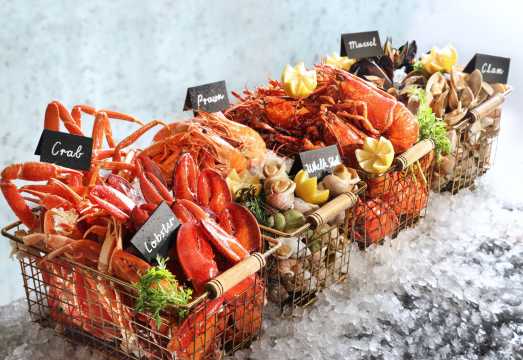
Conrad Hong Kong European Easter Brunch Voucher China [15% Off] Conrad Hong Kong | Brasserie on the Eighth | Easter European Brunch on the Eighth / 'Vive le Brunch' Weekend Brunch adds a restorative pause to the itinerary. [15% Off] Conrad Hong Kong | Brasserie on the Eighth | Easter European Brunch on the Eighth / 'Vive le Brunch' Weekend Brunch: experience overview The chilled seafood platter is presented to the table by the restaurant team. Highlights include Boston lobster, Canadian snow crab legs, tiger prawns, French mussels and whelk.;Guests ordering the designated package enjoy unlimited sparkling wine and four signature cocktails meticulously prepared by the mixologist. Upgrade…
Hopewell Hotel Easter Semi-Buffet Dining Voucher [Up to 20% off] Hopewell Hotel | Lobby Café | A Taste of Easter “Egg-cellence” Semi-Buffet /Semi-buffet lunch/ Semi-buffet dinner/ Choco Mania... explores the destination through flavour and regional customs. [Up to 20% off] Hopewell Hotel | Lobby Café | A Taste of Easter “Egg-cellence” Semi-Buffet /Semi-buffet lunch/ Semi-buffet dinner/ Choco Mania...: experience overview Guest can enjoy a complimentary dessert plate with personalised message for birthday or anniversary celebrations (advance reservation is required).;Hopewell Hotel Lobby Café features a selection of international and local cuisines. Guests can enjoy a salad bar, dim sum, assorted sushi, a selection of hot soups and…
Special Greek Easter event – Good Friday – 10th April 2026 – Travel Experience Best deals for Special Greek Easter event – Good Friday – 10th April 2026. Easter is one of the most important dates in the Greek calendar. And on this evening out, you can join in on the Good Friday celebrations. We’ll pick you up from your hotel and drop you off with your guide at the Gate of St Athanasius to begin the festivities. First up is a guided walk of Rhodes old town before heading for a traditional meal in a restaurant. Then, you’ll visit Agios Fanourios church, where you’ll learn the history behind this tiny place of worship.…
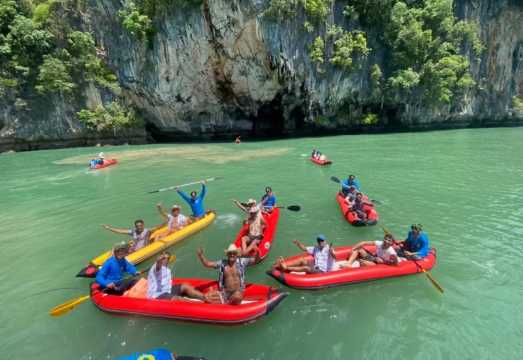
James Bond Island & Hong Island & Beni Island & Naca Island: Kayaking – Outdoor Adventure James Bond Island + Hong Island + Beni Island + Naca Island: Kayaking and Speedboat Day Trip presents the destination from the water and offers a different perspective. James Bond Island + Hong Island + Beni Island + Naca Island: Kayaking and Speedboat Day Trip: experience overview Visit James Bond Island and Phang Nga Bay, check out the stunning karst peaks reminiscent of those in 007 movies, and experience the charm of these classic scenes.;Explore the sea caves on Hong Island by canoe and hike to the Ice Cream Cave, experiencing the joy of both canoeing and cave exploration in…
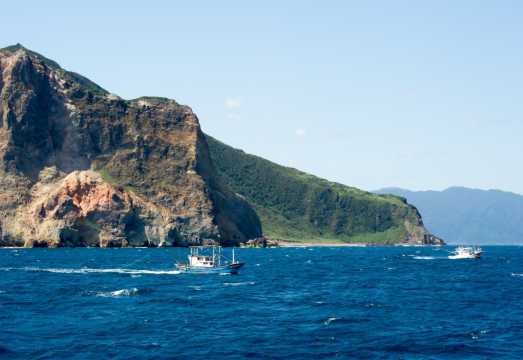
Yilan Guishan Island Half – Day tour – island landing, island cruise, whale – Boat Tour Yilan Guishan Island half-day tour | island landing, island cruise, whale watching presents the destination from the water and offers a different perspective. Yilan Guishan Island half-day tour | island landing, island cruise, whale watching: experience overview From March to November each year, taking a boat out to sea to watch the spinner dolphins and whales commonly found in the waters around Yilan's Guishan Island is an excellent time for whale watching.;Through professional guided tours, learn about the history of Guishan Island and the habits of whales and dolphins.;Island visits have limited spots, book now! We'll handle the island permit…
Quick take: Trip.com helps you compare prices across accommodations. Use it to shortlist hotels, then click through to confirm the final price, room type, and inclusions on the booking site.