Siem Reap is one of Cambodia’s most important travel destinations and the gateway to the temples of Angkor. Most visitors come for Angkor Wat, Bayon, Ta Prohm and Banteay Srei, but the city itself also offers lively markets, Khmer food, craft shops, cafés, spas, cooking classes, night markets, floating village trips and a relaxed traveller atmosphere.
Siem Reap Cambodia: A Practical Travel Guide to Angkor, Markets, Food and Day Trips
For first-time visitors to Cambodia, Siem Reap is often the highlight of the trip. It combines ancient temple history with easy hotels, restaurants, transport, tours and evening entertainment. Whether you have two days or a full week, Siem Reap is a rewarding base for exploring Angkor and the surrounding countryside.
Sponsored Popular Items
Quick take: Musement.com offers a worldwide selection of tours and attractions
Amazing Cambodia 5-Day Private Tour Phnom Penh & Siem Reap Cambodia Gain in-depth insight into Cambodia’s intriguing past on this exciting 5-day tour of iconic Phnom Penh and Angkor Wat. Guided visits to UNESCO World Heritage Sites Angkor Temples and discover
Why Visit Siem Reap?
Siem Reap is worth visiting because it gives travellers access to one of the world’s great archaeological landscapes. Angkor is not just one temple; it is a huge area of ancient capitals, temple complexes, water systems, roads, gates, causeways and forested ruins.
The city is also easy to enjoy between temple visits. After an early Angkor sunrise, you can return to your hotel pool, visit a museum, have a massage, shop for crafts, join a cooking class or spend the evening around Pub Street and the night markets.
Siem Reap works for many travel styles. It can be cultural, romantic, family-friendly, food-focused, budget-friendly or luxurious, depending on how you plan your stay.
Angkor Wat
Angkor Wat is the most famous temple in Cambodia and the main reason many travellers visit Siem Reap. Built in the 12th century, it is known for its five towers, long galleries, bas-reliefs, moats, causeways and sunrise reflections.
Sunrise at Angkor Wat is the classic experience. Visitors gather near the reflection ponds before dawn to watch the temple silhouette appear against the sky. It can be crowded, but it remains memorable, especially if the weather is clear.
Do not leave immediately after sunrise. Many visitors rush away for breakfast, which can make the temple quieter for exploring. Walk through the galleries, study the carvings and climb permitted upper levels if open and suitable.
Angkor Thom and Bayon
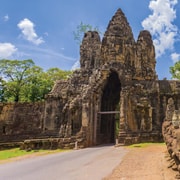
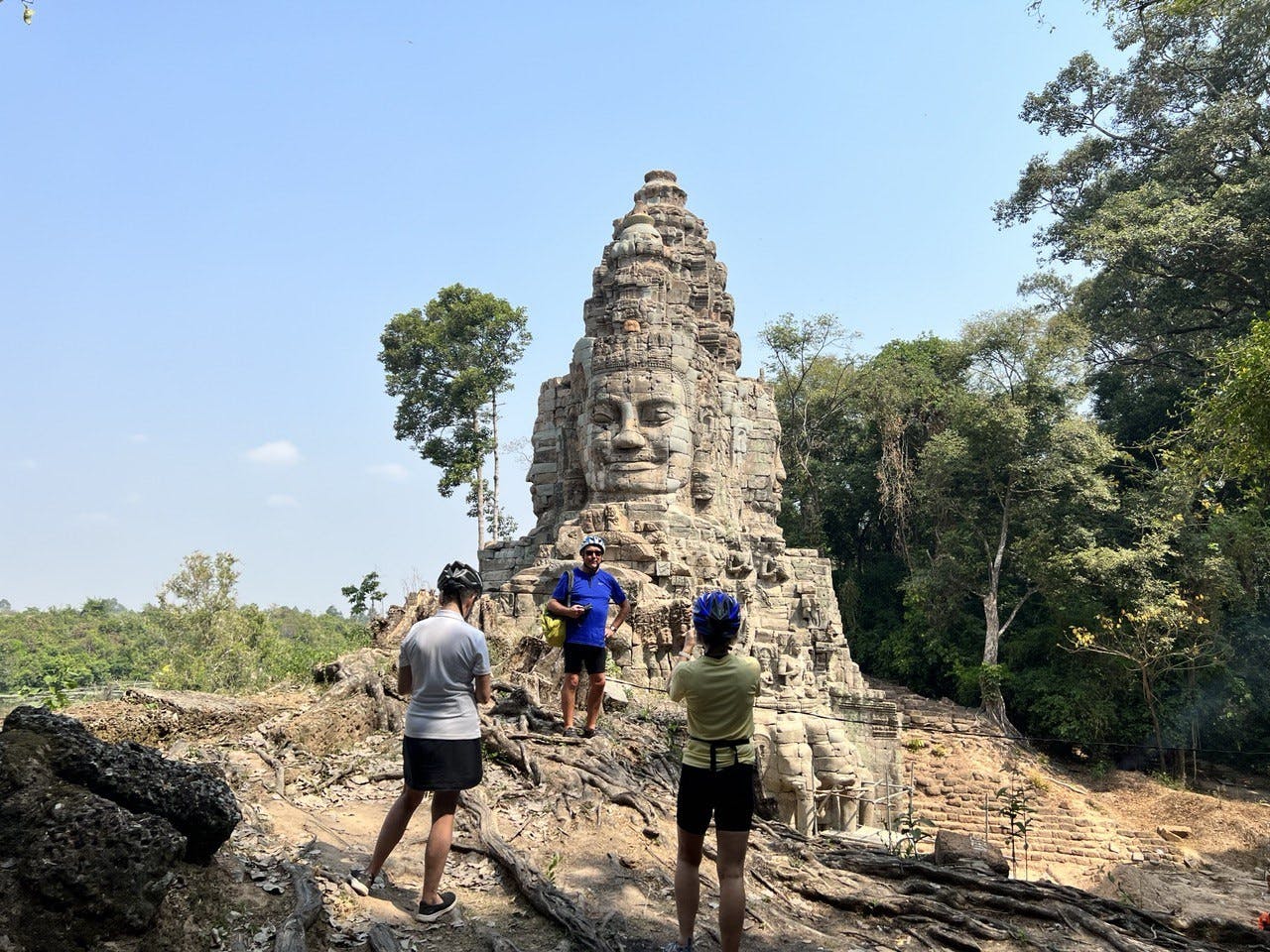
Angkor Thom was the great walled city of the Khmer Empire, and Bayon is its most famous temple. Bayon is known for its large stone faces, carved towers and atmospheric inner galleries.
Within Angkor Thom, visitors can also see the Terrace of the Elephants, Terrace of the Leper King, ancient gates and other temple remains. This area is best visited with a guide or good background information because the layout and symbolism are much easier to understand with context.
Ta Prohm
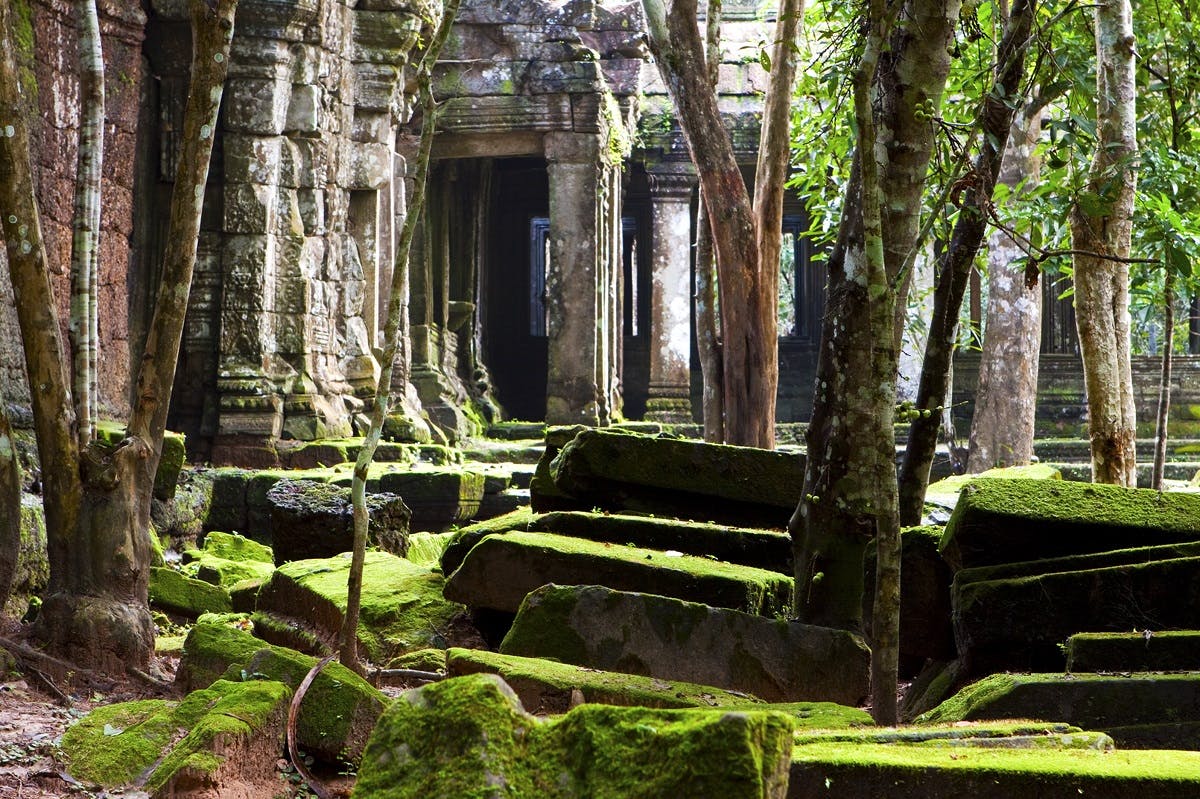
Ta Prohm is one of Angkor’s most atmospheric temples. It is famous for giant tree roots growing around stone walls, doorways and courtyards. The combination of jungle and ruins gives the temple a romantic, mysterious feeling.
It is also one of the busiest temples, so early morning or late afternoon can be better for photos. Stay on marked paths and do not climb on fragile walls or roots.
Banteay Srei
Banteay Srei is a smaller temple north-east of the main Angkor circuit, famous for pink-red sandstone and incredibly detailed carvings. It is often called the “Jewel of Khmer Art” because of its refined stonework.
This temple is best visited as a half-day trip from Siem Reap, often combined with Banteay Samré, Pre Rup, East Mebon, Kbal Spean or the Cambodia Landmine Museum.
Angkor Pass and Temple Planning
Most visitors need an Angkor Pass to enter the main temples of Angkor Archaeological Park. Pass options usually include one-day, three-day and seven-day choices, but ticket conditions and validity should always be checked through the official Angkor Enterprise system before visiting.
For most travellers, a three-day pass is the best balance. One day is enough only for a rushed highlights tour. Three days allows Angkor Wat, Angkor Thom, Ta Prohm, smaller temples and Banteay Srei without complete temple exhaustion.
Suggested Temple Planning
One day: Angkor Wat sunrise, Angkor Thom, Bayon and Ta Prohm.
Two days: Main temples on day one, Banteay Srei and eastern temples on day two.
Three days: Main circuit, Grand Circuit, Banteay Srei and slower sunrise or sunset stops.
Siem Reap Town
Siem Reap town is compact, easy to navigate and full of traveller services. The main tourist area includes Pub Street, Old Market, riverside streets, boutique hotels, restaurants, cafés, spas, tuk-tuk stands and tour offices.
Pub Street is the nightlife centre, with bars, restaurants, music and bright signs. It is lively and touristy, but useful for an easy evening meal or drink. Nearby streets are often better for quieter restaurants, cafés and boutique shopping.
The Siem Reap River area is pleasant for a slower walk, especially in the late afternoon or evening. It offers a calmer contrast to the louder Pub Street zone.
Markets and Shopping
Siem Reap has several markets and shopping areas where travellers can buy souvenirs, clothing, spices, artwork, bags, jewellery and locally made crafts.
Old Market
Old Market, also known as Psar Chas, is close to Pub Street and is one of the easiest places to browse. It has souvenirs, textiles, food stalls and local market sections.
Angkor Night Market
Angkor Night Market is popular for evening shopping, souvenirs and a relaxed wander after dinner. It is useful if your days are busy with temple visits and you want to shop at night.
Made in Cambodia Market
Made in Cambodia Market is a good option for higher-quality local products, crafts, gifts and design-focused souvenirs.
When shopping, bargain politely where appropriate, but avoid aggressive haggling. Supporting local makers, social enterprises and fair-trade shops can make your spending more meaningful.
What to Eat in Siem Reap
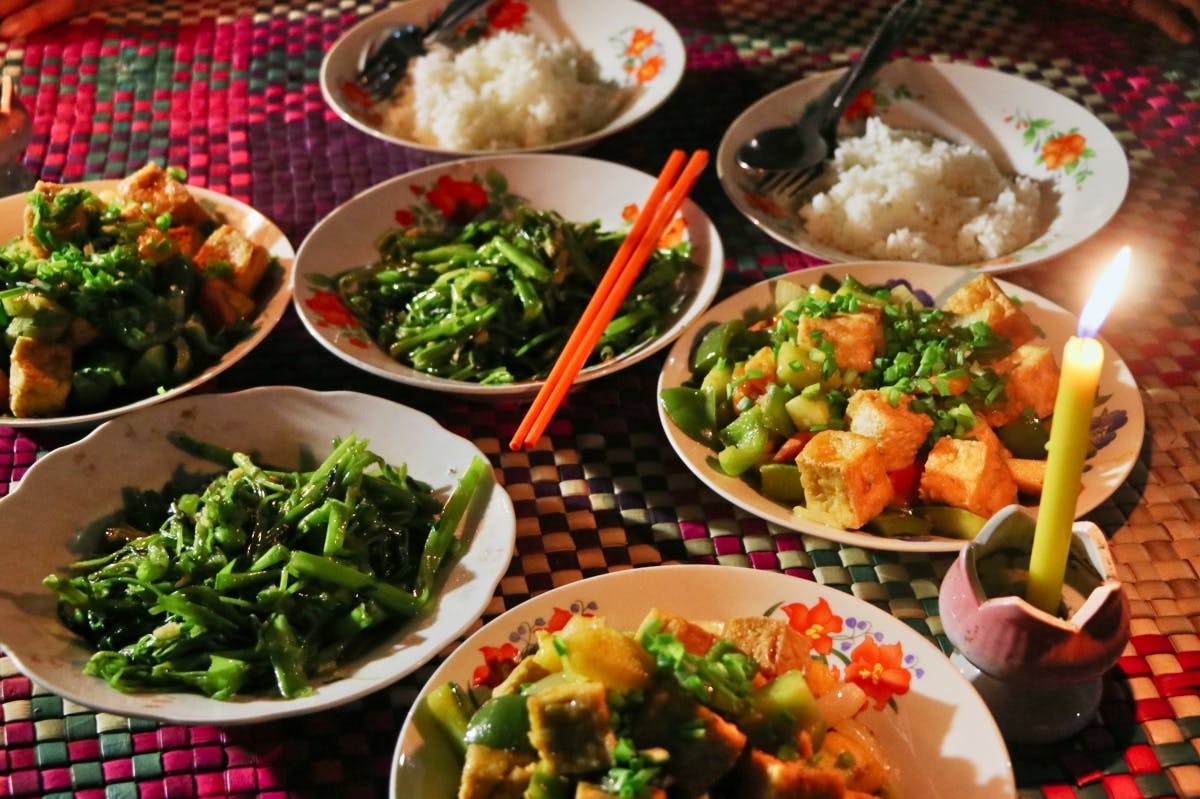
Siem Reap is a good place to try Khmer food, from simple street snacks to refined Cambodian restaurants.
Fish Amok
Fish amok is one of Cambodia’s signature dishes. It is a mild, fragrant curry-like dish often made with fish, coconut milk, kroeung spice paste and banana leaf presentation.
Lok Lak
Lok lak is a popular stir-fried beef dish often served with rice, salad and a pepper-lime dipping sauce.
Khmer Curry
Khmer curry is usually milder and sweeter than some neighbouring Southeast Asian curries. It may include chicken, vegetables, coconut milk and local spices.
Nom Banh Chok
Nom banh chok is a traditional noodle dish often eaten for breakfast. It is made with rice noodles, herbs and a fish-based green curry-style sauce.
Street Food and Snacks
Look for grilled skewers, fresh fruit shakes, banana pancakes, spring rolls, coconut desserts and local noodles. Choose busy stalls with high turnover and good hygiene practices.
Tonle Sap Lake and Floating Villages
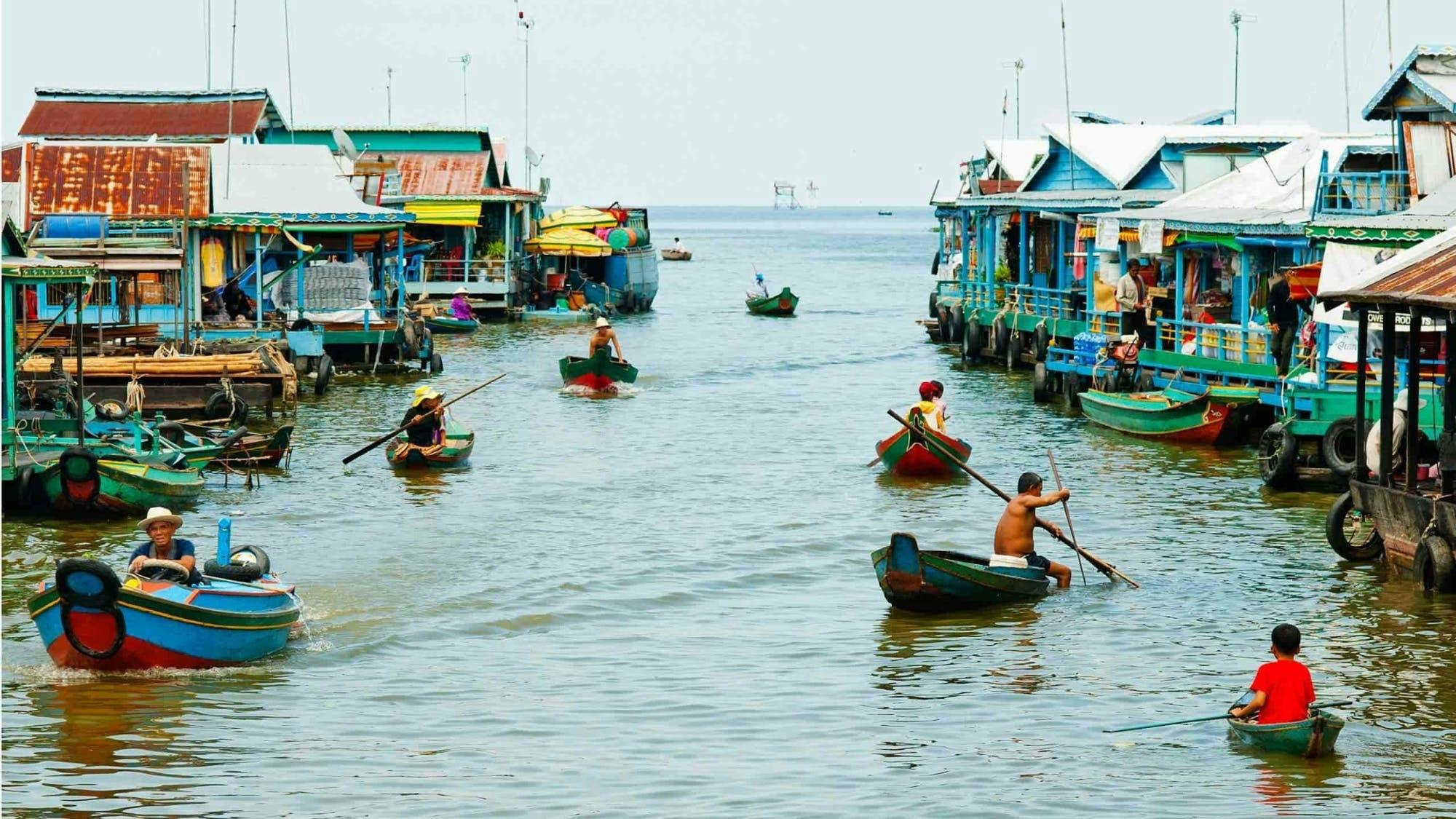
Tonle Sap Lake is one of the most common day trips from Siem Reap. Visitors usually go to see floating villages, stilt houses, flooded forests and lake life.
Popular options include Chong Kneas, Kampong Phluk and Kampong Khleang. Chong Kneas is the closest and easiest, but it can feel very touristy. Kampong Phluk and Kampong Khleang are farther away and may offer a more interesting experience, depending on season and tour quality.
Choose floating village tours carefully. Look for ethical operators who are clear about where money goes and avoid tours that pressure visitors into questionable donations or exploit local communities.
How Long to Stay
Two nights: Very rushed, but enough for one full Angkor highlights day.
Three nights: A good minimum for first-time visitors. This allows one or two temple days plus time in town.
Four nights: Better for most travellers. You can see the main temples, Banteay Srei, enjoy restaurants and avoid rushing.
Five to six nights: Ideal if you want Tonle Sap, cooking classes, spas, museums, countryside cycling or slower temple days.
Simple Siem Reap Itinerary
Day 1: Arrival and Siem Reap Town
Arrive at Siem Reap–Angkor International Airport.
Transfer to your hotel and settle in.
Walk around the Old Market and riverside area.
Have dinner near Pub Street or in a quieter side street.
Book or confirm your temple transport for the next day.
Day 2: Angkor Wat Sunrise and Main Temples
Start before dawn for Angkor Wat sunrise.
Explore Angkor Wat after sunrise.
Visit Angkor Thom and Bayon.
Stop at the Terrace of the Elephants and nearby sites.
Visit Ta Prohm in the afternoon.
Return to Siem Reap for dinner and rest.
Day 3: Banteay Srei and Grand Circuit
Visit Banteay Srei in the morning.
Stop at Banteay Samré, Pre Rup or East Mebon if included in your route.
Return to town for a pool break or massage.
Visit a night market in the evening.
Day 4: Tonle Sap or Slow Siem Reap Day
Take a morning trip to Kampong Phluk or another Tonle Sap village.
Alternatively, visit Angkor National Museum and take a cooking class.
Spend the afternoon at a café, spa or local craft market.
Enjoy a final Khmer dinner.
Best Time to Visit
The best time to visit Siem Reap is generally during the dry season, from around November to April. Weather is usually better for temple sightseeing, although this is also the busier tourist period. The wet season runs roughly from May to October, with heavier rains often later in the season, but it brings greener landscapes and fewer crowds. :contentReference[oaicite:3]{index=3}
December and January are popular because temperatures are usually more comfortable. March to May can be very hot. During the wet season, mornings are often still workable for temple visits, with rain more likely later in the day.
Getting Around Siem Reap
Tuk-tuks are the classic way to get around Siem Reap and the Angkor temples. They are affordable, flexible and easy to arrange through hotels or directly with drivers.
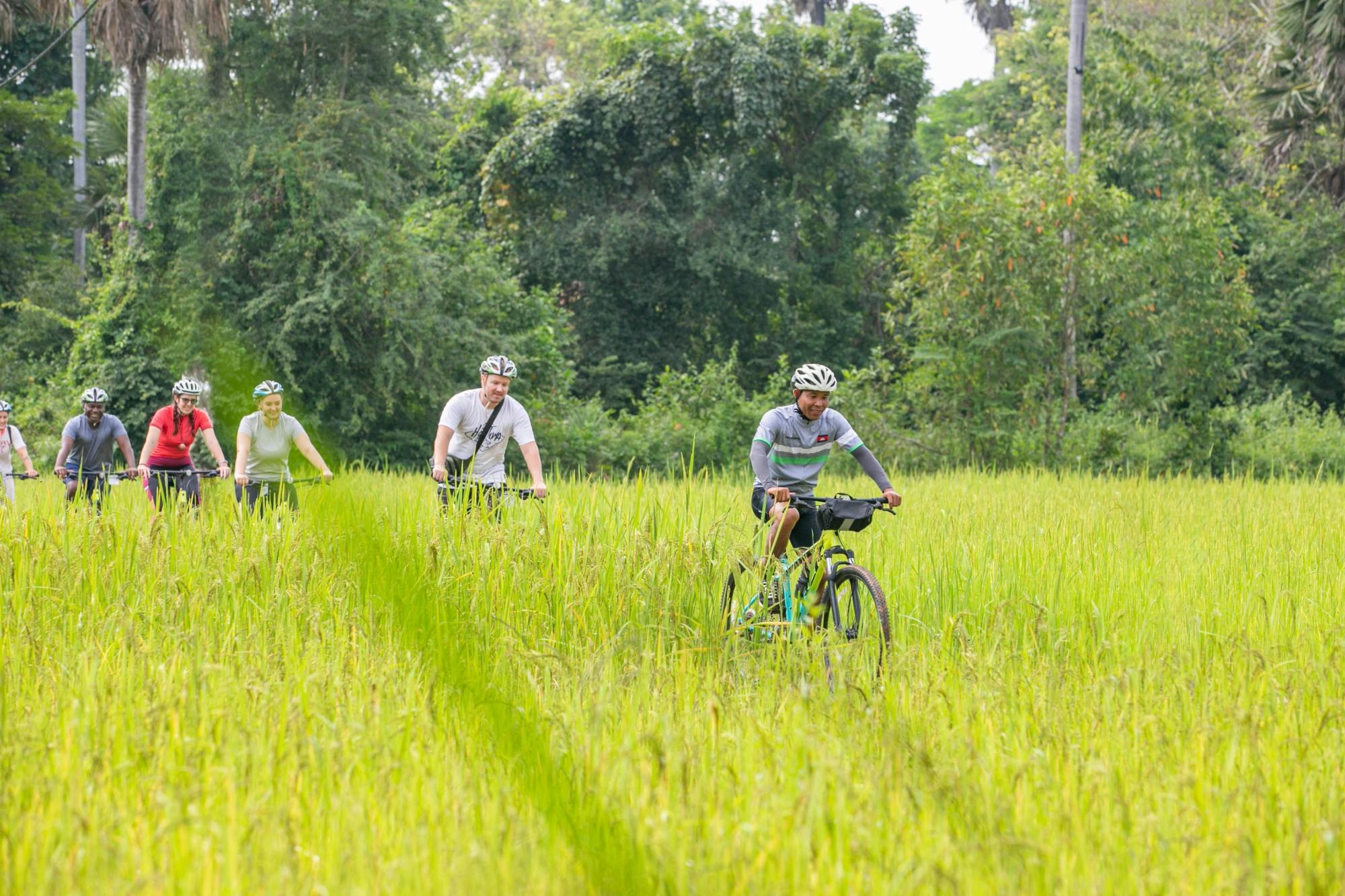
For longer temple days, Banteay Srei trips or hot weather, a private car can be more comfortable. For active travellers, bicycle tours can be rewarding, but the heat and distances should be taken seriously.
For Angkor temple days, it is worth using the same driver for the day. Agree on the route, start time, price and finishing point before leaving.
Siem Reap Airport
Siem Reap is served by Siem Reap–Angkor International Airport, also known by the code SAI. It replaced the older airport closer to town and is located much farther from central Siem Reap, so airport transfers now take longer than they did in the past. :contentReference[oaicite:4]{index=4}
When booking accommodation or tours, check whether airport pickup is included. If not, arrange a transfer in advance, especially if arriving late at night.
Practical Travel Tips
Start Temple Days Early
Early starts help you avoid the worst heat and give better light for photography. Even if you skip Angkor Wat sunrise, leaving early is worthwhile.
Buy the Right Angkor Pass
Do not automatically buy a one-day ticket if you have several days in Siem Reap. A three-day pass often gives a much better experience because you can slow down and avoid temple fatigue.
Dress Respectfully
For Angkor temples, cover shoulders and knees. Bring a light scarf or long-sleeved layer if needed, but proper clothing is better than trying to cover up only at entrances.
Bring Water and Sun Protection
Siem Reap can be hot and humid. Carry water, wear a hat, use sunscreen and take breaks during the middle of the day.
Use a Guide for at Least One Temple Day
A good guide can explain temple symbolism, Khmer history, Hindu and Buddhist imagery, and the layout of Angkor. This makes the ruins far more meaningful.
Plan Rest Time
Temple sightseeing is tiring. A hotel with a pool can be a major advantage, especially in the hot season.
Be Careful With Floating Village Tours
Choose reputable operators and avoid exploitative donation stops. A responsible tour should respect local communities and be transparent about costs.
Carry Small Cash
Small notes are useful for tuk-tuks, snacks, tips, markets and local purchases. US dollars and Cambodian riel are both commonly used, but local practice can vary.
Check Current Travel Advice
Before travelling, check current government travel advice and local updates, especially if your Cambodia itinerary includes border areas or remote provinces. Siem Reap itself is a major tourism centre, but conditions elsewhere can change.
FAQs About Siem Reap
Is Siem Reap worth visiting?
Yes. Siem Reap is worth visiting as the gateway to Angkor Archaeological Park and for its food, markets, nightlife, museums, countryside tours and relaxed travel atmosphere.
What is Siem Reap famous for?
Siem Reap is famous for Angkor Wat, Angkor Thom, Bayon, Ta Prohm, Banteay Srei, Pub Street, night markets and access to Tonle Sap Lake.
How many days do you need in Siem Reap?
Three nights is a good minimum. Four nights is better for most travellers because it allows more temple time and a less rushed pace.
Can you see Angkor Wat in one day?
Yes, but one day is rushed. You can see Angkor Wat, Bayon and Ta Prohm in a long day, but you will miss many excellent temples and quieter areas.
What is the best area to stay in Siem Reap?
First-time visitors usually do well near the Old Market, riverside area or central Siem Reap. These areas give easy access to restaurants, markets, spas and tuk-tuks.
Is Pub Street worth visiting?
Pub Street is touristy but useful for nightlife, restaurants and easy evening entertainment. Quieter and better dining options can often be found in nearby side streets.
Do I need a guide for Angkor?
You can visit independently, but a guide makes the temples much more meaningful. If your budget allows, hire a guide for at least one main temple day.
Is Siem Reap suitable for families?
Yes. Siem Reap can be excellent for families, especially with a comfortable hotel, private driver, shorter temple days and pool breaks in the afternoon.
What should I wear to Angkor temples?
Wear lightweight clothing that covers shoulders and knees, comfortable walking shoes, a hat and sun protection.
What is the best time of year to visit Siem Reap?
The dry season from November to April is generally the most comfortable for temple sightseeing. The wet season can still be rewarding, with greener scenery and fewer crowds.
Final Thoughts
Siem Reap is much more than a gateway city. Angkor is the main reason to come, but the town’s markets, food, cafés, crafts, spas, countryside trips and warm atmosphere make it a destination in its own right.
For the best experience, stay at least three or four nights, buy an Angkor Pass that suits your pace, start temple days early and allow time to rest between big sightseeing days. With good planning, Siem Reap offers one of Southeast Asia’s most memorable combinations of ancient history, local culture and easy travel comfort.
Sponsored Popular Items
Quick take: Musement.com offers a worldwide selection of tours and attractions
Amazing Cambodia 5-Day Private Tour Phnom Penh & Siem Reap Cambodia Gain in-depth insight into Cambodia’s intriguing past on this exciting 5-day tour of iconic Phnom Penh and Angkor Wat. Guided visits to UNESCO World Heritage Sites Angkor Temples and discover
Majestic Vietnam and Cambodia 8-Day Full Package Tour - Guided Sightseeing Tour Majestic Vietnam and Cambodia 8-Day Full Package Tour brings the main theme of the experience into one planned outing, making it easier to use limited time in Hanoi well. Check current availability, inclusions and booking details before you go.
Koh Ker & Beng Mealea Private Full-Day Tour from Siem Reap Cambodia Koh Ker & Beng Mealea Temple Private Full-Day Tour from Siem Reap (8 Hours) A private “beyond Angkor” day trip to two of Cambodia’s most atmospheric temple sites: Koh Ker and the jungle-covered Beng Mealea. Check current availability, inclusions and booking details before you go.
Phare Cambodian Circus Show Evening Tour in Siem Reap Cambodia Experience a contemporary and historic Cambodian Circus supported by an NGO to disadvantaged Khmer youth with art and performance training. Check current availability, inclusions and booking details before you go.
Siem Reap Bike Tour with Visit to Angkor Wat Cambodia Planning Siem Reap Bike Tour with Visit to Angkor Wat For an outdoor adventure, compare the activity level, equipment and conditions with your fitness and confidence. Check current availability, inclusions and booking details before you go.
Siem Reap Countryside Bike Tour with Sunset Viewing – Outdoor Adventure Cambodia Embark on a thrilling bike ride through Siem Reap's countryside, savour local snacks and drinks, and witness a mesmerizing sunset. Check current availability, inclusions and booking details before you go.
Half-Day Cycling Tour in Siem Reap – Guided Tour Cambodia Half-day cycling tour in Siem Reap is a convenient way to add structure, local context and purposeful sightseeing to the itinerary. Check current availability, inclusions and booking details before you go.