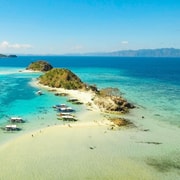
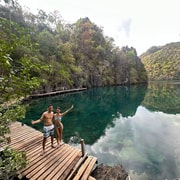
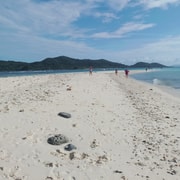
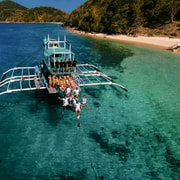
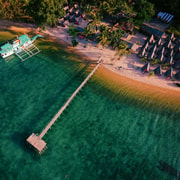
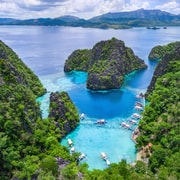
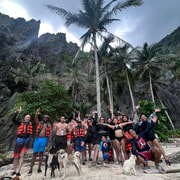
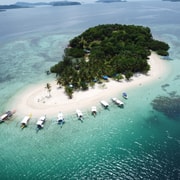
Coron Island is one of the most spectacular places in Palawan, Philippines. Known for its jagged limestone cliffs, clear turquoise water, hidden lagoons, freshwater and brackish lakes, coral gardens and small white-sand beaches, it is the main reason many travellers visit Coron.
Coron Island Philippines: A Guide to Kayangan Lake, Twin Lagoon, Limestone Cliffs and Island Hopping
Most visitors stay in Coron Town on Busuanga Island and visit Coron Island by boat. The island itself is not a typical resort island where you freely wander everywhere. Much of it is protected and culturally significant, with access managed through selected tour routes and local rules.
Sponsored Popular Items
Quick take: Musement.com offers a worldwide selection of tours and attractions
Coron Town: Coron Island Escapade Private Tour with Lunch Philippines Discover the beauty of Coron on a guided day tour. Experience island hopping, swim at the island's beaches, marvel at the beautiful corals and tropical fish, and enjoy lunch in a traditional hut
What Is Coron Island?
Coron Island is a dramatic limestone island in the Calamian Islands of northern Palawan. It sits across the water from Coron Town, the main tourism base on Busuanga Island.
The island is famous for steep karst cliffs, hidden lakes, lagoons, turquoise bays and excellent snorkelling areas. Some of the best-known stops include Kayangan Lake, Twin Lagoon, Barracuda Lake and Banul Beach.
It is important to understand that Coron Island is part of the ancestral domain of the Indigenous Tagbanua people. Visitors should treat the area with respect, follow tour rules, avoid restricted zones and remember that these landscapes are not only tourist attractions but also culturally significant places.
Why Visit Coron Island?
Coron Island is worth visiting because it offers some of the most beautiful water scenery in the Philippines. The contrast between black limestone cliffs, bright blue lagoons and clear green lakes is unforgettable.
The main activities are boat touring, swimming, snorkelling, kayaking, photography and relaxing on small beaches. Unlike Boracay or many beach resort destinations, Coron Island is less about long sandy beaches and more about cliffs, lagoons, reefs and dramatic island-hopping scenery.
It is especially good for travellers who enjoy nature, photography, swimming, snorkelling and boat-based day trips.
Kayangan Lake
Kayangan Lake is Coron Island’s most famous attraction. It is known for clear water, steep limestone surroundings and the classic viewpoint overlooking the bay below.
To reach the lake, visitors usually climb a set of stairs from the boat docking area. Partway up, there is a popular viewpoint where you can take one of Coron’s most recognisable photos: turquoise water, limestone cliffs and boats floating below.
After the viewpoint, the path descends to the lake. Swimming here is usually calm and beautiful, with clear water and rock formations beneath the surface. Life jackets are commonly required, and visitors should follow local guide instructions.
Twin Lagoon
Twin Lagoon is another highlight of Coron Island. It consists of two lagoons separated by a narrow limestone opening. Depending on the tide, visitors may swim through a low opening or use steps to pass from one lagoon to the other.
The scenery is spectacular: high limestone walls, still water and a sheltered feeling that makes the lagoon seem hidden from the outside world. Kayaking is especially enjoyable here when available, as it lets you move slowly through the water and appreciate the scale of the cliffs.
Twin Lagoon can become crowded during standard group tour hours. A private boat with an early start can improve the experience if your budget allows.
Barracuda Lake
Barracuda Lake is known for its clear water, dramatic rock formations and unusual underwater conditions. It is popular with swimmers, snorkellers and divers, although the diving experience is best suited to those with proper training and local guidance.
The lake is surrounded by sharp limestone cliffs, creating a more rugged and adventurous atmosphere than some other Coron stops. The entry may involve steps and rocky sections, so water shoes or secure sandals can be useful.
Even if you are not diving, Barracuda Lake is memorable for swimming and photography because of its enclosed, otherworldly setting.
Banul Beach
Banul Beach, sometimes written as Banol Beach, is a small white-sand beach backed by limestone cliffs and clear water. It is often used as a lunch stop on Coron Island tours.
The beach is not huge, but it is beautiful. Expect shallow turquoise water, traditional boats anchored offshore and simple huts or shaded areas depending on the current setup.
Because it is small, Banul Beach can feel crowded when several tour boats arrive at once. Visiting earlier or later in the day can make it more peaceful.
Siete Pecados and Coral Gardens
Siete Pecados is one of the best-known snorkelling areas near Coron. It is usually visited as part of island-hopping itineraries rather than as a long beach stop.
The area is known for coral, reef fish and clear water. Conditions vary by weather, tide and visibility, but when the water is calm it can be one of the most rewarding snorkelling stops near Coron Town.
Coral gardens around Coron are fragile. Do not stand on coral, do not touch marine life and avoid using sunscreen that can damage reefs. A rash guard is a good sun-protection alternative while snorkelling.
Skeleton Wreck
Skeleton Wreck is a popular snorkelling and diving stop near Coron. It is a shallow wreck site where snorkellers can often see the outline of a sunken vessel from the surface, depending on visibility.
Coron is famous for World War II wreck diving, although many major wrecks are better suited to certified divers. Skeleton Wreck is one of the more accessible wreck-related stops for casual visitors on island-hopping tours.
Coron Island Hopping Tours
The easiest way to visit Coron Island is through an island-hopping tour from Coron Town. Tours usually include hotel pickup or a meeting point, boat transport, guide, lunch and several stops.
Common tour names include Coron Island Tour, Coron Ultimate Tour, Super Ultimate Tour or private Coron Island boat tour. Exact stops vary by operator, weather, permits and local rules.
Group Tour
A group tour is the most affordable option and works well if you want an easy, organised day. The downside is less flexibility and more time spent moving with a schedule.
Private Boat Tour
A private boat costs more but gives you more control over timing. This can help avoid the busiest hours at places like Kayangan Lake and Twin Lagoon.
Best Stops to Prioritise
Kayangan Lake
Twin Lagoon
Barracuda Lake
Banul Beach
Siete Pecados
Skeleton Wreck
Coral Garden
Best Time to Visit Coron Island
The best time to visit Coron Island is usually during the dry season, from around November to May. This period generally brings better conditions for boat trips, snorkelling, swimming and island hopping.
March, April and May can be very hot, but the water is often calm and clear. The rainy season can still be beautiful, but tours may be affected by weather, rough seas or reduced visibility.
For fewer crowds, avoid major Philippine holidays and peak travel periods where possible. Early morning departures are best for smoother water, cooler conditions and quieter photo stops.
How Long to Stay in Coron
Two nights: Very rushed, but enough for one main Coron Island tour.
Three nights: A good minimum. You can do one Coron Island tour and one additional day for beaches, hot springs or another island route.
Four to five nights: Better for most travellers. This allows time for Coron Island, island escapes, diving or snorkelling, Mt. Tapyas and Maquinit Hot Springs.
One week: Ideal if you want to include wreck diving, multiple boat tours, slower rest days and nearby islands such as Malcapuya, Banana Island or Bulog Dos.
Simple Coron Island Itinerary
Day 1: Arrival in Coron Town
Arrive at Busuanga Airport or by ferry.
Transfer to Coron Town and check in.
Walk around town and book your boat tour.
Climb Mt. Tapyas for sunset if you have energy.
Have dinner in Coron Town.
Day 2: Coron Island Highlights
Start early for your island-hopping tour.
Visit Kayangan Lake and the viewpoint.
Swim or kayak at Twin Lagoon.
Stop at Barracuda Lake if included.
Have lunch at Banul Beach or another beach stop.
Snorkel at Siete Pecados, Skeleton Wreck or Coral Garden.
Return to Coron Town in the afternoon.
Day 3: Relaxed Coron Day
Choose a second island-hopping route or a diving trip.
Visit Maquinit Hot Springs in the late afternoon.
Enjoy a slower dinner in town.
Day 4: Optional Outer Island Trip
Take a day trip to Malcapuya Island, Banana Island or Bulog Dos.
Spend the day swimming, snorkelling and relaxing on wider beaches.
Return to Coron Town before departure or stay another night.
How to Get to Coron Island
Most travellers first reach Coron Town on Busuanga Island. From there, Coron Island is reached by boat.
By Air
The nearest airport is Francisco B. Reyes Airport, often called Busuanga Airport. Flights connect Coron with Manila, Cebu and other Philippine hubs depending on current airline schedules.
By Ferry
Ferries connect Coron with destinations such as El Nido and Manila on selected routes. Schedules can change, so check current ferry operators before planning.
By Boat Tour
Once in Coron Town, boat tours depart from the port area and visit Coron Island’s lakes, lagoons, beaches and snorkelling stops.
What to Wear and Bring
Swimwear worn under light clothing
Rash guard or sun shirt
Reef-safe sunscreen
Hat and sunglasses
Dry bag for phone and valuables
Water shoes or secure sandals
Towel
Reusable water bottle
Snorkel gear if you prefer your own
Waterproof phone pouch or action camera
Small cash for fees, tips or rentals
Practical Travel Tips
Book a Private Boat If You Want Flexibility
A private boat gives you more control over timing and can help you avoid the busiest periods at major stops.
Start Early
Early departures usually mean calmer water, better light and fewer crowds at popular sites.
Respect Tagbanua Rules
Coron Island has cultural and ancestral significance. Follow local rules, stay in permitted visitor areas and do not enter restricted zones.
Wear a Life Jacket Where Required
Some lakes and lagoons require life jackets. Follow your guide’s instructions even if you are a confident swimmer.
Use Reef-Safe Sun Protection
Coron’s reefs are fragile. A rash guard is often better than relying only on sunscreen.
Do Not Touch Coral or Marine Life
Stand only on sand or boat ladders, never on coral. Do not chase fish, turtles or other marine life.
Expect Crowds at Famous Stops
Kayangan Lake and Twin Lagoon are very popular. Crowds are part of the experience unless you arrange a careful private route.
Check Weather Before Boat Trips
Island-hopping depends on sea conditions. Tours may change or cancel if weather is unsafe.
Bring Water Shoes
Some stops involve rocky entries, shells, limestone steps or slippery surfaces. Water shoes make the day easier.
FAQs About Coron Island
Where is Coron Island?
Coron Island is in northern Palawan, Philippines, across the water from Coron Town on Busuanga Island.
Is Coron Island the same as Coron Town?
No. Coron Town is on Busuanga Island and is where most visitors stay. Coron Island is the limestone island visited by boat for lakes, lagoons and beaches.
Is Coron Island worth visiting?
Yes. Coron Island is one of the most beautiful island-hopping destinations in the Philippines, especially for lagoons, lakes, limestone cliffs and clear water.
What is Coron Island famous for?
Coron Island is famous for Kayangan Lake, Twin Lagoon, Barracuda Lake, Banul Beach, limestone cliffs, turquoise water and snorkelling areas.
Can you stay overnight on Coron Island?
Most travellers stay in Coron Town on Busuanga Island and visit Coron Island by day tour. Access to Coron Island is controlled, and visitors should follow local rules.
How many days do you need in Coron?
Three nights is a good minimum. Four to five nights is better if you want multiple island tours, hot springs, Mt. Tapyas and diving or snorkelling.
What is the best Coron Island tour?
For first-time visitors, choose a tour that includes Kayangan Lake, Twin Lagoon, Barracuda Lake and at least one snorkelling stop. Private tours are best for flexibility.
Can you swim in Kayangan Lake?
Yes, swimming is usually allowed in designated areas, with life jackets commonly required. Follow local guide instructions.
Is Coron better than El Nido?
Coron is best for clear lakes, lagoons, wreck diving and limestone scenery. El Nido is better known for wider island-hopping routes, dramatic beaches and Bacuit Bay scenery. Both are worth visiting if time allows.
When is the best time to visit Coron?
The dry season from November to May is generally best for island hopping. March to May can be hot, while the rainy season may bring rougher seas and schedule changes.
Final Thoughts
Coron Island is one of the great natural highlights of the Philippines. Its limestone cliffs, hidden lakes, turquoise lagoons, coral gardens and small beaches create a boat-trip experience that feels both adventurous and beautiful.
For the best visit, stay in Coron Town for at least three nights, book an early island-hopping tour, bring proper water gear and respect the local rules that protect Coron Island’s natural and cultural heritage. Whether you come for Kayangan Lake, Twin Lagoon, Barracuda Lake or the snorkelling, Coron Island is a destination that deserves time, care and responsible travel.
Sponsored Popular Items
Quick take: Musement.com offers a worldwide selection of tours and attractions
Coron Town: Coron Island Escapade Private Tour with Lunch Philippines Discover the beauty of Coron on a guided day tour. Experience island hopping, swim at the island's beaches, marvel at the beautiful corals and tropical fish, and enjoy lunch in a traditional hut
Coron/Palawan: Coron Super Ultimate Tour with Lunch Philippines Visit the most iconic spots and enjoy a relaxed pace. The Most Complete Tour destination in Coron Island with 3 highlights and 4 other popular destinations, a well organise tour for you
El Nido to Coron: 3-Day 2-Night Island-Hopping Expedition Philippines Disconnect on a true off-grid island expedition from El Nido to Coron or Coron to El Nido. Explore remote islands, snorkel untouched reefs, and discover raw authentic island life
Palawan: Coron Island Super Ultimate Private Tour Philippines Palawan is rich in beautiful islands, and this tour of Coron's isles will be the best way for you to experience paradise on as many of them as possible
Expedition: 3 Days, 2 Nights Island Hopping from Coron to El Nido Philippines An Expedition offers a comprehensive adventure, designed for those seeking a quick escape and immersive experience. Engage in water activities that provide a refreshing break and memorable encounters
CORON:REEF AND WRECK - 2 JAPANESE WRECK AND PASS ISLAND TOUR Philippines The Coron Reef and Wreck Tour offers a unique and memorable experience, combining the beauty of the natural world with the intrigue of historical shipwrecks in Coron,Palawan