Nottingham city centre combines medieval legends, hidden caves, handsome Victorian buildings, lively shopping streets and one of England’s most distinctive historic quarters. Best known for its connection with Robin Hood, Nottingham offers considerably more than folklore. Visitors can explore Nottingham Castle, descend into sandstone caves, tour a former courtroom and gaol, browse independent shops in Hockley and walk through streets once dominated by the international lace trade.
Sponsored Popular Items
Quick take: Musement.com offers a worldwide selection of tours and attractions
Murder Mystery in Nottingham United Kingdom Plan Murder Mystery in Nottingham, a self-guided game or exploration experience, with practical tips on timing, inclusions and what to check before booking. Compare current availability, prices and booking conditions before you go.
Most of the main attractions are within walking distance of Old Market Square, making Nottingham an excellent destination for a day trip, weekend break or longer exploration of the East Midlands.
Nottingham city centre at a glance
Location
Nottinghamshire, East Midlands, England
Main central square
Old Market Square
Main railway station
Nottingham Station
Nearest airport
East Midlands Airport
Recommended visit
One to three days
Best for
History, architecture, caves, shopping, restaurants and nightlife
Why visit Nottingham city centre?
Nottingham is a compact, walkable city with an unusual mixture of attractions. Its centre includes medieval streets, Georgian and Victorian buildings, modern galleries, busy entertainment venues and an extensive network of caves carved into the sandstone beneath the city.
Nottingham City Centre: Attractions, History and Travel Guide
Nottingham city centre is particularly suitable for travellers interested in:
Robin Hood stories and English folklore
Castles and medieval history
Underground caves and unusual historic sites
Independent shops, cafés and restaurants
Historic pubs and traditional English inns
Architecture and urban photography
Museums, galleries and live entertainment
Easy weekend breaks without needing a car
The centre is small enough to explore on foot, although Nottingham’s tram and bus networks are useful for reaching attractions outside the immediate central area.
Where is Nottingham city centre?
Nottingham is in the East Midlands region of England. Old Market Square is generally regarded as the heart of the city centre and provides a useful starting point for exploring the main attractions.
Nearby cities include:
Derby: approximately 25 kilometres west
Leicester: approximately 45 kilometres south
Sheffield: approximately 60 kilometres north
Lincoln: approximately 65 kilometres northeast
Nottingham Station is south of the main shopping and historic districts. Old Market Square can usually be reached from the station in around 10 to 15 minutes on foot, depending on pace and the chosen route.
Best things to see and do in Nottingham city centre
1. Begin at Old Market Square
Old Market Square is the natural starting point for a visit to Nottingham. It is one of the largest public squares in the United Kingdom and has served as an important meeting and trading place for centuries.
The square is overlooked by the grand Nottingham Council House, which is recognised by its large dome and clock. Two stone lions stand beside the building’s entrance and have become well-known local meeting points.
Markets, public celebrations, performances and seasonal events are regularly held in the square. Even when no major event is taking place, it is a useful place to pause, orient yourself and watch city life.
2. Visit Nottingham Castle
Nottingham Castle occupies an elevated site overlooking the city. Although the present building is not the medieval fortress associated with the earliest Robin Hood stories, the location has played an important part in English history for almost a thousand years.
The castle complex contains museum displays, art galleries, landscaped grounds and views across Nottingham. Exhibitions explore subjects including the city’s history, creativity, rebellion and its association with Robin Hood.
At the foot of Castle Rock, visitors can see the well-known Robin Hood statue with his bow drawn. Nearby sculptures represent members of his band of outlaws.
There is no general visitor parking within the castle grounds, so walking, public transport or a nearby public car park is usually the most practical option.
3. Explore the City of Caves
One of Nottingham’s most unusual characteristics is the network of sandstone caves beneath its streets. Hundreds of caves have been recorded beneath the city, although only selected sections are open to visitors.
The City of Caves attraction provides access to underground chambers that have been used for homes, workplaces, storage, medieval industries and wartime shelter.
Highlights include a medieval tannery and areas used as air-raid shelters during the Second World War. The spaces can be confined and the surfaces uneven, so visitors should wear suitable shoes and check accessibility information before booking.
Entry numbers are controlled, making advance reservations advisable during weekends, school holidays and other busy periods.
Nottingham Council House overlooking Old Market Square in the heart of Nottingham city centre.
Photo:
Bryn Holmes ,
licensed under
CC BY-SA 2.0 .
4. Walk through the Lace Market
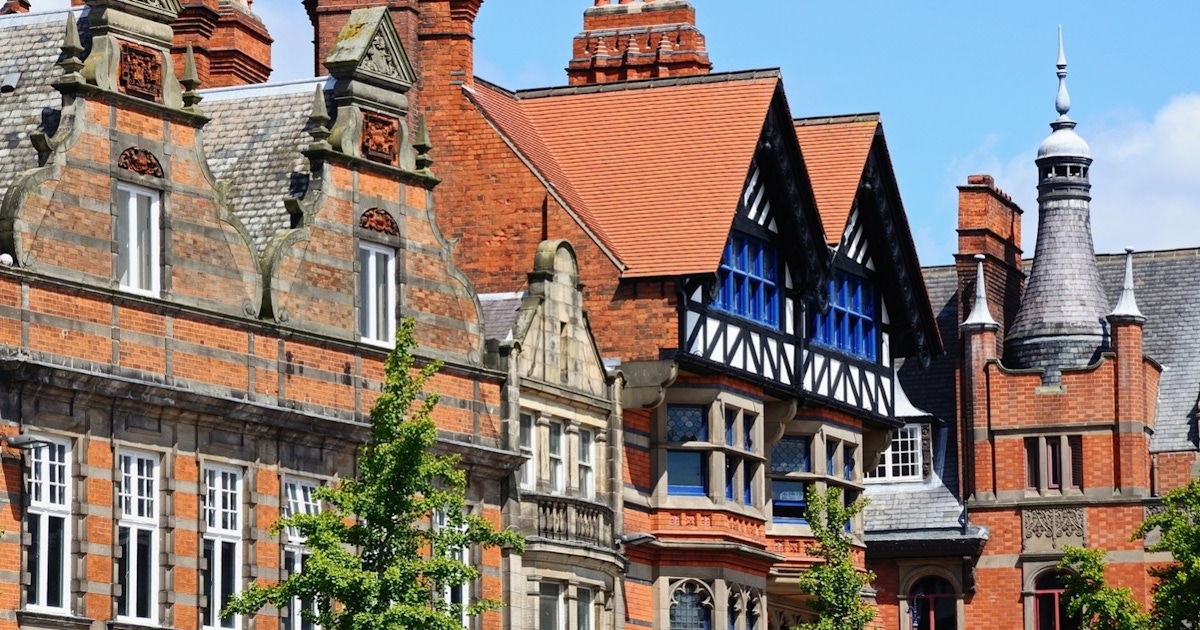
The Lace Market is one of Nottingham’s most atmospheric neighbourhoods. Red-brick warehouses, former factories and ornate commercial buildings reflect the period when Nottingham was internationally important for lace design and manufacturing.
Many of these former industrial buildings have been converted into apartments, offices, cafés, restaurants and creative businesses. The district rewards unhurried exploration, particularly around High Pavement, Broadway, Stoney Street and Weekday Cross.
The Lace Market is not a conventional market with rows of stalls. Its name refers to the district where lace was designed, displayed, traded and sold.
5. Discover Hockley
Hockley lies beside the Lace Market and is one of Nottingham’s most distinctive independent shopping and entertainment areas.
The neighbourhood contains vintage clothing shops, second-hand bookshops, small boutiques, cafés, restaurants, bars and street art. It is lively during the day and becomes one of the city centre’s main dining and nightlife districts during the evening.
Hockley is a good choice for travellers who prefer locally owned businesses and creative neighbourhoods over conventional shopping centres.
6. Tour the National Justice Museum
The National Justice Museum is housed inside Nottingham’s former courthouse and county gaol at High Pavement.
Visitors can explore courtrooms, prison cells and exhibitions dealing with crime, punishment, policing and social justice. Historic interpreters and interactive displays help explain what happened to prisoners, judges, witnesses and court officials within the building.
Some exhibits deal with executions, imprisonment and harsh historic punishments, so parts of the museum may be intense for younger or sensitive visitors.
7. Visit St Mary’s Church
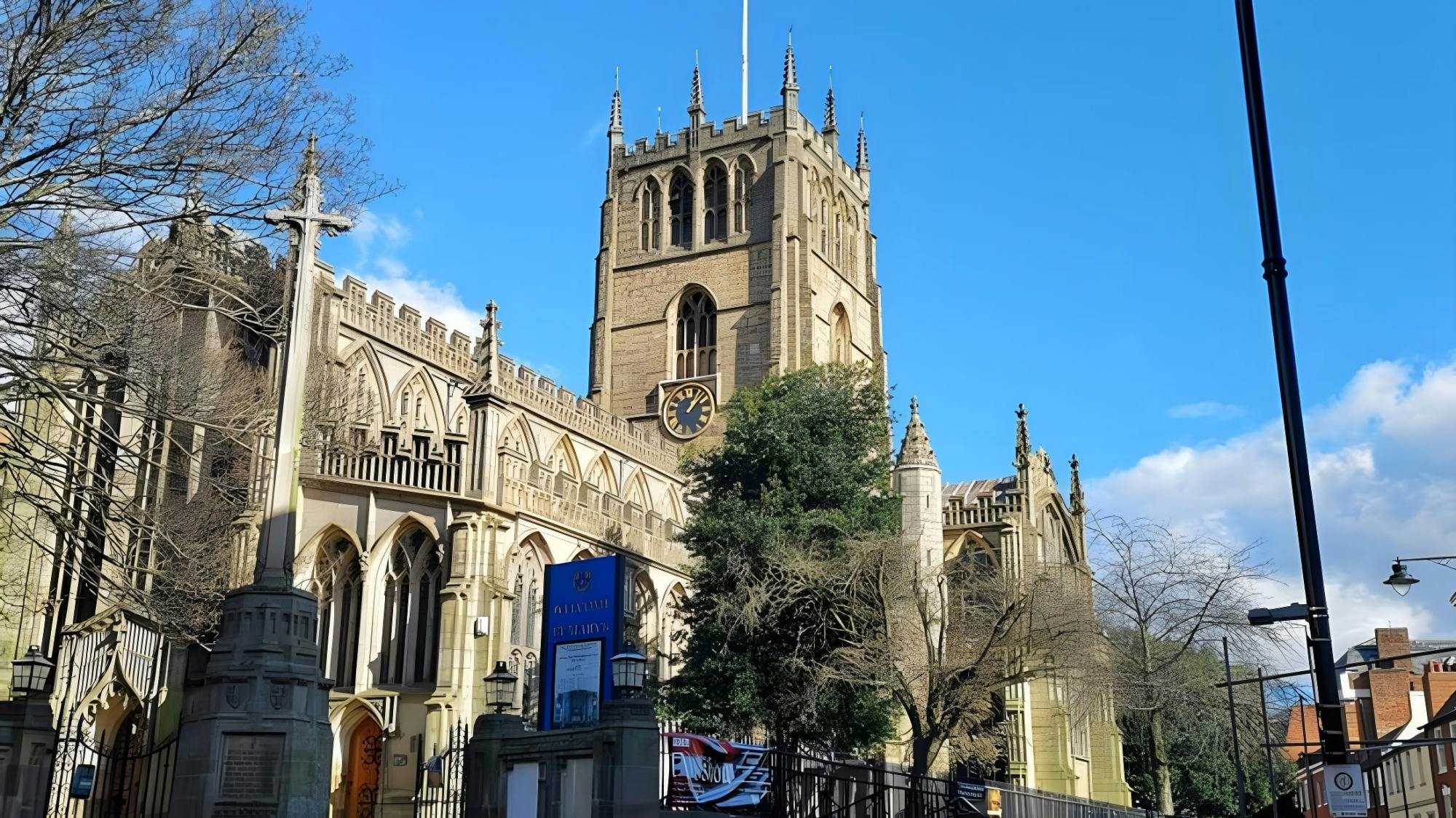
St Mary’s Church stands in the Lace Market and is one of the most important medieval buildings remaining in Nottingham.
Its large Perpendicular Gothic interior provides a peaceful contrast to the nearby cafés, roads and entertainment venues. Opening hours can vary because it remains an active place of worship, so check before planning a dedicated visit.
8. See an exhibition at Nottingham Contemporary
Nottingham Contemporary is a major contemporary art centre at Weekday Cross. Its distinctive exterior was inspired partly by the city’s lace heritage.
The gallery presents changing exhibitions, talks, performances and events. General exhibition admission is normally free, although some special events may require tickets.
It is located close to the City of Caves, National Justice Museum and Lace Market, making it easy to combine several attractions without additional transport.
9. See the Theatre Royal and Royal Concert Hall
The Theatre Royal and Royal Concert Hall form one of Nottingham’s principal entertainment complexes. The programme can include touring musicals, drama, ballet, comedy, concerts and family performances.
The Theatre Royal is a handsome Victorian building, while the adjoining Royal Concert Hall provides a larger modern performance venue.
Check the programme before travelling, as attending an evening performance can be an enjoyable conclusion to a day in the city.
10. Visit Ye Olde Trip to Jerusalem
Built against the sandstone beneath Nottingham Castle, Ye Olde Trip to Jerusalem is one of England’s best-known historic inns.
The pub is often described as one of the oldest inns in the country, although the exact age of Britain’s oldest surviving pub remains debated. Its cave rooms, low ceilings and castle-side location nevertheless make it an interesting place to visit.
The pub can become busy during weekends and major events, so visiting outside peak lunch and evening periods may provide a quieter experience.
11. Walk beside the Nottingham Canal
The Nottingham Canal passes close to the railway station and provides a quieter walking route away from the busiest shopping streets.
The canal area contains converted industrial buildings, modern apartments, waterside paths and places to eat and drink. It can be combined with the railway station, Castle Rock or a walk towards the southern side of the city centre.
Shopping in Nottingham city centre
Nottingham has a mixture of major retailers, shopping centres, independent boutiques and specialist shops.
Old Market Square and surrounding streets
Clumber Street, Long Row, Bridlesmith Gate, Albert Street and nearby pedestrian areas contain many familiar British and international retailers.
Victoria Centre
The Victoria Centre is Nottingham’s principal indoor shopping centre, with fashion, beauty, technology, food and household retailers.
Hockley and the Lace Market
These districts are better for independent fashion, vintage clothing, books, gifts, records and unusual locally produced items.
Flying Horse Walk
Flying Horse Walk is a smaller historic arcade connecting parts of the central shopping district. It contains a selection of independent and specialist businesses.
Store opening hours vary, particularly on Sundays, bank holidays and during seasonal events.
Food, pubs and nightlife in Nottingham
Nottingham city centre has a broad selection of restaurants, traditional pubs, cocktail bars, cafés and casual dining venues.
Useful dining areas include:
Hockley: Independent restaurants, cafés, bars and international food
Lace Market: Stylish restaurants, converted warehouse venues and cocktail bars
Old Market Square: Convenient central cafés and familiar restaurant chains
Castle area: Historic pubs and restaurants near Castle Rock
Canal and station area: Waterside venues and modern casual dining
Nottingham is a lively university city, and parts of the centre can become busy late at night, especially on Fridays and Saturdays. Travellers looking for a quieter stay may prefer accommodation slightly away from the main nightlife streets.
Suggested one-day Nottingham city centre itinerary
Morning: Old Market Square and Nottingham Castle
Begin at Old Market Square and look at the Council House, clock dome and stone lions. Walk west towards Nottingham Castle, stopping at the Robin Hood statue before entering the castle grounds and galleries.
Late morning: Castle Rock and historic pub
After visiting the castle, walk around Castle Rock and Brewhouse Yard. Stop near Ye Olde Trip to Jerusalem for a drink, lunch or a look at the historic cave-supported building.
Afternoon: City of Caves and National Justice Museum
Continue towards the Lace Market and join a pre-booked City of Caves visit. Afterwards, explore the National Justice Museum or Nottingham Contemporary at Weekday Cross.
Late afternoon: Lace Market and Hockley
Walk through the historic streets of the Lace Market, passing St Mary’s Church and former lace warehouses. Continue into Hockley for independent shops, cafés and street art.
Evening
Have dinner in Hockley or the Lace Market. Alternatively, book a performance at the Theatre Royal, Royal Concert Hall or another central entertainment venue.
Where to stay in Nottingham
Old Market Square and central shopping district
Staying near Old Market Square places visitors close to the main shops, tram stops, restaurants and entertainment venues.
This is the most convenient area for first-time visitors who want to walk to most central attractions.
Lace Market
The Lace Market offers historic architecture and easy access to restaurants, museums and nightlife. Accommodation includes hotels and apartments within converted commercial buildings.
This area suits couples, cultural travellers and visitors who enjoy dining and evening entertainment. Some streets may be noisy late at night.
Hockley
Hockley is ideal for travellers interested in independent shops, creative businesses, cafés and bars. It has a lively atmosphere but may not suit visitors seeking complete evening quiet.
Near Nottingham Station
The area around Nottingham Station is convenient for short visits, early departures and travellers carrying luggage.
The station is within walking distance of the castle, canal, Lace Market and Old Market Square.
Castle and canal area
Accommodation near the castle or canal offers convenient access to the historic attractions while being slightly removed from the busiest shopping streets.
West Bridgford
West Bridgford lies south of the River Trent and provides a more residential alternative to the city centre. It has restaurants, shops and convenient bus connections to central Nottingham.
This area is also useful for visitors attending sporting events at Trent Bridge or the City Ground.
How to get to Nottingham city centre
By train
Nottingham Station has direct or connecting rail services to cities including London, Birmingham, Leicester, Derby, Sheffield, Manchester and Lincoln.
The station is within walking distance of most central attractions. Trams and buses are also available for passengers carrying luggage or travelling farther across the city.
By tram
Nottingham’s tram network passes through the city centre, with convenient stops near the railway station, Lace Market, Old Market Square and the Theatre Royal.
Buy or validate the appropriate ticket before travelling and check current service information when engineering works or major events are taking place.
By bus
Nottingham has an extensive bus network serving the city centre, suburbs and surrounding towns. Different operators may use separate ticketing systems, although integrated ticket options are available for some journeys.
By car
Driving into the centre is possible, but one-way streets, bus lanes, tram routes and parking charges can make the journey less straightforward for unfamiliar visitors.
Follow current road signs rather than relying entirely on an older satellite-navigation map.
Park and ride
Nottingham has several tram park-and-ride sites outside the centre. Parking is available for tram users with a valid ticket, subject to the conditions displayed at each site.
Park and ride can be easier than driving into the central shopping and historic districts. Read the parking signs carefully and purchase the required tram ticket promptly after arriving.
From East Midlands Airport
East Midlands Airport is the nearest major airport. Bus, taxi and private-transfer options connect the airport with Nottingham, although travel times vary with traffic.
Places to visit near Nottingham
Wollaton Hall and Deer Park
Wollaton Hall is an Elizabethan mansion set within a large deer park west of the city centre. The building houses Nottingham Natural History Museum and is recognisable to film fans as a location used for Wayne Manor in The Dark Knight Rises.
Buses and taxis provide access from central Nottingham.
Sherwood Forest
Sherwood Forest is strongly associated with the legend of Robin Hood. Visitors can walk through ancient woodland and see the Major Oak near Edwinstowe.
The forest is outside Nottingham and requires additional travel planning. A car, organised tour or combination of public transport may be needed.
Newstead Abbey
Newstead Abbey was the ancestral home of poet Lord Byron. The estate includes historic rooms, gardens, lakes and woodland.
Southwell
Southwell is a small historic town known for Southwell Minster, independent shops and attractive streets. It makes a quieter contrast to central Nottingham.
Newark-on-Trent
Newark offers a traditional market square, castle ruins beside the River Trent and museums connected with the English Civil War.
Derby
Derby is a short rail journey from Nottingham and has connections with industry, engineering and the development of the modern factory system.
Best time to visit Nottingham
Spring
Spring generally offers comfortable walking conditions and longer daylight without the busiest summer crowds.
Summer
Summer is suitable for outdoor events, canal walks, castle grounds and excursions to Wollaton Park or Sherwood Forest. Weekends can be busy.
Autumn
Autumn is a good time for museums, shopping and cultural events. Parks outside the centre can be particularly attractive as the leaves change colour.
Winter
Winter brings seasonal lights, markets and events around Old Market Square. Daylight is limited and the weather can be wet or cold, but most central attractions are close together.
Accessibility in Nottingham city centre
Many central streets are pedestrianised, but Nottingham is not completely flat. The approach to Nottingham Castle includes slopes, while historic buildings and underground caves can present accessibility difficulties.
The City of Caves contains confined spaces and uneven surfaces. Visitors with limited mobility, claustrophobia or other concerns should review the official accessibility information before booking.
Modern shopping centres, major galleries and public transport services generally provide accessible facilities, although individual arrangements vary.
Practical tips for visiting Nottingham city centre
Pre-book the City of Caves during weekends and school holidays.
Check Nottingham Castle opening hours before travelling.
Wear comfortable shoes because many attractions are best reached on foot.
Expect hills around Nottingham Castle and parts of the historic centre.
Use park and ride when you do not need a car in the centre.
Read bus-lane and parking signs carefully when driving.
Allow additional time for museums rather than trying to see every attraction in one day.
Stay away from the busiest nightlife streets when quiet accommodation is important.
Carry a light waterproof jacket because English weather can change quickly.
Check event schedules, as large concerts and sporting fixtures can affect accommodation prices.
Frequently asked questions about Nottingham city centre
Is Nottingham city centre worth visiting?
Yes. Nottingham has a compact historic centre, a castle, underground caves, museums, independent shopping, restaurants and strong connections with the Robin Hood legend. Most major attractions can be reached on foot.
How many days do you need in Nottingham?
One day is enough to see several principal attractions, but two days provides a more comfortable visit. Three days allows time for Wollaton Hall, Sherwood Forest or another excursion outside the city centre.
Is Nottingham city centre walkable?
Yes. Old Market Square, Nottingham Castle, Hockley, the Lace Market, City of Caves and National Justice Museum are all within the central area. Some routes contain slopes, particularly near the castle.
What can you see in Nottingham connected with Robin Hood?
Visitors can see the Robin Hood statue near Nottingham Castle, explore castle exhibitions and join themed walking tours. Sherwood Forest and the Major Oak require a separate journey outside the city.
Are there caves beneath Nottingham?
Yes. Nottingham was built on soft sandstone, and hundreds of human-made caves have been recorded beneath the city. Some can be visited through attractions such as the City of Caves.
Is the Lace Market an actual market?
No. The Lace Market is a historic district where lace was designed, displayed and traded. Today it contains former warehouses, apartments, offices, museums, restaurants and creative businesses.
Are there free things to do in Nottingham?
Yes. Visitors can explore Old Market Square, walk around the Lace Market and Hockley, see the Robin Hood statue, walk beside the canal and visit general exhibitions at Nottingham Contemporary. Donations may be encouraged, and special events can carry a charge.
How far is Nottingham Station from the city centre?
Nottingham Station is approximately a 10 to 15-minute walk from Old Market Square. The Lace Market, canal and castle are also within walking distance.
What is the best area to stay in Nottingham?
Old Market Square is convenient for first-time visitors. The Lace Market and Hockley suit travellers interested in restaurants and nightlife, while the station area is practical for short stays and early train departures.
Do you need a car to visit Nottingham?
No. The city centre is walkable and well served by trains, trams and buses. A car may be useful for rural attractions such as Sherwood Forest, although public transport and tours may also be available.
Is Nottingham suitable for families?
Yes. Nottingham Castle, Wollaton Hall, the canal, parks and selected museum activities can appeal to families. Parents should check the content and accessibility of the City of Caves and National Justice Museum before visiting with younger children.
Is Nottingham city centre safe at night?
Central areas are generally busy and well used, but visitors should take normal precautions. Stay on well-lit streets, keep valuables secure and plan the return journey to your accommodation, particularly after late-night events.
Check current visitor information
Opening hours, ticket prices, public transport services and exhibition programmes can change. Check the following official websites shortly before travelling:
Is Nottingham city centre a good travel destination?
Nottingham city centre is an excellent destination for travellers who enjoy history but also want restaurants, shopping and entertainment within easy walking distance.
Its appeal lies in the layers beneath the familiar Robin Hood story. Visitors can stand above the city at Nottingham Castle, descend into sandstone caves, explore a former gaol, admire Victorian lace warehouses and finish the day among the cafés and restaurants of Hockley.
A single day provides a useful introduction, but a two-night stay allows enough time to explore the city without rushing and to add Wollaton Hall, Sherwood Forest or another Nottinghamshire attraction.
Sponsored Popular Items
Quick take: Musement.com offers a worldwide selection of tours and attractions
Nottingham's Secrets with Robin Hood City Adventure Game United Kingdom Plan Nottingham's Secrets with Robin Hood City Adventure Game, a outdoor experience, with practical tips on timing, inclusions and what to check before booking. Compare current availability, prices and booking conditions before you go.
Murder Mystery in Nottingham United Kingdom Plan Murder Mystery in Nottingham, a self-guided game or exploration experience, with practical tips on timing, inclusions and what to check before booking. Compare current availability, prices and booking conditions before you go.
Nottingham Detective Mystery City Exploration Game United Kingdom Plan Nottingham Detective Mystery City Exploration Game, a self-guided game or exploration experience, with practical tips on timing, inclusions and what to check before booking. Compare current availability, prices and booking conditions before you go.
Nottingham Visitor Guide: Top Attractions, Tours & Activities United Kingdom Nottingham is especially well suited to legend enthusiasts, families, history visitors and city-break travellers. Check current availability, inclusions and booking details before you go.