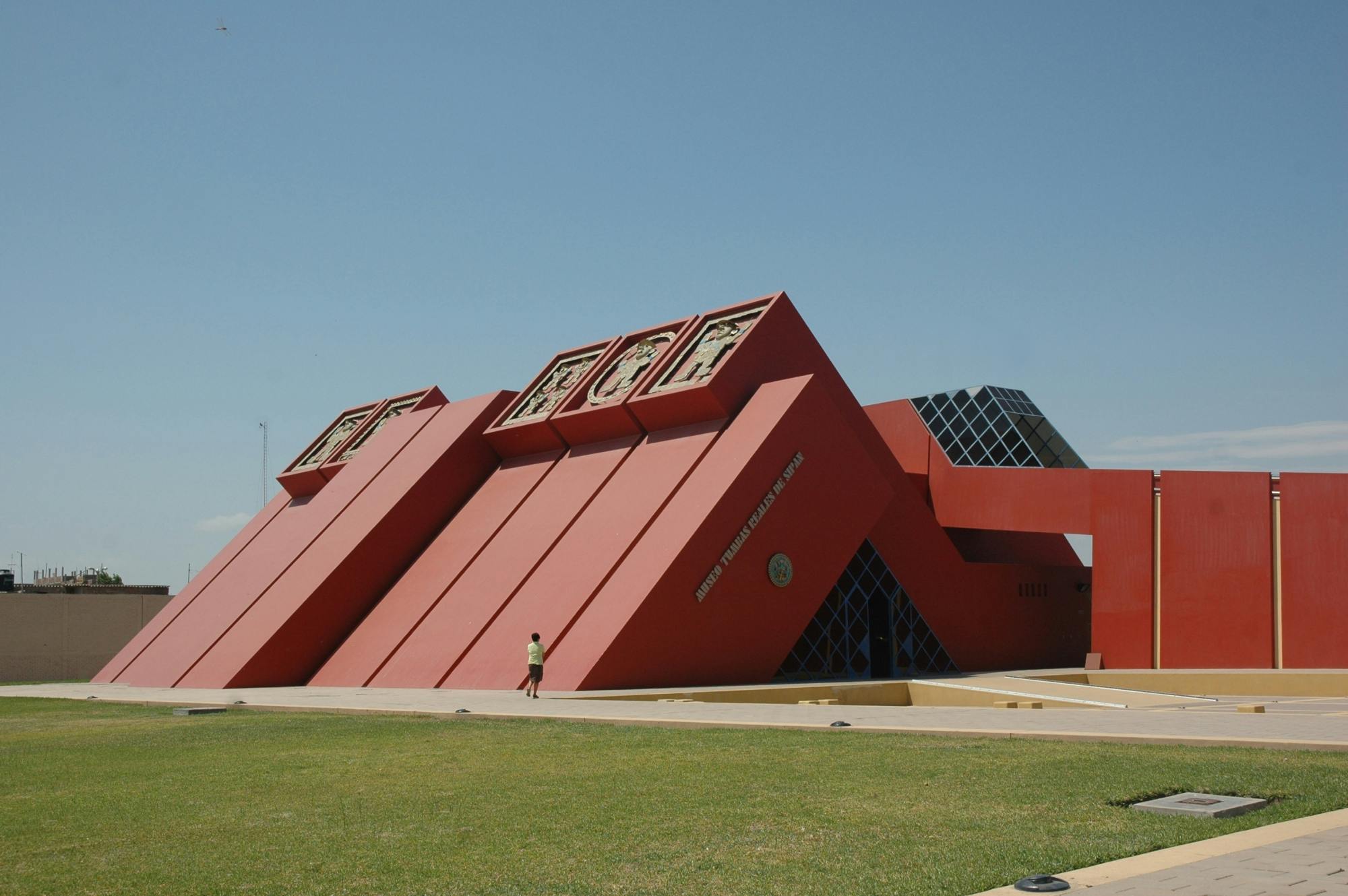
Te Anau blends history, culture, and everyday life into a destination filled with engaging museums and memorable attractions. This guide highlights the kinds of places visitors love and what to expect at each, plus practical tips for planning your day.
Flagship History Museum
The main city history museum in Te Anau typically traces the region from early settlement to the present through artifacts, photographs, and interactive exhibits. Expect rotating shows, a solid gift shop, and helpful context for everything else you’ll see.
Art Museum & Sculpture Garden
A leading art museum usually anchors the local scene with classics, contemporary works, and special exhibitions. If there’s an outdoor sculpture garden, it’s a relaxing way to pair culture with a walk.
Science & Discovery Center
Hands-on galleries make science approachable for all ages—think space, engineering, and ecosystems—often with an IMAX or planetarium.
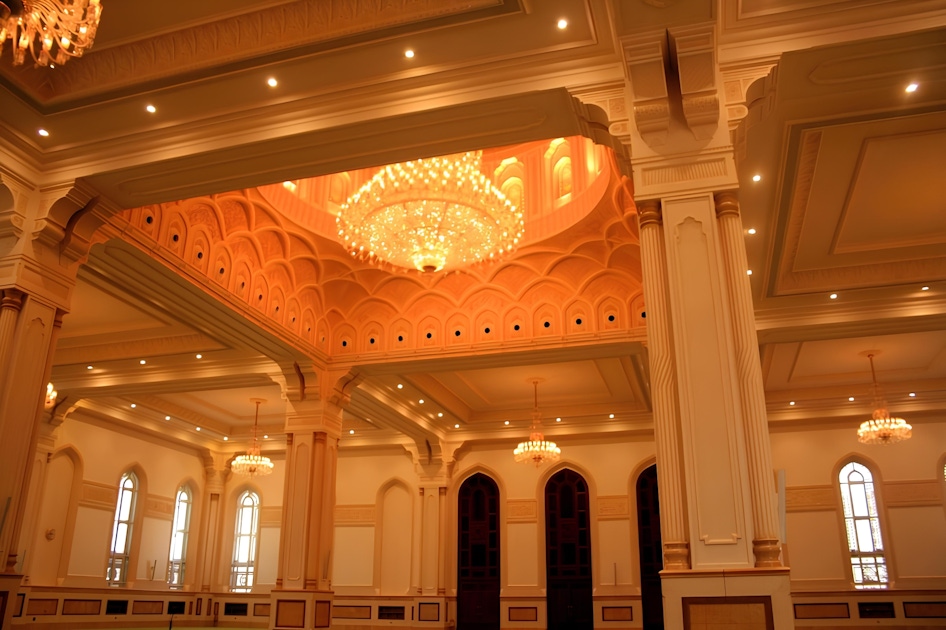
Landmark Cathedral or Temple
Historic houses of worship give insight into Te Anau’s architectural styles and community roots. Many offer guided tours and quiet courtyards.
Iconic Public Square or Old Town
Central plazas and heritage streets concentrate cafes, street performers, and local crafts. They’re perfect for people‑watching and photos.
Riverside, Harbor or Promenade
Waterfront paths and viewpoints provide fresh air and skyline views. Look for sunset spots, public art, and casual dining.
Family Favorite: Zoo, Aquarium, or Insectarium
Animal-focused attractions pair conservation with education. Check feeding schedules or touch‑pools for interactive moments.
Living Culture: Music Hall or Theatre
An intimate performance venue showcases local sound—jazz, folk, or contemporary—making for a memorable night out.
Planning Tips
Buy timed tickets online for popular museums and special exhibits.
Combine nearby sights to minimize travel time; many districts are walkable.
Check weekly free or discounted hours; student, senior, and family passes can reduce costs.
Start early for quieter galleries and better photos.
Bottom Line
From cornerstone museums to living cultural venues and scenic promenades, Te Anau offers a balanced mix of learning, leisure, and local flavor.
Sponsored Popular Items
Quick take: Musement.com offers a worldwide selection of tours and attractions
Kepler Heli Hike from Te Anau | 4-Hour Self-Guided Tour New Zealand Fly from Te Anau on a scenic helicopter to the Kepler Track, then enjoy a self-guided hike through pristine alpine landscapes. A unique Fiordland adventure for independent explorers
Te Anau: Guided Farm Tour with Sheep Shearing & Dog Show New Zealand Experience authentic farm life on a guided tour in Te Anau. Watch a sheep shearing demonstration, see a working dog show, and enjoy the chance to interact with friendly farm animals
Return Transfer to Tongariro Alpine Crossing from Tūrangi New Zealand With this return transfer trip, you will depart from Tūrangi to start your journey to the Tongariro Alpine Crossing with different timings for you to choose from. Check current availability, inclusions and booking details before you go.
Why Visit Tūrangi
Tūrangi blends history, culture, and everyday life into a destination filled with engaging museums and memorable attractions. This guide highlights the kinds of places visitors love and what to expect at each, plus practical tips for planning your day.
Flagship History Museum
The main city history museum in Tūrangi typically traces the region from early settlement to the present through artifacts, photographs, and interactive exhibits. Expect rotating shows, a solid gift shop, and helpful context for everything else you’ll see.
Art Museum & Sculpture Garden
A leading art museum usually anchors the local scene with classics, contemporary works, and special exhibitions. If there’s an outdoor sculpture garden, it’s a relaxing way to pair culture with a walk.
Science & Discovery Center
Hands-on galleries make science approachable for all ages—think space, engineering, and ecosystems—often with an IMAX or planetarium.
Landmark Cathedral or Temple
Historic houses of worship give insight into Tūrangi’s architectural styles and community roots. Many offer guided tours and quiet courtyards.
Iconic Public Square or Old Town
Central plazas and heritage streets concentrate cafes, street performers, and local crafts. They’re perfect for people‑watching and photos.
Riverside, Harbor or Promenade
Waterfront paths and viewpoints provide fresh air and skyline views. Look for sunset spots, public art, and casual dining.
Family Favorite: Zoo, Aquarium, or Insectarium
Animal-focused attractions pair conservation with education. Check feeding schedules or touch‑pools for interactive moments.
Living Culture: Music Hall or Theatre
An intimate performance venue showcases local sound—jazz, folk, or contemporary—making for a memorable night out.
Planning Tips
Buy timed tickets online for popular museums and special exhibits.
Combine nearby sights to minimize travel time; many districts are walkable.
Check weekly free or discounted hours; student, senior, and family passes can reduce costs.
Start early for quieter galleries and better photos.
Bottom Line
From cornerstone museums to living cultural venues and scenic promenades, Tūrangi offers a balanced mix of learning, leisure, and local flavor.
Sponsored Popular Items
Quick take: Musement.com offers a worldwide selection of tours and attractions
Return Transfer to Tongariro Alpine Crossing from Tūrangi New Zealand With this return transfer trip, you will depart from Tūrangi to start your journey to the Tongariro Alpine Crossing with different timings for you to choose from. Check current availability, inclusions and booking details before you go.
Return Transfer to Whakapapa Ski Fields from Tūrangi - Outdoor Adventure New Zealand Return transfer to Whakapapa Ski Fields from Tūrangi is a practical option for travellers who want to simplify an important journey and reduce last-minute transport decisions. Check current availability, inclusions and booking details before you go.
Wānaka: Gladstone Track and Wanaka Trails on Bike or eBike New Zealand Take a shuttle from Wānaka to Hāwea and bike back to Wānaka. Ride along the Gladstone Track, running along the front of Lake Hāwea, followed by the river trails all the way back to Wānaka
Why Visit Wanaka – Attractions
Wanaka – Attractions blends history, culture, and everyday life into a destination filled with engaging museums and memorable attractions. This guide highlights the kinds of places visitors love and what to expect at each, plus practical tips for planning your day.
Flagship History Museum
The main city history museum in Wanaka – Attractions typically traces the region from early settlement to the present through artifacts, photographs, and interactive exhibits. Expect rotating shows, a solid gift shop, and helpful context for everything else you’ll see.
Art Museum & Sculpture Garden
A leading art museum usually anchors the local scene with classics, contemporary works, and special exhibitions. If there’s an outdoor sculpture garden, it’s a relaxing way to pair culture with a walk.
Science & Discovery Center
Hands-on galleries make science approachable for all ages—think space, engineering, and ecosystems—often with an IMAX or planetarium.
Landmark Cathedral or Temple
Historic houses of worship give insight into Wanaka – Attractions’s architectural styles and community roots. Many offer guided tours and quiet courtyards.
Iconic Public Square or Old Town
Central plazas and heritage streets concentrate cafes, street performers, and local crafts. They’re perfect for people‑watching and photos.
Riverside, Harbor or Promenade
Waterfront paths and viewpoints provide fresh air and skyline views. Look for sunset spots, public art, and casual dining.
Family Favorite: Zoo, Aquarium, or Insectarium
Animal-focused attractions pair conservation with education. Check feeding schedules or touch‑pools for interactive moments.
Living Culture: Music Hall or Theatre
An intimate performance venue showcases local sound—jazz, folk, or contemporary—making for a memorable night out.
Planning Tips
Buy timed tickets online for popular museums and special exhibits.
Combine nearby sights to minimize travel time; many districts are walkable.
Check weekly free or discounted hours; student, senior, and family passes can reduce costs.
Start early for quieter galleries and better photos.
Bottom Line
From cornerstone museums to living cultural venues and scenic promenades, Wanaka – Attractions offers a balanced mix of learning, leisure, and local flavor.
Sponsored Popular Items
Quick take: Musement.com offers a worldwide selection of tours and attractions
Wānaka: Gladstone Track and Wanaka Trails on Bike or eBike New Zealand Take a shuttle from Wānaka to Hāwea and bike back to Wānaka. Ride along the Gladstone Track, running along the front of Lake Hāwea, followed by the river trails all the way back to Wānaka
Wānaka: Scenic Helicopter Flight Wānaka Max New Zealand Soar over Wānaka with two alpine landings, including Coromandel Peak or Mt Alpha, and the Peninsula, plus views of the Matukituki River, Mou Waho, Mount Aspiring, and Lake Hāwea
Zealandia by Day Tour Wellington | Wildlife Sanctuary New Zealand Enjoy the sights and sounds of Zealandia Te Māra a Tāne during the daytime with an experienced guide. Soak up the beautiful scenery while learning more about New Zealand’s unique ecological history
Why Visit Wellington
Wellington blends history, culture, and everyday life into a destination filled with engaging museums and memorable attractions. This guide highlights the kinds of places visitors love and what to expect at each, plus practical tips for planning your day.
Flagship History Museum
The main city history museum in Wellington typically traces the region from early settlement to the present through artifacts, photographs, and interactive exhibits. Expect rotating shows, a solid gift shop, and helpful context for everything else you’ll see.
Art Museum & Sculpture Garden
A leading art museum usually anchors the local scene with classics, contemporary works, and special exhibitions. If there’s an outdoor sculpture garden, it’s a relaxing way to pair culture with a walk.
Science & Discovery Center
Hands-on galleries make science approachable for all ages—think space, engineering, and ecosystems—often with an IMAX or planetarium.
Landmark Cathedral or Temple
Historic houses of worship give insight into Wellington’s architectural styles and community roots. Many offer guided tours and quiet courtyards.
Iconic Public Square or Old Town
Central plazas and heritage streets concentrate cafes, street performers, and local crafts. They’re perfect for people‑watching and photos.
Riverside, Harbor or Promenade
Waterfront paths and viewpoints provide fresh air and skyline views. Look for sunset spots, public art, and casual dining.
Family Favorite: Zoo, Aquarium, or Insectarium
Animal-focused attractions pair conservation with education. Check feeding schedules or touch‑pools for interactive moments.
Living Culture: Music Hall or Theatre
An intimate performance venue showcases local sound—jazz, folk, or contemporary—making for a memorable night out.
Planning Tips
Buy timed tickets online for popular museums and special exhibits.
Combine nearby sights to minimize travel time; many districts are walkable.
Check weekly free or discounted hours; student, senior, and family passes can reduce costs.
Start early for quieter galleries and better photos.
Bottom Line
From cornerstone museums to living cultural venues and scenic promenades, Wellington offers a balanced mix of learning, leisure, and local flavor.
Sponsored Popular Items
Quick take: Musement.com offers a worldwide selection of tours and attractions
Zealandia by Day Tour Wellington | Wildlife Sanctuary New Zealand Enjoy the sights and sounds of Zealandia Te Māra a Tāne during the daytime with an experienced guide. Soak up the beautiful scenery while learning more about New Zealand’s unique ecological history
Wellington: Wētā Workshop Guided Tour Ticket New Zealand Discover the many sides of Wētā Workshop’s creativity. Find out about how movie effects and props are made on a guided tour of this film industry leader located on Wellington's Miramar Peninsula
Khasab Must-See Attractions, Tours & Highlights Guide Oman Khasab is the gateway to Musandam's deeply indented coast, traditional dhow cruises, rugged mountains, forts and small fishing communities. Check current availability, inclusions and booking details before you go.
Why Visit Khasab
Khasab blends history, culture, and everyday life into a destination filled with engaging museums and memorable attractions. This guide highlights the kinds of places visitors love and what to expect at each, plus practical tips for planning your day.
Flagship History Museum
The main city history museum in Khasab typically traces the region from early settlement to the present through artifacts, photographs, and interactive exhibits. Expect rotating shows, a solid gift shop, and helpful context for everything else you’ll see.
Art Museum & Sculpture Garden
A leading art museum usually anchors the local scene with classics, contemporary works, and special exhibitions. If there’s an outdoor sculpture garden, it’s a relaxing way to pair culture with a walk.
Science & Discovery Center
Hands-on galleries make science approachable for all ages—think space, engineering, and ecosystems—often with an IMAX or planetarium.
Landmark Cathedral or Temple
Historic houses of worship give insight into Khasab’s architectural styles and community roots. Many offer guided tours and quiet courtyards.
Iconic Public Square or Old Town
Central plazas and heritage streets concentrate cafes, street performers, and local crafts. They’re perfect for people‑watching and photos.
Riverside, Harbor or Promenade
Waterfront paths and viewpoints provide fresh air and skyline views. Look for sunset spots, public art, and casual dining.
Family Favorite: Zoo, Aquarium, or Insectarium
Animal-focused attractions pair conservation with education. Check feeding schedules or touch‑pools for interactive moments.
Living Culture: Music Hall or Theatre
An intimate performance venue showcases local sound—jazz, folk, or contemporary—making for a memorable night out.
Planning Tips
Buy timed tickets online for popular museums and special exhibits.
Combine nearby sights to minimize travel time; many districts are walkable.
Check weekly free or discounted hours; student, senior, and family passes can reduce costs.
Start early for quieter galleries and better photos.
Bottom Line
From cornerstone museums to living cultural venues and scenic promenades, Khasab offers a balanced mix of learning, leisure, and local flavor.
Sponsored Popular Items
Quick take: Musement.com offers a worldwide selection of tours and attractions
Khasab Must-See Attractions, Tours & Highlights Guide Oman Khasab is the gateway to Musandam's deeply indented coast, traditional dhow cruises, rugged mountains, forts and small fishing communities. Check current availability, inclusions and booking details before you go.
Private Full-Day Dhow Cruise from Khasab Oman Private full-day dhow cruise from Khasab combines sightseeing with the relaxed sense of movement that comes from a boat-based experience. Check current availability, inclusions and booking details before you go.
Khasab Folklore, Traditions & Cultural Heritage Guide Oman Khasab is the gateway to Musandam's deeply indented coast, traditional dhow cruises, rugged mountains, forts and small fishing communities. Check current availability, inclusions and booking details before you go.
Half-Day Muscat City Group Tour – Guided Tour Oman Half-day Muscat city group tour USD 60.76 adds structure, local context and purposeful sightseeing to the itinerary. Check current availability, inclusions and booking details before you go.
Why Visit Muscat
Muscat blends history, culture, and everyday life into a destination filled with engaging museums and memorable attractions. This guide highlights the kinds of places visitors love and what to expect at each, plus practical tips for planning your day.
Flagship History Museum
The main city history museum in Muscat typically traces the region from early settlement to the present through artifacts, photographs, and interactive exhibits. Expect rotating shows, a solid gift shop, and helpful context for everything else you’ll see.
Art Museum & Sculpture Garden
A leading art museum usually anchors the local scene with classics, contemporary works, and special exhibitions. If there’s an outdoor sculpture garden, it’s a relaxing way to pair culture with a walk.
Science & Discovery Center
Hands-on galleries make science approachable for all ages—think space, engineering, and ecosystems—often with an IMAX or planetarium.
Landmark Cathedral or Temple
Historic houses of worship give insight into Muscat’s architectural styles and community roots. Many offer guided tours and quiet courtyards.
Iconic Public Square or Old Town
Central plazas and heritage streets concentrate cafes, street performers, and local crafts. They’re perfect for people‑watching and photos.
Riverside, Harbor or Promenade
Waterfront paths and viewpoints provide fresh air and skyline views. Look for sunset spots, public art, and casual dining.
Family Favorite: Zoo, Aquarium, or Insectarium
Animal-focused attractions pair conservation with education. Check feeding schedules or touch‑pools for interactive moments.
Living Culture: Music Hall or Theatre
An intimate performance venue showcases local sound—jazz, folk, or contemporary—making for a memorable night out.
Planning Tips
Buy timed tickets online for popular museums and special exhibits.
Combine nearby sights to minimize travel time; many districts are walkable.
Check weekly free or discounted hours; student, senior, and family passes can reduce costs.
Start early for quieter galleries and better photos.
Bottom Line
From cornerstone museums to living cultural venues and scenic promenades, Muscat offers a balanced mix of learning, leisure, and local flavor.
Sponsored Popular Items
Quick take: Musement.com offers a worldwide selection of tours and attractions
Half-Day Muscat City Group Tour – Guided Tour Oman Half-day Muscat city group tour USD 60.76 adds structure, local context and purposeful sightseeing to the itinerary. Check current availability, inclusions and booking details before you go.
Cultural Muscat Full-Day Tour – Guided Tour Oman Cultural Muscat Full-Day Tour USD 250 adds structure, local context and purposeful sightseeing to the itinerary. Check current availability, inclusions and booking details before you go.
4WD Tour to the White Wadi and Nakhl – Muscat Outdoor Adventure Oman 4WD tour to the White Wadi and Nakhl is a convenient way to add structure, local context and purposeful sightseeing to the itinerary. Check current availability, inclusions and booking details before you go.
Salalah Desert Tour in Polish – Local Sightseeing Experience Oman Salalah Desert Tour in Polish adds structure, local context and purposeful sightseeing to the itinerary. Check current availability, inclusions and booking details before you go.
Why Visit Salalah
Salalah blends history, culture, and everyday life into a destination filled with engaging museums and memorable attractions. This guide highlights the kinds of places visitors love and what to expect at each, plus practical tips for planning your day.
Flagship History Museum
The main city history museum in Salalah typically traces the region from early settlement to the present through artifacts, photographs, and interactive exhibits. Expect rotating shows, a solid gift shop, and helpful context for everything else you’ll see.
Art Museum & Sculpture Garden
A leading art museum usually anchors the local scene with classics, contemporary works, and special exhibitions. If there’s an outdoor sculpture garden, it’s a relaxing way to pair culture with a walk.
Science & Discovery Center
Hands-on galleries make science approachable for all ages—think space, engineering, and ecosystems—often with an IMAX or planetarium.
Landmark Cathedral or Temple
Historic houses of worship give insight into Salalah’s architectural styles and community roots. Many offer guided tours and quiet courtyards.
Iconic Public Square or Old Town
Central plazas and heritage streets concentrate cafes, street performers, and local crafts. They’re perfect for people‑watching and photos.
Riverside, Harbor or Promenade
Waterfront paths and viewpoints provide fresh air and skyline views. Look for sunset spots, public art, and casual dining.
Family Favorite: Zoo, Aquarium, or Insectarium
Animal-focused attractions pair conservation with education. Check feeding schedules or touch‑pools for interactive moments.
Living Culture: Music Hall or Theatre
An intimate performance venue showcases local sound—jazz, folk, or contemporary—making for a memorable night out.
Planning Tips
Buy timed tickets online for popular museums and special exhibits.
Combine nearby sights to minimize travel time; many districts are walkable.
Check weekly free or discounted hours; student, senior, and family passes can reduce costs.
Start early for quieter galleries and better photos.
Bottom Line
From cornerstone museums to living cultural venues and scenic promenades, Salalah offers a balanced mix of learning, leisure, and local flavor.
Sponsored Popular Items
Quick take: Musement.com offers a worldwide selection of tours and attractions
Salalah Desert Tour in Polish – Local Sightseeing Experience Oman Salalah Desert Tour in Polish adds structure, local context and purposeful sightseeing to the itinerary. Check current availability, inclusions and booking details before you go.
Salalah City Tours & Sightseeing – Guided Sightseeing Tour Oman City in Salalah | musement adds structure, local context and purposeful sightseeing to the itinerary. Check current availability, inclusions and booking details before you go.
Panama City Beach Tours & Attractions Guide United States Panama City Beach on the Gulf of Mexico coast (image from the Musement destination page). Check current availability, inclusions and booking details before you go.
Why Visit Panama City
Panama City blends history, culture, and everyday life into a destination filled with engaging museums and memorable attractions. This guide highlights the kinds of places visitors love and what to expect at each, plus practical tips for planning your day.
Flagship History Museum
The main city history museum in Panama City typically traces the region from early settlement to the present through artifacts, photographs, and interactive exhibits. Expect rotating shows, a solid gift shop, and helpful context for everything else you’ll see.
Art Museum & Sculpture Garden
A leading art museum usually anchors the local scene with classics, contemporary works, and special exhibitions. If there’s an outdoor sculpture garden, it’s a relaxing way to pair culture with a walk.
Science & Discovery Center
Hands-on galleries make science approachable for all ages—think space, engineering, and ecosystems—often with an IMAX or planetarium.
Landmark Cathedral or Temple
Historic houses of worship give insight into Panama City’s architectural styles and community roots. Many offer guided tours and quiet courtyards.
Iconic Public Square or Old Town
Central plazas and heritage streets concentrate cafes, street performers, and local crafts. They’re perfect for people‑watching and photos.
Riverside, Harbor or Promenade
Waterfront paths and viewpoints provide fresh air and skyline views. Look for sunset spots, public art, and casual dining.
Family Favorite: Zoo, Aquarium, or Insectarium
Animal-focused attractions pair conservation with education. Check feeding schedules or touch‑pools for interactive moments.
Living Culture: Music Hall or Theatre
An intimate performance venue showcases local sound—jazz, folk, or contemporary—making for a memorable night out.
Planning Tips
Buy timed tickets online for popular museums and special exhibits.
Combine nearby sights to minimize travel time; many districts are walkable.
Check weekly free or discounted hours; student, senior, and family passes can reduce costs.
Start early for quieter galleries and better photos.
Bottom Line
From cornerstone museums to living cultural venues and scenic promenades, Panama City offers a balanced mix of learning, leisure, and local flavor.
Sponsored Popular Items
Quick take: Musement.com offers a worldwide selection of tours and attractions
Panama City Beach Tours & Attractions Guide United States Panama City Beach on the Gulf of Mexico coast (image from the Musement destination page). Check current availability, inclusions and booking details before you go.
Panama City Attractions & Sightseeing Guide Panama Quick itinerary ideas (choose your style) First-timer “must-sees” (half day): canal viewpoints + historic landmarks. Check current availability, inclusions and booking details before you go.
Panama City Countryside Tours & Rural Experiences Panama Countryside in Panama City | musement adds structure, local context and purposeful sightseeing to the itinerary. Check current availability, inclusions and booking details before you go.
Arequipa blends history, culture, and everyday life into a destination filled with engaging museums and memorable attractions. This guide highlights the kinds of places visitors love and what to expect at each, plus practical tips for planning your day.
Flagship History Museum
The main city history museum in Arequipa typically traces the region from early settlement to the present through artifacts, photographs, and interactive exhibits. Expect rotating shows, a solid gift shop, and helpful context for everything else you’ll see.
Art Museum & Sculpture Garden
A leading art museum usually anchors the local scene with classics, contemporary works, and special exhibitions. If there’s an outdoor sculpture garden, it’s a relaxing way to pair culture with a walk.
Science & Discovery Center
Hands-on galleries make science approachable for all ages—think space, engineering, and ecosystems—often with an IMAX or planetarium.
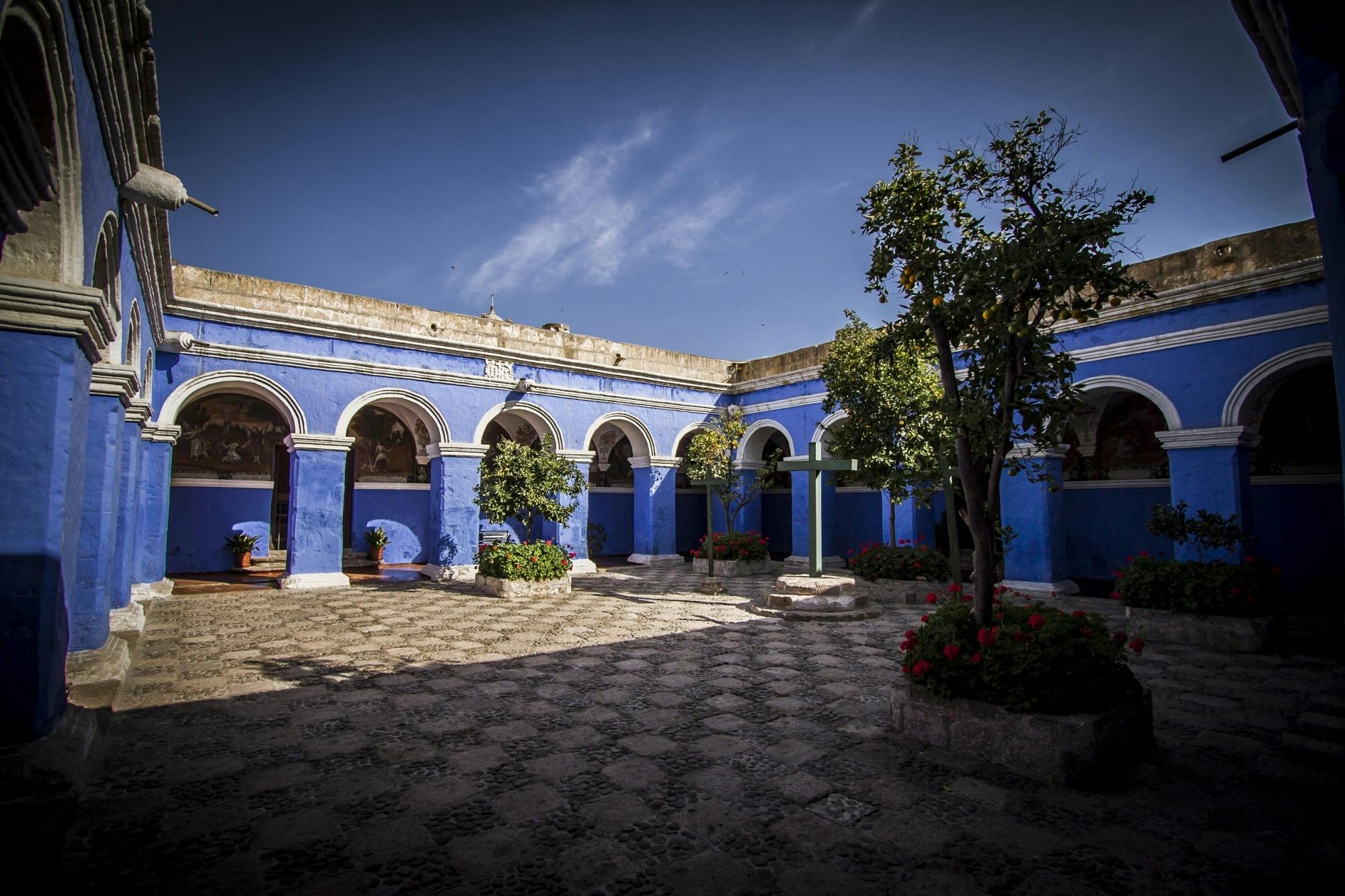
Landmark Cathedral or Temple
Historic houses of worship give insight into Arequipa’s architectural styles and community roots. Many offer guided tours and quiet courtyards.
Iconic Public Square or Old Town
Central plazas and heritage streets concentrate cafes, street performers, and local crafts. They’re perfect for people‑watching and photos.
Riverside, Harbor or Promenade
Waterfront paths and viewpoints provide fresh air and skyline views. Look for sunset spots, public art, and casual dining.
Family Favorite: Zoo, Aquarium, or Insectarium
Animal-focused attractions pair conservation with education. Check feeding schedules or touch‑pools for interactive moments.
Living Culture: Music Hall or Theatre
An intimate performance venue showcases local sound—jazz, folk, or contemporary—making for a memorable night out.
Planning Tips
Buy timed tickets online for popular museums and special exhibits.
Combine nearby sights to minimize travel time; many districts are walkable.
Check weekly free or discounted hours; student, senior, and family passes can reduce costs.
Start early for quieter galleries and better photos.
Bottom Line
From cornerstone museums to living cultural venues and scenic promenades, Arequipa offers a balanced mix of learning, leisure, and local flavor.
Sponsored Popular Items
Quick take: Musement.com offers a worldwide selection of tours and attractions
Explore museums and attractions in Attractions, tours and activities—from flagship history and art spaces to science centers, family picks, and scenic promenades.
Sponsored Popular Items
Quick take: Musement.com offers a worldwide selection of tours and attractions
Half-Day Cajamarca guided tour – Guided Sightseeing Peru Half-day Cajamarca guided tour is a convenient way to add structure, local context and purposeful sightseeing to the itinerary. Check current availability, inclusions and booking details before you go.
Why Visit Attractions, tours and activities
Attractions, tours and activities blends history, culture, and everyday life into a destination filled with engaging museums and memorable attractions. This guide highlights the kinds of places visitors love and what to expect at each, plus practical tips for planning your day.
Flagship History Museum
The main city history museum in Attractions, tours and activities typically traces the region from early settlement to the present through artifacts, photographs, and interactive exhibits. Expect rotating shows, a solid gift shop, and helpful context for everything else you’ll see.
Art Museum & Sculpture Garden
A leading art museum usually anchors the local scene with classics, contemporary works, and special exhibitions. If there’s an outdoor sculpture garden, it’s a relaxing way to pair culture with a walk.
Science & Discovery Center
Hands-on galleries make science approachable for all ages—think space, engineering, and ecosystems—often with an IMAX or planetarium.
Landmark Cathedral or Temple
Historic houses of worship give insight into Attractions, tours and activities’s architectural styles and community roots. Many offer guided tours and quiet courtyards.
Iconic Public Square or Old Town
Central plazas and heritage streets concentrate cafes, street performers, and local crafts. They’re perfect for people‑watching and photos.
Riverside, Harbor or Promenade
Waterfront paths and viewpoints provide fresh air and skyline views. Look for sunset spots, public art, and casual dining.
Family Favorite: Zoo, Aquarium, or Insectarium
Animal-focused attractions pair conservation with education. Check feeding schedules or touch‑pools for interactive moments.
Living Culture: Music Hall or Theatre
An intimate performance venue showcases local sound—jazz, folk, or contemporary—making for a memorable night out.
Planning Tips
Buy timed tickets online for popular museums and special exhibits.
Combine nearby sights to minimize travel time; many districts are walkable.
Check weekly free or discounted hours; student, senior, and family passes can reduce costs.
Start early for quieter galleries and better photos.
Bottom Line
From cornerstone museums to living cultural venues and scenic promenades, Attractions, tours and activities offers a balanced mix of learning, leisure, and local flavor.
Sponsored Popular Items
Quick take: Musement.com offers a worldwide selection of tours and attractions
Half-Day Cajamarca guided tour – Guided Sightseeing Peru Half-day Cajamarca guided tour is a convenient way to add structure, local context and purposeful sightseeing to the itinerary. Check current availability, inclusions and booking details before you go.
Explore museums and attractions in Attractions, tours and tickets—from flagship history and art spaces to science centers, family picks, and scenic promenades.
Sponsored Popular Items
Quick take: Musement.com offers a worldwide selection of tours and attractions
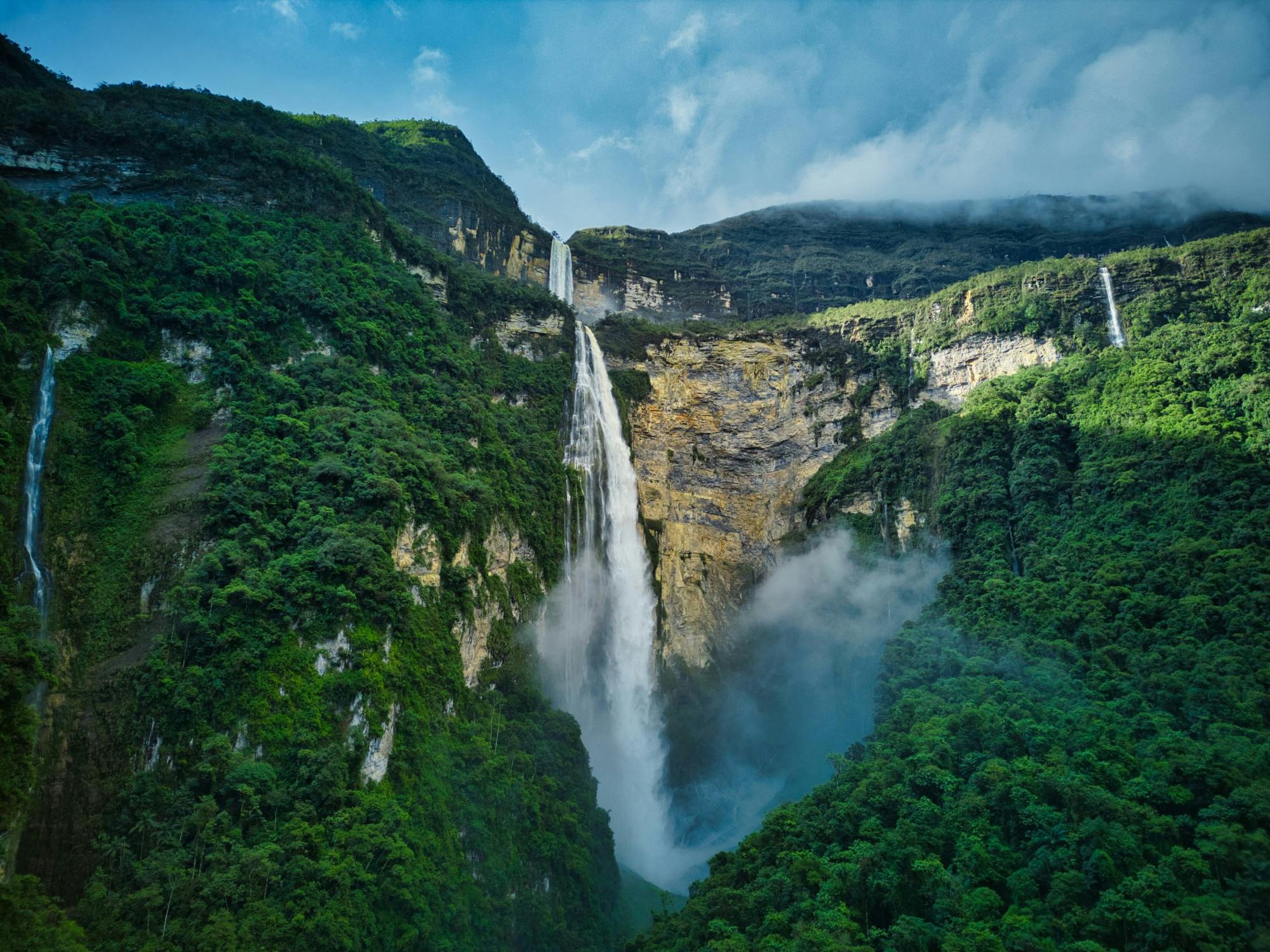
Private Tour to Gocta Waterfall from Chachapoyas – Guided Sightseeing Peru Private Tour to Gocta Waterfall from Chachapoyas is a convenient way to add structure, local context and purposeful sightseeing to the itinerary. Check current availability, inclusions and booking details before you go.
Why Visit Attractions, tours and tickets
Attractions, tours and tickets blends history, culture, and everyday life into a destination filled with engaging museums and memorable attractions. This guide highlights the kinds of places visitors love and what to expect at each, plus practical tips for planning your day.
Flagship History Museum
The main city history museum in Attractions, tours and tickets typically traces the region from early settlement to the present through artifacts, photographs, and interactive exhibits. Expect rotating shows, a solid gift shop, and helpful context for everything else you’ll see.
Art Museum & Sculpture Garden
A leading art museum usually anchors the local scene with classics, contemporary works, and special exhibitions. If there’s an outdoor sculpture garden, it’s a relaxing way to pair culture with a walk.
Science & Discovery Center
Hands-on galleries make science approachable for all ages—think space, engineering, and ecosystems—often with an IMAX or planetarium.
Landmark Cathedral or Temple
Historic houses of worship give insight into Attractions, tours and tickets’s architectural styles and community roots. Many offer guided tours and quiet courtyards.
Iconic Public Square or Old Town
Central plazas and heritage streets concentrate cafes, street performers, and local crafts. They’re perfect for people‑watching and photos.
Riverside, Harbor or Promenade
Waterfront paths and viewpoints provide fresh air and skyline views. Look for sunset spots, public art, and casual dining.
Family Favorite: Zoo, Aquarium, or Insectarium
Animal-focused attractions pair conservation with education. Check feeding schedules or touch‑pools for interactive moments.
Living Culture: Music Hall or Theatre
An intimate performance venue showcases local sound—jazz, folk, or contemporary—making for a memorable night out.
Planning Tips
Buy timed tickets online for popular museums and special exhibits.
Combine nearby sights to minimize travel time; many districts are walkable.
Check weekly free or discounted hours; student, senior, and family passes can reduce costs.
Start early for quieter galleries and better photos.
Bottom Line
From cornerstone museums to living cultural venues and scenic promenades, Attractions, tours and tickets offers a balanced mix of learning, leisure, and local flavor.
Sponsored Popular Items
Quick take: Musement.com offers a worldwide selection of tours and attractions
Private Tour to Gocta Waterfall from Chachapoyas – Guided Sightseeing Peru Private Tour to Gocta Waterfall from Chachapoyas is a convenient way to add structure, local context and purposeful sightseeing to the itinerary. Check current availability, inclusions and booking details before you go.
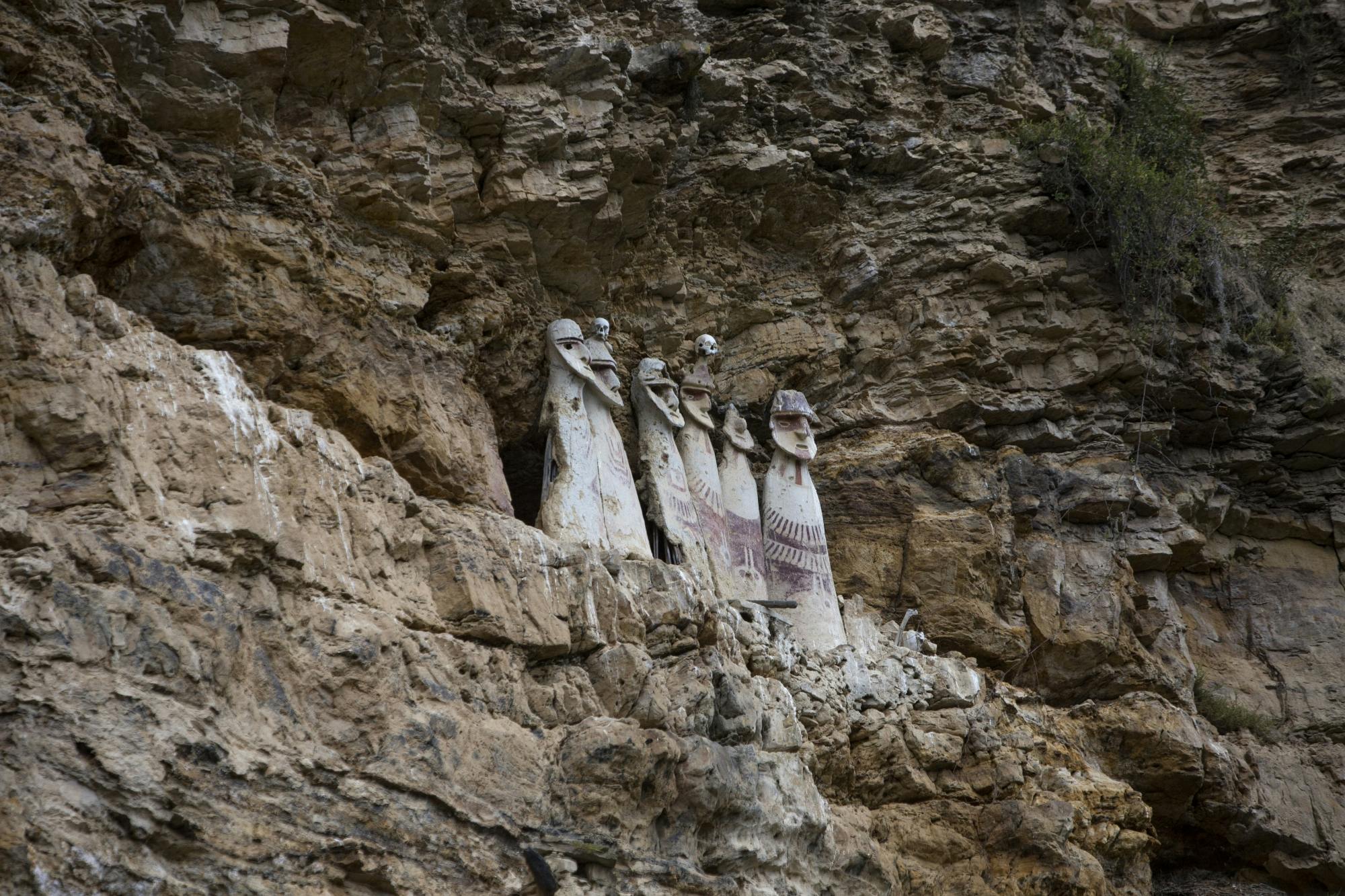
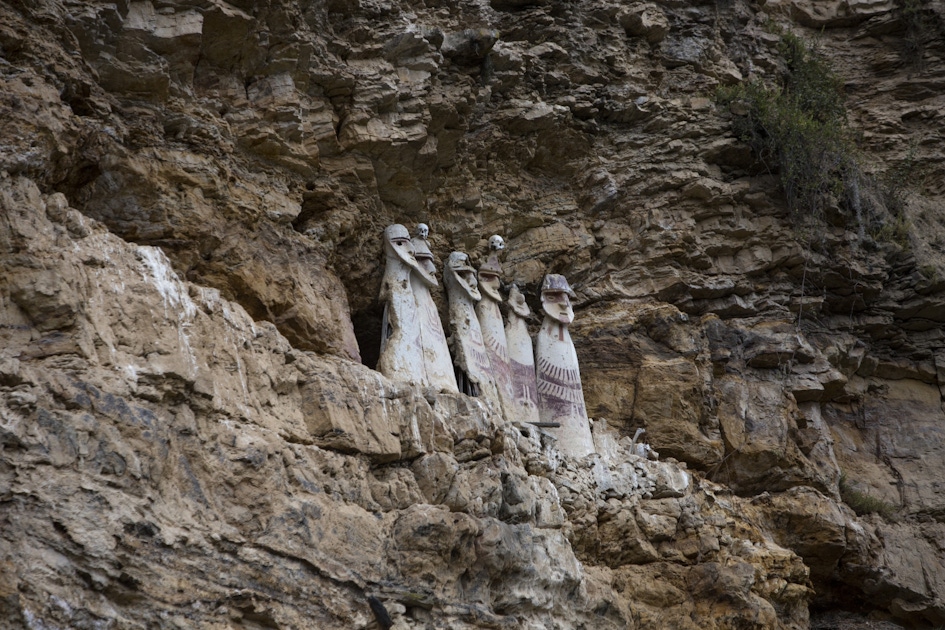
Half-Day Private Tour to Karajía from Chachapoyas – Guided Sightseeing Peru Half-Day Private Tour to Karajía from Chachapoyas brings several elements of the destination together in one organised experience. Check current availability, inclusions and booking details before you go.
Chachapoyas Nature, Landscapes & Wildlife Experiences Guide Peru Chachapoyas is a gateway to cloud forest, high waterfalls, limestone caves and major archaeological sites of the Chachapoya culture. Check current availability, inclusions and booking details before you go.
Chiclayo blends history, culture, and everyday life into a destination filled with engaging museums and memorable attractions. This guide highlights the kinds of places visitors love and what to expect at each, plus practical tips for planning your day.
Flagship History Museum
The main city history museum in Chiclayo typically traces the region from early settlement to the present through artifacts, photographs, and interactive exhibits. Expect rotating shows, a solid gift shop, and helpful context for everything else you’ll see.
Art Museum & Sculpture Garden
A leading art museum usually anchors the local scene with classics, contemporary works, and special exhibitions. If there’s an outdoor sculpture garden, it’s a relaxing way to pair culture with a walk.
Science & Discovery Center
Hands-on galleries make science approachable for all ages—think space, engineering, and ecosystems—often with an IMAX or planetarium.
Landmark Cathedral or Temple
Historic houses of worship give insight into Chiclayo’s architectural styles and community roots. Many offer guided tours and quiet courtyards.
Iconic Public Square or Old Town
Central plazas and heritage streets concentrate cafes, street performers, and local crafts. They’re perfect for people‑watching and photos.
Riverside, Harbor or Promenade
Waterfront paths and viewpoints provide fresh air and skyline views. Look for sunset spots, public art, and casual dining.
Family Favorite: Zoo, Aquarium, or Insectarium
Animal-focused attractions pair conservation with education. Check feeding schedules or touch‑pools for interactive moments.
Living Culture: Music Hall or Theatre
An intimate performance venue showcases local sound—jazz, folk, or contemporary—making for a memorable night out.
Planning Tips
Buy timed tickets online for popular museums and special exhibits.
Combine nearby sights to minimize travel time; many districts are walkable.
Check weekly free or discounted hours; student, senior, and family passes can reduce costs.
Start early for quieter galleries and better photos.
Bottom Line
From cornerstone museums to living cultural venues and scenic promenades, Chiclayo offers a balanced mix of learning, leisure, and local flavor.
Sponsored Popular Items
Quick take: Musement.com offers a worldwide selection of tours and attractions