Explore museums and attractions in Abel Tasman National Park—from flagship history and art spaces to science centers, family picks, and scenic promenades.
Sponsored Popular Items
Quick take: Musement.com offers a worldwide selection of tours and attractions
Abel Tasman National Park: Day Sailing Adventure with Lunch New Zealand Enjoy a full-day sailing tour in New Zealand's coastal paradise, the Abel Tasman National Park. Savor a tasty lunch and view a fur seal colony, stunning beaches, and islands
Why Visit Abel Tasman National Park
Abel Tasman National Park blends history, culture, and everyday life into a destination filled with engaging museums and memorable attractions. This guide highlights the kinds of places visitors love and what to expect at each, plus practical tips for planning your day.
Flagship History Museum
The main city history museum in Abel Tasman National Park typically traces the region from early settlement to the present through artifacts, photographs, and interactive exhibits. Expect rotating shows, a solid gift shop, and helpful context for everything else you’ll see.
Art Museum & Sculpture Garden
A leading art museum usually anchors the local scene with classics, contemporary works, and special exhibitions. If there’s an outdoor sculpture garden, it’s a relaxing way to pair culture with a walk.
Science & Discovery Center
Hands-on galleries make science approachable for all ages—think space, engineering, and ecosystems—often with an IMAX or planetarium.
Landmark Cathedral or Temple
Historic houses of worship give insight into Abel Tasman National Park’s architectural styles and community roots. Many offer guided tours and quiet courtyards.
Iconic Public Square or Old Town
Central plazas and heritage streets concentrate cafes, street performers, and local crafts. They’re perfect for people‑watching and photos.
Riverside, Harbor or Promenade
Waterfront paths and viewpoints provide fresh air and skyline views. Look for sunset spots, public art, and casual dining.
Family Favorite: Zoo, Aquarium, or Insectarium
Animal-focused attractions pair conservation with education. Check feeding schedules or touch‑pools for interactive moments.
Living Culture: Music Hall or Theatre
An intimate performance venue showcases local sound—jazz, folk, or contemporary—making for a memorable night out.
Planning Tips
Buy timed tickets online for popular museums and special exhibits.
Combine nearby sights to minimize travel time; many districts are walkable.
Check weekly free or discounted hours; student, senior, and family passes can reduce costs.
Start early for quieter galleries and better photos.
Bottom Line
From cornerstone museums to living cultural venues and scenic promenades, Abel Tasman National Park offers a balanced mix of learning, leisure, and local flavor.
Sponsored Popular Items
Quick take: Musement.com offers a worldwide selection of tours and attractions
Abel Tasman National Park: Day Sailing Adventure with Lunch New Zealand Enjoy a full-day sailing tour in New Zealand's coastal paradise, the Abel Tasman National Park. Savor a tasty lunch and view a fur seal colony, stunning beaches, and islands
Abel Tasman National Park: Self-Guided Walk & Sailing New Zealand Enjoy a self-guided walk through lush native forest following the National Park coastal track. Sit back relax and take a scenic journey under sail from Anchorage to Kaiteriteri
Abel Tasman National Park: Sailing and Self-Guided Walk New Zealand Enjoy a fantastic full-day combination tour that involves sailing through the blue waters of the Abel Tasman National Park's coastline before setting off on one of New Zealand's best hikes
Akaroa: Akaroa Marine Reserve Sea Kayaking Tour New Zealand Enjoy a sea kayak adventure in the amazing natural environment of Akaroa. Take in breathtaking vistas, look out for Hector’s dolphins, enjoy this hidden gem that’s only 80 minutes from Christchurch
Why Visit Akaroa
Akaroa blends history, culture, and everyday life into a destination filled with engaging museums and memorable attractions. This guide highlights the kinds of places visitors love and what to expect at each, plus practical tips for planning your day.
Flagship History Museum
The main city history museum in Akaroa typically traces the region from early settlement to the present through artifacts, photographs, and interactive exhibits. Expect rotating shows, a solid gift shop, and helpful context for everything else you’ll see.
Art Museum & Sculpture Garden
A leading art museum usually anchors the local scene with classics, contemporary works, and special exhibitions. If there’s an outdoor sculpture garden, it’s a relaxing way to pair culture with a walk.
Science & Discovery Center
Hands-on galleries make science approachable for all ages—think space, engineering, and ecosystems—often with an IMAX or planetarium.
Landmark Cathedral or Temple
Historic houses of worship give insight into Akaroa’s architectural styles and community roots. Many offer guided tours and quiet courtyards.
Iconic Public Square or Old Town
Central plazas and heritage streets concentrate cafes, street performers, and local crafts. They’re perfect for people‑watching and photos.
Riverside, Harbor or Promenade
Waterfront paths and viewpoints provide fresh air and skyline views. Look for sunset spots, public art, and casual dining.
Family Favorite: Zoo, Aquarium, or Insectarium
Animal-focused attractions pair conservation with education. Check feeding schedules or touch‑pools for interactive moments.
Living Culture: Music Hall or Theatre
An intimate performance venue showcases local sound—jazz, folk, or contemporary—making for a memorable night out.
Planning Tips
Buy timed tickets online for popular museums and special exhibits.
Combine nearby sights to minimize travel time; many districts are walkable.
Check weekly free or discounted hours; student, senior, and family passes can reduce costs.
Start early for quieter galleries and better photos.
Bottom Line
From cornerstone museums to living cultural venues and scenic promenades, Akaroa offers a balanced mix of learning, leisure, and local flavor.
Sponsored Popular Items
Quick take: Musement.com offers a worldwide selection of tours and attractions
Akaroa: Akaroa Marine Reserve Sea Kayaking Tour New Zealand Enjoy a sea kayak adventure in the amazing natural environment of Akaroa. Take in breathtaking vistas, look out for Hector’s dolphins, enjoy this hidden gem that’s only 80 minutes from Christchurch
From Christchurch: Akaroa Scenic Day Trip with Cruise Option New Zealand Discover Akaroa on a day trip from Christchurch. Travel in a luxury spec vehicle, visit New Brighton Beach, Sumner Beach, and Lyttelton Timeball Station, and enjoy the option to add a 2-hour cruise
From Christchurch: Akaroa Day Tour with Optional Cruise New Zealand Discover Akaroa on a scenic day tour via Governors Bay, Gebbies Pass, and Lake Ellesmere. Enjoy breathtaking coastal views, charming French heritage, and an optional dolphin-watching cruise
Auckland: Auckland Jetboat Ride. New Zealand Experience a jet boat ride and harbour cruise all in one on Auckland's premier jetboat. Enjoy the stunning cityscape while screaming under Auckland's iconic Harbour Bridge
Why Visit Auckland
Auckland blends history, culture, and everyday life into a destination filled with engaging museums and memorable attractions. This guide highlights the kinds of places visitors love and what to expect at each, plus practical tips for planning your day.
Flagship History Museum
The main city history museum in Auckland typically traces the region from early settlement to the present through artifacts, photographs, and interactive exhibits. Expect rotating shows, a solid gift shop, and helpful context for everything else you’ll see.
Art Museum & Sculpture Garden
A leading art museum usually anchors the local scene with classics, contemporary works, and special exhibitions. If there’s an outdoor sculpture garden, it’s a relaxing way to pair culture with a walk.
Science & Discovery Center
Hands-on galleries make science approachable for all ages—think space, engineering, and ecosystems—often with an IMAX or planetarium.
Landmark Cathedral or Temple
Historic houses of worship give insight into Auckland’s architectural styles and community roots. Many offer guided tours and quiet courtyards.
Iconic Public Square or Old Town
Central plazas and heritage streets concentrate cafes, street performers, and local crafts. They’re perfect for people‑watching and photos.
Riverside, Harbor or Promenade
Waterfront paths and viewpoints provide fresh air and skyline views. Look for sunset spots, public art, and casual dining.
Family Favorite: Zoo, Aquarium, or Insectarium
Animal-focused attractions pair conservation with education. Check feeding schedules or touch‑pools for interactive moments.
Living Culture: Music Hall or Theatre
An intimate performance venue showcases local sound—jazz, folk, or contemporary—making for a memorable night out.
Planning Tips
Buy timed tickets online for popular museums and special exhibits.
Combine nearby sights to minimize travel time; many districts are walkable.
Check weekly free or discounted hours; student, senior, and family passes can reduce costs.
Start early for quieter galleries and better photos.
Bottom Line
From cornerstone museums to living cultural venues and scenic promenades, Auckland offers a balanced mix of learning, leisure, and local flavor.
Sponsored Popular Items
Quick take: Musement.com offers a worldwide selection of tours and attractions
Auckland: Auckland Jetboat Ride. New Zealand Experience a jet boat ride and harbour cruise all in one on Auckland's premier jetboat. Enjoy the stunning cityscape while screaming under Auckland's iconic Harbour Bridge
Auckland: Half-Day Auckland Volcanoes Tour New Zealand Embark on a half-day guided tour of Auckland's iconic volcanoes. Enjoy spectacular views from the craters and summits of Mt. Wellington, Mangere Mountain, One Tree Hill, and Mt. Eden
Cham Islands - Explore Islands Snorkeling Or Diving 2 Times Vietnam Escape to the stunning Cham Islands on an unforgettable adventure! Snorkel or dive in crystal-clear waters, discover vibrant coral reefs, colorful tropical fish, and relax on pristine beaches
Why Visit Bay of Islands
Bay of Islands blends history, culture, and everyday life into a destination filled with engaging museums and memorable attractions. This guide highlights the kinds of places visitors love and what to expect at each, plus practical tips for planning your day.
Flagship History Museum
The main city history museum in Bay of Islands typically traces the region from early settlement to the present through artifacts, photographs, and interactive exhibits. Expect rotating shows, a solid gift shop, and helpful context for everything else you’ll see.
Art Museum & Sculpture Garden
A leading art museum usually anchors the local scene with classics, contemporary works, and special exhibitions. If there’s an outdoor sculpture garden, it’s a relaxing way to pair culture with a walk.
Science & Discovery Center
Hands-on galleries make science approachable for all ages—think space, engineering, and ecosystems—often with an IMAX or planetarium.
Landmark Cathedral or Temple
Historic houses of worship give insight into Bay of Islands’s architectural styles and community roots. Many offer guided tours and quiet courtyards.
Iconic Public Square or Old Town
Central plazas and heritage streets concentrate cafes, street performers, and local crafts. They’re perfect for people‑watching and photos.
Riverside, Harbor or Promenade
Waterfront paths and viewpoints provide fresh air and skyline views. Look for sunset spots, public art, and casual dining.
Family Favorite: Zoo, Aquarium, or Insectarium
Animal-focused attractions pair conservation with education. Check feeding schedules or touch‑pools for interactive moments.
Living Culture: Music Hall or Theatre
An intimate performance venue showcases local sound—jazz, folk, or contemporary—making for a memorable night out.
Planning Tips
Buy timed tickets online for popular museums and special exhibits.
Combine nearby sights to minimize travel time; many districts are walkable.
Check weekly free or discounted hours; student, senior, and family passes can reduce costs.
Start early for quieter galleries and better photos.
Bottom Line
From cornerstone museums to living cultural venues and scenic promenades, Bay of Islands offers a balanced mix of learning, leisure, and local flavor.
Sponsored Popular Items
Quick take: Musement.com offers a worldwide selection of tours and attractions
Cham Islands - Explore Islands Snorkeling Or Diving 2 Times Vietnam Escape to the stunning Cham Islands on an unforgettable adventure! Snorkel or dive in crystal-clear waters, discover vibrant coral reefs, colorful tropical fish, and relax on pristine beaches
From Cairns: 2 Islands in 1 day - Fitzroy & Green Islands Australia Discover the beauty of the Great Barrier Reef with a day trip including both Fitzroy and Green Islands. Snorkel, relax on the beach, and explore the lush rainforest trails. Check current availability, inclusions and booking conditions.
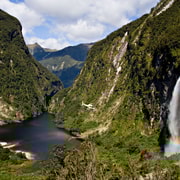
Doubtful Sound: Scenic Flight with 2 Landings New Zealand Take in spectacular bird’s-eye views of the rugged mountains, waterfalls, and rainforests of the fiord on a Doubtful Sound scenic flight. Cruise through the air in a helicopter for 1 hour and 10 minutes
Why Visit Doubtful Sound
Doubtful Sound blends history, culture, and everyday life into a destination filled with engaging museums and memorable attractions. This guide highlights the kinds of places visitors love and what to expect at each, plus practical tips for planning your day.
Flagship History Museum
The main city history museum in Doubtful Sound typically traces the region from early settlement to the present through artifacts, photographs, and interactive exhibits. Expect rotating shows, a solid gift shop, and helpful context for everything else you’ll see.
Art Museum & Sculpture Garden
A leading art museum usually anchors the local scene with classics, contemporary works, and special exhibitions. If there’s an outdoor sculpture garden, it’s a relaxing way to pair culture with a walk.
Science & Discovery Center
Hands-on galleries make science approachable for all ages—think space, engineering, and ecosystems—often with an IMAX or planetarium.
Landmark Cathedral or Temple
Historic houses of worship give insight into Doubtful Sound’s architectural styles and community roots. Many offer guided tours and quiet courtyards.
Iconic Public Square or Old Town
Central plazas and heritage streets concentrate cafes, street performers, and local crafts. They’re perfect for people‑watching and photos.
Riverside, Harbor or Promenade
Waterfront paths and viewpoints provide fresh air and skyline views. Look for sunset spots, public art, and casual dining.
Family Favorite: Zoo, Aquarium, or Insectarium
Animal-focused attractions pair conservation with education. Check feeding schedules or touch‑pools for interactive moments.
Living Culture: Music Hall or Theatre
An intimate performance venue showcases local sound—jazz, folk, or contemporary—making for a memorable night out.
Planning Tips
Buy timed tickets online for popular museums and special exhibits.
Combine nearby sights to minimize travel time; many districts are walkable.
Check weekly free or discounted hours; student, senior, and family passes can reduce costs.
Start early for quieter galleries and better photos.
Bottom Line
From cornerstone museums to living cultural venues and scenic promenades, Doubtful Sound offers a balanced mix of learning, leisure, and local flavor.
Sponsored Popular Items
Quick take: Musement.com offers a worldwide selection of tours and attractions
Doubtful Sound: Scenic Flight with 2 Landings New Zealand Take in spectacular bird’s-eye views of the rugged mountains, waterfalls, and rainforests of the fiord on a Doubtful Sound scenic flight. Cruise through the air in a helicopter for 1 hour and 10 minutes
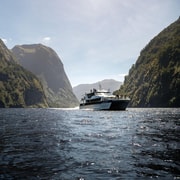
From Te Anau: Doubtful Sound Coach & Cruise New Zealand Travel to an untouched world in Fiordland National Park from Te Anau. Enjoy a cruise across Lake Manapouri, a short coach trip over Wilmot Pass, then discover Doubtful Sound on a magnificent cruise. Be on the lookout for dolphins, fur seals and more!
From Manapouri: Doubtful Sound Wilderness Day Trip New Zealand Explore the spectacular Doubtful Sound in Fiordland National Park on a day trip from Manapouri. Cruise across Lake Manapouri, admire the views of Wilmot Pass, and discover the waterways of Doubtful Sound
Dunedin: Otago Peninsula Clearwater Wildlife Tour New Zealand Unrivalled viewing of rare yellow-eyed penguins, NZ sea lions, NZ fur seals, albatross, sea and wading birds from a secluded beach and private conservation reserve within the Clearwater family farm
Why Visit Dunedin
Dunedin blends history, culture, and everyday life into a destination filled with engaging museums and memorable attractions. This guide highlights the kinds of places visitors love and what to expect at each, plus practical tips for planning your day.
Flagship History Museum
The main city history museum in Dunedin typically traces the region from early settlement to the present through artifacts, photographs, and interactive exhibits. Expect rotating shows, a solid gift shop, and helpful context for everything else you’ll see.
Art Museum & Sculpture Garden
A leading art museum usually anchors the local scene with classics, contemporary works, and special exhibitions. If there’s an outdoor sculpture garden, it’s a relaxing way to pair culture with a walk.
Science & Discovery Center
Hands-on galleries make science approachable for all ages—think space, engineering, and ecosystems—often with an IMAX or planetarium.
Landmark Cathedral or Temple
Historic houses of worship give insight into Dunedin’s architectural styles and community roots. Many offer guided tours and quiet courtyards.
Iconic Public Square or Old Town
Central plazas and heritage streets concentrate cafes, street performers, and local crafts. They’re perfect for people‑watching and photos.
Riverside, Harbor or Promenade
Waterfront paths and viewpoints provide fresh air and skyline views. Look for sunset spots, public art, and casual dining.
Family Favorite: Zoo, Aquarium, or Insectarium
Animal-focused attractions pair conservation with education. Check feeding schedules or touch‑pools for interactive moments.
Living Culture: Music Hall or Theatre
An intimate performance venue showcases local sound—jazz, folk, or contemporary—making for a memorable night out.
Planning Tips
Buy timed tickets online for popular museums and special exhibits.
Combine nearby sights to minimize travel time; many districts are walkable.
Check weekly free or discounted hours; student, senior, and family passes can reduce costs.
Start early for quieter galleries and better photos.
Bottom Line
From cornerstone museums to living cultural venues and scenic promenades, Dunedin offers a balanced mix of learning, leisure, and local flavor.
Sponsored Popular Items
Quick take: Musement.com offers a worldwide selection of tours and attractions
Dunedin: Otago Peninsula Clearwater Wildlife Tour New Zealand Unrivalled viewing of rare yellow-eyed penguins, NZ sea lions, NZ fur seals, albatross, sea and wading birds from a secluded beach and private conservation reserve within the Clearwater family farm
Queenstown to Dunedin Incl Taieri Gorge Train (One-Way) New Zealand Explore Central Otago on a scenic journey from Queenstown to Dunedin. Travel in a comfortable vehicle, visit historic gold rush towns, and ride the Taieri Gorge Train through stunning landscapes
Moeraki Boulders & North Otago Wildlife tour from Dunedin New Zealand Discover the best of Dunedin and North Otago on a private tour with a local guide. We have been providing private tours since 2011 and specialized in small group private tours in Dunedin and beyond
Franz Josef: 30-min Flight over Franz Josef & Tasman Glaciers New Zealand Get the cameras ready for one of the best glacier experiences in New Zealand. Enjoy a 30-minute scenic helicopter flight over Franz Josef and Tasman Glaciers with a glacier landing
Why Visit Franz Josef
Franz Josef blends history, culture, and everyday life into a destination filled with engaging museums and memorable attractions. This guide highlights the kinds of places visitors love and what to expect at each, plus practical tips for planning your day.
Flagship History Museum
The main city history museum in Franz Josef typically traces the region from early settlement to the present through artifacts, photographs, and interactive exhibits. Expect rotating shows, a solid gift shop, and helpful context for everything else you’ll see.
Art Museum & Sculpture Garden
A leading art museum usually anchors the local scene with classics, contemporary works, and special exhibitions. If there’s an outdoor sculpture garden, it’s a relaxing way to pair culture with a walk.
Science & Discovery Center
Hands-on galleries make science approachable for all ages—think space, engineering, and ecosystems—often with an IMAX or planetarium.
Landmark Cathedral or Temple
Historic houses of worship give insight into Franz Josef’s architectural styles and community roots. Many offer guided tours and quiet courtyards.
Iconic Public Square or Old Town
Central plazas and heritage streets concentrate cafes, street performers, and local crafts. They’re perfect for people‑watching and photos.
Riverside, Harbor or Promenade
Waterfront paths and viewpoints provide fresh air and skyline views. Look for sunset spots, public art, and casual dining.
Family Favorite: Zoo, Aquarium, or Insectarium
Animal-focused attractions pair conservation with education. Check feeding schedules or touch‑pools for interactive moments.
Living Culture: Music Hall or Theatre
An intimate performance venue showcases local sound—jazz, folk, or contemporary—making for a memorable night out.
Planning Tips
Buy timed tickets online for popular museums and special exhibits.
Combine nearby sights to minimize travel time; many districts are walkable.
Check weekly free or discounted hours; student, senior, and family passes can reduce costs.
Start early for quieter galleries and better photos.
Bottom Line
From cornerstone museums to living cultural venues and scenic promenades, Franz Josef offers a balanced mix of learning, leisure, and local flavor.
Sponsored Popular Items
Quick take: Musement.com offers a worldwide selection of tours and attractions
Franz Josef: 30-min Flight over Franz Josef & Tasman Glaciers New Zealand Get the cameras ready for one of the best glacier experiences in New Zealand. Enjoy a 30-minute scenic helicopter flight over Franz Josef and Tasman Glaciers with a glacier landing
Queenstown to Franz Josef small group tour (one-way) New Zealand Explore the stunning and renowned West Coast via Wānaka on a fully-guided small group tour from Queenstown. Experience the best way to see the area with Cheeky Kiwi Travel
Milford Sound: Self-Guided Milford Track Day Walk New Zealand Experience the Milford Track, NZ's most famous hiking trail, at your own pace. Take a short boat trip between Milford Sound and Sandfly Point and enjoy an easy walk to Giant Gate Falls
Why Visit Milford Sound
Milford Sound blends history, culture, and everyday life into a destination filled with engaging museums and memorable attractions. This guide highlights the kinds of places visitors love and what to expect at each, plus practical tips for planning your day.
Flagship History Museum
The main city history museum in Milford Sound typically traces the region from early settlement to the present through artifacts, photographs, and interactive exhibits. Expect rotating shows, a solid gift shop, and helpful context for everything else you’ll see.
Art Museum & Sculpture Garden
A leading art museum usually anchors the local scene with classics, contemporary works, and special exhibitions. If there’s an outdoor sculpture garden, it’s a relaxing way to pair culture with a walk.
Science & Discovery Center
Hands-on galleries make science approachable for all ages—think space, engineering, and ecosystems—often with an IMAX or planetarium.
Landmark Cathedral or Temple
Historic houses of worship give insight into Milford Sound’s architectural styles and community roots. Many offer guided tours and quiet courtyards.
Iconic Public Square or Old Town
Central plazas and heritage streets concentrate cafes, street performers, and local crafts. They’re perfect for people‑watching and photos.
Riverside, Harbor or Promenade
Waterfront paths and viewpoints provide fresh air and skyline views. Look for sunset spots, public art, and casual dining.
Family Favorite: Zoo, Aquarium, or Insectarium
Animal-focused attractions pair conservation with education. Check feeding schedules or touch‑pools for interactive moments.
Living Culture: Music Hall or Theatre
An intimate performance venue showcases local sound—jazz, folk, or contemporary—making for a memorable night out.
Planning Tips
Buy timed tickets online for popular museums and special exhibits.
Combine nearby sights to minimize travel time; many districts are walkable.
Check weekly free or discounted hours; student, senior, and family passes can reduce costs.
Start early for quieter galleries and better photos.
Bottom Line
From cornerstone museums to living cultural venues and scenic promenades, Milford Sound offers a balanced mix of learning, leisure, and local flavor.
Sponsored Popular Items
Quick take: Musement.com offers a worldwide selection of tours and attractions
Milford Sound: Self-Guided Milford Track Day Walk New Zealand Experience the Milford Track, NZ's most famous hiking trail, at your own pace. Take a short boat trip between Milford Sound and Sandfly Point and enjoy an easy walk to Giant Gate Falls
From Wanaka: Milford Sound Flight with Landing & Glaciers New Zealand Experience the grandeur of Milford Sound from above on this scenic roundtrip flight from Wanaka. Marvel at glaciers and mighty Mt. Aspiring, enjoy a brief landing to capture the splendor
Milford Sound: Small-Group Tour from Te Anau New Zealand Discover Milford Sound on a full-day tour from Te Anau, including a 1 hr 45 min nature cruise, 1.5 hours of free time, scenic stops, and optional helicopter upgrades available at checkout
Mount Cook: Aoraki/Mt Cook & The Glaciers 55-Minute Flight New Zealand Fly over Tasman Glacier Lake before following the path of the Tasman Glacier, New Zealand’s longest, then traverse the rugged Southern Alps and see the Franz Josef and Fox Glaciers
Why Visit Mount Cook
Mount Cook blends history, culture, and everyday life into a destination filled with engaging museums and memorable attractions. This guide highlights the kinds of places visitors love and what to expect at each, plus practical tips for planning your day.
Flagship History Museum
The main city history museum in Mount Cook typically traces the region from early settlement to the present through artifacts, photographs, and interactive exhibits. Expect rotating shows, a solid gift shop, and helpful context for everything else you’ll see.
Art Museum & Sculpture Garden
A leading art museum usually anchors the local scene with classics, contemporary works, and special exhibitions. If there’s an outdoor sculpture garden, it’s a relaxing way to pair culture with a walk.
Science & Discovery Center
Hands-on galleries make science approachable for all ages—think space, engineering, and ecosystems—often with an IMAX or planetarium.
Landmark Cathedral or Temple
Historic houses of worship give insight into Mount Cook’s architectural styles and community roots. Many offer guided tours and quiet courtyards.
Iconic Public Square or Old Town
Central plazas and heritage streets concentrate cafes, street performers, and local crafts. They’re perfect for people‑watching and photos.
Riverside, Harbor or Promenade
Waterfront paths and viewpoints provide fresh air and skyline views. Look for sunset spots, public art, and casual dining.
Family Favorite: Zoo, Aquarium, or Insectarium
Animal-focused attractions pair conservation with education. Check feeding schedules or touch‑pools for interactive moments.
Living Culture: Music Hall or Theatre
An intimate performance venue showcases local sound—jazz, folk, or contemporary—making for a memorable night out.
Planning Tips
Buy timed tickets online for popular museums and special exhibits.
Combine nearby sights to minimize travel time; many districts are walkable.
Check weekly free or discounted hours; student, senior, and family passes can reduce costs.
Start early for quieter galleries and better photos.
Bottom Line
From cornerstone museums to living cultural venues and scenic promenades, Mount Cook offers a balanced mix of learning, leisure, and local flavor.
Sponsored Popular Items
Quick take: Musement.com offers a worldwide selection of tours and attractions
Mount Cook: Aoraki/Mt Cook & The Glaciers 55-Minute Flight New Zealand Fly over Tasman Glacier Lake before following the path of the Tasman Glacier, New Zealand’s longest, then traverse the rugged Southern Alps and see the Franz Josef and Fox Glaciers
Mount Cook Full-Day Tour: Queenstown to Christchurch New Zealand Encounter breathtaking sights on this full-day guided tour from Queenstown to Christchurch. Journey through dramatic landscapes in Mount Cook National Park, visit Lake Tekapo, and see the Southern Alps
Queenstown: Mount Cook Small Group Scenic Day Tour New Zealand Enjoy a fully guided tour from Queenstown to the majestic Mount Cook and the surrounding area. Marvel at the beauty of the Kawarau Gorge, Lake Pukaki & the Hooker Valley Track
Queenstown blends history, culture, and everyday life into a destination filled with engaging museums and memorable attractions. This guide highlights the kinds of places visitors love and what to expect at each, plus practical tips for planning your day.
Flagship History Museum
The main city history museum in Queenstown typically traces the region from early settlement to the present through artifacts, photographs, and interactive exhibits. Expect rotating shows, a solid gift shop, and helpful context for everything else you’ll see.
Art Museum & Sculpture Garden
A leading art museum usually anchors the local scene with classics, contemporary works, and special exhibitions. If there’s an outdoor sculpture garden, it’s a relaxing way to pair culture with a walk.
Science & Discovery Center
Hands-on galleries make science approachable for all ages—think space, engineering, and ecosystems—often with an IMAX or planetarium.
Landmark Cathedral or Temple
Historic houses of worship give insight into Queenstown’s architectural styles and community roots. Many offer guided tours and quiet courtyards.
Iconic Public Square or Old Town
Central plazas and heritage streets concentrate cafes, street performers, and local crafts. They’re perfect for people‑watching and photos.
Riverside, Harbor or Promenade
Waterfront paths and viewpoints provide fresh air and skyline views. Look for sunset spots, public art, and casual dining.
Family Favorite: Zoo, Aquarium, or Insectarium
Animal-focused attractions pair conservation with education. Check feeding schedules or touch‑pools for interactive moments.
Living Culture: Music Hall or Theatre
An intimate performance venue showcases local sound—jazz, folk, or contemporary—making for a memorable night out.
Planning Tips
Buy timed tickets online for popular museums and special exhibits.
Combine nearby sights to minimize travel time; many districts are walkable.
Check weekly free or discounted hours; student, senior, and family passes can reduce costs.
Start early for quieter galleries and better photos.
Bottom Line
From cornerstone museums to living cultural venues and scenic promenades, Queenstown offers a balanced mix of learning, leisure, and local flavor.
Sponsored Popular Items
Quick take: Musement.com offers a worldwide selection of tours and attractions
Queenstown: Queenstown Lake Cruise and Walter Peak Farm Tour New Zealand Set sail on a stunning Lake Whakatipu cruise and step into the heart of Kiwi farming life with an unforgettable adventure to Walter Peak High Country Farm—departing from the vibrant hub of Queenstown
Queenstown Ice Bar - Queenstown’s Premium Ice Bar Experience New Zealand Experience Queenstown's Premium Ice Bar with a delicious drink in hand. Relax on an evening out in a unique setting built from almost 30 tonnes of hand-carved, crystal-clear ice architecture
Galway: Welcome to Galway Walking Tour Best deals for Galway: Welcome to Galway Walking Tour. Wander the streets of Galway on a small group walking trip with an expert local guide. Immerse yourself in the culture, music, and heritage of this city and learn about local traditions. Available from getyourguide.com.
Why Visit Rotorua
Rotorua blends history, culture, and everyday life into a destination filled with engaging museums and memorable attractions. This guide highlights the kinds of places visitors love and what to expect at each, plus practical tips for planning your day.
Flagship History Museum
The main city history museum in Rotorua typically traces the region from early settlement to the present through artifacts, photographs, and interactive exhibits. Expect rotating shows, a solid gift shop, and helpful context for everything else you’ll see.
Art Museum & Sculpture Garden
A leading art museum usually anchors the local scene with classics, contemporary works, and special exhibitions. If there’s an outdoor sculpture garden, it’s a relaxing way to pair culture with a walk.
Science & Discovery Center
Hands-on galleries make science approachable for all ages—think space, engineering, and ecosystems—often with an IMAX or planetarium.
Landmark Cathedral or Temple
Historic houses of worship give insight into Rotorua’s architectural styles and community roots. Many offer guided tours and quiet courtyards.
Iconic Public Square or Old Town
Central plazas and heritage streets concentrate cafes, street performers, and local crafts. They’re perfect for people‑watching and photos.
Riverside, Harbor or Promenade
Waterfront paths and viewpoints provide fresh air and skyline views. Look for sunset spots, public art, and casual dining.
Family Favorite: Zoo, Aquarium, or Insectarium
Animal-focused attractions pair conservation with education. Check feeding schedules or touch‑pools for interactive moments.
Living Culture: Music Hall or Theatre
An intimate performance venue showcases local sound—jazz, folk, or contemporary—making for a memorable night out.
Planning Tips
Buy timed tickets online for popular museums and special exhibits.
Combine nearby sights to minimize travel time; many districts are walkable.
Check weekly free or discounted hours; student, senior, and family passes can reduce costs.
Start early for quieter galleries and better photos.
Bottom Line
From cornerstone museums to living cultural venues and scenic promenades, Rotorua offers a balanced mix of learning, leisure, and local flavor.
Sponsored Popular Items
Quick take: Musement.com offers a worldwide selection of tours and attractions
Galway: Welcome to Galway Walking Tour Best deals for Galway: Welcome to Galway Walking Tour. Wander the streets of Galway on a small group walking trip with an expert local guide. Immerse yourself in the culture, music, and heritage of this city and learn about local traditions. Available from getyourguide.com.
Auckland Night Lights Cruise with Welcome Drink & Canapés New Zealand Experience Auckland's illuminated skyline on a relaxing night cruise across Waitematā Harbour. Enjoy a welcome drink and delicious canapés as you sail beneath the iconic Auckland Harbour Bridge
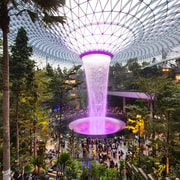
Singapore Welcome: Jewel Changi Customized Private Tour Singapore Start or end your Singapore journey in style with a customized private tour of Jewel Changi. Explore the iconic Rain Vortex, indoor forest, enjoy local insights, and create lasting memories
Taupō: Parasailing Experience over Lake Taupō New Zealand Soar above Lake Taupō on a parasailing adventure. Choose between a refreshing Sky Dip or a thrilling freefall-style drop, and enjoy breathtaking views of sparkling waters and volcanic peaks
Why Visit Taupo
Taupo blends history, culture, and everyday life into a destination filled with engaging museums and memorable attractions. This guide highlights the kinds of places visitors love and what to expect at each, plus practical tips for planning your day.
Flagship History Museum
The main city history museum in Taupo typically traces the region from early settlement to the present through artifacts, photographs, and interactive exhibits. Expect rotating shows, a solid gift shop, and helpful context for everything else you’ll see.
Art Museum & Sculpture Garden
A leading art museum usually anchors the local scene with classics, contemporary works, and special exhibitions. If there’s an outdoor sculpture garden, it’s a relaxing way to pair culture with a walk.
Science & Discovery Center
Hands-on galleries make science approachable for all ages—think space, engineering, and ecosystems—often with an IMAX or planetarium.
Landmark Cathedral or Temple
Historic houses of worship give insight into Taupo’s architectural styles and community roots. Many offer guided tours and quiet courtyards.
Iconic Public Square or Old Town
Central plazas and heritage streets concentrate cafes, street performers, and local crafts. They’re perfect for people‑watching and photos.
Riverside, Harbor or Promenade
Waterfront paths and viewpoints provide fresh air and skyline views. Look for sunset spots, public art, and casual dining.
Family Favorite: Zoo, Aquarium, or Insectarium
Animal-focused attractions pair conservation with education. Check feeding schedules or touch‑pools for interactive moments.
Living Culture: Music Hall or Theatre
An intimate performance venue showcases local sound—jazz, folk, or contemporary—making for a memorable night out.
Planning Tips
Buy timed tickets online for popular museums and special exhibits.
Combine nearby sights to minimize travel time; many districts are walkable.
Check weekly free or discounted hours; student, senior, and family passes can reduce costs.
Start early for quieter galleries and better photos.
Bottom Line
From cornerstone museums to living cultural venues and scenic promenades, Taupo offers a balanced mix of learning, leisure, and local flavor.
Sponsored Popular Items
Quick take: Musement.com offers a worldwide selection of tours and attractions
Taupō: Parasailing Experience over Lake Taupō New Zealand Soar above Lake Taupō on a parasailing adventure. Choose between a refreshing Sky Dip or a thrilling freefall-style drop, and enjoy breathtaking views of sparkling waters and volcanic peaks
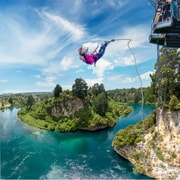
Taupō: AJ Hackett Taupō Bungy - NZ's Highest Water Touch! New Zealand Take a 47-meter leap off New Zealand’s highest water-touch bungy jump platform over the stunning Waikato River. Bungy solo or tandem with a mate. Water touch option available