Valencia, Spain: Mediterranean City of Light, Paella, and Design
Valencia blends golden beaches, futuristic architecture, medieval lanes, and the birthplace of paella into a laid-back, sunlit city on Spain’s east coast. From the sci-fi curves of the City of Arts and Sciences to the orange-scented old town and lively food markets, this guide gives you a clear plan for 1–3 perfect days.
Getting There and Best Time to Visit
How to Get There
By air: Valencia Airport (VLC) connects to major European hubs; the metro links the airport to the city center.
By train: High-speed AVE/Alvia services connect Madrid and Barcelona to Estació del Nord/Joaquín Sorolla.
By road: Well served by Spain’s motorway network; parking is easier near the beach or outside the old town.
When to Go
Spring (Mar–May): Mild, sunny, perfect for walking and terraces.
Summer (Jun–Aug): Beach weather; busiest period and warmer nights.
Autumn (Sep–Nov): Warm seas, fewer crowds, great for cyclists.
Winter (Dec–Feb): Pleasant by day, quiet, festive lights and museums without lines.
Where to Stay: Areas at a Glance
Area
Vibe
Highlights
Best For
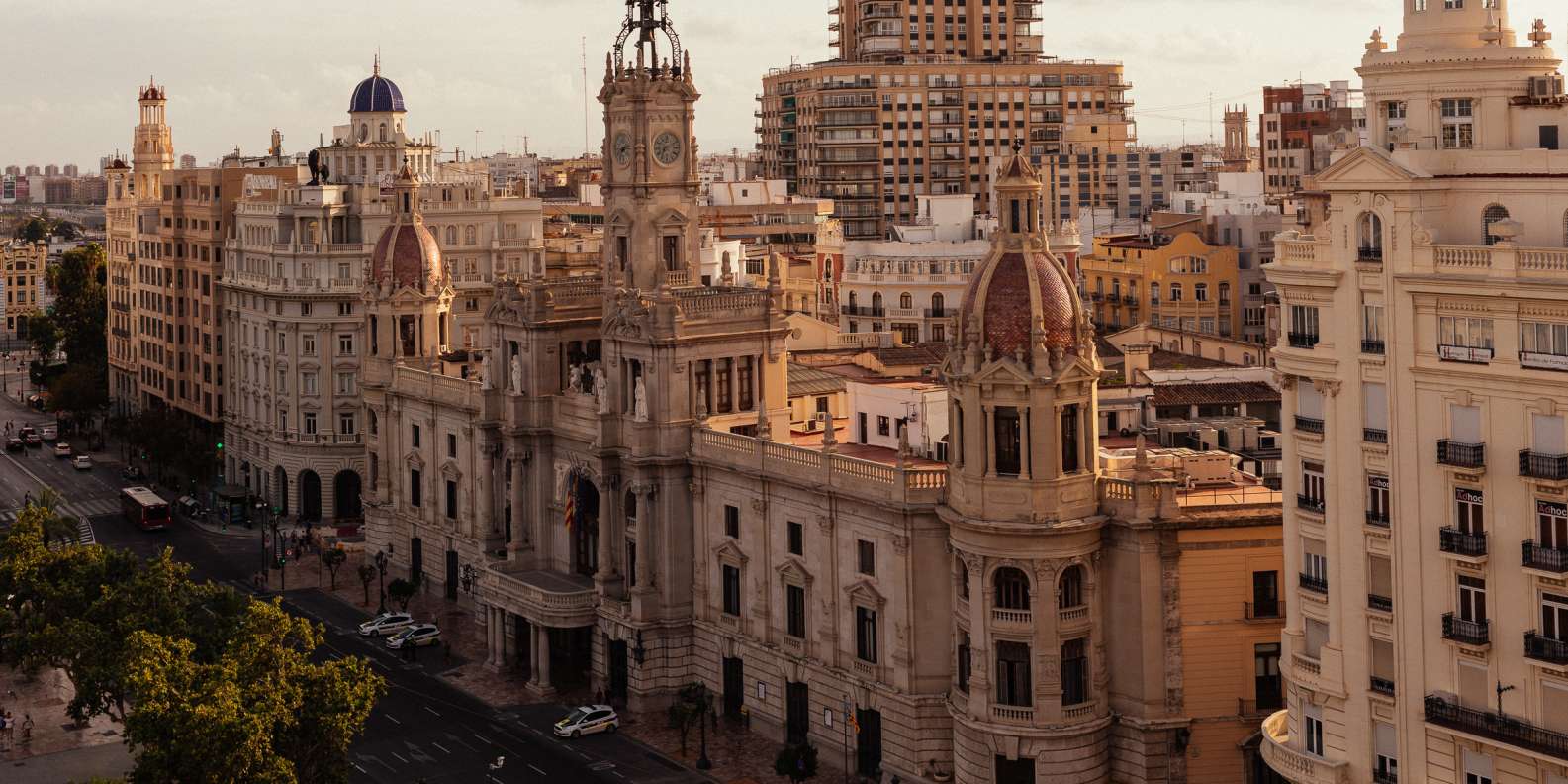
Ciutat Vella (Old Town)
Historic, walkable
Valencia Cathedral, Plaza de la Virgen, El Carmen street art
First-timers, culture lovers
Ruzafa (Russafa)
Trendy, foodie
Markets, cafés, nightlife, galleries
Night owls, creatives
City of Arts and Sciences
Modern, green
Futuristic museums, parks, quiet nights
Families, design fans
El Cabanyal & Malvarrosa
Seaside, relaxed
Beach promenade, seafood chiringuitos
Beach breaks, runners
Top Things to Do in Valencia
City of Arts and Sciences
A striking complex of white curves and glass: science museum, oceanarium, opera house, and landscaped pools set along the Turia park. Go early or near sunset for reflections.
Central Market (Mercado Central)
One of Europe’s largest fresh-food markets beneath stained glass and ironwork. Snack on jamón, cheeses, horchata, and fresh fruit; perfect for picnic supplies.
Valencia Cathedral and the Holy Grail Chapel
Gothic heart of the old town. Climb the Micalet bell tower for panoramic views; step into the chapel many locals venerate as home of the Holy Grail.
Turia Gardens (Jardín del Turia)
A former riverbed turned 9-km green belt of paths, fountains, and bridges—ideal for cycling, jogging, and connecting major sights.
El Carmen and Street Art
Medieval alleys with murals, tiny bars, and indie stores; best for late-afternoon wandering that slides into tapas hour.
Beaches: Malvarrosa and Patacona
Wide sandy strands minutes from the center. Morning runs, afternoon swims, and seafood paellas on the promenade.
Eat and Drink: Essentials
Paella Valenciana: Traditionally with chicken, rabbit, and garrofó beans—cooked over wood fire. Order at lunch; it’s the local ritual.
Tapas & vermut: Try bravas, clóchinas (seasonal mussels), and local vermouth in Ruzafa and El Carmen.
Bodegas & markets: Wine from Utiel-Requena, snacks from Central Market or Ruzafa Market.
Practical Tips
Lunch timing: Kitchens shine from 1:30–3:30 pm; book paella ahead on weekends.
Move by bike: The city is flat and bike-friendly; Turia park is a natural corridor.
Beach basics: Shade is limited; bring a hat and water. Evening sea breeze is perfect for strolls.
Museum days: Check free entry times (often late afternoons or Sundays for residents/varied categories).
Festivals: Las Fallas in March brings sculptures, fireworks, and big crowds—book months in advance.
Valencia FAQs
How many days do I need?
Answer: Two days cover the main sights; three to four add beaches, bike rides, and side trips like Albufera lagoon for sunset and boat rides.
Is Valencia walkable?
Answer: Yes—old town sights cluster together, and Turia park creates an easy, car-free axis. Use bikes, trams, or taxis for the beach.
Where should I try authentic paella?
Answer: Look for lunch-only spots that cook to order over wood, with a short paella list and a 30–40 minute wait. Avoid places pushing paella at dinner for tourists.
When is beach season?
Answer: Late May to September is prime for swimming; shoulder months are great for walks and dining by the sea.
Is Valencia family-friendly?
Answer: Very. Turia playgrounds, the Oceanogràfic, beaches, and safe cycling paths make it easy with kids.
Suggested 2–3 Day Itineraries
2 Days — Iconic Valencia
Day 1: Old town walk: Cathedral, Micalet tower, Plaza de la Virgen, Silk Exchange, Central Market. Tapas in El Carmen.
Day 2: Turia park by bike → City of Arts and Sciences → late afternoon at Malvarrosa Beach with paella lunch.
3 Days — Add Nature and Neighborhoods
Day 1: Old town highlights and market tastings.
Day 2: City of Arts and Sciences; Oceanogràfic or Science Museum; sunset in Ruzafa.
Day 3: Albufera boat ride and rice fields; beach promenade or Cabanyal architecture stroll.
Why Valencia Belongs on Your Spain Itinerary
Valencia pairs Mediterranean ease with design-forward culture: a place where you bike through a gardened riverbed to a futuristic museum, then sit down to a wood-fired paella and a sunset by the sea. It is spacious, flavorful, and effortlessly enjoyable—Spain at a relaxed, golden-hour tempo.
Sponsored Popular Items
Quick take: Musement.com offers a worldwide selection of tours and attractions
Dumaguete: Twin Lake + Valencia Tour Philippines Discover the natural beauty of Negros Oriental on a day trip from Dumaguete. Visit the Twin Lakes of Balinsasayao and Danao, Pulang Bato Falls, Red Rock Hot Spring, and more
Valencia Fallas celebration – Guided Sightseeing Experience Spain Experience one of Spain’s most iconic celebrations with a trip to the Fallas festival, recognised by UNESCO as an Intangible Cultural Heritage of Humanity. Check current availability, inclusions and booking details before you go.
Valencia's Photogenic Places with Local Guide – Guided Tour – Guided Sightseeing Spain If you want a fast, practical way to photograph Valencia’s highlights—plus get local tips you’d normally miss—this 1 hour 30 minute guided walking experience is built for you. Check current availability, inclusions and booking details before you go.
Valencia Albufera Natural Park Tour with Boat Ride – Scenic Water Experience Australia If you want a real break from Valencia’s historic center without committing to a full day, this 4-hour guided tour takes you to Albufera Natural Park , a protected landscape about 20 minutes from the city. Check current availability, inclusions and booking details before you go.
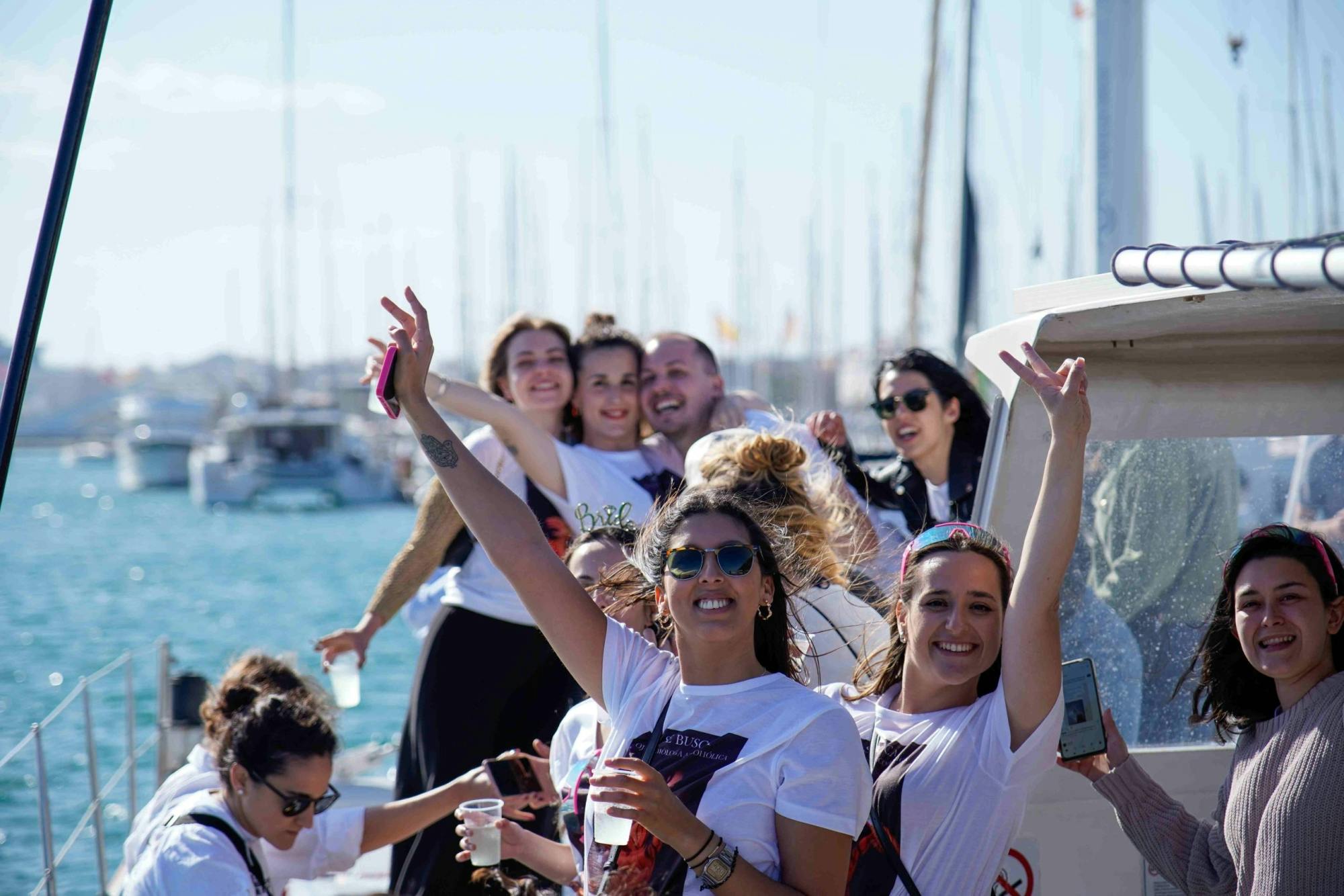
Boat Party in Valencia Tours, Tickets & Experiences Spain Enjoy the cruise in Valencia and a great boat party with live music and a meal. Check current availability, inclusions and booking details before you go.