Valencia City of Arts and Sciences Tickets & Tours
Compare cultural experiences in Valencia City of Arts and Sciences Tickets &, with practical tips on timing, inclusions and choosing the right option. Check current availability, prices and booking conditions before you go.
A visionary cultural complex rising from the former Turia riverbed, blending architecture, science, nature, and performance into one unforgettable Valencia experience.
Overview
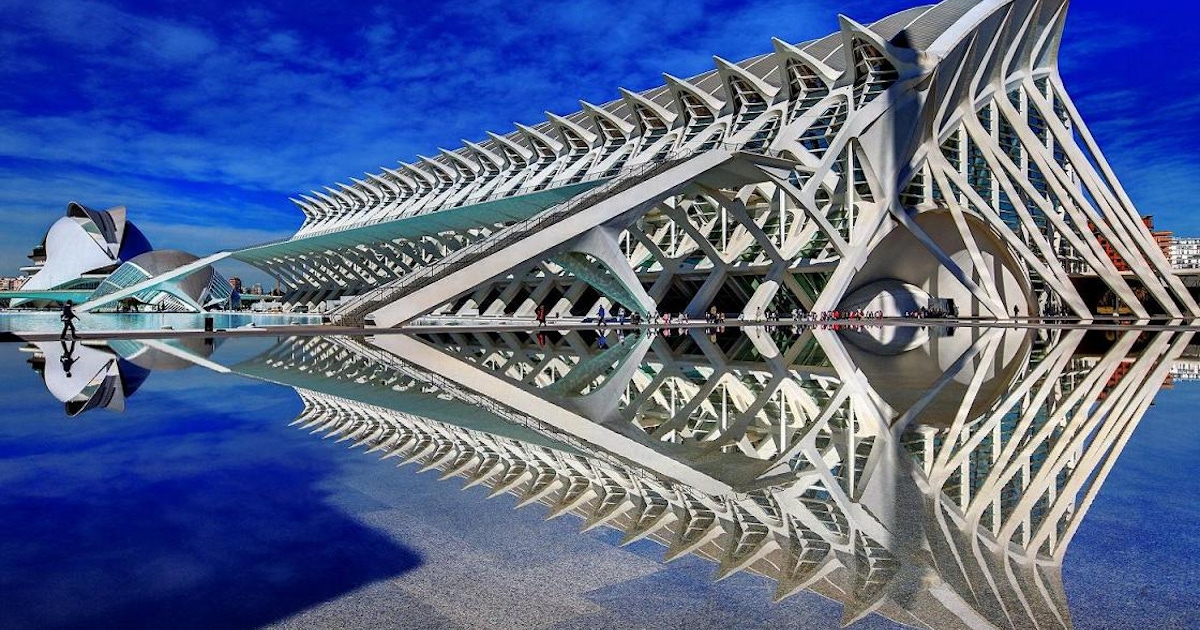
Set within the landscaped bed of the diverted River Turia, Valencia’s City of Arts and Sciences (Ciudad de las Artes y las Ciencias) showcases the signature style of Valencian architect Santiago Calatrava. A sweep of bone-white forms evokes organic skeletons and seashells, giving the complex a look that feels both ancient and boldly futuristic.
Though its scale and cost once sparked debate, the complex has since become a beloved city icon and a must-see for visitors—an emblem of how art, science, and design can reshape an urban landscape.
Highlights & What to See
Hemisfèric (3D Cinema)
Shaped like an immense eye, the Hemisfèric hosts IMAX and 3D screenings focused on nature, space, and technology—an immersive way to “see” the world through a new lens.
Oceanogràfic (Aquarium)
Recognised as the largest aquarium in Europe, the Oceanogràfic presents ecosystems from the Arctic to the tropics, with striking habitats and engaging educational exhibits for all ages.
Museo de las Ciencias Príncipe Felipe (Interactive Science Museum)
Hands-on galleries and rotating exhibitions make science approachable and fun. Expect interactive stations that explain physics, biology, and technology through play and experimentation.
Palau de les Arts Reina Sofía (Opera House)
A sculptural landmark that hosts opera, classical music, and multidisciplinary performances. Its dramatic, ship-like profile is as memorable as the productions on stage.
Atmosphere & Experience
Reflective pools, tranquil streams, and generous promenades link each venue, creating a fluid, photo-friendly landscape. By day the buildings gleam under Mediterranean light; by night, artful illumination doubles the spectacle in mirror-still water.
Visiting Tips
Plan your time: Each venue can easily fill a couple of hours—choose one or two “deep dives” or enjoy a leisurely architectural stroll.
Family-friendly: The science museum and aquarium are engaging for children, with plenty of interactive elements.
Best light: Golden hour and after dusk are ideal for photography around the pools and walkways.
Quick Q&A
Why is it famous?
Its visionary architecture, Europe-leading aquarium, and cluster of cultural venues make it one of Spain’s standout modern attractions.
Is it good for a short visit?
Yes. Even without going inside, the grounds are free to wander and spectacular for photos. If time is tight, choose either the aquarium or the science museum.
When is it most atmospheric?
Late afternoon into evening—shadows, sunset hues, and night lighting transform the complex and its reflections.
Ready to plan Valencia City of Arts and Sciences Tickets & Tours?
Check the supplier for current availability, pricing, inclusions and booking conditions.
Dumaguete: Twin Lake + Valencia Tour Philippines Discover the natural beauty of Negros Oriental on a day trip from Dumaguete. Visit the Twin Lakes of Balinsasayao and Danao, Pulang Bato Falls, Red Rock Hot Spring, and more
Valencia Fallas celebration – Guided Sightseeing Experience Spain Experience one of Spain’s most iconic celebrations with a trip to the Fallas festival, recognised by UNESCO as an Intangible Cultural Heritage of Humanity. Check current availability, inclusions and booking details before you go.
Valencia's Photogenic Places with Local Guide – Guided Tour – Guided Sightseeing Spain If you want a fast, practical way to photograph Valencia’s highlights—plus get local tips you’d normally miss—this 1 hour 30 minute guided walking experience is built for you. Check current availability, inclusions and booking details before you go.
Valencia Albufera Natural Park Tour with Boat Ride – Scenic Water Experience Australia If you want a real break from Valencia’s historic center without committing to a full day, this 4-hour guided tour takes you to Albufera Natural Park , a protected landscape about 20 minutes from the city. Check current availability, inclusions and booking details before you go.
Boat Party in Valencia Tours, Tickets & Experiences Spain Enjoy the cruise in Valencia and a great boat party with live music and a meal. Check current availability, inclusions and booking details before you go.