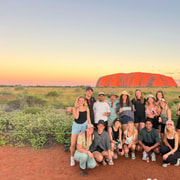
Uluru (Ayers Rock): Australia’s Great Red Heart Experience
A powerful desert destination of sunrise colour, ancient culture, red-earth walks, vast skies and one of the world’s most recognisable natural landmarks.
Uluru is one of those places that feels bigger than a landmark. Yes, the rock itself is extraordinary, but what makes the experience so memorable is the wider sense of space, stillness and significance that surrounds it. The desert light shifts by the hour, the colours deepen and soften across the stone, and the whole landscape seems to carry a presence that is difficult to describe until you are actually there.
For many travellers, Uluru is a bucket-list destination. Yet it is far more than a quick photo stop in the outback. It is a place to slow down, walk, learn, watch the light change, visit nearby Kata Tjuta, and spend time understanding that this is not just a geological wonder but a living cultural landscape with deep meaning for Aṉangu Traditional Owners.
Where Is Uluru?
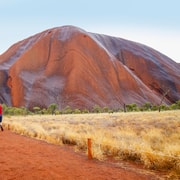
Uluru is in Uluṟu-Kata Tjuṯa National Park in the Northern Territory, in the heart of Australia’s Red Centre. It rises from a vast desert landscape of spinifex, red earth and open sky, creating one of the most distinctive and iconic scenes in the country.
Why Visit Uluru?
It is one of Australia’s most iconic natural landmarks, but it feels even more impressive in person than in photographs.
The landscape changes constantly, especially at sunrise and sunset when the colours across the rock shift dramatically.
It offers cultural depth as well as scenery, making the visit richer than a simple sightseeing stop.
Kata Tjuta adds a second major highlight, giving the region more than one unforgettable experience.
The desert atmosphere is part of the appeal, with huge skies, quiet roads and a sense of distance that feels uniquely Australian.
How to Get There
By Air
The easiest way to reach Uluru is to fly into Ayers Rock Airport, near Yulara. This is the most practical arrival point for most visitors and makes it possible to reach the national park without a long overland drive.
By Road
Driving from Alice Springs is also a popular option for travellers exploring more of the Red Centre. The roads are sealed, and the drive itself is part of the outback experience, with big horizons and a strong sense of remoteness.
Getting Around
Once you arrive, most visitors get around by rental car, organised tour or a dedicated local shuttle service. This is one of those destinations where transport planning matters, because the main sights are spread out across a vast desert landscape.
Closest Towns and Best Bases
Yulara
Yulara is the main accommodation base for visiting Uluru. It sits just outside the national park and is the obvious choice for most travellers because it keeps you close to sunrise, sunset and early-morning walks.
Alice Springs
Alice Springs is much farther away, but it is still an important regional hub. It works well if you are combining Uluru with a wider Red Centre road trip that includes Kings Canyon or other outback stops.
What to Do at Uluru
1. Watch Sunrise Over Uluru
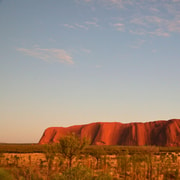
Sunrise is one of the classic Uluru experiences. The early light slowly reveals the desert around you, and the rock changes through deep red, rust and glowing ochre tones. It is one of the simplest activities here, but also one of the most memorable.
2. Stay for Sunset
Sunset is just as important as sunrise, but it feels different. The light becomes warmer and more dramatic, and the atmosphere often feels softer and more reflective. If your schedule allows, do both rather than choosing only one.
3. Walk Part or All of the Base Walk
The best way to understand Uluru properly is to walk around it rather than only viewing it from a lookout. The base walk reveals changing textures, waterholes, desert plant life and a surprising variety of features that you simply do not appreciate from a distance.
4. Visit the Cultural Centre
The Cultural Centre adds essential context to the visit. This is where the experience becomes deeper and more meaningful, helping you understand the living cultural importance of the landscape and why it should be approached with care and respect.
5. Explore Kata Tjuta
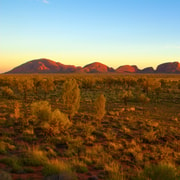
Do not stop at Uluru alone. Kata Tjuta is one of the great highlights of the region and gives the trip a second, very different landscape experience. The domes feel wilder, more enclosed and more rugged, and they add real depth to any Red Centre itinerary.
6. Walk Waḻpa Gorge or Valley of the Winds
If you enjoy walking, Kata Tjuta offers some of the region’s most rewarding tracks. Waḻpa Gorge is a strong option for a shorter walk, while Valley of the Winds is better for travellers who want something more immersive and physically demanding.
7. Enjoy the Night Sky
Uluru is also a wonderful place to slow down after dark. With so little urban glow, the desert sky can feel immense. Even a quiet evening outside after dinner can become one of the trip’s most memorable moments.
How Long Should You Stay?
1 day: enough for a quick look, but too short to do the region justice
2 days: a much better minimum for Uluru sunrise or sunset, the Cultural Centre and at least one major walk
3 days or more: ideal if you want Uluru, Kata Tjuta and time to enjoy the Red Centre at a slower pace
Suggested Two-Day Plan
Arrive in Yulara and settle in
Visit the Cultural Centre
Watch sunset over Uluru
Start early the next day for sunrise
Walk part or all of the base walk in the cooler morning
Head to Kata Tjuta for Waḻpa Gorge or Valley of the Winds
Spend the evening relaxing under the desert sky
Best Time to Visit
Many travellers prefer the cooler months, when walking and outdoor sightseeing are more comfortable. Shoulder seasons can also work well, but summer conditions can be extremely hot, so early starts and careful planning become even more important.
What to Wear and Bring
Lightweight clothing for daytime heat
Layers for cooler mornings and evenings
Sturdy walking shoes
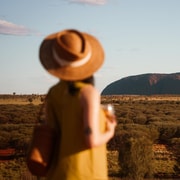
A wide-brim hat, sunscreen and sunglasses
Plenty of water for any walk
A camera or phone for sunrise and sunset light
Useful Travel Tips
Start walks early, especially in warmer months.
Give yourself enough time for both Uluru and Kata Tjuta.
Read and follow local cultural guidance carefully.
Book accommodation and transport ahead, especially in peak travel periods.
Do not underestimate distances in the Red Centre, even when the map looks simple.
Who Will Love Uluru?
First-time visitors to the Australian outback
Travellers interested in landscape and culture together
Photographers chasing changing desert light
Walkers who enjoy scenic, meaningful trails
Anyone wanting one of Australia’s most powerful travel experiences
Final Thoughts
Uluru deserves its reputation not because it is simply famous, but because it feels deeply grounded and unforgettable once you arrive. The scale, the silence, the colour and the cultural significance all work together to create an experience that stays with people long after the trip ends.
If you are planning a journey into Australia’s Red Centre, give Uluru more than a rushed stop. Stay long enough to walk, learn, watch the light change and feel the rhythm of the desert. That is when the destination becomes something much more powerful than a landmark.
Sponsored Popular Items
Quick take: Musement.com offers a worldwide selection of tours and attractions
Uluru: Guided Trek of Uluru's Base in a Small Group Australia Experience Uluru at sunrise on a 6-hour, small-group tour. Walk the full base of Uluru and enjoy breakfast along the way. See ancient rock art, explore Mutitjulu waterhole, and visit Kantju Gorge.
Uluru: Sunset, Sparkling Wine, Cheeseboard & Gourmet BBQ Australia Experience the magic of Uluru at sunset with sparkling wine and a delicious cheeseboard. Head to an exclusive spot for a gourmet BBQ dinner under the stars—an unforgettable outback evening.
Uluru: Guided Walking Tour at Sunrise with Light Breakfast Australia Discover Australia's spiritual heart on a 10.5-kilometer walk around the entire base of Uluru! Get incredible views of the red desert landscape as the sun rises. Listen to an informative commentary about the sacred site.
Uluru Overnight Escape from Ayers Rock Resort Australia Experience Australia’s heart on a 2-day Uluru tour. Enjoy Uluru sunset and sunrise views, a Kata Tjuta walk, heritage sites, cultural stories, BBQ dinner, and a friendly accredited guide.
Uluru Overnight Escape from Alice Springs Australia Discover the beauty of the Uluru and Kata Tjuta on a 2-day tour. Watch the sunset over Uluru with a glass of bubbly and sunset BBQ, and take a guided walk through the Walpa Gorge at Kata Tjuta.
Uluru & Kata Tjuta Safari Camping Tour Australia Experience Uluru’s magic on this two-day adventure. See Kata Tjuta, enjoy a stunning sunset, camp under the stars in permanent safari tents, and explore the Aboriginal culture. The perfect adventure!
Uluru, Kata Tjuta & Kings Canyon Camping Tour Australia Discover Uluru, Kata Tjuta & Kings Canyon on a 3-day outback adventure. Hike iconic trails, watch epic sunsets, and sleep under the stars in traditional Aussie swags.
Uluru & Kata Tjuta: Hop on Hop Off Pass Australia The Hop on Hop Off Pass offers unlimited Uluru transfers and one round trip to Kata Tjuta. Ideal for exploring from Ayers Rock Resort without a car. Choose from a 1, 2, or 3-day pass.