Melbourne to the Great Ocean Road: One of Australia’s Greatest Coastal Drives
A classic Victorian road trip of surf towns, sea cliffs, rainforest walks, famous lookouts and the unforgettable limestone stacks of the Shipwreck Coast.
The Great Ocean Road is one of those journeys that feels bigger than a simple drive. Yes, the scenery is spectacular, but what makes it so memorable is the rhythm of the trip itself. You leave Melbourne behind, reach the surf coast, wind through cliff-hugging bends, pause in relaxed seaside towns, then push deeper into a landscape of wild beaches, cool rainforest and the dramatic rock formations that have made this stretch of Victoria famous around the world.
For many travellers, the Great Ocean Road is the ultimate Melbourne escape. It works as a big day out, but it is even better when you give it time. The route rewards slow travel. The best moments are often not just the headline landmarks, but the in-between stretches: a lookout above crashing surf, coffee in a coastal town, a short rainforest walk under giant ferns, or a late-afternoon stop when the cliffs begin to glow in softer light.
Where Is the Great Ocean Road?
The Great Ocean Road begins at Torquay, southwest of Melbourne, and follows Victoria’s spectacular coastline westward through surf towns, beaches, national parks and major lookouts. For most visitors coming from Melbourne, Torquay is the gateway to the journey and the point where the road trip really begins to feel special.
Why Visit?
It is one of Australia’s most iconic road trips, combining ocean scenery, wildlife, beaches and charming coastal towns.
The variety is exceptional, with surf culture, waterfalls, rainforest, cliff-top lookouts and famous rock formations all on one route.
It suits many travel styles, from quick sightseeing loops to longer self-drive holidays.
It is easily reachable from Melbourne, which makes it one of Victoria’s best high-impact getaways.
How to Get There from Melbourne
By Car
Driving is the best way to experience the Great Ocean Road properly. From Melbourne, it takes around an hour and a half to reach Torquay, where the coastal route begins. Having your own car gives you the freedom to stop at beaches, lookouts and towns at your own pace, which is a big part of what makes the drive so enjoyable.
By Tour
If you do not want to drive, day tours from Melbourne are a popular option. They make the route accessible in a single long outing and can work well for first-time visitors with limited time. The trade-off is that you move faster and have less freedom to linger.
How Long Does It Take?
You can drive part of the Great Ocean Road in a day, but a rushed return trip from Melbourne can feel long. The most famous coastal section is easy to reach, but the farther west you go, the more worthwhile it becomes to stay overnight rather than squeeze everything into one very full day.
Closest Towns and Best Bases
Torquay
Torquay is the official starting point of the Great Ocean Road and the natural first stop from Melbourne. It is ideal if you want surf culture, beach access and a gentle beginning to the trip.
Lorne
Lorne is one of the road’s best-loved seaside towns, with a beach-town feel, scenic drives nearby and easy access to lookouts and waterfalls. It works very well for a first overnight stop.
Apollo Bay
Apollo Bay is one of the most useful bases on the route. It gives you coast on one side, the Otways on the other, and a strong mix of scenery, food and accommodation options. If you only stay one night along the route, this is one of the best places to consider.
Port Campbell
Port Campbell is the most practical base for the Twelve Apostles, Loch Ard Gorge and other Shipwreck Coast highlights. If your focus is the dramatic limestone coastline, this is the smartest overnight choice.
What to Do on the Great Ocean Road
1. Start in Torquay and Feel the Surf Coast Energy
Torquay sets the tone well. It is relaxed, beachy and unmistakably tied to Australian surf culture. It is the right place to ease into the drive rather than immediately racing west.
2. Stop at Bells Beach and Coastal Lookouts
This part of the route delivers some of the early wow-factor scenery. Surf beaches, sandstone cliffs and sweeping ocean outlooks make the Surf Coast feel dramatic without yet reaching the heavier spectacle of the western end.
3. Pause in Lorne
Lorne is one of the best towns for a break. It is lively enough to feel like a destination in its own right, but still relaxed enough to suit a slow coastal road trip. It is a good place for lunch, coffee or an overnight stay.
4. Take in Viewpoints Between Lorne and Apollo Bay
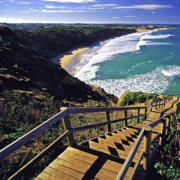
The stretch between Lorne and Apollo Bay is one of the most picturesque parts of the drive. This is where the road and the ocean feel especially close, and where scenic pullovers really earn your time.
5. Explore the Otways
The Great Ocean Road is not just about cliffs and beaches. The Otways add a completely different mood with cool rainforest, fern gullies and sheltered walking tracks. A short stop in the forest is one of the best ways to make the trip feel more varied and complete.
6. Walk Through Rainforest at Maits Rest
If you want one accessible rainforest experience, Maits Rest is a strong choice. It offers a short walk through ancient cool-temperate forest and feels like a refreshing contrast to the exposed coastline.
7. See the Twelve Apostles
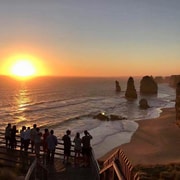
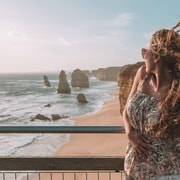
This is the landmark most visitors build the journey around. The Twelve Apostles are the defining image of the Great Ocean Road: sea, wind, cliffs and limestone stacks rising out of the Southern Ocean. Even if you have seen hundreds of photos, the real setting still feels bigger and more dramatic in person.
8. Visit Loch Ard Gorge
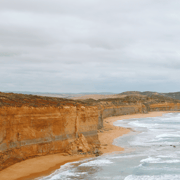
Loch Ard Gorge is one of the best stops on the western section of the route. It is more intimate than the Twelve Apostles and gives the coastline a different character, with beach access, steep enclosing cliffs and a strong sense of history and atmosphere.
9. Continue to Port Campbell
Port Campbell is a smart place to end the day, especially if you want to stay overnight. It keeps you close to the major limestone attractions and makes sunrise or sunset viewing much easier to plan.
Suggested One-Day Trip from Melbourne
Leave Melbourne early
Reach Torquay and begin the coastal drive
Stop at Bells Beach or an early lookout
Pause in Lorne for coffee or brunch
Continue through Apollo Bay
Add a short Otways stop if time allows
Finish at the Twelve Apostles and Loch Ard Gorge
Return inland if you are doing it as a long day trip, or stay overnight in Port Campbell
How Long Should You Allow?
1 day: possible from Melbourne, but long and best for highlights only
2 days: much better for enjoying the coast without rushing
3 days or more: ideal if you want towns, walks, lookouts, beaches and the Shipwreck Coast at a more rewarding pace
What to Wear and Bring
Comfortable walking shoes
A jacket or extra layer, as coastal weather can shift quickly
Sunscreen and sunglasses
Water and snacks for longer stretches between stops
A camera or phone for coastal lookouts and evening light
A small day bag for walks and short stops
Useful Travel Tips
Do not underestimate the distance if you are trying to do it all in one day from Melbourne.
Start early if you want to fit in multiple scenic stops.
Build in short walks, not just lookout stops, to enjoy more of the region’s variety.
Consider sleeping on the road rather than returning to Melbourne the same night.
Check weather and road conditions before setting out, especially in winter or after storms.
Who Will Love This Trip?
First-time visitors to Victoria
Road trip lovers
Photographers and nature travellers
Couples wanting a scenic coastal escape
Families looking for a memorable self-drive adventure from Melbourne
Final Thoughts
The Great Ocean Road remains one of the best journeys you can make from Melbourne because it gives you more than a destination. It gives you a sequence of landscapes and moods: surf coast, holiday towns, rainforest, cliffs, open ocean and finally the monumental drama of the western limestone coast.
If you can, resist the urge to treat it as a checklist drive. Slow down, stop often and let the road unfold properly. That is when the Great Ocean Road feels less like a famous route and more like one of Australia’s truly memorable travel experiences.
Sponsored Popular Items
Quick take: Musement.com offers a worldwide selection of tours and attractions
Great Ocean Road Hidden Coastal Gems Full Day Explorer -Tour Australia This is not just another Great Ocean Road tour. Join me on an exploratory route from Melbourne to the 12 Apostles Discover kangaroo hideaways & panoramic sea views — a unique… Check current availability, inclusions and booking conditions.
Torquay: Surf Experience on the Great Ocean Road United Kingdom Take a surf lesson at Torquay Beach, Victoria’s surf capital! Suit up in warm wetsuits, grab a softboard, and let top instructors get you riding waves on your very first lesson! Check current availability, inclusions and booking conditions.
Great Ocean Road Reverse & Helicopter Experience Group Tours Australia Trade long tours for pure highlights. Glide above the ocean on an optional helicopter ride and stand before the dramatic limestone giants of Port Campbell. Check current availability, inclusions and booking conditions.
Great Ocean Road Day Tour From Mel (Chinese Speaking Tour) Australia Admire Australia's most magnificent coastal scenery and experience nature's masterpieces. If you're lucky, you may encounter wild parrots or koalas along the way, providing surprises. Check current availability, inclusions and booking conditions.
Melbourne: Great Ocean Road Ultimate 12 Apostles with Lunch Australia Avoid the crowds and travel in comfort on one of Australia's most scenic drives. Visit the landmark attraction 12 Apostles, then ride along the Great Ocean Road via the picturesque Otway… Check current availability, inclusions and booking conditions.
Private Great Ocean Road Tour Australia Great Ocean Road is one of the most scenic drives in the world and embodies everything you could hope for from an Australian road trip where 12 Apostles at the end would be an absolute… Check current availability, inclusions and booking conditions.
Deluxe Great Ocean Road Reverse Sunrise Tour – Small-Group Hotel Pickup Australia Relax in a deluxe minibus as you explore the wonders of the Great Ocean Road. We will pick you up from your hotel for a journey of a lifetime; guiding you is not just our job, it is our… Check current availability, inclusions and booking conditions.
Oceans to Mountains Explorer: 3-Day Great Ocean Road Tour Australia From oceans to mountains, this 3-day Great Ocean Road and Grampians National Park tour is filled with the most incredible scenery, nature, and wildlife wonders through regional Victoria. Check current availability, inclusions and booking conditions.