Compare sightseeing experiences in Reims Must-See, with practical tips on timing, inclusions and choosing the right option. Check current availability, prices and booking conditions before you go.
Reims works best when you treat it as both a coronation city and a gateway to Champagne rather than trying to force it into only one role.
Quick answer
The real must-sees in Reims are not just the cathedral. The city works best when you combine its UNESCO royal-history core with at least one Champagne experience. For most visitors, the strongest plan is Notre-Dame Cathedral, the Palais du Tau area, Saint-Remi, a walk through the city center, and then either a cellar visit in Reims or a short trip out toward Hautvillers, Épernay or a family grower.
Reims is one of those cities that can be misunderstood if you visit it too quickly. On paper, it looks like a cathedral stop with Champagne nearby. In reality, it is a city with two strong identities that work best together: royal and religious history on one hand, and the wider Champagne landscape on the other.
That is also why the current Musement page is useful. It quietly tells you what many visitors are actually doing in Reims now. They are not only staying in the city center. They are using Reims as a base for must-see Champagne outings, especially smaller grower tours, e-bike trips and fuller tasting days.
Why Reims Is Worth More Than a Quick Stop
Reims has enough architectural and historical weight to justify a city break on its own. The coronation story is not minor decoration. It is central to French history. But the city also sits inside one of the most famous wine regions in the world, and that changes how most people should plan it.
The best Reims trip is usually not “city or Champagne.” It is “city and Champagne.” That is the formula that makes the destination feel complete.
The Must-Sees in Reims Proper
1. Notre-Dame Cathedral of Reims
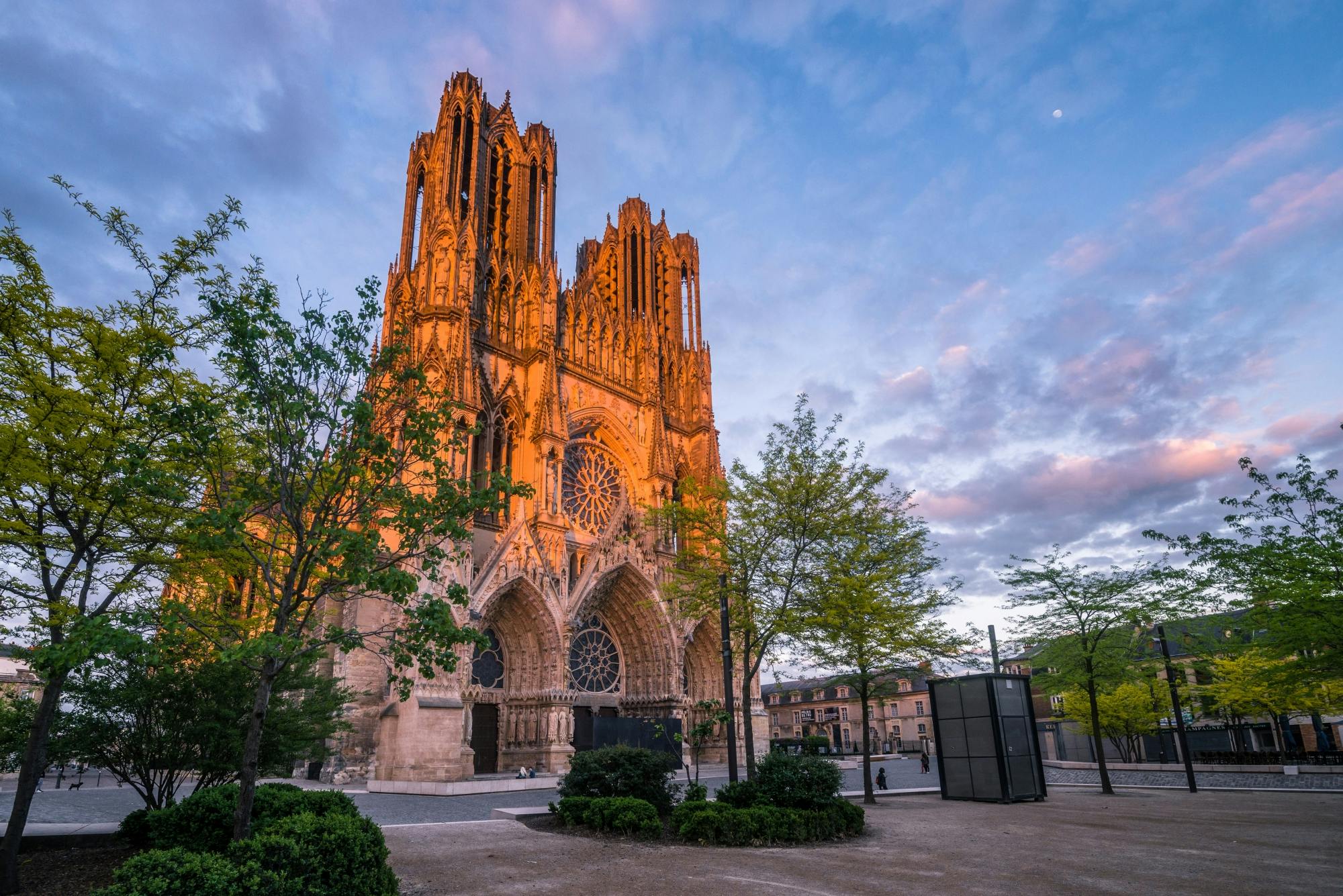
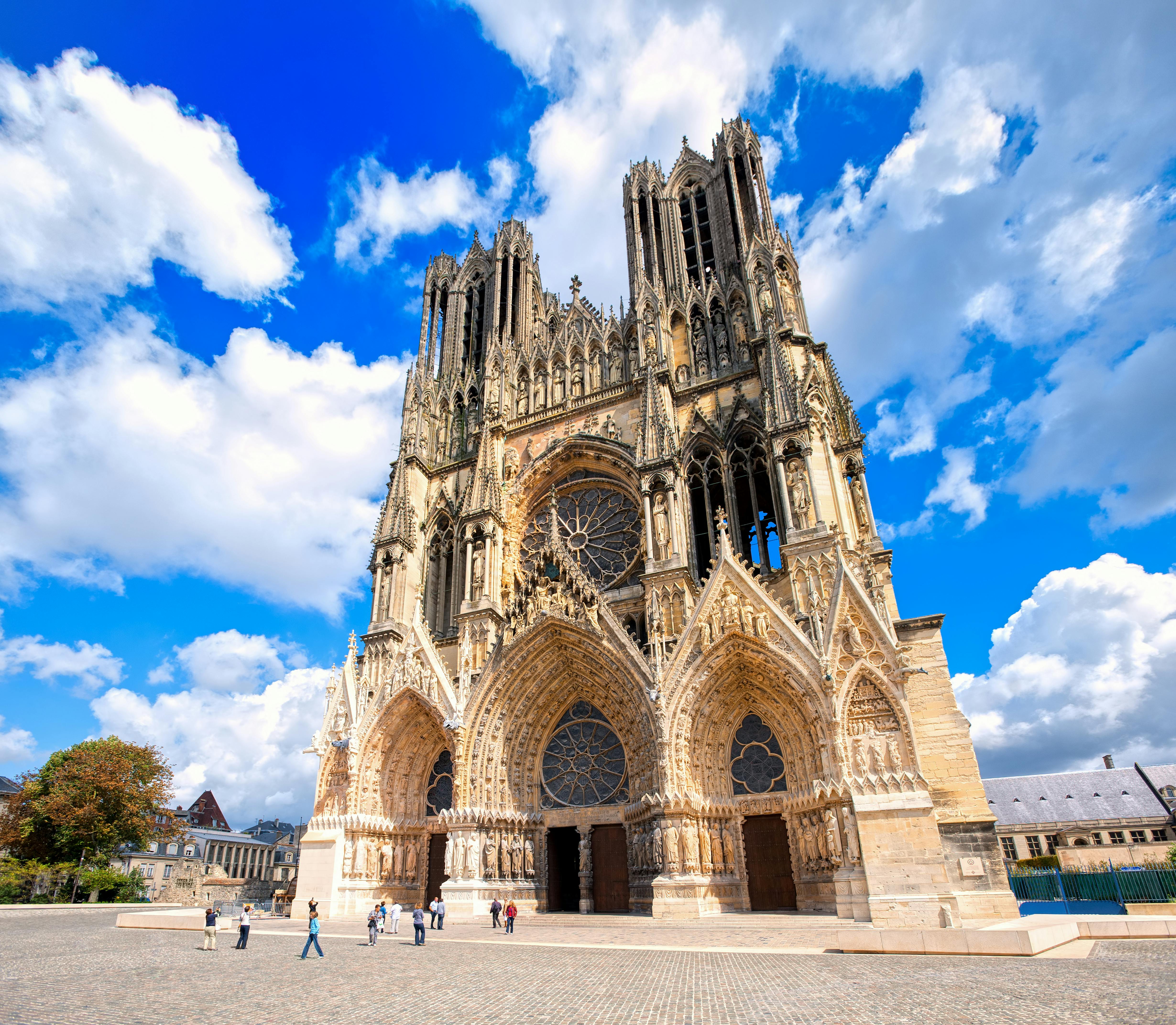
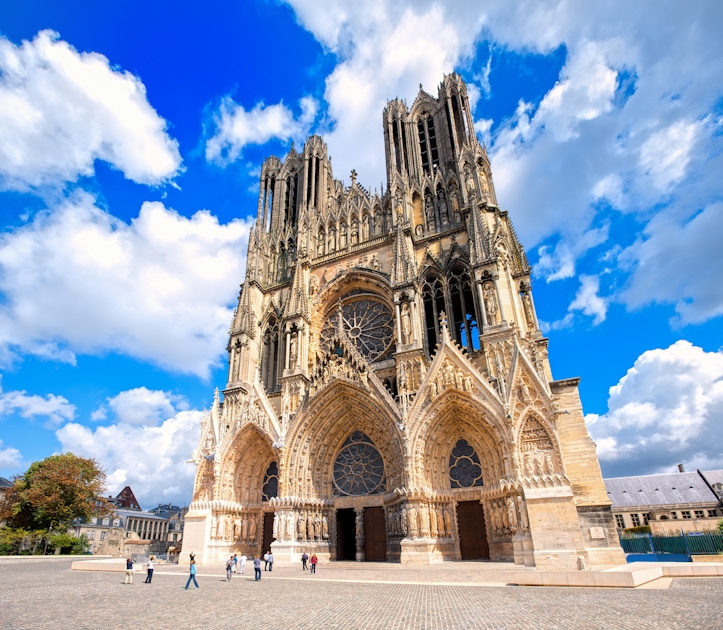
This is still the main anchor. If you only see one monument in Reims, it has to be the cathedral. UNESCO describes it as a masterpiece of Gothic art, and it is tied directly to the coronations of the kings of France. That gives it more symbolic weight than a beautiful church alone would carry.
It is also one of those places that rewards more than a quick photo. The sculpture, windows and sheer scale make it worth taking slowly, especially if you can add a guided visit.
2. Palais du Tau
Right beside the cathedral, the Palais du Tau deepens the coronation story. This was the palace of the archbishops of Reims and a key part of the royal ceremonial world. If the cathedral tells you where the coronations happened, the Tau helps explain how the ritual and court culture around them worked.
That makes it one of the smartest second stops in the city, especially for travelers who want more than surface-level sightseeing.
3. Saint-Remi Basilica and Abbey-Museum Area
Saint-Remi is the other UNESCO-weighted cornerstone of Reims. It tends to get less attention than the cathedral, which is exactly why it is worth prioritizing. The basilica and former abbey area give the city more depth and a different mood from the cathedral quarter.
If you have time for only one additional major heritage stop after Notre-Dame, this is the one that makes the most sense.
4. The City Center on Foot
Reims is not a city that needs to be consumed only through ticketed entries. Part of its appeal is in walking it. The center is compact enough to connect the major monuments with squares, shopping streets and café stops without too much effort.
That is one reason a short introductory walking tour often works well here. You can use it to get your bearings, then decide whether the rest of your time should lean more historical or more Champagne-focused.
The Champagne Side of Reims
5. The Great Champagne-House Context
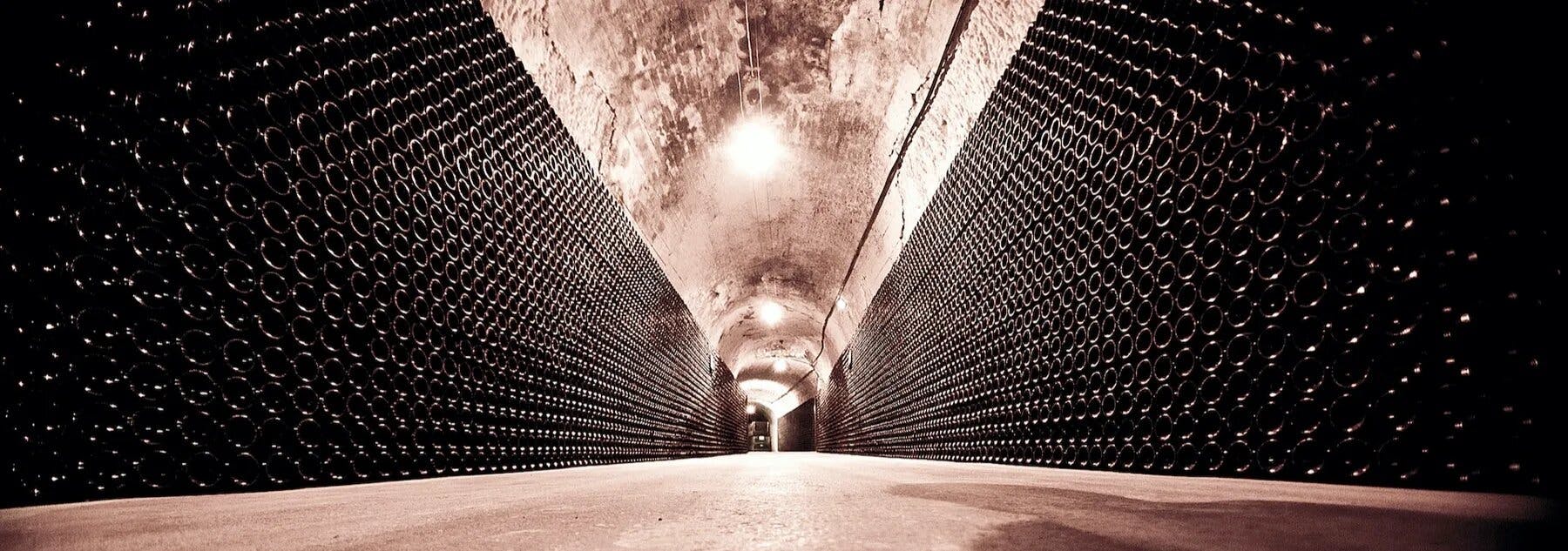
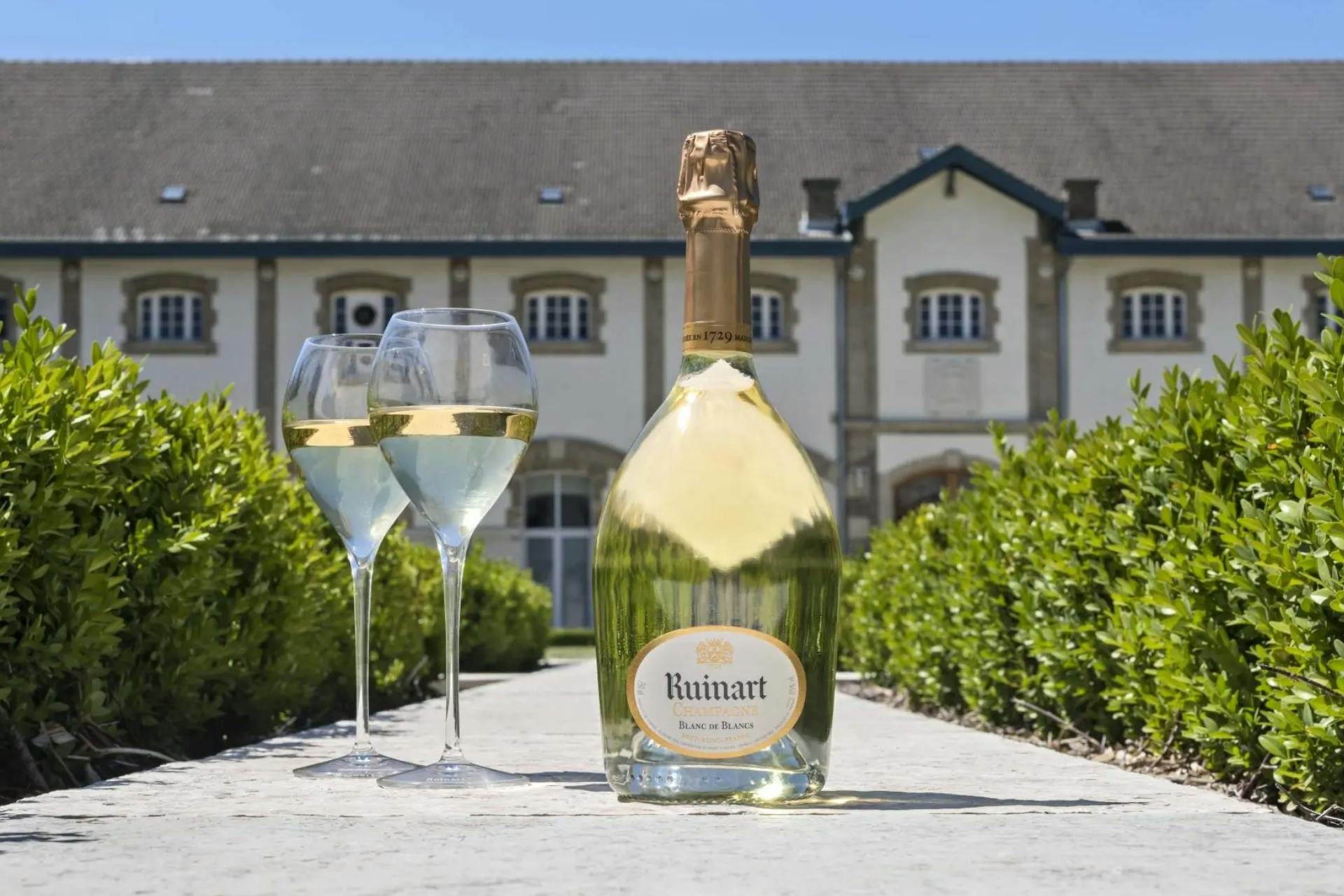
One of the reasons Reims matters is that it is not just historically important. It is also one of the major urban gateways into Champagne culture. Even when the most famous avenue is in Épernay rather than Reims itself, the city still works as a strong base for cellar visits, tastings and countryside tours.
Musement’s current must-sees page reflects that clearly. The featured products are not generic city tours. They are Champagne-region experiences built around family growers, vineyard landscapes and tasting days.
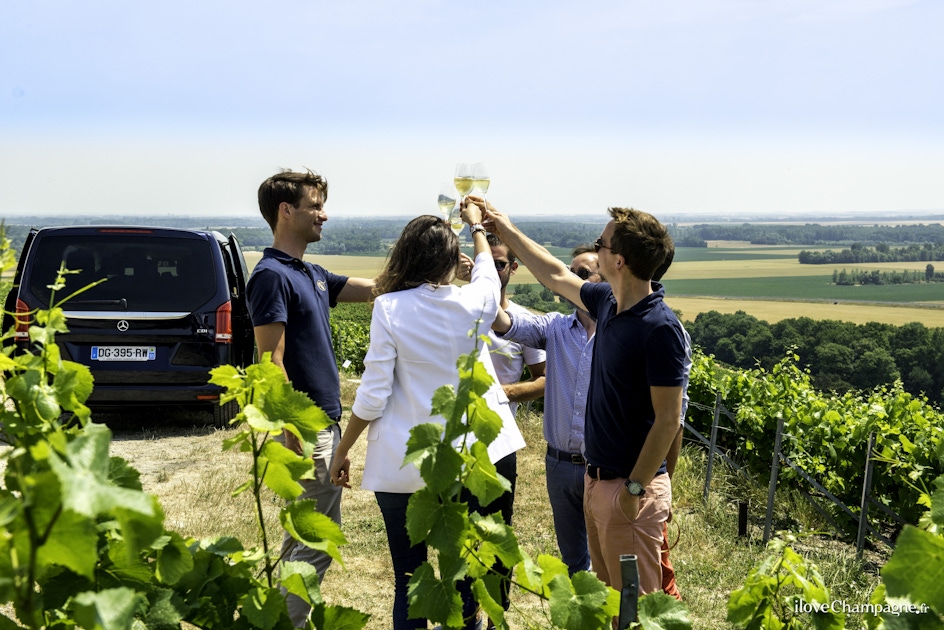
6. A Family-Grower Tour
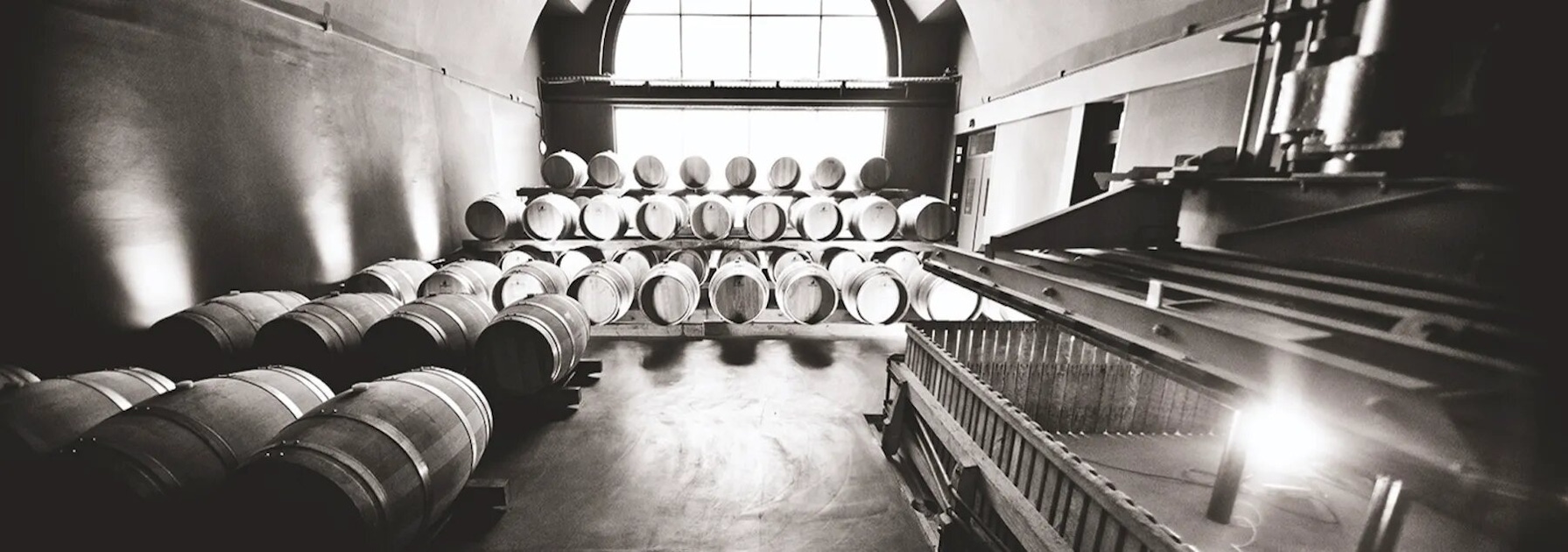
If you only do one Champagne outing from Reims, a family-grower tour is often the smartest choice. It usually gives a more personal view of the region than a large prestige-house visit alone. You get closer to the agricultural side of Champagne and to the people who actually produce it.
This is also where many visitors feel the region becomes more real and less brand-driven.
7. Hautvillers
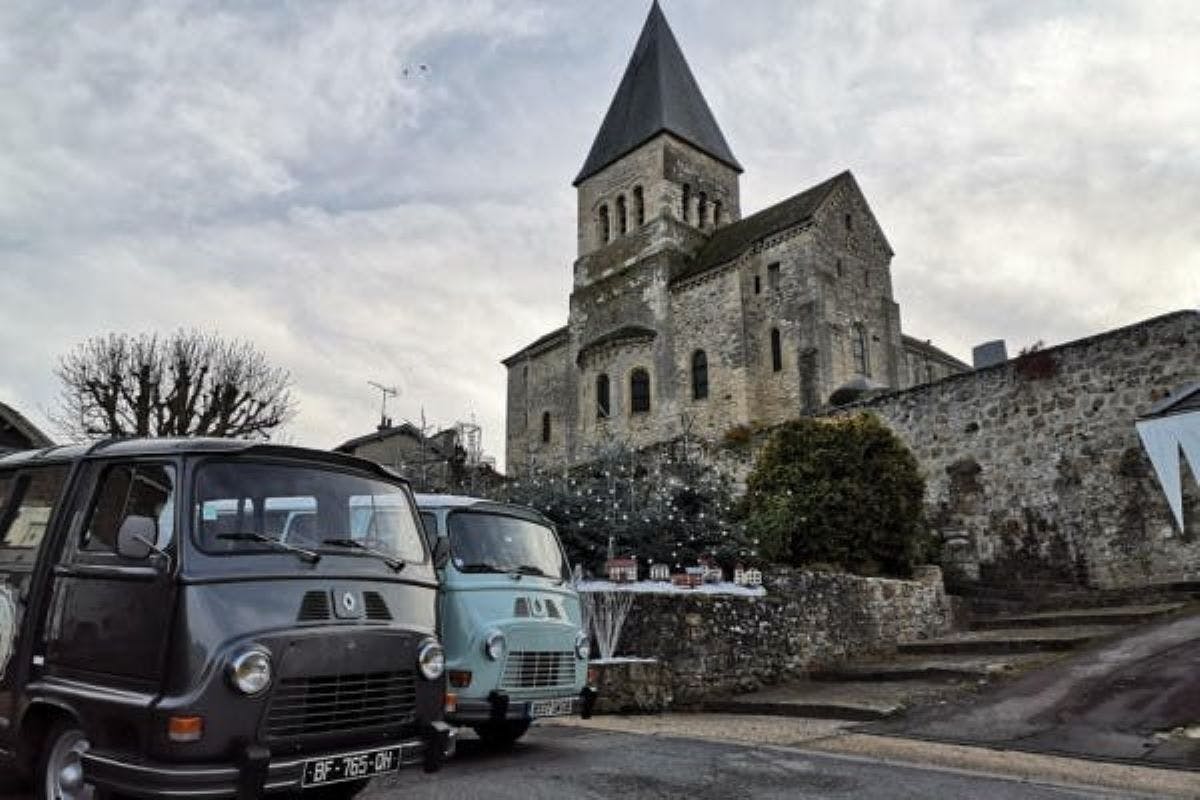
Hautvillers is one of the classic must-sees near Reims because it combines vineyard scenery, village atmosphere and the Dom Pérignon connection. It is the kind of stop that works well even if you are not a deep wine specialist, because it captures the symbolic side of Champagne so effectively.
If you want one of those “yes, this feels like Champagne” moments, Hautvillers is usually one of the best places to get it.
8. Avenue de Champagne in Épernay
If your Reims itinerary stretches a little farther, Avenue de Champagne is one of the region’s defining sights. It brings together the prestige-house image, the architecture of Champagne wealth and the broader UNESCO-recognized hillsides, houses and cellars landscape.
It is a stronger stop than many travelers expect because it is not just about tasting. It is also about seeing how the region built its global identity.
What the Current Musement Page Suggests About Reims
The current Musement must-sees page is revealing in one important way: it treats Reims as a springboard for curated Champagne experiences. The featured shortlist leans heavily toward wine-country day trips, including an afternoon Hautvillers/family-grower outing, a full-day e-bike route, a full-day family-estates tour with lunch, and a Veuve Clicquot plus local winery day trip.
That does not mean the city itself is secondary. It means modern Reims travel is increasingly being planned as a hybrid experience. Visitors want both the coronation city and the vineyard region.
How Long Reims Really Needs
One day is enough for a fast look at the cathedral and the center. Two days is where Reims starts making much more sense. That gives you one day for the city itself and one day, or half-day, for Champagne outside the center.
Three days is even better if you want to add more than one Champagne experience or visit both the main monuments and a wider vineyard route at a slower pace.
Who Reims Suits Best
Travelers interested in Gothic architecture and French history
Visitors who want a city break with a wine-region dimension
Couples looking for a cultured but relaxed short escape
Travelers who enjoy mixing monuments with tastings and countryside
People using Reims as a base for Champagne touring
Who It May Not Suit
Reims is a weaker fit for travelers who want a nonstop nightlife city or a dense museum-only itinerary. It is also not the ideal Champagne base if your only goal is staying directly among the vineyards rather than in a city.
But for most visitors, that balance is exactly the attraction. You get urban convenience and regional access in one place.
A Smart First-Time Itinerary
Start with Notre-Dame Cathedral and the Palais du Tau area.
Add Saint-Remi if you want a fuller historical picture.
Use the city center for lunch and an easy walk.
Then choose one Champagne experience: cellar visit in town, a family-grower tour, Hautvillers, or Avenue de Champagne.
If you have more time, make the second day wine-focused rather than repeating city-center wandering.
Bottom line:
The must-sees in Reims are best understood as a combination, not a single list of monuments. The cathedral, Tau and Saint-Remi give the city its historical backbone. Champagne houses, growers, Hautvillers and the wider vineyard world give it its modern travel appeal. Put those together, and Reims becomes much stronger than a simple stopover.
Ready to browse the current Reims options? The Musement must-sees page is useful if you want to compare family-grower tours, e-bike days, and fuller Champagne excursions from Reims.
Reims rewards travelers who plan with a little more imagination than “cathedral and done.” The city is richer than that, and the region around it is too. If you use Reims as both a heritage city and a Champagne base, it becomes one of the most satisfying short breaks in northern France.
That is the real trick. Do not choose between history and Champagne. In Reims, the best version of the trip is both.
FAQs
What are the top must-sees in Reims?
For most visitors, the essentials are Notre-Dame Cathedral, the Palais du Tau area, Saint-Remi, and at least one Champagne experience such as a cellar visit or grower tour.
Is Reims mainly about the cathedral?
No. The cathedral is the anchor, but Reims works best when you combine its royal-history sites with the wider Champagne region.
How many featured must-see experiences does the current Musement page show?
The current Musement must-sees page shows four featured experiences.
Is Reims a good base for visiting Champagne?
Yes. Reims is a practical and well-connected base for Champagne outings, including tours to growers, Hautvillers and Épernay.
Is Avenue de Champagne in Reims?
No. Avenue de Champagne is in Épernay, but it is one of the region’s major must-sees and easy to combine with a Reims stay.
How long should I spend in Reims?
Two days is the sweet spot for many visitors: one day for the city, one day for Champagne.
Is Saint-Remi worth visiting?
Yes. It adds depth beyond the cathedral and is one of the city’s key UNESCO-linked heritage sites.
Ready to plan Reims Must-See Attractions & Experiences?
Check the supplier for current availability, pricing, inclusions and booking conditions.
Become the King in Reims City Exploration Game France Plan Become the King in Reims City Exploration Game, a self-guided game or exploration experience, with practical tips on timing, inclusions and what to check before booking. Compare current availability, prices and booking conditions before you go.
Afternoon Hautvillers and Family Growers from Reims: What to Expect Before You Book France Quick answer This afternoon Hautvillers and family growers tour from Reims is a strong choice for travelers who want a meaningful Champagne experience without committing to a full-day excursion. Check current availability, inclusions and booking details before you go.
Reims Folklore, Legends & Cultural Tours France Compare cultural experiences in Reims Folklore, Legends & Cultural, with practical tips on timing, inclusions and choosing the right option. Check current availability, prices and booking conditions before you go.
Reims Markets, Crafts & Artisan Experiences France Compare cultural experiences in Reims Markets, Crafts & Artisan, with practical tips on timing, inclusions and choosing the right option. Check current availability, prices and booking conditions before you go.
Reims Monument Visits & Heritage Tours France Compare sightseeing experiences in Reims Monument Visits & Heritage, with practical tips on timing, inclusions and choosing the right option. Check current availability, prices and booking conditions before you go.
Reims City Tours & Sightseeing Experiences France Compare sightseeing experiences in Reims, with practical tips on timing, inclusions and choosing the right option. Check current availability, prices and booking conditions before you go.
Reims Countryside Tours & Day Trips France Compare sightseeing experiences in Reims Countryside Tours &, with practical tips on timing, inclusions and choosing the right option. Check current availability, prices and booking conditions before you go.