Compare cultural experiences in Reims Markets, Crafts & Artisan, with practical tips on timing, inclusions and choosing the right option. Check current availability, prices and booking conditions before you go.
In Reims, “crafts” often means Champagne craftsmanship: cellars, hand-worked chalk, glass, heritage houses and the practical art of turning a wine region into a cultural identity.
Quick answer
The “markets & crafts” category in Reims is not currently about browsing a long list of artisan stalls or food markets. Right now, it is essentially about one thing done well: Champagne craftsmanship. The strongest example on the current page is the historical and artistic cellar visit at Canard-Duchêne, where the craft is not only in the bottle but in the underground architecture, the house story and the artisanal heritage of the estate.
Reims is a city where craft is easy to misunderstand. Visitors often come looking for Champagne and assume the craftsmanship ends with the tasting. In reality, much of the region’s most interesting work is hidden in the places where the wine is aged, handled and presented. Chalk cellars, bottle work, historic house identity and decorative details all shape the experience just as much as the final drink.
That is why the current Musement category makes more sense than it first appears. Even though it does not show a broad spread of artisan markets, it does point toward one of the strongest forms of local craft in Reims: the making, storing and presenting of Champagne as a cultural product rather than just a beverage.
What “Markets & Crafts” in Reims Actually Means
At the moment, the category is very focused. Instead of listing food halls, handmade goods fairs or long shopping itineraries, Musement currently highlights a single experience: the historical and artistic cellar visit at Canard-Duchêne. That is revealing. It suggests that in Reims, craft is being interpreted through Champagne heritage rather than through a broad retail or artisan-market lens.
That is not necessarily a weakness. In this city, Champagne is the craft tradition. The underground cellars, the shaping of house style, and the visual details that support the brand all belong to the same story.
The Current Featured Experience
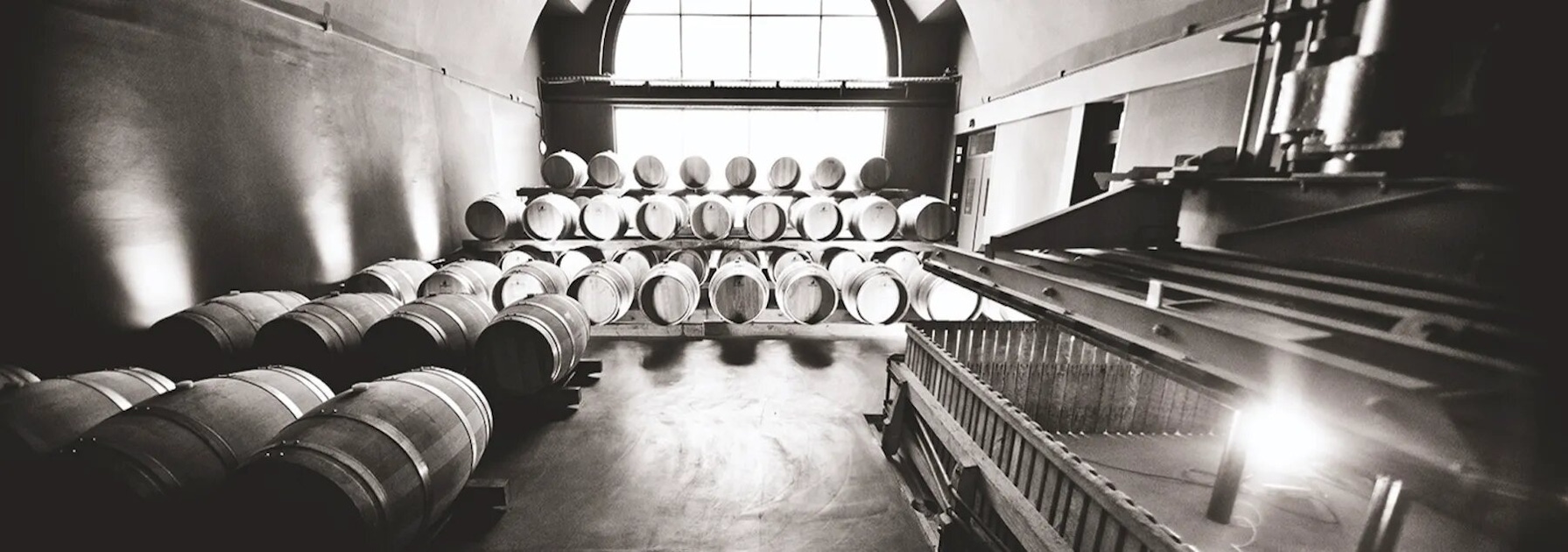
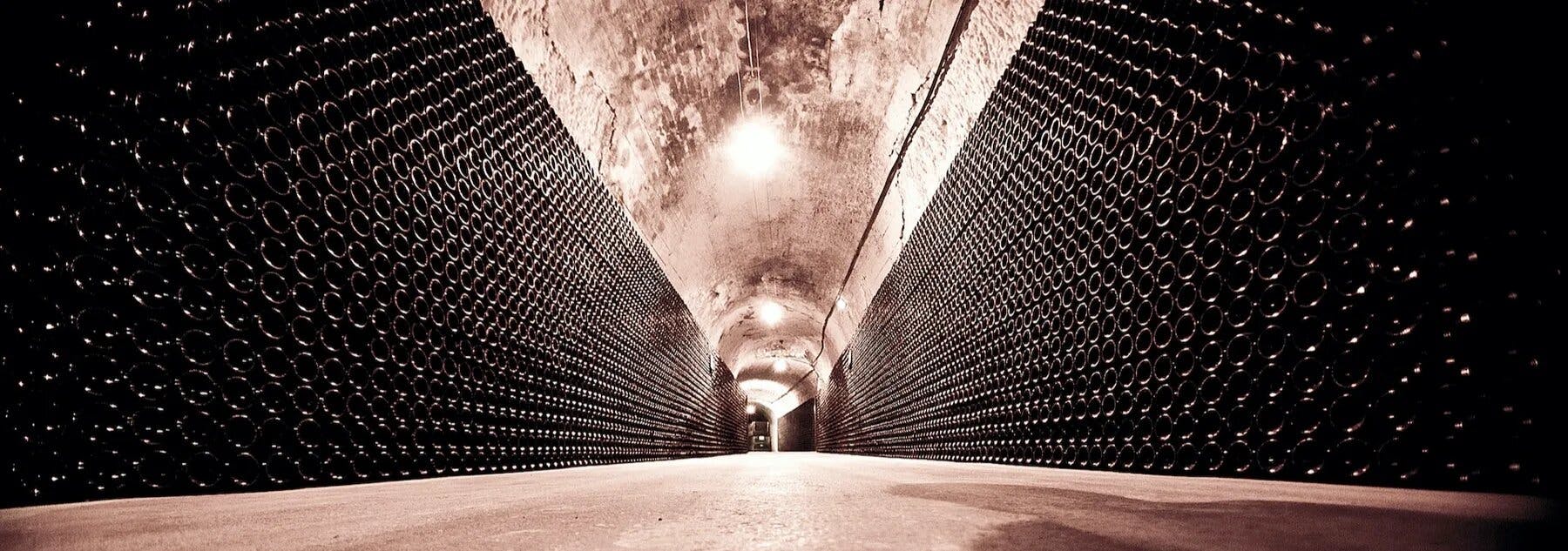
The featured activity is the historical and artistic visit of the cellars of the Canard-Duchêne House. The live Musement page says the experience includes a visit to the estate, access to its 6 kilometres of cellars, the house history and style, and one flute of Champagne.
This already makes it more interesting than a plain tasting-room stop. It is not only “drink a glass and leave.” It is a heritage visit built around place, materials and atmosphere.
Why Canard-Duchêne Fits the Crafts Angle
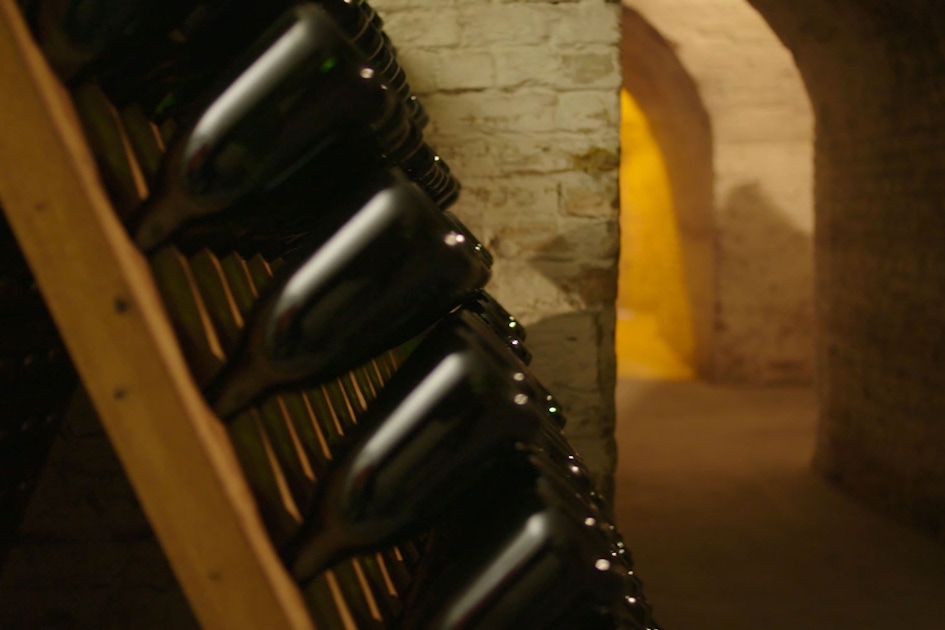
Canard-Duchêne’s own site helps explain why this visit sits under “crafts.” The house describes its cellars as hand-carved in the 19th century, stretching over 6 kilometres across four levels. That makes the experience partly architectural and partly artisanal. You are seeing an underground working environment shaped by human labor and wine-region tradition.
The official cellar page also mentions historic details such as a stained-glass window from the old chapel, restored by master glassmakers of the Simon-Marq workshop. That gives the visit an artistic dimension as well as a technical one.
Why This Matters More Than a Standard Tasting
Many Champagne visits can blur together if they only focus on brand messaging and a final pour. A cellar visit with a stronger historical and visual identity usually leaves a more lasting impression. The craft becomes tangible. You are no longer only hearing about Champagne. You are standing inside one of the structures that made the region’s wine culture possible.
That is why this activity works well for travelers who want more than the usual tasting-room experience. It gives the region some texture.
What the Experience Feels Like
This is best approached as a short heritage-and-craft visit rather than a long immersive wine day. The focus appears to be on the cellars, the story of the house, and one included glass. That makes it more manageable than a full Champagne excursion and easier to fit into a city day in Reims.
It also suits visitors who are curious about Champagne culture but do not necessarily want to spend half a day in the vineyards. You stay anchored to a single house and a single craft story.
Who This Category Suits Best
Travelers interested in Champagne beyond simple tasting
Visitors who enjoy heritage craftsmanship and cellar architecture
People looking for a shorter city-compatible activity in Reims
Visitors who want a more artisanal angle on the Champagne region
Travelers who like experiences with both visual and historical interest
Who It May Not Suit
This is a weaker fit for travelers specifically looking for open-air markets, handmade shopping, or a wider range of crafts in the conventional sense. Right now, the category does not really serve that kind of search.
It is also not the best option if you want a large multi-stop Champagne day with several producers and a lot of tasting. This is more focused and more compact than that.
How to Use This Well in a Reims Itinerary
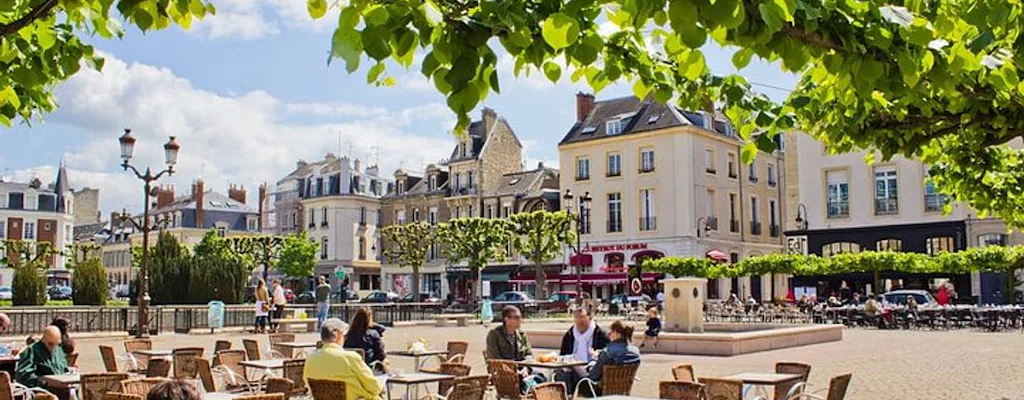
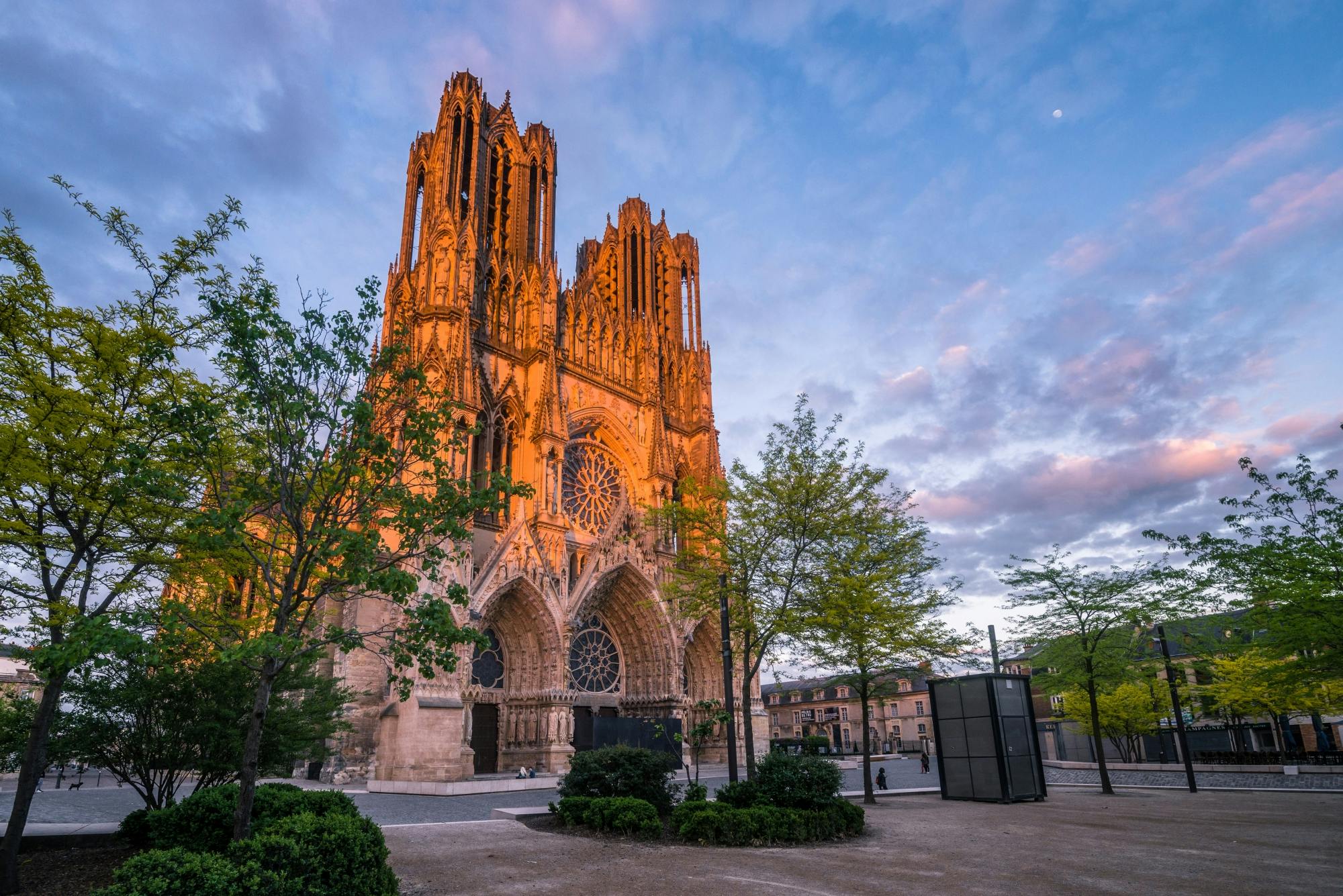
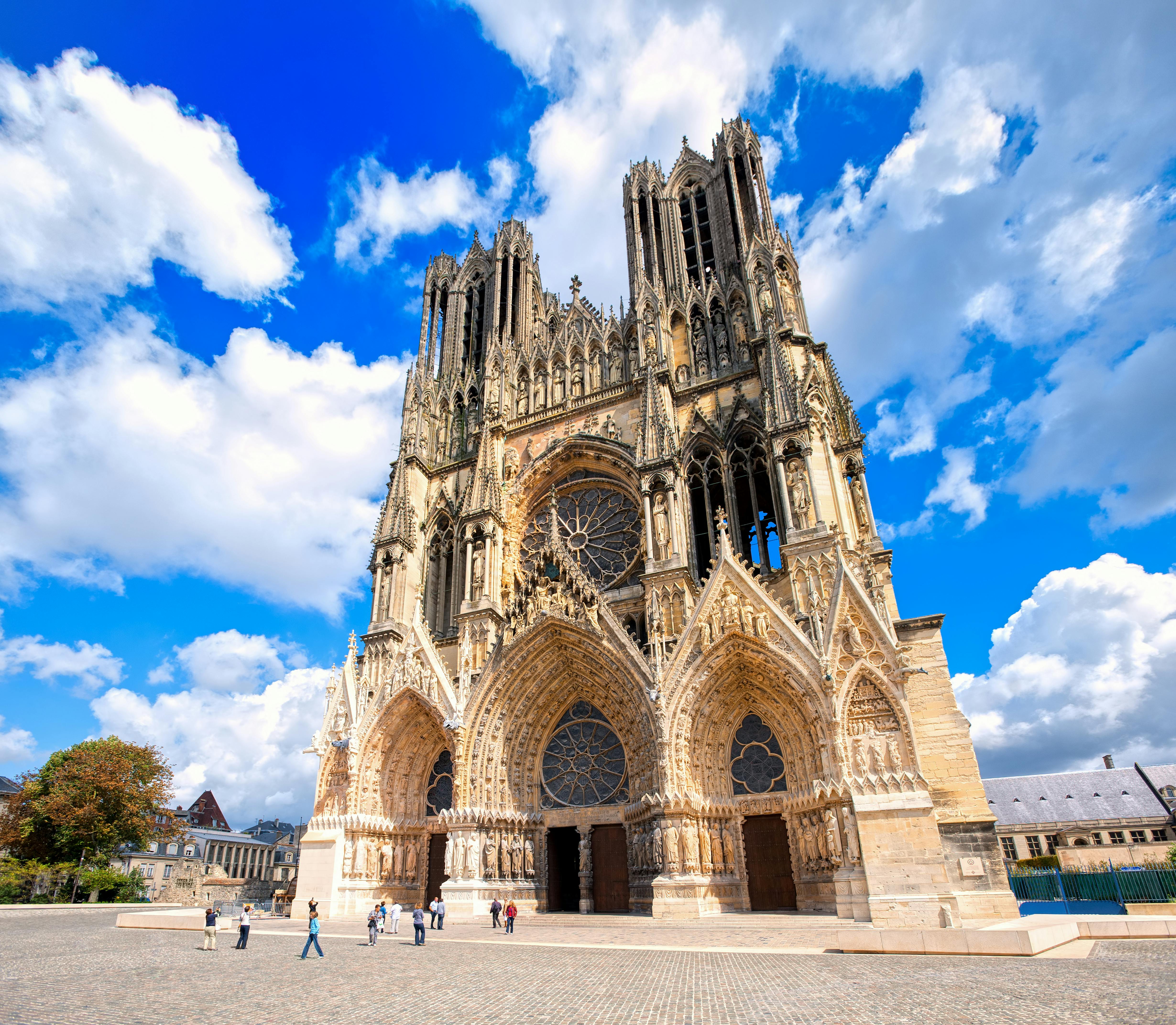
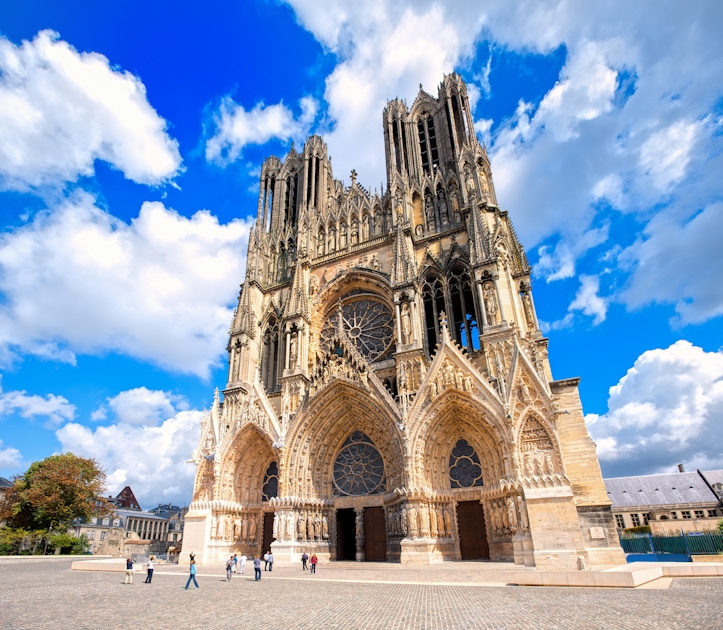
The easiest way to use a visit like this is to pair it with the city. Spend part of the day on Reims’ heritage core — the cathedral, Palace of Tau area or Saint-Remi — then use the cellar visit to add a different kind of local culture. That combination usually works better than trying to build the whole day around one short activity.
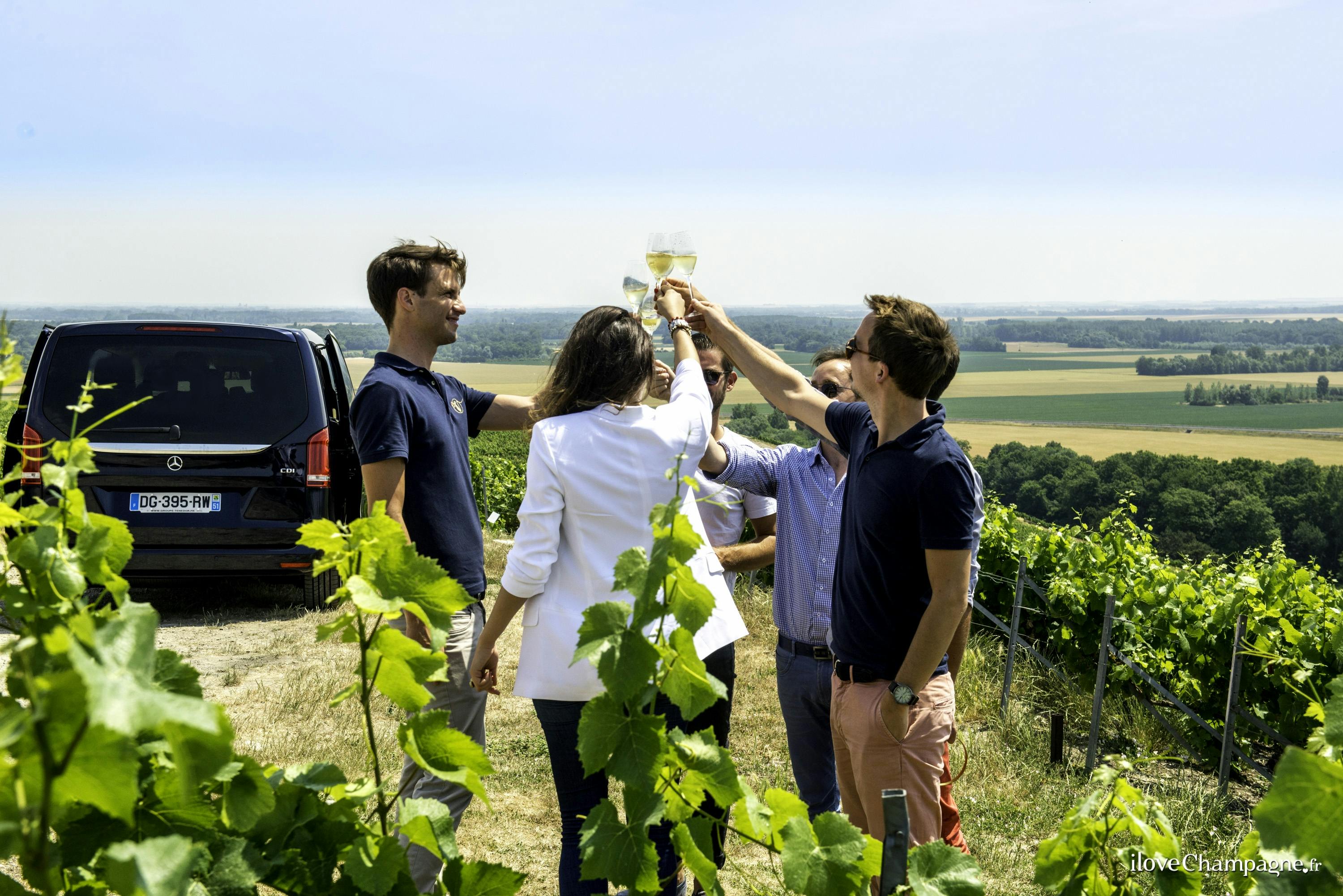
It also works well for travelers who want a Champagne touch without leaving the broader Reims area for a full countryside tour.
One Honest Note About the Category
If you are coming to this page expecting a rich list of Reims artisan markets, craft studios and maker districts, the current Musement category is not really that. It is much narrower. But within that narrow scope, it does point to something genuinely local: the craftsmanship behind Champagne house heritage.
That is a more honest and useful way to understand it.
Tips Before You Book
Choose this if you want a craft-and-heritage Champagne visit, not a shopping-market experience.
Use it as a shorter add-on to a Reims city day rather than your only activity.
Book it if cellar architecture and house history interest you as much as tasting.
Do not expect a full countryside producer itinerary here.
Consider it a good introduction to Champagne craftsmanship before deciding whether to do a larger tour later.
Bottom line:
Right now, “markets & crafts in Reims” is best understood as Champagne craftsmanship rather than market browsing. The Canard-Duchêne cellar visit is worthwhile if you want to see how local wine heritage is shaped through architecture, manual history and a house’s visual identity, not only through the final tasting glass.
Ready to check the current Reims crafts option? The Musement page is useful if you want the live details for the Canard-Duchêne cellar visit and tasting.
Reims is not a city where “craft” needs to mean handmade soap stalls or ceramics markets to be real. Here, the craft is in the Champagne world itself: in the chalk, the cellars, the old houses, the glass, the labels and the methods that turned a regional product into an international symbol.
If you read the category that way, it makes a lot more sense.
FAQs
How many dedicated experiences are currently on the Musement “Markets & crafts in Reims” page?
At the moment, the page shows one dedicated activity: the historical and artistic visit of the cellars of the Canard-Duchêne House.
What is included in that Canard-Duchêne visit?
The current listing includes a visit to the estate, discovery of its 6 km of cellars, house history and style, and one flute of Champagne.
Is this really about markets in the usual sense?
Not really. The current page is much more about Champagne craftsmanship and cellar heritage than about open-air markets or artisan shopping streets.
Why is the visit described as “historical and artistic”?
According to the official Canard-Duchêne page, the visit includes the historic cellars and artistic details such as a restored stained-glass window from the old chapel, alongside the house’s history and Champagne-making process.
How large are the Canard-Duchêne cellars?
The official cellar page says they extend over 6 kilometres across 4 levels.
How deep do the cellars go?
The official site says they reach depths between 12 and 38 metres.
Is this a good substitute for a full Champagne day tour?
No. It works better as a shorter craft-and-heritage visit rather than a replacement for a broader countryside Champagne excursion.
Ready to plan Reims Markets, Crafts & Artisan Experiences?
Check the supplier for current availability, pricing, inclusions and booking conditions.
Become the King in Reims City Exploration Game France Plan Become the King in Reims City Exploration Game, a self-guided game or exploration experience, with practical tips on timing, inclusions and what to check before booking. Compare current availability, prices and booking conditions before you go.
Afternoon Hautvillers and Family Growers from Reims: What to Expect Before You Book France Quick answer This afternoon Hautvillers and family growers tour from Reims is a strong choice for travelers who want a meaningful Champagne experience without committing to a full-day excursion. Check current availability, inclusions and booking details before you go.
Reims Folklore, Legends & Cultural Tours France Compare cultural experiences in Reims Folklore, Legends & Cultural, with practical tips on timing, inclusions and choosing the right option. Check current availability, prices and booking conditions before you go.
Reims Monument Visits & Heritage Tours France Compare sightseeing experiences in Reims Monument Visits & Heritage, with practical tips on timing, inclusions and choosing the right option. Check current availability, prices and booking conditions before you go.
Reims City Tours & Sightseeing Experiences France Compare sightseeing experiences in Reims, with practical tips on timing, inclusions and choosing the right option. Check current availability, prices and booking conditions before you go.
Reims Countryside Tours & Day Trips France Compare sightseeing experiences in Reims Countryside Tours &, with practical tips on timing, inclusions and choosing the right option. Check current availability, prices and booking conditions before you go.
Reims Food Tours & Dining Experiences France Compare food and drink in Reims, with practical tips on timing, inclusions and choosing the right option. Check current availability, prices and booking conditions before you go.