Compare sightseeing experiences in Reims Countryside Tours &, with practical tips on timing, inclusions and choosing the right option. Check current availability, prices and booking conditions before you go.
The countryside around Reims is not generic rural France. It is Champagne country, shaped by vineyard slopes, chalk cellars, wine villages and the long story of a region that turned landscape into one of the world’s most recognizable drinks.
Quick answer
If you are looking at the countryside in Reims, what you are really looking for is Champagne country. The strongest experiences here are vineyard scenery, cellar visits, family-grower tastings, village stops such as Hautvillers, and short guided trips that show how the landscape and the wine belong to each other.
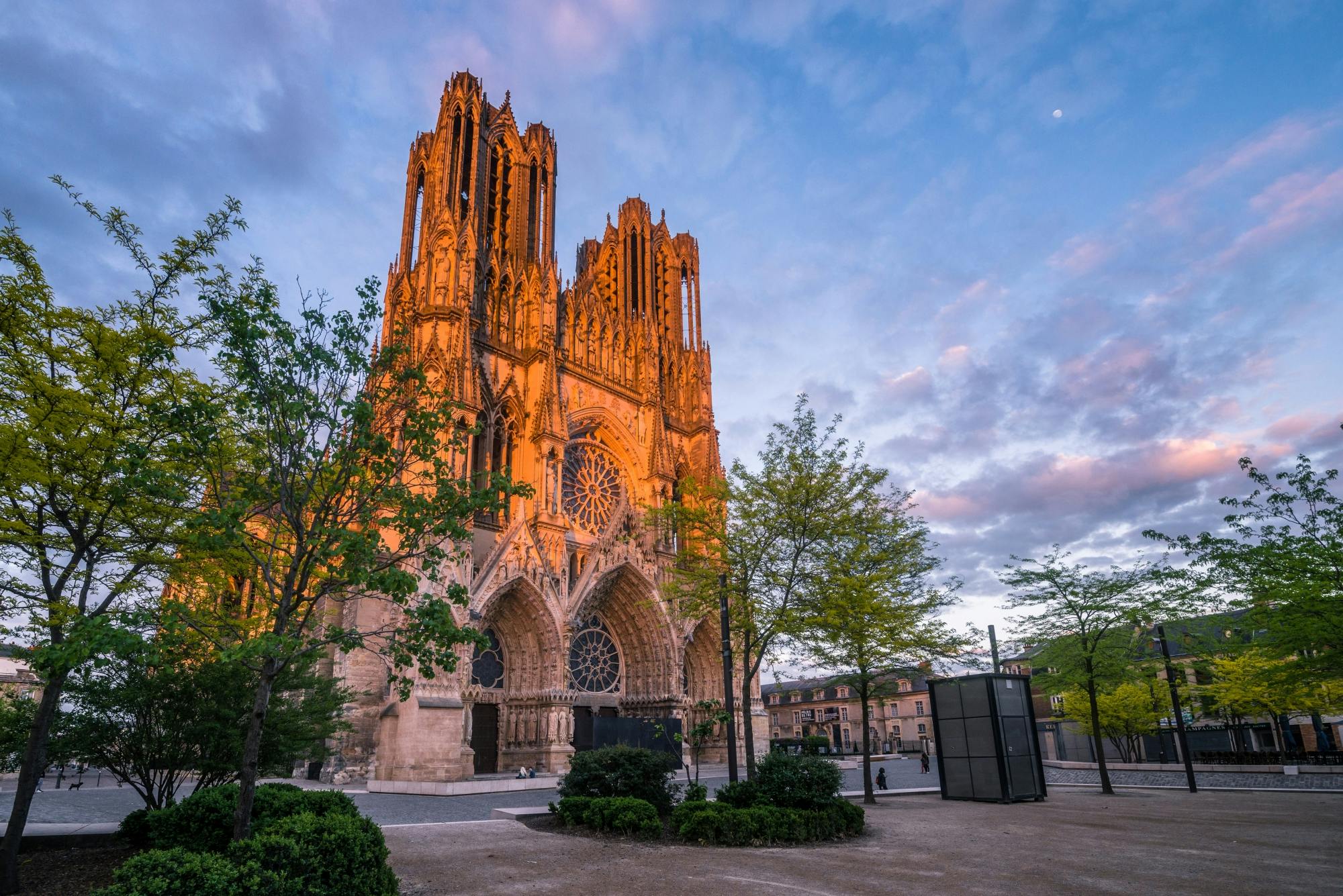
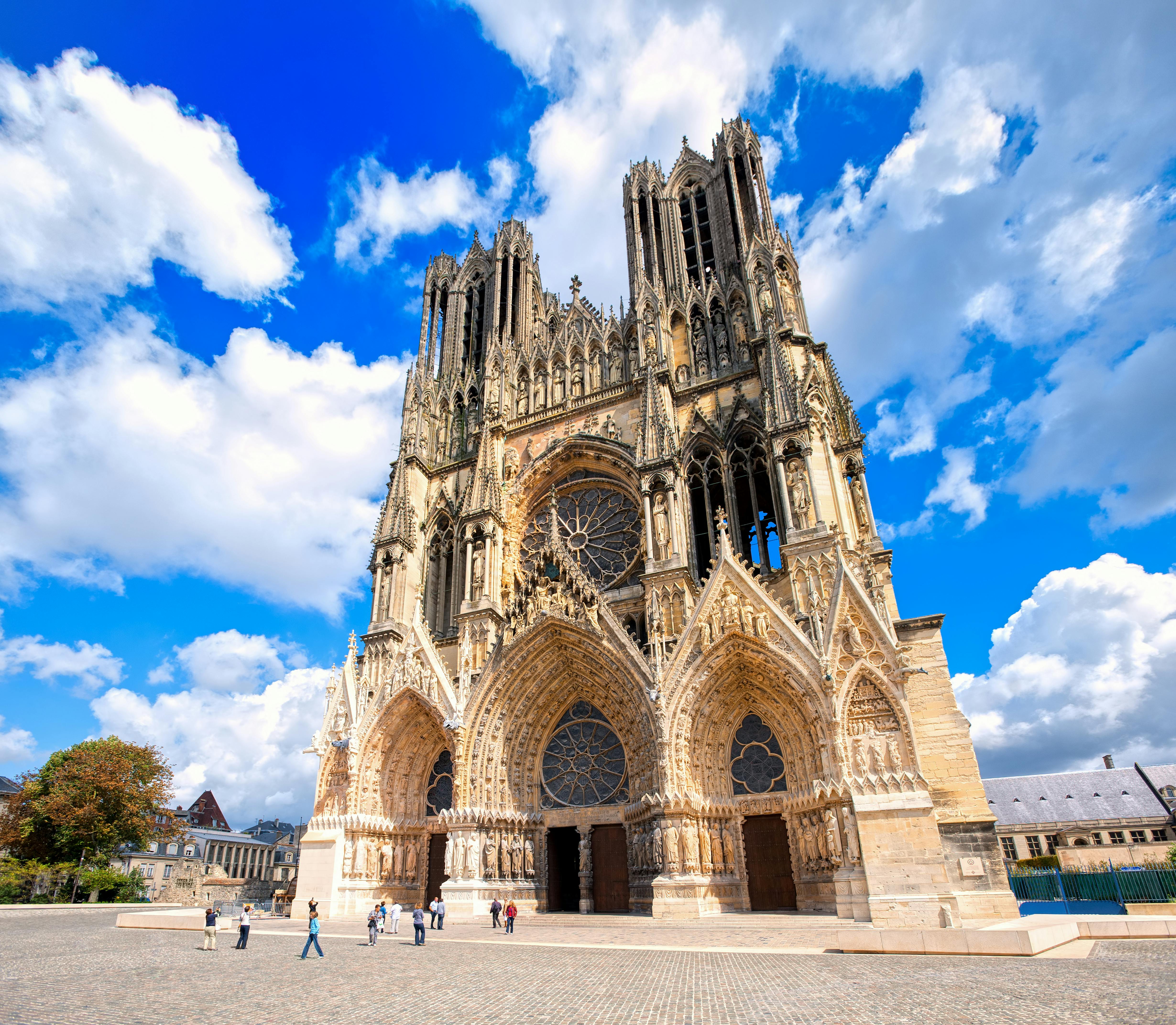
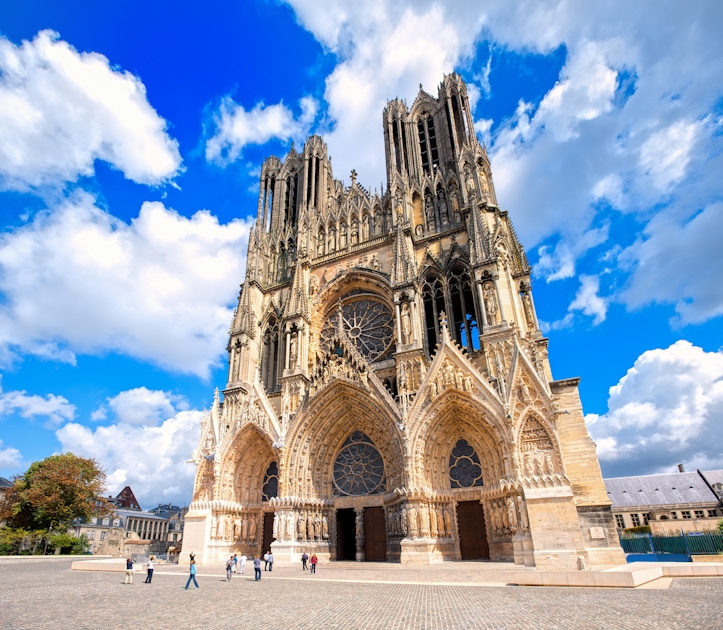
Reims is often treated as a cathedral city first and a Champagne base second. That is understandable, but incomplete. The city only really makes full sense when you step outside it. Once you leave the centre and move into the surrounding slopes, villages and estates, you begin to understand why Reims became one of the great gateways to Champagne in the first place.
That is also why the current Musement countryside page is revealing. It does not fill the category with hiking trails, bike hire and generic farm visits. It points almost entirely toward Champagne experiences. In this part of France, the countryside is not separate from the wine story. It is the wine story.
What “Countryside” in Reims Actually Means
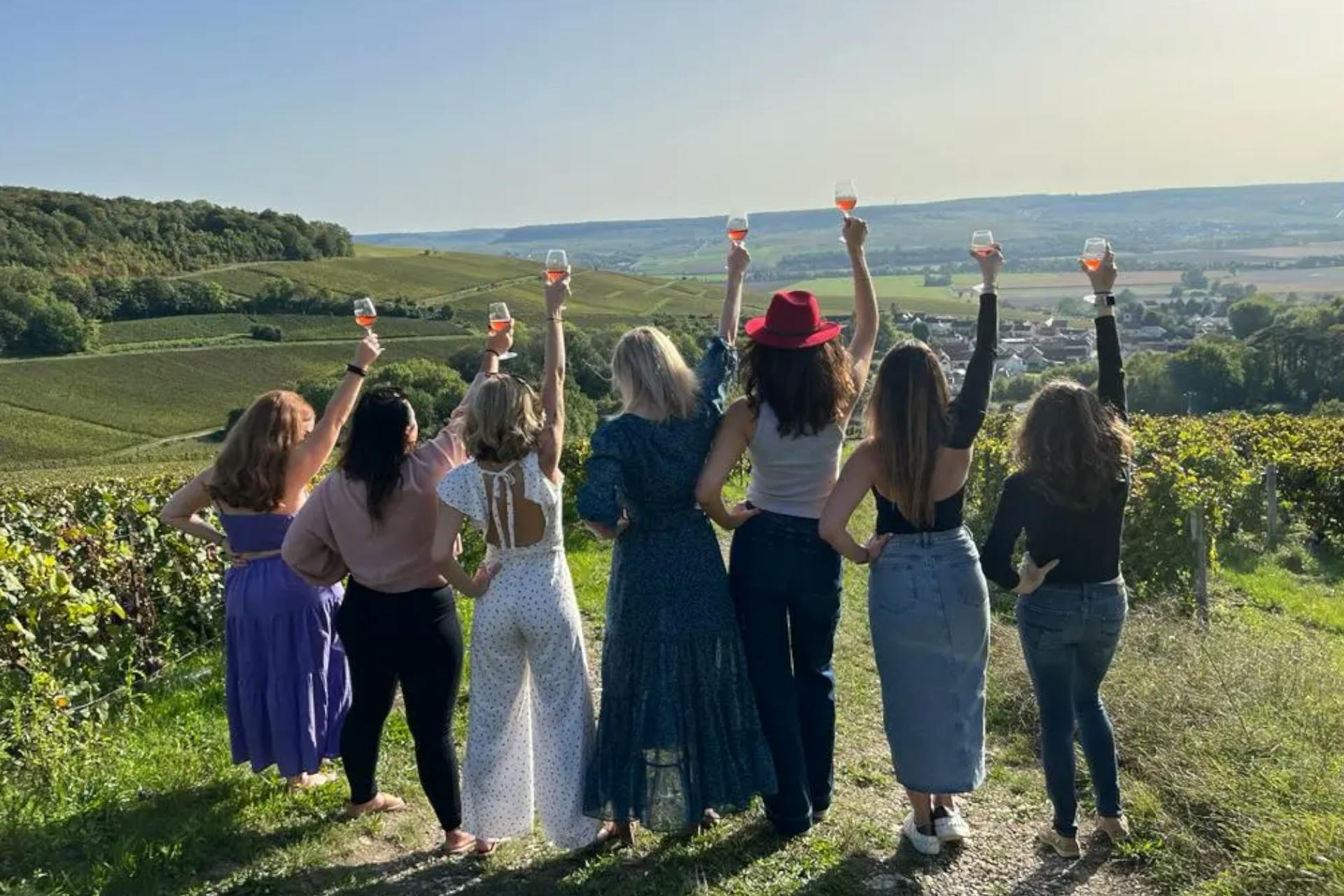
In many destinations, countryside travel means villages, views and perhaps a local market. Around Reims, it means all of that, but with a very specific identity. This is vineyard country first. The roads, slopes, villages and underground cellars are tied to how Champagne was made, sold and mythologized over centuries.
That matters because it shapes what a good countryside itinerary should look like. The best rural outings from Reims are not random scenic drives. They are usually focused around producers, tasting workshops, vineyard viewpoints, cellar visits and villages that help explain how Champagne became Champagne.
What the Current Musement Countryside Page Is Showing
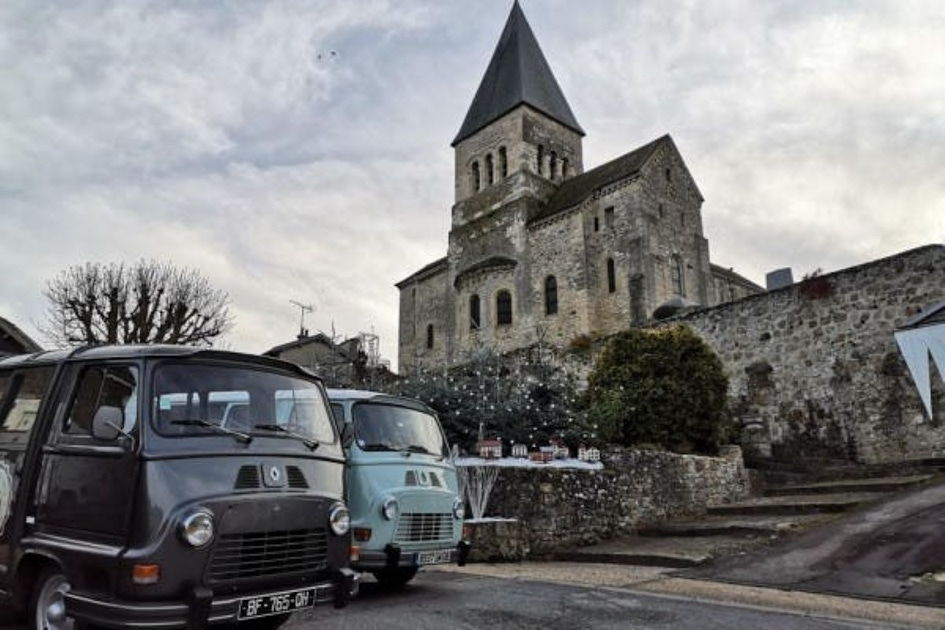
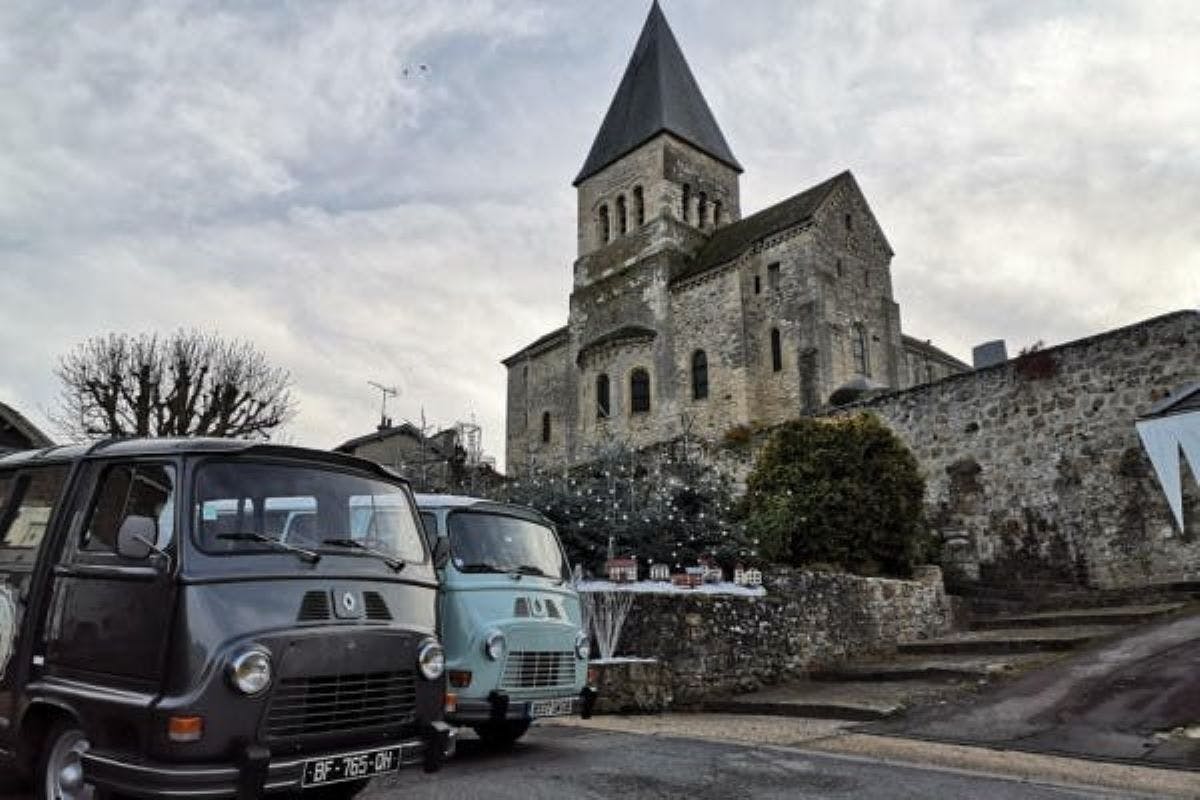
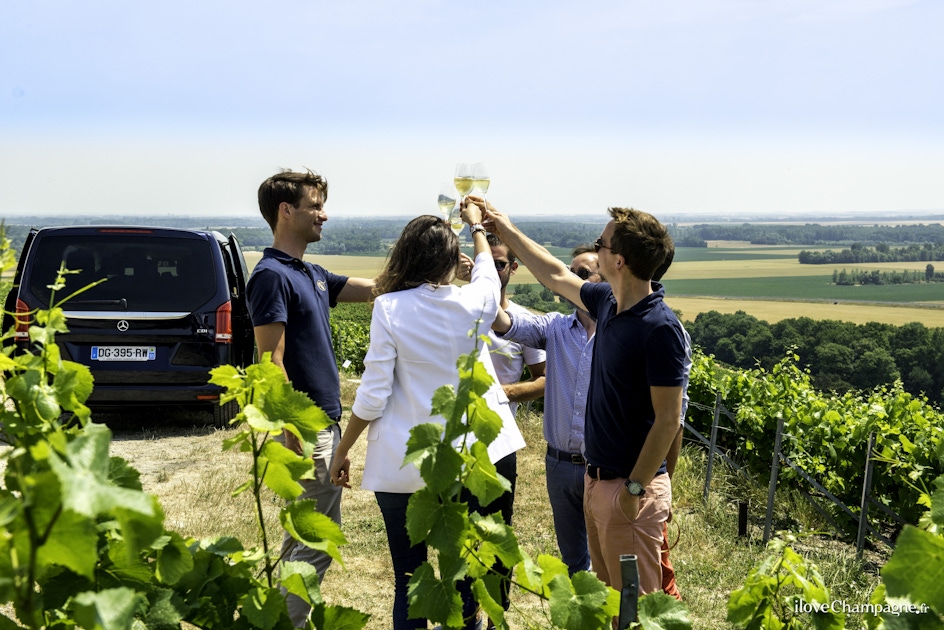
At the moment, the Reims countryside page highlights three core styles of outing. First, a short vintage-van tour into the heart of Champagne. Second, a cellar visit at the Canard-Duchêne estate. Third, an afternoon route through Hautvillers and family growers. That is a small selection, but it says a lot about the destination.
The page is essentially telling you that the most worthwhile countryside experiences from Reims are not broad “nature” trips. They are Champagne landscape experiences with different levels of depth and style.
Why Champagne Scenery Matters as Much as the Tasting
One mistake first-time visitors sometimes make is assuming the countryside around Reims is only worth it if they are deeply into wine. In reality, the scenery is part of the reason to go. The slopes, the ordered vines, the villages and the way the road rises and falls through the region give the countryside a distinctive visual rhythm that feels very different from staying in the city.
This is one reason shorter half-day trips work so well here. You do not need a full day to feel the shift from urban Reims to vineyard Champagne. The landscape changes fast, and the atmosphere changes with it.
Hautvillers Is the Essential Village Stop
If there is one countryside stop near Reims that feels almost obligatory, it is Hautvillers. It is promoted locally as the cradle of Champagne, and not without reason. The village gives you vineyard views, a strong Dom Pérignon connection, and the sort of Champagne atmosphere that many visitors are actually hoping for when they imagine the region.
It is also one of those places that balances symbolism and reality well. You get the story, the abbey connection, the famous name, but also a real village that still feels anchored in the wine landscape around it.
Family Growers vs Big Champagne Houses
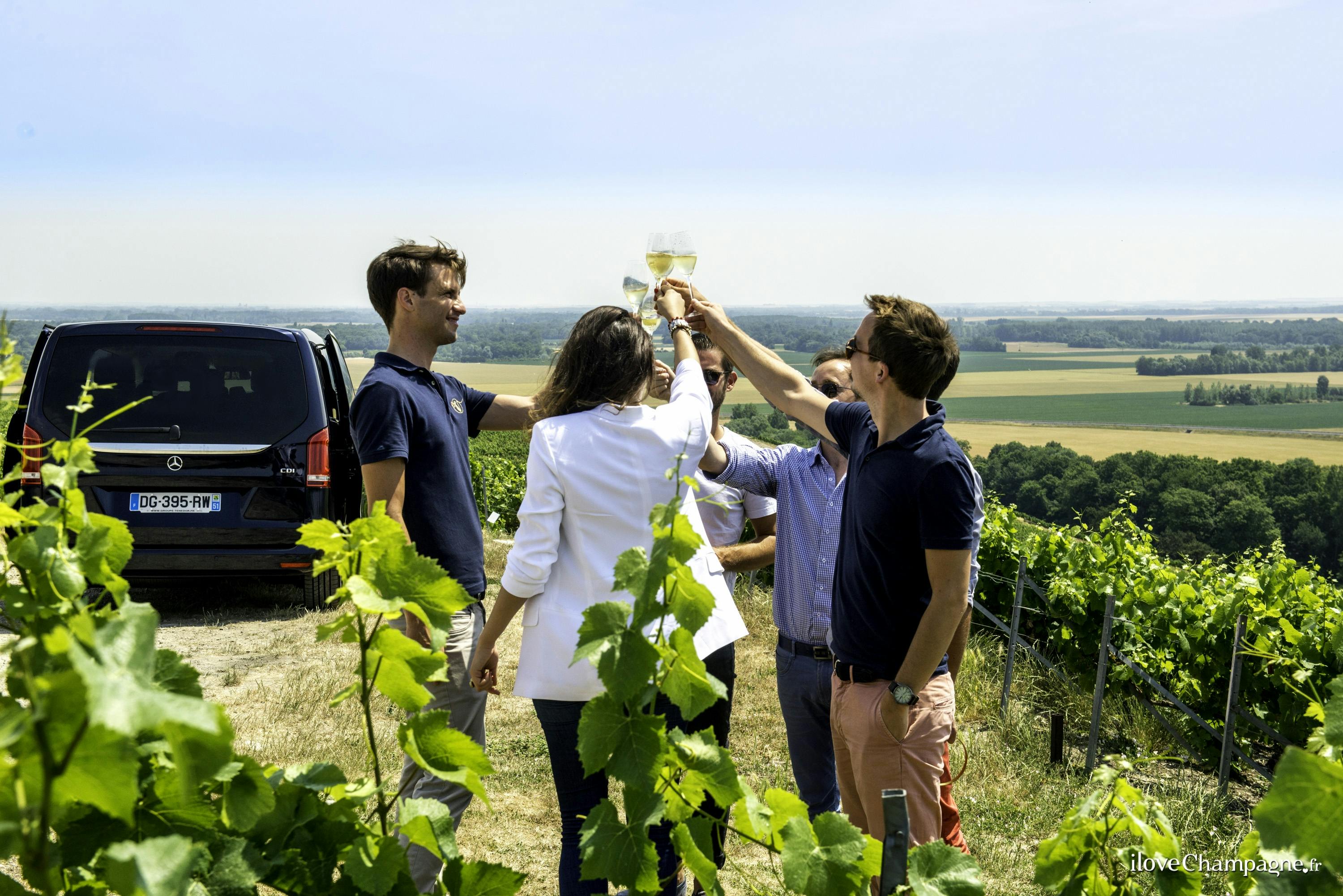
The countryside is where this choice becomes clearer. In Reims itself, it is easy to be pulled toward the largest and most famous houses. Once you head out into the rural part of the region, family growers start to make more sense. Their visits often feel smaller, more personal and more connected to actual production rather than only to branding.
That is not an argument against the major houses. It is simply that the countryside around Reims tends to reward a more human-scale approach. If you want to feel closer to the working life of Champagne, growers usually give you that faster.
Cellars Still Belong in the Countryside Conversation
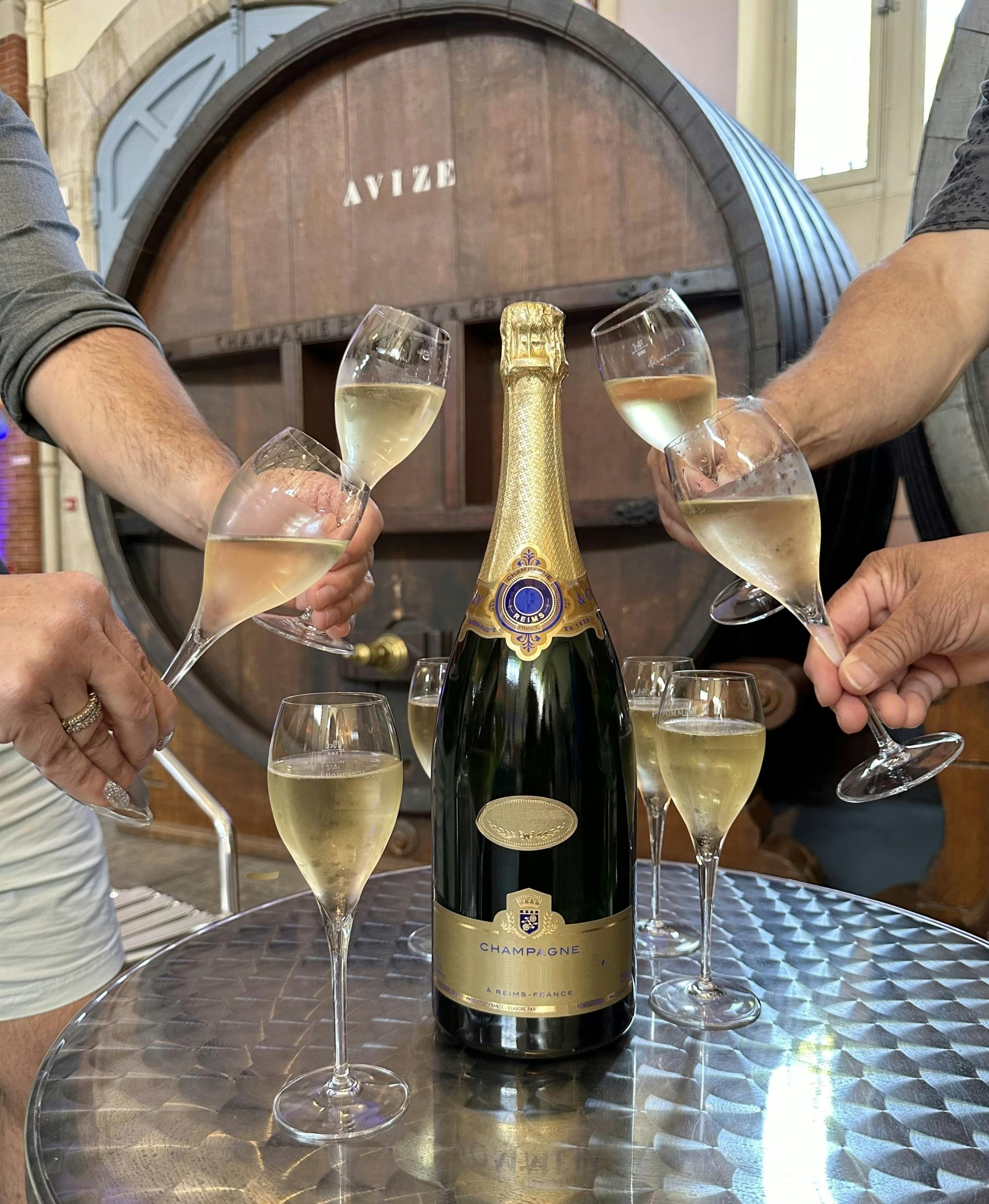
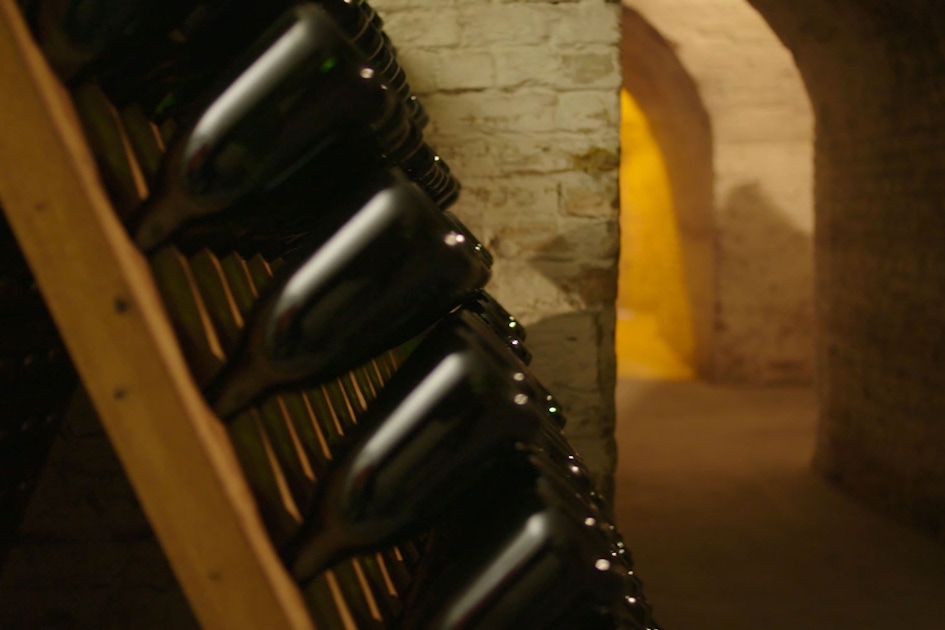
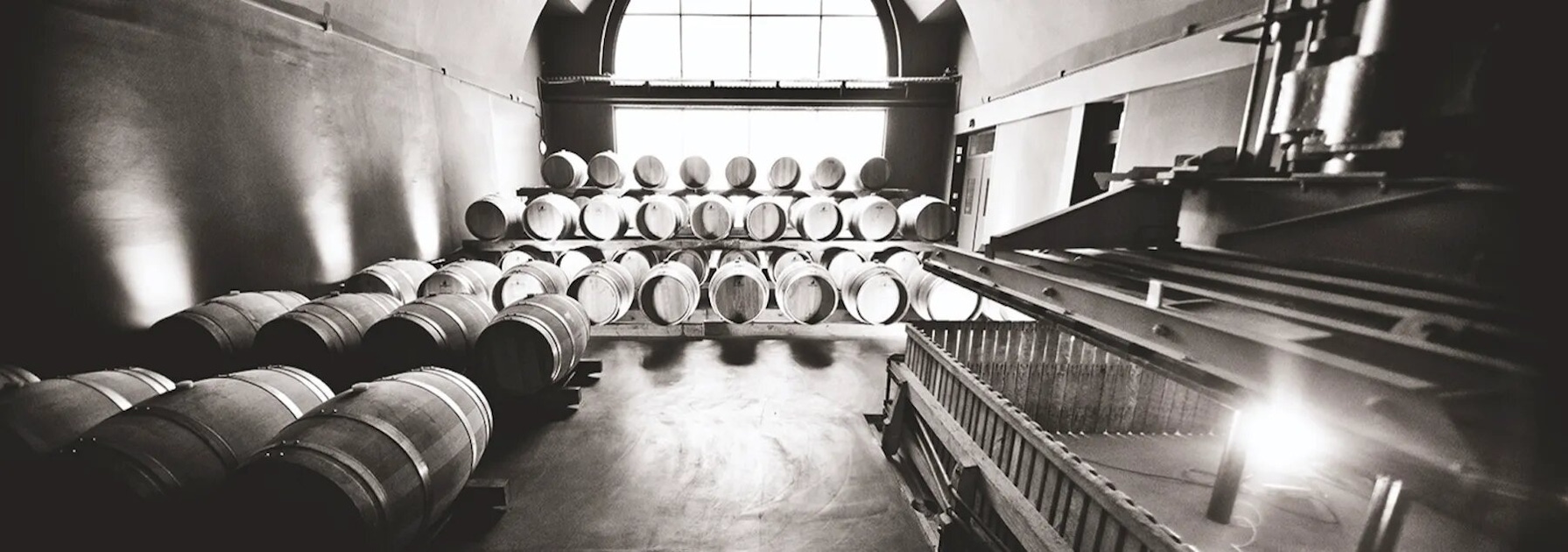
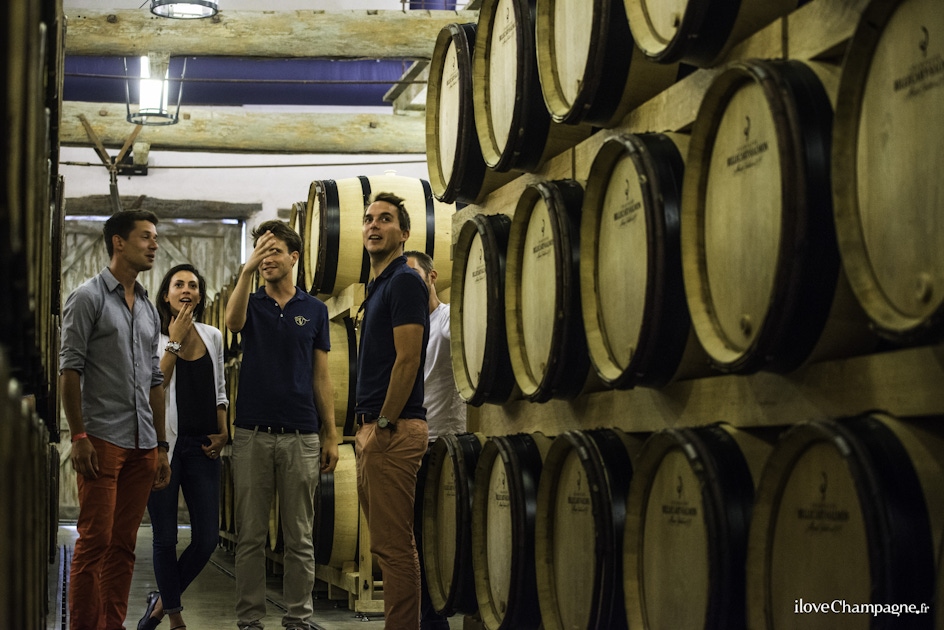
Even though countryside sounds like open air, some of the region’s most memorable experiences happen underground. Canard-Duchêne is a good example. Its six kilometres of hand-carved cellars show that rural Champagne is not only about vineyard views. It is also about what lies beneath the surface: chalk, temperature, ageing space and the physical infrastructure that shaped the wine trade.
That is why a cellar stop can still feel like countryside travel here. In Champagne, the landscape continues below ground as much as above it.
Why Short Trips Work So Well from Reims
Reims is unusually well suited to half-day countryside touring. The city is large enough to give you urban comfort, but close enough to vineyard villages that you do not have to burn a whole day just to reach the good part. That is one reason products like the vintage van trip and the Hautvillers/family-grower tour make sense.
For many visitors, that is actually the smarter format. You can spend the morning in the city, then leave in the afternoon for the countryside, or reverse it. The two sides of Reims complement each other very well.
A Good Countryside Day from Reims
The best version of a countryside day from Reims usually mixes three things: landscape, explanation and tasting. One scenic village such as Hautvillers, one grower or cellar visit, and one properly guided tasting is often enough to make the region feel real without becoming repetitive.
If you add lunch in a producer setting such as Le Clos Corbier, the day becomes even stronger. Food helps ground the wine and keeps the outing from feeling like a sequence of drinks without context.
Who This Side of Reims Suits Best
Travelers who want more than a city break
Visitors interested in wine but not necessarily wine experts
Couples looking for a scenic and low-stress half-day outing
People who enjoy villages, viewpoints and local producers
Visitors using Reims as a base for Champagne without hiring a car
Who It May Not Suit
The countryside around Reims is a weaker fit for travelers looking for big outdoor adventure, long hikes or broad rural variety unrelated to wine. This is not the Loire Valley or Provence in that sense. It is a more specific countryside, one built around Champagne identity.
But for the right traveler, that specificity is exactly the attraction. You are not getting a generic pretty landscape. You are getting a place with a very clear cultural purpose.
How to Plan It Well
Do not separate Reims from Champagne in your planning.
Choose one city-side heritage stop and one countryside outing if you only have a day.
Pick a family-grower experience if you want a more personal feel.
Pick a cellar visit if you care about production and Champagne ageing.
Pick Hautvillers if you want the most iconic village atmosphere.
Bottom line:
The countryside in Reims is best understood as Champagne in landscape form. The vineyards, villages, grower estates and chalk cellars are not side attractions. They are the countryside. If you treat them that way, Reims becomes a far richer destination.
Ready to browse the current countryside options? The Musement countryside page is useful if you want to compare a short vintage-van outing, a cellar-focused estate visit, and a grower-based Hautvillers trip.
Reims is easy to undersell if you stay only in the city centre. The countryside around it is what turns a good trip into a memorable one. It brings in the vineyards, the producers, the villages and the chalk cellars that explain why this city became inseparable from Champagne.
That is the real answer to what countryside in Reims means. It means leaving the cathedral behind for a few hours and following the bubbles back to the land that made them.
FAQs
What does “countryside in Reims” mainly refer to?
It mainly refers to the Champagne countryside around Reims: vineyard slopes, wine villages, producer visits and cellar experiences rather than generic rural touring.
How many experiences are currently on the Musement Reims countryside page?
The current countryside page shows three experiences.
What kinds of experiences are featured?
The current page highlights a vintage-van Champagne trip, a Canard-Duchêne cellar tour, and an afternoon Hautvillers and family-grower excursion.
Is Hautvillers worth visiting from Reims?
Yes. Hautvillers is one of the most meaningful countryside stops from Reims because of its vineyard setting and strong Dom Pérignon connection.
Are cellar tours part of the countryside experience?
Yes. In Champagne, cellar visits are a core part of countryside travel because the wine landscape continues underground as much as above ground.
Is the Champagne countryside around Reims UNESCO-listed?
Yes. Key parts of the Champagne Hillsides, Houses and Cellars around Reims, Hautvillers, Aÿ and Mareuil-sur-Aÿ are part of the UNESCO listing.
Do I need a full day for the countryside around Reims?
Not necessarily. Reims is very well suited to half-day countryside outings because the vineyards and villages are relatively close.
Ready to plan Reims Countryside Tours & Day Trips?
Check the supplier for current availability, pricing, inclusions and booking conditions.
Become the King in Reims City Exploration Game France Plan Become the King in Reims City Exploration Game, a self-guided game or exploration experience, with practical tips on timing, inclusions and what to check before booking. Compare current availability, prices and booking conditions before you go.
Afternoon Hautvillers and Family Growers from Reims: What to Expect Before You Book France Quick answer This afternoon Hautvillers and family growers tour from Reims is a strong choice for travelers who want a meaningful Champagne experience without committing to a full-day excursion. Check current availability, inclusions and booking details before you go.
Reims Folklore, Legends & Cultural Tours France Compare cultural experiences in Reims Folklore, Legends & Cultural, with practical tips on timing, inclusions and choosing the right option. Check current availability, prices and booking conditions before you go.
Reims Markets, Crafts & Artisan Experiences France Compare cultural experiences in Reims Markets, Crafts & Artisan, with practical tips on timing, inclusions and choosing the right option. Check current availability, prices and booking conditions before you go.
Reims Monument Visits & Heritage Tours France Compare sightseeing experiences in Reims Monument Visits & Heritage, with practical tips on timing, inclusions and choosing the right option. Check current availability, prices and booking conditions before you go.
Reims City Tours & Sightseeing Experiences France Compare sightseeing experiences in Reims, with practical tips on timing, inclusions and choosing the right option. Check current availability, prices and booking conditions before you go.
Reims Food Tours & Dining Experiences France Compare food and drink in Reims, with practical tips on timing, inclusions and choosing the right option. Check current availability, prices and booking conditions before you go.