Nagoya Folklore, Traditions & Cultural Heritage Guide
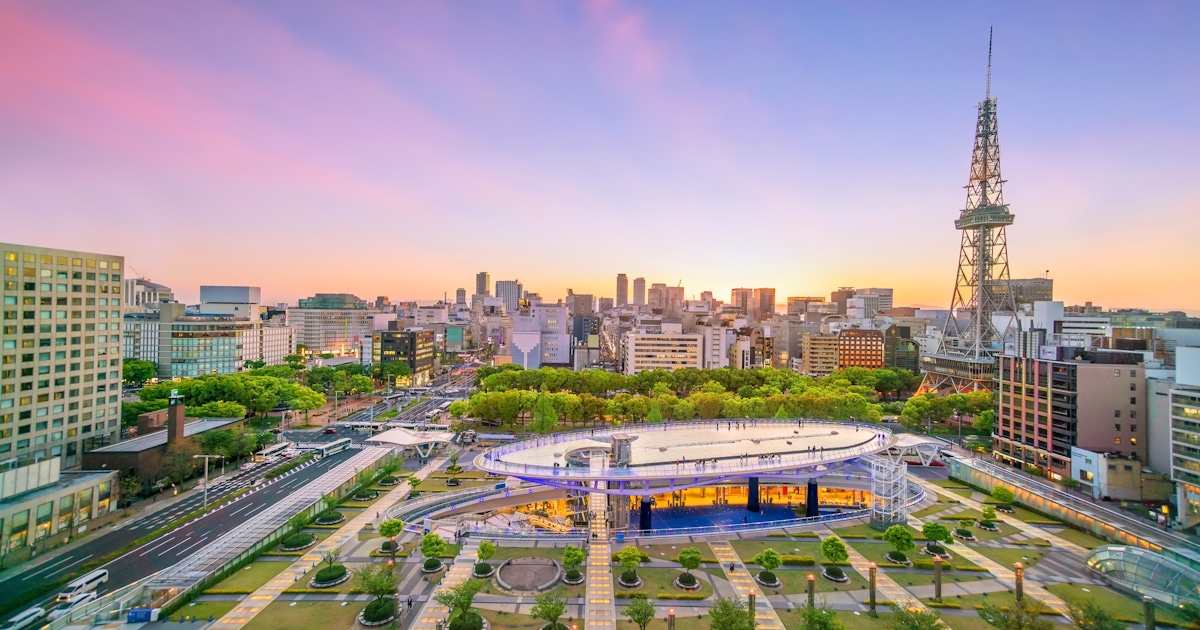
Nagoya combines castle and samurai history, major industry and technology museums, distinctive local food and access to central Japan’s towns and mountains. Check current availability, inclusions and booking details before you go.
Quick overview: Booking folklore in Nagoya can be a useful way to experience local stories, traditions and cultural history. Nagoya combines castle and samurai history, major industry and technology museums, distinctive local food and access to central Japan's towns and mountains. The linked product page is the final source for live availability because operators, routes, prices, schedules and inclusions can change.
Why Choose Folklore in Nagoya?
A worthwhile visitor experience should make the destination easier to understand, navigate or enjoy. The strongest options provide knowledgeable interpretation, simplify transport, secure controlled access or introduce a landscape, neighbourhood or tradition that would be difficult to appreciate independently. Avoid selecting purely by the number of advertised stops; enough time at fewer places normally creates a better day.
What You May Experience
Samurai and Tokugawa heritage: Castle, museum and shrine stories connect Nagoya with powerful warrior families.
Atsuta traditions: Shrine customs and sacred-object narratives require respectful interpretation.
Festival floats: Regional towns preserve mechanical dolls, processions and scheduled festival traditions.
Nagoya identity: Food, dialect and industrial culture form modern local folklore.
How to Plan the Experience
Best time: A practical period is March to May or October to November. Individual wildlife trips, cruises, markets, festivals and seasonal activities may operate during a shorter window.
Getting around: Subway, trains and buses cover the city. Inuyama, Toyota-related sites, Nakasendō towns and mountain villages require regional rail or road travel.
Allow enough time to locate the meeting point, pass security and cope with delays. Do not schedule a separate flight, train, museum, show or restaurant immediately after the advertised finish. Wear suitable footwear, carry water and check the forecast for outdoor activities. Worship, restoration, storms, snow, tides, road closures and major events can alter access.
What to Check Before Booking
Read the complete live listing and confirm historical grounding, venue, language, seasonal dates, community involvement and entertainment content. Check whether the booking is immediately confirmed or still requires a separate reservation, permit or timed slot. A combination ticket is worthwhile only when every included element fits the itinerary; unused extras do not create genuine value.
Prices and availability change. Confirm the cancellation policy, exact meeting point and operator contact details before travelling.
Allow the published duration plus at least 30 minutes for check-in, finding the meeting point and possible delays. Full-day regional tours may return later because of traffic, weather, sea conditions or attraction access.
Should I book in advance?
Advance booking is sensible for timed monuments, cruises, wildlife trips, cooking classes, museums and popular seasonal activities. Flexible walking or self-guided products may be arranged closer to the day.
Is the activity suitable for everyone?
Suitability depends on stairs, walking distance, traffic, motion, heat, humidity, cold, altitude, swimming ability, age and health restrictions. Check accessibility and physical requirements on the live listing rather than assuming a visitor activity is effortless.
What happens if conditions change?
Indoor activities generally continue, while flights, cruises, snow activities, wildlife trips and outdoor tours may be altered or cancelled. Review the operator’s weather and refund policy before paying.
Ready to plan Nagoya Folklore, Traditions & Cultural Heritage Guide?
Check the supplier for current availability, pricing, inclusions and booking conditions.
Nagoya: Tokyo Private Full-Day Tour with Guide Japan Best deals for Nagoya: Tokyo Private Full-Day Tour with Guide. Explore Tokyo on a private full-day tour from Nagoya with a guide. Visit Senso-ji Temple, the Tokyo Skytree, the Meiji Shrine, Shibuya Crossing, Harajuku, and the Imperial Palace. Available from getyourguide.com.
From Nagoya: Ise Jingu Private Tour with Guide Best deals for From Nagoya: Ise Jingu Private Tour with Guide. Discover the spiritual heart of Japan on a private tour of Ise Jingu. Learn about Japanese history, Shinto traditions, and shrine etiquette as you explore Geku, Naiku, and Okage Yokocho. Available from getyourguide.com.
Nagoya Markets, Local Crafts & Artisan Shopping Guide Japan Nagoya combines castle and samurai history, major industry and technology museums, distinctive local food and access to central Japan's towns and mountains. Check current availability, inclusions and booking details before you go.
Nagoya Visitor Guide: Tours, Attractions & Local Experiences Japan Nagoya is best suited to technology enthusiasts, families, food travellers and visitors travelling between Tokyo and Kyoto. Check current availability, inclusions and booking details before you go.
Nagoya: Toyota Commemorative Museum & Monozukuri Tour Best deals for Nagoya: Toyota Commemorative Museum & Monozukuri Tour. Explore Japan's industrial revolution! Discover the Toyota Museum, see live manufacturing demos, and visit historic Noritake Garden. Available from getyourguide.com.
Kamikochi Day Tour from Nagoya: Discover the Pristine Valley Best deals for Kamikochi Day Tour from Nagoya: Discover the Pristine Valley. Wander Kamikochi's pristine alpine valley along the emerald Azusa River. Visit the iconic Kappa Bridge or serene Myojin Pond, and immerse yourself in this untouched sanctuary's breathtaking beauty. Available from getyourguide.com.
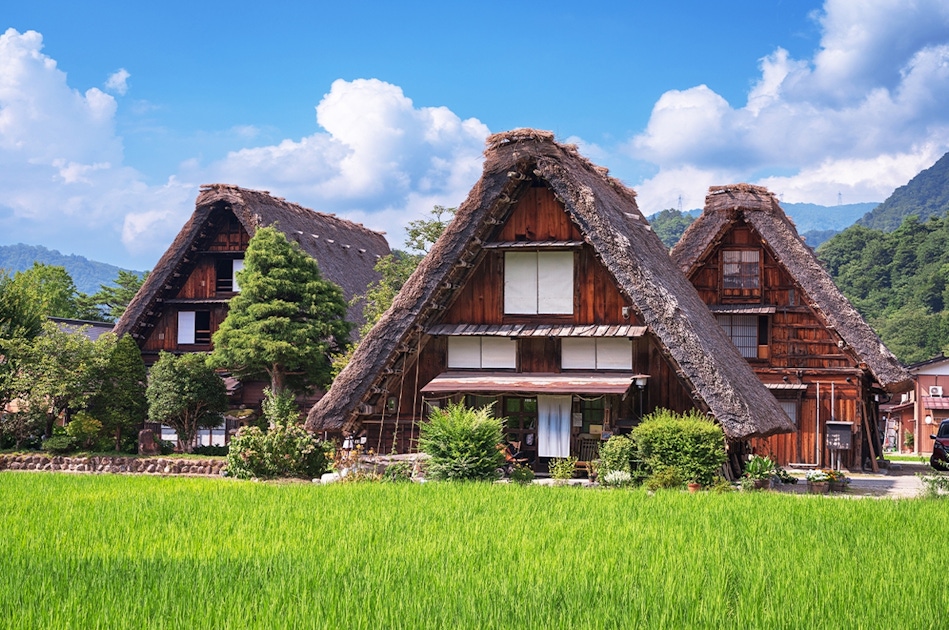
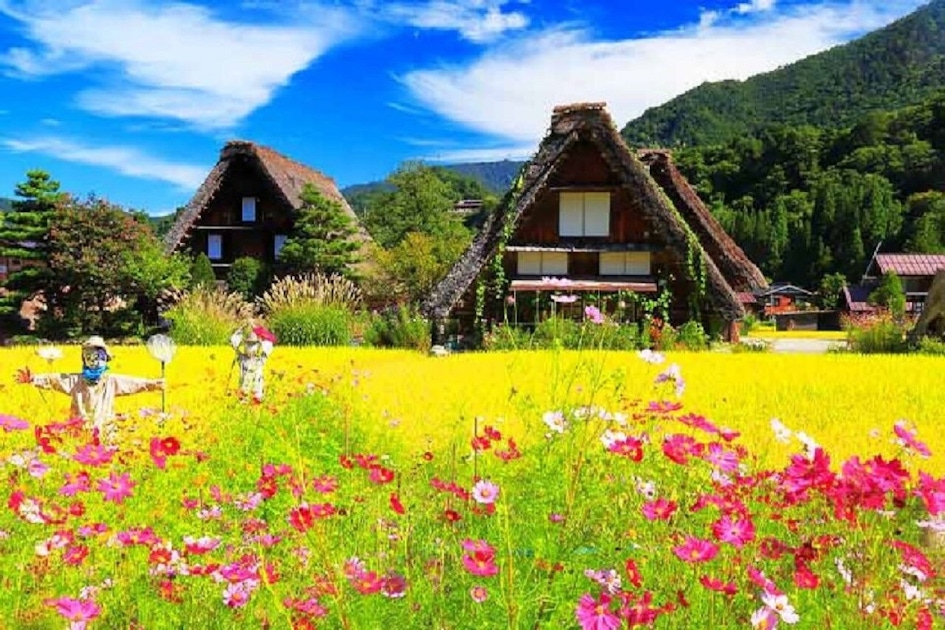
From Nagoya: Takayama & Shirakawa-go Small-Group Day Trip Best deals for From Nagoya: Takayama & Shirakawa-go Small-Group Day Trip. Travel from Nagoya in a small group to Takayama's Edo-era old town and UNESCO-listed Shirakawa-go. Enjoy local food, mountain scenery, and iconic gassho-zukuri houses. Available from getyourguide.com.
From Nagoya: Nikko Private Guided Day Trip Best deals for From Nagoya: Nikko Private Guided Day Trip. Discover the cultural heritage and natural beauty of Nikko on a private day trip from Nagoya. Visit historic shrines and temples, explore scenic landscapes, and enjoy a personalized experience. Available from getyourguide.com.
Shirakawa-go from Takayama/Nagoya One-day bus ticket Best deals for Shirakawa-go from Takayama/Nagoya One-day bus ticket. On this tour, you can explore the historical and cultural landmarks of Shirakawa-go in just one day. As it is a self-guided tour, you can enjoy meals and sightseeing at your own pace. Available from getyourguide.com.