Kyoto Guide: Walking Tours, Temples, Food & Traditional Culture
Kyoto is best suited to heritage travellers, photographers, food lovers and first-time Japan visitors. Check current availability, inclusions and booking details before you go.
Visiting Kyoto: Things to Do and Practical Travel Advice
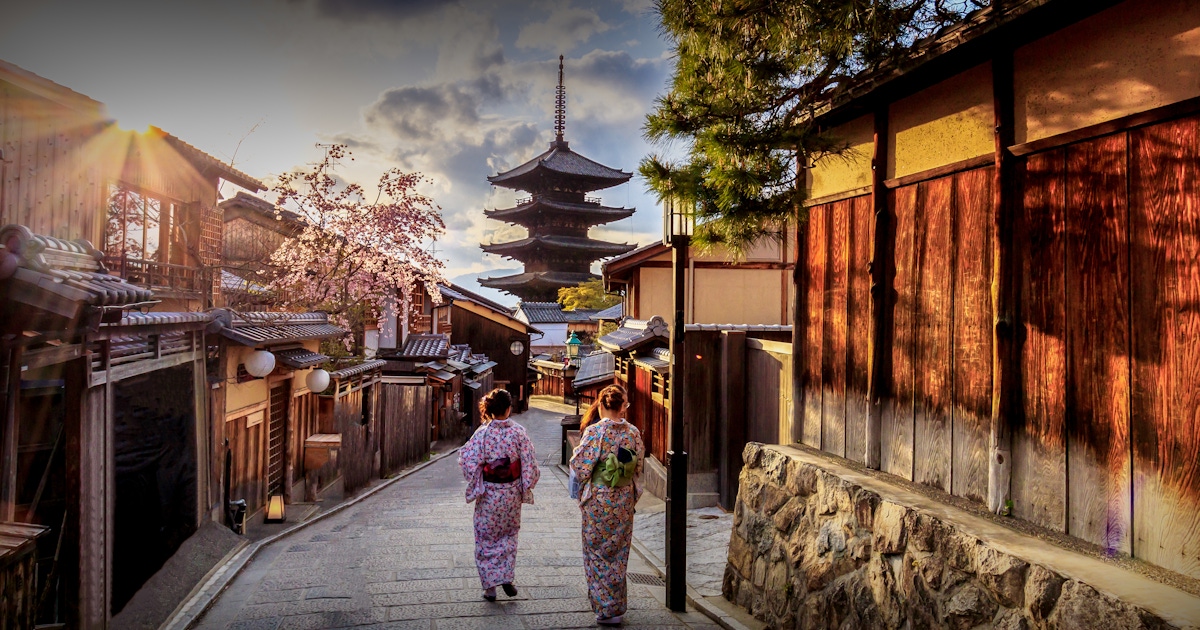
Kyoto is best suited to heritage travellers, photographers, food lovers and first-time Japan visitors. Kyoto contains an extraordinary concentration of temples, gardens, traditional districts and craft culture, but the city is best experienced through careful, neighbourhood-based planning. The most satisfying visit combines headline sights with enough time to notice local neighbourhoods, landscapes and everyday culture rather than treating the destination as a checklist.
Explore current options for Kyoto Guide: Walking Tours, Temples, Food & Traditional Culture
Check the supplier for current availability, pricing, inclusions and booking conditions.
Kyoto contains an extraordinary concentration of temples, gardens, traditional districts and craft culture, but the city is best experienced through careful, neighbourhood-based planning. Experiences listed on the product page can help visitors compare guided tours, attraction entry, day trips and self-guided options. Availability changes by date, so use the page as a planning tool rather than assuming every activity runs daily.
A sensible stay is usually 4–6 days, although the right length depends on whether Kyoto is your main destination or one stop within a wider trip through Japan. Travellers with limited time should choose two or three priorities and leave space for transport delays, weather and unplanned discoveries.
Top Things to Do in Kyoto
Fushimi Inari
Walk through the torii gates early or later in the day, continuing beyond the crowded lower section if fitness permits.
Kiyomizu-dera and eastern Kyoto
Combine the temple with preserved lanes, smaller shrines and hillside views.
Arashiyama
Visit bamboo paths, temples and river scenery while avoiding disruptive behaviour in residential areas.
Gion and cultural experiences
Join a reputable walking, food or craft tour and never obstruct or pursue geiko and maiko for photographs.
How to Plan a Useful Visit
Buses can be crowded, so use trains and walking where possible. Group sights by area, reserve major experiences and allow quiet time rather than racing between temples.
Check the exact meeting point: destination pages may include experiences departing from nearby towns, ports, resorts or transport hubs.
Read the inclusions carefully: admission fees, meals, equipment, hotel transfers and local taxes are not always bundled into the advertised price.
Plan for local conditions: heat, rain, wind, altitude, sea conditions or seasonal closures can change how much is realistic in one day.
Choose responsible operators: avoid tours that disturb wildlife, disrespect religious sites, pressure local communities or encourage unsafe behaviour.
Find Tours, Tickets and Experiences
Booking ahead is most useful for limited-capacity tours, major attractions, boat trips, specialist guides and excursions requiring transport. Before paying, confirm the cancellation terms, language, accessibility, minimum age, physical demands and the time needed to return to your accommodation or cruise ship.
For most visitors, 4–6 days provides a practical balance between major sights and a less hurried experience. Add extra time when day trips, beaches, hiking or long road transfers are central to the visit.
Should I book activities in advance?
Advance booking is recommended for popular attractions, small-group tours, boat trips, wildlife experiences and peak travel dates. Flexible city walks may be easier to arrange after checking the weather.
What should I check before booking a tour?
Confirm the departure location, total duration, transport, admission fees, meal arrangements, required clothing, mobility demands and cancellation conditions. Product descriptions can change, so review the final supplier information for your chosen date.
Is Kyoto suitable for independent travellers?
Yes, although the best approach depends on distances and local transport. Central sights may be easy to visit independently, while remote landscapes, archaeological sites, marine activities and regional day trips are often simpler and more informative with an organised guide.
Ready to plan Kyoto Guide: Walking Tours, Temples, Food & Traditional Culture?
Check the supplier for current availability, pricing, inclusions and booking conditions.
Kyoto: Kyoto Tower and Shōseien Garden walking tour Japan Best deals for Kyoto: Kyoto Tower and Shōseien Garden walking tour. Discover Kyoto's hidden gems on a guided walking tour. Visit Higashi-Honganji Temple, stroll through Machiya townhouse streets, and see Shōseien Garden. Available from getyourguide.com.
Osaka/Kyoto: Kyoto and Nara Customizable Day Tour with Guide Japan Best deals for Osaka/Kyoto: Kyoto and Nara Customizable Day Tour with Guide. Discover Kyoto & Nara on an exclusive private tour with guide & vehicle. Customize your itinerary & visit highlights like Fushimi Inari, Arashiyama, Kinkaku-ji, Nara Park, & Todai-ji at your own pace. Available from getyourguide.com.
Kyoto/Osaka : Kyoto & Osaka Private Tour With Driver/Guide Japan Best deals for Kyoto/Osaka : Kyoto & Osaka Private Tour With Driver/Guide. Explore Kyoto and Osaka on a private day tour with a local guide. Visit Fushimi Inari-Taisha Shrine, the Golden Pavilion, Kinkaku-ji Temple, Osaka Castle, and more. Available from getyourguide.com.
From Kyoto/Osaka: Private Customizable Kyoto Tour Japan Best deals for From Kyoto/Osaka: Private Customizable Kyoto Tour. Explore Kyoto by private car with your English-speaking driver-guide. Choose from 7 attractions or a classic route, and enjoy a 5-hour or 10-hour personalized tour. Available from getyourguide.com.
From Kyoto/Osaka: Kyoto Nara One Day Private Tour Japan Best deals for From Kyoto/Osaka: Kyoto Nara One Day Private Tour. Discover the best of Kyoto and Nara on a private customizable tour. Explore iconic temples, shrines, cultural landmarks, and beautiful scenery at your own pace. Available from getyourguide.com.
Kyoto/Osaka: Kyoto Imperial, Shogun & 1,000-Year Mochi Japan Best deals for Kyoto/Osaka: Kyoto Imperial, Shogun & 1,000-Year Mochi. Explore Kyoto from Kyoto or Osaka with hotel pickup. Visit Nijo Castle, Kyoto Imperial Palace, Imamiya Shrine, Kinkaku-ji and Kitano Tenmangu, plus a 1,000-year aburi mochi tradition. Available from getyourguide.com.
Kyoto: Toei Kyoto Studio Park Admission E-Ticket Japan Best deals for Kyoto: Toei Kyoto Studio Park Admission E-Ticket. Step into the world of samurai and ninjas at Toei Kyoto Studio Park! Explore Edo-period sets, watch live filming, dress up in costume, and enjoy hero attractions. Available from getyourguide.com.
From Osaka/Kyoto: Private Kyoto and Nara Customizable Tour Japan Best deals for From Osaka/Kyoto: Private Kyoto and Nara Customizable Tour. Explore Kyoto and Nara on a private car tour. Visit Arashiyama, Fushimi Inari Taisha, Kinkaku-ji, Nishiki Market, Nara Park, and Tōdai-ji Temple. Customize your itinerary to suit your interests. Available from getyourguide.com.
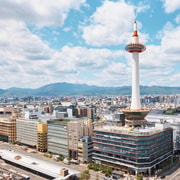
Kyoto: Nidec Kyoto Tower Observation Deck Admission Ticket Japan Best deals for Kyoto: Nidec Kyoto Tower Observation Deck Admission Ticket. Opening hours: 10:00~21:00 (Last entry: 20:30) Enjoy panoramic views of Kyoto from the observation deck of Nidec Kyoto Tower. Admire the unique structure of the tower, built without a steel frame. Available from getyourguide.com.