Maui is one of Hawaiʻi’s most loved islands, known for golden beaches, volcanic landscapes, rainforest roads, waterfalls, whale watching, snorkelling, surf towns, luxury resorts and quiet upcountry views. It offers a beautiful mix of coast, mountain, culture and adventure, but it is also an island where respectful travel matters deeply.
For first-time visitors, the classic Maui experience includes Haleakalā National Park, the Road to Hāna, Wailea and Kāʻanapali beaches, ʻĪao Valley, snorkelling at Molokini or nearby reefs, sunset dinners, local food trucks and scenic drives through Upcountry Maui. Travellers should also be aware that parts of West Maui, especially Lahaina, continue to recover from the 2023 wildfires, so it is important to follow current local guidance, support local businesses and avoid treating recovery areas as sightseeing stops.
Sponsored Popular Items
Quick take: Musement.com offers a worldwide selection of tours and attractions
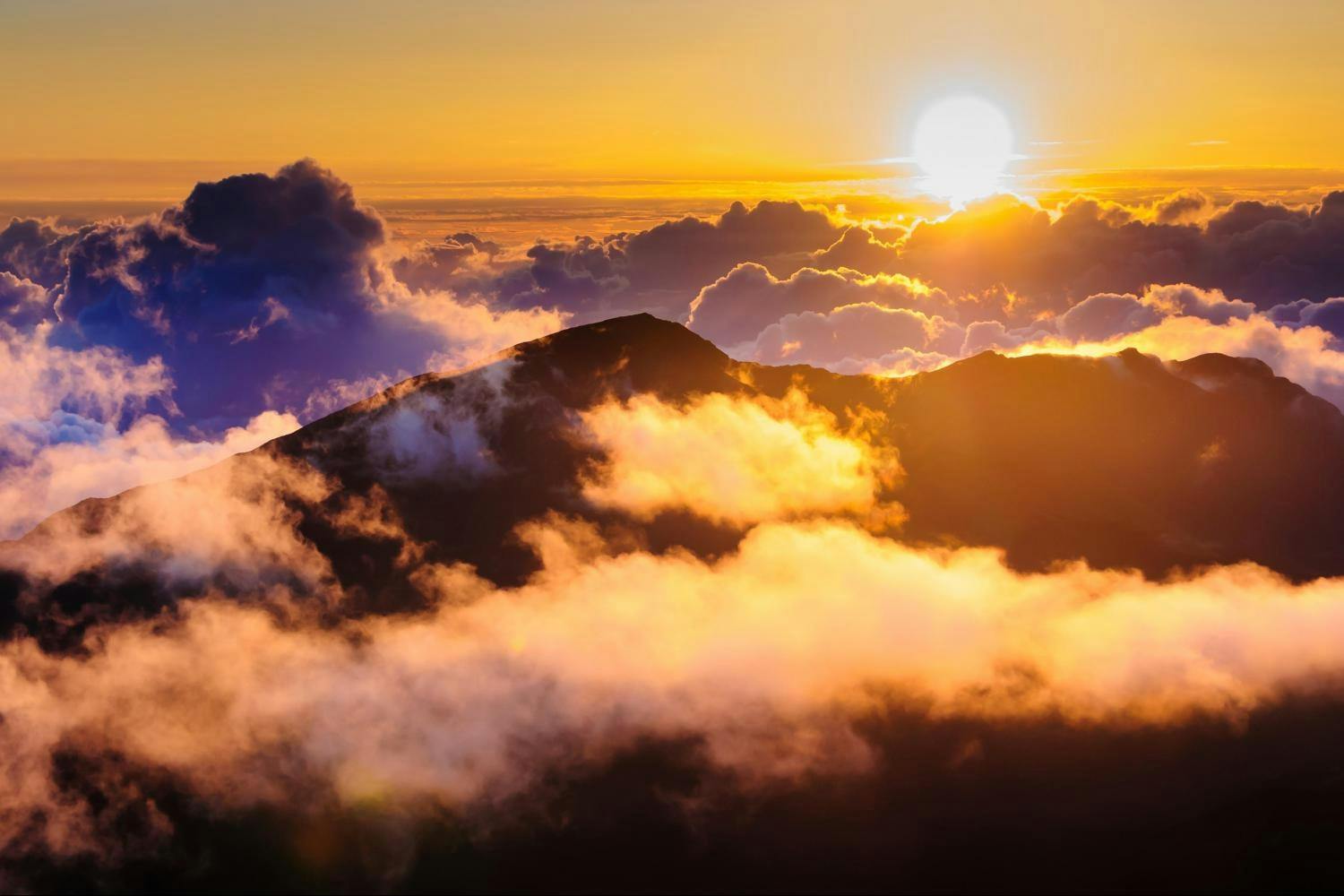
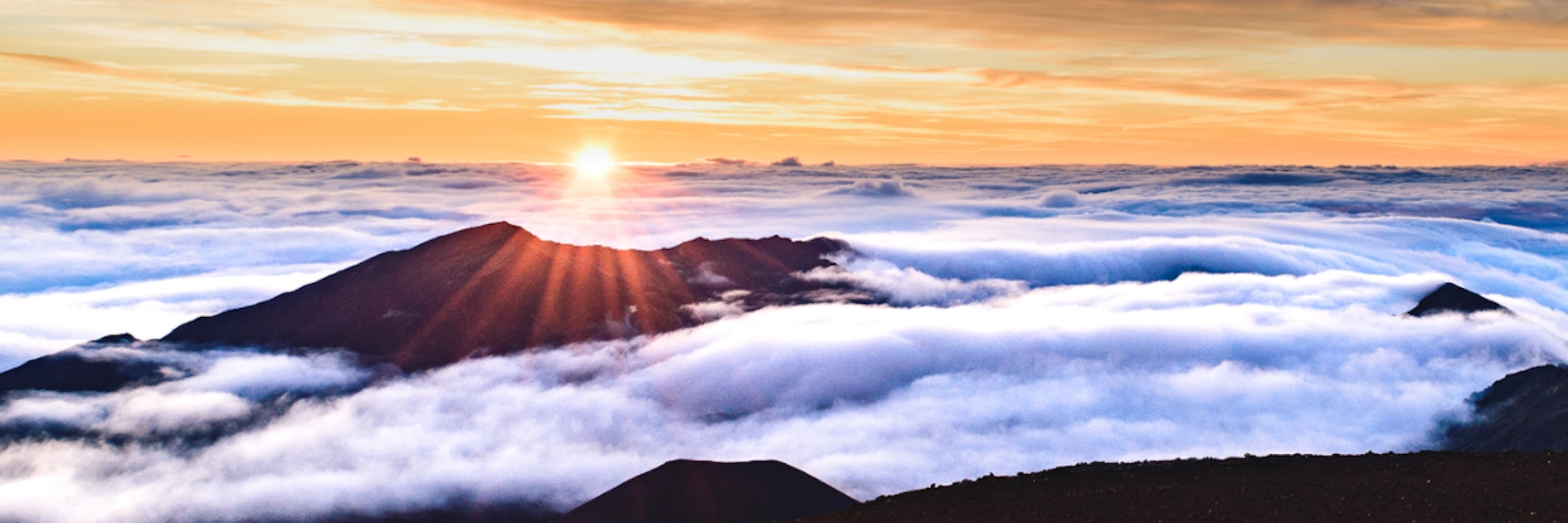
Maui: Haleakala National Park Sunrise Tour United States Have a lifetime experience watching the sunrise over Haleakalā National Park. Relax with hotel pickup, learn about the history and culture of Haleakalā, and savor a delicious breakfast. Check current availability, inclusions and booking conditions.
Why Visit Maui?
Maui is worth visiting because it gives travellers a strong mix of Hawaiian landscapes in one island. You can watch sunrise above the clouds at Haleakalā, drive through rainforest on the Road to Hāna, swim at calm resort beaches, snorkel with reef fish, eat fresh poke, explore small towns and watch sunset from the coast.
The island suits many travel styles. Couples come for resorts and sunsets, families come for beaches and easy activities, nature lovers come for hikes and waterfalls, and road-trippers come for scenic drives. Maui is not as urban as Oʻahu and not as remote as some smaller islands, making it a balanced first or second Hawaiʻi destination.
Main Regions of Maui
South Maui
South Maui includes Kīhei, Wailea and Mākena. It is sunny, beach-focused and convenient for families, couples and resort stays. Wailea is more polished and luxurious, while Kīhei has a more casual feel with condos, beach parks, cafés and food trucks.
West Maui
West Maui includes Kāʻanapali, Kapalua, Nāpili and Lahaina. Kāʻanapali and Kapalua are known for resorts, beaches, golf and snorkelling. Lahaina was devastated by the 2023 wildfires, and visitors should check current local guidance before planning time in affected areas.
Central Maui
Central Maui includes Kahului and Wailuku. This is where the main airport is located, and it is useful for ʻĪao Valley, local food, shopping and practical services.
East Maui
East Maui includes the Road to Hāna, Hāna town, waterfalls, rainforest, black sand beaches and the Kīpahulu section of Haleakalā National Park. It is scenic but requires patient driving and careful planning.
Upcountry Maui
Upcountry includes Makawao, Pukalani and Kula on the slopes of Haleakalā. It offers cooler air, farms, gardens, local shops, rural views and access to the summit road.
Haleakalā National Park
Haleakalā is Maui’s great volcanic landmark. The summit area rises above 10,000 feet and offers one of the island’s most unforgettable views: clouds below, volcanic crater landscapes, cold mountain air and huge skies.
Sunrise at Haleakalā is famous, but it requires planning. Vehicles entering the summit area for sunrise need an advance reservation, and the park entrance fee is separate. Visitors without a sunrise reservation can still enter later in the day.
Sunset can be a good alternative if sunrise reservations are unavailable or if you do not want to wake in the middle of the night. The summit is much colder than the coast, so bring warm layers, closed shoes and a windproof jacket.
Road to Hāna
The Road to Hāna is Maui’s most famous drive. It follows the lush eastern coast through rainforest, waterfalls, bridges, curves, coastal views, fruit stands, small communities and scenic pullouts.
The drive is beautiful, but it is not easy. The road has many narrow bridges, sharp turns, limited parking and local traffic. Visitors should drive slowly, use legal pullouts only, never block the road and avoid stopping at unsafe or unofficial spots.
For many travellers, a guided Road to Hāna tour is less stressful than self-driving. It allows everyone in the group to enjoy the scenery and helps reduce parking and navigation pressure.
Waiʻānapanapa State Park
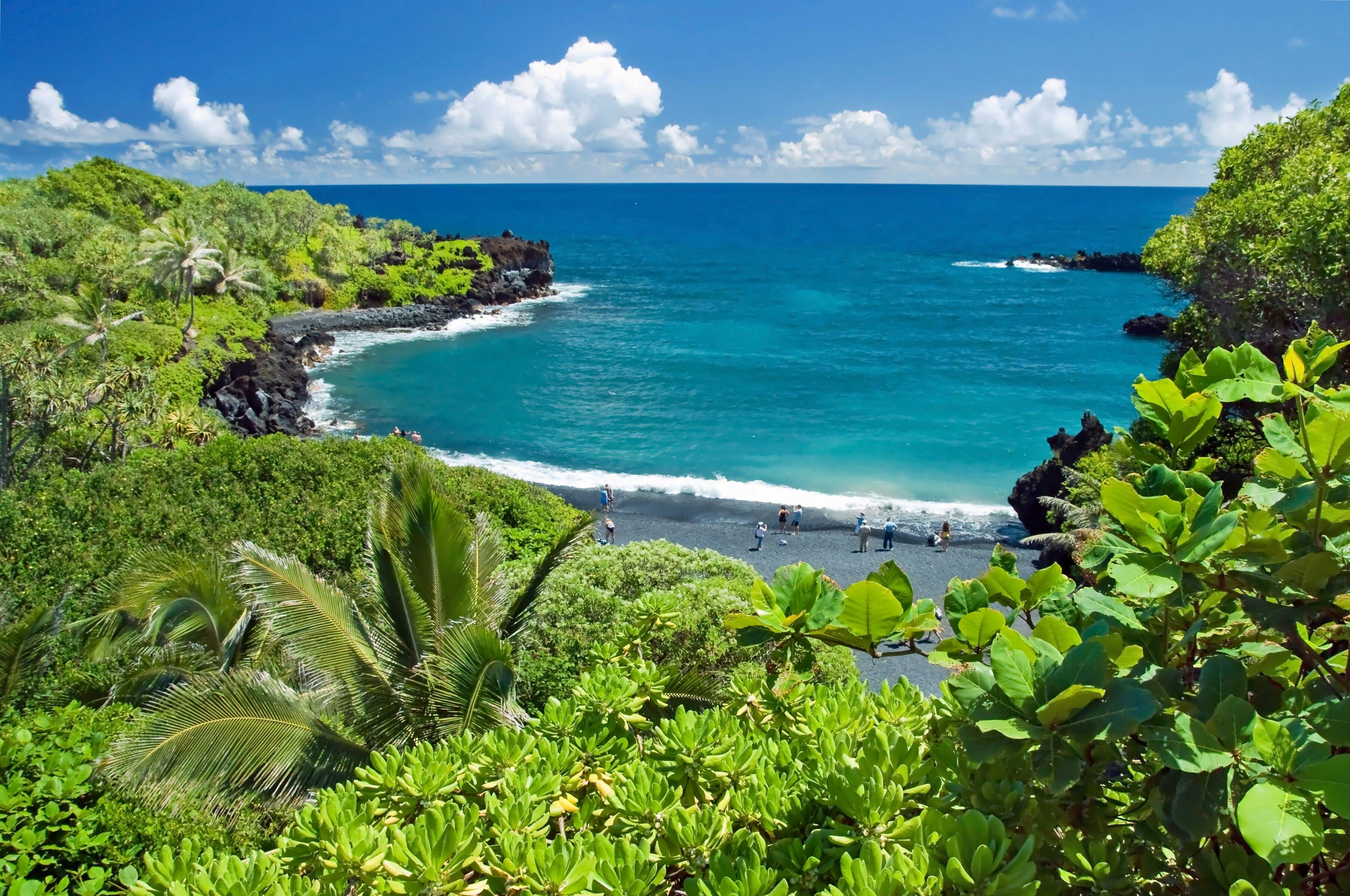
Waiʻānapanapa State Park is one of the best-known stops near Hāna, famous for its black sand beach, sea caves, lava rock, coastal paths and wild shoreline scenery.
Advance reservations are required for non-resident visitors. Do not arrive without checking current booking rules, entry windows and parking arrangements. This is one of the most common mistakes on the Road to Hāna.
The beach is visually stunning, but ocean conditions can be rough. Treat it as a scenic stop first and a swimming stop only if conditions are clearly safe.
Best Beaches on Maui
Kāʻanapali Beach
Kāʻanapali is one of Maui’s classic resort beaches, with golden sand, hotels, restaurants, a beach walk and snorkelling near Black Rock when conditions are suitable.
Wailea Beach
Wailea Beach is polished, scenic and popular with resort guests. It is good for swimming in calm conditions, sunset walks and easy access to restaurants and hotels.
Kamaʻole Beaches
The Kamaʻole beach parks in Kīhei are practical and popular, with sand, swimming areas, picnic spaces and sunset views. They are especially useful for families staying in South Maui condos.
Nāpili Bay
Nāpili Bay is a beautiful crescent beach in West Maui, known for swimming, snorkelling and a calmer atmosphere than some larger resort areas.
Mākena Beach
Mākena Beach, often called Big Beach, is broad and dramatic. It is beautiful for walking and photos, but shore break can be dangerous, so swimmers should be cautious.
Snorkelling and Marine Life
Maui is excellent for snorkelling, especially when conditions are calm. Popular snorkelling areas include Molokini, Turtle Town, Honolua Bay, Kapalua Bay, Nāpili Bay, Black Rock and selected South Maui reefs.
Always check ocean conditions before entering the water. Calm-looking beaches can still have currents, surf, reef hazards or sudden changes. Never stand on coral, never chase turtles or marine life, and keep a respectful distance from all animals.
Use reef-safe sun protection, preferably a rash guard and mineral sunscreen where appropriate. Coral reefs are fragile, and careless snorkelling can cause real damage.
Whale Watching
Maui is one of the best places in Hawaiʻi for humpback whale watching. Whale season usually runs through the winter months, with the strongest activity often from January to March.
Whales can sometimes be seen from shore, especially from West and South Maui viewpoints, but a boat tour gives a better chance of close views while still following wildlife regulations.
Choose responsible operators who follow safe viewing distances and do not harass marine life.
Upcountry Maui
Upcountry Maui offers a quieter, cooler side of the island. The slopes of Haleakalā include farms, gardens, small towns, ranch land, cafés, galleries and beautiful views down toward the coast.
Makawao is known for its paniolo, or Hawaiian cowboy, heritage and local shops. Kula is useful for farm visits, gardens, produce stands and access to the Haleakalā summit road.
Upcountry is a good addition if you want a break from resort beaches and coastal heat.
ʻĪao Valley
ʻĪao Valley is a lush, green valley in Central Maui known for the ʻĪao Needle, steep ridges, cultural history and short walking paths. It is a good half-day or short stop from Kahului, Wailuku or other central locations.
The valley can receive heavy rain, and conditions can change quickly. Check current access, parking and reservation requirements before visiting.
West Maui and Lahaina Recovery
West Maui includes some of the island’s most popular resort areas, but it is also where the 2023 Lahaina wildfire caused devastating loss. Visitors should be thoughtful, informed and respectful.
Do not enter restricted recovery zones, do not photograph damaged private property, and do not treat Lahaina’s recovery as a tourist attraction. Instead, support locally owned businesses that are open, follow County of Maui updates and be sensitive when discussing the fires with residents.
If staying in West Maui, choose legal accommodation and spend money with local restaurants, shops, guides and activity providers where appropriate.
What to Eat on Maui
Maui’s food scene ranges from casual food trucks to fine dining. Good things to try include poke, shave ice, plate lunch, fresh fish tacos, loco moco, banana bread, malasadas, tropical fruit, coconut, local coffee and farm-to-table meals.
Food Experiences to Consider
Fresh poke from a local market
Banana bread on the Road to Hāna
Shave ice after a beach day
Fish tacos in Kīhei or Lahaina-area communities where businesses are open
Upcountry farm cafés
Sunset dinner in Wailea or Kāʻanapali
Local food trucks around Kahului, Kīhei or Hāna routes
Where to Stay on Maui
Wailea
Wailea is best for luxury resorts, manicured beaches, golf, spas and a polished holiday atmosphere. It is one of Maui’s most comfortable but expensive areas.
Kīhei
Kīhei is practical, sunny and more casual. It has condos, beach parks, food trucks, supermarkets and good access to South Maui beaches.
Kāʻanapali
Kāʻanapali is a classic resort area with a long beach, beach walk, restaurants and easy access to West Maui activities.
Kapalua and Nāpili
Kapalua and Nāpili are quieter West Maui options, good for scenic bays, golf, snorkelling and a more relaxed resort feel.
Hāna
Staying overnight in Hāna turns the Road to Hāna into a slower, more respectful experience. It avoids rushing the drive both ways in one day.
Upcountry
Upcountry stays suit travellers who want cooler temperatures, rural scenery and easy access to Haleakalā, but they are less convenient for beach-focused holidays.
How Long to Stay
Three nights: Enough for a short Maui taste, but you will need to choose carefully between beach time, Haleakalā and the Road to Hāna.
Five nights: A good minimum for first-time visitors. You can enjoy beaches, Haleakalā, one major scenic drive and a snorkelling or boat trip.
Seven nights: Ideal for most travellers. This allows beach days, Road to Hāna, Haleakalā, Upcountry, ʻĪao Valley, snorkelling and slower rest time.
Ten nights or more: Best if you want to stay in more than one region, spend a night in Hāna, take multiple ocean trips and avoid rushing.
Simple Maui Itinerary
Day 1: Arrival and Beach Sunset
Arrive at Kahului Airport.
Pick up rental car and drive to your accommodation.
Keep the first day simple with a beach walk and early dinner.
Watch sunset from Kīhei, Wailea, Kāʻanapali or Nāpili.
Day 2: South Maui Beaches and Snorkelling
Start early at a calm South Maui beach.
Snorkel only if ocean conditions are safe.
Have lunch in Kīhei or Wailea.
Spend the afternoon relaxing at the beach or pool.
Enjoy a sunset dinner.
Day 3: Haleakalā and Upcountry
Visit Haleakalā for sunrise if you have a reservation, or go later for a less rushed day.
Bring warm layers for the summit.
Stop in Kula or Makawao on the way down.
Visit a farm, garden, café or local shop.
Return to the coast for dinner.
Day 4: Road to Hāna
Start early or join a permitted guided tour.
Stop only in legal parking areas.
Visit waterfalls, food stands and scenic viewpoints safely.
Use your Waiʻānapanapa reservation if booked.
Consider staying overnight in Hāna to avoid a rushed return.
Day 5: ʻĪao Valley and Central Maui
Visit ʻĪao Valley if access is open and conditions are suitable.
Explore Wailuku or local food spots.
Spend the afternoon at a beach or return to your favourite area.
Book a snorkelling, sunset sail or whale-watching trip depending on season.
Day 6: West Maui or Ocean Day
Visit open West Maui areas respectfully, such as Kāʻanapali, Kapalua or Nāpili.
Support local businesses that are operating.
Avoid restricted Lahaina recovery areas.
Finish with a relaxed dinner or sunset walk.
Day 7: Slow Morning and Departure
Have a final swim or café breakfast.
Allow extra time to return the rental car.
Depart from Kahului Airport.
Best Time to Visit Maui
Winter
Winter is excellent for whale watching and comfortable weather, but it is also a popular travel season. North shore surf can be large, so choose beaches carefully.
Spring
Spring is one of the best times for Maui, with pleasant weather, fewer crowds than peak holidays and good conditions for many activities.
Summer
Summer is warm and popular with families. Ocean conditions can be calmer in some areas, but prices and crowds may rise during school holiday periods.
Autumn
Autumn can be a good-value season with warm water, fewer crowds and generally pleasant conditions. Always check weather and ocean forecasts because conditions vary by side of the island.
Getting Around Maui
A rental car is the easiest way to explore Maui. The island has public buses, taxis and rideshare, but many beaches, scenic drives and rural areas are far easier with your own vehicle.
Drive slowly, especially on the Road to Hāna, in Upcountry areas and on narrow coastal roads. Do not drive prohibited back roads if your rental contract excludes them. Some roads are remote, narrow, poorly serviced and can void rental coverage.
Parking can be limited at popular beaches and trailheads, so start early and use legal parking only.
Responsible Travel Tips
Respect Lahaina Recovery
Follow official Maui County updates, avoid restricted areas and do not photograph fire-damaged private property. Treat recovery with dignity.
Support Local Businesses
Spend with locally owned restaurants, shops, farms, guides and cultural experiences where possible.
Book Legal Accommodation
Choose properly permitted accommodation and be aware of Maui’s housing pressures, especially after the wildfires.
Follow Ocean Safety
Check surf, wind and current conditions. When in doubt, do not go out. Never turn your back on the ocean.
Protect Reefs
Do not stand on coral, touch marine life or leave rubbish on beaches. Use sun protection that helps reduce reef impact.
Respect Private Land
Do not enter waterfalls, pools, trails or viewpoints on private property unless clearly open to visitors.
Use Designated Parking
Illegal parking blocks roads, frustrates residents and can be dangerous. This matters especially on the Road to Hāna.
Learn Basic Hawaiian Place Names
Using place names respectfully and learning a little local context makes your trip more meaningful.
What to Wear and Bring
Swimwear
Rash guard or sun shirt
Reef-conscious sunscreen
Hat and sunglasses
Light rain jacket for Hāna or rainforest areas
Warm layers for Haleakalā summit
Comfortable sandals and walking shoes
Reusable water bottle
Dry bag or waterproof phone pouch
Snorkel gear if you prefer your own
Power bank
Motion sickness tablets if needed for Road to Hāna or boat tours
FAQs About Maui
Is Maui worth visiting?
Yes. Maui is worth visiting for beaches, Haleakalā, the Road to Hāna, snorkelling, whale watching, rainforest scenery, local food and a mix of resort comfort and natural beauty.
Is Maui open to tourists?
Yes, Maui is open to visitors, but travellers should follow current local guidance, respect Lahaina recovery areas and support responsible tourism.
How many days do you need on Maui?
Five nights is a good minimum. Seven nights is better for beaches, Haleakalā, Road to Hāna, snorkelling, Upcountry and time to relax.
What is Maui famous for?
Maui is famous for Haleakalā National Park, the Road to Hāna, Kāʻanapali Beach, Wailea, whale watching, snorkelling, waterfalls, rainforest drives and beautiful sunsets.
Do you need a car on Maui?
Yes, a rental car is strongly recommended for most visitors because beaches, scenic drives and attractions are spread out.
Do you need a reservation for Haleakalā sunrise?
Yes. Vehicles entering the Haleakalā summit area between 3:00 am and 7:00 am for sunrise need an advance reservation, separate from the park entrance fee.
Is the Road to Hāna hard to drive?
It can be challenging because of curves, narrow bridges, traffic, limited parking and changing weather. A guided tour is a good option if the driver wants to enjoy the scenery too.
Can you do the Road to Hāna in one day?
Yes, but it is a long day. Staying overnight in Hāna makes the experience slower and less rushed.
When is whale season on Maui?
Whale season is generally in winter, with peak activity often from January to March.
Where should first-time visitors stay?
First-time visitors often choose Kīhei or Wailea for South Maui beaches, or Kāʻanapali, Nāpili or Kapalua for West Maui resorts and sunset views.
Final Thoughts
Maui is a beautiful island, but it is not just a holiday backdrop. It is a living place with communities, cultural history, fragile reefs, rural roads and ongoing recovery needs. The best Maui trip balances beaches and scenic drives with respect, patience and local awareness.
For a first visit, allow at least five to seven nights, book Haleakalā sunrise and Waiʻānapanapa reservations early if they matter to your plans, consider a guided Road to Hāna tour, support local businesses and stay flexible with ocean and weather conditions. Maui rewards travellers who slow down, tread lightly and appreciate both the beauty of the island and the people who call it home.
Sponsored Popular Items
Quick take: Musement.com offers a worldwide selection of tours and attractions
Maui: Haleakala National Park Sunrise Tour United States Have a lifetime experience watching the sunrise over Haleakalā National Park. Relax with hotel pickup, learn about the history and culture of Haleakalā, and savor a delicious breakfast. Check current availability, inclusions and booking conditions.
Maui spectacular Haleakala sunrise tour United States Plan Maui spectacular Haleakala sunrise tour, a guided sightseeing experience, with practical tips on timing, inclusions and what to check before booking. Compare current availability, prices and booking conditions before you go.
Maui spectacular Haleakala sunset tour United States Plan Maui spectacular Haleakala sunset tour, a guided sightseeing experience, with practical tips on timing, inclusions and what to check before booking. Compare current availability, prices and booking conditions before you go.
Maui Nature Guide: Outdoor Tours, Parks & Scenic Experiences United States Maui combines volcanic landscapes, tropical coastlines, marine life, agriculture and Native Hawaiian cultural places that require respectful travel. Check current availability, inclusions and booking details before you go.
Maui: Sunset Sailing Cruise from Ma'alaea Harbor United States Sail off into the sunset aboard Akialoa on this sunset sailing experience. Join us for an exhilarating cruise on the trade winds and take in the beauty of the islands. Check current availability, inclusions and booking conditions.
Maui: Halfway to Hana Black Sand Beach & Turtles Tour United States Join us on an exciting ride on the road to Hana for 8 stops and 13 highlight locations. The Most popular tour on Maui for 6.5 hrs. Check current availability, inclusions and booking conditions.
Maui: Small-Group Road to Hāna Sightseeing Tour United States Ride along the famous Hana Road on a guided small-group tour of up to 8 people. Enjoy a continental breakfast, hot BBQ lunch, and hotel pickup and drop-off in an air-conditioned vehicle. Check current availability, inclusions and booking conditions.
Maui: Road to Hana Tour w/ Pickup near Cruise Port United States Experience the longest coastal scenic route in the world, with 640 turns and curves and 59 single-lane bridges. Swim at natural waterfalls on the beautiful Road to Hana. Check current availability, inclusions and booking conditions.