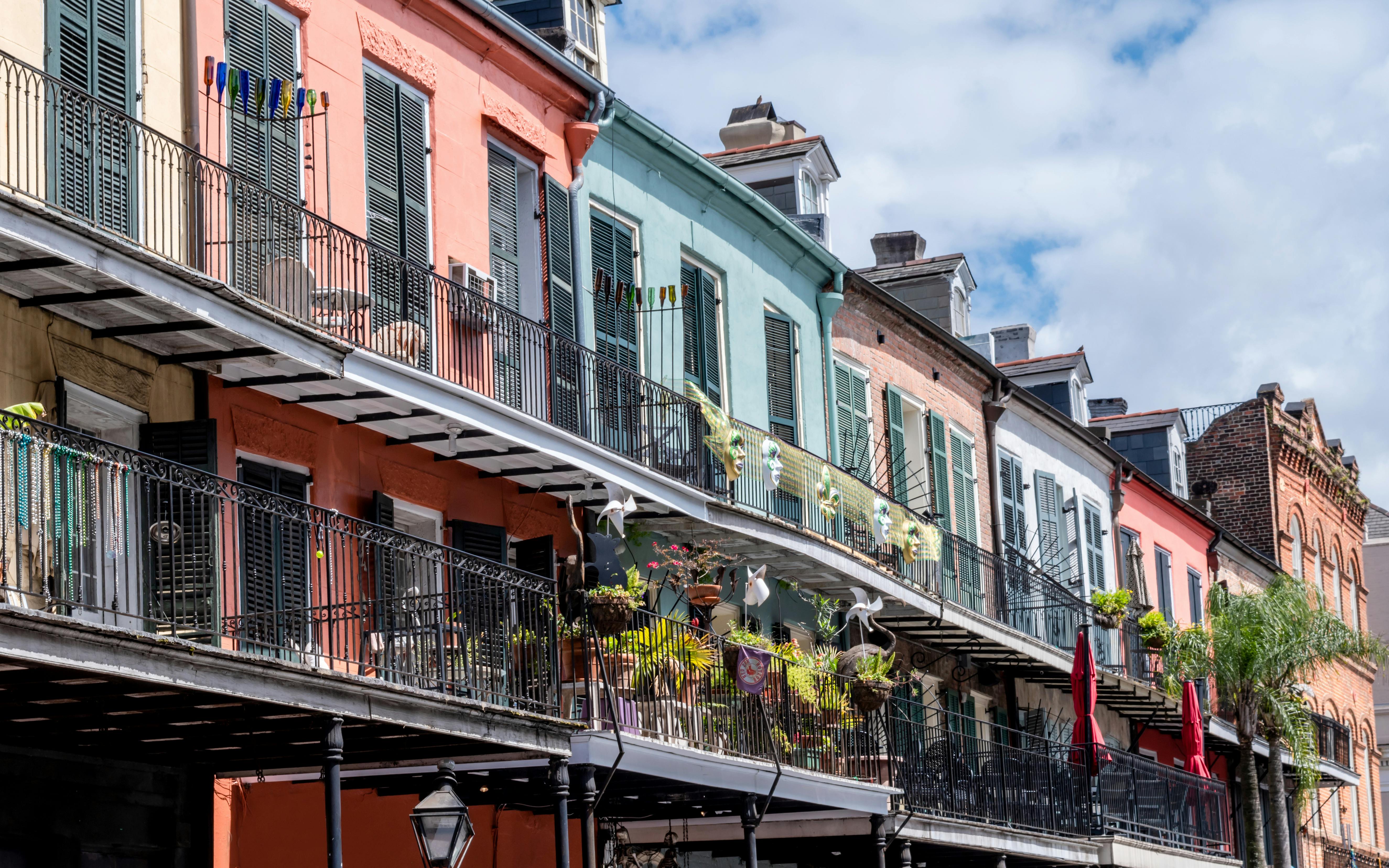
The French Quarter is the historic heart of New Orleans and one of the most atmospheric neighbourhoods in the United States. Known locally as the Vieux Carré, it is famous for iron balconies, colourful Creole townhouses, jazz clubs, courtyards, restaurants, bars, antique shops, street performers, riverfront views and some of the city’s most recognisable landmarks.
French Quarter New Orleans: A Guide to Jackson Square, Bourbon Street, Music, Food and Historic Streets
For first-time visitors, the French Quarter is usually the best place to begin exploring New Orleans. It is compact, walkable and full of character, with Jackson Square, St. Louis Cathedral, Bourbon Street, Royal Street, the French Market and the Mississippi River all within easy reach.
Sponsored Popular Items
Quick take: Musement.com offers a worldwide selection of tours and attractions
New Orleans Pirate Pub Crawl: French Quarter Bars & Dark History United States Pirate Pub Crawl in New Orleans: French Quarter Bars, Dark History and Bourbon Street is a convenient way to add structure, local context and purposeful sightseeing to the itinerary. Check current availability, inclusions and booking details before you go.
Why Visit the French Quarter?
The French Quarter is worth visiting because it brings together the most distinctive parts of New Orleans in one walkable neighbourhood: music, food, history, architecture, nightlife and street life.
It is not a polished museum district. It is lively, layered and sometimes noisy, with old buildings beside busy bars, elegant restaurants near souvenir shops, quiet courtyards behind crowded streets, and live music drifting through open doorways.
Visitors come for different reasons. Some want jazz and cocktails. Others want history, architecture, food, ghost tours, photography or a romantic city break. The French Quarter can suit all of these, as long as you choose the right streets and time of day.
Jackson Square
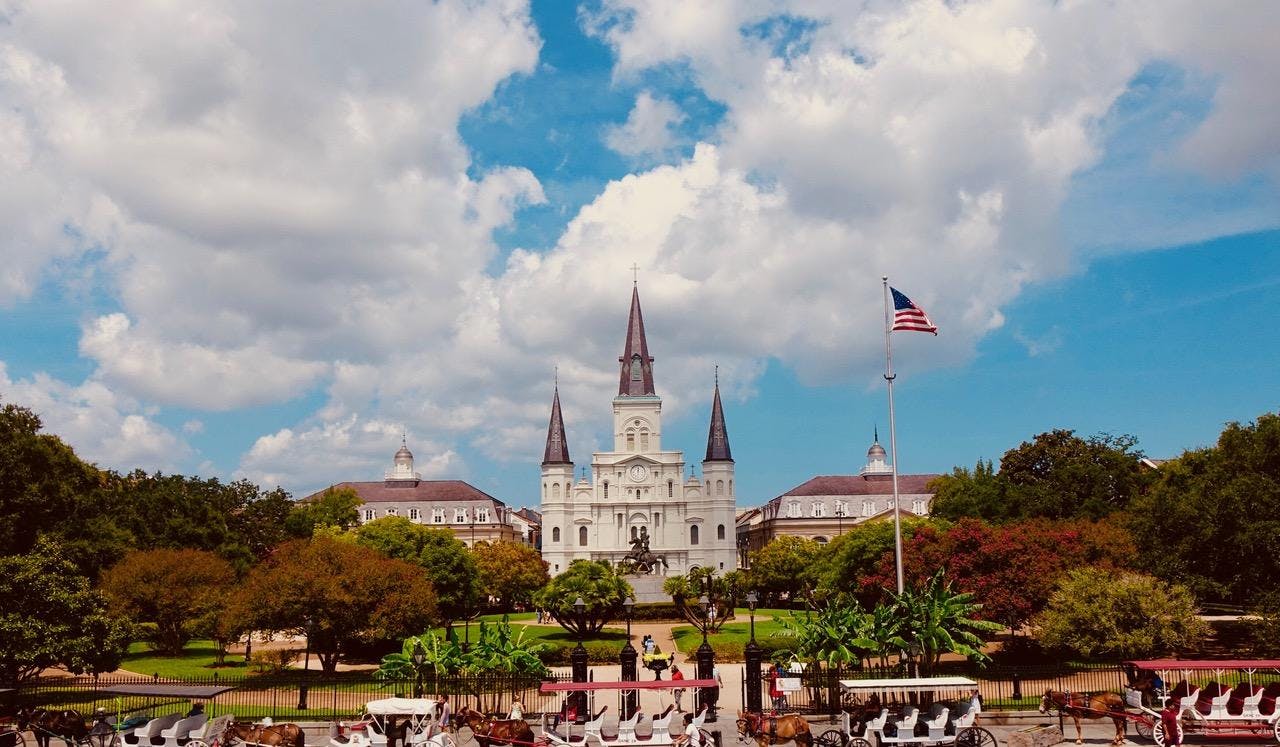
Jackson Square is the classic starting point for a French Quarter visit. This historic square sits beside St. Louis Cathedral, the Cabildo, the Presbytère and the Mississippi Riverfront.
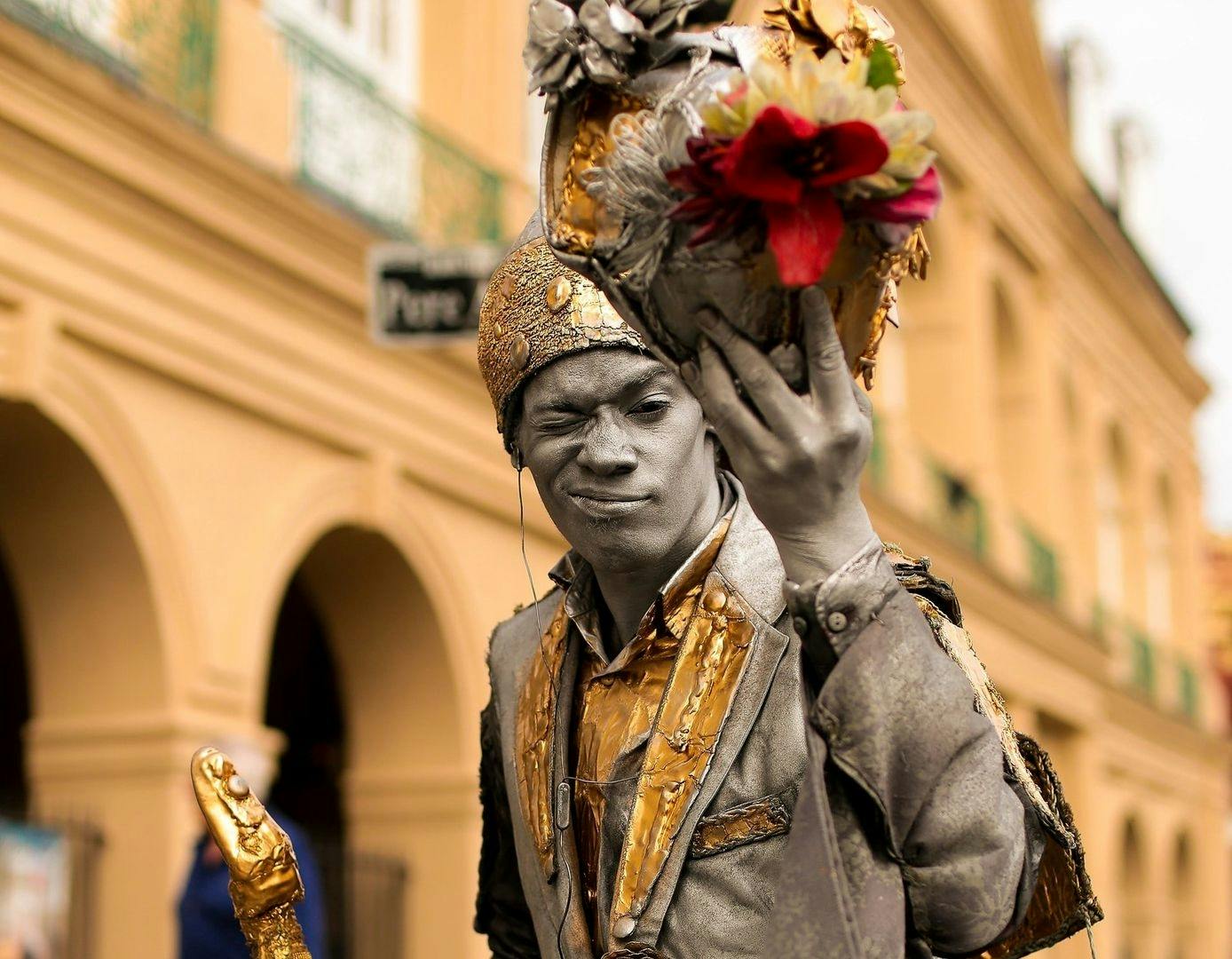
The square is often filled with artists, musicians, fortune tellers, street performers, horse-drawn carriages and visitors taking photos of the cathedral. It is one of the most recognisable views in New Orleans.
Take time to walk around the outside of the square, then step inside the gates if open. The best photos are usually from the Decatur Street side looking toward St. Louis Cathedral.
St. Louis Cathedral
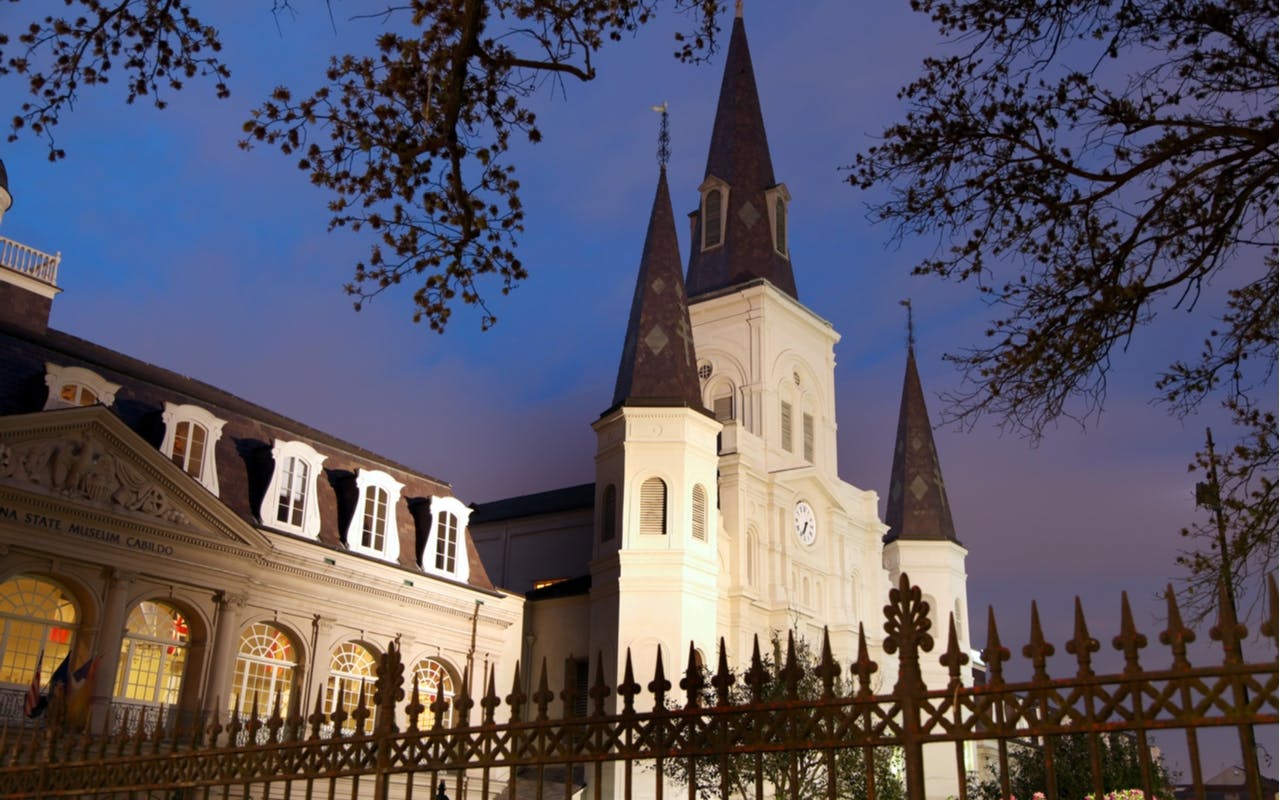
St. Louis Cathedral is one of the most important landmarks in New Orleans. Its three spires rise above Jackson Square and create the postcard view most people associate with the French Quarter.
The cathedral is still an active place of worship, so visitors should be respectful if entering. Step inside quietly, avoid flash photography if services are taking place, and dress with basic courtesy.
Bourbon Street
Bourbon Street is the French Quarter’s most famous nightlife street. It is known for bars, neon signs, balconies, music, crowds, drinks and late-night energy.
By day, Bourbon Street can feel quieter and slightly worn. By night, it becomes loud, busy and party-focused. It is worth seeing once, but it is not the whole French Quarter. Travellers who do not enjoy heavy nightlife may prefer Royal Street, Chartres Street, Jackson Square, the riverfront or Frenchmen Street just outside the Quarter.
If you visit Bourbon Street at night, keep your belongings secure, stay with your group and avoid getting drawn into arguments, street scams or overly aggressive bar promotions.
Royal Street
Royal Street is one of the most beautiful streets in the French Quarter. It is known for galleries, antique shops, boutiques, balconies, historic buildings and a more refined atmosphere than Bourbon Street.
During the day, Royal Street is excellent for walking, photography, window shopping and listening to street musicians. If you want to appreciate French Quarter architecture without the full Bourbon Street party scene, Royal Street is one of the best places to start.
French Market
The French Market is a historic open-air market area near the river, with food stalls, souvenirs, local products and casual shopping. It is a good stop for snacks, gifts and a relaxed walk between Jackson Square and the lower end of the Quarter.
Bring some cash as well as a card, because some smaller vendors may prefer or require cash. The market is especially useful if you want an easy daytime stop rather than a formal restaurant meal.
Live Music in the French Quarter
Music is one of the main reasons to visit New Orleans. In the French Quarter, you may hear jazz, brass bands, blues, funk, piano music, buskers and small live performances throughout the day and night.
Bourbon Street has plenty of music, but not all of it is traditional New Orleans jazz. For a more music-focused evening, look for respected small venues, hotel jazz lounges or head just beyond the French Quarter to Frenchmen Street in the Marigny.
Street musicians are part of the city’s character. If you stop to listen or take photos, leave a tip.
What to Eat in the French Quarter
The French Quarter is one of the best places to try New Orleans food, from casual snacks to old-line Creole restaurants.
Beignets
Beignets are square pieces of fried dough covered in powdered sugar. They are a classic French Quarter treat, often eaten with café au lait.
Gumbo
Gumbo is a rich Louisiana stew often made with seafood, chicken, sausage, okra, roux and spices. Versions vary, so try it in a restaurant known for Creole or Cajun cooking.
Jambalaya
Jambalaya is a seasoned rice dish with meat, seafood or sausage. It is hearty, flavourful and easy to find around the Quarter.
Po’boys
Po’boys are New Orleans sandwiches, often filled with fried shrimp, roast beef, oysters or other local ingredients. They are a good casual lunch option.
Muffuletta
The muffuletta is a famous New Orleans sandwich made with Italian meats, cheese and olive salad on round bread. It is strongly associated with the French Quarter and nearby Italian-American food history.
Pralines
Pralines are sweet, sugary pecan candies sold in many shops. They make an easy food souvenir, although they are very sweet.
French Quarter Architecture
The French Quarter is famous for its architecture: Creole townhouses, Spanish colonial influences, iron balconies, shutters, courtyards, brick walls, carriageways and hidden gardens.
Despite the name “French Quarter,” much of the visible architecture reflects later Spanish-era rebuilding after major fires in the 18th century. Look for wrought iron, colourful facades, tall windows, louvered shutters and enclosed courtyards.
The best streets for architecture walks include Royal Street, Chartres Street, Burgundy Street, Dauphine Street and quieter residential blocks away from the busiest nightlife zone.
Mississippi Riverfront
The Mississippi River is just steps from Jackson Square. Walk toward the riverfront to see steamboats, river traffic, benches, public spaces and views across the water.
The riverfront is a good place to pause after the busy streets of the Quarter. You can also connect to the Riverfront streetcar or continue walking toward the French Market and nearby neighbourhoods.
Museums and Historic Sites
The French Quarter has several important historic and cultural sites. Good options include the Cabildo, the Presbytère, the Historic New Orleans Collection, the New Orleans Jazz Museum area and the Jean Lafitte French Quarter Visitor Center when open.
These sites help explain the city’s French, Spanish, African, Caribbean, Creole and American layers. A museum or walking tour is especially worthwhile if you want more than food, drinks and photos.
French Quarter by Day vs Night
By Day
During the day, the French Quarter is best for architecture, galleries, shopping, museums, Jackson Square, the French Market, food and photography. It is easier to appreciate the buildings and quieter streets before the main nightlife begins.
By Night
At night, the Quarter becomes livelier. Bourbon Street fills with music and crowds, restaurants get busy, bars open up, ghost tours begin, and the neighbourhood takes on a more theatrical atmosphere.
The best experience is to see both moods. Walk the Quarter in the morning or afternoon, then return after dark for dinner, music and illuminated streets.
How Long to Spend There
Half day: Enough for Jackson Square, Royal Street, the French Market and a quick meal.
One full day: Good for the main sights, a museum, food stops and evening music.
Two days: Better for a relaxed visit with architecture, restaurants, live music, shopping, ghost tours and nearby Frenchmen Street.
Three days or more: Ideal if the French Quarter is your main base and you want to explore slowly while also visiting the Garden District, Marigny, Bywater and other New Orleans neighbourhoods.
Simple French Quarter Itinerary
Morning
Start with coffee and beignets.
Walk to Jackson Square and photograph St. Louis Cathedral.
Visit the Cabildo, Presbytère or another nearby museum.
Walk along Chartres Street and Royal Street for architecture and galleries.
Midday
Have lunch with gumbo, po’boys, jambalaya or muffuletta.
Browse the French Market.
Walk to the Mississippi Riverfront for a break from the crowds.
Afternoon
Explore quieter residential streets of the Quarter.
Stop for pralines or a cold drink.
Take a guided walking tour if you want history, architecture, food or ghost stories.
Evening
Have dinner at a Creole or New Orleans restaurant.
Walk Bourbon Street briefly to experience the nightlife scene.
Choose a live music venue or continue to Frenchmen Street for a more music-focused night.
Where to Stay
Staying in or near the French Quarter is convenient, especially for first-time visitors. You can walk to major sights, restaurants and music venues, and avoid needing a car.
Inside the French Quarter
Best for atmosphere and convenience. Choose carefully if noise matters, especially near Bourbon Street.
Central Business District
Good for hotels, business-style accommodation, easy access to the Quarter and slightly more modern surroundings.
Warehouse District
Good for restaurants, museums, galleries and a slightly calmer base within easy reach of the Quarter.
Marigny
Good for live music and Frenchmen Street, with a more local-feeling atmosphere just beyond the French Quarter.
Getting Around
The French Quarter is best explored on foot. Many streets are narrow, parking is difficult and driving inside the Quarter can be frustrating.
For nearby areas, use streetcars, taxis, rideshares, pedicabs or walking routes depending on distance and time of day. The Riverfront streetcar is useful for parts of the riverfront, while other streetcar lines connect nearby neighbourhoods.
Most visitors do not need a rental car if they are staying in central New Orleans and focusing on the French Quarter, Garden District, Marigny and major city attractions.
Best Time to Visit
Spring
Spring is one of the best times to visit New Orleans. Weather is generally pleasant, festivals are active and walking the French Quarter is comfortable.
Autumn
Autumn is another excellent season, with warm weather, fewer crowds than major festival periods and good conditions for outdoor dining and walking tours.
Winter
Winter can be mild and enjoyable, especially outside major holiday and Mardi Gras periods. It is a good time for travellers who prefer cooler walking weather.
Summer
Summer is hot, humid and often stormy. Hotel prices may be lower, but you should plan indoor breaks, drink water and avoid overloading the hottest part of the day.
Mardi Gras and Festivals
Mardi Gras is famous but extremely busy. If you want parades, crowds and celebration, book far ahead. If you want a quiet French Quarter visit, avoid peak Mardi Gras dates and major festival weekends.
Safety Tips
Stay Aware at Night
The French Quarter is busy and tourist-friendly, but petty theft and opportunistic crime can happen. Keep your phone and wallet secure, especially in crowds.
Avoid Empty Side Streets Late
Stick to well-lit, populated streets at night. If an area feels deserted, use a rideshare or taxi.
Do Not Flash Valuables
Keep jewellery, cameras and phones discreet when not in use. Avoid leaving bags on chair backs or under tables in busy bars and restaurants.
Be Careful With Street Scams
Do not engage with anyone pressuring you into bets, “free” items or strange street challenges. Politely keep walking.
Drink Responsibly
New Orleans nightlife is strong, and drinks can be powerful. Pace yourself, eat properly and stay with your group.
Use Official Transport
Use licensed taxis, recognised rideshare apps or hotel-arranged transport when travelling late at night.
FAQs About the French Quarter
Where is the French Quarter?
The French Quarter is in central New Orleans, Louisiana, beside the Mississippi River and close to the Central Business District, Marigny and Tremé.
What is the French Quarter famous for?
The French Quarter is famous for Jackson Square, Bourbon Street, St. Louis Cathedral, Royal Street, the French Market, live music, Creole architecture, restaurants, bars and historic streets.
Is the French Quarter worth visiting?
Yes. The French Quarter is the most iconic neighbourhood in New Orleans and is essential for first-time visitors.
Is Bourbon Street the same as the French Quarter?
No. Bourbon Street is one street within the French Quarter. The neighbourhood also includes quieter historic streets, restaurants, galleries, museums, the French Market and Jackson Square.
How long do you need in the French Quarter?
One full day is enough for the highlights, but two days is better if you want food, music, museums, shopping and a slower pace.
Do you need a car in the French Quarter?
No. The French Quarter is highly walkable, and parking can be difficult. Most visitors are better off walking, using streetcars, taxis or rideshares.
Is the French Quarter safe?
The main visitor areas are generally manageable with normal city awareness, but visitors should stay alert, especially at night, and avoid empty side streets or obvious street scams.
What is the best street to walk in the French Quarter?
Royal Street is one of the best streets for architecture, galleries and daytime walking. Bourbon Street is best for nightlife, while Chartres Street and Decatur Street are also useful visitor routes.
What should I eat in the French Quarter?
Try beignets, gumbo, jambalaya, po’boys, muffuletta, pralines, oysters, red beans and rice, and classic Creole dishes.
When is the best time to visit the French Quarter?
Spring and autumn are generally the best seasons for comfortable weather. Winter can also be pleasant, while summer is hot and humid.
Final Thoughts
The French Quarter is the neighbourhood that gives many visitors their first real sense of New Orleans. Its balconies, courtyards, music, food, history and nightlife create a place that feels unlike any other American city district.
For the best visit, explore it slowly. See Jackson Square, walk Royal Street, taste local food, listen to live music, experience Bourbon Street without letting it define the whole neighbourhood, and leave time for quieter corners. The French Quarter is touristy, historic, lively and beautiful all at once, and that mix is exactly what makes it unforgettable.
Sponsored Popular Items
Quick take: Musement.com offers a worldwide selection of tours and attractions
New Orleans Pirate Pub Crawl: French Quarter Bars & Dark History United States Pirate Pub Crawl in New Orleans: French Quarter Bars, Dark History and Bourbon Street is a convenient way to add structure, local context and purposeful sightseeing to the itinerary. Check current availability, inclusions and booking details before you go.
The New Orleans French Quarter Historical Tour - Guided Sightseeing Tour United States The New Orleans French Quarter Historical tour is a convenient way to add structure, local context and purposeful sightseeing to the itinerary. Check current availability, inclusions and booking details before you go.
Pirate Guided Walking Tour of New Orleans' French Quarter United States Pirate guided walking tour of New Orleans' French Quarter is a convenient way to add structure, local context and purposeful sightseeing to the itinerary. Check current availability, inclusions and booking details before you go.
New Orleans French Quarter Self-Guided Walking Audio Tour Louisiana New Orleans French Quarter self-guided walking audio tour combines self-paced sightseeing with useful background information and flexible stopping time. Check current availability, inclusions and booking details before you go.
New Orleans Culture and Food Audio Tour of the French Quarter Louisiana New Orleans culture and food audio tour of the French Quarter combines self-paced sightseeing with useful background information and flexible stopping time. Check current availability, inclusions and booking details before you go.
New Orleans French Quarter Haunted Exploration Game Louisiana Tour New Orleans French Quarter in a Haunted Exploration Game: What to Expect Before You Book brings several elements of the destination together in one organised experience. Check current availability, inclusions and booking details before you go.
Hanoi: French Quarter Food & Colonial Life Walking Tour Vietnam Experience French colonial Hanoi with a local guide. Discover cafés, bakeries, grand hotels, and how French influence shaped the city’s cuisine, culture, and daily life