London East End Street Art Guide: Shoreditch, Brick Lane, Spitalfields and Self-Guided Walks
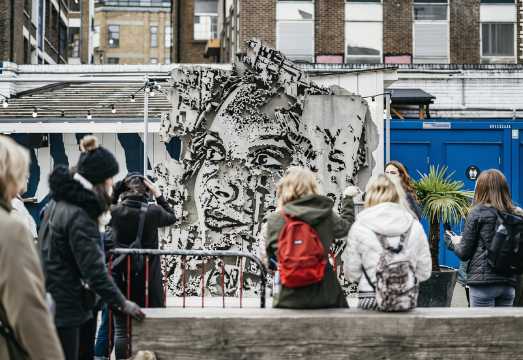
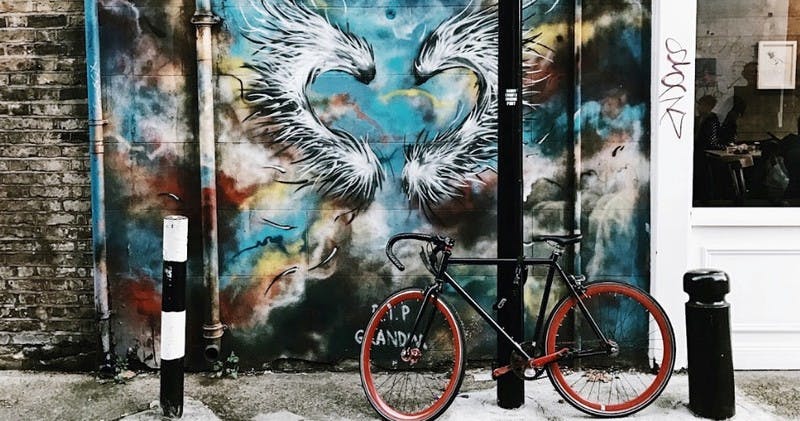
London East End Street Art is one of the most colourful, changeable and creative experiences in the city. Around Shoreditch, Brick Lane, Spitalfields and the streets near the Old Truman Brewery, walls, shutters, doorways, alleyways and railway arches become an outdoor gallery filled with murals, paste-ups, stickers, stencils, tags, political pieces and large-scale works by local and international artists.
This is not a normal museum visit. The art changes constantly. A mural you see today may be painted over next month, while a plain wall may become a major new piece overnight. That is part of the appeal. East End street art is alive, temporary and closely tied to the area’s mix of immigration history, markets, music, nightlife, fashion, food, protest, gentrification and creative culture.
You can explore independently with a self-guided walk, but a specialist street-art tour is often worth it if you want to understand the artists, techniques, politics and hidden details behind the walls.
Quick take: Trip.com offers a worldwide selection of tours and attractions and hotels
Traditional Flamenco Show in a Brick Cave in Madrid – Ticketed Live ExperienceAustralia Traditional Flamenco Show in a Brick Cave, Madrid | 1-Hour Tablao with Drink Traditional Flamenco Show in a Brick Cave — Madrid Step beneath the streets of Madrid into an original brick cave for an intimate, high-energy flamenco performance. Your evening includes a welcome drink, a short introduction to flamenco and the cave’s history, and a 1-hour show under the artistic direction of “El Mistela”, winner of the National Flamenco Critic Award. Why you’ll love this… Enter a genuine brick cave—an atmospheric tablao setting in the historic center Learn the roots—brief pre-show talk about flamenco and the venue’s story Award-winning…
Quick take: Trip.com helps you compare prices across accommodations. Use it to shortlist hotels, then click through to confirm the final price, room type, and inclusions on the booking site.
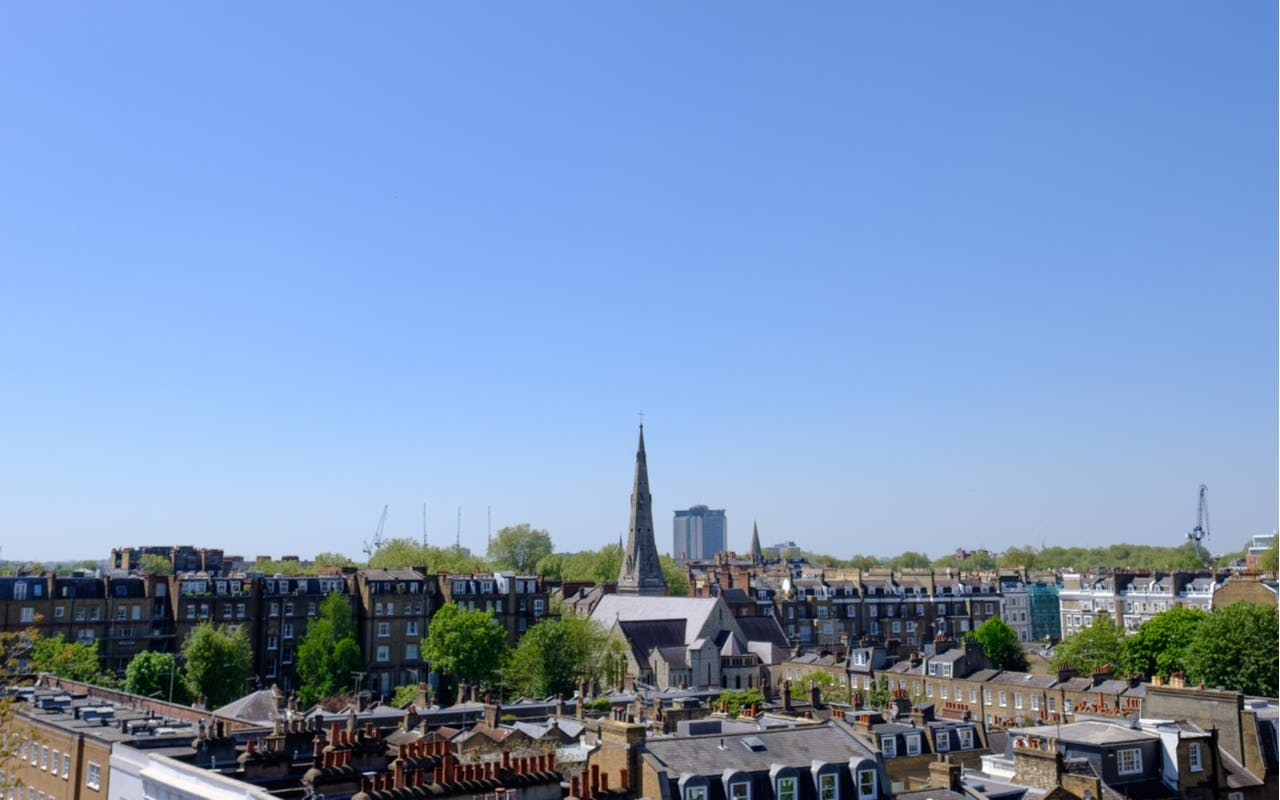
London’s East End is one of the best places in Europe to see street art because the scene is dense, varied and constantly refreshed. Within a short walk, you can move from huge building-height murals to tiny stickers hidden on lampposts, from polished commissioned work to rough political paste-ups, from famous walls to backstreet surprises.
The experience also gives you a different view of London. Instead of royal palaces, West End theatres or traditional museums, you see the city through its working walls: old warehouses, curry houses, market lanes, railway bridges, shop shutters and creative studios.
London East End Street Art is best for:
First-time visitors looking for alternative London
Photography lovers
Art, design and culture fans
Travellers interested in Shoreditch and Brick Lane
People who enjoy walking tours
Visitors wanting a free or low-cost London activity
Food lovers combining murals with markets and cafés
Anyone who wants to see London beyond the classic tourist sights
Where Is the Best East End Street Art?
The best-known street-art area is centred around Shoreditch, Brick Lane and Spitalfields. You can begin near Old Street, Shoreditch High Street, Liverpool Street or Aldgate East, depending on your route.
Area
Best For
Traveller Notes
Shoreditch
Large murals, creative streets, bars and cafés
One of the best areas for guided street-art tours.
Brick Lane
Layered graffiti, paste-ups, shutters, markets and food
Excellent for a self-guided walk, especially on market days.
Spitalfields
Market atmosphere, historic streets and tour starting points
Good place to combine art with food and shopping.
Old Truman Brewery area
Creative venues, markets, murals and changing walls
One of the strongest hubs for East End street art.
Redchurch Street and Chance Street
Bold murals and design-led Shoreditch atmosphere
Good for photography and café stops.
Hanbury Street and Fashion Street
Classic Brick Lane-side street art lanes
Good add-ons to a Brick Lane walking route.
What to Expect
Expect an outdoor, urban, constantly changing art walk. Some pieces are huge and obvious. Others are tiny and easy to miss. The best experience comes from slowing down, looking up, checking side streets and noticing shutters, doors, signs, bins, stickers, paste-ups and rooftops as well as the main walls.
What you may see
Large-scale murals
Stencil art
Paste-ups and wheatpaste posters
Graffiti lettering and tags
Political slogans
Portrait murals
Cartoon-style characters
Miniature stickers and hidden pieces
Painted shop shutters
Commissioned walls and legal graffiti spaces
Older pieces partly covered by newer work
What not to expect
Do not expect every famous mural to still be there.
Do not expect street art to remain unchanged between visits.
Do not expect all walls to be legal painting spaces.
Do not trespass into private courtyards or building sites.
Do not block pavements while taking photos.
Do not assume every image is purely decorative; many pieces are political or social commentary.
Do not expect a polished museum experience. The street is part of the artwork.
Best Streets for London East End Street Art
The exact artworks change, but the streets below are consistently useful for a street-art walk around Shoreditch and Brick Lane.
Brick Lane: the main spine for East End street art, food, markets and shutters.
Hanbury Street: one of the best side streets for murals and layered walls.
Fashion Street: good for murals, smaller works and route endings near Aldgate East.
Princelet Street: historic East End atmosphere close to Brick Lane.
Buxton Street: useful side route near Brick Lane and Spitalfields.
Rivington Street: classic Shoreditch street-art territory.
Redchurch Street: design-led Shoreditch feel with street art nearby.
Chance Street: strong mural area near Shoreditch High Street.
Whitby Street: often useful for colourful walls around Shoreditch.
Great Eastern Street: major road with murals, nightlife and Shoreditch landmarks.
Holywell Lane: good for big walls, railway-side texture and urban photography.
Allen Gardens area: useful if your walk continues north-east from Brick Lane.
Shoreditch Street Art
Shoreditch is the headline area for London street art. It has the right mix of old industrial buildings, creative offices, nightlife, galleries, cafés and high foot traffic. The walls here attract local and international artists, and guided street-art walks often focus heavily on Shoreditch because there is so much to see in a compact area.
Shoreditch works well if you want large murals, artist stories, strong photography and a lively urban atmosphere. It also has plenty of coffee shops, bars and restaurants, so you can turn a street-art walk into a full half-day outing.
Shoreditch highlights
Large-scale murals on side streets and building walls
Painted shutters and doorways
Paste-ups and stencils hidden in smaller lanes
Works by internationally recognised street artists
Creative studios, design shops and cafés
Strong evening atmosphere around bars and restaurants
Easy access from Old Street, Shoreditch High Street and Liverpool Street
Shoreditch tips
Go during daylight for the best mural photography.
Look above shopfront level; many large works are high on walls.
Check side streets rather than only following main roads.
Use a guided tour if you want artist names and context.
Visit on a weekday morning for fewer crowds.
Brick Lane Street Art
Brick Lane is one of London’s most famous streets for street art, markets, curry houses, vintage shops, bagels, food stalls and East End history. It has a rougher, more layered feel than some parts of Shoreditch, with artworks appearing on shutters, side walls, alleyways, doors and market spaces.
The best way to explore Brick Lane is not to rush straight down the main road. The side streets are often where the most interesting pieces appear. Hanbury Street, Fashion Street, Princelet Street and the Old Truman Brewery area are all worth checking.
Brick Lane highlights
Constantly changing murals and paste-ups
Painted shutters visible when shops are closed
Markets and vintage stores
Food stalls and curry houses
Old Truman Brewery creative area
Side-street surprises
Strong mix of social history and contemporary culture
Brick Lane tips
Sunday is lively for markets but busier for walking and photography.
Early morning is good for photographing shutters before shops open.
Look down small lanes and courtyards only where public access is clear.
Do not photograph people closely without permission.
Combine with lunch or snacks to make the route more relaxed.
Spitalfields and Old Truman Brewery
Spitalfields adds history, markets and food to an East End street-art walk. It is close to Liverpool Street Station and Brick Lane, making it an easy starting point. The area around Old Spitalfields Market and the Old Truman Brewery gives you a mix of restored buildings, creative spaces, pop-ups, restaurants and street art.
The Old Truman Brewery area is particularly useful because it links Brick Lane’s food-and-market energy with Shoreditch’s mural scene. It is also a good place to pause if you want coffee, vintage shopping or a casual meal.
What to do around Spitalfields
Start at Old Spitalfields Market for food or coffee.
Walk toward Brick Lane via Commercial Street or side streets.
Explore the Old Truman Brewery area.
Look for murals, posters and painted shutters around market lanes.
Continue north toward Shoreditch or south toward Aldgate East.
Artists and Styles You May See
East End street art includes work by famous names, local writers, anonymous artists, visiting muralists and commercial commissions. Because the scene changes so quickly, it is better to look for styles and techniques as much as specific pieces.
Artists often associated with London street art
Banksy: famous stencil-based political and satirical work, although original pieces can disappear or be protected.
Stik: known for simple stick-like human figures with emotional impact.
Ben Eine: recognised for bold typography and lettering.
ROA: known for large black-and-white animal murals.
Invader: mosaic-style works inspired by pixel art and games.
D*Face: pop-influenced street art and graphic characters.
Shepard Fairey: politically charged poster-style work, sometimes appearing in London contexts.
Mr Cenz, Jimmy C, Zabou, Otto Schade and others: artists often discussed in London street-art circles.
Styles to look for
Stencils: sharp, repeatable images often used for political messages.
Murals: large painted walls, often commissioned or semi-legal.
Paste-ups: printed or hand-painted paper works pasted to walls.
Stickers: small, quick, layered and easy to miss.
Throw-ups and lettering: graffiti writing forms focused on names and style.
Characters: cartoon figures, portraits, animals and surreal forms.
Typography: text-led works using slogans, poems or bold letterforms.
Political art: work responding to social issues, housing, war, identity, capitalism and local change.
Self-Guided London East End Street Art Walking Route
This easy route gives you a strong first taste of East End street art. Allow two to three hours if you stop for photos, coffee and side streets.
Suggested route: Old Street to Aldgate East
Start at Old Street Station. Walk toward Shoreditch and Great Eastern Street.
Explore Shoreditch side streets. Look around Rivington Street, Redchurch Street, Chance Street and nearby lanes.
Continue toward Shoreditch High Street. Look for large murals on side walls and shopfront shutters.
Head toward Brick Lane. Use Bethnal Green Road or nearby streets to connect.
Explore the Old Truman Brewery area. Check walls, shutters, market spaces and side routes.
Walk down Brick Lane slowly. Do not miss Hanbury Street, Princelet Street and small public side streets.
Finish around Fashion Street or Aldgate East. This gives you an easy Tube connection or a route toward Whitechapel.
Route tips
Keep your route flexible because the best pieces can appear unexpectedly.
Look at shutters if you visit early or after shops close.
Take side streets, but avoid private courtyards and residential entrances.
Use offline maps because you may be looking up at walls more than at your phone.
Stop at markets or cafés so the walk does not become tiring.
Guided Street Art Tours
A guided tour is often the best way to understand London East End street art. A good guide can explain the difference between graffiti and street art, point out tiny pieces you would miss, identify artists, explain the politics of specific works and tell you which walls change most often.
Why book a guided tour?
You see more in less time.
You learn about artists, techniques and local history.
You avoid missing hidden pieces.
You hear how the area has changed through gentrification and creative redevelopment.
You may be guided by a local artist or street-art specialist.
You can ask questions about legal walls, commissions and graffiti culture.
Guided tour tips
Choose a small-group tour if possible.
Check whether the guide is a local artist or specialist.
Wear comfortable shoes.
Bring water and an umbrella in wet weather.
Ask whether the tour includes Shoreditch, Brick Lane and Spitalfields.
Do not expect every famous artwork to still exist.
Tip your guide if the tour is “free” or pay-what-you-want.
Markets, Food and Coffee Stops
One of the best things about exploring East End street art is that you can combine it with food, markets and cafés. Brick Lane and Spitalfields are excellent for casual eating, while Shoreditch has strong coffee, bars and restaurants.
Good food and market stops
Old Spitalfields Market: covered market with food, shops and easy seating.
Brick Lane food stalls: especially busy on weekends.
Beigel shops on Brick Lane: classic East End snack stop.
Curry houses: Brick Lane remains strongly associated with South Asian dining.
Boxpark Shoreditch: casual food, drinks and pop-up-style retail.
Redchurch Street cafés: useful for a quieter break.
Columbia Road: good if combining with the flower market on Sunday.
Food tips
Visit Brick Lane on Sunday for the liveliest market atmosphere.
Go on a weekday if you want easier photography and fewer crowds.
Eat before a long guided tour if food stops are not included.
Carry water in summer.
Book restaurants ahead for weekend evenings in Shoreditch.
Photography Tips for East End Street Art
Street art is one of the most photogenic things to do in East London, but the streets are busy and the walls are often narrow, shaded or partly blocked by vans, bins, bikes and pedestrians. Patience helps.
Best photography tips
Go in the morning for quieter streets and fewer parked delivery vehicles.
Use wide-angle mode for large murals in narrow streets.
Include people walking past if you want scale and street atmosphere.
Look for reflections in windows after rain.
Photograph details, not only full walls.
Use portrait mode for paste-ups, stickers and small pieces.
Check shop shutters early or late when they are down.
Be respectful when photographing residents, workers and market traders.
Do not stand in the road for a photo.
Remember the art may not be there next time, so take the photo when you see it.
Best Time to Visit London East End Street Art
You can explore East End street art year-round, but the best time depends on whether you want markets, quiet photography or evening atmosphere.
Time
What to Expect
Advice
Weekday morning
Quieter streets and easier photography
Best for serious mural photos.
Weekend daytime
Markets, food stalls and busy atmosphere
Best for combining art with food and shopping.
Sunday
Brick Lane markets at their liveliest
Great atmosphere, but crowded.
Early evening
Bars opening, lights changing and street energy rising
Good for atmosphere, but some streets get busy.
After rain
Reflections and richer wall colours
Good for creative photos if you do not mind wet pavements.
Winter
Lower light and fewer tourists
Go earlier in the day because it gets dark quickly.
Where to Stay for London East End Street Art
Area
Best For
Traveller Notes
Shoreditch
Street art, nightlife, cafés and creative hotels
Best base if street art is a major focus.
Spitalfields
Markets, food and walking access to Brick Lane
Excellent balance of convenience and character.
City of London / Liverpool Street
Transport, business hotels and easy access
Practical and close to Spitalfields and Shoreditch.
Aldgate / Whitechapel
Better value and Brick Lane access
Good for budget-conscious travellers who still want East End atmosphere.
Hoxton
Nightlife, cafés and local feel
Good for longer stays and exploring north of Shoreditch.
Central London
Classic sightseeing base
Easy to visit Shoreditch by Tube or Overground.
Useful Booking Resources for London East End Street Art Tours
London East End street art can be explored independently, but booking platforms are useful for guided walks, artist-led tours, photography tours, food-and-street-art combinations, private guides, transport and wider London sightseeing. Skimlinks may automatically convert these merchant links into affiliate links if the merchant is active in your Skimlinks account.
GetYourGuide – offers Shoreditch street-art tours, East End walking tours, Brick Lane experiences, food tours, private guides and London attraction tickets.
Viator – offers London street-art walks, Shoreditch and Brick Lane tours, local artist-led experiences, East End food tours and private London itineraries.
Klook – offers London attraction tickets, walking tours, transport products, eSIMs, airport transfers and selected cultural experiences.
KKday – offers London activities, day tours, attraction tickets, transport services and local cultural experiences.
Trip.com – useful for London hotels, flights, trains, attraction listings and city-break planning.
Tiqets – useful for mobile-friendly London attraction tickets, museums, galleries and cultural experiences.
Musement – offers London tours, attraction tickets, street-art walks, food tours and cultural activities.
Go City – offers London attraction passes that may suit visitors combining East End street art with major paid attractions.
CityPASS – mainly useful for selected North American cities, but included for readers comparing multi-attraction pass options across wider travel planning.
Booking tip: Before booking a street-art tour, check whether it covers Shoreditch, Brick Lane and Spitalfields, whether the guide is an artist or specialist, how long the walk lasts, where it starts and ends, whether it runs in rain, and whether the group size is small enough for easy listening and photography.
London East End Street Art Travel Tips
Remember the art changes constantly
Do not plan your whole visit around one specific mural unless you have checked very recent updates. Street art can disappear quickly.
Take a guided tour first
If you are genuinely interested in the culture, take a guided tour, then return independently to explore at your own pace.
Look beyond the big walls
Some of the best finds are tiny stickers, paste-ups and hidden details on doors, pipes and signs.
Respect private property
Street art tourism does not give permission to enter private spaces, climb walls or photograph through residential windows.
Do not create illegal graffiti
Admiring street art is not the same as painting illegally. Use authorised workshops or legal spaces if you want to learn spray-paint techniques.
Visit Brick Lane on Sunday for markets
Sunday is lively and fun, but it is not the best time for clean mural photography because the streets are crowded.
Wear comfortable shoes
A proper street-art walk can easily take two or three hours.
Bring a charged phone
You will use it for maps, photos and transport. A power bank is useful.
Watch traffic and bikes
Shoreditch and Brick Lane streets are busy. Do not step backwards into the road while photographing murals.
Support local businesses
Buy coffee, lunch, prints or gifts from East End cafés, markets and independent shops while you explore.
Is London East End Street Art Worth Seeing?
Yes, London East End Street Art is absolutely worth seeing. It is one of the best free cultural experiences in London and a strong contrast to the city’s royal, museum and theatre attractions. Shoreditch, Brick Lane and Spitalfields show a more contemporary, political and creative side of the capital.
It may not suit travellers who want polished, permanent artworks with labels and quiet gallery rooms. The East End is busy, noisy, layered and always changing. That is exactly what makes it interesting.
The best way to enjoy it is to take a slow walk, keep your eyes open, use side streets, combine the route with food and markets, and consider a specialist guide if you want to understand the artists and stories behind the walls.
FAQs About London East End Street Art
Where is the best street art in London’s East End?
The best-known areas are Shoreditch, Brick Lane and Spitalfields, especially around the Old Truman Brewery, Hanbury Street, Fashion Street, Redchurch Street, Chance Street and Rivington Street.
Is Brick Lane good for street art?
Yes. Brick Lane is one of London’s most famous street-art areas, with murals, paste-ups, stickers, shutters, markets, food stalls and creative side streets.
Is Shoreditch street art free to see?
Yes. You can walk around Shoreditch and Brick Lane independently for free. Guided tours cost money or operate on a tip-based model, depending on the provider.
Do I need a guided tour?
You do not need one, but a guided tour is worthwhile if you want to understand the artists, techniques, history and meaning behind the artworks.
How long does an East End street-art walk take?
A quick walk can take one hour, but two to three hours is better if you want to explore Shoreditch, Brick Lane and Spitalfields properly.
What Tube station is best for Shoreditch street art?
Old Street, Shoreditch High Street, Liverpool Street and Aldgate East are all useful, depending on where you want to start and finish.
Is the street art always the same?
No. Street art in the East End changes constantly. Some pieces remain for years, while others disappear within days or weeks.
Can I take photos of the street art?
Yes, personal photography is generally fine from public streets. Be respectful of residents, businesses and pedestrians, and do not block pavements or roads.
When is the best time to visit?
Weekday mornings are best for quieter photography. Sundays are best for Brick Lane markets and atmosphere, but they are much busier.
Is London East End Street Art worth visiting?
Yes. It is one of London’s best alternative cultural experiences, combining outdoor art, markets, food, photography, history and creative neighbourhoods in one walkable area.
Sponsored Popular Items
Quick take: Trip.com offers a worldwide selection of tours and attractions and hotels
Traditional Flamenco Show in a Brick Cave in Madrid – Ticketed Live Experience Australia Traditional Flamenco Show in a Brick Cave, Madrid | 1-Hour Tablao with Drink Traditional Flamenco Show in a Brick Cave — Madrid Step beneath the streets of Madrid into an original brick cave for an intimate, high-energy flamenco performance. Your evening includes a welcome drink, a short introduction to flamenco and the cave’s history, and a 1-hour show under the artistic direction of “El Mistela”, winner of the National Flamenco Critic Award. Why you’ll love this… Enter a genuine brick cave—an atmospheric tablao setting in the historic center Learn the roots—brief pre-show talk about flamenco and the venue’s story Award-winning…
London East End Street Art Tour and Spray Painting Workshop – Hands-On Cultural Experience United Kingdom London East End Street Art Tour and Spray Painting Workshop This East End experience combines one of London’s most colorful walking routes with a hands-on spray-painting session you can actually take home. If you want to see a more creative, less polished side of London, this East End Street Art Tour and Spray Painting Workshop is an easy one to notice. It is not a classic Westminster landmarks walk, and it is not a museum visit either. Instead, it takes you into one of the capital’s most visually energetic neighborhoods, where murals, paste-ups, tags, stencils, and large-scale wall pieces turn…
London's East End Street Art Guided Walking Tour – City Tour London's East End street art guided walking tour is a convenient way to add structure, local context and purposeful sightseeing to the itinerary. London's East End street art guided walking tour: experience overview Discover the famous street art, culture and flavors of London's East End on a small-group walking tour of all the best spots! Instant online booking with Musement. This makes the experience a useful option when planning time in London. The exact duration can depend on the selected date, option or operating schedule. Routes, start times, inclusions and meeting arrangements may vary, so the current booking page should…
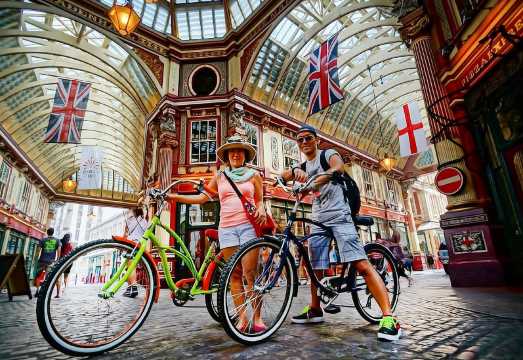
Secret bike tour of London City and the East End – Guided Sightseeing Experience Secret bike tour of London City and the East End adds structure, local context and purposeful sightseeing to the itinerary. Secret bike tour of London City and the East End: experience overview Cycle across the iconic Tower Bridge, with views of the Thames River and the London skyline;Explore the historic East End Docks and the exotic Brick Lane;Visit Diagon Alley and the Leaky Cauldron from "Harry Potter and the Sorcerer's Stone" Available from trip.com. This makes the experience a useful option when planning time in > London local experienceSearch results. The exact duration can depend on the selected date, option…
London East End Food and Market Tour – Guided Sightseeing London East End Food and Market Tour USD 119 adds structure, local context and purposeful sightseeing to the itinerary. London East End Food and Market Tour USD 119: experience overview Discover London's East End culinary scene through historic markets and local eateries. This makes the experience a useful option when planning time in London. The exact duration can depend on the selected date, option or operating schedule. Routes, start times, inclusions and meeting arrangements may vary, so the current booking page should be treated as the final source of operational information. At a glance Experience type: Guided sightseeing experience Destination:…
Jack the Ripper's London and East End Crime Tour - Guided Sightseeing Tour Jack the Ripper's London and East End Crime tour is a convenient way to add structure, local context and purposeful sightseeing to the itinerary. Jack the Ripper's London and East End Crime tour: experience overview Take the Jack the Ripper's London and East End Crime tour and hear about the history of Jack the Ripper and the East End's 1800s crime wave. This makes the experience a useful option when planning time in London. The exact duration can depend on the selected date, option or operating schedule. Routes, start times, inclusions and meeting arrangements may vary, so the current booking…
Quick take: Trip.com helps you compare prices across accommodations. Use it to shortlist hotels, then click through to confirm the final price, room type, and inclusions on the booking site.
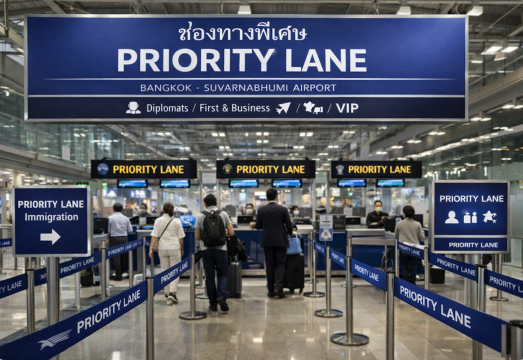
Bangkok : Suvarnabhumi Airport Butler Service with Priority Lane (Fast Track) Bangkok : Suvarnabhumi Airport Butler Service with Priority Lane (Fast Track) adds structure, local context and purposeful sightseeing to the itinerary. Bangkok : Suvarnabhumi Airport Butler Service with Priority Lane (Fast Track): experience overview The Premium Priority Lane service available daily with Instant Confirmation;Dedicated personal airport butler to assist you from arrival to immigration;Access to exclusive Priority Lane for fast and hassle-free processing Available from trip.com. This makes the experience a useful option when planning time in > Bangkok local experienceSearch Results. The exact duration can depend on the selected date, option or operating schedule. Routes, start times, inclusions and…
90-Minute Axe Throwing Session in Your Own Private Lane – Guided Local Tour 90-Minute Axe Throwing Session in Your Own Private Lane adds structure, local context and purposeful sightseeing to the itinerary. 90-Minute Axe Throwing Session in Your Own Private Lane: experience overview Find the latest luxury travel ideas & exclusive special offers at insider prices. Save on holiday travel & accommodation packages with Luxury Escapes. Available from luxuryescapes.com. This makes the experience a useful option when planning time in the destination. The listing describes this as a 90-minute experience. Routes, start times, inclusions and meeting arrangements may vary, so the current booking page should be treated as the final source of operational…
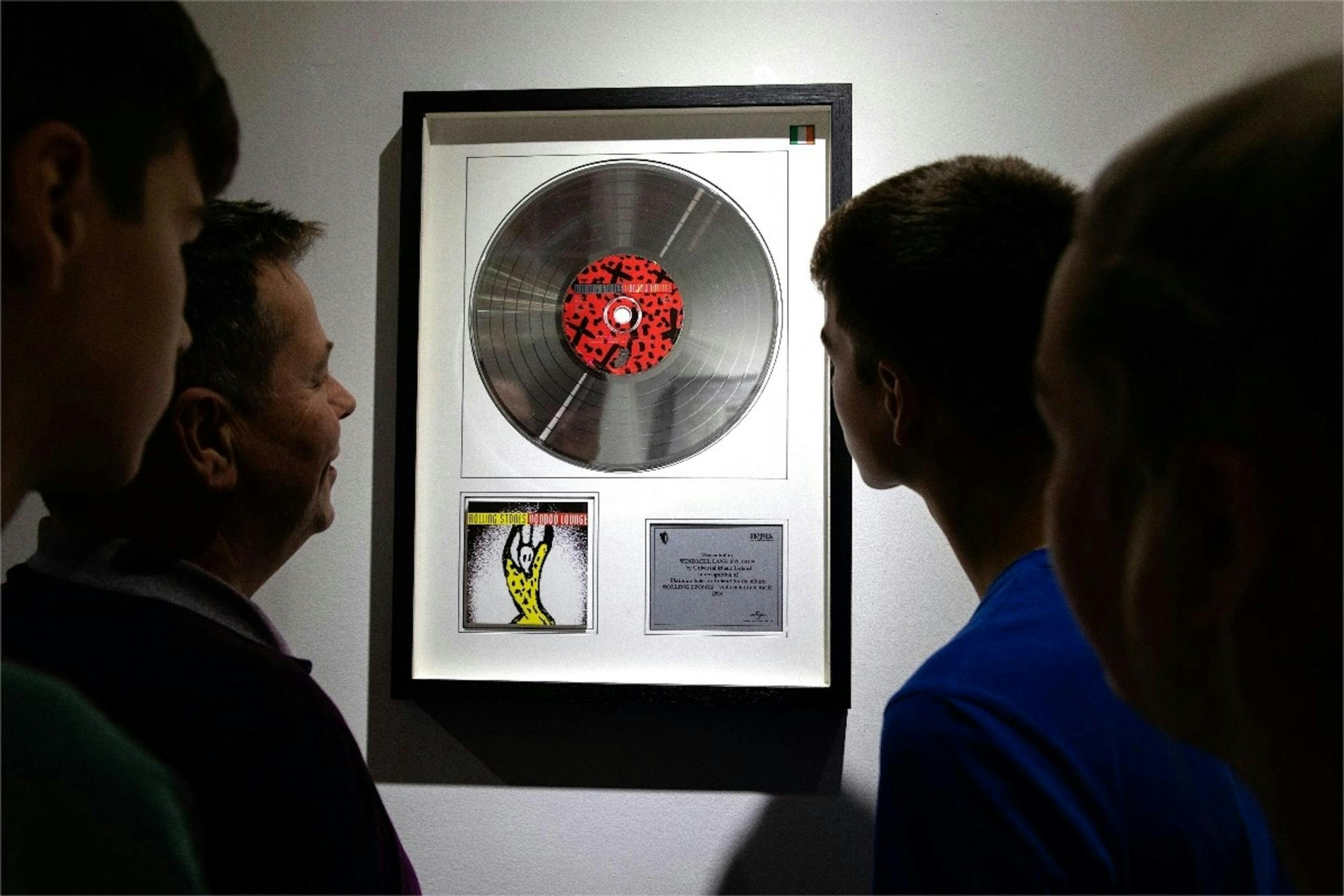
Windmill Lane Recording Studios Guided Tour - Guided Sightseeing Tour Windmill Lane Recording Studios guided tour brings several elements of the destination together in one organised experience. Windmill Lane Recording Studios guided tour: experience overview Explore Ireland's most famous recording studios, learn about the history of music and the great artists who recorded their masterpieces here. This makes the experience a useful option when planning time in Dublin. The exact duration can depend on the selected date, option or operating schedule. Routes, start times, inclusions and meeting arrangements may vary, so the current booking page should be treated as the final source of operational information. At a glance Experience type:…
Fast-Track Lane Service at Bangkok Suvarnabhumi Airport – Transfer & Transport Service Guided Fast-Track Lane Service at Bangkok Suvarnabhumi Airport: Practical Visitor Guide Quick overview: This experience is presented as pre-booked transport, airport assistance or luggage services in Bangkok Suvarnabhumi Airport. The listing may offer admission, a guided visit, transport, a combination package or premium access. Read the exact live description because similarly named options can have different meeting points, durations and inclusions. Table of Contents About the experience What you may experience Planning the visit Booking checklist Frequently asked questions About This Experience A booking is most useful when it solves a practical problem: securing limited admission, providing reliable interpretation, arranging…
East End Food Tour – Food & Drink Experience East End Food Tour USD 104 explores the destination through flavour and regional customs. East End Food Tour USD 104: experience overview Taste diverse local flavours of the East End neighbourhood and discover conic eats, street art and tales from past to present. This makes the experience a useful option when planning time in London. The exact duration can depend on the selected date, option or operating schedule. Routes, start times, inclusions and meeting arrangements may vary, so the current booking page should be treated as the final source of operational information. At a glance Experience type: Food and drink…
Tour London's West End with the World at War Exploration Game - Self-Guided Experience Tour London's West End with the World at War Exploration Game brings several elements of the destination together in one organised experience. Tour London's West End with the World at War Exploration Game: experience overview Explore Burlington Arcade, Sackville Street, Piccadilly Circus, Waterloo Place, Trafalgar Square, Horse Guards Parade, Churchill War Rooms, Boudiccan Rebellion, see the Montgomery Statue, and more. This makes the experience a useful option when planning time in London. The exact duration can depend on the selected date, option or operating schedule. Routes, start times, inclusions and meeting arrangements may vary, so the current booking page should…
Quick take: Trip.com helps you compare prices across accommodations. Use it to shortlist hotels, then click through to confirm the final price, room type, and inclusions on the booking site.