Brandenburg Gate Guide: Berlin’s Iconic Landmark, Pariser Platz, Cold War History and Travel Tips
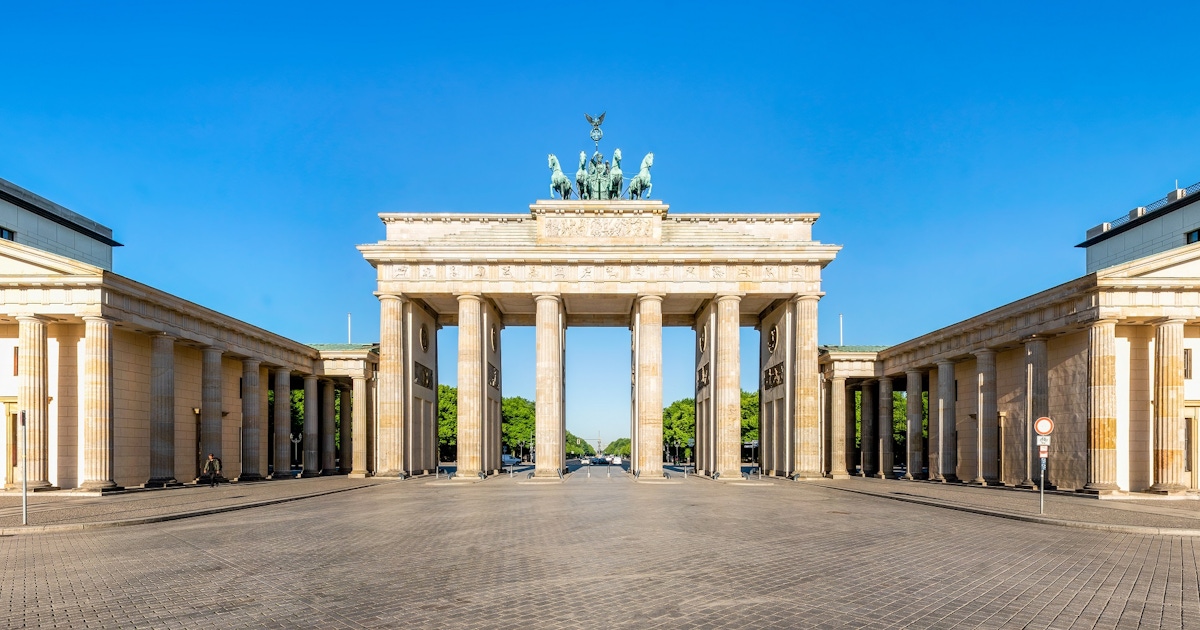
Brandenburg Gate, or Brandenburger Tor, is Berlin’s most famous landmark and one of Germany’s most powerful symbols. Standing at Pariser Platz in the heart of the city, this sandstone neoclassical gate has witnessed Prussian ambition, Napoleonic occupation, Nazi propaganda, wartime destruction, Cold War division, the fall of the Berlin Wall and the reunification of Germany.
Today, the Brandenburg Gate is free to visit, easy to photograph and surrounded by some of Berlin’s most important sights, including Unter den Linden, the Reichstag, the Memorial to the Murdered Jews of Europe, Tiergarten and the former path of the Berlin Wall. It is one of the best places to start a Berlin walking route because so much history sits within a few minutes’ walk.
Whether you visit for photos, history, architecture, Cold War context, a guided walking tour or a night-time view of the illuminated gate, Brandenburg Gate is essential Berlin.
Quick take: Trip.com offers a worldwide selection of tours and attractions and hotels
Berlin Private Car Service with Driver-Brandenburg Gate, Berlin… Germany Berlin Private Car Service with Driver-Guide: Brandenburg Gate, Berlin Cathedral and More This Berlin private car service is designed for travellers who want flexible door-to-door transport between the city’s best-known landmarks without managing trains, taxis, or a rigid group schedule. If you want to explore Berlin without locking yourself into a standard group tour, a private car service with a driver-guide can be one of the easiest ways to do it. This type of booking is less about following a fixed sightseeing script and more about shaping the day around what matters most to you, whether that is iconic landmarks,…
Quick take: Trip.com helps you compare prices across accommodations. Use it to shortlist hotels, then click through to confirm the final price, room type, and inclusions on the booking site.
Brandenburg Gate is worth visiting because it is more than a beautiful monument. It is a visual summary of Berlin’s complicated history. Once a ceremonial city gate, later a symbol of Prussian power, then a backdrop to dictatorship, war and division, it is now one of Europe’s clearest symbols of unity and peace.
The gate is also extremely convenient. It sits in central Berlin, close to transport, major memorials, government buildings, parks, museums and walking-tour routes. You can visit in ten minutes for a photo, or use it as the starting point for a full half-day exploring Berlin’s historic centre.
Brandenburg Gate is best for:
First-time visitors to Berlin
Cold War and Berlin Wall history
Architecture and city photography
Free sightseeing in central Berlin
Walking tours of Berlin-Mitte
Families wanting an easy landmark stop
Night photography and illuminated monument views
Visitors combining Reichstag, Tiergarten, Unter den Linden and the Holocaust Memorial
Where Is Brandenburg Gate?
Brandenburg Gate stands at Pariser Platz in Berlin-Mitte, at the western end of Unter den Linden and close to the eastern edge of Tiergarten. It is one of the easiest landmarks in Berlin to reach by public transport.
Location Detail
Traveller Notes
Destination
Brandenburg Gate / Brandenburger Tor
Address area
Pariser Platz, 10117 Berlin
District
Berlin-Mitte
Nearest S-Bahn / U-Bahn
S+U Brandenburger Tor
Main nearby boulevard
Unter den Linden
Nearby park
Tiergarten
Visit cost
Free
Best visit length
15 minutes for photos; 1 to 3 hours with nearby sights
What to Expect at Brandenburg Gate
Expect a large open pedestrian square, crowds of visitors, guided walking groups, cyclists, photographers, street performers and a constant flow of people moving between Unter den Linden, the Reichstag, Tiergarten and the Holocaust Memorial.
You cannot climb the gate or go inside it like a museum. The experience is from the surrounding public spaces: Pariser Platz on the east side and Platz des 18. März on the west side. The monument is especially atmospheric at night when it is lit and the square is quieter.
What you may see
The neoclassical sandstone gate with Doric columns
The Quadriga sculpture on top
Pariser Platz and surrounding embassies
Hotel Adlon Kempinski
Unter den Linden boulevard
Reichstag dome views nearby
Tiergarten park entrance to the west
Street musicians, tour groups and public events
Illuminated night views
Seasonal events, demonstrations or celebrations
What not to expect
Do not expect a quiet hidden landmark during the day.
Do not expect to go inside the gate.
Do not expect car traffic through the gate; the surrounding area is largely pedestrianised.
Do not expect every photo angle to be crowd-free.
Do not expect all nearby streets to be open during major events or demonstrations.
Do not expect the gate to be only about architecture; its political and symbolic history is central to the visit.
A Short History of Brandenburg Gate
Brandenburg Gate was built between 1788 and 1791 on the orders of King Frederick William II of Prussia. It was designed by Carl Gotthard Langhans and inspired by classical Greek architecture, especially the gateway to the Acropolis in Athens.
The gate originally marked one of the entrances to the city and stood at the end of Unter den Linden, Berlin’s grand ceremonial boulevard. Over time, it became one of the city’s great symbolic stages.
Key moments in Brandenburg Gate history
1788–1791: Brandenburg Gate is constructed as a ceremonial city gate.
1793: The Quadriga sculpture is placed on top of the gate.
1806: Napoleon’s troops take the Quadriga to Paris after defeating Prussia.
1814: The Quadriga is returned to Berlin after Napoleon’s defeat.
1930s–1940s: The gate is used as a symbolic backdrop during Nazi rule and survives World War II damaged but standing.
1961: The Berlin Wall is built, leaving the gate in a restricted border zone.
1989: After the fall of the Berlin Wall, the gate becomes a symbol of reunification.
2002: The gate reopens after major restoration.
The Quadriga on Top
The Quadriga is the four-horse chariot sculpture crowning Brandenburg Gate. It was designed by Johann Gottfried Schadow and placed on the gate in 1793. The figure in the chariot is commonly associated with Victoria, the goddess of victory.
The Quadriga has its own dramatic history. Napoleon removed it and took it to Paris in 1806. After his defeat, it was returned to Berlin, where it became an even stronger symbol of Prussian pride and later German identity.
What to look for
The four horses facing east toward the city centre
The chariot and winged female figure
The eagle and iron-cross symbolism added after the Quadriga’s return
The green patina of the bronze sculpture
The way the Quadriga silhouettes against the sky at sunset
Pariser Platz
Pariser Platz is the square immediately east of Brandenburg Gate. It was heavily damaged during World War II and later affected by Berlin’s division. After reunification, the square was rebuilt as one of the most formal and symbolic public spaces in the city.
Today, Pariser Platz is lined with important buildings, including the US Embassy, the French Embassy, the Academy of Arts and Hotel Adlon Kempinski. It is also one of the most photographed places in Berlin.
What to see on Pariser Platz
Brandenburg Gate from the classic east-facing photo angle
Hotel Adlon Kempinski
US Embassy
French Embassy
Academy of Arts
Unter den Linden entrance
Street performers and guided tour meeting points
Tourist information nearby
Pariser Platz tips
Visit early morning for fewer people in photos.
Return after dark for illuminated views.
Look for the Pariser Platz street sign for a classic Berlin photo.
Use the square as the starting point for Unter den Linden or Reichstag walks.
Be aware of pickpockets in very crowded areas.
Brandenburg Gate and the Cold War
During the Cold War, Brandenburg Gate stood close to the Berlin Wall in a restricted border zone. This meant ordinary Berliners from both East and West could not simply walk through or gather around it. Its very emptiness became symbolic: a monument built as a city gateway had become a blocked and unreachable marker of division.
When the Berlin Wall fell in 1989, Brandenburg Gate became one of the great symbols of reunified Berlin. The reopening of the gate in December 1989 drew huge crowds and turned the monument from a sign of separation into a sign of unity.
Cold War context nearby
The former Berlin Wall route passed close to the gate.
Platz des 18. März on the west side connects the gate with protest and democratic memory.
The Reichstag nearby became a powerful symbol of reunited German democracy.
The Memorial to the Murdered Jews of Europe sits just south of the gate, adding another layer of historical reflection.
Unter den Linden leads east into the former East Berlin city centre.
Best Things to Do at and Around Brandenburg Gate
1. Photograph the gate from Pariser Platz
This is the classic angle, with the gate’s columns and Quadriga facing you from the east side.
2. Walk through the gate
Walking through the gate is simple today, but historically powerful when you understand that this was impossible during much of the Cold War period.
3. Visit the Reichstag
The German parliament building is a short walk north. Its glass dome is one of Berlin’s best viewpoints, but advance registration is usually required.
4. Walk Unter den Linden
Unter den Linden runs east from the gate toward Berlin Cathedral, Museum Island and the Humboldt Forum.
5. Explore Tiergarten
To the west of the gate, Tiergarten gives you a leafy break from the crowds and connects toward the Victory Column.
6. Visit the Holocaust Memorial
The Memorial to the Murdered Jews of Europe is only a few minutes south and is one of Berlin’s most important memorial sites.
7. Follow the former Berlin Wall route
Use pavement markers and nearby historical signs to understand how the Wall once ran through this area.
8. Take a guided walking tour
A guide helps connect the gate with Prussian history, Nazi Berlin, the Cold War, the Wall and reunification.
9. Visit at night
The illuminated gate has a completely different mood after dark and is often better for photos.
10. Use it as a central Berlin starting point
From Brandenburg Gate, you can build an excellent walking day through Reichstag, Unter den Linden, Museum Island, Gendarmenmarkt, Potsdamer Platz or Tiergarten.
Best Photo Spots and Photography Tips
Brandenburg Gate is one of Berlin’s most photographed landmarks, so patience matters. The square can be busy at almost any time, but good angles are easy to find if you move around.
Best photo spots
Pariser Platz: classic full-frontal view of the gate.
Platz des 18. März: west-side view toward Pariser Platz.
Unter den Linden approach: good for framing the gate from the east.
Tiergarten side: useful for wider city-and-park context.
Reichstag roof terrace: if visiting the dome, you may get wider views of the surrounding area.
Pariser Platz sign angle: good for a detail shot with the gate behind.
Photography tips
Go early morning for the quietest photos.
Visit after dark for illuminated shots.
Use a wide-angle lens or phone wide mode for the full gate.
Move to the side if the front view is too crowded.
Use the columns to frame people or silhouettes.
Try sunset photos with the Quadriga against the sky.
Expect security barriers during events or official visits.
Do not stand in cycle lanes or block pedestrian flows for photos.
Suggested Walking Routes from Brandenburg Gate
Route 1: Classic Historic Berlin Walk
Start: Brandenburg Gate and Pariser Platz.
Stop 1: Reichstag and government district.
Stop 2: Memorial to the Murdered Jews of Europe.
Stop 3: Potsdamer Platz.
Optional: Topography of Terror and Checkpoint Charlie.
Route 2: Unter den Linden to Museum Island
Start: Brandenburg Gate.
Walk: Continue east along Unter den Linden.
Stops: State Opera, Bebelplatz, Humboldt University and Neue Wache.
Finish: Berlin Cathedral, Museum Island or Humboldt Forum.
Route 3: Tiergarten and Victory Column
Start: West side of Brandenburg Gate.
Walk: Enter Tiergarten via Straße des 17. Juni.
Stop: Soviet War Memorial if included in your route.
Finish: Victory Column and Tiergarten paths.
Route 4: Cold War and Wall Memory Walk
Start: Brandenburg Gate.
Look for: former Wall route markers and historical panels.
Continue: Memorial to the Murdered Jews of Europe.
Optional: Potsdamer Platz Berlin Wall remnants.
Finish: Topography of Terror or Checkpoint Charlie.
Route 5: Evening Berlin Photo Walk
Start: Reichstag at sunset.
Walk: Continue to Brandenburg Gate after dark.
Stop: Pariser Platz night photos.
Finish: Unter den Linden or Gendarmenmarkt for evening atmosphere.
Nearby Places to Visit
Reichstag Building
The Reichstag is home to the German Bundestag and is famous for its glass dome. It is one of the best nearby additions to a Brandenburg Gate visit.
Unter den Linden
Unter den Linden is Berlin’s historic boulevard, leading from Brandenburg Gate toward Museum Island and many major cultural sights.
Memorial to the Murdered Jews of Europe
This powerful memorial is only a short walk south of the gate and should be visited respectfully and quietly.
Tiergarten
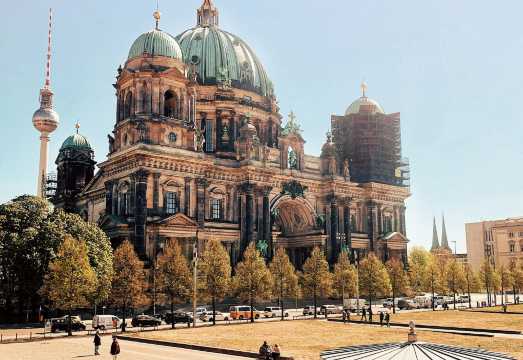
Tiergarten is Berlin’s large central park and a good place to rest, walk, cycle or continue toward the Victory Column.
Potsdamer Platz
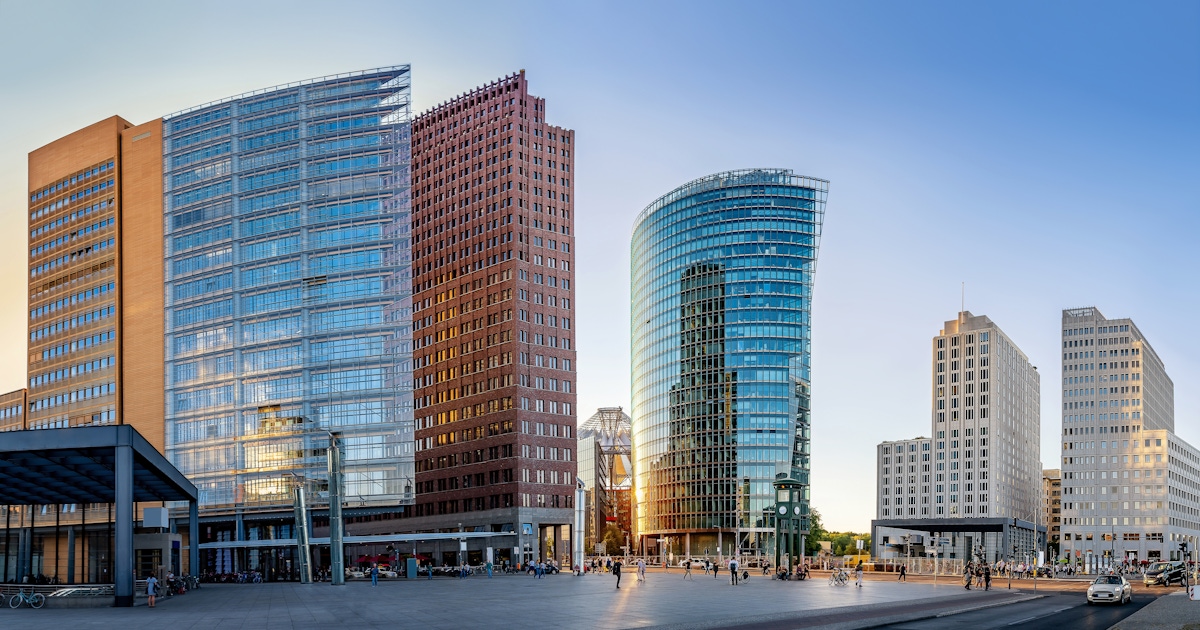
Potsdamer Platz offers modern architecture, Berlin Wall history and shopping within walking distance.
Berlin Wall route markers
Look for the line of cobblestones and markers in the pavement that show where the Berlin Wall once ran.
Madame Tussauds Berlin
Located close to Unter den Linden and Pariser Platz, this is a lighter entertainment stop for families or pop-culture travellers.
Gendarmenmarkt
One of Berlin’s most elegant squares, reachable by walking or a short public transport ride from Brandenburg Gate.
Museum Island
Continue along Unter den Linden to reach Museum Island, Berlin Cathedral and the Humboldt Forum.
Best Time to Visit Brandenburg Gate
You can visit Brandenburg Gate at any time of day or night, but the experience changes with light, crowds and events.
Time / Season
What to Expect
Advice
Early morning
Fewer crowds and cleaner photos
Best for photography and quiet atmosphere.
Midday
Busy with tour groups and visitors
Good if you are joining a walking tour.
Sunset
Warm light on the sandstone and Quadriga silhouettes
Excellent for photos if the weather is clear.
Night
Illuminated gate and dramatic atmosphere
One of the best times for memorable views.
Winter
Cold weather, possible festive atmosphere and fewer daylight hours
Dress warmly and visit nearby cafés or museums.
New Year and major events
Large crowds, barriers and road closures
Check event information before visiting.
Where to Stay Near Brandenburg Gate
Area
Best For
Traveller Notes
Unter den Linden / Pariser Platz
Luxury stays and landmark views
Best for being right beside the gate, but prices can be high.
Mitte
First-time visitors and sightseeing
Excellent base for museums, history and transport.
Friedrichstraße
Transport, shopping and central access
Good balance of convenience and hotel choice.
Potsdamer Platz
Modern hotels, entertainment and business travel
Easy walk to Brandenburg Gate and the Holocaust Memorial.
Tiergarten
Green space and quieter stays
Good for walking, running and park access.
Alexanderplatz
Transport links and value options
A short public transport ride from Brandenburg Gate.
Kreuzberg
Food, nightlife and alternative culture
Better for atmosphere than immediate landmark access.
Food, Cafés and Rest Stops Nearby
Pariser Platz has premium hotel dining and cafés nearby, but prices can be higher because of the landmark location. For more variety, walk along Unter den Linden, toward Friedrichstraße, into Potsdamer Platz or toward Gendarmenmarkt.
Nearby food areas
Pariser Platz: convenient but often expensive.
Unter den Linden: cafés, hotel restaurants and tourist-friendly stops.
Friedrichstraße: restaurants, bakeries and shopping-centre dining.
Potsdamer Platz: modern restaurants, cafés and quick meals.
Gendarmenmarkt: elegant cafés and restaurants.
Reichstag area: limited options, so plan ahead if visiting the dome.
Food tips
Bring water if you are walking a long route.
Expect higher prices close to Pariser Platz.
Book ahead for popular restaurants near Unter den Linden or Gendarmenmarkt.
Use Friedrichstraße or Potsdamer Platz for easier casual food options.
Try currywurst or a Berlin-style snack if you want something quick and local.
Useful Booking Resources for Brandenburg Gate and Berlin Activities
Brandenburg Gate is free to visit independently, but booking platforms are useful for guided walking tours, Cold War history tours, Reichstag visits, bike tours, Berlin Wall routes, museum tickets, transport passes and wider Berlin sightseeing. Skimlinks may automatically convert these merchant links into affiliate links if the merchant is active in your Skimlinks account.
GetYourGuide – offers Berlin walking tours, Brandenburg Gate history tours, Reichstag visits, Berlin Wall experiences, bike tours, museum tickets and city passes.
Viator – offers private Berlin tours, Cold War walking tours, Third Reich history tours, bike tours, food experiences and Brandenburg Gate sightseeing routes.
Klook – offers Berlin attraction tickets, transport products, eSIMs, airport transfers, city tours and selected cultural experiences.
KKday – offers Berlin tours, local experiences, transport services, attraction tickets and Europe travel products.
Trip.com – useful for Berlin hotels, flights, trains, attraction listings and city-break planning.
Tiqets – useful for mobile-friendly Berlin museum tickets, attraction tickets and cultural experiences.
Musement – offers Berlin tours, museum tickets, guided walks, Cold War experiences and city activities.
Go City – offers attraction passes in selected destinations, useful for travellers comparing multi-attraction sightseeing before or after Berlin.
CityPASS – mainly useful for selected North American cities, but included for readers comparing pass-style products across wider travel planning.
Booking tip: Before booking a Brandenburg Gate-related tour, check whether it includes the Reichstag, Holocaust Memorial, Unter den Linden, Berlin Wall route, Hitler’s bunker area, Tiergarten, Checkpoint Charlie or Museum Island. Many tours start at the gate but cover very different themes.
Brandenburg Gate Travel Tips
Visit twice if you can
Go during the day for context and return at night for illuminated photos.
Use public transport
S+U Brandenburger Tor is the easiest stop. Walking from Friedrichstraße, Potsdamer Platz or Berlin Hauptbahnhof is also possible depending on your route.
Combine nearby sights
Do not visit the gate alone and leave. The Reichstag, Tiergarten, Unter den Linden and Holocaust Memorial are all close.
Take a guided tour for history
The gate is more meaningful when you understand its role in Prussian, Nazi, Cold War and reunification history.
Go early for photos
Early morning gives the best chance of fewer crowds and cleaner views.
Expect public events
Demonstrations, festivals, sports screenings, state visits and New Year events can change access.
Watch your belongings
Like any major tourist area, keep bags and phones secure.
Use the former Wall markers
Look for Berlin Wall route markers in the pavement to understand how close the border once was.
Respect memorial spaces nearby
The Holocaust Memorial is close by and should be visited quietly and respectfully.
Do not rush Unter den Linden
The boulevard east of the gate is one of Berlin’s most historic walks, leading toward museums, churches, universities and royal architecture.
Is Brandenburg Gate Worth Visiting?
Yes, Brandenburg Gate is absolutely worth visiting. It is free, central, easy to reach and one of the most historically important landmarks in Berlin. The architecture is impressive, but the deeper value comes from the stories attached to it: monarchy, empire, war, division, protest, reunification and modern democracy.
It may feel crowded and touristy during the day, but that does not reduce its importance. Visit early or late for a better atmosphere, and pair it with a walk to the Reichstag, Tiergarten, Unter den Linden and the Holocaust Memorial for a fuller understanding of Berlin.
The best way to experience Brandenburg Gate is to see it as both a monument and a historical crossroads. Stand at Pariser Platz, look through the columns toward Tiergarten, imagine the Berlin Wall blocking this space, then walk through the gate into a reunited city.
FAQs About Brandenburg Gate
Where is Brandenburg Gate?
Brandenburg Gate is at Pariser Platz in Berlin-Mitte, at the western end of Unter den Linden and close to Tiergarten and the Reichstag.
Is Brandenburg Gate free to visit?
Yes. Brandenburg Gate is free to visit and can be viewed from the public square at any time.
What is Brandenburg Gate famous for?
Brandenburg Gate is famous as Berlin’s most iconic landmark and as a symbol of German division during the Cold War and reunification after the fall of the Berlin Wall.
Can you walk through Brandenburg Gate?
Yes. Today visitors can walk through the gate, which is historically meaningful because it was inaccessible during the Berlin Wall period.
What is the statue on top of Brandenburg Gate?
The statue is the Quadriga, a four-horse chariot sculpture designed by Johann Gottfried Schadow and placed on the gate in 1793.
What is the nearest train station to Brandenburg Gate?
The nearest station is S+U Brandenburger Tor, served by S-Bahn and U-Bahn connections.
Is Brandenburg Gate near the Berlin Wall?
Yes. During the Cold War, the Berlin Wall ran close to the gate, placing it in a restricted border zone. Today, Wall route markers nearby help show where the division once stood.
When is the best time to visit Brandenburg Gate?
Early morning is best for fewer crowds, sunset is good for warm light, and night is excellent for illuminated photos.
What can you visit near Brandenburg Gate?
Nearby sights include the Reichstag, Tiergarten, Unter den Linden, the Memorial to the Murdered Jews of Europe, Potsdamer Platz, Museum Island and Gendarmenmarkt.
Is Brandenburg Gate worth visiting?
Yes. Brandenburg Gate is one of Berlin’s most important landmarks and is worth visiting for its architecture, central location, Cold War history, reunification symbolism and nearby sightseeing routes.
Sponsored Popular Items
Quick take: Trip.com offers a worldwide selection of tours and attractions and hotels
Berlin Private Car Service with Driver-Brandenburg Gate, Berlin Cathedral – Travel Service Germany Berlin Private Car Service with Driver-Guide: Brandenburg Gate, Berlin Cathedral and More This Berlin private car service is designed for travellers who want flexible door-to-door transport between the city’s best-known landmarks without managing trains, taxis, or a rigid group schedule. If you want to explore Berlin without locking yourself into a standard group tour, a private car service with a driver-guide can be one of the easiest ways to do it. This type of booking is less about following a fixed sightseeing script and more about shaping the day around what matters most to you, whether that is iconic landmarks,…
Brandenburg Gate Tickets & Guided Tours in Berlin Brandenburg Gate in Berlin: Tickets, Tours and Visitor Guide Quick overview: Brandenburg Gate in Berlin is presented as a visitor attraction in Berlin. A listing may offer basic admission, a guided visit, transport, a combination package or premium access. Read the exact live description because similarly named options can have different meeting points, durations and inclusions. Table of Contents About the experience What to expect Planning the visit Booking checklist Frequently asked questions About Brandenburg Gate in Berlin This type of booking is most valuable when it solves a practical problem: securing limited admission, providing reliable interpretation, arranging transport or…
Potsdamer Platz Berlin – Guided Tours & Visitor Guide Potsdamer Platz: Tickets, Tours and Visitor Guide Quick overview: Potsdamer Platz is presented as a visitor attraction in Berlin. A listing may offer admission, a guided visit, transport, a combination package or premium access. Read the exact live description because similarly named products can have different meeting points, durations and inclusions. Table of Contents About the experience What you may experience Planning the visit Booking checklist Frequently asked questions About Potsdamer Platz This booking is most valuable when it solves a practical problem: securing limited admission, providing reliable interpretation, arranging transport or making a complicated site easier to navigate. The…
Allianz Arena & St. Michael's Church & Max – Joseph – Platz & Fish's – Guided Tour Allianz Arena + St. Michael's Church + Max-Joseph-Platz + Fish's Fountain private charter day tour adds structure, local context and purposeful sightseeing to the itinerary. Allianz Arena + St. Michael's Church + Max-Joseph-Platz + Fish's Fountain private charter day tour: experience overview Premium private charter, exclusive space, door-to-door service, effortless travel;Bilingual in Chinese and English, seamless communication, adjustable itinerary, complete flexibility throughout;Customize itineraries to suit all types of travelers. For details, please contact customer support. Available from trip.com. This makes the experience a useful option when planning time in > Munich local experienceSearch results. The exact duration can depend on…
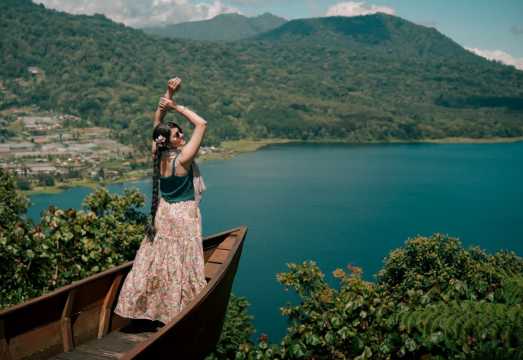
North Bali Highlights Iconic Gate , Waterfall & Twin Lake Panorama – Sightseeing North Bali Highlights Iconic Gate ,Waterfall & Twin Lake Panorama places landscapes, habitats or wildlife at the centre of the experience. North Bali Highlights Iconic Gate ,Waterfall & Twin Lake Panorama: experience overview Visit The Iconic Ulundanu Batan ;Capture Stunning Photo at Handara Gate ;Explore banyumala Waterfall Available from trip.com. This makes the experience a useful option when planning time in > Bali local experienceSearch Results. The exact duration can depend on the selected date, option or operating schedule. Routes, start times, inclusions and meeting arrangements may vary, so the current booking page should be treated as the final source…
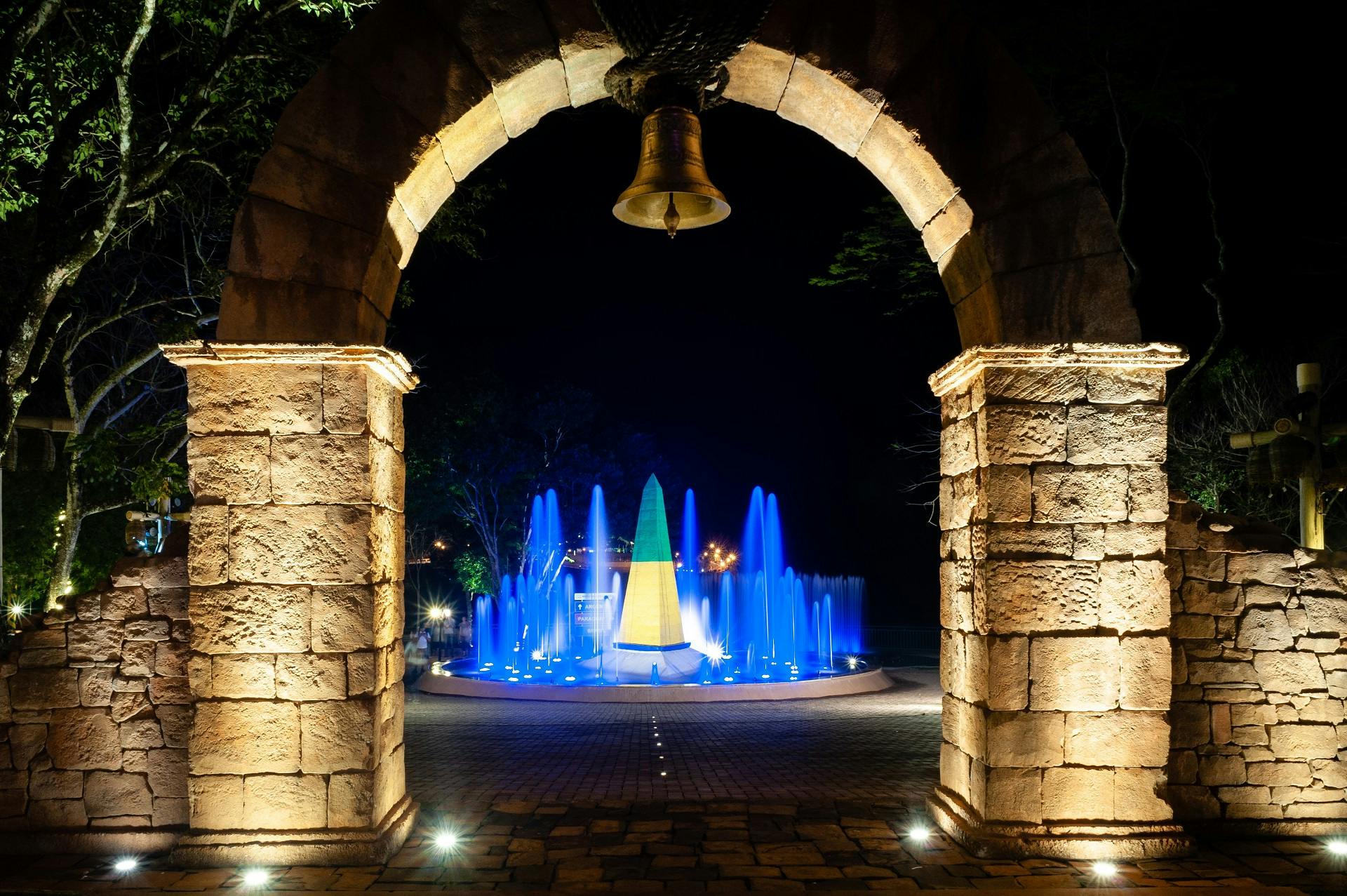
Landmark of the Three Frontiers Sunset Guided Tour – Guided Sightseeing Experience Landmark of the Three Frontiers sunset guided tour adds structure, local context and purposeful sightseeing to the itinerary. Landmark of the Three Frontiers sunset guided tour: experience overview Visit the Landmark of Brazil’s frontier with Paraguay and Argentina and see there the other countries' landmark across the border, right where Iguassu River meets Paraná River. This makes the experience a useful option when planning time in Foz Do Iguacu. The exact duration can depend on the selected date, option or operating schedule. Routes, start times, inclusions and meeting arrangements may vary, so the current booking page should be treated as…
Quick take: Trip.com helps you compare prices across accommodations. Use it to shortlist hotels, then click through to confirm the final price, room type, and inclusions on the booking site.
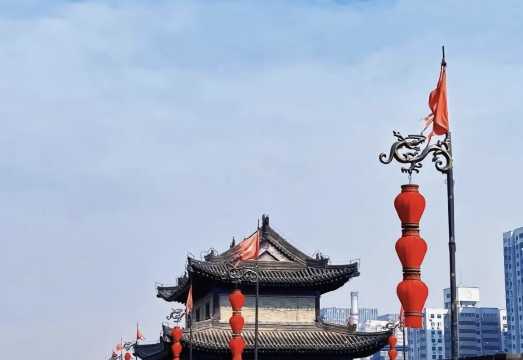
Xi'an Classical City Tour – Xi'an Museum & Xiaoyan Pagoda & Landmark Highlights Xi'an Classical City Tour|Xi'an Museum&Xiaoyan Pagoda & Landmark Highlights offers a hands-on way to engage with local skills or traditions. Xi'an Classical City Tour|Xi'an Museum&Xiaoyan Pagoda & Landmark Highlights: experience overview Xi'an Classic Landmarks One-Day Tour: In-depth Museum Experience with Multilingual Options Available;Xi'an history such as ancient Chinese calligraphy, historical recordings, sculptures and stone carvings;Learn about the country's rich history on this informative tour of Chinese museums Available from trip.com. This makes the experience a useful option when planning time in > Xi'an local experienceSearch results. The listing describes this as a one-day experience. Routes, start times, inclusions and meeting…
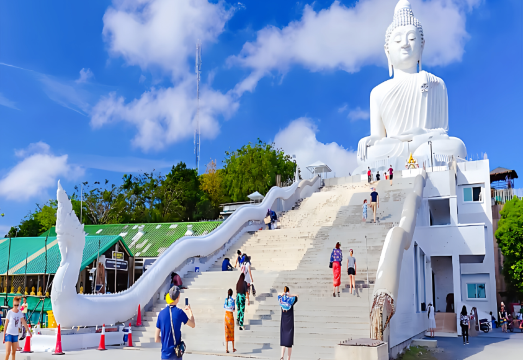
Phuket City Tour: Wat Chalong, Big Buddha and Landmark View – Guided Travel Experience Phuket City Tour: Wat Chalong, Big Buddha and Landmark View Points adds structure, local context and purposeful sightseeing to the itinerary. Phuket City Tour: Wat Chalong, Big Buddha and Landmark View Points: experience overview Explore well-known sites like the BIG BUDDHA and WAT CHALONG;Phuket's history in the Old Town known its Sino-Portuguese architecture;Hike to the famous viewpoints at KARON for breathtaking views of Phuket Available from trip.com. This makes the experience a useful option when planning time in > Phuket local experienceSearch results. The exact duration can depend on the selected date, option or operating schedule. Routes, start times, inclusions…
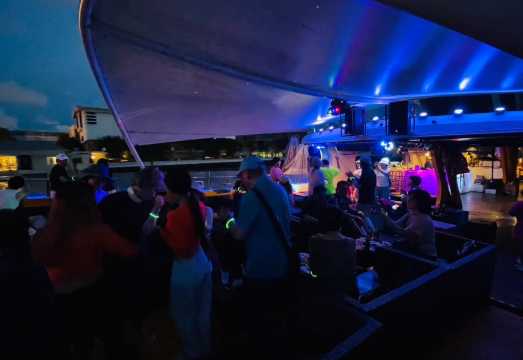
Bangkok Chao Phraya River Night Cruise with Food, Music and Landmark Views Thailand Bangkok’s Chao Phraya River is especially atmospheric at night, with illuminated temples, bridges, hotels and cruise boats reflecting on the water. Photo: Mark Fischer, CC BY-SA 3.0, via Wikimedia Commons. The Bangkok Chao Phraya River Night Cruise is a relaxed evening experience for travellers who want to see Bangkok from the water. Instead of navigating the city’s busy streets after dark, this Trip.com cruise lets visitors enjoy river breezes, night lights, food, music and views of Bangkok’s famous riverside landmarks. This experience is well suited to couples, families, first-time Bangkok visitors and travellers who want an easy night activity. The…
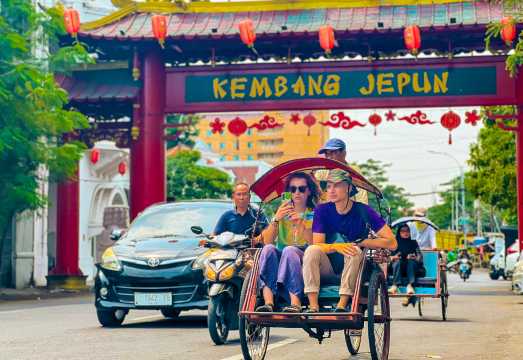
Surabaya City Exploration: Historical Landmark with Optional Batik – Food Experience Surabaya City Exploration: Historical Landmark with Optional Batik/Cooking Class offers a hands-on way to engage with local skills or traditions. Surabaya City Exploration: Historical Landmark with Optional Batik/Cooking Class: experience overview Historical Icons & Sacred Sites – Explore the Monkasel submarine, Ampel Mosque, and the magnificent Sanggar Agung temple.;Colonial Charm & Local Flavors – Wander through Kota Lama Surabaya and enjoy a culinary tasting at Pasar Atom.;Optional Cultural Workshop – End your day with a choice between a Batik-making class at Mirota or a Surabayan cooking class. Available from trip.com. This makes the experience a useful option when planning time…
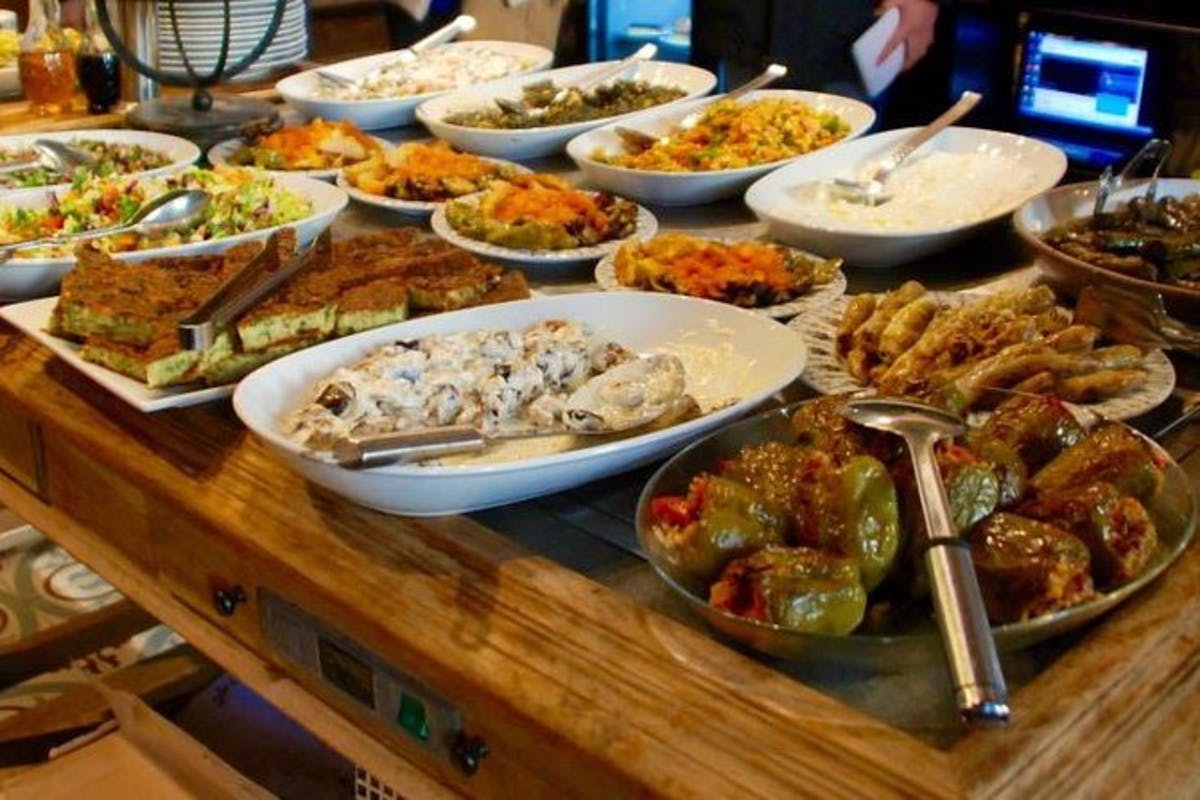
Gourmet Tour and Landmark Exploration in Izmir – Guided Tour Gourmet Tour and Landmark Exploration in Izmir is a convenient way to add structure, local context and purposeful sightseeing to the itinerary. Gourmet Tour and Landmark Exploration in Izmir: experience overview Embark on a culinary journey through Izmir, savour Turkish delights, and explore iconic landmarks. Book your tour now! This makes the experience a useful option when planning time in Izmir. The exact duration can depend on the selected date, option or operating schedule. Routes, start times, inclusions and meeting arrangements may vary, so the current booking page should be treated as the final source of operational information. At a…
Gala Dalí Castle Entry Ticket and Guided Visit – Historic Landmark Experience Gala Dalí Castle Entrance Ticket and Guided Visit: Practical Visitor Guide Quick overview: This experience is presented as state rooms, fortifications, government history or monumental architecture. The listing may offer admission, a guide, transport, a package or premium access. Read the complete live description because similarly named products can have different meeting points, durations and inclusions. Table of Contents About the experience What you may experience Planning the visit Booking checklist Frequently asked questions About This Experience A booking is most useful when it solves a practical problem: securing limited admission, providing reliable interpretation, arranging transport or making a complicated…
Quick take: Trip.com helps you compare prices across accommodations. Use it to shortlist hotels, then click through to confirm the final price, room type, and inclusions on the booking site.