Hanfu is the traditional clothing associated with Han Chinese culture. Rather than being one single outfit, Hanfu is an umbrella term for a wide range of historical clothing styles that changed across Chinese dynasties, social classes, occasions and regions. Today, Hanfu is also a growing fashion movement, worn for cultural festivals, photography, weddings, coming-of-age ceremonies, historical events and everyday styling by modern enthusiasts.
Hanfu: A Guide to Traditional Chinese Clothing, Styles, History and Modern Revival
Elegant, layered and symbolic, Hanfu is known for flowing lines, wrapped fronts, wide sleeves, long skirts, robes, sashes and graceful proportions. It is often seen in styles inspired by the Han, Tang, Song and Ming periods, each with its own distinctive shape and mood.
Sponsored Popular Items
Quick take: Musement.com offers a worldwide selection of tours and attractions
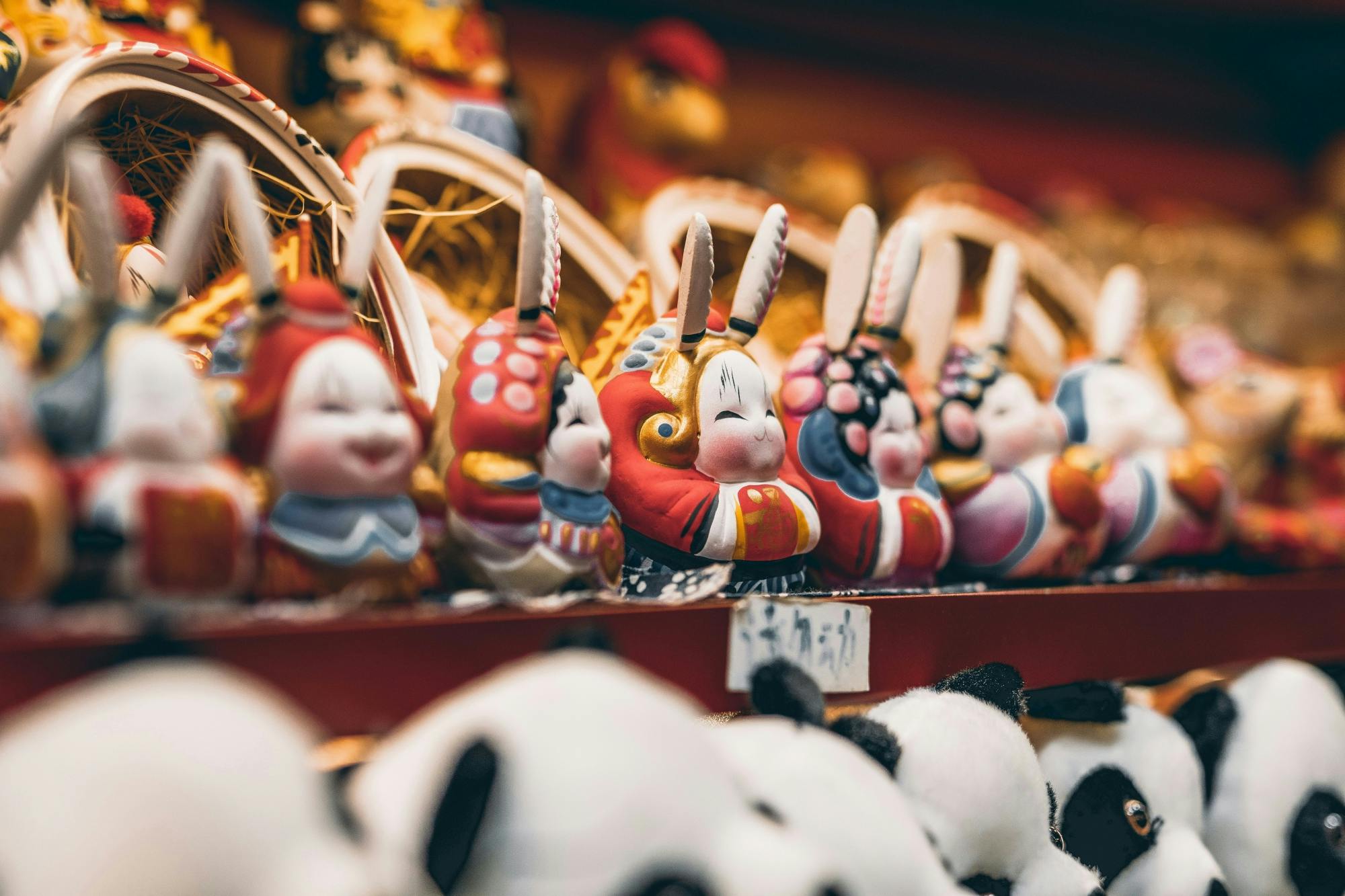
Traditional Chinese Lord Rabbit Painting Class in Beijing – Hands-On Workshop China Traditional Chinese Lord Rabbit Painting Class in Beijing turns part of the trip into a practical learning experience and an alternative to conventional sightseeing. Check current availability, inclusions and booking details before you go.
What Is Hanfu?
Hanfu means clothing of the Han people. In modern use, it usually refers to traditional Han Chinese clothing styles that existed before the Qing dynasty, although the exact definition can vary among scholars, enthusiasts and fashion communities.
Hanfu is not one fixed dress. It includes robes, jackets, skirts, coats, ceremonial garments, scholar robes, court-inspired clothing and everyday-style outfits. Some designs are historically researched, while others are modern interpretations inspired by historical silhouettes.
The most recognisable Hanfu forms often include a wrapped or cross-collar upper garment, a skirt or robe body, wide sleeves, flowing fabric and ties or sashes rather than buttons or zips. These features create the graceful, layered appearance people now associate with Hanfu.
Hanfu vs Qipao: What Is the Difference?
Hanfu and qipao are often confused, but they are different garments from different fashion histories.
Hanfu refers broadly to historical Han Chinese clothing styles, especially pre-Qing dynasty garments with robes, skirts, sashes, wrapped fronts and wide sleeves.
Qipao, also called cheongsam, is a fitted dress associated with the 20th century and influenced by Manchu and modern Shanghai fashion. It usually has a high collar, side fastenings, close-fitting shape and side slits.
In simple terms, Hanfu is usually loose, layered and robe-like, while qipao is usually tailored, fitted and dress-like. Both are important in Chinese fashion history, but they should not be treated as the same thing.
Key Features of Hanfu
Hanfu styles vary widely, but several features often appear across many traditional and modern designs.
Cross collar: A wrapped neckline that crosses over the chest, often closing to the wearer’s right side.
Wide sleeves: Flowing sleeves that create graceful movement.
Sashes and ties: Fabric belts or ribbons used instead of modern zips or buttons.
Long lines: Vertical, flowing shapes that create elegance and formality.
Natural drape: Soft fabric movement rather than tight body shaping.
Symbolic colours and motifs: Embroidery, borders, florals, clouds, cranes, dragons, phoenixes and seasonal designs may carry meaning.
Main Hanfu Styles
Because Hanfu covers many historical periods, there are many different styles. Some are more formal, some are easier to wear, and some are popular for photography or festivals. The following styles are among the most commonly seen in modern Hanfu fashion.
Ruqun
Ruqun is one of the best-known Hanfu styles. It usually consists of a short upper garment called a ru and a long skirt called a qun. The skirt may be tied at the waist, high waist or chest, depending on the historical inspiration.
Ruqun is popular because it is elegant, feminine and adaptable. It can look simple and fresh in light fabrics, or formal and dramatic with embroidery, wide sleeves and layered outer garments.
Common Ruqun Variations
Waist-high ruqun: Skirt tied around the natural waist.
High-waist ruqun: Skirt sits above the waist for a longer, flowing silhouette.
Chest-high ruqun: Skirt tied high at the chest, often associated with Tang-inspired styling.
Shenyi
Shenyi is a robe-like Hanfu style in which the upper and lower parts are connected into one long garment. It has a dignified, formal appearance and is often linked with ancient ceremonial, scholarly or philosophical traditions.
Shenyi usually has a wrapped front, long body and structured simplicity. Compared with highly decorative Tang-style Hanfu, shenyi can look more restrained and classical.
Aoqun
Aoqun combines an upper jacket or coat called an ao with a skirt called a qun. It is often associated with later historical styles, especially Ming-inspired Hanfu.
Aoqun can be practical, elegant and easy to adapt for modern wear. The jacket gives more structure than a loose robe, while the skirt maintains the traditional flowing line. Modern Hanfu wearers often choose aoqun for a balanced look that feels both historical and wearable.
Beizi
Beizi is a long, open-front outer garment often worn over other Hanfu layers. It can look light, graceful and relaxed, especially in Song-inspired styling.
A beizi may be narrow-sleeved or wide-sleeved depending on the style. It is useful for modern wear because it adds a traditional silhouette without feeling overly heavy or formal.
Tang-Inspired Hanfu
Tang-inspired Hanfu is often bold, colourful and flowing. Popular features include chest-high skirts, long scarves, sheer outer layers, rich colours, floral embroidery and elaborate hair accessories.
This style is especially popular for photography because it creates movement and drama. The Tang aesthetic is often associated with confidence, luxury, openness and artistic expression.
Song-Inspired Hanfu
Song-inspired Hanfu tends to look softer, slimmer and more understated than Tang-inspired styles. It often includes beizi outer garments, simple skirts, gentle colours and elegant proportions.
This style is popular with people who want Hanfu that feels refined, practical and easier to adapt to modern daily wear. It can look beautiful without being overly formal or theatrical.
Ming-Inspired Hanfu
Ming-inspired Hanfu is one of the strongest influences in the modern Hanfu revival. It often includes aoqun sets, standing collars, mamianqun horse-face skirts, structured jackets, woven patterns and more formal silhouettes.
The mamianqun has become especially popular in modern fashion because it pairs well with both traditional tops and contemporary blouses, knitwear or jackets. This makes Ming-inspired styling one of the easiest ways to bring Hanfu elements into everyday wardrobes.
The Modern Hanfu Revival
The modern Hanfu revival began as a cultural and fashion movement among people interested in reconnecting with traditional Chinese aesthetics. Over time, it has grown into a visible youth-led trend supported by social media, online stores, photography communities, festivals, cultural events and specialised designers.
Today, Hanfu is worn in many ways. Some people prefer historically accurate reconstructions. Others enjoy fantasy-inspired styling, drama-influenced looks, casual Hanfu-inspired outfits or modernised pieces that borrow traditional shapes.
The movement is not only about clothing. It often overlaps with interest in Chinese history, poetry, calligraphy, tea culture, traditional festivals, ancient music, photography and national cultural identity.
How to Wear Hanfu
Wearing Hanfu depends on the style, but most outfits are built from layers. A simple beginner outfit might include an inner top, a skirt, an outer robe or jacket and a sash.
Basic Wearing Steps
Start with a comfortable inner layer or undergarment.
Put on the main upper garment, wrapping it correctly if it has a cross collar.
Tie the inner ribbons securely but not too tightly.
Put on the skirt or lower garment and fasten it with ties.
Add the outer robe, beizi, coat or shawl if included.
Finish with a sash, belt, hair accessories or simple jewellery.
For cross-collar Hanfu, the right side is usually wrapped over the left from the wearer’s perspective. This detail matters because it is one of the most recognisable features of many traditional Hanfu styles.
Modern Hanfu Styling Tips
Hanfu can be worn traditionally or adapted into modern styling. The right approach depends on the occasion, the garment and your comfort level.
For a Traditional Look
Wear the full set as designed.
Use matching sashes, shoes and hair accessories.
Choose a hairstyle that suits the dynasty-inspired style.
Keep modern bags and shoes subtle.
Use natural-looking makeup or historically inspired details.
For a Modern Everyday Look
Pair a mamianqun skirt with a blouse, knit top or fitted jacket.
Wear a beizi-style outer layer over a simple dress or trousers.
Choose muted colours for easier daily wear.
Use minimal accessories rather than full ceremonial styling.
Balance one traditional piece with modern basics.
For Photography
Choose flowing fabrics that move well in wind.
Use soft light, gardens, temples, old streets or natural scenery as backgrounds.
Match the hairstyle and accessories to the clothing style.
Consider colours that contrast well with the setting.
Allow extra time for dressing, adjusting layers and arranging sleeves.
When to Wear Hanfu
Hanfu can be worn for many occasions, depending on the formality of the outfit.
Chinese cultural festivals
Hanfu meetups and parades
Tea ceremonies
Photography sessions
Traditional weddings
Coming-of-age ceremonies
Historical reenactment events
Performances and stage events
Museum or heritage visits
Modern casual fashion, when styled lightly
Highly formal Hanfu may feel too elaborate for daily wear, while simpler Song or Ming-inspired pieces can be easier to adapt into normal outfits.
What to Look for When Buying Hanfu
Buying Hanfu can be confusing for beginners because styles, fabrics, sizing and historical references vary. Before buying, decide whether you want a historically inspired outfit, a modern fashion piece, a costume-style garment or something suitable for regular wear.
Check the Style
Look for clear information about whether the piece is Tang-inspired, Song-inspired, Ming-inspired, ruqun, aoqun, shenyi, beizi or mamianqun. This helps you understand how it should be worn.
Check the Fabric
Light chiffon and synthetic fabrics can be affordable and flowing, but may look costume-like if too shiny. Cotton, linen, silk blends and higher-quality jacquard fabrics often look more refined.
Check the Construction
Look at stitching, embroidery, lining, skirt pleats, waist ties and sleeve finish. Poor construction can make Hanfu difficult to wear neatly.
Check the Sizing
Hanfu sizing often depends on height, bust, waist and garment length. Skirt length is especially important. A skirt that is too long can drag on the ground, while one that is too short changes the silhouette.
Check What Is Included
Some listings include only the skirt, while others include the full set. Check whether you are getting the inner garment, outer robe, sash, skirt, accessories or only one layer.
How to Wear Hanfu Respectfully
Hanfu can be appreciated by people from many backgrounds, but it should be worn with awareness. It is not just a fantasy costume; it has cultural, historical and identity meaning for many people.
Learn the name of the style you are wearing.
Avoid calling all Chinese clothing “kimono” or “qipao.”
Do not mix sacred or ceremonial elements carelessly.
Respect religious, wedding or mourning contexts.
Avoid exaggerated stereotypes in makeup, poses or captions.
Credit the cultural origin when posting photos or articles.
Support knowledgeable makers, designers and educators where possible.
Respectful wear does not mean Hanfu must be treated as untouchable. It means wearing it with curiosity, care and basic cultural literacy.
FAQs About Hanfu
What does Hanfu mean?
Hanfu means clothing of the Han people. In modern use, it refers broadly to traditional Han Chinese clothing styles, especially those inspired by pre-Qing dynasty garments.
Is Hanfu one specific outfit?
No. Hanfu is an umbrella term covering many styles, including ruqun, shenyi, aoqun, beizi, robes, skirts, jackets and ceremonial garments.
Is Hanfu the same as qipao?
No. Hanfu and qipao are different. Hanfu is usually loose, layered and based on older Han Chinese clothing traditions, while qipao is a fitted modern dress associated with later Chinese fashion history.
What are the most popular Hanfu styles?
Popular styles include ruqun, chest-high ruqun, shenyi, aoqun, beizi, mamianqun and Tang, Song or Ming-inspired outfits.
Can Hanfu be worn every day?
Yes, but some styles are easier for daily wear than others. Simple Song-inspired pieces, beizi layers and mamianqun skirts are often easier to adapt into modern wardrobes.
What is a mamianqun?
Mamianqun, often called a horse-face skirt, is a pleated skirt strongly associated with Ming-style clothing. It has become popular in modern fashion because it can be worn with both Hanfu tops and contemporary clothing.
Which side should Hanfu close on?
Many cross-collar Hanfu styles close to the wearer’s right side, with the right panel over the left. This is commonly known as right-over-left wrapping.
Is Hanfu only for women?
No. Hanfu includes men’s, women’s and children’s clothing. Men’s Hanfu may include robes, scholar-style garments, round-collar robes, jackets and ceremonial outfits.
Why is Hanfu popular again?
Hanfu has become popular again through youth fashion, social media, cultural pride, historical dramas, photography, festivals and interest in traditional Chinese aesthetics.
Can non-Chinese people wear Hanfu?
Yes, many people can appreciate and wear Hanfu respectfully. The key is to learn what it is, avoid stereotypes, use the correct terminology and treat it as cultural clothing rather than a joke costume.
Final Thoughts
Hanfu is one of the most visually graceful and culturally rich clothing traditions associated with China. Its flowing shapes, layered construction, elegant sleeves and historical variety make it far more than a single dress style.
Whether worn for festivals, photography, weddings, cultural events or modern fashion, Hanfu connects clothing with history, identity, beauty and craft. For beginners, the best starting point is to learn the main styles, understand the difference between Hanfu and qipao, choose a simple well-made outfit, and wear it with respect for the culture and history behind it.
Sponsored Popular Items
Quick take: Musement.com offers a worldwide selection of tours and attractions
Traditional Chinese Lord Rabbit Painting Class in Beijing – Hands-On Workshop China Traditional Chinese Lord Rabbit Painting Class in Beijing turns part of the trip into a practical learning experience and an alternative to conventional sightseeing. Check current availability, inclusions and booking details before you go.
Mornington Peninsula Private Tour with Chinese Guide Australia Explore the Mornington Peninsula on a private tour with hotel pickup. Visit Pure Peninsula Honey, enjoy a wine tasting at Pt Leo Estate, and relax at the Hot Springs. Check current availability, inclusions and booking conditions.
Singapore: Chinese Tea Ceremony & Destiny Culture Experience Singapore Experience a traditional Chinese tea ceremony in a local Singaporean home. Learn about Chinese destiny and fortune philosophy, and enjoy tea, conversation, and cultural exchange
Singapore: Chinese Sichuan Mahjong and Hot Pot Experience Singapore Discover the social traditions of Sichuan through two iconic experiences: mahjong and hot pot. Learn the basics of Chinese mahjong, enjoy authentic Sichuan flavors
Singapore: Chinese Mahjong Experience with a Local Host Singapore Discover the basics of traditional Chinese mahjong in a relaxed setting. Learn the rules, winning combinations, and simple strategies while connecting with fellow travelers
Singapore: Chinese Lacquer Fan & Dining Experience Singapore Create your own traditional Chinese lacquer fan in a hands-on workshop in Singapore. Enjoy a shared Chinese meal in a local restaurant and learn about the cuisine and dining etiquette
Singapore: Chinese Calligraphy and Tea Culture Experience Singapore Discover the art of traditional Chinese calligraphy in a cozy Singapore homestay. Learn brush techniques, write meaningful characters, and enjoy Chinese tea in a relaxed setting