Cologne’s Old Town, known locally as the Altstadt, occupies the historic centre between Cologne Cathedral and the River Rhine. Its colourful gabled houses, cobbled lanes, busy squares and traditional brewery pubs create the impression of a compact medieval quarter, but the area tells a much more complicated story.
Cologne began as an important Roman settlement, grew into one of medieval Europe’s wealthiest commercial cities and suffered enormous destruction during the Second World War. Much of the Old Town visitors see today was carefully rebuilt, restored or reimagined during the post-war decades.
Sponsored Popular Items
Quick take: Musement.com offers a worldwide selection of tours and attractions
Cologne Under Dark Magic City Exploration Game Germany Plan Cologne Under Dark Magic City Exploration Game, a self-guided game or exploration experience, with practical tips on timing, inclusions and what to check before booking. Compare current availability, prices and booking conditions before you go.
The result is not a perfectly preserved medieval town. Instead, it is a lively urban neighbourhood where Roman archaeology, Romanesque churches, Gothic architecture, modern museums, restaurants and riverfront promenades sit within a few minutes’ walk of one another.
Cologne Old Town Quick Facts
Local name
Altstadt Köln
Location
Between Cologne Cathedral, the historic city centre and the Rhine
Nearest station
Köln Hauptbahnhof, Cologne Central Station
Best known for
Cologne Cathedral, Alter Markt, Great St Martin Church, brewery houses and the Rhine promenade
Suggested visit
Half a day for the main sights or a full day with museums
Walking difficulty
Generally easy, although some streets have cobbles and uneven surfaces
Admission
The Old Town itself is free to explore; individual attractions may charge admission
Best for
History, architecture, local food, photography and riverside walks
Why Visit Cologne’s Old Town?
The main advantage of Cologne’s Old Town is how much can be seen within a relatively small area. A visitor can step out of the central railway station, stand beneath one of Europe’s most important Gothic cathedrals, walk past Roman remains, enter a modern art museum and reach the Rhine in less than half an hour.
The Altstadt is also one of the best places to experience Cologne’s social character. Traditional brewery houses are not simply tourist attractions. They remain busy meeting places where residents drink Kölsch beer, eat regional dishes and share long tables with strangers.
Although the Old Town can become crowded, particularly around the cathedral and riverfront, quieter lanes and courtyards can still be found behind the major squares. The district rewards visitors who walk slowly and look for small details such as fountains, sculptures, medieval street names and unusual figures attached to buildings.
A Short History of Cologne’s Old Town
Roman Cologne
Cologne’s history stretches back more than 2,000 years. The Roman city was known as Colonia Claudia Ara Agrippinensium and became an important administrative and commercial centre on the Rhine.
The outline of the Roman settlement still influences the modern city centre. Sections of walls, roads, gates, drainage systems and building foundations survive beneath or between later structures.
Visitors should not expect a separate Roman district. Instead, traces appear throughout the Old Town, sometimes below modern buildings and sometimes incorporated into museums or archaeological sites.
Medieval wealth and religious power
During the Middle Ages, Cologne became a major centre of trade, pilgrimage and church authority. Merchants used the Rhine to move goods through northern Europe, while pilgrims arrived to visit religious shrines and important churches.
The city’s medieval importance is reflected in its churches, guild traditions, market squares and historic town hall. Construction of Cologne Cathedral began in 1248, although the immense building was not completed until 1880.
War damage and reconstruction
Cologne suffered extensive destruction during the Second World War. Much of the central city was reduced to ruins, including large parts of the historic quarter.
The colourful houses and apparently old streets beside the Rhine should therefore be understood as part of a major reconstruction effort. Some buildings were restored using surviving elements, while others were rebuilt in simplified or historically inspired forms.
This history does not make the Altstadt less interesting. It adds another layer to the area, revealing how Cologne chose to preserve a sense of continuity while rebuilding as a modern city.
Best Things to See and Do in Cologne’s Old Town
Cologne Cathedral
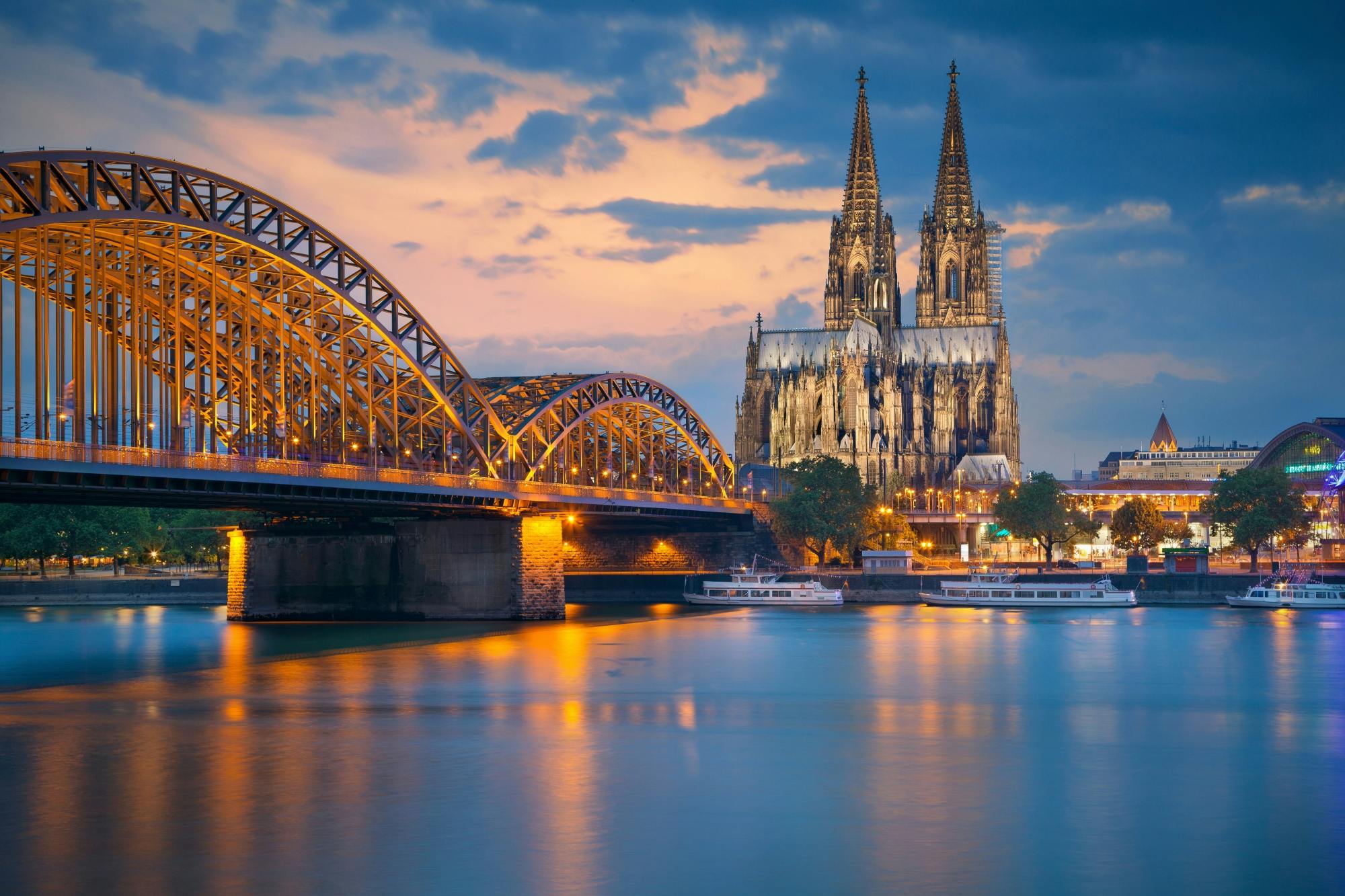
Cologne Cathedral, or Kölner Dom, dominates the city centre with its twin Gothic towers. Construction began in 1248 and was completed in 1880, with later builders continuing the original medieval design.
Inside, visitors can see soaring vaulted ceilings, medieval stained glass, carved choir stalls and the Shrine of the Three Kings. The cathedral was added to the UNESCO World Heritage List in 1996.
The cathedral remains an active place of worship, and religious services take priority over sightseeing. Visitor hours can change for ceremonies, security requirements and special events.
From 1 July 2026, tourist visits to the cathedral require a visitor ticket. Entry for services, personal prayer or lighting a candle remains separate from tourist admission arrangements.
The cathedral tower can also be climbed, but the route involves more than 500 steps and tight spiral staircases. The viewing platform provides wide views over the Rhine, railway station and city rooftops.
Roncalliplatz and the Cathedral Precinct
Roncalliplatz is the broad pedestrian space beside the cathedral. It acts as a natural starting point for exploring the Old Town and provides access to several museums and archaeological features.
The square is often busy with guided groups, performers and commuters. Early morning is generally the best time to appreciate the cathedral exterior without the largest crowds.
Alter Markt
Alter Markt is one of the traditional centres of the Old Town. The large pedestrian square is surrounded by restaurants, brewery houses and reconstructed historic façades.
At its centre stands the Jan von Werth Fountain, which commemorates a seventeenth-century cavalry commander associated with a popular Cologne love story.
The square is especially lively during Cologne Carnival and the Christmas season. At quieter times, it is a convenient place to pause between the cathedral, town hall and riverfront.
Cologne’s Historic Town Hall
Cologne’s Rathaus has a building history extending across roughly 800 years and is regarded as Germany’s oldest documented town hall.
Its most distinctive features include a Gothic tower, Renaissance loggia, carillon and a façade decorated with sculptures representing rulers, saints, artists and figures from Cologne’s history.
Look for the Platzjabbeck beneath the tower clock. This carved wooden head opens its mouth and sticks out its tongue when the clock sounds.
Fischmarkt
The Fischmarkt is one of the most photographed parts of Cologne. A row of narrow, brightly coloured gabled houses stands in front of Great St Martin Church, creating the classic Old Town view seen on postcards and travel brochures.
The houses are reconstructed rather than untouched medieval survivors, but the square remains atmospheric, particularly in the morning and early evening.
The Rhine is only steps away, and outdoor tables make this a popular place for coffee, drinks and meals during warmer weather.
Great St Martin Church
Great St Martin, or Groß St Martin, is one of Cologne’s twelve major Romanesque churches. Its broad central tower and four corner turrets form one of the most recognisable elements of the city skyline.
The visible church was largely developed from the twelfth to the thirteenth centuries, although the site has a much older history. Roman warehouses and other structures once occupied the area, which originally stood on an island beside the Rhine.
Archaeological remains beneath the church reveal parts of these Roman foundations. Opening arrangements for the church and excavations can vary around worship services.
The Rhine Promenade
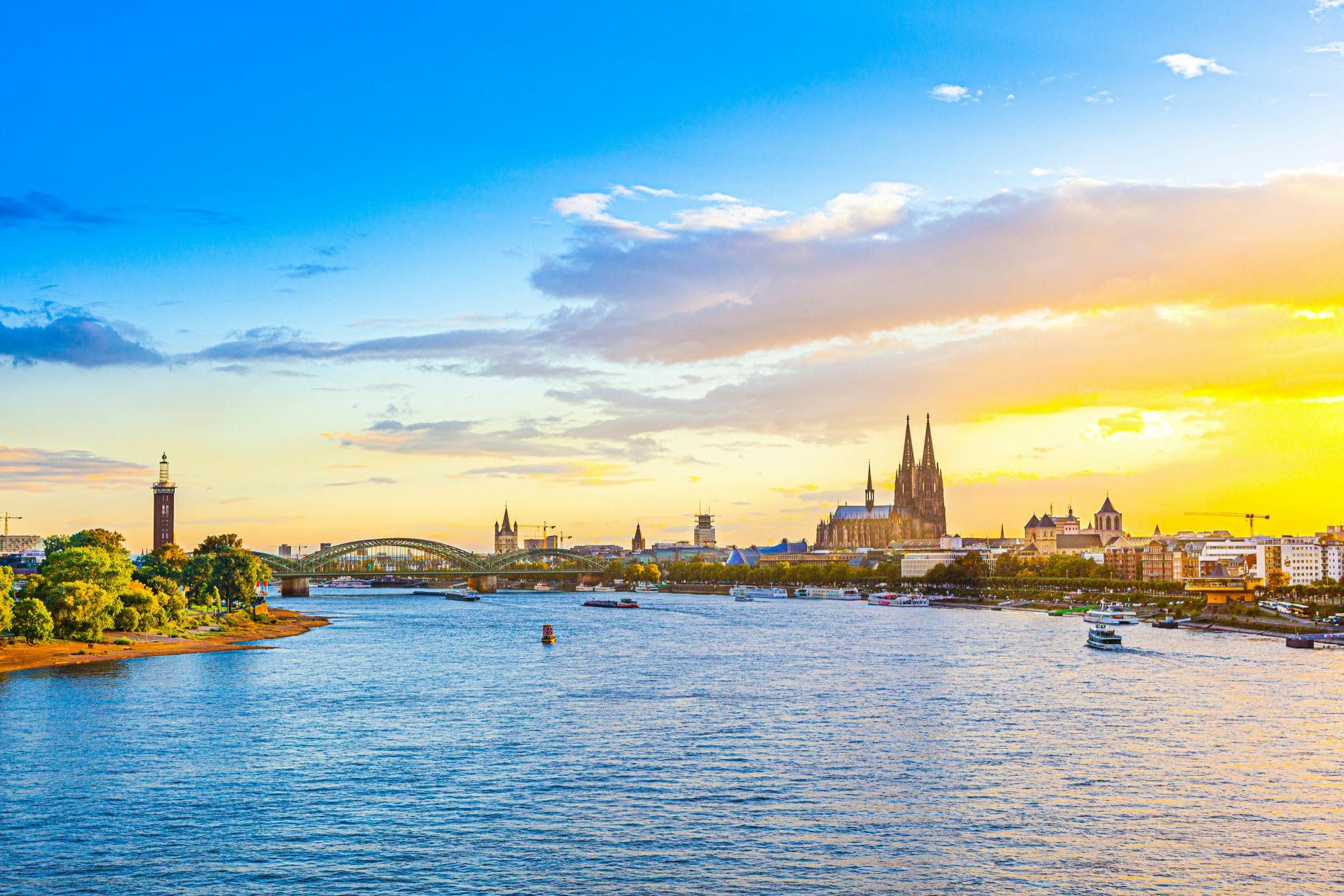
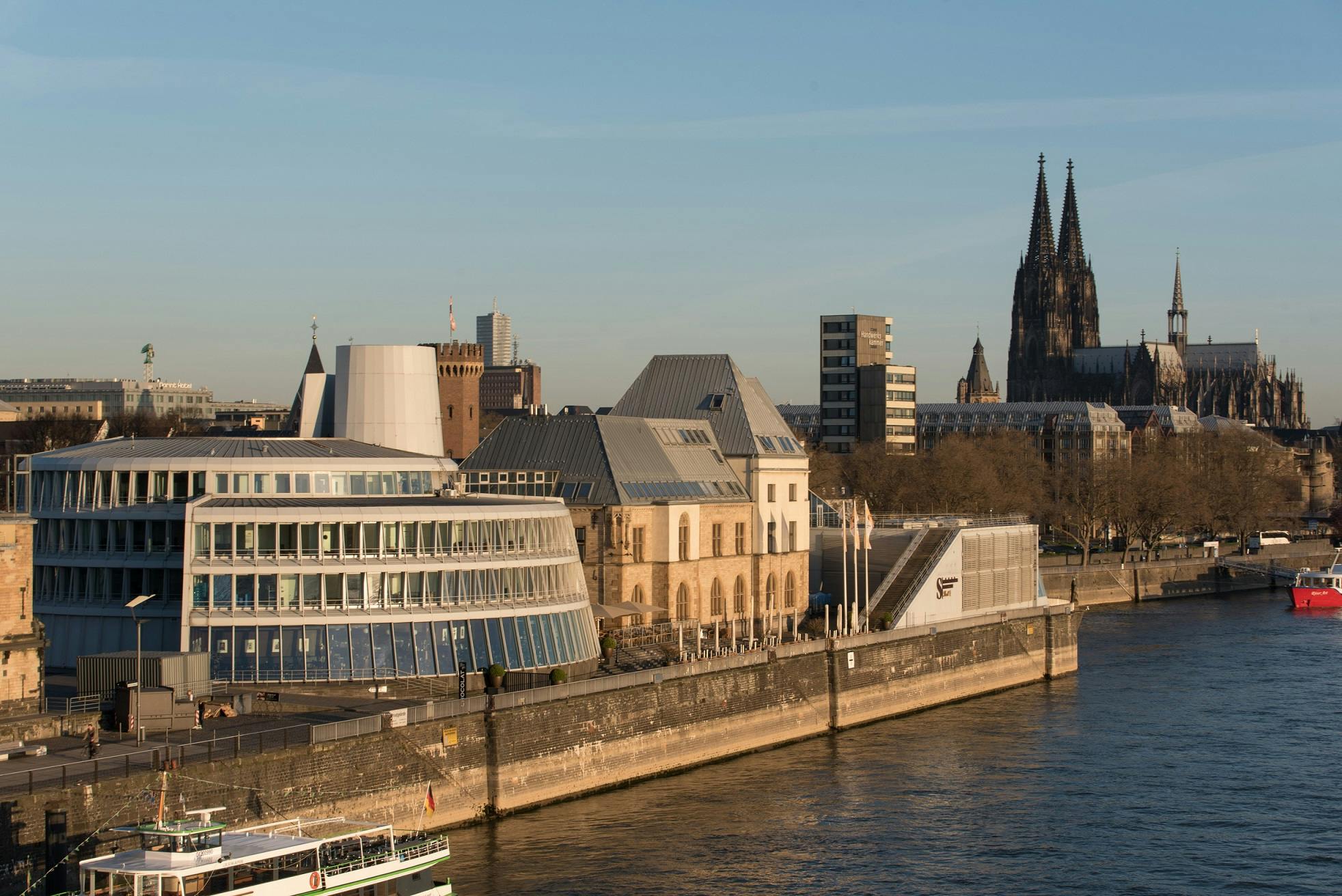
The Rhine promenade provides a pleasant contrast to the enclosed lanes of the Old Town. The broad riverside route passes excursion boats, restaurant terraces, green spaces and views towards Deutz on the opposite bank.
Walking south leads towards the Chocolate Museum and Rheinauhafen, while walking north leads towards the Hohenzollern Bridge and areas beyond the main Old Town.
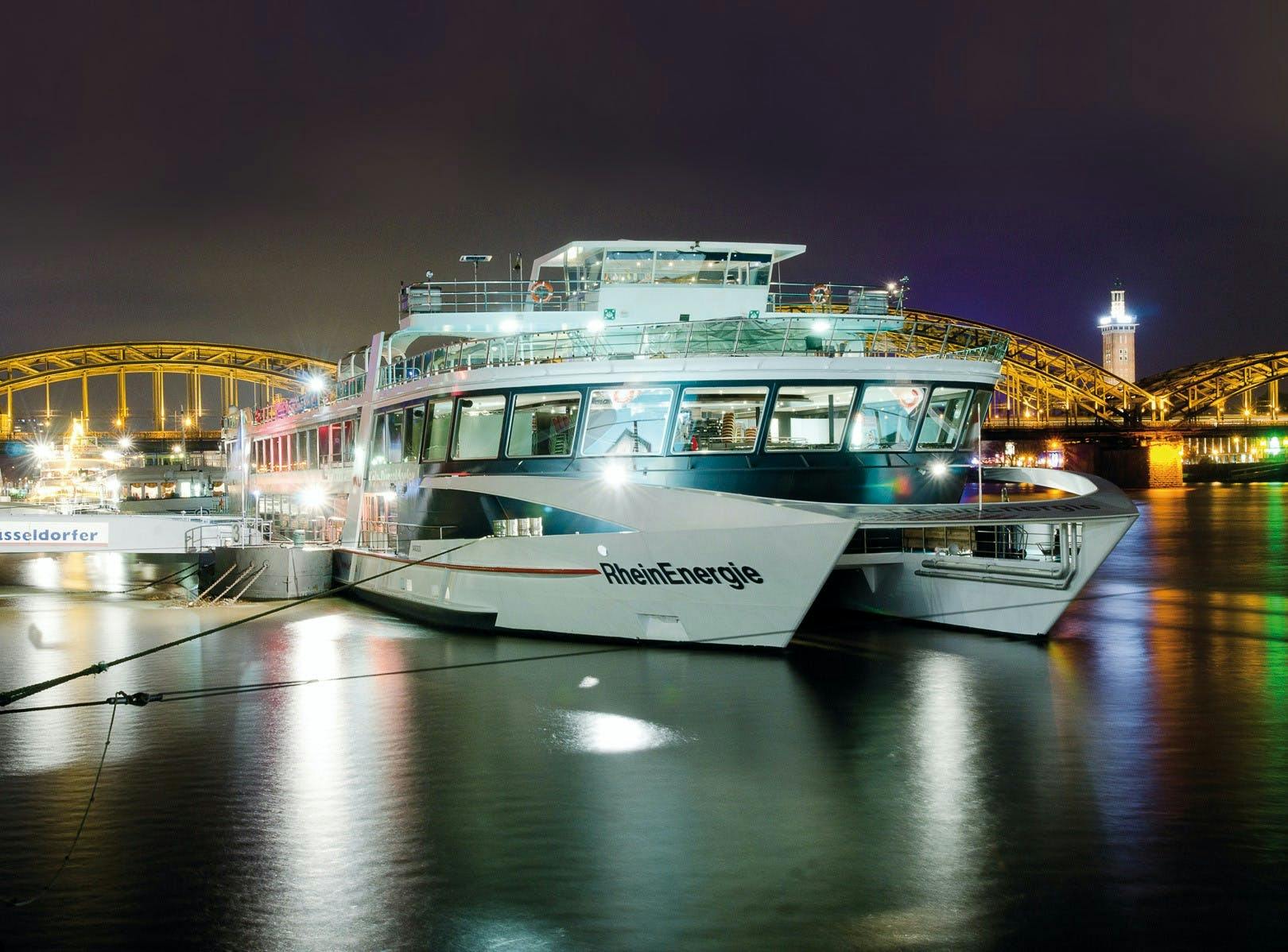
River cruises depart from several landing stages near the historic centre. Short sightseeing cruises are useful for understanding Cologne’s position on the Rhine and viewing the skyline from the water.
Hohenzollern Bridge
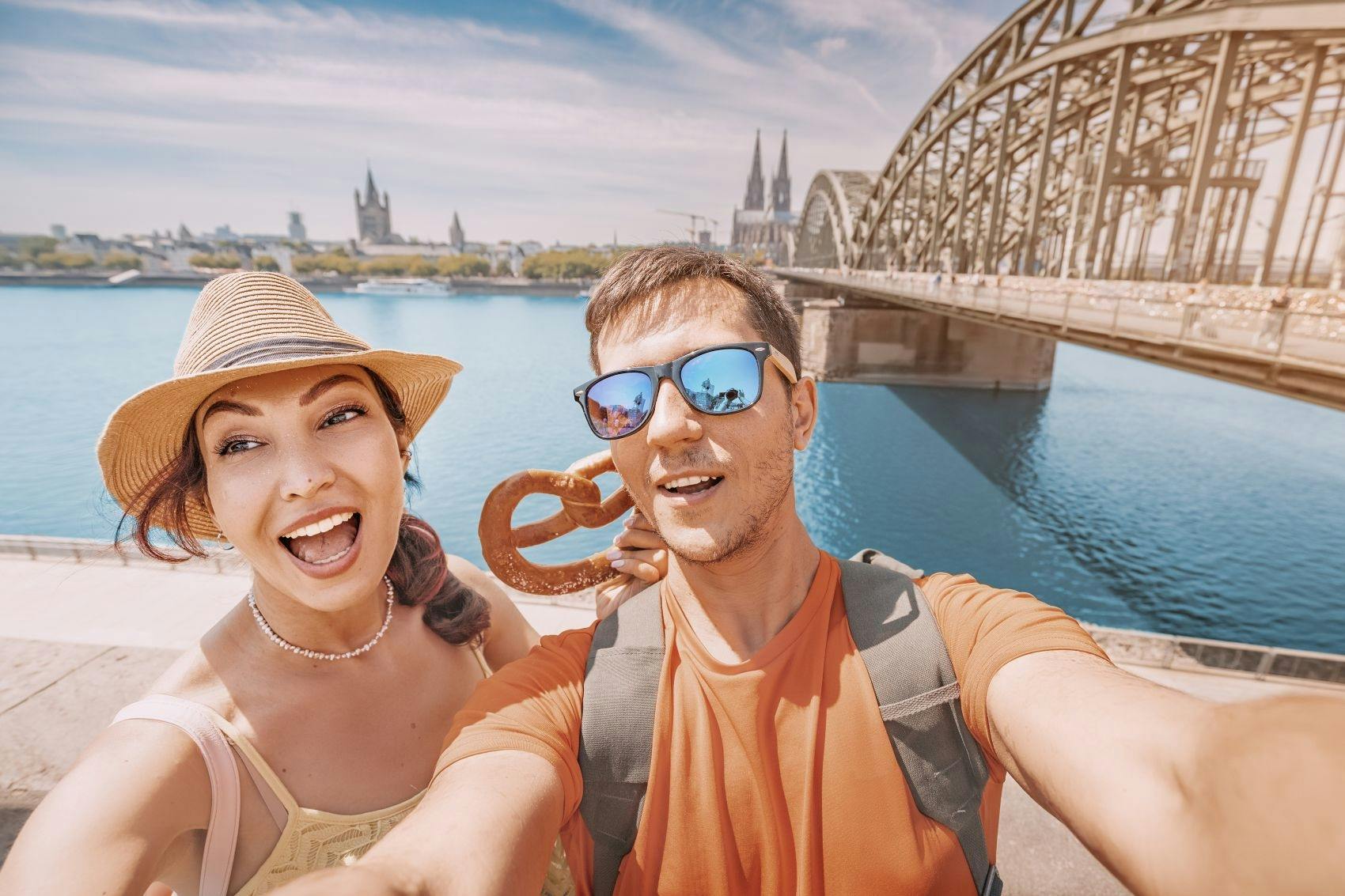
The Hohenzollern Bridge carries trains and pedestrians across the Rhine beside Cologne Central Station. Its rail traffic, cathedral views and vast collection of padlocks make it one of the city’s best-known modern landmarks.
Walking across the bridge leads to the Deutz riverbank and Rhine Boulevard. From there, visitors can look back towards the cathedral, Great St Martin Church and the Old Town skyline.
The opposite bank is particularly attractive around sunset, when the cathedral and waterfront buildings begin to light up.
Tünnes and Schäl
Tünnes and Schäl are two traditional comic characters associated with Cologne’s Hänneschen puppet theatre. Their bronze statues can be found in the Old Town near Great St Martin Church.
Tünnes represents a good-natured, rustic personality, while Schäl is portrayed as shrewder and more calculating. Together, they reflect Cologne’s fondness for humour, satire and self-mockery.
Visitors often rub Tünnes’ bronze nose for luck, which explains its polished appearance.
Heinzelmännchen Fountain
The Heinzelmännchen Fountain depicts the legendary household spirits said to have completed the city’s work while residents slept.
According to the story, the helpful spirits disappeared after a tailor’s curious wife tried to see them by scattering peas across the floor. The tale remains part of Cologne’s popular folklore and gives its name to a major Old Town Christmas market.
Farina Fragrance Museum
Cologne gave its name to eau de Cologne, and the Farina Fragrance Museum tells the story of one of the city’s best-known perfume traditions.
The museum is located opposite the town hall in the house associated with perfumer Johann Maria Farina. Visits are generally conducted as guided tours, so booking ahead is sensible.
A Self-Guided Cologne Old Town Walking Route
This compact route covers the principal Old Town sights. Allow about three hours for the walk itself or most of a day when entering the cathedral, churches and museums.
Begin at Cologne Cathedral: Walk around the exterior before entering, paying attention to the contrast between the dark stone façade and the open modern square.
Cross Roncalliplatz: Look for the museum buildings and surviving traces of Roman Cologne around the cathedral precinct.
Walk to the historic town hall: Examine the Renaissance loggia, Gothic tower and sculpted figures.
Continue into Alter Markt: See the Jan von Werth Fountain and the traditional brewery houses surrounding the square.
Find the Tünnes and Schäl statues: Continue through the narrow lanes behind the market.
Visit Great St Martin Church: Explore the church when open and look for information about its Roman foundations.
Stop at Fischmarkt: Photograph the colourful houses with the church tower rising behind them.
Walk along the Rhine promenade: Follow the river north towards the Hohenzollern Bridge.
Cross the bridge to Deutz: Finish at the Rhine Boulevard for a panoramic view back towards the Old Town.
Visitors with more time can extend the route south along the river to the Chocolate Museum and the modern Rheinauhafen district.
Brewery Houses, Kölsch and Local Food
Eating or drinking in a traditional brewery house is one of the defining Old Town experiences. These establishments are known as Brauhäuser and generally combine beer hall traditions with hearty regional cooking.
Understanding Kölsch beer service
Kölsch is normally served in a narrow 0.2-litre glass called a Stange. A traditional waiter, known as a Köbes, carries multiple glasses in a circular tray called a Kranz.
In many brewery houses, another glass may arrive automatically once the previous one is empty. The waiter records each serving with a mark on the beer coaster.
To indicate that you have finished, place the coaster on top of the glass. Simply leaving an empty glass on the table may be interpreted as a request for another beer.
Traditional dishes to try
Himmel un Ääd: Mashed potato and apple, often served with blood sausage and onions.
Halver Hahn: Despite the name, this is not half a chicken. It is a rye roll served with aged cheese, mustard and onions.
Rheinischer Sauerbraten: Marinated pot roast, traditionally served with a sweet-and-sour sauce.
Haxe: Roasted or grilled pork knuckle, usually accompanied by potatoes or cabbage.
Reibekuchen: Fried potato pancakes, often served with apple sauce.
Well-known brewery houses around the Old Town include Früh am Dom, Brauhaus Sion and Peters Brauhaus. Popular locations can become extremely busy at weekends, during trade fairs and around Carnival.
Museums in and Near the Old Town
Museum Ludwig
Museum Ludwig stands beside the cathedral and focuses on modern and contemporary art. Its collection includes important works of Pop Art, German Expressionism, photography and Picasso.
It is an excellent choice for visitors who want a contrast to the historic buildings of the Old Town.
Wallraf-Richartz Museum
The Wallraf-Richartz Museum houses European paintings from the medieval period through to the nineteenth century, including significant works from the Cologne school.
The museum is scheduled to close from 3 August 2026 for an approximately two-year renovation. Travellers visiting after this date should check whether exhibitions have been relocated or temporarily suspended.
Romano-Germanic Museum
The main Romano-Germanic Museum beside the cathedral is currently closed for major renovation.
Selected archaeological objects are being shown in an interim exhibition at the Belgian House on Cäcilienstraße, near Neumarkt. Visitors should not assume that the familiar cathedral-side museum building is open.
Cologne City Museum
The Cologne City Museum explores the city’s political, social and cultural history. It is useful for understanding how Roman, medieval, Prussian, wartime and post-war Cologne connect.
Chocolate Museum
The Chocolate Museum stands south of the traditional Old Town beside the Rhine. Exhibits examine cocoa cultivation, industrial production and the cultural history of chocolate.
It is especially popular with families and is easily combined with a riverfront walk.
How Long to Spend in Cologne’s Old Town
Allow at least half a day to walk through the main streets, visit the cathedral and spend time beside the Rhine.
A full day is more realistic when including a museum, church interior, brewery meal or bridge crossing. Two days allow visitors to explore at a relaxed pace and add nearby attractions such as the Chocolate Museum, Rhine Boulevard and additional Romanesque churches.
Available time
Suggested plan
Two hours
Cathedral exterior, Alter Markt, Fischmarkt and Rhine promenade
Half a day
Add the cathedral interior, town hall and Great St Martin Church
One full day
Add a museum, brewery lunch and Hohenzollern Bridge
Two days
Explore museums, Roman remains, churches and the southern riverfront
Best Time to Visit Cologne’s Old Town
Spring
Spring usually brings comfortable walking weather and longer daylight without the largest summer crowds. Outdoor brewery terraces begin to reopen as temperatures improve.
Summer
Summer is lively, with busy riverfront promenades, outdoor dining and frequent events. Weekends can be crowded, particularly around the cathedral, Alter Markt and Fischmarkt.
Autumn
Early autumn can offer pleasant conditions and slightly fewer visitors. Rain becomes more likely later in the season, but museums and brewery houses provide good indoor alternatives.
Christmas season
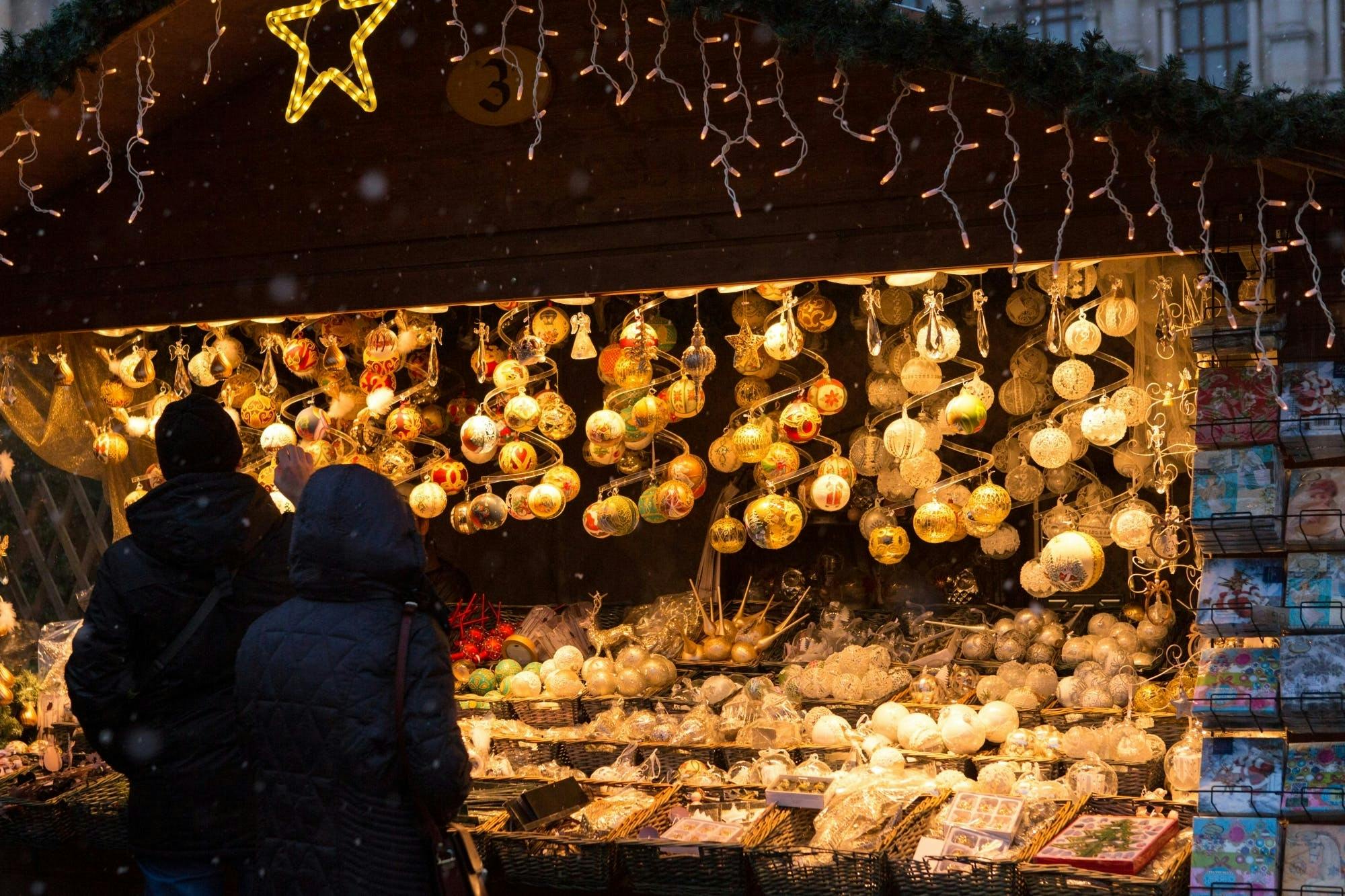
The Old Town becomes especially atmospheric during the Christmas market period. Alter Markt and Heumarkt host the large Heinzelmännchen-themed market, with decorated stalls, food, crafts and an ice rink.
This is also one of the busiest periods of the year, so accommodation and restaurants should be booked well ahead.
Carnival
Cologne Carnival transforms the Old Town into a major celebration area. Costumes, music, street events and parades attract very large crowds.
Visitors seeking the Carnival experience may find it unforgettable. Travellers wanting quiet sightseeing should avoid the principal celebration days.
How to Get to Cologne’s Old Town
By train
Cologne Central Station is immediately beside the cathedral. This makes the Old Town one of the easiest historic centres in Germany to reach by train.
From the station entrance, the cathedral, Museum Ludwig and Rhine are all within a few minutes’ walk.
By tram or underground
Useful stops include Dom/Hauptbahnhof, Rathaus and Heumarkt. The best stop depends on whether you want to begin at the cathedral, town hall or southern side of the historic centre.
By car
Driving within the central area is usually unnecessary. Streets can be congested, parking is expensive and many parts of the Old Town are pedestrianised.
Public car parks are available near Heumarkt and Great St Martin Church, but travellers staying outside the centre may find public transport more convenient.
On foot
The main sights are close together and walking is the most practical way to explore. Distances are short, although cobblestones and crowds can slow progress.
Accessibility
The principal squares and Rhine promenade are generally accessible, but conditions vary from street to street. Historic lanes may contain cobbles, uneven paving, kerbs and narrow passages.
The area around the cathedral and railway station is broad and mostly level. Alter Markt and Heumarkt also offer relatively open pedestrian spaces.
Museum accessibility is generally good, with lifts and accessible toilets available at major institutions. Historic churches may have steps, heavy doors or restricted access to crypts, towers and excavation areas.
The Cologne Cathedral tower climb is not suitable for wheelchair users or anyone who has difficulty with stairs, confined spaces or strenuous exercise.
Practical Tips for Visiting
Start early: The cathedral precinct is noticeably quieter before organised tour groups arrive.
Remember that much is reconstructed: The post-war rebuilding is an important part of the Old Town’s history.
Check cathedral arrangements: Services, security measures and ticket rules can affect tourist access.
Wear comfortable footwear: Cobbles and uneven paving are common in the smaller lanes.
Cross the Rhine: The best complete view of the Old Town skyline is from the Deutz bank.
Do not rush Fischmarkt: Visit in the morning or evening for better light and fewer people.
Learn the beer-coaster rule: Cover your Kölsch glass when you want the waiter to stop bringing refills.
Check museum closures: Several major Cologne museums are undergoing or preparing for renovation.
Expect event crowds: Carnival, Christmas markets and major trade fairs can dramatically increase visitor numbers.
Explore side streets: The lanes behind Alter Markt often feel more atmospheric than the busiest riverfront route.
Frequently Asked Questions
Is Cologne’s Old Town genuinely medieval?
Parts of its street pattern, churches, archaeological remains and historic buildings have medieval origins. However, much of the visible Old Town was reconstructed after extensive destruction during the Second World War.
Is Cologne’s Old Town worth visiting?
Yes. It brings together the cathedral, Roman history, historic churches, museums, brewery culture and the Rhine within a compact and walkable area.
How long should I spend in Cologne’s Old Town?
Half a day is enough for the principal outdoor sights. A full day is better when visiting the cathedral, a museum and a traditional brewery house.
Is the Old Town free to visit?
Yes. The streets, squares and Rhine promenade are free. Museums, tours, river cruises and some cathedral attractions require tickets.
Do I need a ticket to enter Cologne Cathedral?
From 1 July 2026, tourist visits require a visitor ticket. Worship, personal prayer and lighting a candle are treated separately. Check the cathedral’s current arrangements before visiting.
Can I walk from Cologne Central Station?
Yes. The station is beside Cologne Cathedral, at the northern edge of the main Old Town sightseeing area.
What is the prettiest part of Cologne’s Old Town?
Fischmarkt, with its colourful gabled houses and view of Great St Martin Church, is generally considered the most picturesque area.
Where is the best view of the Cologne skyline?
Cross the Hohenzollern Bridge and look back from the Rhine Boulevard in Deutz. This provides a broad view of the cathedral, bridge and Old Town waterfront.
What is Kölsch?
Kölsch is Cologne’s traditional pale, top-fermented beer. It is normally served in small cylindrical glasses in local brewery houses.
Why does the waiter keep bringing beer?
In traditional brewery houses, an empty Kölsch glass may be replaced automatically. Place your beer coaster on top of the glass when you have finished.
Is the Old Town suitable for children?
Yes. The riverfront, Chocolate Museum, fountains, bridge and colourful streets can appeal to families. Cathedral tower climbing is better suited to older children who are comfortable with steep stairs.
Is Cologne’s Old Town wheelchair accessible?
Many principal areas are accessible, but cobbles, uneven surfaces and steps can create difficulties. Major museums are generally better equipped than smaller historic buildings.
Is the Romano-Germanic Museum open?
The main museum building beside the cathedral is closed for renovation. Selected objects are displayed at an interim location in the Belgian House near Neumarkt.
What should I not miss during a short visit?
Prioritise Cologne Cathedral, Alter Markt, Fischmarkt, Great St Martin Church, the Rhine promenade and the view from the Hohenzollern Bridge.
Sponsored Popular Items
Quick take: Musement.com offers a worldwide selection of tours and attractions
Cologne Murder Mystery City Exploration Game Germany Plan Cologne Murder Mystery City Exploration Game, a self-guided game or exploration experience, with practical tips on timing, inclusions and what to check before booking. Compare current availability, prices and booking conditions before you go.
Final Thoughts
Cologne’s Old Town is most rewarding when approached as a living city centre rather than a perfectly preserved historic district. Roman foundations, medieval churches, reconstructed houses, modern museums and busy brewery halls all occupy the same compact landscape.
The famous view of colourful buildings beneath Great St Martin Church may draw visitors into the Altstadt, but the area’s deeper interest lies in its many historical layers. Spend time beyond the main postcard locations, look for the Roman and post-war stories beneath the façades, and finish beside the Rhine with the cathedral skyline behind you.
Sponsored Popular Items
Quick take: Musement.com offers a worldwide selection of tours and attractions
Cologne Under Dark Magic City Exploration Game Germany Plan Cologne Under Dark Magic City Exploration Game, a self-guided game or exploration experience, with practical tips on timing, inclusions and what to check before booking. Compare current availability, prices and booking conditions before you go.
Cologne Murder Mystery City Exploration Game Germany Plan Cologne Murder Mystery City Exploration Game, a self-guided game or exploration experience, with practical tips on timing, inclusions and what to check before booking. Compare current availability, prices and booking conditions before you go.
Evening river boat cruise with panoramic view of Cologne Germany Plan Evening river boat cruise with panoramic view of Cologne, a water-based experience, with practical tips on timing, inclusions and what to check before booking. Compare current availability, prices and booking conditions before you go.
Cologne Private Rickshaw Highlights Tour – 30 to 90-Minute Germany Cologne City Tour by Rickshaw (Private) – Highlights in 30–90 Minutes A relaxed, central-city rickshaw ride that covers key Co . Check current availability, inclusions and booking details before you go.
Private Tour of Cologne's Historical and Cultural Sites – Guided Tour Germany Private Tour of Cologne's Historical and Cultural Sites USD 237 adds structure, local context and purposeful sightseeing to the itinerary. Check current availability, inclusions and booking details before you go.
Private Family Walking Tour of Cologne's Highlights – Guided Tour Germany Private Family Walking Tour of Cologne's Highlights USD 237 adds structure, local context and purposeful sightseeing to the itinerary. Check current availability, inclusions and booking details before you go.
Cologne Gold-Panning Adventure Germany Gold Panning Adventure in Köln USD 47 adds structure, local context and purposeful sightseeing to the itinerary. Check current availability, inclusions and booking details before you go.