Guided Walking Tour in Cologne’s Old Town: Cathedral, Roman History and Rhine-Side Highlights

$12.00

Disclosure

More details available at musement.com

SKU: f07222f8-67b0-4901-8d92-287325f777a3 Category: Tags: ,

Description

The guided walking tour through Cologne’s Old Town offers a compact introduction to more than 2,000 years of history in one of Germany’s most important Rhine cities.

During the 90-minute walk, a local guide introduces Cologne’s Roman origins, medieval trading history, landmark cathedral, traditional squares and distinctive local culture.

The tour begins beside the remains of Cologne’s Roman northern gate on the Cathedral Square and continues through the historic centre surrounding Cologne Cathedral, Alter Markt, the Town Hall and the Rhine-side Old Town.

Stories and anecdotes help explain not only major monuments but also Cologne’s residents, brewing traditions, Carnival identity and rebuilding after the destruction of the Second World War.

The activity is conducted entirely in German. It is therefore best suited to German speakers or visitors with enough German knowledge to follow historical explanations and local humour.

Table of Contents

Tour Overview

This is a shared guided walking tour rather than a private excursion.

The route remains within central Cologne, concentrating on the compact historic area between Cologne Cathedral, the old market squares and the Rhine.

The guide introduces several periods of city history:

  • Roman Cologne
  • Medieval trade and markets
  • The rise of the cathedral
  • Cologne’s status as a free imperial city
  • Local brewery traditions
  • Second World War destruction
  • Modern rebuilding and development

The experience focuses on exterior sightseeing and public spaces. It does not include museum admission, a cathedral interior tour, drinks or food tastings.

Quick Tour Facts

  • Experience: Guided walking tour in Cologne’s Old Town
  • Current Musement price: From $12
  • Duration: 1 hour 30 minutes
  • Language: German only
  • Tour format: Shared guided walking tour
  • Meeting point: Roman northern gate on the Cathedral Square
  • Address: Kardinal-Höffner-Platz, 50667 Cologne
  • Mobile voucher: Accepted
  • Confirmation: Instant
  • Children aged 0–5: Free
  • Provider: k3 stadtführungen
  • Booking fee: No additional Musement booking fee
  • Cancellation: Non-refundable and non-changeable
  • Musement reviews: No customer ratings currently displayed

Important German-Language Requirement

The Musement activity is offered only in German.

This is an important consideration because most of the experience consists of spoken historical explanations, anecdotes and local humour.

Visitors who do not understand German can still see the landmarks but may receive limited value from the guide’s commentary.

The tour is most appropriate for:

  • Native German speakers
  • Visitors with intermediate or advanced German
  • Students practising German listening skills
  • Mixed groups in which someone can translate

English-speaking visitors may prefer a private multilingual tour or an English-language Old Town walking tour.

Why Book This Old Town Tour?

Cologne’s historic centre contains layers of Roman, medieval, religious and modern history that are easy to overlook without a guide.

Reasons to book include:

  • A low starting price
  • A manageable 90-minute duration
  • A central meeting point beside the cathedral
  • Stories about Roman Cologne
  • An introduction to the major Old Town squares
  • Exterior views of Cologne Cathedral
  • Local anecdotes and humour
  • Background on Kölsch beer and Carnival
  • No need to navigate a complicated route independently
  • An efficient orientation for a first visit

The tour can be particularly useful at the beginning of a Cologne stay because it helps visitors identify places to revisit later.

Meeting Point at the Roman Northern Gate

The tour begins at:

Roman Northern Gate
Kardinal-Höffner-Platz
50667 Cologne
Germany

The meeting point is on the Cathedral Square near the west façade of Cologne Cathedral.

Look for the surviving Roman gate section rather than waiting at:

  • The main cathedral entrance
  • Cologne Central Station
  • Roncalliplatz
  • The cathedral tower entrance
  • The tourist information office

The surviving arch is relatively small compared with the enormous cathedral, so allow time to locate it.

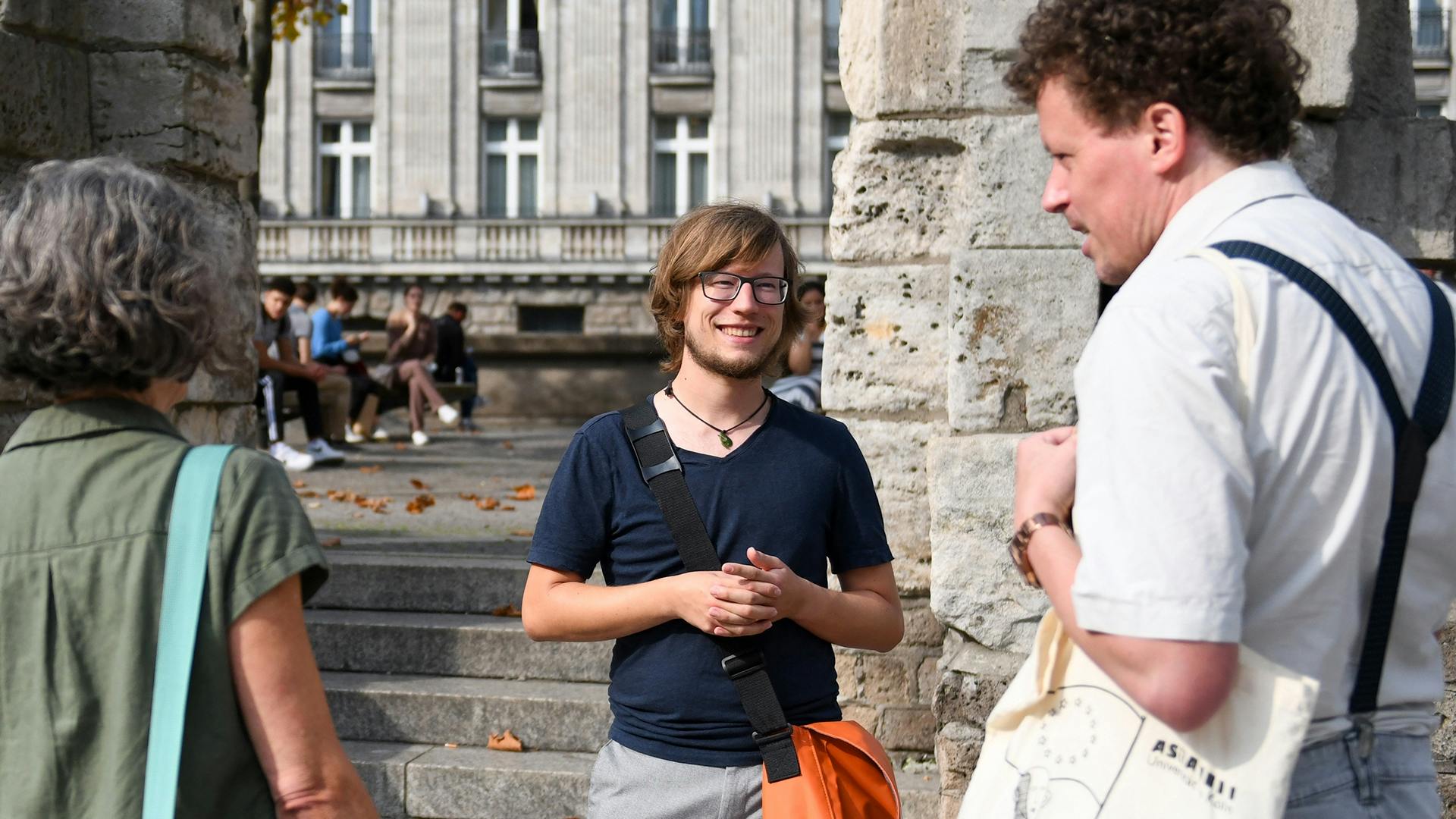
The Roman Northern Gate

The meeting point itself is an important archaeological feature.

Roman Cologne was protected by a city wall with several gates. The northern entrance stood close to the location of today’s cathedral.

The complete gate was once approximately 30 metres wide and included towers, a large central passage and smaller pedestrian openings.

Only limited sections survive.

The arch visible on the Cathedral Square was a smaller side passage rather than the main monumental entrance.

Information plaques help visitors understand:

  • The former Roman wall
  • The likely shape of the complete gate
  • How Roman Cologne fits beneath the modern city
  • Why the gate stood near this location

Beginning here allows the guide to establish Cologne’s Roman history before moving into the medieval and modern city.

Typical Walking Route

Musement does not publish a fixed street-by-street itinerary.

The operator’s broader Old Town programme indicates that possible landmarks include:

  • Roman northern gate
  • Cologne Cathedral
  • Historic Town Hall
  • Alter Markt
  • Fischmarkt
  • Great St Martin Church
  • Heumarkt
  • Rhine-side lanes
  • Traditional brewery areas

The exact route can change because of:

  • Construction
  • Markets
  • Public events
  • Cathedral security restrictions
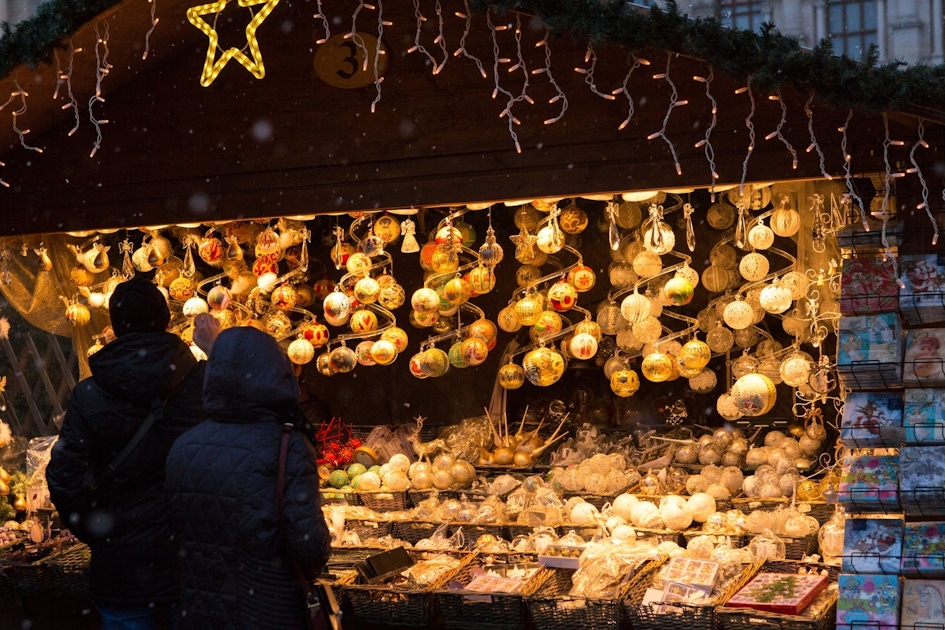
  • Christmas markets
  • Carnival preparations
  • The walking speed of the group

Not every possible landmark can be explored in detail during 90 minutes.

Cologne Cathedral

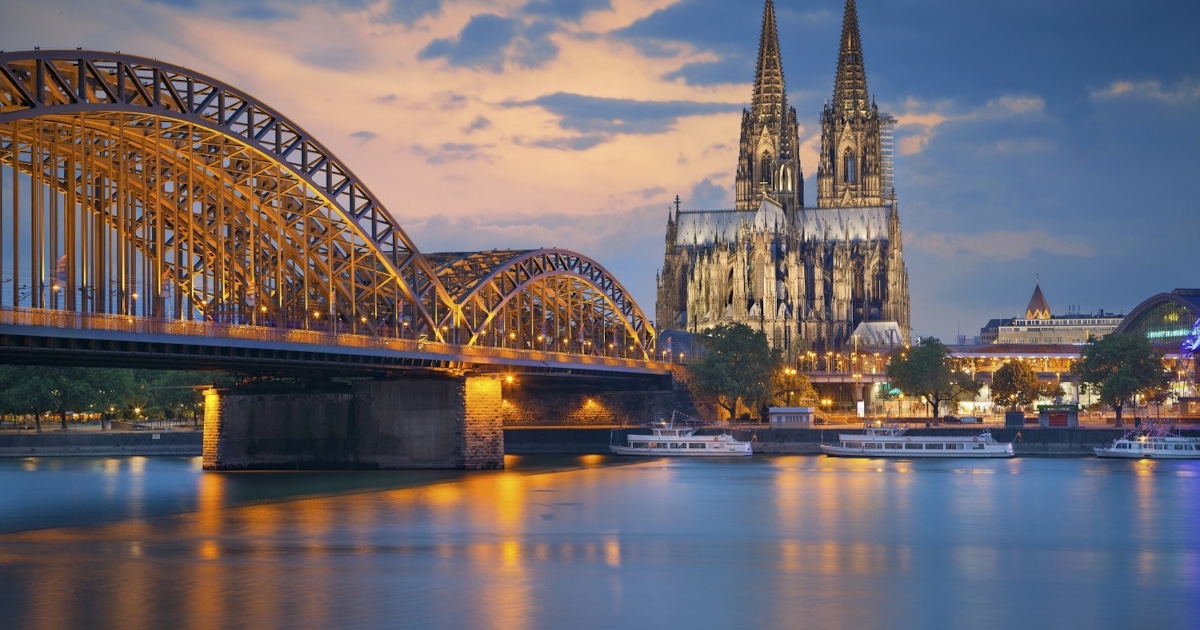
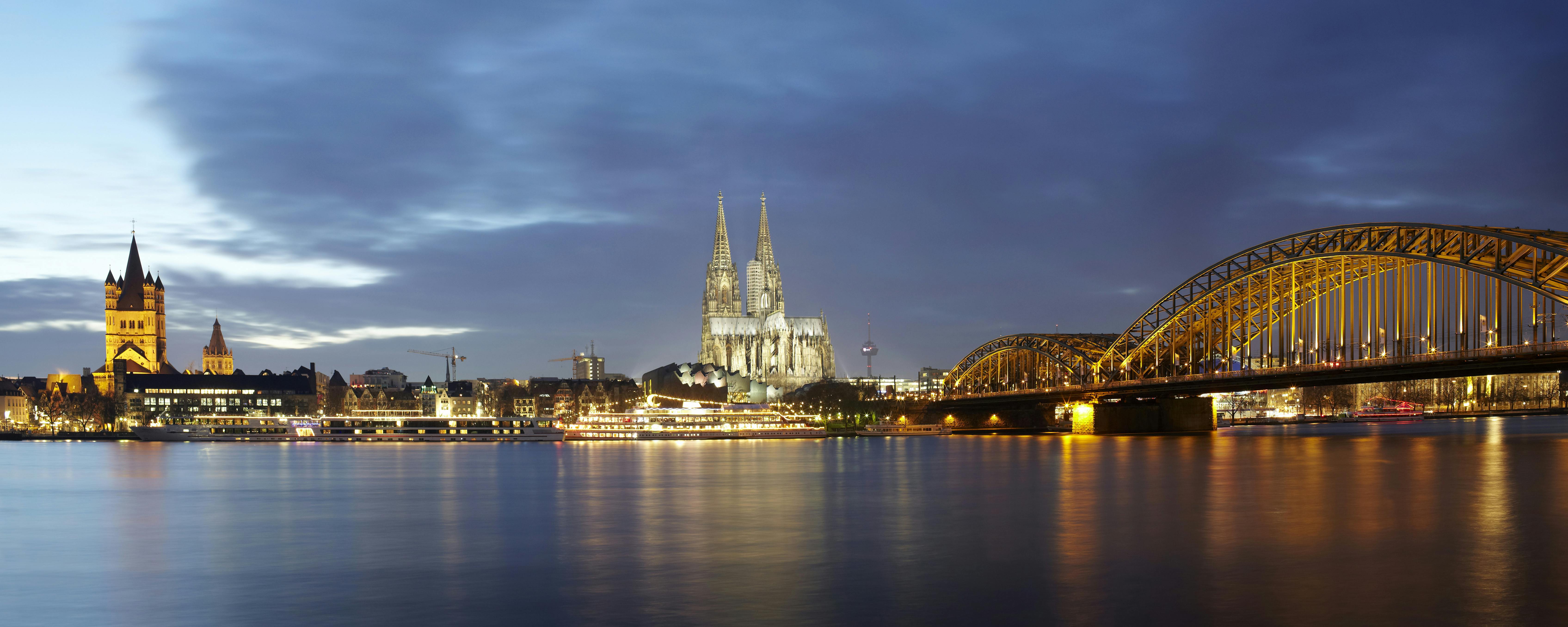
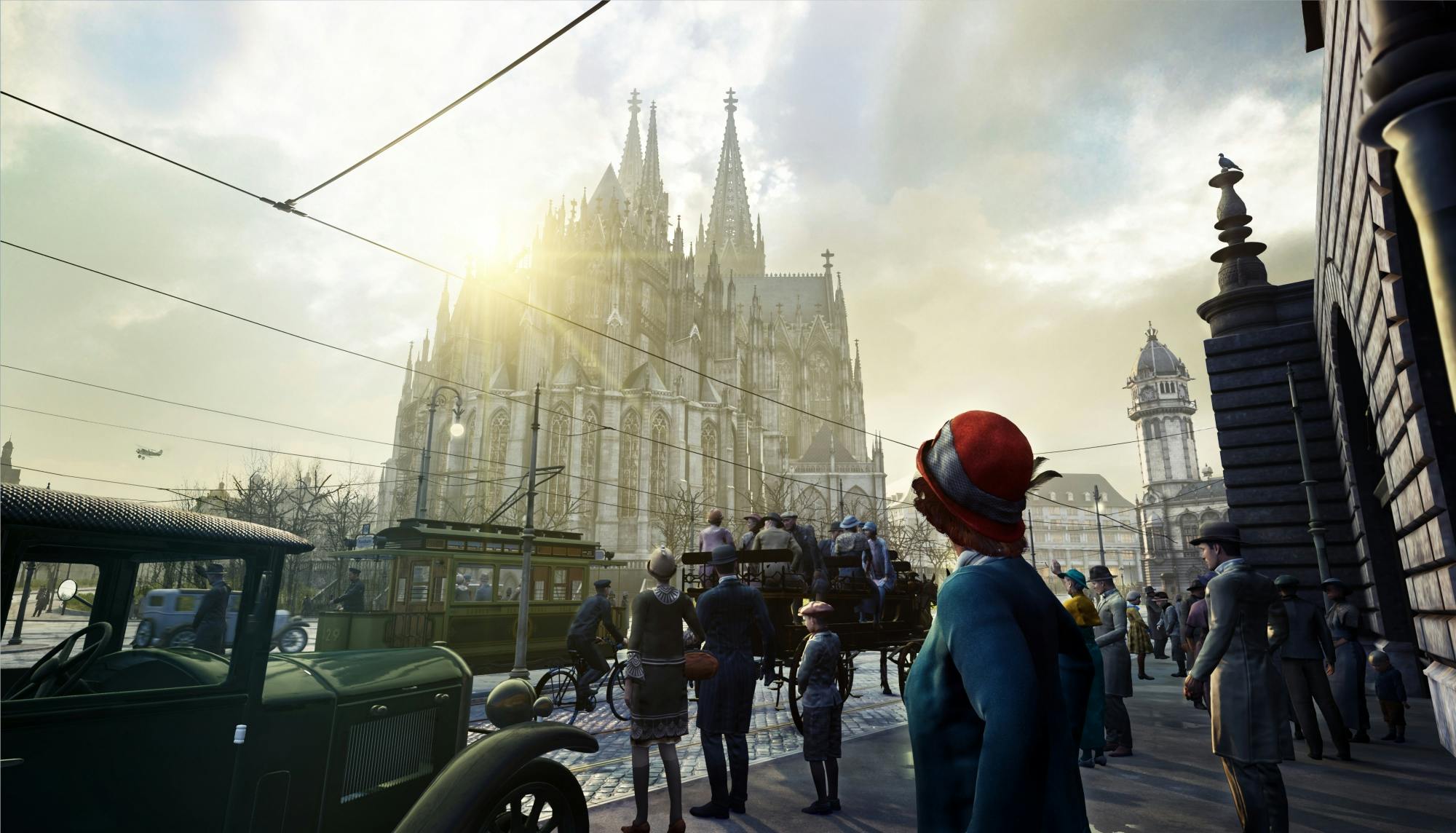
Cologne Cathedral is the city’s defining landmark and one of Europe’s most important Gothic buildings.

Construction began in 1248, paused for several centuries and was finally completed in 1880 using medieval plans and later engineering.

The cathedral’s most recognisable features include:

  • Twin Gothic towers
  • Elaborate western façade
  • Flying buttresses
  • Stone sculpture
  • Large stained-glass windows
  • The Shrine of the Three Kings

On this walking tour, the guide can explain the cathedral’s architecture, construction history, religious importance and position within Cologne’s skyline.

The Musement listing promises that participants will see the cathedral, but it does not list an interior visit.

Is Cathedral Entry Included?

No cathedral admission or interior guiding is included in the standard Musement walking tour.

The cathedral should be expected as an exterior stop.

From 1 July 2026, tourists wishing to enter Cologne Cathedral for general sightseeing need a separate visitor ticket.

Entry remains free for:

  • Attending a religious service
  • Personal prayer
  • Lighting a candle
  • Visiting the designated prayer area

Cathedral services always take priority, and tourism access can change at short notice.

Visitors planning to enter after the walk should check:

  • Current tourist opening hours
  • Ticket availability
  • Mass times
  • Bag-size restrictions
  • Security requirements

Only small bags are permitted, and large suitcases cannot be stored inside.

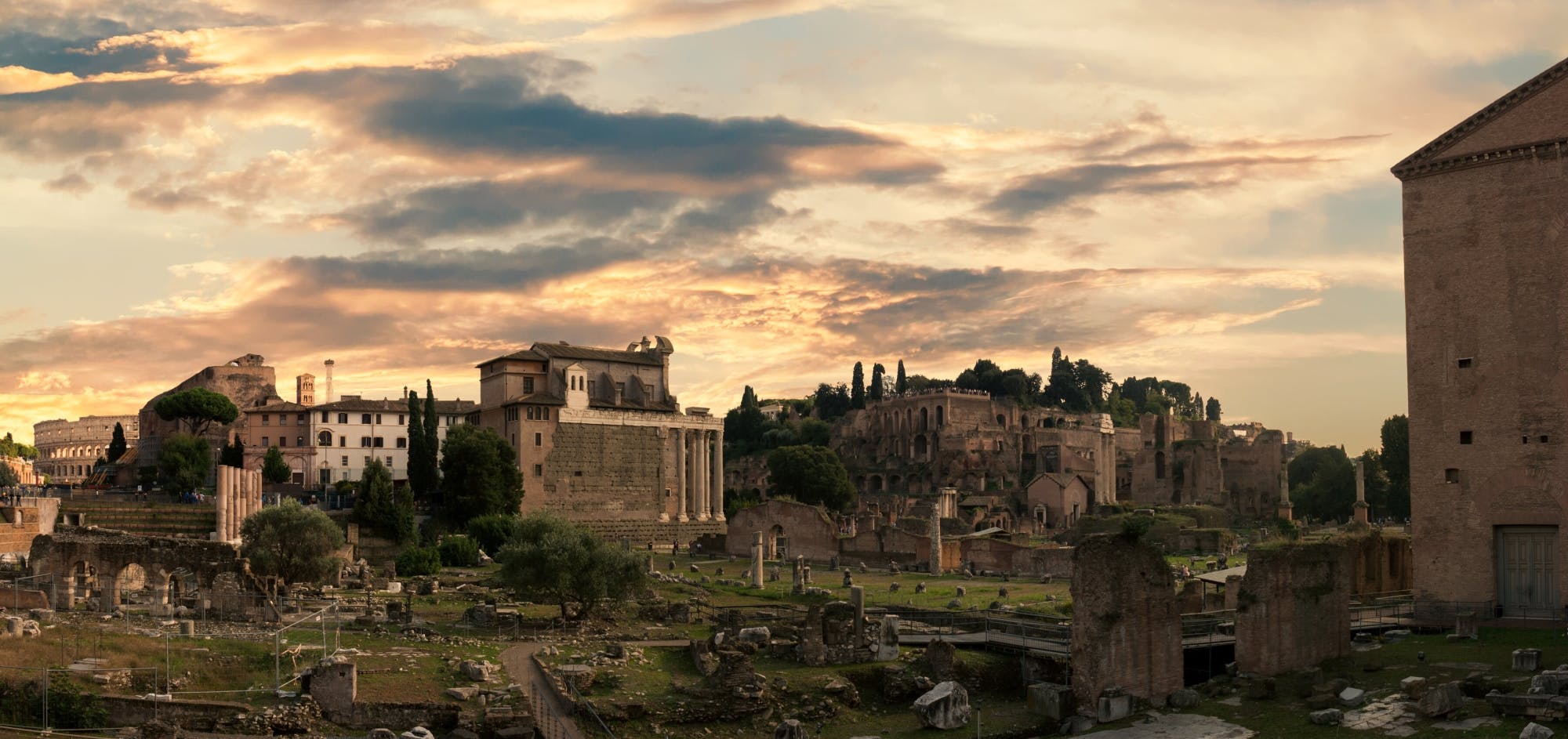
Cologne’s Roman Origins

Cologne grew from a Roman settlement into the city known as Colonia Claudia Ara Agrippinensium.

It became an important administrative, military and trading centre on the Rhine.

Roman remains can still be found throughout the modern city, including:

  • Sections of the city wall
  • Gate remains
  • Road layouts
  • Archaeological areas near the Town Hall
  • Structures preserved below modern buildings
  • Mosaics and artefacts held in museums

The guide may explain how the Roman city influenced the shape of the later medieval centre.

The 90-minute tour does not include admission to archaeological museums or underground excavations.

Historic Cologne Town Hall

Cologne’s Town Hall stands close to Alter Markt and has more than 800 years of documented building history.

The complex includes:

  • Historic core buildings
  • Gothic tower
  • Renaissance loggia
  • Administrative additions

The tower is decorated with numerous figures connected with Cologne’s political and cultural history.

The guide may discuss:

  • Cologne’s medieval civic power
  • Guilds and merchants
  • The city’s status within the Holy Roman Empire
  • The relationship between citizens and archbishops
  • Modern reconstruction

Interior access is not included.

Alter Markt

Alter Markt is one of Cologne’s most traditional public squares.

It has served as a centre for:

  • Markets
  • Public ceremonies
  • Trade
  • Festivals
  • Political life
  • Carnival events

Today the square is surrounded by restaurants, cafés and reconstructed historic façades.

Seasonal events can transform the area, particularly during Carnival and the Christmas-market period.

Fischmarkt and the Colourful Houses

The Fischmarkt is one of the most photographed parts of Cologne’s Old Town.

Its narrow, colourful gabled houses stand close to the Rhine and beneath the towers of Great St Martin Church.

The area reflects Cologne’s history as a river-trading city.

Although the houses create a medieval appearance, much of the Old Town was heavily damaged during the Second World War and later reconstructed.

The guide can help distinguish:

  • Historic structures
  • Rebuilt façades
  • Romanticised elements
  • Modern buildings designed to fit the historic setting

Great St Martin Church

Great St Martin is one of Cologne’s major Romanesque churches.

Its distinctive central tower and four corner turrets dominate the Old Town skyline beside the Rhine.

The church stands in an area with Roman foundations and a long sequence of religious buildings.

The standard 90-minute tour should be expected to view the church from outside.

Interior access is not listed and can be affected by services, events and opening hours.

Heumarkt

Heumarkt is another large historic square in central Cologne.

It developed as an important trading space and remains a major event location.

Depending on the route, the guide may discuss:

  • Medieval commerce
  • Horse and hay markets
  • Public celebrations
  • Carnival
  • Christmas markets
  • Modern traffic and redevelopment

Temporary stages, markets and barriers can alter access.

The Rhine Promenade

The Rhine is central to Cologne’s identity and historical importance.

The river supported:

  • Roman military transport
  • Medieval trade
  • Shipping
  • Industry
  • Tourism

The Old Town promenade offers views of:

  • The river
  • Tour boats
  • Deutz on the opposite bank
  • Hohenzollern Bridge
  • Great St Martin
  • Old Town façades

The standard route may approach the promenade, but a long riverside walk is unlikely within the 90-minute schedule.

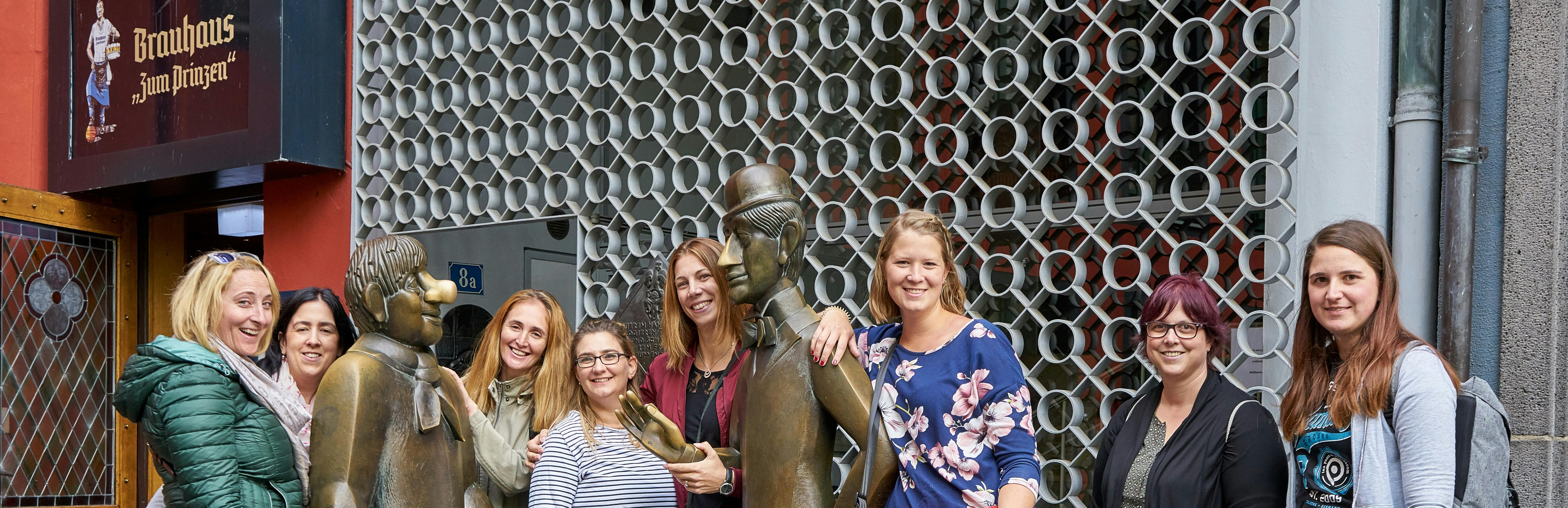
Kölsch Beer and Brewery Culture

Kölsch refers both to Cologne’s local beer style and the city’s regional dialect and identity.

The pale beer is traditionally served in narrow 0.2-litre glasses known as Stangen.

In traditional breweries, servers known as Köbes carry glasses in circular trays called Kränze.

A customary brewery practice is that a replacement beer may arrive automatically when a glass is empty. Placing the beer mat on top of the glass signals that no more beer is required.

The walking tour may explain local brewery traditions, but:

  • No beer is included
  • No brewery entry is guaranteed
  • The experience is not a pub crawl
  • Food is not included

A separate brewery tour is more appropriate for visitors wanting tastings.

Cologne Carnival and Local Identity

Carnival is one of the most important parts of Cologne’s cultural calendar.

The guide may discuss:

  • The official start of the Carnival season
  • Street celebrations
  • Costumes
  • Parades
  • Local songs
  • Political satire
  • The phrase “Kölle Alaaf”

During major Carnival days, streets can close and normal walking routes may be impossible.

Visitors booking during Carnival should allow additional travel time and expect large crowds.

War Damage and Reconstruction

Cologne suffered extensive bombing and destruction during the Second World War.

Much of the historic centre was damaged or destroyed.

Post-war rebuilding involved difficult decisions about whether to:

  • Restore buildings historically
  • Reconstruct façades
  • Create modern replacements
  • Preserve ruins
  • Adapt the city for roads and transport

The Old Town’s present appearance is therefore a mixture of surviving historic structures, reconstruction and later urban planning.

The guide may also discuss newer projects intended to improve the Cathedral Square and Rhine-side public areas.

What Is Included?

The Musement booking includes:

  • 90-minute guided walking tour
  • German-speaking city guide
  • Old Town exterior sightseeing
  • Roman and medieval historical commentary
  • Local stories and anecdotes
  • Mobile voucher acceptance
  • Instant confirmation

What Is Not Included?

The following are not included:

  • Cologne Cathedral sightseeing admission
  • Cathedral tower ticket
  • Cathedral Treasury ticket
  • Museum admission
  • Town Hall interior access
  • Church interiors
  • Food
  • Kölsch beer
  • Hotel pickup
  • Hotel drop-off
  • Public transport
  • Gratuities

Tour Schedule

The operator currently advertises public Cologne walking tours on most Saturdays at approximately 11:00am.

This should be treated as general guidance rather than a guarantee for the Musement product.

The actual available dates and starting times are shown in the Musement booking calendar.

Always follow:

  • The selected booking time
  • The final voucher
  • Any operator message sent before the tour

Arrival and Check-In

Plan to arrive approximately 10 to 15 minutes before the scheduled start.

Early arrival provides time to:

  • Find the Roman gate
  • Identify the guide
  • Present the mobile voucher
  • Use nearby toilets
  • Adjust clothing for the weather

The Old Town can be crowded, particularly on Saturdays, during Christmas markets and during Carnival.

Late participants may have difficulty finding the group after it has left the meeting point.

How Much Can You See in 90 Minutes?

Ninety minutes is enough for a useful introduction but not for detailed visits inside every landmark.

The tour prioritises:

  • Orientation
  • Exterior architecture
  • Historical context
  • Major squares
  • Short anecdotes

Visitors should not expect:

  • A complete cathedral interior tour
  • A tower climb
  • Museum visits
  • A brewery tasting
  • Extended free time
  • A walk across the Rhine

Walking Distance and Physical Demands

The Old Town is compact, and the total distance should be moderate.

Walking conditions can include:

  • Cobblestones
  • Paved squares
  • Kerbs
  • Occasional steps
  • Crowded pedestrian streets
  • Wet or slippery surfaces

Participants should be comfortable standing and walking for 90 minutes.

There is no guaranteed seated break.

Accessibility and Mobility

Musement does not publish a complete wheelchair-accessibility guarantee for this tour.

Cologne’s Old Town is largely pedestrianised, and the tourism authority identifies the general district as suitable for pushchairs.

However, the exact guided route may include:

  • Uneven paving
  • Construction diversions
  • Kerbs
  • Crowded narrow lanes
  • Temporary market barriers

Wheelchair users or visitors with limited walking endurance should contact the provider before booking.

Useful questions include:

  • Is the entire planned route step-free?
  • Can the pace be adjusted?
  • Are accessible toilets available nearby?
  • Can a companion assist on cobbles?
  • Is the meeting point affected by Cathedral Square construction?

Is the Tour Suitable for Children?

Infants and children aged 0–5 can participate free of charge.

The tour may appeal to older children interested in:

  • Romans
  • Castles and city walls
  • Large churches
  • Legends
  • Carnival

However, the regular tour is primarily designed for general adult visitors rather than young children.

Parents should consider:

  • The commentary is entirely in German
  • The tour lasts 90 minutes
  • There may be no seated break
  • Central Cologne can be crowded
  • Some historical explanations may be detailed

A dedicated children’s city tour may provide more age-appropriate activities and storytelling.

Weather and Seasonal Conditions

The activity is an outdoor walking tour and is generally suitable in ordinary weather.

Summer

Warm weather can bring crowds and strong sun across the Cathedral Square and Rhine promenade.

Autumn

Expect variable temperatures, wind and rain.

Winter

Cologne can be cold, wet and windy. Christmas markets may make the squares busier and alter the route.

Spring

Conditions can change quickly between sunshine and showers.

Severe weather, major events or official restrictions can still cause changes or cancellation.

What to Wear

  • Comfortable walking shoes
  • Weather-appropriate layers
  • Waterproof jacket when rain is forecast
  • Warm coat, gloves and scarf in winter
  • Hat and sunscreen in summer

High heels and smooth-soled shoes are unsuitable for wet cobbles.

What to Bring

  • Mobile voucher: Download it before arrival.
  • Comfortable shoes: Suitable for cobbles and standing.
  • Water: Particularly during warm weather.
  • Rain protection: Compact umbrella or waterproof jacket.
  • Charged phone: Useful for navigation and photography.
  • Small bag: Easier to manage in crowded streets.
  • Cathedral ticket: Only when planning a separate interior visit after 1 July 2026.

Getting to the Meeting Point

The Roman gate is in the immediate Cathedral Square area beside Cologne Central Station.

The most convenient destination for public transport is:

Dom/Hauptbahnhof

From the station, follow signs toward Cologne Cathedral and continue to the west side of the building near Kardinal-Höffner-Platz.

Arriving by Train

Cologne Central Station is directly beside the cathedral.

Long-distance, regional and local trains arrive here from cities including:

Allow additional time because the large station has several exits and the meeting point is outside.

Local Public Transport

Several Stadtbahn and bus services stop at or near Dom/Hauptbahnhof.

Check current service information on the day because construction, demonstrations and major events can affect routes.

Validate the correct ticket where required and retain it for inspection.

Driving and Parking

Driving into central Cologne is possible but less convenient than arriving by train or local transport.

City-centre parking garages include facilities near:

  • Great St Martin
  • Heumarkt
  • The cathedral area

Drivers should consider:

  • Parking charges
  • Traffic congestion
  • Environmental-zone requirements
  • Pedestrian areas
  • Current Cathedral Square construction
  • Road closures during events

Allow at least 20 to 30 minutes between entering a garage and reaching the meeting point.

What to Do After the Tour

Enter Cologne Cathedral

Purchase the appropriate visitor ticket and explore the interior outside service times.

Climb the Cathedral Tower

The viewing platform is reached by 533 steps and has no lift.

This requires a separate ticket and approximately 30 to 45 minutes.

Visit Museum Ludwig

The museum beside the cathedral specialises in modern and contemporary art, including major photography and Picasso collections.

Explore the Roman-Germanic Collections

Visitors interested in the Roman history discussed on the tour can continue with Cologne’s archaeological collections and sites.

Walk Across Hohenzollern Bridge

The pedestrian route provides broad views back toward the cathedral and Old Town skyline.

Take a Rhine Cruise

Short city cruises depart from the riverfront and provide a different perspective on Cologne.

Visit the Chocolate Museum

The riverside museum south of the Old Town explores chocolate production and history.

Where to Eat and Drink Nearby

The Old Town contains numerous traditional breweries, cafés and restaurants.

Local dishes may include:

  • Himmel un Ääd
  • Rheinischer Sauerbraten
  • Halver Hahn
  • Reibekuchen
  • Meat and sausage dishes
  • Seasonal stews

Früh am Dom is one of the large traditional breweries near the meeting point.

In a Kölsch brewery:

  • The server may replace an empty beer automatically
  • A mark may be added to the beer mat for each glass
  • Place the beer mat over the glass when finished
  • Payment is normally made at the end

Food and drink are entirely separate from the walking-tour ticket.

Who Is This Tour Best For?

The tour is particularly suitable for:

  • German-speaking first-time visitors
  • Travellers with limited sightseeing time
  • History enthusiasts
  • Visitors interested in Roman heritage
  • Couples
  • Solo travellers
  • Families with older children
  • People seeking an affordable city introduction

Who Might Prefer Another Tour?

A different activity may be better for:

  • Visitors who do not understand German
  • Travellers wanting cathedral admission included
  • Guests seeking a private guide
  • People wanting beer tastings
  • Visitors requiring guaranteed step-free access
  • Families wanting a child-specific tour
  • Travellers seeking an in-depth archaeological experience

Is the Tour Good Value?

The Musement starting price is low for a 90-minute professionally guided tour in a major European city.

The ticket provides:

  • A local guide
  • Historical interpretation
  • Roman and medieval background
  • Stories about local culture
  • An efficient introduction to the Old Town

The main limitations are:

  • German commentary only
  • No attraction admissions
  • No food or drink
  • No cancellation or changes

It offers strongest value to German-speaking visitors who want a concise orientation before exploring independently.

Frequently Asked Questions About the Cologne Old Town Walking Tour

How much does the tour cost?

The current Musement listing shows prices starting from $12.

How long does it last?

Approximately one hour and 30 minutes.

What language is the tour in?

German only.

Is English commentary available?

Not through this particular Musement product.

Where does the tour begin?

At the Roman northern gate on Kardinal-Höffner-Platz beside Cologne Cathedral.

Is the meeting point inside the cathedral?

No. It is outside on the Cathedral Square.

How early should I arrive?

Arrive approximately 10 to 15 minutes before departure.

Does the tour enter Cologne Cathedral?

No interior admission is listed. Expect an exterior stop.

Is cathedral admission included?

No.

Will cathedral sightseeing require a ticket?

From 1 July 2026, general tourist entry requires a separate ticket. Services and personal prayer remain free.

Is the cathedral tower included?

No. The tower requires a separate ticket and a climb of 533 steps.

Does the tour visit Roman remains?

Yes. Roman heritage is one of the central subjects, beginning at the surviving northern-gate section.

Will we visit the Roman-Germanic Museum?

No museum admission is included.

Will we see the Town Hall?

The operator’s standard Old Town programme includes the historic Town Hall area, subject to the actual route.

Does the tour visit Fischmarkt?

Fischmarkt is a standard operator highlight but can be route-dependent.

Will we enter Great St Martin Church?

Interior entry is not listed as part of the Musement product.

Is Kölsch beer included?

No.

Is this a brewery tour?

No. Brewery culture may be discussed, but there are no guaranteed bar visits or tastings.

How much walking is involved?

The distance is moderate, but expect 90 minutes of walking and standing on historic paving.

Is the tour wheelchair accessible?

No complete accessibility guarantee is published. Contact the provider about the current route.

Can I bring a pushchair?

The general Old Town area is considered suitable for pushchairs, but cobbles and crowds can create difficulties.

Can children participate?

Yes. Children aged 0–5 participate free of charge.

Is the tour designed specifically for children?

No. It is a general history tour conducted in German.

Does the tour operate in rain?

Ordinary rain generally does not prevent the tour. Dress for the weather.

Does it operate during Christmas markets?

Availability may continue, but crowds and stalls can alter the route.

Does it operate during Carnival?

Major Carnival events may affect schedules, access and the walking route.

Can I use a mobile voucher?

Yes.

Who operates the tour?

k3 stadtführungen.

Can I cancel?

No. The current Musement booking is non-refundable and cannot be changed or cancelled.

Are additional booking fees charged?

No additional Musement booking fee is listed.

Are customer reviews available?

The current Musement listing does not display customer ratings for this tour.

Is the tour worth booking?

Yes, for German-speaking visitors wanting an inexpensive and informative introduction to Cologne’s Roman history, cathedral and Old Town. Non-German speakers should choose another tour.

Final Thoughts

The guided walking tour in Cologne’s Old Town provides an affordable and efficient introduction to the city’s long history.

Beginning at the surviving Roman northern gate, the route connects Cologne’s ancient origins with its medieval markets, world-famous cathedral, Rhine-side trading district and modern identity.

Possible highlights include Cologne Cathedral, the historic Town Hall, Alter Markt, Fischmarkt, Great St Martin and Heumarkt, although the precise route can change.

The tour’s greatest limitation is language. All commentary is in German, and the stories and anecdotes form the main value of the experience.

Cathedral admission is not included. From 1 July 2026, general sightseeing inside the cathedral requires a separate visitor ticket, while services and personal prayer remain free.

Arrive 10 to 15 minutes early at Kardinal-Höffner-Platz, wear comfortable shoes and prepare for ordinary Cologne weather.

The booking is non-refundable, so check the selected date, time and language carefully before payment.

For German-speaking first-time visitors, the 90-minute walk is a practical way to understand how Roman ruins, medieval commerce, Gothic architecture, Kölsch culture and post-war reconstruction shaped modern Cologne.