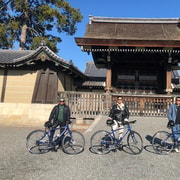
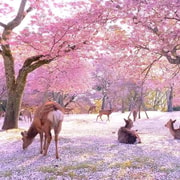
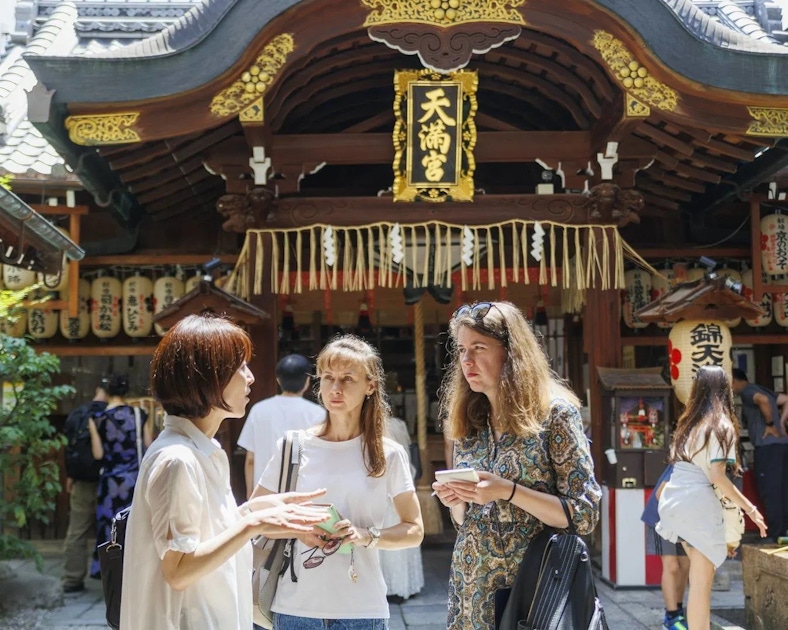
Kyoto: Memory Kyoto E-Bike Tour Best deals for Kyoto: Memory Kyoto E-Bike Tour. Itinerary for this tour 1. Golden Pavilion ( Kinkakuji Temple ) 2. Arashiyama Bamboo Forest 3. Tenryuji Temple 4. Kitano Tenmangu Shrine Available from getyourguide.com.
Why Visit Kyoto
Kyoto blends history, culture, and everyday life into a destination filled with engaging museums and memorable attractions. This guide highlights the kinds of places visitors love and what to expect at each, plus practical tips for planning your day.
Flagship History Museum
The main city history museum in Kyoto typically traces the region from early settlement to the present through artifacts, photographs, and interactive exhibits. Expect rotating shows, a solid gift shop, and helpful context for everything else you’ll see.
Art Museum & Sculpture Garden
A leading art museum usually anchors the local scene with classics, contemporary works, and special exhibitions. If there’s an outdoor sculpture garden, it’s a relaxing way to pair culture with a walk.
Science & Discovery Center
Hands-on galleries make science approachable for all ages—think space, engineering, and ecosystems—often with an IMAX or planetarium.
Landmark Cathedral or Temple
Historic houses of worship give insight into Kyoto’s architectural styles and community roots. Many offer guided tours and quiet courtyards.
Iconic Public Square or Old Town
Central plazas and heritage streets concentrate cafes, street performers, and local crafts. They’re perfect for people‑watching and photos.
Riverside, Harbor or Promenade
Waterfront paths and viewpoints provide fresh air and skyline views. Look for sunset spots, public art, and casual dining.
Family Favorite: Zoo, Aquarium, or Insectarium
Animal-focused attractions pair conservation with education. Check feeding schedules or touch‑pools for interactive moments.
Living Culture: Music Hall or Theatre
An intimate performance venue showcases local sound—jazz, folk, or contemporary—making for a memorable night out.
Planning Tips
Buy timed tickets online for popular museums and special exhibits.
Combine nearby sights to minimize travel time; many districts are walkable.
Check weekly free or discounted hours; student, senior, and family passes can reduce costs.
Start early for quieter galleries and better photos.
Bottom Line
From cornerstone museums to living cultural venues and scenic promenades, Kyoto offers a balanced mix of learning, leisure, and local flavor.
Sponsored Popular Items
Quick take: Musement.com offers a worldwide selection of tours and attractions
Kyoto: Memory Kyoto E-Bike Tour Best deals for Kyoto: Memory Kyoto E-Bike Tour. Itinerary for this tour 1. Golden Pavilion ( Kinkakuji Temple ) 2. Arashiyama Bamboo Forest 3. Tenryuji Temple 4. Kitano Tenmangu Shrine Available from getyourguide.com.
Osaka/Kyoto: Kyoto and Nara Customizable Day Tour with Guide Best deals for Osaka/Kyoto: Kyoto and Nara Customizable Day Tour with Guide. Discover Kyoto & Nara on an exclusive private tour with guide & vehicle. Customize your itinerary & visit highlights like Fushimi Inari, Arashiyama, Kinkaku-ji, Nara Park, & Todai-ji at your own pace. Available from getyourguide.com.
From Kyoto/Osaka: Kyoto Top Highlights 1-Day Guided Bus Tour Best deals for From Kyoto/Osaka: Kyoto Top Highlights 1-Day Guided Bus Tour. Explore Kyoto's iconic sites in one day: walk through Fushimi Inari's torii gates, admire UNESCO Sites Kiyomizu-dera and Kinkakuji, and stroll Arashiyama's serene bamboo grove with an expert guide. Available from getyourguide.com.
Osaka/Kyoto: Kyoto and Nara Customizable Day Tour with Guide Best deals for Osaka/Kyoto: Kyoto and Nara Customizable Day Tour with Guide. Discover Kyoto & Nara on an exclusive private tour with guide & vehicle. Customize your itinerary & visit highlights like Fushimi Inari, Arashiyama, Kinkaku-ji, Nara Park, & Todai-ji at your own pace. Available from getyourguide.com.
Why Visit Kyoto
Kyoto blends history, culture, and everyday life into a destination filled with engaging museums and memorable attractions. This guide highlights the kinds of places visitors love and what to expect at each, plus practical tips for planning your day.
Flagship History Museum
The main city history museum in Kyoto typically traces the region from early settlement to the present through artifacts, photographs, and interactive exhibits. Expect rotating shows, a solid gift shop, and helpful context for everything else you’ll see.
Art Museum & Sculpture Garden
A leading art museum usually anchors the local scene with classics, contemporary works, and special exhibitions. If there’s an outdoor sculpture garden, it’s a relaxing way to pair culture with a walk.
Science & Discovery Center
Hands-on galleries make science approachable for all ages—think space, engineering, and ecosystems—often with an IMAX or planetarium.
Landmark Cathedral or Temple
Historic houses of worship give insight into Kyoto’s architectural styles and community roots. Many offer guided tours and quiet courtyards.
Iconic Public Square or Old Town
Central plazas and heritage streets concentrate cafes, street performers, and local crafts. They’re perfect for people‑watching and photos.
Riverside, Harbor or Promenade
Waterfront paths and viewpoints provide fresh air and skyline views. Look for sunset spots, public art, and casual dining.
Family Favorite: Zoo, Aquarium, or Insectarium
Animal-focused attractions pair conservation with education. Check feeding schedules or touch‑pools for interactive moments.
Living Culture: Music Hall or Theatre
An intimate performance venue showcases local sound—jazz, folk, or contemporary—making for a memorable night out.
Planning Tips
Buy timed tickets online for popular museums and special exhibits.
Combine nearby sights to minimize travel time; many districts are walkable.
Check weekly free or discounted hours; student, senior, and family passes can reduce costs.
Start early for quieter galleries and better photos.
Bottom Line
From cornerstone museums to living cultural venues and scenic promenades, Kyoto offers a balanced mix of learning, leisure, and local flavor.
Sponsored Popular Items
Quick take: Musement.com offers a worldwide selection of tours and attractions
Osaka/Kyoto: Kyoto and Nara Customizable Day Tour with Guide Best deals for Osaka/Kyoto: Kyoto and Nara Customizable Day Tour with Guide. Discover Kyoto & Nara on an exclusive private tour with guide & vehicle. Customize your itinerary & visit highlights like Fushimi Inari, Arashiyama, Kinkaku-ji, Nara Park, & Todai-ji at your own pace. Available from getyourguide.com.
From Kyoto/Osaka: Kyoto Top Highlights 1-Day Guided Bus Tour Best deals for From Kyoto/Osaka: Kyoto Top Highlights 1-Day Guided Bus Tour. Explore Kyoto's iconic sites in one day: walk through Fushimi Inari's torii gates, admire UNESCO Sites Kiyomizu-dera and Kinkakuji, and stroll Arashiyama's serene bamboo grove with an expert guide. Available from getyourguide.com.
From Kyoto/Osaka: Private Customizable Kyoto Tour Best deals for From Kyoto/Osaka: Private Customizable Kyoto Tour. Explore Kyoto by private car with your English-speaking driver-guide. Choose from 7 attractions or a classic route, and enjoy a 5-hour or 10-hour personalized tour. Available from getyourguide.com.
Osaka/Kyoto: Kyoto and Nara Customizable Day Tour with Guide Best deals for Osaka/Kyoto: Kyoto and Nara Customizable Day Tour with Guide. Discover Kyoto & Nara on an exclusive private tour with guide & vehicle. Customize your itinerary & visit highlights like Fushimi Inari, Arashiyama, Kinkaku-ji, Nara Park, & Todai-ji at your own pace. Available from getyourguide.com.
Why Visit Kyoto
Kyoto blends history, culture, and everyday life into a destination filled with engaging museums and memorable attractions. This guide highlights the kinds of places visitors love and what to expect at each, plus practical tips for planning your day.
Flagship History Museum
The main city history museum in Kyoto typically traces the region from early settlement to the present through artifacts, photographs, and interactive exhibits. Expect rotating shows, a solid gift shop, and helpful context for everything else you’ll see.
Art Museum & Sculpture Garden
A leading art museum usually anchors the local scene with classics, contemporary works, and special exhibitions. If there’s an outdoor sculpture garden, it’s a relaxing way to pair culture with a walk.
Science & Discovery Center
Hands-on galleries make science approachable for all ages—think space, engineering, and ecosystems—often with an IMAX or planetarium.
Landmark Cathedral or Temple
Historic houses of worship give insight into Kyoto’s architectural styles and community roots. Many offer guided tours and quiet courtyards.
Iconic Public Square or Old Town
Central plazas and heritage streets concentrate cafes, street performers, and local crafts. They’re perfect for people‑watching and photos.
Riverside, Harbor or Promenade
Waterfront paths and viewpoints provide fresh air and skyline views. Look for sunset spots, public art, and casual dining.
Family Favorite: Zoo, Aquarium, or Insectarium
Animal-focused attractions pair conservation with education. Check feeding schedules or touch‑pools for interactive moments.
Living Culture: Music Hall or Theatre
An intimate performance venue showcases local sound—jazz, folk, or contemporary—making for a memorable night out.
Planning Tips
Buy timed tickets online for popular museums and special exhibits.
Combine nearby sights to minimize travel time; many districts are walkable.
Check weekly free or discounted hours; student, senior, and family passes can reduce costs.
Start early for quieter galleries and better photos.
Bottom Line
From cornerstone museums to living cultural venues and scenic promenades, Kyoto offers a balanced mix of learning, leisure, and local flavor.
Sponsored Popular Items
Quick take: Musement.com offers a worldwide selection of tours and attractions
Osaka/Kyoto: Kyoto and Nara Customizable Day Tour with Guide Best deals for Osaka/Kyoto: Kyoto and Nara Customizable Day Tour with Guide. Discover Kyoto & Nara on an exclusive private tour with guide & vehicle. Customize your itinerary & visit highlights like Fushimi Inari, Arashiyama, Kinkaku-ji, Nara Park, & Todai-ji at your own pace. Available from getyourguide.com.
From Kyoto/Osaka: Kyoto Top Highlights 1-Day Guided Bus Tour Best deals for From Kyoto/Osaka: Kyoto Top Highlights 1-Day Guided Bus Tour. Explore Kyoto's iconic sites in one day: walk through Fushimi Inari's torii gates, admire UNESCO Sites Kiyomizu-dera and Kinkakuji, and stroll Arashiyama's serene bamboo grove with an expert guide. Available from getyourguide.com.
From Kyoto/Osaka: Private Customizable Kyoto Tour Best deals for From Kyoto/Osaka: Private Customizable Kyoto Tour. Explore Kyoto by private car with your English-speaking driver-guide. Choose from 7 attractions or a classic route, and enjoy a 5-hour or 10-hour personalized tour. Available from getyourguide.com.
Osaka/Kyoto: Kyoto and Nara Customizable Day Tour with Guide Best deals for Osaka/Kyoto: Kyoto and Nara Customizable Day Tour with Guide. Discover Kyoto & Nara on an exclusive private tour with guide & vehicle. Customize your itinerary & visit highlights like Fushimi Inari, Arashiyama, Kinkaku-ji, Nara Park, & Todai-ji at your own pace. Available from getyourguide.com.
Why Visit Kyoto
Kyoto blends history, culture, and everyday life into a destination filled with engaging museums and memorable attractions. This guide highlights the kinds of places visitors love and what to expect at each, plus practical tips for planning your day.
Flagship History Museum
The main city history museum in Kyoto typically traces the region from early settlement to the present through artifacts, photographs, and interactive exhibits. Expect rotating shows, a solid gift shop, and helpful context for everything else you’ll see.
Art Museum & Sculpture Garden
A leading art museum usually anchors the local scene with classics, contemporary works, and special exhibitions. If there’s an outdoor sculpture garden, it’s a relaxing way to pair culture with a walk.
Science & Discovery Center
Hands-on galleries make science approachable for all ages—think space, engineering, and ecosystems—often with an IMAX or planetarium.
Landmark Cathedral or Temple
Historic houses of worship give insight into Kyoto’s architectural styles and community roots. Many offer guided tours and quiet courtyards.
Iconic Public Square or Old Town
Central plazas and heritage streets concentrate cafes, street performers, and local crafts. They’re perfect for people‑watching and photos.
Riverside, Harbor or Promenade
Waterfront paths and viewpoints provide fresh air and skyline views. Look for sunset spots, public art, and casual dining.
Family Favorite: Zoo, Aquarium, or Insectarium
Animal-focused attractions pair conservation with education. Check feeding schedules or touch‑pools for interactive moments.
Living Culture: Music Hall or Theatre
An intimate performance venue showcases local sound—jazz, folk, or contemporary—making for a memorable night out.
Planning Tips
Buy timed tickets online for popular museums and special exhibits.
Combine nearby sights to minimize travel time; many districts are walkable.
Check weekly free or discounted hours; student, senior, and family passes can reduce costs.
Start early for quieter galleries and better photos.
Bottom Line
From cornerstone museums to living cultural venues and scenic promenades, Kyoto offers a balanced mix of learning, leisure, and local flavor.
Sponsored Popular Items
Quick take: Musement.com offers a worldwide selection of tours and attractions
Osaka/Kyoto: Kyoto and Nara Customizable Day Tour with Guide Best deals for Osaka/Kyoto: Kyoto and Nara Customizable Day Tour with Guide. Discover Kyoto & Nara on an exclusive private tour with guide & vehicle. Customize your itinerary & visit highlights like Fushimi Inari, Arashiyama, Kinkaku-ji, Nara Park, & Todai-ji at your own pace. Available from getyourguide.com.
From Kyoto/Osaka: Kyoto Top Highlights 1-Day Guided Bus Tour Best deals for From Kyoto/Osaka: Kyoto Top Highlights 1-Day Guided Bus Tour. Explore Kyoto's iconic sites in one day: walk through Fushimi Inari's torii gates, admire UNESCO Sites Kiyomizu-dera and Kinkakuji, and stroll Arashiyama's serene bamboo grove with an expert guide. Available from getyourguide.com.
From Kyoto/Osaka: Private Customizable Kyoto Tour Best deals for From Kyoto/Osaka: Private Customizable Kyoto Tour. Explore Kyoto by private car with your English-speaking driver-guide. Choose from 7 attractions or a classic route, and enjoy a 5-hour or 10-hour personalized tour. Available from getyourguide.com.
Kyoto Markets, Local Crafts & Artisan Shopping Guide Japan Kyoto combines temples, shrines, gardens, traditional districts, craft, tea, sake, seasonal cuisine and forested hills. Check current availability, inclusions and booking details before you go.
Why Visit Kyoto
Kyoto blends history, culture, and everyday life into a destination filled with engaging museums and memorable attractions. This guide highlights the kinds of places visitors love and what to expect at each, plus practical tips for planning your day.
Flagship History Museum
The main city history museum in Kyoto typically traces the region from early settlement to the present through artifacts, photographs, and interactive exhibits. Expect rotating shows, a solid gift shop, and helpful context for everything else you’ll see.
Art Museum & Sculpture Garden
A leading art museum usually anchors the local scene with classics, contemporary works, and special exhibitions. If there’s an outdoor sculpture garden, it’s a relaxing way to pair culture with a walk.
Science & Discovery Center
Hands-on galleries make science approachable for all ages—think space, engineering, and ecosystems—often with an IMAX or planetarium.
Landmark Cathedral or Temple
Historic houses of worship give insight into Kyoto’s architectural styles and community roots. Many offer guided tours and quiet courtyards.
Iconic Public Square or Old Town
Central plazas and heritage streets concentrate cafes, street performers, and local crafts. They’re perfect for people‑watching and photos.
Riverside, Harbor or Promenade
Waterfront paths and viewpoints provide fresh air and skyline views. Look for sunset spots, public art, and casual dining.
Family Favorite: Zoo, Aquarium, or Insectarium
Animal-focused attractions pair conservation with education. Check feeding schedules or touch‑pools for interactive moments.
Living Culture: Music Hall or Theatre
An intimate performance venue showcases local sound—jazz, folk, or contemporary—making for a memorable night out.
Planning Tips
Buy timed tickets online for popular museums and special exhibits.
Combine nearby sights to minimize travel time; many districts are walkable.
Check weekly free or discounted hours; student, senior, and family passes can reduce costs.
Start early for quieter galleries and better photos.
Bottom Line
From cornerstone museums to living cultural venues and scenic promenades, Kyoto offers a balanced mix of learning, leisure, and local flavor.
Sponsored Popular Items
Quick take: Musement.com offers a worldwide selection of tours and attractions
Kyoto Markets, Local Crafts & Artisan Shopping Guide Japan Kyoto combines temples, shrines, gardens, traditional districts, craft, tea, sake, seasonal cuisine and forested hills. Check current availability, inclusions and booking details before you go.
Osaka/Kyoto: Kyoto and Nara Customizable Day Tour with Guide Best deals for Osaka/Kyoto: Kyoto and Nara Customizable Day Tour with Guide. Discover Kyoto & Nara on an exclusive private tour with guide & vehicle. Customize your itinerary & visit highlights like Fushimi Inari, Arashiyama, Kinkaku-ji, Nara Park, & Todai-ji at your own pace. Available from getyourguide.com.
From Kyoto/Osaka: Kyoto Top Highlights 1-Day Guided Bus Tour Best deals for From Kyoto/Osaka: Kyoto Top Highlights 1-Day Guided Bus Tour. Explore Kyoto's iconic sites in one day: walk through Fushimi Inari's torii gates, admire UNESCO Sites Kiyomizu-dera and Kinkakuji, and stroll Arashiyama's serene bamboo grove with an expert guide. Available from getyourguide.com.
Osaka/Kyoto: Kyoto and Nara Customizable Day Tour with Guide Best deals for Osaka/Kyoto: Kyoto and Nara Customizable Day Tour with Guide. Discover Kyoto & Nara on an exclusive private tour with guide & vehicle. Customize your itinerary & visit highlights like Fushimi Inari, Arashiyama, Kinkaku-ji, Nara Park, & Todai-ji at your own pace. Available from getyourguide.com.
Why Visit Kyoto
Kyoto blends history, culture, and everyday life into a destination filled with engaging museums and memorable attractions. This guide highlights the kinds of places visitors love and what to expect at each, plus practical tips for planning your day.
Flagship History Museum
The main city history museum in Kyoto typically traces the region from early settlement to the present through artifacts, photographs, and interactive exhibits. Expect rotating shows, a solid gift shop, and helpful context for everything else you’ll see.
Art Museum & Sculpture Garden
A leading art museum usually anchors the local scene with classics, contemporary works, and special exhibitions. If there’s an outdoor sculpture garden, it’s a relaxing way to pair culture with a walk.
Science & Discovery Center
Hands-on galleries make science approachable for all ages—think space, engineering, and ecosystems—often with an IMAX or planetarium.
Landmark Cathedral or Temple
Historic houses of worship give insight into Kyoto’s architectural styles and community roots. Many offer guided tours and quiet courtyards.
Iconic Public Square or Old Town
Central plazas and heritage streets concentrate cafes, street performers, and local crafts. They’re perfect for people‑watching and photos.
Riverside, Harbor or Promenade
Waterfront paths and viewpoints provide fresh air and skyline views. Look for sunset spots, public art, and casual dining.
Family Favorite: Zoo, Aquarium, or Insectarium
Animal-focused attractions pair conservation with education. Check feeding schedules or touch‑pools for interactive moments.
Living Culture: Music Hall or Theatre
An intimate performance venue showcases local sound—jazz, folk, or contemporary—making for a memorable night out.
Planning Tips
Buy timed tickets online for popular museums and special exhibits.
Combine nearby sights to minimize travel time; many districts are walkable.
Check weekly free or discounted hours; student, senior, and family passes can reduce costs.
Start early for quieter galleries and better photos.
Bottom Line
From cornerstone museums to living cultural venues and scenic promenades, Kyoto offers a balanced mix of learning, leisure, and local flavor.
Sponsored Popular Items
Quick take: Musement.com offers a worldwide selection of tours and attractions
Osaka/Kyoto: Kyoto and Nara Customizable Day Tour with Guide Best deals for Osaka/Kyoto: Kyoto and Nara Customizable Day Tour with Guide. Discover Kyoto & Nara on an exclusive private tour with guide & vehicle. Customize your itinerary & visit highlights like Fushimi Inari, Arashiyama, Kinkaku-ji, Nara Park, & Todai-ji at your own pace. Available from getyourguide.com.
From Kyoto/Osaka: Kyoto Top Highlights 1-Day Guided Bus Tour Best deals for From Kyoto/Osaka: Kyoto Top Highlights 1-Day Guided Bus Tour. Explore Kyoto's iconic sites in one day: walk through Fushimi Inari's torii gates, admire UNESCO Sites Kiyomizu-dera and Kinkakuji, and stroll Arashiyama's serene bamboo grove with an expert guide. Available from getyourguide.com.
From Kyoto/Osaka: Private Customizable Kyoto Tour Best deals for From Kyoto/Osaka: Private Customizable Kyoto Tour. Explore Kyoto by private car with your English-speaking driver-guide. Choose from 7 attractions or a classic route, and enjoy a 5-hour or 10-hour personalized tour. Available from getyourguide.com.
Kanazawa blends history, culture, and everyday life into a destination filled with engaging museums and memorable attractions. This guide highlights the kinds of places visitors love and what to expect at each, plus practical tips for planning your day.
Flagship History Museum
The main city history museum in Kanazawa typically traces the region from early settlement to the present through artifacts, photographs, and interactive exhibits. Expect rotating shows, a solid gift shop, and helpful context for everything else you’ll see.
Art Museum & Sculpture Garden
A leading art museum usually anchors the local scene with classics, contemporary works, and special exhibitions. If there’s an outdoor sculpture garden, it’s a relaxing way to pair culture with a walk.
Science & Discovery Center
Hands-on galleries make science approachable for all ages—think space, engineering, and ecosystems—often with an IMAX or planetarium.
Landmark Cathedral or Temple
Historic houses of worship give insight into Kanazawa’s architectural styles and community roots. Many offer guided tours and quiet courtyards.
Iconic Public Square or Old Town
Central plazas and heritage streets concentrate cafes, street performers, and local crafts. They’re perfect for people‑watching and photos.
Riverside, Harbor or Promenade
Waterfront paths and viewpoints provide fresh air and skyline views. Look for sunset spots, public art, and casual dining.
Family Favorite: Zoo, Aquarium, or Insectarium
Animal-focused attractions pair conservation with education. Check feeding schedules or touch‑pools for interactive moments.
Living Culture: Music Hall or Theatre
An intimate performance venue showcases local sound—jazz, folk, or contemporary—making for a memorable night out.
Planning Tips
Buy timed tickets online for popular museums and special exhibits.
Combine nearby sights to minimize travel time; many districts are walkable.
Check weekly free or discounted hours; student, senior, and family passes can reduce costs.
Start early for quieter galleries and better photos.
Bottom Line
From cornerstone museums to living cultural venues and scenic promenades, Kanazawa offers a balanced mix of learning, leisure, and local flavor.
Sponsored Popular Items
Quick take: Musement.com offers a worldwide selection of tours and attractions
Kanazawa Folklore, Traditions & Cultural Heritage Guide Japan Kanazawa combines a renowned landscape garden, samurai and geisha districts, craft traditions, seafood, Kaga cuisine and access to Ishikawa's countryside. Check current availability, inclusions and booking details before you go.
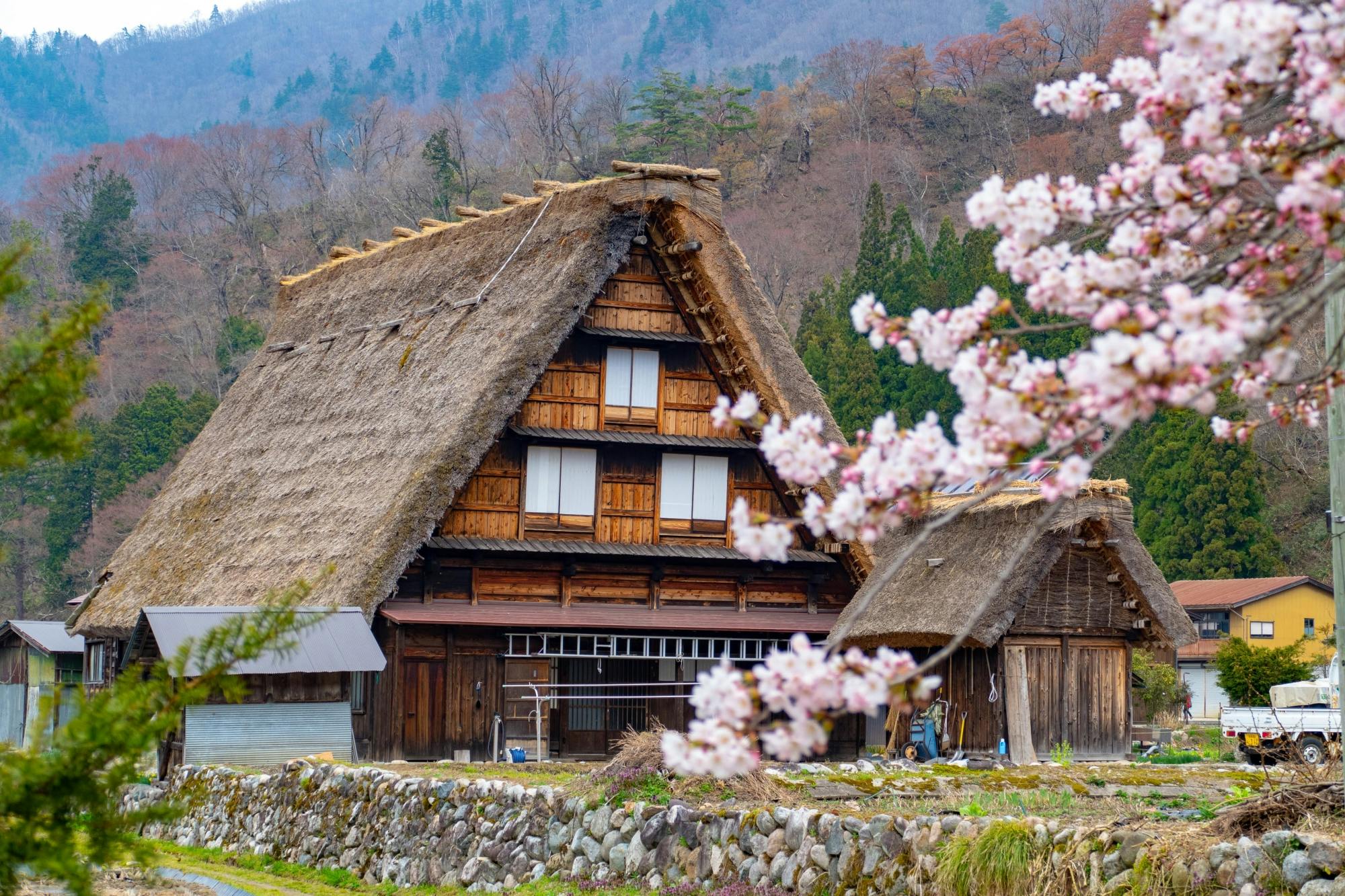
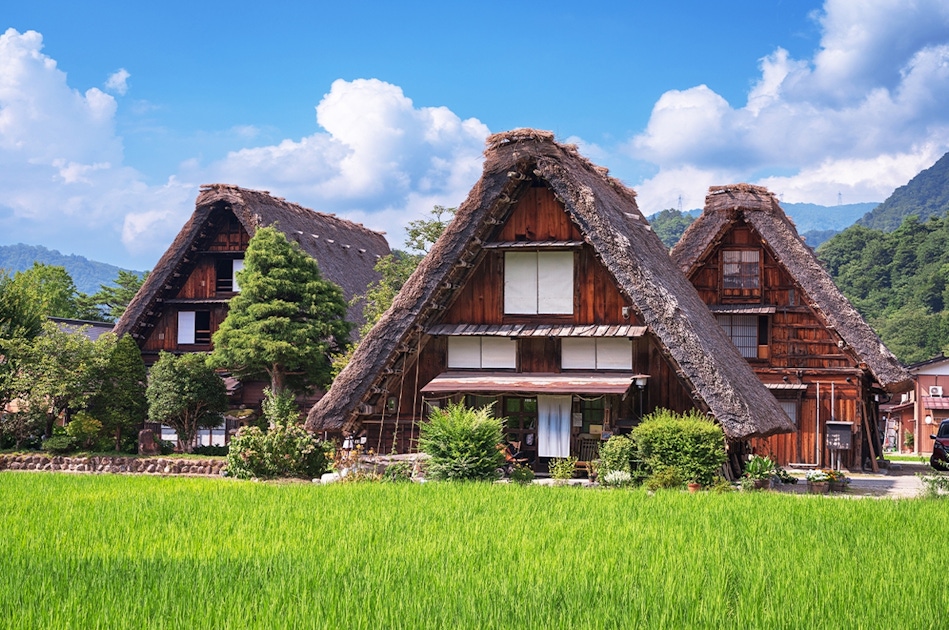
Kanazawa: World Heritage Shirakawa-go & Two Local Experiences Best deals for Kanazawa: World Heritage Shirakawa-go & Two Local Experiences. Explore Shirakawa-go & Kanazawa on our full-day tour. Visit the UNESCO village, Shirakawa-go, then discover Kenrokuen Garden and Higashi Chaya District. Enjoy Japanese sweets making & gold leaf craft. Available from getyourguide.com.
Kanazawa blends history, culture, and everyday life into a destination filled with engaging museums and memorable attractions. This guide highlights the kinds of places visitors love and what to expect at each, plus practical tips for planning your day.
Flagship History Museum
The main city history museum in Kanazawa typically traces the region from early settlement to the present through artifacts, photographs, and interactive exhibits. Expect rotating shows, a solid gift shop, and helpful context for everything else you’ll see.
Art Museum & Sculpture Garden
A leading art museum usually anchors the local scene with classics, contemporary works, and special exhibitions. If there’s an outdoor sculpture garden, it’s a relaxing way to pair culture with a walk.
Science & Discovery Center
Hands-on galleries make science approachable for all ages—think space, engineering, and ecosystems—often with an IMAX or planetarium.
Landmark Cathedral or Temple
Historic houses of worship give insight into Kanazawa’s architectural styles and community roots. Many offer guided tours and quiet courtyards.
Iconic Public Square or Old Town
Central plazas and heritage streets concentrate cafes, street performers, and local crafts. They’re perfect for people‑watching and photos.
Riverside, Harbor or Promenade
Waterfront paths and viewpoints provide fresh air and skyline views. Look for sunset spots, public art, and casual dining.
Family Favorite: Zoo, Aquarium, or Insectarium
Animal-focused attractions pair conservation with education. Check feeding schedules or touch‑pools for interactive moments.
Living Culture: Music Hall or Theatre
An intimate performance venue showcases local sound—jazz, folk, or contemporary—making for a memorable night out.
Planning Tips
Buy timed tickets online for popular museums and special exhibits.
Combine nearby sights to minimize travel time; many districts are walkable.
Check weekly free or discounted hours; student, senior, and family passes can reduce costs.
Start early for quieter galleries and better photos.
Bottom Line
From cornerstone museums to living cultural venues and scenic promenades, Kanazawa offers a balanced mix of learning, leisure, and local flavor.
Sponsored Popular Items
Quick take: Musement.com offers a worldwide selection of tours and attractions
Kanazawa Wine, Drinks & Tasting Experiences Guide Japan Kanazawa combines a renowned landscape garden, samurai and geisha districts, craft traditions, seafood, Kaga cuisine and access to Ishikawa's countryside. Check current availability, inclusions and booking details before you go.
Kanazawa: World Heritage Shirakawa-go & Two Local Experiences Best deals for Kanazawa: World Heritage Shirakawa-go & Two Local Experiences. Explore Shirakawa-go & Kanazawa on our full-day tour. Visit the UNESCO village, Shirakawa-go, then discover Kenrokuen Garden and Higashi Chaya District. Enjoy Japanese sweets making & gold leaf craft. Available from getyourguide.com.
Kanazawa blends history, culture, and everyday life into a destination filled with engaging museums and memorable attractions. This guide highlights the kinds of places visitors love and what to expect at each, plus practical tips for planning your day.
Flagship History Museum
The main city history museum in Kanazawa typically traces the region from early settlement to the present through artifacts, photographs, and interactive exhibits. Expect rotating shows, a solid gift shop, and helpful context for everything else you’ll see.
Art Museum & Sculpture Garden
A leading art museum usually anchors the local scene with classics, contemporary works, and special exhibitions. If there’s an outdoor sculpture garden, it’s a relaxing way to pair culture with a walk.
Science & Discovery Center
Hands-on galleries make science approachable for all ages—think space, engineering, and ecosystems—often with an IMAX or planetarium.
Landmark Cathedral or Temple
Historic houses of worship give insight into Kanazawa’s architectural styles and community roots. Many offer guided tours and quiet courtyards.
Iconic Public Square or Old Town
Central plazas and heritage streets concentrate cafes, street performers, and local crafts. They’re perfect for people‑watching and photos.
Riverside, Harbor or Promenade
Waterfront paths and viewpoints provide fresh air and skyline views. Look for sunset spots, public art, and casual dining.
Family Favorite: Zoo, Aquarium, or Insectarium
Animal-focused attractions pair conservation with education. Check feeding schedules or touch‑pools for interactive moments.
Living Culture: Music Hall or Theatre
An intimate performance venue showcases local sound—jazz, folk, or contemporary—making for a memorable night out.
Planning Tips
Buy timed tickets online for popular museums and special exhibits.
Combine nearby sights to minimize travel time; many districts are walkable.
Check weekly free or discounted hours; student, senior, and family passes can reduce costs.
Start early for quieter galleries and better photos.
Bottom Line
From cornerstone museums to living cultural venues and scenic promenades, Kanazawa offers a balanced mix of learning, leisure, and local flavor.
Sponsored Popular Items
Quick take: Musement.com offers a worldwide selection of tours and attractions
Kanazawa Food Tours, Dining & Local Cuisine Guide Japan Kanazawa combines a renowned landscape garden, samurai and geisha districts, craft traditions, seafood, Kaga cuisine and access to Ishikawa's countryside. Check current availability, inclusions and booking details before you go.
Kanazawa Food Insider: Private Omicho Market Tasting Tour Best deals for Kanazawa Food Insider: Private Omicho Market Tasting Tour. Explore Omicho Market with an Ishikawa Tourism Ambassador and local food expert followed by 70,000+ food lovers. Enjoy four seasonal tastings and personalized dining tips. Available from getyourguide.com.
Hokkaido Winter Activities & Snow Experiences Guide Japan Hokkaido combines deep winter snow, volcanic national parks, agricultural landscapes, seafood markets, Ainu cultural heritage and widely separated towns. Check current availability, inclusions and booking details before you go.
Why Visit Hokkaido
Hokkaido blends history, culture, and everyday life into a destination filled with engaging museums and memorable attractions. This guide highlights the kinds of places visitors love and what to expect at each, plus practical tips for planning your day.
Flagship History Museum
The main city history museum in Hokkaido typically traces the region from early settlement to the present through artifacts, photographs, and interactive exhibits. Expect rotating shows, a solid gift shop, and helpful context for everything else you’ll see.
Art Museum & Sculpture Garden
A leading art museum usually anchors the local scene with classics, contemporary works, and special exhibitions. If there’s an outdoor sculpture garden, it’s a relaxing way to pair culture with a walk.
Science & Discovery Center
Hands-on galleries make science approachable for all ages—think space, engineering, and ecosystems—often with an IMAX or planetarium.
Landmark Cathedral or Temple
Historic houses of worship give insight into Hokkaido’s architectural styles and community roots. Many offer guided tours and quiet courtyards.
Iconic Public Square or Old Town
Central plazas and heritage streets concentrate cafes, street performers, and local crafts. They’re perfect for people‑watching and photos.
Riverside, Harbor or Promenade
Waterfront paths and viewpoints provide fresh air and skyline views. Look for sunset spots, public art, and casual dining.
Family Favorite: Zoo, Aquarium, or Insectarium
Animal-focused attractions pair conservation with education. Check feeding schedules or touch‑pools for interactive moments.
Living Culture: Music Hall or Theatre
An intimate performance venue showcases local sound—jazz, folk, or contemporary—making for a memorable night out.
Planning Tips
Buy timed tickets online for popular museums and special exhibits.
Combine nearby sights to minimize travel time; many districts are walkable.
Check weekly free or discounted hours; student, senior, and family passes can reduce costs.
Start early for quieter galleries and better photos.
Bottom Line
From cornerstone museums to living cultural venues and scenic promenades, Hokkaido offers a balanced mix of learning, leisure, and local flavor.
Sponsored Popular Items
Quick take: Musement.com offers a worldwide selection of tours and attractions
Hokkaido Winter Activities & Snow Experiences Guide Japan Hokkaido combines deep winter snow, volcanic national parks, agricultural landscapes, seafood markets, Ainu cultural heritage and widely separated towns. Check current availability, inclusions and booking details before you go.
Hokkaido: Nikka Yoichi Whisky Museum Guided Tour & Tasting Best deals for Hokkaido: Nikka Yoichi Whisky Museum Guided Tour & Tasting. Discover the Yoichi Distillery, the birthplace of Nikka Whisky. Explore the museum, learn about the history of Nikka, and enjoy a guided tasting of three key malts. Available from getyourguide.com.
Hokkaido: Mt Yotei Springs, Lake Toya Cruise & Mt Usu Best deals for Hokkaido: Mt Yotei Springs, Lake Toya Cruise & Mt Usu. Follow Hokkaido’s snow-country scenery from Mt. Yotei’s spring water to Lake Toya, then cruise the caldera and ride Mt. Usu Ropeway for sweeping volcano views on a private day trip. Available from getyourguide.com.
Nagoya Markets, Local Crafts & Artisan Shopping Guide Japan Nagoya combines castle and samurai history, major industry and technology museums, distinctive local food and access to central Japan's towns and mountains. Check current availability, inclusions and booking details before you go.
Why Visit Nagoya
Nagoya blends history, culture, and everyday life into a destination filled with engaging museums and memorable attractions. This guide highlights the kinds of places visitors love and what to expect at each, plus practical tips for planning your day.
Flagship History Museum
The main city history museum in Nagoya typically traces the region from early settlement to the present through artifacts, photographs, and interactive exhibits. Expect rotating shows, a solid gift shop, and helpful context for everything else you’ll see.
Art Museum & Sculpture Garden
A leading art museum usually anchors the local scene with classics, contemporary works, and special exhibitions. If there’s an outdoor sculpture garden, it’s a relaxing way to pair culture with a walk.
Science & Discovery Center
Hands-on galleries make science approachable for all ages—think space, engineering, and ecosystems—often with an IMAX or planetarium.
Landmark Cathedral or Temple
Historic houses of worship give insight into Nagoya’s architectural styles and community roots. Many offer guided tours and quiet courtyards.
Iconic Public Square or Old Town
Central plazas and heritage streets concentrate cafes, street performers, and local crafts. They’re perfect for people‑watching and photos.
Riverside, Harbor or Promenade
Waterfront paths and viewpoints provide fresh air and skyline views. Look for sunset spots, public art, and casual dining.
Family Favorite: Zoo, Aquarium, or Insectarium
Animal-focused attractions pair conservation with education. Check feeding schedules or touch‑pools for interactive moments.
Living Culture: Music Hall or Theatre
An intimate performance venue showcases local sound—jazz, folk, or contemporary—making for a memorable night out.
Planning Tips
Buy timed tickets online for popular museums and special exhibits.
Combine nearby sights to minimize travel time; many districts are walkable.
Check weekly free or discounted hours; student, senior, and family passes can reduce costs.
Start early for quieter galleries and better photos.
Bottom Line
From cornerstone museums to living cultural venues and scenic promenades, Nagoya offers a balanced mix of learning, leisure, and local flavor.
Sponsored Popular Items
Quick take: Musement.com offers a worldwide selection of tours and attractions
Nagoya Markets, Local Crafts & Artisan Shopping Guide Japan Nagoya combines castle and samurai history, major industry and technology museums, distinctive local food and access to central Japan's towns and mountains. Check current availability, inclusions and booking details before you go.
Nagoya: Toyota Commemorative Museum & Monozukuri Tour Best deals for Nagoya: Toyota Commemorative Museum & Monozukuri Tour. Explore Japan's industrial revolution! Discover the Toyota Museum, see live manufacturing demos, and visit historic Noritake Garden. Available from getyourguide.com.
Nagoya: Tokyo Private Full-Day Tour with Guide Best deals for Nagoya: Tokyo Private Full-Day Tour with Guide. Explore Tokyo on a private full-day tour from Nagoya with a guide. Visit Senso-ji Temple, the Tokyo Skytree, the Meiji Shrine, Shibuya Crossing, Harajuku, and the Imperial Palace. Available from getyourguide.com.
Hokkaido Countryside Tours & Rural Day Trips Guide Japan Hokkaido combines deep winter snow, volcanic national parks, agricultural landscapes, seafood markets, Ainu cultural heritage and widely separated towns. Check current availability, inclusions and booking details before you go.
Why Visit Hokkaido
Hokkaido blends history, culture, and everyday life into a destination filled with engaging museums and memorable attractions. This guide highlights the kinds of places visitors love and what to expect at each, plus practical tips for planning your day.
Flagship History Museum
The main city history museum in Hokkaido typically traces the region from early settlement to the present through artifacts, photographs, and interactive exhibits. Expect rotating shows, a solid gift shop, and helpful context for everything else you’ll see.
Art Museum & Sculpture Garden
A leading art museum usually anchors the local scene with classics, contemporary works, and special exhibitions. If there’s an outdoor sculpture garden, it’s a relaxing way to pair culture with a walk.
Science & Discovery Center
Hands-on galleries make science approachable for all ages—think space, engineering, and ecosystems—often with an IMAX or planetarium.
Landmark Cathedral or Temple
Historic houses of worship give insight into Hokkaido’s architectural styles and community roots. Many offer guided tours and quiet courtyards.
Iconic Public Square or Old Town
Central plazas and heritage streets concentrate cafes, street performers, and local crafts. They’re perfect for people‑watching and photos.
Riverside, Harbor or Promenade
Waterfront paths and viewpoints provide fresh air and skyline views. Look for sunset spots, public art, and casual dining.
Family Favorite: Zoo, Aquarium, or Insectarium
Animal-focused attractions pair conservation with education. Check feeding schedules or touch‑pools for interactive moments.
Living Culture: Music Hall or Theatre
An intimate performance venue showcases local sound—jazz, folk, or contemporary—making for a memorable night out.
Planning Tips
Buy timed tickets online for popular museums and special exhibits.
Combine nearby sights to minimize travel time; many districts are walkable.
Check weekly free or discounted hours; student, senior, and family passes can reduce costs.
Start early for quieter galleries and better photos.
Bottom Line
From cornerstone museums to living cultural venues and scenic promenades, Hokkaido offers a balanced mix of learning, leisure, and local flavor.
Sponsored Popular Items
Quick take: Musement.com offers a worldwide selection of tours and attractions
Hokkaido Countryside Tours & Rural Day Trips Guide Japan Hokkaido combines deep winter snow, volcanic national parks, agricultural landscapes, seafood markets, Ainu cultural heritage and widely separated towns. Check current availability, inclusions and booking details before you go.
Hokkaido: Nikka Yoichi Whisky Museum Guided Tour & Tasting Best deals for Hokkaido: Nikka Yoichi Whisky Museum Guided Tour & Tasting. Discover the Yoichi Distillery, the birthplace of Nikka Whisky. Explore the museum, learn about the history of Nikka, and enjoy a guided tasting of three key malts. Available from getyourguide.com.
Hokkaido: Mt Yotei Springs, Lake Toya Cruise & Mt Usu Best deals for Hokkaido: Mt Yotei Springs, Lake Toya Cruise & Mt Usu. Follow Hokkaido’s snow-country scenery from Mt. Yotei’s spring water to Lake Toya, then cruise the caldera and ride Mt. Usu Ropeway for sweeping volcano views on a private day trip. Available from getyourguide.com.