Most “Florence shore excursions” are actually day trips to Florence (and often Pisa) from nearby cruise ports—most commonly Livorno (Tuscany) or La Spezia (Liguria). Your sources cover three booking approaches: big marketplaces (GetYourGuide/Viator), cruise-line excursions (Celebrity), and premium private guides (The Roman Guy). (GetYourGuide)
Book/browse pages provided to make it easier for you
This is the classic “two cities, one day” shore format. Viator’s Livorno shore excursion listing explicitly frames it as a Florence + Pisa day with round-trip transport from port and highlights like Florence’s historic centre and Pisa’s Leaning Tower area. (Viator) GetYourGuide’s Livorno option also describes a Florence + Pisa day with time in both cities and adds a food tasting element on the specific listing shown in the category. (GetYourGuide)
Celebrity positions Florence/Pisa shore excursions as a way to see Renaissance art/culture in Florence and iconic Pisa sights, with excursions offered under their shore excursions program. (Celebrity Cruises) They also emphasise La Spezia as a gateway to Florence, Pisa, Lucca, Tuscany and Cinque Terre, which is useful context for port-based planning. (Celebrity Cruises)
Private “premium” day from Livorno (The Roman Guy)
The Roman Guy markets a private shore excursion with luxury transport and an expert local guide for doing Florence and Pisa in a day from Livorno. (The Roman Guy)
Choose GetYourGuide or Viator if you want flexibility and comparison
Both categories aggregate multiple operators and formats (private drivers, guided, and “time-in-two-cities” day trips). Viator’s category summary explicitly references private day trips from Livorno with round-trip transport and optional guide/tickets. (Viator)
Choose Celebrity if you want a cruise-line-managed option
Celebrity’s shore excursion pages position their excursions as curated cruise add-ons for Florence/Pisa and nearby destinations from La Spezia. (Celebrity Cruises)
Choose The Roman Guy if you want a private guide and premium transport
Their product framing is specifically “private shore excursion + luxury transport + expert local guide.” (The Roman Guy)
Practical shore-excursion tips for your UnusedRooms post
Expect “Florence/Pisa” to mean a port day trip (often from Livorno; also possible from La Spezia depending on itinerary). (Viator)
Two cities in one day is the standard packaged format you’ll see repeatedly across marketplace listings. (GetYourGuide)
If you want a simple editorial CTA structure, use:
Are Florence shore excursions usually from Florence itself? Often, no—many are designed as shore excursions from nearby cruise ports (commonly Livorno; also La Spezia as a gateway). (Viator)
Can I see Florence and Pisa in one port day? Yes—both Viator and GetYourGuide feature Florence + Pisa in one day shore excursion formats. (Viator)
What’s the difference between a marketplace tour and a cruise-line excursion? Marketplace platforms (Viator/GetYourGuide) list multiple operators and formats; cruise lines (Celebrity) sell excursions within their own shore program and position them as curated port options. (Viator)
Is there a private, guided option from Livorno? Yes—The Roman Guy markets a private shore excursion from Livorno with luxury transport and a local guide. (The Roman Guy)
Sponsored Popular Items
Quick take: Musement.com offers a worldwide selection of tours and attractions
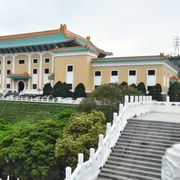
Keelung Port Cruise Ship On Shore Tour Best deals for Keelung Port Cruise Ship On Shore Tour. Best tour for a limited time travelers. Visit the National Palace Museum, Taipei 101, Change of The Guard Ceremony at Chiang Kai Shek Memorial Hall, Lunch at at Din Tai Fung, the famous xiaolongbao. Available from getyourguide.com.
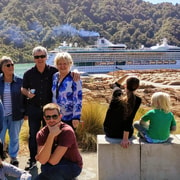
Picton Marlborough Wine Tour Cruise Ship Shore Excursion New Zealand Discover Marlborough from your cruise ship with premium wine tastings, stunning scenery, local flavours, and relaxed small-group touring direct from Port Marlborough, Picton
Cruise Ship - Port Arthur Shore Excursion - Hobart Australia Created for cruise ships arriving & docked in Hobart only. We will tailor the tour based on your arrival and departure times. We will visit the Port Arthur Historic Site & some local producers.
Curated guided tours: The Roman Guy (notably “skip-the-line + expert guide” bundles) (theromanguy.com)
Multi-day/packaged tours: TourRadar (multi-day itineraries that include Florence as a stop or start/end) (tourradar.com)
Tour aggregators/packages: Tours4fun (day trips/excursions “from Florence” and broader packages) (tours4fun.com)
Tickets/experiences (UK market): TUI Things to Do (attractions + guided tours; Florence Duomo/Uffizi examples) (TUI.co.uk)
Florence tour types that consistently perform well
1) “Must-see art” tickets and guided visits
If you are time-poor, highlight Accademia (David) and Uffizi options, including timed entry and skip-the-line variants—these are featured prominently on GetYourGuide and The Roman Guy. (GetYourGuide)
TUI’s Florence listings include Duomo-area products (Cathedral/Dome/Bell Tower/Baptistery style access), and Viator’s “things to do” content keeps the Duomo and viewpoints like Piazzale Michelangelo front and centre. (TUI.co.uk)
3) Food, wine, and Tuscany day trips
For staying more than 2 nights, day trips to Chianti/Siena/San Gimignano/Pisa are a staple; Viator features a Tuscany “highlights” day trip with Siena + San Gimignano + Pisa + winery lunch as a representative example. (Viator) The Roman Guy also markets full-day Tuscany/winery day trips from Florence. (theromanguy.com)
4) Multi-day Italy itineraries that include Florence
If you prefer “no planning,” TourRadar lists a large number of Florence-inclusive tours with typical lengths shown from 2 to 7 days on its Florence page. (tourradar.com)
5) Niche/alternative themes
Viator’s Florence hub indicates there are also budget and theme tours (e.g., stories/legends style walks) listed as “activities under US$25” on deeper pagination pages. (Viator)
Florence Quick Guide to Tours and Attractions
H2: Florence tours at a glance
Best for first-timers: City highlights + Accademia/Uffizi timed entry (GetYourGuide)
E-bike tour of Florence and Piazzale Michelangelo with surprise tasting Italy Plan E-bike tour of Florence and Piazzale Michelangelo with surprise tasting, a food and drink experience, with practical tips on timing, inclusions and what to check before booking. Compare current availability, prices and booking conditions before you go.
Private Guided Tour Of The Accademia Gallery In Florence Italy Plan Private Guided Tour Of The Accademia Gallery In Florence, a cultural or heritage experience, with practical tips on timing, inclusions and what to check before booking. Compare current availability, prices and booking conditions before you go.
Florence Traditional Food Tour Italy Plan Florence Traditional Food Tour, a food and drink experience, with practical tips on timing, inclusions and what to check before booking. Compare current availability, prices and booking conditions before you go.
Boston is well-suited to urban bike touring (Charles River paths, Back Bay, Fenway-area landmarks) and park-based walking (especially the Emerald Necklace). Your sources cover both guided bike tours and self-guided routes that work like “do-it-yourself tours.” (GetYourGuide)
Best guided bike options
1) City overview bike tour (classic first-timer choice)
GetYourGuide’s “Boston: 2.5-Hour City View Bike Tour” is positioned as an introduction to Boston by bike, with strong review volume shown on the listing. (GetYourGuide)
2) “History + landmarks” ride (often with an e-bike option)
Viator’s Boston bike tour listings include a 2.5–3 hour guided bicycle tour with a city bike or e-bike upgrade (availability caveat) and landmarks across multiple neighborhoods. (Viator)
3) Cambridge-focused ride (Harvard/MIT vibe)
City Experiences offers a Tour de Cambridge concept; Viator’s Cambridge bike tour description highlights a 2.5–3 hour ride covering ~11–13 miles and major Cambridge stops (Harvard Square, MIT, etc.). (City Experiences™)
4) Family-friendly guided ride
Viator also lists a “family friendly” guided bike tour format (2h30m shown on the listing). (Viator)
Best self-guided “hike + bike” ideas
Self-guided ride: Boston City View Bike Route
AllTrails lists Boston City View Bike Route as easy, about 9.7 miles, ~223 ft elevation gain, typically 3–3.5 hours. (AllTrails.com)
Self-guided ride library: Trek Great Rides Boston
Trek’s Great Rides Boston page is a curated set of local road, family, and mountain routes with downloadable route detail/metrics. This is a useful “where to ride” resource section in your post. (Trek Bikes)
Walk/hike add-on: the Emerald Necklace
For the “hiking” component inside Boston, the Emerald Necklace is commonly described as a connected park system suitable for walking and biking; route-style guides exist for an Emerald Necklace walk with defined start/end points and landmarks. (Public Lands)
How to choose quickly
Short on time: pick the 2.5-hour City View style tour. (GetYourGuide)
Want campus/neighborhood variety: choose Tour de Cambridge (Cambridge emphasis). (Viator)
Prefer self-paced: use AllTrails City View Bike Route + a short Emerald Necklace walk segment. (AllTrails.com)
Planning multiple rides: use Trek Great Rides Boston as your “route menu.” (Trek Bikes)
FAQs Boston Bike Tours
How long is a typical guided Boston bike tour? Several featured listings cluster around ~2.5–3 hours. (GetYourGuide)
Is there an easy, self-guided route that still feels like a “tour”? Yes—AllTrails’ Boston City View Bike Route is rated easy and provides distance/elevation/time guidance. (AllTrails.com)
Can I do a Cambridge bike tour instead of “downtown Boston”? Yes—Cambridge-focused guided rides are marketed specifically (including Harvard/MIT area highlights). (Viator)
Where can I find multiple vetted cycling routes without planning from scratch? Trek’s Great Rides Boston collects local routes and provides ride metrics and downloadable route info. (Trek Bikes)
Sponsored Popular Items
Quick take: Musement.com offers a worldwide selection of tours and attractions
North End Food Tour with Tastings and Cannoli in Boston United States Plan North End Food Tour with Tastings and Cannoli in Boston, a food and drink experience, with practical tips on timing, inclusions and what to check before booking. Compare current availability, prices and booking conditions before you go.
Day trip from NYC to visit Boston Freedom Trail United States Plan Day trip from NYC to visit Boston Freedom Trail, a guided sightseeing experience, with practical tips on timing, inclusions and what to check before booking. Compare current availability, prices and booking conditions before you go.
For a first visit, Boston is easiest to plan around three “anchor” experiences: a hop-on hop-off trolley to orient yourself, a history walk (Freedom Trail area), and one “icon” visit such as a Fenway Park tour or a harbor cruise—all of which are prominently featured across Viator, GetYourGuide, Fenway’s official tour page, and Go City’s Boston passes. (Viator)
Both Viator and GetYourGuide feature Old Town Trolley / hop-on hop-off style options positioned as a simple way to cover many major sights in a day or two. (Viator) CTA placeholders:
GetYourGuide highlights Freedom Trail walking tours and history-focused activities in its Boston listings and “things to do” pages. (GetYourGuide) CTA placeholder:
Fenway tours are available daily, year-round, with online tickets sold up to 30 days in advance (per the official Red Sox site). (MLB.com) CTA placeholder:
Go City promotes Boston passes and lists attractions such as cruises and museums, along with pass terms like free cancellation for non-activated passes within 30 days (per Go City’s site). (Go City) CTA placeholders:
If you’re only in Boston 1–2 days: start with hop-on hop-off, then add one “feature” booking (Fenway tour or a cruise). (Viator)
If you want flexibility: highlight passes (Go City) and “book later” tours like trolley/short walking tours. (Go City)
For Fenway: mention the “book within 30 days” guidance, since online tickets are sold up to 30 days ahead. (MLB.com)
FAQs you can drop into UnusedRooms
What’s the easiest way to see Boston’s main sights quickly? A hop-on hop-off trolley tour is a common “orientation” option and is featured prominently on both Viator and GetYourGuide. (Viator)
Can I tour Fenway Park outside baseball season? Yes—Fenway tours are listed as available daily, year-round (weather permitting), and tickets are typically sold online up to 30 days ahead. (MLB.com)
Are there family-friendly tours? GetYourGuide lists family-friendly options including Freedom Trail walking tours and interactive attractions in its “things to do” content. (GetYourGuide)
Do attraction passes allow cancellation? Go City states non-activated passes are refundable within 30 days of purchase (see their Boston pass guidance). (Go City)
Sponsored Popular Items
Quick take: Musement.com offers a worldwide selection of tours and attractions
North End Food Tour with Tastings and Cannoli in Boston United States Plan North End Food Tour with Tastings and Cannoli in Boston, a food and drink experience, with practical tips on timing, inclusions and what to check before booking. Compare current availability, prices and booking conditions before you go.
Day trip from NYC to visit Boston Freedom Trail United States Plan Day trip from NYC to visit Boston Freedom Trail, a guided sightseeing experience, with practical tips on timing, inclusions and what to check before booking. Compare current availability, prices and booking conditions before you go.
If you want active sightseeing without hiring a car, Lanzarote’s guided options cluster into two strong choices: volcano trekking/hikes (Timanfaya-style landscapes and protected reserves) and bike-based days (e-bikes, mountain bikes, and even three-wheel “Ryker” rides). Your two source pages below are a solid starting point for comparing what’s available and booking. (Musement)
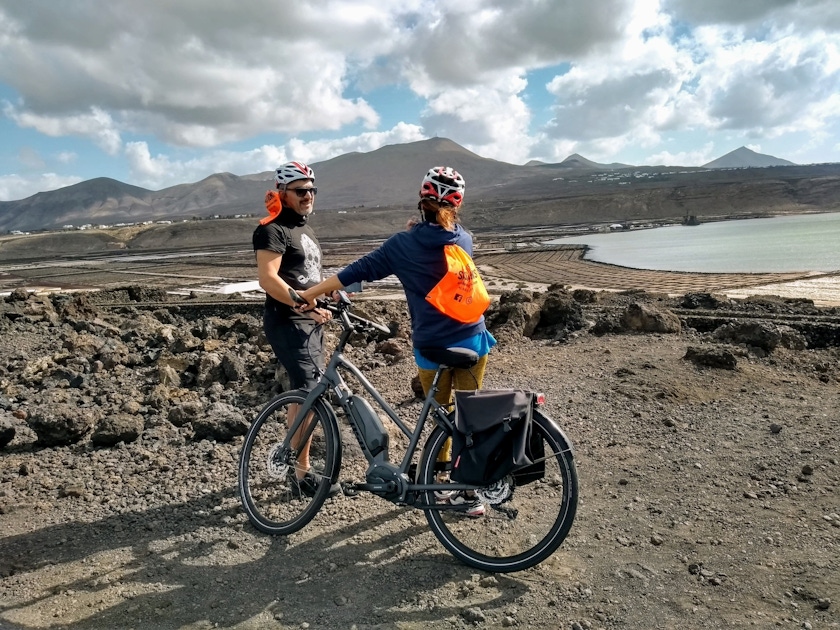
Musement lists a Northern Lanzarote Hike & Bike Tour that combines a light trek with an e-bike ride. The description highlights time in Haría, a walk through the Valley of the 1000 Palms, a light picnic, and finishing with a winery visit. Duration is shown as 4–8 hours, with pricing shown from $136. (Musement)
2) Volcano trekking (most popular “Lanzarote” hiking vibe)
Viator’s hiking category shows multiple volcano-focused tours, including a Volcano Trekking Tour (Timanfaya eruptions) described as an easy-level route with photo stops in lava fields and craters; it lists 3 hours and from $50, with 4.9 rating (329 reviews) shown. (Viator)
3) Mountain biking through black volcanic landscapes
Musement’s Lanzarote Mountain Bike Tour is described as a 5-hour ride over dry riverbeds and rocky ridges through black volcanic landscapes, with a stated route length of 40–50 km and an option to do it on a mountain bike or an electric mountain bike. (Musement)
4) A fun alternative to cycling: three-wheel “Ryker” tour
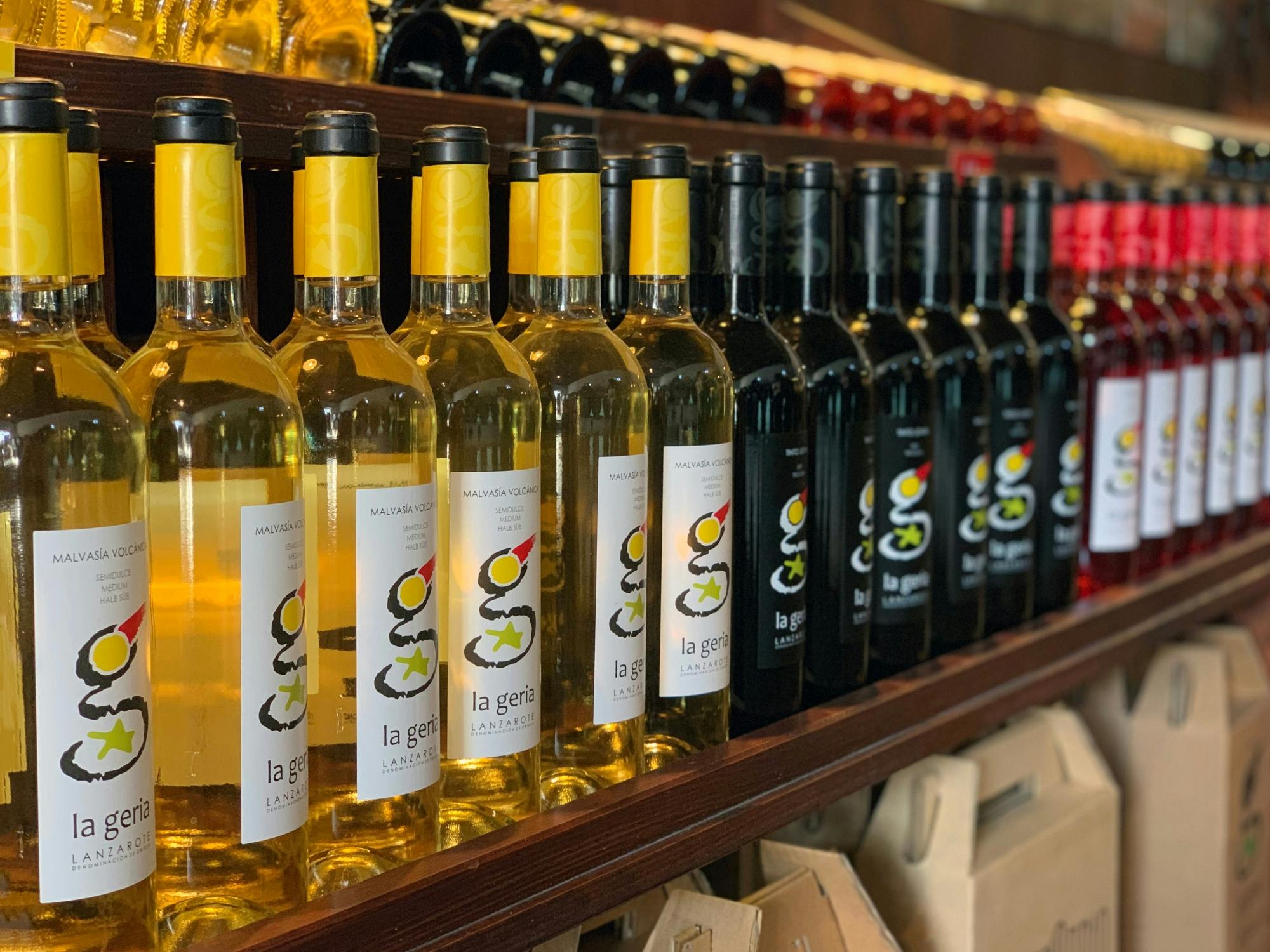
Musement lists a three-wheel Ryker bike option with two routes: a 2-hour north tour (including Famara, Haría viewpoint, Guinate, and a river viewpoint) and a 3-hour south tour (including Peasant Monument, Geria wine region, Hervideros, Green Lagoon, and Timanfaya National Park). It also notes free cancellation. (Musement)
Choose hike + e-bike if you want a full day that mixes walking with riding (and includes stops like a picnic and winery visit). (Musement)
Choose volcano trekking if your priority is guided walking focused on volcanic history and terrain (Timanfaya-style landscapes). (Viator)
Choose mountain biking if you want distance and terrain (40–50 km stated; e-MTB option). (Musement)
Choose the Ryker if you want a “bike-like” thrill with a set sightseeing route and shorter time blocks (2–3 hours listed). (Musement)
Practical booking notes (based on what our sources show)
Durations vary widely: from 2 hours (Ryker north) up to 4–8 hours (hike + e-bike day). (Musement)
Viator listings in this category show free cancellation on multiple tours (as displayed in the category results). (Viator)
Musement’s Ryker listing explicitly states free cancellation. (Musement)
FAQs for hiking and cycling in Lanzarote
Are there tours that combine hiking and cycling in one day? Yes—Musement lists a northern tour that combines a light hike with an e-bike section, plus a picnic and winery visit. (Musement)
How long are the volcano trekking tours on Viator? In the category results, a volcano trekking option is listed at 3 hours (with price shown “from $50”). (Viator)
Is there an e-bike option for riders who don’t want a hard ride? Musement’s hike + bike day references an e-bike ride, and the mountain bike tour explicitly notes an electric mountain bike option. (Musement)
How far is the Lanzarote mountain bike route? Musement describes a 40–50 kilometre route for the mountain bike tour. (Musement)
Are there shorter “ride and see” options rather than long tours? Yes—the Ryker tour lists two-hour and three-hour options with set sightseeing routes. (Musement)
Does the Ryker tour include Timanfaya? The south Ryker route description includes Timanfaya National Park among its stops. (Musement)
What areas are mentioned for the northern hike + bike day? The listing mentions starting in Haría, walking in the Valley of the 1000 Palms, and ending with a winery visit. (Musement)
Sponsored Popular Items
Quick take: Musement.com offers a worldwide selection of tours and attractions
Lanzarote Hiking & Cycling Tours Spain Compare nature and outdoor experiences in Lanzarote Hiking & Cycling, with practical tips on timing, inclusions and choosing the right option. Check current availability, prices and booking conditions before you go.
Northern Lanzarote Hike & Bike Tour Spain Plan Northern Lanzarote Hike & Bike Tour, a outdoor experience, with practical tips on timing, inclusions and what to check before booking. Compare current availability, prices and booking conditions before you go.
Lanzarote three-wheel Ryker bike north tour – ticket only Spain Plan Lanzarote three-wheel Ryker bike north tour – ticket only, a outdoor experience, with practical tips on timing, inclusions and what to check before booking. Compare current availability, prices and booking conditions before you go.
Lanzarote, part of Spain’s Canary Islands, is a striking island destination famed for its dramatic volcanic landscapes, UNESCO-recognized biosphere status, and a wide variety of guided tours that suit both sightseeing and adventure travellers. The island’s volcanic terrain, particularly Timanfaya National Park, is one of the most popular attractions, drawing visitors with lunar-like lava fields, volcanic craters and scenery shaped by eruptions centuries ago. Visitors can choose from half-day excursions focused on volcanic highlights to full-day tours that combine natural wonders with wine regions, caves and cultural sights. (Musement)
Top experiences
Timanfaya National Park tours: Guided excursions into the heart of Lanzarote’s volcanic landscapes, often including access through the Route of the Volcanoes, demonstrations of geothermal activity and stops for photo opportunities. (Viator)
Combination excursions: Full-day itineraries that pair Timanfaya with Jameos del Agua, Cueva de los Verdes lava caves, and the verdant wine-growing region of La Geria. (Musement)
Volcanic South tours: Half-day or full-day options that also include scenic coastal stops such as El Golfo and its famed Green Lagoon. (Viator)
Adventure and specialty tours: Options range from electric Twizy vehicle routes through volcanic terrain to volcano-hiking trips and camel rides on volcanic slopes. (Viator)
Cultural and natural sightseeing: Many tours include visits to salt flats (Salinas de Janubio), local wineries for tastings, and traditional landmarks and landscapes across the island. (Musement)
Tripadvisor reviews consistently rank volcanic and nature tours among the top sightseeing activities in Lanzarote. (Tripadvisor)
What’s included / what to expect
What’s typically included on organised tours varies by provider and itinerary:
Guided transport in air-conditioned vehicles with pickup options from hotels or meeting points in major Lanzarote resorts. (Viator)
Entrance tickets to principal attractions such as Timanfaya National Park. (Viator)
Expert local guides offering context on volcanic geology, landscape formation and cultural highlights. (Musement)
Complimentary geothermic demonstrations and opportunities for optional activities (e.g., camel rides, wine tasting). (Musement) What’s not always included (and should be checked when booking): meals, alcoholic drinks, gratuities and optional extras. Not specified on the source page for every tour.
Duration and meeting details
Tour durations range from half-day (approx. 4–5 hours) to full-day (8–10 hours) excursions depending on itinerary and number of stops. (Viator) Meeting and pickup details are typically provided at time of booking and may include hotel pickup in major resort areas (e.g., Puerto del Carmen, Costa Teguise, Playa Blanca, Arrecife). (Viator) Exact meeting points and pickup times should be confirmed with the tour operator. Not specified on the source page if specific coordinates or detailed schedules for each tour.
Who it suits / accessibility
Sightseers and first-time visitors: Popular full-day scenic tours offer a broad overview of Lanzarote’s highlights. (Musement)
Nature and adventure enthusiasts: Volcano tours and hiking experiences explore rugged landscapes and are suitable for those comfortable walking on uneven ground. (Viator)
Families: Many tours are suitable for family travellers, though some optional activities (like camel rides) may be extra. Not specified on the source page for each individual age requirement.
Accessibility: Some tours note that they are not wheelchair accessible or recommended for those with reduced mobility. (Viator)
Fitness level requirements vary by activity; participants should check tour details before booking. Not specified on the source page for all itineraries.
Cancellation and booking tips
Most major tour providers offer free cancellation up to 24 hours before the tour for a full refund, but policies vary. (Viator)
Tours that combine multiple sites or are seasonal may sell out in peak travel months, so early booking is recommended. (Viator)
Check whether entrance tickets, meals and optional extras (like camel rides or wine tastings) are included before booking to avoid surprises. Not specified on the source page for all tour options.
FAQs
1. What is Lanzarote best known for? Lanzarote is known for its volcanic landscapes, particularly the stark terrain of Timanfaya National Park, and a range of cultural and nature-based attractions. (Tripadvisor)
2. Can I visit Timanfaya National Park independently? Yes, but guided tours are popular because they include transport, explanation, and often entrance tickets. Not specified on the source page whether independent access requires advance booking.
3. Are meals included on Lanzarote tours? Some tours include lunch or wine tasting, but many do not; this depends on the specific itinerary. Not specified on the source page for every tour.
4. Do tours include hotel pickup? Many do include pickup, typically in major resort areas, but details are provided after booking. (Viator)
5. Are tours suitable for children? Many tours welcome families, but optional activities (e.g., camel rides) may have age or height requirements. Not specified on the source page for all itineraries.
6. What languages are tours offered in? Tours on platforms like Viator often note options in English and other languages, but offerings vary by operator. (Viator)
7. Is Timanfaya National Park UNESCO-protected? Yes, Lanzarote’s landscape, including Timanfaya, contributes to its designation as a UNESCO Biosphere Reserve. (Musement)
8. How long do full-day tours take? Full-day tours typically run 8–10 hours. (Viator)
9. Can I visit caves like Jameos del Agua on a tour? Yes, many longer itineraries include visits to Jameos del Agua and sometimes Cueva de los Verdes lava caves. (Musement)
10. Are camel rides included? Camel rides are often optional extras at Timanfaya National Park and may incur additional charges. (Viator)
Guided wine-tasting tour of three Lanzarote vineyards Spain Plan Guided wine-tasting tour of three Lanzarote vineyards, a food and drink experience, with practical tips on timing, inclusions and what to check before booking. Compare current availability, prices and booking conditions before you go.
Three-hour North Lanzarote mixed-terrain four-seater buggy tour with transfers Spain Plan Three-hour North Lanzarote mixed-terrain four-seater buggy tour with transfers, a water-based experience, with practical tips on timing, inclusions and what to check before booking. Compare current availability, prices and booking conditions before you go.
North Lanzarote 4x4 volcanoes and villages guided tour Spain Plan North Lanzarote 4x4 volcanoes and villages guided tour, a guided sightseeing experience, with practical tips on timing, inclusions and what to check before booking. Compare current availability, prices and booking conditions before you go.
San Francisco–to–Yosemite tours are designed to get you from the city to Yosemite National Park for a guided day trip or a multi-day escape, typically focusing on signature Valley viewpoints and waterfalls (such as Tunnel View, Yosemite Falls, El Capitan, Half Dome and Bridalveil Fall), plus add-ons like a Giant Sequoias hike when conditions allow. (Extranomical Tours)
This UnusedRooms.com guide uses source pages from reputable tour operators to you provided with the best information available.
Yosemite Top Experiences
Extranomical: Yosemite and Giant Sequoias One Day Tour from San Francisco — a 15-hour, daily tour with “over 5 hours” in Yosemite National Park, stops including Tunnel View, Yosemite Falls, El Capitan Meadow and Valley View, and a Tuolumne Grove Giant Sequoias hike (conditions permitting). (Extranomical Tours) [Book on Extranomical: https://www.extranomical.com/tour/yosemite-one-day-tour-from-san-francisco/]
Extranomical: Yosemite One-Day Tour (Mid-Week Super Saver) — a 15-hour tour (Tue/Wed/Thu only) that covers Tunnel View, El Capitan, Bridalveil Fall, Yosemite Falls and Tuolumne Grove of Giant Sequoias; the listing states the reservation is non-refundable and non-transferable. (Extranomical Tours) [Book on Extranomical: https://www.extranomical.com/tour/yosemite-super-saver/]
Musement: Yosemite Escape 3-day Lodging Tour — a 72-hour, English-language tour with entrance fees, guided touring, roundtrip transport and accommodation; the page describes two nights in a lodge and time in Yosemite Valley, Giant Sequoias and Yosemite High Country. (Musement) [Book on Musement: https://www.musement.com/us/san-francisco/yosemite-escape-3-day-lodging-tour-443078/]
Tours4fun (listing examples): “In-Depth Yosemite and Giant Sequoias Day Tour from San Francisco” — listed as a 14-hour tour with multiple language options shown on the listing page. Not specified on the source page (for inclusions beyond what the listing snippet displays). (Tours4Fun) [Check availability on Tours4fun: https://www.tours4fun.com/sp/d-yosemite-national-park/]
Viator (Yosemite National Park destination page) — a directory-style page that organizes experiences by categories such as Full-day Tours, Overnight Tours, and Bus Tours, and highlights landmark “tickets” pages (e.g., Yosemite Falls, Bridalveil Fall, Tunnel View, El Capitan, Half Dome). (Viator) [Check availability on Viator: https://www.viator.com/Yosemite-National-Park/d5265-ttd]
Park entry fee for non-residents / non-resident entry fee (Extranomical Tours)
What to expect on Yosemite Tours:
Stops/viewpoints include Tunnel View, Bridalveil Fall, Yosemite Valley time, El Capitan Meadow, Valley View, and a Tuolumne Grove Giant Sequoias hike (conditions permitting). (Extranomical Tours)
The pages note that between November and March, if the trail is not safe due to snow/ice, the Giant Sequoias hike may be substituted with additional time in Yosemite Valley. (Extranomical Tours)
A non-resident fee notice is listed: non-U.S. residents aged 16+ are charged an additional $100 park entry fee per person (collected by the operator after booking or on the bus). (Extranomical Tours)
Musement — Yosemite Escape 3-day Lodging Tour Included (as listed):
Additional food and drinks (available for purchase on site) (Musement)
What to expect:
The page describes three days exploring Yosemite with expert guides, including Yosemite Valley, Giant Sequoias and Yosemite High Country, plus two nights in a lodge. (Musement)
The page notes guides may adjust the itinerary due to weather/crowds/traffic and that highlights are intended but not guaranteed in a specific order. (Musement)
Duration and meeting details
Extranomical — Yosemite and Giant Sequoias One Day Tour
Duration and meeting details: Not specified on the source page for the overall directories/category pages. (AAA International Relations)
Who it suits / accessibility
Good fit for
Travelers who want a guided day trip from San Francisco with hotel pickup (Extranomical), or a multi-day guided escape with lodging (Musement). (Extranomical Tours)
Wheelchair/stroller accessibility, mobility requirements, and bathroom/stop frequency: Not specified on the source page. (Extranomical Tours)
Cancellation and booking tips
Cancellation snapshots (as stated on the pages)
Extranomical “Yosemite and Giant Sequoias One Day Tour”: Free cancellation with 24 hours advance notice. (Extranomical Tours)
Extranomical “Mid-Week Super Saver”: Non-refundable and non-transferable (all sales final). (Extranomical Tours)
Musement “Yosemite Escape 3-day Lodging Tour”: 100% refund if you cancel up to 15 days before the experience begins. (Musement)
Tours4fun (example tour page snippet): “Free Cancellation 4 or more Days Prior to Departure” is shown on at least one Tours4fun listing snippet. (Tours4Fun)
Booking tips grounded in the source pages
If booking Musement, be ready to select one of the two meeting points during checkout (Hilton SF Union Square or Dublin BART). (Musement)
Extranomical notes an “early bird” approach intended to beat crowds and reduce entry delays. (Extranomical Tours)
If you are a non-U.S. resident on Extranomical’s tours, review the stated additional $100 park entry fee process on the tour page. (Extranomical Tours)
FAQs (8–12)
How long is a typical San Francisco to Yosemite day tour? Extranomical’s one-day options listed on the source pages are 15 hours. (Extranomical Tours)
Is there a multi-day option that includes lodging? Yes. Musement lists a 72-hour “Yosemite Escape 3-day Lodging Tour” that includes accommodation based on the itinerary. (Musement)
Where do tours depart from in San Francisco? Extranomical lists pickup at major San Francisco hotels. (Extranomical Tours) Musement lists two meeting points (Hilton San Francisco Union Square or Dublin BART Station) with stated times. (Musement)
Do these tours visit the famous viewpoints and waterfalls? Extranomical describes visits/stops including Tunnel View, Bridalveil Fall, Yosemite Falls, El Capitan Meadow and Valley View (plus time in Yosemite Valley). (Extranomical Tours) Tripadvisor’s tours page snippets also reference major attractions such as Half Dome, El Capitan and Bridalveil Falls. (Tripadvisor)
Are park entry fees included? Extranomical lists “Park Entry Fee for U.S. Residents” as included and notes a separate non-resident fee. (Extranomical Tours) Musement lists “Entrance fees” as included. (Musement)
Are meals included? Extranomical lists meals/beverages as not included. (Extranomical Tours) Musement lists “Additional food and drinks” as not included (available for purchase on site). (Musement)
What happens if the Giant Sequoias hike isn’t possible? Extranomical states that between November and March, when the trail is unsafe due to snow/ice, the hike is substituted with additional time in Yosemite Valley. (Extranomical Tours)
Can I cancel if my plans change? It depends on the product: Extranomical’s standard one-day tour lists free cancellation with 24 hours’ notice; the Super Saver listing states non-refundable; Musement offers a 100% refund up to 15 days before the experience begins. (Extranomical Tours)
Do these tours offer language support? Extranomical lists an English guide and “foreign language audios in 8 languages.” (Extranomical Tours) Musement lists language as English. (Musement)
How much time do you actually spend inside Yosemite on the day tour? Extranomical states it provides “the most time in Yosemite National Park—over 5 hours.” (Extranomical Tours)
What are Viator’s main categories for Yosemite tours? The Viator destination page shows categories including Full-day Tours, Overnight Tours, and Bus Tours. (Viator)
Is accessibility (wheelchair, mobility, etc.) clearly stated? Accessibility specifics are Not specified on the source page for the referenced Extranomical and Musement listings. (Extranomical Tours)
Yosemite National Park Tours & Activities Guide United States Yosemite National Park: Tours & Activities (Summary + Direct Links) Yosemite is a classic big granite + waterfalls park:. Check current availability, inclusions and booking details before you go.
Puerto Princesa is the capital of Palawan and the main gateway to the island’s
beaches, reefs, and rainforests. It’s best known for the
Underground River and as the starting point for Honda Bay island hopping.
Puerto Princesa: The Green Gateway to Palawan
Located on the east coast of Palawan, Puerto Princesa is often the first stop for visitors
arriving on the island. While quieter than El Nido or Coron, it offers rich nature,
relaxed city life, and easy access to some of Palawan’s most famous attractions.
Top Things to Do
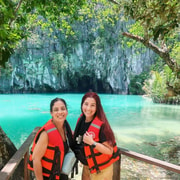
Puerto Princesa Underground River – A UNESCO World Heritage Site.
Honda Bay Island Hopping – Beaches, snorkelling, and sandbars.
Baker’s Hill – Viewpoint and bakery with gardens.
Crocodile Farm – Educational wildlife park.
Firefly watching – Night boat tours in mangrove rivers.
Why Visit Puerto Princesa
Home of the famous Underground River
Easy transport hub for Palawan
Family-friendly and relaxed
Access to islands and nature without long travel
Good value hotels and dining
Underground River Experience
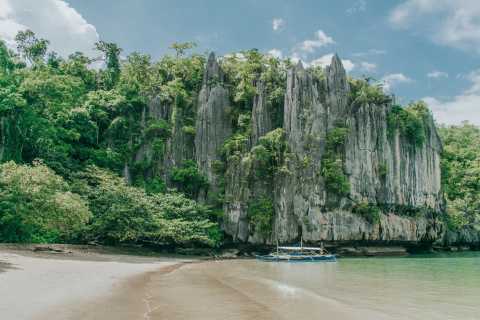
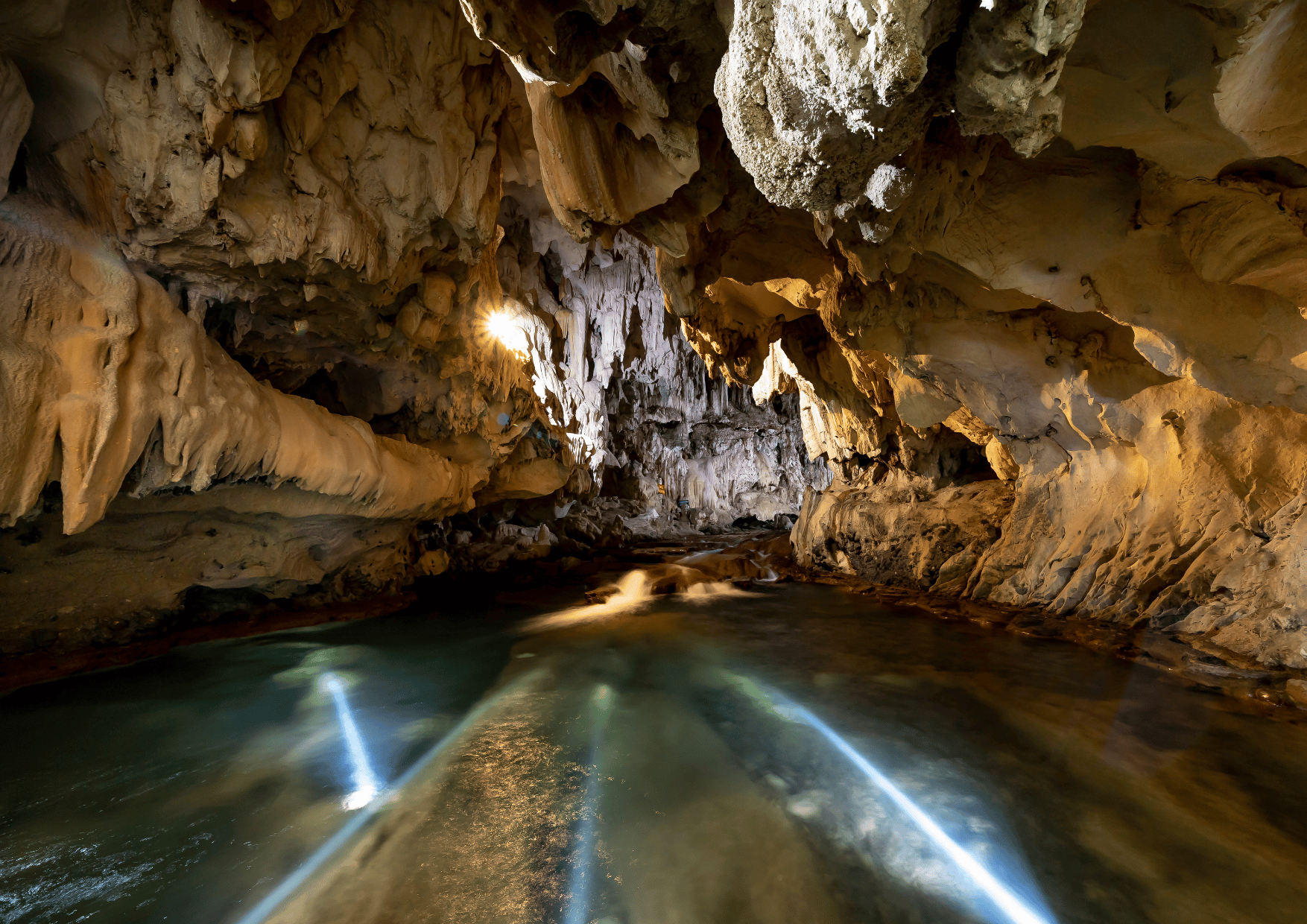
One of the New 7 Wonders of Nature, the Puerto Princesa Subterranean River flows
through a limestone cave system beneath a rainforest.
Visitors travel by paddle boat inside the cave, viewing dramatic rock formations
and hearing echoes of water and wildlife.
Getting Around
Tricycles & Jeepneys: Cheap and common.
Vans & tours: Best for Underground River and Honda Bay.
Flights: Direct connections from Manila and Cebu.
Quick Facts
Location: Eastern Palawan, Philippines.
Known for: Underground River, Honda Bay.
Best time to visit: December to May.
Ideal stay: 2–3 days.
FAQ
Is Puerto Princesa better than El Nido?
Puerto Princesa is better for nature tours and easy travel; El Nido is better for beaches and lagoons.
Can I see the Underground River on my own?
No, it must be visited with a licensed tour due to conservation rules.
Is Puerto Princesa worth staying in?
Yes, especially for the Underground River and Honda Bay.
Is Puerto Princesa family-friendly?
Yes. It’s one of Palawan’s most family-friendly destinations.
Sponsored Popular Items
Quick take: Musement.com offers a worldwide selection of tours and attractions
Puerto Princesa Subterranean River National Park Philippines Book your Puerto Princesa Subterranean River National Park tickets online. Save time and money with our best price guarantee. Make the most of your visit to Puerto Princesa
From Puerto Princesa: Underground River Guided Day Trip Philippines Discover the natural beauty of the Subterranean River National Park on this guided day trip that includes hotel transfers from Puerto Princesa. Explore a spectacular limestone karst landscape
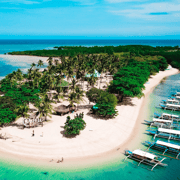
Honda Bay is Puerto Princesa’s most popular island-hopping area, offering
clear waters, white-sand beaches, and colourful coral reefs.
It’s the easiest way to experience Palawan’s tropical islands without travelling far from the city.
Honda Bay Island Hopping: Puerto Princesa’s Tropical Playground
Just 30 minutes from Puerto Princesa, Honda Bay is a chain of small islands and coral reefs
perfect for swimming, snorkelling, and relaxing on soft white sand.
It’s the ideal half-day or full-day escape if you’re staying in Puerto Princesa.
Main Islands You’ll Visit
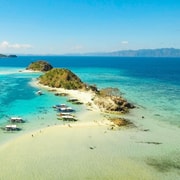
Luli Island – A sandbar that appears and disappears with the tide.
Starfish Island – Shallow waters filled with colourful starfish.
Cowrie Island – Beach clubs, lunch stops, and water sports.
Pambato Reef – Great snorkelling over coral gardens.
Why Honda Bay Is So Popular
Easy access from Puerto Princesa
Beginner-friendly snorkelling
Beautiful tropical islands
Clear, shallow water
Ideal for families and first-time visitors
What to Expect on a Honda Bay Tour
Tours usually include hotel pickup, a boat ride between islands, snorkelling time,
beach stops, and lunch. You’ll spend time swimming, relaxing in the shade of palm trees,
and enjoying warm, calm seas.
Getting to Honda Bay
From Puerto Princesa: 30 minutes by van to the wharf.
By tour: Most visitors book through their hotel or local agencies.
Best time: Morning departures offer calmer seas.
Quick Facts
Location: Near Puerto Princesa, Palawan.
Known for: Island hopping, snorkelling, sandbars.
Best season: December to May.
Tour length: 5–7 hours.
FAQ
Is Honda Bay suitable for kids?
Yes. The water is shallow and calm, making it family-friendly.
Do I need to be a strong swimmer?
No. Life vests are provided and snorkelling areas are shallow.
Is Honda Bay as beautiful as El Nido?
El Nido is more dramatic, but Honda Bay is perfect for an easy tropical island experience.
Can I go without a tour?
It’s possible, but tours are convenient and include boats, lunch, and gear.
Sponsored Popular Items
Quick take: Musement.com offers a worldwide selection of tours and attractions
Honda Bay Island: Island Tour with Lunch & Transfer Philippines Explore the beauty of Honda Bay. Snorkel in the crystal-clear waters of Starfish Island, relax on the white-sand beaches of Luli Island, & enjoy a picnic lunch on Cowrie Island
Puerto Princesa: Private Honda Bay Island Hopping Tour Philippines Embark on a private tour from Puerto Princesa and hit the beach in style. Hop between the magical islands and reefs of Honda Bay at your own pace. Snorkel in crystal-clear waters and savor a buffet lunch
Puerto Princesa: Honda Bay Island Hopping Tour with Meals Philippines Explore the islands of Honda Bay on a guided tour from Puerto Princesa. Snorkel at Pambato Reef, relax on Luli Island, and enjoy a beachside buffet lunch and dinner at a local restaurant
El Nido is one of the Philippines’ most breathtaking beach destinations,
known for its towering limestone cliffs, hidden lagoons, white-sand islands, and
crystal-clear snorkelling waters. It’s the top base for exploring Palawan’s famous
island-hopping routes.
El Nido, Palawan: Lagoons, Islands & Tropical Perfection
Sitting on the northern tip of Palawan, El Nido is a small town backed by jungle-covered
karst cliffs and fronted by a maze of islands, beaches, and turquoise lagoons.
It consistently ranks among the most beautiful island destinations in the world.
Top Things to Do in El Nido
Island hopping tours (A, B, C & D) – Explore lagoons, reefs, and beaches.
Big Lagoon & Small Lagoon – Paddle through emerald water between limestone walls.
Secret Beach – Swim through a narrow opening into a hidden cove.
Snorkelling – Coral gardens and tropical fish all around Bacuit Bay.
Nacpan Beach – A long, relaxed beach just outside town.
Why El Nido Is So Famous
Dramatic limestone karst scenery
Hidden lagoons and secret beaches
Excellent snorkelling and swimming
World-class island hopping
Wide range of resorts and budget stays
What Are the Island-Hopping Tours?
El Nido’s main attraction is its organised boat tours, labeled A to D.
Each focuses on different parts of Bacuit Bay, including lagoons, snorkelling reefs,
caves, and beaches. Most visitors take at least two tours during their stay.
Getting to El Nido
By air: Flights from Manila to El Nido Airport (Lio).
By van: From Puerto Princesa (about 5–6 hours).
By ferry: From Coron (about 4–5 hours).
Quick Facts
Location: Northern Palawan, Philippines.
Known for: Lagoons, cliffs, island hopping.
Best time to visit: December to May.
Ideal stay: 3–5 days.
FAQ
Is El Nido better than Coron?
El Nido is best for beaches and lagoons; Coron is better for lakes and shipwreck diving.
Do I need to book island tours in advance?
Not usually—you can book in town, but peak season fills up quickly.
Is El Nido good for families?
Yes, especially for families with kids who enjoy swimming and beaches.
Is El Nido crowded?
It can be busy in peak season, but many beaches and lagoons still feel secluded.
Sponsored Popular Items
Quick take: Musement.com offers a worldwide selection of tours and attractions
Palawan: Balabac Group Excursion - 4 Days and 3 Nights Philippines Discover the last frontier’s pristine beaches and landscapes. Visit Patawan Island, Starfish Sandbar, Sebaring Island and the famous Onok Island and more
Puerto Princesa Palawan: Underground River with Lunch Philippines The Puerto Princesa Underground River, a UNESCO World Heritage Site and one of the New7Wonders of Nature, is a popular tourist destination in the Philippines
Palawan: Honda Bay Island Hopping Cruise Philippines Go island hopping and explore the white sandy beaches of the scenic islands, see underwater gardens, and play watersports
Coron is one of the Philippines’ most spectacular island destinations,
famous for World War II shipwreck diving, limestone lagoons,
crystal-clear lakes, and island-hopping adventures.
Coron, Palawan: Lagoons, Shipwrecks & Island Paradise
Located in northern Palawan, Coron is a dream destination for travellers who love
turquoise water, dramatic limestone cliffs, and underwater adventure.
Its mix of pristine lagoons, snorkelling spots, and historic shipwrecks makes it one
of Southeast Asia’s top marine playgrounds.
Top Things to Do in Coron
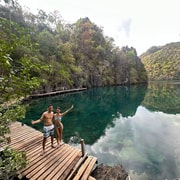
Kayangan Lake – Often called the cleanest lake in the Philippines.
Twin Lagoon – Swim between towering limestone cliffs.
Barracuda Lake – Famous for its thermoclines and clear water.
Island hopping tours – Visit beaches, reefs, and snorkelling spots.
WWII shipwreck diving – One of the world’s best wreck dive sites.
Why Coron Is Special
World-famous underwater shipwrecks
Stunning limestone karst scenery
Crystal-clear lakes and lagoons
Excellent snorkelling and diving
Unspoiled island landscapes
What to Expect on an Island-Hopping Tour
Most visitors explore Coron by boat. A typical tour includes swimming in emerald lagoons,
snorkelling over coral reefs, relaxing on white-sand beaches, and climbing to viewpoints
overlooking dramatic karst formations.
Getting to Coron
By air: Flights from Manila to Busuanga Airport (about 1 hour).
By ferry: Boats connect Coron with El Nido and other Palawan islands.
By van: Transfers from Busuanga Airport to Coron town (about 30 minutes).
Quick Facts
Location: Northern Palawan, Philippines.
Known for: Shipwreck diving, lagoons, island hopping.
Best time to visit: December to May.
Ideal stay: 3–5 days.
FAQ
Do I need to be a diver to enjoy Coron?
No. Snorkelling and lagoon swimming are highlights for non-divers.
Is Coron suitable for families?
Yes, especially for older children who enjoy swimming and boat trips.
How does Coron compare to El Nido?
Coron is better for lakes and wreck diving; El Nido is known for beaches and dramatic cliffs.
Can I visit Coron in the rainy season?
Yes, but boat tours may be affected by weather from June to October.
Sponsored Popular Items
Quick take: Musement.com offers a worldwide selection of tours and attractions
Coron/Palawan: Coron Super Ultimate Tour with Lunch Philippines Visit the most iconic spots and enjoy a relaxed pace. The Most Complete Tour destination in Coron Island with 3 highlights and 4 other popular destinations, a well organise tour for you
Coron Town: Coron Island Escapade Private Tour with Lunch Philippines Discover the beauty of Coron on a guided day tour. Experience island hopping, swim at the island's beaches, marvel at the beautiful corals and tropical fish, and enjoy lunch in a traditional hut
Coron: Coron Island Sunset Kayaking trail Philippines Coron Island at the end of the day. An unforgettable sunset kayaking experience between islets, hidden coastlines, & that golden hour. With a local, professional kayak guide. A must do in Coron
Cebu City is the historical heart of the Philippines and the main gateway to the
Visayas. It blends Spanish colonial landmarks, lively street life, shopping, and easy access
to beaches, diving, and waterfalls across Cebu Island.
Cebu City: History, Culture & the Gateway to Island Adventures
Known as the “Queen City of the South,” Cebu City is where Spanish colonisation of the Philippines
began in 1521. Today it’s a modern urban hub surrounded by islands, reefs, and jungle-covered mountains,
making it both a cultural destination and a perfect base for exploring the region.
Top Things to Do in Cebu City
Magellan’s Cross – A symbol of the arrival of Christianity in the Philippines.
Basilica Minore del Santo Niño – The country’s oldest Roman Catholic church.
Fort San Pedro – A small but historic Spanish-era fortress.
Colon Street – The oldest street in the Philippines.
TOPS Lookout – Hilltop viewpoint with sweeping city and ocean views.
Why Visit Cebu City
Birthplace of Filipino Christianity and Spanish history
Major transport hub for central Philippines
Gateway to Moalboal, Oslob, Bohol, and island hopping
Great mix of shopping, food, and culture
Affordable and lively city atmosphere
Food & Local Flavours
Cebu is famous for its lechon (roast pig), often considered the best in the Philippines.
You’ll also find fresh seafood, mango-based desserts, and Filipino comfort food across the city.
Larsian BBQ and local food courts are great places to sample grilled specialties.
Getting Around
Taxis & Grab: Easy and inexpensive.
Jeepneys: Cheap but crowded and confusing for first-time visitors.
Private transfers: Best for day trips to waterfalls or beaches.
Quick Facts
Location: Central Visayas, Philippines.
Known for: History, lechon, island connections.
Best time to visit: December to May.
Good base for: Moalboal, Oslob, Kawasan Falls, Bohol.
FAQ
How long should I stay in Cebu City?
One to two days is enough to see the city; longer if using it as a base for day trips.
Is Cebu City safe for tourists?
Yes, but take standard precautions, especially in crowded downtown areas.
Is Cebu City good for first-time visitors to the Philippines?
Yes—it offers culture, history, and easy access to beaches and nature.
What’s the best day trip from Cebu City?
Moalboal for snorkelling or Kawasan Falls for swimming and canyoneering.
Sponsored Popular Items
Quick take: Musement.com offers a worldwide selection of tours and attractions
Cebu, Philippines: Horseback Riding Tour with BBQ Lunch Philippines Ride through mountain trails, cross a river valley, and swim in a waterfall pool on this horseback riding tour. Enjoy a BBQ lunch in a serene natural setting