Moalboal is a relaxed coastal town on Cebu Island, Philippines, famous for its
sardine run, vibrant coral reefs, and easy access to waterfalls.
You can snorkel with millions of sardines just meters from shore, making it one of the
best-value marine experiences in Southeast Asia.
Moalboal, Cebu: Snorkelling, Sardines & Island Adventures
Located on the west coast of Cebu, Moalboal is a small seaside town that has become world-famous
for its underwater life. Unlike many beach destinations, you don’t need a boat to experience
something extraordinary here—the action starts right from the shore.
Top Things to Do in Moalboal
Sardine Run – Snorkel or dive with massive schools of sardines year-round.
Pescador Island – A popular boat trip for diving, coral gardens, and turtles.
Panagsama Beach – The main hub for snorkelling, diving shops, and cafés.
Kawasan Falls – Turquoise waterfalls ideal for swimming and canyoneering.
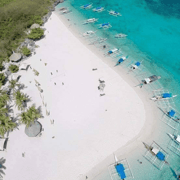
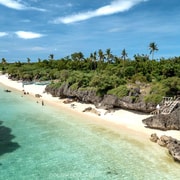
White Beach – A quieter sandy beach perfect for sunset and swimming.
Why Moalboal Is Special
Sardines visible directly from the shoreline
Excellent diving and snorkelling year-round
Relaxed backpacker-friendly atmosphere
Easy combination with waterfalls and jungle adventures
Great value compared to resort islands
What the Sardine Run Is Like
Moalboal’s sardine run is one of the most accessible in the world. Millions of fish move together
in swirling formations just a few meters offshore at Panagsama Beach. The experience is possible
almost every day of the year, and turtles are often spotted nearby.
Getting to Moalboal
From Cebu City: About 3–4 hours by bus or private transfer.
By bus: Take a southbound bus from Cebu South Bus Terminal.
By tour: Often combined with Kawasan Falls and canyoneering.
Quick Facts
Location: West coast of Cebu Island, Philippines.
Known for: Sardine run, diving, snorkelling.
Best time to visit: December to May (drier season).
Ideal stay: 2–4 nights.
FAQ
Do I need to dive to see the sardines?
No. The sardines can be seen while snorkelling directly from the shore.
Is Moalboal suitable for beginners?
Yes. Calm waters, easy shore access, and many beginner-friendly dive shops.
Are turtles common in Moalboal?
Yes. Sea turtles are frequently seen while snorkelling or diving.
Is Moalboal family-friendly?
Yes, though Panagsama is livelier; families often prefer quieter White Beach.
Sponsored Popular Items
Quick take: Musement.com offers a worldwide selection of tours and attractions
Cebu: Simala Shrine Visit and Cebu City Tour Philippines Embark on a journey through the beautiful landscapes of Cebu City on a guided tour. Explore the scenic uphill areas and drive to the spiritually significant Simala Shrine
Simala & Cebu Highlands Tour with Sunset at Tops of Cebu Philippines Visit Simala Shrine, Sirao Garden, Temple of Leah, and enjoy sunset at Tops of Cebu. Optional Carcar stop for meals depending on timing. Flexible schedule—coordinate with us for requests
Cebu: Exploring Cebu City's rich history and Uphill Tour Philippines Step back in time with a full day tour of Cebu's historic landmarks. Visit iconic sites like Fort San Pedro, Magellan's Cross, Basilica Minore del Santo Niño and more
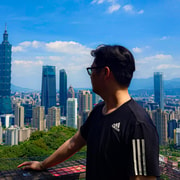
The Taipei Synthesis: A Comprehensive Analysis of Urban Evolution, Cultural Heritage, and Modern Dynamism in Taiwan’s Capital The modern metropolis of Taipei, situated within the northern reaches of Taiwan, represents a complex intersection of history, geography, and socio-economic transformation. As the political, economic, and cultural heart of the island, Taipei serves as a primary case study for Asian dynamism, where traditional structures and ancient spiritual practices are seamlessly integrated into a high-technology global hub. The city’s identity is not a singular narrative but a palimpsest of indigenous origins, Qing Dynasty administration, Japanese colonial planning, and post-war rapid industrialization. This report provides an exhaustive examination of the factors that define Taipei, ranging from its geological foundations and architectural heritage to its sophisticated culinary ecosystem and natural retreats. The Foundations of the Taipei Basin: From Tribal Land to Provincial Capital The geographical landscape of the Taipei Basin was originally defined by its marshy terrain and river systems, providing a fertile but challenging environment for its earliest inhabitants. Long before the arrival of Han Chinese settlers, the region was the domain of the Ketagalan and Basay peoples, Plains Indigenous tribes who had inhabited the area for thousands of years. These indigenous communities established a life centered around the Tamsui River and its tributaries, utilizing the basin’s natural resources for sustenance and local trade. The shift toward the city’s current urban form began in the early 18th century. Han Chinese colonists primarily from the Fujianese counties of Anxi, Tong’an, and Yongding began to settle in the basin around 1709, focusing on the cultivation of rice and the trade of camphor and sugar. The emergence of Bangka (modern-day Wanhua) and Dadaocheng (Twatutia) as major trading hubs in the mid-19th century was driven by the global demand for Formosan tea, which necessitated the development of sophisticated processing facilities and port infrastructure along the Tamsui River. Chronological Milestones of Early Development | Year/Period | Event | Administrative/Social Impact | |—|—|—| | Pre-1700s | Basay/Ketagalan Sovereignty | Tribal settlements dominated by river-based agriculture. | | 1709 | Initial Han Chinese Colonization | Settlers from Fujian begin systematic agricultural development. | | 1851 | First Shops in Dadaocheng | Foundations of the tea and camphor export industry. | | 1875 | Creation of Taipeh Prefecture | Formal administrative separation from southern Taiwan. | | | 1887 | Designation as Provincial Capital | | | 1891 | Rail Connection to Keelung | In 1875, the Qing Dynasty recognized the strategic importance of the northern basin by establishing Taipeh Prefecture. The construction of the “inner city” (Chengnei) followed, complete with defensive walls and monumental gates intended to secure the administrative center. By 1894, Taipei was formally established as the provincial capital, just prior to the geopolitical shifts that would bring the island under Japanese rule. Urban Metamorphosis: The Colonial and Post-War Layers The transition to Japanese colonial rule in 1895 initiated a radical restructuring of Taipei’s urban fabric. Japanese planners viewed Taipei as a model for modern city governance, implementing advanced infrastructure that largely erased the medieval character of the walled city. The demolition of the city walls—leaving only the gates as historical anchors—facilitated the construction of wide boulevards, a centralized drainage system, and extensive railroad links that connected the capital to the island’s industrial peripheries. The Japanese Architectural Legacy During the 1902-1945 period, Taipei saw the rise of Neoclassical and Eclectic architecture, styles that were promoted by the Japanese to symbolize their modernization efforts. Buildings such as the Presidential Office, the National Taiwan Museum, and the Hot Springs Museum in Beitou reflect this European influence, utilizing stone, red brick, and arched windows to create a sense of imperial permanence. Simultaneously, traditional Japanese residential architecture, with its signature black-tiled roofs and wooden frames, proliferated in neighborhoods like Zhongshan, creating a hybrid urban aesthetic that remains a defining characteristic of these districts today. Post-1945 Identity and Regionalism Following the conclusion of World War II and the relocation of the Republic of China (ROC) government to Taiwan in 1949, Taipei underwent another transformation. The new administration sought to replace the Japanese colonial identity with a version of Chinese nationalism. This led to the era of “Regionalism” in architecture, characterized by large-scale public projects that incorporated traditional Chinese motifs—such as the blue-tiled octagonal roof of the Chiang Kai-shek Memorial Hall and the Grand Hotel’s towering red columns and palace-style facade. These landmarks were designed to reinforce the city’s status as a center of Chinese cultural heritage. The 1960s and 1970s marked a period of rapid economic growth and Westernization, influenced significantly by U.S. culture and global economic integration. The focus shifted from monumental nationalism to modern urban utility, eventually culminating in the 1981 transition toward contemporary international styles. The Architectural Iconography of the 21st Century Taipei’s modern skyline is dominated by Taipei 101, a structure that serves as both a feat of engineering and a deep cultural symbol. Completed in 2004, the building held the title of the world’s tallest for six years. Beyond its height of 508 meters, the tower’s design by C.Y. Lee incorporates the “growing bamboo” motif, signifying strength and resilience in the face of natural adversity. Engineering and Symbolism of Taipei 101 | Feature | Specification | Cultural/Technical Significance | |—|—|—| | Height | 508 Meters | Symbol of Taiwan’s economic entry into the new millennium. | | Tuned Mass Damper | 660 Metric Tons | Visible steel sphere that stabilizes the tower against typhoons. | | Elevator Speed | 1,010 Meters/Minute | Reaches the 89th floor in 37 seconds. | | Architectural Motif | Bamboo Stalk | Represents longevity and the ability to bend without breaking. | The Xinyi District, where Taipei 101 is located, represents the pinnacle of the city’s entrepreneurial governance. Once a region of agricultural fields, it has been transformed into a “Manhattan of Taipei,” characterized by luxury malls such as Breeze NanShan and Shin Kong Mitsukoshi, alongside high-end residential skyscrapers. This district embodies the city’s commitment to sustainability and sophistication, balancing commerce with proximity to the nature trails of the Four Beasts Scenic Area. The Culinary Ecosystem: Night Markets as Social and Gastronomic Hubs Taipei’s food culture is widely considered its most prominent cultural feature, with night markets serving as the epicenter of this identity. These markets, which often originated near temples as gathering spots for migrant workers in the 1950s, have evolved into sophisticated environments where centuries-old recipes meet modern innovation. The Sociology of the Night Market Night markets in Taipei are more than mere food courts; they are vital social spaces that operate from late afternoon until midnight, offering an immersion into the rhythm of local life. The markets are characterized by a sense of “democratic dining,” where Michelin-awarded stalls sell dishes for a few dollars, making high-quality culinary experiences accessible to all. * Raohe Street Night Market: Stretching 500 meters between Ciyou Temple and the western entrance gate, Raohe is frequently cited by connoisseurs as the city’s premier food destination due to its high concentration of Michelin-recognized vendors. The layout consists of two narrow lanes that channel dense crowds through a sensory landscape of neon lights and aromatic vapors. * Shilin Night Market: As the city’s largest market, Shilin offers a vast array of both traditional snacks and trendy innovations. Its international fame is bolstered by an underground food court that provides a climate-controlled alternative to the street-level stalls. * Ningxia Night Market: Maintaining a more local atmosphere, Ningxia is renowned for its traditional Taiwanese snacks, particularly its oyster omelets and liver soups. Taxonomy of Essential Street Foods The variety of snacks (xiaochi) in Taipei reflects the island’s multifaceted history. Many dishes are fusion creations resulting from the blending of Fujianese traditions with Japanese influences and post-war modifications. * Beef Noodle Soup (Niu Rou Mian): Regarded as the national dish of Taiwan, its proliferation is a direct result of post-war history. When the U.S. provided surplus wheat to Taiwan, the local population adapted it into noodles, eventually pairing them with braised beef and rich, spiced broths. * Pork Pepper Buns (Hu Jiao Bing): Originating from Fuzhou, these buns are stuffed with peppery pork and scallions, then roasted in cylindrical clay ovens similar to a tandoor, giving them a smoky, crispy exterior. * Gua Bao: Often referred to as the “Taiwanese hamburger,” this dish features a steamed bun filled with braised pork belly, pickled mustard greens, and peanut powder, creating a complex balance of fatty, sour, and sweet flavors. * Stinky Tofu (Chou Doufu): A fermented tofu dish that is either deep-fried for a crispy texture or simmered in a spicy broth. Its distinct aroma is a hallmark of the night market experience. Historic Revitalization: The Legacy of Dadaocheng and Dihua Street While districts like Xinyi represent the future, Dadaocheng serves as the guardian of Taipei’s mercantile past. As the center for the 19th-century tea and textile trade, the area features the city’s oldest historic street, Dihua Street. Architecture and Commerce in Dadaocheng The shophouses of Dihua Street are architectural hybrids, featuring Fujianese brickwork alongside Baroque-style facades and Japanese colonial details. This area has undergone significant revitalization, transitioning from a declining wholesale district into a vibrant cultural zone where traditional herbalists and tea merchants coexist with modern designer boutiques and third-wave coffee shops. * Xia Hai City God Temple: A focal point of the community since 1859, the temple is famously visited by young people seeking the assistance of “Old Man Under the Moon” (Yue Lao) in finding romantic partners. * Yongle Market: A hub for the textile industry where visitors can find traditional fabrics and participate in costume experiences that replicate the “roaring 1920s” of Taipei. * Tea Culture: As the historic gateway for tea exports, Dadaocheng remains the best location to experience traditional tea ceremonies, particularly focusing on Pouchong and Oolong varieties. Nature-Urban Interface: The Volcanic and Mountainous Landscapes Taipei’s geography is unique for its immediate proximity to active geothermal zones and dense subtropical forests. The city is bounded by the Datun Volcano Group to the north and the rolling hills of the Maokong tea plantations to the south. Yangmingshan National Park: A Geological Playground Yangmingshan serves as the “green lung” of Taipei, offering a diverse array of dormant volcanoes and fumaroles. The park is characterized by its high-altitude grasslands at Qingtiangang, where water buffaloes roam across a landscape formed by ancient lava flows. | Trail/Area | Primary Feature | Difficulty/Experience | |—|—|—| | Qingtiangang | Volcanic plateau/grasslands | Easy; popular for photography and buffalo viewing. | | Xiaoyoukeng | Steaming sulfur vents | Accessible; close-up views of post-volcanic activity. | | Qixing Mountain | Taipei’s highest peak | Moderate to Difficult; panoramic views of the coast. | | Flower Clock | Seasonal gardens | Easy; center for cherry blossom festivals in spring. | Beitou: Wellness and Geothermal History The Beitou district represents the intersection of nature and history, serving as the city’s primary hot spring resort. The source of the springs is the Thermal Valley, where sulfuric water bubbles at temperatures near boiling. The district’s development as a wellness center was largely a Japanese innovation, which integrated hot spring culture into the local lifestyle. Elephant Mountain (Xiangshan) and the Four Beasts For the most iconic panoramic views of Taipei 101 and the city skyline, locals and tourists frequent the Elephant Mountain trail. Part of the larger Four Beasts Scenic Area, this short but steep staircase ascent provides multiple viewpoints that are particularly favored at sunset when the city lights begin to engage. Seasonal Focus: December in Taipei and 2025/2026 Celebrations December is a period of heightened cultural activity in Taipei, as the city embraces winter festivals and prepares for the globally broadcast New Year’s Eve fireworks at Taipei 101. Meteorological Considerations for the Winter Traveler Taipei’s winter is characterized by its high humidity (75-85%), which can make the mild temperatures of 15^{\circ}C to 21^{\circ}C feel significantly cooler. Frequent light drizzle is common, necessitating a strategy of layering and waterproof outerwear. The 2025 Festive Calendar | Event | Date(s) | Highlights | |—|—|—| | Christmasland | Nov 14 – Dec 28 | “Circus Carnival” theme in Banqiao with massive light shows. | | German Christmas Market | Late Nov – Mid Dec | Traditional food and mulled wine at Taipei Expo Park. | | Taipei Marathon | Dec 21, 2025 | Major international race starting at City Hall. | | Taipei 101 Fireworks | Dec 31 – Jan 1 | “SPARK 101” theme celebrating “Taiwan’s Invisible Heroes”. | | Tamsui Fireworks | Dec 31, 8:25 PM | Earlier display for families; releases sky lanterns. | The 2024-2025 “SPARK 101” celebration marks a significant branding shift for Taipei 101, incorporating the first-ever projection of popular cartoon characters alongside the traditional three-minute fireworks display. Societal Mechanics: Logistics, Etiquette, and Sustainable Living Taipei is frequently lauded for its high degree of safety, cleanliness, and public order, which are maintained through strict societal norms and efficient governmental systems. The MRT Ecosystem and Metro Etiquette The Taipei Metro (MRT) is more than a transit system; it is a space of rigorous social discipline. Passengers are expected to line up neatly at designated platform markings and stand to the right on escalators to allow others to pass. The “dark blue seats” are strictly reserved for the elderly, disabled, or pregnant, a rule that is followed even when the train is crowded, reflecting the deep cultural respect for those in need. Tipping and Ordering Customs In contrast to North American habits, tipping is not expected in Taiwan. In many restaurants, a 10% service fee is automatically added to the bill. In local eateries, customers often pay at the time of ordering rather than at the end of the meal, a system that avoids the need to attract a server’s attention later. The “Maiden’s Prayer”: Innovative Waste Management Taipei’s waste disposal system is famously unique. To avoid the accumulation of trash on streets, the city employs a “trash doesn’t touch the ground” policy. Residents must bring their sorted waste out to meet yellow and white garbage trucks that play classical melodies like Beethoven’s “Für Elise” or Badarzewska-Baranowska’s “A Maiden’s Prayer” to announce their arrival. Cultural Do’s and Don’ts * Chopsticks: Never stab chopsticks vertically into a bowl of rice, as this mimics the incense offerings for the deceased and is considered an ill omen. * Red Ink: Avoid writing names in red ink, a color traditionally reserved for funeral banners and the deceased. * Gifts: When visiting a home, bringing fruit or pastries is customary, but one should avoid giving clocks, umbrellas, or white flowers due to linguistic associations with death or separation. * Physical Space: Greetings usually involve a slight bow or a light handshake; overly physical gestures like hugging are typically reserved for very close friends. Future Outlook: Taipei as a Global Model for Sustainable Urbanism Taipei continues to evolve under the context of globalization and democratization, shifting from a state-led developmental model to an entrepreneurial governance that emphasizes public-private partnerships. The city’s commitment to sustainability is evident in its architectural requirements, such as the green-building certification of the Beitou Public Library, and its advanced recycling programs. As Taipei looks toward the 2026 period, it remains a symbol of contemporary Asian dynamism—a city that has successfully navigated the complexities of its colonial past to emerge as a diverse, international metropolis. Its ability to maintain a unique “Taipei charm”—uniting innovation, culture, and natural beauty—ensures its continued status as a primary destination for both business and leisure on the global stage. The resilience of the Ketagalan foundations, the mercantile spirit of Dadaocheng, and the vertical ambition of Xinyi all contribute to a city that is perpetually redefining itself while remaining deeply rooted in its heritage.
Sponsored Popular Items
Quick take: Musement.com offers a worldwide selection of tours and attractions
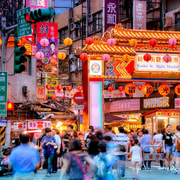
Taipei: Taipei Night Market Experience Best deals for Taipei: Taipei Night Market Experience. Explore Taipei's night markets on a guided tour. Savor a local snack and boba drink, learn about the culture and history of street foods, and try your hand at traditional night market games. Available from getyourguide.com.
Taipei: Taipei-Hualien one day tour Best deals for Taipei: Taipei-Hualien one day tour. Discover Hualien and Taroko Gorge on a day trip from Taipei. Depart from Xingtian Temple, stroll through Xincheng Old Street, and explore the scenic Tianxiang Recreation Area. Available from getyourguide.com.
Taipei: Taipei 101 Observatory - Skyline 460 Cloud Walk Best deals for Taipei: Taipei 101 Observatory - Skyline 460 Cloud Walk. Elevate your adventure at Taipei 101’s Skyline 460, Asia’s highest outdoor observatory. Soak in breathtaking panoramic views of Taipei, enjoy guided tours, and skip the lines with fast-track access. Available from getyourguide.com.
Bangkok is Thailand’s high-energy capital where glittering temples, river life, markets, and street food collide. Plan 3–5 days to mix cultural icons like the Grand Palace and Wat Pho with a Chao Phraya river cruise, night markets, and rooftop views. Use the BTS/MRT to avoid traffic and explore efficiently.
Bangkok: Temples, River Views & Street-Food Nights
Bangkok after dark—rooftop lights and river reflections. (Image: Wikimedia Commons)
Bangkok is one of those cities that feels like multiple worlds stitched together: golden spires and incense,
ferry boats and longtail wakes, alleyway noodle stalls and mega-malls glowing with air-conditioned calm.
It can be chaotic on first look—but once you learn the rhythm (skytrain, river boats, and a little patience),
Bangkok becomes incredibly rewarding.
Top Things to Do in Bangkok
The Grand Palace & Wat Phra Kaew – the city’s most important historic complex and home of the Emerald Buddha.
Wat Pho – famous for the Reclining Buddha and traditional Thai massage.
Wat Arun – the riverside “Temple of Dawn,” especially beautiful near sunset.
Chao Phraya River cruise – a scenic way to see Bangkok’s temples and neighbourhoods.
Chatuchak Weekend Market – thousands of stalls for clothes, crafts, and snacks.
Bangkok for Food Lovers
Yaowarat (Chinatown) – legendary street food nights and neon-lit energy.
Boat noodles, pad thai, som tam, and mango sticky rice.
Night markets for grilled seafood, skewers, and dessert stalls.
Rooftop bars for skyline views (smart-casual dress helps).
Three “Bangkok Moments” You’ll Remember
The Grand Palace: Bangkok’s most iconic landmark. (Image: Wikimedia Commons)
1) Temple-hopping in the old city
Start early to beat the heat and crowds, then take your time—Bangkok’s temple details are the kind you notice more
the longer you look.
Wat Arun glows as the light changes over the river. (Image: Wikimedia Commons)
2) Sunset on the Chao Phraya
A river ride at dusk is Bangkok at its best—breezy, scenic, and a surprisingly calm way to travel between sights.
Sponsored Popular Items
Quick take: Musement.com offers a worldwide selection of tours and attractions
Bangkok: SEA LIFE Bangkok & Madame Tussauds Entry Ticket Thailand Discover two of Bangkok's must-visit sites in one package. Dive into SEA LIFE's magical underwater world with 400+ marine species, then pose with lifelike celebrities at interactive Madame Tussauds
Bangkok: Elephant Care Experience at Bangkok Elephant Park Thailand Enjoy a meaningful day at Bangkok Elephant Park with ethical elephant care and Thai culture. Feed, bathe, and join mud spa sessions while supporting internationally recognized welfare standards
Shifen is a charming railway town in northern Taiwan, best known for releasing sky lanterns
along the tracks and its impressive nearby waterfall. It’s an easy half-day trip from Taipei and
pairs perfectly with Jiufen and Jinguashi.
Shifen (十分): Sky Lanterns, Waterfalls & Old Railway Charm
Shifen Old Street – lantern wishes rise above the railway tracks.
Nestled in the lush hills of New Taipei City, Shifen grew around Taiwan’s historic Pingxi railway line.
Once a coal-mining hub, it’s now famous for its nostalgic railway street, colourful sky lanterns,
and one of Taiwan’s most accessible waterfalls.
Top Things to Do in Shifen
Release a sky lantern with wishes written on each side.
Walk Shifen Old Street along the active railway tracks.
Visit Shifen Waterfall, known as the “Niagara of Taiwan.”
Explore nearby villages on the Pingxi Line.
Try local snacks and tea in small cafés.
Why Shifen Is Special
Unique lantern-releasing tradition
Active railway running through the town
Easy nature access without long hikes
Relaxed, nostalgic atmosphere
Great half-day trip from Taipei
Three Shifen Highlights
Shifen Waterfall – Taiwan’s widest waterfall.
1) Shifen Waterfall
Often compared to Niagara Falls, this wide cascade is especially powerful after rain.
Well-maintained paths and viewing platforms make it accessible for most visitors.
The active railway is part of Shifen’s charm.
2) Railway Street
Trains still pass through the centre of town, with lantern sellers quickly clearing the tracks
before each arrival—an unforgettable sight.
Releasing a sky lantern is Shifen’s signature experience.
3) Sky Lantern Experience
Write wishes for health, happiness, travel, or love before watching your lantern drift into the sky—
a symbolic and memorable ritual.
Getting to Shifen
From Taipei: Train to Ruifang → Pingxi Line to Shifen.
By tour: Commonly combined with Jiufen and Jinguashi.
Travel time: About 1–1.5 hours from Taipei.
Quick Facts
Location: New Taipei City.
Known for: Sky lanterns and waterfall.
Ideal visit length: 2–3 hours.
Best season: Year-round; waterfall strongest after rain.
FAQ
Is releasing lanterns environmentally friendly?
Lanterns are collected by local teams, but some travellers choose shared or digital lantern options.
Do trains still run through Shifen?
Yes—several times per hour. Vendors manage timing to keep visitors safe.
Can I visit Shifen in a half day?
Yes. It’s ideal as a half-day trip, often paired with Jiufen.
Is Shifen suitable with kids?
Yes—lanterns and easy walks make it family-friendly.
Image credits: Wikimedia Commons.
Sponsored Popular Items
Quick take: Musement.com offers a worldwide selection of tours and attractions
From Taipei: Yehliu, Shifen, Houtong & Jiufen One-Day Tour Best deals for From Taipei: Yehliu, Shifen, Houtong & Jiufen One-Day Tour. Discover the natural beauty and cultural charm of Taiwan on a day trip from Taipei. Visit Yehliu Geopark, Shifen Waterfall, Houtong Cat Village, and Jiufen Old Street. Available from getyourguide.com.
Taiwan Nature & Culture: Shifen, Jiufen & TaipeiEYE Day Tour Best deals for Taiwan Nature & Culture: Shifen, Jiufen & TaipeiEYE Day Tour. Discover Taiwan on a day trip from Taipei. Visit Shifen Old Street, explore Jiufen Village, and enjoy a traditional TaipeiEYE cultural performance. Available from getyourguide.com.
Taipei: Yangmingshan, Yehliu, and Jiufen Shifen Day Tour Best deals for Taipei: Yangmingshan, Yehliu, and Jiufen Shifen Day Tour. Explore the volcanic landscapes of Yangmingshan National Park, visit the Yehliu Geopark, and stroll through the charming streets of Jiufen and experience releasing sky lantern in Shifen. Available from getyourguide.com.
Jinguashi is a former gold-mining settlement near Jiufen, known for its mining relics, mountain views,
and the Gold Museum. Quieter and more spacious than Jiufen, it’s ideal for history lovers and hikers
wanting a deeper look into Taiwan’s mining past.
Jinguashi (金瓜石): Taiwan’s Historic Gold Mining Village
Located just uphill from Jiufen, Jinguashi played a central role in Taiwan’s gold-mining boom during
the Japanese colonial period. Today, abandoned mines, atmospheric ruins, and sweeping coastal views make it
a fascinating and less crowded alternative to Jiufen.
Top Things to Do in Jinguashi
Gold Museum – learn about mining life and see a giant gold ingot.
Benshan Fifth Tunnel – walk into a real former mine.
Teapot Mountain hike – one of northern Taiwan’s most iconic trails.
Historic Japanese-era buildings scattered through the village.
Why Visit Jinguashi
Rich Japanese colonial and industrial history
Less crowded than nearby Jiufen
Access to scenic mountain hiking trails
Coastal views over the Yinyang Sea
Easy to combine with Jiufen and Shifen
Three Jinguashi Highlights
Golden Waterfall – mineral-rich water gives the rocks their colour.
1) Golden Waterfall
This striking cascade glows yellow and orange due to mineral deposits from old mining operations—
a dramatic reminder of Jinguashi’s industrial past.
Benshan No.5 Tunnel – a preserved mining tunnel.
2) Benshan No.5 Tunnel
Step inside a former gold mine to experience the harsh working conditions miners once faced,
with exhibits explaining extraction methods and daily life.
Teapot Mountain – a rewarding hike with sweeping views.
3) Teapot Mountain
A popular but challenging hike leading to panoramic views of the coastline, mountains,
and remnants of Taiwan’s mining heritage.
How to Combine with Jiufen
Visit Jinguashi in the morning for museums and hikes.
Head to Jiufen Old Street later for food and lantern views.
Total travel time between villages: about 10 minutes by bus or taxi.
Quick Facts
Location: New Taipei City, northeast Taiwan.
Known for: Gold mining history, museums, hiking.
Ideal visit length: 2–4 hours.
Best season: Autumn to spring for cooler hiking weather.
FAQ
Is Jinguashi less crowded than Jiufen?
Yes. It’s noticeably quieter, especially on weekdays.
Do I need hiking experience?
No for the village and museum areas; yes for Teapot Mountain, which is steep and exposed.
Can I visit Jinguashi without Jiufen?
Yes, but most visitors enjoy combining both for history and atmosphere.
How do I get there from Taipei?
Train to Ruifang Station, then bus or taxi to Jinguashi (about 15 minutes).
Image credits: Wikimedia Commons.
Sponsored Popular Items
Quick take: Musement.com offers a worldwide selection of tours and attractions
Taiwan Taipei: Quick Photoshoot with Taiwan Photographer Best deals for Taiwan Taipei: Quick Photoshoot with Taiwan Photographer. Welcome to Taipei Taiwan! Say goodbye to selfies, I will be your personal photographer. Let me show you the beauty of Taipei, and capture the best of you! Check my IG: mason.taiwan.photographer Available from getyourguide.com.
Taiwan Taipei: Half-day VIP Photoshoot Taiwan Photographer Best deals for Taiwan Taipei: Half-day VIP Photoshoot Taiwan Photographer. Wanna try local way to travel? Don't worry about the travel plan. Let me choose the iconic spots and hidden gems for you while capturing the best of you! Check my IG: mason.taipei.photographer Available from getyourguide.com.
Taiwan Tainan: Photoshoot with Taiwan Photographer Best deals for Taiwan Tainan: Photoshoot with Taiwan Photographer. Welcome to Tainan Taiwan! Say goodbye to selfies, I will be your personal photographer. Let me show you the beauty of Tainan, and capture the best of you! Check my IG: mason.taipei.photographer Available from getyourguide.com.
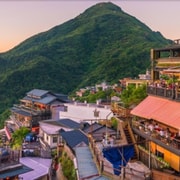
Jiufen Old Street is Taiwan’s most atmospheric mountain village—famous for red lanterns, teahouses, sea views, and narrow alleys. Just 1 hour from Taipei, it’s best visited late afternoon into evening for lantern light, tea culture, and street snacks.
Jiufen Old Street (九份老街): Taiwan’s Lantern-Lit Hillside Village
Perched on the hills above Taiwan’s northeast coast, Jiufen was once a thriving gold-mining town during
the Japanese colonial era. Today it’s known for its steep stairways, packed food stalls, historic teahouses,
and misty ocean views—especially magical when the lanterns come on at dusk.
Top Things to Do in Jiufen
Walk Jiufen Old Street – snack your way up and down the lantern-lined steps.
Visit a traditional teahouse for mountain and sea views.
Explore side alleys for quieter corners and photo spots.
Sunset watching over the Pacific on clear days.
Combine with nearby towns like Shifen or Jinguashi.
Why Jiufen Is So Famous
Japanese-era architecture and mining history
Iconic red lanterns and narrow staircases
Teahouses overlooking mountains and ocean
Often linked (unofficially) to Spirited Away
Easy half-day trip from Taipei
Three Jiufen Highlights
1) A-Mei Teahouse
Famous for its tiered balconies and lanterns, this historic teahouse is best enjoyed with a pot of tea
as the fog rolls in and lights flicker on across the village.
2) Jiufen Old Street
The main stairway is packed with stalls selling taro balls, herbal rice cakes, peanut ice cream rolls,
and souvenirs. Expect crowds, especially on weekends.
3) Ocean & Mountain Views
On a clear day, Jiufen’s elevated position offers sweeping views across the coastline—one reason
lingering with tea is just as rewarding as wandering the streets.
What to Eat in Jiufen
Taro balls (芋圓) – Jiufen’s signature dessert
Herbal rice cakes
Peanut ice cream rolls with cilantro
Traditional teas in historic teahouses
Getting There
From Taipei: Train to Ruifang + bus/taxi (about 1 hour total).
Direct buses: From Taipei city (popular and easy).
Best time: Late afternoon → evening for lantern atmosphere.
Quick Facts
Location: New Taipei City, northeast coast.
Known for: Lanterns, teahouses, mining history.
Ideal visit length: 2–3 hours.
Best season: Autumn–spring; mist adds atmosphere year-round.
FAQ
Is Jiufen very crowded?
Yes—especially weekends and holidays. Visit early morning or stay until evening once day-trippers leave.
Is Jiufen related to Spirited Away?
There’s no official confirmation, but the lantern-lit teahouses often remind visitors of the film.
Can Jiufen be combined with other sights?
Yes—Shifen Waterfall, Shifen Old Street, and Jinguashi are common pairings.
Is Jiufen suitable in rainy weather?
Absolutely—rain and mist often enhance its moody, cinematic feel.
Sponsored Popular Items
Quick take: Musement.com offers a worldwide selection of tours and attractions
From Taipei: Yehliu, Shifen, Houtong & Jiufen One-Day Tour Best deals for From Taipei: Yehliu, Shifen, Houtong & Jiufen One-Day Tour. Discover the natural beauty and cultural charm of Taiwan on a day trip from Taipei. Visit Yehliu Geopark, Shifen Waterfall, Houtong Cat Village, and Jiufen Old Street. Available from getyourguide.com.
Yehliu Geopark, Jiufen Street, Shihfen Lantern One-Day Tour Best deals for Yehliu Geopark, Jiufen Street, Shihfen Lantern One-Day Tour. The most famous and must see spots in Taipei city for foreign visitors who just want to explore the exciting of Taiwan. Guests can visit the exciting places in one day and have unforgettable memory. Available from getyourguide.com.
Taiwan Nature & Culture: Shifen, Jiufen & TaipeiEYE Day Tour Best deals for Taiwan Nature & Culture: Shifen, Jiufen & TaipeiEYE Day Tour. Discover Taiwan on a day trip from Taipei. Visit Shifen Old Street, explore Jiufen Village, and enjoy a traditional TaipeiEYE cultural performance. Available from getyourguide.com.
Tunnels in Taiwan are more than transport links—they’re scenic, historic, and sometimes dramatic landmarks carved through mountains, cliffs, and coastlines. From marble tunnels in Taroko Gorge to abandoned railway tunnels turned cycle paths, Taiwan’s tunnels tell a story of engineering, resilience, and geography.
Tunnels in Taiwan: Engineering Through Mountains & Time
Taiwan’s rugged terrain—dominated by steep mountains and fault lines—has made tunnels essential to its development.
Over time, these tunnels have evolved from hand-cut passages and military routes into modern rail, road, and cycling corridors.
Many are now attractions in their own right, offering dramatic scenery and cultural insight.
Famous Tunnels You Can Visit
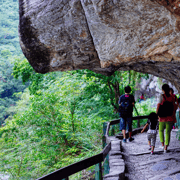
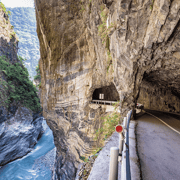
Taroko Gorge Tunnels (Hualien) – Narrow cliff-hugging tunnels like Swallow Grotto and Tunnel of Nine Turns.
Caoling Tunnel – Taiwan’s longest cycle tunnel, once a railway line, now a coastal bike route.
Jiashan Military Tunnel (Kaohsiung) – Historic coastal defence tunnels carved into rock.
Shifen Old Railway Tunnels – Atmospheric tunnels near waterfalls and lantern towns.
Why Taiwan’s Tunnels Are Special
Carved through marble, granite, and coastal rock
Blend of Japanese-era, military, and modern engineering
Many are pedestrian- or bike-friendly
Often paired with dramatic scenery (cliffs, rivers, ocean)
Free and accessible attractions
Three Standout Tunnel Experiences
Caoling Tunnel – a former railway tunnel now open to cyclists.
1) Caoling Tunnel (宜蘭)
Stretching over 2 km, Caoling Tunnel connects Yilan and New Taipei along the coast.
It’s cool even in summer and forms part of one of Taiwan’s most scenic cycling routes.
Tunnel of Nine Turns – dramatic geology on foot.
2) Tunnel of Nine Turns (Taroko)
A short walking route with multiple tunnels and bridges, showcasing Taroko’s raw marble formations
and the power of the Liwu River below.
Jiashan Military Tunnel – coastal defence history in Kaohsiung.
3) Jiashan Military Tunnel
Located near Zuoying and Cijin, this tunnel complex offers insight into Taiwan’s Cold War defences,
with sea views and cool underground passages.
Quick Facts
Terrain: Over 70% of Taiwan is mountainous.
Oldest tunnels: Many date back to the Japanese colonial era (1895–1945).
Best-known: Taroko Gorge tunnel system.
Visitor tip: Helmets are often required in Taroko tunnels.
FAQ
Are Taiwan’s tunnels safe for visitors?
Yes—tourist-accessible tunnels are maintained and monitored. Always follow park rules and weather advisories.
Can I walk or cycle through tunnels?
Many old railway tunnels (like Caoling) are dedicated to cyclists and pedestrians.
What’s the most scenic tunnel?
Swallow Grotto in Taroko Gorge is often considered the most dramatic.
Do I need special equipment?
Comfortable shoes and a helmet (provided in Taroko) are usually sufficient.
Image credits: Wikimedia Commons.
Sponsored Popular Items
Quick take: Musement.com offers a worldwide selection of tours and attractions
Hualien: Taroko Gorge, Sky Mirror Beach ATV & Coast Day Tour Best deals for Hualien: Taroko Gorge, Sky Mirror Beach ATV & Coast Day Tour. Discover Taroko Gorge and Hualien’s stunning Pacific coast in one unforgettable day. Walk through marble canyons, ride a beach ATV, admire Qingshui Cliff, and unwind at beautiful Qixingtan Beach. Available from getyourguide.com.
From Taipei: Taroko Gorge Private Tour Best deals for From Taipei: Taroko Gorge Private Tour. Escape the city and explore the marble canyons, shrines, and river valleys of Taroko Gorge on a private day trip from Taipei. Available from getyourguide.com.
From Hualien: Taroko Gorge & Scenic Coastal Views Day Tour Best deals for From Hualien: Taroko Gorge & Scenic Coastal Views Day Tour. Explore the breathtaking beauty of Taroko Gorge on this all-in-one day tour from Hualien, featuring marble cliffs, lush forest trails, and dramatic coastal views. Available from getyourguide.com.
Hualien is Taiwan’s east-coast gateway to Taroko Gorge—a relaxed seaside city backed by mountains and the Pacific Ocean. Plan 2–3 days to combine Taroko’s marble canyons with coastal walks, night markets, and scenic day trips. Trains from Taipei are easy and scenic.
Hualien (花蓮): Taiwan’s East Coast Nature Hub
Taroko Gorge’s marble walls and Liwu River are Hualien’s headline attraction. (Image: Wikimedia Commons)
Hualien sits between dramatic mountains and the Pacific, offering a slower pace than Taiwan’s west-coast cities.
It’s the natural base for exploring Taroko National Park, but the city itself rewards lingering—with
oceanfront promenades, friendly cafés, and easy access to waterfalls, cliffs, and quiet beaches.
Top Things to Do
Taroko Gorge day tour – marble canyons, tunnels, and riverside trails.
Qixingtan Beach – pebble shore, sunrise views, and coastal cycling.
Hualien Night Market – casual street food and local snacks.
Pine Garden – hilltop viewpoints over the city and sea.
Coastal cycling – flat paths with Pacific breezes.
Easy Day Trips from Hualien
Taroko National Park – Shakadang Trail, Swallow Grotto, Eternal Spring Shrine.
Qingshui Cliffs – towering sea cliffs north of town.
Liyu Lake – calm lakeside walks and pedal boats.
East Coast Highway – scenic drives toward Taitung.
Three Hualien Highlights
Shakadang Trail: gentle walking with crystal-clear water. (Image: Wikimedia Commons)
1) Taroko Gorge Trails
Guided or self-guided, Taroko’s accessible paths make it easy to see big scenery without extreme hiking.
Helmets are often provided for tunnel sections.
Qixingtan Beach: sunrise and sea air minutes from town. (Image: Wikimedia Commons)
2) Qixingtan Beach
A favourite for early mornings and sunsets—pebbles, waves, and wide horizons rather than swimming crowds.
Pine Garden: calm views over Hualien and the Pacific. (Image: Wikimedia Commons)
3) Pine Garden
Once a military site, now a peaceful lookout with cafés—ideal for a quiet pause between adventures.
Food to Try
Mochi (Hualien specialty)
Seafood and coastal noodles
Night-market snacks like scallion pancakes and grilled skewers
Getting There & Around
Train: Scenic 2–2.5 hrs from Taipei (TRA).
Local transport: Taxis, buses, scooters; tours are easiest for Taroko.
Best base: Near Hualien Station or along the seafront.
Quick Facts
Location: East coast of Taiwan, facing the Pacific Ocean.
Known for: Taroko Gorge, coastal scenery, relaxed pace.
Ideal stay: 2–3 days.
Best season: Oct–Apr for cooler, drier weather.
FAQ
Is Hualien worth visiting if I’ve already seen Taipei?
Yes—Hualien offers a completely different side of Taiwan focused on nature, space, and ocean views.
Do I need a guided tour for Taroko Gorge?
Not required, but guided tours add safety and context—especially after weather events.
Can Hualien be done as a day trip from Taipei?
It’s possible but rushed. An overnight stay is strongly recommended.
Image credits: Wikimedia Commons.
Sponsored Popular Items
Quick take: Musement.com offers a worldwide selection of tours and attractions
Hualien: Taroko Gorge, Sky Mirror Beach ATV & Coast Day Tour Best deals for Hualien: Taroko Gorge, Sky Mirror Beach ATV & Coast Day Tour. Discover Taroko Gorge and Hualien’s stunning Pacific coast in one unforgettable day. Walk through marble canyons, ride a beach ATV, admire Qingshui Cliff, and unwind at beautiful Qixingtan Beach. Available from getyourguide.com.
From Taipei: Taroko Gorge Private Tour Best deals for From Taipei: Taroko Gorge Private Tour. Escape the city and explore the marble canyons, shrines, and river valleys of Taroko Gorge on a private day trip from Taipei. Available from getyourguide.com.
From Hualien: Taroko Gorge & Scenic Coastal Views Day Tour Best deals for From Hualien: Taroko Gorge & Scenic Coastal Views Day Tour. Explore the breathtaking beauty of Taroko Gorge on this all-in-one day tour from Hualien, featuring marble cliffs, lush forest trails, and dramatic coastal views. Available from getyourguide.com.
With over 7,600 islands, the Philippines is one of the world’s leading destinations for island hopping. From turquoise lagoons and powder-white beaches to world-class snorkeling and dramatic limestone cliffs, every island offers something unique. Whether you’re seeking relaxation, adventure, or hidden gems far from the crowds, island hopping in the Philippines is an unforgettable journey through nature’s beauty.
⭐ Why Island Hopping in the Philippines Is Unmatched
1. Endless Variety of Islands
You can experience:
Pristine sandbars
Blue lagoons
Secret coves
Coral reefs
Jungle-covered islands
Dramatic limestone formations
Every region has its own personality and scenery.
2. Top-Tier Snorkelling & Diving
The Philippines sits in the Coral Triangle, the center of global marine biodiversity. Expect:
Sea turtles
Colourful reefs
Rays and reef sharks
Giant clams
Massive schools of fish
Whether you’re in Palawan or Cebu, the underwater world is spectacular.
3. Affordable, Flexible Adventures
Island hopping is accessible for all budgets:
Join a shared boat tour
Hire a private boat
Explore remote islands with local guides
Food, snorkeling gear, and entrance fees are often included.
4. Friendly Filipino Hospitality
Warm, genuine Filipino hosting makes every trip feel personal. Many tours include grilled feasts cooked by the boatmen—fresh seafood, rice, fruits, and more.
🌟 Most Popular Island Hopping Destinations in the Philippines
🏞️ 1. El Nido, Palawan
El Nido is known worldwide for its dramatic limestone cliffs and emerald lagoons.
Highlights:
Big Lagoon
Small Lagoon
Secret Lagoon
Shimizu Island
Hidden beach & sandbars
Why go: Iconic scenery, turquoise waters, and the most photogenic spots in the Philippines.
🛶 2. Coron, Palawan
Coron is famous for clear lakes, WWII shipwrecks, and karst islands.
Highlights:
Kayangan Lake
Barracuda Lake
Twin Lagoon
Coral Garden
Sunken warships (great for divers)
Why go: Unreal clarity, adventure, and some of the world’s best shipwreck diving.
Island hopping in the Philippines is a journey through some of the most beautiful waters and landscapes on Earth. Whether you’re gliding through Palawan’s limestone lagoons, swimming with turtles in Bohol, or relaxing on Bantayan’s beaches, every adventure feels magical. With friendly locals, fresh food, and endless islands to explore, it’s an experience you’ll never forget—and one you’ll want to return to again and again.
Sponsored Popular Items
Quick take: Musement.com offers a worldwide selection of tours and attractions
Located off the northern tip of Cebu, Bantayan Island is a tropical escape famous for its powder-white beaches, calm turquoise waters, and relaxed island lifestyle. Far less crowded than other Philippine hotspots, Bantayan offers a perfect mix of serenity, natural beauty, and local charm—ideal for beach lovers, couples, and anyone craving a slow, peaceful getaway.
⭐ Why Visit Bantayan Island
1. Some of the Best Beaches in the Philippines
Bantayan Island is home to long stretches of white sand and crystal-clear waters, including:
Sugar Beach – powdery sand and calm, shallow waters
Kota Beach – famous for its beautiful sandbar
Virgin Island beaches – untouched and idyllic
These beaches are perfect for swimming, sunbathing, drone shots, and romantic walks.
2. Peaceful Island Vibes
Unlike busier destinations like Boracay or Palawan, Bantayan keeps a charming, laid-back atmosphere. Expect:
Quiet streets
Coastal cafés
Motorbike rides through sleepy villages
Minimal crowds
Stunning sunsets
It’s the ultimate place to disconnect and unwind.
3. Island-Hopping & Virgin Island
A must-do activity, island-hopping takes you to:
Virgin Island – private, pristine, and surrounded by aquamarine water
Swim spots
Coral reefs for snorkelling
Virgin Island’s overwater cabanas and cliff-jumping spots add extra fun.
4. Nature & Adventure
Beyond beaches, Bantayan offers:
Ogtong Cave – an underground swimming cave
Cliff diving at select natural rock formations
Biking and motorbike trips around the island
Mangrove Eco-Park – scenic nature walkways
5. Cultural Charm
Visit:
St. Peter and Paul Church – one of the oldest in the Visayas
Local markets
Fishing villages
Witness simple island living and warm Cebuano hospitality.
🌟 Top Things to Do on Bantayan Island
🏝️ 1. Relax on Kota Beach
With its famous sandbar and calm water, it’s one of the island’s signature landscapes.
🚤 2. Go Island-Hopping to Virgin Island
Enjoy snorkeling, crystal-blue water, and picture-perfect lagoons.
🌅 3. Watch a Bantayan Sunset
The western beaches glow with deep orange and pink hues.
🛵 4. Explore by Motorbike
Visit villages, beaches, markets, and hidden coves at your own pace.
🕍 5. Tour Bantayan Town Plaza
See the historic church, small cafés, and charming local shops.
🏞️ 6. Swim in Ogtong Cave
A unique cooling escape inside a limestone cavern.
🛌 Where to Stay
Accommodations range from budget to boutique:
Beach resorts – e.g., Kota Beach Resort, Anika Island Resort
Mid-range hotels – beachfront rooms with sea views
Budget inns & homestays – perfect for backpackers Most properties sit right on the sand with easy ocean access.
🍽️ What to Eat
Fresh seafood is a must—especially:
Grilled fish
Shrimp and crabs
Squid dishes
Local barbecue
Bantayan is also known for its dried fish (danggit) and friendly beach cafés.
🚗 Getting There
From Cebu City:
Take a bus or van from North Bus Terminal to Hagnaya Port (3–4 hours).
Ride a ferry to Santa Fe Port on Bantayan Island (1 hour).
Electric trikes, motorbikes, and bicycles are available for rent upon arrival.
❓ Q&A (Short)
Q: Is Bantayan Island good for swimming? A: Yes—calm, shallow waters make it ideal for all ages.
Q: How many days should you stay? A: 2–4 days is perfect for exploring beaches and nearby islands.
Q: Is Bantayan crowded? A: No—it’s known for its peaceful atmosphere compared to other Philippine islands.
Q: Is it safe? A: Very safe—locals are welcoming, and crime is minimal.
🌅 Final Thoughts
Bantayan Island is the kind of place that captures your heart with its simplicity—white beaches, warm water, friendly locals, and quiet island charm. Whether you’re relaxing under swaying palms, hopping to Virgin Island, or watching the sun melt into the horizon, Bantayan offers a magical escape from everyday life.
Sponsored Popular Items
Quick take: Musement.com offers a worldwide selection of tours and attractions
Bantayan Island: A Half-Day Island Hopping Escape Philippines Explore Bantayan’s stunning shores with this island-hopping adventure! Swim in crystal-clear waters, lounge on white sand beaches, and discover hidden gems. Perfect for a quick tropical escape
Cebu: Bantayan Island and Virgin Island Hopping Day Tour Philippines Discover the best of Bantayan Island, including mangroves, Camp Sawi, and Paradise Beach, on a day trip from Cebu. Cliff dive, ride a tricycle and enjoy the white sand and blue water of Virgin Island
Located in the Central Visayas, Cebu is one of the Philippines’ most exciting and diverse destinations—a place where urban energy meets tropical paradise. Known for its historic sites, stunning beaches, world-class diving, and warm Filipino hospitality, Cebu offers something for every type of traveler. Whether you’re exploring lively Cebu City or relaxing on island shores, Cebu promises unforgettable experiences.
⭐ Why Visit Cebu
1. A Blend of History & Culture
Cebu is the oldest city in the Philippines, rich with Spanish-era landmarks and cultural sites, including:
Magellan’s Cross
Basilica Minore del Santo Niño
Fort San Pedro
A walk through the city unveils centuries of history intertwined with modern Filipino life.
2. World-Class Beaches & Island Escapes
Cebu province includes some of the best beaches and islands in the Philippines:
Moalboal – famous for the sardine run and turtles
Malapascua – known for thresher shark diving
Bantayan Island – powder-white sands and quiet village charm
Sumilon Island – sandbar perfection
Each offers pristine waters, relaxing beaches, and vibrant marine life.
3. Legendary Waterfalls & Nature
Cebu is home to dramatic waterfalls, canyons, and mountain viewpoints:
Kawasan Falls – the iconic turquoise cascade
Inambakan Falls
Tumalog Falls
Osmeña Peak – the province’s highest point with jagged limestone hills
Canyoneering in Badian is one of Cebu’s most thrilling activities.
4. Exciting Marine Wildlife Encounters
Cebu is a global hotspot for marine experiences:
Snorkel with sea turtles in Moalboal
Dive with thresher sharks in Malapascua
Spot dolphins and whale sharks (ethical guidelines recommended)
The province’s underwater world is exceptionally diverse and accessible.
5. Food, Festivals & Local Flavor
Cebu is famous for:
Lechon (roast pork) – considered the best in the Philippines
Dried mangoes
The Sinulog Festival – a vibrant cultural celebration every January
Cebu’s culinary and cultural energy is unforgettable.
🌟 Top Things to Do in Cebu
🏰 1. Explore Cebu City’s Heritage Sites
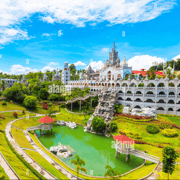
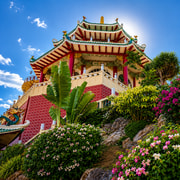
Visit Magellan’s Cross, Santo Niño Basilica, the Colon Street district, and the Taoist Temple.
🐢 2. Snorkel the Moalboal Sardine Run
Millions of sardines create swirling silver walls—one of nature’s great spectacles.
🌊 3. Swim at Kawasan Falls
Relax in turquoise pools or join a canyoneering adventure through the canyon.
🦈 4. Dive in Malapascua
The island is one of the world’s only consistent places to see thresher sharks.
🏝️ 5. Relax on Bantayan Island
A peaceful retreat with white-sand beaches and slow island living.
🧭 6. Hike Osmeña Peak
Panoramic views reward you after a scenic trek.
🐬 7. Take an Island-Hopping Tour
From sandbars to snorkeling reefs, island hopping is a must in Cebu.
🛌 Where to Stay
Cebu City – best for nightlife, shopping, and day trips
Moalboal – for snorkelling & diving adventures
Malapascua – quiet diving paradise
Bantayan Island – beach resorts and peaceful escapes
🌤️ Best Time to Visit
The ideal season is December to May (dry, sunny, perfect for beaches). June–November sees rain and occasional storms but fewer crowds.
🚗 Getting Around
Cebu is accessible by:
Mactan-Cebu International Airport
Ferries from neighbouring islands
Buses, private vans, scooters, and taxis
Travel time between destinations varies due to Cebu’s long, narrow geography.
❓ Q&A (Short)
Q: How many days do you need in Cebu? A: 4–7 days allows time to explore both Cebu City and major nature attractions.
Q: Is Cebu safe? A: Yes—generally safe for tourists with normal travel precautions.
Q: Can you swim with whale sharks in Cebu? A: Yes, in Oslob—but many travellers prefer ethical, non-interaction sightings elsewhere.
🌅 Final Thoughts
Cebu is a vibrant blend of culture, adventure, and natural beauty. Whether you’re wandering historic landmarks, diving with sharks, chasing waterfalls, or soaking up sun on nearby islands, Cebu delivers an unforgettable Philippine experience. It’s both the perfect introduction to the country and a destination worth returning to again and again.
Sponsored Popular Items
Quick take: Musement.com offers a worldwide selection of tours and attractions
Cebu: Simala Shrine Visit and Cebu City Tour Philippines Embark on a journey through the beautiful landscapes of Cebu City on a guided tour. Explore the scenic uphill areas and drive to the spiritually significant Simala Shrine
Simala & Cebu Highlands Tour with Sunset at Tops of Cebu Philippines Visit Simala Shrine, Sirao Garden, Temple of Leah, and enjoy sunset at Tops of Cebu. Optional Carcar stop for meals depending on timing. Flexible schedule—coordinate with us for requests
Cebu: Exploring Cebu City's rich history and Uphill Tour Philippines Step back in time with a full day tour of Cebu's historic landmarks. Visit iconic sites like Fort San Pedro, Magellan's Cross, Basilica Minore del Santo Niño and more
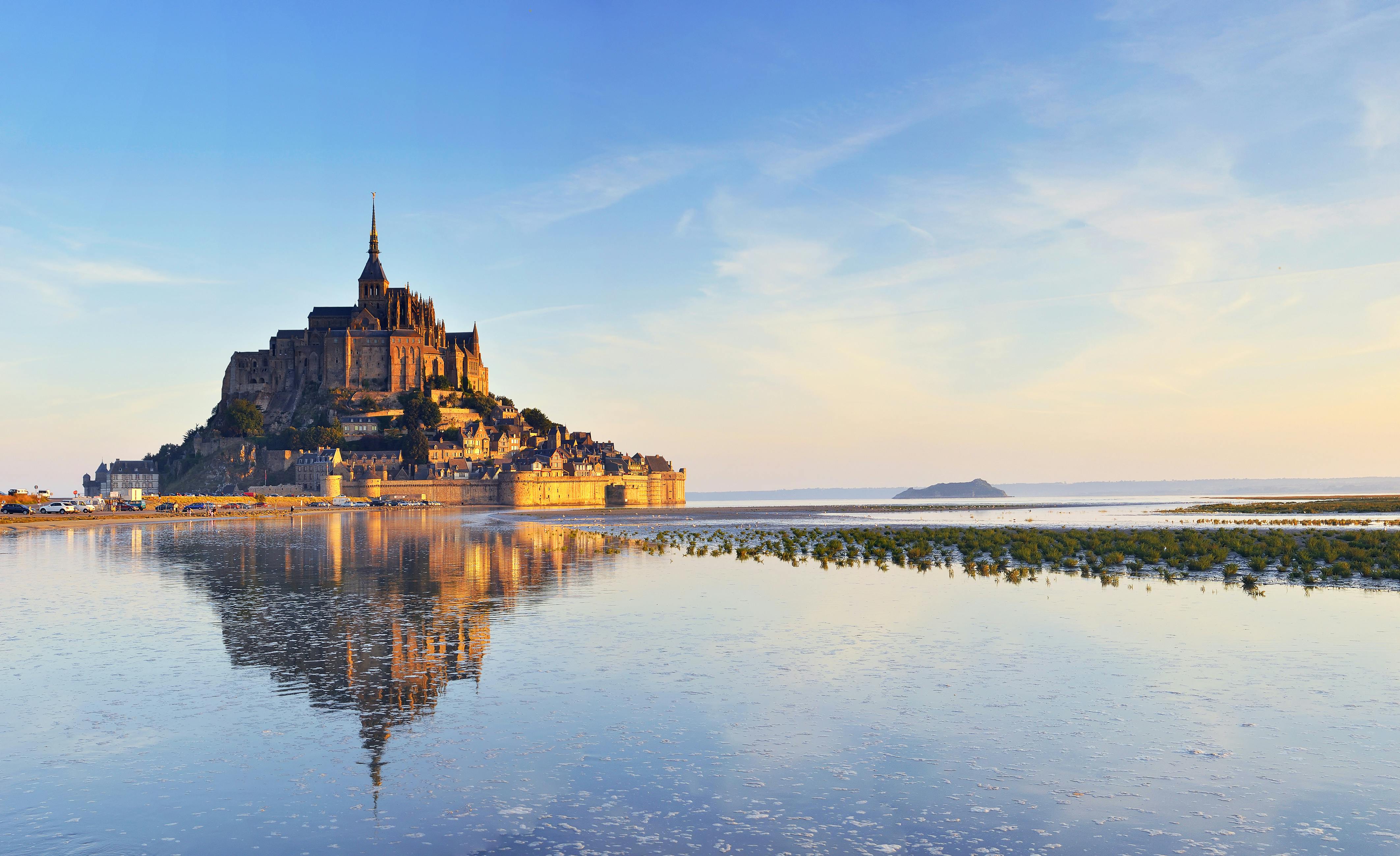
Rising dramatically from the tidal flats of Normandy, Mont Saint-Michel is one of France’s most spectacular and enchanting landmarks. This UNESCO World Heritage Site blends medieval architecture, monastic history, coastal scenery, and a sense of wonder that captivates every visitor. Whether shrouded in mist or glowing golden at sunset, the island feels like a fairytale brought to life.
⭐ Why Visit Mont Saint-Michel
1. A Medieval Marvel Rising from the Sea
Mont Saint-Michel is perched atop a rocky tidal island, crowned by its stunning abbey. When the tide rises, water surrounds the mount, creating the illusion of a floating fortress.
2. World-Famous Tidal Phenomenon
The bay has some of Europe’s highest tides, shifting dramatically between low and high water.
At low tide, vast sandbanks appear, creating moonscape-like terrain.
At high tide, the sea transforms the mount into a true island.
Each moment offers a different magical perspective.
3. The Abbey – A Gothic Masterpiece
Climb through narrow stone streets to reach the crown jewel:
Abbaye du Mont-Saint-Michel – a soaring Benedictine abbey known for its cloister, refectory, crypts, and iconic spire topped by Archangel Michael.
Guided tours or audio guides reveal centuries of spiritual, cultural, and military history.
4. Medieval Streets with Old-World Charm
Wander through:
Shop-lined lanes
Timber-framed houses
Guard towers & fortress walls
Hidden stairways and sea-view terraces
Yes, it’s popular—but early mornings and evenings feel especially atmospheric.
5. Spectacular Views of Normandy’s Coast
From the abbey terraces and ramparts, admire sweeping panoramas of the bay, tidal flats, and the Breton-Norman landscape.
🌟 Top Things to Do at Mont Saint-Michel
🏰 1. Visit the Abbey
Explore the cloister, monk’s quarters, crypts, and magnificent Gothic halls.
🚶♂️ 2. Walk the Ramparts
Ideal for photography and appreciating the island’s defensive architecture.
🌊 3. Witness the Tides
Check tide schedules—the transformation is breathtaking.
🥾 4. Guided Walk Across the Bay
Walk barefoot on the sands with a licensed guide (recommended—tides move quickly, and quicksand patches exist).
🍽️ 5. Try Local Specialties
Famous regional dishes include:
Omelette de la Mère Poulard
Norman cider
Salt-marsh lamb (agneau de pré-salé)
🛍️ 6. Explore the Grand Rue
The main medieval street full of shops, cafés, and historic inns.
🛌 Where to Stay
You can stay:
On the island – charming but limited (and perfect for sunrise/sunset views)
In nearby villages such as Beauvoir, Pontorson, or Ducey
Staying nearby offers more affordable options and easier parking.
Q: Is Mont Saint-Michel worth visiting? A: Absolutely—it’s one of France’s most iconic and magical sites.
Q: How long do you need? A: A half day is enough, but a full day or overnight stay offers a richer experience.
Q: Is the walk steep? A: Yes—expect stairs, cobblestones, and inclines.
Q: Best time to visit? A: Early morning or late evening for fewer crowds and incredible light.
🌅 Final Thoughts
Mont Saint-Michel is a place where history, legend, architecture, and nature intertwine. From its soaring abbey to its medieval alleys and spectacular tides, every corner of the mount feels timeless and extraordinary. Whether you’re exploring France or planning a once-in-a-lifetime trip, this mystical island belongs at the top of your list.
Sponsored Popular Items
Quick take: Musement.com offers a worldwide selection of tours and attractions
Mont-Saint-Michel, Loire Valley Castles & Wine 2-Day Tour from Paris France 2-Day Excursion to Mont Saint-Michel, Loire Valley Chateaux and Wine Tasting from Paris explores the destination through flavour and regional customs. Check current availability, inclusions and booking details before you go.