Explore Australia's spectacular cities, national parks, tropical reefs, rugged outback and extraordinary coastline through our destination guides and travel articles.
Springbrook National Park is one of the most beautiful natural escapes in the Gold Coast hinterland. Known for ancient rainforest, dramatic waterfalls, volcanic cliffs, glow worms, lookouts and cool mountain air, it is a rewarding day trip from the Gold Coast or Brisbane.
Springbrook National Park: A Guide to Waterfalls, Rainforest Walks, Natural Bridge and Gold Coast Hinterland Views
Part of the Gondwana Rainforests of Australia World Heritage Area, Springbrook protects subtropical rainforest, rare plants, ancient trees, cliff lines and waterfalls shaped by the remains of a massive ancient shield volcano. It is a place for short walks, scenic drives, photography, birdwatching and quiet rainforest experiences.
Sponsored Popular Items
Quick take: Musement.com offers a worldwide selection of tours and attractions
Gold Coast: Springbrook Waterfalls & Rainforest Private Tour Australia Discover the beauty of Springbrook National Park on a private tour featuring spectacular waterfalls, ancient rainforest, Natural Bridge, Best of All Lookout and the scenic Numinbah… Check current availability, inclusions and booking conditions.
Why Visit Springbrook National Park?
Springbrook National Park is worth visiting because it offers a classic Gold Coast hinterland experience: waterfalls, rainforest, misty lookouts, mountain roads and ancient natural landscapes within easy reach of the coast.
Unlike the beachside Gold Coast, Springbrook feels cool, green and peaceful. It is ideal for travellers who want a break from the surf and city atmosphere, families looking for accessible rainforest walks, photographers chasing waterfalls, and nature lovers interested in World Heritage rainforest.
The park has several separate sections, so planning matters. Natural Bridge is not right beside Purling Brook Falls, and Mount Cougal is in another area again. Choose your route before you leave so you do not spend the day backtracking on winding roads.
Natural Bridge
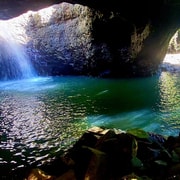
Natural Bridge is one of Springbrook’s most famous attractions. A waterfall drops through a hole in the roof of a basalt cave into a dark pool below, creating one of the most photogenic rainforest scenes in Queensland.
The Natural Bridge Circuit is a short, popular rainforest walk. The track leads through lush forest to viewing areas where you can see the cave, waterfall and creek. It is a good option for visitors who want a memorable walk without committing to a long hike.
Swimming is not permitted at Natural Bridge. Cave Creek is a protected and restricted area, and visitors must stay on the formed track and behind barriers. This protects both visitors and the fragile glow-worm habitat.
Purling Brook Falls
Purling Brook Falls is one of Springbrook’s signature waterfalls. The waterfall drops from the plateau into a deep forested gorge, and the surrounding walking circuit gives several ways to experience the landscape.
The Purling Brook Falls Circuit is around 4 km and is commonly walked clockwise. This direction is often recommended because it makes the climb more manageable and gives a strong view of the waterfall and gorge scenery.
The walk includes forest, cliff views, steps and sections where the gorge atmosphere feels much cooler than the plateau above. Allow enough time, take water and wear proper shoes.
Restricted areas at the top and base of Purling Brook Falls must not be entered. These areas are unstable and dangerous, especially after rain.
Twin Falls Circuit
Twin Falls Circuit is another excellent Springbrook walk. It is around 4 km return and is known for rainforest, rock clefts, waterfalls, palms, tree ferns and the chance to walk behind waterfall sections depending on conditions.
The walk can be started from Tallanbana picnic area or Canyon Lookout. It is a strong choice if you want a slightly more adventurous walk than the short lookouts but still want something manageable for a half-day visit.
After rain, the waterfalls can look especially impressive, but tracks may also be slippery. Wear shoes with good grip and stay on the formed trail.
Best of All Lookout
Best of All Lookout is one of the easiest and most rewarding short walks in Springbrook. The track is about 600 m return and leads through cool rainforest to a lookout with sweeping views across the ancient volcanic landscape.
On a clear day, the view can stretch across the border ranges and toward the surrounding valleys. The walk itself is also part of the experience, with Antarctic beech trees and cool, mossy forest giving it a very different feel from the warmer coastal side of the Gold Coast.
This is a good stop for visitors with limited time or anyone who wants a beautiful lookout without a strenuous walk.
Other Lookouts in Springbrook
Springbrook has several lookouts that can be combined into a scenic driving route.
Canyon Lookout
Canyon Lookout is one of the most accessible lookouts in the park. It gives views across cliffs, forested valleys and waterfalls, and it is also a starting point for some walks.
Goomoolahra Falls Lookout
Goomoolahra Falls Lookout is a short and easy stop with views over the waterfall area and surrounding landscape. It is useful for travellers who want a scenic stop without a long walk.
Boojerahla Lookout
Boojerahla Lookout is another short walking option on the plateau and can be added to a slower sightseeing day.
Wunburra Lookout
Wunburra Lookout gives another perspective across the hinterland and is a worthwhile quick stop if you are exploring the plateau by car.
Glow Worms at Natural Bridge
Natural Bridge is one of the best-known places in Queensland to see glow worms. They are usually seen at night inside the cave area, where tiny blue-green lights appear on the cave walls.
If visiting for glow worms, keep noise low, avoid shining torches directly at the glow worms, and do not use flash photography. Glow worms are sensitive to light and disturbance.
A guided night tour can be a good option for visitors who do not want to drive winding hinterland roads in the dark or who want help understanding the glow-worm habitat.
Mount Cougal and Cougal Cascades
The Mount Cougal section is separate from the Springbrook plateau and Natural Bridge areas. It is accessed from the Currumbin Valley side and is known for Cougal Cascades, rainforest, creek scenery and historic sawmill remains.
This area works well as a different kind of hinterland outing, especially if you are staying around Currumbin, Palm Beach or southern Gold Coast suburbs. Roads can be affected by heavy rain, so check conditions before travelling.
Best Time to Visit
Springbrook can be visited year-round, but the best experience depends on what you want.
After Rain
Waterfalls are usually more dramatic after rain, and the rainforest looks lush and fresh. However, tracks can be slippery, creeks can rise quickly and roads may be affected by weather.
Clear Days
Clear days are best for lookouts such as Best of All Lookout and Canyon Lookout. Views can be hidden by mist or cloud, especially in cooler or wet weather.
Summer
Summer can be humid and stormy, but the rainforest is rich and green. Start early, bring water and watch weather warnings.
Winter
Winter often brings cooler, clearer conditions and comfortable walking weather. Mornings and evenings can feel chilly on the plateau.
How to Get There
Springbrook National Park is in the Gold Coast hinterland, about 100 km south of Brisbane and within day-trip range of the Gold Coast.
From the Gold Coast
For the Springbrook plateau, many visitors travel via Mudgeeraba and Gold Coast–Springbrook Road. The road is sealed but steep, narrow and winding in places, so drive carefully.
From Nerang
Another route uses Nerang–Murwillumbah Road and Pine Creek Road. This can be useful depending on which section of the park you are visiting.
To Natural Bridge
Natural Bridge is commonly reached via Nerang–Murwillumbah Road. It is a separate section, so do not assume it is right beside the main Springbrook plateau walks.
Important Road Note
There is no through-road access to New South Wales from the Springbrook plateau. Plan your route carefully, especially if using map apps that may suggest scenic but impractical detours.
How Long to Spend There
Two to three hours: Enough for one short walk, such as Natural Bridge or a lookout-focused visit.
Half day: Good for Purling Brook Falls or Twin Falls Circuit plus one or two lookouts.
Full day: Best for a relaxed visit combining Natural Bridge, plateau lookouts, Purling Brook Falls and picnic stops.
Two days: Ideal if you want slow walks, glow worms at night, sunrise or sunset lookouts and less driving pressure.
Simple Springbrook Day Trip Itinerary
Gold Coast to Springbrook Full-Day Plan
8:00 am: Leave the Gold Coast and drive toward Springbrook plateau.
9:00 am: Stop at Canyon Lookout for views.
9:30 am: Walk Twin Falls Circuit or choose a shorter lookout walk.
12:00 pm: Picnic lunch or café stop on the plateau.
1:00 pm: Visit Best of All Lookout.
2:30 pm: Drive toward Natural Bridge.
3:30 pm: Walk the Natural Bridge Circuit.
5:00 pm: Return to the Gold Coast, or stay later for a guided glow-worm experience.
Easy Short Visit
Visit Natural Bridge only.
Allow about one hour for the circuit.
Add a short picnic or coffee stop nearby.
Return before dark if you are not comfortable driving winding roads at night.
Waterfall-Focused Visit
Start with Purling Brook Falls Circuit.
Add Goomoolahra Falls Lookout.
Finish with Canyon Lookout or Twin Falls if time and energy allow.
What to Wear and Bring
Comfortable walking shoes with good grip
Reusable water bottle
Light rain jacket
Warm layer in winter or late afternoon
Hat and sunscreen
Insect repellent
Snacks or picnic food
Phone with offline maps or enough battery
Power bank
Small first-aid kit
Torch with red-light option if visiting glow worms
Safety Tips
Stay on Formed Tracks
Springbrook has cliffs, waterfalls, slippery rocks and restricted areas. Stay on formed tracks and behind barriers at all times.
Do Not Enter Restricted Areas
Restricted areas around Cave Creek at Natural Bridge and Purling Brook Falls are closed for safety and environmental protection. Penalties can apply.
Do Not Swim at Natural Bridge
Swimming is prohibited at Cave Creek, including in the cave pool at Natural Bridge.
Be Careful After Rain
Creeks can rise quickly, tracks can become slippery and roads may be affected by flooding or debris. Check park alerts before leaving.
Drive Slowly
Access roads are steep, narrow and winding. Use low gear on descents, watch for cyclists and wildlife, and avoid rushing.
Supervise Children Closely
Lookouts, cliff edges and waterfalls can be dangerous. Keep children close and do not let them climb barriers.
Respect Glow Worms
Keep quiet, avoid bright lights and never touch the cave walls. Flash photography can disturb glow worms.
Check Park Alerts
Queensland national parks can have temporary closures, track works and weather-related alerts. Check official park alerts before travelling.
FAQs About Springbrook National Park
Where is Springbrook National Park?
Springbrook National Park is in the Gold Coast hinterland in south-east Queensland, about 100 km south of Brisbane and within easy day-trip distance of the Gold Coast.
Is Springbrook National Park worth visiting?
Yes. Springbrook is one of the best Gold Coast hinterland destinations for waterfalls, rainforest walks, lookouts, glow worms and World Heritage nature.
What is Springbrook National Park famous for?
Springbrook is famous for Natural Bridge, Purling Brook Falls, Twin Falls, Best of All Lookout, ancient rainforest, glow worms and volcanic cliff scenery.
Can you swim at Natural Bridge?
No. Swimming is prohibited at Cave Creek in the Natural Bridge section, including inside the cave.
Can you see glow worms at Springbrook?
Yes. Glow worms can be seen at Natural Bridge at night. Visitors should avoid bright lights, noise and flash photography.
How long is the Purling Brook Falls walk?
The Purling Brook Falls Circuit is about 4 km. It is a Grade 3 walk and includes stairs, slopes and rainforest sections.
Is Springbrook suitable for families?
Yes, many parts of Springbrook are family-friendly, especially short lookout walks and Natural Bridge. Families should supervise children closely near cliffs, creeks and waterfalls.
Do you need a 4WD for Springbrook?
No. Main access roads are sealed, but they are steep, narrow and winding. Drive carefully, especially in wet weather.
What is the best walk in Springbrook?
Natural Bridge is the best short iconic walk, Purling Brook Falls is excellent for a waterfall circuit, Twin Falls is great for rainforest and waterfall scenery, and Best of All Lookout is ideal for a short scenic walk.
Can you visit Springbrook as a day trip from the Gold Coast?
Yes. Springbrook is one of the best day trips from the Gold Coast. A full day gives enough time for one longer walk, several lookouts and Natural Bridge.
Final Thoughts
Springbrook National Park is one of the Gold Coast hinterland’s most rewarding natural escapes. Its waterfalls, rainforest, cliffs, lookouts and glow-worm cave offer a completely different experience from the beaches below.
For the best visit, choose your section carefully, start early, wear proper walking shoes, check park alerts and respect restricted areas. Whether you come for Natural Bridge, Purling Brook Falls, Twin Falls or Best of All Lookout, Springbrook is a peaceful and powerful reminder of the ancient rainforest landscapes protected in south-east Queensland.
Sponsored Popular Items
Quick take: Musement.com offers a worldwide selection of tours and attractions
Gold Coast: Springbrook Waterfalls & Rainforest Private Tour Australia Discover the beauty of Springbrook National Park on a private tour featuring spectacular waterfalls, ancient rainforest, Natural Bridge, Best of All Lookout and the scenic Numinbah… Check current availability, inclusions and booking conditions.
Gold Coast: Natural Bridge & Springbrook Waterfalls Tour Australia Discover the World Heritage rainforest of Springbrook National Park on a guided adventure to Natural Bridge, scenic lookouts and cascading waterfalls, with light refreshments included. Check current availability, inclusions and booking conditions.
Natural Bridge and Springbrook Tour – Gold Coast Guided Tour Australia Natural Bridge and Springbrook tour is a convenient way to add structure, local context and purposeful sightseeing to the itinerary. Check current availability, inclusions and booking details before you go.
The Pinnacles Desert is one of the easiest and most memorable day trips from Perth. Located in Nambung National Park near Cervantes, this unusual desert landscape is filled with thousands of limestone pillars rising from golden sand, creating one of Western Australia’s most distinctive natural scenes.
Pinnacles Desert from Perth: A Practical Guide to Nambung National Park
For travellers based in Perth, the Pinnacles can be visited as a self-drive day trip, a guided coach tour, a sunset and stargazing tour, or as part of a longer Coral Coast road trip. The landscape is dramatic, accessible and suitable for most visitors, with a scenic drive loop, walking areas, a lookout and a discovery centre.
Sponsored Popular Items
Quick take: Musement.com offers a worldwide selection of tours and attractions
Perth-Pinnacles Desert: High Tea & Dark Sky Astronomy Tour Australia Discover the Pinnacles & capture ancient landscapes whilst enjoying a deep desert outback High-Tea experience. Afterwards, visit the Gravity Discovery Centre for a professionally guided astronomy tour.
What Are the Pinnacles?
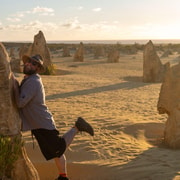
The Pinnacles are natural limestone formations scattered across the yellow sands of the Pinnacles Desert in Nambung National Park. Some are small and rounded, while others stand like towers, fingers, tombstones or weathered statues.
The formations are believed to have developed from ancient marine materials such as shells and limestone, shaped over time by water, wind, erosion and changing sand levels. The result is a surreal landscape that looks part desert, part sculpture garden and part lost ancient city.
The Pinnacles are especially striking because of the contrast between pale limestone, golden sand, low scrub and clear blue Western Australian sky.
Why Visit the Pinnacles from Perth?
The Pinnacles are worth visiting because they offer a completely different landscape within easy reach of Perth. In one day, you can leave the city, drive along the coast, explore a desert full of limestone pillars, visit small coastal towns and return to Perth by evening.
It is a good trip for photographers, families, road-trippers, nature lovers and visitors who want a simple but unusual Western Australia experience. The site is also easier to access than many remote outback landscapes, making it suitable for travellers with limited time.
How Far Are the Pinnacles from Perth?
The Pinnacles Desert is north of Perth near the coastal town of Cervantes. The drive usually takes around two to three hours depending on your starting point, traffic, route and stops.
The most scenic and common route follows the coast via Indian Ocean Drive. This makes it easy to combine the Pinnacles with beaches, lookouts, sand dunes, Lancelin, Cervantes or Lake Thetis.
Self-Drive from Perth
Self-driving is the most flexible way to visit the Pinnacles from Perth. The route is straightforward, and the main roads are sealed. A normal 2WD vehicle is suitable for reaching Nambung National Park and driving the Pinnacles loop in normal conditions.
Basic Self-Drive Route
Leave Perth and head north.
Follow Wanneroo Road and Indian Ocean Drive toward Cervantes.
Turn off at the signed entrance for Nambung National Park and the Pinnacles Desert.
Pay the park entry fee or use a valid WA park pass.
Visit the Discovery Centre, lookout, walk areas and drive loop.
Return to Perth the same way or continue north along the Coral Coast.
If you are comfortable driving in Australia, this is an easy day trip. Just allow plenty of time, carry water and avoid driving tired after sunset.
Pinnacles Tours from Perth
If you do not want to drive, there are many guided tours from Perth. These can include coach tours, small-group tours, 4WD-style tours, sunset tours and stargazing experiences.
A tour is a good choice if you want transport included, do not want to navigate, prefer commentary, or want to visit at sunset without driving back to Perth in the dark.
Common Tour Inclusions
Hotel pickup or central Perth meeting point
Transport to Nambung National Park
Time at the Pinnacles Desert
Stops at Lancelin, Cervantes, Yanchep or coastal viewpoints
Sandboarding or dune stops on some itineraries
Sunset and stargazing on evening tours
What to See at the Pinnacles Desert
The main attraction is the desert landscape itself. The limestone formations are spread across a large area, so the best experience is to drive slowly, stop at marked bays, walk between the formations and view the landscape from different angles.
Do not rush the visit. The Pinnacles look different depending on the light, shadows and direction you face. Some formations are tall and narrow, while others are squat, rounded or oddly shaped.
The Pinnacles Desert Drive Loop
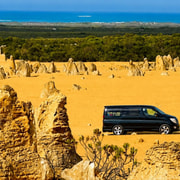
The Pinnacles Desert has a drive loop that lets visitors explore the landscape by car. The loop is unsealed but suitable for normal cars in standard conditions. You can drive around slowly, stop in marked bays and walk short sections to photograph the formations.
There are also walking opportunities if you prefer to park and explore on foot. The lookout gives a broader view across the desert and is useful for understanding the scale of the landscape.
Pinnacles Desert Discovery Centre
The Pinnacles Desert Discovery Centre is a useful first stop. It explains the geology, landscape, plants, animals and natural history of the area. It also provides toilets and visitor information.
The centre is generally open during daytime hours, but if you are visiting for sunrise, sunset or stargazing, the desert access may not match the centre’s opening hours. Check current official opening times before planning your visit.
Best Time to Visit
The Pinnacles can be visited all year, but the best light is usually early morning or late afternoon. During these times, the limestone pillars cast long shadows across the sand and the colours look warmer.
Midday is the easiest time for a straightforward day trip, but the light can be harsh and the desert can feel hotter. If photography is important, aim for golden hour.
Seasonal Notes
Autumn and spring: Comfortable temperatures and good road-trip conditions.
Winter: Cooler weather and softer light, but check rain and wind conditions.
Summer: Hotter and more exposed, so bring extra water and sun protection.
Wildflower season: Spring can add extra colour to the surrounding region.
Sunset and Stargazing
Sunset is one of the best times to experience the Pinnacles. The limestone formations glow warmly, shadows stretch across the sand and the desert becomes more atmospheric.
After dark, the area can also be excellent for stargazing when skies are clear and moonlight is low. Many guided tours from Perth focus on sunset and night sky viewing because the desert setting feels especially dramatic after the day crowds leave.
If self-driving at night, take care. Roads can be dark, wildlife may be active, and the drive back to Perth is long after a full day.
Best Stops to Combine with the Pinnacles
Cervantes
Cervantes is the closest town to the Pinnacles and a practical stop for food, fuel and a coastal break. It is also a good overnight base if you want to avoid driving back to Perth the same day.
Lake Thetis
Lake Thetis is known for stromatolites, ancient living structures that are scientifically significant. It is close to Cervantes and easy to combine with the Pinnacles.
Lancelin Sand Dunes
Lancelin is a popular stop between Perth and the Pinnacles, especially for sandboarding, dune views and a beach-town break.
Yanchep National Park
Yanchep National Park can be added on the way north or south, especially if you want a nature stop closer to Perth.
Jurien Bay
Jurien Bay is farther north and works well if you are turning the Pinnacles into a longer Coral Coast trip.
Simple Perth to Pinnacles Itinerary
Classic Self-Drive Day Trip
8:00 am: Leave Perth and drive north.
10:00 am: Stop at Lancelin for coffee, beach views or sand dunes.
12:00 pm: Continue to Cervantes for lunch.
1:30 pm: Visit Lake Thetis if time allows.
2:30 pm: Enter Nambung National Park and explore the Pinnacles Desert.
4:30 pm: Stay for late-afternoon light or begin the return drive.
Evening: Return to Perth or stay overnight in Cervantes.
Sunset and Stargazing Option
Leave Perth later in the day.
Visit Lancelin or Cervantes on the way.
Arrive at the Pinnacles in time for golden hour.
Watch sunset over the limestone pillars.
Stay for stargazing if conditions are clear.
Return to Perth carefully or stay overnight nearby.
What to Wear and Bring
Comfortable walking shoes
Hat and sunglasses
Sunscreen
Reusable water bottle
Light jacket for sunset or winter visits
Camera or phone with enough battery
Power bank
Snacks or picnic food
Cash or card for park entry and local stops
Torch or headlamp for sunset or night visits
Practical Travel Tips
Check Current Park Fees
Nambung National Park charges an entry fee. Check the current official fee before travelling or use a valid Western Australia park pass if you have one.
Visit in Better Light
Early morning and late afternoon are best for photography. Midday is convenient but less dramatic.
Allow Enough Time
Do not drive all the way from Perth just to spend 20 minutes at the Pinnacles. Allow at least one to two hours in the desert area, more if you enjoy photography.
Use Marked Roads and Bays
Stay on the designated drive loop and park only in marked areas. This helps protect the fragile desert environment.
No Dogs
Dogs are not allowed in the Pinnacles Desert area of Nambung National Park, so do not plan to bring pets.
Bring Water
The desert is exposed, and shade is limited. Carry water even if you are only planning a short walk.
Be Careful Driving at Night
If you stay for sunset or stargazing, remember that the drive back to Perth is long and dark. Watch for wildlife and fatigue.
Combine It with Cervantes
Cervantes is the easiest nearby town for lunch, fuel or an overnight stay. It makes the trip more relaxed.
Check Weather and Wind
Hot days, strong wind or poor visibility can affect comfort. The Pinnacles are very exposed, so weather matters.
FAQs About Visiting the Pinnacles from Perth
Where are the Pinnacles?
The Pinnacles Desert is in Nambung National Park, near Cervantes in Western Australia, north of Perth.
How long does it take to drive from Perth to the Pinnacles?
The drive usually takes around two to three hours, depending on your route, starting point, traffic and stops.
Can you visit the Pinnacles as a day trip from Perth?
Yes. The Pinnacles are one of the best day trips from Perth, especially if you leave early or join a guided tour.
Do you need a 4WD for the Pinnacles?
No. A normal car is suitable for the main access roads and the Pinnacles drive loop in standard conditions.
Is there an entry fee?
Yes. Nambung National Park has a park entry fee, unless you are using a valid park pass.
What is the best time to visit the Pinnacles?
Late afternoon and sunset are best for photography, while morning is good for cooler conditions. Midday is convenient but can be hot and bright.
Can you see the Pinnacles at night?
Yes, the desert is popular for stargazing, especially on clear nights. If visiting at night, bring a torch and drive carefully.
How long should I spend at the Pinnacles?
Allow at least one to two hours for the drive loop, lookout, photos and a short walk. Photographers may want longer.
What should I combine with the Pinnacles?
Good stops include Cervantes, Lake Thetis, Lancelin Sand Dunes, Yanchep National Park and Jurien Bay.
Are the Pinnacles suitable for families?
Yes. The Pinnacles are family-friendly, especially because you can explore by car and take short walks. Children should be supervised around formations and roads.
Final Thoughts
The Pinnacles Desert is one of Western Australia’s most accessible and unusual natural landscapes. Its limestone pillars, golden sand and open sky make it a memorable contrast to Perth’s beaches, city streets and river views.
For the best experience, drive or tour from Perth with enough time to enjoy the landscape properly, visit in soft morning or late-afternoon light if possible, and consider adding Cervantes, Lake Thetis or Lancelin to make the day more rewarding. Whether you go for a simple self-drive visit or a sunset stargazing tour, the Pinnacles are one of the standout day trips from Perth.
Sponsored Popular Items
Quick take: Musement.com offers a worldwide selection of tours and attractions
Perth-Pinnacles Desert: High Tea & Dark Sky Astronomy Tour Australia Discover the Pinnacles & capture ancient landscapes whilst enjoying a deep desert outback High-Tea experience. Afterwards, visit the Gravity Discovery Centre for a professionally guided astronomy tour.
Perth: Pinnacles Desert Lobster Tour with Morning Tea Australia Explore the Pinnacles Desert on a day tour from Perth. Enjoy morning tea in Yanchep, visit the Lobster Shack for lunch, and see the ancient stromatolites at Lake Thetis. A perfect day trip excursion!
Perth to the Pinnacles with 4WD desert drive & sandboarding Australia Travel in a comfortable 4WD vehicle on a desert drive designed to go beyond the usual tourist stops. This exclusive access lets you explore the Pinnacles up close and from within.
Egypt is one of the most fascinating countries in the world, combining ancient temples, desert landscapes, Nile cruises, Islamic and Coptic heritage, Red Sea beaches, lively cities and some of the most famous archaeological sites ever built. From the Pyramids of Giza to the Valley of the Kings, from Cairo’s historic streets to the coral reefs of the Red Sea, Egypt offers a travel experience that feels both ancient and alive.
Egypt Travel Guide: Pyramids, Nile Temples, Red Sea Resorts and Desert Adventures
For first-time visitors, the classic route usually includes Cairo, Giza, Luxor, Aswan and Abu Simbel, often with a Nile cruise or train journey between Upper Egypt’s great temple cities. Travellers with more time can add Alexandria, Siwa Oasis, the White Desert, Hurghada, Sharm El Sheikh, Dahab or Marsa Alam for a broader view of the country.
Sponsored Popular Items
Quick take: Musement.com offers a worldwide selection of tours and attractions
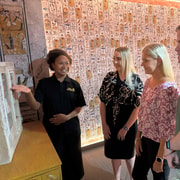
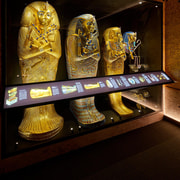
Ancient Egypt Sunset Tour with 3-Course Dinner in Cairns Australia Explore the Tomb of the Pharaohs on an after-hours tour. Discover 11 burial chambers and learn about ancient Egypt's history. Enjoy a 3-course dinner in our aquatic themed Squire's… Check current availability, inclusions and booking conditions.
Why Visit Egypt?
Egypt is worth visiting because few countries offer such a powerful combination of world-famous history, dramatic landscapes and living culture. You can stand beside pyramids built more than four thousand years ago, walk through tombs still covered in vivid colours, sail the Nile, explore medieval mosques, snorkel over coral reefs and drink tea in a desert oasis.
The country is especially rewarding for travellers interested in ancient history, archaeology, photography, religious heritage, desert scenery, warm-weather escapes and once-in-a-lifetime travel experiences. Egypt is also a practical destination because many of its most famous sites can be linked into a clear route from Cairo to Luxor and Aswan.
Cairo and Giza
Cairo is Egypt’s capital and the usual starting point for a first visit. It is huge, crowded, noisy, historic and full of energy. Across the Nile from central Cairo, Giza is home to the Pyramids, the Sphinx and the Grand Egyptian Museum area.
Many travellers stay in either central Cairo, Zamalek, Downtown, Garden City, New Cairo or near the Pyramids in Giza. Each area has advantages. Staying near the Pyramids gives easy access to sunrise or early visits at Giza, while central Cairo is better for museums, old Cairo, restaurants and city atmosphere.
The Pyramids of Giza and the Sphinx
The Giza Plateau is Egypt’s most famous landmark and one of the world’s most recognisable ancient sites. The main highlights are the Great Pyramid of Khufu, the Pyramid of Khafre, the Pyramid of Menkaure, smaller queens’ pyramids, tombs, desert viewpoints and the Great Sphinx.
For the best experience, visit early in the morning before the heat and crowds build. Allow time not only for the classic close-up views, but also for the panoramic desert viewpoint where you can see the pyramids together across the plateau.
Visitors should expect touts, camel and horse ride offers, ticket checks and security procedures. A licensed guide or well-organised driver can make the visit smoother, especially for first-time travellers.
Grand Egyptian Museum
The Grand Egyptian Museum, often called GEM, is one of Egypt’s major modern cultural projects and sits near the Giza Pyramids. It is designed to showcase ancient Egyptian civilisation on a huge scale, including the Tutankhamun galleries, major statues, galleries, the Grand Hall, the Grand Stairs and the Khufu’s Boats Museum.
If you are visiting Cairo and Giza, plan enough time for both the Pyramids and the museum rather than rushing them into a single short stop. The museum is large, and travellers interested in ancient Egypt may want several hours inside.
Historic Cairo
Historic Cairo offers a completely different experience from the ancient sites at Giza. This is the Cairo of mosques, minarets, markets, medieval streets, Islamic architecture, Coptic churches and old city life.
Key areas and sights include Khan el-Khalili market, Al-Muizz Street, the Citadel, the Mosque of Muhammad Ali, the Sultan Hassan Mosque, Al-Rifa’i Mosque, the Hanging Church, Coptic Cairo and the National Museum of Egyptian Civilization.
Historic Cairo is best explored with a guide if you want context and a smoother route. The streets can be busy and confusing, but they are also full of atmosphere, food, architecture and everyday life.
Luxor
Luxor is one of the greatest archaeological destinations in the world. Built around the ancient city of Thebes, it contains temples, tombs and monuments on both sides of the Nile.
East Bank
The East Bank is home to Karnak Temple and Luxor Temple. Karnak is vast and monumental, with huge columns, courtyards, obelisks and sacred lakes. Luxor Temple is smaller but beautiful, especially in the late afternoon or evening when it is lit up.
West Bank
The West Bank contains the Valley of the Kings, Valley of the Queens, Hatshepsut Temple, Medinet Habu, the Colossi of Memnon and many tombs and temples. This side of Luxor is where many visitors experience the emotional power of ancient Egyptian burial art and royal monuments.
Luxor deserves at least two full days. One day is not enough to appreciate both banks properly.
Aswan and Nubian Egypt
Aswan is calmer than Cairo and Luxor, with a more relaxed Nile-side atmosphere. It is known for Nubian culture, islands, river views, granite quarries, Philae Temple and access to Abu Simbel.
Top things to do in Aswan include visiting Philae Temple, taking a felucca ride, seeing the Unfinished Obelisk, exploring Elephantine Island, visiting a Nubian village and watching the sunset over the Nile.
Aswan is also a good place to slow down. After busy temple days in Luxor, the slower rhythm of the Nile in Aswan can feel refreshing.
Abu Simbel
Abu Simbel is one of Egypt’s most impressive ancient sites. The two temples, built by Ramesses II near Lake Nasser, are famous for their colossal statues and dramatic relocation during the construction of the Aswan High Dam.
Most visitors reach Abu Simbel from Aswan by early morning road convoy, private tour or flight, depending on current schedules and budget. It is a long day by road but highly rewarding if you are interested in ancient Egypt.
Because the site is far south, plan carefully and confirm departure times, tickets and security requirements before travelling.
Nile Cruises
A Nile cruise between Luxor and Aswan is one of the classic ways to experience Egypt. Most cruises include stops at major temples such as Edfu and Kom Ombo, along with guided visits in Luxor and Aswan.
Cruises vary widely, from simple boats to luxury ships. Before booking, check the ship standard, cabin type, meal inclusions, guide arrangements, entry fees, tipping expectations and exact itinerary.
A Nile cruise is especially good for travellers who want a structured route and do not want to organise every transfer independently. Independent travellers may prefer trains, private drivers and hotels in Luxor and Aswan instead.
Red Sea Resorts
Egypt’s Red Sea coast is ideal if you want to add beaches, snorkelling or diving after the temples. The most popular resort areas include Hurghada, El Gouna, Marsa Alam, Sharm El Sheikh and Dahab.
Hurghada
Hurghada is one of the easiest Red Sea resort areas to combine with Luxor. It has large hotels, boat trips, diving centres, snorkelling excursions and desert activities.
El Gouna
El Gouna is a more polished resort town north of Hurghada, known for lagoons, marinas, restaurants, boutique hotels and a calmer atmosphere.
Marsa Alam
Marsa Alam is popular with snorkellers and divers, especially travellers hoping to see reefs, turtles and dugongs in the right conditions.
Sharm El Sheikh
Sharm El Sheikh is a major resort area on the Sinai Peninsula, known for diving, snorkelling, resorts and access to Ras Mohammed National Park.
Dahab
Dahab is more relaxed and independent, with a backpacker-diver feel, cafés, shore dives and a slower pace than larger resort zones.
Desert and Oasis Trips
Beyond the Nile Valley and Red Sea, Egypt has extraordinary desert landscapes. The White Desert is especially famous for chalk rock formations shaped by wind into surreal white sculptures.
Siwa Oasis is another standout destination, known for palm groves, salt lakes, mud-brick architecture, desert springs and a distinct local identity. It takes time to reach, so it suits longer itineraries rather than rushed first visits.
Desert trips should be planned with reputable guides and current safety advice. Conditions, permissions and regional access can change, so do not treat desert travel as casual self-drive sightseeing unless you are properly prepared and locally advised.
Alexandria
Alexandria sits on the Mediterranean coast and offers a different side of Egypt. It is known for sea views, Greco-Roman history, the Bibliotheca Alexandrina, the Citadel of Qaitbay, catacombs, cafés and a cooler coastal atmosphere.
It can be visited as a long day trip from Cairo, but an overnight stay gives you more time to enjoy the waterfront and slower pace.
How Long to Spend in Egypt
Five to six days: Enough for Cairo, Giza and either Luxor or Aswan, but it will feel rushed.
Seven to nine days: A good minimum for a first visit covering Cairo, Giza, Luxor and Aswan.
Ten to twelve days: Better for adding Abu Simbel, a Nile cruise or a short Red Sea stay.
Two weeks: Ideal for Cairo, Giza, Luxor, Aswan, Abu Simbel, a Nile cruise and a Red Sea beach break.
Three weeks or more: Allows a deeper trip including Alexandria, Siwa, the White Desert, Sinai or slower independent travel.
Simple Egypt Itinerary
Classic 10-Day Egypt Itinerary
Day 1: Arrive in Cairo and settle in.
Day 2: Visit the Pyramids of Giza, the Sphinx and the Grand Egyptian Museum area.
Day 3: Explore Historic Cairo, Coptic Cairo, Khan el-Khalili and major museums.
Day 4: Fly or take the train to Luxor. Visit Luxor Temple in the evening.
Day 5: Explore Karnak Temple and the Luxor East Bank.
Day 6: Visit the West Bank, including the Valley of the Kings and Hatshepsut Temple.
Day 7: Travel or cruise toward Aswan, visiting Edfu and Kom Ombo if included.
Day 8: Visit Philae Temple, Elephantine Island or take a felucca ride in Aswan.
Day 9: Take an early trip to Abu Simbel or enjoy a slower Aswan day.
Day 10: Return to Cairo or continue to the Red Sea.
Egypt With Red Sea Extension
Days 1–3: Cairo and Giza.
Days 4–6: Luxor temples and tombs.
Days 7–9: Aswan, Philae and Abu Simbel.
Days 10–13: Hurghada, El Gouna, Sharm El Sheikh, Dahab or Marsa Alam.
Day 14: Return home or continue travelling.
Best Time to Visit Egypt
The best time to visit Egypt is generally from October to April, when temperatures are more comfortable for sightseeing. This is especially important for Cairo, Luxor, Aswan and desert areas, where summer heat can be intense.
December and January are popular and pleasant, but major sites can be busy. March and April can be good for weather, though occasional dust or wind may affect plans. Summer can be very hot in Upper Egypt, so if travelling then, start sightseeing early and rest during the hottest part of the day.
The Red Sea can be visited for much of the year, but conditions vary by resort, season and activity. Divers and snorkellers should check water temperature, wind and visibility before booking.
Getting Around Egypt
Domestic Flights
Flights are useful for covering long distances quickly, especially between Cairo, Luxor, Aswan, Abu Simbel and Red Sea resort areas.
Trains
Trains connect Cairo with Luxor and Aswan. Overnight trains can save hotel time, but comfort varies by service and ticket type.
Nile Cruises
Nile cruises are a comfortable and organised way to travel between Luxor and Aswan, with temple stops included along the route.
Private Drivers
Private drivers are common for day trips, airport transfers and routes where public transport is less convenient. Confirm prices and inclusions before departure.
Guided Tours
Guided tours can be very helpful in Egypt because many sites are historically complex and logistically busy. A good Egyptologist guide can make temples and tombs far more meaningful.
What to Wear and Pack
Lightweight breathable clothing
Modest clothing for mosques, churches and local neighbourhoods
Comfortable walking shoes
Hat, sunglasses and sunscreen
Light scarf or shawl
Reusable water bottle
Small day bag
Power bank
Hand sanitiser and tissues
Swimwear for Red Sea or hotel pools
Light jacket for winter evenings or air-conditioned transport
Any personal medication
Practical Travel Tips
Check Visa Requirements Early
Many travellers need a visa for Egypt. Check the official Egypt e-Visa portal or your nearest Egyptian consulate before departure, and apply early rather than leaving it to the last minute.
Check Current Travel Advice
Travel advice can change because of regional security, border conditions and local events. Australian travellers should check Smartraveller before booking and again before departure.
Start Sightseeing Early
Egypt’s main sites are best early in the morning. You avoid some heat, crowds and traffic, and the light is better for photography.
Use Licensed Guides
A licensed guide can help with history, navigation, tickets, timing and avoiding confusion at major sites. This is especially useful at Giza, Luxor and Historic Cairo.
Carry Small Cash
Small notes are useful for tips, toilets, short rides, small purchases and cafés. Keep larger notes separate.
Be Clear About Prices
Before accepting a taxi, camel ride, carriage ride, souvenir, boat trip or informal guide service, agree clearly on the price, currency and duration.
Dress Respectfully
Egypt is conservative in many public areas. Loose, modest clothing is practical for heat, sun protection and cultural comfort.
Protect Yourself From the Sun
Many archaeological sites have limited shade. Bring a hat, water and sunscreen, especially in Luxor, Aswan and Abu Simbel.
Plan Rest Time
Egypt can be intense. Build in slower afternoons, hotel breaks, pool time or a Nile-side café stop so you do not burn out.
Choose Red Sea Operators Carefully
For diving, snorkelling and boat trips, choose reputable operators with proper safety standards, life jackets, clear briefings and well-maintained vessels.
FAQs About Egypt
Is Egypt worth visiting?
Yes. Egypt is one of the world’s great travel destinations, especially for ancient history, archaeology, Nile scenery, desert landscapes and Red Sea snorkelling or diving.
What is Egypt famous for?
Egypt is famous for the Pyramids of Giza, the Sphinx, Luxor, the Valley of the Kings, Karnak Temple, Abu Simbel, Nile cruises, Historic Cairo and Red Sea resorts.
How many days do you need in Egypt?
Seven to ten days is a good minimum for Cairo, Giza, Luxor and Aswan. Two weeks is better if you want Abu Simbel, a Nile cruise and the Red Sea.
What is the best first-time Egypt itinerary?
A strong first-time route is Cairo and Giza, then Luxor, then Aswan and Abu Simbel, with an optional Nile cruise or Red Sea extension.
Is Cairo enough for a short Egypt trip?
Cairo and Giza are enough for a short introduction, but Egypt’s greatest temple and tomb experiences are in Luxor and Aswan. If time allows, go beyond Cairo.
Should I take a Nile cruise?
A Nile cruise is a good choice if you want a relaxed, organised route between Luxor and Aswan. Independent travellers may prefer hotels and private transfers.
Which is better, Luxor or Aswan?
Luxor is better for major temples and tombs, while Aswan is better for relaxed Nile scenery, Nubian culture and access to Abu Simbel. Ideally, visit both.
When is the best time to visit Egypt?
October to April is generally the best period for sightseeing because temperatures are more comfortable than in the hot summer months.
Do I need a guide in Egypt?
You can visit independently, but a good guide is very valuable at major historical sites. Egypt’s temples and tombs are far more meaningful with context.
Is Egypt suitable for families?
Yes, Egypt can be excellent for families, especially older children and teenagers interested in history, boats, deserts and beaches. Families should plan rest breaks and avoid overly long sightseeing days.
Final Thoughts
Egypt is a destination that rewards planning. The country can be busy, hot and intense, but it also offers experiences that are genuinely unforgettable: the Pyramids at sunrise, painted tombs in Luxor, the Nile at sunset, Abu Simbel’s colossal statues, Cairo’s old streets and the bright blue water of the Red Sea.
For the best first trip, allow at least ten days if possible, use guides where they add value, start sightseeing early and balance ancient sites with slower Nile or Red Sea time. Egypt is not just a country of monuments; it is a living, layered destination where history, faith, landscape and daily life meet at every turn.
Sponsored Popular Items
Quick take: Musement.com offers a worldwide selection of tours and attractions
Ancient Egypt Sunset Tour with 3-Course Dinner in Cairns Australia Explore the Tomb of the Pharaohs on an after-hours tour. Discover 11 burial chambers and learn about ancient Egypt's history. Enjoy a 3-course dinner in our aquatic themed Squire's… Check current availability, inclusions and booking conditions.
Ancient Egypt Sunset Tour in the heart of Cairns Australia Explore the Tomb of the Pharaohs on an after-hours tour. Learn about the daily rituals and funerary practices of the ancient Egyptians and gain insight into over 3,000 years of history. Check current availability, inclusions and booking conditions.
Ancient Egypt Night Tour with 2 Course Dinner in Cairns Australia Explore the Tomb of the Pharaohs on an after-hours tour. Discover eleven lavishly decorated burial chambers and enjoy a 2-course dinner. Check current availability, inclusions and booking conditions.
Port Douglas is one of Tropical North Queensland’s most appealing holiday towns, combining palm-lined streets, relaxed resort living, Great Barrier Reef tours, rainforest day trips, boutique shopping, tropical dining and the famous sweep of Four Mile Beach. It is smaller and more village-like than Cairns, but still has enough restaurants, tours, resorts and local services to make travel easy.
Set between the Coral Sea and the rainforest-covered mountains of the Wet Tropics region, Port Douglas is perfectly placed for two of Australia’s great natural experiences: the Great Barrier Reef and the Daintree Rainforest. Reef boats depart from the marina, rainforest tours head north toward Mossman Gorge, the Daintree River and Cape Tribulation, and Four Mile Beach gives the town a tropical beach-holiday feel.
Port Douglas suits many travel styles: couples looking for a romantic escape, families wanting easy beach and resort access, nature lovers chasing reef and rainforest, food lovers exploring Macrossan Street, and road-trippers following the Great Barrier Reef Drive north from Cairns.
Quick take: Musement.com offers a worldwide selection of tours and attractions
Port Douglas: Four Mile Beach Guided Eco Segway Tour Australia Glide along Four Mile Beach on a Segway tour from Port Douglas. Enjoy a training session, explore rainforest trails, and take in the views of the beach, ocean, and mountains. Check current availability, inclusions and booking conditions.
Why Visit Port Douglas?
Port Douglas is worth visiting because it gives you a relaxed tropical base with excellent access to reef, rainforest and beach experiences. It feels polished but not too big, with a walkable village centre, marina, beach, resorts, restaurants and day tours all close together.
The town works especially well if you want a slower alternative to Cairns. You can spend one day snorkelling the outer reef, another exploring the Daintree, another relaxing by Four Mile Beach, and still have time for sunset drinks, local markets, spa treatments or a scenic drive along the coast.
Port Douglas is best for:
Great Barrier Reef snorkelling and diving trips
Couples wanting a tropical resort escape
Families looking for reef, beach and wildlife experiences
Travellers wanting easy access to the Daintree Rainforest
Food lovers exploring restaurants, cafés and tropical produce
Road-trippers following the Great Barrier Reef Drive
Visitors who prefer a smaller town atmosphere than Cairns
Where Is Port Douglas?
Port Douglas is in Far North Queensland, about an hour north of Cairns by road, depending on traffic and stops. The drive from Cairns follows one of Australia’s most scenic coastal routes, with rainforest-covered hills on one side and the Coral Sea on the other.
Location Detail
Traveller Notes
Destination
Port Douglas, Queensland, Australia
Region
Tropical North Queensland / Far North Queensland
Closest major city
Cairns
Main beach
Four Mile Beach
Main tour hub
Crystalbrook Superyacht Marina / Port Douglas Marina area
Nearby natural highlights
Great Barrier Reef, Daintree Rainforest, Mossman Gorge, Cape Tribulation
Best visit style
Resort stay, reef holiday, rainforest adventure, family trip or romantic tropical escape
Port Douglas is close enough to Cairns for transfers and day touring, but it has a distinct identity. It feels more village-like, resort-focused and relaxed, making it a strong choice for travellers who want fewer city distractions.
Four Mile Beach
Four Mile Beach is the signature beach of Port Douglas. It stretches along the edge of town with palm trees, wide sand, mountain views and warm Coral Sea water. It is ideal for morning walks, beach photography, sunrise, swimming in the patrolled area when conditions are safe, and relaxed tropical scenery.
The northern end is closest to town and has access to the Surf Life Saving Club, beach facilities and the Flagstaff Hill Lookout area. The beach becomes quieter as you move farther south.
Best things to do at Four Mile Beach
Walk the beach early in the morning before the heat builds.
Swim only in the patrolled area and between the flags.
Use the marine stinger enclosure during stinger season if operating.
Photograph the curve of the beach from Flagstaff Hill Lookout.
Watch sunrise over the Coral Sea.
Hire a bike and ride nearby paths or beach-access routes where permitted.
Relax under the palms with a book or picnic.
Beach safety at Port Douglas
Port Douglas is in tropical North Queensland, so beach safety matters. Swim only where beaches are patrolled, follow lifeguard signs and use the stinger enclosure during marine stinger season when advised. Marine stinger season generally runs from November to May, and wearing a stinger suit is strongly recommended during higher-risk months.
Great Barrier Reef Tours from Port Douglas
Port Douglas is one of the best bases for visiting the Great Barrier Reef. Reef boats usually depart from the marina and travel to outer reef platforms, snorkelling sites, dive locations or low-island-style experiences depending on the operator.
Compared with some Cairns departures, Port Douglas reef tours can offer excellent access to outer reef areas north of Cairns. Tour styles range from large stable reef vessels to smaller eco boats, sailing catamarans, dive boats, luxury snorkelling cruises and private charters.
Popular reef trip styles
Tour Type
Best For
Traveller Notes
Outer reef snorkelling cruise
First-time reef visitors and families
Often includes snorkelling gear, lunch and multiple reef sites or a platform.
Dive boat
Certified divers and adventurous travellers
Check whether introductory dives are available for beginners.
Sailing reef trip
Couples, relaxed travellers and smaller groups
Usually slower and more atmospheric than large motor vessels.
Low Isles tour
Families and relaxed snorkellers
Often calmer and more island-based than outer reef trips.
Private reef charter
Groups, celebrations and premium travel
More expensive but flexible and personalised.
Reef and helicopter package
Bucket-list travellers and photographers
Gives aerial views of reef patterns, weather permitting.
Reef trip tips
Book early during school holidays and peak season.
Choose a boat style that suits your comfort level.
Take seasickness tablets if you are sensitive to boat movement.
Wear reef-safe behaviour in the water.
Do not touch coral or marine life.
Use a rash vest or stinger suit when advised.
Bring sunglasses, hat, towel and a dry change of clothes.
Check whether lunch, wetsuits, prescription masks and transfers are included.
Daintree Rainforest, Mossman Gorge and Cape Tribulation
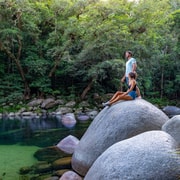
Port Douglas is also one of the easiest bases for exploring the Daintree Rainforest. From town, you can visit Mossman Gorge, cruise the Daintree River, explore rainforest boardwalks, learn about Kuku Yalanji culture, and continue toward Cape Tribulation where rainforest meets reef coastline.
The Daintree is not just a scenic add-on. It is one of the world’s most important tropical rainforest regions and deserves a full day if you have time. Guided tours are useful because they handle transport, ferry logistics, wildlife spotting, boardwalk access and local interpretation.
Best Daintree experiences from Port Douglas
Mossman Gorge – rainforest walks, river scenery and cultural experiences.
Daintree River cruise – wildlife spotting, birdlife and possible crocodile sightings.
Cape Tribulation – dramatic meeting point of rainforest and coast.
Rainforest boardwalks – easy walking through ancient forest environments.
Kuku Yalanji cultural tours – guided experiences sharing Indigenous knowledge of Country.
Daintree Discovery Centre – useful for travellers wanting structured rainforest interpretation.
Great Barrier Reef Drive – scenic coastal drive between Cairns, Port Douglas and the Daintree region.
Some Daintree roads and Cape Tribulation access conditions can be affected by heavy rain, flooding or repairs, especially in the wet season. Always check current road and tour conditions before travelling north.
Best Things to Do in Port Douglas
1. Walk Four Mile Beach
Four Mile Beach is the town’s signature landscape. Walk early, swim safely in the patrolled area and visit Flagstaff Hill Lookout for the classic view.
2. Take a Great Barrier Reef snorkelling trip
A reef day is one of the main reasons to stay in Port Douglas. Choose outer reef, Low Isles, sailing, diving or private charter depending on your travel style.
3. Visit Mossman Gorge
Mossman Gorge is one of the most accessible rainforest experiences near Port Douglas, with walking tracks, river views and cultural tour options.
4. Explore Macrossan Street
Macrossan Street is the heart of Port Douglas, lined with restaurants, cafés, boutiques, bars, galleries and holiday shops.
5. Visit the Sunday Markets
The Port Douglas Sunday Markets near Anzac Park are a relaxed way to browse local crafts, tropical produce, clothing, jewellery, food stalls and souvenirs.
6. Cruise the Daintree River
A Daintree River cruise gives you a chance to see mangroves, birds, crocodiles and rainforest-fringed waterways.
7. Watch sunset at Rex Smeal Park
Rex Smeal Park is one of the best sunset spots in town, with palm trees, water views and a relaxed picnic atmosphere.
8. Visit Wildlife Habitat Port Douglas
Wildlife Habitat is a family-friendly attraction where visitors can see Australian animals and learn about rainforest, wetlands and savannah habitats.
9. Take a sailing trip to Low Isles
Low Isles trips are a good choice if you want a smaller island-style reef experience with snorkelling and a more relaxed pace.
10. Drive the Great Barrier Reef Drive
The coastal road between Cairns and Port Douglas is one of the most scenic drives in Queensland, with sea views, beaches and rainforest-covered ranges.
Food, Markets and Macrossan Street
Port Douglas has a strong dining scene for a town of its size. You will find seafood restaurants, tropical cafés, cocktail bars, resort dining, bakeries, casual takeaway and modern Australian menus using local produce.
Food and drink experiences to try
Fresh seafood – prawns, barramundi, coral trout and reef fish where available.
Tropical fruit – mango, papaya, pineapple, dragon fruit and passionfruit in season.
Modern Australian dining – local produce with tropical flavours.
Sunday market snacks – casual food, juices and local treats.
Sunset drinks – ideal after a beach or reef day.
Coffee on Macrossan Street – easy before tours or beach walks.
Resort dining – good for special occasions and relaxed dinners.
Restaurants can book out during peak season, school holidays and major events. Book dinner ahead if you want a specific venue or time.
Wildlife and Nature Around Port Douglas
Port Douglas gives access to several habitats: reef, beach, rainforest, mangroves, river systems and coastal wetlands. That means wildlife experiences are varied, from reef fish and turtles to crocodiles, cassowaries, birds, butterflies and rainforest creatures.
Wildlife you may encounter
Reef fish and coral life on Great Barrier Reef trips.
Sea turtles if you are lucky on reef or island tours.
Crocodiles on Daintree River cruises and in suitable wild habitats.
Cassowaries in rainforest areas, though sightings are not guaranteed.
Birdlife around wetlands, rainforest and coastal areas.
Butterflies and insects in the rainforest.
Wallabies and other native animals in wildlife parks and surrounding areas.
Wildlife safety tips
Never swim in crocodile warning areas.
Follow signs near rivers, beaches and mangroves.
Do not approach or feed wildlife.
Keep children away from water edges in crocodile habitat.
Drive carefully in rainforest areas where cassowaries or wildlife may cross.
Use responsible reef operators and avoid touching coral or marine life.
Best Time to Visit Port Douglas
Port Douglas has a tropical climate with a drier season and a wetter season. The dry season, generally from May to October, is the most popular time to visit because conditions are usually sunnier, humidity is lower and reef trips are often more comfortable. The wet season, generally from November to April, brings heat, humidity, tropical rain, lush rainforest and a higher chance of weather disruptions.
Season
What to Expect
Advice
May to October
Drier weather, lower humidity, popular reef and rainforest season
Best all-round time for most visitors; book early.
June to August
Cooler tropical weather and peak demand
Excellent conditions but higher prices and crowds.
September to October
Warm, clear and often very pleasant
Great for beach, reef and resort stays.
November to May
Marine stinger season and wetter, warmer conditions
Use stinger protection and follow beach safety advice.
January to March
Wettest, hottest and most humid period
Good for lush rainforest, but keep plans flexible.
Suggested Port Douglas Itinerary Ideas
Option 1: Classic 3-Day Port Douglas Escape
Day 1: Arrive, walk Four Mile Beach, explore Macrossan Street and watch sunset at Rex Smeal Park.
Day 2: Take a Great Barrier Reef snorkelling or diving tour from the marina.
Day 3: Visit Mossman Gorge and add a Daintree River cruise or cultural tour.
Option 2: Reef and Rainforest 5-Day Stay
Day 1: Settle into Port Douglas and enjoy Four Mile Beach.
Day 2: Outer reef snorkelling or diving trip.
Day 3: Mossman Gorge and Daintree River cruise.
Day 4: Cape Tribulation day trip or rainforest boardwalks.
Day 5: Sunday Markets, Macrossan Street, spa time or Low Isles sailing.
Option 3: Family-Friendly Port Douglas Plan
Morning: Swim at the patrolled section of Four Mile Beach if conditions are safe.
Midday: Visit Wildlife Habitat or enjoy resort pool time.
Afternoon: Walk Macrossan Street for ice cream, shops and casual dinner.
Reef day: Choose a stable family-friendly boat with flotation gear and lunch included.
Rainforest day: Keep walks short and add Mossman Gorge or a Daintree River cruise.
Option 4: Romantic Port Douglas Weekend
Day 1: Arrive, check into a boutique hotel or resort and have dinner on Macrossan Street.
Day 2: Take a sailing trip to Low Isles or a smaller reef cruise.
Day 2 evening: Sunset drinks at Rex Smeal Park or a waterfront venue.
Day 3: Relax at the beach, book a spa treatment or visit Mossman Gorge before leaving.
Option 5: Adventure and Nature Route
Day 1: Great Barrier Reef snorkelling or diving.
Day 2: Daintree Rainforest, Cape Tribulation and rainforest boardwalks.
Day 3: Daintree River wildlife cruise and Mossman Gorge walk.
Day 4: Optional fishing charter, helicopter flight, cultural tour or 4WD extension if conditions allow.
Where to Stay in Port Douglas
Area
Best For
Traveller Notes
Macrossan Street area
Restaurants, shops, nightlife and walkability
Best for first-time visitors who want convenience.
Four Mile Beach northern end
Beach access and town proximity
Good balance of beach and village atmosphere.
Four Mile Beach southern end
Resorts, quieter stays and families
May require a shuttle, car or bike to reach town.
Marina area
Reef tours and harbour access
Useful if boat trips are your main focus.
Luxury resorts outside the centre
Couples, weddings, spa stays and relaxation
Check transport options if you want to dine in town often.
Mossman / Daintree region
Rainforest immersion and slower nature stays
Better for travellers prioritising rainforest over beach-town convenience.
Useful Booking Resources for Port Douglas Tours and Tropical North Queensland Activities
Port Douglas is easy to enjoy independently, but booking platforms are useful for Great Barrier Reef tours, Daintree day trips, Mossman Gorge experiences, wildlife parks, sailing cruises, private charters, transfers and local activities. The suppliers below are useful places to compare tour styles, inclusions and cancellation rules. Skimlinks may automatically convert these merchant links into affiliate links if the merchant is active in your Skimlinks account.
GetYourGuide – offers Port Douglas reef cruises, Daintree Rainforest tours, Mossman Gorge trips, Cape Tribulation day tours, wildlife experiences, transfers and Tropical North Queensland activities.
Viator – offers Great Barrier Reef tours from Port Douglas, Daintree and Cape Tribulation day trips, private charters, wildlife tours, airport transfers and customisable Queensland itineraries.
Klook – offers Cairns and Port Douglas activities, reef tours, transport products, SIM/eSIM options, attraction tickets and Tropical North Queensland travel add-ons.
KKday – offers local tours, transport services, attraction tickets and Australia travel products useful for comparing reef, rainforest and wildlife activities.
Tiqets – offers mobile-friendly tickets for attractions, museums and landmarks, useful for combining Cairns or Queensland sightseeing with a Port Douglas stay.
Musement – offers city tours, attraction tickets, cultural activities and local experiences across Australia and wider travel destinations.
G Adventures – offers small-group and multi-day Australia tours that may include Queensland, reef, rainforest and East Coast itineraries.
Go City – offers bundled attraction passes in selected destinations, useful for readers comparing multi-attraction city sightseeing options before or after Australia.
CityPASS – offers bundled attraction passes mainly for selected North American cities. It is not a main Port Douglas booking option, but may suit readers planning wider international travel.
Booking tip: Before booking a Port Douglas tour, check whether the price includes hotel pickup, reef levy, snorkelling equipment, lunch, wetsuit or stinger suit, prescription mask availability, guide language, child rules, cancellation policy, weather policy, Daintree ferry arrangements, and exact return time. For reef trips, choose the boat style carefully because a large platform vessel, small eco boat, sailing catamaran and private charter can feel very different.
Port Douglas Travel Tips
Book reef tours early
Popular reef tours can fill during dry season, school holidays and winter peak periods. Book ahead if you want a specific operator or boat style.
Swim only where advised
Use patrolled beaches, swim between the flags and follow all marine stinger and crocodile warning signs. During stinger season, use the enclosure and wear a stinger suit if advised.
Take seasickness precautions
Reef trips can involve open-water travel. Take suitable medication before boarding if you are prone to motion sickness.
Allow a full day for the Daintree
The Daintree and Cape Tribulation area deserves time. A rushed day can feel like too much driving and not enough rainforest.
Stay flexible in the wet season
Tropical rain can affect roads, reef conditions and rainforest access. Keep backup plans and check tour updates.
Use Macrossan Street as your evening base
Most restaurants, bars, boutiques and casual dining options are concentrated around Macrossan Street, making it the easiest place for dinner and wandering.
Visit Four Mile Beach early
Morning is usually cooler and more comfortable for beach walks, photography and gentle exercise.
Hire a car if exploring widely
You can rely on tours and transfers, but a car gives more freedom for Mossman, scenic lookouts, beaches and the Great Barrier Reef Drive.
Respect crocodile country
Never ignore crocodile warning signs. Do not stand close to river edges, mangroves or unsafe waterways, especially in remote areas.
Pack for tropical conditions
Bring lightweight clothing, rain jacket, insect repellent, sunscreen, hat, sunglasses, swimwear, sandals and comfortable walking shoes for rainforest boardwalks.
Is Port Douglas Worth Visiting?
Yes, Port Douglas is absolutely worth visiting, especially if you want a relaxed tropical base with easy access to the Great Barrier Reef, Daintree Rainforest, Four Mile Beach and excellent dining.
It may not suit travellers looking for big-city nightlife or a cheap backpacker-style base. Cairns has more urban energy and wider budget options, while Port Douglas is more resort-focused, boutique and relaxed.
The best way to enjoy Port Douglas is to stay at least three nights, walk Four Mile Beach, take a reef tour, visit Mossman Gorge or the Daintree, dine on Macrossan Street and leave enough slow time for beach mornings and tropical sunsets.
FAQs About Port Douglas
Where is Port Douglas?
Port Douglas is in Far North Queensland, Australia, about an hour north of Cairns by road along the Great Barrier Reef Drive.
What is Port Douglas famous for?
Port Douglas is famous for Four Mile Beach, Great Barrier Reef tours, Daintree Rainforest access, Macrossan Street dining, tropical resorts and relaxed village atmosphere.
Is Port Douglas better than Cairns?
Port Douglas is better for a relaxed resort-style holiday and easy reef-and-rainforest touring. Cairns is better for nightlife, budget travel, transport connections and a larger city feel.
Can you visit the Great Barrier Reef from Port Douglas?
Yes. Port Douglas is one of the best bases for Great Barrier Reef snorkelling and diving tours, with boats departing from the marina to outer reef and island-style reef locations.
Can you visit the Daintree from Port Douglas?
Yes. Port Douglas is a convenient base for Mossman Gorge, Daintree River cruises, Cape Tribulation tours and rainforest day trips.
Is Four Mile Beach safe for swimming?
Swim only in the patrolled area, between the flags, and follow lifeguard advice. During marine stinger season, use the stinger enclosure and wear a stinger suit if advised.
When is the best time to visit Port Douglas?
The dry season from May to October is generally the best time for lower humidity, sunny weather, reef tours and rainforest trips. November to April is warmer, wetter and includes marine stinger season.
How many days do you need in Port Douglas?
Three days is enough for a beach walk, reef trip and rainforest experience. Five to seven days is better for a relaxed holiday with the Daintree, Mossman Gorge, Low Isles, dining and resort time.
Do you need a car in Port Douglas?
You do not need a car if you are staying near Macrossan Street and booking tours with pickup. A car is useful for exploring Mossman, beaches, lookouts and the Daintree region independently.
Is Port Douglas worth visiting?
Yes. Port Douglas is one of Tropical North Queensland’s best holiday bases, combining Four Mile Beach, reef tours, rainforest access, restaurants, resorts and a relaxed coastal village feel.
Sponsored Popular Items
Quick take: Musement.com offers a worldwide selection of tours and attractions
Port Douglas: Four Mile Beach Guided Eco Segway Tour Australia Glide along Four Mile Beach on a Segway tour from Port Douglas. Enjoy a training session, explore rainforest trails, and take in the views of the beach, ocean, and mountains. Check current availability, inclusions and booking conditions.
Port Douglas: Daintree Rainforest and Cape Tribulation Tour Australia Discover the World Heritage-Listed Daintree Rainforest. Enjoy the personalization of a small group eco-certified tour with expert guides. Walk along the beach, rainforest, Mossman… Check current availability, inclusions and booking conditions.
Port Douglas: Daintree Rainforest and Mossman Gorge Tour Australia Embark on a full-day guided trip to the Daintree Rainforest from Port Douglas. Explore the main sites, such as Mossman Gorge, Alexandra Lookout, Cape Tribulation, Noah Valley, and… Check current availability, inclusions and booking conditions.
Wilsons Promontory, often called The Prom, is one of Victoria’s most loved national parks. Located at the southernmost tip of mainland Australia, it combines granite mountains, white-sand beaches, turquoise bays, coastal bushland, wombats, kangaroos, emus, walking tracks, remote campsites and the much-loved visitor base of Tidal River.
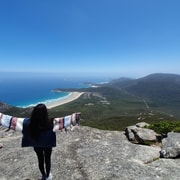
This is a place where you can walk to Squeaky Beach, climb Mount Oberon for one of Victoria’s best coastal views, swim at Norman Beach, look for wombats near Tidal River, explore rainforest at Lilly Pilly Gully, or take on overnight hikes to remote beaches such as Sealers Cove, Refuge Cove, Little Waterloo Bay and Oberon Bay.
Wilsons Promontory suits many travel styles: family camping, day trips, beach holidays, wildlife photography, serious hiking, gentle nature walks and scenic road trips through South Gippsland. It is beautiful year-round, but accommodation and campsites can book out quickly during school holidays, long weekends and summer.
Quick take: Musement.com offers a worldwide selection of tours and attractions
Wilsons Promontory National Park Day Trip Australia Discover the beauty of Wilsons Promontory National Park on a day trip from Melbourne. Hike to the summit of Mount Oberon, explore the Big Drift, and relax on Squeaky Beach. Check current availability, inclusions and booking conditions.
Why Visit Wilsons Promontory?
Wilsons Promontory is worth visiting because it offers a rare mix of accessible nature and true wilderness. You can enjoy easy beaches and short walks around Tidal River, or you can disappear into the southern wilderness on multi-day hikes where the coastline feels remote and wild.
The scenery is a major drawcard. Granite peaks rise above coastal heathland, beaches curve around clear bays, and walking tracks move between forest, dunes, creeks and clifftop viewpoints. The wildlife is also a highlight. Wombats, kangaroos, emus, wallabies and native birds are regularly seen, especially around Tidal River and open grassland areas.
Wilsons Promontory is best for:
Beach lovers wanting white sand and clear water
Families looking for a nature-based camping holiday
Hikers wanting short walks, day hikes or overnight treks
Wildlife watchers hoping to see wombats, emus and kangaroos
Photographers chasing coastal views, granite boulders and sunsets
Couples wanting a scenic Gippsland escape
Travellers looking for one of Victoria’s best national parks
Where Is Wilsons Promontory?
Wilsons Promontory National Park is in South Gippsland, Victoria, at the southernmost point of mainland Australia. The main visitor area is Tidal River, reached by road through the park entrance near Yanakie.
Location Detail
Traveller Notes
Destination
Wilsons Promontory National Park
Nickname
The Prom
State
Victoria, Australia
Region
South Gippsland
Main visitor hub
Tidal River
Closest gateway areas
Yanakie, Foster, Fish Creek, Sandy Point and Waratah Bay
Best visit style
Camping, hiking, beach stay, wildlife trip, day trip or weekend road trip
From Melbourne, Wilsons Promontory is a long but possible day trip. However, it is far better as a weekend or multi-night stay because the best experiences need time: early morning wildlife, sunset beach walks, longer hikes and relaxed exploring around Tidal River.
Tidal River: The Main Visitor Hub
Tidal River is the central base inside Wilsons Promontory National Park. It has the main campground, visitor services, walking-track access, Norman Beach, the tidal river itself and easy links to popular walks such as Mount Oberon, Squeaky Beach and Lilly Pilly Gully.
For first-time visitors, Tidal River is the easiest place to stay because you are already inside the park. You can wake up near the beach, walk to the river, look for wombats in the evening and start hikes without driving long distances.
What you will find at Tidal River
Main campground and bookable accommodation
Visitor centre and park information
Access to Norman Beach
Short walks and longer hiking trailheads
General store or basic supplies depending on current operations
Picnic areas and amenities
Wildlife viewing opportunities
Access road to Mount Oberon car park
Because Tidal River is extremely popular, bookings are essential in busy periods. If you cannot get accommodation inside the park, stay in nearby towns such as Yanakie, Foster, Fish Creek, Sandy Point or Waratah Bay and drive in for the day.
Best Beaches at Wilsons Promontory
Squeaky Beach
Squeaky Beach is one of the most famous beaches at Wilsons Promontory. It is known for bright white quartz sand that can squeak under your feet, clear water and large granite boulders at the ends of the beach. You can drive close to it or walk there from Tidal River, Picnic Bay or other nearby trailheads.
Norman Beach
Norman Beach is the main beach beside Tidal River. It is one of the easiest beaches to access if you are camping or staying at Tidal River. It is ideal for beach walks, sunsets, relaxing and swimming when conditions are safe.
Whisky Bay
Whisky Bay is a beautiful small beach with granite rocks, sunset potential and a more intimate feel than some of the larger beaches. It is a strong stop for photographers.
Picnic Bay
Picnic Bay is close to Squeaky Beach and Whisky Bay, making it easy to combine several beaches in one short coastal route. It is good for a quieter beach stop when conditions suit.
Oberon Bay
Oberon Bay is reached by hiking and has a wilder, more remote feel. It is popular with overnight walkers and experienced hikers wanting to move beyond the easy-access beaches.
Sealers Cove
Sealers Cove is one of the Prom’s most famous remote beaches. It is reached by a longer hike and is usually associated with overnight walking rather than casual day-tripping.
Little Waterloo Bay
Little Waterloo Bay is a remote southern beach reached on overnight hiking routes. It is one of the classic wilderness stops for walkers exploring the southern Prom.
Best Walks and Hikes at Wilsons Promontory
Walk
Best For
Traveller Notes
Mount Oberon Summit Walk
Panoramic views over Tidal River, Norman Beach and offshore islands
One of the best views in Victoria; steep final section and exposed summit.
Tidal River to Squeaky Beach
Classic beach walk and coastal scenery
A popular route if you want to avoid driving between beaches.
Lilly Pilly Gully Circuit
Forest, rainforest pockets and easier nature walking
Good for families and visitors wanting shade and birdlife.
Prom Wildlife Walk
Kangaroos, emus, wombats and open grassland
Best around cooler parts of the day.
Big Drift
Large sand dunes and unusual landscapes
Navigation can be confusing; avoid windy or hot conditions.
Tongue Point Walk
Coastal views and granite scenery
Good for walkers wanting a longer coastal route.
Sealers Cove Track
Remote beach hiking
Best for experienced walkers; check track status before planning.
Southern Circuit Overnight Hike
Remote beaches and multi-day wilderness
Requires preparation, permits and strong hiking fitness.
Mount Oberon Summit
Mount Oberon is the classic viewpoint walk at Wilsons Promontory. The summit gives a sweeping view over Norman Beach, Tidal River, the turquoise coastline and offshore islands. It is especially beautiful in clear weather, but the top can be windy and exposed.
Lilly Pilly Gully
Lilly Pilly Gully offers a gentler forest experience, with birdlife, eucalypt forest and patches of temperate rainforest. It is a useful alternative when beaches are windy or when you want a more sheltered walk.
The Big Drift
The Big Drift is a large inland dune system near the park entrance. It feels very different from the beaches and mountains, but visitors need to take care because the dunes can be disorienting.
Wildlife at Wilsons Promontory
Wildlife is one of the biggest pleasures of Wilsons Promontory. You may see wombats grazing near Tidal River, kangaroos and emus in open areas, wallabies near tracks and a wide variety of birds throughout the park.
Wildlife you may see
Wombats – often seen near Tidal River, especially in the evening.
Kangaroos – common in open grassy areas.
Emus – often seen near roads, grasslands and open spaces.
Wallabies – common in bushland and around quieter tracks.
Crimson rosellas and parrots – colourful birdlife around camps and forested areas.
Seabirds – seen along the coastline and beaches.
Marine wildlife – possible offshore, depending on season and luck.
Wildlife safety and respect
Never feed wildlife.
Store food securely at campsites.
Drive slowly, especially at dawn, dusk and night.
Keep distance from wombats, emus and kangaroos.
Do not leave rubbish or food scraps behind.
Keep children away from wild animals, even if they seem calm.
Observe animals quietly and use a zoom lens for photos.
Camping and Accommodation at Wilsons Promontory
The main place to stay inside the park is Tidal River. It offers campsites and other accommodation options, but demand is very high during peak periods. Booking ahead is essential.
Accommodation options
Tidal River camping: best for classic Prom camping close to the beach and walks.
Tidal River cabins or roofed accommodation: useful for travellers who want comfort inside the park.
Overnight hike camps: suitable for experienced walkers with permits and proper gear.
Yanakie accommodation: convenient gateway outside the park entrance.
Foster and Fish Creek stays: good for cafés, supplies and a small-town base.
Sandy Point and Waratah Bay: beach-town alternatives outside the park.
If Tidal River is booked out, staying outside the park still works well. Drive in early, carry what you need for the day and plan your walks around daylight, weather and return travel time.
Best Time to Visit Wilsons Promontory
Wilsons Promontory can be visited year-round, but the experience changes by season. Summer is warm and popular for camping and beaches. Autumn is often excellent for walking, wildlife and milder weather. Winter is quieter and dramatic, but colder and wetter. Spring brings wildflowers, fresh greenery and changeable weather.
Season
What to Expect
Advice
Summer
Warm beach weather, school holidays, busy campground
Book early and expect crowds at Tidal River and popular beaches.
Autumn
Milder weather, good walking conditions and fewer crowds
One of the best all-round seasons for The Prom.
Winter
Cooler, quieter, windy and atmospheric
Good for solitude, but pack warm and waterproof layers.
Spring
Wildflowers, wildlife activity and changing weather
Great for photography and walking, but check forecasts carefully.
Nearby Towns and Attractions
Yanakie
Yanakie is the main gateway settlement near the entrance to Wilsons Promontory. It is convenient for accommodation, supplies and access to the park road.
Foster
Foster is a practical South Gippsland base with shops, cafés, fuel, accommodation and visitor services. It is a good option if you cannot stay inside the park.
Fish Creek
Fish Creek is a small creative town with galleries, cafés and country charm. It works well as a relaxed base for exploring the Prom and South Gippsland.
Sandy Point
Sandy Point is a beach town outside the park, useful for accommodation and a quieter coastal stay near Waratah Bay.
Waratah Bay
Waratah Bay offers a long beach and views toward the Prom. It is a good option for visitors wanting a coastal stay outside the national park.
Agnes Falls
Agnes Falls is one of Victoria’s taller waterfalls and can be added to a South Gippsland road trip if you have extra time.
Port Welshpool
Port Welshpool is known for the Long Jetty and coastal views. It can be combined with a wider South Gippsland route.
Suggested Wilsons Promontory Itinerary Ideas
Option 1: Wilsons Promontory Day Trip
Early morning: Drive to Wilsons Promontory and stop at the visitor information area.
Morning: Walk to Squeaky Beach or drive to the beach car park.
Lunch: Picnic at Tidal River or Norman Beach.
Afternoon: Walk part of Lilly Pilly Gully or visit Whisky Bay and Picnic Bay.
Late afternoon: Look for wildlife on the Prom Wildlife Walk or around Tidal River.
Evening: Drive out carefully before dark if not staying inside the park.
Option 2: Classic Weekend at Tidal River
Day 1: Arrive at Tidal River, set up camp and walk Norman Beach at sunset.
Day 2 morning: Climb Mount Oberon for the famous view.
Day 2 afternoon: Visit Squeaky Beach, Picnic Bay and Whisky Bay.
Day 2 evening: Watch for wombats and enjoy a quiet camp dinner.
Day 3: Walk Lilly Pilly Gully before driving home.
Option 3: Family-Friendly Prom Plan
Morning: Start with Norman Beach and Tidal River.
Midday: Picnic and rest near the visitor hub.
Afternoon: Choose a short beach walk or gentle forest walk.
Evening: Look for wombats from a respectful distance.
Tip: Avoid overpacking the day; distances and walks take longer with children.
Option 4: Photography-Focused Route
Sunrise: Photograph Norman Beach or Tidal River if staying inside the park.
Morning: Walk to Mount Oberon in clear weather.
Afternoon: Photograph granite boulders at Squeaky Beach.
Sunset: Visit Whisky Bay or Norman Beach for softer light.
Evening: Photograph wildlife only from a safe and respectful distance.
Option 5: Overnight Hiking Adventure
Before you go: Check track status, permit requirements and weather conditions.
Day 1: Hike from Tidal River toward an approved overnight camp.
Day 2: Continue through remote beaches and coastal tracks.
Day 3: Return via the planned circuit or exit route.
Important: Overnight hiking requires fitness, navigation, food, water planning and proper gear.
Useful Booking Resources for Wilsons Promontory Tours and Victoria Travel
Wilsons Promontory is often explored independently by car, but booking platforms can be useful for guided day trips, wildlife tours, Melbourne transfers, accommodation, Gippsland experiences and wider Victoria travel planning. The suppliers below are useful places to compare tour styles, inclusions and cancellation rules. Skimlinks may automatically convert these merchant links into affiliate links if the merchant is active in your Skimlinks account.
GetYourGuide – offers Victoria day trips, national park tours, Melbourne activities, wildlife experiences and selected Wilsons Promontory-style excursions depending on availability.
Viator – offers Wilsons Promontory day tours, private trips from Melbourne, wildlife tours, South Gippsland sightseeing and customisable Victoria itineraries.
Klook – offers Melbourne and Victoria activities, attraction tickets, transport products, SIM/eSIM options and selected regional day trips.
KKday – offers local tours, attraction tickets, transport services and Australia travel products useful for comparing Victoria experiences.
Tiqets – offers mobile-friendly tickets for attractions, museums and landmarks, useful for combining Melbourne sightseeing before or after a Prom trip.
Musement – offers city tours, attraction tickets, cultural activities and local experiences across Australia and wider travel destinations.
G Adventures – offers small-group and multi-day Australia tours that may suit travellers planning a broader Victoria or Australia itinerary.
Go City – offers bundled attraction passes in selected destinations, useful for readers comparing multi-attraction city sightseeing options before or after Australia.
CityPASS – offers bundled attraction passes mainly for selected North American cities. It is not a main Wilsons Promontory booking option, but may suit readers planning wider international travel.
Booking tip: Before booking a Wilsons Promontory tour or stay, check whether the price includes park entry arrangements, transport from Melbourne, walking difficulty, wildlife stops, lunch, guide language, hotel pickup, cancellation policy, weather policy and exact time inside the park. For camping and park accommodation, book through official Parks Victoria channels and check current alerts before travelling.
Wilsons Promontory Travel Tips
Check current park conditions before travelling
Roads, bridges, tracks, campsites and access areas can close because of weather, repairs, wildlife management or conservation works. Check official park alerts before leaving.
Book Tidal River early
Tidal River is extremely popular, especially during summer, school holidays and long weekends. Book well ahead or consider staying outside the park.
Start hikes early
Weather can change quickly, and parking fills in busy periods. Start early for Mount Oberon, Squeaky Beach and longer day walks.
Wear proper walking shoes
Even short walks can include sand, rocks, steps, uneven tracks and slippery surfaces. Good shoes make the day much easier.
Bring layers
The Prom can be windy and changeable. Bring a rain jacket, warm layer, hat and sun protection even on clear days.
Do not feed wildlife
Feeding wombats, kangaroos or birds harms them and creates dangerous behaviour. Store food securely at campsites.
Drive slowly
Wildlife often crosses the roads. Slow down, especially around dawn and dusk.
Carry enough food and water
Services inside the park are limited. Bring what you need for the day, especially if walking away from Tidal River.
Respect beach conditions
Not every beach is safe for swimming every day. Check surf, currents and weather before entering the water.
Leave no trace
Take all rubbish with you, stay on marked tracks, respect campsites and protect the park’s fragile coastal environment.
Is Wilsons Promontory Worth Visiting?
Yes, Wilsons Promontory is absolutely worth visiting. It is one of Victoria’s most beautiful national parks and one of the best places in Australia for combining beaches, wildlife, walking tracks and coastal scenery in one destination.
It may not suit travellers wanting a quick urban-style attraction with lots of shops and restaurants. The Prom is a national park experience, so planning, weather awareness and respect for nature matter.
The best way to enjoy Wilsons Promontory is to stay at least one or two nights, base yourself at Tidal River if possible, walk Mount Oberon, visit Squeaky Beach, look for wildlife at quiet times and leave space in your itinerary for slow beach and bushland moments.
FAQs About Wilsons Promontory
Where is Wilsons Promontory?
Wilsons Promontory is in South Gippsland, Victoria, at the southernmost point of mainland Australia.
What is Wilsons Promontory famous for?
Wilsons Promontory is famous for Tidal River, Squeaky Beach, Mount Oberon, white-sand beaches, granite mountains, wombats, emus, kangaroos and excellent walking tracks.
Can you visit Wilsons Promontory as a day trip from Melbourne?
Yes, but it is a long day. A weekend or multi-night stay is much better because you will have more time for walks, beaches and wildlife.
Where should first-time visitors go at Wilsons Promontory?
First-time visitors should focus on Tidal River, Norman Beach, Squeaky Beach, Mount Oberon and Lilly Pilly Gully.
Why is Squeaky Beach called Squeaky Beach?
Squeaky Beach is named for its white quartz sand, which can make a squeaking sound when walked on.
Can you camp at Wilsons Promontory?
Yes. The main campground is at Tidal River, and there are also designated overnight hiking camps for experienced walkers. Bookings and permits are required.
What wildlife can you see at Wilsons Promontory?
You may see wombats, kangaroos, wallabies, emus, parrots, seabirds and other native wildlife. Sightings are common but never guaranteed.
What is the best walk at Wilsons Promontory?
Mount Oberon is one of the best short-to-moderate walks for panoramic views. Squeaky Beach and Lilly Pilly Gully are also excellent for first-time visitors.
When is the best time to visit Wilsons Promontory?
Autumn is one of the best all-round seasons for walking and milder weather. Summer is best for beach weather but is also the busiest period.
Is Wilsons Promontory worth visiting?
Yes. Wilsons Promontory is one of Victoria’s best national parks, offering beaches, wildlife, camping, hiking, granite mountains and some of the finest coastal scenery in southern Australia.
Sponsored Popular Items
Quick take: Musement.com offers a worldwide selection of tours and attractions
Wilsons Promontory National Park Day Trip Australia Discover the beauty of Wilsons Promontory National Park on a day trip from Melbourne. Hike to the summit of Mount Oberon, explore the Big Drift, and relax on Squeaky Beach. Check current availability, inclusions and booking conditions.
Melbourne: Wilsons Promontory Private Day Tour & Cruise Australia Discover Wilsons Promontory on a private day tour from Melbourne. Cruise past Skull Rock, spot native wildlife, and walk across the stunning Big Drift sand dunes. Check current availability, inclusions and booking conditions.
From Melbourne: Wilsons Promontory Small Group Day Tour Australia Discover unforgettable coastal views & impressive mountain vistas in our one of a kind, small group tour. Check current availability, inclusions and booking conditions.
Phillip Island seal watching is one of the best wildlife experiences in Victoria. Just off the rugged south-west coast of Phillip Island, Seal Rocks is home to one of Australia’s largest colonies of Australian fur seals. From a dedicated wildlife cruise, visitors can see thousands of seals resting on the rocks, swimming through the water, calling to each other, feeding their pups and sometimes approaching the boat with natural curiosity.
The most popular way to see the seals up close is on a Phillip Island Seal Cruise departing from Cowes. The cruise travels along the coastline to Seal Rocks, offering views of the island’s cliffs, beaches, seabirds and wild ocean scenery before reaching the seal colony.
This experience is very different from the famous Phillip Island Penguin Parade. The Penguin Parade happens at dusk on land, while seal watching is a daytime boat-based wildlife cruise. Many visitors combine both in one Phillip Island trip for a full day of coastal nature and native wildlife.
Quick take: Musement.com offers a worldwide selection of tours and attractions
Phillip Island: Seal Watching Cruise Australia See thousands of seals up close at Australia's largest fur seal colony whilst cruising Phillip Island's scenic coast. Enjoy regular dolphin, penguin and seabird sightings. Check current availability, inclusions and booking conditions.
Why Go Seal Watching on Phillip Island?
Seal watching on Phillip Island is worth doing because it gives you a close, natural wildlife encounter without needing to leave Victoria. The seals live at Seal Rocks year-round, so the cruise is not just a seasonal gimmick. Depending on the time of year, you may see pups, large adult bulls, playful juveniles, seals swimming around the boat, and large groups resting on the rocks.
The cruise also shows a wilder side of Phillip Island. From the water, you can see the coastline differently: dark rock shelves, wave-washed cliffs, seabirds, open Bass Strait views and the famous Nobbies area from offshore.
Phillip Island seal watching is best for:
Wildlife lovers wanting to see Australian fur seals up close
Families looking for a memorable nature experience
Photographers wanting seals, waves and rugged coastline views
Visitors combining the cruise with the Penguin Parade
Travellers staying in Cowes, San Remo or Phillip Island
Melbourne visitors planning a coastal day trip or overnight escape
Anyone who enjoys boat trips, marine wildlife and ocean scenery
Where Is Seal Rocks?
Seal Rocks lies off the south-western tip of Phillip Island, near The Nobbies and not far from the Penguin Parade area. The rocks sit offshore in Bass Strait, where Australian fur seals gather in large numbers.
Location Detail
Traveller Notes
Main wildlife site
Seal Rocks, Phillip Island
Nearest land landmark
The Nobbies, south-west Phillip Island
Main cruise departure
Cowes Jetty / Cowes foreshore area
Island
Phillip Island, Victoria, Australia
Best visit style
2-hour wildlife cruise, self-drive day trip or guided Phillip Island tour
Good combination
Seal cruise by day, Penguin Parade at dusk
Although you can view the general Seal Rocks area from The Nobbies boardwalk, the best close-up experience is from a dedicated seal watching cruise.
What to Expect on a Phillip Island Seal Watching Cruise
The standard Phillip Island seal watching experience is a coastal wildlife cruise from Cowes to Seal Rocks. The boat travels across Western Port and around the coastline before reaching the seal colony. Once near Seal Rocks, the vessel slows down so visitors can observe the seals in their natural environment.
Expect fresh sea air, movement on the water and excellent wildlife viewing. The seals may be resting on the rocks, diving into the sea, swimming close to the boat, calling loudly or interacting with each other. The smell can be strong near the colony, which is normal for a large wild seal population.
What you may see
Thousands of Australian fur seals at Seal Rocks
Seals resting, swimming, playing and calling
Seal pups during the right season
Large adult male seals during breeding season
Seabirds around the rocks and coastline
Views of The Nobbies and Phillip Island’s rugged coast
Occasional dolphins or other marine wildlife if lucky
Waves crashing over dark volcanic rocks
What not to expect
Do not expect to land on Seal Rocks.
Do not expect the boat to touch the seals or disturb them.
Do not expect calm water every day.
Do not expect whale sightings on a seal cruise, although other wildlife may sometimes appear.
Do not expect perfect photos if the sea is rough or the weather is misty.
Do not expect a luxury dinner cruise; this is a wildlife-focused coastal boat trip.
Australian Fur Seals at Seal Rocks
The seals at Phillip Island are Australian fur seals. They are strong swimmers, social animals and often surprisingly curious. On the rocks, they may look lazy and heavy, but in the water they are fast, agile and playful.
Seal Rocks is especially important because it supports a very large colony. This makes the cruise reliable compared with many wildlife experiences where sightings depend heavily on luck. The exact number visible on any day changes with season, weather, breeding activity and feeding patterns.
Seal behaviours to watch for
Resting on rocks – seals often lie in large groups between feeding trips.
Swimming close to the boat – curious seals may approach and look up at passengers.
Calling and barking – large colonies can be noisy, especially during busy social periods.
Pups near mothers – most likely during breeding and pupping season.
Young seals playing – juveniles may chase each other in the water.
Adult males displaying – large males can be seen holding space during breeding season.
Best Time to Go Seal Watching on Phillip Island
Seals are present at Seal Rocks year-round, so the cruise can be worthwhile in any season if conditions are safe. The best time depends on what you want to see and how comfortable you are with weather and sea conditions.
Season
What to Expect
Advice
Summer
Warmer weather, busy travel period, good family season
Book ahead and bring sun protection.
Autumn
Milder weather and often fewer crowds
A good balance for wildlife viewing and comfort.
Winter
Cooler, windier and more rugged conditions
Dress warmly and prepare for sea spray.
Spring
Breeding season approaches, coastal scenery improves
Good for combining wildlife with island walks.
October to December
Breeding season activity increases
A strong period for seeing colony behaviour and pups.
Morning and afternoon cruise conditions can vary with wind and swell. Always check the operator’s weather guidance before travelling.
Can You See Seals from The Nobbies?
You can see the Seal Rocks area from The Nobbies boardwalk and viewpoints, but the seals are offshore and usually too far away for a detailed view without binoculars. The Nobbies is still worth visiting because it offers dramatic coastal scenery, boardwalks, seabirds, blowhole views in rough conditions and excellent sunset light.
For a close wildlife encounter, the boat cruise is the better option. For a free land-based stop, The Nobbies is the best place to understand where Seal Rocks sits in the landscape.
Best way to combine both
Take the seal cruise from Cowes during the day.
Drive to The Nobbies later for coastal views.
Continue to the Penguin Parade at dusk if pre-booked.
Allow time between each activity so the day does not feel rushed.
Things to Do Near Phillip Island Seal Watching
Penguin Parade
The Phillip Island Penguin Parade is the island’s most famous wildlife attraction. At dusk, little penguins return from the sea and waddle across the beach to their burrows. It pairs naturally with a daytime seal cruise.
The Nobbies
The Nobbies offers boardwalks, ocean views, rugged cliffs and distant views toward Seal Rocks. It is one of Phillip Island’s most scenic free stops.
Cowes
Cowes is the main town on Phillip Island and the usual departure point for the seal cruise. It has cafés, restaurants, beaches, shops and accommodation.
Phillip Island Wildlife Park
Phillip Island Wildlife Park is a family-friendly stop where visitors can see Australian animals such as kangaroos, wallabies, wombats and birds.
Koala Conservation Reserve
The Koala Conservation Reserve offers boardwalks through eucalypt habitat where visitors can look for koalas in the trees.
Cape Woolamai
Cape Woolamai is famous for surf beaches, pink granite cliffs, walking tracks and coastal views. It is excellent for travellers who want a more active Phillip Island day.
Churchill Island
Churchill Island combines heritage farm buildings, gentle walks, bay views and family-friendly activities. It is a good contrast to the wild southern coastline.
San Remo
San Remo is the gateway town before crossing the bridge to Phillip Island. It is useful for fish and chips, pelican feeding times and coastal views.
Suggested Phillip Island Seal Watching Itinerary Ideas
Option 1: Seal Cruise and Penguin Parade Day
Morning: Drive from Melbourne to Phillip Island.
Midday: Have lunch in Cowes.
Afternoon: Join the Phillip Island Seal Watching Cruise from Cowes.
Late afternoon: Visit The Nobbies boardwalk.
Evening: Attend the Penguin Parade at dusk with pre-booked tickets.
Night: Stay overnight on Phillip Island or drive back carefully.
Option 2: Family-Friendly Wildlife Day
Morning: Visit the Koala Conservation Reserve.
Lunch: Eat in Cowes.
Afternoon: Take the seal watching cruise.
Late afternoon: Choose an easy beach stop or return to accommodation.
Evening: Add Penguin Parade only if children can handle a long day.
Option 3: Overnight Phillip Island Nature Escape
Day 1: Arrive from Melbourne, visit Churchill Island and Cowes.
Day 1 afternoon: Take the seal cruise or relax by the beach.
Day 1 evening: Attend the Penguin Parade.
Day 2: Walk Cape Woolamai, visit The Nobbies and enjoy a slower return to Melbourne.
Option 4: Photography-Focused Route
Morning: Photograph Cape Woolamai or Cowes foreshore.
Afternoon: Take the seal cruise for close-up wildlife and coastline photos.
Golden hour: Visit The Nobbies for dramatic ocean light.
Evening: Photograph the coastline before or after the Penguin Parade, following all wildlife rules.
Option 5: Relaxed Phillip Island Weekend
Friday night: Stay in Cowes or nearby.
Saturday: Seal cruise, beach lunch, The Nobbies and Penguin Parade.
Sunday: Slow breakfast, Koala Conservation Reserve, San Remo and return to Melbourne.
Useful Booking Resources for Phillip Island Seal Watching and Wildlife Tours
Phillip Island seal watching cruises are popular, especially on weekends, school holidays and during summer. Booking ahead is strongly recommended if you are combining the cruise with the Penguin Parade or travelling from Melbourne. The suppliers below are useful places to compare cruise times, inclusions and cancellation rules. Skimlinks may automatically convert these merchant links into affiliate links if the merchant is active in your Skimlinks account.
GetYourGuide – offers Phillip Island seal watching cruises, Penguin Parade tours, Melbourne day trips, wildlife experiences and combined Phillip Island itineraries.
Viator – offers Phillip Island seal cruises, Penguin Parade day tours, private Phillip Island trips, wildlife park visits and transport-inclusive options from Melbourne.
Klook – offers Phillip Island activities, wildlife tours, Penguin Parade tickets, seal watching products where available, Melbourne transfers and Australia travel add-ons.
KKday – offers local tours, attraction tickets, transport services and Australia travel products, useful for comparing Phillip Island and Melbourne day-trip options.
Tiqets – offers mobile-friendly tickets for attractions, museums and landmarks. It is useful for ticket-led sightseeing in Melbourne before or after a Phillip Island trip.
Musement – offers city tours, attraction tickets, cultural activities and local experiences, including Australia and Victoria travel products where available.
G Adventures – offers small-group and multi-day Australia tours that may suit travellers planning a broader Victoria or Australia itinerary rather than a standalone seal cruise.
Go City – offers bundled city attraction passes in selected destinations. It is not a main Phillip Island seal cruise booking option, but it can help readers planning wider Australia stopovers.
CityPASS – offers bundled attraction passes mainly for selected North American cities. It is not designed for Phillip Island or Melbourne, but may suit readers planning wider international travel.
Booking tip: Before booking a Phillip Island seal watching cruise, check the exact departure point, cruise duration, whether afternoon tea is included, weather cancellation policy, child pricing, accessibility, onboard toilets, indoor seating, sea-sickness advice and whether your ticket can be combined with Penguin Parade or other Phillip Island attractions.
Phillip Island Seal Watching Travel Tips
Book ahead
Seal cruises can sell out during busy periods. Book early if you are travelling on weekends, school holidays or during summer.
Dress warmly
Even on sunny days, it can feel cold and windy on the water. Bring layers, a windproof jacket and secure footwear.
Prepare for sea spray
The boat may encounter spray, especially near Seal Rocks or in windy conditions. Protect cameras, phones and glasses.
Take sea-sickness precautions
If you are prone to motion sickness, take suitable medication before departure and avoid a heavy meal immediately before the cruise.
Bring binoculars or a zoom lens
The boat gets close enough for good viewing, but binoculars or a zoom lens make wildlife details even better.
Arrive early at Cowes
Allow time for parking, check-in, toilets and boarding. Do not arrive at the last minute.
Respect the seals
Do not shout at wildlife, throw food or encourage seals to approach. Watch quietly and follow crew instructions.
Combine with The Nobbies
The Nobbies gives you a land-based view of the Seal Rocks area and is a strong addition before or after the cruise.
Do not overpack the day
If you are visiting from Melbourne and also attending the Penguin Parade, the day can be long. Consider staying overnight on Phillip Island.
Check weather before travelling
Boat cruises are weather-dependent. Check with the operator if conditions look rough or windy.
Is Phillip Island Seal Watching Worth It?
Yes, Phillip Island seal watching is absolutely worth it if you enjoy wildlife, boat trips and rugged coastal scenery. Seeing thousands of Australian fur seals at Seal Rocks is one of the most impressive marine wildlife experiences near Melbourne.
It may not suit travellers who get severe sea sickness or dislike windy boat conditions, but for most visitors the cruise is a memorable and highly visual experience. It is especially worthwhile when combined with The Nobbies and the Penguin Parade.
The best way to enjoy it is to book ahead, dress for wind and spray, take the 2-hour cruise from Cowes, then build the rest of your Phillip Island day around nearby wildlife and coastal stops.
FAQs About Phillip Island Seal Watching
Where can you see seals on Phillip Island?
The main place to see seals on Phillip Island is Seal Rocks, off the island’s south-west coast near The Nobbies. The best close-up viewing is from a seal watching cruise.
How long is the Phillip Island Seal Cruise?
The standard Phillip Island Seal Cruise is commonly listed as a 2-hour coastal wildlife cruise from Cowes to Seal Rocks.
Where does the seal watching cruise depart from?
Seal watching cruises usually depart from Cowes on Phillip Island. Check your ticket for the exact meeting point and boarding time.
Can you see seals from The Nobbies?
You can see the Seal Rocks area from The Nobbies, but the seals are usually too far away for detailed viewing without binoculars. A boat cruise gives the best close-up experience.
Are seals at Phillip Island all year?
Yes. Australian fur seals live at Seal Rocks year-round, although numbers and behaviour vary by season.
When is the best time to see seals on Phillip Island?
Seal watching can be good year-round. October to December is especially interesting because breeding season activity increases.
Is the seal cruise suitable for children?
Yes, it can be suitable for children who are comfortable on boats. Bring warm clothes, snacks if allowed, and sea-sickness precautions if needed.
Will I get seasick?
Some visitors may feel seasick, especially if the water is choppy. Take precautions before boarding if you are prone to motion sickness.
Can you combine seal watching with the Penguin Parade?
Yes. Many visitors take a daytime seal cruise, visit The Nobbies, then attend the Penguin Parade at dusk. Book both activities ahead during busy periods.
Is Phillip Island seal watching worth it?
Yes. It is one of the best wildlife experiences near Melbourne and a memorable way to see Australian fur seals in their natural coastal environment.
Sponsored Popular Items
Quick take: Musement.com offers a worldwide selection of tours and attractions
Phillip Island: Seal Watching Cruise Australia See thousands of seals up close at Australia's largest fur seal colony whilst cruising Phillip Island's scenic coast. Enjoy regular dolphin, penguin and seabird sightings. Check current availability, inclusions and booking conditions.
Melbourne: Phillip Island Penguin Parade and Seal Cruise Australia Experience Phillip Island on a premium small-group tour, featuring a two-hour wildlife cruise, with free time on the Island, followed by Golden Hour at The Nobbies and the world-famous… Check current availability, inclusions and booking conditions.
Kaikoura: Seal-Watching Pedal Kayak Tour New Zealand Glide through the water by pedalling your own kayak on a guided trip around the Kaikoura Peninsula. Travel along the dramatic coastline looking for New Zealand fur seals, penguins, and albatrosses
Bruny Island is one of Tasmania’s best day trips and short escapes, combining rugged coastlines, quiet beaches, wildlife, local produce, rainforest walks, dramatic lookouts and some of the freshest food experiences in southern Australia. Located off the south-east coast of Tasmania, Bruny is reached by a short vehicle ferry from Kettering, making it easy to visit from Hobart.
The island is effectively divided into North Bruny and South Bruny, joined by a narrow sandy isthmus known as The Neck. This famous lookout is one of the most photographed views in Tasmania, with ocean surf on one side and calm channel waters on the other.
Bruny Island suits travellers who love nature but also enjoy good food. In one day, you can climb The Neck lookout, taste oysters, cheese, chocolate or honey, walk through rainforest, visit Cape Bruny Lighthouse, look for white wallabies and finish with beach or coastal views. With more time, stay overnight and slow the pace down.
Quick take: Musement.com offers a worldwide selection of tours and attractions
Signature Bruny Island Tour - Hobart & SE Tasmania Australia On this tour you will have the opportunity to taste a diverse range of food, cheese, honey, wine, oysters and experience the amazing views of this beautiful island.
Why Visit Bruny Island?
Bruny Island is worth visiting because it combines the best parts of Tasmania in a compact, easy-to-reach island setting. You get wild cliffs, calm bays, white beaches, forests, wildlife, fresh seafood, artisan produce and a sense of remoteness without needing to travel far from Hobart.
The island feels slower and more natural than a standard city day trip. Roads wind through farmland, forest and coastal scrub. Beaches are often quiet. Food stops feel local. The southern end of the island becomes wilder, especially around South Bruny National Park and Cape Bruny Lighthouse.
Bruny Island is best for:
Day trips from Hobart
Food lovers wanting oysters, cheese, honey, whisky, chocolate and local produce
Nature lovers interested in beaches, cliffs, forests and wildlife
Couples looking for a relaxed Tasmanian escape
Families wanting an easy island adventure
Photographers wanting The Neck, lighthouse views and coastal scenery
Travellers who enjoy self-drive routes and scenic stops
Where Is Bruny Island?
Bruny Island sits off Tasmania’s south-east coast, south of Hobart, across the D’Entrecasteaux Channel. The ferry leaves from Kettering on the Tasmanian mainland and arrives at Roberts Point on North Bruny.
Location Detail
Traveller Notes
Destination
Bruny Island, Tasmania
Closest major city
Hobart
Main ferry port
Kettering
Island ferry arrival
Roberts Point, North Bruny
Ferry crossing time
About 20 minutes
Best visit style
Self-drive day trip, guided food tour, wildlife cruise or overnight island stay
Bruny is close enough for a day trip from Hobart, but the island is larger than many visitors expect. A full day is the minimum for a satisfying visit, and one or two nights is better if you want beaches, walks, wildlife and food without rushing.
How to Get to Bruny Island
The usual way to reach Bruny Island is by the SeaLink Bruny Island Ferry from Kettering. The ferry carries vehicles and passengers across to Roberts Point. You then drive south through North Bruny, cross The Neck and continue into South Bruny.
Basic ferry facts
The ferry runs between Kettering and Roberts Point.
The crossing takes about 20 minutes.
Services operate every day of the year.
Kettering is roughly 35 to 40 minutes south of Hobart by car.
Ferry schedules can change by season, weather, demand and special events.
Pre-purchasing tickets online can save time during busy periods.
During weekends, school holidays and summer, ferry queues can be long. Start early, check the latest timetable, and avoid planning a tight return if you have an evening flight or dinner booking in Hobart.
What to Expect on Bruny Island
Expect a self-drive island experience with limited public transport. Roads are a mix of sealed and gravel sections, and distances take longer than they look because you will want to stop often. Fuel, toilets, shops and food options are more limited than in Hobart, so plan ahead.
The island has a quiet, rural feel. North Bruny has farmland, bays and food stops. South Bruny is wilder, with national park scenery, beaches, forests, lighthouse views and longer drives.
What you may find
Scenic ferry crossing from Kettering
The Neck lookout and penguin rookery area
Adventure Bay and Two Tree Point
South Bruny National Park
Cape Bruny Lighthouse
Oysters, cheese, honey, whisky, chocolate and local produce
White wallabies and birdlife
Boat cruises along dramatic sea cliffs
Quiet beaches, forest walks and gravel roads
What not to expect
Do not expect fast roads everywhere.
Do not expect frequent public transport around the island.
Do not expect every café or producer to be open every day.
Do not expect mobile reception everywhere.
Do not underestimate ferry queues in peak periods.
Do not enter South Bruny National Park without the correct parks pass where required.
Best Places to Visit on Bruny Island
1. The Neck and Truganini Lookout
The Neck is the narrow isthmus connecting North and South Bruny. Climb the timber steps to Truganini Lookout for one of Tasmania’s most iconic coastal views. On one side is surf beach; on the other is the calmer D’Entrecasteaux Channel.
2. Cape Bruny Lighthouse
Cape Bruny Lighthouse is one of Bruny Island’s most important landmarks. Set high above rugged cliffs in South Bruny National Park, it offers sweeping views over the Southern Ocean and a strong sense of maritime history. Guided tours may be available, and a national parks pass is required for this area.
3. Adventure Bay
Adventure Bay is one of the island’s most practical bases and one of its best-known beaches. It is sheltered, scenic and useful for food stops, beach walks, boat tours and wildlife spotting.
4. Two Tree Point
Two Tree Point is a peaceful historic and scenic stop near Adventure Bay. It is good for a short walk, calm water views and photography.
5. South Bruny National Park
South Bruny National Park covers some of the island’s wildest coastal scenery, including cliffs, heathland, beaches, forest, walking tracks and the Cape Bruny Lighthouse area.
6. Cloudy Bay
Cloudy Bay is a beautiful southern beach with wild, windswept scenery. It is popular for beach walks, surfing in suitable conditions and a more remote feeling than the northern island stops.
7. Mavista Nature Walk
Mavista Nature Walk is a short rainforest-style walk near Adventure Bay. It is a good family-friendly stop and an easy way to experience Bruny’s wetter forest environment.
8. Bruny Island food trail
The island’s food stops are part of the attraction. Plan time for oysters, cheese, chocolate, honey, whisky, cider, berries or local bread depending on what is open during your visit.
9. Bruny Island Cruises
A wilderness cruise is one of the most dramatic ways to experience Bruny’s sea cliffs, wildlife and southern coastline. These tours are weather-dependent and should be booked ahead in busy periods.
10. Alonnah and Lunawanna
These small settlements on South Bruny are useful for accommodation, calm water views, local history and a quieter overnight base.
Bruny Island Food and Produce
Bruny Island is famous for local produce. Food is one of the main reasons many travellers choose a guided tour, because tours can link the island’s producers together without needing to self-drive, queue for the ferry or watch the clock.
Foods and drinks to look for
Fresh oysters – one of Bruny’s signature food experiences.
Artisan cheese – local cheese tastings are a classic Bruny stop.
Honey – Tasmanian honey products are popular souvenirs.
Chocolate and fudge – easy food gifts and family-friendly stops.
Whisky and spirits – suitable for adults on slower itineraries.
Berries – seasonal and best checked before visiting.
Seafood – look for oysters, fish and local seafood dishes.
Local bread, cider and beer – availability depends on opening days and operators.
Food travel tip
Check opening hours before building your whole day around one producer. Smaller island businesses may close on certain days, change seasonal hours or pause service during private events.
Wildlife and Nature on Bruny Island
Bruny Island is excellent for wildlife watching, but sightings are never guaranteed. The island is known for birdlife, marine wildlife and the chance of seeing white Bennett’s wallabies, especially around South Bruny and Adventure Bay areas.
Wildlife you may see
White wallabies
Bennett’s wallabies
Penguins near The Neck after dark, depending on season and conditions
Seabirds and shorebirds
Sea eagles
Fur seals on coastal cruises
Dolphins on boat tours
Whales during migration seasons, if lucky
Use wildlife-safe behaviour. Keep distance, drive slowly at dawn and dusk, do not feed animals, use red-light rules where signed around penguin areas, and stay on formed paths near sensitive habitat.
Best Walks and Beaches on Bruny Island
Walk or Beach
Best For
Traveller Notes
The Neck Lookout
Iconic views and photography
Short but involves stairs; go early or late for softer light.
Mavista Nature Walk
Easy forest experience
Good for families and a quick rainforest-style stop.
Grass Point
Easy coastal walk and history
Suitable for many visitors and close to Adventure Bay.
Fluted Cape
Clifftop views and a stronger walk
More demanding than Grass Point; check conditions and fitness.
Cloudy Bay
Wild beach scenery
Beautiful but exposed; check surf and weather conditions.
Adventure Bay Beach
Swimming, picnics and easy access
One of the island’s most practical beach stops.
East Cloudy Head
Longer walk and panoramic views
For experienced walkers with time and suitable weather.
Suggested Bruny Island Itinerary Ideas
Option 1: Classic Bruny Island Day Trip from Hobart
Early morning: Drive from Hobart to Kettering and take the ferry to Roberts Point.
Morning: Stop for oysters, cheese or another produce tasting on North Bruny.
Mid-morning: Climb The Neck lookout for the famous view.
Lunch: Eat near Adventure Bay or bring a picnic.
Afternoon: Visit Mavista Nature Walk, Two Tree Point or South Bruny National Park.
Late afternoon: Return to Roberts Point and take the ferry back to Kettering.
Option 2: Food Lover’s Day
Morning: Catch an early ferry and begin with oysters or cheese.
Late morning: Visit honey, chocolate, fudge or bakery-style stops.
Lunch: Choose a local restaurant or guided tasting lunch.
Afternoon: Add whisky, cider or another producer stop if you are not driving.
Evening: Return to Hobart or stay overnight on the island.
Option 3: Nature and Lighthouse Day
Early morning: Take the ferry and drive south.
First stop: The Neck lookout.
Midday: Continue to South Bruny National Park and Cape Bruny Lighthouse.
Afternoon: Walk a short beach or forest track depending on time.
Late afternoon: Return north, stopping for food if open.
Option 4: Overnight Bruny Island Escape
Day 1: Travel from Hobart, explore North Bruny, The Neck and Adventure Bay.
Night: Stay in Adventure Bay, Alonnah, Lunawanna or a secluded cabin.
Day 2: Visit Cape Bruny Lighthouse, Cloudy Bay or longer walks before returning to Hobart.
Option 5: Family-Friendly Bruny Island Plan
Morning: Take the ferry and make a simple food stop.
Mid-morning: Visit The Neck lookout if children can manage the stairs.
Lunch: Picnic or casual café stop around Adventure Bay.
Afternoon: Mavista Nature Walk or beach time at Adventure Bay.
Return: Catch the ferry before children are overtired.
Better if you want to reduce driving on arrival or departure.
Remote cabins and shacks
Romantic escapes and quiet retreats
Check road access, heating, supplies and mobile reception.
Book ahead in summer, school holidays and long weekends. Accommodation on Bruny is limited compared with Hobart, and the best cabins, beach houses and boutique stays can fill early.
Useful Booking Resources for Bruny Island Tours and Tasmania Travel
Bruny Island can be visited independently with a car, but tours are useful if you do not want to drive, want tastings included, prefer a lighthouse tour, or want a wildlife cruise. The suppliers below are useful places to compare travel products. Skimlinks may automatically convert these merchant links into affiliate links if the merchant is active in your Skimlinks account.
GetYourGuide – offers Bruny Island day trips from Hobart, food and sightseeing tours, wildlife cruises, private tours and broader Tasmania activities.
Viator – offers Bruny Island tours, Hobart day trips, food tastings, lighthouse itineraries, wilderness cruises, private transfers and customisable Tasmania sightseeing.
Klook – offers Australia activities, Hobart tours, day trips, transfers, SIM/eSIM products and selected Tasmania experiences depending on availability.
KKday – offers local tours, attraction tickets, transport services and Australia travel add-ons, useful for comparing Tasmania activity options.
Tiqets – offers mobile-friendly tickets for attractions, museums and landmarks. It is more useful for city-based sightseeing before or after a Bruny Island trip.
Musement – offers city tours, attraction tickets, cultural activities and local experiences, including Australia and Tasmania travel products where available.
G Adventures – offers small-group and multi-day adventure tours that may suit travellers planning a broader Tasmania or Australia itinerary rather than a standalone Bruny visit.
Go City – offers bundled city attraction passes in selected destinations. It is not a main Bruny Island booking option, but it can help readers planning wider Australia stopovers.
CityPASS – offers bundled attraction passes mainly for selected North American cities. It is not designed for Tasmania, but may suit readers planning wider international travel.
Booking tip: Before booking a Bruny Island tour, check whether the price includes Hobart pickup, ferry crossing, national park fees, Cape Bruny Lighthouse access, food tastings, lunch, wildlife cruise, guide service, child pricing, cancellation rules and exact return time. For self-drive trips, check ferry timetable, park pass requirements and producer opening hours before leaving Hobart.
Bruny Island Travel Tips
Start early
For a day trip, leave Hobart early. This gives you more time on the island and helps reduce stress around ferry queues and return travel.
Check the ferry timetable
The ferry runs frequently, but schedules can change by season or demand. Check the latest timetable before travelling.
Pre-purchase ferry tickets in busy periods
Online tickets can make the process smoother, especially during holidays, weekends and peak summer travel.
Bring a car or join a tour
Bruny is best explored by car. If you do not want to drive, a guided tour is the easiest option.
Allow extra time for gravel roads
Some southern island roads and access routes may be gravel. Drive slowly and check rental-car conditions if using a hire vehicle.
Pack layers
Bruny weather can change quickly. Bring a warm layer, rain jacket, hat and sun protection even if the morning looks clear.
Carry water and snacks
Food stops are excellent but not always open when you need them. Carry basics, especially if travelling with children.
Respect wildlife
Drive slowly at dawn and dusk, keep distance from wallabies and birds, and never feed wildlife.
Check national park pass requirements
South Bruny National Park requires the correct Tasmanian parks pass. Check current rules before visiting Cape Bruny Lighthouse or park walks.
Stay overnight if possible
A day trip is good, but an overnight stay makes Bruny feel far less rushed and gives you better chances for wildlife, sunrise, sunset and quiet beaches.
Is Bruny Island Worth Visiting?
Yes, Bruny Island is absolutely worth visiting, especially if you are staying in Hobart and want a day trip or overnight escape with food, wildlife, beaches and dramatic coastal scenery.
It is one of the best places in Tasmania for travellers who want variety without a long drive: ferry crossing, island roads, fresh produce, coastal lookouts, forest walks, lighthouse history and wildlife all fit into one compact route.
The best way to enjoy Bruny is to slow down. A rushed day trip can still be excellent, but one or two nights lets you experience the island properly: quiet beaches, early light at The Neck, evening wildlife, local food and the wilder southern coastline.
FAQs About Bruny Island
Where is Bruny Island?
Bruny Island is off Tasmania’s south-east coast, south of Hobart. It is reached by ferry from Kettering to Roberts Point.
How do you get to Bruny Island?
Drive from Hobart to Kettering, then take the SeaLink Bruny Island Ferry across to Roberts Point. The ferry crossing takes about 20 minutes.
Can you visit Bruny Island as a day trip from Hobart?
Yes. Bruny Island is one of the best day trips from Hobart, but you should start early and plan your route carefully.
Do you need a car on Bruny Island?
A car is strongly recommended because attractions are spread out and public transport is limited. If you do not have a car, book a guided tour from Hobart.
What is Bruny Island famous for?
Bruny Island is famous for The Neck lookout, Cape Bruny Lighthouse, South Bruny National Park, white wallabies, beaches, wildlife cruises, oysters, cheese, honey, whisky and chocolate.
How long should you spend on Bruny Island?
One full day is the minimum. One or two nights is better if you want to visit South Bruny, enjoy food stops, walk, see wildlife and avoid rushing.
Do you need a national parks pass for Bruny Island?
You need a Tasmanian parks pass for South Bruny National Park areas, including Cape Bruny Lighthouse and some park walks. Check current requirements before travelling.
Where is the best view on Bruny Island?
The Neck and Truganini Lookout is the classic view, with sweeping scenery over the narrow isthmus between North and South Bruny.
Can you see white wallabies on Bruny Island?
Yes, Bruny Island is known for white Bennett’s wallabies, especially around parts of South Bruny. Sightings are possible but not guaranteed.
Is Bruny Island worth visiting?
Yes. Bruny Island is one of Tasmania’s best island escapes, offering a strong mix of food, wildlife, beaches, cliffs, walks, lighthouse history and easy access from Hobart.
Sponsored Popular Items
Quick take: Musement.com offers a worldwide selection of tours and attractions
Signature Bruny Island Tour - Hobart & SE Tasmania Australia On this tour you will have the opportunity to taste a diverse range of food, cheese, honey, wine, oysters and experience the amazing views of this beautiful island.
Bruny Island: Cape Bruny Lighthouse Tour Australia Enjoy a fully-guided tour of the historic Cape Bruny Lighthouse, perched high on a cliff top above pounding seas. Climb the spiral stairs to the prism room and out onto the balcony!
Dongmen Old Street, also known as Dongmen Pedestrian Street or simply Laojie, is one of Shenzhen’s busiest and most famous shopping districts. Located in Luohu District, it combines street snacks, fashion shops, small malls, bargain shopping, neon signs, local crowds, fast food, cosmetics, shoes, accessories and the fast-moving energy that Shenzhen is known for.
This is not a quiet heritage lane or a polished luxury mall. Dongmen is loud, colourful, busy and commercial. It is one of the best places in Shenzhen to experience everyday shopping culture, especially if you enjoy browsing, snacking and people-watching.
Quick take: Musement.com offers a worldwide selection of tours and attractions
Gardens by the Bay Water Kidneys and Energy Brain Singapore 2hrs Guided Tour Discover the hidden engine of the Gardens by the Bay on a guided tour. Learn abt sustainable innovations that keep the gardens thriving and explore the Flower Dome & Dragonfly Pond
For visitors, Dongmen Old Street works best as a half-day or evening stop. It is easy to reach by metro, close to Laojie Station, and useful for travellers staying in Luohu or crossing between Hong Kong and Shenzhen. Come for affordable fashion, street food, shopping malls, local atmosphere and a very different feeling from Shenzhen’s newer luxury districts.
Why Visit Dongmen Old Street?
Dongmen Old Street is worth visiting if you want to see one of Shenzhen’s classic commercial areas. Before Shenzhen became a global technology and finance city, the Dongmen area was already an important market and shopping district. Today, it still feels like one of the city’s most active retail zones.
The appeal is not one single landmark. It is the whole atmosphere: crowded pedestrian streets, small shops stacked above one another, snack stalls, budget clothing, bright signs, local shoppers, quick meals and the constant sense of movement. If you enjoy energetic Asian shopping streets, Dongmen is one of Shenzhen’s easiest places to explore.
Dongmen Old Street is best for:
Travellers who enjoy shopping streets and local markets
Visitors looking for affordable clothing, accessories and casual fashion
Food lovers wanting snacks, milk tea and casual street eats
People staying in Luohu or near the Hong Kong border crossing
First-time Shenzhen visitors wanting a lively local district
Photographers who like neon, crowds and urban street scenes
Travellers who prefer local energy over luxury shopping malls
Where Is Dongmen Old Street?
Dongmen Old Street is in Luohu District, one of Shenzhen’s oldest and most central commercial districts. The easiest metro access is usually Laojie Station, served by Shenzhen Metro Lines 1 and 3.
Location Detail
Traveller Notes
Main name
Dongmen Old Street / Dongmen Pedestrian Street
Chinese name
东门老街 / 东门步行街
District
Luohu District, Shenzhen
Nearest metro
Laojie Station
Metro lines
Line 1 and Line 3
Best visit style
Shopping, street food, evening walk or half-day Luohu stop
If you are arriving from Hong Kong through Luohu Port, Dongmen is a convenient first Shenzhen stop after crossing the border. If you are staying in Futian, Nanshan or another part of Shenzhen, the metro is usually the simplest way to reach the area.
What to Expect at Dongmen Old Street
Expect crowds, signs, shops, food, noise and constant movement. Dongmen is a dense commercial area made up of pedestrian streets, malls, side lanes, food stalls and retail buildings. Some sections feel like open-air shopping streets, while others feel like indoor markets or budget malls.
It is not a calm old-town experience. The word “Old Street” refers more to the area’s commercial roots than to a perfectly preserved historic street. Much of the modern Dongmen area has been redeveloped, but it still carries the identity of one of Shenzhen’s oldest shopping zones.
What you may find
Affordable fashion shops
Shoe, bag and accessory stores
Cosmetics and beauty shops
Mobile phone accessories
Snack stalls and casual restaurants
Milk tea, dessert and fast-food chains
Small malls and multi-level shopping buildings
Evening crowds and night market-style energy
What not to expect
Do not expect a quiet heritage village.
Do not expect luxury shopping like MixC or high-end malls.
Do not expect every shop to accept foreign cards.
Do not expect English to be widely spoken in small shops.
Do not expect a relaxed experience during peak weekend evenings.
Best Things to Do at Dongmen Old Street
1. Walk the pedestrian streets
The best way to experience Dongmen is simply to walk. Start near Laojie Station and follow the crowds through the main pedestrian zones. Allow time to wander into side streets and small shopping buildings because some of the most interesting finds are not on the main strip.
2. Try local snacks
Dongmen is a good area for casual food. You may find grilled skewers, fried snacks, noodles, dumplings, desserts, bubble tea, fruit drinks and fast bites. It is better for snacking than formal dining.
3. Browse affordable fashion
Dongmen is popular for clothing, shoes, bags and accessories. Prices vary, and quality varies too, so inspect items carefully before buying. It is a good place for fun, budget-friendly shopping rather than premium designer purchases.
4. Explore small shopping malls
Several shopping buildings around Dongmen contain many small independent shops. These can be good for fashion, phone accessories, cosmetics, toys and gift items.
5. Visit in the evening
Dongmen is often more atmospheric after dark. Signs light up, food stalls become busier, and the area feels more energetic. Evening is usually the best time for photos and street atmosphere.
6. Look for older cultural details
Although much of Dongmen is modern, the area still has traces of old Shenzhen identity. Look for traditional-style rooflines, old street references, local memorial markers and surviving cultural sites around the wider Luohu area.
7. Compare it with Shenzhen’s newer districts
Dongmen feels very different from Futian CBD, OCT Harbour, Shenzhen Bay or Nanshan’s modern tech corridors. Visiting both old commercial Luohu and newer Shenzhen districts gives you a better sense of how fast the city has changed.
What to Eat at Dongmen Old Street
Dongmen is one of the easiest places in Shenzhen for casual eating. The best approach is to snack as you walk rather than sit down for one long meal. Food options change often, but the area usually has a wide mix of local Chinese snacks, fast-food brands, desserts and drinks.
Foods and drinks to look for
Grilled skewers – meat, seafood or vegetables cooked quickly and served hot.
Fried snacks – crispy street-food bites, often served in paper trays or bags.
Noodles and rice bowls – quick, filling and easy to find in small eateries.
Dumplings and buns – simple comfort food for a quick break.
Bubble tea and fruit tea – very popular with younger shoppers.
Desserts – shaved ice, sweet soups, cakes or modern dessert chains.
Fast food – useful if you want something familiar or easy.
If you have dietary restrictions, use a translation app and check ingredients carefully. Many small stalls may not have English menus.
Shopping Tips for Dongmen Old Street
Dongmen is fun for browsing, but it is not the place to shop blindly. Quality, sizing and prices can vary from store to store. Take your time, compare options and avoid pressure buying.
Shopping Category
What to Expect
Tip
Clothing
Casual fashion, trendy pieces, budget items and small boutiques
Check stitching, fabric and sizing carefully.
Shoes
Affordable sneakers, sandals and fashion shoes
Try them on if possible; sizes may differ from Australian sizing.
Bags and accessories
Handbags, wallets, hair accessories and costume jewellery
Inspect zips, straps and metal parts before buying.
Cosmetics
Beauty stores, skincare, makeup and personal-care products
Buy from reputable stores and avoid suspiciously cheap branded products.
Phone accessories
Cases, chargers, cables, screen protectors and gadgets
Test items where possible and check compatibility.
Practical shopping advice
Carry some cash or use a payment method accepted locally.
Use a translation app for prices, sizes and ingredients.
Ask about returns before buying, as many small shops may not offer refunds.
Check goods before leaving the shop.
Be cautious with branded goods that seem unusually cheap.
Visit earlier in the day if you dislike heavy crowds.
Things to Do Near Dongmen Old Street
Luohu Commercial City
Luohu Commercial City is another well-known shopping complex near the Hong Kong border. It is often associated with tailoring, bags, clothing, accessories and bargain shopping. It is a different experience from Dongmen and is useful if you are crossing through Luohu Port.
KK100 and the Caiwuwei area
KK100 is one of Shenzhen’s landmark skyscrapers and sits in the broader Luohu/Caiwuwei area. It is useful for seeing the contrast between older shopping districts and modern Shenzhen towers.
The MixC Shenzhen
The MixC is a more polished mall experience than Dongmen. Visit if you want international brands, restaurants, air-conditioning and a cleaner luxury-mall atmosphere.
Shenzhen Museum and Civic Center
If you want more history and urban context, head toward Futian for the Shenzhen Museum and Civic Center area. This gives a more official view of Shenzhen’s development.
Lizhi Park
Lizhi Park is a useful green space in central Shenzhen. It can be a calmer stop before or after a busy Dongmen shopping session.
Huaqiangbei Electronics District
Huaqiangbei is Shenzhen’s famous electronics district. It is not next door to Dongmen, but it can be combined in a Shenzhen shopping day if you are interested in gadgets, components and tech accessories.
Hong Kong border crossings
Dongmen is convenient for travellers using Luohu or nearby border links between Shenzhen and Hong Kong. Always check visa, entry and transport rules before planning a cross-border visit.
Suggested Dongmen Old Street Itinerary Ideas
Option 1: Easy Evening Visit
Late afternoon: Take the metro to Laojie Station.
Early evening: Walk the main Dongmen Pedestrian Street area.
Dinner: Try snacks, noodles, dumplings or casual food.
Night: Browse shops and take photos of the lights.
Return: Take the metro or taxi back to your hotel.
Option 2: Luohu Shopping Day
Morning: Start at Luohu Commercial City if arriving from Hong Kong or staying nearby.
Lunch: Eat in Luohu or near Dongmen.
Afternoon: Explore Dongmen Old Street for clothing, snacks and street atmosphere.
Evening: Continue shopping or relax at a nearby mall or hotel.
Option 3: Shenzhen Old and New Contrast
Morning: Visit Dongmen Old Street for older commercial Shenzhen energy.
Afternoon: Head to Futian CBD, Civic Center or Shenzhen Museum.
Evening: Visit a modern mall, rooftop bar or city-view area.
Option 4: Food and Shopping Walk
Start: Arrive at Laojie Station.
First hour: Walk the main pedestrian streets and identify food spots.
Second hour: Snack as you browse clothing, shoes and accessories.
Final hour: Choose a café, dessert shop or milk tea stop before leaving.
Option 5: Shenzhen Shopping Pairing
Morning: Visit Huaqiangbei for electronics and phone accessories.
Afternoon: Move to Dongmen for fashion, food and street energy.
Evening: Finish at The MixC or another modern mall for dinner.
Useful Booking Resources for Dongmen Old Street and Shenzhen Tours
Dongmen Old Street itself does not usually need a ticket. It is a public shopping and pedestrian district. However, tours, transfers and activity platforms can be useful if you want a guided Shenzhen city tour, Hong Kong-to-Shenzhen day trip, food tour, private driver or broader Guangdong itinerary. The suppliers below are useful places to compare travel products. Skimlinks may automatically convert these merchant links into affiliate links if the merchant is active in your Skimlinks account.
GetYourGuide – offers Shenzhen city tours, private guides, food experiences, Hong Kong-to-Shenzhen day trips and Guangdong sightseeing options where available.
Viator – offers private Shenzhen tours, Hong Kong and Shenzhen transfer-style itineraries, city sightseeing, food tours, shopping-focused outings and customisable day trips.
Klook – offers China and Hong Kong activities, transport products, attraction tickets, local tours, SIM/eSIM options and transfer services that can help with a Shenzhen visit.
KKday – offers local tours, attraction tickets, transport services and cultural activities across Asia. It is useful for comparing Shenzhen, Hong Kong and Guangdong travel add-ons.
Tiqets – offers mobile-friendly tickets for attractions, museums and landmarks. It is more useful for ticketed sightseeing in major cities before or after a Shenzhen shopping stop.
Musement – offers city tours, attraction tickets, cultural activities and local experiences. It can help travellers compare Shenzhen, Hong Kong and wider China sightseeing ideas.
G Adventures – offers small-group and multi-day adventure tours. It is best suited to travellers planning a broader China itinerary rather than a standalone Dongmen Old Street visit.
Go City – offers bundled city attraction passes in selected destinations. It is not a main Dongmen booking option, but it can help readers planning multi-city stopovers before or after China.
CityPASS – offers bundled attraction passes mainly for selected North American cities. It is not designed for Shenzhen, but may suit readers planning a wider international trip.
Booking tip: Before booking a Shenzhen tour that includes Dongmen Old Street, check whether the price includes hotel pickup, border-crossing assistance if coming from Hong Kong, guide service, food tastings, metro fares, private transport, shopping time, lunch and return transfer. Dongmen itself is easy to visit independently by metro, so a tour is most useful if you want context, food guidance or a wider city route.
Dongmen Old Street Travel Tips
Use Laojie Station
Laojie Station is the easiest metro access point for most visitors. Follow signs for Dongmen or the pedestrian shopping area once you exit.
Visit in the evening for atmosphere
Dongmen is lively during the day, but evening is usually more interesting for lights, snacks and crowds. Visit earlier if you prefer less congestion.
Keep your valuables secure
As with any busy shopping street, keep your phone, wallet and bag secure. Crowded areas require normal travel awareness.
Carry local payment options
Many shops in China prefer mobile payments. Some may accept cash, but foreign cards may not work in smaller stores. Prepare payment options before you go.
Use a translation app
Menus, prices and shop signs may not be in English. A translation app makes ordering food and checking products much easier.
Check sizes carefully
Clothing and shoe sizes may differ from what you are used to. Try items on where possible and check measurements before buying.
Do not expect easy returns
Small shops may not offer refunds or exchanges. Inspect items before paying.
Go hungry
Dongmen is best when you snack as you walk. Leave room for drinks, desserts and casual street food.
Plan around crowds
Weekend evenings and public holidays can be very busy. If you dislike crowds, visit on a weekday afternoon.
Combine it with Luohu or Futian
Dongmen works well with Luohu Commercial City, KK100, The MixC or a later trip to Futian for a more modern Shenzhen contrast.
Is Dongmen Old Street Worth Visiting?
Yes, Dongmen Old Street is worth visiting if you enjoy busy shopping districts, street food, budget fashion and local urban energy. It is one of the easiest places in Shenzhen to experience an older commercial side of the city.
It may not suit travellers who only want luxury malls, quiet cultural sites or polished sightseeing. Dongmen is crowded, commercial and sometimes chaotic. That is exactly why many people enjoy it.
The best way to visit is to arrive by metro, wander without rushing, snack as you go, compare shops before buying and finish with a drink or casual meal. If you are staying in Luohu or crossing from Hong Kong, Dongmen Old Street is one of the most convenient Shenzhen stops to add to your itinerary.
FAQs About Dongmen Old Street
What is Dongmen Old Street?
Dongmen Old Street, also called Dongmen Pedestrian Street, is a famous shopping and food district in Luohu, Shenzhen. It is known for affordable fashion, snacks, malls, street energy and local crowds.
Where is Dongmen Old Street?
Dongmen Old Street is in Luohu District, Shenzhen, around the Laojie area near Renmin Road North and Jiefang Road.
How do you get to Dongmen Old Street by metro?
Take Shenzhen Metro Line 1 or Line 3 to Laojie Station. Exit A is commonly listed as a convenient exit for Dongmen Pedestrian Street.
Is Dongmen Old Street good for shopping?
Yes. Dongmen is good for affordable clothing, shoes, bags, accessories, cosmetics, snacks and casual shopping. It is better for budget browsing than luxury brands.
Is Dongmen Old Street good for food?
Yes. The area is good for snacks, noodles, dumplings, desserts, bubble tea, fast food and casual eateries. It is best for informal eating rather than fine dining.
When is the best time to visit Dongmen Old Street?
Evening is best for atmosphere, lights and street food. Weekday afternoons are better if you want fewer crowds.
Is Dongmen Old Street suitable for families?
Yes, families can visit, but it can be crowded and busy. Keep children close, avoid peak crush periods and take breaks in malls or cafés.
How long do you need at Dongmen Old Street?
Allow two to three hours for a casual visit. Shoppers and food lovers may want half a day.
Is Dongmen Old Street near Hong Kong?
It is in Luohu, not far from Shenzhen’s Luohu border area. It can be convenient for travellers crossing between Hong Kong and Shenzhen, but always check current visa and border requirements.
Is Dongmen Old Street worth visiting?
Yes, if you want lively Shenzhen shopping, snacks and local atmosphere. It is less suitable if you want quiet heritage sightseeing or luxury retail.
Sponsored Popular Items
Quick take: Musement.com offers a worldwide selection of tours and attractions
Gardens by the Bay Water Kidneys and Energy Brain Singapore 2hrs Guided Tour Discover the hidden engine of the Gardens by the Bay on a guided tour. Learn abt sustainable innovations that keep the gardens thriving and explore the Flower Dome & Dragonfly Pond
Singapore: Guided Chinatown Cultural Walk & Energy Reading Singapore Explore Singapore’s Chinatown on a guided walking tour. Enjoy a personal energy reading inspired by traditional Chinese culture and receive a 7-day Prayer Light Blessing
Bali: Ubud Sound Yoga & Energy Healing Experience Indonesia Embark on a transformative journey in Ubud with pranayama breathing, meditation, powerful energy cleansing, and soothing sound and healing mantras, leaving you rejuvenated and balanced
Metung Hot Springs is a geothermal bathing and wellness destination in East Gippsland, Victoria, set on a natural undulating site overlooking the beautiful Gippsland Lakes. Located at 73 Storth Ryes Avenue, Metung VIC 3904, it offers outdoor thermal pools, bathing barrels, spa treatments, cold plunge experiences, relaxation spaces and luxury glamping options.
For travellers exploring eastern Victoria, Metung Hot Springs is one of the most appealing ways to slow down and enjoy the region’s lake country. The experience is less about rushing from pool to pool and more about soaking, resting, walking between bathing areas, enjoying the views and letting the landscape do some of the work.
Quick take: Musement.com offers a worldwide selection of tours and attractions
From Melbourne: 5-Day Victorian Alps & Gippsland Lakes Trip Australia Discover the best of The Great Alpine Road on a 5-day winter adventure from Melbourne to the Victorian Alps & Gippsland Lakes. Ski / Snowboard Mt Hotham then hot springs, kayak & whale… Check current availability, inclusions and booking conditions.
It is a strong choice for couples, wellness travellers, friends’ getaways, gentle romantic weekends and anyone planning a Gippsland Lakes escape. It can be visited as a day experience, but it also works beautifully as part of a longer stay in Metung, Lakes Entrance, Paynesville, Bairnsdale or the wider East Gippsland region.
Why Visit Metung Hot Springs?
Metung Hot Springs is worth visiting if you want a peaceful wellness experience in a natural lakeside setting. The appeal is the combination of warm geothermal water, outdoor pools, native landscaping, lake views and the slower rhythm of East Gippsland.
Unlike a standard day spa, Metung Hot Springs is built around bathing as the main experience. You can move between pools, pause in relaxation areas, try cold contrast bathing, book a spa treatment or stay overnight in glamping accommodation if you want a more complete retreat.
Metung Hot Springs is best for:
Couples looking for a relaxing Gippsland getaway
Travellers who enjoy hot springs, spas and wellness experiences
Friends planning a calm weekend away from Melbourne
Visitors exploring Lakes Entrance, Metung, Paynesville or Bairnsdale
People wanting a gentle winter escape in Victoria
Glamping travellers who like comfort with a nature-based setting
Anyone looking for a slower alternative to beach or city sightseeing
Where Is Metung Hot Springs?
Metung Hot Springs is in Metung, a small lakeside village in East Gippsland, Victoria. The area is known for boating, fishing, lake views, coastal drives, seafood, birdlife and relaxed holiday stays.
Location Detail
Traveller Notes
Attraction
Metung Hot Springs
Address
73 Storth Ryes Avenue, Metung VIC 3904
Region
East Gippsland, Victoria
Nearby towns
Metung, Lakes Entrance, Bairnsdale, Paynesville
Best travel style
Self-drive getaway, weekend escape, spa retreat or Gippsland road trip
Good to know
Advance bookings are strongly recommended for bathing, spa and accommodation
From Melbourne, the official visitor information lists the drive as just under four hours from the CBD. Public transport is possible but less direct, usually involving V/Line travel to Bairnsdale, a coach connection and a taxi or local transfer to the hot springs.
What to Expect at Metung Hot Springs
Expect a calm outdoor bathing environment rather than a loud resort pool. The site is spread across natural terrain, with pools, pathways, decks, bathing areas and lake-facing outlooks. The experience is designed around relaxation, so it is best enjoyed slowly.
Metung Hot Springs generally operates with timed bookings. You should arrive early enough to park, check in, change and settle before your session. Bathing guests are usually expected to leave pools before closing so there is time to shower, dress and depart comfortably.
What you may find
Geothermal bathing pools
Bathing barrels with scenic outlooks
Lagoon-style bathing areas
Cold plunge or contrast bathing options
Geothermal showers
Relaxation areas and viewing spaces
Day spa treatments
Glamping accommodation
Reception, amenities and food or drink options depending on current operations
What not to expect
Do not expect a free public swimming pool.
Do not expect to arrive without booking during busy periods.
Do not expect every pool or service to be available at every time of day.
Do not treat it like a noisy water park.
Do not assume spa treatments or glamping are included in a basic bathing ticket.
Best Things to Do at Metung Hot Springs
1. Soak in the geothermal pools
The main reason to visit is the warm geothermal bathing experience. Move slowly between pools, rest between soaks and allow your body to adjust to the heat. This is especially enjoyable in cooler weather when the contrast between fresh air and warm water feels deeply relaxing.
2. Try the bathing barrels
The bathing barrels are one of the most photogenic parts of the experience. They suit couples, friends and travellers who want a more private-feeling soak with a strong sense of place.
3. Use contrast bathing carefully
Cold plunge and geothermal bathing can be invigorating when used sensibly. Move gradually, listen to your body and avoid pushing extremes, especially if you have heart, blood pressure, pregnancy or circulation concerns.
4. Book a spa treatment
For a fuller wellness day, pair bathing with a massage or spa treatment. Book ahead because treatment times can fill quickly, especially on weekends and holidays.
5. Stay overnight in glamping accommodation
Metung Hot Springs offers a more immersive escape if you stay overnight. Glamping can turn a bathing session into a romantic weekend or slow wellness retreat rather than a quick day visit.
6. Enjoy the Gippsland Lakes outlook
The lake setting is a major part of the experience. Take time to pause, look across the water, enjoy the native landscaping and appreciate the quieter pace of East Gippsland.
7. Combine with Metung village
After bathing, head into Metung village for a walk, meal, coffee or lakeside view. The village is small, relaxed and well suited to a slow weekend itinerary.
Bathing Experiences at Metung Hot Springs
Metung Hot Springs offers a range of bathing experiences depending on the ticket, time of day and current facilities. The main appeal is the mineral-rich geothermal water, which emerges hot at the source before being managed for safe bathing temperatures.
Experience
Best For
Traveller Notes
General bathing
First-time visitors and relaxed day guests
Good introduction to the pools and outdoor setting.
Bathing barrels
Couples, friends and photo-friendly relaxation
Book early if they are offered as a separate or limited experience.
Lagoon-style bathing
Guests wanting a larger shared pool setting
Useful for a social but calm bathing session.
Cold plunge / contrast bathing
Wellness travellers comfortable with temperature contrast
Use caution if you have health concerns.
Spa and bathing package
Special occasions and longer visits
Check whether the package includes bathing, treatment time and robe hire.
Before booking, check exactly what your ticket includes. Some experiences may be timed separately, and extras such as spa treatments, glamping, food, robes or private bathing may not be part of a standard bathing entry.
Glamping and Overnight Stays
Staying at Metung Hot Springs can make the visit feel more like a retreat. The glamping accommodation is designed for travellers who want comfort, privacy and easy access to the hot springs setting without needing to rush back to another town after bathing.
An overnight stay is especially appealing for couples, anniversaries, birthdays, slow weekends and winter escapes. It also gives you more time to enjoy Metung village, the Gippsland Lakes and nearby coastal attractions.
Why stay overnight?
You can enjoy the hot springs without a long same-day drive.
The experience feels slower and more restorative.
You can combine bathing, spa treatments and lakeside dining.
It suits romantic weekends and special occasions.
You can explore Metung and East Gippsland more comfortably.
If glamping is outside your budget, consider staying in Metung, Lakes Entrance, Paynesville or Bairnsdale and visiting the hot springs as a booked day session.
Things to Do Near Metung Hot Springs
Metung Village
Metung is a quiet lakeside village with marina views, cafés, restaurants, walking paths and a relaxed boating atmosphere. It is the easiest add-on before or after your hot springs session.
Gippsland Lakes
The Gippsland Lakes are one of Victoria’s most beautiful lake systems, offering boating, fishing, kayaking, birdwatching and waterfront scenery. Metung is one of the best bases for enjoying the lakes at a slower pace.
Lakes Entrance
Lakes Entrance is a popular coastal town known for beaches, fishing boats, seafood, lake cruises and access to Ninety Mile Beach. It pairs well with a Metung Hot Springs getaway.
Paynesville and Raymond Island
Paynesville is another lakeside town, and nearby Raymond Island is well known for koala spotting and gentle walking routes. It makes a good nature-focused day trip.
Bairnsdale
Bairnsdale is the main regional centre and a practical stop for supplies, transport, accommodation and dining. It is also the nearest major V/Line hub for many travellers using public transport.
Nyerimilang Heritage Park
Nyerimilang Heritage Park offers heritage buildings, gardens, walking tracks and elevated views over the Gippsland Lakes. It is a worthwhile gentle outing near Lakes Entrance.
Ninety Mile Beach
Ninety Mile Beach is a long, wild stretch of coastline ideal for beach walks, surf views and open coastal scenery. Swim only where conditions are safe and patrolled.
Suggested Metung Hot Springs Itinerary Ideas
Option 1: Simple Day Visit from Lakes Entrance
Morning: Have breakfast in Lakes Entrance or Metung.
Late morning: Arrive at Metung Hot Springs with time to park and check in.
Midday: Enjoy a booked bathing session.
Afternoon: Have lunch or coffee in Metung village.
Late afternoon: Take a short lakeside walk before returning to your accommodation.
Option 2: Romantic Overnight Escape
Day 1 afternoon: Drive to Metung and check into glamping or nearby accommodation.
Day 1 evening: Enjoy a hot springs session or dinner in Metung.
Day 2 morning: Book another soak, spa treatment or slow breakfast.
Day 2 afternoon: Explore Lakes Entrance, Nyerimilang or Paynesville before heading home.
Option 3: Melbourne to Metung Weekend
Friday: Drive from Melbourne to East Gippsland and stay in Metung, Lakes Entrance or Bairnsdale.
Saturday: Visit Metung Hot Springs and spend the rest of the day around the lakes.
Sunday: Explore Raymond Island, Lakes Entrance or Ninety Mile Beach before driving back.
Option 4: Wellness and Nature Day
Morning: Visit Nyerimilang Heritage Park or take a gentle lake walk.
Midday: Enjoy bathing at Metung Hot Springs.
Afternoon: Book a spa treatment or relax in Metung village.
Evening: Have a quiet dinner overlooking the lakes.
Option 5: East Gippsland Road Trip Stop
Start: Travel through Bairnsdale or Lakes Entrance.
Mid-route: Stop at Metung Hot Springs for a booked session.
Continue: Stay overnight in Metung or continue toward Paynesville, Lakes Entrance or Orbost depending on your road trip route.
Useful Booking Resources for Metung Hot Springs and East Gippsland Travel
Metung Hot Springs should usually be booked directly or through official accommodation and experience channels, especially for bathing sessions, spa treatments and glamping. Travel platforms can also help with nearby accommodation, regional tours, car hire, transfers and broader Victoria itinerary planning. The suppliers below are useful places to compare travel products. Skimlinks may automatically convert these merchant links into affiliate links if the merchant is active in your Skimlinks account.
GetYourGuide – offers tours, activities and attraction experiences in many destinations. It is useful for comparing Victoria day trips, Melbourne experiences and broader Australia travel add-ons where available.
Viator – offers private tours, regional day trips, sightseeing experiences, transfers and customised travel options. It may be useful for Victoria road-trip planning or arranging broader Gippsland sightseeing.
Klook – offers attraction tickets, local activities, transport products and travel passes in selected destinations. It is worth checking for Melbourne, Victoria and Australia travel products before or after a Gippsland trip.
KKday – offers local tours, attraction tickets, transfers and regional experiences in many destinations. It may help travellers compare Australian activities and transport add-ons depending on current availability.
Tiqets – offers mobile-friendly tickets for attractions, museums and landmarks. It is more useful for city-based sightseeing before or after East Gippsland than for the hot springs itself.
Musement – offers city tours, attraction tickets, cultural activities and local experiences. It can help travellers compare Melbourne and broader Australia travel options before heading to Gippsland.
G Adventures – offers small-group and multi-day adventure tours. It is best suited to travellers planning a broader Australia itinerary rather than a standalone Metung Hot Springs visit.
Go City – offers bundled city attraction passes in selected destinations. It is not a main Metung Hot Springs booking option, but it can help readers planning multi-city stopovers before or after Australia.
CityPASS – offers bundled attraction passes mainly for selected North American cities. It is not designed for Gippsland, but may suit readers planning a wider international trip.
Booking tip: Before booking Metung Hot Springs, check whether the price includes general bathing, premium bathing areas, bathing barrels, spa treatment, robe or towel hire, food, glamping, private bathing, cancellation rules, child access, accessibility support and exact session time. For weekends, school holidays and public holidays, book well in advance.
Metung Hot Springs Travel Tips
Book in advance
Advance bookings are recommended, and they are especially important for weekends, public holidays, school holidays, spa treatments and glamping stays.
Arrive early
Allow extra time to find the property, park, check in, change and start your session calmly. Arriving rushed works against the whole purpose of the experience.
Bring swimwear
You will need suitable swimwear for bathing. Also bring a change of clothes, hair tie, water bottle and any personal toiletries you prefer.
Check towel and robe inclusions
Do not assume towels, robes or lockers are included in every ticket. Check inclusions before booking or bring what you need.
Stay hydrated
Hot bathing can dehydrate you. Drink water before and after soaking, and take breaks between pools.
Use hot and cold bathing sensibly
Contrast bathing can feel refreshing, but it is not suitable for everyone. If you have heart, blood pressure, pregnancy, circulation or medical concerns, seek medical advice before using hot springs or cold plunge facilities.
Visit in cooler weather for atmosphere
Metung Hot Springs is enjoyable year-round, but autumn, winter and spring can feel especially relaxing because the warm water contrasts beautifully with cooler air.
Plan the drive carefully
If driving from Melbourne, treat it as a proper road trip rather than a quick outing. Consider staying overnight in Metung, Lakes Entrance or Bairnsdale.
Check accessibility before booking
Parts of the site may involve slopes, paths, steps or uneven terrain. Contact the operator directly if you have mobility needs or accessibility questions.
Respect the quiet atmosphere
Metung Hot Springs is a wellness setting. Keep noise low, respect other guests and avoid treating the pools like party spaces.
Is Metung Hot Springs Worth Visiting?
Yes, Metung Hot Springs is worth visiting if you enjoy geothermal bathing, wellness escapes and peaceful lakeside scenery. It is especially worthwhile for travellers already exploring East Gippsland or looking for a relaxing weekend away from Melbourne.
It may not suit travellers wanting a fast, cheap roadside attraction or a noisy family water park. The experience is better for people who want to slow down, soak, rest, enjoy the view and build a gentle itinerary around the Gippsland Lakes.
The best way to enjoy Metung Hot Springs is to book ahead, arrive without rushing, allow time before and after your session, and pair the visit with Metung village, Lakes Entrance, Paynesville or a longer East Gippsland road trip.
FAQs About Metung Hot Springs
Where is Metung Hot Springs?
Metung Hot Springs is at 73 Storth Ryes Avenue, Metung VIC 3904, in East Gippsland, Victoria.
What are the opening hours of Metung Hot Springs?
The official site lists Metung Hot Springs as open daily from 9:00am to 6:00pm. Always check current hours before travelling, as special events or seasonal changes may affect operations.
Do you need to book Metung Hot Springs in advance?
Yes, advance booking is recommended. It is especially important for weekends, public holidays, spa treatments, glamping and busy travel periods.
How far is Metung Hot Springs from Melbourne?
The official visitor information lists the drive from Melbourne CBD as about 3 hours 51 minutes and 312.4 kilometres, depending on traffic and route.
Can you get to Metung Hot Springs by public transport?
Public transport is possible but not direct. The official guidance suggests V/Line to Bairnsdale, then a coach to Swan Reach, followed by taxi or local transfer to Metung Hot Springs.
What should I bring to Metung Hot Springs?
Bring swimwear, a change of clothes, water bottle, sandals or easy shoes, sun protection if visiting during the day, and towel or robe if these are not included in your ticket.
Is Metung Hot Springs good for couples?
Yes. It is one of the best couples’ wellness escapes in East Gippsland, especially if you add bathing barrels, spa treatments, glamping or a quiet lakeside dinner.
Can you stay overnight at Metung Hot Springs?
Yes, Metung Hot Springs offers glamping-style accommodation, subject to availability. You can also stay nearby in Metung, Lakes Entrance, Paynesville or Bairnsdale.
Is Metung Hot Springs suitable for older travellers?
It can be suitable for older travellers, but the site may include paths, slopes or steps depending on the area. Anyone with mobility or health concerns should contact the operator before booking.
What can you do after visiting Metung Hot Springs?
After visiting, explore Metung village, the Gippsland Lakes, Lakes Entrance, Paynesville, Raymond Island, Nyerimilang Heritage Park or Ninety Mile Beach.
Sponsored Popular Items
Quick take: Musement.com offers a worldwide selection of tours and attractions
From Melbourne: 5-Day Victorian Alps & Gippsland Lakes Trip Australia Discover the best of The Great Alpine Road on a 5-day winter adventure from Melbourne to the Victorian Alps & Gippsland Lakes. Ski / Snowboard Mt Hotham then hot springs, kayak & whale… Check current availability, inclusions and booking conditions.
From Auckland: Rotorua Lakes, Redwood & Geothermal Day Trip New Zealand Discover the magic of Rotorua on an unforgettable day exploring geothermal wonders, towering Redwood forests, and stunning lakes. Visit Kuirau Park, Blue Lake, Green Lake, and Government Gardens
From Melbourne: Peninsula Hot Springs & Bathing Boxes Tour Australia Relax for the day in the Mornington Peninsula’s very own hot springs. Admire the panoramic clifftop coastal views from Arthurs Seat Lookout before stopping at the colorful Peninsula… Check current availability, inclusions and booking conditions.
Jewel Cave, Western Australia: A Spectacular Underground World Near Augusta
A breathtaking South West experience of vast limestone chambers, glittering crystal formations, towering stalagmites, ancient fossils and one of Western Australia’s most memorable guided cave tours.
Jewel Cave is one of those places that makes you feel small in the best possible way. Above ground, the surrounding landscape feels peaceful and forested, but once you descend below the surface, the mood changes completely. The cave opens into a dramatic underground world of immense chambers, delicate crystal straws, shimmering shawls and massive formations that have taken thousands of years to develop.
What makes Jewel Cave so rewarding is not only its beauty, but its sense of scale. This is not a quick underground stop with a few rock features and a short look around. It feels monumental. The chambers are vast, the formations are richly decorated, and the guided format helps the whole experience come alive through geology, storytelling and local natural history. For visitors exploring the Margaret River region or the Augusta end of the South West, it is one of the area’s standout natural attractions.
Where Is Jewel Cave?
Jewel Cave is located on Jewel Caves Road in Deepdene, near Augusta, in Western Australia’s South West. It sits within the broader Leeuwin-Naturaliste landscape, which is famous for forests, coastline, limestone ridges and some of the region’s most impressive caves.
Why Visit Jewel Cave?
It is the largest show cave in Western Australia, which gives the experience a real sense of scale and drama.
The formations are exceptionally striking, from delicate straws to towering stalagmites and glittering crystal decorations.
The guided tour adds depth, helping visitors understand how the cave formed and why it matters.
It is one of the South West’s best all-weather attractions, making it a strong option even when the coast is windy or wet.
It fits beautifully into a wider Augusta or Margaret River itinerary, especially with nearby forest and coastline attractions.
How to Get There
From Augusta
Jewel Cave is an easy drive from Augusta and works very well as part of a half-day or full-day outing around the southern end of the Margaret River region.
From Margaret River
Visitors staying in Margaret River can reach Jewel Cave by car as part of a scenic drive south through forest, farmland and coastal country. This is one of the easiest ways to combine the cave with other South West highlights.
Best Way to Visit
Self-driving is the most practical way to visit. This gives you flexibility around tour times and makes it much easier to combine the cave with nearby attractions such as Augusta, Cape Leeuwin Lighthouse, Hamelin Bay or other caves in the region.
Closest Towns and Best Bases
Augusta
Augusta is the closest and most practical base for Jewel Cave. It works especially well if you want a quieter southern Margaret River region stay with easy access to coast, forest and cave attractions.
Karridale
Karridale is another useful nearby point to know and can work well for travellers exploring the southern section of the region by car.
Margaret River
Margaret River is the broader regional base that many visitors use. It is farther away than Augusta, but still works well if you are planning a scenic day trip with multiple stops.
What to Expect at Jewel Cave
1. A Fully Guided Cave Experience
Jewel Cave is not a self-guided attraction. The experience is led by a guide, which gives the visit more context and makes the cave feel richer and more memorable than a simple walk-through.
2. Enormous Underground Chambers
One of the defining features of Jewel Cave is its scale. The chambers feel grand and theatrical, giving the cave a sense of real spectacle from the moment you descend.
3. Stunning Crystal Formations
The cave is celebrated for its dense and beautiful decorations. Expect a visual mix of delicate hanging straws, sparkling surfaces, shawls, stalactites and stalagmites that make the cave feel almost cathedral-like in places.
4. Ancient Fossil History
Jewel Cave also carries a fascinating natural history story. The site is known for fossil discoveries, including remains connected to Tasmanian tigers, which adds another layer of interest beyond the cave formations themselves.
5. Forest Surroundings Above Ground
The experience does not end at the cave entrance. The surrounding karri forest landscape gives the site a beautiful above-ground setting and adds to the sense that this is a full nature stop rather than only an underground attraction.
How Long Do You Need?
About 1 hour: for the guided cave tour itself
1.5 to 2 hours: a better allowance if you want time to arrive comfortably, look around the visitor area and enjoy the surroundings
Half a day: ideal if you are combining Jewel Cave with other nearby attractions
Suggested Day Plan
Start from Augusta or Margaret River in the morning
Arrive with enough time before your guided tour
Explore Jewel Cave with a guide
Take some time to enjoy the forested setting above ground
Continue on to another southern Margaret River region stop such as Cape Leeuwin Lighthouse or Hamelin Bay
What to Wear and Bring
Comfortable walking shoes with grip
Light layers, as cave temperatures can feel cooler than outside
A water bottle for before or after the tour
A camera or phone for above-ground scenery where permitted
Only small essentials, as the cave is best enjoyed without bulky bags
Useful Travel Tips
Book ahead rather than assuming your preferred tour time will be available.
Be prepared for stairs and a moderate level of physical activity.
Arrive a little early so the visit feels relaxed rather than rushed.
Pair the cave with nearby South West attractions to make the most of the drive.
If travelling with very young children, check practical access details before you go.
Who Will Love Jewel Cave?
Nature lovers and geology fans
Families with older children
Couples exploring the Margaret River region
Travellers wanting a memorable all-weather attraction
Visitors who enjoy guided experiences with both scenery and storytelling
Final Thoughts
Jewel Cave stands out because it feels both beautiful and substantial. It is not just a cave full of formations, but a place where scale, atmosphere and history all work together. The guided format helps you appreciate what you are seeing, while the sheer size of the chambers gives the whole experience a lasting sense of drama.
If you are travelling through Western Australia’s South West, Jewel Cave deserves a place high on the list. It is one of the region’s most impressive natural attractions and one of the easiest ways to experience the hidden underground side of this beautiful part of the state.
Sponsored Popular Items
Quick take: Musement.com offers a worldwide selection of tours and attractions
Rua Augusta Arch Entry Tickets Portugal Rua Augusta Arch entrance tickets provides a structured way to visit a notable attraction or cultural site. Check current availability, inclusions and booking details before you go.
Rua Augusta Arch Tickets, Tours & Visitor Experiences Portugal Compare sightseeing experiences in Rua Augusta Arch Tickets,, with practical tips on timing, inclusions and choosing the right option. Check current availability, prices and booking conditions before you go.
National Gallery of Victoria: Melbourne’s Essential Art Experience
A landmark cultural destination of world-class exhibitions, striking architecture, free permanent collections and two major gallery sites in the heart of Melbourne.
The National Gallery of Victoria is one of those places that rewards almost every kind of visitor. You can arrive with a deep interest in art history, contemporary design, photography or Indigenous art, and leave satisfied. You can also walk in with no real plan at all and still have a memorable experience simply because the spaces themselves are so compelling. The NGV feels both grand and welcoming, which is a rare combination for a major museum.
What makes the NGV especially appealing is that it is not just one gallery in one building. It stretches across two major Melbourne locations, each with a distinct personality. One site focuses on international art and design in a bold modernist setting on St Kilda Road, while the other celebrates Australian art at Federation Square. Together, they create one of the richest and most accessible cultural experiences in Australia.
Where Is the National Gallery of Victoria?
The National Gallery of Victoria has two main public sites in central Melbourne. NGV International is on St Kilda Road, near the Arts Centre and the Royal Botanic Gardens, while The Ian Potter Centre: NGV Australia is at Federation Square. This two-site layout makes it easy to combine the gallery with other Melbourne attractions, whether you are exploring the arts precinct or the city centre.
Why Visit the NGV?
It is Australia’s oldest public art gallery, with an atmosphere of real cultural importance.
It offers two major gallery experiences, one centred on international collections and one devoted to Australian art.
General entry is free, which makes it one of Melbourne’s most rewarding accessible attractions.
It works for short visits and long afternoons alike, whether you want a quick look or a deeper cultural day out.
The architecture and interiors are part of the experience, not just the exhibitions themselves.
How to Get There
NGV International
NGV International is easy to reach from Melbourne’s CBD and is a simple walk from key city areas such as Flinders Street and Southbank. It fits naturally into a day exploring the arts precinct, St Kilda Road and nearby gardens.
NGV Australia at Federation Square
The Ian Potter Centre: NGV Australia is one of the easiest cultural venues in Melbourne to access, sitting right at Federation Square near Flinders Street Station. If you are arriving by train or tram, this is often the most convenient NGV site to visit first.
Best Way to Visit
If you have the time, it is worth seeing both sites rather than treating the NGV as a single-building museum. Each location offers a different mood, and together they give a broader sense of the gallery’s importance and range.
Closest Areas and Best Bases
Melbourne CBD
The CBD is the most practical base for visiting both NGV locations. You can move easily between Federation Square, St Kilda Road, Southbank and other central attractions on foot or by tram.
Southbank
Southbank is especially convenient if NGV International is your priority. It also works well for travellers wanting restaurants, river walks and arts precinct access all within easy reach.
East End and Flinders Street Area
This part of the city is a strong choice if you want immediate access to Federation Square, NGV Australia and central transport links.
What to Do at the National Gallery of Victoria
1. Visit NGV International
This is the more monumental of the two NGV sites and often the one that feels most iconic to first-time visitors. The building itself creates a strong sense of arrival, and the collections span major international works across art and design.
2. See The Ian Potter Centre: NGV Australia
This site gives the NGV a more specifically Australian identity. It is where you can explore works by Indigenous and non-Indigenous artists and get a stronger sense of Australian visual culture across time.
3. Explore the Free Collection Displays
One of the best things about the NGV is that you do not need a major exhibition ticket to have a rewarding visit. The permanent collection displays alone can easily justify the time, especially if you enjoy moving between historical and contemporary works.
4. Book a Special Exhibition
The NGV regularly hosts major exhibitions that draw strong local and international attention. If your trip lines up with one of these, it can add real weight to the visit and turn a casual stop into a major cultural highlight.
5. Take a Guided Experience
If you want more context, a gallery tour can be an excellent addition. It helps connect the works to the buildings, the collection and the broader history of the institution.
6. Spend Time in the Great Hall and Public Spaces
The NGV is one of those museums where slowing down in the shared spaces is part of the pleasure. The interiors, seating areas and overall atmosphere make it easy to pause rather than rushing from room to room.
7. Combine It with Melbourne’s Arts Precinct
The St Kilda Road site in particular pairs beautifully with a broader cultural day in Melbourne. It works well alongside Southbank, the Arts Centre precinct and a city walk that moves between food, architecture and performance venues.
Suggested NGV Day Plan
Start at Federation Square and visit NGV Australia
Pause for coffee or lunch nearby
Walk or tram to NGV International on St Kilda Road
Spend the afternoon with the permanent collection and any booked exhibition
Finish with a stroll through Southbank or Melbourne’s arts precinct
How Long Should You Allow?
1 hour: enough for a focused quick visit to one site.
Half a day: ideal for one gallery site at a relaxed pace.
Full day: best if you want to visit both NGV locations and take your time.
What to Wear and Bring
Comfortable walking shoes
A light layer for indoor climate-controlled spaces
A small bag only, as larger items may need to be cloaked
A phone or camera for permitted non-flash photography where allowed
A notebook if you enjoy spending longer with exhibitions and collections
Useful Travel Tips
Check what special exhibitions are on before you visit.
Do not underestimate how much time two NGV sites can take if you enjoy museums.
Visit both locations if you want the fullest experience of the gallery.
Allow time for cloakroom procedures if you are carrying larger bags or umbrellas.
Keep some flexibility in your day so you can linger in the galleries that interest you most.
Who Will Love the NGV?
Art and design lovers
First-time visitors to Melbourne
Travellers wanting a strong free cultural attraction
Visitors interested in both Australian and international collections
Anyone who enjoys architecture, exhibitions and city-based cultural days
Final Thoughts
The National Gallery of Victoria works so well because it offers more than a standard museum visit. It gives you two distinct gallery worlds, one deeply tied to Australia and one outward-looking and international, both set within some of Melbourne’s most important cultural spaces.
If you are planning time in Melbourne, the NGV deserves more than a quick filler stop. Give it proper time, see both sites if you can, and let the visit unfold at its own pace. That is when it becomes not just a gallery visit, but one of the city’s most rewarding cultural experiences.
Sponsored Popular Items
Quick take: Musement.com offers a worldwide selection of tours and attractions
Melbourne: Spirit of Melbourne Yarra River Lunch Cruise Australia Indulge in a lunch cruise with a side of breathtaking views of the Yarra River in Melbourne. Enjoy a blend of good times and delicious bites on the Spirit of Melbourne as you cruise the… Check current availability, inclusions and booking conditions.
Melbourne: University of Melbourne Guided Walking Tour Australia Explore the University of Melbourne on a guided walking tour. Discover historic buildings, cutting-edge facilities, and the vibrant campus life of this world-leading institution. Check current availability, inclusions and booking conditions.
Melbourne: The Magical Boutiques of Melbourne Walking Tour Australia Explore Melbourne's enchanting boutiques on a guided walking experience. Discover local designers, vintage treasures, and artisan craftsmanship in the city's laneways and historic arcades. Check current availability, inclusions and booking conditions.
Rottnest Island: Quokkas, Turquoise Bays and a Car-Free Escape Off Perth
A beautiful island getaway of clear-water beaches, easy cycling, snorkelling coves, lighthouse views, rich cultural history and one of Western Australia’s most memorable day trips.
Rottnest Island has a way of making life feel lighter almost as soon as you arrive. The ferry ride leaves the mainland behind, the roads quieten, and the whole island settles into a slower rhythm of bikes, bays, beaches and bright Indian Ocean water. It feels close to Perth, yet once you are there it has the mood of a genuine escape.
What makes Rottnest especially appealing is its balance. It is easy enough for a relaxed day trip, but varied enough to reward a longer stay. You can swim in calm turquoise water, snorkel coral-fringed bays, cycle past salt lakes, spot quokkas near the settlement, and finish the day with sunset light over the coast. It is one of those destinations that suits families, couples, solo travellers and first-time visitors to Western Australia equally well.
Where Is Rottnest Island?
Rottnest Island, known as Wadjemup, lies just off the coast of Perth in Western Australia. It is one of the state’s best-loved island destinations and is close enough to the mainland to work as an easy day trip while still feeling distinct and self-contained.
Why Visit Rottnest Island?
It is easy to reach from Perth, yet feels like a proper island break.
The beaches are exceptional, with sheltered bays, white sand and clear water.
The island is largely car-free, which gives it a slower, more relaxed atmosphere.
It is famous for quokkas, but offers much more than wildlife photos.
It suits many travel styles, from quick ferry day trips to longer cycling and beach stays.
How to Get There
By Ferry from Fremantle
Fremantle is one of the most popular departure points and the quickest option for many visitors. It is especially convenient if you are staying nearby or want the fastest crossing.
By Ferry from Perth
Departing from Perth city adds more travel time, but it can make the journey feel more scenic and complete, especially for visitors staying in the CBD.
By Ferry from Hillarys
Hillarys is another useful departure point, particularly for travellers staying in Perth’s northern suburbs or coastal areas.
Do You Need a Car?
No. In fact, part of the island’s appeal is that you do not bring a normal visitor car across. Most people get around by bike, bus or on foot, which helps give Rottnest its distinctive holiday pace.
Closest Areas and Best Bases
Perth CBD
The Perth city centre is a practical base if you want easy access to ferries, city attractions and a simple day-trip plan.
Fremantle
Fremantle is one of the best places to stay if Rottnest is a priority. It cuts down travel time and adds its own strong mix of dining, heritage and coastal atmosphere.
Hillarys
Hillarys can work well for visitors staying north of Perth who want a straightforward ferry departure.
On the Island
Staying overnight on Rottnest gives the island a quieter feel once many day visitors leave. If you have the time, this is one of the best ways to experience it more deeply.
What to Do on Rottnest Island
1. Cycle Around the Island
Cycling is one of the classic Rottnest experiences. It is not just transport here; it is part of the identity of the island. Riding between bays, beaches and lookouts makes the whole visit feel more immersive and relaxed.
2. Swim at The Basin
The Basin is one of the island’s best-known swimming spots and a favourite for good reason. The naturally protected water and beautiful setting make it one of the easiest places to understand Rottnest’s appeal.
3. Relax at Pinky Beach
Pinky Beach is a strong choice if you want an easy beach stop close to the settlement. It has a classic island-holiday feel and is especially appealing for travellers who do not want to venture too far straight away.
4. Snorkel Little Salmon Bay
If snorkelling is high on your list, Little Salmon Bay is one of the standout spots. Its calmer waters and marine life make it one of the island’s most rewarding bays for getting into the water.
5. Spot Quokkas Respectfully
Quokkas are one of Rottnest’s signature drawcards, but the best experience comes from observing them properly. Keep your distance, avoid feeding them, and let the interaction stay natural.
6. Take the Bus If You Want an Easier Day
If cycling is not for you, the island bus network makes Rottnest much easier to enjoy. It is a smart option for families, slower-paced travellers or visitors who want to cover more ground without the physical effort of riding.
7. Explore the Island’s Cultural and Historical Side
Rottnest is not only about beaches and wildlife. Wadjemup holds deep cultural significance and has a layered, at times confronting history that deserves time and respect. Taking the time to learn some of this history gives the visit much more depth.
8. Visit a Lighthouse or Scenic Lookout
Once you move beyond the main settlement, the island opens into coastal roads, salt lakes, windswept viewpoints and some very memorable outlooks across sea and shoreline.
Suggested Rottnest Island Day Plan
Catch an early ferry from Perth, Fremantle or Hillarys
Hire a bike or organise your island transport on arrival
Start with a beach close to the settlement such as Pinky Beach or The Basin
Head farther out for snorkelling or a scenic coastal ride
Pause for lunch back near the settlement or bayside facilities
Spend the afternoon exploring more beaches, lookouts or quokka spots
Take a late ferry back, or stay overnight for a quieter evening island atmosphere
How Long Should You Stay?
Day trip: enough for the highlights if you plan well.
1 night: a much more relaxed way to enjoy beaches, cycling and sunset atmosphere.
2 to 3 nights: ideal if you want a slower island rhythm with more time for snorkelling, rides and lookouts.
What to Wear and Bring
Comfortable clothing for cycling and beach time
Swimwear and a towel
A hat, sunscreen and sunglasses
Comfortable shoes or sandals
A reusable water bottle
A snorkel mask if you prefer your own
A phone or camera for beach views and wildlife photos
Useful Travel Tips
Book your ferry ahead in busy periods.
Decide before arrival whether you want to bike, bus or mostly walk.
Bring plenty of sun protection because exposure adds up quickly on the island.
Do not underestimate cycling distances if you are not used to riding in wind and heat.
Respect wildlife and cultural sites throughout your visit.
Who Will Love Rottnest Island?
Families wanting an easy island day trip
Couples looking for beaches and relaxed coastal scenery
Travellers who enjoy cycling and swimming
First-time visitors to Perth and Western Australia
Wildlife lovers wanting to see quokkas in their natural home
Final Thoughts
Rottnest Island remains one of Western Australia’s most rewarding coastal escapes because it offers more than a quick beach stop. It gives you clear water, car-free freedom, a gentle island pace and a setting that feels both playful and meaningful.
If you are staying in Perth or Fremantle, Rottnest is one of the easiest standout experiences to add to your itinerary. Go early, slow down once you arrive, and let the day unfold between bays, bikes and bright ocean water. That is when the island feels at its best.
Sponsored Popular Items
Quick take: Musement.com offers a worldwide selection of tours and attractions
From Perth: Rottnest Island Grand Island Day Tour with Lunch Australia Join this full-day, all-inclusive Grand Island day tour from Perth to all the must-see locations of Rottnest Island. Enjoy a 4-hour tour, see the Wadjemup Lighthouse and Henrietta Rocks… Check current availability, inclusions and booking conditions.
Perth: 7-Day Rottnest Island Tour Package with Accommodation Australia Embark on an adventure through Western Australia's natural wonders, including the Pinnacles, Wave Rock, Margaret River, and Rottnest Island, plus koala encounters and sandboarding.