Bacalar Lagoon of Seven Colors Guide: Sailing, Cenotes, Stromatolites and Eco Travel Tips
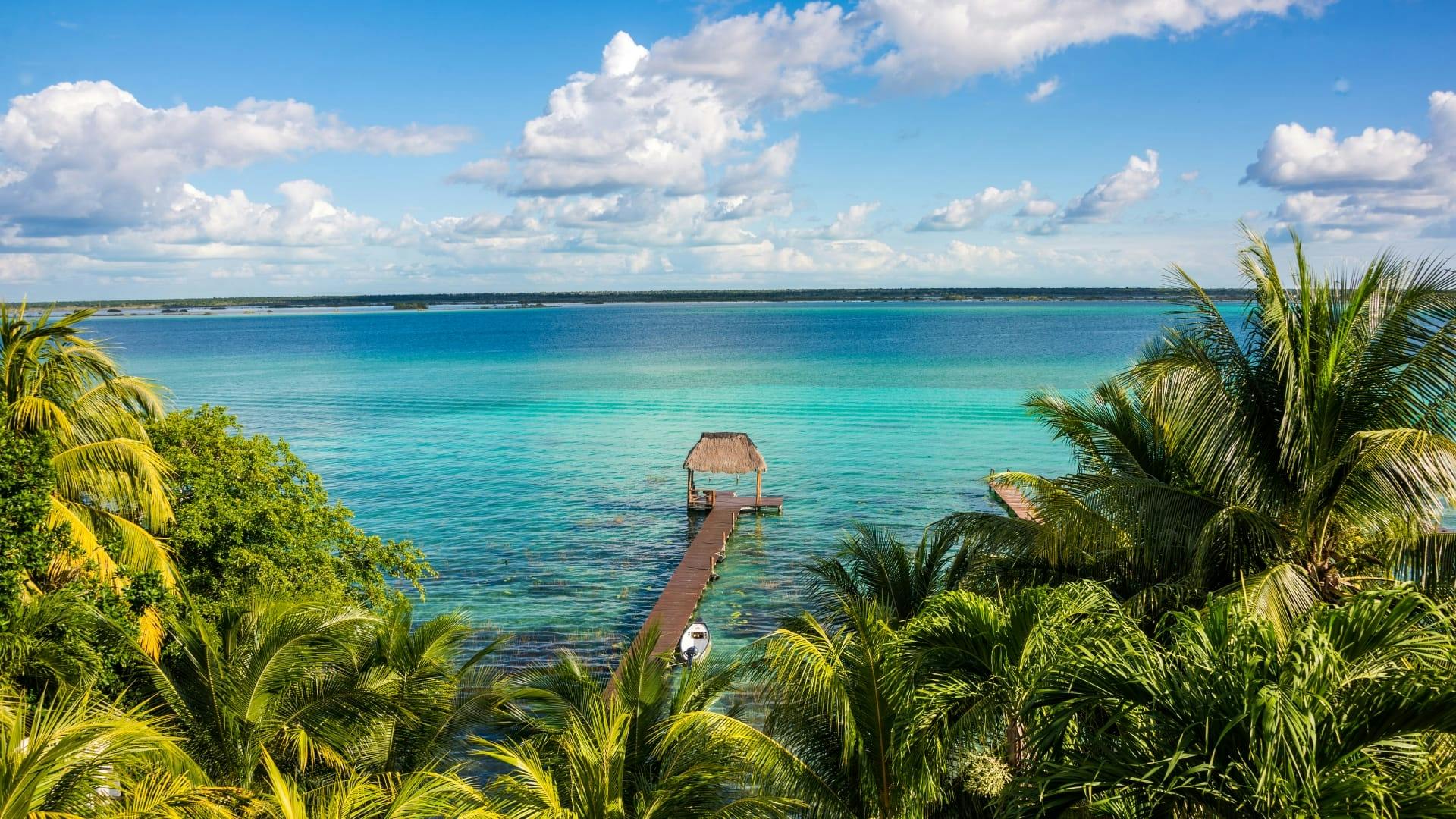
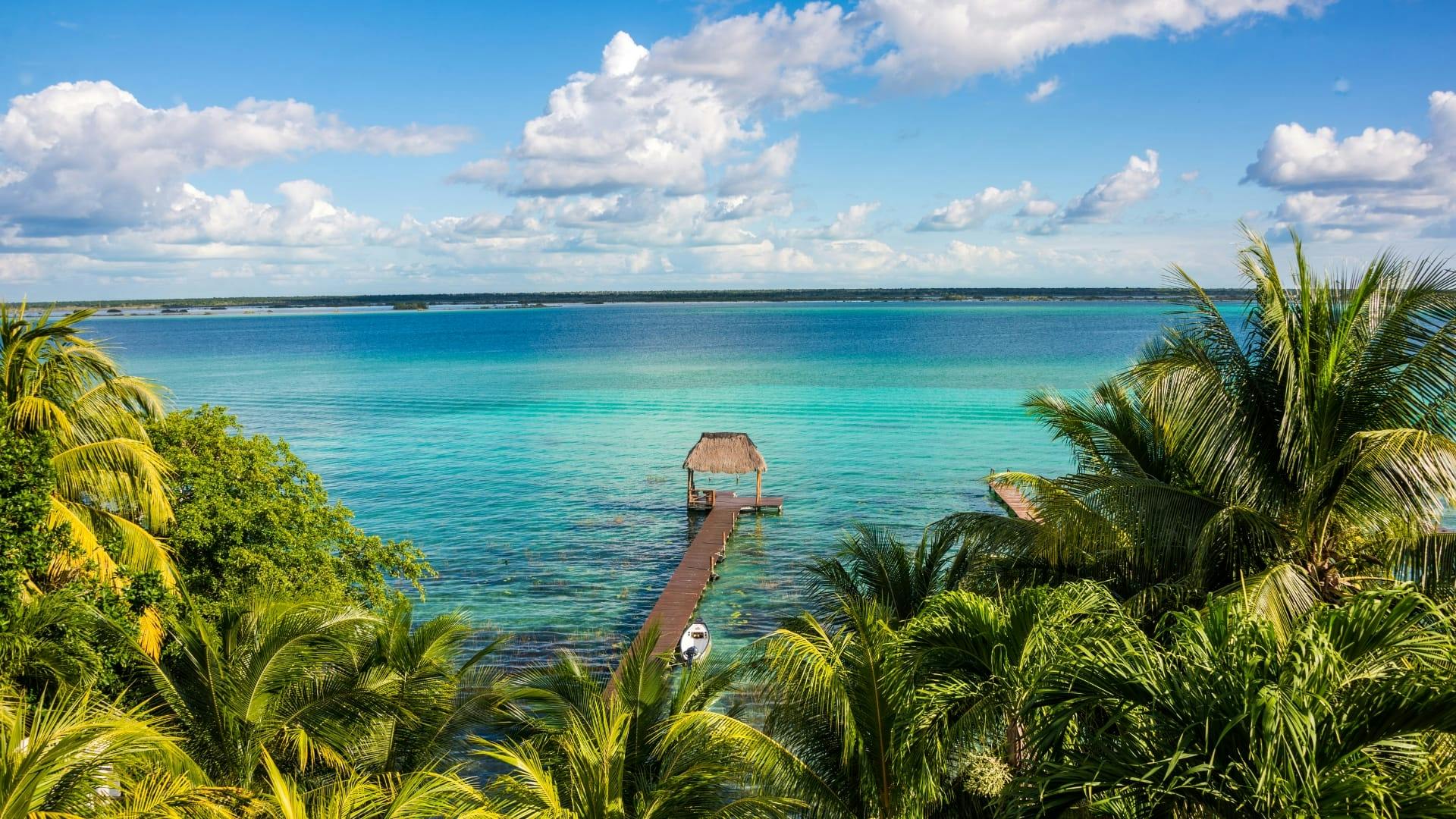
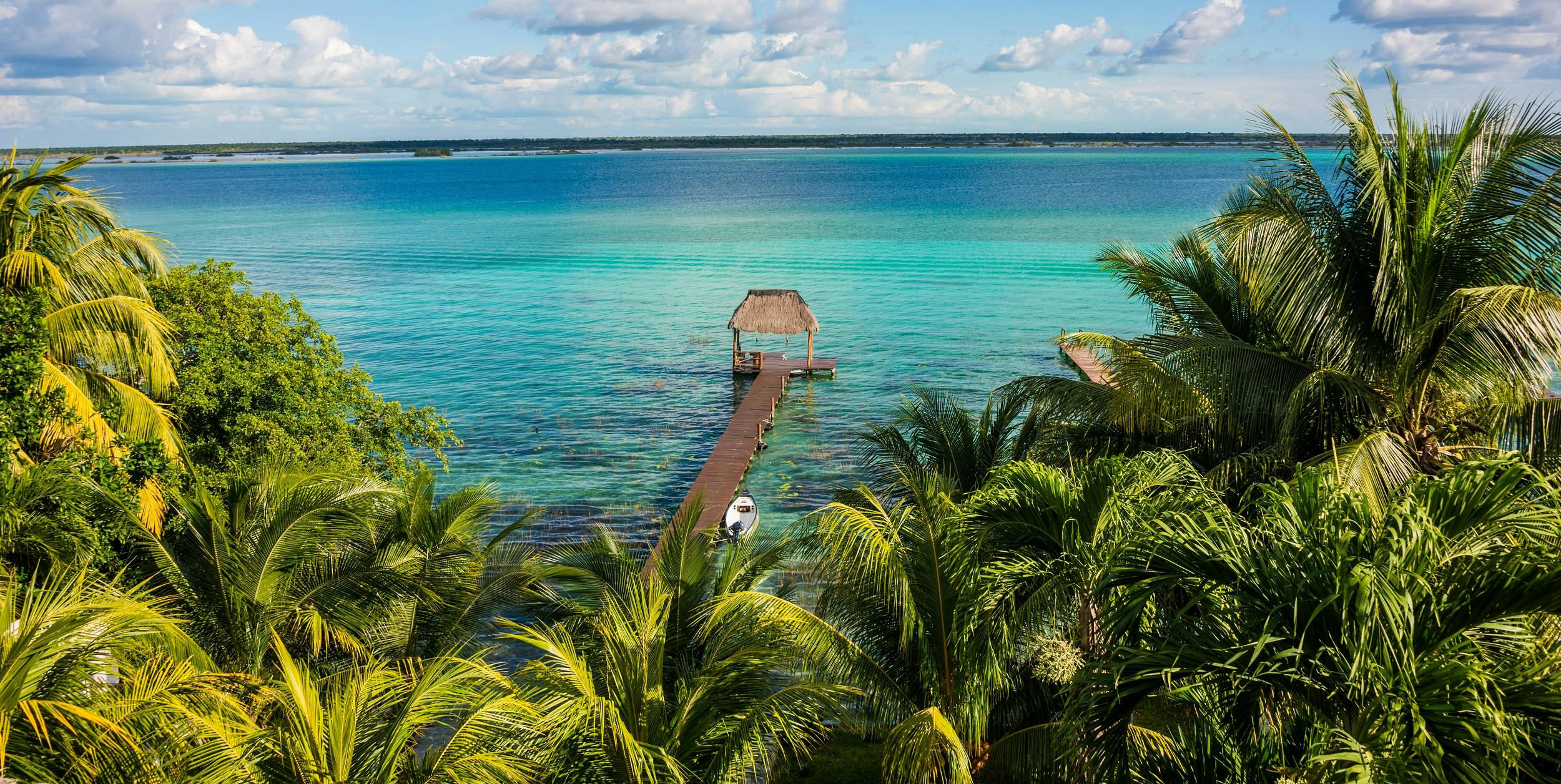
Bacalar Lagoon of Seven Colors, also known as Laguna de los Siete Colores, is one of the most beautiful freshwater destinations in Mexico’s Caribbean region. Located beside the town of Bacalar in southern Quintana Roo, the lagoon is famous for its shifting shades of turquoise, aquamarine, pale blue, deep blue and emerald, created by changes in depth, sunlight, limestone bottom and clear freshwater.
Bacalar is not a beach resort like Cancún, Playa del Carmen or Tulum. It is quieter, slower and more lagoon-focused. Travellers come for sailing, kayaking, paddleboarding, swimming, cenotes, eco-lodges, hammocks over the water, sunrise views, the Pirate Channel, Fort San Felipe and the peaceful feeling of floating in clear blue freshwater.
The lagoon is stunning, but it is also fragile. Bacalar’s colours depend on a delicate ecosystem, including ancient stromatolites, clean water, wetlands and careful tourism. The best way to visit is slowly and responsibly: choose low-impact tours, avoid harmful sunscreen in the water, never touch or stand on stromatolites, and respect the lagoon as a living environment rather than a swimming pool.
Quick take: Musement.com offers a worldwide selection of tours and attractions
Bacalar Lagoon of Seven Colours – Travel Experience Mexico This trip packs in lots of activities surrounded by dazzling scenery as you explore cenotes, islets, beaches and forts. Check current availability, inclusions and booking details before you go.
Why Visit Bacalar Lagoon of Seven Colors?
Bacalar Lagoon is worth visiting because it offers a peaceful, nature-based alternative to Mexico’s busier Caribbean beach destinations. Instead of ocean waves and beach clubs, Bacalar gives you calm freshwater, long lagoon views, small boats, jungle-edged shores, cenotes, soft sunsets and quiet mornings on the water.
The lagoon is especially beautiful from a sailboat or kayak. As you move across the water, the colour changes constantly: pale turquoise in shallow sandy areas, darker blue over cenotes, and bright aquamarine where the sun hits the limestone bottom.
Bacalar Lagoon is best for:
Travellers wanting a calm alternative to Cancún and Tulum
Sailing, kayaking and paddleboarding
Couples looking for a romantic lagoon escape
Families who enjoy gentle water activities
Eco-conscious travellers interested in fragile freshwater ecosystems
Photographers chasing turquoise water and sunrise reflections
Backpackers and slow travellers moving through southern Quintana Roo
Visitors combining Bacalar with Mahahual, Chetumal, Calakmul or Belize
Where Is Bacalar Lagoon?
Bacalar Lagoon is in southern Quintana Roo, Mexico, close to the town of Bacalar and north of Chetumal. It sits inland from the Caribbean Sea, near the Mexico-Belize border region.
Location Detail
Traveller Notes
Destination
Bacalar Lagoon of Seven Colors / Laguna de los Siete Colores
Town
Bacalar
State
Quintana Roo, Mexico
Nearest major city
Chetumal
Popular nearby coast
Mahahual and Costa Maya
Best access style
Bus, rental car, private transfer or organised tour
Best visit length
Two to three nights for a relaxed lagoon stay
Bacalar is often visited as part of a wider Yucatán Peninsula or Quintana Roo route. It works well after Tulum, Mahahual, Chetumal, Valladolid or Belize, but it is far enough from Cancún that a same-day trip can feel long and tiring.
What to Expect at Bacalar Lagoon
Expect a relaxed freshwater lagoon town rather than a large resort city. Bacalar has boutique hotels, guesthouses, eco-lodges, lagoon clubs, small restaurants, tour operators, public access points and a central town area around Fort San Felipe.
The main attraction is the lagoon itself. You will spend most of your time on or beside the water: sailing, kayaking, swimming, floating, watching sunrise, visiting cenotes or relaxing at a waterside hotel.
What you may find
Clear freshwater in different shades of blue
Sailing tours and pontoon-style lagoon trips
Kayak and paddleboard rentals
Pirate Channel swim stops
Cenote Azul and other deep lagoon cenotes
Stromatolite areas that must be protected
Lagoon-front hotels, docks and hammocks
Fort San Felipe and Bacalar town centre
Quiet sunrise and sunset viewpoints
Eco-lodges and low-impact accommodation options
What not to expect
Do not expect an ocean beach; Bacalar is a freshwater lagoon.
Do not expect big nightlife like Cancún or Playa del Carmen.
Do not expect every hotel to have direct lagoon access.
Do not expect the lagoon colours to look perfect in heavy rain or cloud.
Do not expect to use sunscreen freely in the water without consequences for the ecosystem.
Do not touch or stand on stromatolites.
Do not expect all tours to follow the same environmental standards.
Why Is It Called the Lagoon of Seven Colors?
Bacalar is called the Lagoon of Seven Colors because the water appears in multiple shades of blue and green. The effect comes from the lagoon’s varying depths, limestone floor, clear freshwater, sunlight and deep cenotes that create darker blue areas.
The colours are best seen in bright daylight, especially from a boat, kayak, drone-style viewpoint where permitted, or elevated lagoonfront terrace. On cloudy or stormy days, the water can look flatter and less vivid, while after heavy rain the lagoon may appear less clear.
Best ways to see the colours
Take a sailboat tour on a sunny day.
Kayak at sunrise when the water is calm.
Visit shallow sandbar-style areas such as the Pirate Channel.
Look down into deeper cenote zones for darker blue water.
Stay at a lagoonfront hotel with open views.
Visit outside heavy rain periods if clear colour is your priority.
Best Things to Do in Bacalar
1. Take a sailing tour on the lagoon
A sailing tour is one of the best ways to experience Bacalar because it is quieter, slower and more eco-friendly than noisy motorised options. You can see the colour changes, swim in clear water and visit popular lagoon stops.
2. Visit the Pirate Channel
The Canal de los Piratas, or Pirate Channel, is a shallow, sandy-bottomed channel linked with Bacalar’s colonial-era pirate history. Today it is a popular stop for floating, swimming and photos.
3. Swim at Cenote Azul
Cenote Azul is a large open cenote near the lagoon, known for deep blue water and a jungle-edged setting. It is good for swimming, snorkelling and relaxing beside cooler water.
4. Kayak at sunrise
Sunrise kayaking is one of Bacalar’s most peaceful experiences. The lagoon is often calmer early in the morning, with soft light and fewer boats.
5. Try stand-up paddleboarding
Paddleboarding is a gentle way to enjoy the lagoon if the wind is low. It is best early in the morning before boat traffic and breezes increase.
6. Visit Fort San Felipe
Fort San Felipe overlooks the lagoon from Bacalar town and helps explain the region’s history, piracy and strategic position.
7. Relax at a lagoon club or balneario
Public and private lagoon access points make it easy to swim, rent kayaks, rest in hammocks and enjoy a lazy day by the water.
8. Visit Cenote Negro
Cenote Negro, also called Cenote de la Bruja, is a deep dark-blue sinkhole connected with the lagoon. Many boat tours pass or stop nearby.
9. See Bird Island from the water
Isla de los Pájaros, or Bird Island, is often included on lagoon tours. It is usually viewed from a respectful distance to avoid disturbing wildlife.
10. Slow down
Bacalar is best when you do less. Read by the water, watch the light change, swim gently, eat well and avoid overloading the day with too many tours.
Sailing, Kayaking and Paddleboarding
Bacalar’s calm freshwater makes it ideal for non-motorised activities. Sailing, kayaking and paddleboarding allow you to enjoy the lagoon without creating as much noise, wake or pollution as fast motorboats.
Best lagoon activity choices
Activity
Best For
Traveller Notes
Sailing tour
First-time visitors and eco-conscious travellers
Relaxed, scenic and usually the best overall lagoon experience.
Kayaking
Quiet mornings and independent exploring
Best at sunrise or when the wind is low.
Stand-up paddleboarding
Calm-water exercise and photos
Choose early morning for the easiest conditions.
Pontoon tour
Families, groups and relaxed swimmers
Comfortable, but choose responsible operators.
Private lagoon tour
Couples, families and flexible travellers
More expensive but easier to control pace and stops.
Water activity tips
Choose low-impact operators where possible.
Avoid sunscreen before entering the lagoon, or use protective clothing instead.
Do not anchor near stromatolites or sensitive areas.
Do not leave rubbish on boats or docks.
Wear a life jacket if you are not a strong swimmer.
Check wind conditions before kayaking or paddleboarding.
Pirate Channel
The Pirate Channel, or Canal de los Piratas, is one of the most famous stops in Bacalar. It is a shallow channel with brilliant turquoise water and a sandy bottom, often visited on boat and sailing tours.
The name comes from the historic route associated with pirates and colonial-era movement between waterways. Today, visitors come to float, swim and enjoy the surreal pale-blue water.
What to know before visiting
It is usually visited by boat, kayak or paddleboard.
The water is shallow and bright in sunny weather.
It can become crowded during peak times.
Do not use mud or sand as a skin treatment.
Do not leave rubbish or disturb vegetation.
Choose operators who respect protected zones and lagoon rules.
Cenote Azul, Cenote Negro and Other Lagoon Cenotes
Bacalar’s lagoon system includes cenotes, which are natural sinkholes connected to the region’s limestone geology. These deeper areas create darker blue patches in the lagoon and add to the famous seven-colour effect.
Cenote Azul
Cenote Azul is a large open cenote near Bacalar, known for its deep blue water and jungle surroundings. It is separate from the main lagoon experience and is often visited for swimming, snorkelling and a relaxed meal nearby.
Cenote Negro
Cenote Negro, also known as Cenote de la Bruja, sits within the lagoon system. Its depth creates a dramatic dark-blue contrast against the surrounding turquoise water.
Cenote Esmeralda and Cenote Cocalitos
Some lagoon tours also pass areas known as Cenote Esmeralda and Cocalitos. Cocalitos is especially associated with stromatolites, so visitors must be careful not to touch or damage them.
Cenote safety tips
Respect depth changes and do not assume every area is shallow.
Use a life jacket if you are not a confident swimmer.
Do not jump where it is not permitted.
Do not touch rock formations, stromatolites or aquatic life.
Follow local signs and guide instructions.
Stromatolites and Eco Rules
One of the most important things to understand about Bacalar is that the lagoon contains stromatolites, ancient living rock-like formations created by microbial communities. They are extremely slow-growing and ecologically important. They can be damaged by touching, standing, sunscreen chemicals, boat wake, anchors and careless tourism.
They may look like ordinary rocks, but they are living structures. Treat them as protected natural heritage.
How to protect Bacalar’s stromatolites
Never stand on stromatolites.
Never touch or sit on stromatolites.
Do not anchor boats near stromatolite areas.
Avoid sunscreen, lotions, oils and insect repellent before entering the water.
Wear a rash guard, hat and sun shirt instead of relying on chemicals.
Do not stir up sediment around sensitive areas.
Choose guides who explain lagoon rules clearly.
Do not support operators who allow people to walk on stromatolites.
Take all rubbish with you.
Respect protected zones and signs.
Bacalar’s beauty depends on responsible visitors. If tourism damages the lagoon, the famous colours and clear water that people travel to see will be harder to protect.
Fort San Felipe
Fort San Felipe, or Fuerte de San Felipe, is Bacalar’s main historic landmark. It sits near the town centre overlooking the lagoon and was built to protect the settlement during periods of conflict and pirate activity.
Today, the fort houses a museum-style experience where visitors can learn about Bacalar’s history, piracy, colonial trade routes and the strategic importance of the lagoon.
Why visit Fort San Felipe?
It gives context to the Pirate Channel and Bacalar’s history.
It has strong views over the lagoon.
It is easy to visit from the town centre.
It adds culture and history to a mostly water-focused trip.
It is a good activity when the weather is cloudy or windy.
Fort San Felipe tips
Check current opening hours before going.
Visit early or late for cooler temperatures.
Combine it with lunch or dinner in Bacalar town.
Bring small cash in case card payment is not available.
Use it as a viewpoint for the lagoon colours.
Nearby Places to Visit
Chetumal
Chetumal is the nearest major city and is useful for transport, museums, shopping and onward travel toward Belize.
Mahahual
Mahahual is a relaxed Caribbean beach town on the Costa Maya, often combined with Bacalar for travellers who want both lagoon and ocean.
Los Rápidos Bacalar
Los Rápidos is a narrow, flowing section of the lagoon system known for bright water and stromatolite areas. It is beautiful but environmentally sensitive, so visitors should be especially careful and avoid standing on formations.
Ichkabal Archaeological Zone
Ichkabal is a major Maya archaeological site near Bacalar that has attracted attention as a developing cultural attraction. Check current opening status before planning a visit.
Calakmul
Calakmul is one of Mexico’s great Maya archaeological sites and biosphere reserves, located deeper inland in Campeche. It is a serious travel extension rather than a quick Bacalar stop.
Belize
Bacalar is often used as a stop before or after travelling to Belize, especially for routes toward Chetumal, Corozal, Belize City or the islands.
Tulum
Tulum is north of Bacalar and is much busier. Travellers often pair Tulum’s beaches and ruins with Bacalar’s quieter lagoon atmosphere.
Best Time to Visit Bacalar Lagoon
Bacalar can be visited year-round, but weather affects the lagoon colours, water clarity and comfort. Sunny, calm days are best for seeing the full seven-colour effect.
Season
What to Expect
Advice
December to April
Drier weather, comfortable temperatures and strong travel demand
Best all-round season, but book accommodation early.
May to June
Warmer weather and fewer crowds before peak summer
Good for lagoon time, but heat increases.
July to August
Hot, humid and popular with summer travellers
Plan water activities early in the day.
September to October
Rainier period with greater storm risk
Can be quiet, but weather may affect colour and tours.
November
Transition into drier conditions
Good shoulder-season option if weather cooperates.
For the best colours, choose a sunny day and get out on the water between late morning and early afternoon. For peace and photos, sunrise kayaking can be magical.
Suggested Bacalar Itinerary Ideas
Option 1: Simple 2-Day Bacalar Lagoon Escape
Day 1 morning: Arrive in Bacalar and check into your hotel.
Day 1 afternoon: Visit Fort San Felipe and walk around the town centre.
Day 1 evening: Have dinner near the lagoon.
Day 2 morning: Take a sailing tour to the Pirate Channel and lagoon cenotes.
Day 2 afternoon: Relax at a balneario or lagoon club.
Option 2: Eco-Friendly Bacalar Weekend
Day 1: Choose an eco-conscious lagoonfront stay and avoid chemical sunscreen in the water.
Day 2 sunrise: Kayak or paddleboard quietly before boats start moving.
Day 2 midday: Join a responsible sailing tour with clear lagoon-protection rules.
Day 2 evening: Eat in town and visit Fort San Felipe.
Day 3: Swim at Cenote Azul or relax before departure.
Option 3: Bacalar and Mahahual Combination
Day 1: Arrive in Bacalar and explore the town.
Day 2: Lagoon sailing tour and Pirate Channel.
Day 3: Transfer to Mahahual for Caribbean beach time.
Day 4: Snorkelling, beach walk or Costa Maya relaxation.
Option 4: Family-Friendly Bacalar Plan
Morning: Choose a calm pontoon or sailing tour with life jackets.
Midday: Swim in safe shallow areas and avoid sensitive stromatolite zones.
Afternoon: Rest at the hotel or a lagoon club.
Evening: Visit the fort and eat in the town centre.
Option 5: Slow 4-Day Bacalar Stay
Day 1: Arrive, settle in and watch sunset by the lagoon.
Day 2: Sailing tour, Pirate Channel and lagoon cenotes.
Day 3: Sunrise kayak, Cenote Azul and Fort San Felipe.
Day 4: Relax, read, swim gently and enjoy a final lagoonfront meal.
Where to Stay in Bacalar
Area
Best For
Traveller Notes
Lagoonfront hotels
Views, swimming access and relaxed stays
Best if your budget allows; check dock and water access.
Bacalar town centre
Restaurants, fort, shops and value stays
Practical, walkable and usually cheaper than lagoonfront.
North lagoon area
Quiet eco-lodges and nature stays
Peaceful, but you may need transport to town.
South toward Cenote Azul
Cenote access and quieter lagoon stays
Good for travellers with a car or bike.
Chetumal
Transport, business hotels and onward travel
Not as scenic, but practical for flights, buses and Belize connections.
What to check before booking
Does the hotel have direct lagoon access?
Is breakfast included?
Does it offer kayaks, paddleboards or tours?
Does it have wastewater treatment or eco policies?
Is the room air-conditioned?
Is it walkable to town?
Is there parking?
Are quiet hours enforced?
Food and Local Experiences
Bacalar’s food scene is relaxed and traveller-friendly, with lagoonfront restaurants, cafés, Mexican kitchens, seafood, vegetarian options, tacos, breakfast spots and small bars. It is not as polished as Tulum, but that is part of the charm.
Food and drink ideas
Fresh fish: simple grilled or fried fish is common in lagoon and coastal areas.
Tacos: easy, casual and budget-friendly.
Ceviche: refreshing after a hot lagoon day.
Mexican breakfasts: chilaquiles, eggs, fruit and coffee.
Marquesitas: a Yucatán-style sweet street snack.
Fresh juices: ideal in the tropical heat.
Lagoonfront cocktails: best enjoyed responsibly at sunset.
Vegetarian and vegan cafés: increasingly common in Bacalar.
Local experiences to add
Sunrise kayak
Sailing tour with a local guide
Fort San Felipe visit
Cenote Azul swim
Lagoonfront breakfast
Bike ride around town
Day trip to Mahahual
Eco-lodge stay
Useful Booking Resources for Bacalar Lagoon Tours and Mexico Activities
Bacalar can be explored independently, but booking platforms are useful for sailing tours, pontoon trips, kayak rentals, Cenote Azul visits, Pirate Channel tours, private transfers, day trips from Tulum or Cancún, and wider Mexico itinerary planning. Skimlinks may automatically convert these merchant links into affiliate links if the merchant is active in your Skimlinks account.
GetYourGuide – offers Bacalar Lagoon sailing tours, pontoon trips, Pirate Channel experiences, Cenote Azul visits, day trips from Tulum or Cancún, private transfers and Mexico activities.
Viator – offers Bacalar day tours, lagoon cruises, Cenote Azul and Pirate Channel packages, private transfers, Mexico sightseeing and customisable Quintana Roo itineraries.
Klook – offers Mexico tours, transport products, eSIM options, attraction tickets and selected Bacalar or Quintana Roo activities depending on availability.
KKday – offers Mexico travel products, local tours, attraction tickets and transport services useful for comparing Bacalar and Riviera Maya experiences.
Tiqets – offers mobile-friendly attraction tickets, museums and cultural experiences useful for travellers combining Bacalar with Cancún, Tulum, Mexico City or other destinations.
Musement – offers Mexico tours, attraction tickets, cultural activities, day trips and local experiences across the Yucatán Peninsula and wider Mexico.
G Adventures – offers small-group and multi-day Mexico tours that may suit travellers planning a broader Yucatán, Belize or Central America itinerary.
Go City – offers bundled attraction passes in selected destinations, useful for readers comparing multi-attraction sightseeing before or after Mexico.
CityPASS – offers bundled attraction passes mainly for selected North American cities. It is not a main Bacalar booking option, but may suit readers planning wider international travel.
Booking tip: Before booking a Bacalar tour, check whether the price includes hotel pickup, lagoon entry fees, life jackets, guide language, sailing or motorboat type, Cenote Azul access, Pirate Channel stop, snacks, drinks, cancellation rules, weather policy and the operator’s environmental rules around stromatolites and sunscreen.
Bacalar Lagoon Travel Tips
Choose sailing over fast motorboats where possible
Sailing is quieter, more relaxing and generally lower impact than fast motorised lagoon tours.
Protect the stromatolites
Never stand, sit or walk on stromatolites. They are living formations and can be permanently damaged.
Avoid sunscreen in the water
Use rash guards, hats and shade instead. If sunscreen is necessary, apply it well before swimming and choose the least harmful option available.
Plan for sunny weather
The lagoon colours look strongest in bright sunlight. Heavy cloud or rain can make the water look less vivid.
Stay more than one night
A rushed day trip from Cancún or Tulum is long. Two or three nights lets you enjoy Bacalar properly.
Wake up for sunrise
Sunrise over the lagoon can be one of the most peaceful moments of the trip.
Check hotel lagoon access
Not all Bacalar accommodation is directly on the water. If swimming from your hotel matters, confirm before booking.
Bring water shoes
Some entry points are rocky, muddy or slippery. Water shoes help protect your feet.
Use a dry bag
Kayaking, sailing and dock swimming can easily soak phones, wallets and towels.
Respect quiet hours
Bacalar’s appeal is its calm atmosphere. Keep noise low around lagoonfront hotels and eco-lodges.
Is Bacalar Lagoon of Seven Colors Worth Visiting?
Yes, Bacalar Lagoon of Seven Colors is absolutely worth visiting if you enjoy calm water, natural beauty, sailing, kayaking, cenotes and slow travel. It is one of the most memorable freshwater destinations in Mexico and a beautiful contrast to the busier Caribbean beach towns farther north.
It may not suit travellers looking for big nightlife, ocean surf, all-inclusive resort energy or a quick beach-club scene. Bacalar is better for travellers who want peaceful water, eco-conscious activities and a slower pace.
The best way to enjoy Bacalar is to stay at least two nights, take a responsible sailing tour, kayak at sunrise, visit Fort San Felipe, swim carefully at Cenote Azul, avoid touching stromatolites and treat the lagoon as a fragile natural wonder.
FAQs About Bacalar Lagoon of Seven Colors
Where is Bacalar Lagoon of Seven Colors?
Bacalar Lagoon is beside the town of Bacalar in southern Quintana Roo, Mexico, north of Chetumal and near the Belize border region.
Why is Bacalar called the Lagoon of Seven Colors?
It is called the Lagoon of Seven Colors because the water appears in many shades of blue and green due to changing depths, clear freshwater, sunlight, limestone bottom and deep cenotes.
Can you swim in Bacalar Lagoon?
Yes, you can swim in many parts of Bacalar Lagoon, but you should follow local rules, avoid sensitive areas, never touch stromatolites and avoid using harmful products in the water.
What are stromatolites in Bacalar?
Stromatolites are ancient living rock-like formations created by microbial communities. They are ecologically important and must not be touched, stood on or damaged.
What is the Pirate Channel in Bacalar?
The Pirate Channel, or Canal de los Piratas, is a shallow turquoise channel linked with Bacalar’s pirate-era history. It is now a popular swimming and floating stop on lagoon tours.
Is Bacalar better than Tulum?
Bacalar is better for calm freshwater, sailing, kayaking and quiet relaxation. Tulum is better for beaches, nightlife, ruins, restaurants and a bigger tourism scene.
How many days do you need in Bacalar?
Two nights is a good minimum. Three or four nights is better if you want sailing, kayaking, Cenote Azul, Fort San Felipe and slow lagoon time.
When is the best time to visit Bacalar?
December to April is generally the driest and most comfortable period. Sunny days are best for seeing the lagoon’s strongest colours.
Can you visit Bacalar as a day trip from Cancún or Tulum?
It is possible, but the travel time is long. Bacalar is much better as an overnight or multi-night stay.
Is Bacalar Lagoon of Seven Colors worth visiting?
Yes. Bacalar Lagoon is worth visiting for its turquoise freshwater, sailing, kayaking, cenotes, peaceful town atmosphere, Pirate Channel, Fort San Felipe and unique natural beauty.
Sponsored Popular Items
Quick take: Musement.com offers a worldwide selection of tours and attractions
Bacalar Lagoon of Seven Colours – Travel Experience Mexico This trip packs in lots of activities surrounded by dazzling scenery as you explore cenotes, islets, beaches and forts. Check current availability, inclusions and booking details before you go.
Bacalar Lunch and Lagoon Guided Tour - Food & Drink Experience Mexico Bacalar lunch and lagoon guided tour explores the destination through flavour, regional customs and the stories connected with food or drink. Check current availability, inclusions and booking details before you go.
Bangkok: Gel Colors & Blissful Hand and Foot Ritual Thailand Indulge in a relaxing hand and foot spa ritual in Bangkok. Enjoy a 30-minute foot reflexology massage, a nourishing mask, and a choice of gel colors for your hands and feet
Ubud: Seven Paintings Immersive Fine Dining Show Indonesia Enjoy a 7-course dinner with stunning 3D visuals, interactive storytelling, and captivating illusions at Seven Paintings Ubud. Engage in creative moments that take the experience beyond the ordinary
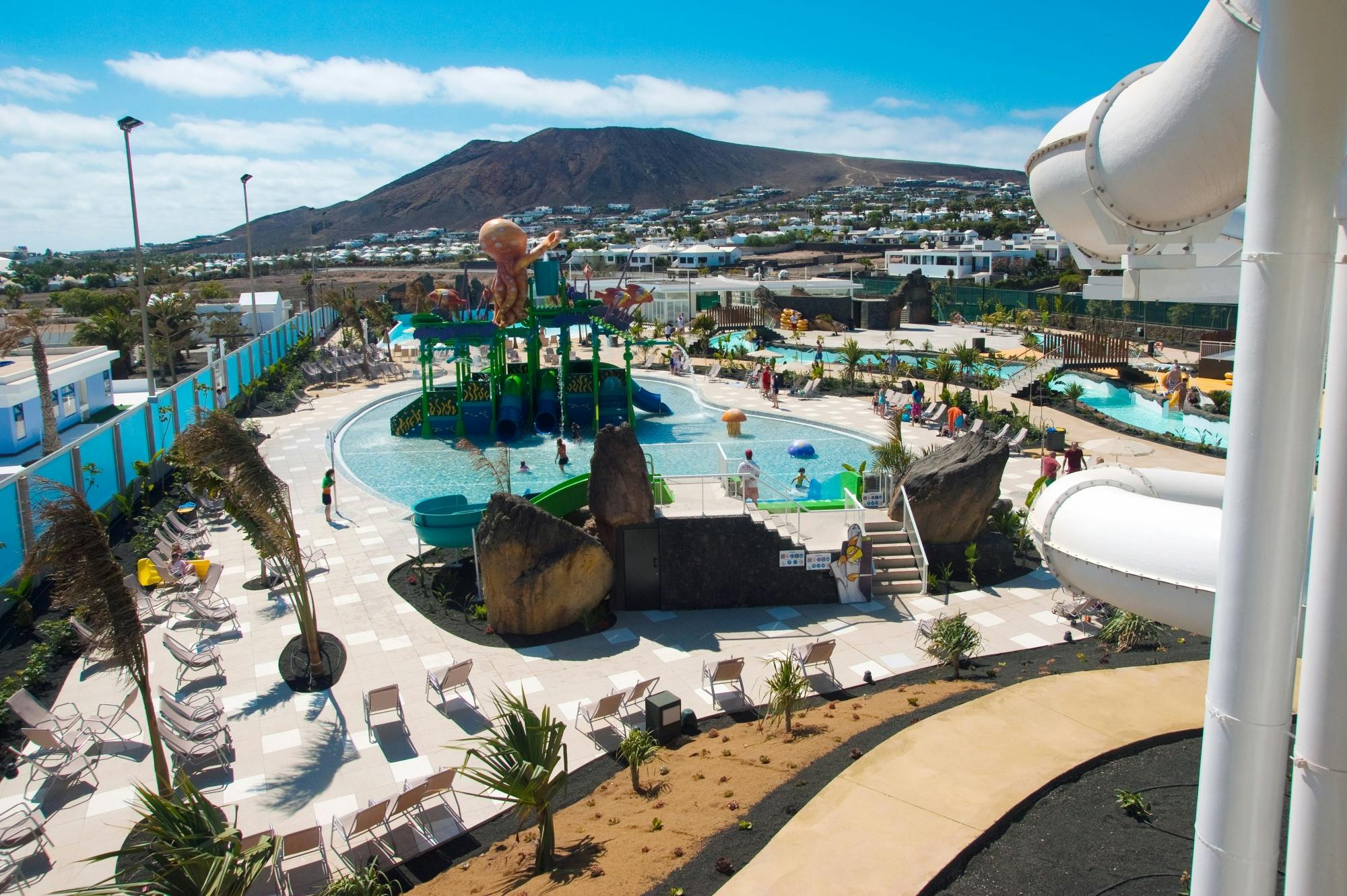
Aqualava Waterpark seven-day pass Spain Plan Aqualava Waterpark seven-day pass, a ticket or attraction experience, with practical tips on timing, inclusions and what to check before booking. Compare current availability, prices and booking conditions before you go.
Medina Walking Tour with Seven Mosques and Qiblatayn Saudi Arabia Plan Medina Walking Tour with Seven Mosques and Qiblatayn, a outdoor experience, with practical tips on timing, inclusions and what to check before booking. Compare current availability, prices and booking conditions before you go.
Las Vegas Downtown Food Tour with Seven Tastings United States Plan Las Vegas Downtown Food Tour with Seven Tastings, a food and drink experience, with practical tips on timing, inclusions and what to check before booking. Compare current availability, prices and booking conditions before you go.
Seven Rila Lakes Full-Day Hiking Tour from Sofia – Outdoor Adventure Bulgaria Planning Seven Rila Lakes Full-Day Hiking Tour from Sofia – Outdoor Adventure For an outdoor adventure, compare the activity level, equipment and conditions with your fitness and confidence. Check current availability, inclusions and booking details before you go.