Pernambuco is one of Brazil’s most rewarding north-eastern states, known for Recife, historic Olinda, beautiful beaches, reef-protected natural pools, Fernando de Noronha, lively music, regional food, festivals, colonial history, and relaxed coastal travel. It has a strong cultural identity and offers much more than a simple beach holiday.
This is a destination for travellers who want a mix of coast, culture, food, history, music, and island scenery. Pernambuco can feel colourful and energetic in Recife and Olinda, calm and beachy around Porto de Galinhas and Praia dos Carneiros, and remote and dramatic in Fernando de Noronha. It is best enjoyed with realistic planning around tides, beach safety, transport, seasonal crowds, and costs.
Where Is Pernambuco?
Pernambuco is in north-eastern Brazil, on the Atlantic coast. It sits between several Brazilian states, including Paraíba to the north, Alagoas to the south, and inland borders with states such as Ceará, Bahia, and Piauí. Its coastline is relatively compact but very varied, with urban beaches, reefs, natural pools, fishing villages, resort towns, and island escapes.
Recife is the state capital and the main arrival point for many travellers. It has the state’s busiest airport, a historic centre, museums, markets, beaches, restaurants, and road connections to nearby destinations such as Olinda, Porto de Galinhas, Cabo de Santo Agostinho, and Praia dos Carneiros.
Why Visit Pernambuco?
Pernambuco is worth visiting for its beaches, reefs, natural pools, island landscapes, historic towns, Afro-Brazilian and Portuguese heritage, music, dance, seafood, festivals, colourful streets, and easy access to both cultural and coastal experiences. Few Brazilian states combine urban history, beach travel, and regional identity so strongly in one itinerary.
Recife and Olinda give the state cultural depth, with colonial architecture, frevo, maracatu, Carnival traditions, museums, and historic streets. The coast offers warm water, reef pools, seafood, and relaxed beach towns. Inland Pernambuco adds festival culture, countryside food, cooler hill-town escapes, and the São Francisco River Valley around Petrolina.
Best Places to Visit in Pernambuco
Recife
Recife is Pernambuco’s capital and a practical base for exploring the state. It is a large coastal city with a historic centre, bridges, rivers, museums, markets, urban beaches, restaurants, and a strong cultural scene. The city has energy and character, but it is also busy and requires normal big-city awareness.
Travellers can explore Recife Antigo, visit museums, eat regional food, walk along Boa Viagem, and take day trips to Olinda or nearby beaches. Recife suits travellers who enjoy culture, food, history, and urban travel, rather than those looking only for a quiet beach resort. Use registered transport at night, keep valuables discreet, and ask locally about safe walking areas.
Recife Antigo
Recife Antigo is the historic heart of the city, set on an island area with colonial buildings, cultural spaces, galleries, restaurants, museums, waterfront views, and restored streets. It is one of the best places to begin understanding Recife’s history and personality.
The area suits travellers interested in architecture, photography, museums, food, and local culture. It is pleasant during the day and can be lively during events, but as with many historic urban centres, it is best to stay aware of your surroundings and use reliable transport after dark.
Marco Zero
Marco Zero is one of Recife’s most recognisable public spaces and a symbolic centre of the city. The square sits near the waterfront in Recife Antigo and is often used for events, performances, festivals, and public gatherings.
This is a useful starting point for exploring Recife Antigo. It suits first-time visitors, photographers, and travellers who want an easy orientation point in the old city. Combine it with nearby cultural spaces, galleries, waterfront walks, and museums.
Boa Viagem
Boa Viagem is Recife’s best-known urban beach neighbourhood, with a long waterfront, hotels, restaurants, apartment towers, kiosks, and easy access to the airport and city services. It is one of the most convenient areas for visitors to stay.
The beach is attractive for walking and sea views, but swimming requires caution. Recife’s urban beaches are known for shark-risk warnings, and travellers should always follow local signs and advice. Boa Viagem suits travellers who want convenience and beach atmosphere, but it should not be treated like a carefree swimming beach.
Instituto Ricardo Brennand
Instituto Ricardo Brennand is one of Recife’s most impressive cultural attractions. It includes collections of art, armour, historical objects, gardens, and architecture inspired by European castle-like design. It offers a calm, museum-focused break from the busier parts of the city.
This attraction suits art lovers, history enthusiasts, families, and travellers wanting a deeper cultural stop in Recife. It is outside the main waterfront areas, so use a taxi, ride app, or organised transport. Check opening days before travelling, as museum schedules can vary.
Oficina Cerâmica Francisco Brennand
Oficina Cerâmica Francisco Brennand is a unique ceramic art space created by one of Pernambuco’s most important artists. It combines sculpture, architecture, gardens, and large-scale ceramic works in a distinctive and atmospheric setting.
It suits travellers interested in contemporary art, ceramics, photography, and unusual cultural experiences. Like Instituto Ricardo Brennand, it is best reached by reliable transport. Allow enough time to wander slowly rather than rushing through.
Olinda
Olinda is one of Pernambuco’s great highlights and one of Brazil’s most beautiful historic towns. It is known for colourful colonial houses, churches, convents, art shops, music, viewpoints, and a famous Carnival atmosphere. The town sits on hills overlooking Recife and the coast.
Olinda suits travellers who love history, photography, art, walking, music, and street life. The historic centre has steep cobbled streets, so comfortable shoes are essential. It can be visited as a day trip from Recife, but staying overnight gives you a quieter feel once day visitors leave. During Carnival and major events, it becomes extremely busy and accommodation should be booked well ahead.
Porto de Galinhas
Porto de Galinhas is one of Pernambuco’s most famous beach destinations, known for natural pools, warm water, jangada boat rides, reefs, restaurants, shops, and a lively holiday atmosphere. It is popular with Brazilian travellers and is one of the easiest beach escapes from Recife.
The natural pools are best visited at low tide, and conditions vary by weather, tide, and crowd levels. Porto de Galinhas suits families, couples, and travellers who want a developed beach town with plenty of services. It can be visited as a day trip from Recife, but it is better as an overnight stay if you want a more relaxed pace.
Praia dos Carneiros
Praia dos Carneiros is one of Pernambuco’s most scenic beaches, known for coconut palms, calm water in some areas, reef-protected sections, beach clubs, boat trips, and the small chapel near the shore that appears in many travel photos.
It suits travellers looking for a beautiful beach day with scenery and seafood. It can be visited from Recife or Porto de Galinhas, but it is better as a day trip with enough time to enjoy the tide, beach, and boat options. Parts of the area can feel busy during holidays, and access often involves private beach facilities or organised tours, so check arrangements before going.
Cabo de Santo Agostinho
Cabo de Santo Agostinho is a coastal area south of Recife with beaches, viewpoints, historic sites, and a more varied landscape than the city beaches. Some beaches are good for scenery and walking, while others may have stronger waves or rocky sections.
It suits travellers who want a day trip with coastal views, history, and beaches without travelling as far as Porto de Galinhas. A rental car, private transfer, or organised tour makes visiting easier. Always check local advice before swimming, as beach conditions can vary.
Ilha de Itamaracá
Ilha de Itamaracá is an island north of Recife, known for beaches, mangroves, colonial history, and a more local holiday atmosphere. It is often visited for a slower coastal day away from the city.
It suits travellers interested in relaxed beaches, history, and simple coastal scenery. It can be visited as a day trip from Recife, but transport should be planned carefully, especially if you are not driving. Beach conditions, tides, and local infrastructure vary, so keep expectations practical.
Fernando de Noronha
Fernando de Noronha is Pernambuco’s most famous island destination and one of Brazil’s most dramatic natural settings. It is known for beaches, snorkelling, diving, marine life, hiking, viewpoints, clear water, dolphins, turtles, and volcanic island scenery.
The island suits nature lovers, divers, snorkellers, photographers, couples, and travellers looking for a special island experience. It is more expensive and more regulated than most mainland destinations, with environmental rules, visitor fees, limited infrastructure, and the need to book flights, accommodation, and activities well ahead. It is not a budget beach escape, but it can be unforgettable if planned carefully.
Caruaru
Caruaru is one of the main inland cities in Pernambuco and is especially known for crafts, regional culture, and São João celebrations. It has a strong connection to north-eastern traditions, markets, music, and countryside life.
Caruaru suits travellers interested in festivals, crafts, local food, and inland culture. It is particularly lively during June festival season, when accommodation and transport should be arranged early. Outside festival time, it can be visited as part of a broader inland route.
Gravatá
Gravatá is a cooler hill-town escape inland from Recife, popular with residents of the coast who want fresh air, countryside scenery, restaurants, and a slower weekend atmosphere. It has a different feel from Pernambuco’s beach towns.
It suits couples, families, and travellers wanting a relaxed inland break. Gravatá is better as an overnight stay than a rushed stop, especially if you want to enjoy the cooler evenings and countryside pace. It can be busier on weekends and holidays.
Petrolina and the São Francisco River Valley
Petrolina sits in western Pernambuco on the São Francisco River, far from Recife and the coast. It is known for river landscapes, fruit production, wine growing in the São Francisco River Valley, hot weather, and a very different regional identity from coastal Pernambuco.
This destination suits travellers interested in river scenery, agriculture, wine production, and inland Brazil. It is not a casual day trip from Recife; it requires a separate plan, usually by flight or long-distance travel. Petrolina pairs well with the neighbouring city of Juazeiro across the river in Bahia.
Recife and Olinda
Recife and Olinda are the cultural heart of Pernambuco for many travellers. Recife offers waterfront areas, historic streets, bridges, museums, markets, restaurants, urban beaches, and a strong food scene. It is a city of rivers and islands, with a layered history shaped by Portuguese, Dutch, Afro-Brazilian, Indigenous, and regional influences.
Recife Antigo is the best place to start, with Marco Zero, cultural spaces, galleries, and waterfront views. Boa Viagem is practical for accommodation and beach walks, but travellers should always respect beach safety warnings. Museums such as Instituto Ricardo Brennand and Oficina Cerâmica Francisco Brennand add depth to the city’s cultural offering.
Olinda, just north of Recife, feels more romantic and historic, with colourful colonial streets, churches, viewpoints, art shops, and a strong festival atmosphere. Its hills are part of the charm but also make walking tiring, so wear comfortable shoes and take your time. Recife and Olinda together make a strong 2 to 3-day cultural introduction to Pernambuco.
Best Beaches in Pernambuco
Pernambuco has a varied coastline, from urban beaches to reef pools and quieter coastal stretches. Porto de Galinhas is the best-known beach town, popular for natural pools and easy visitor facilities. Praia dos Carneiros is one of the most scenic choices, especially for travellers looking for coconut palms, calm water in the right conditions, and a classic beach-day atmosphere.
Boa Viagem in Recife is convenient and attractive for walking, but swimming should be approached carefully because of local safety warnings. Cabo de Santo Agostinho offers coastal scenery and viewpoints, while Ilha de Itamaracá gives travellers a more local island escape north of the capital.
Some beaches in Pernambuco are better for scenery, food, or walking than swimming. Always follow posted signs, local advice, tide conditions, and reef warnings before entering the water.
Natural Pools, Reefs and Boat Trips
Natural pools are one of the main reasons travellers visit Pernambuco’s coast. Porto de Galinhas is the most famous place for reef-protected pools, usually reached by jangada boats when the tide is low enough. Nearby reef areas and other coastal destinations may also offer boat trips depending on conditions.
Timing matters. Natural pool visits depend heavily on low tide, sea conditions, weather, and operator schedules. Before booking, check the tide table for the exact day and ask the operator whether conditions are suitable.
Reefs are fragile environments. Choose responsible operators, avoid stepping on coral, do not touch marine life, do not remove shells or animals, and take all rubbish back with you. A good natural pool experience should protect the environment as well as show it to visitors.
Fernando de Noronha
Fernando de Noronha is Pernambuco’s famous island destination and one of the most beautiful natural areas in Brazil. The island is known for beaches, snorkelling, diving, marine life, hiking, viewpoints, clear water, and dramatic cliffs and bays.
It is also more expensive and more regulated than most mainland destinations. Visitors should expect environmental rules, visitor fees, controlled access to some areas, limited accommodation, limited services compared with major beach resorts, and higher costs for food, transport, and tours. Booking ahead is important, especially in peak periods.
Fernando de Noronha suits travellers who care about nature, marine life, responsible tourism, and special landscapes. It is not ideal for those looking for cheap, spontaneous, or highly developed resort travel. If you plan carefully and respect the island’s rules, it can be a standout part of a Brazil trip.
Culture, History and Local Life
Pernambuco has one of Brazil’s strongest regional identities. Recife and Olinda are central to this, with frevo, maracatu, Carnival traditions, colonial architecture, museums, markets, churches, and colourful street life. Music and dance are not just performances for tourists; they are part of the state’s cultural fabric.
Frevo is especially associated with Pernambuco’s Carnival, while maracatu reflects deep Afro-Brazilian cultural roots. São João celebrations are also important, especially inland in cities such as Caruaru, where music, dance, food, and regional traditions take over during festival season.
Craft traditions, fishing communities, local markets, historic churches, and neighbourhood food spots all help travellers understand Pernambuco beyond the beaches. The state rewards visitors who take time to explore both coast and culture.
Inland Pernambuco
Inland Pernambuco feels very different from the coast. Caruaru is known for crafts, markets, festival culture, and São João celebrations. It is one of the best places to experience Pernambuco’s inland traditions, especially if you visit during the June festival period.
Gravatá offers a cooler hill-town escape, with countryside scenery, restaurants, and a gentler pace. It is popular for weekend trips and can be a pleasant break from the heat and humidity of the coast.
Farther west, Petrolina and the São Francisco River Valley show another side of the state, with river landscapes, fruit production, wine growing, hot dry weather, and a strong connection to the São Francisco River. This area requires more time and planning because it is far from Recife, but it adds real variety to a Pernambuco itinerary.
What to Eat in Pernambuco
Pernambuco is a great state for food. Along the coast, look for seafood, grilled fish, prawns, crab, caldinho, coconut water, tropical fruit juices, and beachside snacks. Caldinho, a small savoury broth often served in bars and beach spots, is a classic local snack or starter.
Regional dishes and snacks include bolo de rolo, tapioca, carne de sol, queijo coalho, arrumadinho, cartola, market snacks, and hearty north-eastern meals served with beans, rice, cassava, and farofa. Bolo de rolo, a thin layered guava-filled cake, is one of Pernambuco’s most famous sweets.
For the best food experience, mix beach restaurants with markets, casual lunch spots, tapioca stands, cafés, and local bars. Pernambuco’s food is part of its culture, not just something to fit between sightseeing stops.
Best Time to Visit Pernambuco
Pernambuco is warm year-round, but rain, tides, water clarity, beach conditions, and crowds vary by season. The drier months are generally better for beach days, clearer water, and natural pool trips, although weather can still change. The rainier months can still be enjoyable, but showers may affect outdoor plans and sea visibility.
Tide times are especially important for natural pools at Porto de Galinhas and other reef areas. Even in a good travel month, the wrong tide can make a natural pool trip disappointing, so check tide tables before booking.
Carnival makes Recife and Olinda especially lively, colourful, and culturally rich, but also much busier and more expensive. São João brings major celebrations to inland areas such as Caruaru. School holidays, New Year, Carnival, long weekends, and peak beach periods can make Porto de Galinhas, Praia dos Carneiros, and Fernando de Noronha busier and more costly.
How to Get to Pernambuco
Most travellers arrive in Pernambuco by air into Recife. From Recife, Olinda is very close by road, while Porto de Galinhas, Praia dos Carneiros, Cabo de Santo Agostinho, Ilha de Itamaracá, Caruaru, and Gravatá can be reached by rental car, transfer, taxi, bus, or organised tour depending on the route.
Porto de Galinhas is one of the easiest beach destinations from Recife, while Praia dos Carneiros usually requires a longer transfer or day trip. Inland destinations such as Caruaru and Gravatá are best reached by road. Petrolina is far from Recife and is usually better reached by flight or planned as a separate inland route.
Fernando de Noronha requires a flight from the mainland, commonly via Recife. Because flights, accommodation, visitor requirements, and island services are limited, it is important to plan ahead rather than treat it as a last-minute add-on.
How Long Should You Spend in Pernambuco?
With 2 to 3 days, focus on Recife and Olinda. This gives you time for Recife Antigo, Marco Zero, one or two museums, Boa Viagem, Olinda’s historic centre, viewpoints, food, and music or cultural stops.
With 4 to 5 days, add Porto de Galinhas or Praia dos Carneiros. This gives you a good mix of culture and coast without rushing too much.
With 7 to 10 days, you can plan a broader coast-and-culture trip including Recife, Olinda, Porto de Galinhas, Praia dos Carneiros, Cabo de Santo Agostinho, and possibly Caruaru or Gravatá.
If you are adding Fernando de Noronha, allow extra time. The island deserves several days on its own, and travel logistics, flights, fees, and weather can make short visits feel rushed.
Travel Tips for Visiting Pernambuco
Check tide times: Natural pools at Porto de Galinhas and other reef areas depend on low tide.
Follow beach safety warnings: Some beaches are better for scenery than swimming, and local signs should be taken seriously.
Use registered transport: Taxis, ride apps, hotel-arranged transfers, and reputable tour operators are useful, especially at night.
Book Fernando de Noronha early: Flights, accommodation, tours, and visitor arrangements can be limited and more expensive than the mainland.
Carry some cash: Cards are common in cities and major beach towns, but smaller places, markets, beach stalls, and local operators may prefer cash.
Use sun protection: Bring sunscreen, sunglasses, a hat, and water for beach days and walking in historic areas.
Respect reef areas: Do not stand on coral, touch marine life, remove shells, or leave rubbish behind.
Avoid isolated areas at night: In cities and beach towns, stick to busier, well-lit areas and use reliable transport.
Keep valuables discreet in cities: Recife and busy tourist areas require normal urban awareness.
Allow enough travel time: Coastal roads, traffic, tour pickups, tides, and ferry or flight schedules can make journeys longer than expected.
Is Pernambuco Worth Visiting?
Pernambuco is definitely worth visiting for travellers who want beaches, culture, food, music, history, festivals, and island scenery in one state. Recife and Olinda provide the cultural foundation, Porto de Galinhas and Praia dos Carneiros offer classic coastal appeal, and Fernando de Noronha adds one of Brazil’s most remarkable island experiences.
It is best enjoyed with realistic planning. Tides matter, beach safety varies, transport takes time, festival periods can be crowded, and Fernando de Noronha can be expensive and tightly regulated. But if you plan around those realities, Pernambuco can be one of the most enjoyable and culturally rich destinations in north-eastern Brazil.
FAQs About Visiting Pernambuco
Is Pernambuco safe for tourists?
Pernambuco can be visited safely with sensible precautions, especially in established tourist areas, organised tours, and popular beach towns. In Recife, use registered transport at night, avoid displaying valuables, and ask your accommodation for current local advice. On beaches, follow safety signs, especially around reefs, currents, and restricted swimming areas.
What is Pernambuco best known for?
Pernambuco is best known for Recife, Olinda, Porto de Galinhas, Praia dos Carneiros, Fernando de Noronha, natural pools, frevo, maracatu, Carnival, São João celebrations, colonial history, seafood, bolo de rolo, and strong north-eastern culture.
Is Recife worth visiting?
Yes. Recife is worth visiting for its historic centre, museums, markets, bridges, food scene, waterfront areas, urban beaches, and access to Olinda and nearby coastal destinations. It is a busy city, so plan where to stay and use normal safety precautions.
Is Olinda worth visiting?
Yes. Olinda is one of Pernambuco’s most rewarding destinations, with colourful colonial streets, churches, viewpoints, art shops, music, and festival atmosphere. The historic centre is steep and cobbled, so comfortable walking shoes are useful.
Is Porto de Galinhas worth visiting?
Yes. Porto de Galinhas is worth visiting for natural pools, warm water, reef scenery, jangada boat rides, restaurants, and an easy beach-town atmosphere. It can be busy, so stay overnight if you want a more relaxed experience and check tide times before booking pool trips.
Is Fernando de Noronha worth visiting?
Fernando de Noronha is worth visiting if you enjoy beaches, snorkelling, diving, marine life, hiking, and dramatic island scenery. It is more expensive and more regulated than most mainland destinations, so it suits travellers who are happy to plan ahead and follow environmental rules.
Do you need a car in Pernambuco?
You do not need a car for Recife and Olinda, and many beach trips can be done by transfer or organised tour. A car is useful if you want flexibility for Porto de Galinhas, Praia dos Carneiros, Cabo de Santo Agostinho, Ilha de Itamaracá, Caruaru, or Gravatá.
What is the best time to visit Pernambuco?
The best time depends on your plans, but drier periods are generally better for beach days, clearer water, and natural pool trips. Carnival and São João are culturally exciting but busier and more expensive. Always check tide times for natural pools, regardless of season.
How many days do you need in Pernambuco?
Allow 2 to 3 days for Recife and Olinda, 4 to 5 days if adding Porto de Galinhas or Praia dos Carneiros, and 7 to 10 days for a broader coast-and-culture trip. Add several extra days if you want to include Fernando de Noronha.
Sponsored Popular Items
Quick take: Musement.com offers a worldwide selection of tours and attractions
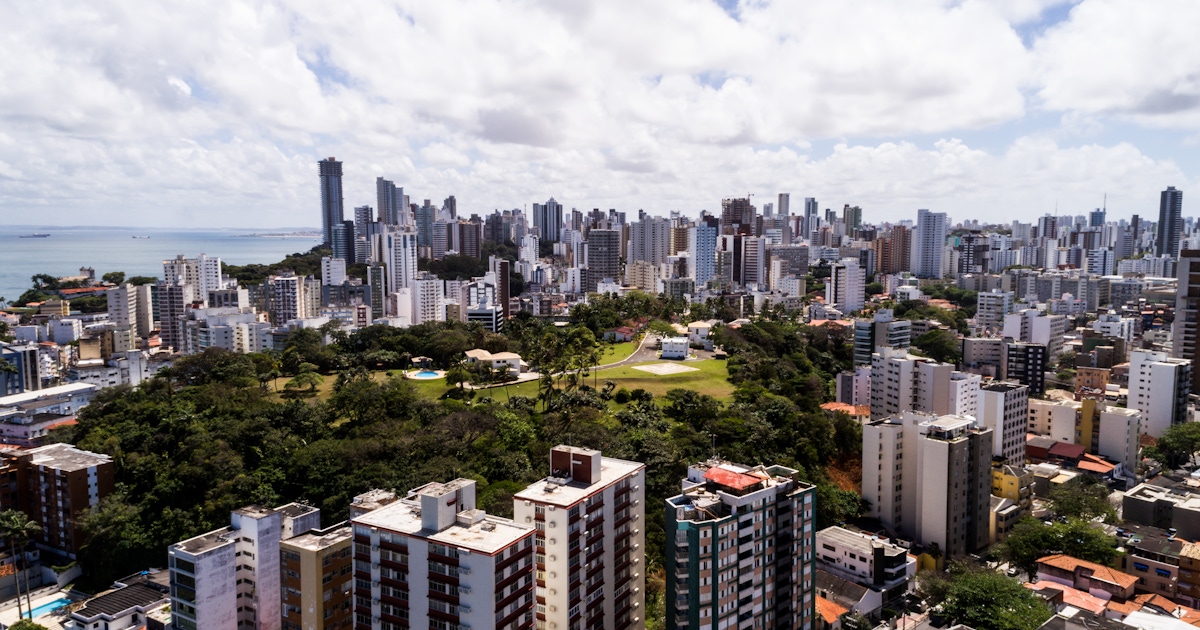
Salvador, Brazil Visitor Guide: Top Attractions, Tours & Activities Brazil Set on the coast of Bahia, it blends colonial architecture, Afro-Brazilian heritage, music, food, beaches, churches, islands and a warm tropical atmosphere that feels very different from Rio de Janeiro or…. Check current availability, inclusions and booking details before you go.
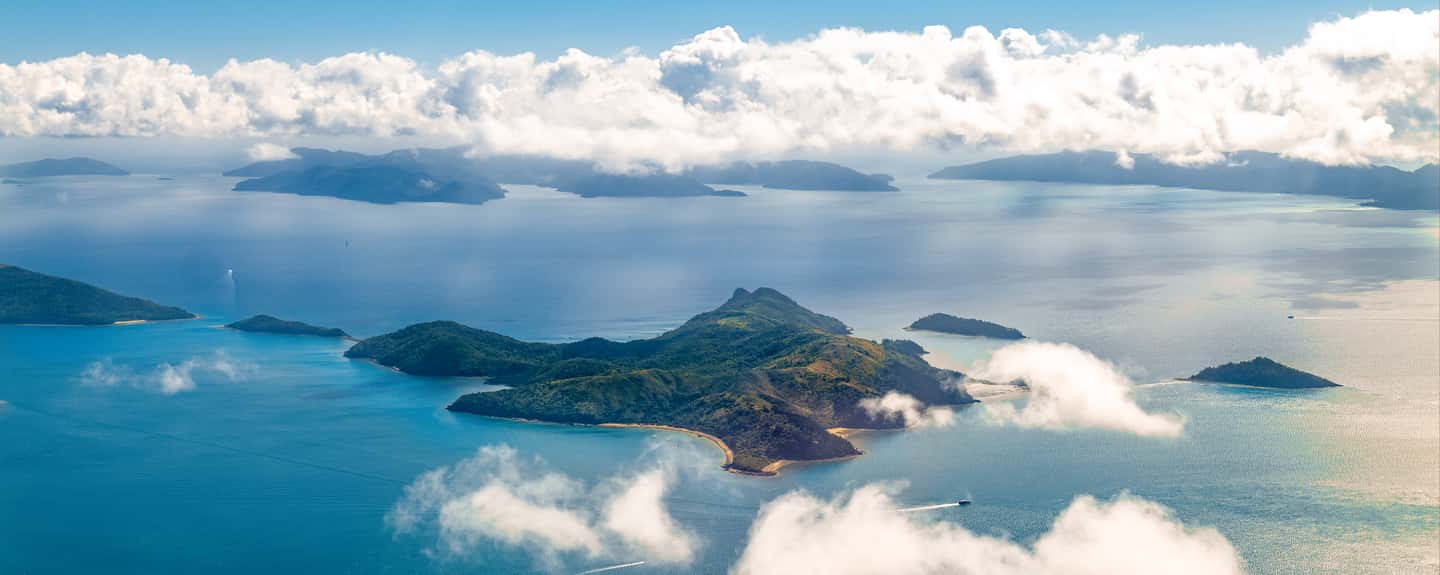
Best places to visit in the Whitsundays: Where to start Australia Lachlan lives in Paris and is the Head of Content and Community at misterb&b, an LGBTQ+ accommodation platform. He enjoys coffee and cocktails (not always in that order), and loves to… Check current availability, inclusions and booking conditions.
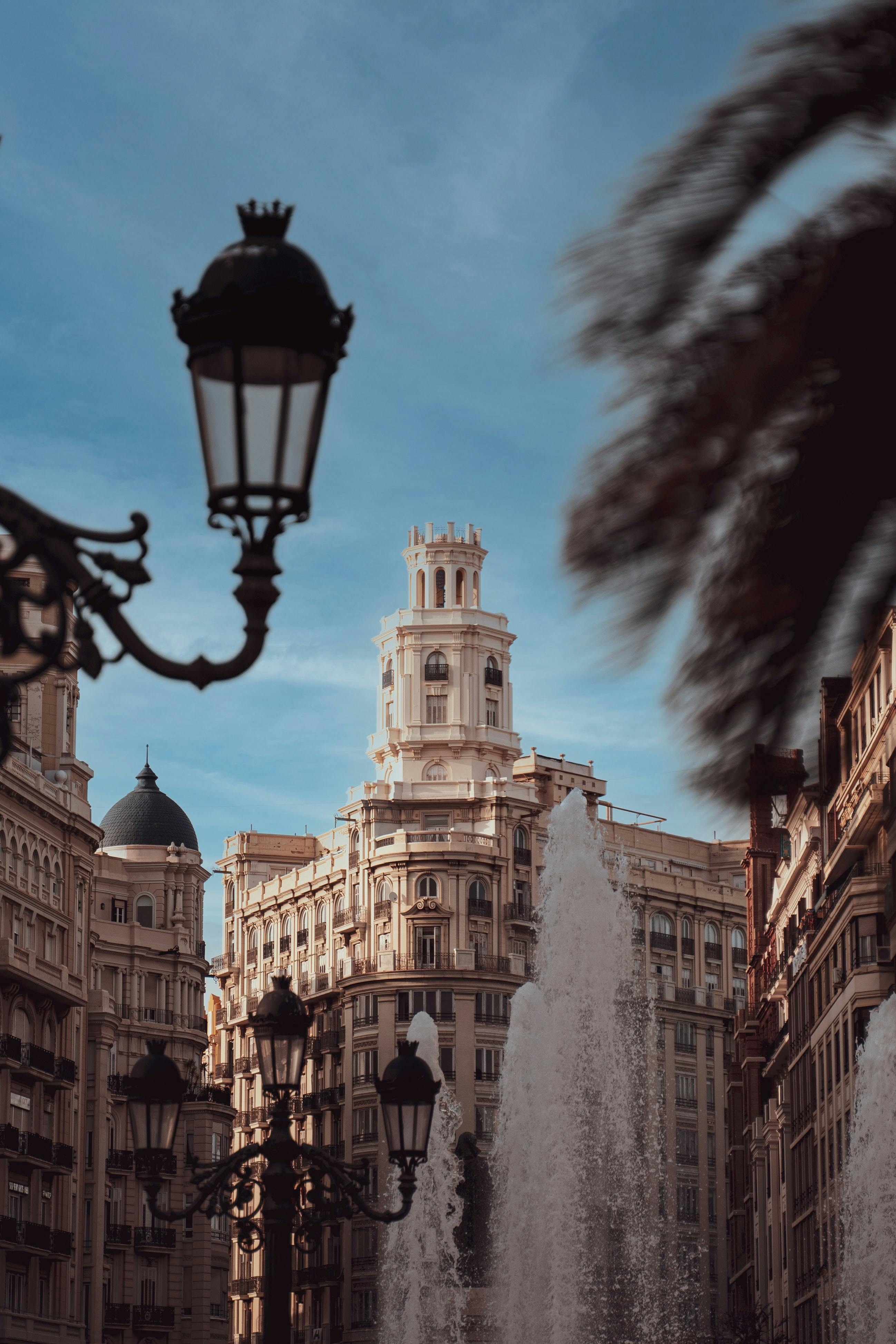
Valencia's Photogenic Places with Local Guide – Guided Tour – Guided Sightseeing Spain If you want a fast, practical way to photograph Valencia’s highlights—plus get local tips you’d normally miss—this 1 hour 30 minute guided walking experience is built for you. Check current availability, inclusions and booking details before you go.