Minas Gerais is one of Brazil’s most rewarding inland states, especially for travellers who enjoy history, food, colonial towns, Baroque churches, mountain scenery, waterfalls, art, coffee, cachaça, and slower cultural travel. It does not have beaches, but it has something many travellers end up loving even more: character. The pace is more grounded, the food is generous, the towns are full of history, and the landscapes shift between rolling hills, rocky mountains, national parks, lakes, caves, and old mining routes.
This is a state for travellers who like walking through cobbled historic centres, visiting churches and museums, eating well, exploring markets, driving scenic roads, and spending time in places that feel deeply local. Minas Gerais is not always quick to travel around because distances can be long and many towns are set in hilly terrain, but it rewards those who slow down and give it time.
Where Is Minas Gerais?
Minas Gerais is in south-eastern Brazil, bordering several major states including Rio de Janeiro, São Paulo, Bahia, Goiás, and Espírito Santo. It is one of Brazil’s largest and most culturally important states, with landscapes ranging from historic gold-rush towns to mountains, waterfalls, coffee regions, spa towns, and national parks.
Belo Horizonte is the state capital and a useful arrival point for many travellers. It has a major airport, good food, museums, markets, nightlife, and access to nearby destinations such as Inhotim, Ouro Preto, Mariana, Congonhas, Serra do Cipó, and the wider historic-town circuit.
Why Visit Minas Gerais?
Minas Gerais is worth visiting for its historic towns, cobbled streets, colonial architecture, churches, museums, mountain scenery, waterfalls, traditional food, coffee regions, cachaça, art galleries, local markets, and warm inland hospitality. It is one of the best states in Brazil for travellers who want culture and atmosphere rather than a beach-focused trip.
The state suits people who enjoy slow walking, long lunches, scenic drives, small towns, art, history, architecture, and nature. It is especially appealing if you want to understand Brazil beyond the coast. Minas Gerais has a strong identity, and much of the pleasure comes from simple things: a fresh pão de queijo, a church bell echoing through a colonial square, a mountain view after a winding road, or a market stall filled with cheese, sweets, and cachaça.
Best Places to Visit in Minas Gerais
Belo Horizonte
Belo Horizonte, often called BH, is the capital of Minas Gerais and a practical starting point for many trips through the state. It is known for food, bars, markets, museums, parks, architecture, and its position near several important historic and natural attractions.
The city suits travellers who enjoy urban culture without the intensity of Rio de Janeiro or São Paulo. It is a good place to try classic Minas food, visit Mercado Central, explore Praça da Liberdade, and take day trips to Inhotim or historic towns. Most travellers spend one or two nights here, although food lovers and museum visitors may enjoy longer.
Praça da Liberdade
Praça da Liberdade is one of Belo Horizonte’s most elegant public spaces. The square is surrounded by historic buildings, museums, cultural centres, gardens, and architectural styles that reflect different periods of the city’s development.
This area suits travellers interested in museums, architecture, photography, and relaxed city walking. It is a good place to spend a half-day, especially if you want a calmer introduction to Belo Horizonte. Check museum opening days before visiting, as many cultural spaces have specific schedules and may be closed on certain weekdays.
Mercado Central de Belo Horizonte
Mercado Central de Belo Horizonte is one of the best places in the state to experience Minas Gerais through food. The market is packed with cheese, cachaça, sweets, spices, fruit, coffee, cured meats, local snacks, bars, household goods, and everyday shopping.
It suits food travellers, market lovers, and anyone wanting a practical introduction to regional flavours. Go hungry and take your time. It can be busy, especially on weekends, but that is part of the experience. This is a good place to try pão de queijo, local cheese, sweets, and casual snacks without needing a formal restaurant.
Pampulha Modern Ensemble
The Pampulha Modern Ensemble is one of Belo Horizonte’s most important architectural areas, associated with Oscar Niemeyer’s modernist design and the planned development of the Pampulha lake district. It includes striking buildings, gardens, public spaces, and a very different style from the colonial towns of Minas Gerais.
This area suits travellers interested in architecture, design, photography, and Brazilian modernism. It is spread around the lake, so taxis, ride apps, bikes, or organised tours can make visiting easier. Check opening hours for individual sites before going.
Ouro Preto
Ouro Preto is one of Brazil’s most famous historic towns and a highlight of Minas Gerais. Once a wealthy gold-mining centre, it is known for steep cobbled streets, Baroque churches, colonial houses, museums, mountain views, and art connected to Aleijadinho and other major figures of Brazil’s colonial period.
This is a must-visit for travellers interested in history, architecture, photography, and cultural travel. It is better as an overnight stay than a day trip, because the hills are steep and the town rewards slow wandering. Wear comfortable shoes with good grip, as the streets can be uneven and slippery, especially after rain.
Mariana
Mariana is another important colonial town near Ouro Preto and was one of the earliest urban centres in Minas Gerais. It has historic churches, old streets, squares, museums, and a quieter atmosphere than Ouro Preto.
Many travellers visit Mariana as a day trip from Ouro Preto, sometimes combining the two towns on the same itinerary. It suits travellers interested in colonial history, churches, and a more relaxed historic-town experience. Staying overnight is also worthwhile if you prefer a slower pace.
Tiradentes
Tiradentes is one of the most charming towns in Minas Gerais, known for cobbled streets, whitewashed houses, Baroque churches, mountain views, boutique accommodation, restaurants, craft shops, and a polished but still atmospheric historic centre.
It suits couples, food lovers, photographers, and travellers who enjoy slow cultural travel. Tiradentes can be busy on weekends, holidays, and during festivals, so book ahead. It is best enjoyed over at least one or two nights rather than as a quick stop.
São João del Rei
São João del Rei is a historic town near Tiradentes, with churches, colonial buildings, museums, local shops, and a more lived-in feel. It is often visited together with Tiradentes and offers a slightly less boutique, more everyday side of the region.
The town suits travellers who enjoy history, architecture, and regional culture. A popular experience is the historic train route between São João del Rei and Tiradentes when operating, but schedules should be checked in advance. The town is practical as either a day trip or overnight stop.
Congonhas
Congonhas is best known for the Sanctuary of Bom Jesus de Matosinhos, one of the most important religious and artistic sites in Minas Gerais. The site is strongly associated with Aleijadinho’s sculptures and is a key stop for travellers interested in Baroque art and colonial religious architecture.
Congonhas is often visited as part of a historic-town route between Belo Horizonte, Ouro Preto, São João del Rei, and Tiradentes. It suits travellers interested in art, history, sculpture, and religious heritage. A guide can be useful for understanding the symbolism and artistic importance of the site.
Diamantina
Diamantina is a beautiful historic town in northern Minas Gerais, known for its diamond-mining history, colonial streets, churches, music traditions, and mountain setting. It feels more remote than towns such as Ouro Preto and Tiradentes, which can make it especially rewarding for travellers who want to go a little farther.
Diamantina suits travellers interested in history, architecture, music, and quieter cultural travel. Because it is farther from Belo Horizonte than many other historic towns, it is better as an overnight or multi-night stay rather than a rushed day trip. The streets are uneven and hilly, so comfortable shoes are essential.
Inhotim in Brumadinho
Inhotim, located in Brumadinho, is one of Brazil’s most remarkable art destinations. It combines contemporary art galleries, outdoor installations, gardens, lakes, and landscaped grounds in a large open-air setting. It is very different from the colonial towns and gives Minas Gerais a strong contemporary art dimension.
Inhotim suits art lovers, garden lovers, photographers, and travellers who enjoy slow exploration. It can be visited as a day trip from Belo Horizonte, but the site is large, so one full day is the minimum. Check opening days before travelling, as schedules can vary, and wear comfortable shoes for walking between galleries and gardens.
Serra do Cipó
Serra do Cipó is a nature destination north of Belo Horizonte, known for waterfalls, hiking trails, rivers, cerrado vegetation, rocky landscapes, flowers, and scenic viewpoints. It is part of the larger Espinhaço mountain range and is popular with walkers, cyclists, climbers, and weekend travellers from the capital.
The area suits active travellers and nature lovers. Some trails are straightforward, while others require more planning, fitness, or local guidance. Waterfalls can be busier on weekends and holidays, and weather can affect trail and swimming conditions. Staying overnight is better than rushing from Belo Horizonte and back in one day.
Capitólio and Furnas Lake
Capitólio is known for the dramatic canyons and blue-green waters of Furnas Lake. Travellers come for boat trips, viewpoints, waterfalls, swimming spots, and scenic drives through a landscape of cliffs, lake arms, and rocky hills.
This area suits travellers who enjoy water-based scenery, photography, and relaxed outdoor activities. Boat trips are popular, but conditions and access can vary, so use reputable operators and follow safety rules around cliffs, viewpoints, and swimming areas. Capitólio is best visited over at least two nights because it is not close enough to Belo Horizonte for a comfortable quick visit.
Serra da Canastra National Park
Serra da Canastra National Park is one of Minas Gerais’ great nature destinations, known for waterfalls, highland landscapes, cerrado wildlife, scenic roads, and the source region of the São Francisco River. It is also strongly associated with Canastra cheese, one of Brazil’s most famous regional cheeses.
The park suits hikers, wildlife watchers, road-trippers, photographers, and food travellers. Access can involve dirt roads, and conditions vary with weather, so a suitable vehicle and local advice are important. Some areas are remote, and guided tours can make the experience easier and more informative.
São Lourenço and Caxambu
São Lourenço and Caxambu are historic spa towns in the south of Minas Gerais, known for mineral waters, parks, relaxed streets, and an old-fashioned holiday atmosphere. They are part of the state’s traditional water circuit and offer a gentler kind of travel than the hiking parks and steep colonial towns.
These towns suit couples, older travellers, families, and anyone looking for a slower break with parks, cafés, local shops, and mineral-water traditions. They are better for relaxation than major sightseeing. A car or well-planned bus route is useful if combining several towns in the region.
Monte Verde
Monte Verde is a mountain town near the São Paulo border, popular for cool weather, romantic stays, forest walks, restaurants, fireplaces, and a European-influenced highland feel. It is especially popular with couples and weekend travellers.
The town suits travellers looking for a cooler mountain escape rather than colonial history. It can be busy during winter weekends and holidays, when accommodation demand rises. Bring warm clothing, as evenings can be much cooler than many visitors expect from Brazil.
Historic Towns and Colonial Architecture
Minas Gerais is one of the best places in Brazil for historic towns and colonial architecture. Ouro Preto, Mariana, Tiradentes, São João del Rei, Congonhas, and Diamantina all tell part of the story of the gold and diamond rushes, religious art, Baroque churches, colonial urban planning, and the wealth and labour that shaped the region.
Ouro Preto is the most famous, with steep streets, grand churches, museums, and dramatic hills. Mariana is quieter and pairs well with Ouro Preto. Tiradentes is smaller, polished, and very atmospheric. São João del Rei feels more like a working historic town. Congonhas is important for Aleijadinho’s sculptures, while Diamantina offers a more remote and distinctive colonial experience.
Comfortable walking shoes are essential. Many historic centres have steep hills, uneven cobblestones, steps, and slippery surfaces after rain. Travellers with mobility issues should plan carefully, use taxis where possible, and avoid trying to cover too much in one day.
Art, Museums and Culture
Minas Gerais blends history with contemporary culture in a way that makes it especially interesting. Belo Horizonte has a strong cultural scene, with museums, galleries, markets, music, bars, and architecture. Praça da Liberdade is one of the best places to explore museums and cultural spaces in the capital.
Pampulha adds a modernist architectural layer, while Inhotim brings contemporary art and landscape design into a large outdoor setting. The historic towns add churches, sacred art, museums, craft shops, festivals, and local music traditions.
Churches are central to the state’s cultural identity, but they are also active religious spaces. Dress respectfully, check whether photography is allowed, and consider using local guides if you want to understand the artwork, symbolism, and historical context rather than simply walk through quickly.
Mountains, Waterfalls and Outdoor Adventures
Minas Gerais is full of mountains, waterfalls, caves, viewpoints, swimming spots, scenic drives, and hiking areas. Serra do Cipó is one of the easiest nature escapes from Belo Horizonte and is popular for waterfalls and trails. Serra da Canastra offers bigger landscapes, wildlife, dirt-road adventures, and the source region of the São Francisco River.
Capitólio and Furnas Lake are best known for canyons, boat trips, lake views, and waterfalls. The wider state also has caves, natural pools, highland routes, and countryside trails that reward travellers who enjoy outdoor exploration.
Some trails and waterfalls require guides, entry fees, advance booking, or careful planning. During wet weather, rocks can become slippery and river levels can rise quickly. Do not enter waterfalls or swimming holes during storms or immediately after heavy rain, and always follow local safety advice.
Food, Coffee and Cachaça in Minas Gerais
Food is one of the great reasons to visit Minas Gerais. The state is famous for hearty, comforting dishes and generous hospitality. Pão de queijo is the classic snack, made with cassava starch and cheese, and is excellent with coffee at almost any time of day.
Other regional dishes to try include feijão tropeiro, tutu de feijão, frango com quiabo, torresmo, queijo minas, farm-style meals, and slow-cooked dishes served with rice, beans, greens, and farofa. For sweets, look for doce de leite, goiabada, local jams, cakes, and traditional desserts.
Minas Gerais is also important for coffee and cachaça. Coffee regions produce some of Brazil’s best beans, while cachaça distilleries and local bars offer a chance to try different styles responsibly. Markets, countryside restaurants, bakeries, and small-town cafés are often the best places to enjoy the state’s food culture.
Best Time to Visit Minas Gerais
Minas Gerais can be visited year-round, but the seasons affect comfort and outdoor plans. The drier months, generally from around May to September, are often better for historic towns, road trips, hiking, and sightseeing. Skies are often clearer, roads may be easier, and walking through hilly towns can be more pleasant without heavy rain.
The rainy season, generally from around October to March or April, can make waterfalls fuller and landscapes greener, but it may also affect trails, dirt roads, viewpoints, and outdoor activities. Heavy rain can make cobblestones slippery and some swimming spots unsafe.
Mountain towns can be cooler than many travellers expect, especially in the evening and during winter months. Bring layers if you are visiting places such as Monte Verde, Serra da Canastra, Serra do Cipó, Diamantina, or highland areas.
How to Get to Minas Gerais
Many travellers arrive in Minas Gerais by air into Belo Horizonte, which is the most useful gateway for the capital, Inhotim, Ouro Preto, Mariana, Congonhas, Serra do Cipó, and many historic-town routes. Some itineraries may also connect through Rio de Janeiro, São Paulo, or Brasília depending on where you are coming from and which part of the state you plan to visit.
Buses connect many major towns, and they can be a practical option for travellers focusing on Belo Horizonte, Ouro Preto, Mariana, São João del Rei, Tiradentes, and other well-known destinations. Rental cars offer more flexibility for scenic routes, smaller towns, national parks, waterfalls, and food-focused countryside travel.
Private transfers and organised tours can also be useful, especially for visitors who do not want to drive on mountain roads or manage logistics between historic towns. For remote nature areas such as Serra da Canastra or some waterfall regions, check road conditions before setting out.
How Long Should You Spend in Minas Gerais?
With 2 to 3 days, focus on Belo Horizonte and Inhotim. This gives you time for Mercado Central, Praça da Liberdade, some city food experiences, and a full day at Inhotim.
With 4 to 5 days, you can add Ouro Preto, Mariana, and nearby historic sites. This is a good short cultural itinerary, especially if you enjoy colonial architecture and museums.
With 7 to 10 days, you can build a broader historic-town route including Belo Horizonte, Ouro Preto, Mariana, Congonhas, Tiradentes, and São João del Rei. This gives enough time to slow down and avoid rushing through steep towns.
With two weeks or more, Minas Gerais becomes a much richer trip. You can include national parks, waterfalls, mountain towns, Serra do Cipó, Capitólio, Serra da Canastra, Diamantina, Monte Verde, spa towns, coffee regions, and food-focused countryside travel.
Travel Tips for Visiting Minas Gerais
Wear comfortable shoes: Historic towns often have steep, uneven cobblestone streets that can be tiring and slippery.
Allow time for hills: Places such as Ouro Preto and Diamantina are beautiful but physically demanding if you try to walk too much too quickly.
Check museum and church opening hours: Many cultural sites close on certain days or have limited visiting hours.
Rent a car for flexibility: A car is useful for scenic routes, waterfalls, national parks, mountain towns, and food-focused stops.
Carry some cash: Cards are common in larger towns, but smaller shops, markets, rural restaurants, and local guides may prefer cash.
Book ahead for popular weekends: Tiradentes, Ouro Preto, Monte Verde, Capitólio, and Serra da Canastra can be busy on holidays and long weekends.
Use local guides for historic context: Guides can make churches, museums, and colonial towns much more meaningful.
Try the regional food: Minas Gerais is one of Brazil’s best food states, so leave time for markets, bakeries, and traditional meals.
Prepare for cooler evenings: Mountain areas can be chilly, especially in winter or at higher elevations.
Allow realistic travel time: Roads can be winding, towns are spread out, and short distances on a map may take longer than expected.
Is Minas Gerais Worth Visiting?
Minas Gerais is absolutely worth visiting for travellers who enjoy history, food, architecture, art, mountains, waterfalls, and slower cultural travel. It is one of Brazil’s most rewarding states because it offers a deep sense of place rather than relying on obvious postcard attractions.
It is best enjoyed with realistic planning. Distances can be long, many historic towns are hilly, weather affects trails and roads, and inland travel moves at a slower pace than a simple beach holiday. But if you give Minas Gerais enough time, it can become one of the most memorable and satisfying parts of a Brazil itinerary.
FAQs About Visiting Minas Gerais
Is Minas Gerais safe for tourists?
Minas Gerais can be visited safely with normal travel precautions, especially in established tourist towns, museums, parks, and organised tours. In larger cities such as Belo Horizonte, use registered transport at night, keep valuables discreet, and ask your accommodation for current local advice. On trails and waterfalls, follow local safety guidance and avoid risky conditions after heavy rain.
What is Minas Gerais best known for?
Minas Gerais is best known for colonial towns, Baroque churches, Ouro Preto, Tiradentes, Aleijadinho’s art, traditional food, pão de queijo, cheese, coffee, cachaça, mountain landscapes, waterfalls, Inhotim, and a strong inland cultural identity.
Is Ouro Preto worth visiting?
Yes. Ouro Preto is one of Brazil’s most important historic towns and is worth visiting for its colonial architecture, churches, museums, mountain setting, and gold-rush history. It is hilly and uneven, so comfortable shoes and a slower pace are important.
Is Belo Horizonte worth visiting?
Yes. Belo Horizonte is worth visiting for food, markets, museums, architecture, nightlife, Praça da Liberdade, Mercado Central, Pampulha, and easy access to Inhotim and nearby historic towns. It is a useful and enjoyable gateway to Minas Gerais.
Do you need a car in Minas Gerais?
You do not need a car if you are visiting Belo Horizonte, Ouro Preto, Mariana, Tiradentes, and São João del Rei by bus or transfer. However, a car is very useful for national parks, waterfalls, scenic drives, smaller towns, Serra da Canastra, Capitólio, Serra do Cipó, and food-focused countryside routes.
What is the best time to visit Minas Gerais?
The drier months, roughly from May to September, are often best for historic towns, road trips, and hiking. The rainy season can make waterfalls fuller and landscapes greener, but it may also affect trails, dirt roads, cobblestone walking, and outdoor plans.
How many days do you need in Minas Gerais?
Allow 2 to 3 days for Belo Horizonte and Inhotim, 4 to 5 days for Ouro Preto, Mariana, and nearby towns, 7 to 10 days for a broader historic-town route, and two weeks or more if you want to include national parks, waterfalls, mountain towns, and food-focused travel.
What food is Minas Gerais famous for?
Minas Gerais is famous for pão de queijo, feijão tropeiro, tutu de feijão, frango com quiabo, torresmo, queijo minas, doce de leite, goiabada, coffee, cachaça, local sweets, market snacks, and traditional farm-style meals.
Sponsored Popular Items
Quick take: Musement.com offers a worldwide selection of tours and attractions
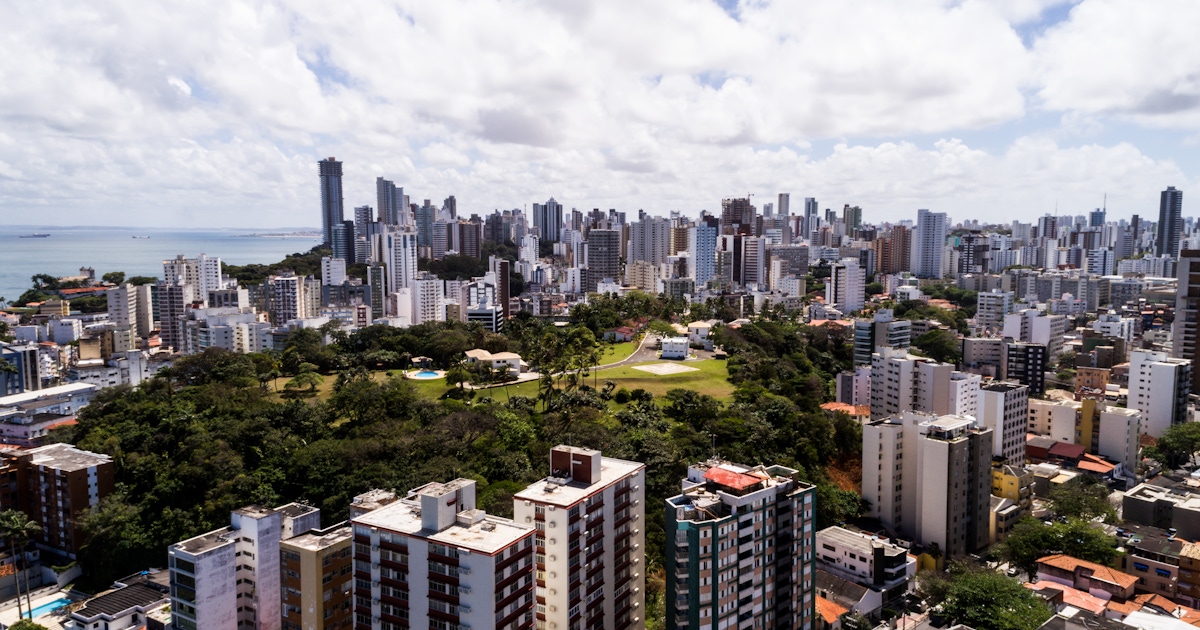
Salvador, Brazil Visitor Guide: Top Attractions, Tours & Activities Brazil Set on the coast of Bahia, it blends colonial architecture, Afro-Brazilian heritage, music, food, beaches, churches, islands and a warm tropical atmosphere that feels very different from Rio de Janeiro or…. Check current availability, inclusions and booking details before you go.
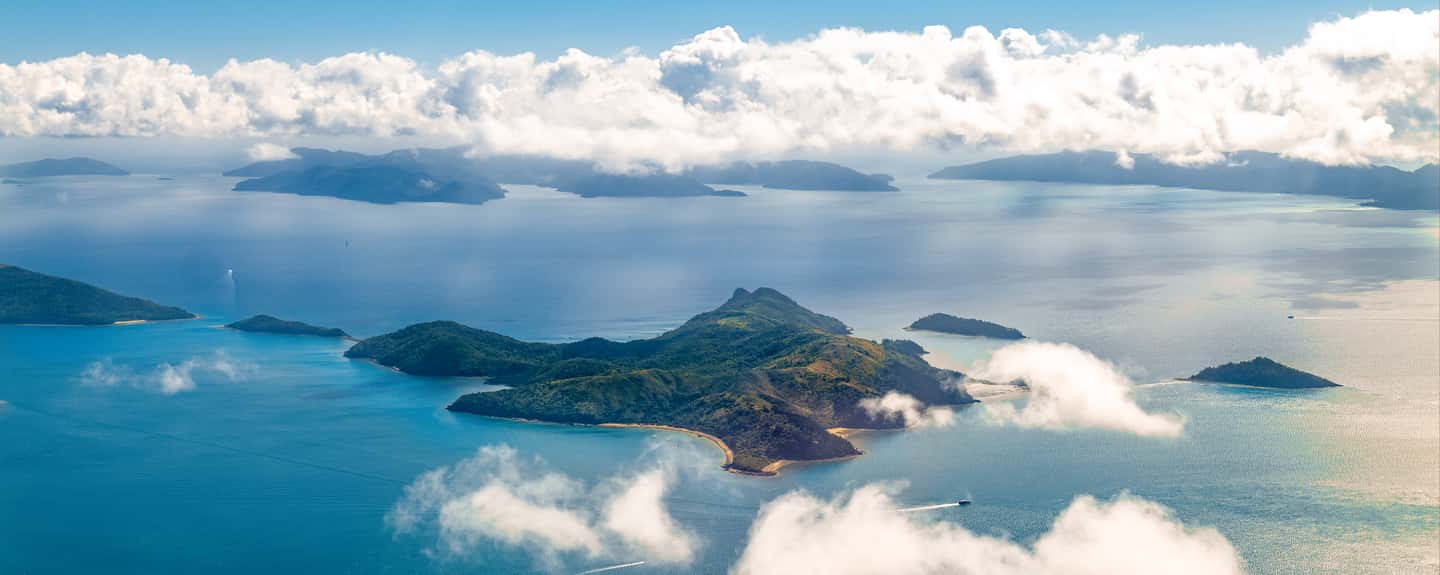
Best places to visit in the Whitsundays: Where to start Australia Lachlan lives in Paris and is the Head of Content and Community at misterb&b, an LGBTQ+ accommodation platform. He enjoys coffee and cocktails (not always in that order), and loves to… Check current availability, inclusions and booking conditions.
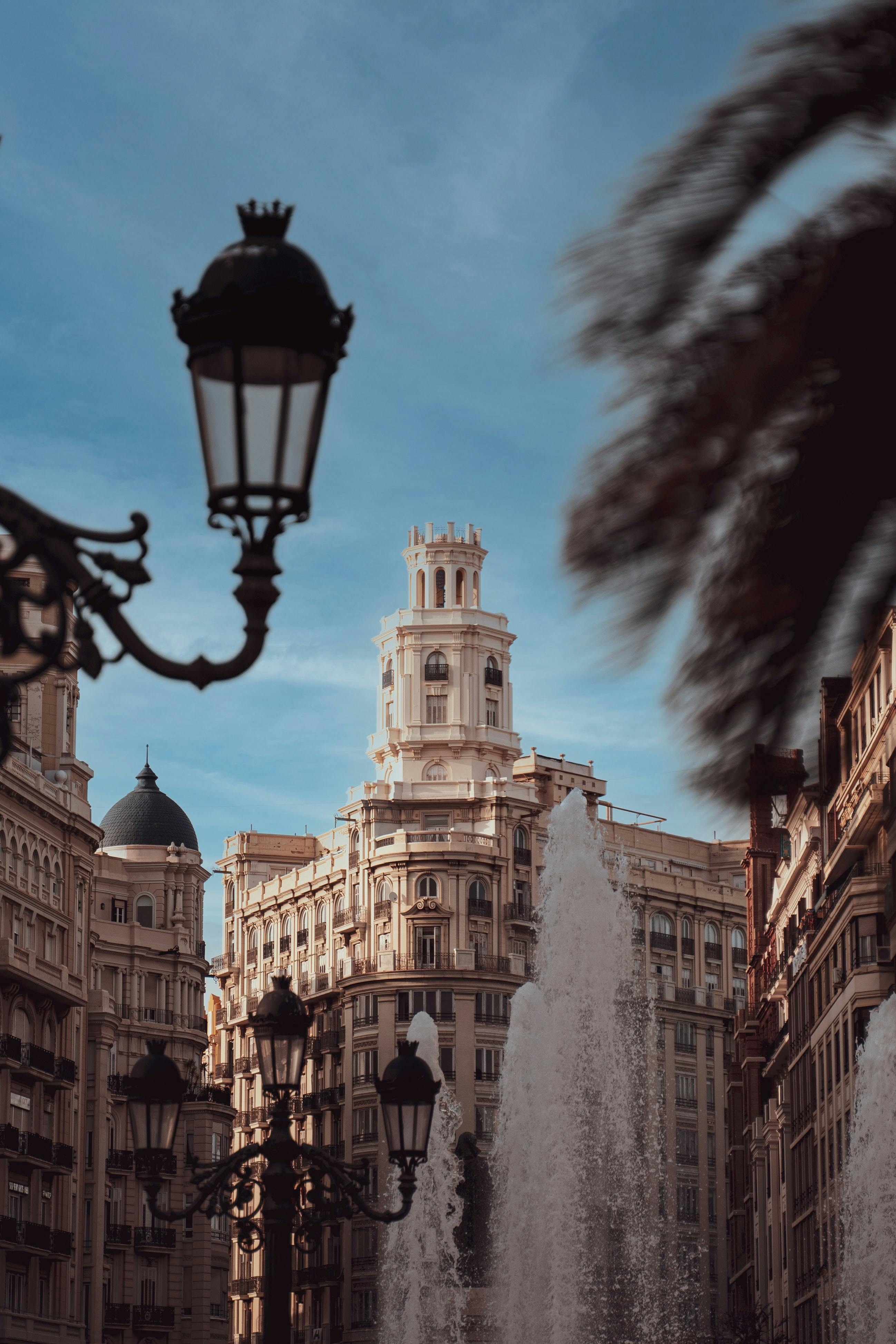
Valencia's Photogenic Places with Local Guide – Guided Tour – Guided Sightseeing Spain If you want a fast, practical way to photograph Valencia’s highlights—plus get local tips you’d normally miss—this 1 hour 30 minute guided walking experience is built for you. Check current availability, inclusions and booking details before you go.