Zhangjiajie is one of China’s most dramatic natural destinations. Located in Hunan Province, it is famous for towering sandstone pillars, misty mountain scenery, cliffside walkways, glass bridges, cable cars, forest trails and landscapes often linked with the floating mountains in the film Avatar.
Zhangjiajie What to Expect: Avatar Mountains, Glass Walkways, Cable Cars and Travel Tips
For first-time visitors, Zhangjiajie can be both breathtaking and overwhelming. The scenery is spectacular, but the area is large, transport can be confusing, tickets are separate for different attractions, and weather can change quickly. With good planning, it becomes one of the most memorable mountain trips in China.
Sponsored Popular Items
Quick take: Musement.com offers a worldwide selection of tours and attractions
Zhangjiajie Avatar Mountains, Tianmen & Glass Bridge 1–2-Day – Nature &… China 1-2 Days All-inclusive Mini Tour:Avatar+Tianmen+Glass Bridge adds structure, local context and purposeful sightseeing to the itinerary. Check current availability, inclusions and booking details before you go.
What Is Zhangjiajie?
Zhangjiajie is a city and mountain tourism region in Hunan Province, China. Most travellers visit for the Wulingyuan Scenic Area, Zhangjiajie National Forest Park, Tianmen Mountain and the Zhangjiajie Grand Canyon Glass Bridge.
The scenery is famous for tall sandstone pillars rising from forested valleys. Mist, cloud and changing light make the landscape feel otherworldly, especially after rain or in the early morning.
Zhangjiajie is not one single park entrance with one simple walking route. It is a region with several major attractions spread across different areas. Planning your route before arrival will make the trip much easier.
What to Expect in Zhangjiajie
Expect huge mountain views, dramatic cliffs, cable cars, shuttle buses, stairs, viewpoints, crowds at famous places and weather that can shift quickly from clear to misty. Some parts are very accessible, while others require more walking and patience.
You do not need to be a serious hiker to enjoy Zhangjiajie. Many famous viewpoints can be reached by cable car, elevator, shuttle bus or short walks. However, you should still expect stairs, uneven paths, busy platforms and long days on your feet.
The main challenge is logistics. Different attractions have different tickets, entrances, transport systems and travel times. It is best to treat Zhangjiajie as a multi-day destination rather than a quick photo stop.
The Avatar Mountains
The so-called Avatar Mountains are usually associated with the sandstone pillars of Zhangjiajie National Forest Park, especially around Yuanjiajie Scenic Area. One of the best-known formations is often promoted as the Avatar Hallelujah Mountain.
The landscape really does feel cinematic. Tall stone columns rise vertically from the forest, often surrounded by mist. In cloudy weather, the peaks appear and disappear, creating the floating-mountain effect that Zhangjiajie is famous for.
For the best experience, visit early in the day and allow enough time for viewpoints. If visibility is poor, be patient. Cloud can move quickly, and a completely hidden valley can open up within minutes.
Zhangjiajie National Forest Park
Zhangjiajie National Forest Park is the core area most travellers imagine when they think of Zhangjiajie. It includes several scenic zones, shuttle buses, cable cars, walking trails, viewpoints and famous pillar landscapes.
The park is large, so do not expect to see everything in one day. The best-known areas include Yuanjiajie, Tianzi Mountain, Yangjiajie, Huangshi Village and Golden Whip Stream.
Most visitors use a combination of park shuttle buses, the Bailong Elevator, cable cars and walking paths. The internal transport system is useful, but it can be confusing at first, especially if signs, crowds and language barriers make route planning harder.
Yuanjiajie Scenic Area
Yuanjiajie is one of the most famous parts of Zhangjiajie National Forest Park. This is where many visitors go to see the classic sandstone pillar views associated with the Avatar-style scenery.
The area has viewing platforms connected by paths, and it can be reached using the Bailong Elevator or other park routes. Expect crowds, especially at the most famous viewpoints.
If you only have limited time in Zhangjiajie National Forest Park, Yuanjiajie should be one of your priorities.
Tianzi Mountain
Tianzi Mountain is another major scenic area in Zhangjiajie National Forest Park. It is known for wide views across peak forests, cloud-filled valleys and clustered sandstone formations.
The scenery here can be especially beautiful when mist moves through the peaks. Cable cars and shuttle buses make it more accessible than a full mountain hike, but you should still expect walking between viewpoints.
Tianzi Mountain pairs well with Yuanjiajie for a full day inside the national forest park.
Golden Whip Stream
Golden Whip Stream offers a different Zhangjiajie experience. Instead of viewing the pillars from above, this route follows a valley floor beside water, cliffs and forest.
The walk is gentler than many mountain routes and gives a closer view of the lower forest and rock walls. It is a good option if you want a more peaceful trail after busy viewpoints.
Expect monkeys in some areas. Keep food secure, do not feed wildlife and avoid holding snacks openly where monkeys can grab them.
Tianmen Mountain
Tianmen Mountain is separate from Zhangjiajie National Forest Park and is closer to Zhangjiajie city. It is famous for its long cable car, cliffside walkways, glass skywalks, winding mountain road and the huge natural arch known as Tianmen Cave or Heaven’s Gate.
This is one of the most dramatic visitor experiences in Zhangjiajie. You may take a cable car high above the city, walk along cliffside paths, step onto glass sections if you are comfortable with heights, and visit the stairway leading toward the natural arch.
Tianmen Mountain can be done in half a day to a full day, depending on queues, weather and how slowly you move around the summit paths.
Zhangjiajie Grand Canyon Glass Bridge
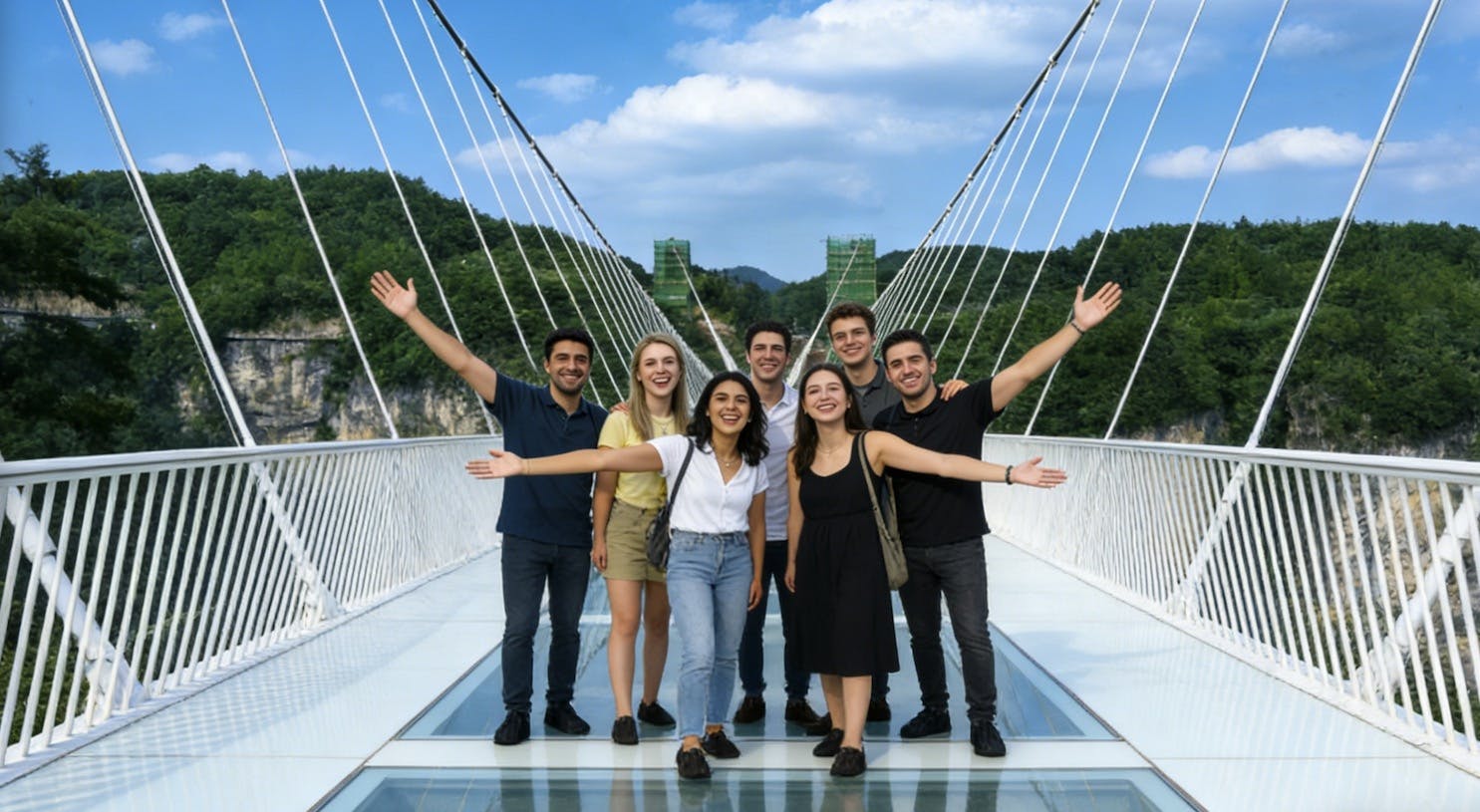
The Zhangjiajie Grand Canyon Glass Bridge is a separate attraction from both Zhangjiajie National Forest Park and Tianmen Mountain. It is known for its transparent glass deck suspended across a canyon.
This is best for travellers who enjoy thrill attractions, glass bridges and high canyon views. If you dislike heights, it may be more stressful than enjoyable. The bridge is often combined with canyon walking routes and adventure activities depending on the ticket type and current operations.
Do not confuse the Grand Canyon Glass Bridge with the glass skywalks on Tianmen Mountain. They are different attractions in different locations.
Crowds and Queues
Zhangjiajie is very popular with domestic and international visitors. Expect crowds at major viewpoints, cable car stations, the Bailong Elevator, Tianmen Mountain and the Glass Bridge.
Chinese public holidays can be extremely busy, especially National Day Golden Week, Labour Day holidays and summer school holidays. If possible, avoid these periods.
Early starts help. Arriving at major entrances before peak tour-group times can make the day much smoother.
Weather and Visibility
Weather is one of the biggest factors in Zhangjiajie. The mountain scenery can be clear, misty, rainy or completely hidden by fog. This can be frustrating, but mist is also part of the magic.
Cloudy weather can make the pillars look mysterious and atmospheric. Heavy fog, however, can block the views entirely. If you have several days, build flexibility into your itinerary so you can adjust plans according to visibility.
Spring and autumn are generally popular for comfortable temperatures and scenic conditions. Summer can be hot, humid and crowded. Winter can be quiet and beautiful, but some paths may be cold, slippery or affected by weather.
Walking Difficulty
Zhangjiajie is easier than it looks in some ways and harder in others. Cable cars, elevators and shuttle buses reduce the need for long climbs, but there are still many stairs, slopes, platforms and walking sections.
Travellers with moderate fitness can enjoy the main sights, especially with careful route planning. Those with knee problems, mobility issues or fear of heights should choose easier routes and avoid overly ambitious schedules.
The most tiring part is often not one difficult hike but the combination of early starts, transfers, queues, stairs and a full day moving between viewpoints.
Where to Stay
The two main base areas are Zhangjiajie city and Wulingyuan.
Wulingyuan
Wulingyuan is the best base for Zhangjiajie National Forest Park. Staying here gives easier access to the park entrances and saves travel time if your main priority is the Avatar mountain scenery.
Zhangjiajie City
Zhangjiajie city is better for Tianmen Mountain, the airport, train station and some transport connections. It is useful at the start or end of your trip.
Best Strategy
If you have enough time, split your stay: spend one or two nights in Wulingyuan for the national forest park, then one night in Zhangjiajie city for Tianmen Mountain and departure.
How Long to Spend
Two days: Enough for a rushed visit to Zhangjiajie National Forest Park and Tianmen Mountain.
Three days: A good minimum for most travellers. You can spend two days in the national forest park and one day at Tianmen Mountain.
Four days: Better if you also want the Grand Canyon Glass Bridge or need weather flexibility.
Five days or more: Ideal for a slower visit, photography, hiking, nearby ancient towns or more relaxed travel between areas.
Simple Zhangjiajie Itinerary
Day 1: Arrive and Stay in Wulingyuan
Arrive in Zhangjiajie by flight or train.
Transfer to Wulingyuan if focusing on the national forest park first.
Check in and organise tickets, route plans and transport for the next day.
Have an early night so you can start the park day early.
Day 2: Zhangjiajie National Forest Park Highlights
Start early from the Wulingyuan entrance.
Visit Yuanjiajie for the Avatar-style sandstone pillar views.
Use the Bailong Elevator or park transport depending on your route.
Continue to Tianzi Mountain for panoramic peak forest views.
Return to Wulingyuan in the late afternoon.
Day 3: Golden Whip Stream or Second Park Day
Walk part or all of Golden Whip Stream for valley scenery.
Visit Huangshi Village or Yangjiajie if you want more viewpoints.
Keep this day flexible in case weather affected your first park day.
Transfer to Zhangjiajie city in the evening if visiting Tianmen Mountain next.
Day 4: Tianmen Mountain
Take the cable car or current official route up Tianmen Mountain.
Walk the summit paths and glass skywalks if open and suitable.
Visit Tianmen Cave and the Heaven’s Gate stairway area.
Return to Zhangjiajie city for departure or another overnight stay.
Optional Day 5: Grand Canyon Glass Bridge
Travel to Zhangjiajie Grand Canyon.
Walk the glass bridge if you are comfortable with heights.
Add canyon walking or activity routes depending on current tickets.
Return to Zhangjiajie city or Wulingyuan.
What to Wear and Pack
Comfortable walking shoes with good grip
Light rain jacket or poncho
Layered clothing for changing mountain weather
Small day backpack
Water bottle
Snacks
Power bank
Phone with translation and map apps
Passport for ticket checks and hotel registration
Sunscreen, hat and sunglasses in warmer months
Warm layer in winter or early morning
Practical Travel Tips
Do Not Try to See Everything in One Day
Zhangjiajie is too large and too weather-dependent for a rushed visit. Give yourself at least three days if possible.
Stay in the Right Area
Stay in Wulingyuan for Zhangjiajie National Forest Park and in Zhangjiajie city for Tianmen Mountain. This reduces unnecessary travel time.
Start Early
Early starts help with queues, shuttle buses, cable cars and viewpoints. This is especially important during busy travel periods.
Check Weather but Stay Flexible
Weather forecasts are useful, but mountain conditions can change quickly. If fog blocks one viewpoint, wait or move to another area.
Bring Your Passport
Tourist sites, hotels and transport in China often require passport identification. Keep it secure but accessible.
Use a Guide if Logistics Worry You
A local guide can be useful in Zhangjiajie because park transport, entrances and route choices can be confusing.
Prepare for Heights
Cable cars, cliff paths, glass walkways and high viewpoints are part of the Zhangjiajie experience. If you dislike heights, choose routes carefully.
Carry Snacks and Water
Food is available in tourist areas, but queues and prices can vary. Carry basic supplies for long park days.
Avoid Major Chinese Holidays
If possible, avoid National Day Golden Week, Labour Day holidays and peak summer periods. Crowds can change the entire experience.
Expect Lots of Stairs
Even with elevators and cable cars, Zhangjiajie involves many stairs and platforms. Pace yourself and wear proper shoes.
FAQs About Zhangjiajie
Is Zhangjiajie worth visiting?
Yes. Zhangjiajie is one of China’s most spectacular natural destinations, especially for sandstone pillars, mountain viewpoints, cable cars, misty scenery and glass walkways.
What is Zhangjiajie famous for?
Zhangjiajie is famous for the sandstone pillar landscape of Wulingyuan, the Avatar-style mountains, Zhangjiajie National Forest Park, Tianmen Mountain and the Zhangjiajie Grand Canyon Glass Bridge.
How many days do you need in Zhangjiajie?
Three days is a good minimum. Four days is better if you want Zhangjiajie National Forest Park, Tianmen Mountain and the Grand Canyon Glass Bridge without rushing.
Where should I stay in Zhangjiajie?
Stay in Wulingyuan for Zhangjiajie National Forest Park. Stay in Zhangjiajie city for Tianmen Mountain, the airport and train connections. Splitting your stay can work well.
Is Zhangjiajie difficult to walk around?
It can be tiring but not always technically difficult. Cable cars, elevators and shuttle buses help, but you should still expect stairs, slopes and long walking days.
Is Zhangjiajie good for older travellers?
Yes, if routes are chosen carefully. Use cable cars, elevators and shorter viewpoint walks. Avoid overly long hiking days and allow extra rest time.
Can you visit Zhangjiajie without a guide?
Yes, independent travel is possible, but a guide can make logistics easier, especially for first-time visitors who do not speak Chinese.
When is the best time to visit Zhangjiajie?
Spring and autumn are generally the most comfortable seasons. Summer can be hot and crowded, while winter can be quieter but colder.
Will fog ruin the views?
Heavy fog can block views, but mist can also make Zhangjiajie look magical. Staying several days gives you a better chance of clear or partly clear conditions.
Is the Zhangjiajie Glass Bridge the same as Tianmen Mountain glass walk?
No. The Grand Canyon Glass Bridge and Tianmen Mountain glass skywalks are separate attractions in different areas.
Final Thoughts
Zhangjiajie is a destination that feels larger and more complex than many travellers expect. The views are extraordinary, but the trip works best when you allow enough time, choose your base carefully and avoid trying to rush every attraction into one day.
For the best experience, spend at least three or four days in the region, stay near Wulingyuan for the national forest park, add Tianmen Mountain from Zhangjiajie city, and keep one flexible day for weather or the Grand Canyon Glass Bridge. Expect mist, stairs, shuttle buses, crowds and unforgettable mountain scenery.
Sponsored Popular Items
Quick take: Musement.com offers a worldwide selection of tours and attractions
Paphos Half-Day BBQ Cruise: What to Expect – Boat & Water Experience Cyprus Quick overview Duration: the cruise time is described as four hours (the listing also shows a broader “duration” range depending on options/logistics). Check current availability, inclusions and booking details before you go.
Jewish Heritage Tour in Budapest: What to See & Expect Hungary Budapest is one of Europe’s most rewarding cities for travellers interested in Jewish history, architecture and cultural heritage. Check current availability, inclusions and booking details before you go.
Toronto Little Canada Tickets: What to Expect, Highlights, Hours & Tips Australia Visit Little Canada in downtown Toronto and explore detailed miniature scenes from across the country in a 45,000 sq ft indoor attraction. Check current availability, inclusions and booking details before you go.