Jewish Heritage Tour in Budapest: What to See & Expect
$45.00
Budapest is one of Europe’s most rewarding cities for travellers interested in Jewish history, architecture and cultural heritage. Check current availability, inclusions and booking details before you go.
Budapest is one of Europe’s most rewarding cities for travellers interested in Jewish history, architecture and cultural heritage. In the heart of District VII, the city’s historic Jewish Quarter preserves a layered story of faith, creativity, community life, wartime tragedy and remembrance. A guided Jewish heritage tour in Budapest is one of the best ways to understand this important part of the city with context, sensitivity and local insight.
This Budapest Jewish Heritage Tour focuses on the Dohány Street Synagogue complex and the surrounding Jewish district. It includes an interior visit to the famous Dohány Street Synagogue, a guided introduction to the Jewish Museum, and visits to powerful memorial sites including the Martyrs’ Cemetery, Raoul Wallenberg Memorial Park and the Tree of Life Memorial.
Tour Overview
The Jewish Heritage Tour in Budapest is a small-group walking experience led by a professional local guide. It is designed for travellers who want more than a quick photo stop at the Dohány Street Synagogue. Instead, the tour gives visitors a structured introduction to Hungarian Jewish culture, religious life, architecture and the Holocaust history connected to Budapest’s former Jewish Quarter.
The tour is usually conducted in English and includes entrance fees. It begins at Dohány Street Synagogue, where visitors meet the guide before entering the complex. The experience is compact enough to fit into a Budapest city itinerary, yet detailed enough to make the visit more meaningful than exploring alone.
Why Take a Jewish Heritage Tour in Budapest?
Budapest has one of Central Europe’s most significant Jewish histories. The Jewish Quarter is not only a historic neighbourhood; it is still connected to active community life, religious institutions, museums, memorials, cafés, courtyards and cultural spaces. A guided tour helps bring these layers together.
Without a guide, it is easy to admire the architecture but miss the deeper story. The Dohány Street Synagogue complex contains a place of worship, museum collections, memorial gardens and a cemetery. Each space has its own meaning, and the history of the area is closely tied to both the flourishing of Jewish Budapest and the trauma of World War II.
This tour is especially worthwhile for first-time visitors, history lovers, travellers with Jewish heritage connections, and anyone who wants to understand Budapest beyond its thermal baths, river views and grand boulevards.
Dohány Street Synagogue
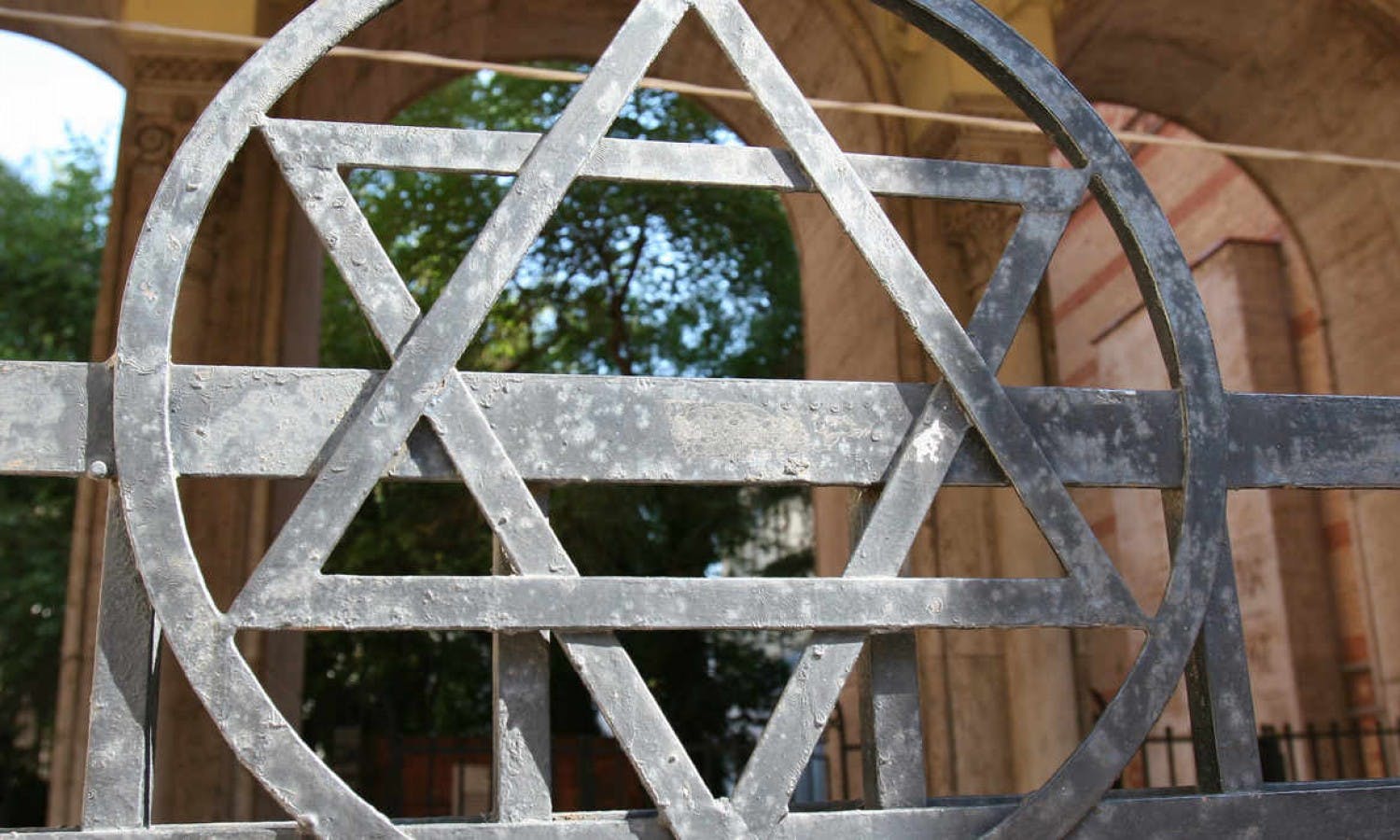
The centrepiece of the tour is Dohány Street Synagogue, also known as the Great Synagogue of Budapest. It is one of the city’s most important landmarks and is widely recognised as the largest synagogue in Europe. Its scale, twin towers, decorative brickwork and Moorish Revival design make it one of Budapest’s most striking religious buildings.
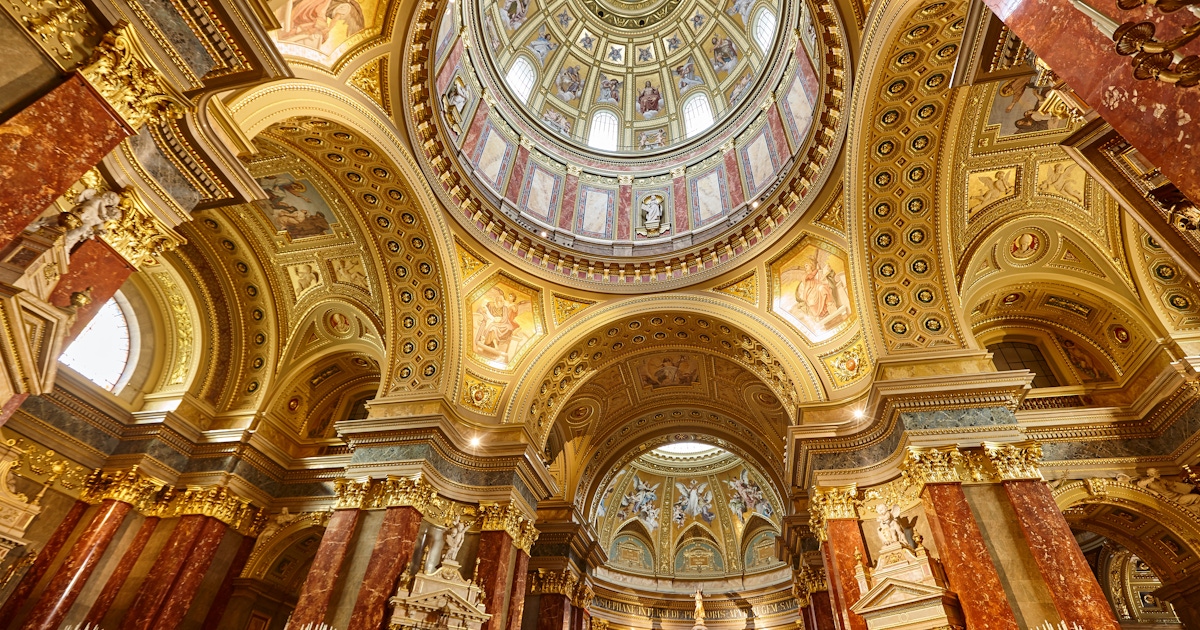
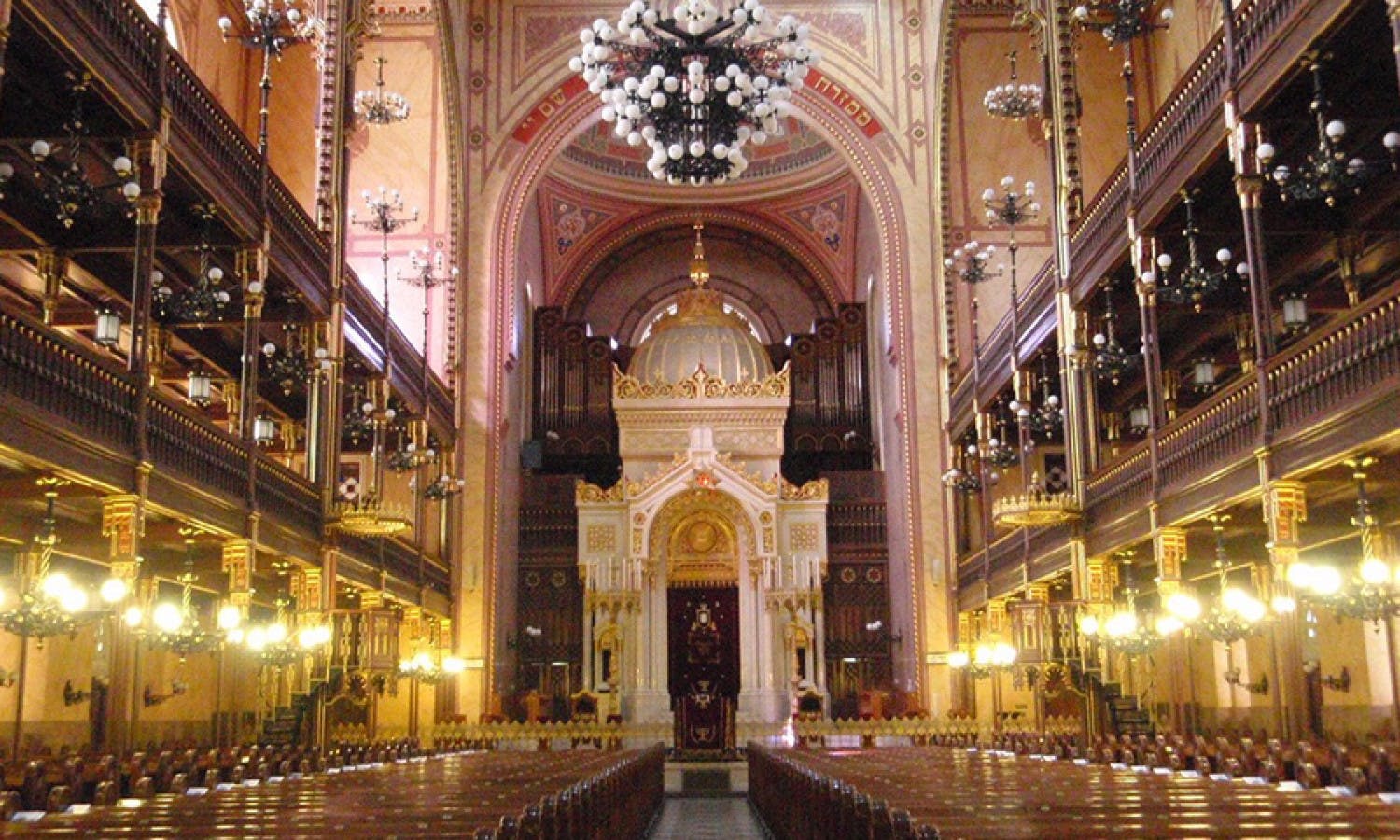
Inside, the synagogue is impressive for its size and detail. The grand interior, decorative arches, balconies and richly patterned surfaces reflect the confidence and cultural presence of the Jewish community in 19th-century Pest. A guide can help explain why the synagogue’s design is distinctive and how it reflects the history of Neolog Judaism in Hungary.
For travellers, this is not simply a beautiful building. It remains a sacred space and an important symbol of Jewish life in Budapest. Visitors should move through the synagogue respectfully, follow dress requirements and avoid treating it only as a photo opportunity.
Hungarian Jewish Museum
The tour also includes the Hungarian Jewish Museum, located within the synagogue complex. The museum introduces visitors to Hungarian Jewish heritage through religious objects, artworks, historical displays and cultural artefacts from Hungary and Eastern Europe.
This part of the tour helps visitors understand Jewish life beyond the synagogue building itself. Exhibits may include items connected with religious observance, holidays, family life, community traditions and Hungarian Jewish identity. A dedicated section also commemorates the Holocaust in Hungary, adding an important historical layer to the visit.
A guided visit is valuable because many objects require explanation. Ritual items, documents and artworks can be much more meaningful when placed in the context of everyday life, worship and the long history of Jewish communities in Hungary.
Martyrs’ Cemetery
One of the most moving stops on the tour is the Martyrs’ Cemetery in the synagogue courtyard. In Jewish tradition, cemeteries are not usually placed next to synagogues, which makes this site especially unusual and historically significant.
The cemetery exists because of the extreme circumstances of World War II and the Budapest Ghetto. Many people who died during the Holocaust and the final months of the war were buried in the synagogue courtyard. Today, the cemetery stands as a solemn reminder of the suffering endured by Budapest’s Jewish community.
This is a place for quiet reflection. Visitors should keep voices low, avoid intrusive photography and give the site the dignity it deserves.
Raoul Wallenberg Memorial Park
Raoul Wallenberg Memorial Park is another important part of the synagogue complex. Wallenberg was a Swedish diplomat remembered for helping save thousands of Hungarian Jews during the Holocaust. The memorial park honours both victims and rescuers, including those who risked their lives to protect others.
The park adds a human dimension to the tour. It is not only about architecture or historical dates, but about choices made under extreme circumstances. Stories connected with rescuers, resistance and remembrance make this part of the visit especially powerful.
Tree of Life Memorial
The Tree of Life Memorial is one of the most recognisable memorials in the complex. Designed as a weeping willow, its metallic leaves commemorate victims of the Holocaust. The sculpture is both beautiful and deeply sad, encouraging visitors to pause and remember the individuals behind the history.
The memorial’s setting within the synagogue complex makes it especially poignant. After seeing the grandeur of the synagogue and the cultural richness of the museum, the Tree of Life brings the tour into direct contact with loss, memory and survival.
Heroes’ Temple
The tour may also include an outside visit to the Heroes’ Temple. This smaller structure forms part of the wider Dohány Street Synagogue complex and is connected with remembrance of Hungarian Jewish soldiers who died in World War I.
Although it is not as visually dominant as the Great Synagogue, the Heroes’ Temple adds another layer to the site. It reminds visitors that Jewish Hungarian history is woven into the broader history of the country, including military service, civic life and national memory.
What to Wear and Know Before You Go
Because the tour includes entry into a synagogue, visitors should dress respectfully. Shoulders and knees should be covered. Lightweight scarves, cardigans or long trousers are useful in warmer months, especially if you have been sightseeing in summer clothing before the tour.
Dress code: Cover shoulders and knees when entering the synagogue.
Meeting point: The tour usually meets in front of Dohány Street Synagogue.
Arrival time: Arrive at least 10 minutes before the tour starts.
Footwear: Wear comfortable shoes, as this is a walking tour with standing time.
Photography: Follow your guide’s instructions and respect any restricted areas.
Food and drink: Meals and beverages are not normally included.
Pick-up: Hotel pick-up is not usually included, so plan your route to the meeting point.
How to Get There
Dohány Street Synagogue is located at Dohány utca 2 in Budapest’s District VII. The area is central and easy to reach by public transport, taxi or on foot from many city-centre hotels. Astoria metro station is one of the most convenient nearby stops, and the surrounding streets are walkable if you are staying near the inner city, Deák Ferenc tér or the Danube side of Pest.
Allow extra time if you are unfamiliar with Budapest’s streets. The synagogue is a major landmark, but the area can be busy, especially during peak sightseeing hours.
What to See Nearby
After the tour, it is worth spending more time in and around the Jewish Quarter. The neighbourhood has changed significantly over the years and now combines historic religious sites, memorials, restaurants, cafés, street art and nightlife.
Rumbach Street Synagogue
Rumbach Street Synagogue is another important Jewish heritage site nearby. Its Moorish-style architecture and restored interior make it a worthwhile addition if you want to explore the broader “synagogue triangle” of Budapest’s Jewish Quarter.
Kazinczy Street Synagogue
Kazinczy Street Synagogue is connected with Budapest’s Orthodox Jewish community. It provides another perspective on the religious diversity within Hungarian Jewish life.
Gozsdu Courtyard
Gozsdu Courtyard is a lively passageway filled with restaurants, cafés and bars. It is close to the Jewish Quarter’s heritage sites, although the atmosphere is much more modern and social.
Ruin Bars
Budapest’s famous ruin bars are also located in District VII. If visiting after a heritage tour, remember that this neighbourhood carries deep historical significance as well as nightlife appeal. It is possible to enjoy the area while still respecting its past.
Hungarian State Opera and Andrássy Avenue
A short walk from the Jewish Quarter brings you towards Andrássy Avenue, the Hungarian State Opera House and elegant central Budapest. This makes the tour easy to combine with a wider day of sightseeing.
Suggested Half-Day Itinerary
Start with the Jewish Heritage Tour at Dohány Street Synagogue. After the guided visit, take time to walk quietly through the surrounding Jewish Quarter. If you are interested in architecture, continue to Rumbach Street Synagogue and Kazinczy Street Synagogue. For lunch or coffee, choose one of the nearby cafés or restaurants, then walk towards Deák Ferenc tér or Andrássy Avenue for more central Budapest sightseeing.
If you prefer a slower and more reflective day, visit only one or two additional stops after the tour rather than trying to see everything at once. The synagogue complex and memorial sites deserve time to absorb.
Who Will Enjoy This Tour?
This tour is best for travellers who enjoy history, culture, architecture and meaningful guided experiences. It is not a light entertainment tour, although it is fascinating and highly worthwhile. Parts of the visit deal with Holocaust history, so expect moments that are solemn and emotional.
It is also a good choice for visitors who want an organised introduction to Jewish Budapest without needing to plan every detail independently. Having entrance fees and a professional guide included makes the experience straightforward and informative.
Travel Tips for a Better Experience
Book ahead during busy travel seasons, especially spring, summer and holiday periods.
Check current opening days, as synagogues may close on Saturdays and Jewish holidays.
Bring a light cover-up if visiting in warm weather.
Allow time before or after the tour for the surrounding Jewish Quarter.
Listen carefully to the guide, as much of the value comes from the historical context.
Keep the memorial areas respectful and avoid loud conversations.
Combine the tour with nearby heritage sites rather than rushing straight to another part of the city.
FAQs About the Jewish Heritage Tour in Budapest
How long is the Jewish Heritage Tour in Budapest?
The tour is a short guided walking experience, generally around two to two and a half hours. This makes it easy to include in a half-day Budapest sightseeing plan.
Does the tour include entry to Dohány Street Synagogue?
Yes, the tour includes an interior visit to Dohány Street Synagogue, along with other key parts of the synagogue complex.
Are entrance fees included?
Entrance fees are usually included in the tour, along with the services of a professional guide.
Where does the tour start?
The meeting point is generally in front of Dohány Street Synagogue at Dohány utca 2, 1074 Budapest. Arrive early so you have time to find your guide.
What should I wear?
Wear modest clothing that covers your shoulders and knees. Comfortable walking shoes are also recommended.
Is hotel pick-up included?
No, hotel pick-up is not normally included. You will need to make your own way to the meeting point.
Is this tour suitable for children?
Older children and teenagers with an interest in history may find the tour meaningful. However, some parts deal with Holocaust history and memorial sites, so parents should consider whether the subject matter is appropriate for younger children.
Can I visit the synagogue without a tour?
Yes, independent visits may be possible depending on opening times and ticket availability. However, a guided tour provides more background and helps explain the significance of the synagogue, museum and memorials.
Final Thoughts
A Jewish Heritage Tour in Budapest is one of the city’s most meaningful cultural experiences. It gives visitors the chance to see the magnificent Dohány Street Synagogue, explore the Hungarian Jewish Museum and reflect at memorial sites that preserve the memory of Budapest’s Jewish community.
For travellers who want to understand the deeper history of Budapest, this tour offers a respectful, informative and moving way to explore one of the city’s most important neighbourhoods.
Best deals for Jewish heritage tour in Budapest. Learn about the fascinating history of Jewish culture and life in Budapest. This tour will tell you the story of Hungarian Jews. Available from Musement.
Ready to book Jewish Heritage Tour in Budapest: What to See & Expect?
Check the supplier for current availability, pricing, inclusions and booking conditions.
Budapest: Cruises & boat tours Hungary Book the most popular Cruises & boat tours in Budapest. Best price and money back guarantee! Read the reviews of your fellow travelers. Check current availability, inclusions and booking conditions.
The BEST Budapest Tours and Things to Do in 2026 - FREE Cancellation | GetYourGuide Hungary Find the top-rated and best-reviewed tours and activities in Budapest for 2026. From prices and availability to skip-the-line options and mobile tickets, get all the information you… Check current availability, inclusions and booking conditions.
Christmas dinner and cruise with live music in Budapest Hungary Plan Christmas dinner and cruise with live music in Budapest, a food and drink experience, with practical tips on timing, inclusions and what to check before booking. Compare current availability, prices and booking conditions before you go.
Alternative Budapest tour Hungary Plan Alternative Budapest tour, a outdoor experience, with practical tips on timing, inclusions and what to check before booking. Compare current availability, prices and booking conditions before you go.
Lake Balaton and cruise from Budapest Hungary Plan Lake Balaton and cruise from Budapest, a water-based experience, with practical tips on timing, inclusions and what to check before booking. Compare current availability, prices and booking conditions before you go.
Budapest Art Nouveau tour with a historian guide Hungary Plan Budapest Art Nouveau tour with a historian guide, a guided sightseeing experience, with practical tips on timing, inclusions and what to check before booking. Compare current availability, prices and booking conditions before you go.
A Journey through Jewish Budapest with a Historian Hungary Plan A Journey through Jewish Budapest with a Historian, a guided sightseeing experience, with practical tips on timing, inclusions and what to check before booking. Compare current availability, prices and booking conditions before you go.
Café Wandering tour: An Excursion through Budapest’s Belle Epoque Hungary Plan Café Wandering tour: An Excursion through Budapest’s Belle Epoque, a guided sightseeing experience, with practical tips on timing, inclusions and what to check before booking. Compare current availability, prices and booking conditions before you go.