Hanga Roa: A Practical Travel Guide to the Main Town of Rapa Nui
Hanga Roa is the main town of Rapa Nui, the remote Pacific island also known as Easter Island. It is where most travellers stay, eat, book tours, arrange transport and begin their journey into the island’s extraordinary world of moai, volcanic landscapes, ocean cliffs and Polynesian culture.
Although many visitors come to Rapa Nui for the famous archaeological sites, Hanga Roa itself is worth exploring. The town has a relaxed coastal rhythm, colourful fishing boats, craft markets, small restaurants, surf breaks, sunset viewpoints and several important moai sites within walking distance.
Sponsored Popular Items
Quick take: Musement.com offers a worldwide selection of tours and attractions
Hanga Roa is the only main town on Rapa Nui. It sits on the island’s west coast, close to Mataveri International Airport, and acts as the practical centre for almost every visit to Easter Island.
This is where you will find most accommodation, restaurants, cafés, tour offices, car hire, supermarkets, diving centres, souvenir shops and local services. The town is small enough to explore on foot, but it is also the starting point for guided tours to Rapa Nui National Park and the island’s major archaeological sites.
Hanga Roa is not a large resort town. It feels more like a remote island settlement with a mix of local homes, guesthouses, gardens, horses, churches, coastal paths, small shops and ocean views. That relaxed pace is part of its charm.
Why Stay in Hanga Roa?
Hanga Roa is the most convenient place to stay on Rapa Nui because almost everything a visitor needs is based here. You can walk to restaurants, arrange tours, buy supplies, visit the harbour, watch the sunset at Ahu Tahai and reach the airport quickly.
Staying in Hanga Roa also gives you a better sense of everyday island life. Between guided tours, you can wander the waterfront, visit craft stalls, watch surfers, see fishing boats return to shore, and enjoy the slower rhythm of a remote Polynesian community.
For first-time visitors, Hanga Roa is the obvious base. It allows you to explore the island during the day while still having easy access to food, accommodation and services in the evening.
Best Things to Do in Hanga Roa
Walk the Waterfront
The coastal walk through Hanga Roa is one of the easiest and most enjoyable things to do in town. You can see volcanic rock coastline, waves crashing into the shore, small moai platforms, fishing boats, sea turtles near the harbour and sunset views across the Pacific.
Visit Ahu Tahai
Ahu Tahai is one of the most accessible ceremonial sites near Hanga Roa and one of the best places on the island to watch the sunset. The site includes restored moai platforms and open grassy areas facing the sea.
Explore Hanga Roa Harbour
The harbour is small but full of character. Colourful boats, clear blue water, moai figures, local fishermen and occasional sea turtles make it a pleasant place for a short walk or photo stop.
Browse the Craft Market
Hanga Roa has craft shops and market stalls where visitors can find carved wooden moai, jewellery, textiles, shells, prints, souvenirs and locally made pieces. Buying directly from local makers is a good way to support the island economy.
Visit the Church
The Catholic church in Hanga Roa is interesting because it combines Christian and Rapa Nui artistic elements. Look for carved details, local symbolism and the way island identity is reflected in the design.
Go Diving or Snorkelling
The waters around Rapa Nui are known for excellent visibility. Hanga Roa has diving centres that arrange trips for qualified divers and introductory experiences for beginners. Snorkelling may also be available depending on conditions.
Watch the Surf
The coastline near Hanga Roa has surf breaks where locals and visitors ride the waves. Even if you do not surf, it is enjoyable to watch from the shore, especially in the late afternoon.
Ahu Tahai Sunset
Ahu Tahai is one of the most memorable places near Hanga Roa. It is within walking distance of the town centre and is famous for sunset views, when the moai become dark silhouettes against the evening sky.
This is a popular gathering place, so arrive early if you want a good viewing spot. Bring a light jacket, as the wind can feel cool after the sun drops. Stay behind marked boundaries and respect the site, as it is both a sacred cultural place and a protected archaeological area.
Hanga Roa Harbour
Hanga Roa Harbour gives visitors a close look at the island’s connection with the sea. Fishing boats, diving boats and small craft use the harbour, while locals often gather nearby. The water can be remarkably clear, and sea turtles are sometimes seen near the rocks.
The harbour is also a good place to understand how small and remote the island feels. Rapa Nui is not a destination of large marinas or cruise terminals in the usual sense. The harbour has a working local character, which makes it more interesting than a polished tourist waterfront.
Museo Antropológico Padre Sebastián Englert
The Museo Antropológico Padre Sebastián Englert is an important cultural stop near Hanga Roa. It helps explain the history, archaeology, language, beliefs and material culture of Rapa Nui.
Visiting the museum early in your trip can make the archaeological sites more meaningful. Before seeing places such as Rano Raraku, Ahu Tongariki, Orongo and Anakena, it helps to understand the cultural background of the moai, ahu platforms, clan territories and changing history of the island.
Where to Eat and Drink
Hanga Roa has the island’s main range of restaurants, cafés and casual eateries. Seafood is a natural focus, with tuna, ceviche, fish dishes and Polynesian-inspired meals commonly found on menus. You will also find empanadas, grilled meats, Chilean dishes, tropical fruit juices and simple café food.
Because Rapa Nui is remote, food prices can be higher than on mainland Chile. Many ingredients must be flown or shipped in, so it is sensible to budget more for meals than you would in Santiago or Valparaíso.
If your accommodation has a kitchen, buying some groceries in Hanga Roa can help reduce costs, especially for breakfast, snacks and simple meals.
Best Day Trips from Hanga Roa
Rano Raraku
Rano Raraku is the volcanic quarry where many of the island’s moai were carved. It is one of the most important and atmospheric sites on Rapa Nui, with unfinished and partly buried moai scattered across the slopes.
Ahu Tongariki
Ahu Tongariki is the largest restored moai platform on the island and one of the most famous views in Rapa Nui. It is especially popular at sunrise, when the moai stand in silhouette against the early light.
Rano Kau and Orongo
Rano Kau is a dramatic volcanic crater near Hanga Roa, while Orongo is the ceremonial village linked to the Birdman tradition. Together they make one of the most important cultural and scenic excursions from town.
Anakena Beach
Anakena is Rapa Nui’s best-known beach, with pale sand, palm trees, clear water and moai nearby. It is a beautiful place to relax after several days of archaeological sightseeing.
Ana Kakenga
Ana Kakenga, often called the cave of two windows, is a volcanic cave with openings facing the ocean. It is a striking site, but it should only be visited with proper guidance and care because the terrain can be uneven and dark.
How Long to Stay
Two nights: Very rushed. You can see a few highlights, but you will not have much time to understand the island.
Three to four nights: A reasonable minimum for first-time visitors. This allows time for Hanga Roa, Ahu Tahai, Rano Raraku, Ahu Tongariki, Rano Kau, Orongo and Anakena.
Five to six nights: Better for a more relaxed visit. You can spread out tours, revisit sunset spots, include a museum visit, go diving or snorkelling, and enjoy Hanga Roa without rushing.
One week or more: Ideal for travellers who want a deeper cultural, photographic or nature-focused experience.
Simple Hanga Roa Itinerary
Day 1: Arrive and Explore Hanga Roa
Arrive at Mataveri International Airport.
Transfer to your accommodation in Hanga Roa.
Walk through town and along the waterfront.
Visit the harbour and craft market.
Watch sunset at Ahu Tahai.
Day 2: Rano Raraku and Ahu Tongariki
Join a guided tour to Rano Raraku quarry.
Visit Ahu Tongariki and nearby coastal sites.
Stop at Anakena Beach if included in your route.
Return to Hanga Roa for dinner.
Day 3: Rano Kau, Orongo and Museum
Visit Rano Kau volcanic crater.
Explore Orongo ceremonial village with a guide.
Return to town and visit the museum.
Enjoy a relaxed evening in Hanga Roa.
Day 4: Slow Island Day
Go snorkelling, diving or take a coastal walk.
Browse local shops and cafés.
Return to your favourite sunset spot.
Use the evening to enjoy local food or a cultural performance if available.
Practical Travel Tips
Book Accommodation Early
Hanga Roa has a range of guesthouses, small hotels, cabins and higher-end lodges, but availability can be limited during busy periods. Book early if travelling during festivals, holidays or peak travel months.
Understand the Park Rules
Many of Rapa Nui’s major archaeological sites are inside Rapa Nui National Park. Visitors need to follow current entry requirements, which may include buying a park ticket and visiting protected sites with an accredited guide.
Respect Sacred Sites
Never climb on ahu platforms, touch moai, move stones or cross barriers. These are not just monuments; they are sacred ancestral and archaeological places.
Carry Cash
Cards are accepted in many places, but cash is still useful for small purchases, taxis, markets and tips. ATMs can be limited, so do not rely on withdrawing money at the last minute.
Budget More Than Mainland Chile
Rapa Nui is remote, and many goods are imported. Accommodation, food, fuel and tours can cost more than expected.
Use Hanga Roa as Your Base
Even if you hire a car or join tours around the island, Hanga Roa remains the most practical place to return to each evening for meals, supplies and services.
Pack for Sun, Wind and Rain
The weather can change quickly. Bring sunscreen, a hat, sunglasses, a light rain jacket, comfortable walking shoes and layers for windy coastal evenings.
Do Not Rush the Island
Rapa Nui is not only a place to photograph moai. It is a living island with a strong culture, sensitive heritage and fragile environment. Give yourself enough time to listen, learn and move respectfully.
FAQs About Hanga Roa
Is Hanga Roa the main town on Easter Island?
Yes. Hanga Roa is the main town and practical centre of Rapa Nui. Most accommodation, restaurants, shops, tour offices and services are located here.
Can you walk around Hanga Roa?
Yes. Hanga Roa is small and walkable. You can explore the waterfront, harbour, craft market, restaurants and Ahu Tahai area on foot.
Is Hanga Roa close to the airport?
Yes. Mataveri International Airport is very close to Hanga Roa, making transfers short and simple.
What is the best thing to do in Hanga Roa?
One of the best experiences is walking to Ahu Tahai for sunset. The harbour, craft market, museum, church and waterfront are also worth exploring.
Do I need a guide in Hanga Roa?
You can explore the town independently, but protected archaeological sites within Rapa Nui National Park require visitors to follow current park entry and guide rules. For the major moai sites, a guide is strongly recommended and may be required.
How many days should I stay in Hanga Roa?
Stay at least three to four nights if possible. Five or more nights gives you a more relaxed and rewarding experience.
Is Hanga Roa expensive?
It can be more expensive than mainland Chile because of the island’s isolation. Accommodation, food, fuel and tours should be budgeted carefully.
Can you see moai in Hanga Roa?
Yes. Several moai and ceremonial sites are near or within walking distance of town, including the Ahu Tahai area and coastal moai near the harbour.
Final Thoughts
Hanga Roa is much more than a place to sleep between tours. It is the heart of Rapa Nui’s visitor experience and the best base for understanding the island’s culture, coastline and daily life.
From the harbour and craft markets to Ahu Tahai sunsets and guided trips into Rapa Nui National Park, Hanga Roa gives travellers a practical and atmospheric starting point for one of the world’s most remote and fascinating destinations. Stay long enough to slow down, respect the island’s heritage, and let the rhythm of Rapa Nui unfold beyond the famous stone faces.
Sponsored Popular Items
Quick take: Musement.com offers a worldwide selection of tours and attractions
Long Tan & Nui Dat: Vietnam War History & Long Phuoc Tunnels Vietnam Journey from Ho Chi Minh City to Long Tan and Nui Dat to uncover powerful Vietnam War stories, visit former military sites and memorials, and explore the historic Long Phuoc Tunnels
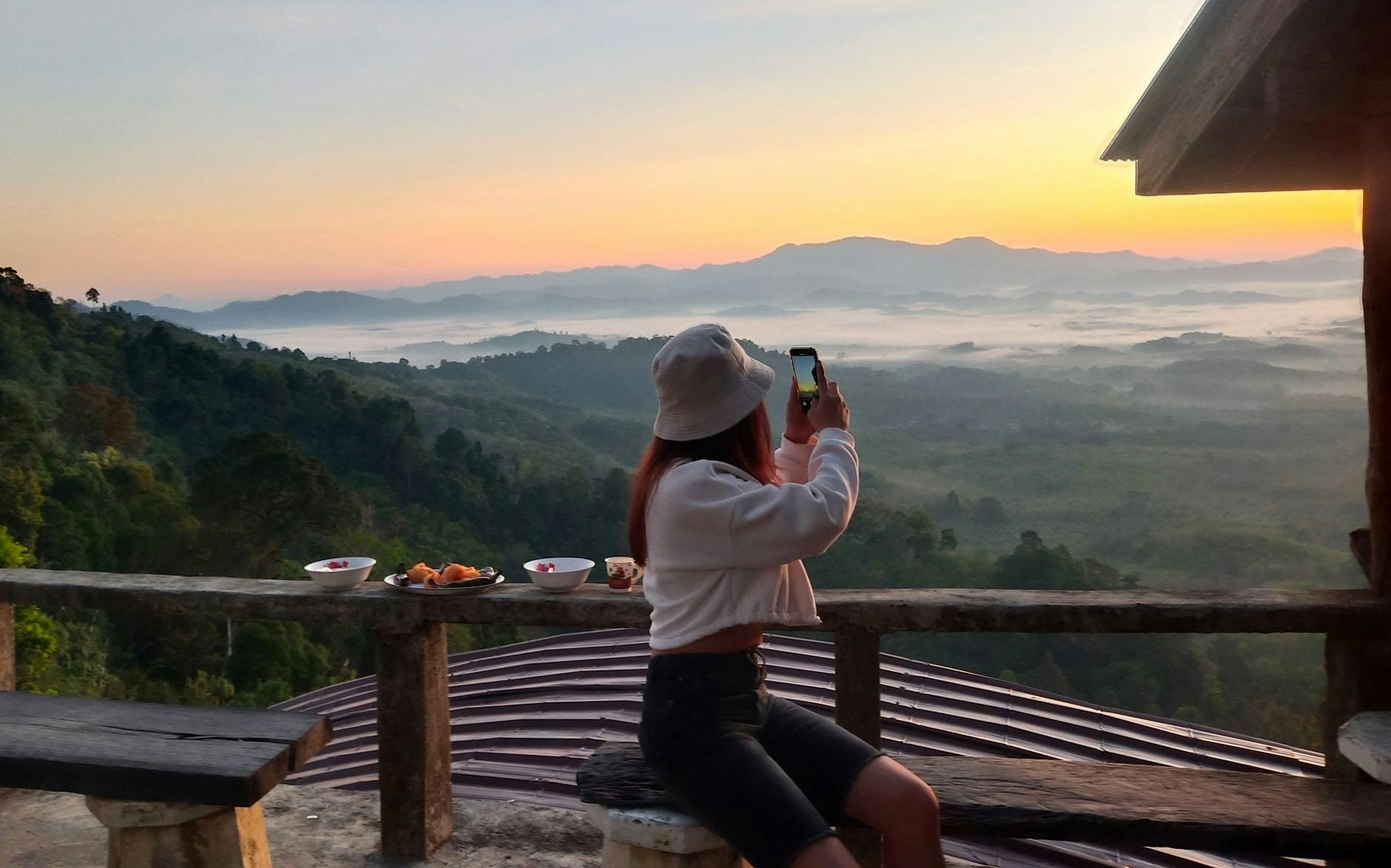
Khao Lak Magical Sunrise at Khao Khai Nui – Guided Sightseeing Tour Thailand Khao Lak Magical Sunrise at Khao Khai Nui USD 192 adds structure, local context and purposeful sightseeing to the itinerary. Check current availability, inclusions and booking details before you go.
Gold Coast: Southport to Main Beach Segway Tour Australia Experience the ultimate Gold Coast adventure as you glide effortlessly on a Segway from Southport to Main Beach. Check current availability, inclusions and booking conditions.
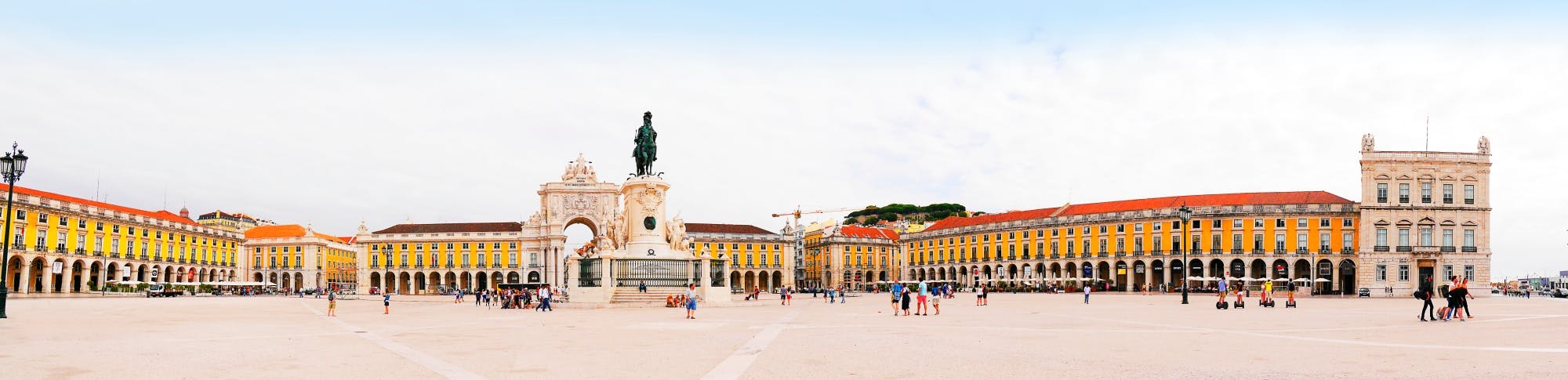
Hop-On Hop-Off Bus Tour Tickets for Lisbon's Main Avenues and Historical Quarter Portugal Plan Hop-On Hop-Off Bus Tour Tickets for Lisbon's Main Avenues and Historical Quarter, a cultural or heritage experience, with practical tips on timing, inclusions and what to check before booking. Compare current availability, prices and booking conditions before you go.
Walking Tour to Uppsalas Main Attractions Sweden Planning Walking Tour to Uppsalas Main Attractions For an attraction or entry ticket, check exactly what is included and whether advance reservation is required. Check current availability, inclusions and booking details before you go.